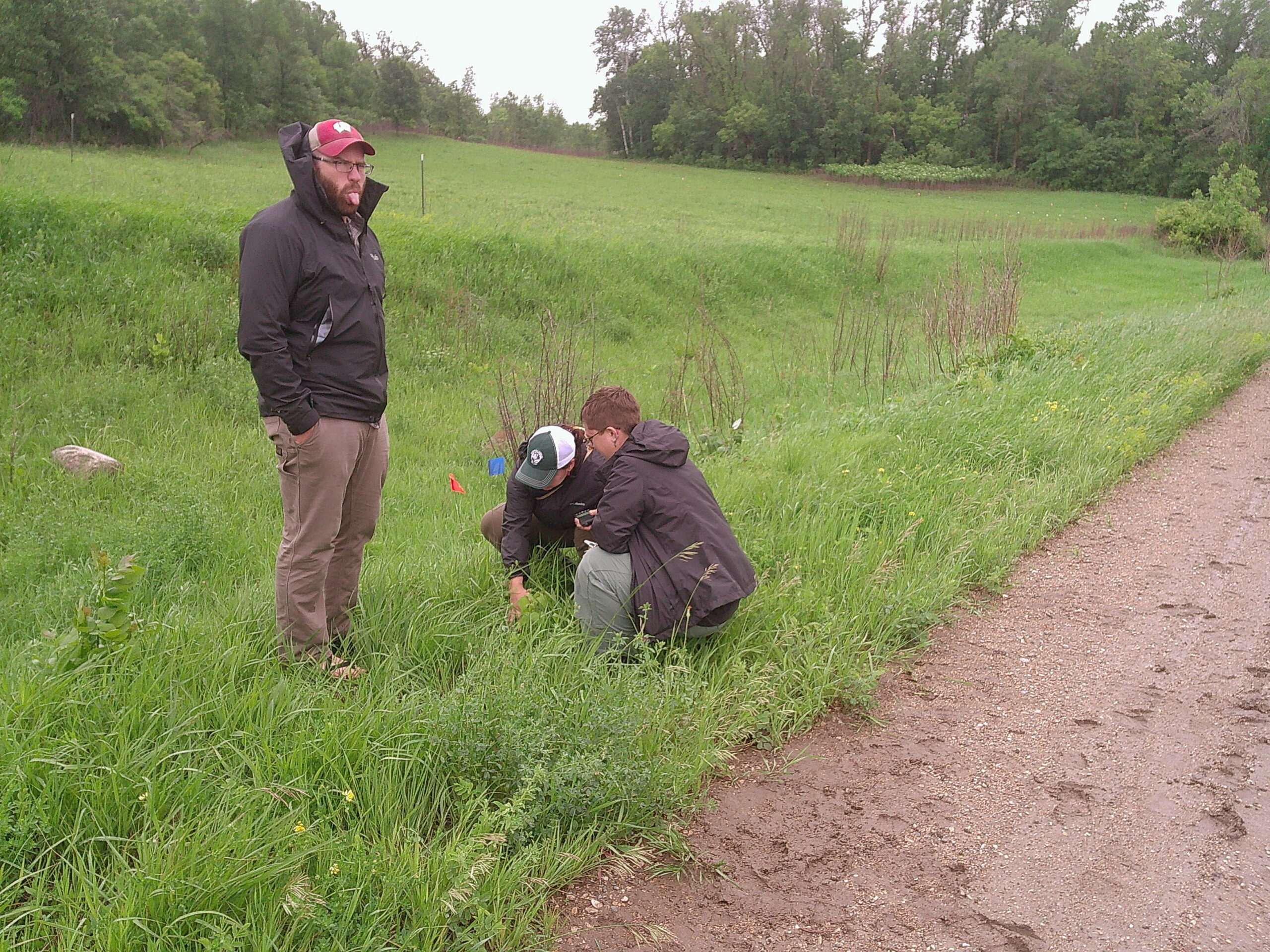
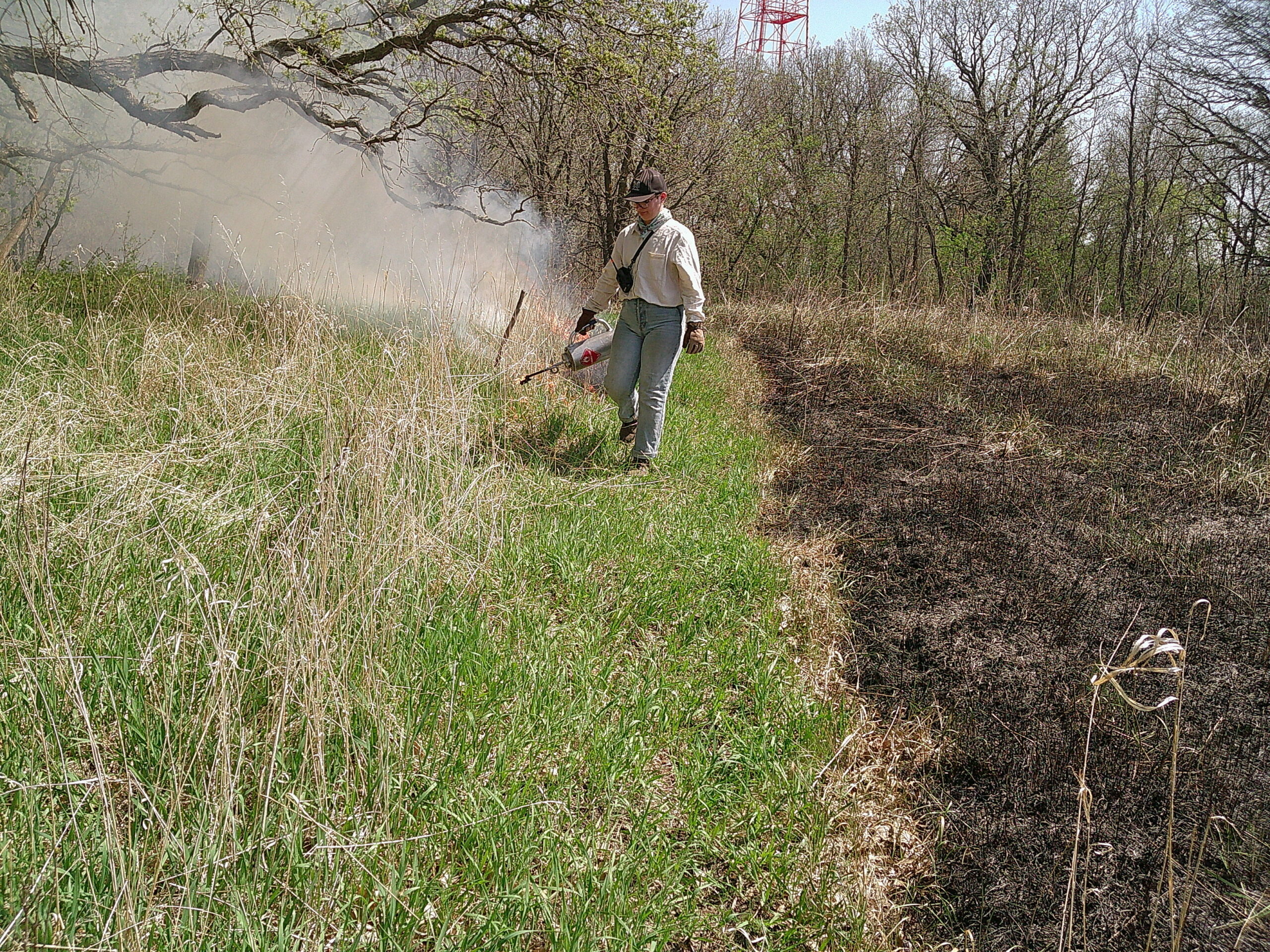
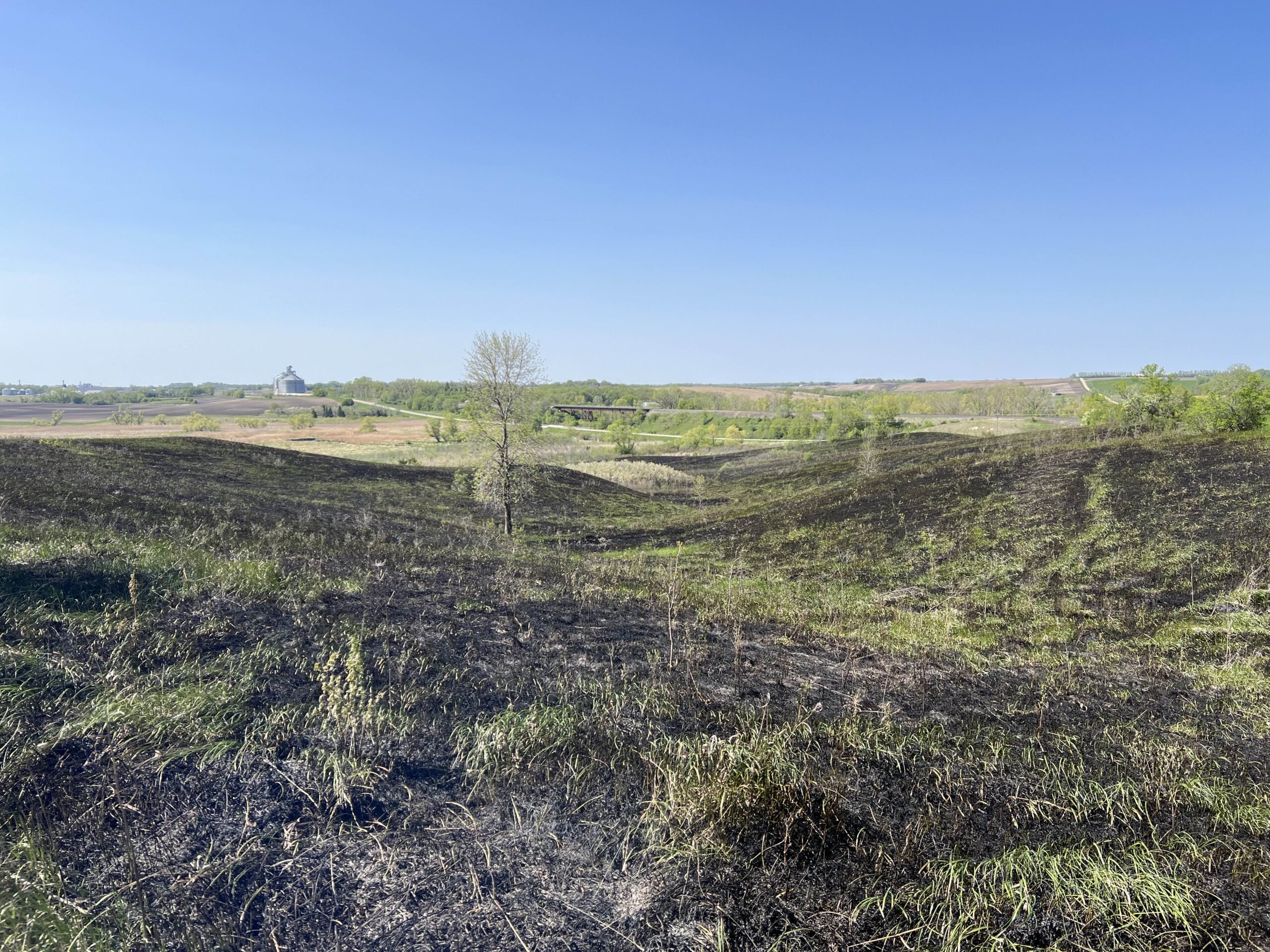
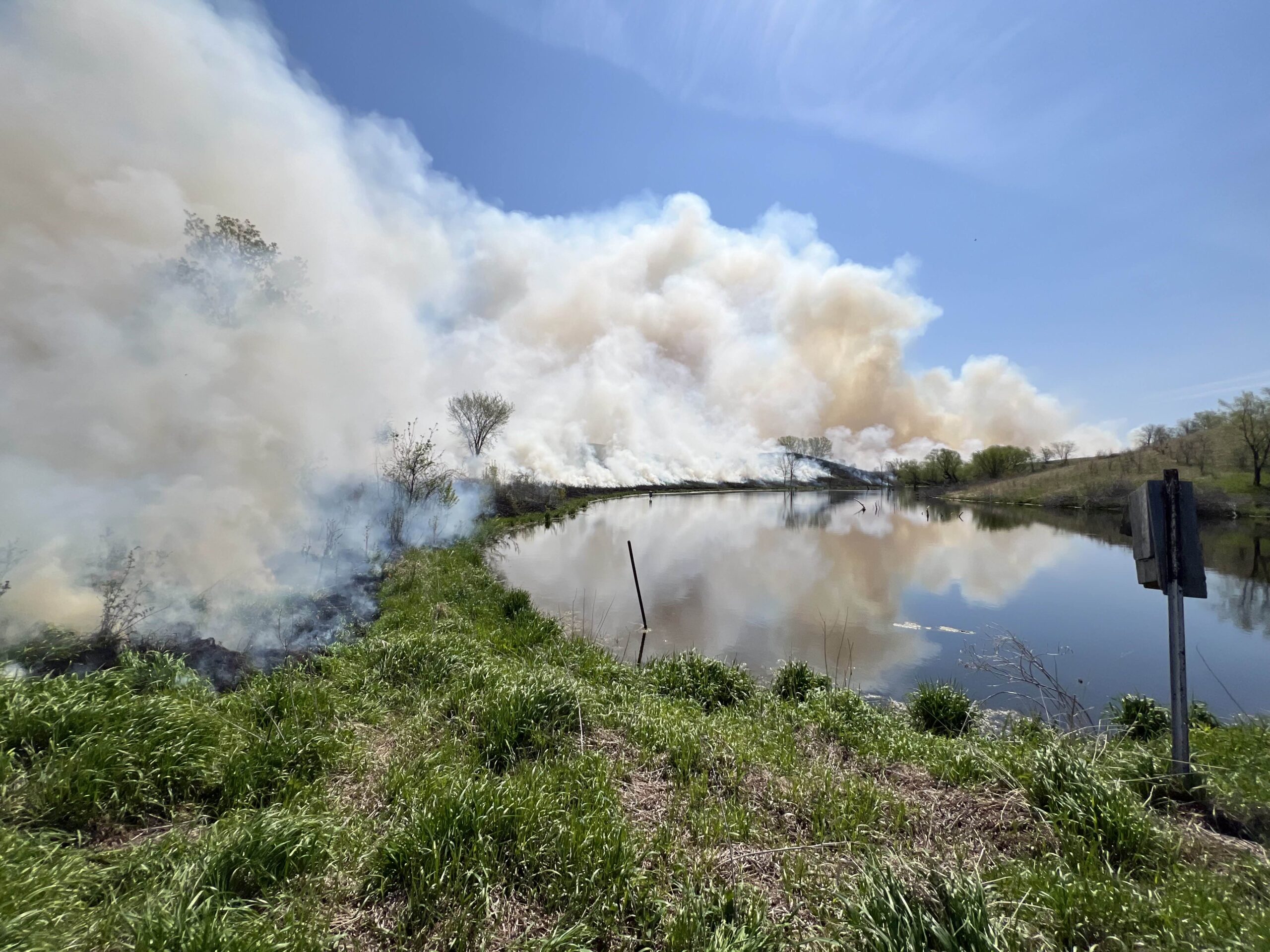
The aphid addition and exclusion experiment was started in 2011 by Katherine Muller. The original experiment included 100 plants selected from exPt01 that were each assigned to have aphids either added or excluded across multiple years. The intention is to assess the impact of the specialist herbivore Aphis Echinaceae on Echinacea fitness.
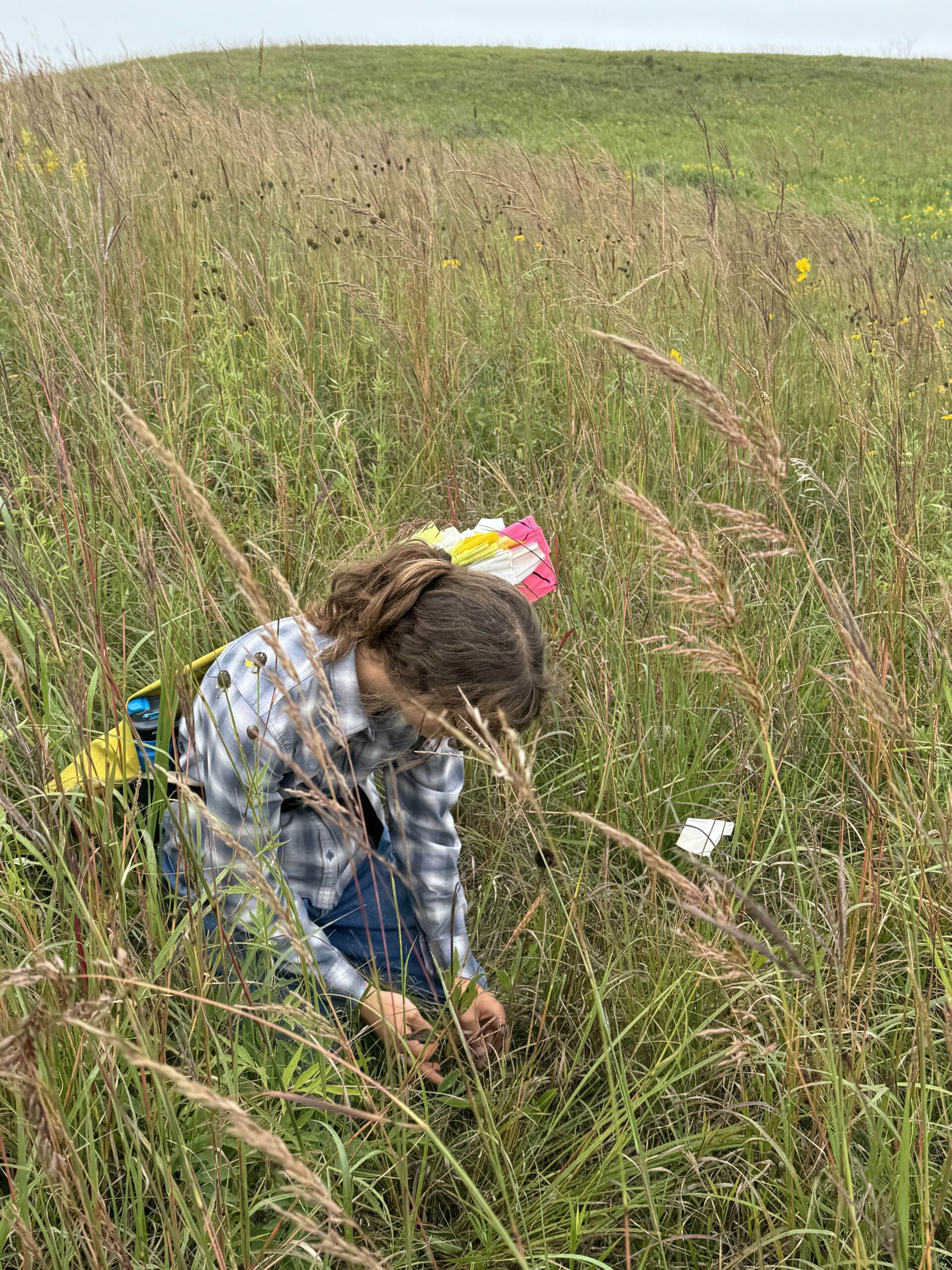
In 2025, 32 of the original 100 plants were alive, 12 addition and 20 exclusion plants. Unfortunately, no aphids were found in exP01 but many aphids were found in other remnant plots this year. As soon as I can I will transfer aphids from the plants out in remnants to plants in exP01 to get this experiment on the move.
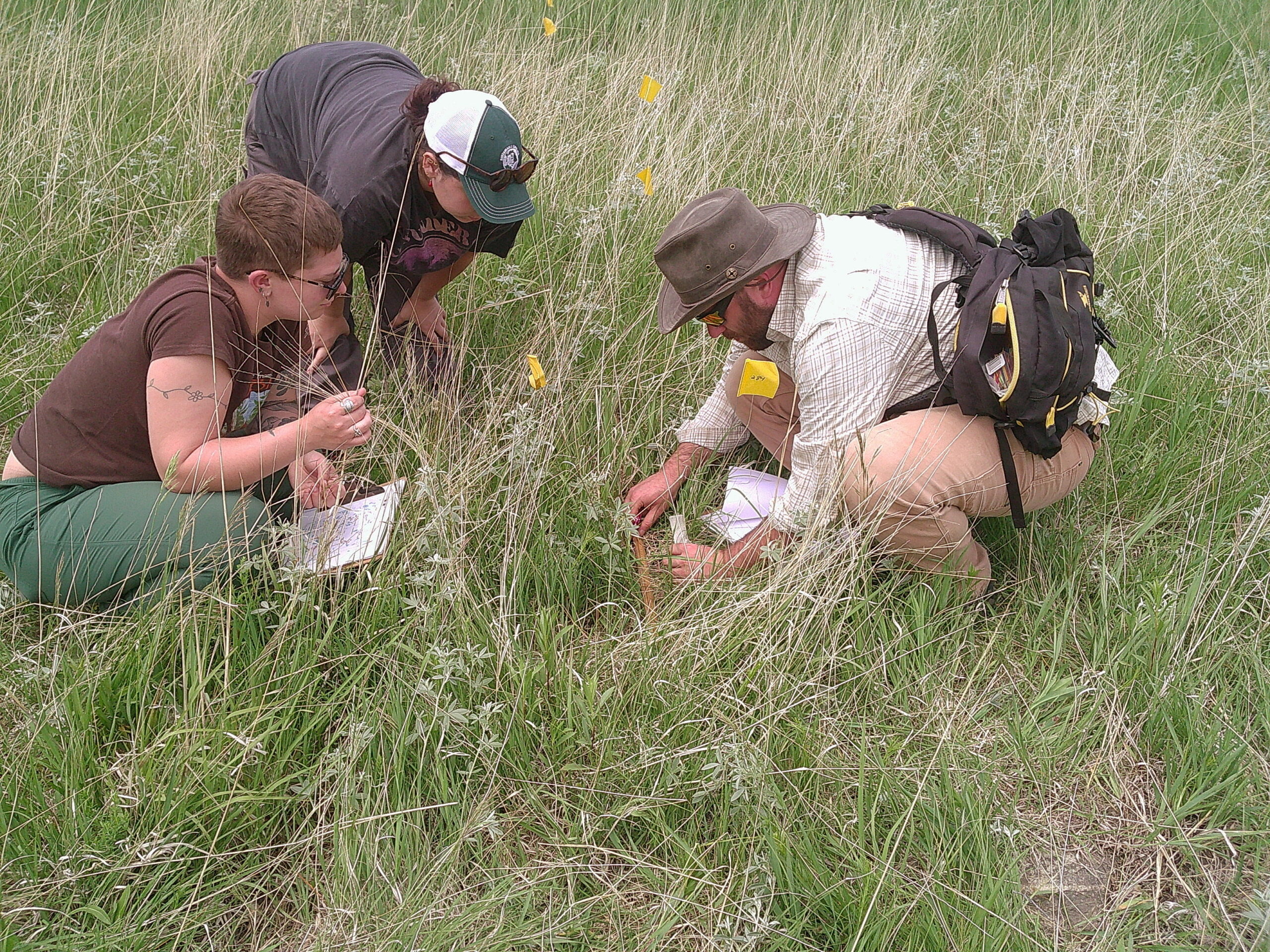
Plant status (basal, flowering, not present), aphids present, ants present, herbivory (number of leaves significantly chewed on), and the number of aphids added/removed (depending on specific treatment)
Protocols and datasheets are located at ~Dropbox\aphidAddEx\aphids2025
Samples collected: NA
Products:
Andy Hoyt’s poster presented at the Fall 2018 Research Symposium at Carleton College
2016 paper by Katherine Muller and Stuart on aphids and foliar herbivory damage on Echinacea
2015 paper by Ruth Shaw and Stuart on fitness and demographic consequences of aphid loads
After four years on Team Echinacea, today is my last official day with the project. As a write this from the Chicago Botanic Garden, it’s hard not to get all retrospective about it. I’ve been on the team for 1/6th of my life! But also, only for about 1/8th of the span of the Echinacea Project’s existence. Now that’s crazy. I feel so fortunate to have been with this project in so many capacities—first as a summer REU student, then a work study, a grad student, and lastly a lab manager/research assistant. My time here has profoundly shaped me as a scientist and person, and I will always be grateful.
My last weeks in the field in Minnesota were at the start of June, first with just Stuart, Maddie, Maddie, and Jared, and then joined by the rest of the summer 2025 team. We got a lot done, and had fun to boot!
During the first week, the Maddies, Jared, and I staked, flagged, and searched seed addition transects in the remnants. Many seedlings juveniles were found!
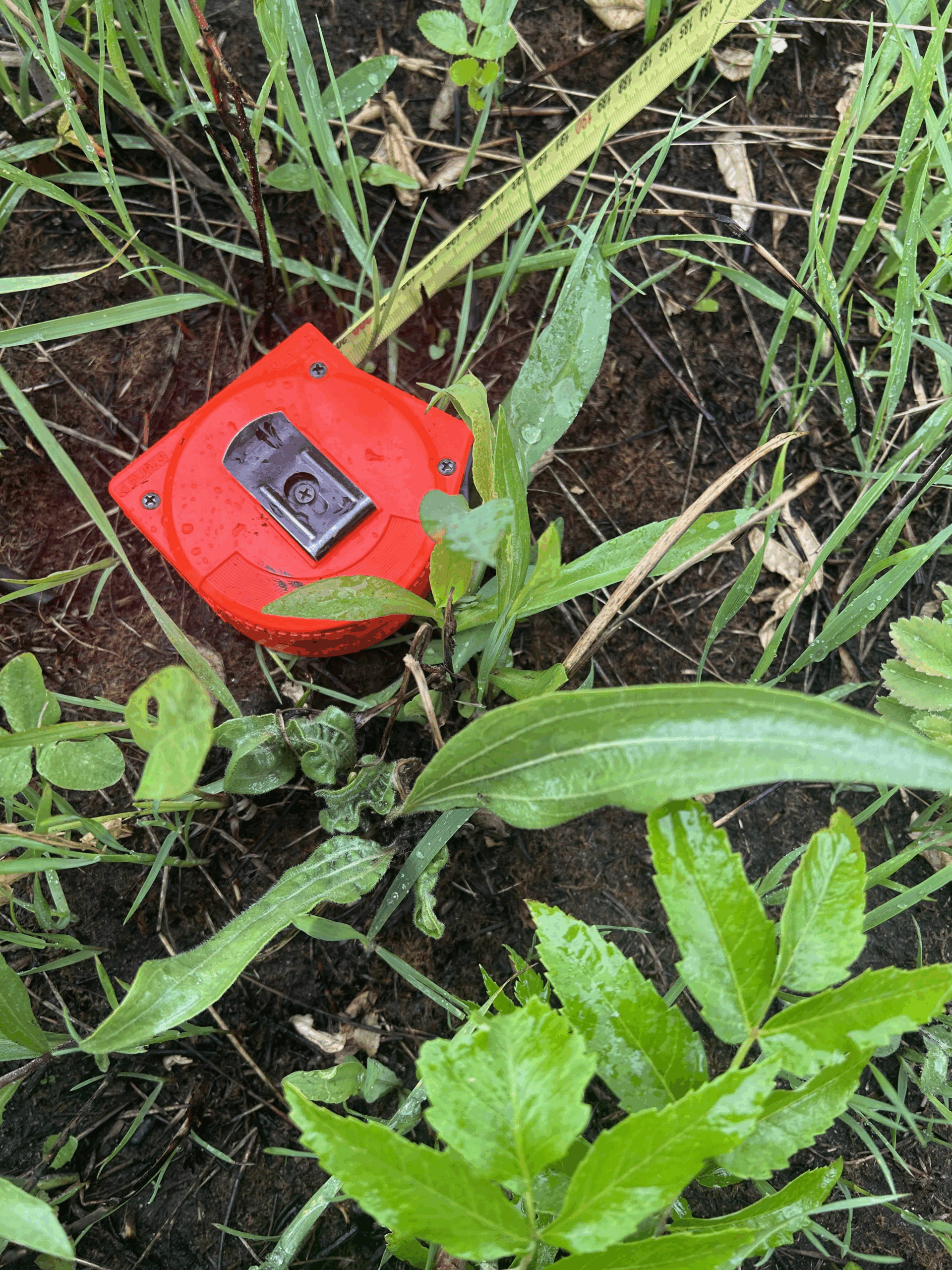
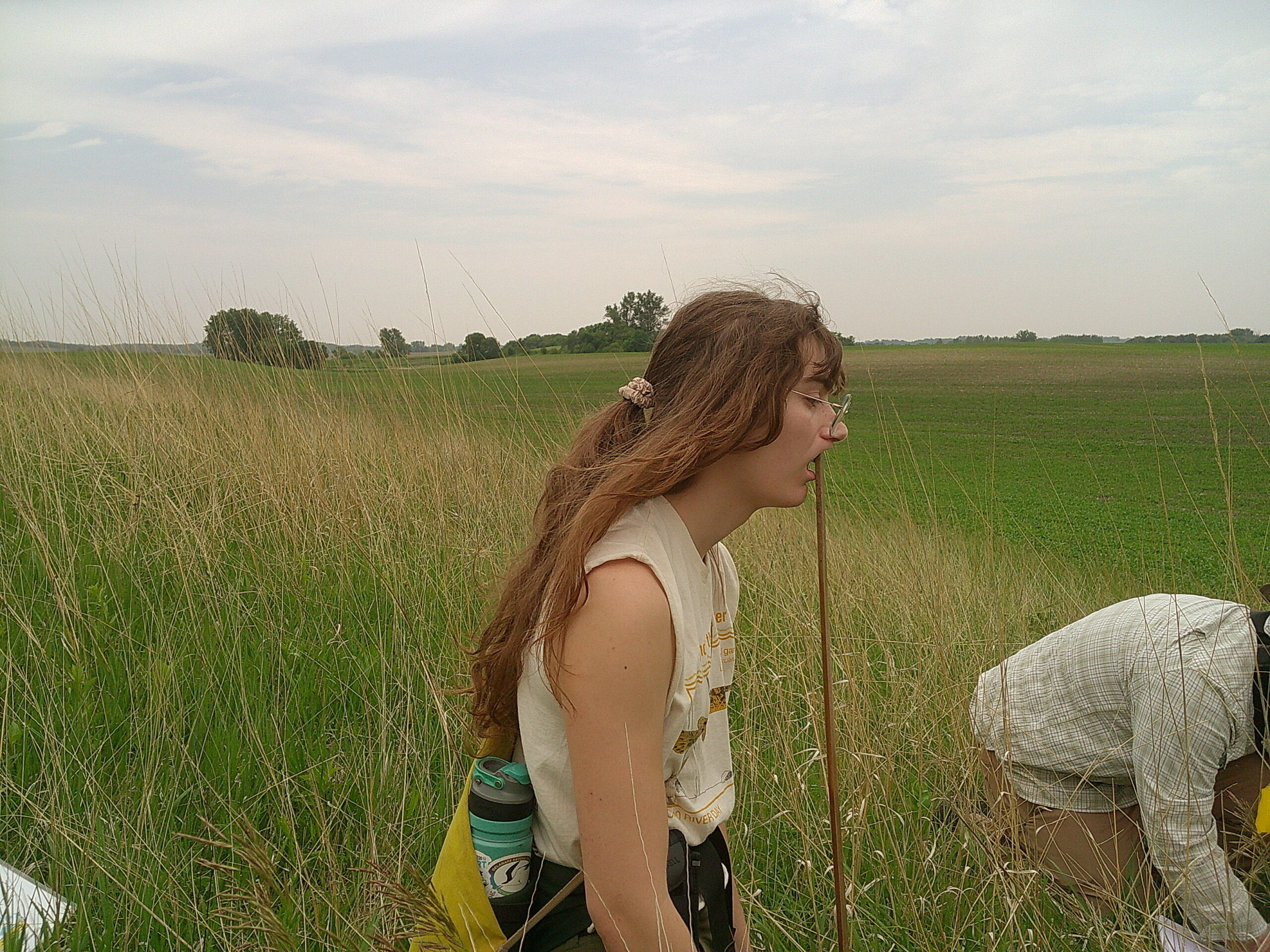
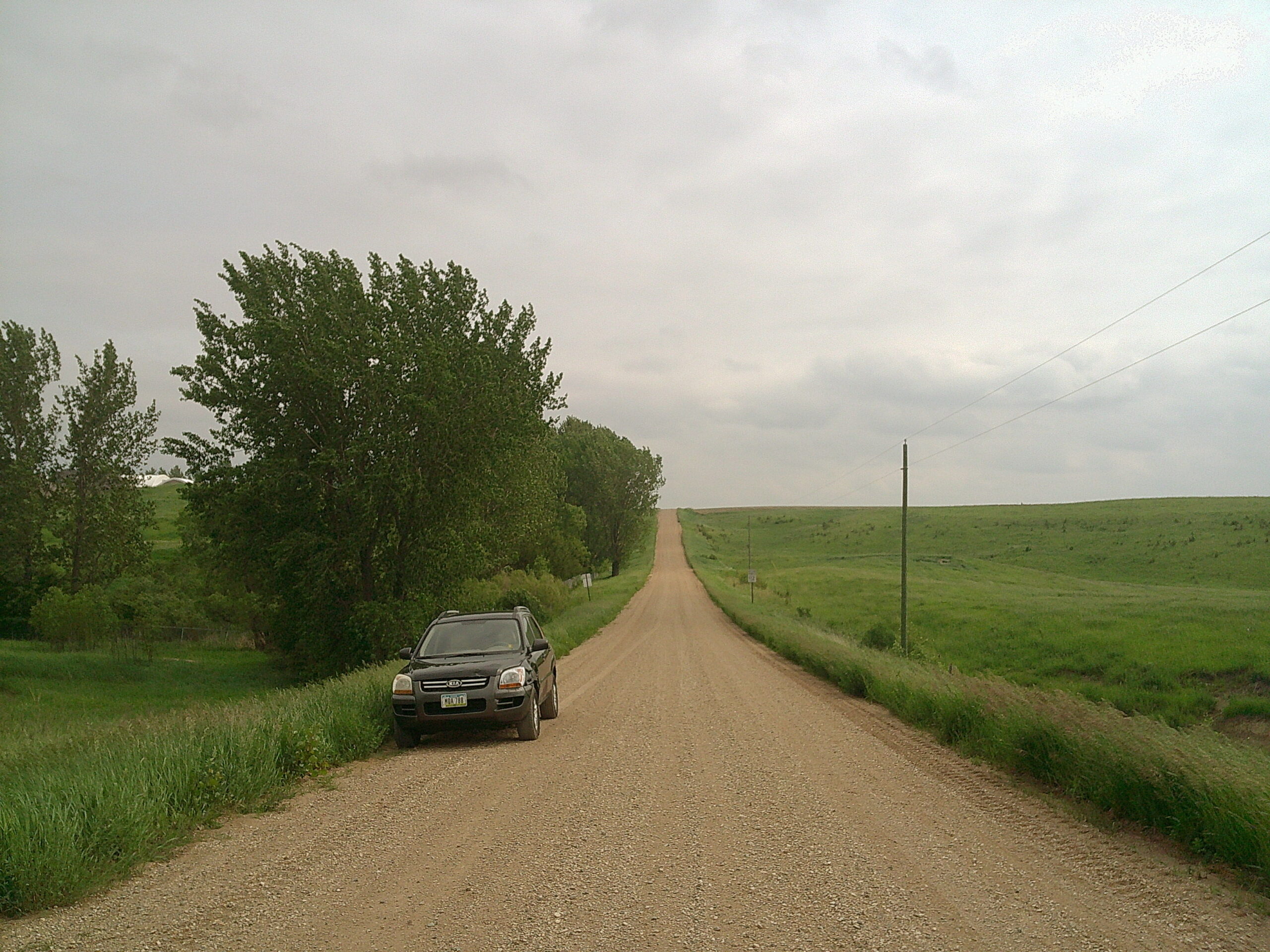
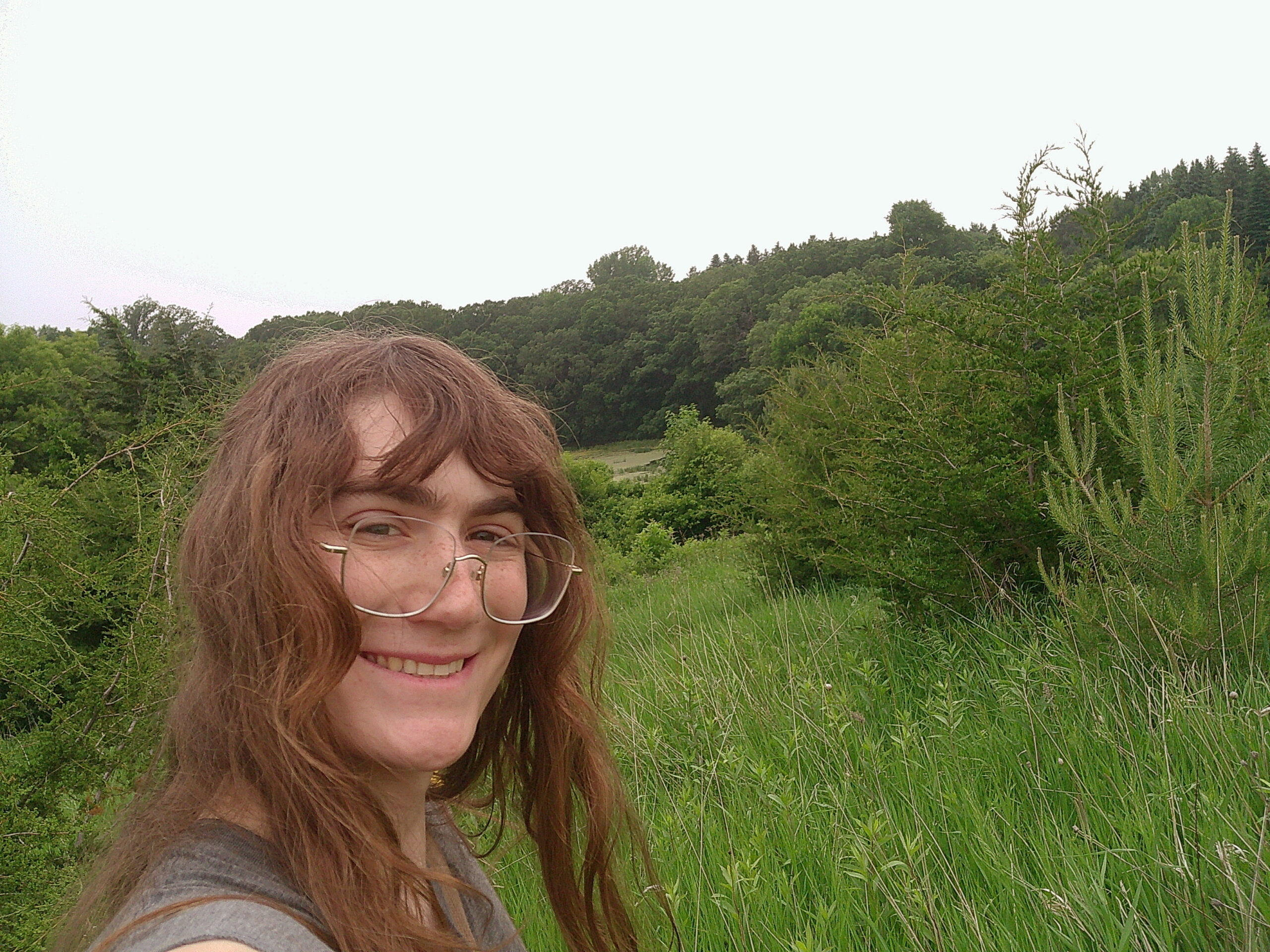
Yummy meter stickMaddie’s car stands sentinel at alfSelfie from my trip to Krusmarks!Jared demonstrates searching a transect at Nice Island
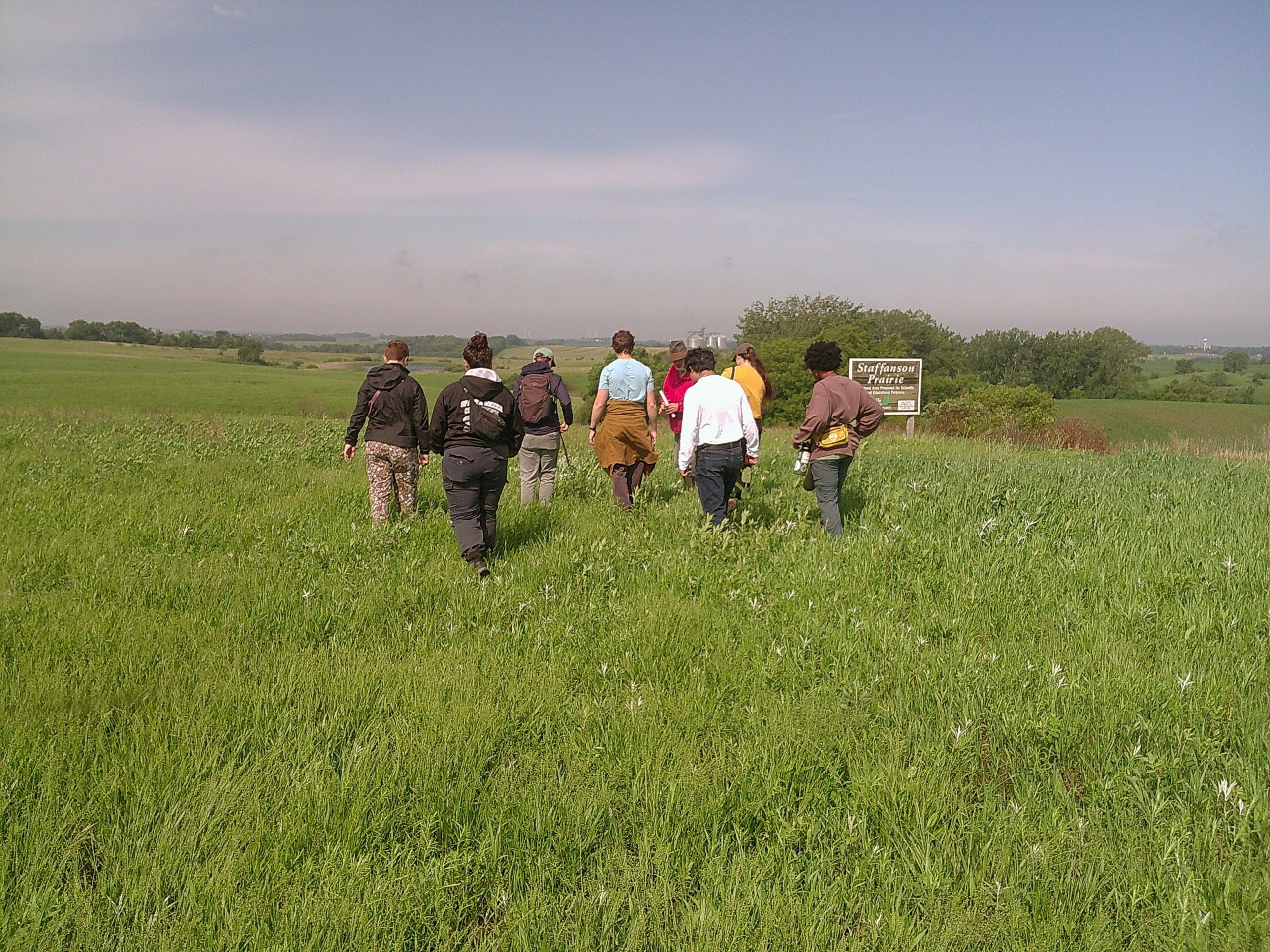
After the rest of the team arrived the following Monday, we did some onboarding activities, including a visit to Staffanson and Hegg Lake. Both these sites burned this spring! This, plus the fact that we burned p1 and p8, means that p1, p2, p3, p4, p5, p7, p8, and p9 all burned this year. Gee whiz! A bountiful harvest lies ahead, I suspect.
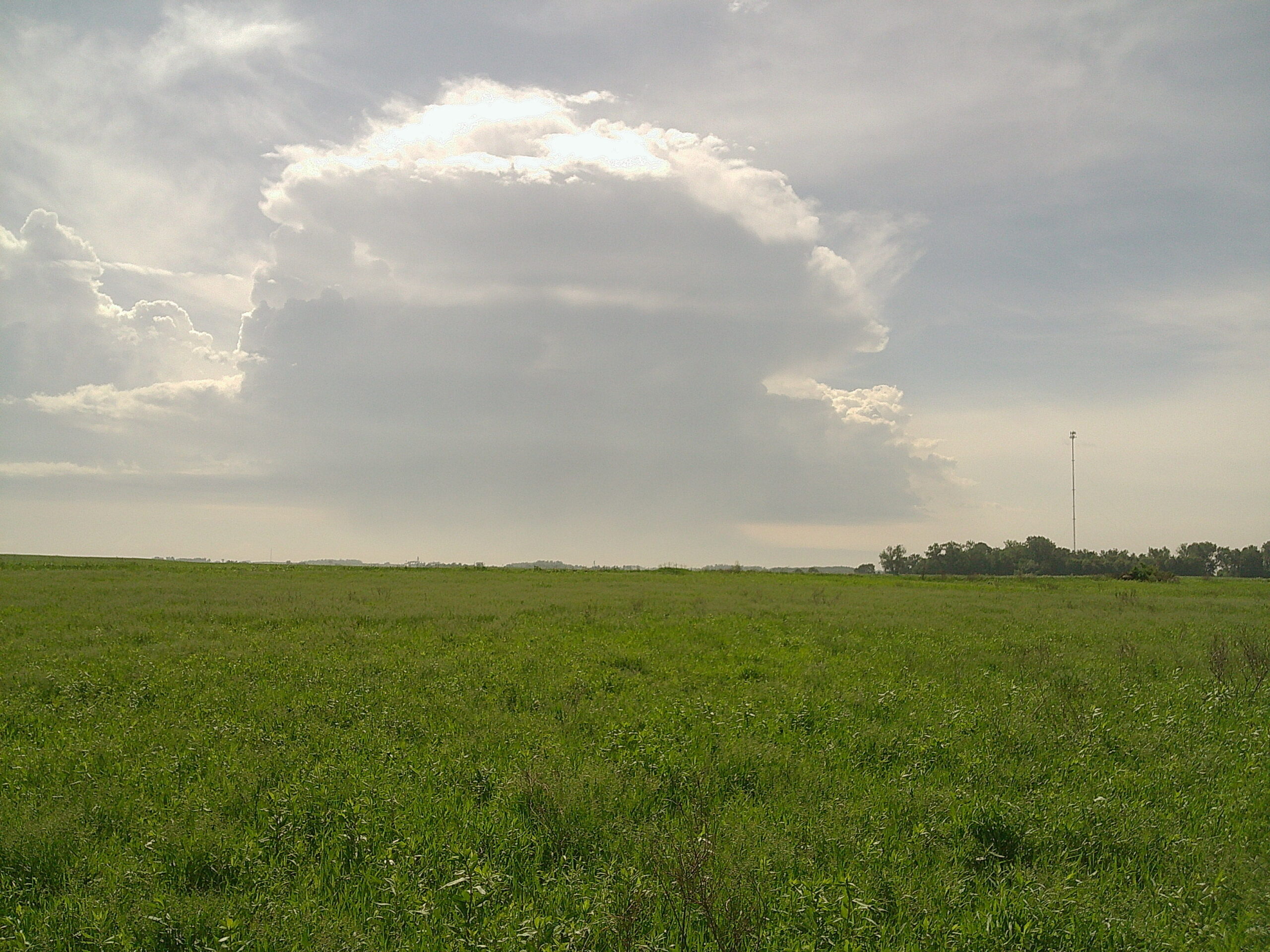
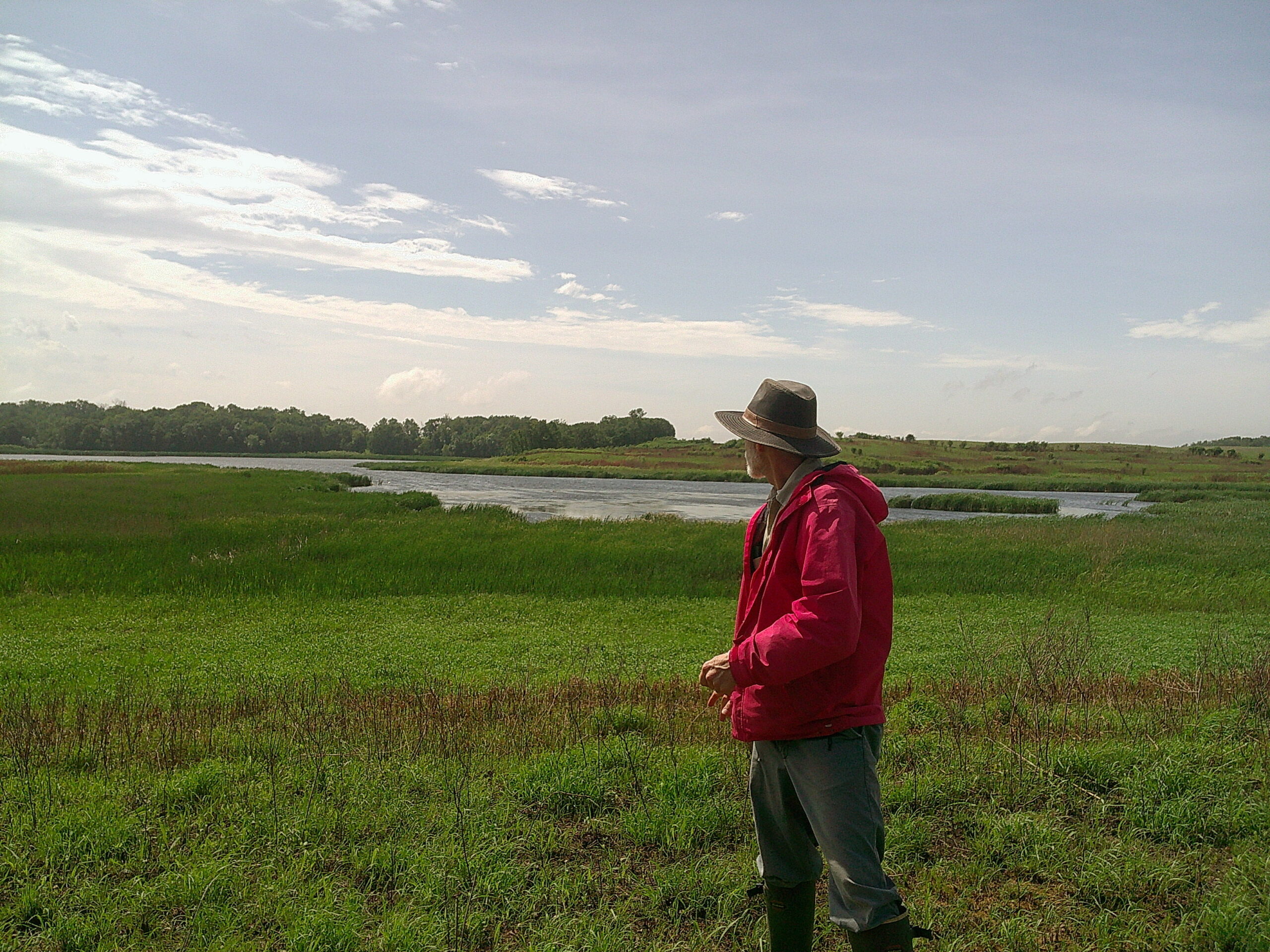
The team takes their first steps into StaffansonA thunderhead threatens our day 1 itineraryStuart surveys Hegg Lake
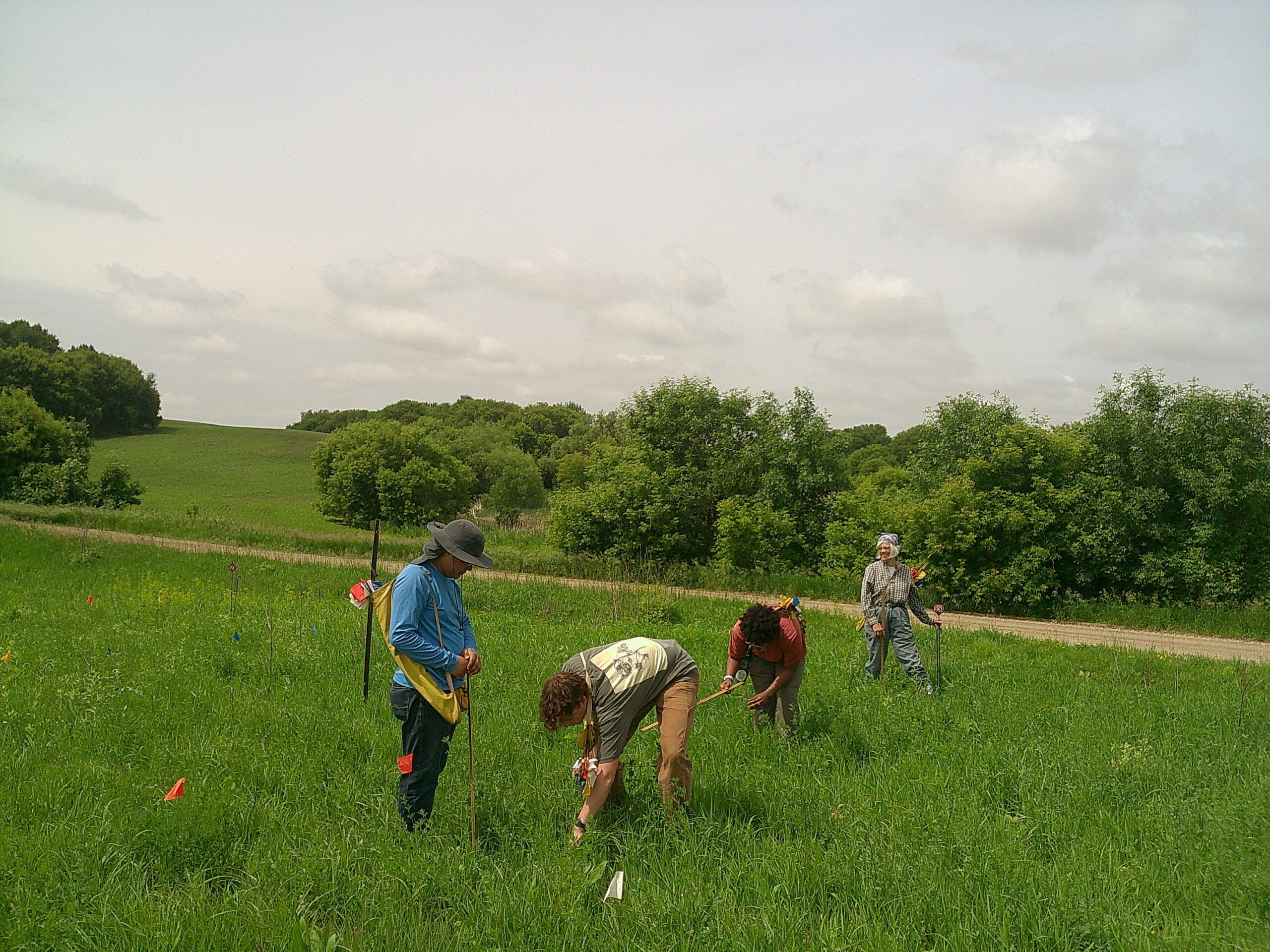
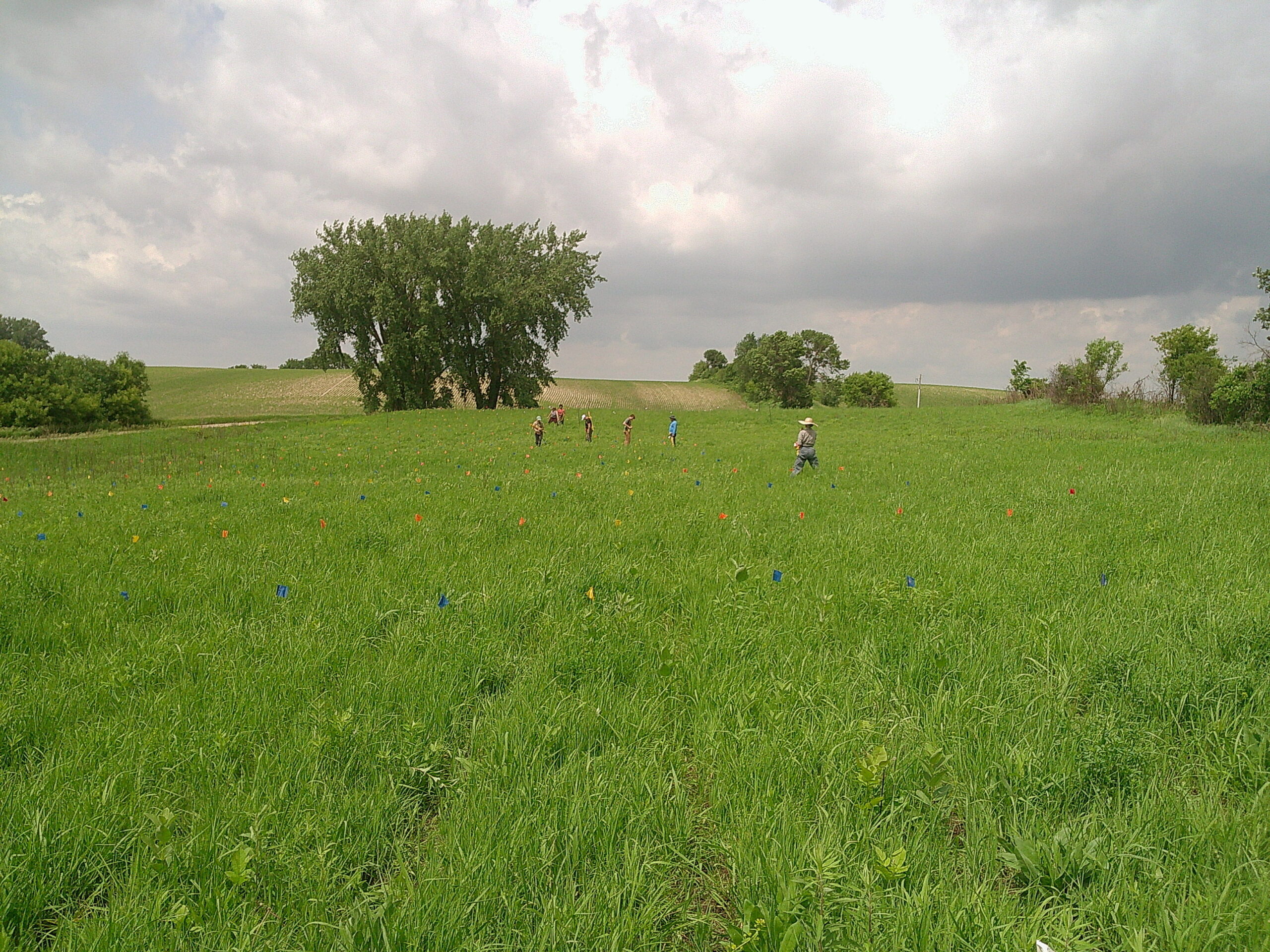
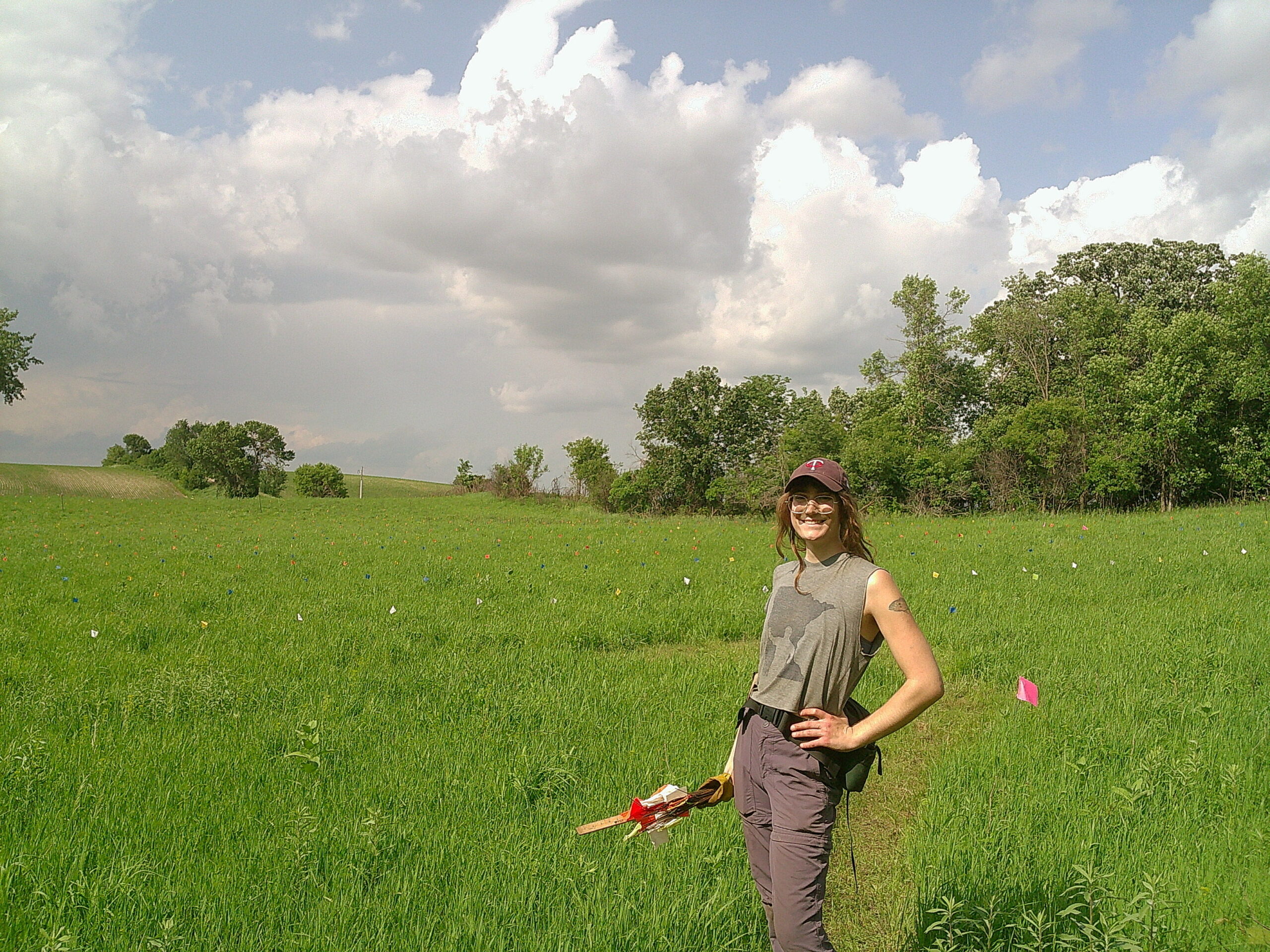
The other big activity/accomplishment from this week (at least when I was there) was flagging p1. Usually, this is an endeavor that takes at least a couple days. However, with a brief head start and Ruth’s help, the team was able to flag the entire plot in one day! We benefitted from the fact that p1 burned in the spring because old pin flags, staples, and plants were easier to find. Huzzah!
Gael, Aaron, Kyra, and RuthLook at that progress!Hooray! Done! I’m so proud
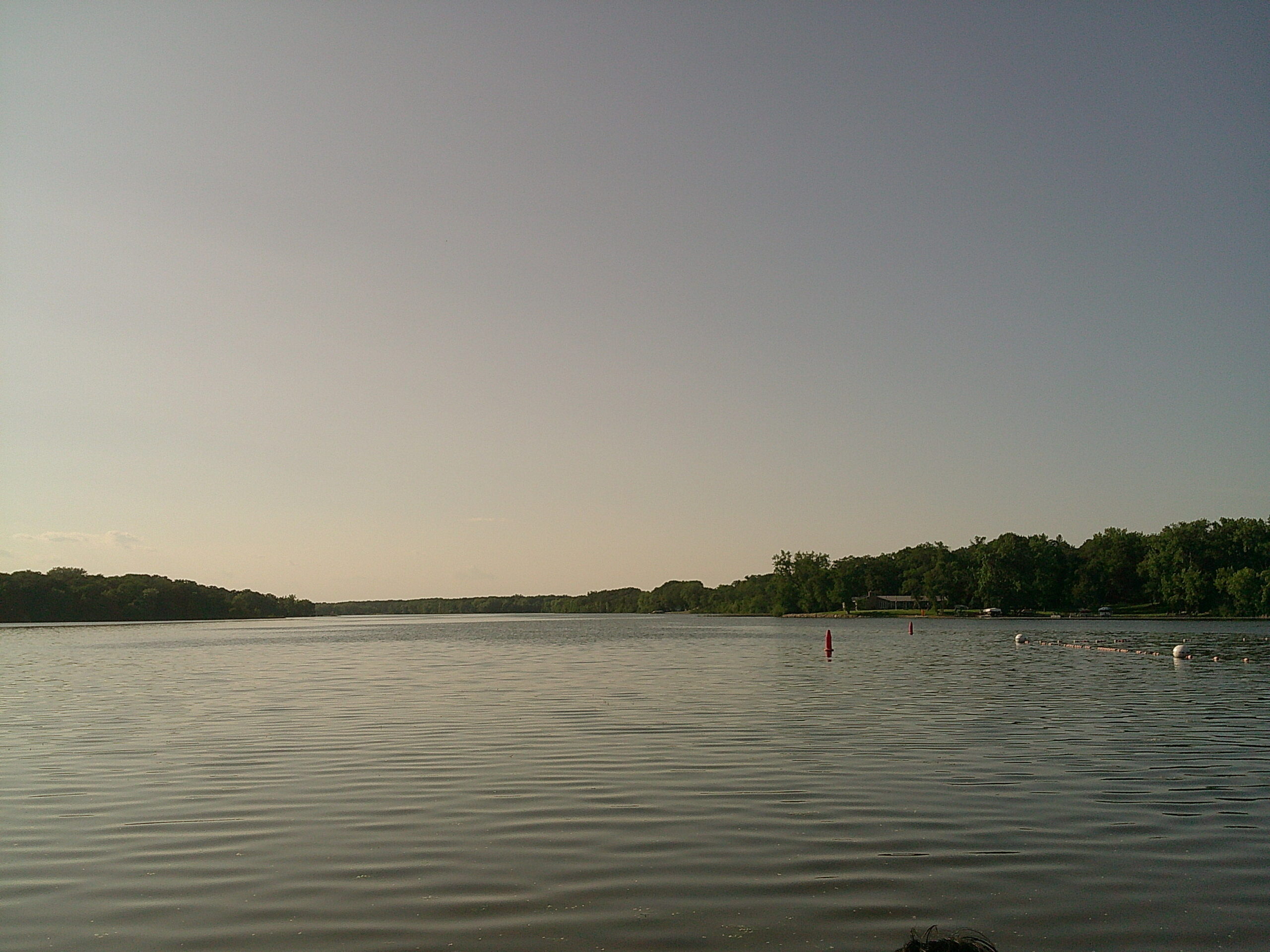
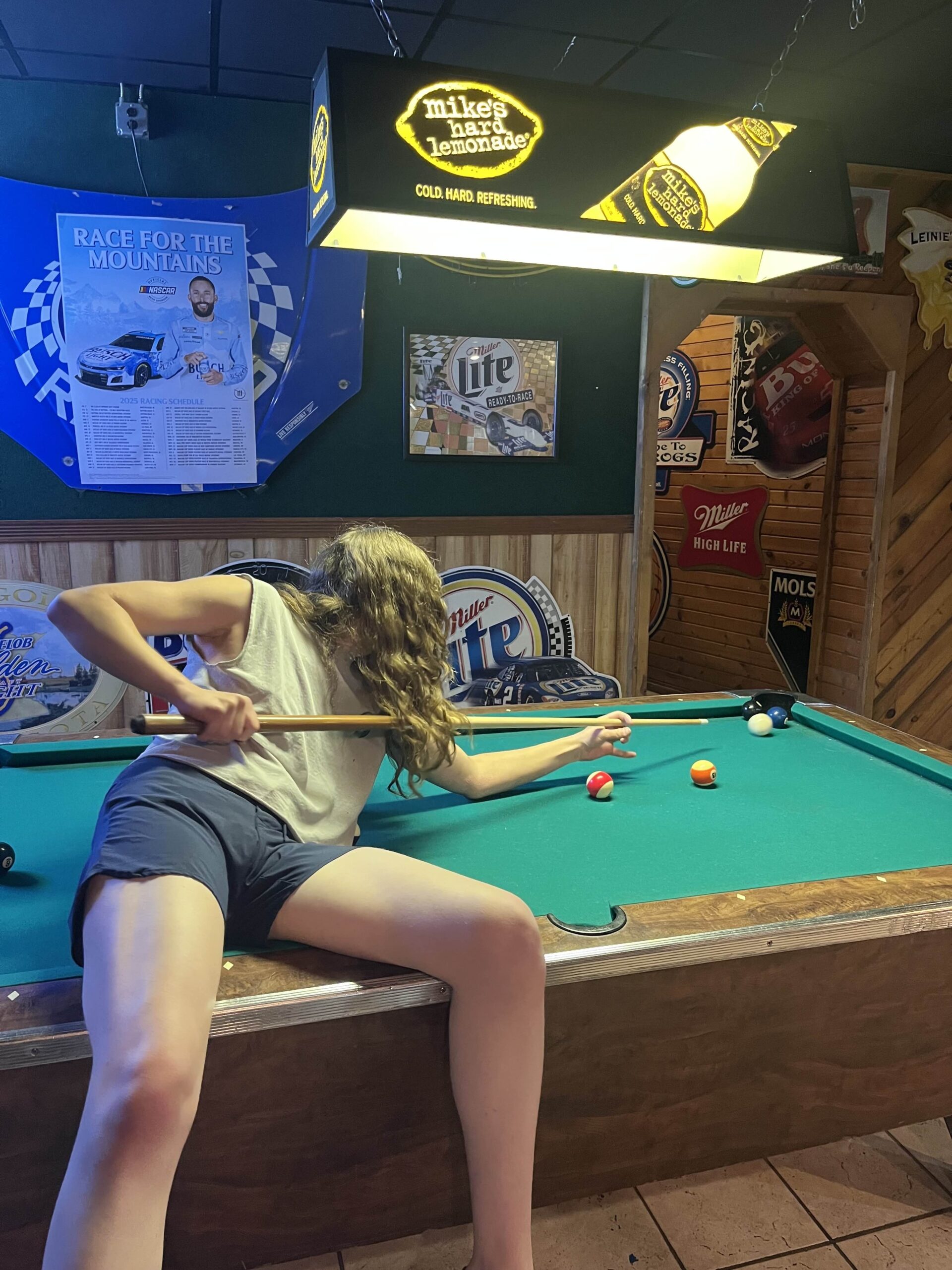
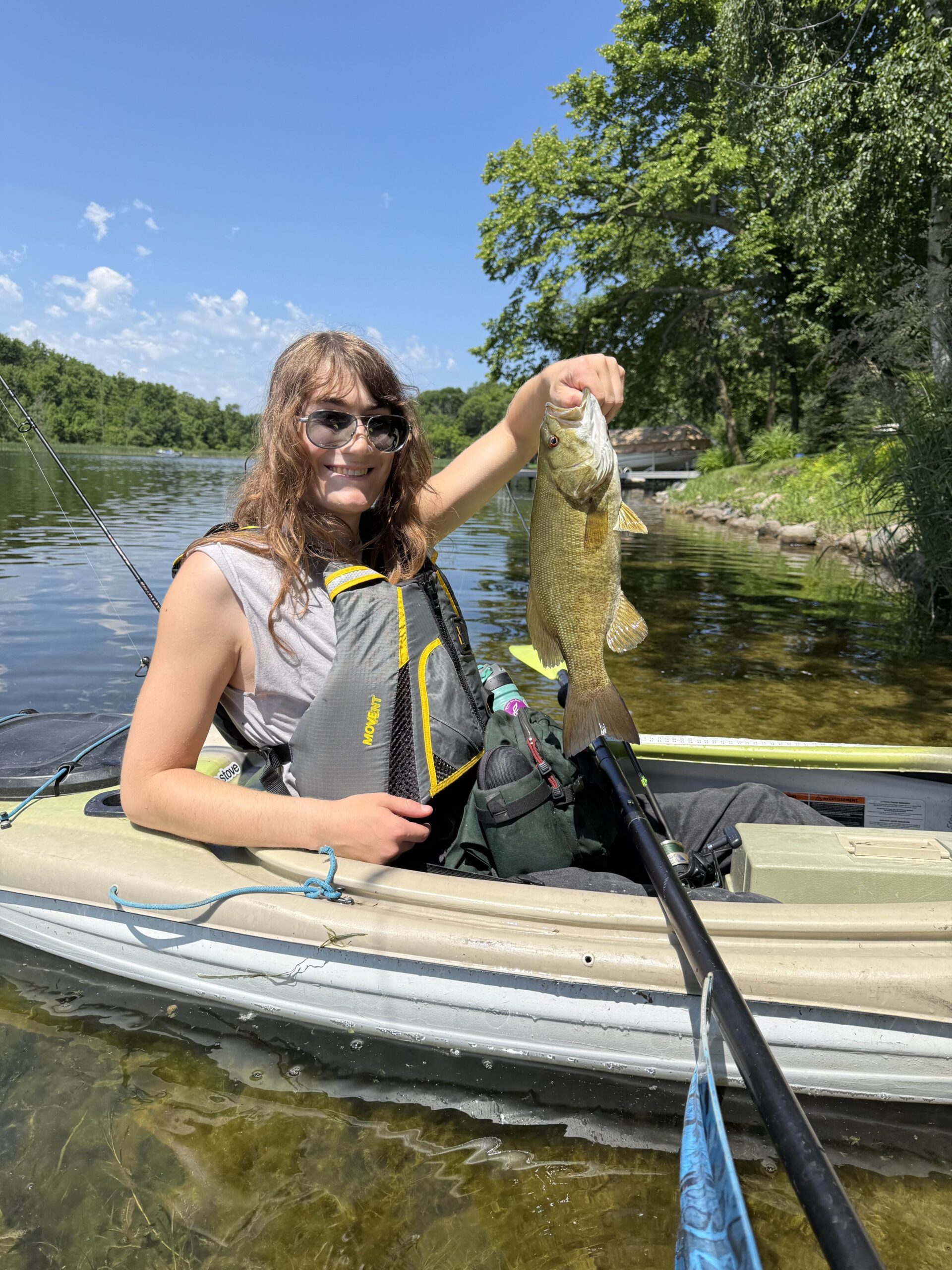
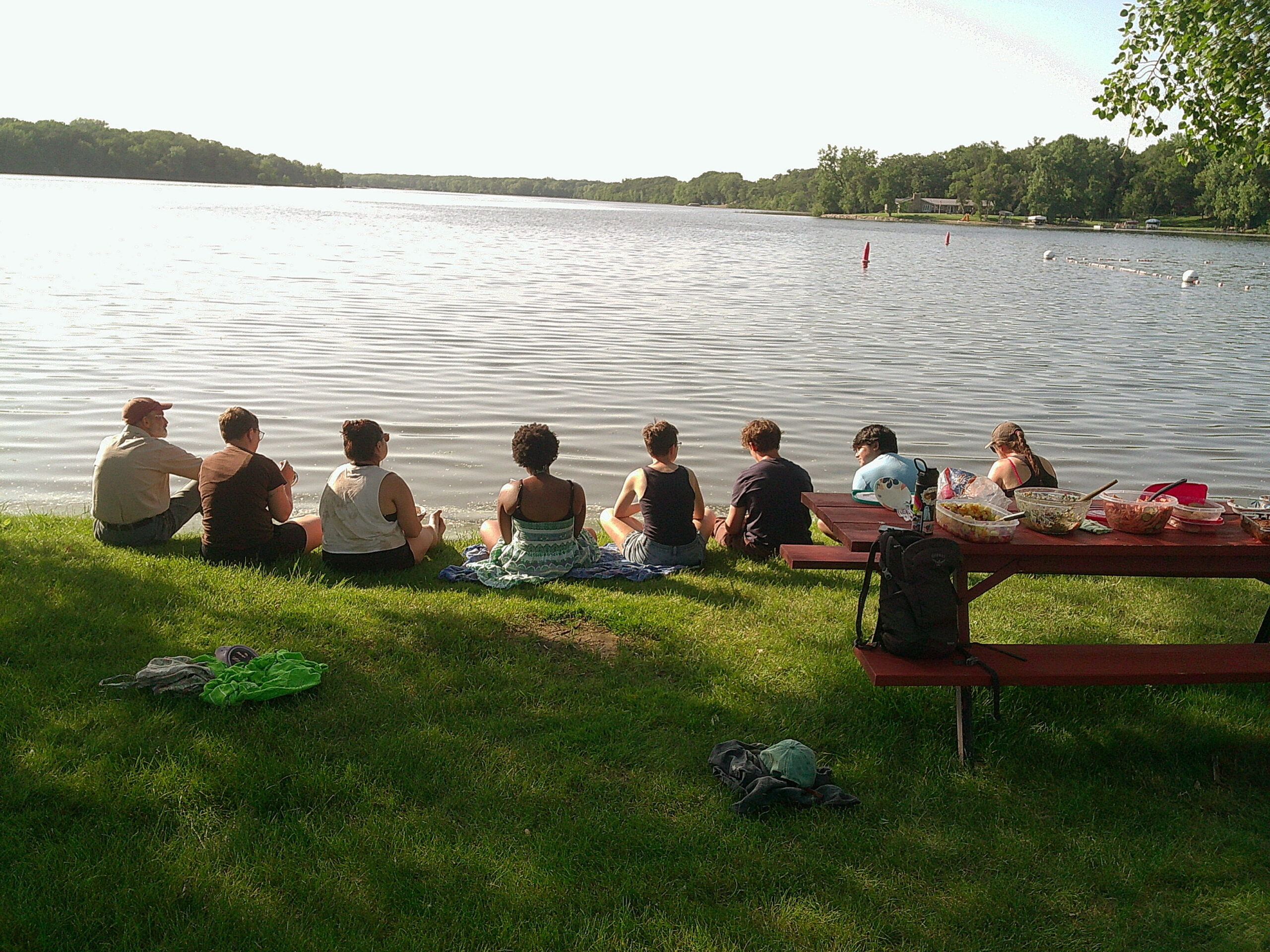
After my last day in the field, Wednesday the 18th, the team gathered at Elk Lake for a potluck and swimming. Everyone brought delicious food, from fruit to beans to pasta salads to baked goods. Sooo satiated. After some diving shenanigans, the Maddies and I headed to the last stop on my Hoffman bucket list: Bullfrogs. Bullfrogs was not hoppin’, but we still got in a couple rounds of Maddie Sadler trouncing us at pool. The next day, my dad picked me up to fish for smallmouth bass (classic) east of Sauk Centre before we headed back to the cities.
Elk lake, pretty as everIs this allowed? The right ball went in, for what it’s worthCan’t leave without one last fish pic!The summer team at our Elk Lake picnic. Left to right: Stuart, Maddie S, Maddie D, Kyra, Grace, Aaron, Gael, and Chelsea. Summer team not pictured: Britney, kinda Grace H, kinda Jared, kinda Ruth, kinda me, kinda others
Side note – I recently acquired a bare-bones digital point-and-shoot camera and have been enjoying clicking it at people. Below are two unique reactions to realizing your photo is being taken.
Smile!Or that.
Now that the recent field pics are posted, I want to leave off with some of my fav pictures/moments/memories from the last few years that may or may not have made it on the flog before.
Burning:
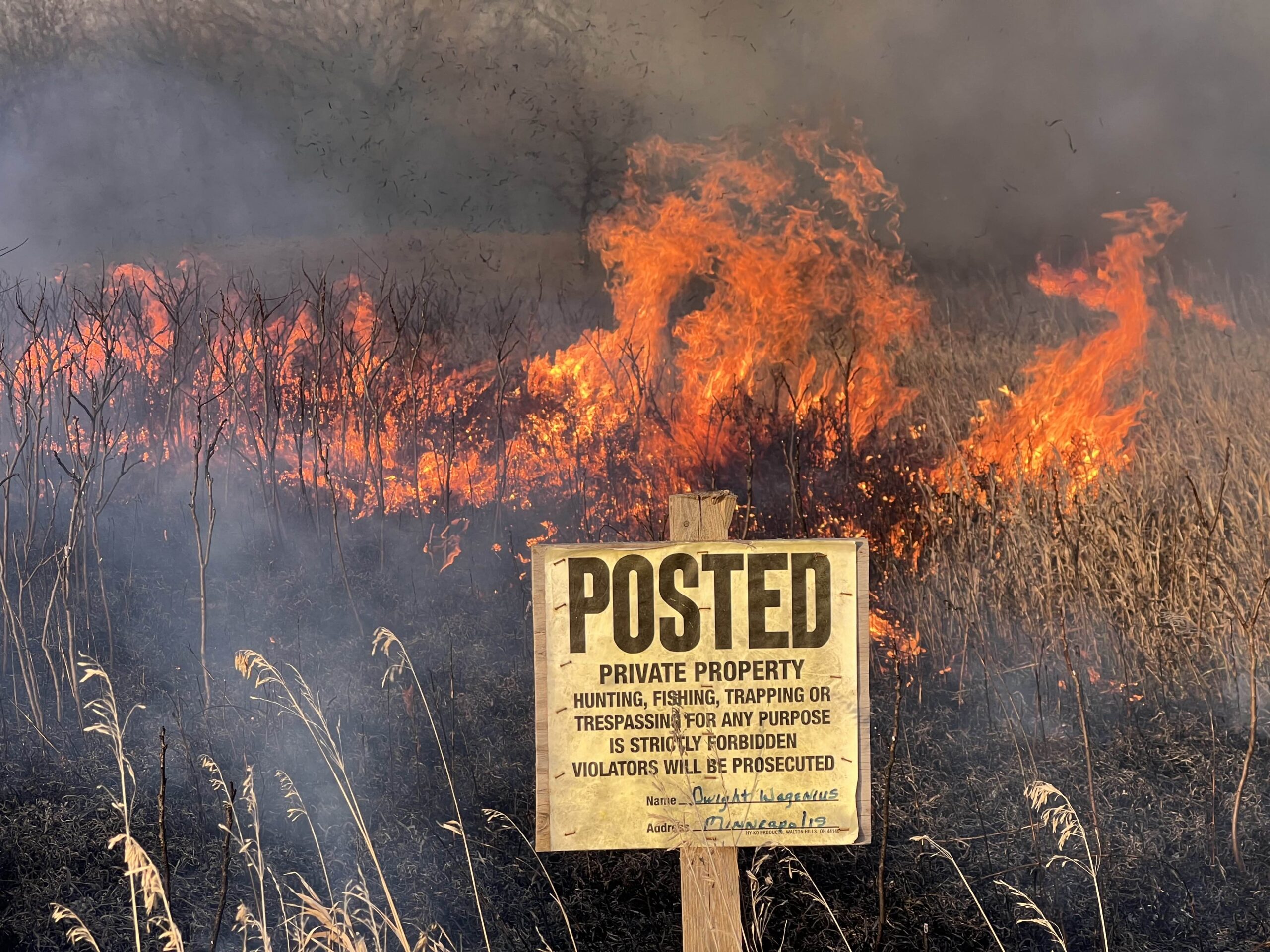
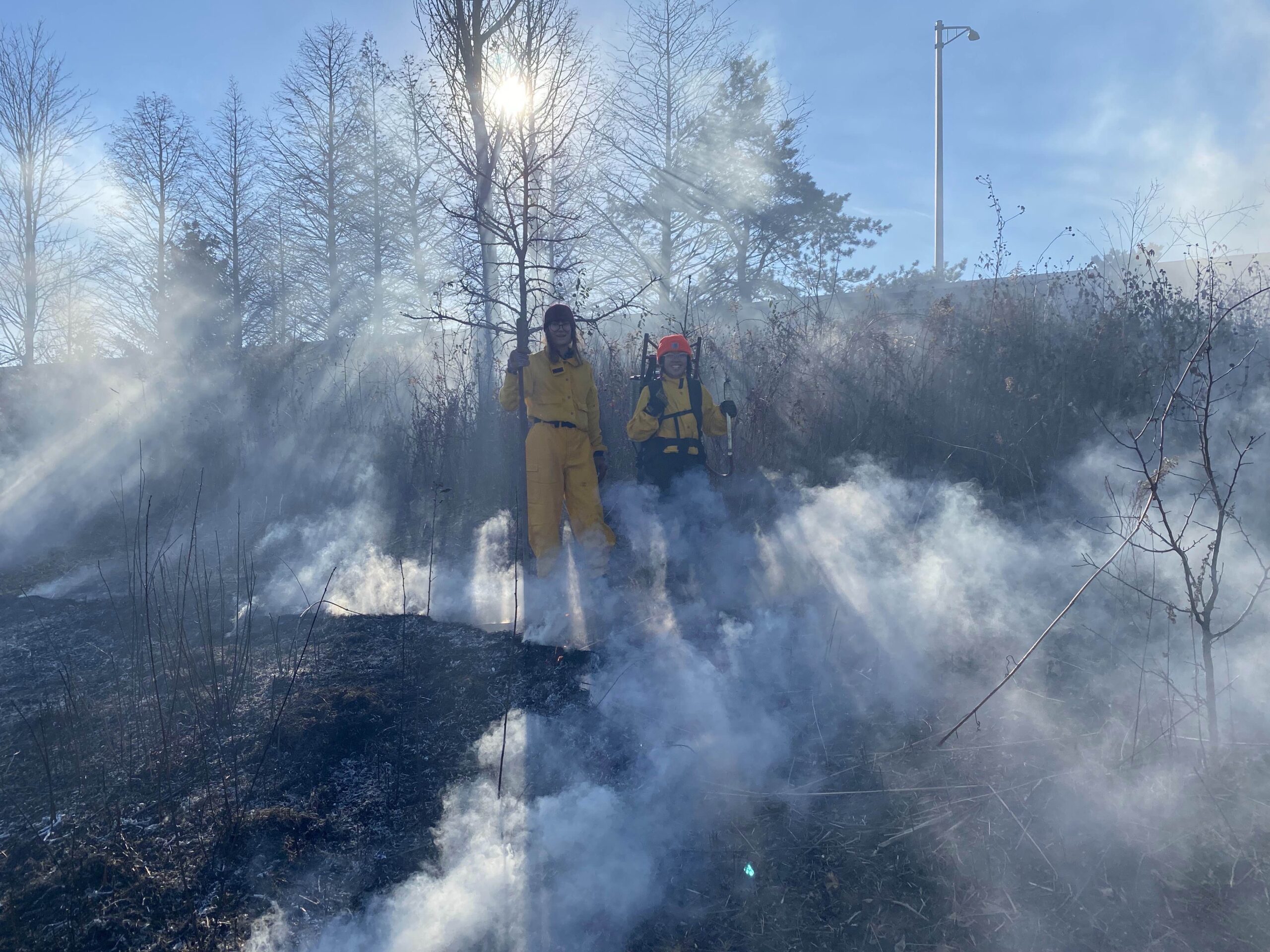
Maddie runs the torch in the paddocks (Spring 2025)Hulze after a fire. Pure satisfaction. Third time’s the charm! (Spring 2024)Smoky torgen burn! Not all our smoke (Spring 2024)A paddock burns behind a private property sign. Not the best time to trespass, anyway (Fall 2023)Me and Rina at my first burn ever in Dixon Prairie at CBG (Fall 2022)
Flora and Fauna:
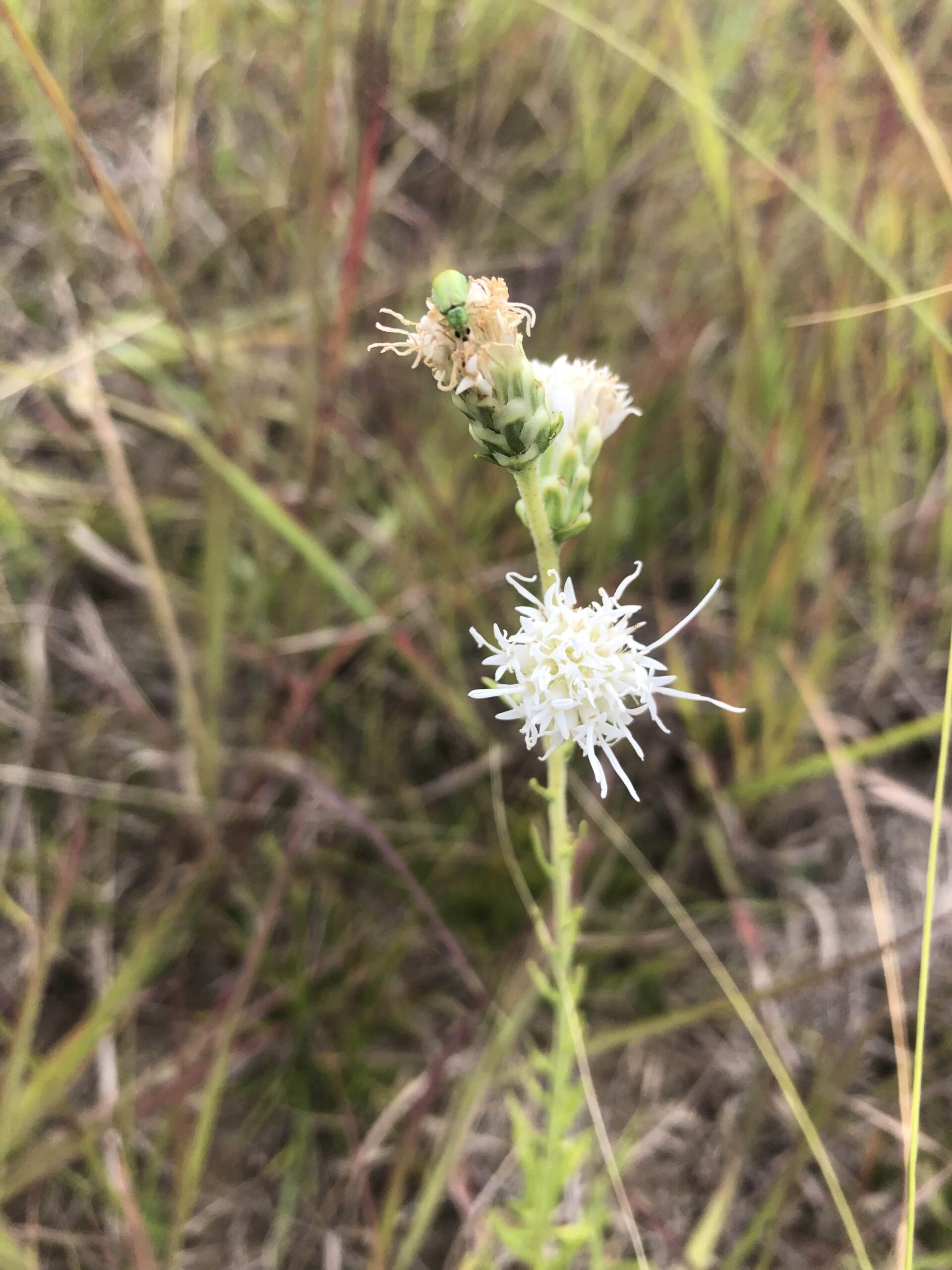
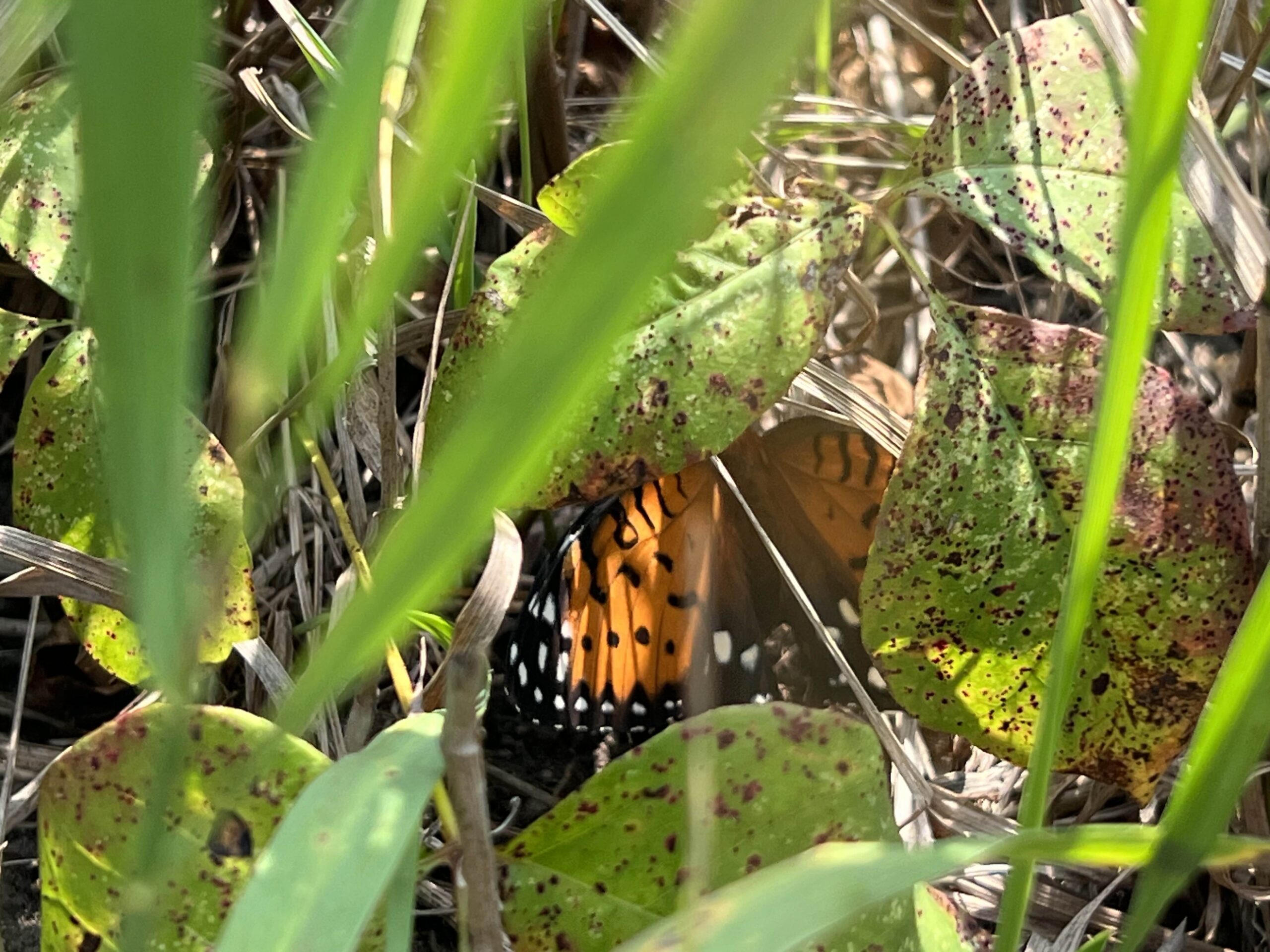
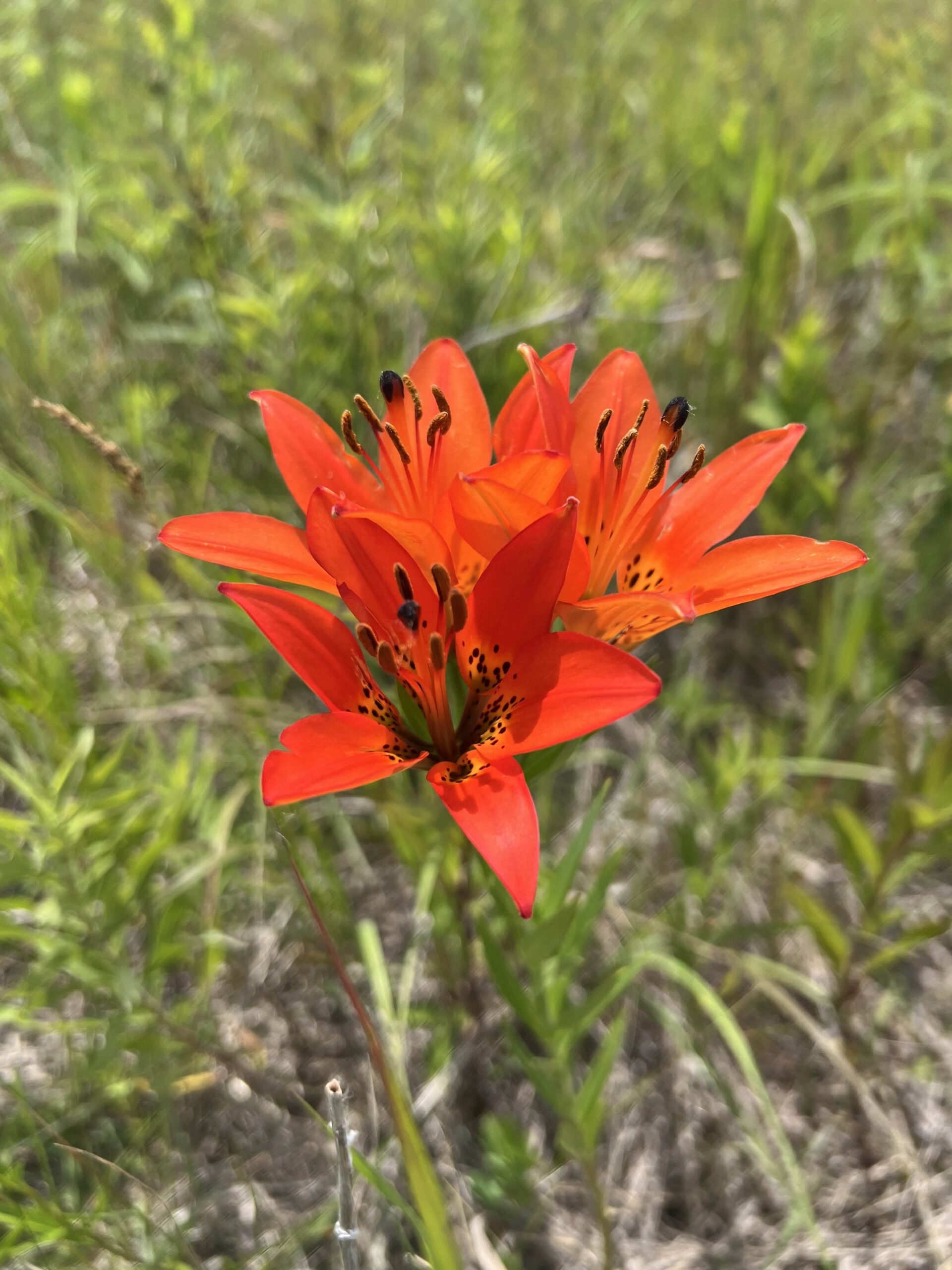
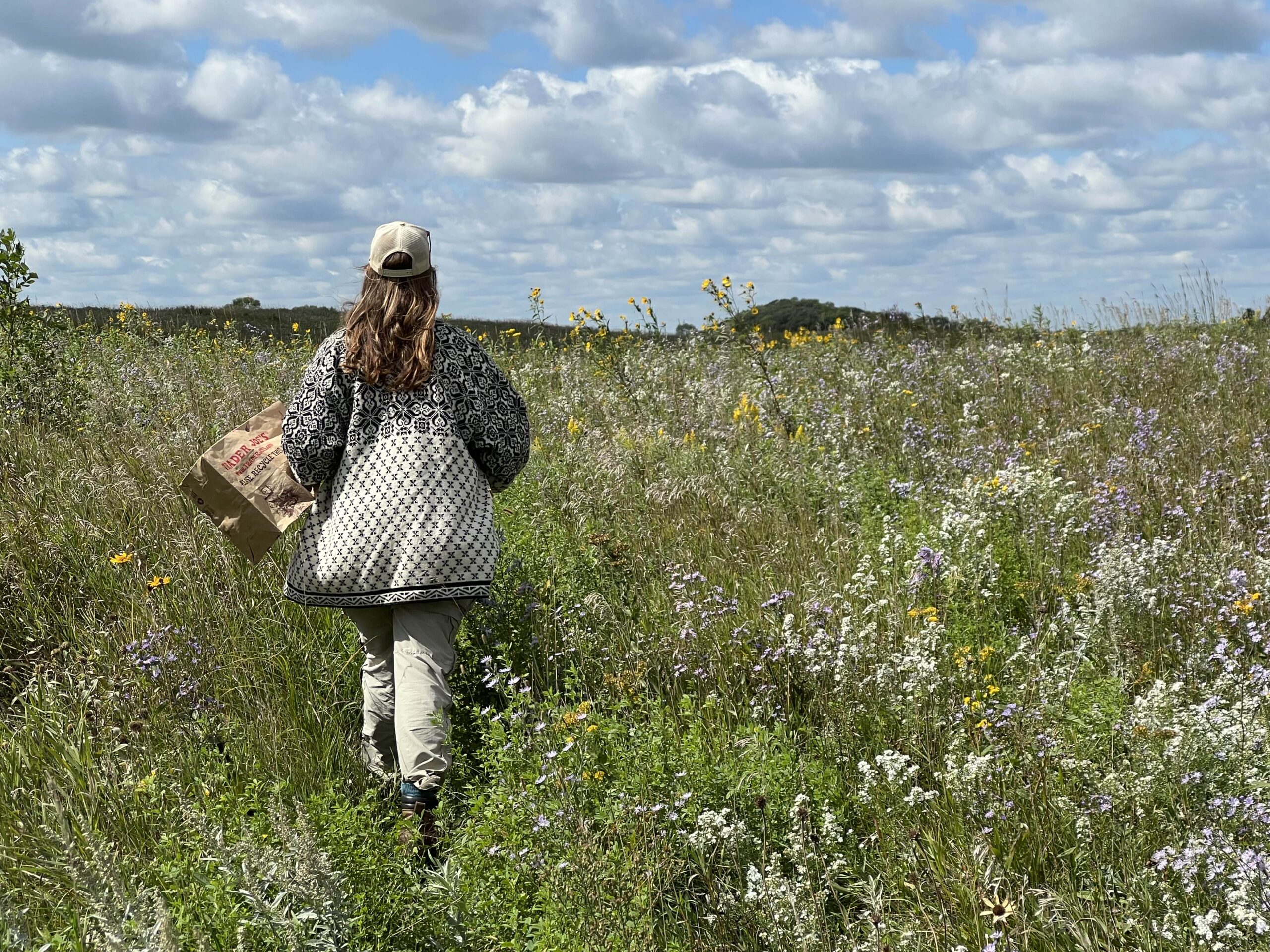
A white Liatris aspera? (Summer 2021)A friend among foes (Summer 2023)A triple lily we found during the orchid trip! (Summer 2024)Does Abby count as fauna? Anyway, look at all those asters (et al.)! (Summer 2024)
Minnesota skies:
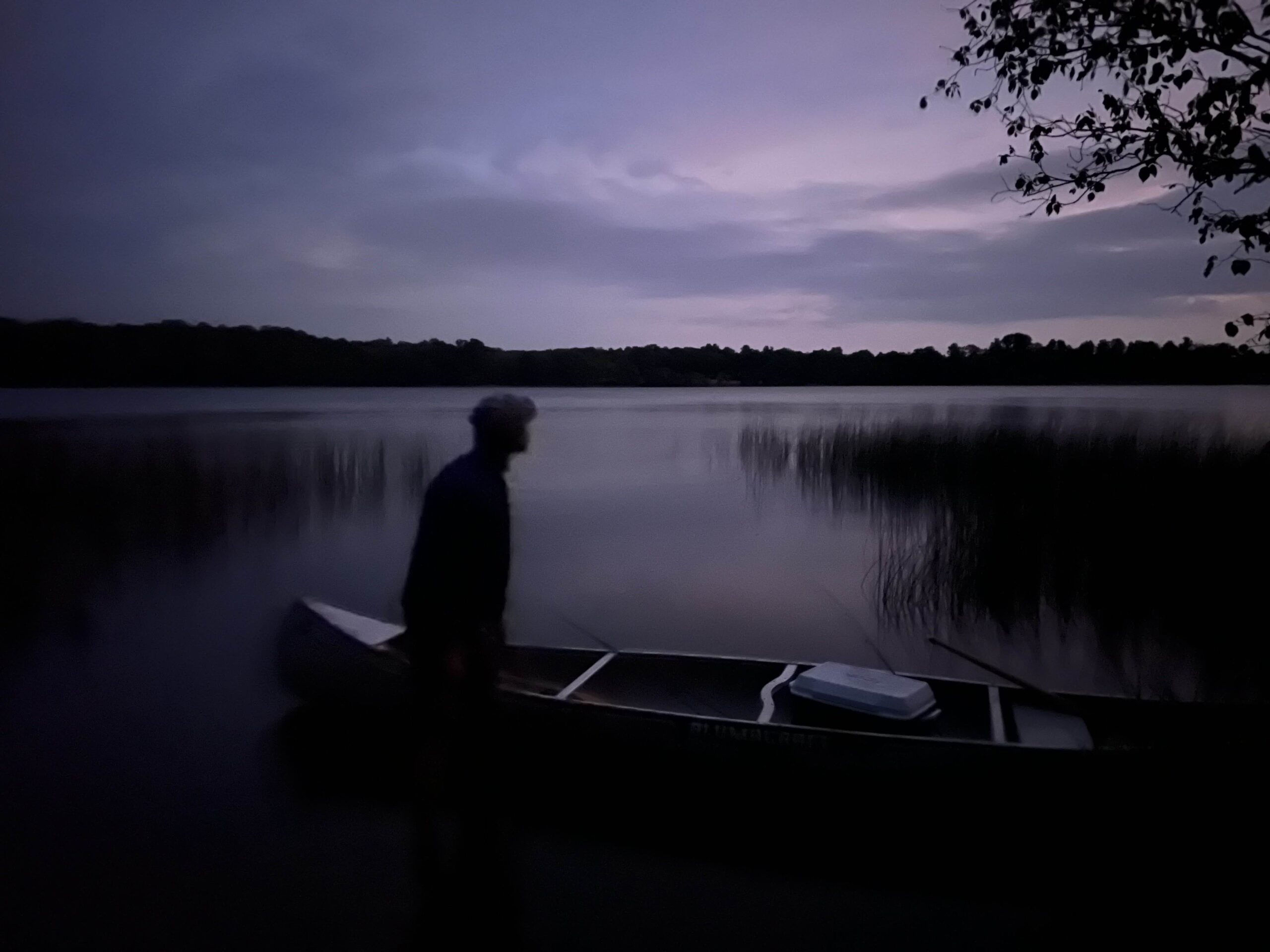
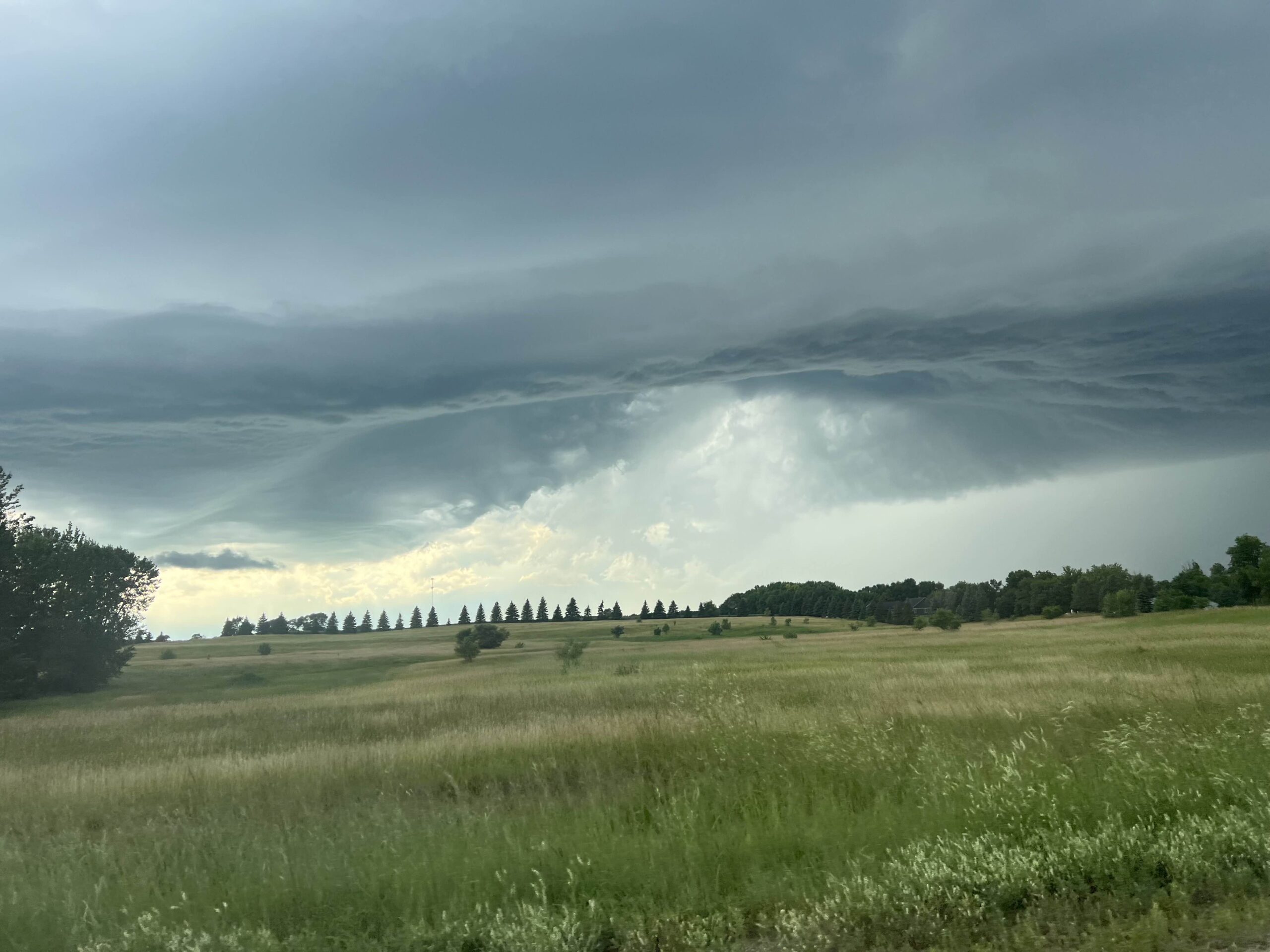
Ian with a canoe before sunrise (Summer 2024)A storm cloud carrying baseball-sized hail (Summer 2024)The Elk Lake house at dawn (Summer 2021)Abby stands in a just-burned paddock at sunset. I love this photo. (Fall 2023)
Shenanigans:
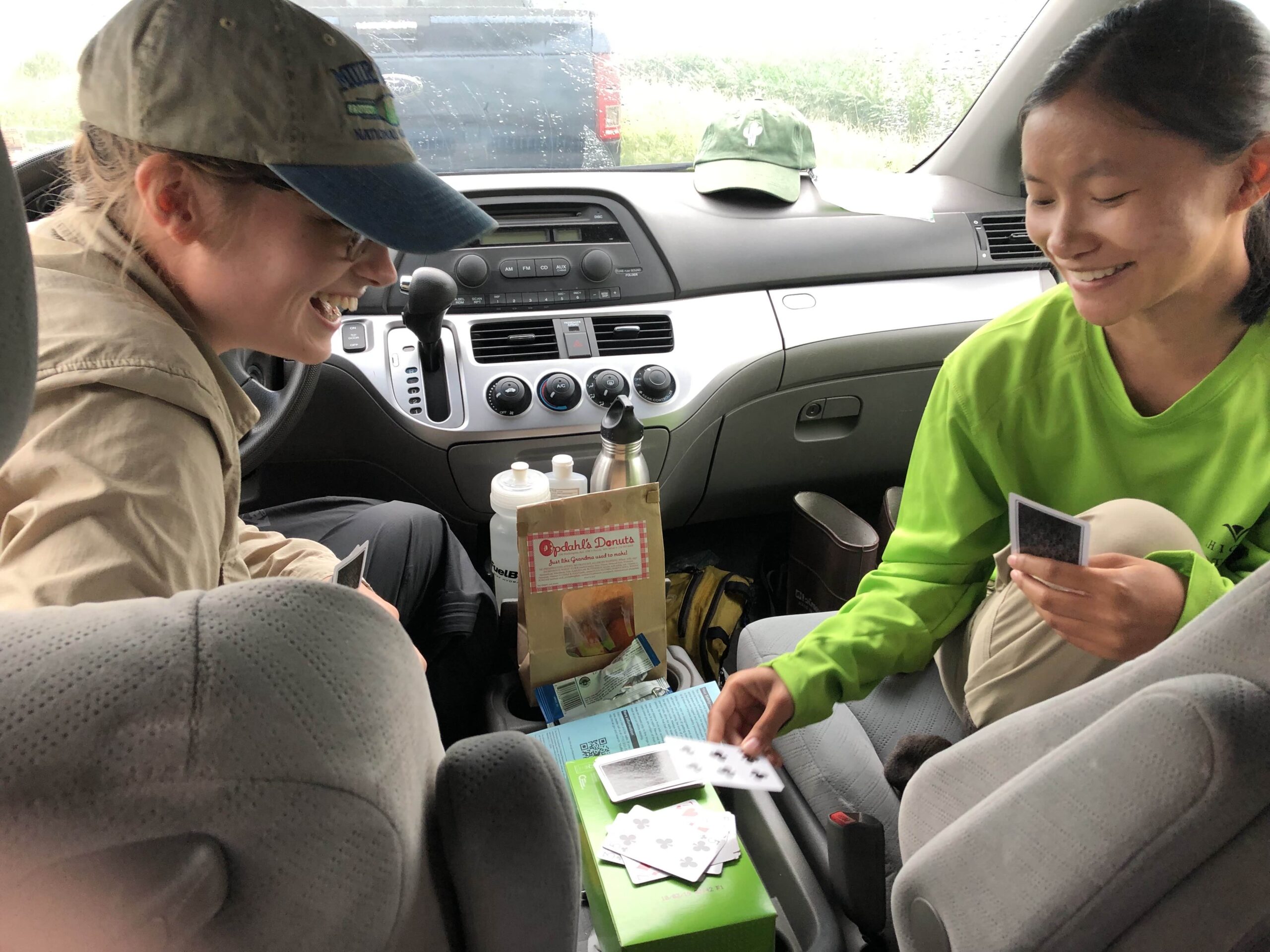
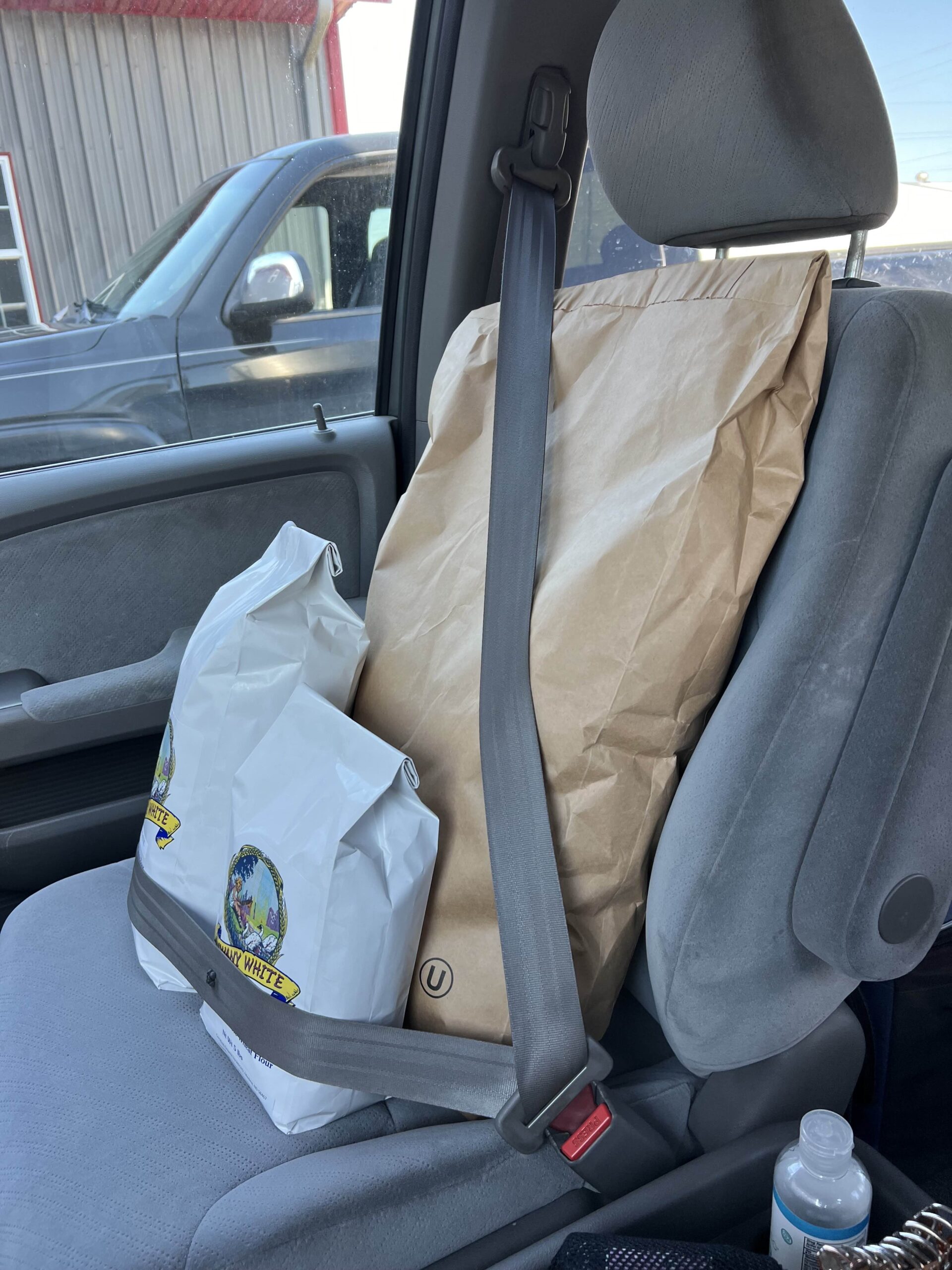
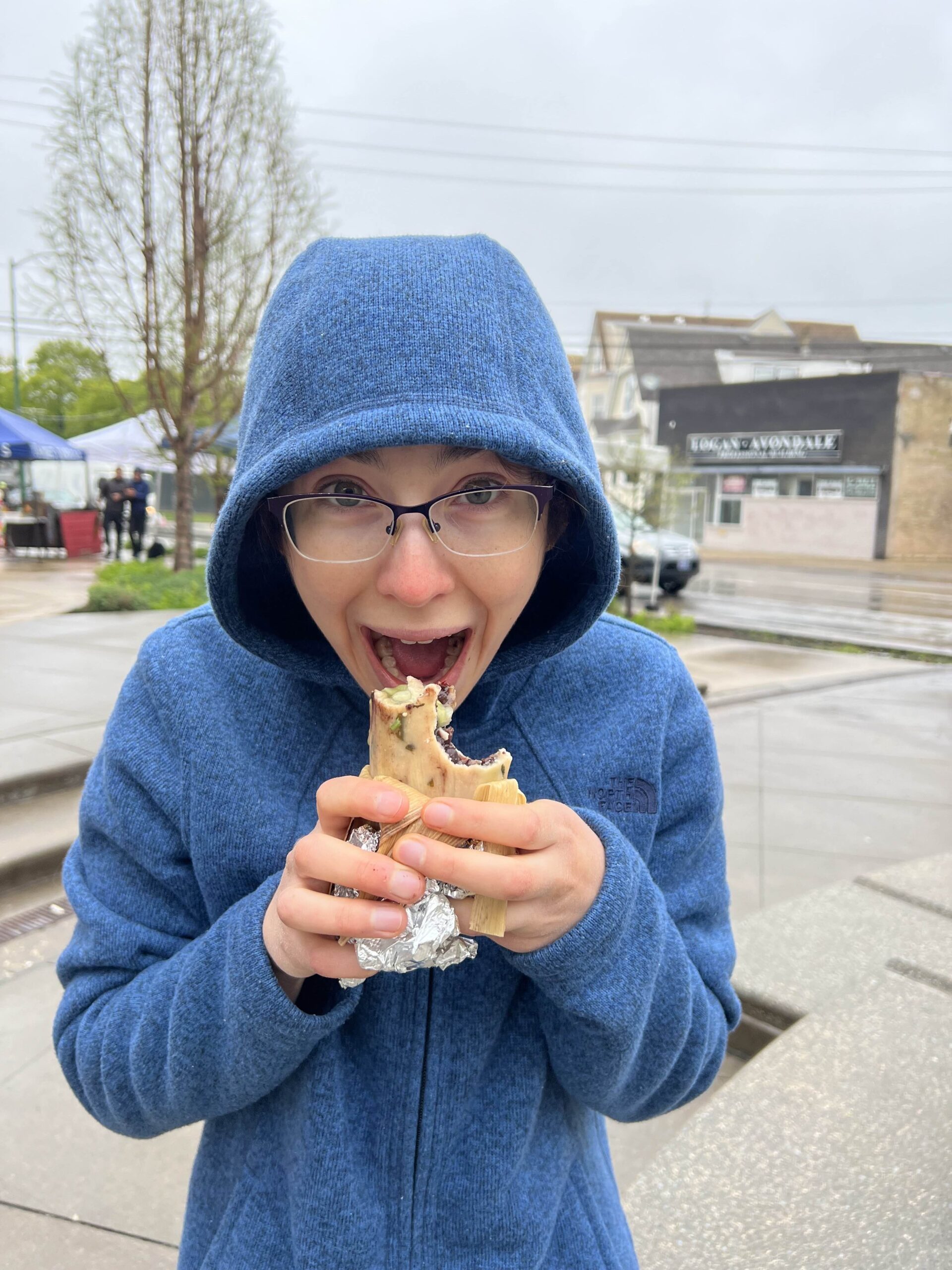
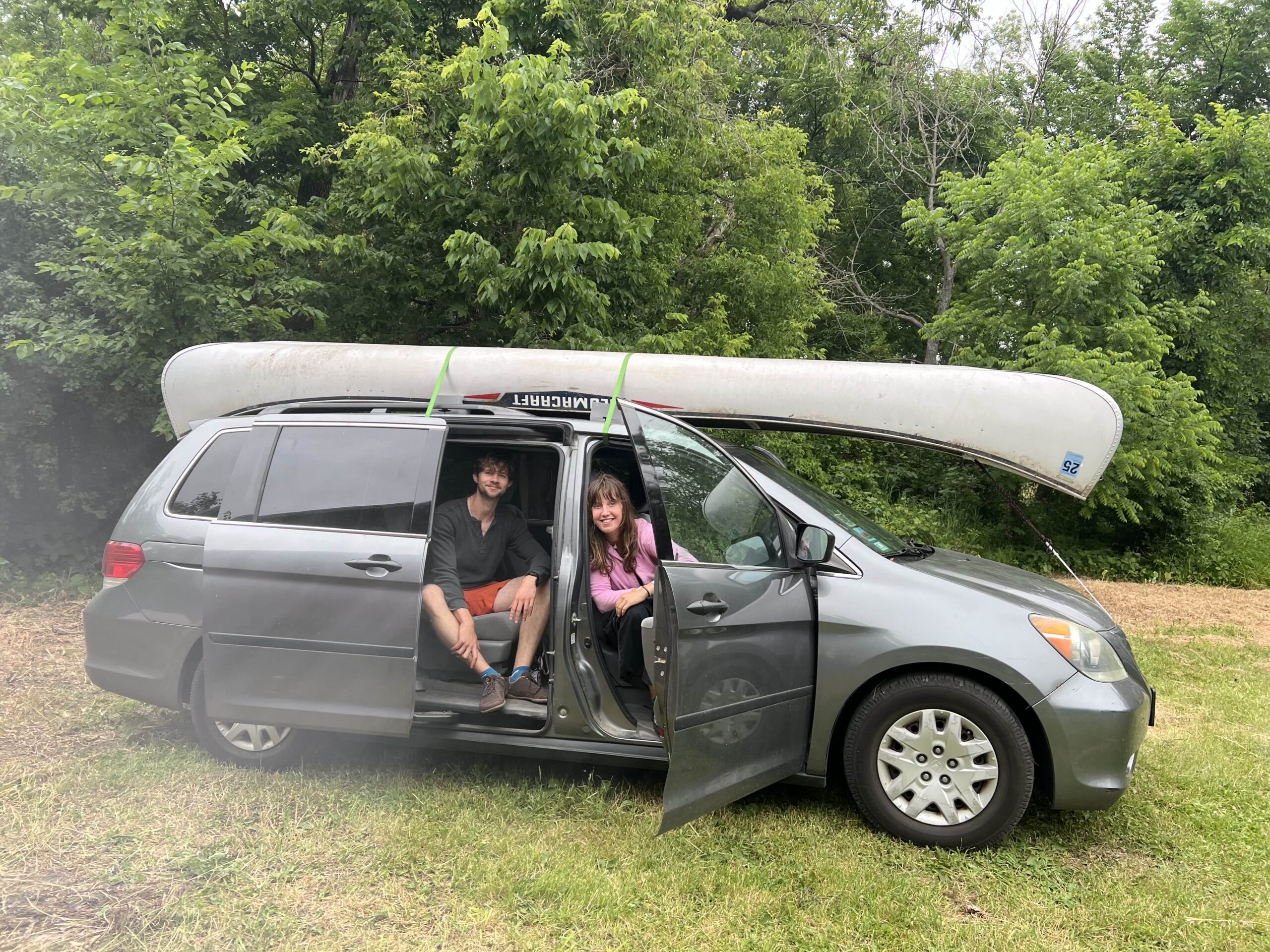
Lindsey proudly picks up litter (Spring 2023)Jan, Abby, Luke, and me on a weekend trip to Duluth (Summer 2023)Wyatt + Abby Prairie Gothic (Summer 2024)Mia and Allie play cards in my van (RIP) while we wait out the rain during the orchid trip. Note the donuts (Summer 2021)I inadvertently discover the site “woeth” (Summer 2024)Swany White flour and oats are strapped in! (Summer 2024)Alex enjoys a tamale during our Chicago Independent Bookstore Day outing (Spring 2023)Ian and Abby pose with our canoe setup (Summer 2024)
Thank you to everyone who’s made the last few years on the team such a treat. I’ll miss the prairie immensely during my upcoming stint in California, but there’s something to be said for new adventures, too. I’ll see you around!
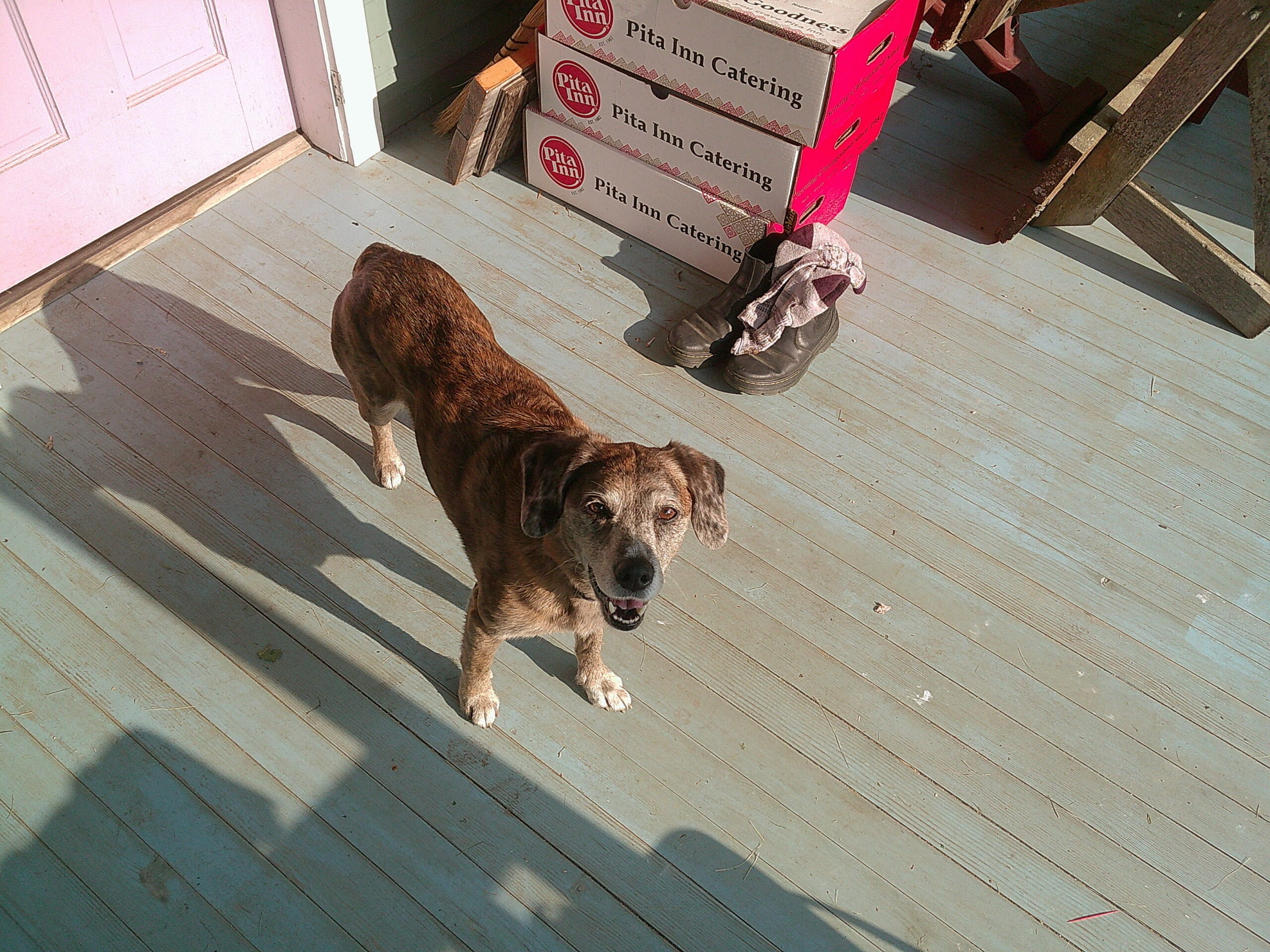
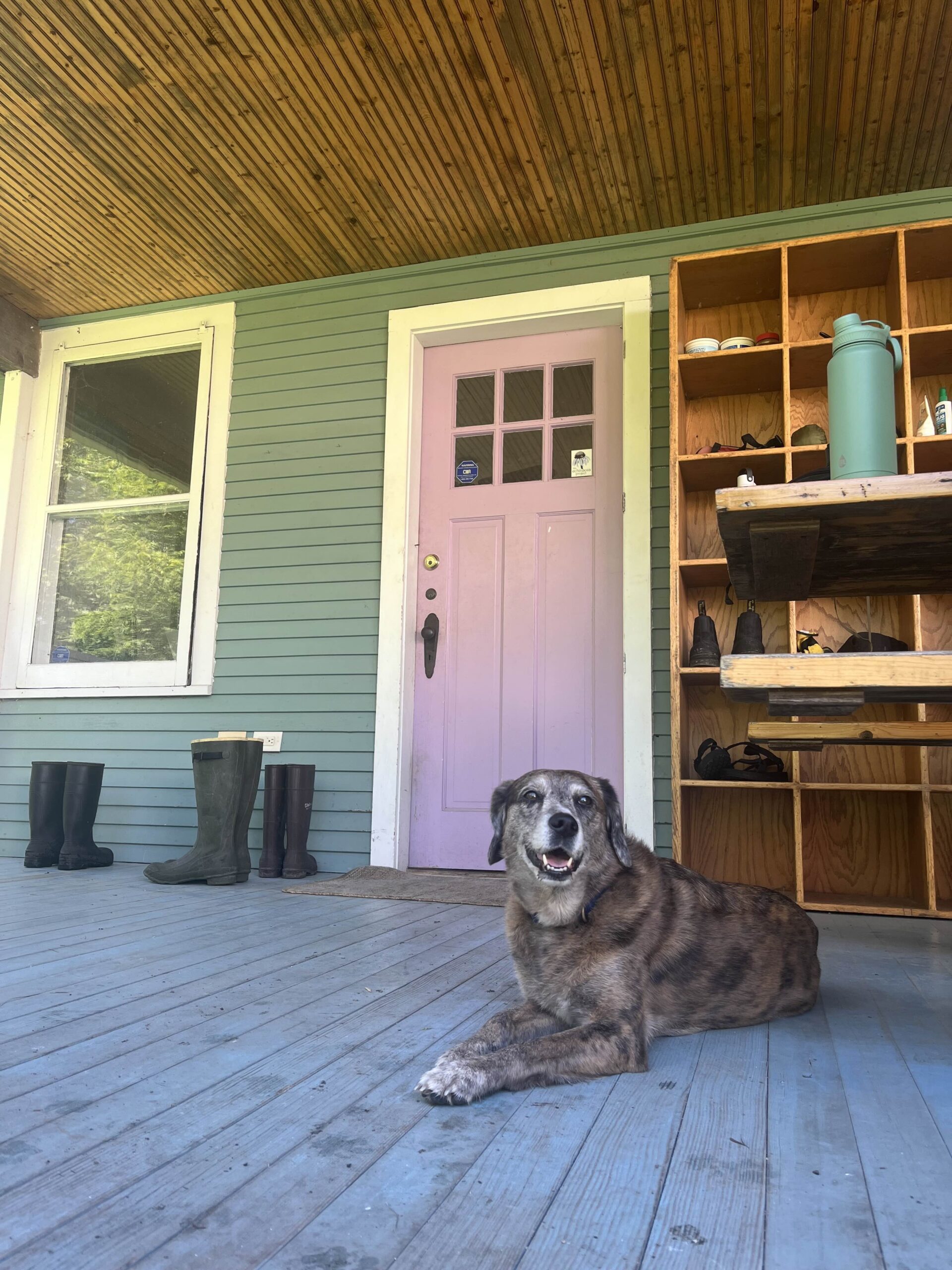
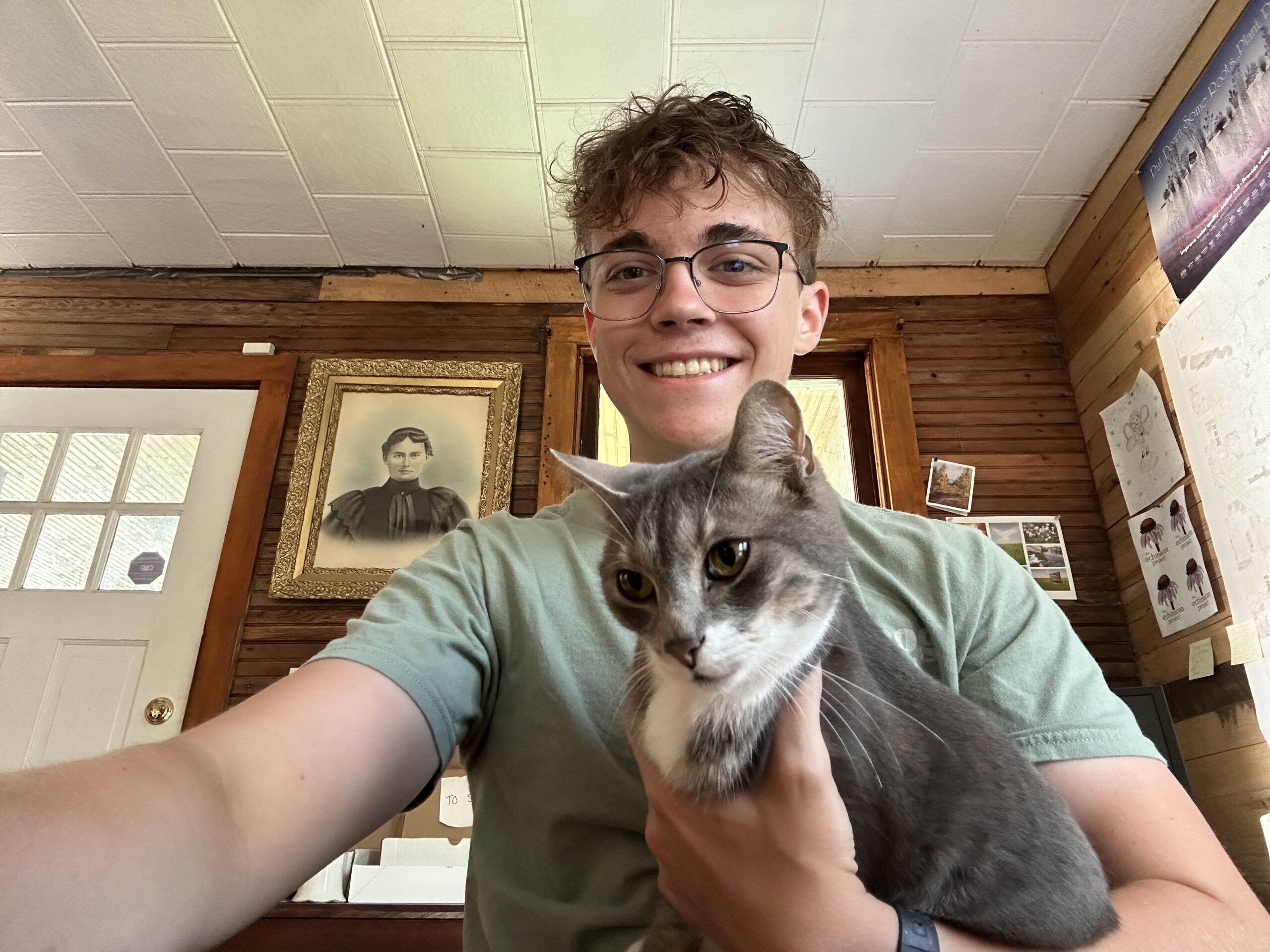
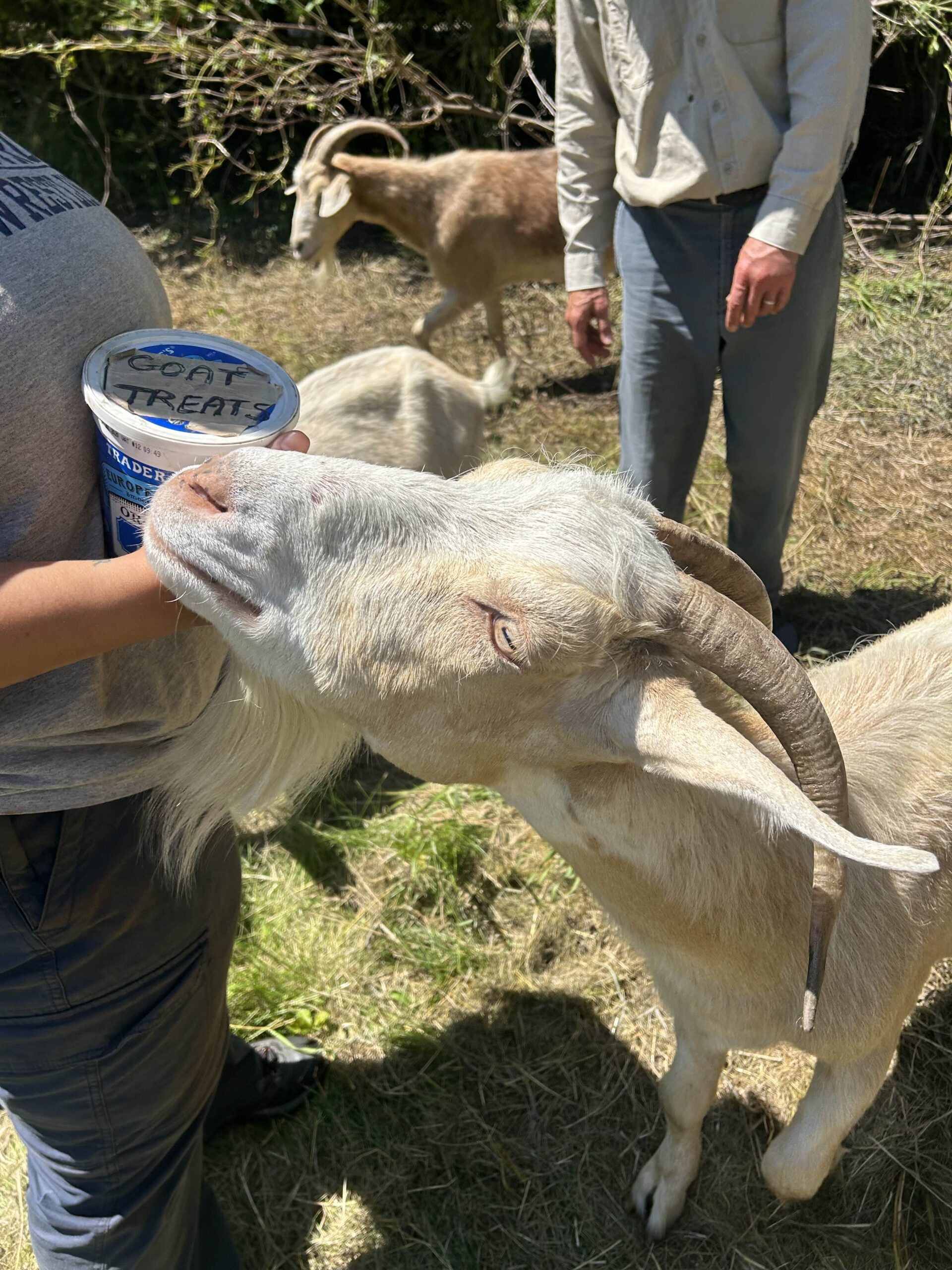
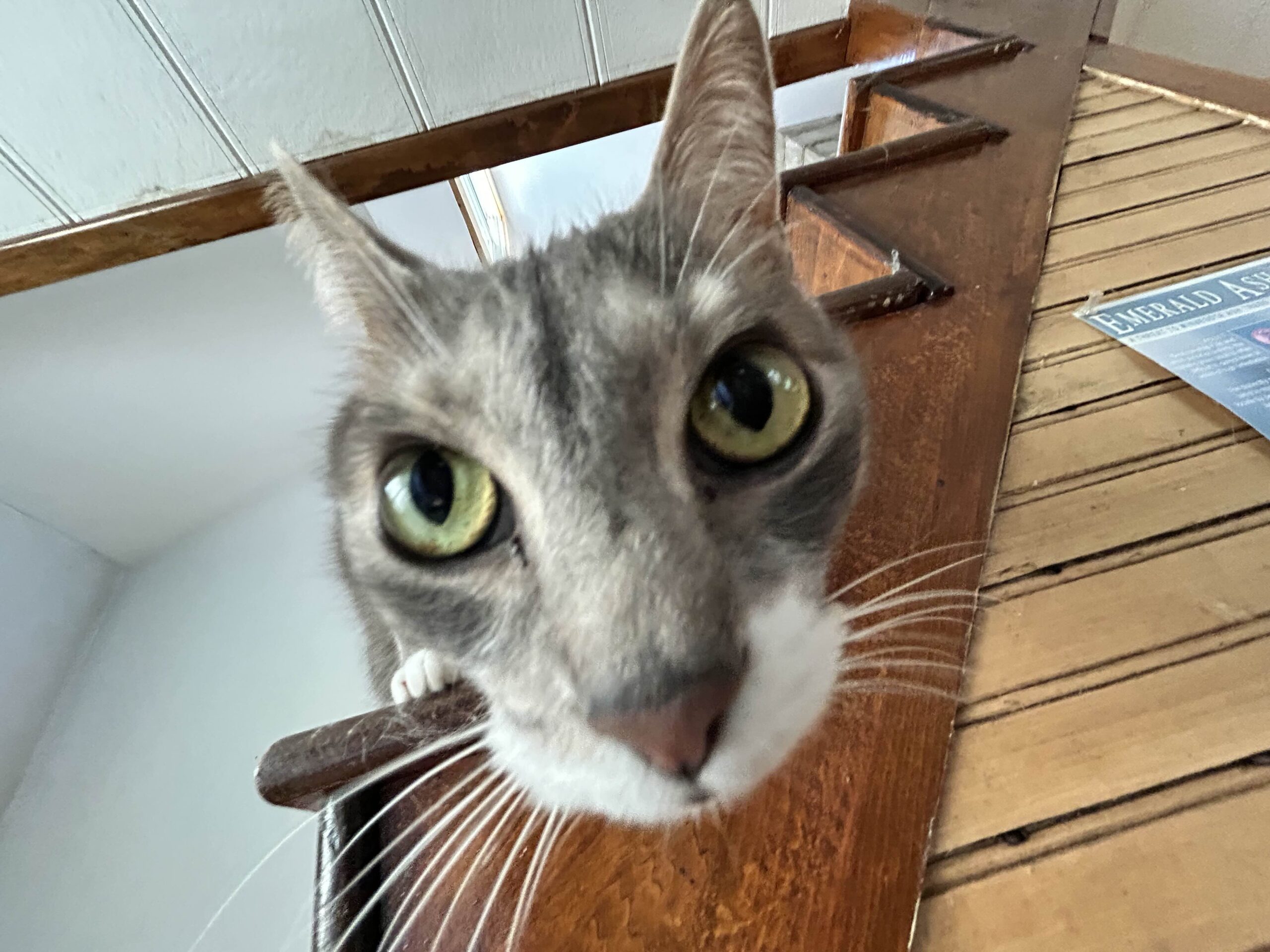
New members of team Echinacea! This week, we moved in our newest members—goats. The goats assist in weed removal. These animals are particularly good at removing the persistent and invasive buckthorn from patches around Hjelm. They’re also great for team morale. We have also had some time with Gretel and Stuart’s dog (Blue) and cat (Teenie).
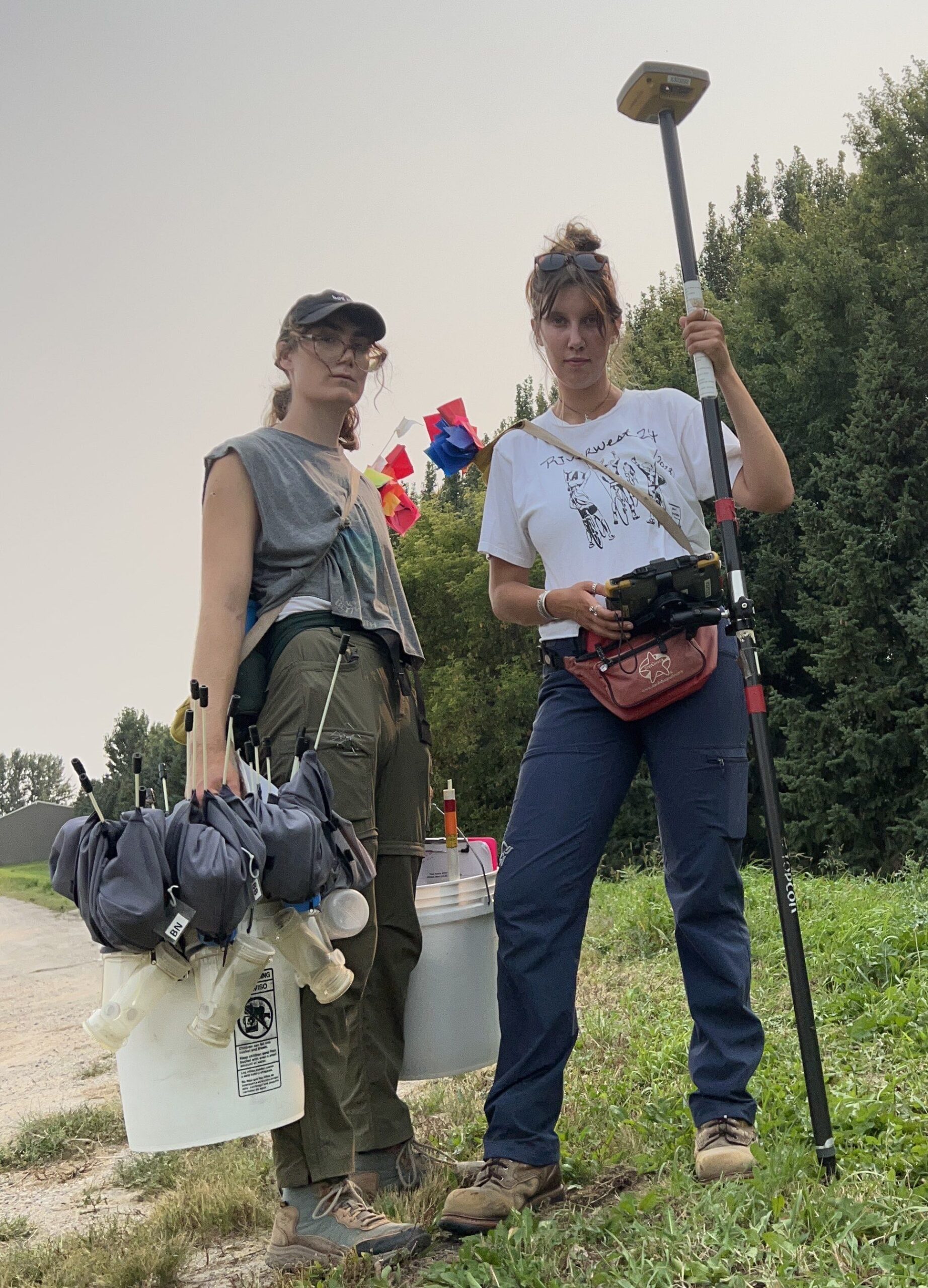
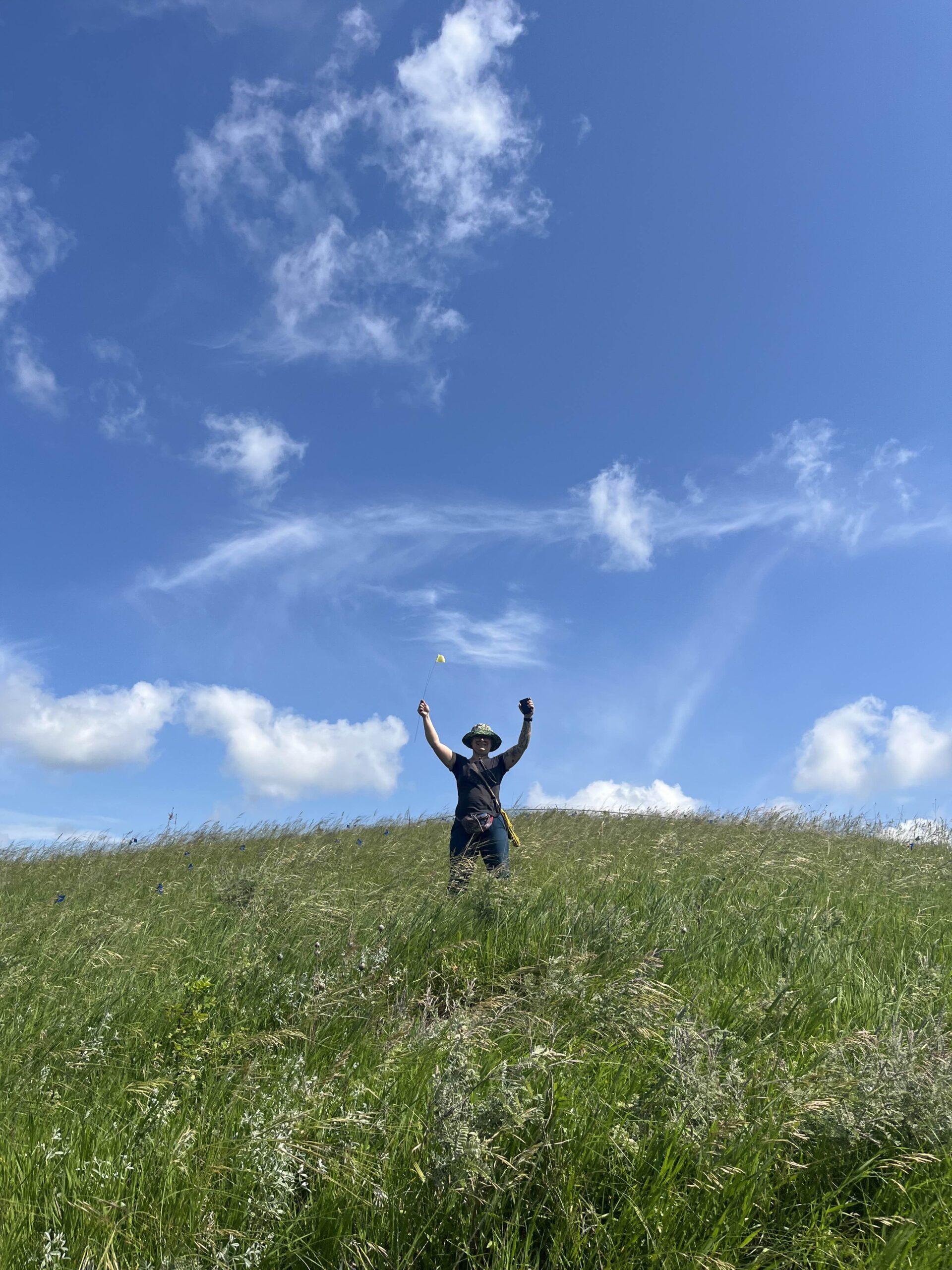
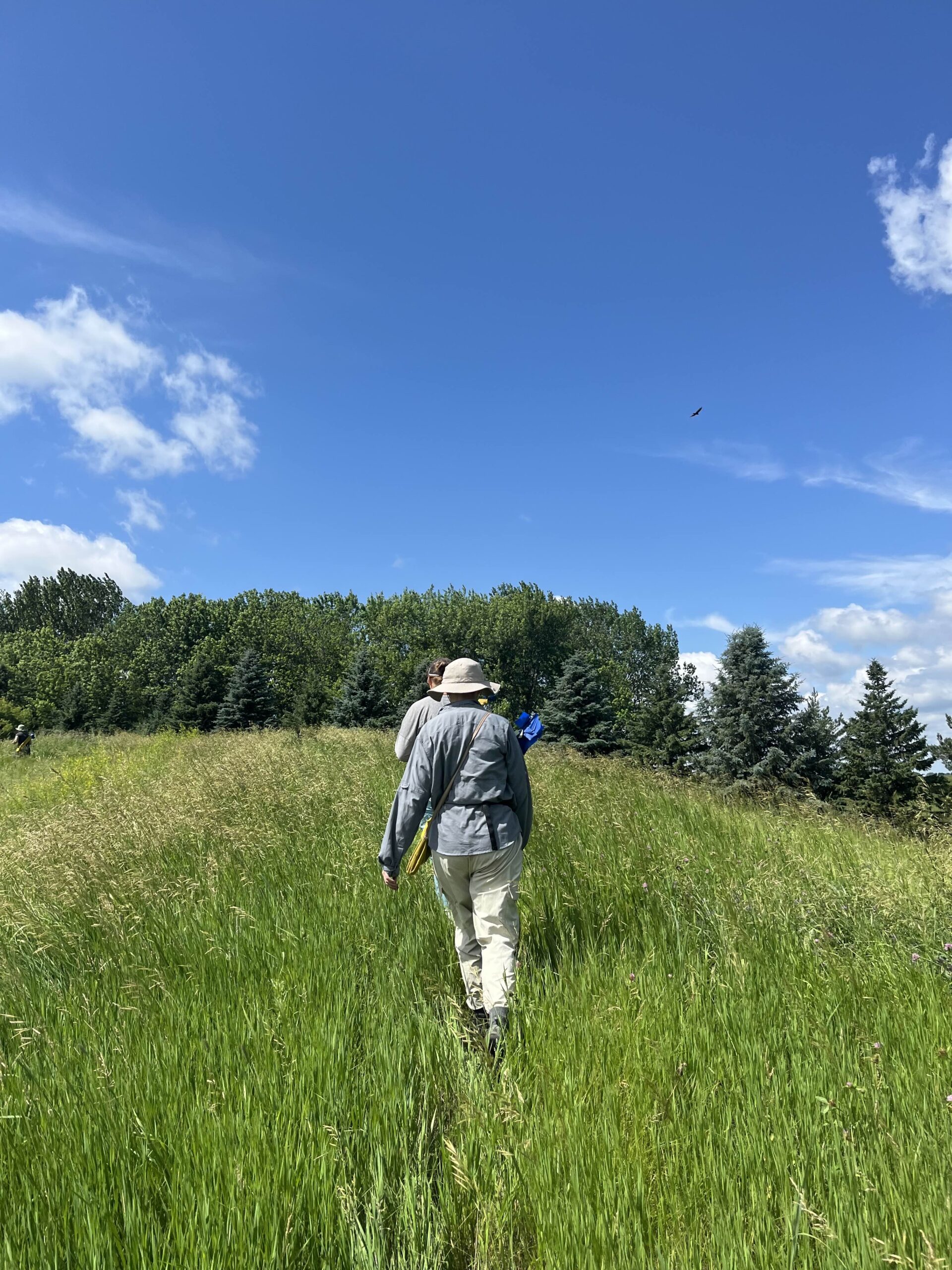
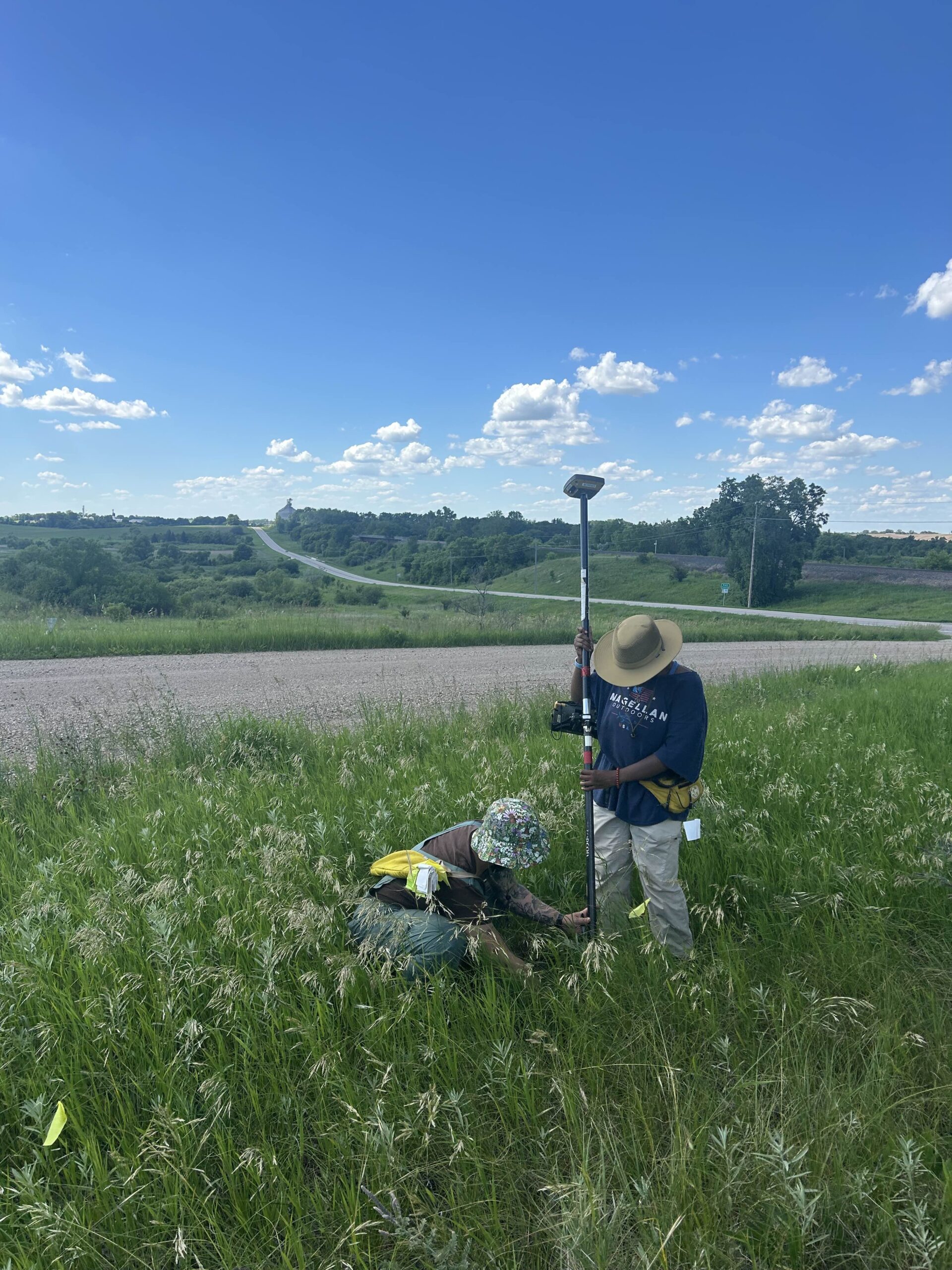
Demography and surveying Echinacea angustifolia is a long-lived perennial, but we are unsure how long they actually live. To track individual plant lifespans, we “demo” every season. This marks the 30th year of demography data for the Echinacea Project! This week, we have made good headway demo-ing and surveying the remnant prairie field sites. As a team, we have taken demography on over 300 plants in the past two days. Our high school and REU students practiced their echinacea spotting, visor usage, and GPS skills.
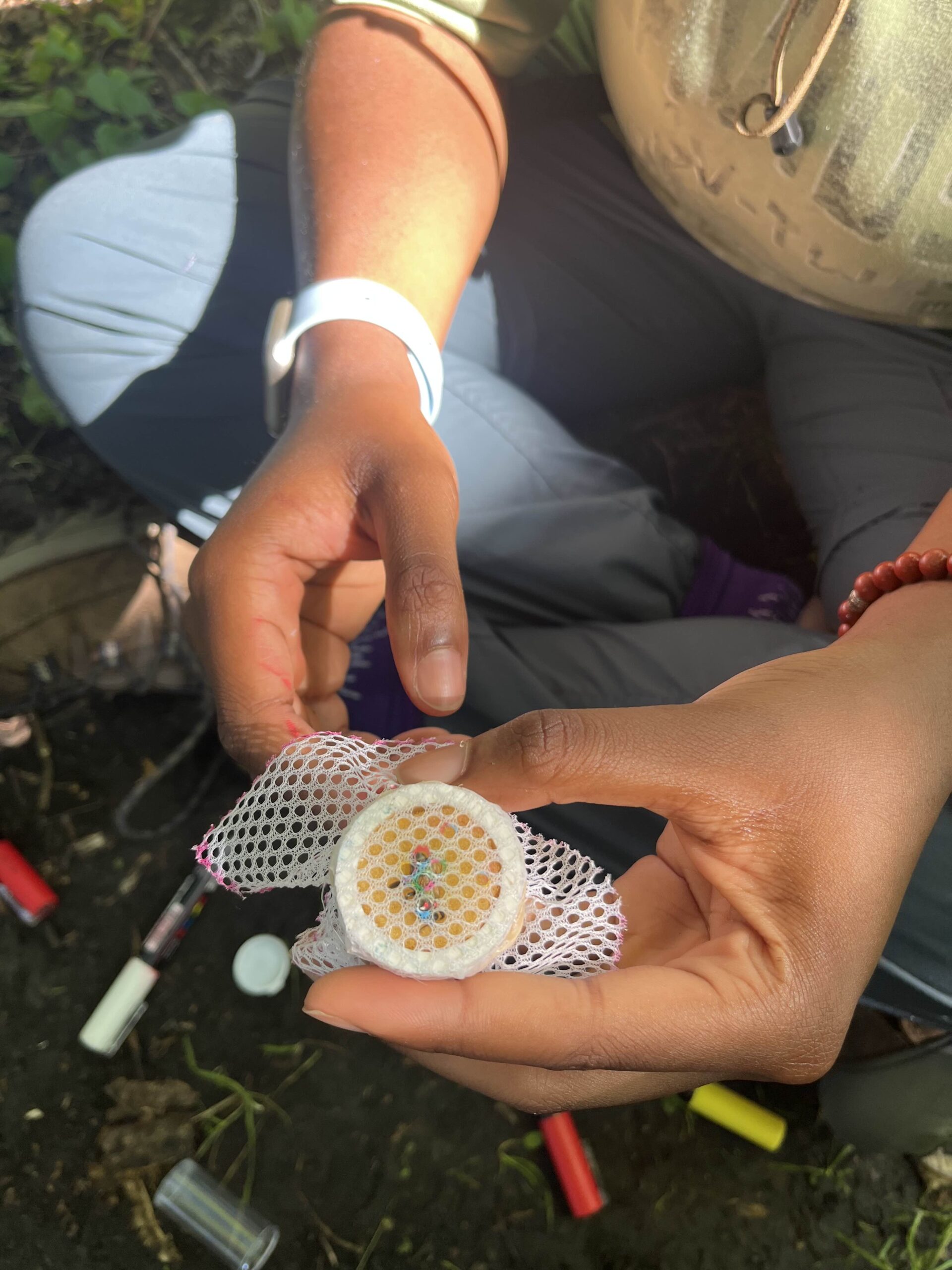
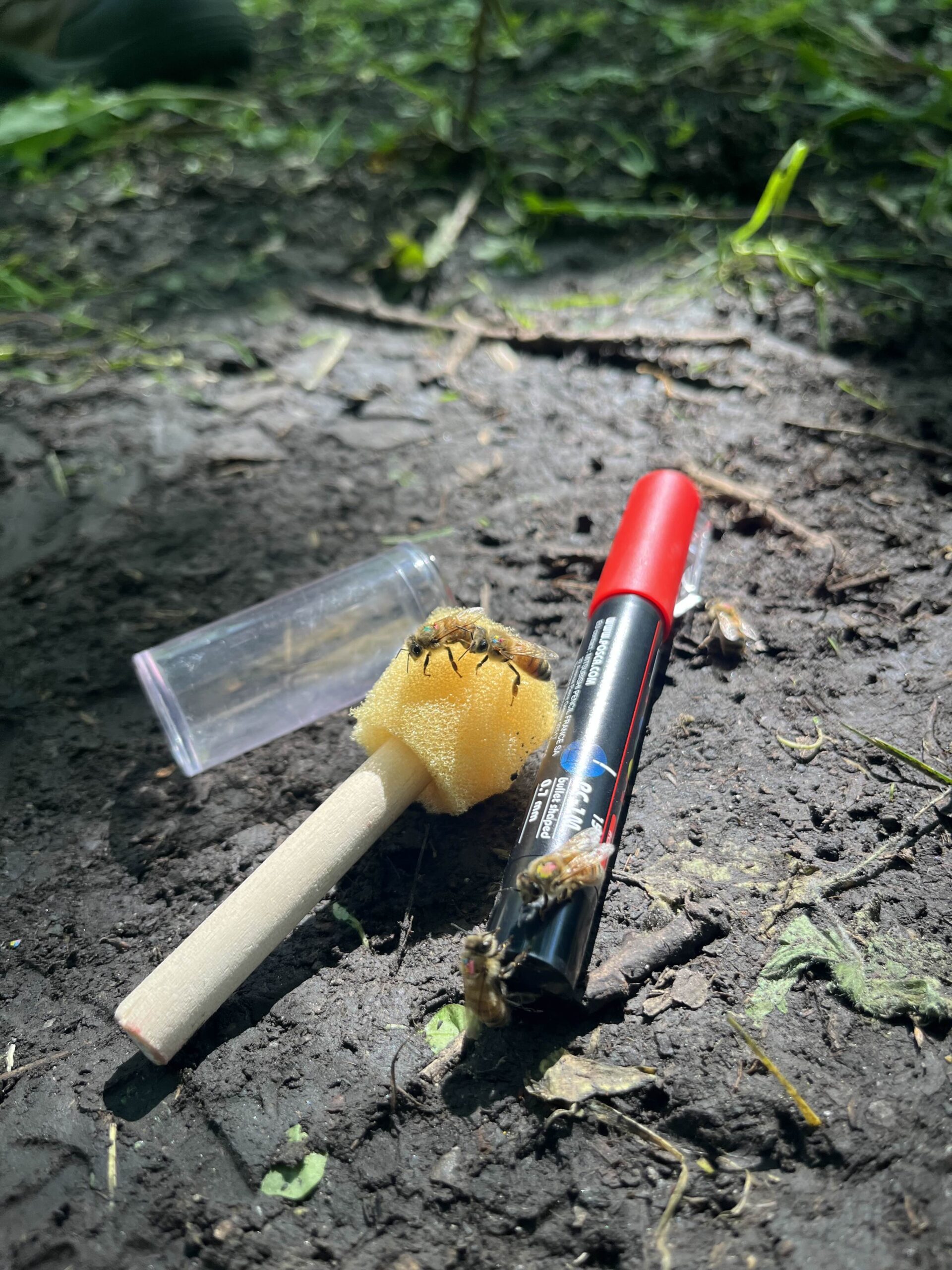
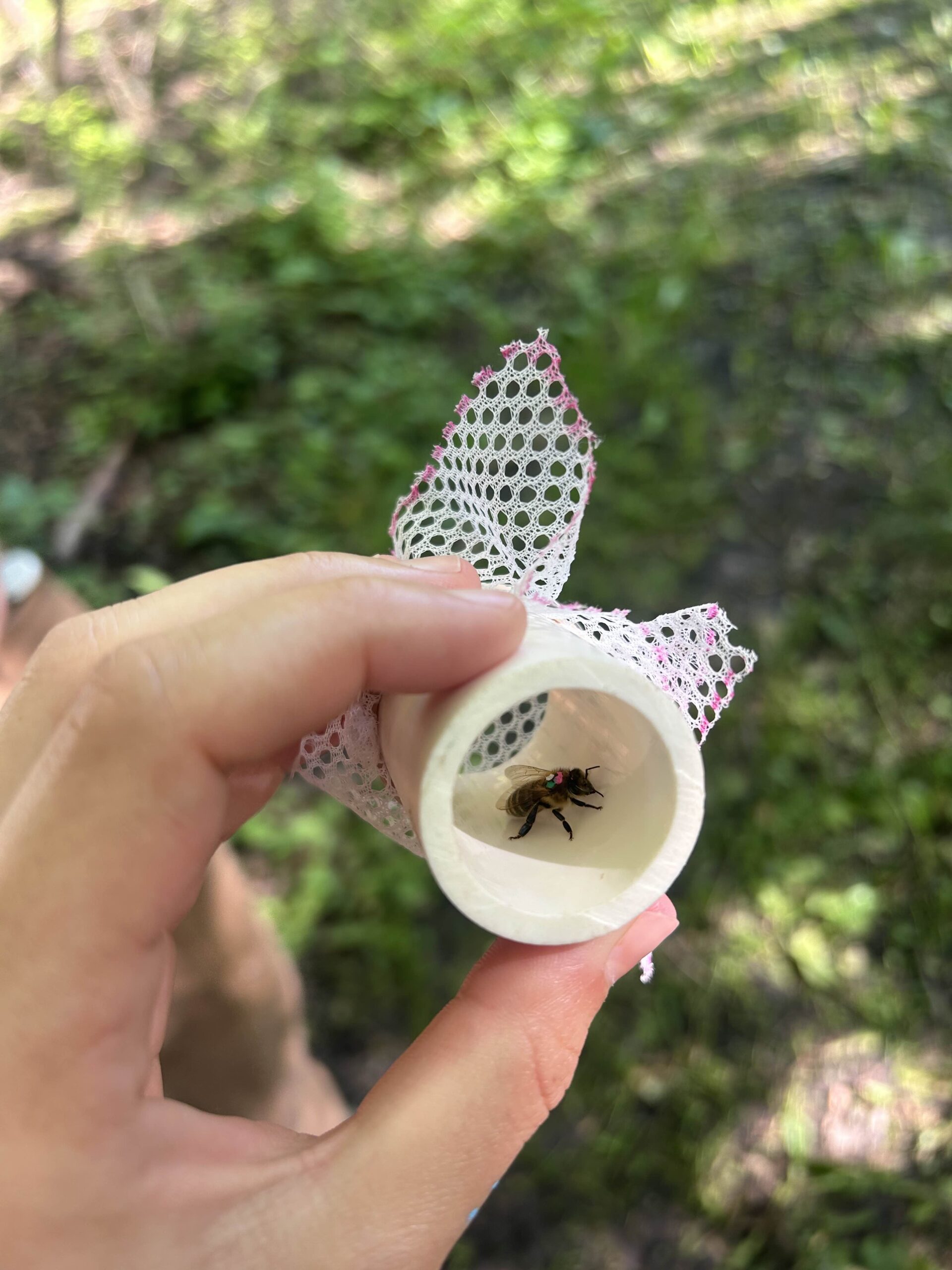
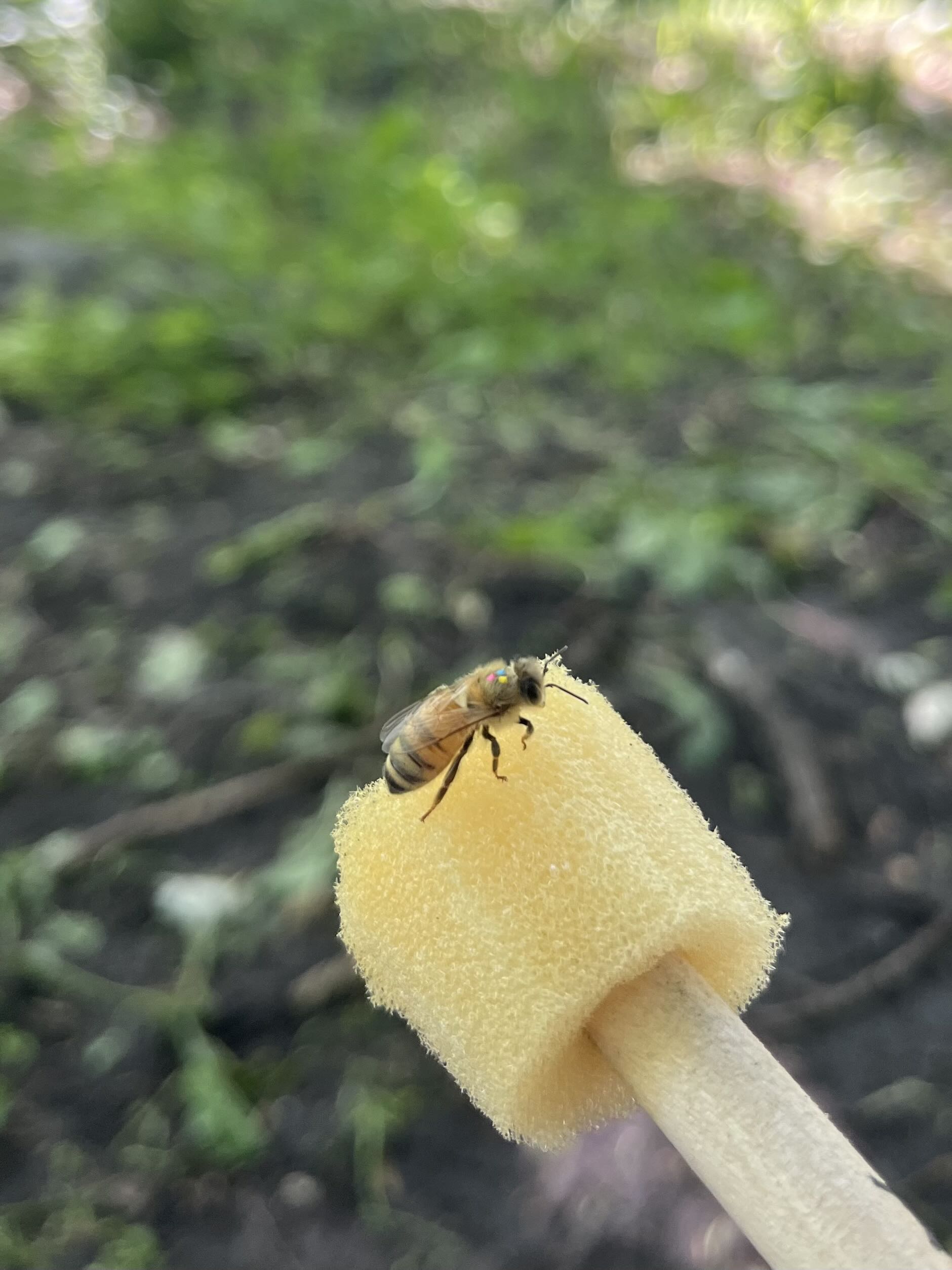
Pollinator projects REU interns Grace and Kyra have solidified their experimental design on their pollinator mark and recapture project. We used nets and vials to capture local honey bees as practice before we move on to bee populations in the remnants. To mark them, we placed the bees in our constructed “bee plungers”, easing them to the top of a mesh-covered tube, where we could them use paint marks to place tiny dots on their abdomens. The order and color of these dots will allow Grace and Kyra to keep track of each individual bee that they capture throughout the project.
Team Echinacea has begun the annual census of Echinacea plants. Each year we census all flowering plants at over 30 prairie sites. Each plant gets a digital census record, a flag, and a tag. Most plants already have a tag, so we don’t give them a new one. But some have lost their tag or are flowering for the first time, so they need a new tag. New tags this year are numbered starting at 30,001. Plants get neon flags and we will come back and survey them so we can make a map of the location of every plant. Once they get surveyed, we replace the neon flag. All of these efforts help build a long-term dataset about the survival and reproduction of these very long-lived plants. These plants face many challenges living in small prairie patches, but they are tough.
Below is a summary of the number of census records taken so far at nine sites
   site              rawSite demo.id
1 other                            1
2   alf      around landfill      11
3    cg        common garden      23
4  eelr   east elk lake road      19
5   lfe        landfill east     118
6   lfw        landfill west      99
7   lce loeffler corner east      78
8   lcw loeffler corner west      81
9  rrxx    railroad crossing      36