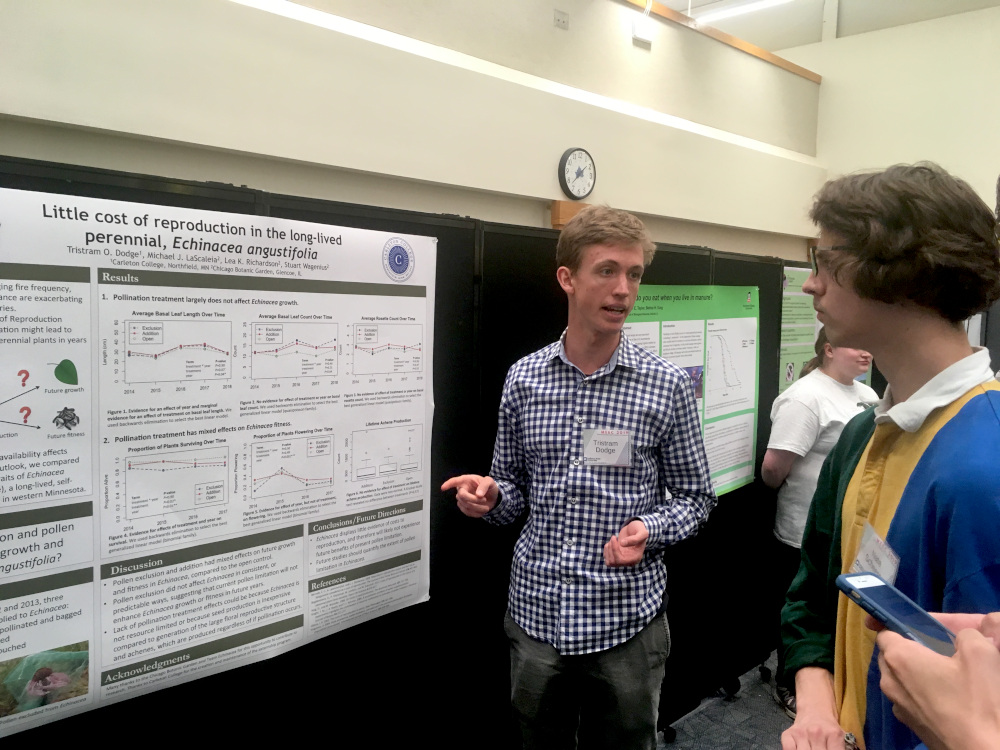
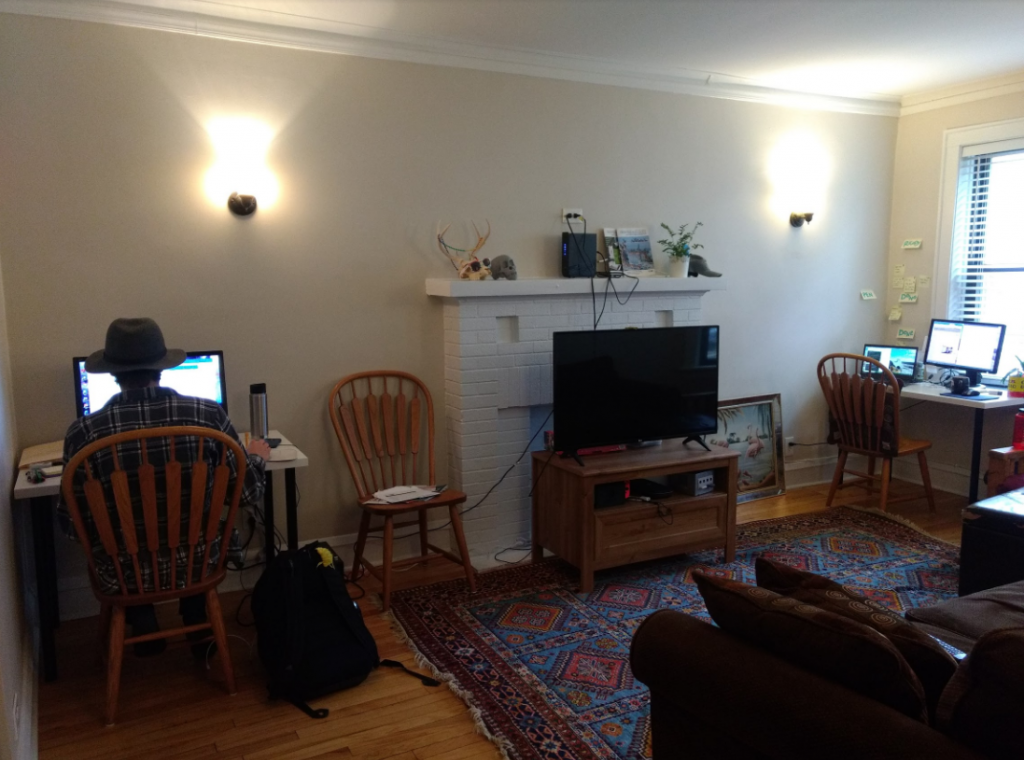
In conjunction with the CBG’s current policy, the Echinacea Project’s base of operations has moved out of the Plant Science building and into our living room! The lab is closed to volunteers and staff through the month of March and potentially longer as the situation develops. Despite this hiccup, we are continuing with our work and we’re looking forward to the productivity the next few weeks will offer!

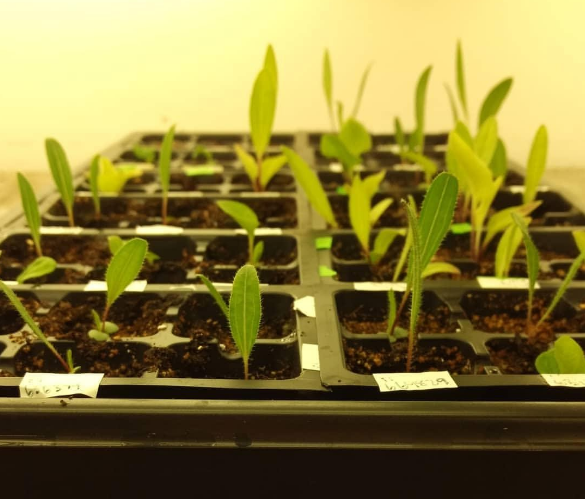
Over the last few months we’ve been germinating E. angustifolia, pallida and purpurea for our investigation into Echinacea ploidy. Elif, Riley and myself have been caring for the seedlings and will be working with people at the CBG to determine how we can maintain an appropriate watering schedule and safe social distancing practices.
Though our ACE head processing protocol is on hold for the foreseeable future, our excellent volunteer force has made great progress in 2020. We’re about 3/4s through cleaning the 2018 heads. Our counters are overflowing with cereal boxes of achene envelopes and with help from the volunteers, Riley cleared up some space by moving our 2015 achenes into the Dixon National Tallgrass Prairie Seed Bank (fancy title for “that big freezer on the other side of the building.”) We’ll be moving 2016 in there too when we return!
There’s plenty of work for us to do outside of the lab, so fear not our idle hands! Riley’s looking ahead to the 2020 field season by preparing for measuring in our common gardens. He’s working on a snappy measuring field checks function to hopefully streamline a process which took us a lot of time in Fall 2019.
Currently I’m working on uniting our 2019 demo and surv records in demap. First I tackled our largest 2019 flowering site (Aanenson,) and now I’m working through sling sites to hopefully have maternal plant data ready for our collaborative sling project.
The superteam of Team Echinacea members and alums working on sling in 2019/20 is hopeful about making some great progress in the coming weeks. Perhaps this cross-country collaboration was the original social distancing initiative? Video calls are the hip new quarantine hangout these days, so we were ahead of the curve on that front!
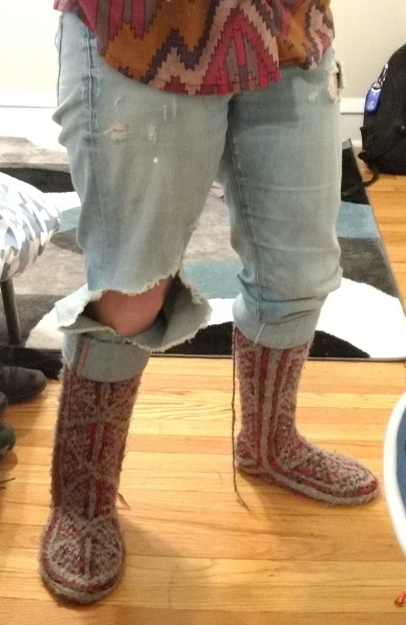
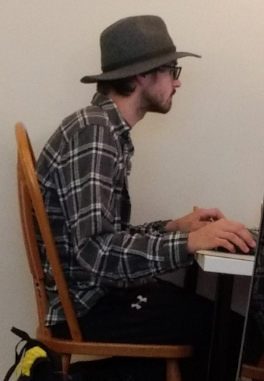
Since we’re now the masters of the office dress code, we’ve been stretching our fashion wings. I’ve busted out my favorite slippers and jeans, and Riley’s switching up his hat game from baseball to brimmed. Check back in with us in a few weeks– we’re working on getting our Spring 2020 collection ready for debut!