Many plants, including Echinacea angustifolia, flower vigorously during the summer after a prescribed burn. We’ve demonstrated that the benefits of fire for seed production, in many circumstances, are bigger than just the increase in flowering. The additional boost to seed production results from better pollination after fires compared to other times. Now we are trying to figure out what’s going on with pollination–why is it better after a fire? It might be related to pollen or nectar, which are foods for the bees that pollinate Echinacea. Here are two possibilities: 1) after a fire, plants produce more or better pollen or nectar which draws in bees from farther away, so the plants get more visits and better pollination, presumably the bees are happier with abundant & healthy food. 2) after a fire, plants produce less or lower quality pollen or nectar which means bees need to fly to more plants to get a decent meal, so the plants get more visits, and the bees are probably frustrated with skimpier meals and bad food. The third possibility is that plants produce the same quality and quantity of pollen & nectar regardless of fires.
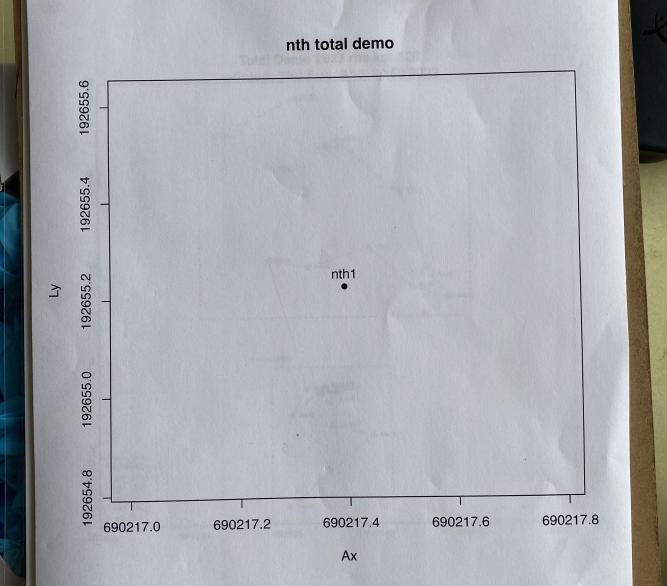
Over the summer we systematically collected pollen and nectar from many Echinacea plants in many populations (19) over many days. Our goal is to evaluate how fires affects the quality and quantity of pollen & nectar produced by Echinacea plants. We are getting close to wrapping up data-entry for our field collection of pollen and nectar from Echinacea angustifolia. Here’s a summary of data-entry progress so far…
Each “tagCt” is the number of Echinacea plants we sampled at each site. We will keep you posted!
Funding for this project was provided by the Minnesota Environment and Natural Resources Trust Fund as recommended by the Legislative-Citizen Commission on Minnesota Resources (LCCMR).
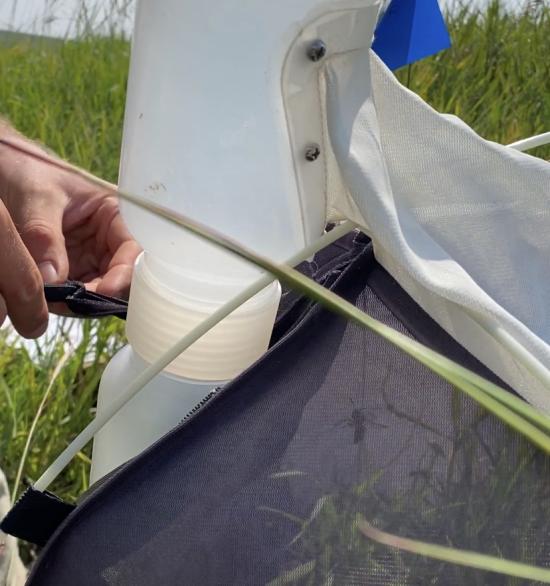
Today, while deploying emergence traps, we avenged our recently stung colleague (Ellysa Johnson). One of our randomly selected points was directly upon a hornets nest (a few are seen in this photo, but tens were present and buzzing furiously). Miraculously, neither of the crew members present were stung. Let this day mark our revenge.
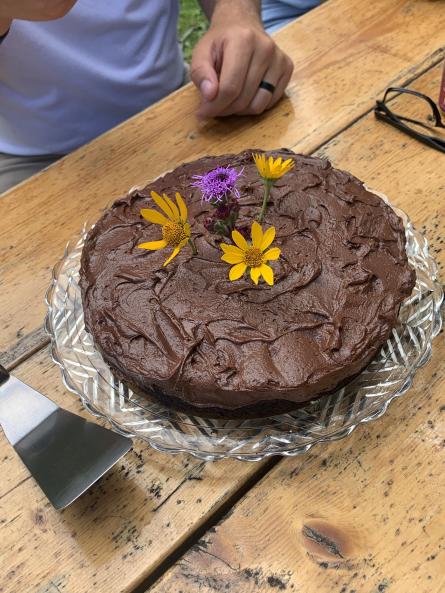
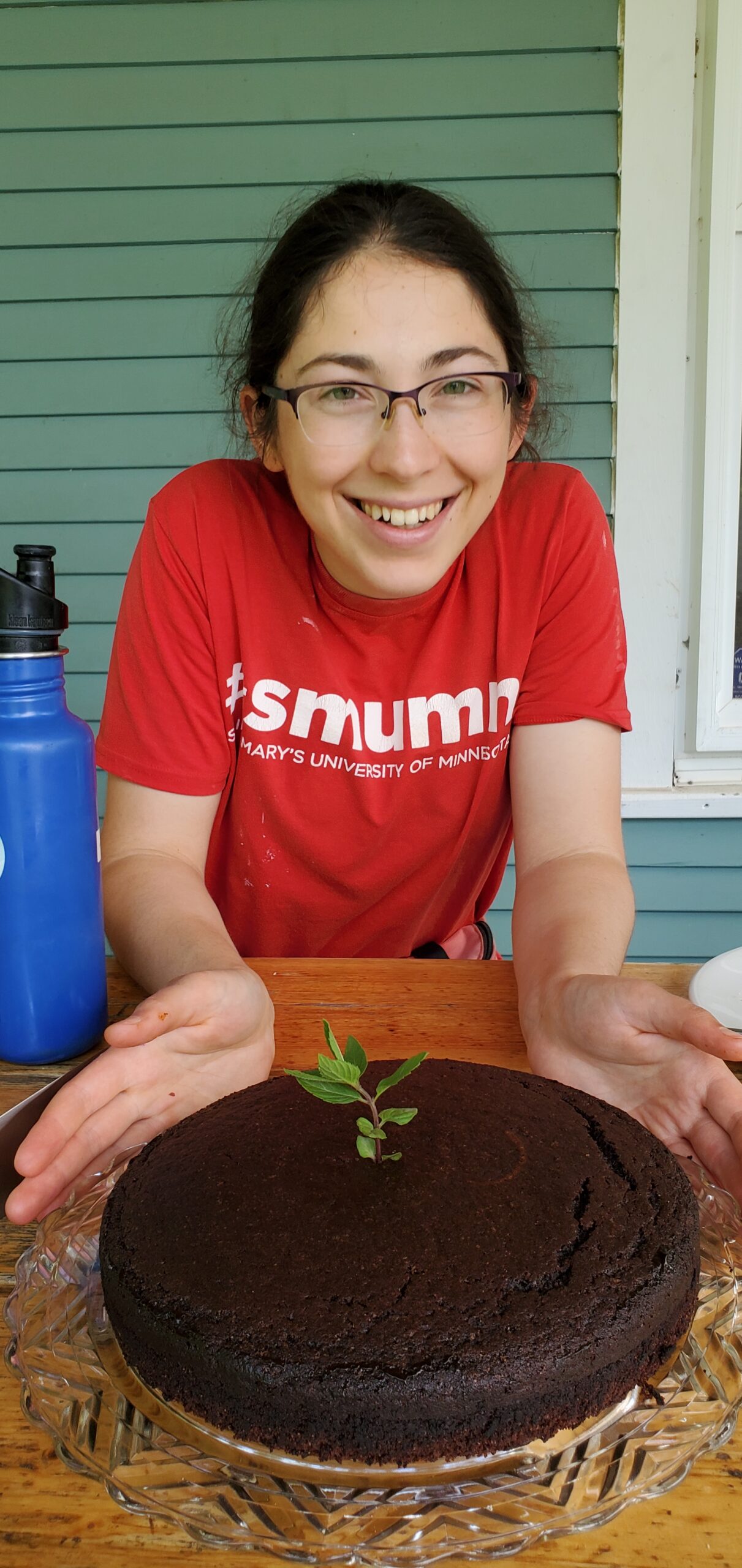
Today was Harrison’s last day with us 🙁 Stuart made a prairie-inspired cake to honor his time with the project. He is returning to teach young minds about ecological research. Farewell, Harrison, and good luck!
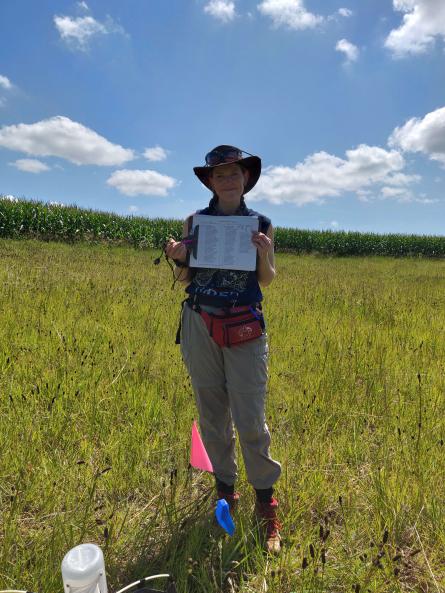
The team also conducted floral abundance surveys. Essentially, we want to see how many plants (and what kinds) may be associated with ground-nesting bees. That requires feet on the ground to estimate abundances and identify plants.
Lastly, a battle occurred today. While the crew did demography of echinacea plants- where we record data on this year’s flowering plants- I was stung by two wasps. Luckily, Lindsey was prepared to retaliate, though it wasn’t necessary.
All in all, farewells can sting, but at least there’s cake in the end.
Grass so high Our vision fails Of flags off hiding Who knows where
Holes for hiding Insects who Like their grasses Tall and true
Today we helped dig soil cores for a “pitfall trap” project. The holes were dug near our ENRTF insect collection points and will grant greater insight on how burning prairies can affect insect population composition. The grass was pretty high, though, and we could hardly see the flags that had been placed earlier in the season! Rest assured, the holes were dug.
Also we did emergence traps. We always do emergence traps.
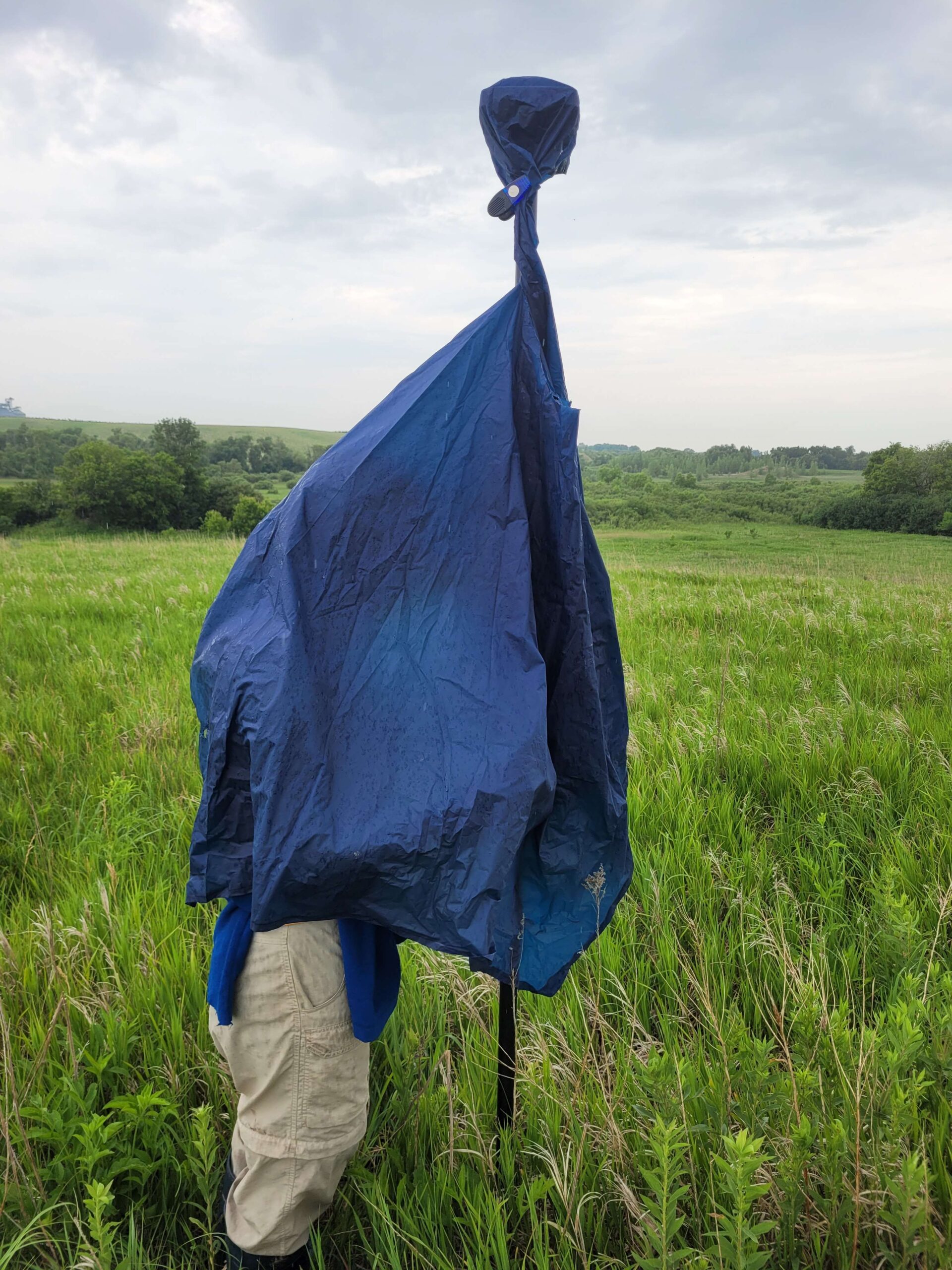
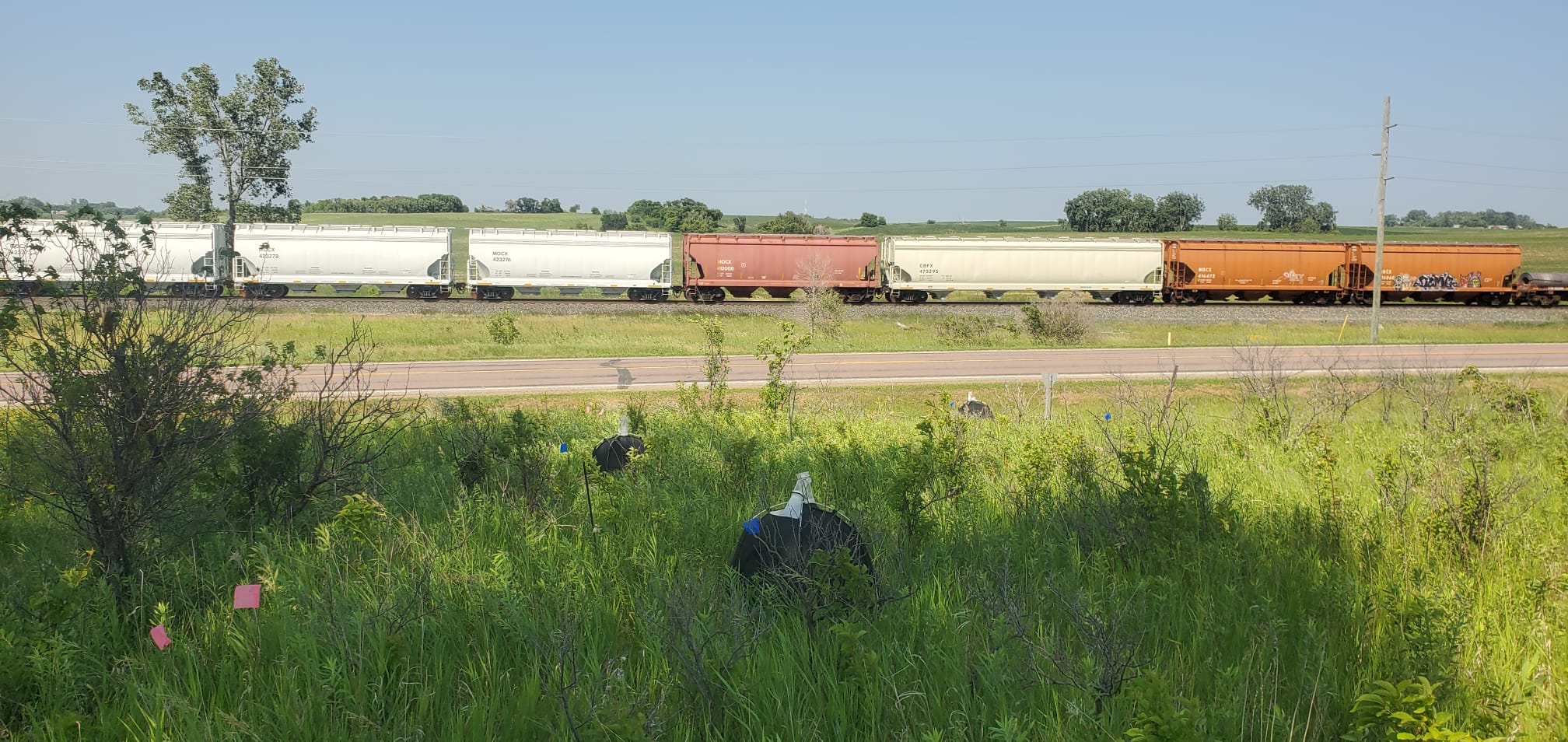
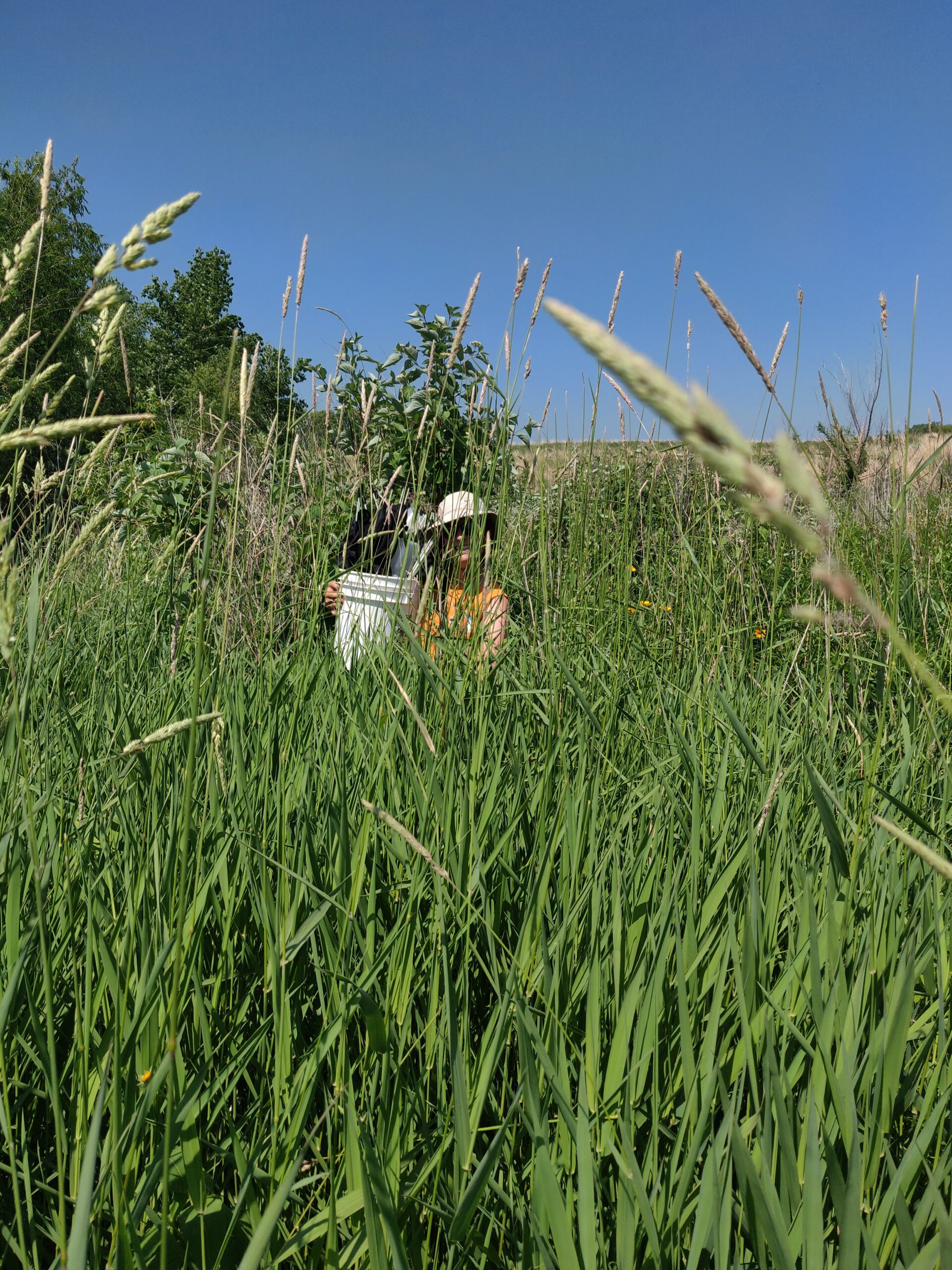
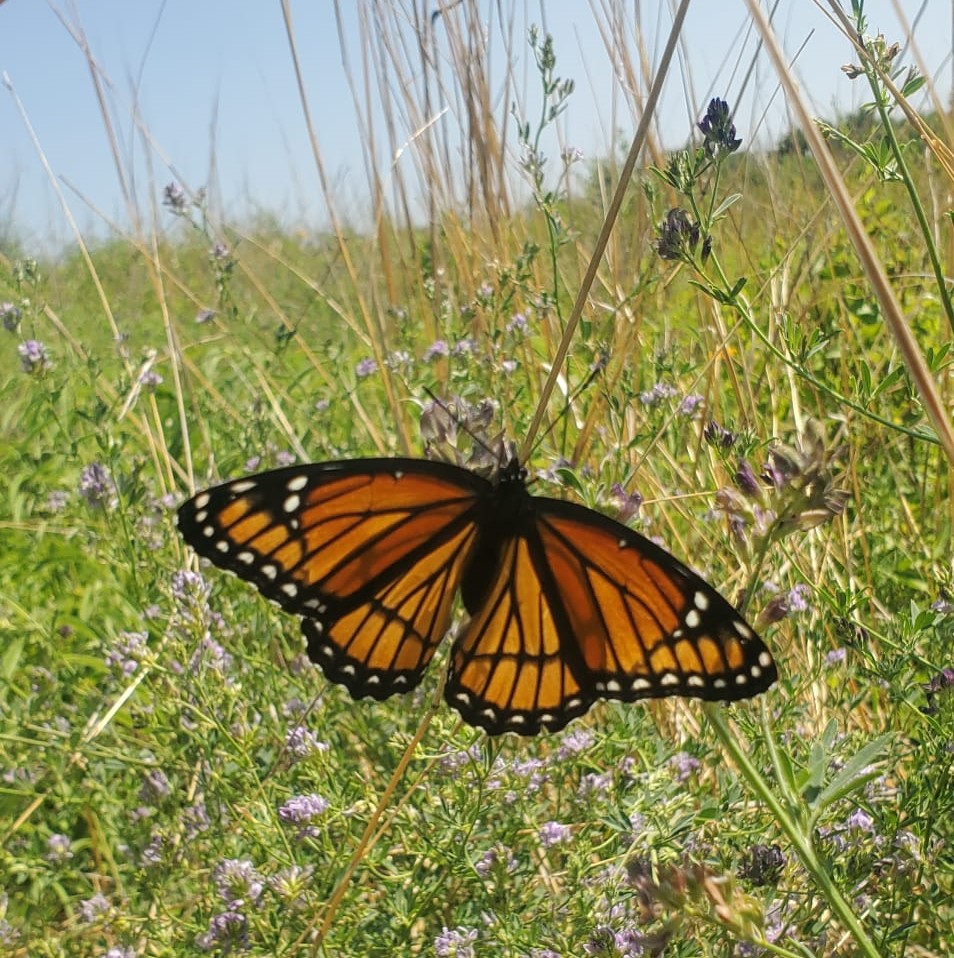
The pollinator team set out to recover some emergence traps (picture 1) this afternoon. While we didn’t find ground-nesting bees, which this project is centered around, we did see another pollinator while sifting through grass that extended beyond our own heads (Jan for scale; picture 2). The viceroy (Limenitis archippus; picture 3) looks incredibly similar to the monarch (Danaus plexippus), except for the black, horizontal line that cuts across their dorsal wings. We hope to see even more pollinator friends as the field season goes on!
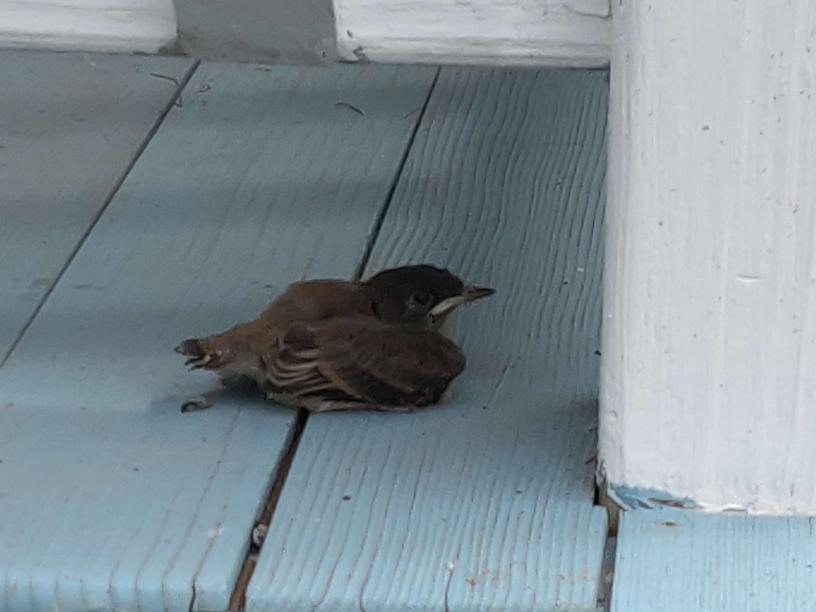
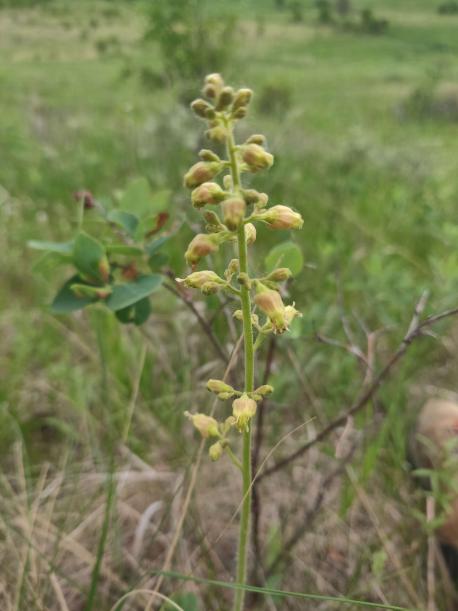
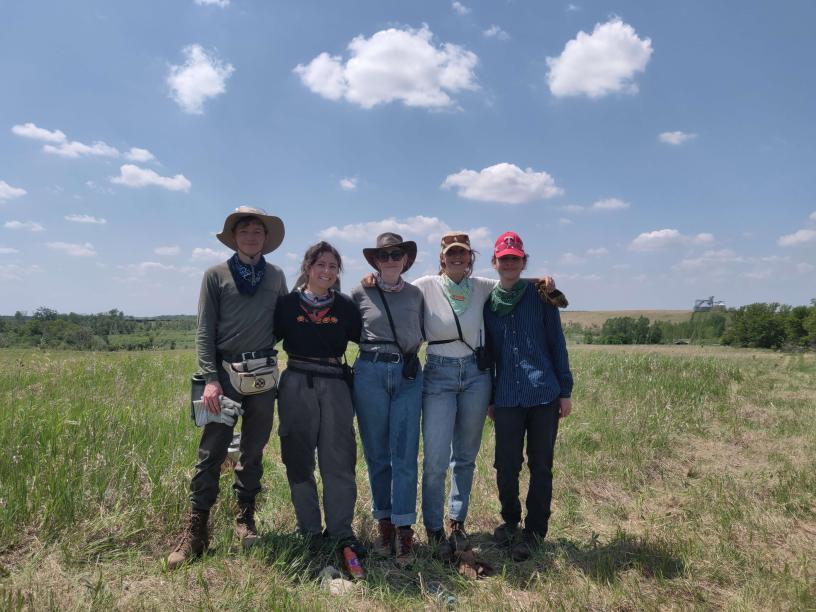
To counter expected high temperatures, we started earlier in the morning with GPS points for the ENTRF-funded bee research project and found some cool plants. After lunch, some of the team continued to stake and shoot points, while others planted some green comet milkweed (Asclepias viridiflora) seedlings in a previously burned site. We also saw a baby Pheobe on the deck after it attempted to fledge.
One of our hard-working employees finding points with our handy dandy GPS units.Pheobe fledgling (or attemptee).Alumroot (Heuchera richardsonii) at one of our sites.