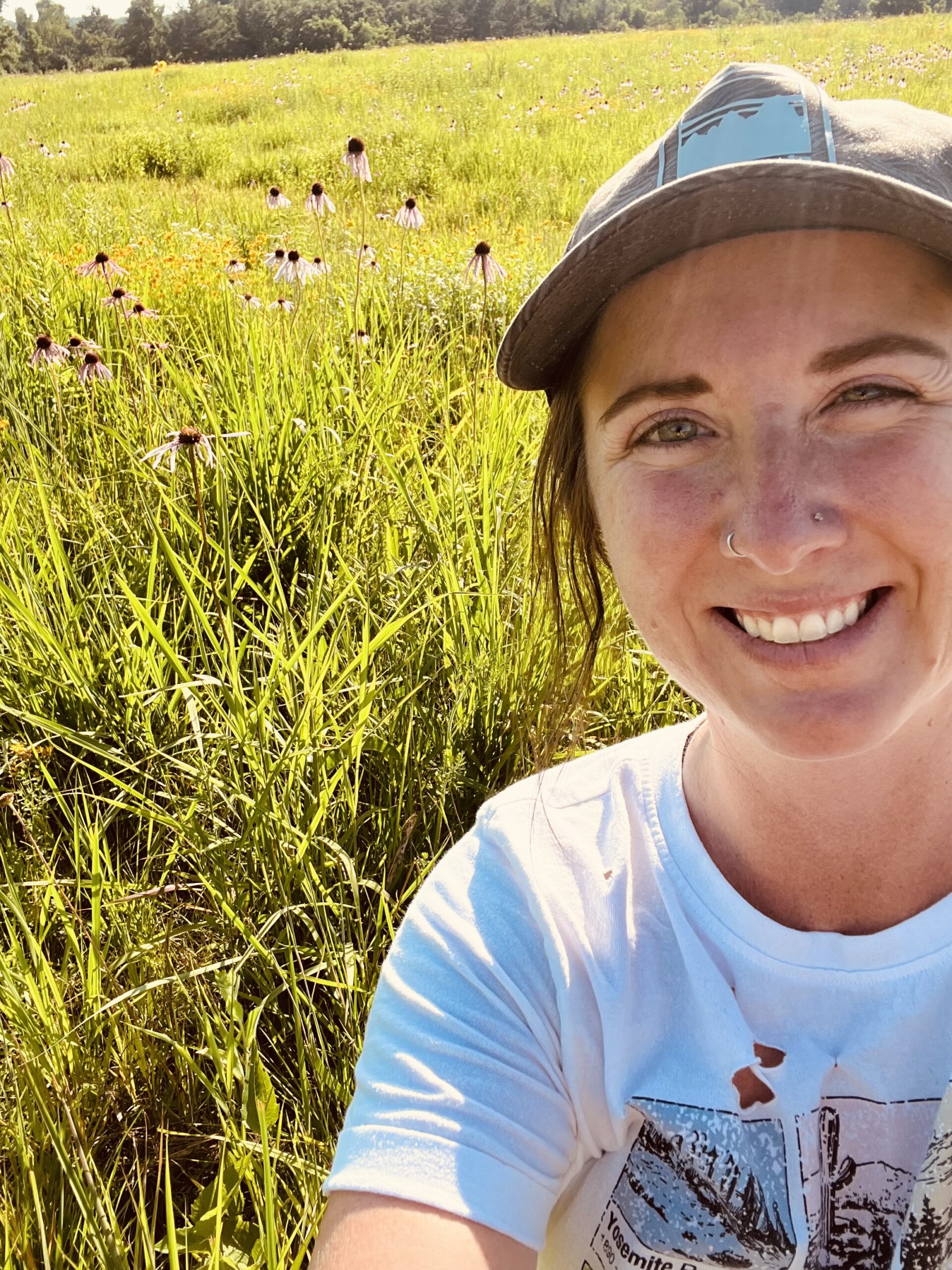
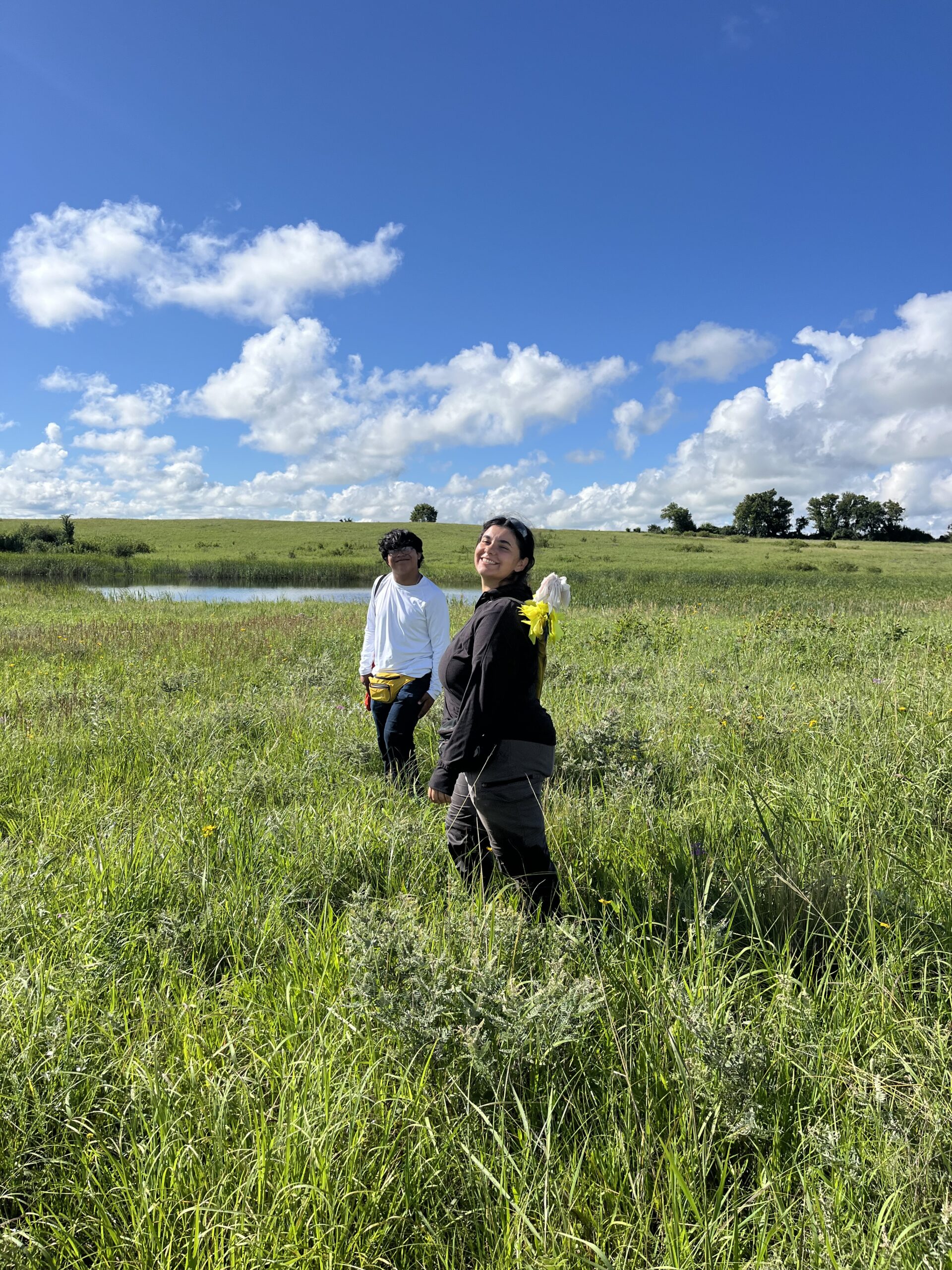
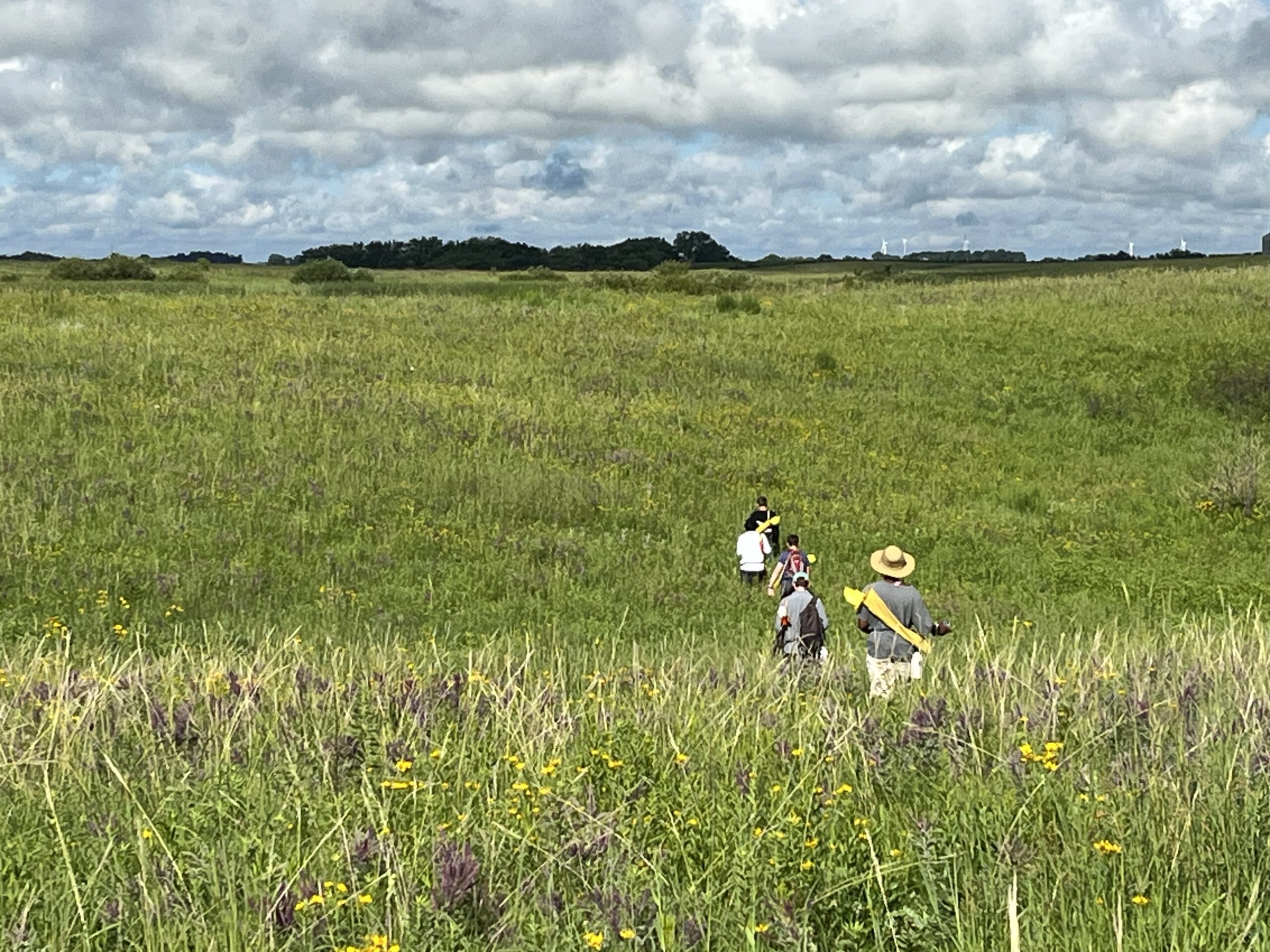
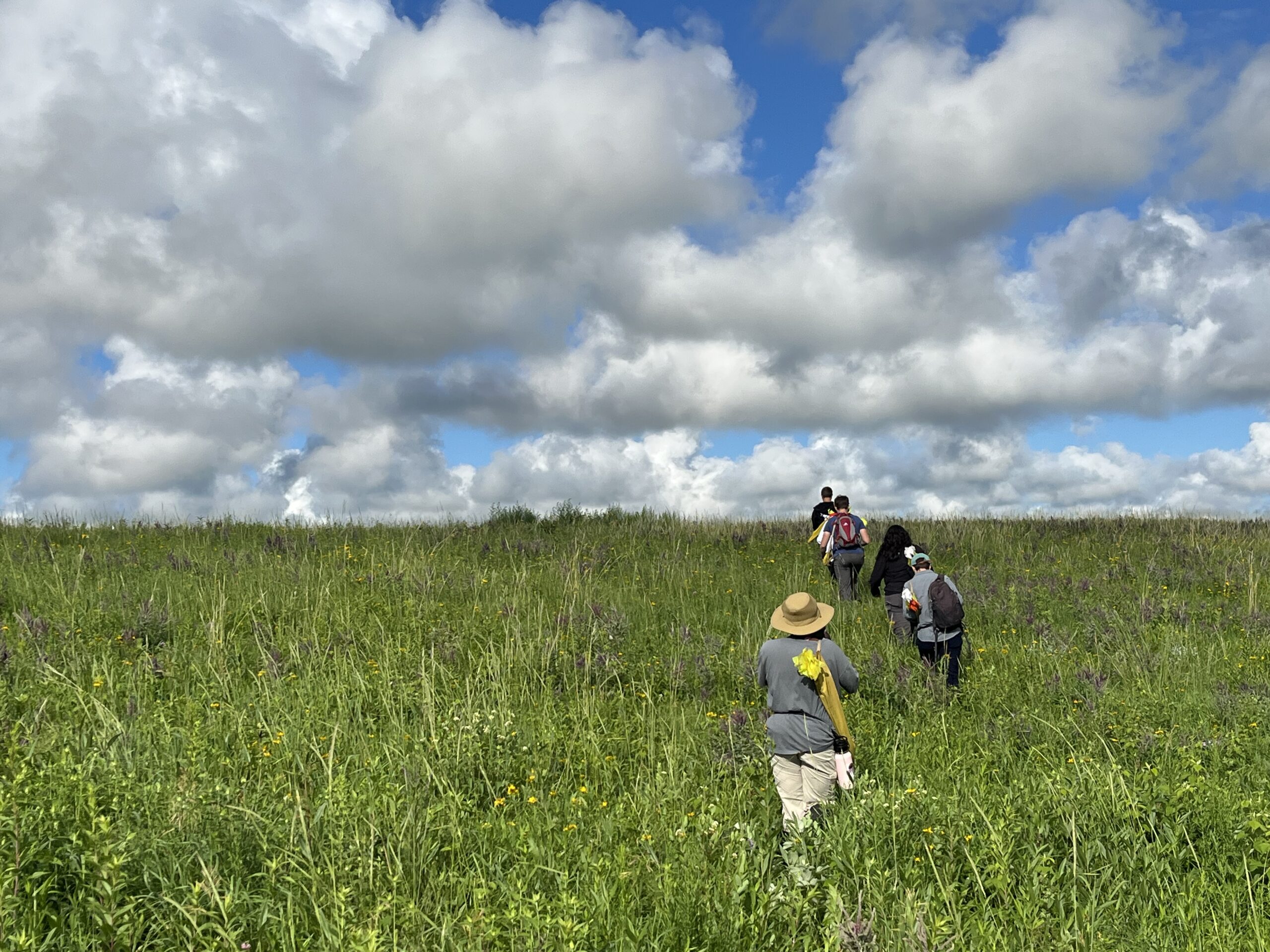
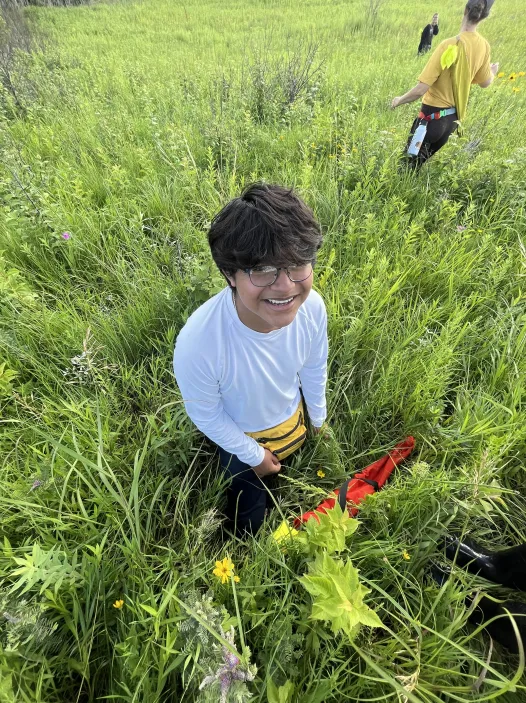
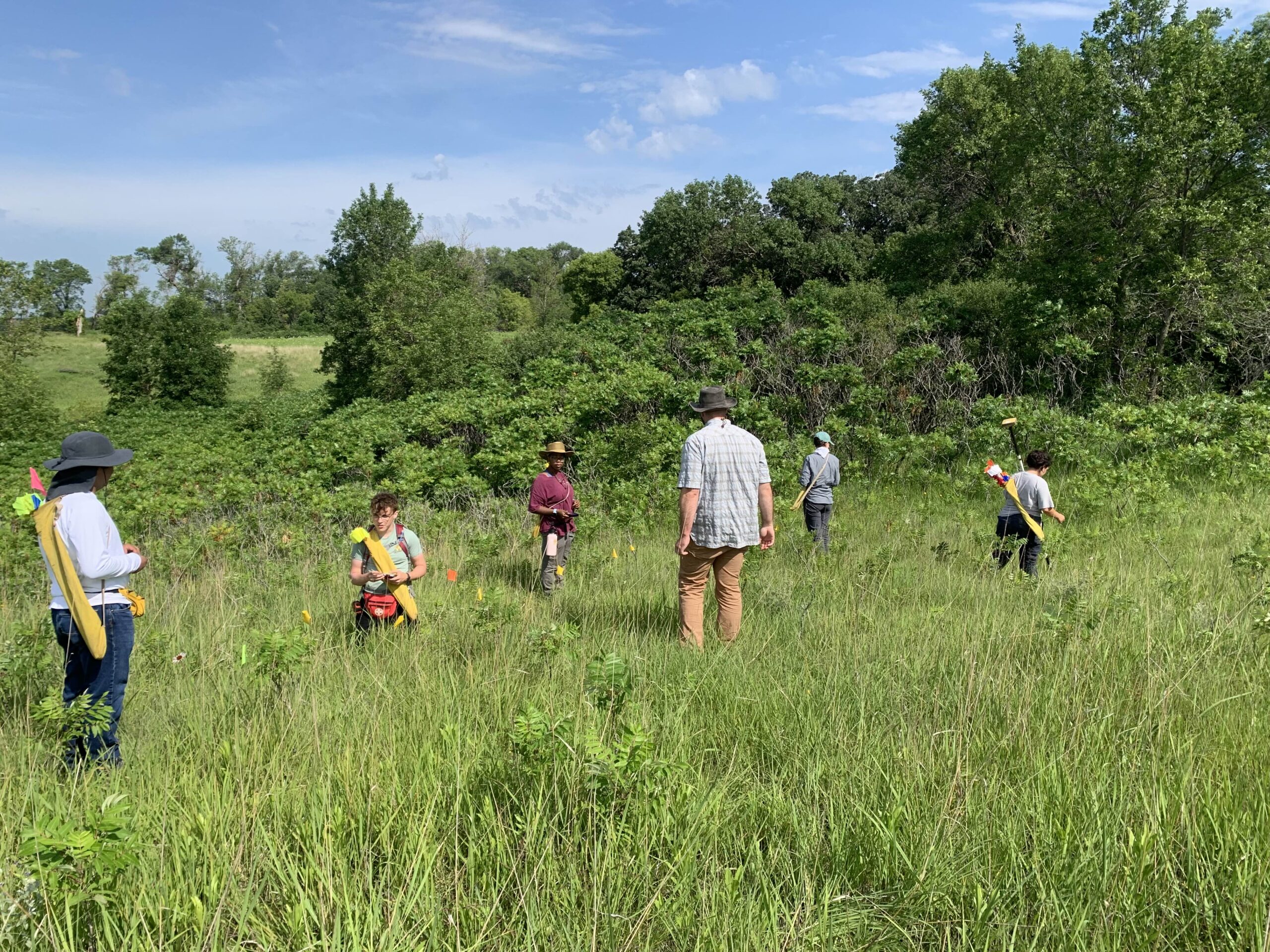
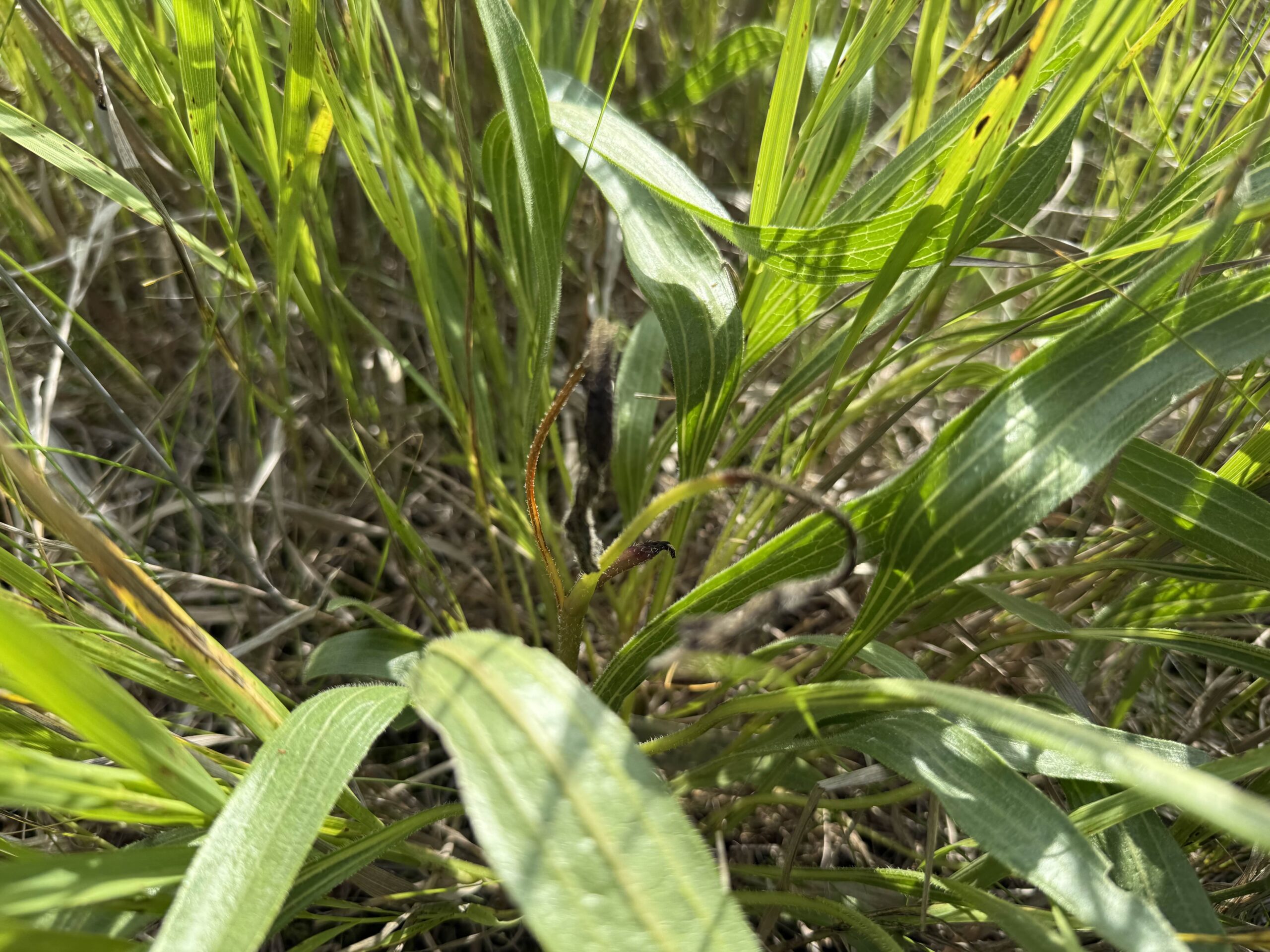
This summer with Team Echinacea, I developed a storyline-based ecology curriculum for high school students, using the team’s ongoing tallgrass prairie research as the anchoring phenomenon. The goal was to design a unit that moves beyond textbook facts, engaging students in authentic, place-based science that mirrors the work of real ecologists.
Traditional high school ecology units often feature distant or abstract examples—ecosystems in the Serengeti, Arctic wildfires, or urbanization in far-off cities. While these are important, they can feel disconnected from students’ own communities. My curriculum instead places the tallgrass prairie, and specifically the fragmented habitats of the upper Midwest, at the center of the learning experience. This approach ensures relevance for students in the central U.S. and for any community impacted by agricultural land use and habitat fragmentation.
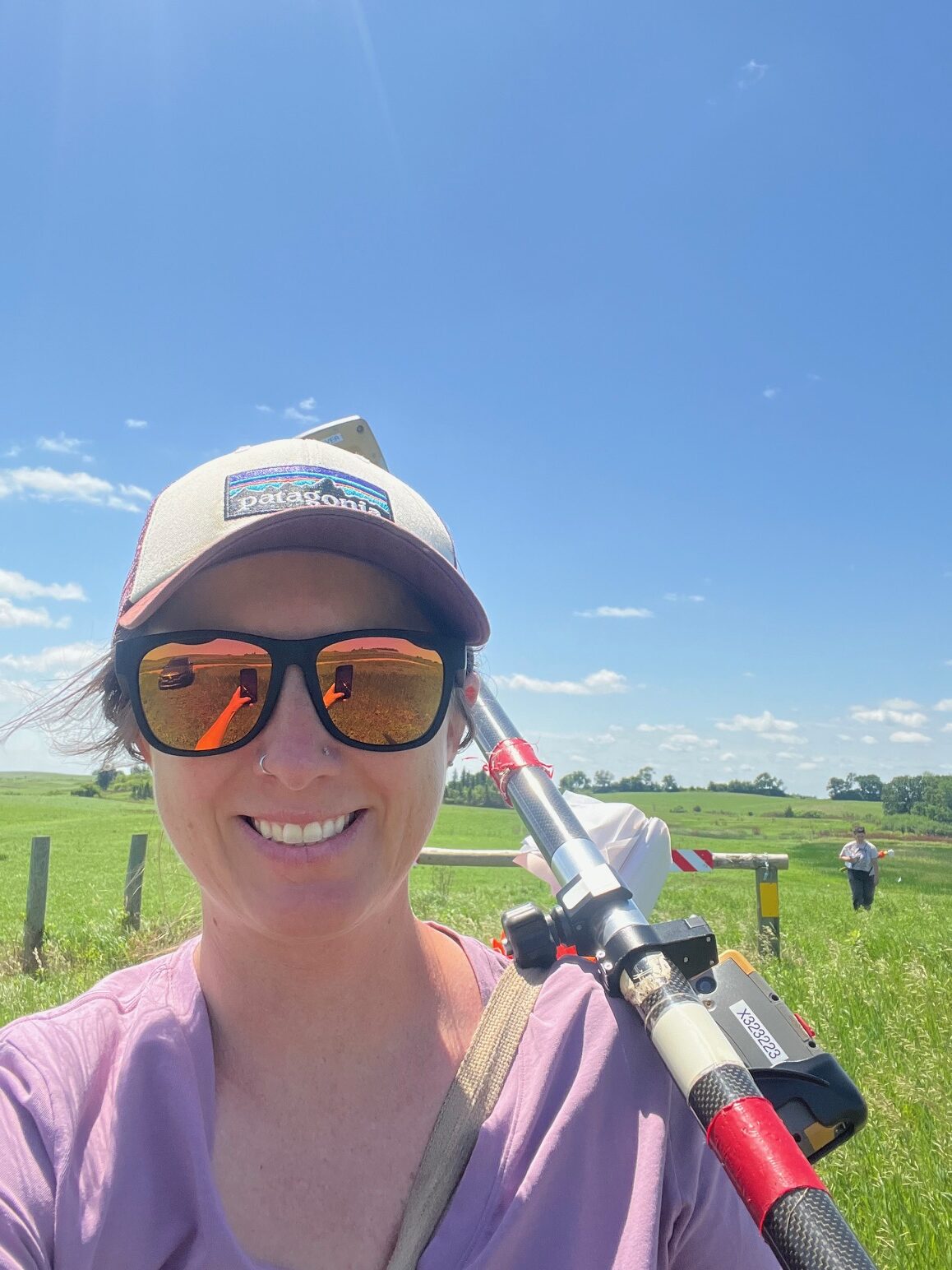
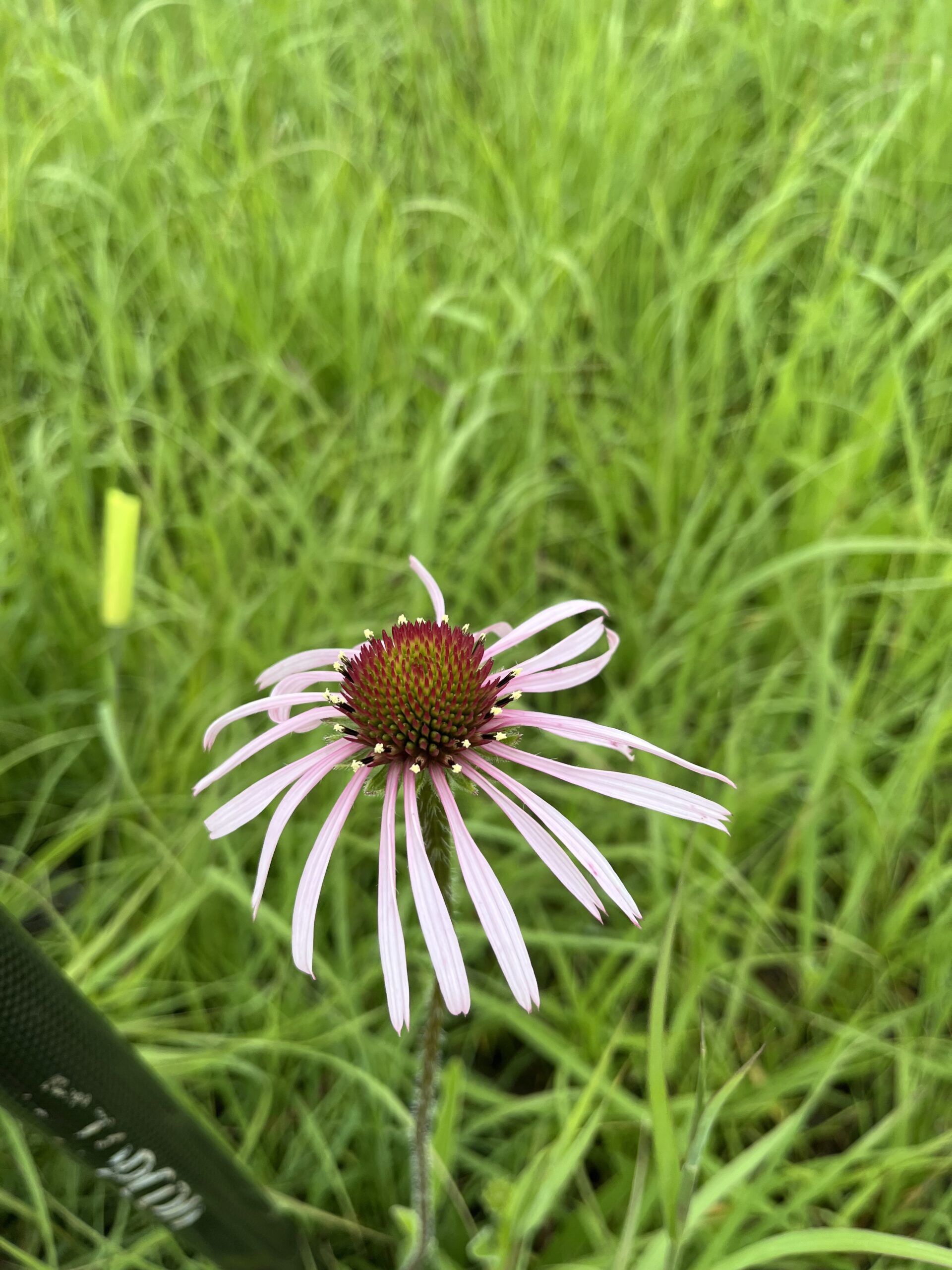
The unit uses real graphs, models, datasets, and field techniques generated by Team Echinacea’s long-term studies. Students will engage with authentic data on plant reproduction, population dynamics, and pollinator interactions, learning the same methods our team uses in the field—such as pollinator mark-recapture, flowering plant demography and measurements, and mapping remnant populations. These activities are paired with opportunities for students to collect and analyze data from local sites, allowing them to connect global ecological concepts to their immediate environment.
By aligning with NGSS and applying a storyline structure, the curriculum guides students through a sequence of investigations driven by their own questions. Each lesson builds on prior discoveries, deepening understanding of ecosystem function, biodiversity, and conservation strategies. The emphasis is on sense-making, not memorization, fostering higher-order thinking skills and scientific reasoning.
Ultimately, this project aims to make prairie ecology personal, urgent, and inspiring. Students will see themselves as active participants in ecological research and conservation, gaining not only knowledge but also the confidence and skills to address environmental challenges in their own backyards.
Stay tuned for updates as I pilot this curriculum in my high school ecology and environmental science classes, and with my school’s Environmental Awareness Club. I’m excited to see how this collaboration between Team Echinacea and the classroom can cultivate the next generation of conservation-minded scientists!
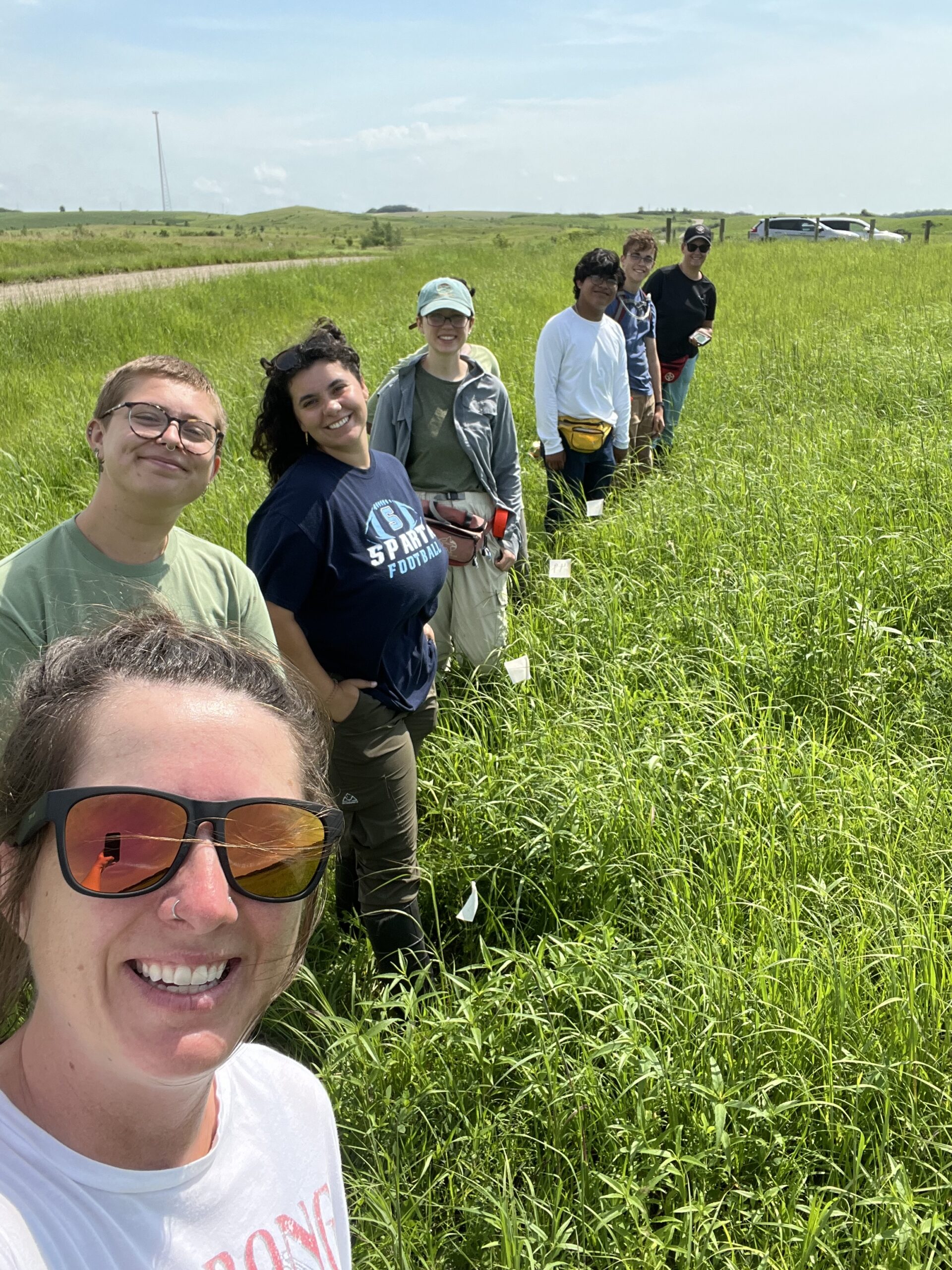
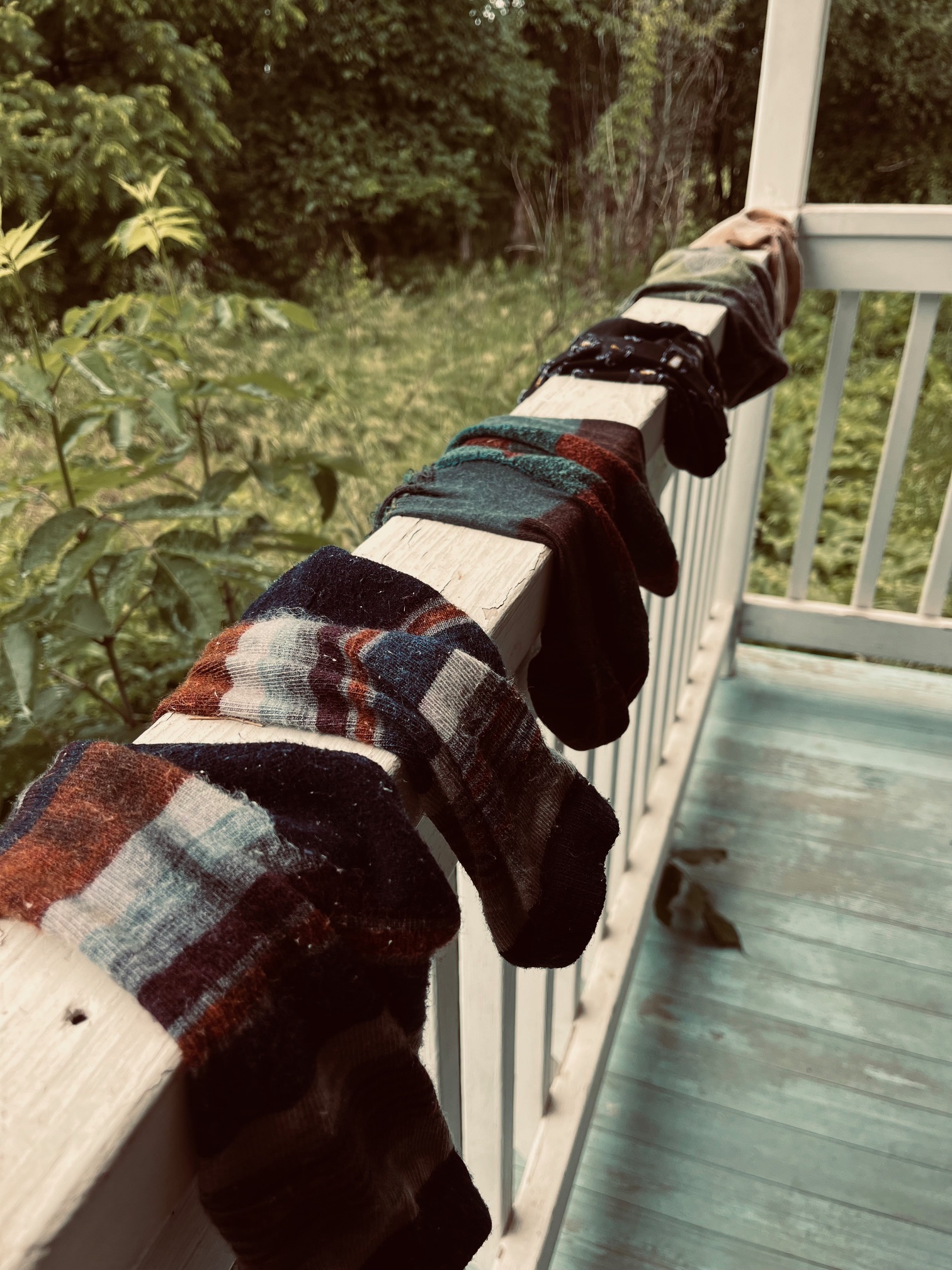
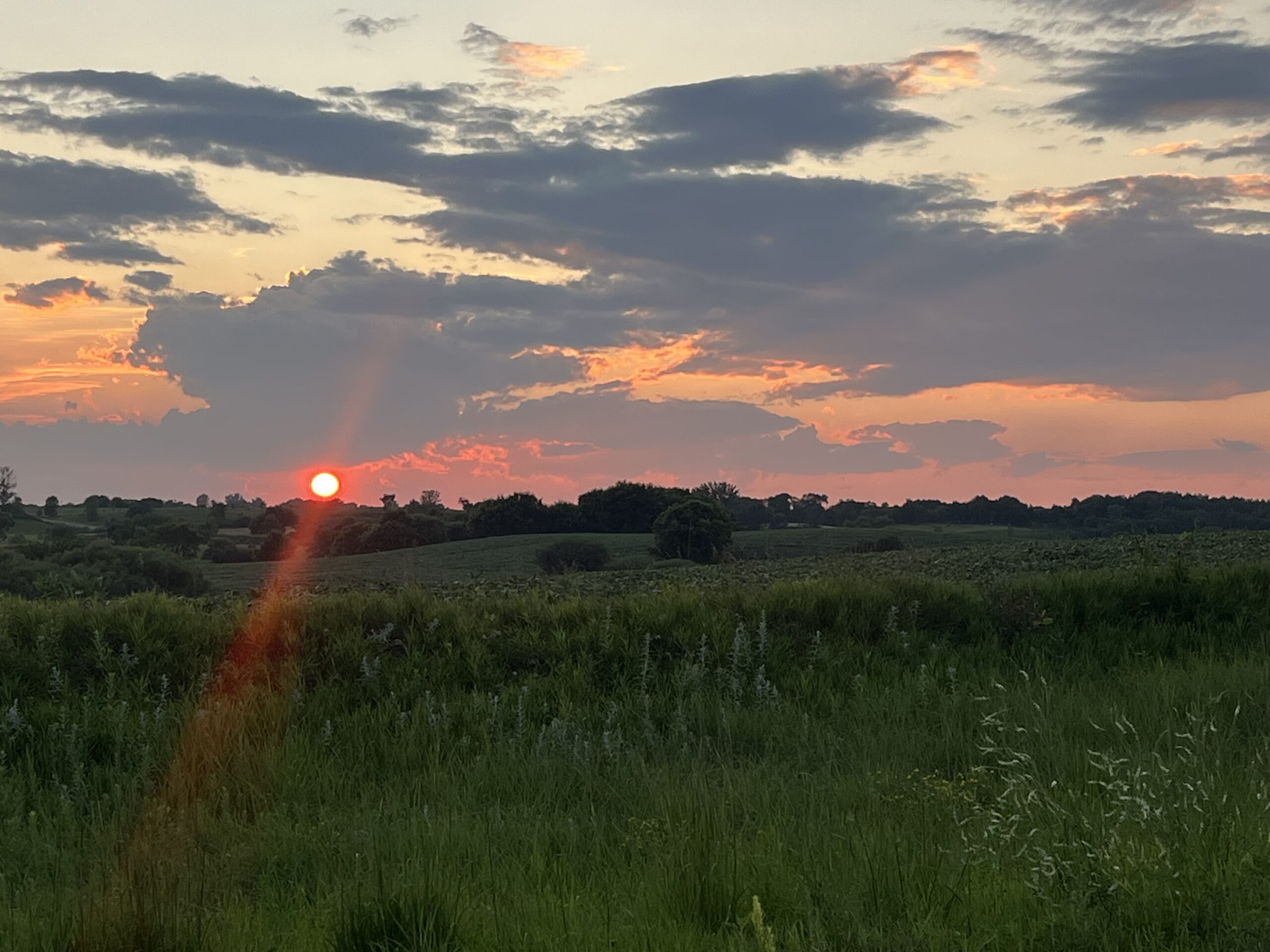
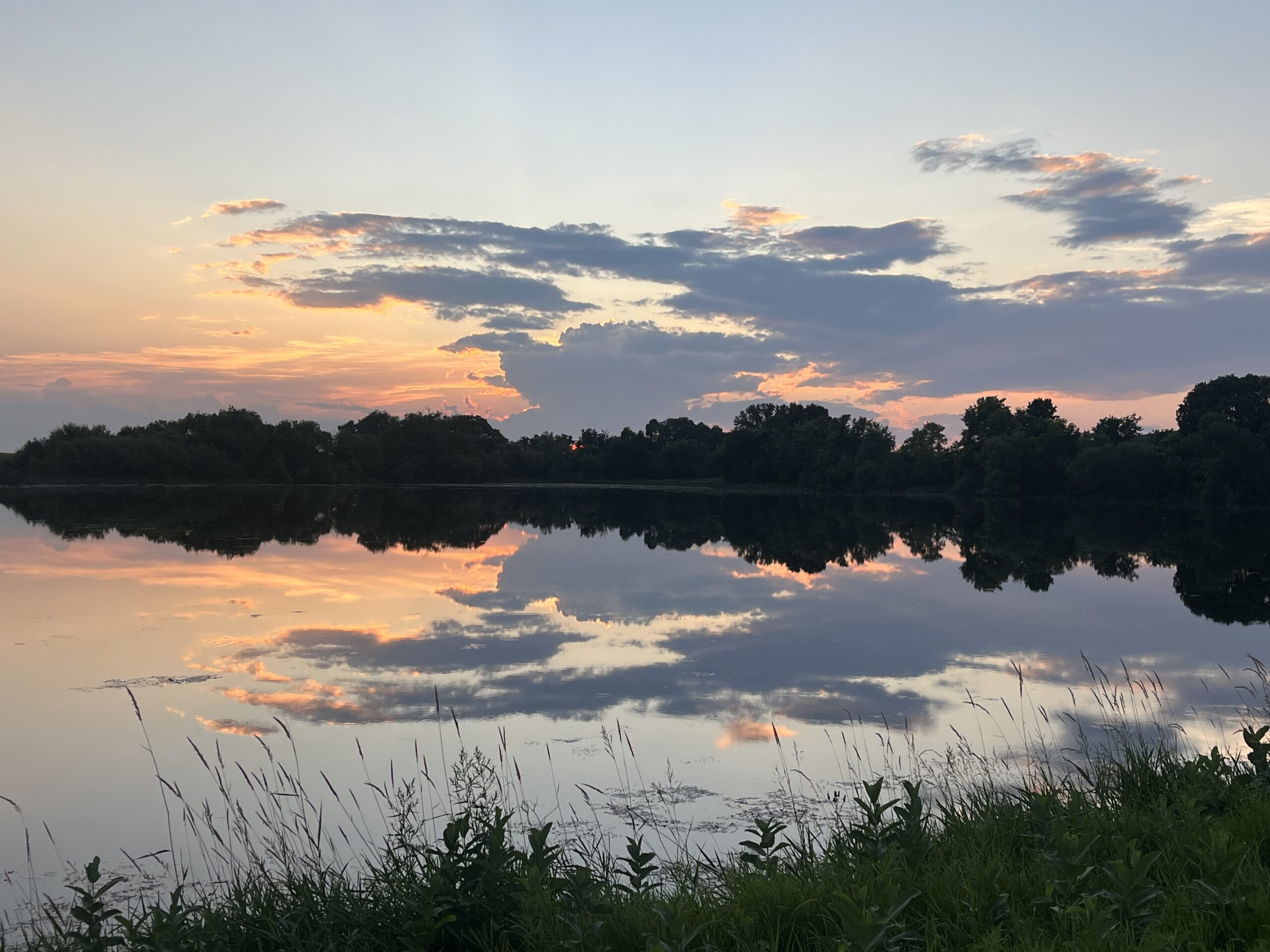
I also want to take this opportunity to thank Stuart, Ruth, and the entire 2025 Echinacea Project team for welcoming me into the work this summer and allowing me to learn from the many individual projects—both short- and long-term—that make up this incredible research effort. I’m excited to bring my love for prairies back to my students, but I’m equally grateful for the personal learning this experience has given me. It reconnected me with my “research brain,” something I know will only strengthen my doctoral work on science literacy equity. While I won’t miss pulling weeds or walking around in soaked socks and shoes all day, I will miss searching for Echinacea in prairie remnants, the thrill of correctly identifying stipa (porcupine grass), and the stunning Minnesota sunsets. This truly has been a once-in-a-lifetime experience—at least until I reapply in a few years because I will miss the prairie too much!
With a brand new week upon us, we were met with a few less faces than usual. Chelsea Miller is spending her final week out in Wisconsin studying prairies, and Brittany House spent her last day her on Friday. Regardless, work still needed to get done so we marched our way to ExPt01. While Gael, Maddie D, and Grace started to measure, Maddie S. and I (Aaron) went off to help Stuart’s pollinator exclusion experiment. Afterwards I joined the group in ExPt01 while Maddie S. went off to survey at NRRX. Soon it was lunch and we ate together and discussed plans for the afternoon. I went off to Landfill to see if I could harvest any Aphids. Grace worked on her and Kyra’s draft for their mark and recapture study. Maddie D. made maps about progress in ExPt01. Gael worked on his herbicide work. Maddie S. worked on her Aster Survey study for their thesis. Support activities were finished and we headed off back home for a brand new day tomorrow.
Plants are essential for life on earth, they provide food, produce oxygen, and are very very pretty! Unfortunately some plants become a problem when they are taken out of their natural habitat and inserted in another. Invasive plants can become a problem when trying to have a healthy environment for native plants as they create a competition for nutrients, water, and space. Although there are many different species of plants that are invasive there are some that are more common than others, for example: Birds Foot Trefoil (Lotus corniculatus) and Sweet Clover (Melilotus officinalis) are pretty commonly found in common gardens and prairie remnants. Although Sweet Clover is very common, getting rid of it is fairly easy, you just have to wait for a rainy day and then, once the rain stops, the soil will be wet enough to just pull the plants out of the soil! The same cannot be said about Birds Foot Trefoil though, its extraction does share the same need of rain but the extraction requires the use of soil knives and very often while trying to take out the plant it will break leaving the taproot still intact.
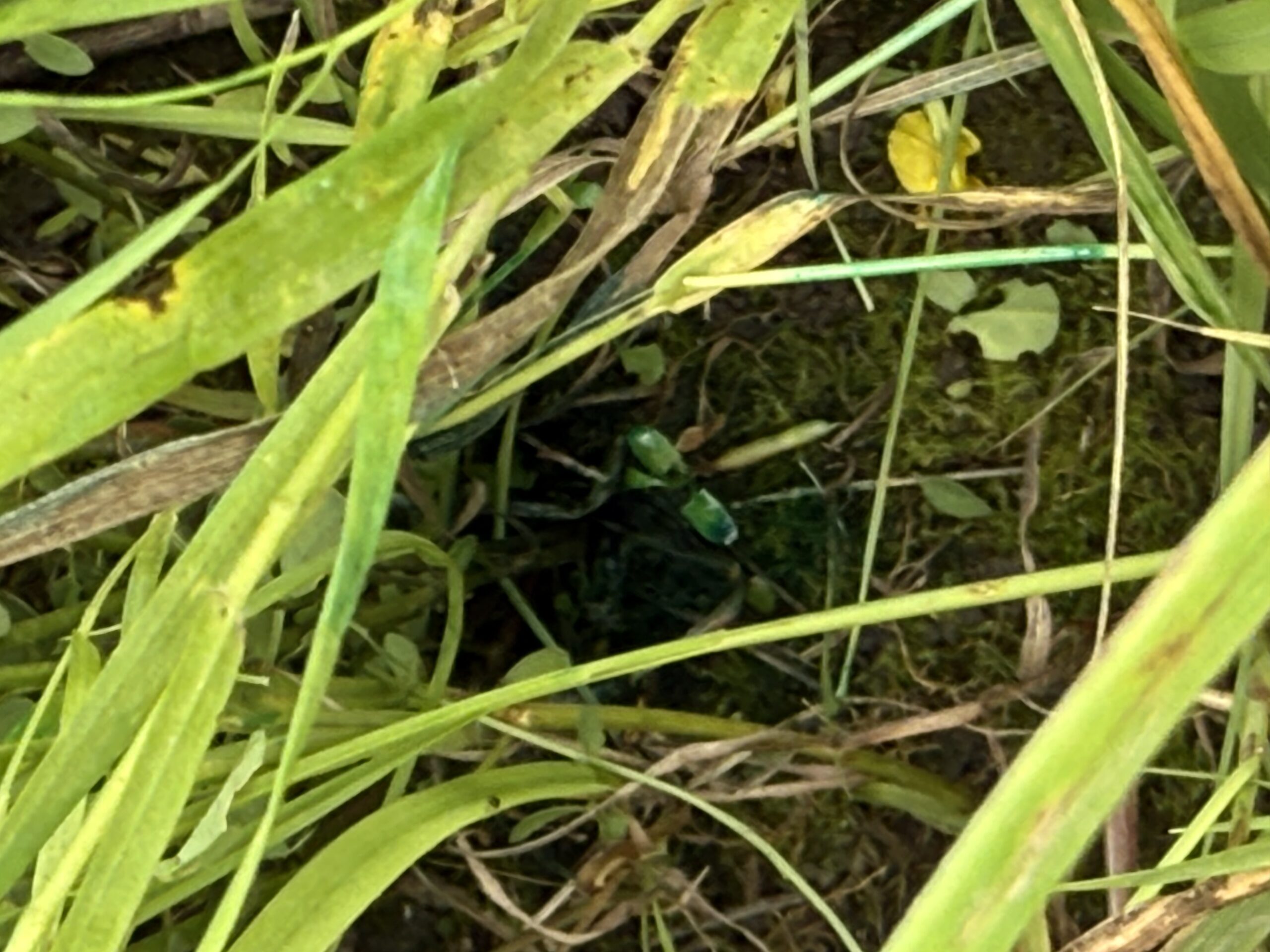
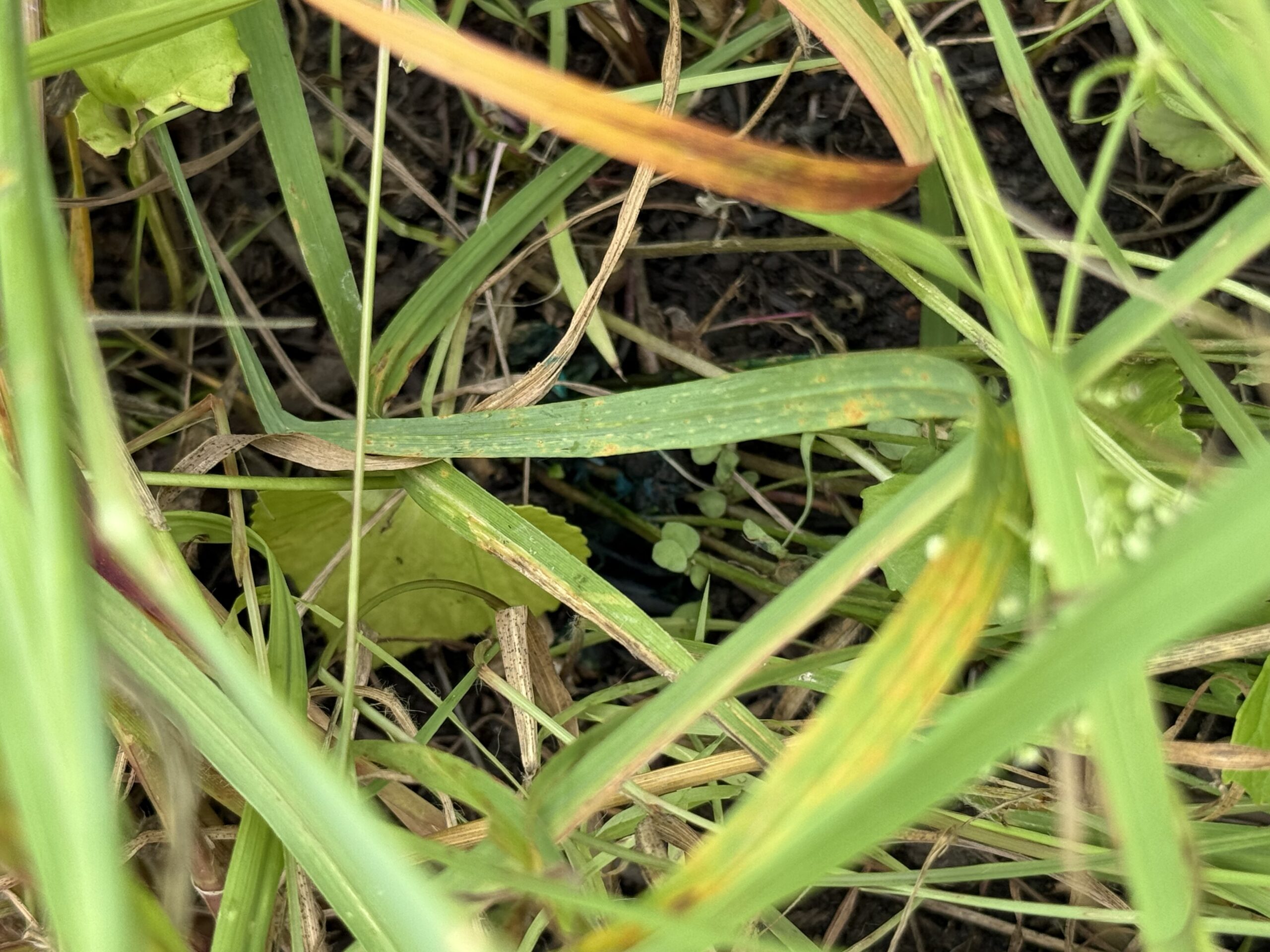
Although there are existing methods to get rid of invasive plants, most of them are inefficient and require specific weather conditions. I decided to make a direct comparison between two methods of getting rid of Bird’s Foot Trefoil: Extraction, and herbicide. I randomly chose 20 plants of Bird’s Foot Trefoil around Tower Road and randomly selected 10 of them to be pulled out and ten of them to be treated with Green Shoots’ Blue Foaming Agent, Glyphosate 41%, and water.
While extracting Bird’s Foot Trefoil I started a stopwatch to record how long it took me to extract every plant. I divided the plants into two groups: medium plants and small plants as the difference is quite noticeable. The average time to extract medium plants was a minute and a half, while the average time to extract small plants was a minute. The amount of time is quite minimal but after applying the herbicide in the other 10 plants the difference is more noticas it took me an average of 20 seconds to apply in each plant no matter the size. Unfortunately the bigger plants were extracted some weeks ago by our team and I was not able to include it in this trial.
Using herbicide was more efficient as it took less time, it was fairly easy to use, and it can be used at any day and time as long as it’s not rainy.
Here are some pictures of the application of herbicide, the herbicide is quite hard to see but you can zoom in!
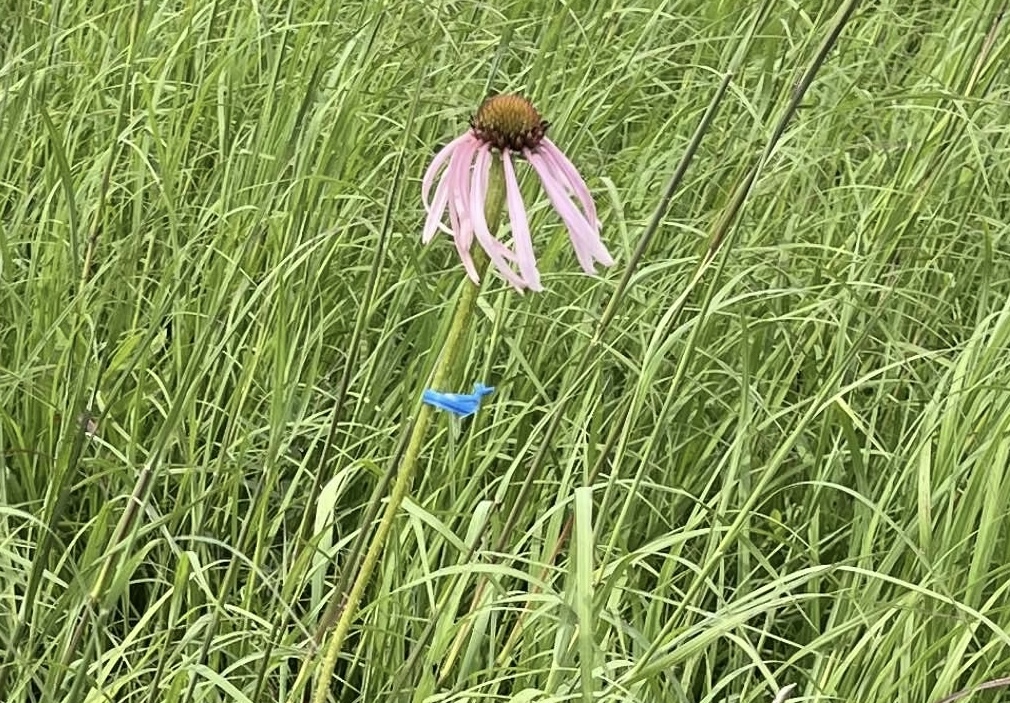
This week in the prairie, our Echinacea Project researchers are sporting the accessory of twist ties! These little colored loops may not look like much, but they play a big role in helping us track genetic crosses. By labeling individual flower heads, we can monitor pollen movement and parentage across plants. Each twist tie is a data point in our effort to understand the survival and fitness of the Angustifolia, Pallida, and their hybrid crosses in fragmented prairie populations.
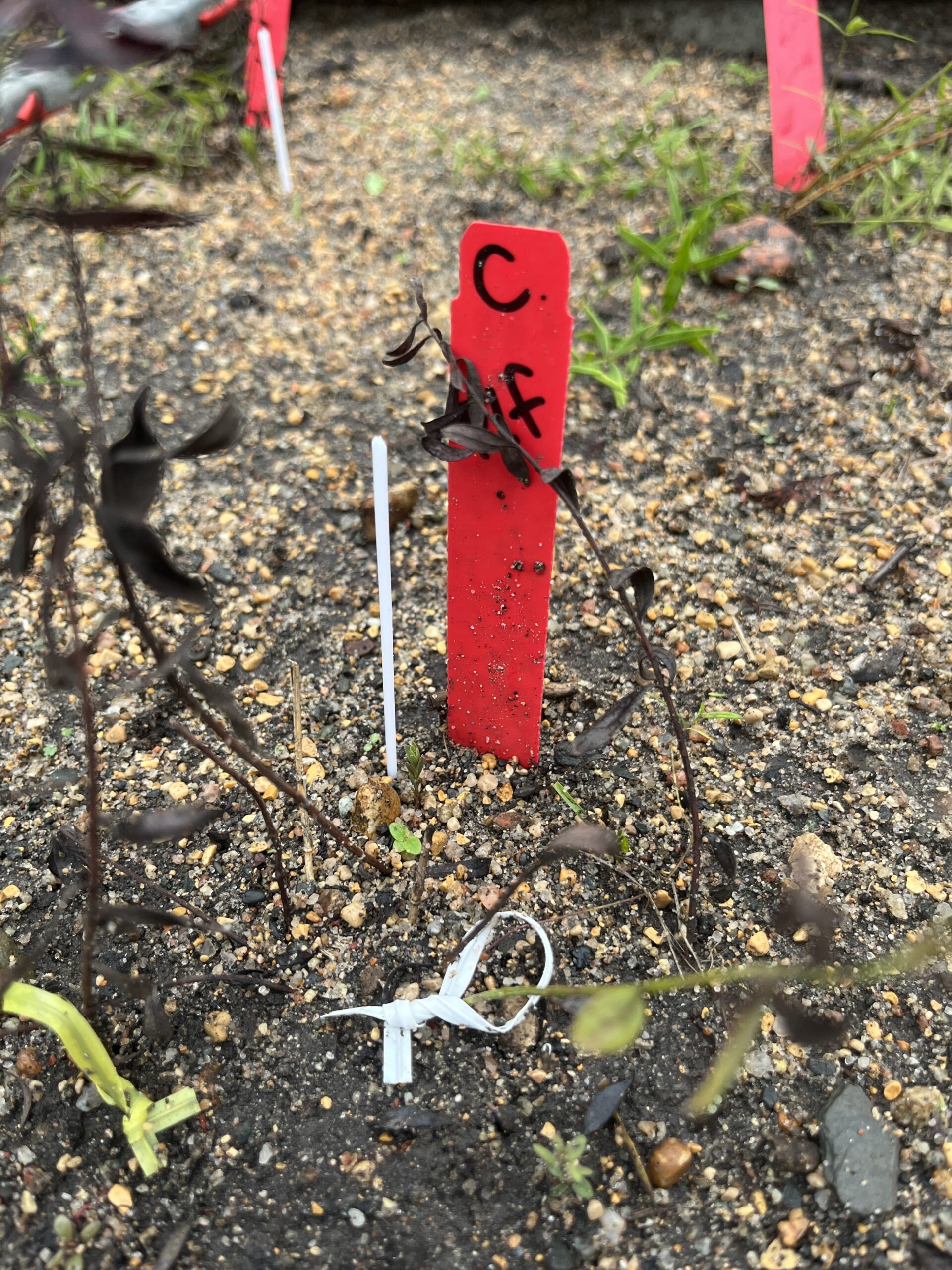
Meanwhile, I’ve been keeping a close eye on my Comandra transplant experiment. I’m happy to report that several new plants have started sprouting! Unfortunately, all the transplanted Comandra plants have died. I’ll be collecting more observations to evaluate which conditions are supporting the best growth.
Around a month ago Aaron and I (Gael) started taking care of the Viola tub at Hjelm, we have been counting the number of pods on each plant, the number of pods bagged, and we have been harvesting open pods. So far the trip has had its ups and downs, for example: on June 25th, 2025 I noticed that plant #8 suffered an abrupt decrease in its number of pods, it went from having 13 pods to only having 3, it was a sad day for the violas. Although we were sad for Viola #8, we realized that Viola #2 once thought dead was resprouting!
BUT WE CAN TELL STORIES ALL DAY! Let’s talk about what this post is supposed to be:
Current state of the Viola tub:
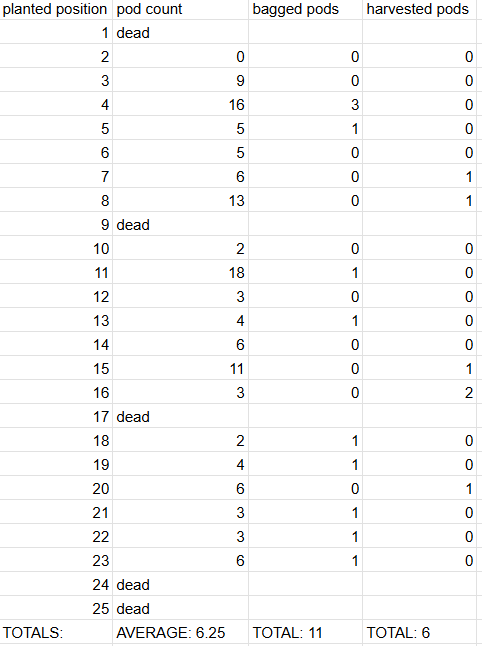
The table below includes the planted position, the number of pods in each plant, the number of bagged pods and the number of harvested pods. All the information in the table is specifically from July 22nd, 2025.
As of July 22nd 2025:
The average of pods per plant is 6.25.
The total number of currently bagged pods is 11.
The total number of harvested pods since June 24th, 2025 including the ones in the table is 16.
To our relief, the thunderstorm that lasted through the early hours of the morning ended right before we arrived to work. After a quick meeting to discuss our daily agenda, the team headed over to yellow orchad hill to begin total demo. We split into two groups and worked in the east and west regions to take data for a combination of 136 points.
After lunch, the team went to experimental plot 1 to take care of various afternoon activities. Aaron and Maddie S. worked on the pollen and limitation experiments, while the rest of the team worked on measuring the plants in each row. Gael and I (Kyra) finished a row and a half before I returned to Hjelm to write this post. After everyone finished their activies in p01, we completed support activities and set up for tomorrow morning.
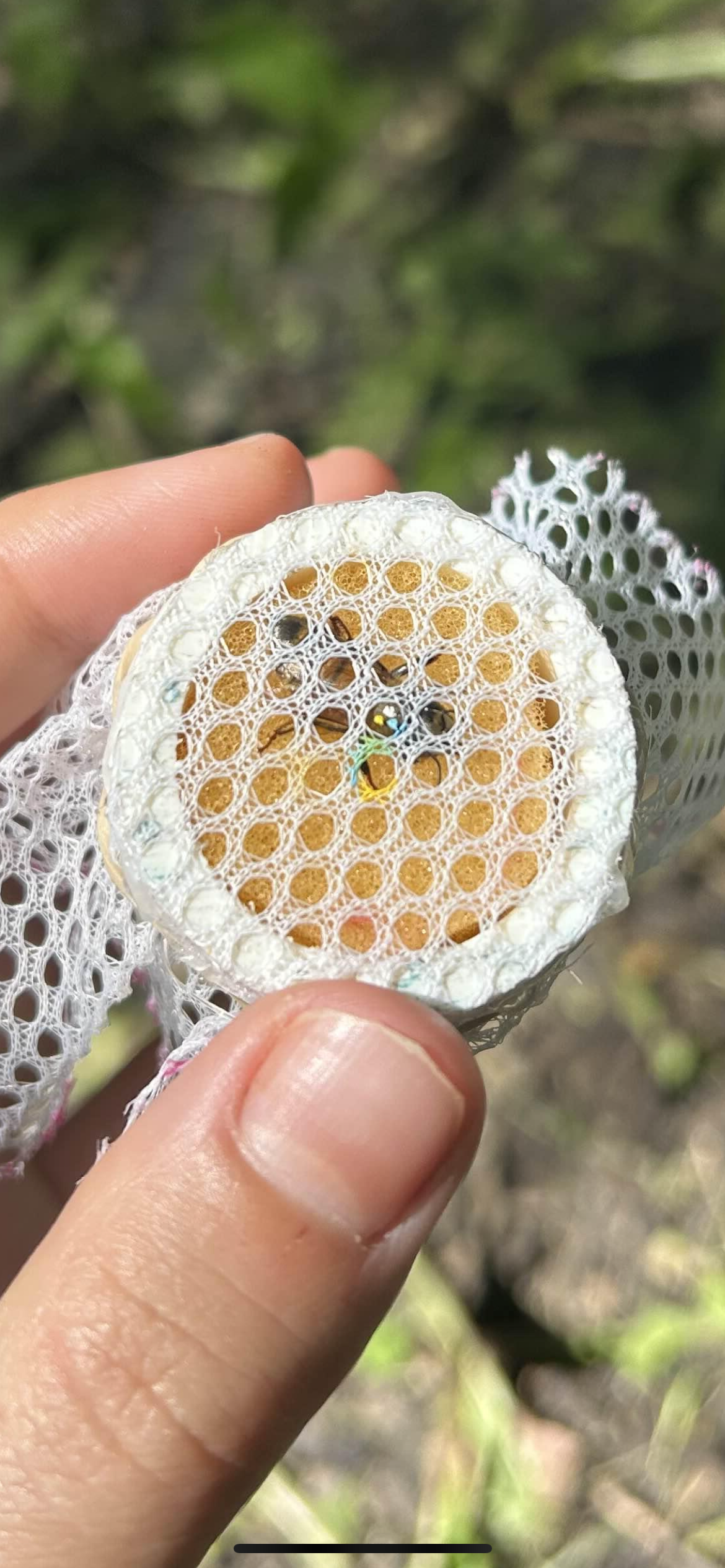
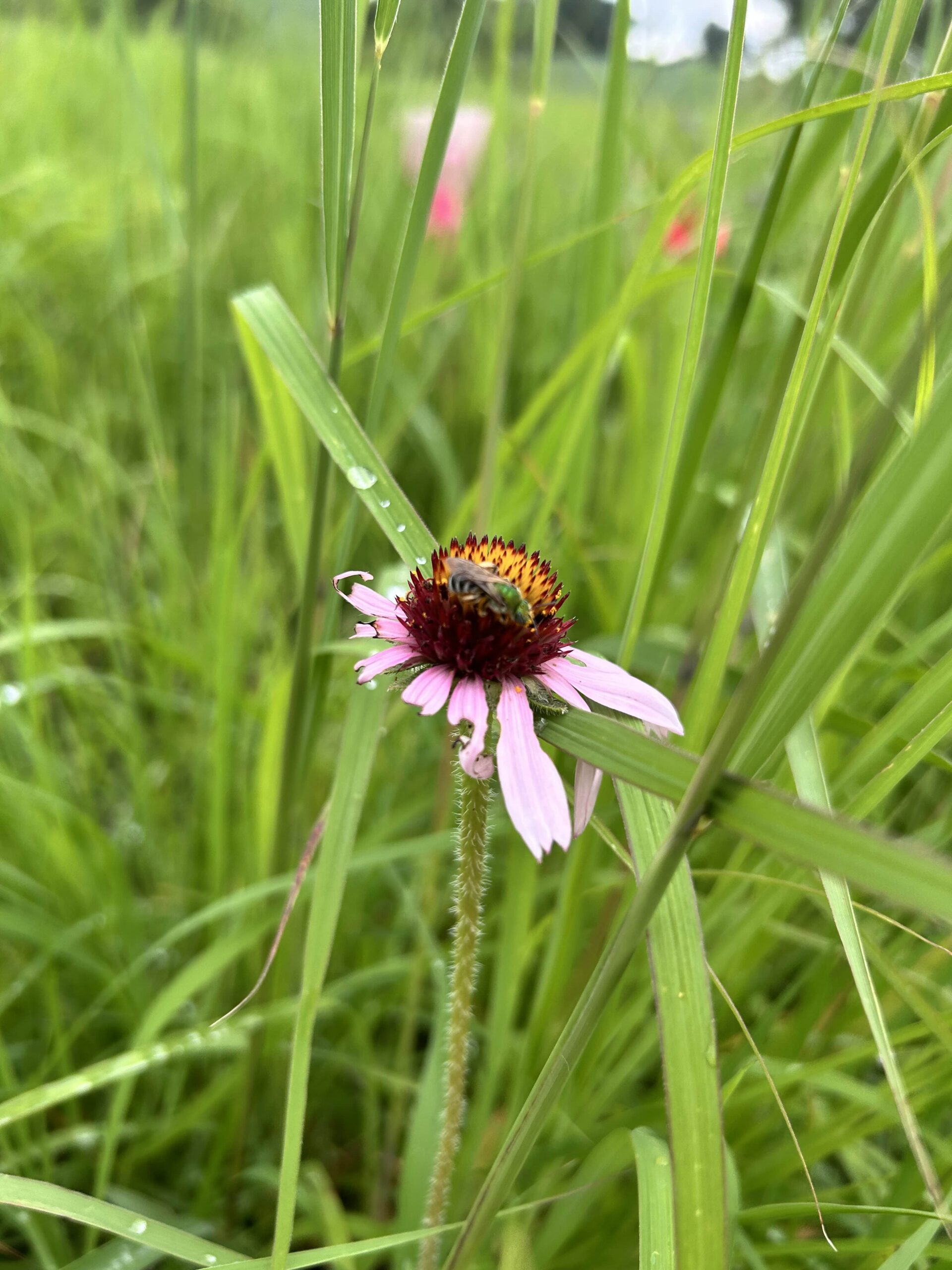
This morning we went out to ONTS, NICE, TOWER, GC, SGC to continue working on the capture, marking, and recapture of Agapostemon virescens (cute lil green bee). Although we tried our best the weather and the pollination state of the Echinaceas wasn’t the best, we were only able to see one new bee, and recapture one already marked bee. After the bees we came back to Hjelm to eat lunch, my sandwich was amazing! 🙂
June 15th, 2025 After lunch
After lunch we split our team into three forces, Maddie S. and Gael (me) went out to outline Staffensons, Chelsea and Aaron went to finish decapitating Echinacea pallida ☠️, and Kyra, Maddie D. and Grace went to continue twist tying… or at least that was our plan IF IT WASN’T FOR THE RAIN! It started pouring outside and we had to run back to hjelm (more like drive but you get the idea) I was dripping wet. 🙁
The good thing was that thanks to the storm my car got all sparkly clean (at least from the outside) and we were able to finish counting the number of stipa seeds, so I would say we were very productive!
June 16th, 2025 (Today) Before lunch
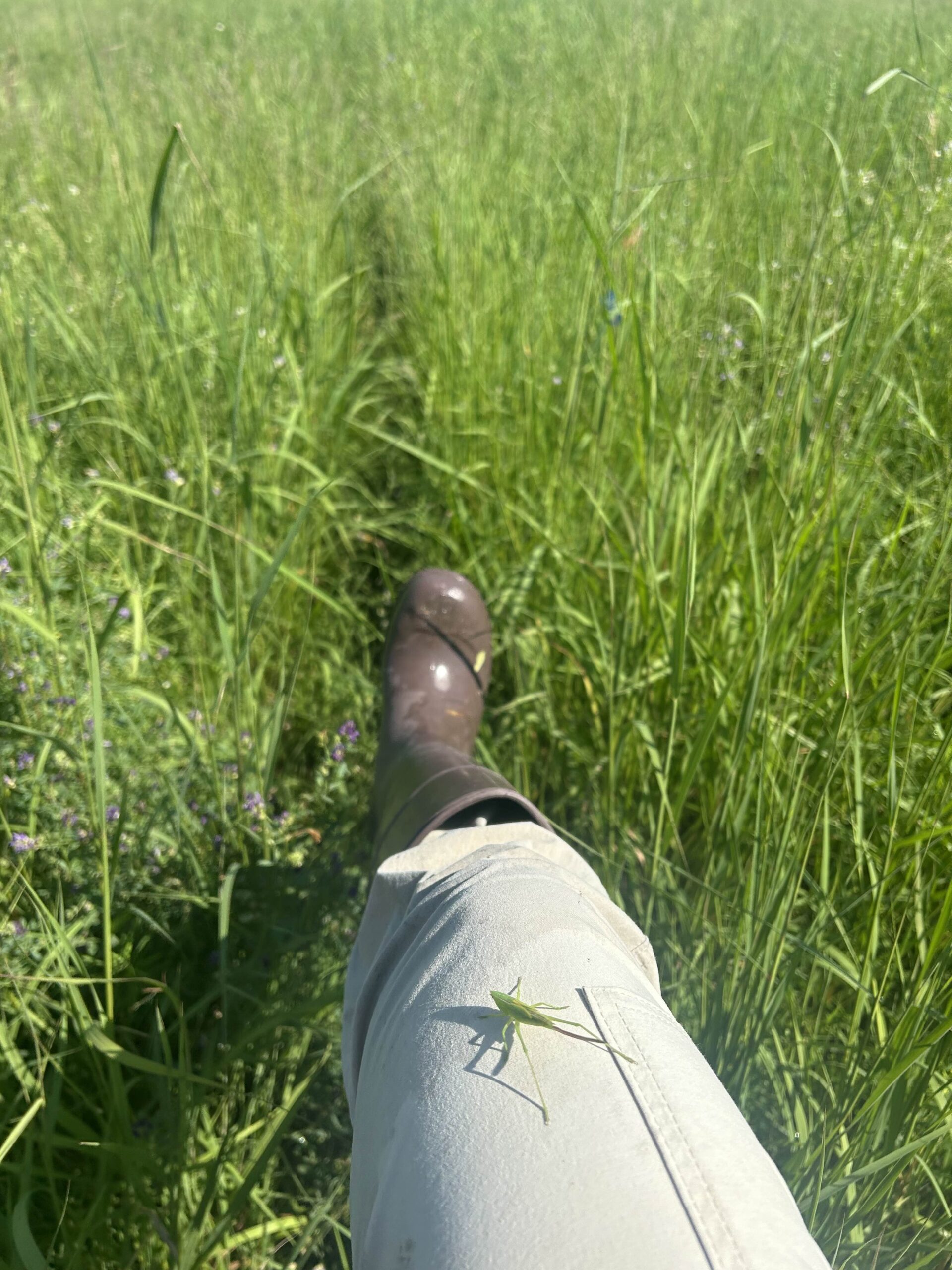
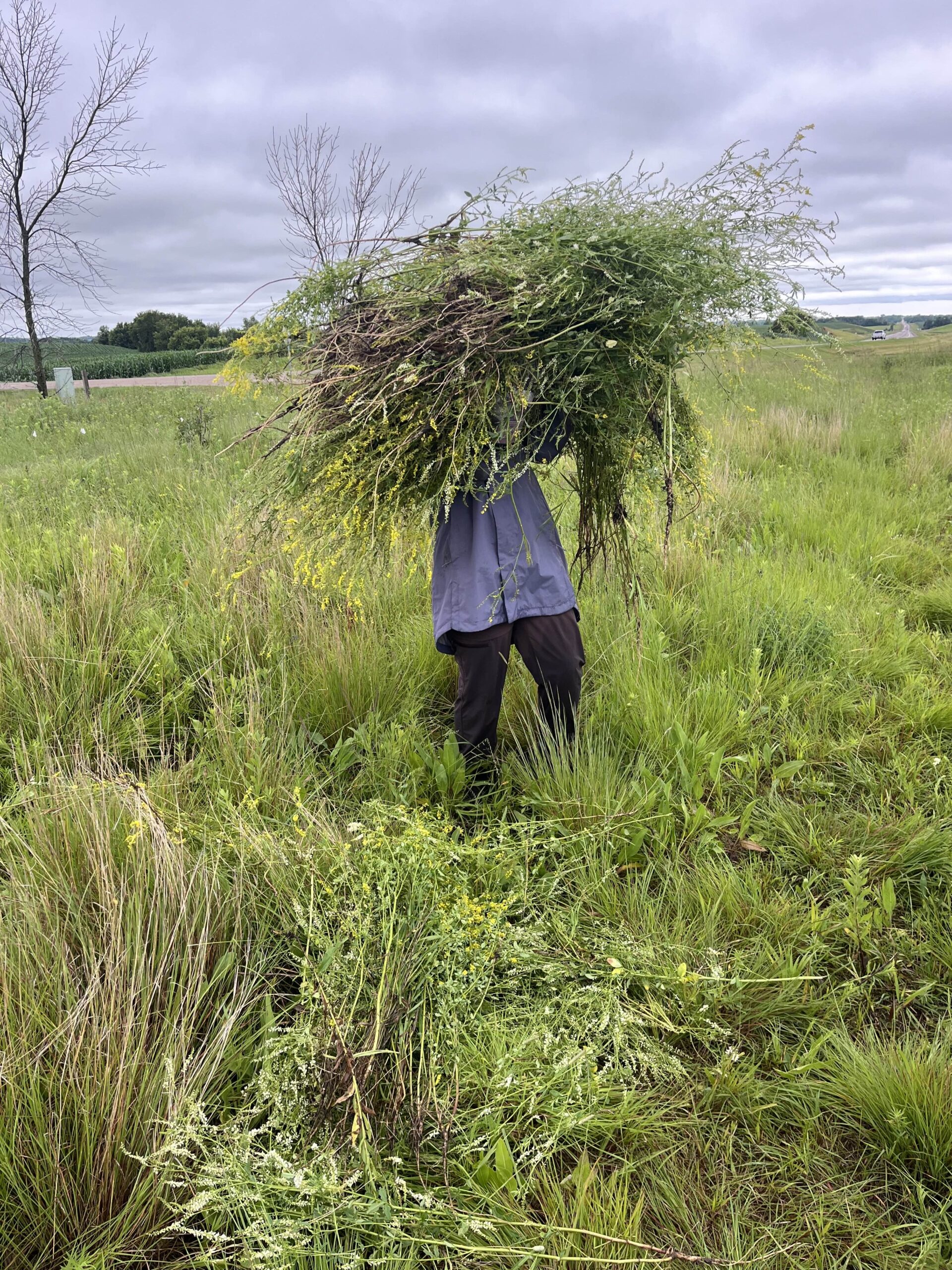
This morning we went out to P01 and P08 to pull some sweet clover, it was the perfect weather for this activity, after the rain it’s always SOOOOO easy to pull it out (please don’t try to pull sweet clover when it’s dry, my hand still hurts a lil bit 🙁 ), and after that we all went to P01 to verify the stipa records. The morning activities were… wet, unfortunately I discovered a hole in the boots I was wearing and the fact that I was wearing jeans made everything more uncomfortable.
June 16th, 2025 (Today) After lunch
After the wet morning we went back to Hjlem to eat lunch. My lunch was really good (thanks dad). After lunch we went back to the planned activities for the afternoon from yesterday. Maddie S. and Gael (me) went out to finish marking the perimeter at Staffensons, we had to walk A LOT but it was really cool to see so many prairie plants! After that we came back to Hjelm and the team was continuing twist tying, and I had time to work on my personal project (you’ll see what I mean in a couple days 😉 ).
That was it for today, keep checking the flog to see more of our shenanigans! Love you byeeee.
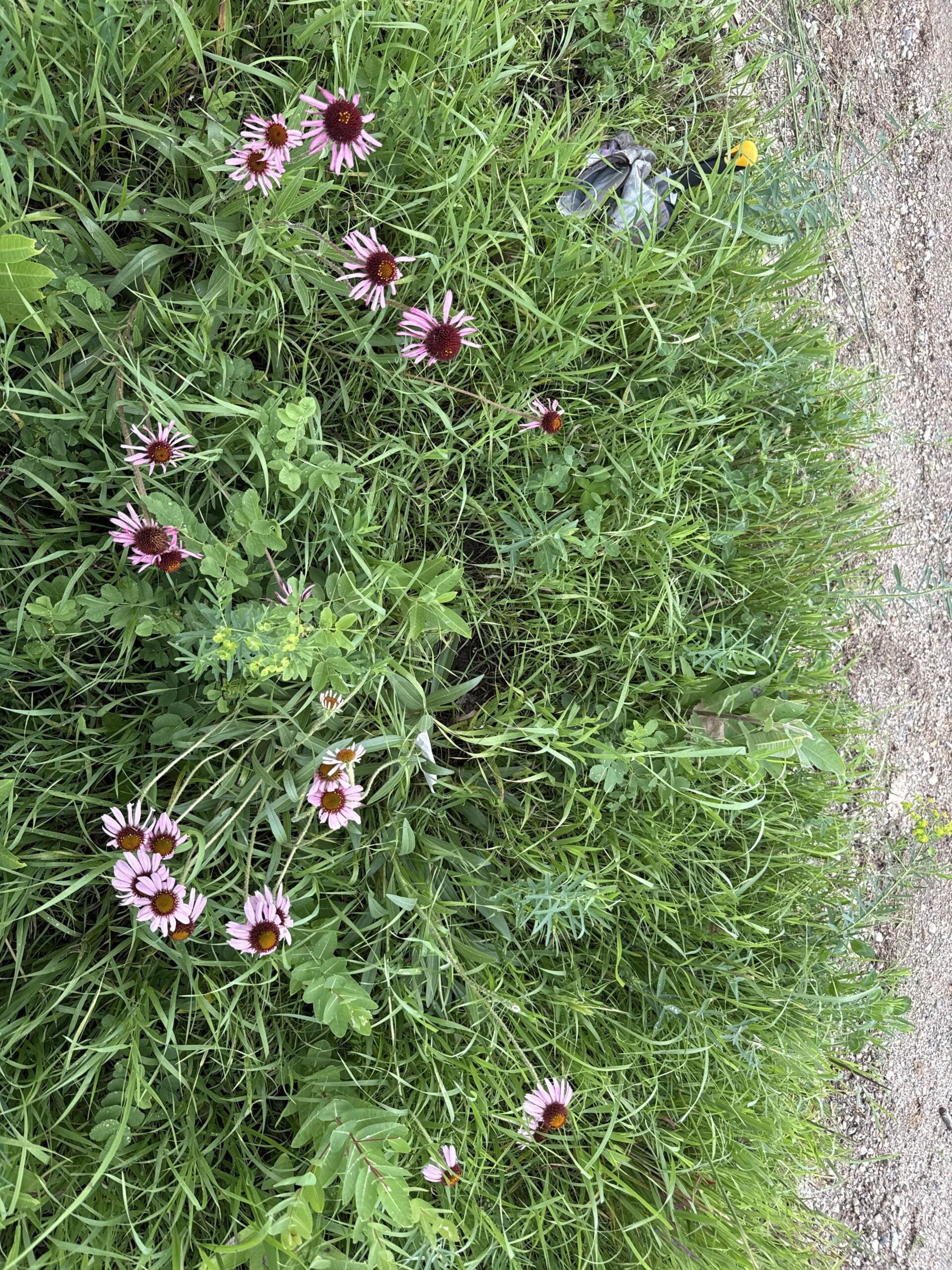
Big Echinaceas at north of P01Agapostemon in an Echinacea at P01Kyra with a MOUNTAIN of sweet clover at P08Video taken by Chelsea of the storm! on Tuesday July 15th, 2025!
This morning most of the team met Jared! He gave us a really nice, knowledgeable, and interesting talk about TOTAL DEMO. We headed to tower to start our introduction to TOTAL DEMO, we as a whole found that it’s really easy (mostly because of the low number of flowers and the fact that it wasn’t 85 degrees) I think we all enjoyed not only learning more about TOTAL DEMO but also being able to do it!
After doing Tower we headed to East of Town Hall to keep doing TOTAL DEMO, and were met by Shawn Papon a worker for US fish and wildlife and he happily explained to us their efforts to restore prairie remnants and how he was so excited to finally meet someone in our team! Shawn said how he has heard of us but never had the opportunity of meeting any of us!
After East of Town Hall we headed back to Hjelm for lunch, and currently we all are working on independent projects while in the watch for a big storm or even hail. Not all of us are excited for hail (I am) Well that was the daily update, I hope you liked it and THERE ARE MORE TO COME SO KEEP READING!
I attached some interesting pictures!
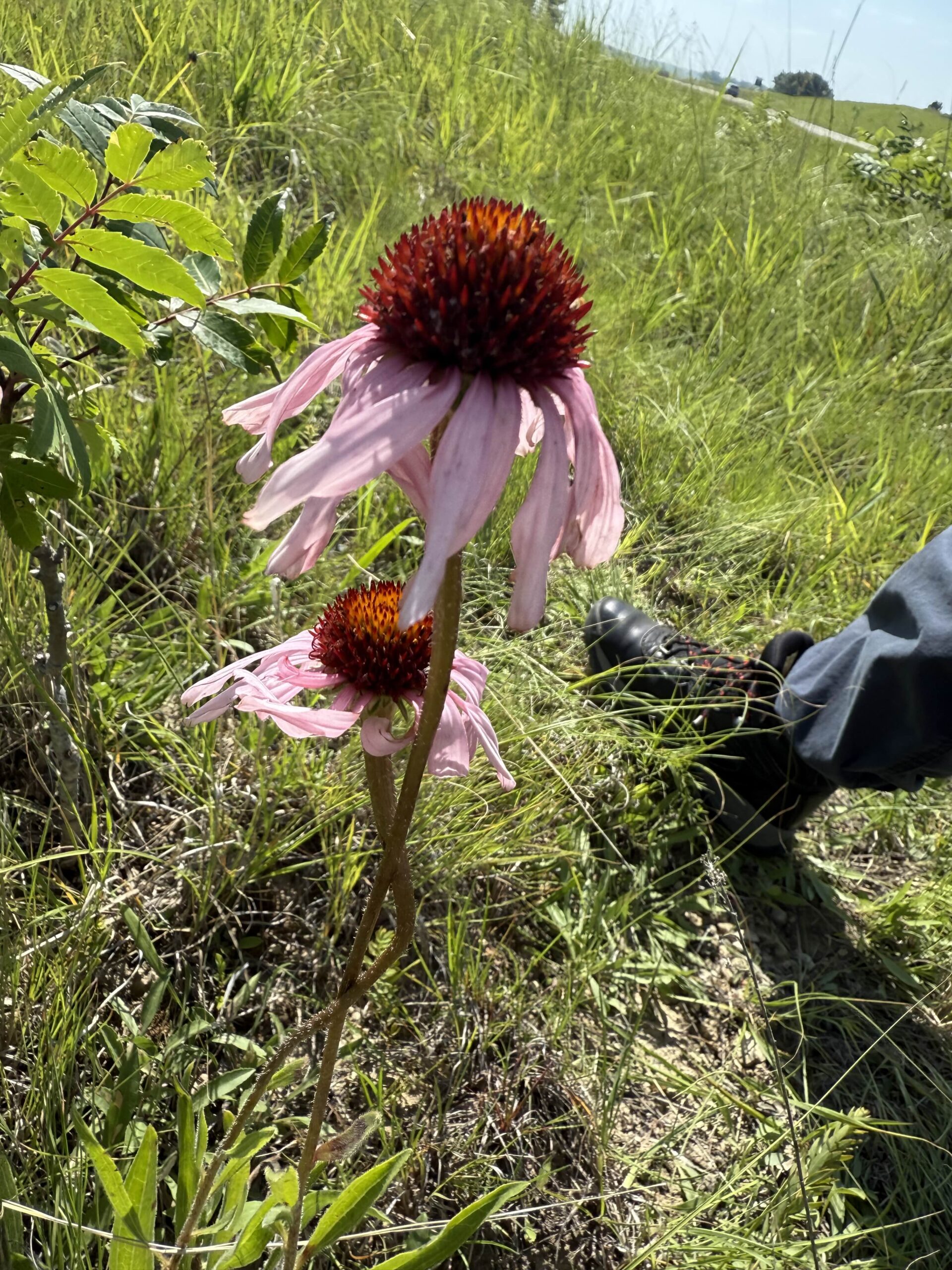
Two Echinaceas tangled with each other.The team with Jared at Tower doing TOTAL DEMO.“Freaky” Echinacea found by Aaron.Sky picture taken by Maddie D.
The Viola Pod experiment has been going well! Pods have been monitored consistently. The following is the data of their pod counts over the past couple weeks.