|
|
We went out to Hegg Lake for a plant-seeing adventure on Wednesday. Click the pictures to embiggen.
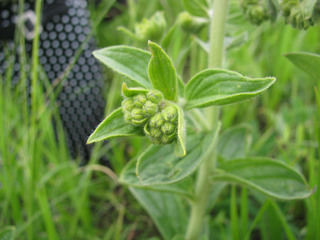
First of is some Onosmodium, a marbleseed.

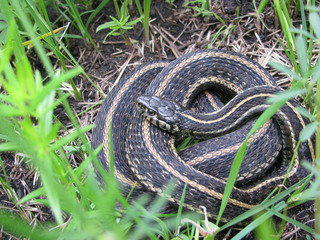
A garter snake. Stuart knew the latin name but my memory isn’t that good.
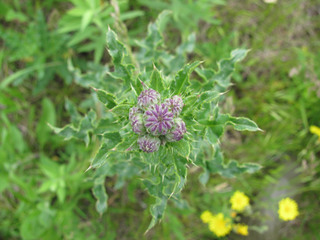
Thistles can be pretty!
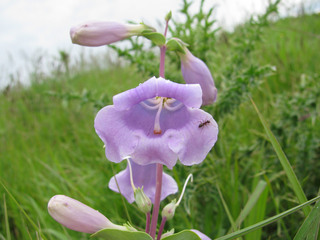
Penstemon grandiflorus, what are you doing here? You’re not native to this area!
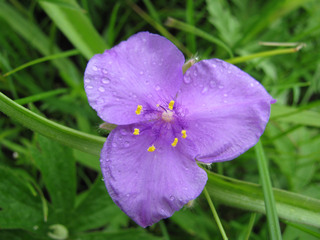
Spiderwort, a Tradescantia. A nice find.
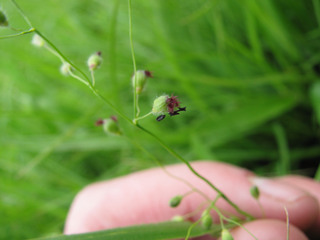
Dichanthelium is in flower! There’s quite a bit of it this year.
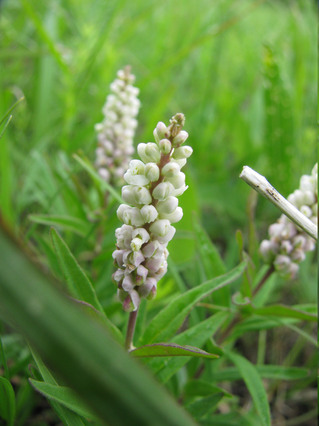
Polygala senega was on top of a hill.

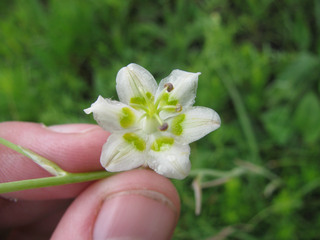
Death camas (Zigadenus). Watch out.
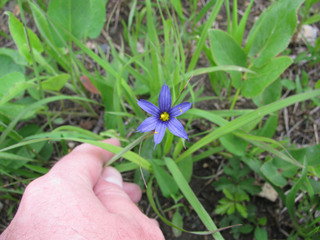
Sisyrinchium. These are blue, unlike the white ones I’ve seen at Staffanson
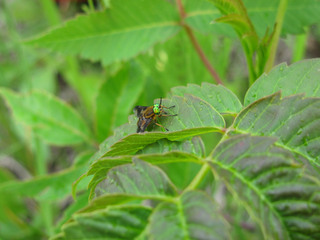
Deer flies. These suckers hurt when they bite.
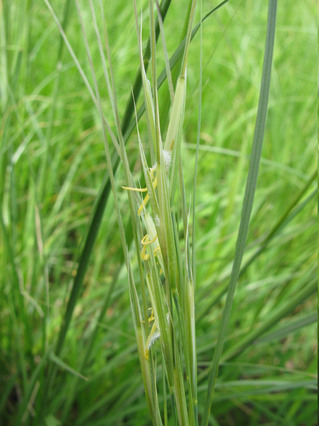
Stipa is in flower! You can see the parts pretty clearly here.
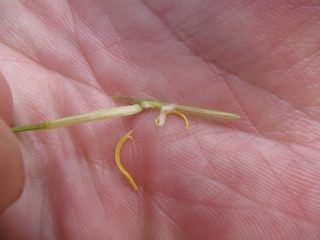
Interestingly, the diaspore is pretty much fully formed by the time pollination is happening. This makes sense, as it’s all maternal tissues apart from the seed itself. You can see it on Greg’s hand.
Hi everyone!
Another aspect of the New Media Initiative for Summer 2011 involves thinking about how the Flog fits in with the other forms of media we’ll be using (Facebook, Twitter, the website), and whether there are changes that would make the Flog more useful to readers. Here is our proposal (Written by Maria, Greg, and I):
New Media Initiative – Flog.doc
*We would like to give credit to Nicholas for some of the formatting and headings, which we copied 🙂
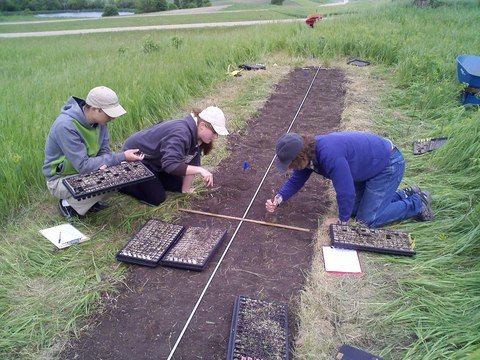
I was nervous when I entered the idyllic enclave of Kensington, MN. Here I was, after five days of driving from San Francisco, launching myself into a new place with new people, without knowing what to expect. I’m pleased to say that I am happy with my decision to join team Echinacea. On Monday, June 12th we began planting seedlings in Staffanson prairie reserve. This was part of a study on how burning plots affects the next generation of plants. Amazingly, we managed to finish the entire plot on Tuesday, thanks to the efficient cooperation of eleven people. Wednesday was too rainy for field work, so we spent the morning cleaning up and organizing our materials. After lunch we took a field trip to visit various sites and explore the flora therein (Josh snapped some wonderful pictures and will post them here soon). Over Thursday and Friday we completed seedling searches in three remnants: RI, KJ, and NESS. At each site we flagged a subset of Echinacea plants and pairs of team members searched for seedlings around each plant, mapping their results so we can find them again in the future.
This week has also brought a lot of discussion. Prominent items on the agenda were chores (someone has to keep the field station clean), summer research projects, and our new media initiative. In addition to helping out with ongoing field projects, each member of the team must tackle a research question–working in groups or individually, depending on their preferences. Project proposals should appear on the flog over the next few days. I’m excited to see what people come up with. We talked at length about how we can use various media sources (the flog, the website, facebook, Twitter) to enhance communication within the Echinacea Project and with a wider community. I never thought a field biology internship would include making a Twitter account, but now I’m convinced it’s a good idea. Check the flog for our plans and ideas.
Lastly, and most importantly, this weekend marks Kensington’s annual celebration of Runestone Day, which means Viking shiploads of small town fun. Last night we saw a fireworks show paired with a lightning storm (I’m not sure which was more impressive) and this morning several of us ran in the Kensington Runestone 5K. Stay tuned for pictures.
Cheers,
Katherine
We are hard at work preparing various proposals. One aspect we are wanting to work on include our digital presences. We have thus created our New Media Initiatives.
This is our proposal for how the Echinacea Project might utilize Twitter.
Hey, it’s Josh again (I’m back! I’ll have a reintroduction post soon). We’ve had quite the productive week while Stuart was back in Chicagoland. With the help of awesome folks like Nicholas, Amber, and Callin, my garden is all dug up, weeded, planted, and watered. Now we wait (and water).
We also took care of the seedling searches at EELR, NWLf, and NNWLf, not to mention extending the lines of the Staffanson common garden to 100m and marking them.
Hey look, some planting!

InventoryMay2011.doc An inventory of Team E’s side of G-3.
Today we started the seedling search at Steven’s Approach (SAP). The wind was strong and air temperature was chilly. We searched 3 circles; in one of the circles we found 6 seedlings! We drew a map and filled in a matrix, as we have done in previous years. We also tried out the new coordinate frame.
I (Amy) have revised the protocol. Please read it and feel free to suggest ways it can be improved.
Seedling Search Protocol 2011.doc
24 May 2011 Megan Kate Gallagher defended her Master’s Thesis in Plant Biology and Conservation at Northwestern University. Congratulations! For her thesis project, Kate demonstrated how performance of three dominant prairie grasses in restorations depended on seed source. This fall Kate will start the PhD program in Ecology and Evolutionary Biology at the University of California–Irvine working with Diane Campbell.
|
|