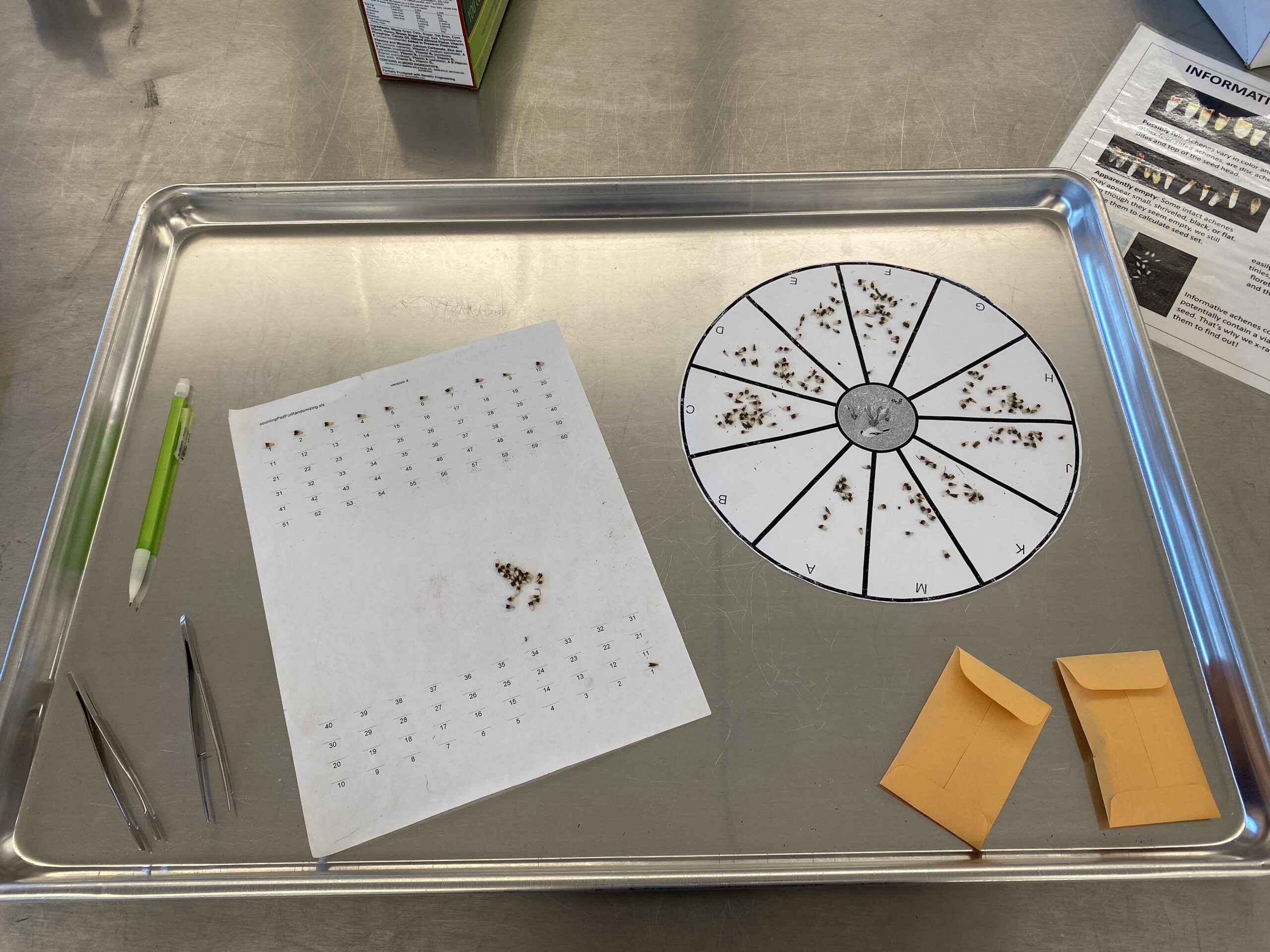
This week I started the process of randomizing the echinacea achenes in preparation for being x-rayed. I am working with the 2022 achenes and the 2021 field data for my project to determine if health traits can be predictors of reproductive health in the following year. The purpose of randomizing the achenes is to get a sample of achenes to x-ray that is representative of the total number of achenes on that head. I start the process of randomizing with the already re-checked achene coin envelopes. The first part of the process is spreading the achenes out evenly across a circle that is sectioned off into 11 parts (on the right of the picture below). Once all of the achenes are spread out into sections, I use a random letter generator through the ACE website which gives me the two sections of achenes I am going to be working with. I move these achenes to the counting sheet (on the left of the picture below). I put the rest of the achenes back into their original coin envelope to keep them separate from the ones I am going to be sorting.
I examine each of the achenes on the counting sheet and sort them into the bottom numbered spots if they are uninformative or into the top numbered spots if they are informative. Achenes are uninformative for x-ray if they are broken, underdeveloped, predated or ray achenes. These are deemed uninformative because they are either known to be sterile or the seed could have fallen out if the achene was crushed during the cleaning process. I then label a white coin envelope with my initials, the date, and the number of uninformative and informative achenes in the batch. I put the uninformative achenes in this envelope and use a clear plastic baggie for the informative achenes that are going to be x-rayed. I put a label on both the envelope and clear plastic baggie with the assigned head number, batch number and if they are informative or not. I record the data in the 2022 randomizing data sheets and put the coin envelopes back in their original box and the randomized ones in a new box so that they can be put on x-ray sheets during the next step. So far I have randomized 24 out of approximately 500 heads in the bbMost batch for 2022!
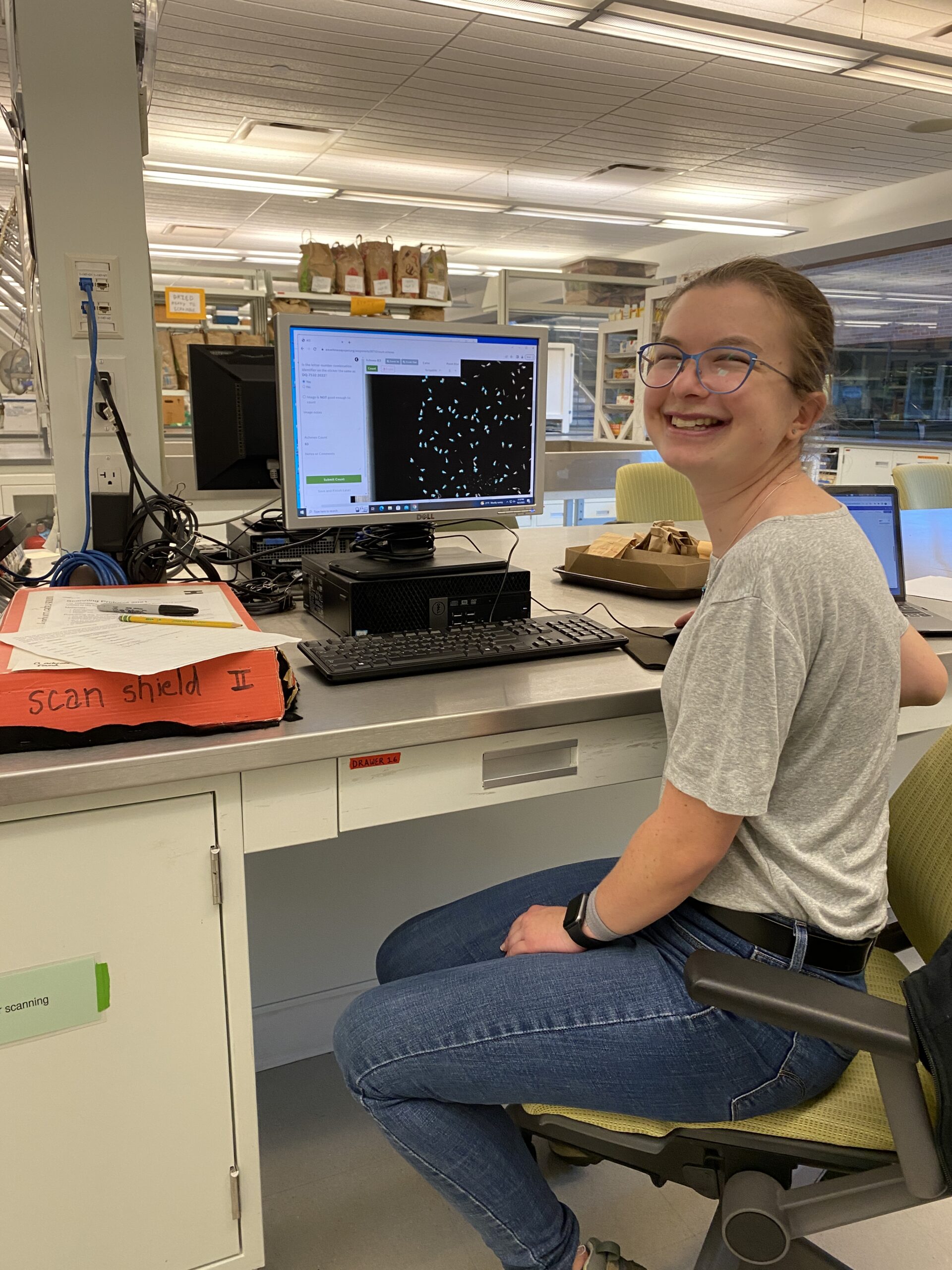
It’s the beginning of my fifth week and so far I have learned the first three steps of the ACE process, cleaning echinacea heads, rechecking, and counting achenes. I have been practicing and refining all of these skills over the past few weeks and last week I participated in the trial rechecking assembly line with several other volunteers. As for counting, my official achene count is up to 14,485!
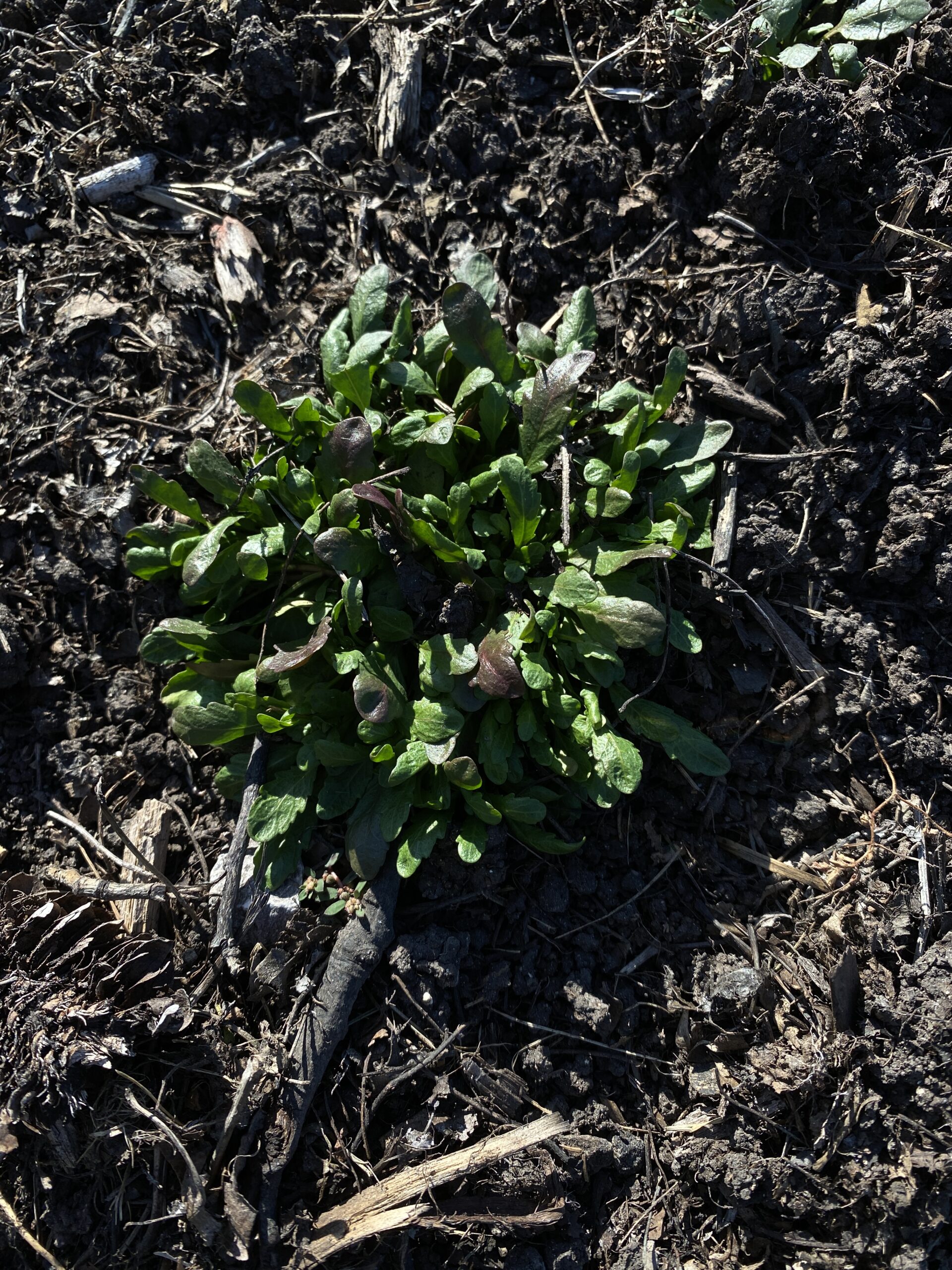
I am currently working on choosing my research topic for the remainder of my semester. The three ideas that I am choosing between are seed predation in E. angustifolia, climate change and flowering times of echinacea angustifolia, and physical characteristics of echinacea angustifolia that could be predictors of survival of the individual or reproductive fitness. I have chosen to use my time in the echinacea lab to investigate the relationship between the basal and cauline leaf characteristics and the survival of individual E. angustifolias. Pictured below is an example of a cultivar basal leaf rosette from an echinacea at Chicago Botanic Gardens. I am excited to explore this question further throughout the semester.
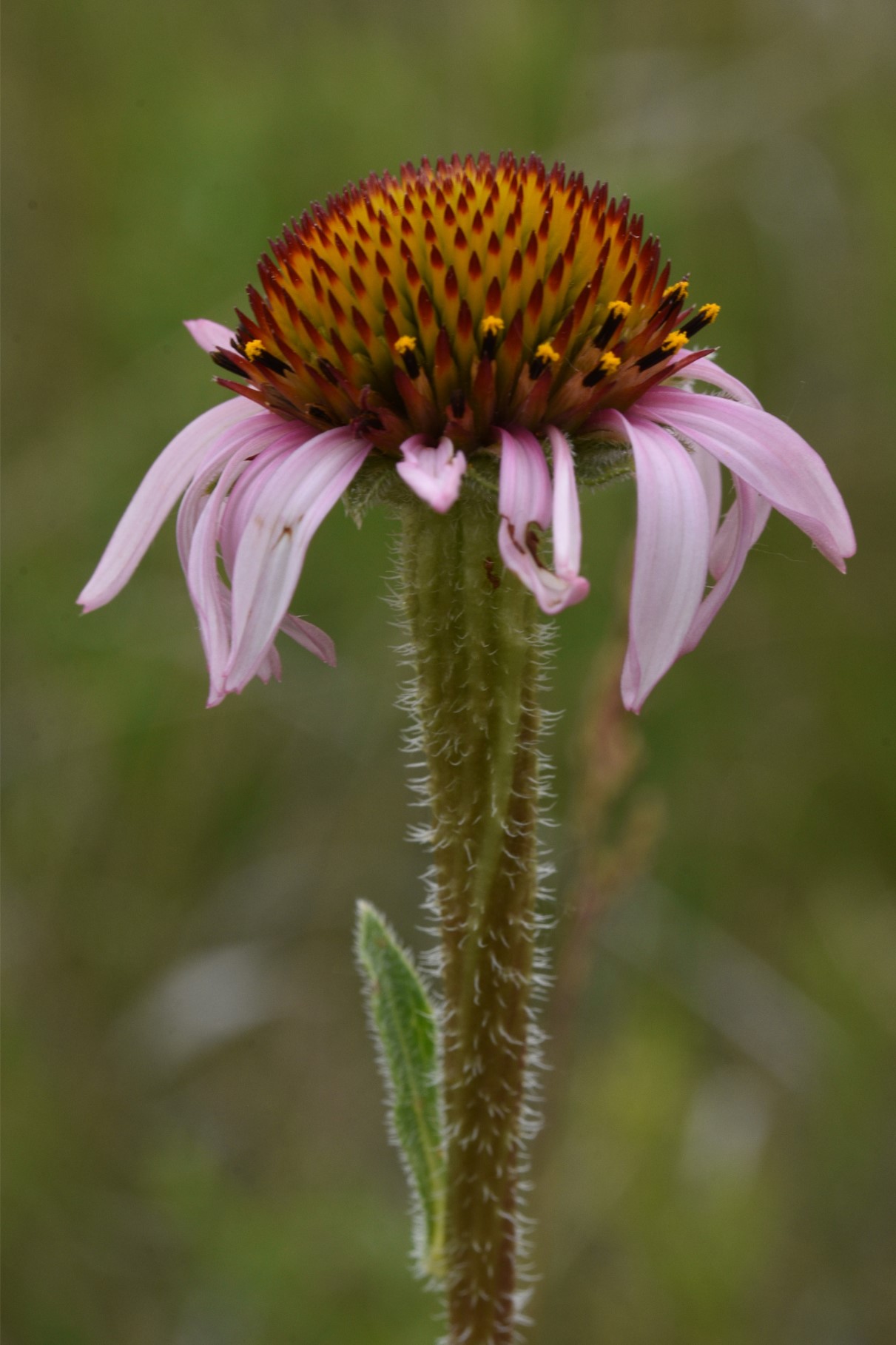
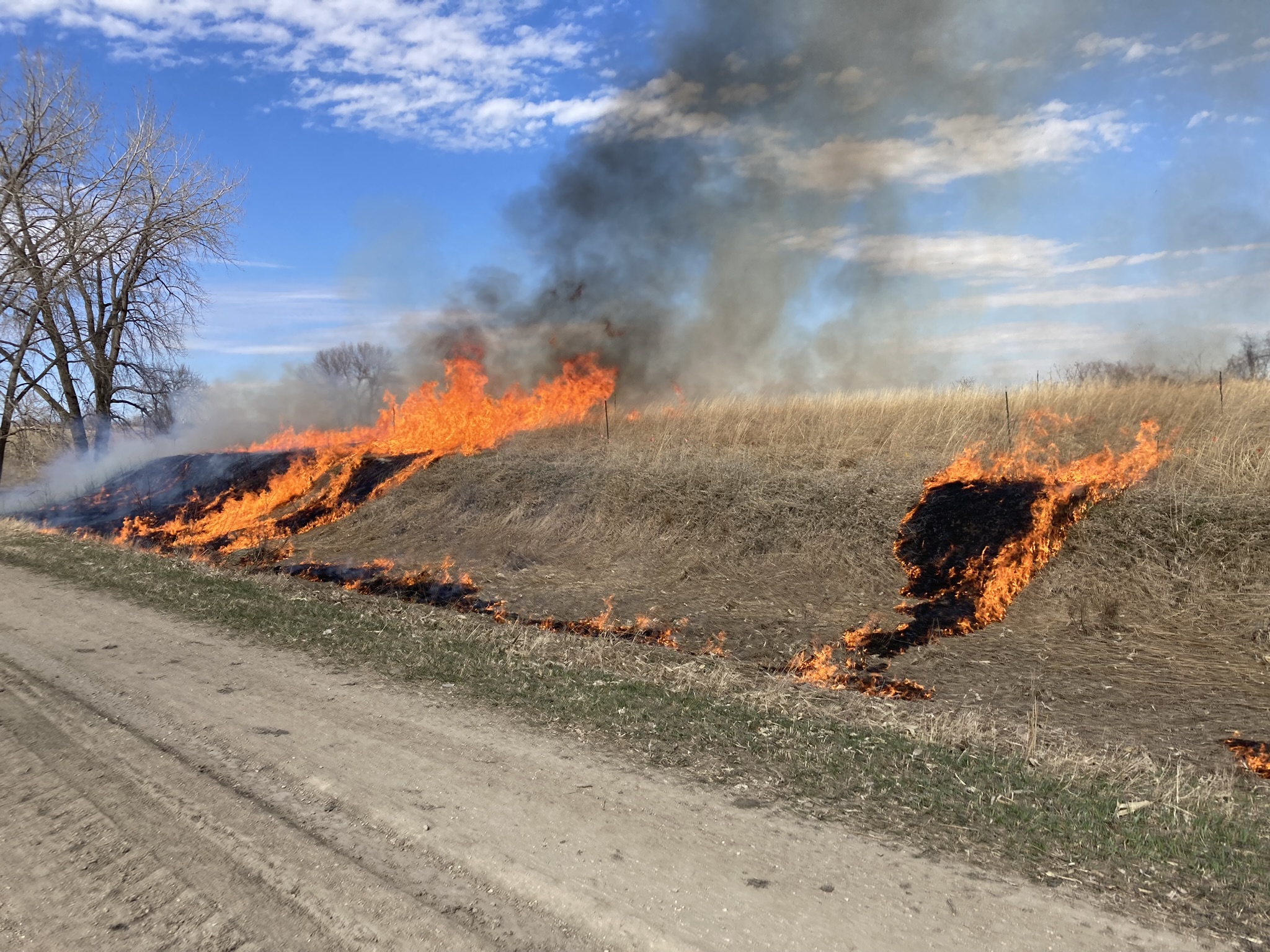
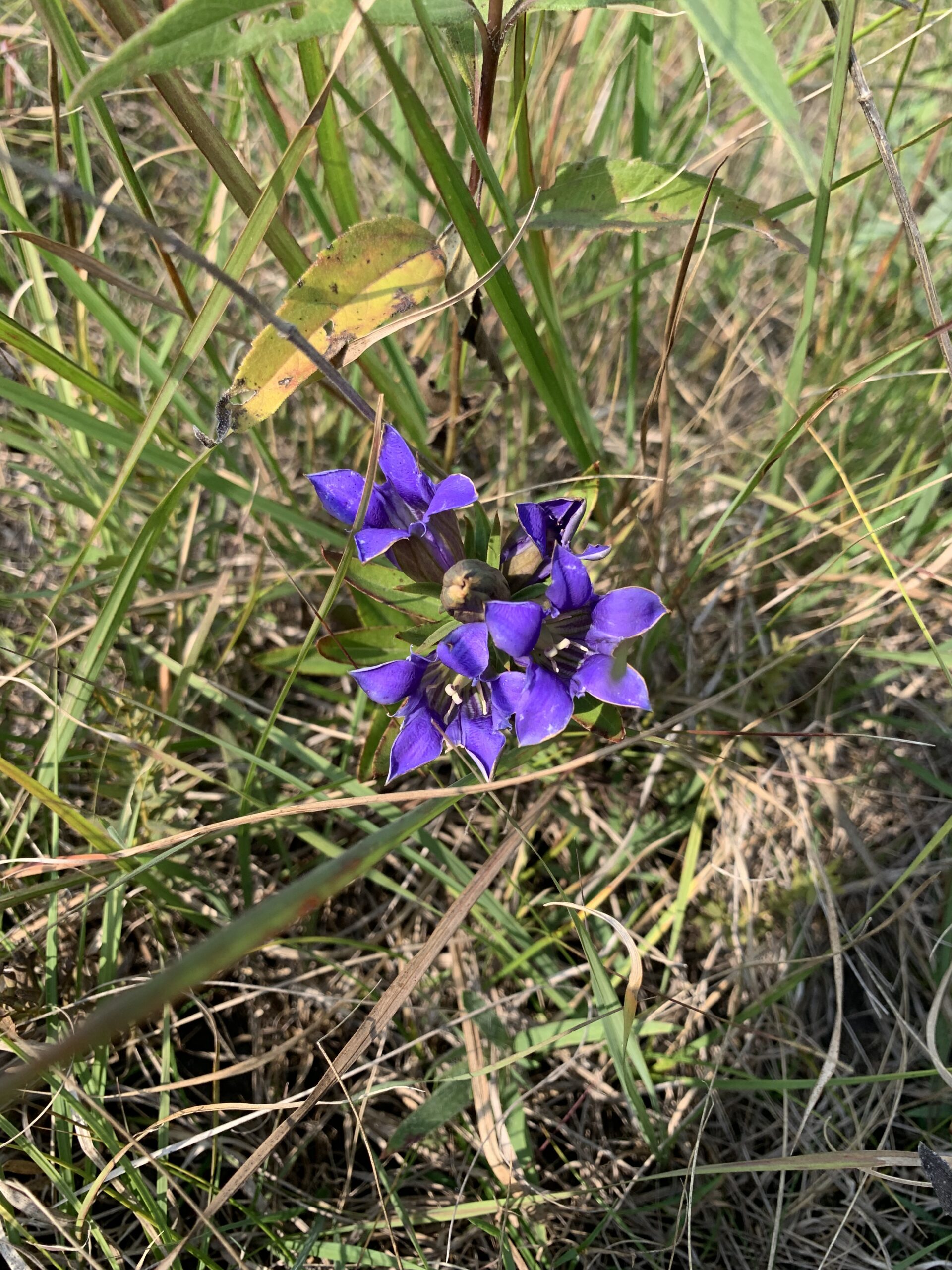
A flowering head of the narrow-leaved purple coneflower (Echinacea angustifolia). Credit: Jared BeckA prescribed burn of a prairie restoration. Credit: Stuart Wagenius.
This past week, Team Echinacea volunteer, Allen, hit a milestone of 1 million achenes counted. That’s a lot of achenes! This achievement has led to his promotion to Chief Echinacea Officer, a highly esteemed role. Thanks for all your hard work, Allen!
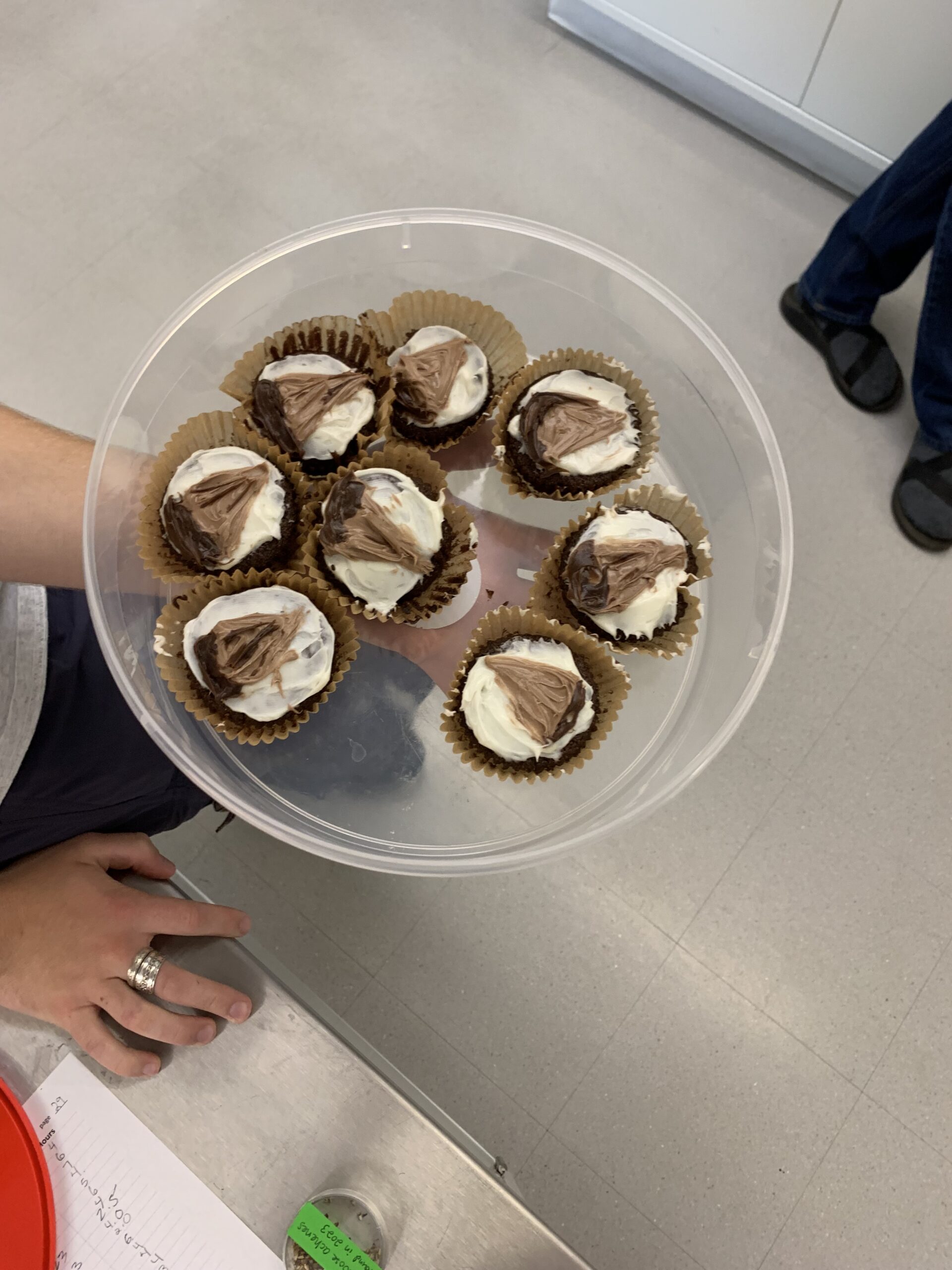
A top hat is a must for any CEO Mid-morning achene cupcake snack
This lore I tell may be known by few, But the puzzle is truer than true. I’ve set out on my quest, To resolve this strange jest, With determination, I’ll find what’s askew!
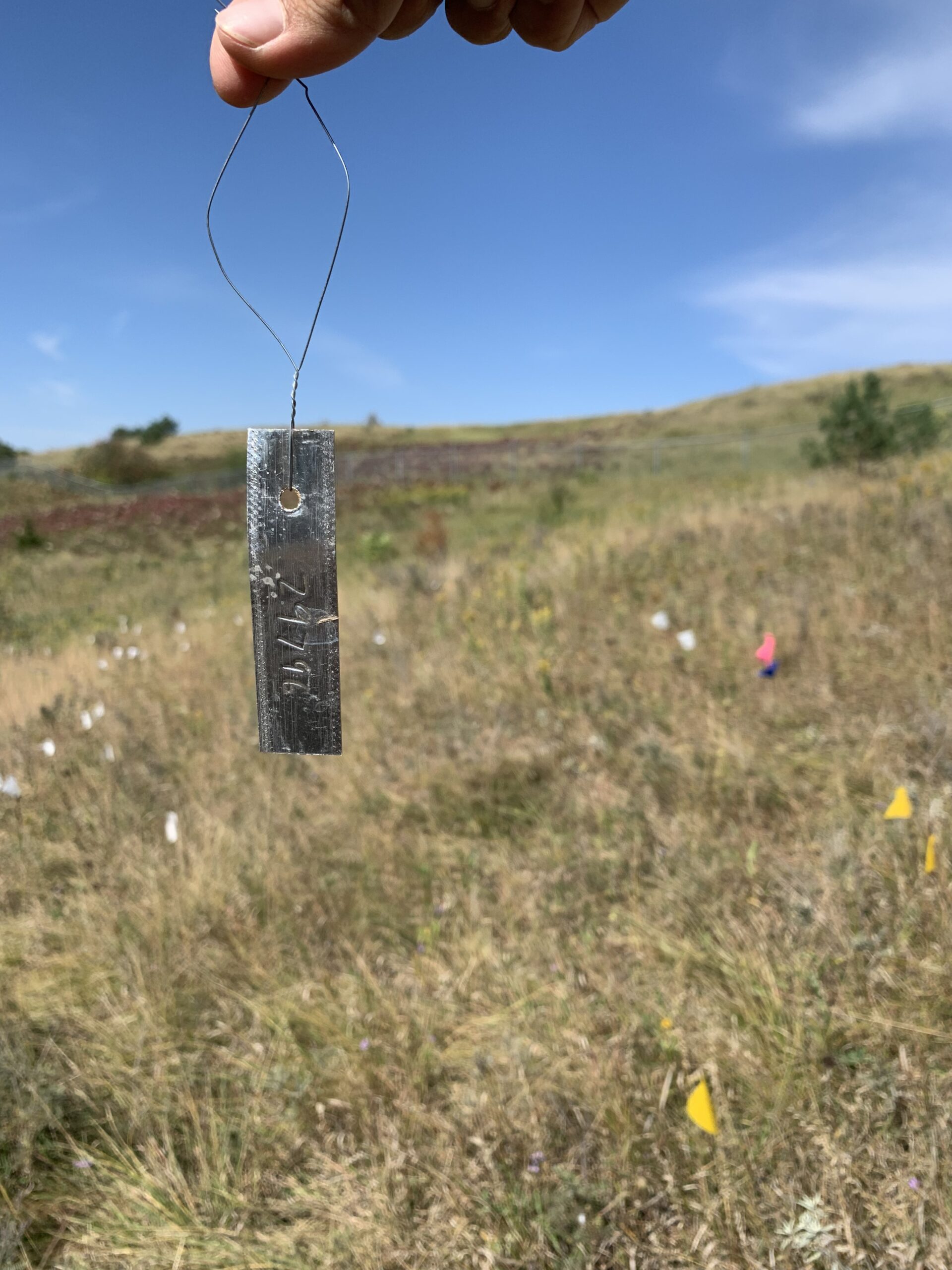
At landfill prairie I roamed with dread The mystery swirled round in my head At last, like a flag, A twenty-nine tag! I grabbed it and onward I fled.
The field has been a wonderful friend But my time here has come to an end With joy I confess, I’ve fixed up this mess, Leaving others no doubt still to mend.
I am interested in plant conservation and learning how a long-term research project is conducted. I am also interested in seeing what impacts of climate change can be observed in a study like the Echinacea Project.
Statement
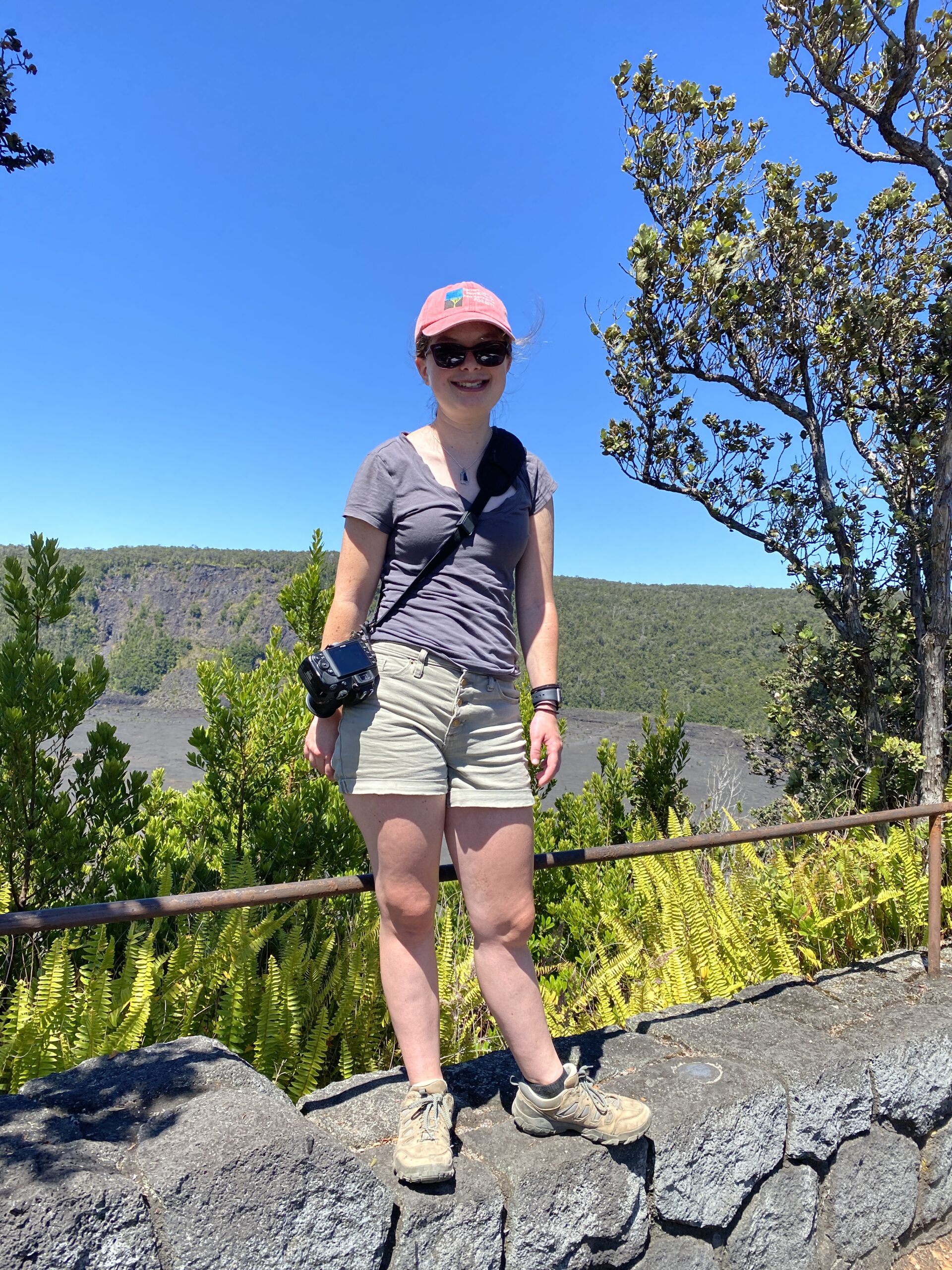
I am from New Hampshire and enjoy photography, especially nature and wildlife photography.
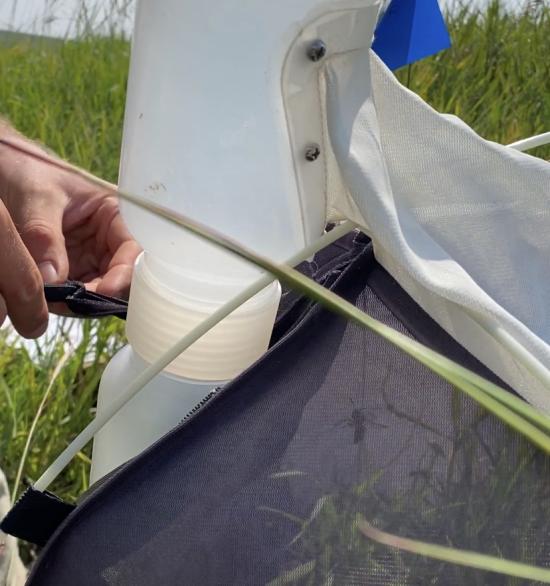
Today, while deploying emergence traps, we avenged our recently stung colleague (Ellysa Johnson). One of our randomly selected points was directly upon a hornets nest (a few are seen in this photo, but tens were present and buzzing furiously). Miraculously, neither of the crew members present were stung. Let this day mark our revenge.