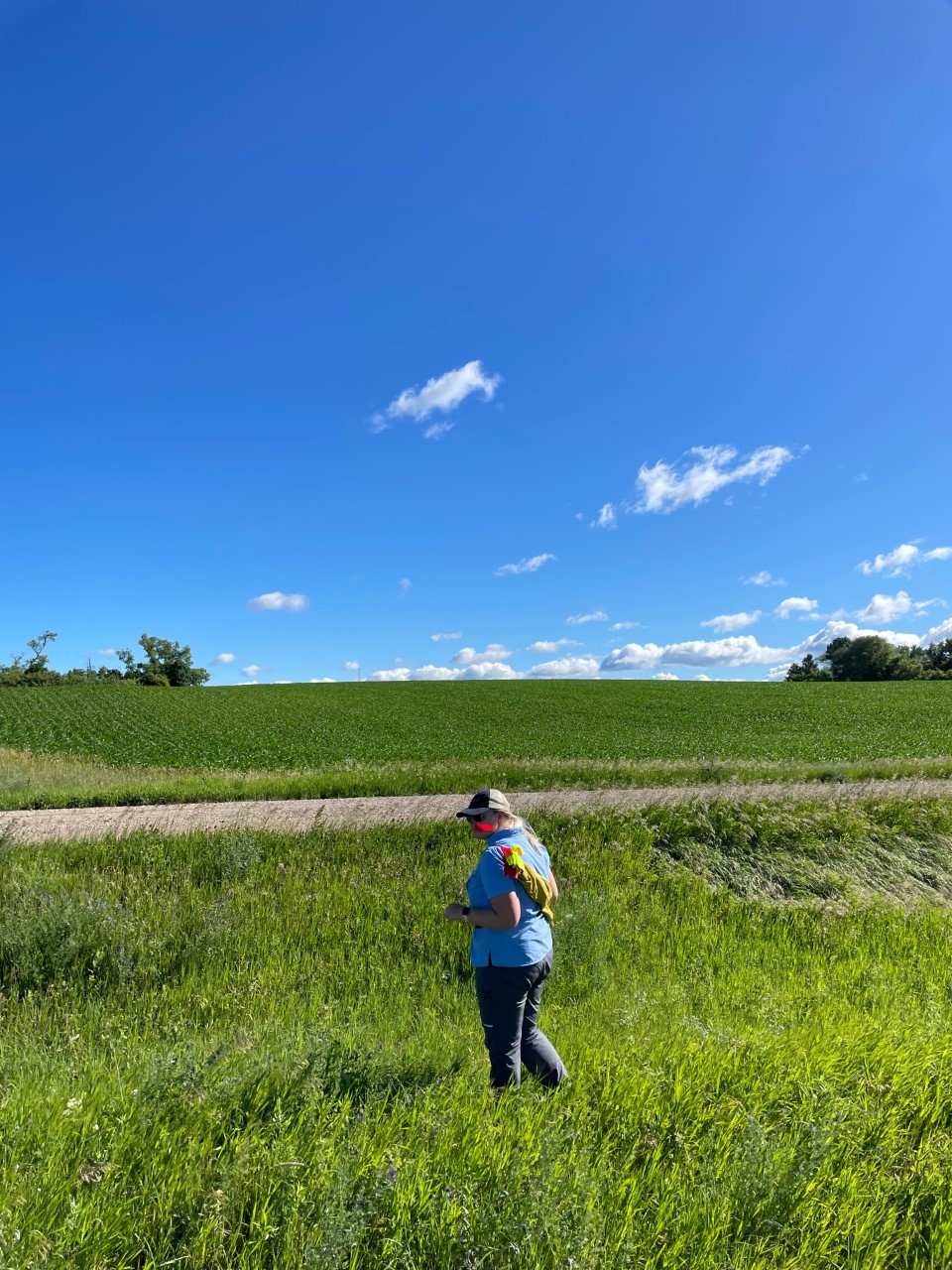
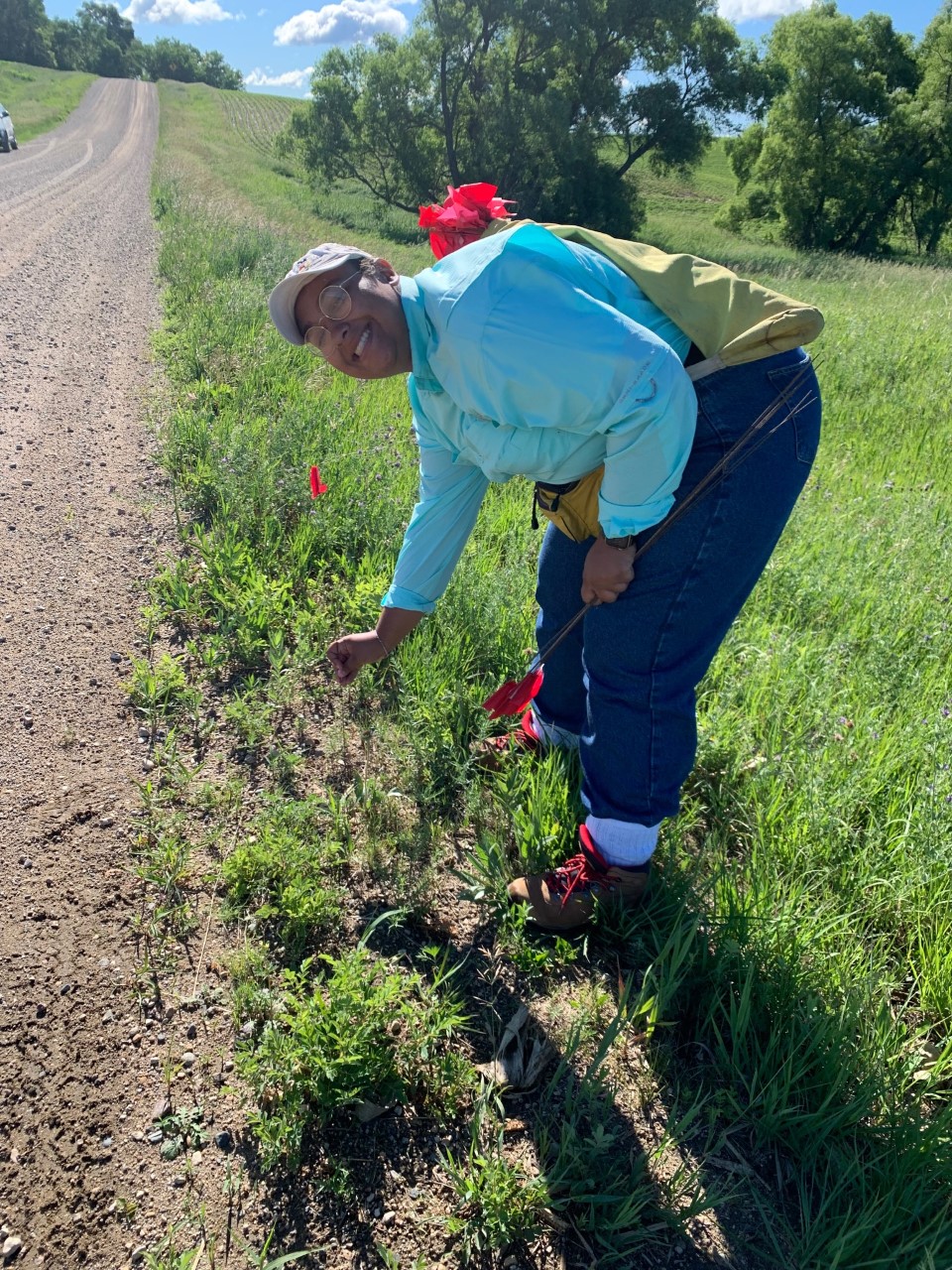
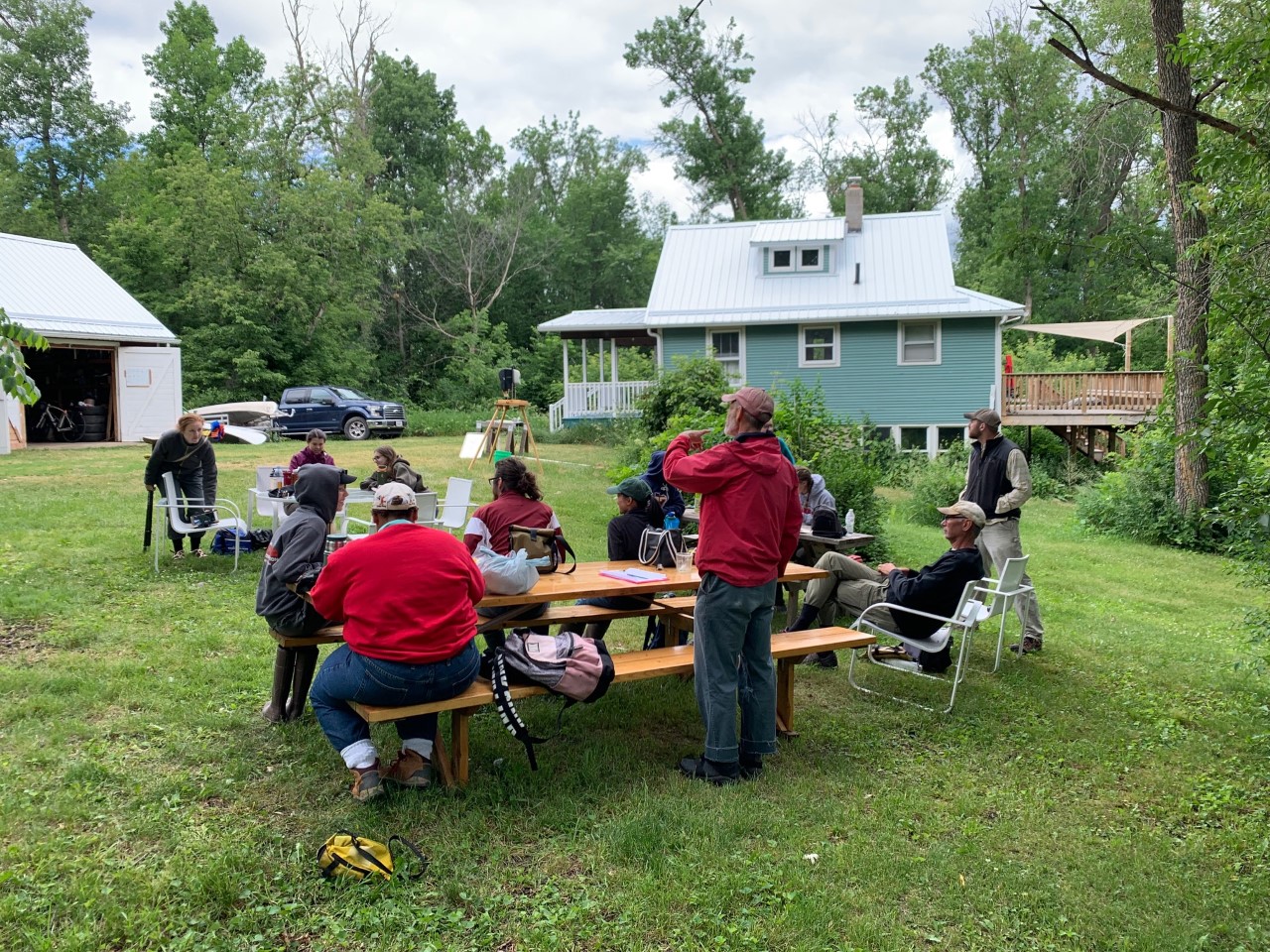
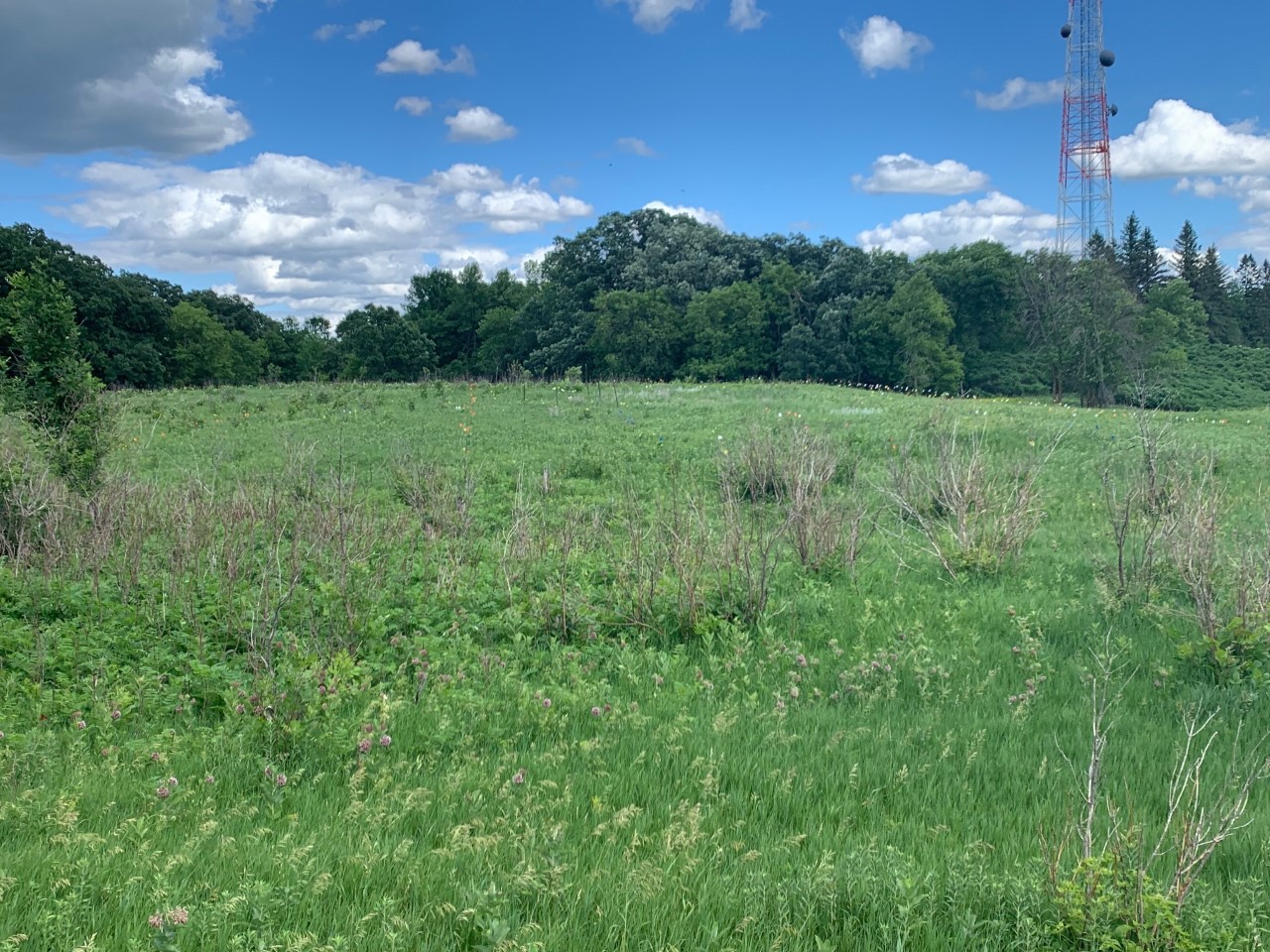
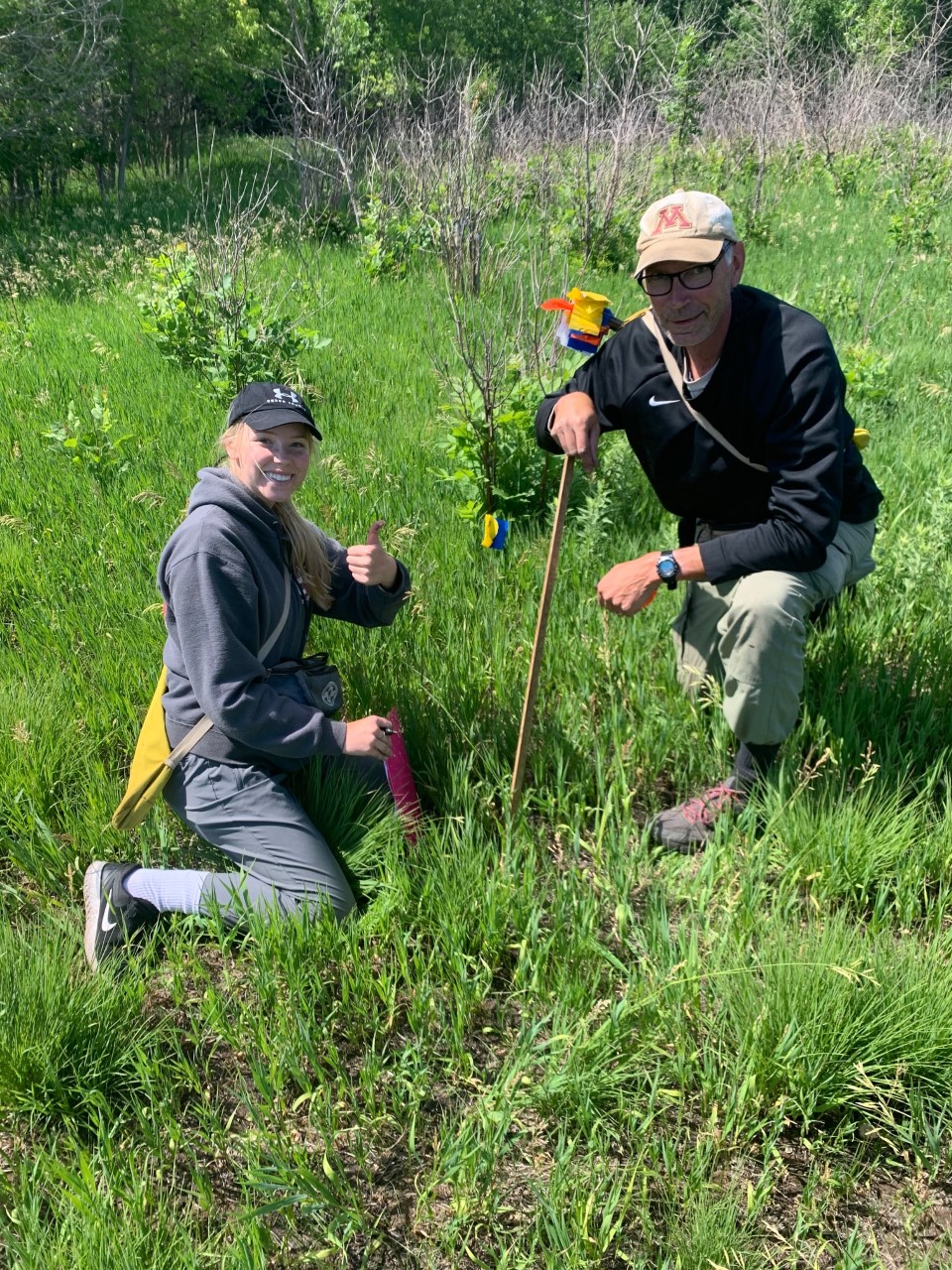
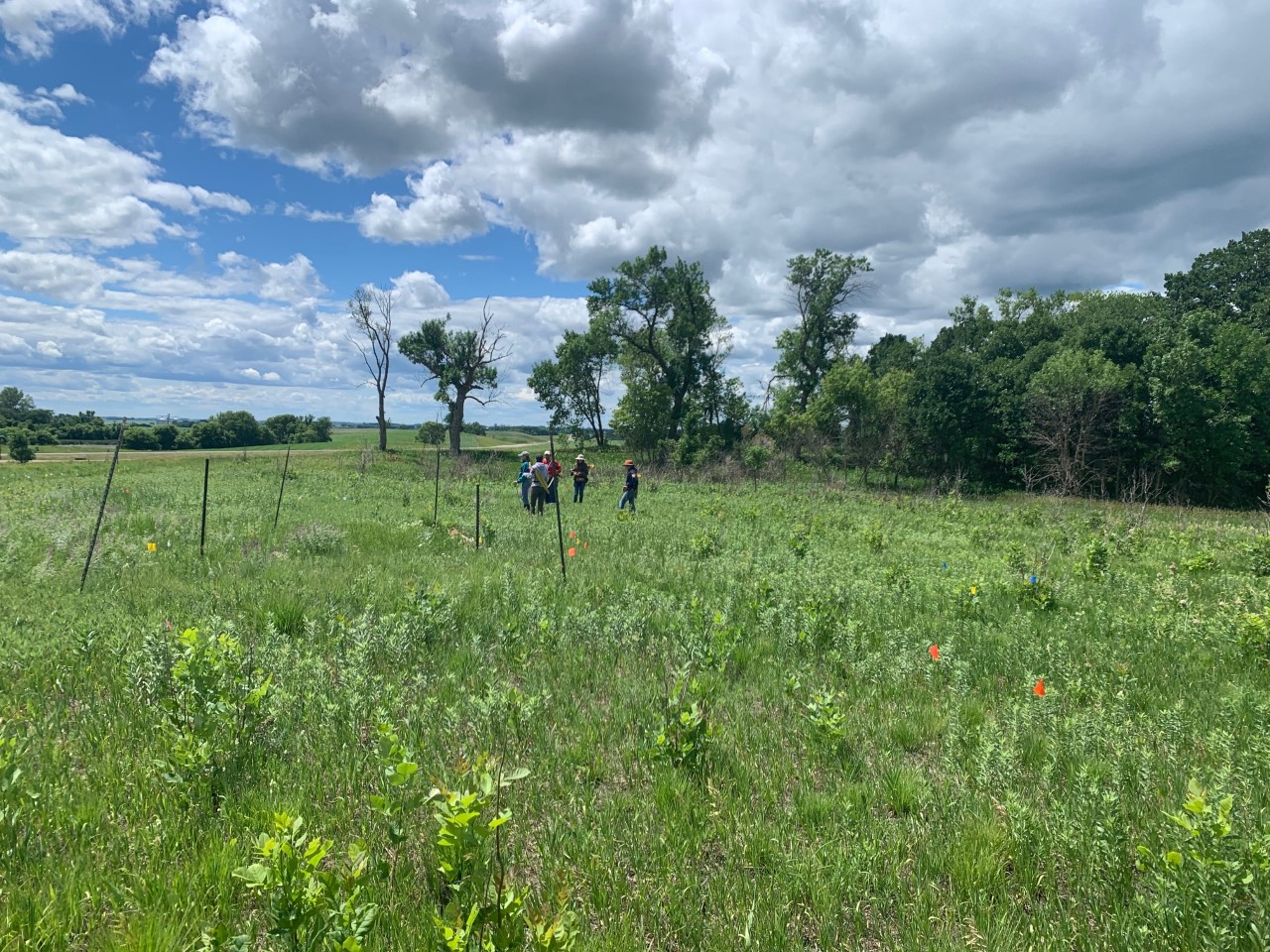
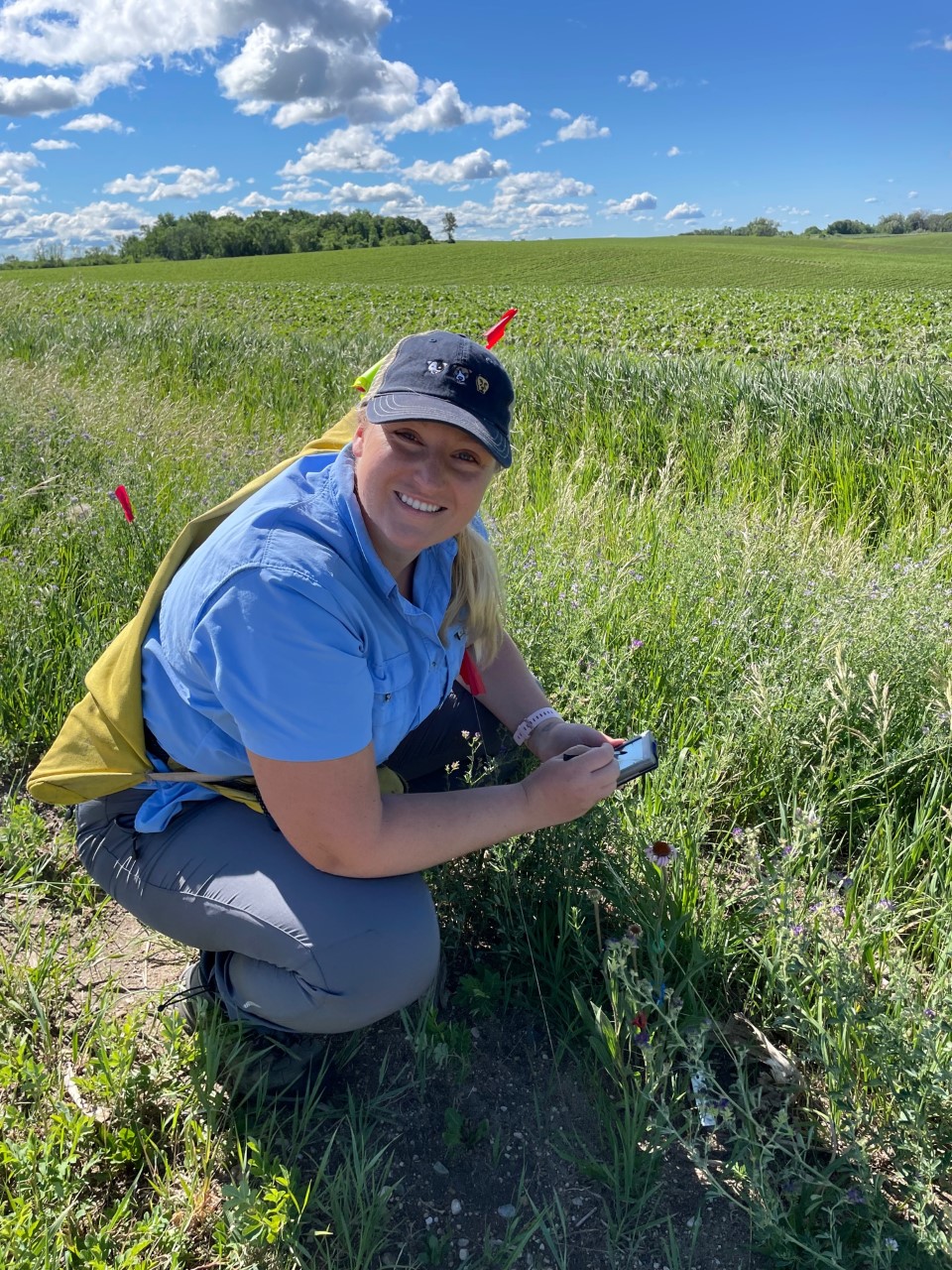
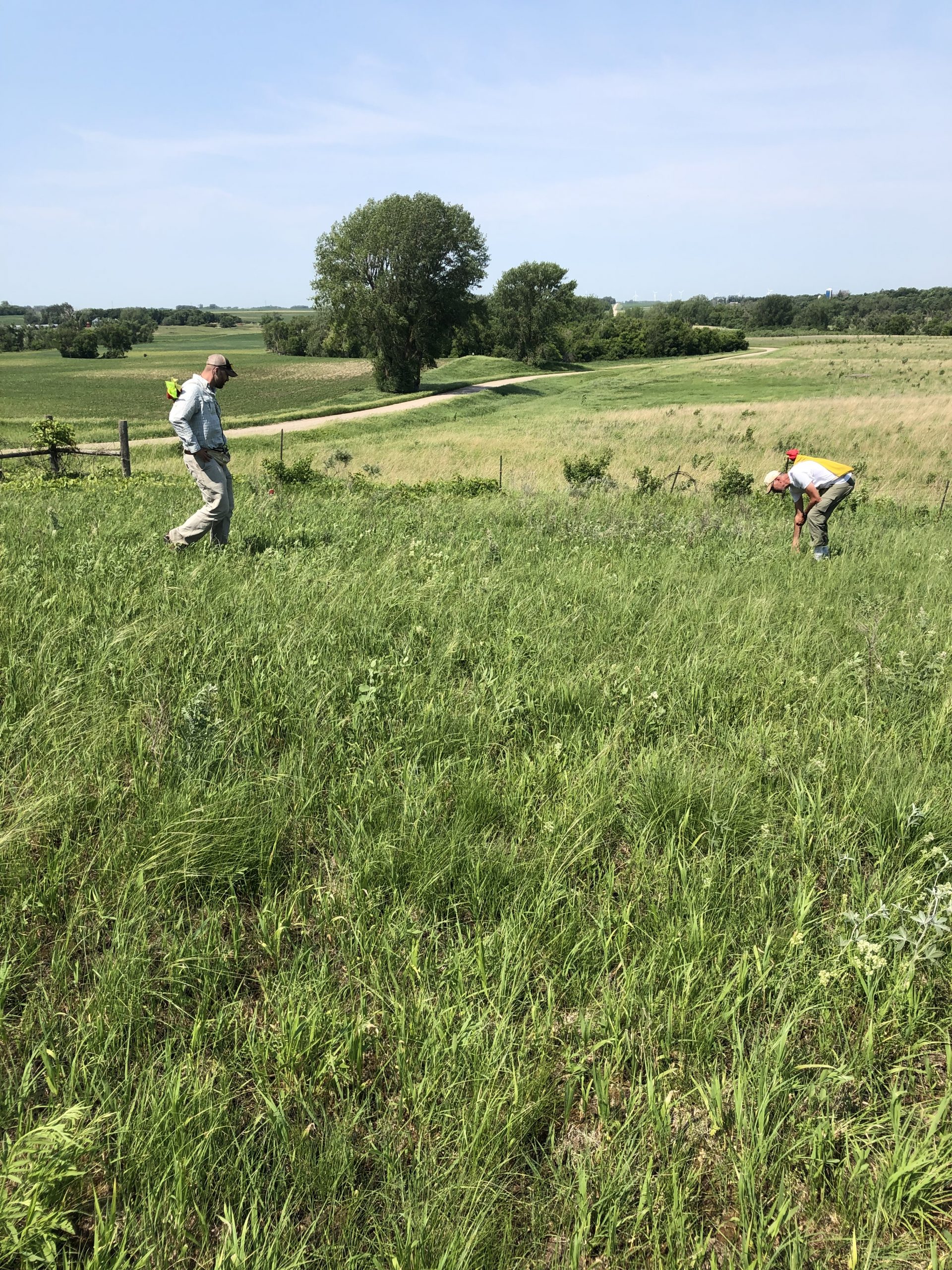
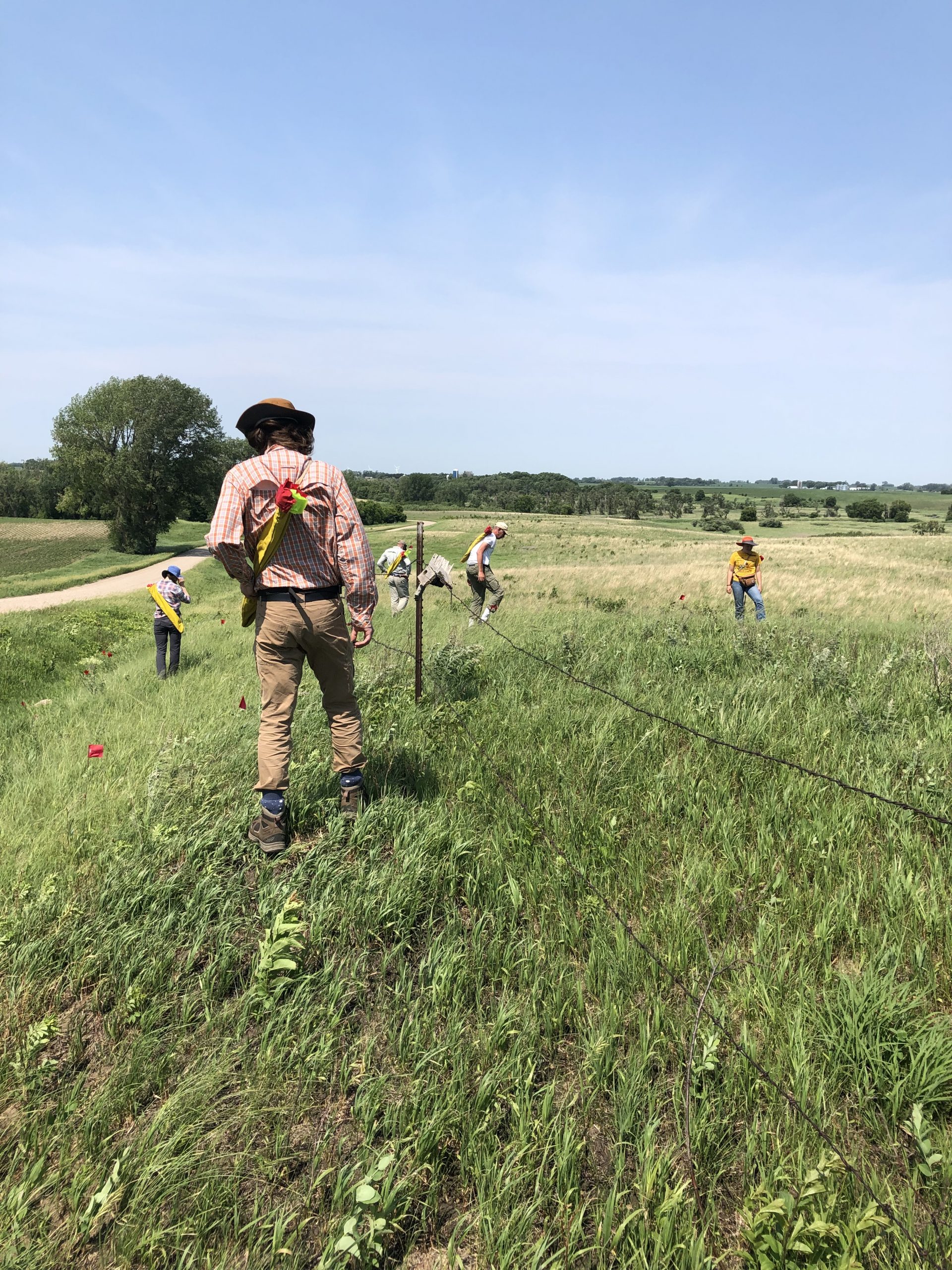
Today was a successful (and chilly) day for Team Echinacea! We started off the week by visiting the remnants to search for Echinacea. Miyauna, Maris, Laura, Jared, and I headed out to Riley, East Riley, Railroad Crossing, North of Railroad Crossing, and North of North of Railroad Crossing.
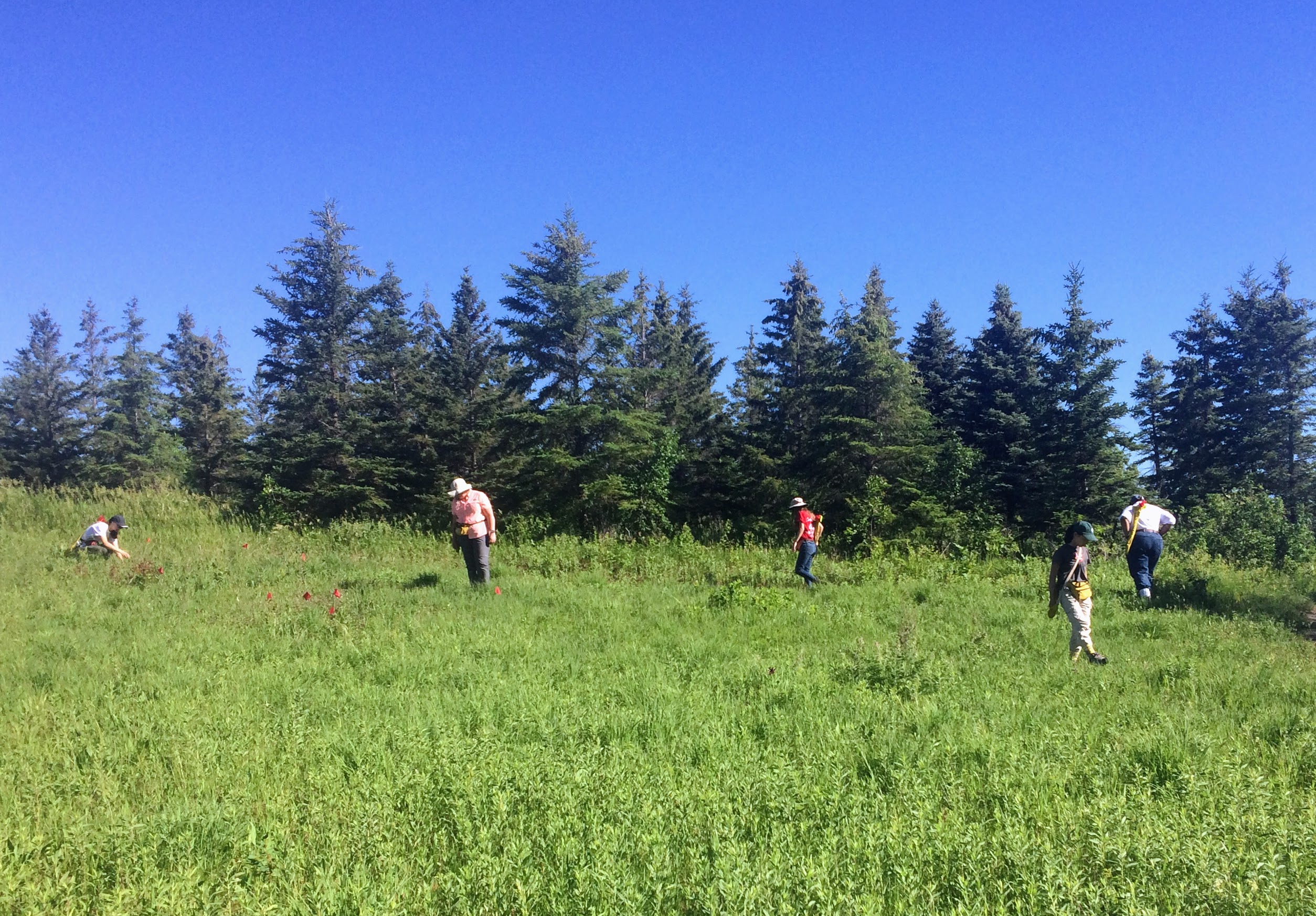
Searching for the elusive Echinacea…
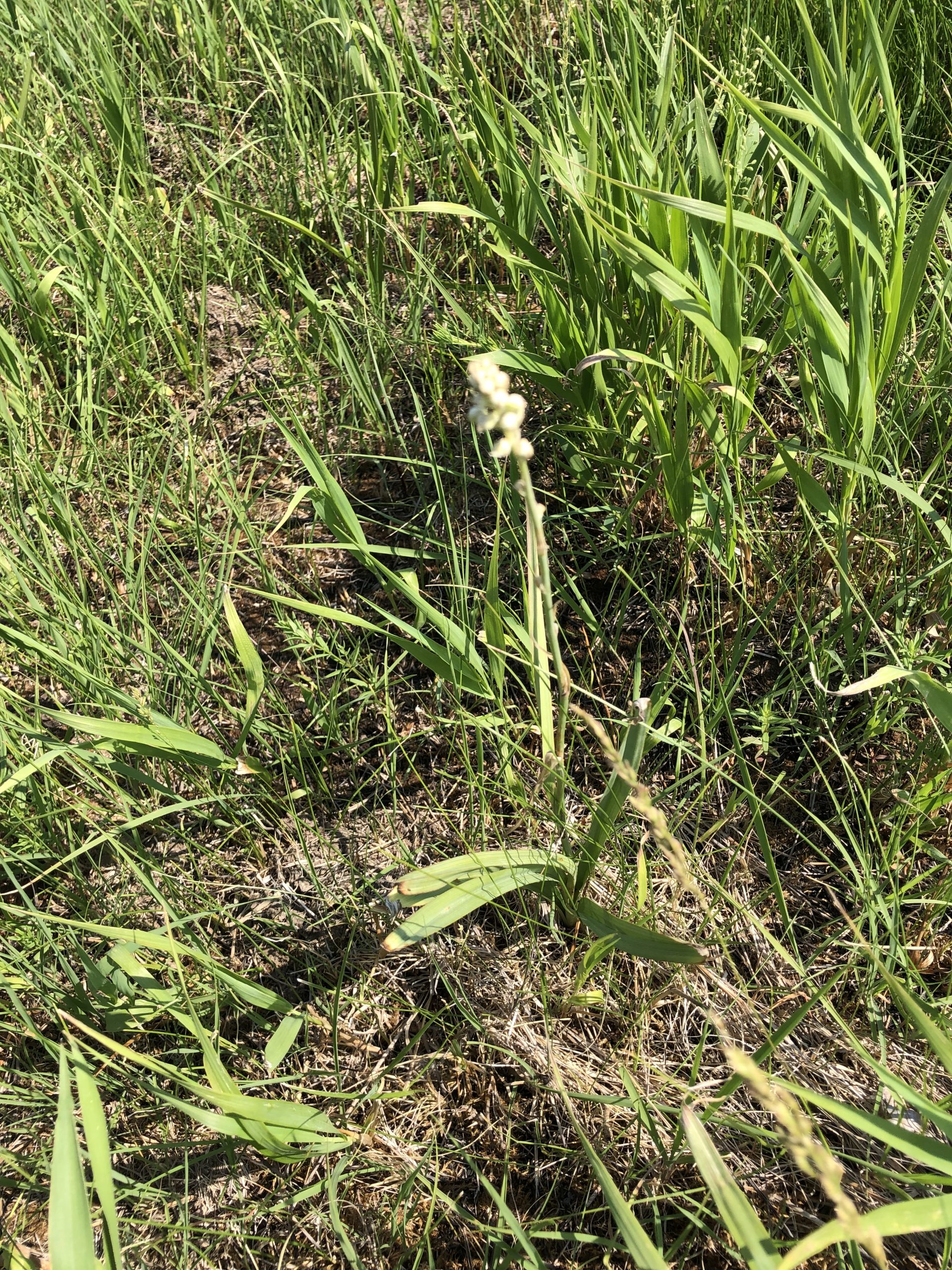
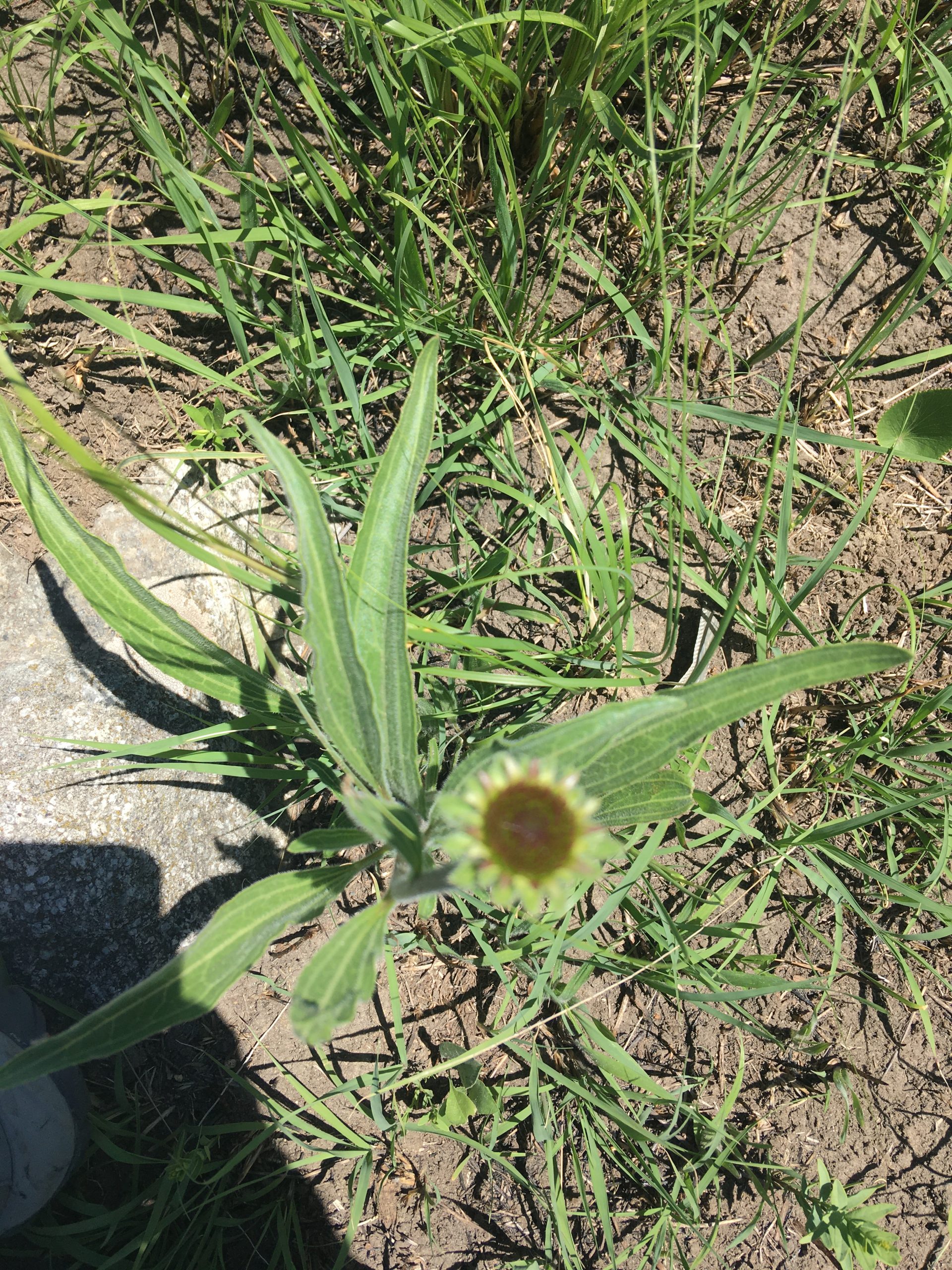
Miyauna found one!
As we searched we came across several plants that were producing POLLEN! Several more looked very close. Things are about to get really busy for the team! For now, we marked plans, and collected demo data for some. We will be back soon to start collecting phenology data in earnest!
After lunch, we heard an awesome project proposal for a massive insect investigation from Mia, and brainstormed how to finalize our team norms for the summer.
Brainstorming session…BRRR
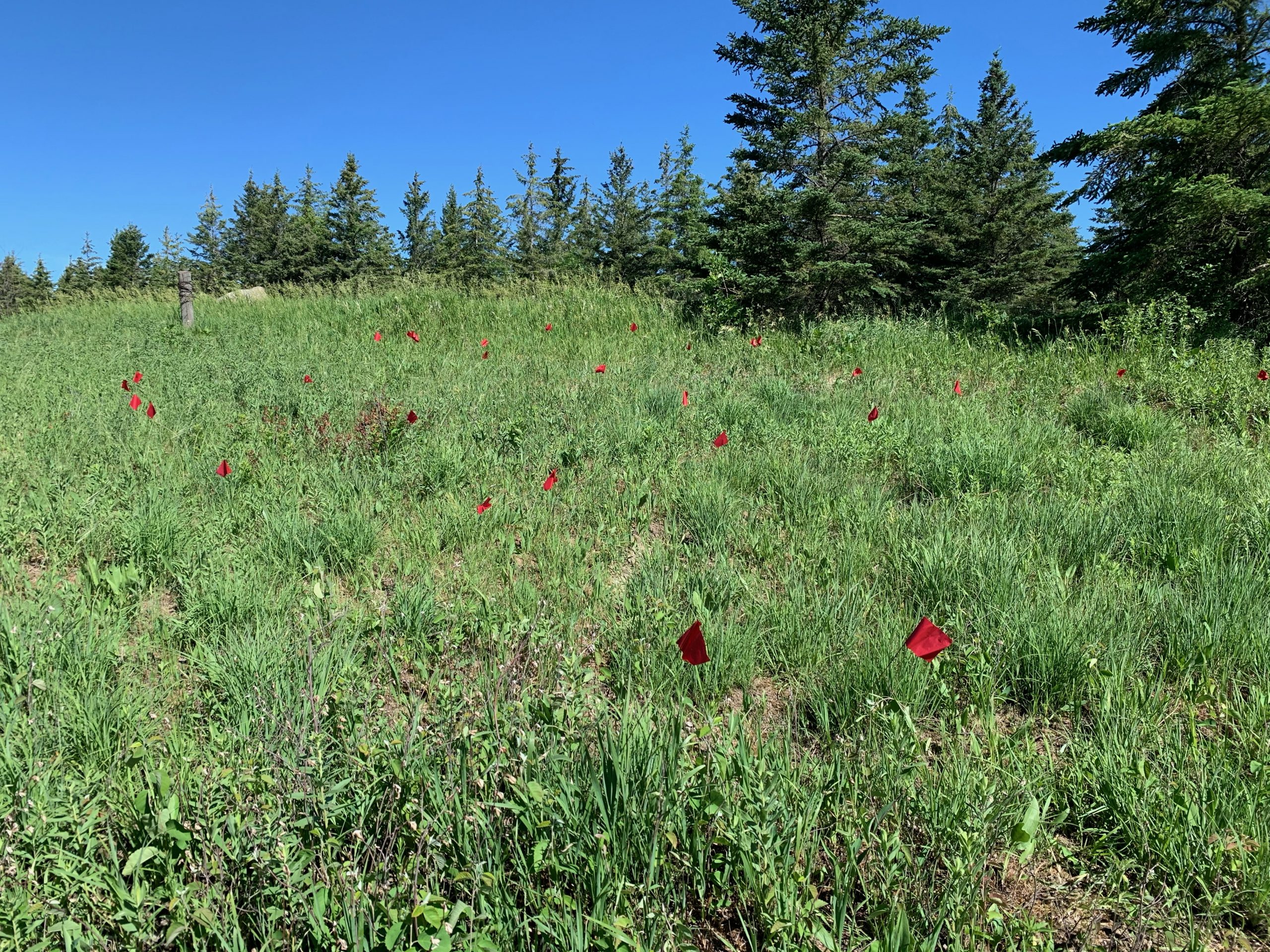
We finished off the day by finalizing flagging in p8. While flagging, we discovered 32 Echinacea heads. To put that into perspective, there were only 5 last year!
All in all it was an excellent day for the team! I am excited to watch the colors of summer begin to unfold all across the prairie remnants. Team Echinacea is ready!
Well its official we made it through the first week of field work. This week we did a lot of flagging in the experimental plots. We are using a different flagging system in experimental plot 8 this year, we are only are flagging areas of the plot that we are searching. On Friday John, Kennedy, Wesley, and I worked on applying this new system, we made good progress but we still have a lot more to do. On Friday afternoon Allie, Miyauna, Alex, and Maris gave presentations on their independent projects. They all did great jobs and I am super excited to hear more about their projects.
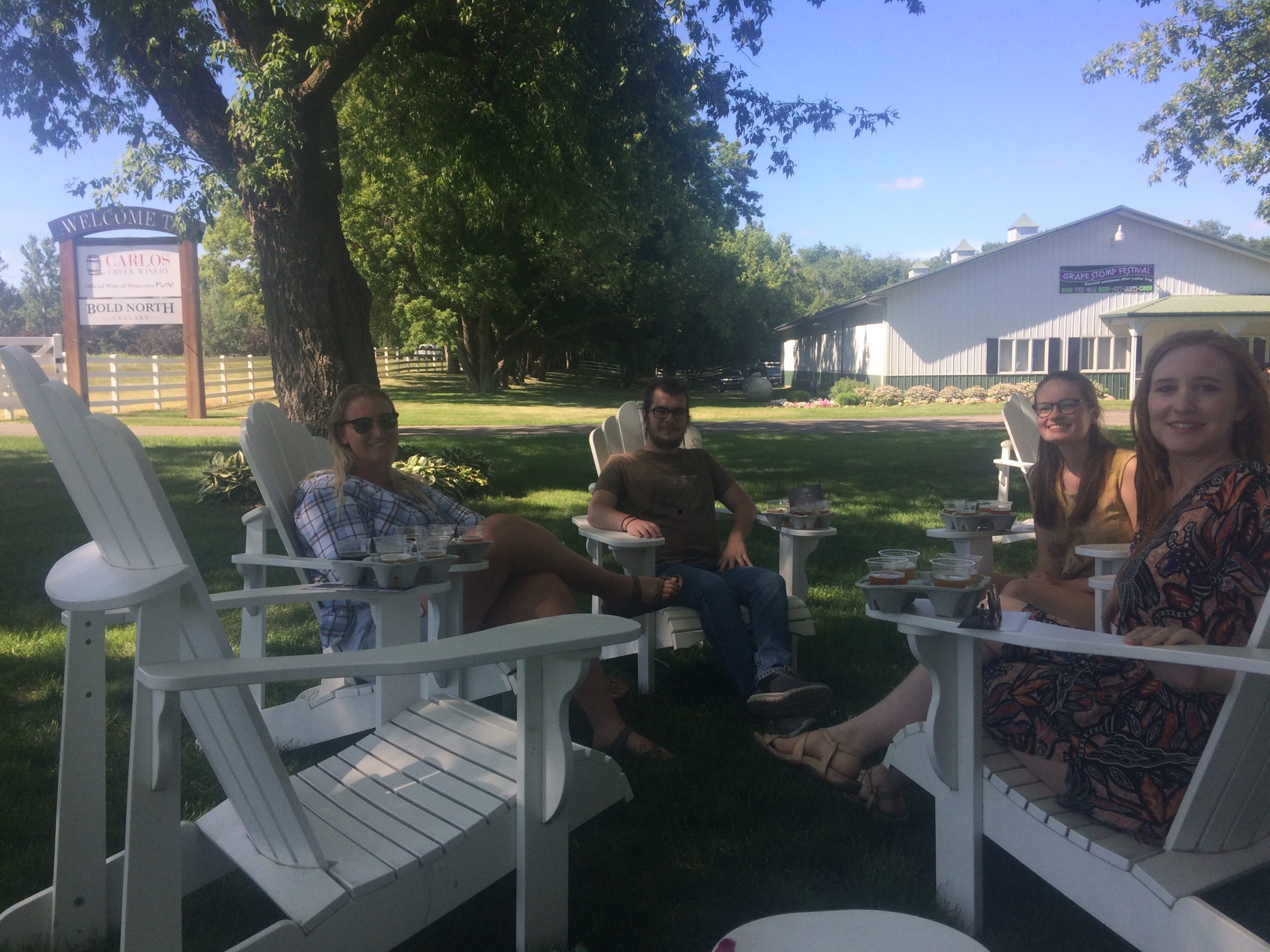
On Saturday Alex and I headed over to yellow orchid hill to take a look around and walk between yellow orchid hill and Loeffler’s corner. I had never been out there and they are some beautiful hills! I didn’t get out into the remnants very much this week so it was really nice to take some time and wander around the prairie a little bit. That afternoon Alex, Amy, Drake, Lea, and I went to a brewery and had a great time hanging out eating yummy food and beer.
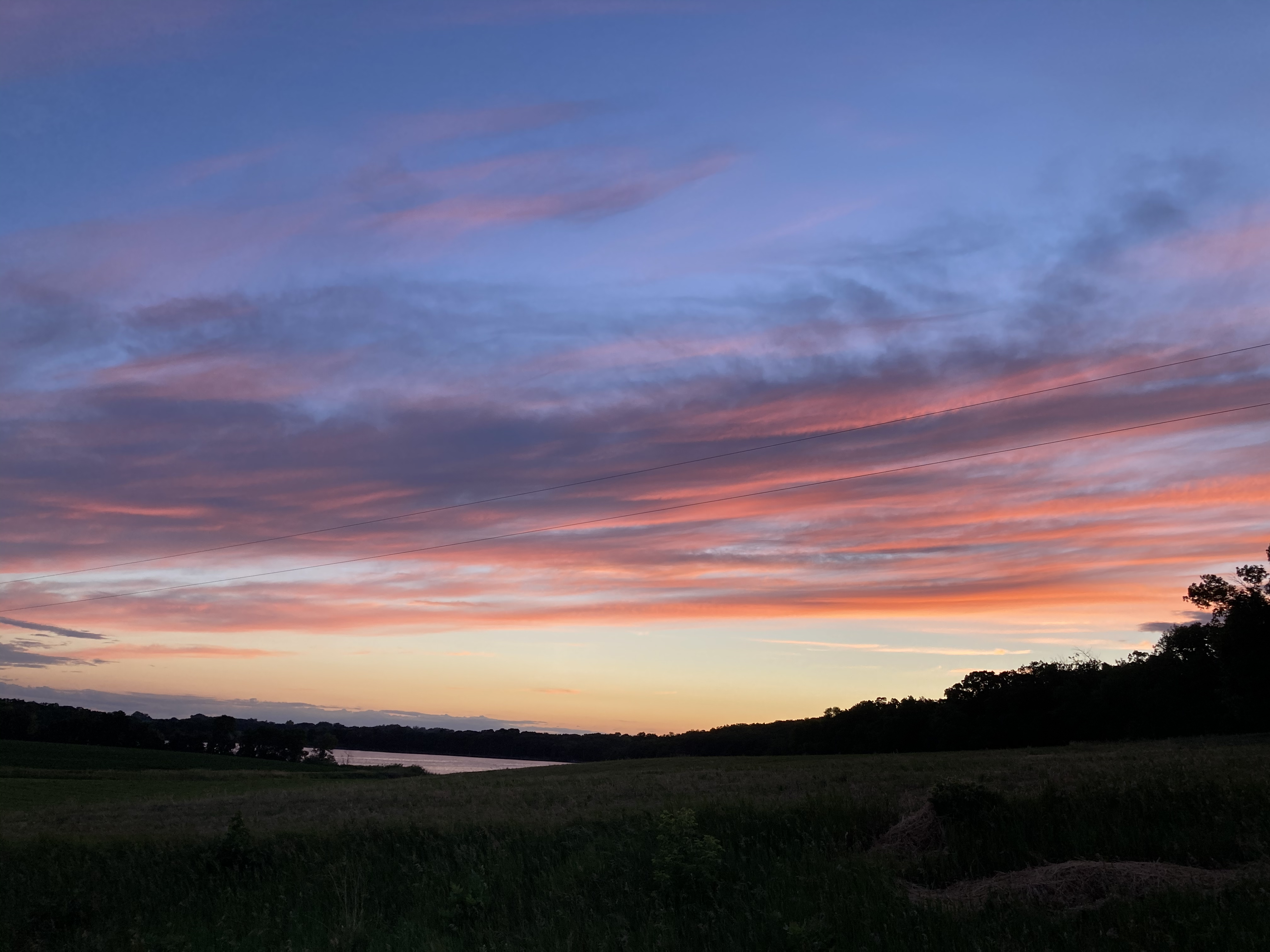
Today was a quiet day here at the Elk Lake house, it rained on and off all day and that set a sleepy mood around the house. Alex and I made this delicious ginger rhubarb jam that is so yummy on vanilla ice cream. Amy, Alex, and I went on a nice walk and saw a beautiful sunset.
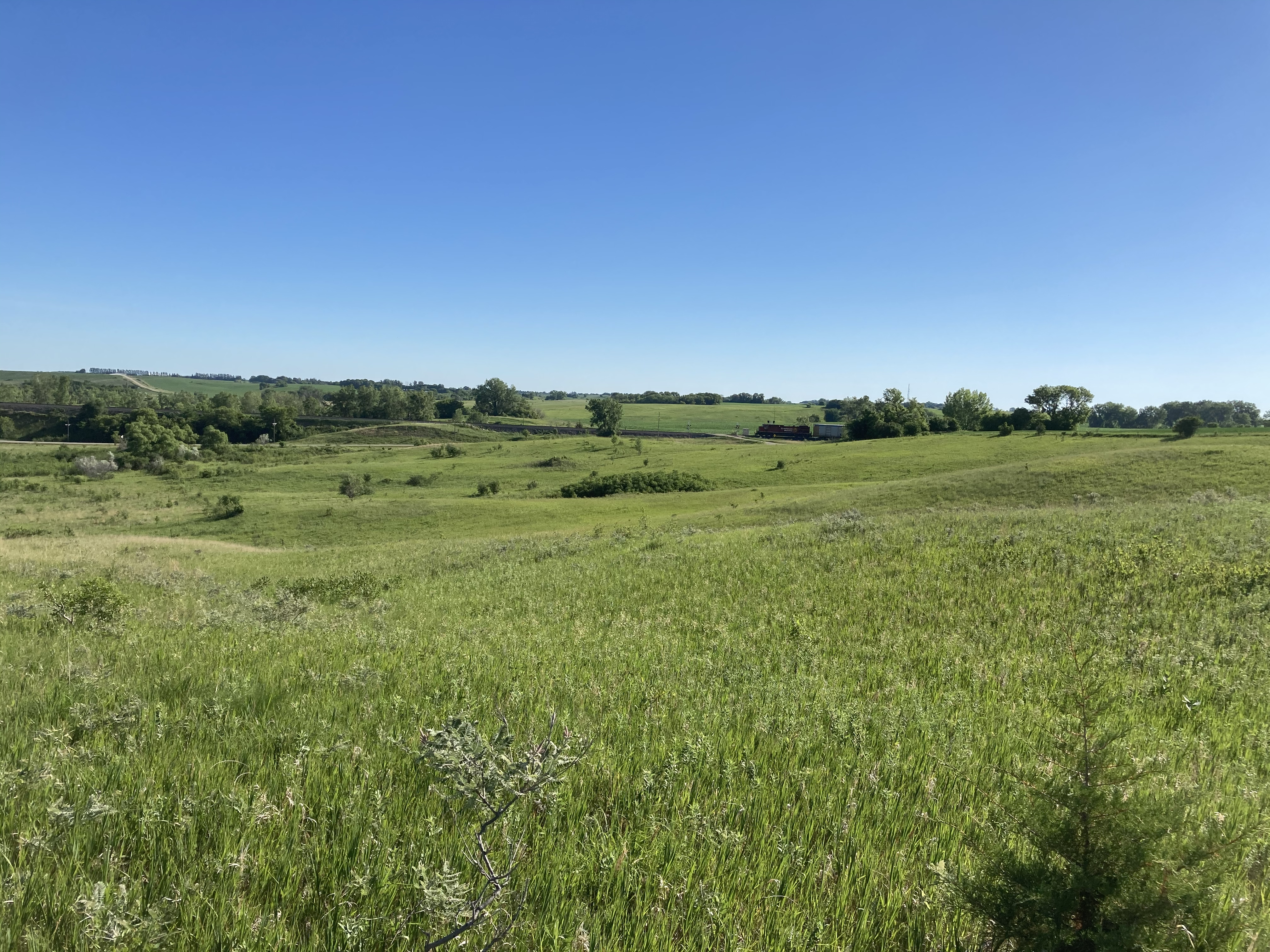
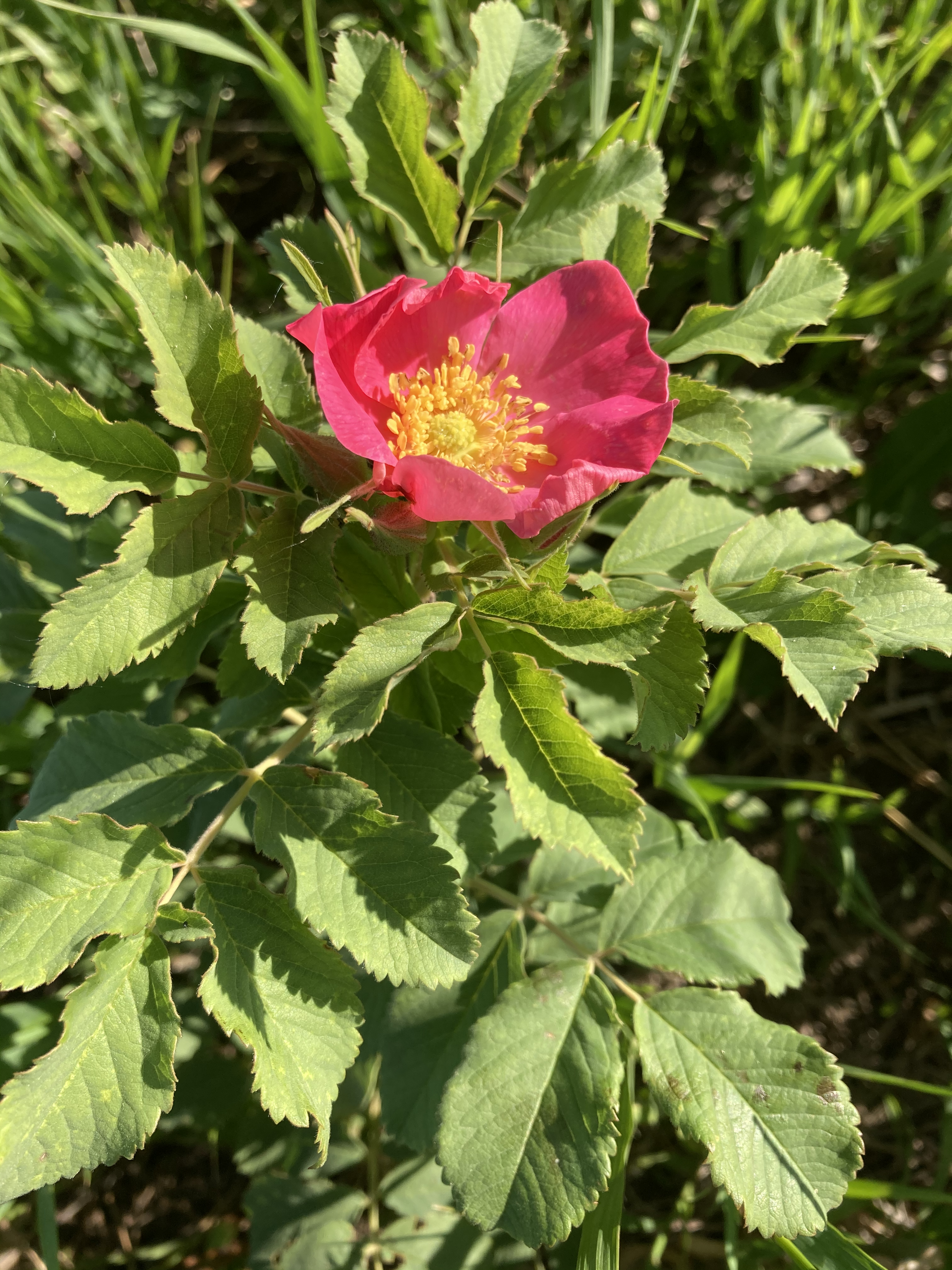
A train passing by the hillThe darkest prairie roseThe brewery crew (pc Amy)Sunday Sunset
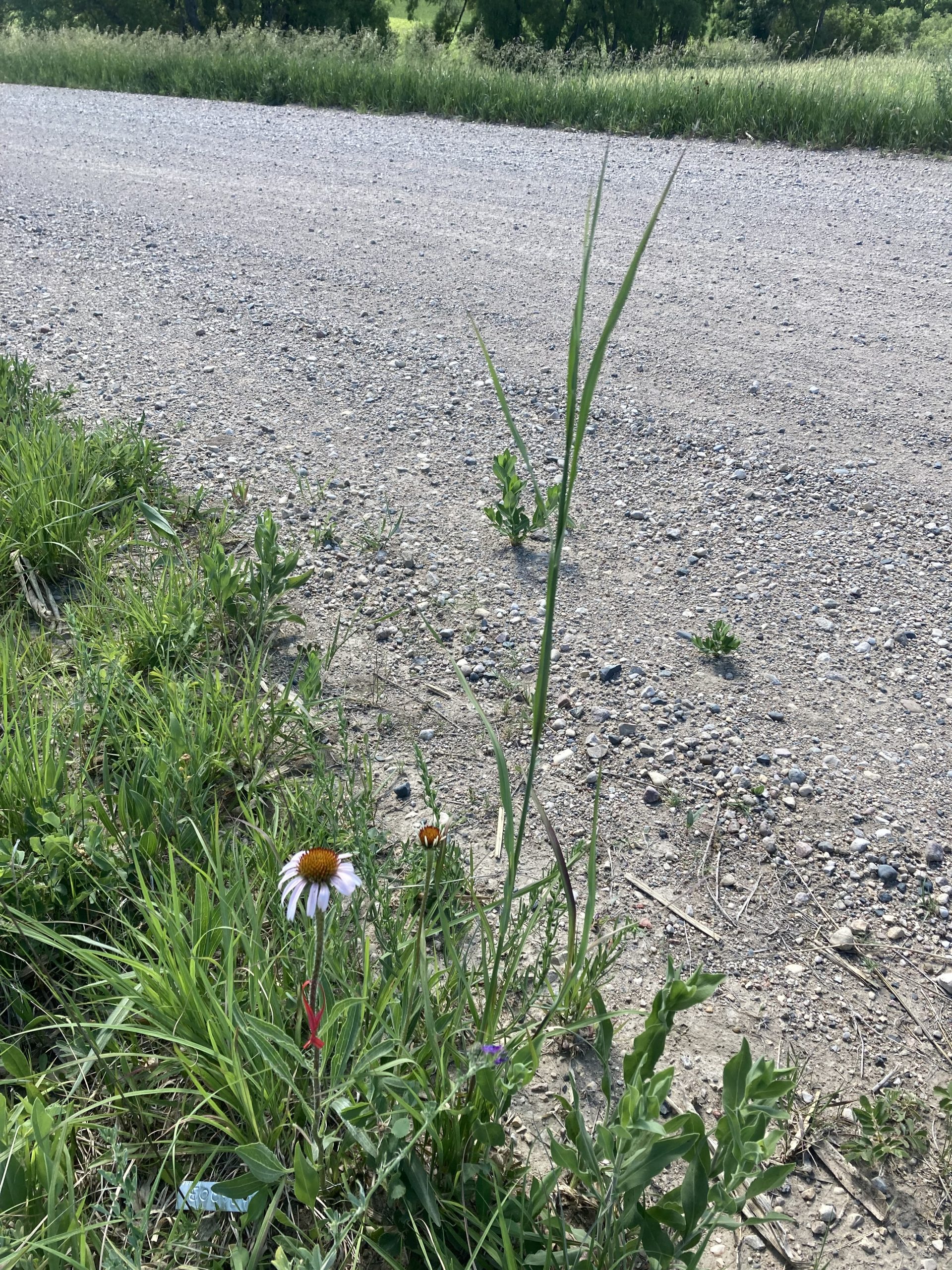
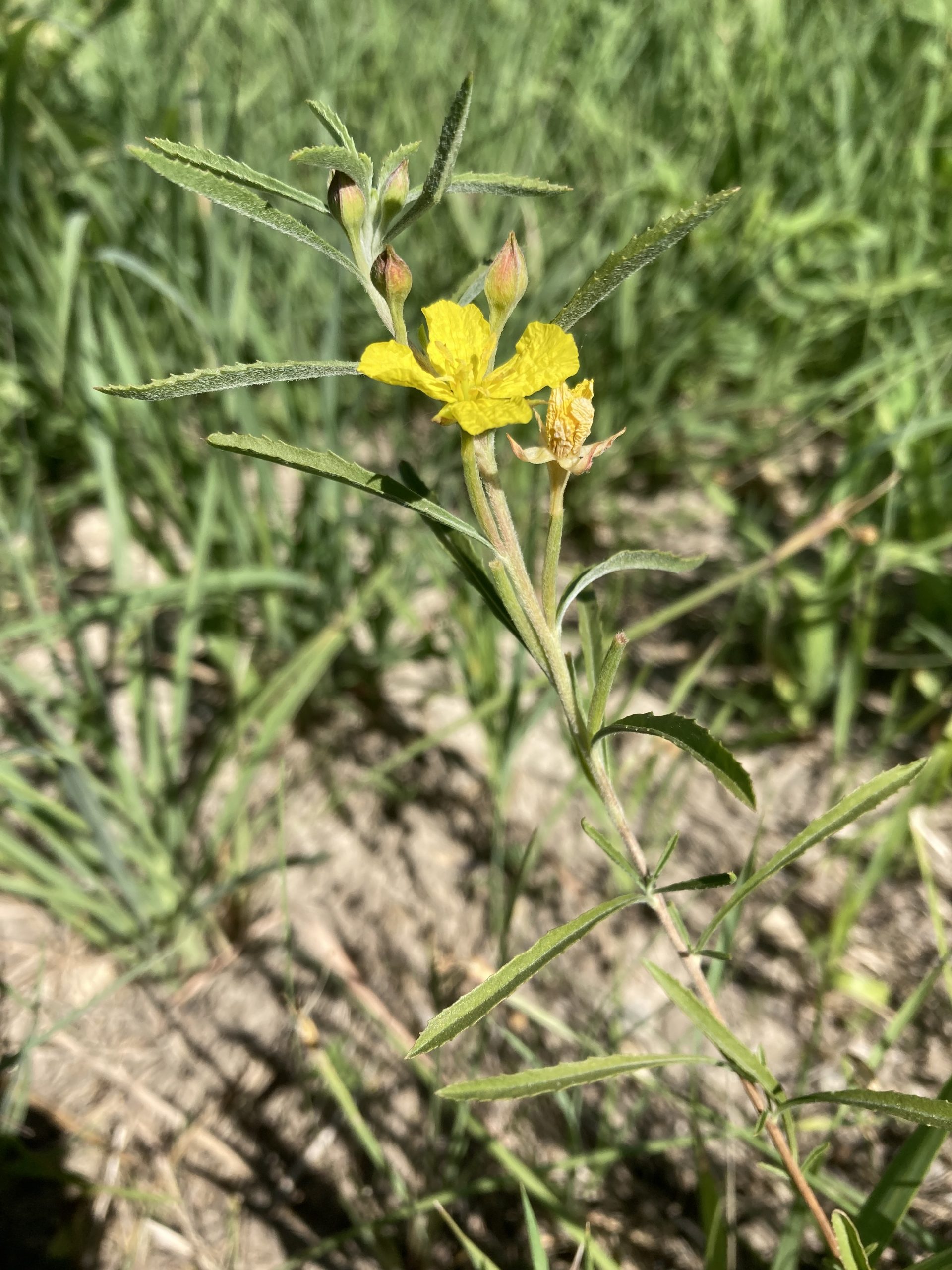
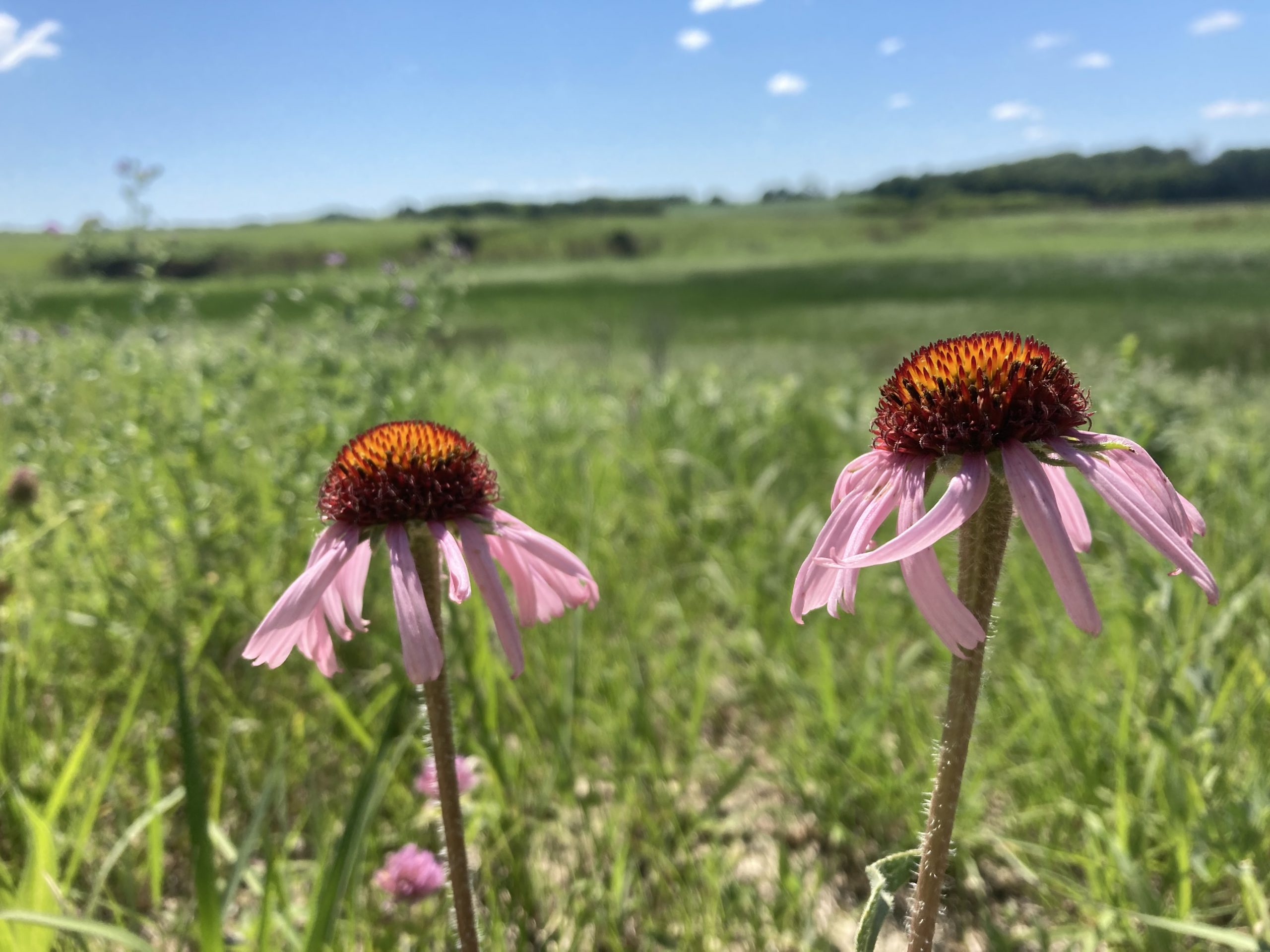
On Saturday morning, Amy and I each visited a handful of remnants to check on Echinacea flowering status. Amy found a few “rays spreading” plants but none shedding pollen. I found 7 heads shedding pollen (2 heads at eri, 3 heads at ri, 1 head at lc, and 1 head at ness). A couple heads were on their second day of flowering making June 18 the first day of flowering in our study sites. Notably, several big bluestem have started bolting including one at ri with a culm taller than my waist. Oofta.
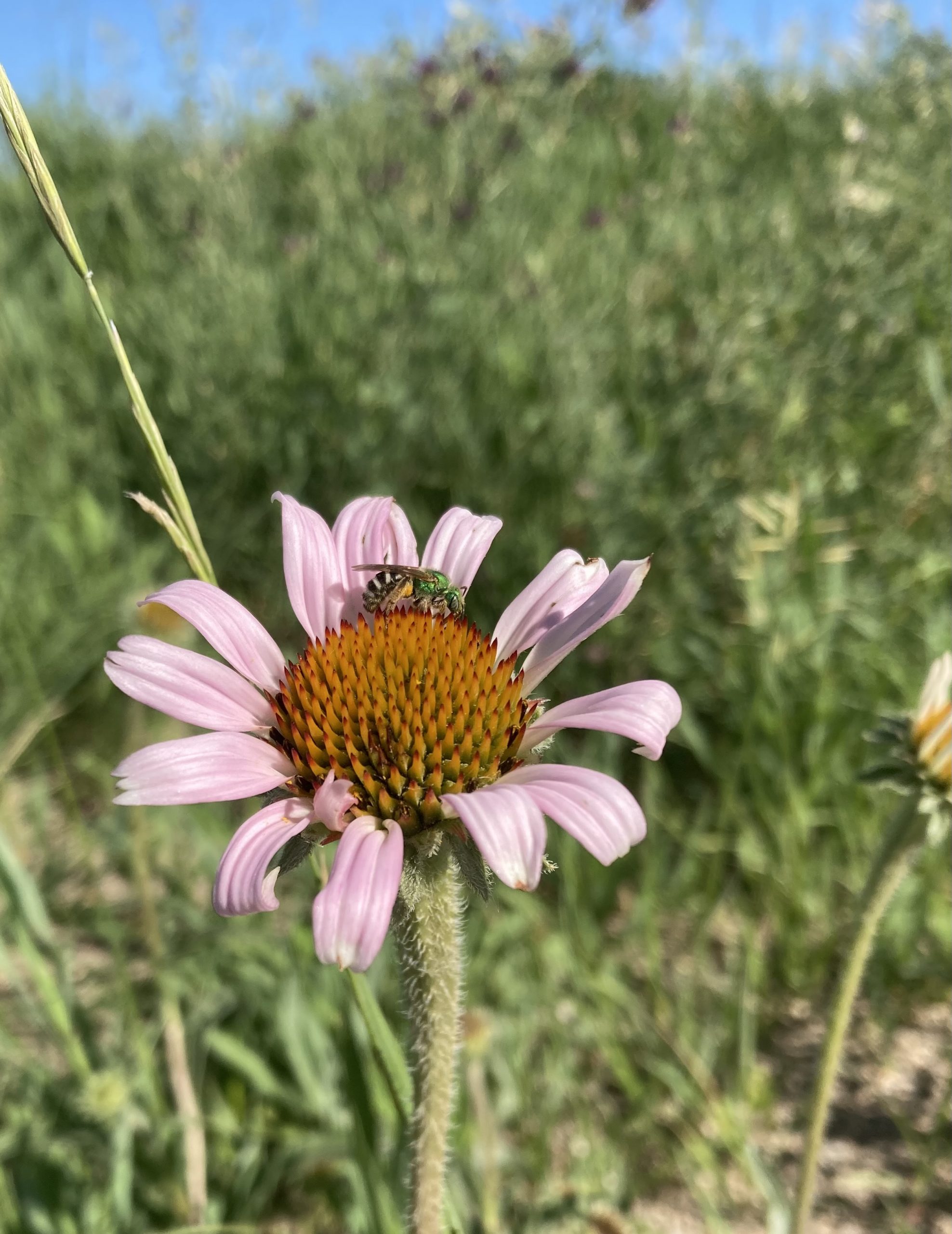
Flowering Echinacea at ness with a friend
Andropogon gerardii bolting at ri… on June 19
Calylophus serrulatusat eri
A couple early flowering & poorly-pollinated Echinacea heads at Hegg Lake WMA
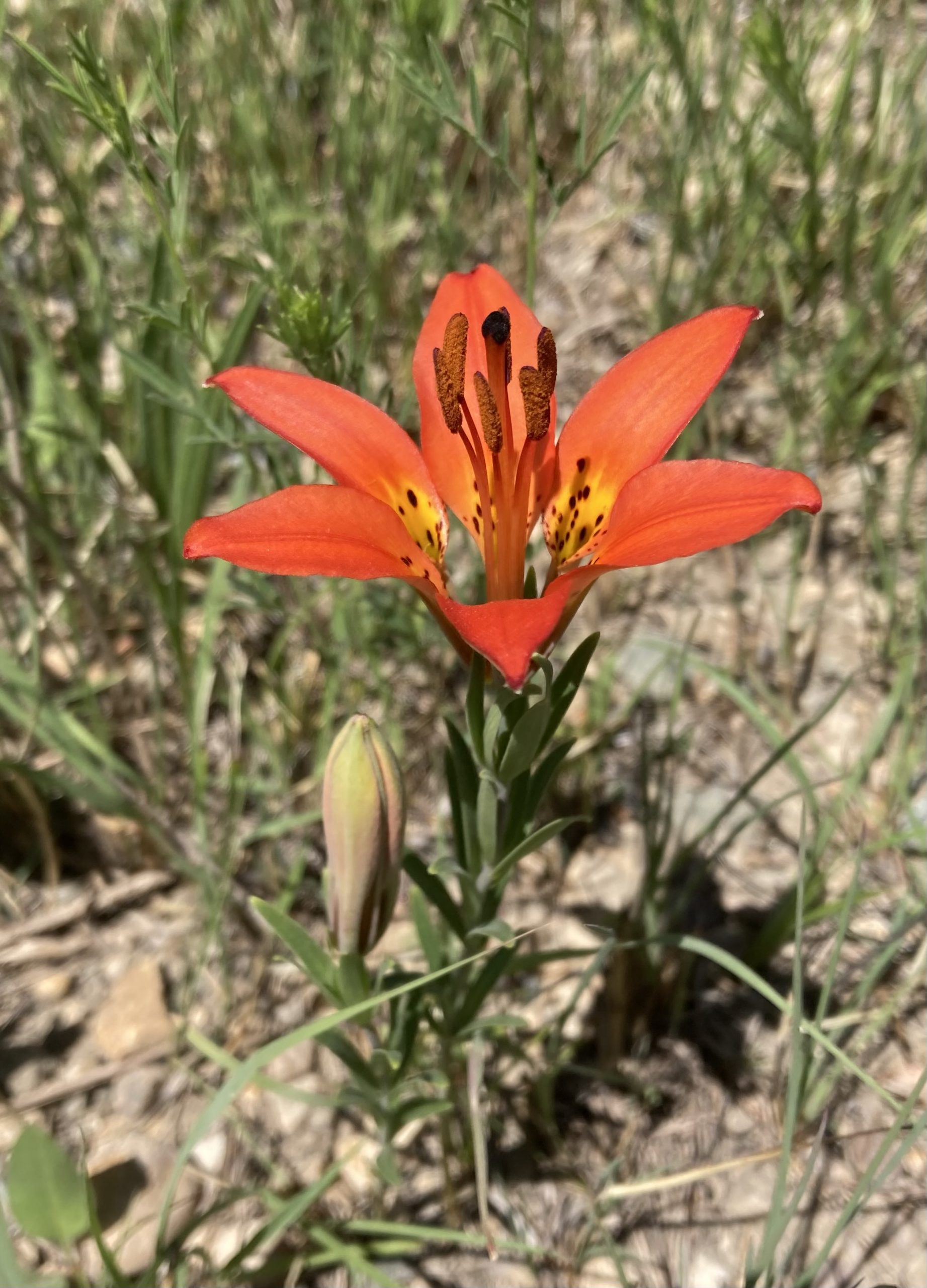
Over the past few days, I also spent some time searching for wood lilies (Lilium philadelphicum), also known as prairie lilies or western red lilies. When flowering, these jaw-dropping beauties are hard to miss! The vivid red-orange tepals stand out, bright flames flickering amidst a drab sea of greens and browns. I am conducting a preliminary study of lily reproduction this summer in hopes of examining how these charismatic wildflowers respond to fire. We are still early, most lily buds remain tight and green, but I have developed an eye for the buds. My plan is to visit a number of sites next week. I might be slightly obsessed with lilies…
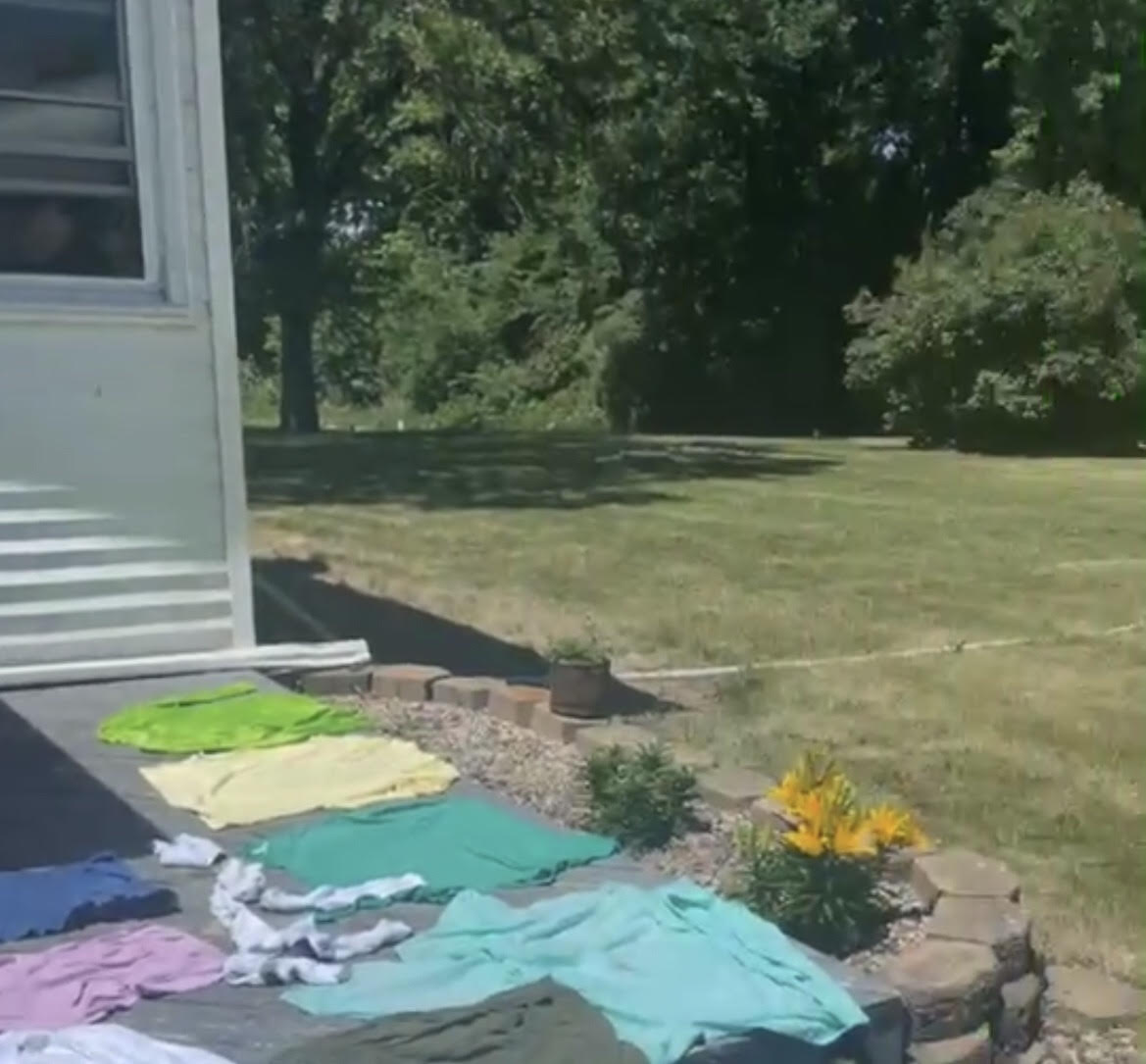
The first weekend of the field season! With super nice weather, the Andes crew headed over to the Elk Lake house to do some laundry. We spent some nice time hanging out with the folks there while laundry dried and then headed into Alexandria for a grocery restock.
Drying laundry out on the porch at the Elk Lake house
Back at Andes again, we had a delicious dinner of more mac ‘n cheese than 3 people could eat and fried jalapeños for Juneteenth.
2 of the 3 pans of mac ‘n cheese currently residing at Andes
We closed our evening with a showing of Ratatouille, the beloved animated children’s movie covering topics such as following your dreams, proving the haters wrong, and men who can be controlled by their hair.
Team Echinacea is off to a great start. We had a wonderful first week. We got a lot done and laid the foundation to work well as a team to accomplish much more this summer. This summer we aim to learn bunches and make many contributions to science and conservation.
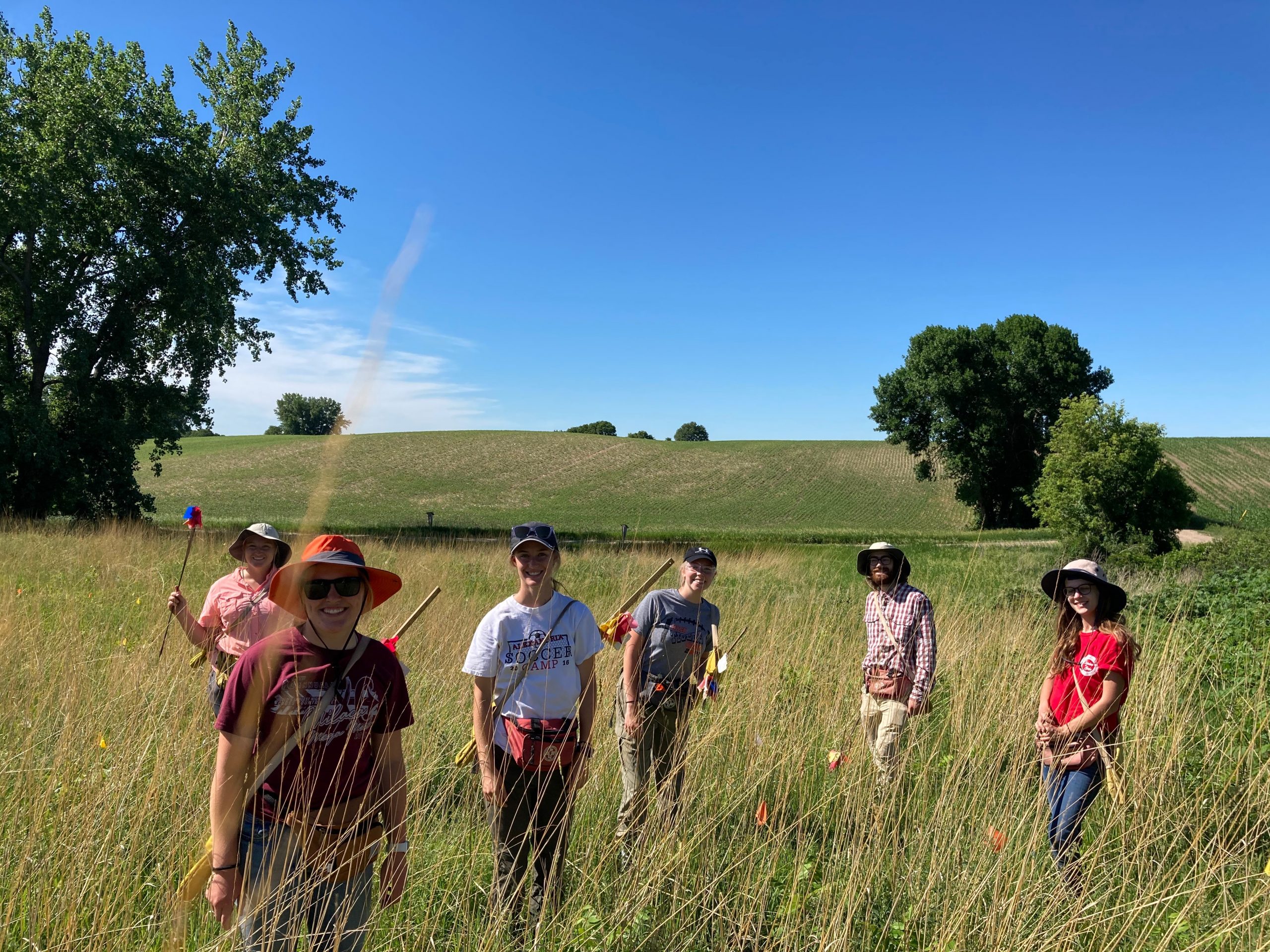
Look at our new shirts…
Emma wasn’t in this shot, she getting ready for the state track meet. Best wishes from Team E to Emma & AAHS track and field team at the state meet today!!!
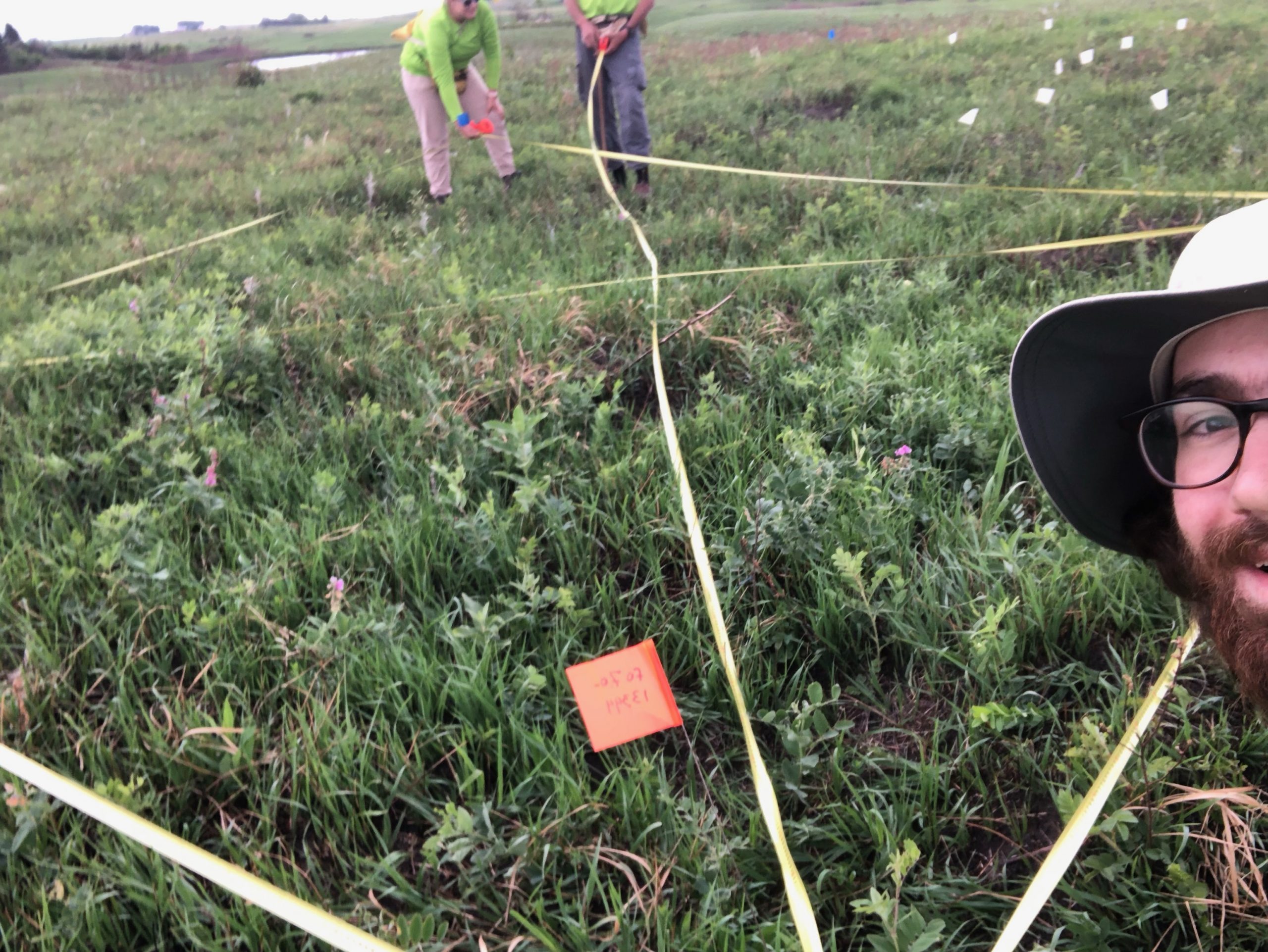
For me, this morning began with an adventure to P2, where we continued the task of flagging the plot at regular intervals, marking every five (and sometimes one) meters. It got a bit tricky because our measurements didn’t always match up with where the echinacea were growing (they should have been right at the flags), but as one Dr. Jennifer L. Ison said, “you can’t argue with the plants.” We eventually got in a groove and formed an infallible(ish) tape measure square, moving from spot to spot in formation, installing blue or orange flags at the points of the square. Although we didn’t quite finish before lunch, hopefully finishing up should be quick process next time we get out there.
Square formation selfie! I’m holding three measuring tapes at once while Alex and John are in the corner opposite mine checking the measurements for their flag. Hooray!
Lunch consisted of a chickpea salad sandwich, an apple, some pretzels, a couple presentations and a team discussion about norms and expectations for the working together for the season. We individually answered four questions about how we think teams work well together, shared our ideas all together, and will work on forming all of our thoughts into a few succinct statements in the next couple days. Plenty to digest!
After lunch, I headed out with a group to Loeffler’s Corner to find and flag flowering echinacea. How many did we find, you ask? I have no idea, it was literally too many to count (seems like a problem for the demo crew, which may include me anyway, so I’ll keep ya posted.) Estimates ranged between 100-200, my guess was 172. Just know it was a LOT. One plant we saw even had nine flowering heads.
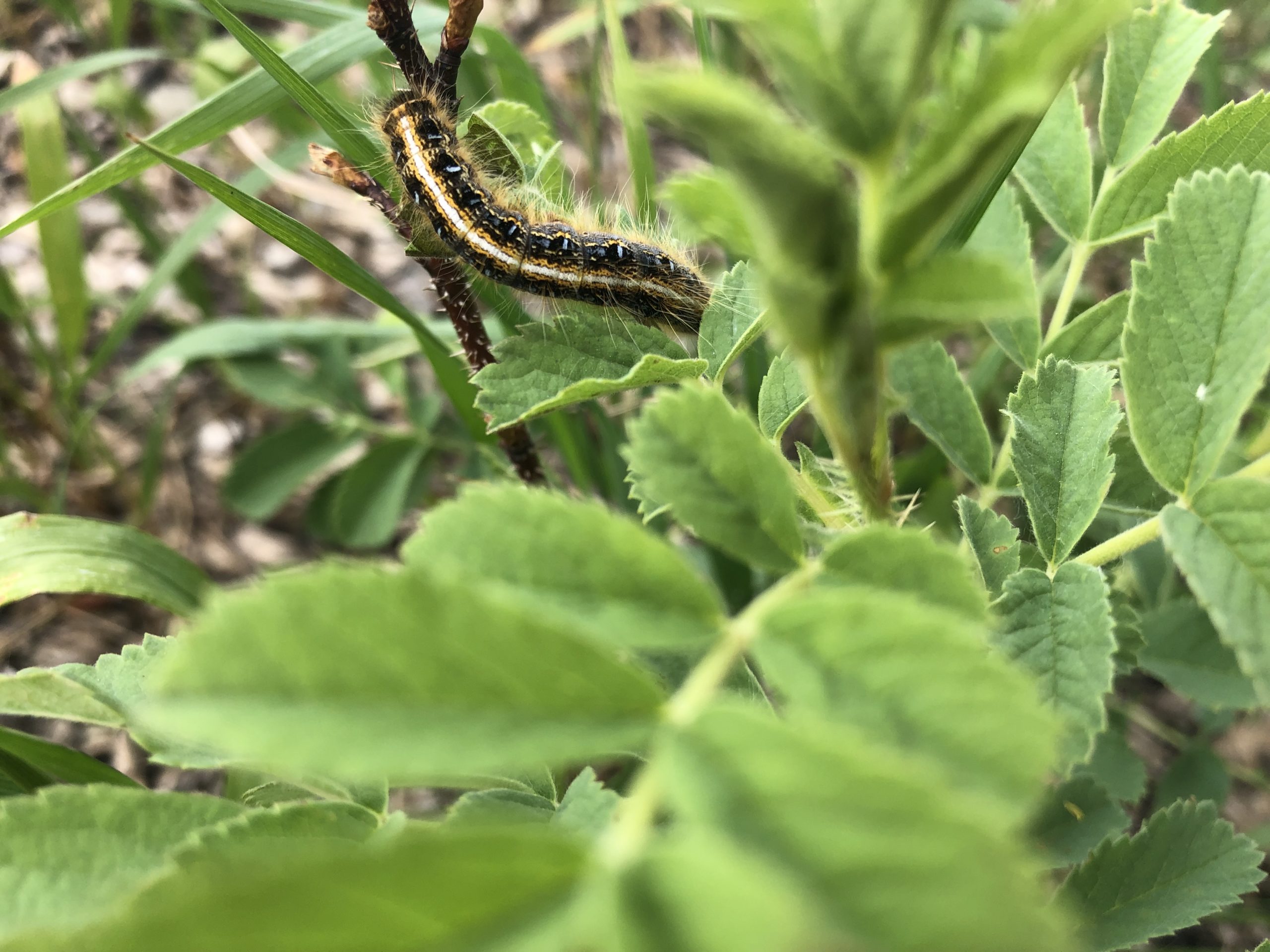
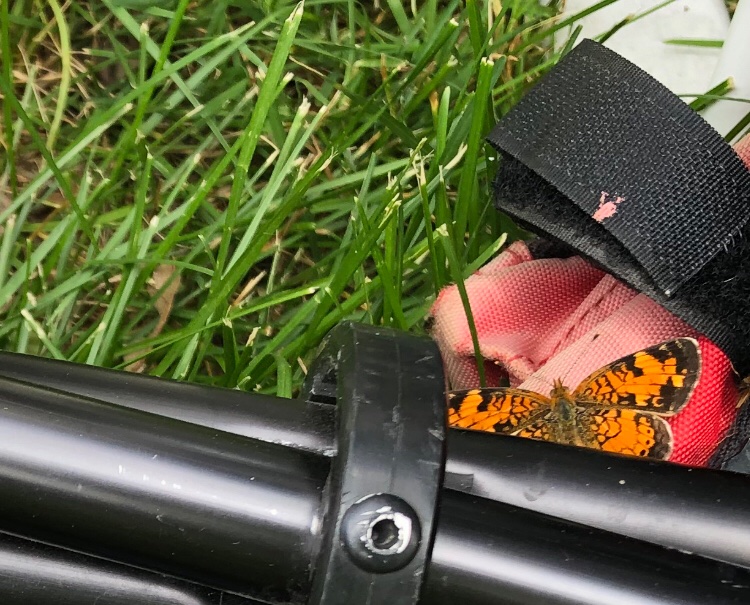
Of course, no flog post of mine would be complete without at least one photo of some sort of lepidopteran. Today, enjoy two!
A tent caterpillar moth spotted at Loeffler’s Corner East. Hanging out!
This northern crescent landed right on my bag! So pretty.
Almost at the end week one! Fingers crossed that whoever is in charge of tomorrow’s post does some killer alliteration with “day five” and “flagging” and “Friday.” Until next time!
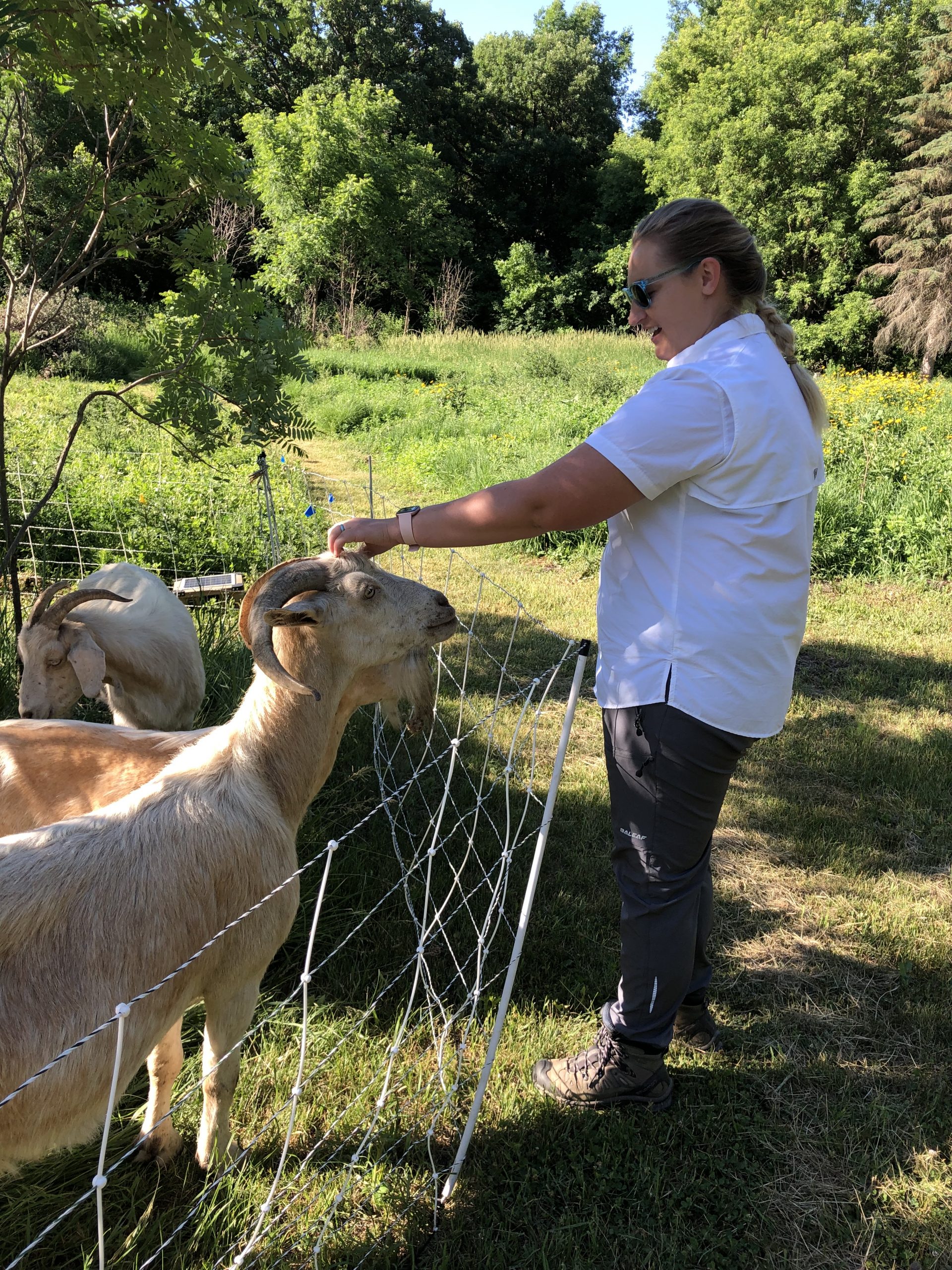
I got to the Hejlm house and looked at the goats and decided to name one “Douglas”!!!
Alex with Douglas the Goat
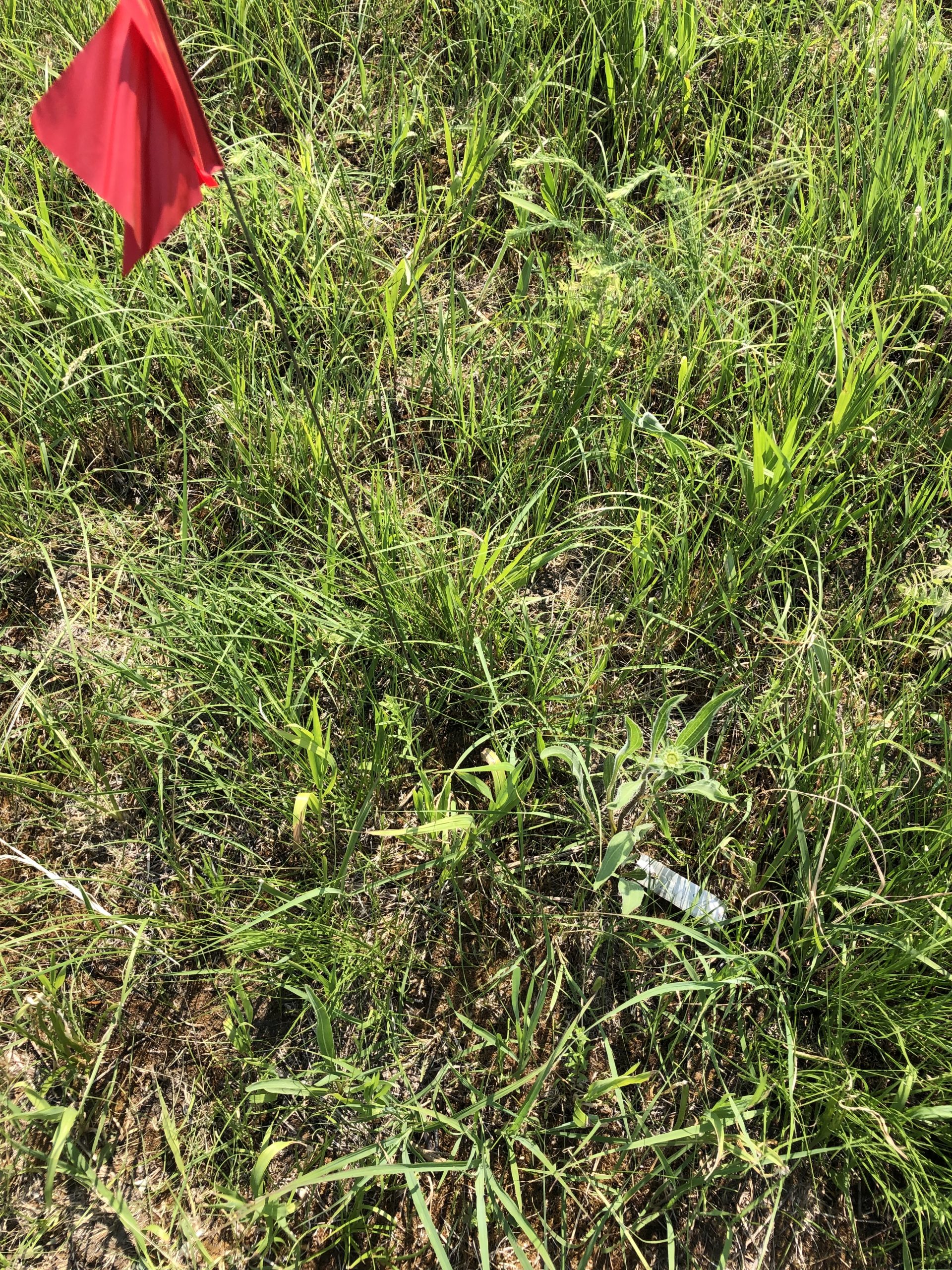
Flagging the Echinacea
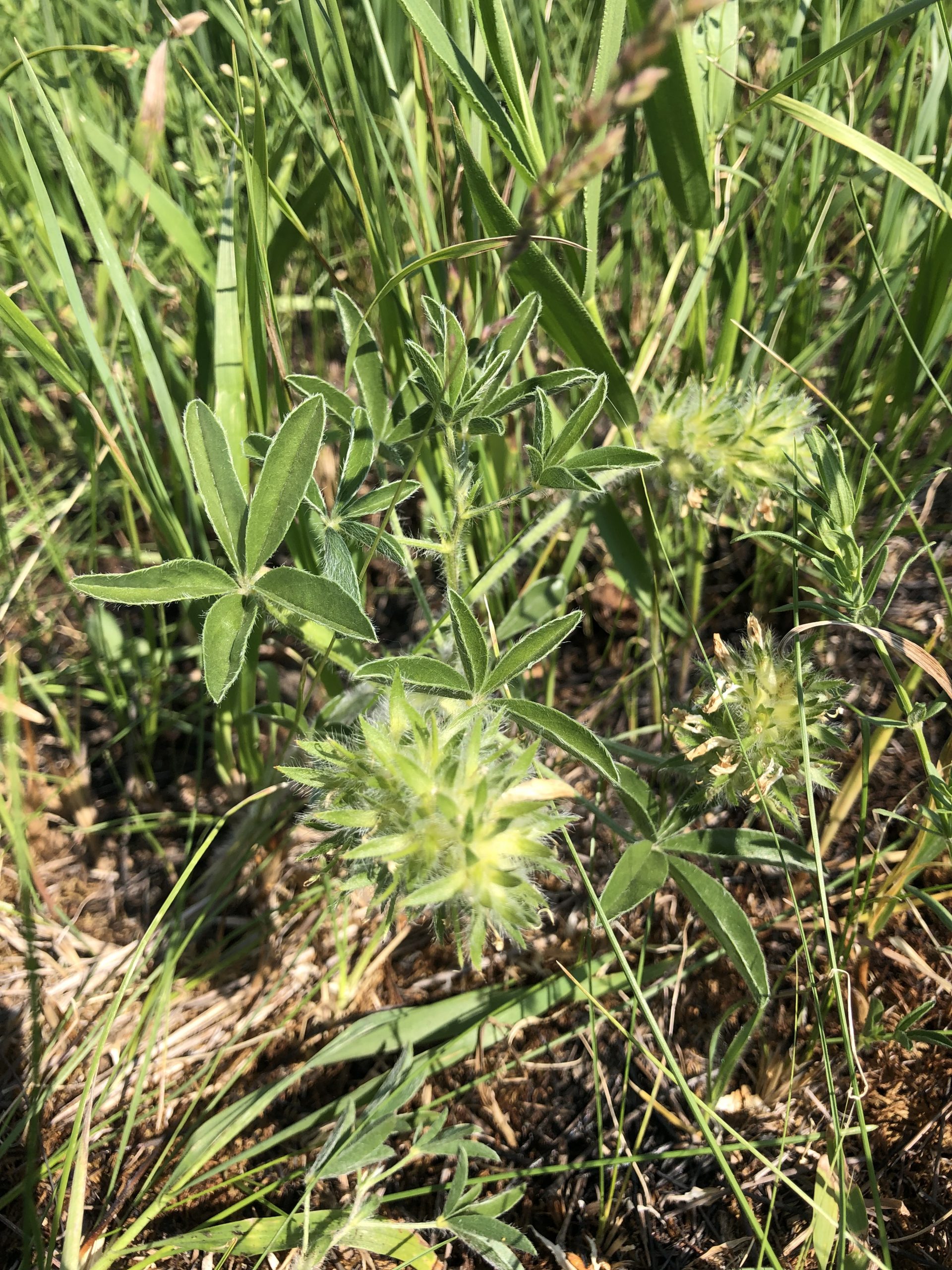
Prairie Turnip
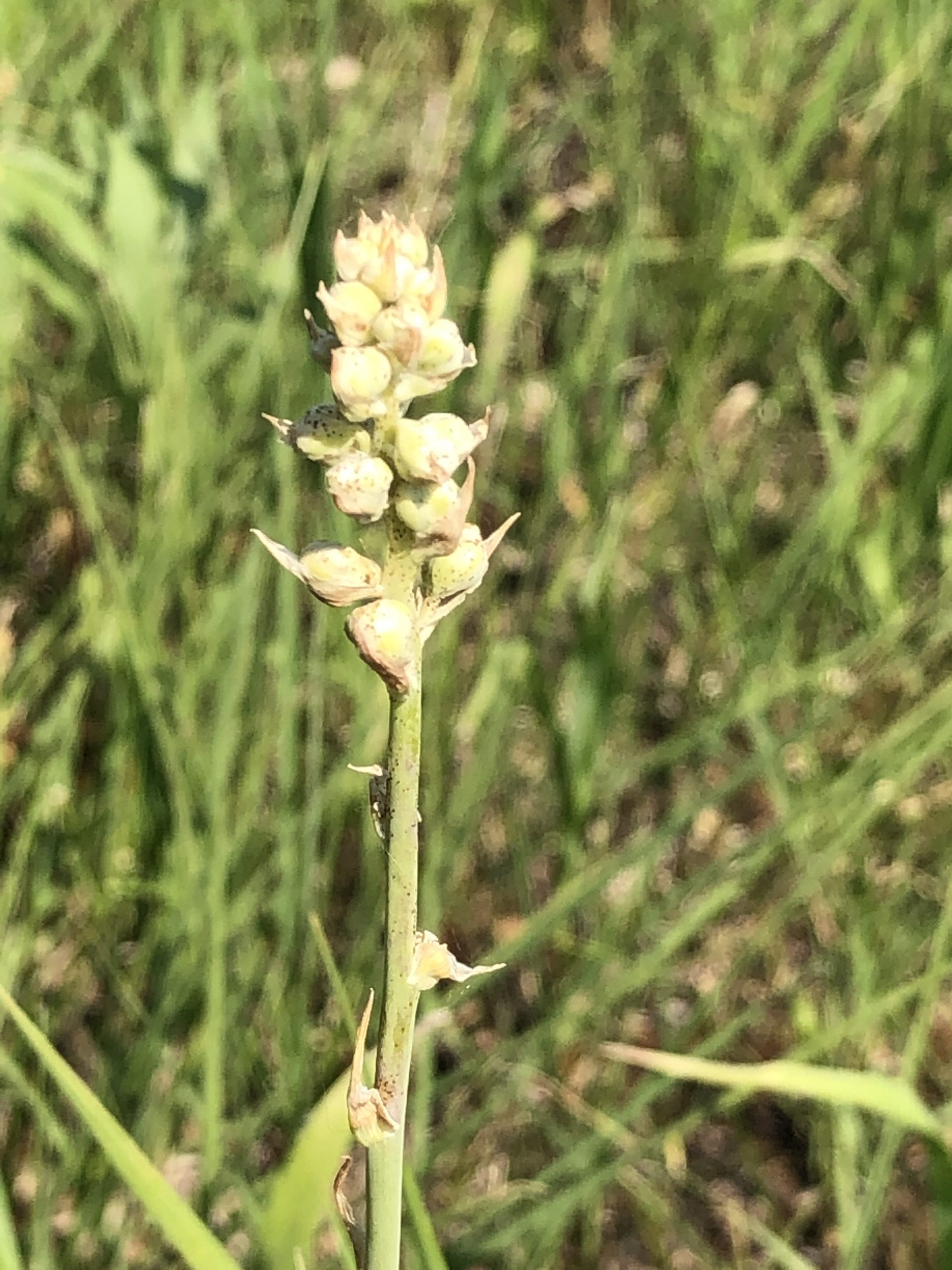
Mountain Death Camas
Mountain Death Camas
The first part of the morning started off by gathering the materials needed to flag and to record data on each echinacea plant in the remnants areas. We gathered red and neon flags, zip ties, our visors, metal tags, and our flag bags. We headed out to the remnants area and listened to Jared explain to our small group on how to walk and things to look out for when we were walking around. The group and I were searching for more echinacea plants and flagging them with red flags on the North side of each plant and leaning the flag to the East. we found 44 on the East side.
After each echinacea plant was flagged the team ended up going into partners, I was with John today and we entered in data about each plant we found into our visors and recorded many characteristics and data about each one. After we then finished with a plant we changed the red flag with a neon flag marking that data was collected. After all the plants were recorded we went over to the West side. We did the same process but didn’t have enough time to finish so we just searched and added the red flags around the plot at each echinacea we found. Some interesting observations we found were “Prairie Turnips” (the green fuzzy plant) and the “Mountain Death Camas” (the white small flowering plant). The Mountain Death Camas plant is actually poisonous so luckily none of us took a chop out of that one!!!!
After the small group got back we unpacked, cleaned up and started on lunch! After lunch we listened to a presentation from Leah explaining her project she has been working on for a couple years. She talked about the phenology of the plants and some things she was going to do to sample to see the synchrony of the plants and their timings from this year compared to previous years. After we listened to Amy discuss dust, the climate change, and how it is very similar to pollen. Most of this project was just an idea and everyone tried to ask questions and give ideas to help straighten the dust idea out! Overall it will be very interesting to see how dust could effect the plants and pollen. She also wanted to sprinkle more dust on plants and less on others. After this we did some team bonding and grouped up answering questions and discussing ideas. We then went over some quick chores we each will have to help practice and keep the team in a safe environment! We did a few more tags and called it a day as some thunderstorms started to roll in!!!
Another successful field day in the books! I started out the day by joining a group at KJs to learn some demography techniques on some freshly emerged echinacea sprouts. KJs was one of the remnants that was burned in the spring, so there was plenty of bare ground for us to practice our “active searching silly walk.” Our first mission upon arriving at KJs was to find as many flowering echinacea heads as we could and mark them with red flags.
Our team was about to find a whopping 43 flowering heads at KJs today!
Once they were all marked, we were able to go back and gather demography data, like the amount of flowering heads and rosettes a single plant had, and once all our data was recorded we could switch out the red flags for neon ones. Before heading back to Hjelm for lunch we decided to explore Elk Lake Road East and check how many flowering echinaceas we could find. Though this site was significantly larger than KJs, we weren’t able to find nearly as many flowering heads (I unfortunately didn’t find any at all).
Miyauna searching for the elusive echinacea
After lunch the whole team gathered to listen to presentations from both Ruth, who described the interconnectedness of genetics and environmental factors on an organism’s phenotype, and Jared, who taught us why fires are so important to some prairie plants and introduced a few unanswered questions that the team could attempt to pursue.
For our final activity of the day, the team once again split up to work on different projects. My group headed out to P1 with Mia to do some flag maintenance. After much flag replacement and meter stick wielding, we were able to cover the entirety of the P1 plot with four minutes to spare!
Flagging complete (photo credits: Mia)
Looking forward to another prairie perusal tomorrow!
The Landfill sites are a pair of hills separated by a small gully.
Landfill West was not burned this spring. When walking around the site, there was lots of duff and old plant material, making the soil difficult to see. In general, plants were around knee-height or higher. Bromegrass was abundant and flowering. The woody plants in Landfill West were green and lush, showing no signs of fire damage. Echinacea plants on this site were about 4-6 inches tall and it seemed like most of the ones we came across were not flowering.
Landfill East was burned this year. The burn line was very clear between the two sites. The previous year’s duff had been burned away and the soil was easy to see. It sounded crunchy to walk on. Plants were shorter than Landfill West, more around the middle of the calf. It was very easy to spot stipa everywhere, and much of it was flowering. The Echinacea plants on the east site were taller than the west plants, probably closer to 8-10 inches tall and a lot more of the ones we identified were flowering.
Here are some of the flowering Echinacea Allie and I noticed at the East Landfill site!
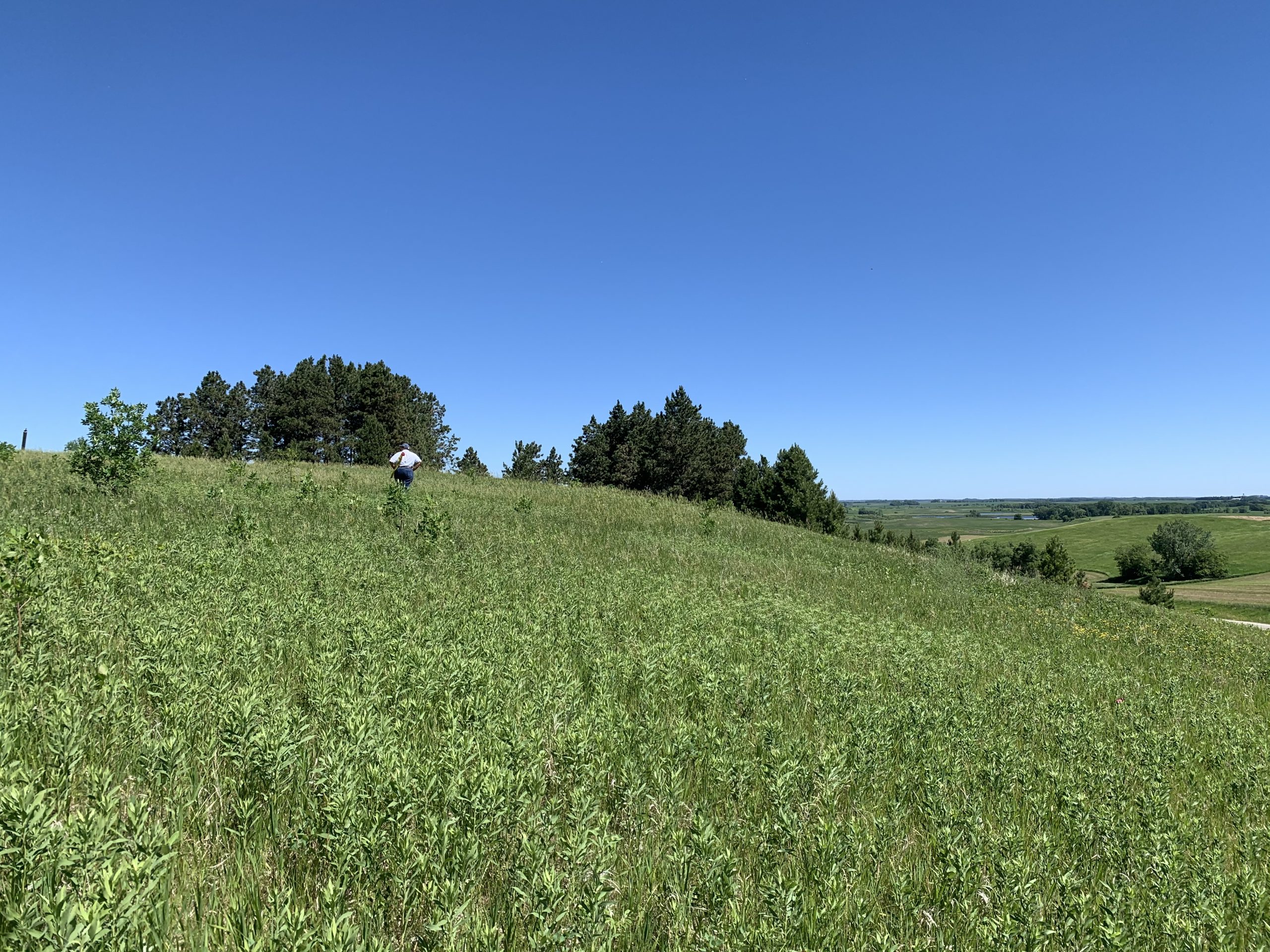
Below is a look at the hillside of East Landfill. You can see some of the characteristics of this site are the grove of trees on the south end and a fence that runs along the north and south sides.
What’s up, flogland! Today was day two of the field season for Team Echinacea. In the morning, Jared, Allie, Maris, Emma, Alex, and I went to KJ’s to learn how to search for flowering Echinacea and how to make demo records. We found and made records for 43(!) flowering plants at KJ’s and then went to search for more at East Elk Lake Road. At lunch, Ruth presented a talk about the entanglement of environment and genetics in the expression of traits and Jared presented some of the background for the experiment looking at the effects of fire on reproduction in the remnants. After lunch, while the rest of the team either learned how to use the GPS or flagged P1, I went out to some of the sites in the northwest corner of the study area (where I’ll do my crossing experiment this summer) to search for and flag more flowering plants. I’m sure there are plants that I missed, but I hope this helps us get a good start! Here are the totals for flowering plants I found at each site: South of Golf Course – 15, Golf Course – 9, North of Golf Course – 2, North of Northwest of Landfill – 9, and Northwest of Landfill – 14.