
The team is making excellent time! These fast measuring skills no doubt transferred to speedy times at Flekkefest this weekend.
|
||||
|
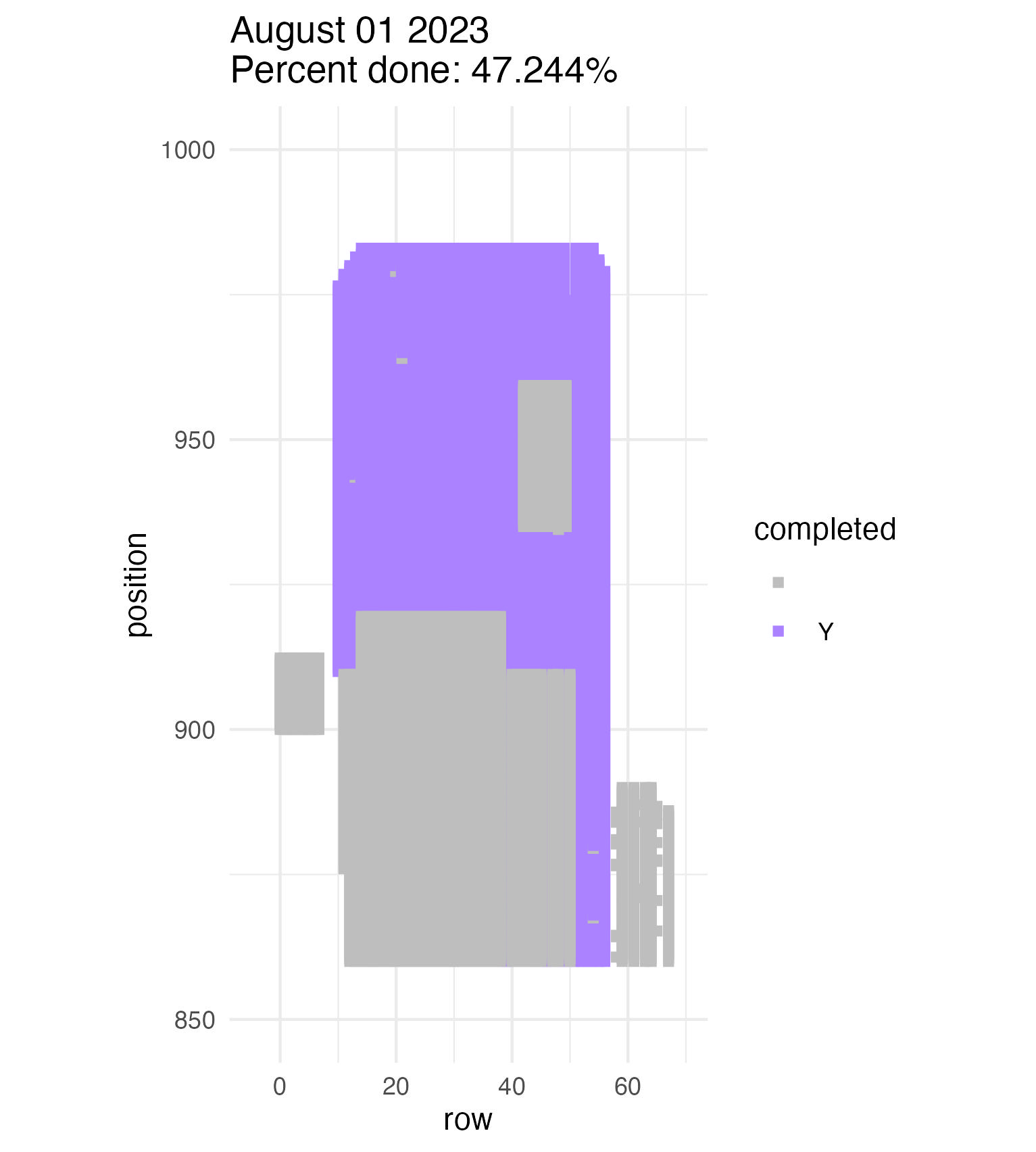
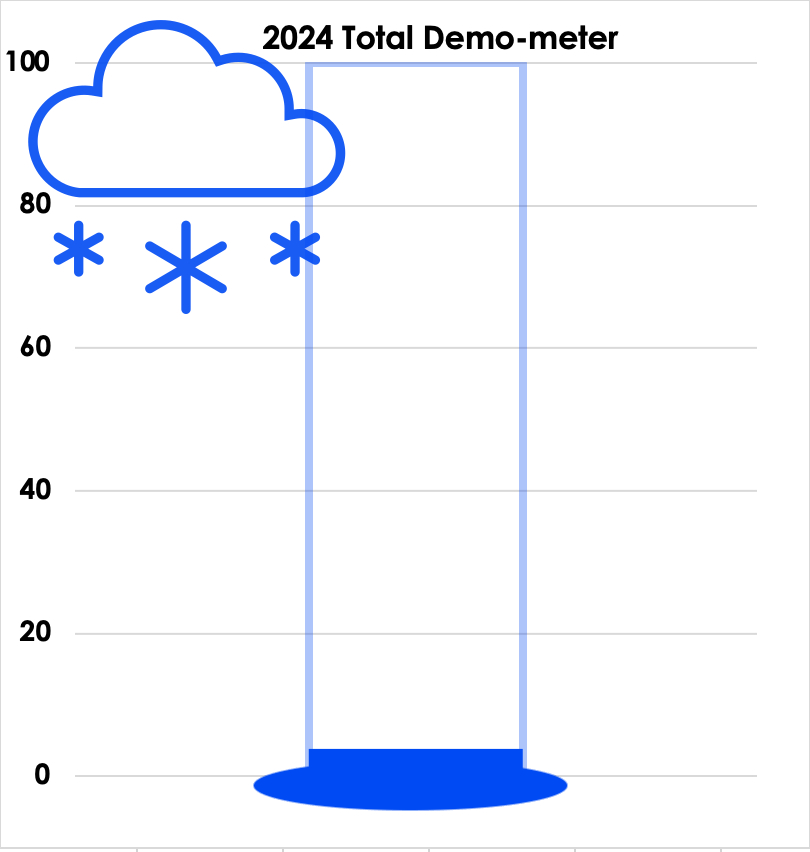
The team is making excellent time! These fast measuring skills no doubt transferred to speedy times at Flekkefest this weekend. With a smaller crew and slightly soggy start to the morning, it was all-hands-on-deck as we continue to chip away at measuring experimental plot 1. We made great progress today, but still found time to stop and take pictures of cool critters! After lunch, we all headed out to retrieve and deploy emergence traps. It was a busy day for e-trapping, with three teams visiting eight sites in total.  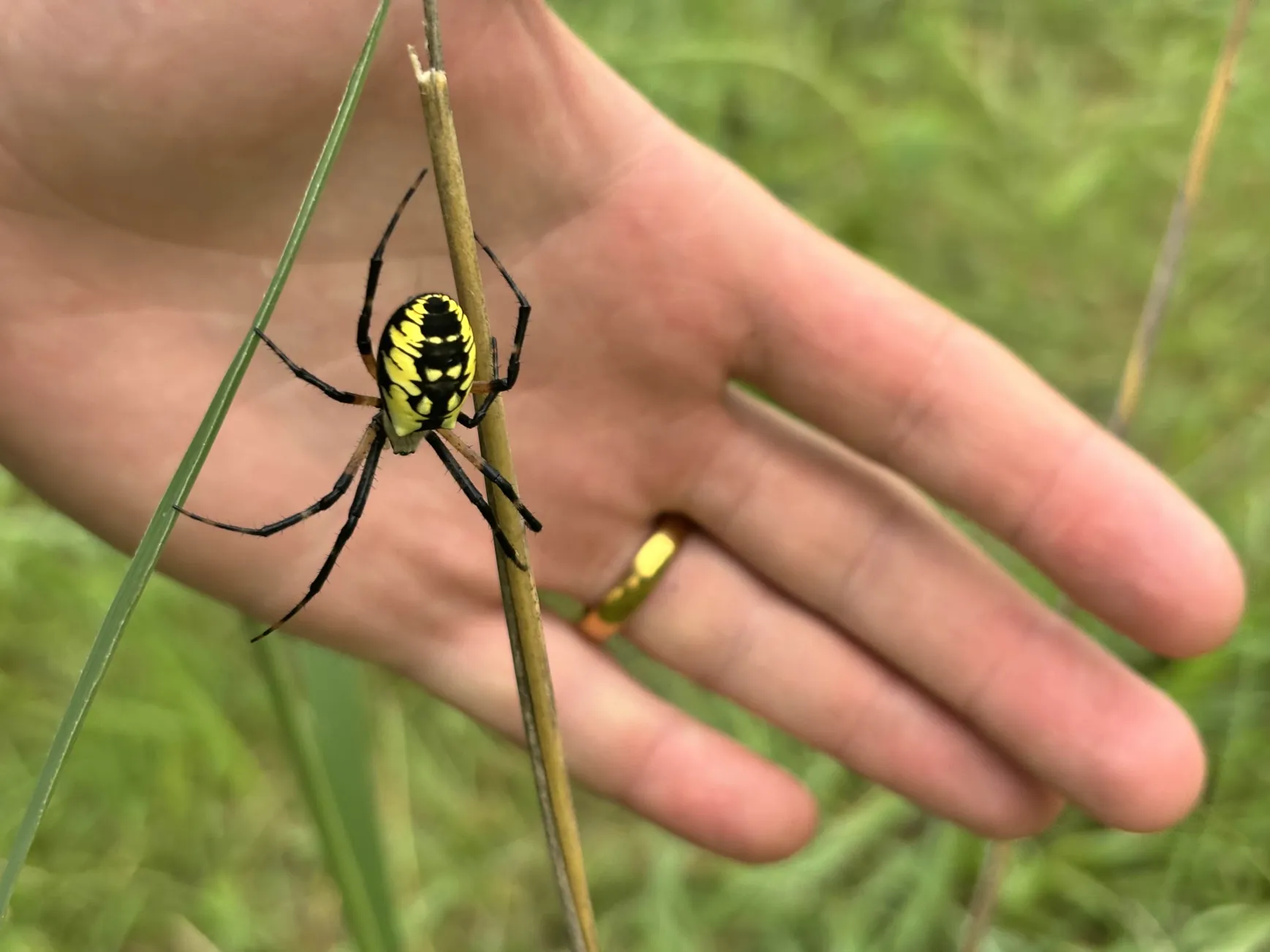 Another crew of 6 today brought us up past 38% done measuring p1. Yeehaw! 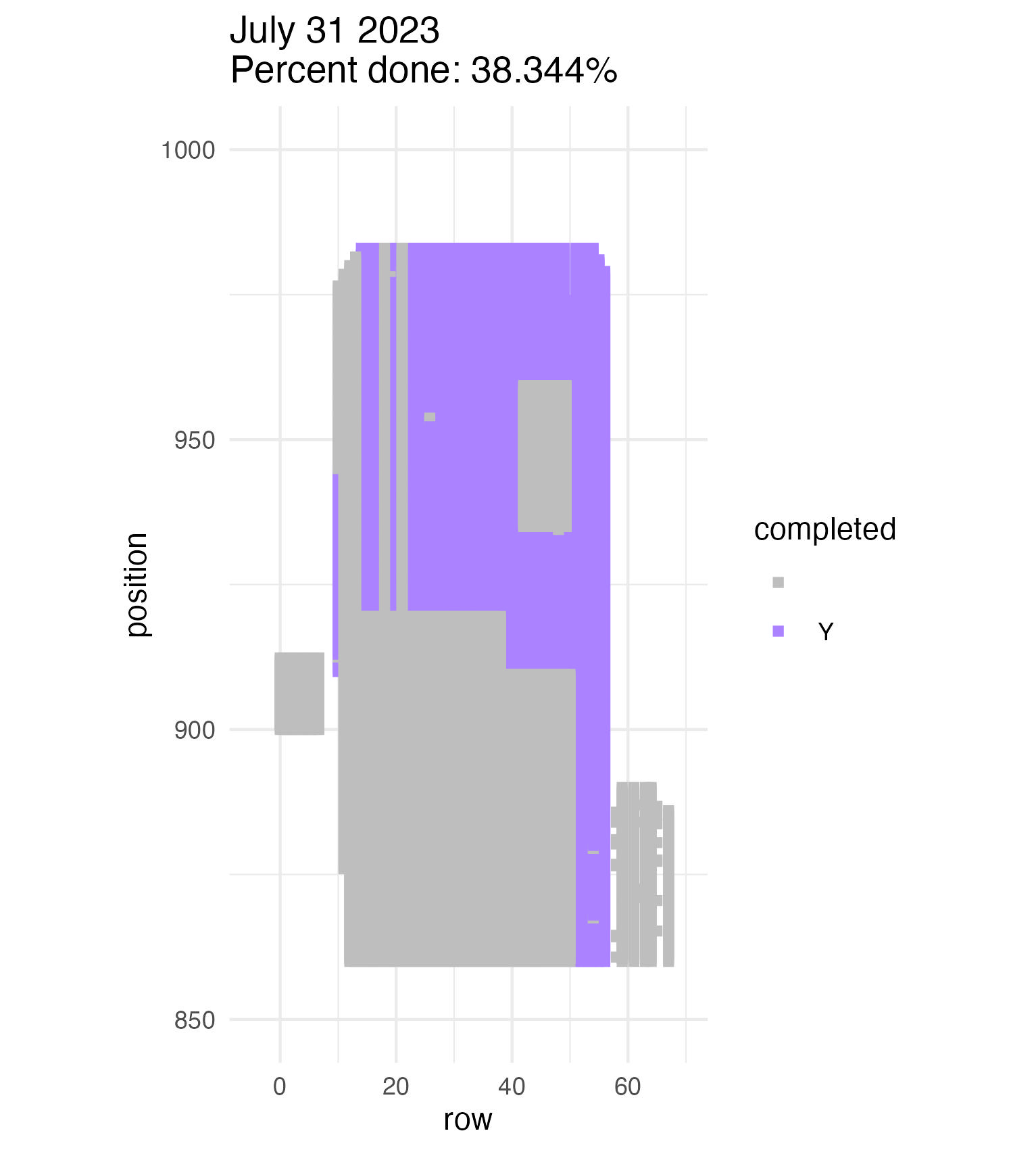 Small crews can make big strides! There were only 6 of us out there this morning, but we managed to crack 30% done. 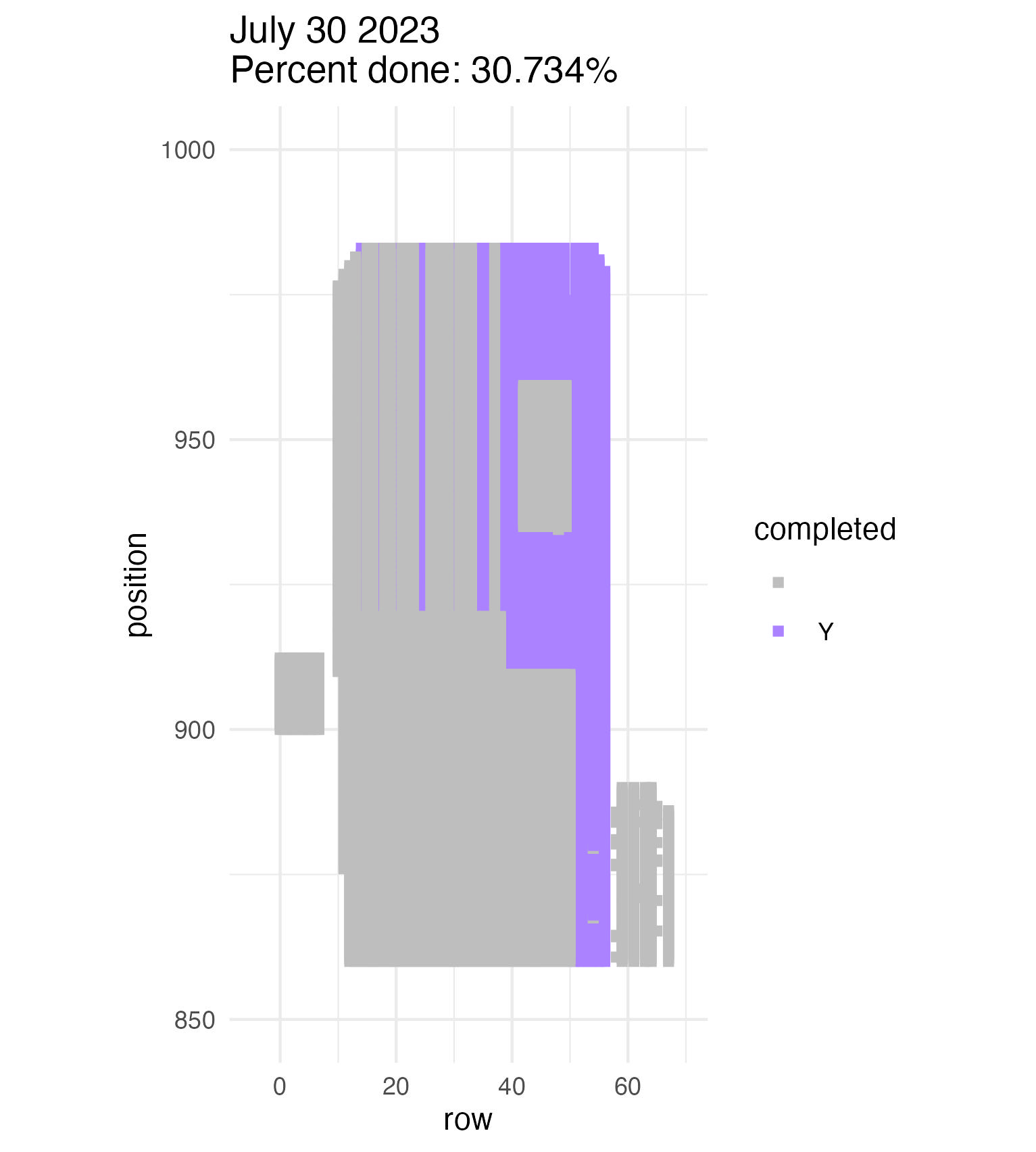 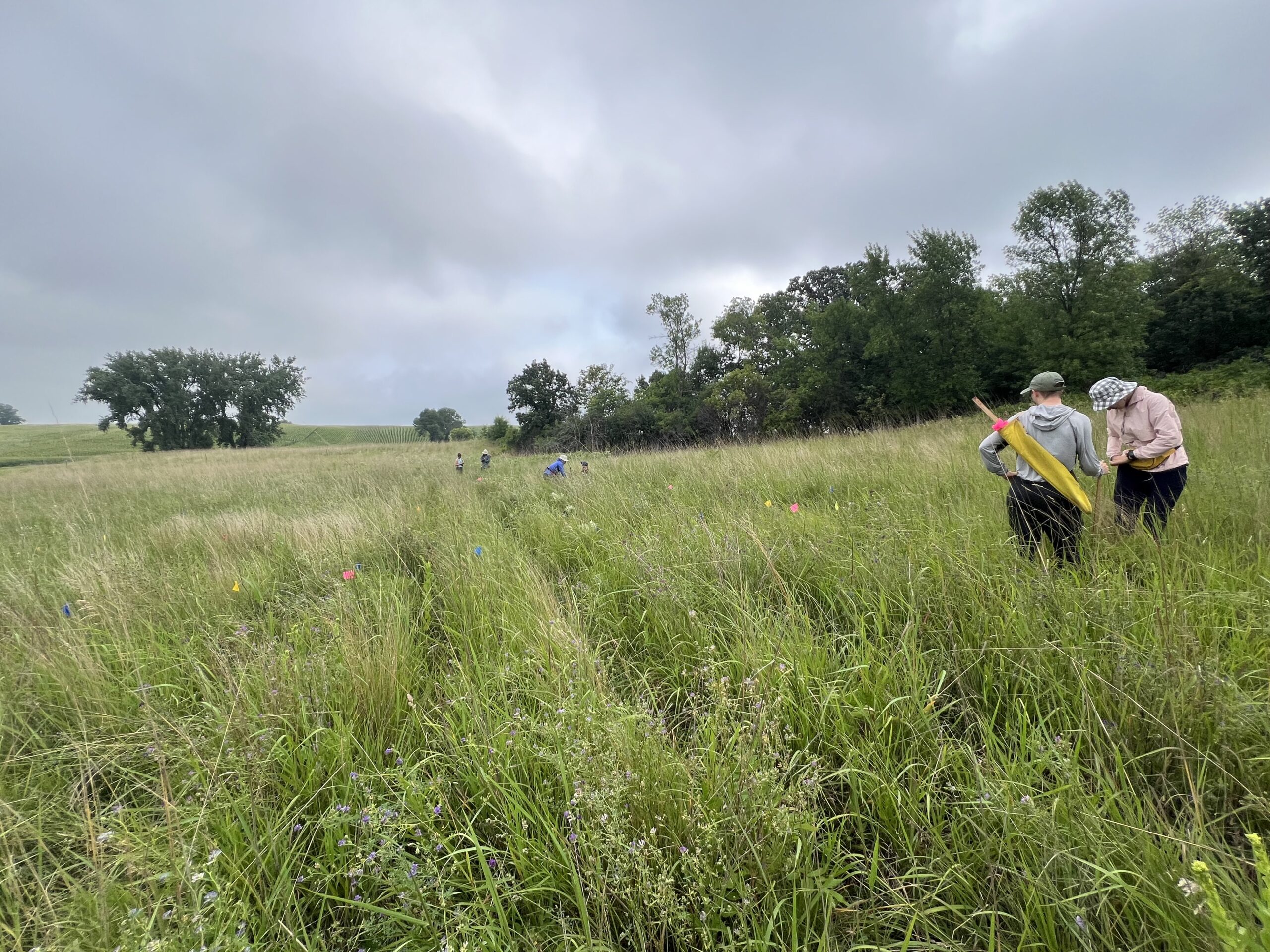 Friday, 26 July, 2024, was the first day we started measuring p1 this year! Coincidentally, this was the same day we started last year. This monumental task involves visiting 10992 positions in the plot and assessing the status of the plants there (or not, in the case of plants we have not been able to find in >3 years. RIP. Presumably.) After measuring again this morning, I booted up the old progress tracker (in the cgData repo, if you ever need it) to see how we’re doing. After making some adjustments (for the colorblind out there), here’s our progress over the last two days: 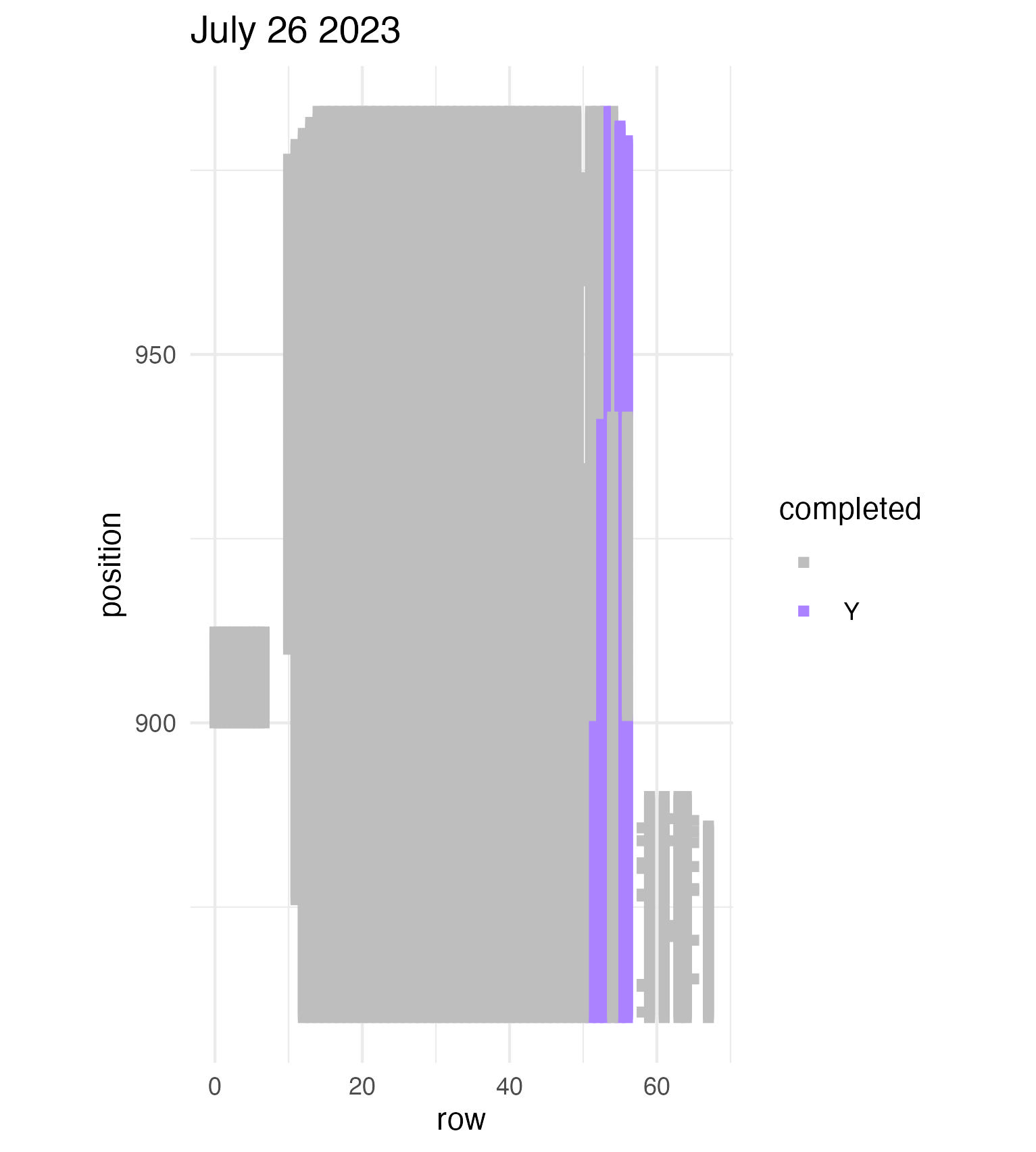 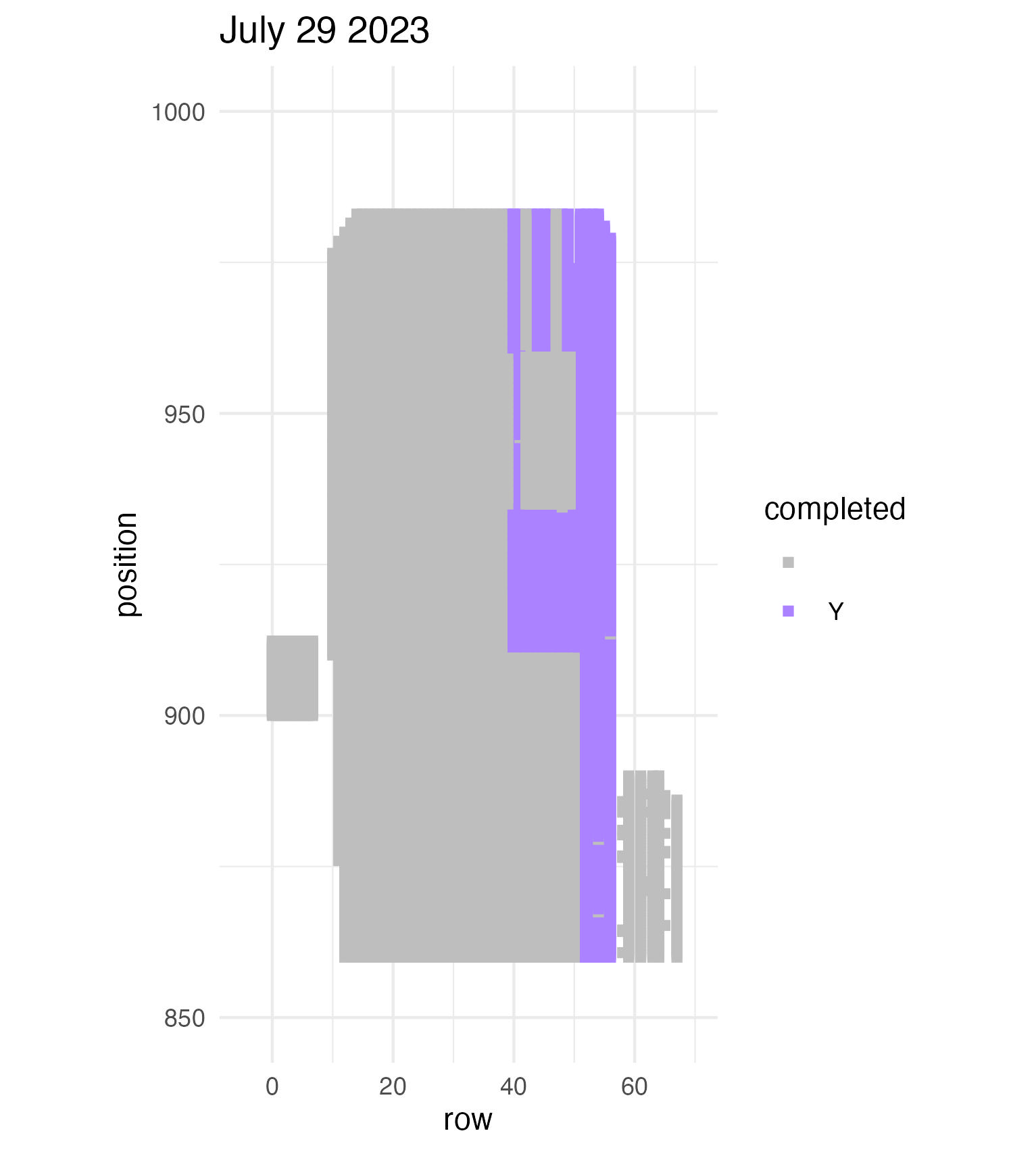 Today was also RET Brittany’s last day with the field team. Brittany, you will be sorely missed, and we hope you bring a bit of the prairie to share with your students! 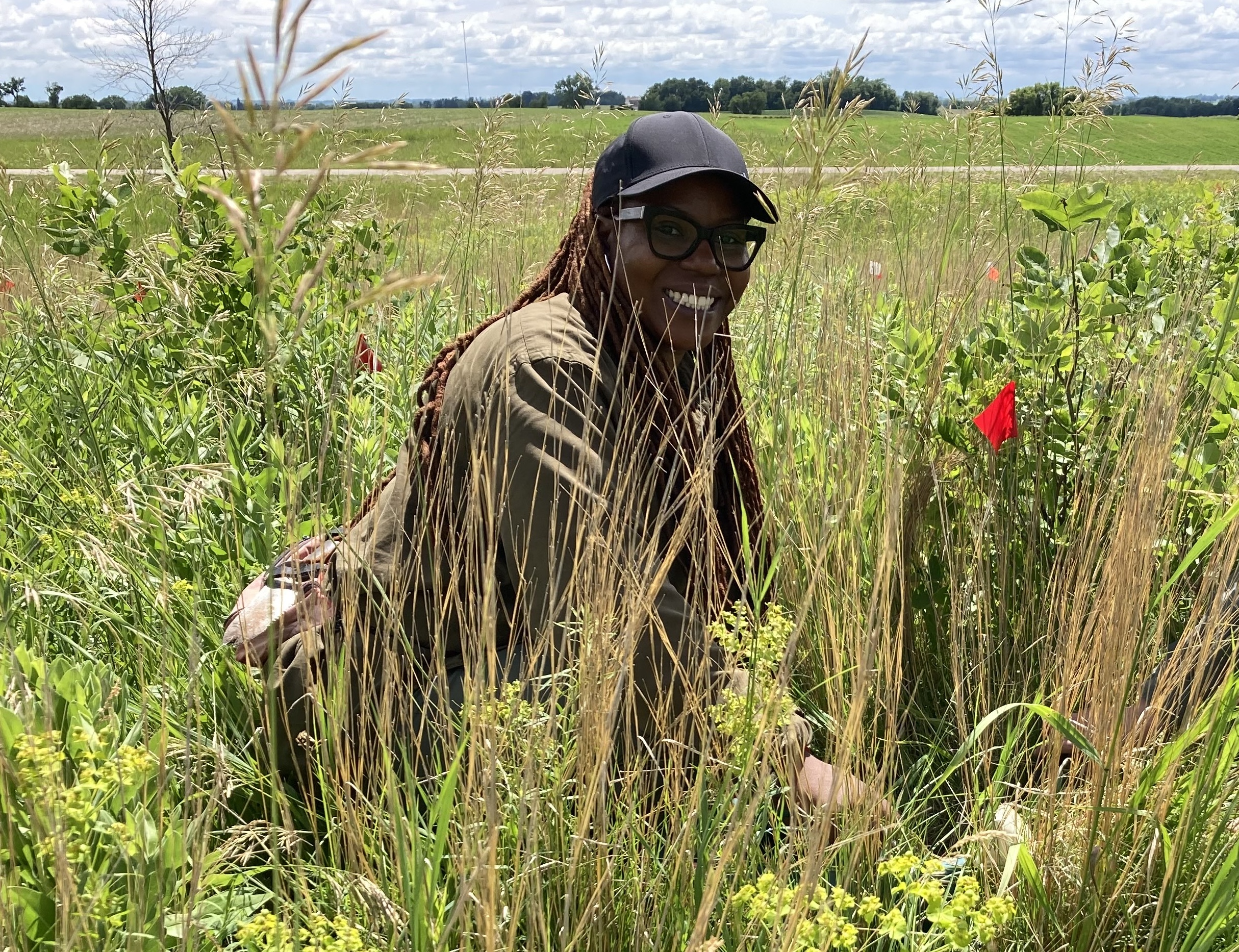 We’re making great progress with total demo! 18.9% done. 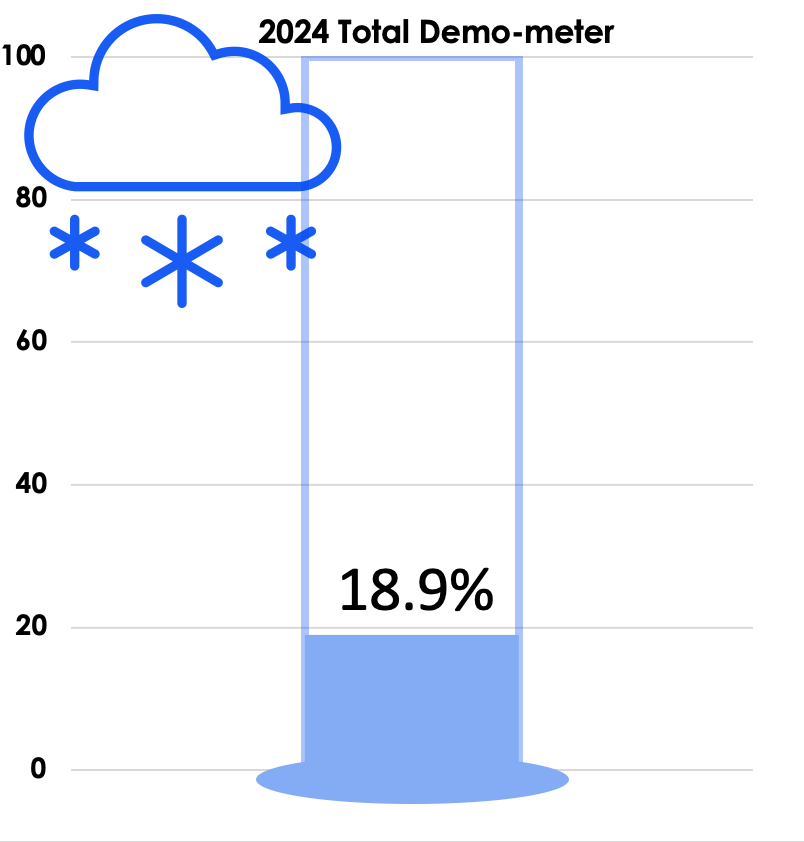 Big project update! For my summer project I am looking at nectar and pollen volumes in other Asteraceae plants that are non – Echinacea in burned sites versus unburned sites. This is important because pollinators depend on pollen and nectar to get the nutrients they need. A large decrease in pollinators has been found due to prairie fragmentation, and studying whether fire can help in producing a higher quantity of pollen and nectar can be shared with land managers to help create more viable resources for pollinators in their prairie restoration efforts. My two species of focus for now are Coreopsis palmata (also known as prairie coreopsis) and Helianthus pauciflorus (also known as stiff sunflower). Mid-summer coreopsis blooming is starting to come to close and so are my nectar and pollen measurements! Onto sunflowers here in the next couple weeks! Time for daily update: Total demo continues! One group of 4 and one group of 3 went out to a total of 4 different sites. These included south of golf course, north of golf course, and yellow orchid hill east and west. A few people also finished up or pollen and nectar collection on Echinacea heads. This afternoon a group went out and did e-trap collection and retrieval. We have been working on rotation 5 this week after finally polishing off rotation 4 late last week! The rest of us went and did measurements of Echinacea in one of our experimental plots (P9). Measurements included: flowering rosette count, basal rosette count, total basal leaves, height of tallest basal leaf, height of tallest cauline leaf (aka leaf on stem without a petiole), and height of head to name a few. Our plant of the day was finding a diseased Echinacea with over 360 basal leaves. To finish off the day we moved the goats to a new paddock and enjoyed some cold watermelon in the late week heat. 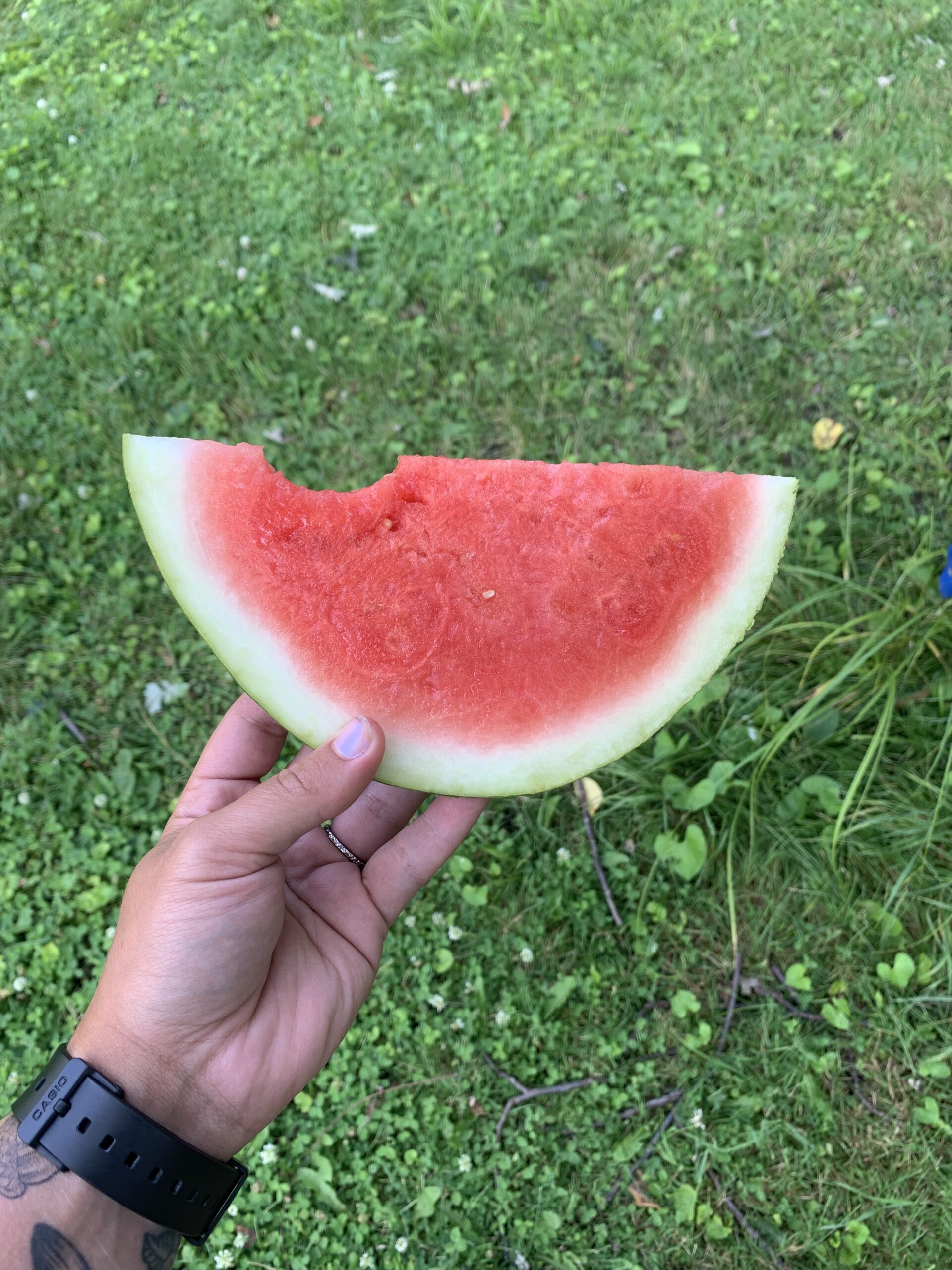  Total demo has commenced! Team Echinacea began to assess demography of flowering and non flowering Echinacea today! We started at tower, a site with a rich demographic history. We payed special attention to tag 9301- a plant first tagged in 1996. Many members of Team Echinacea have met this plant before. Including me last year. This year, 9301 is basal and has 4 rosettes. I hope it has many more fruitful summers in store. We’ve got 2,640 locations where we will search for Echinacea in 2024. Our work is cut out for us, but after just one morning in the field, we are already 3.75 % done!
 Today Team Echinacea continued to wrap up the pollen and nectar collection. Only a few focal plants are still in flower. Another group worked on flagging and recording demographic information for every flowering Echinacea plant in every remnant site. Some of these plants have tags dating back decades! In the experimental plots, Stuart trained team members to find and measure all Echinacea. This data will help us understand performance of E. angustifolia x pallida hybrids. Round 5 of emergence trapping started recently. The team members are now pros at deploying and retrieving the traps. 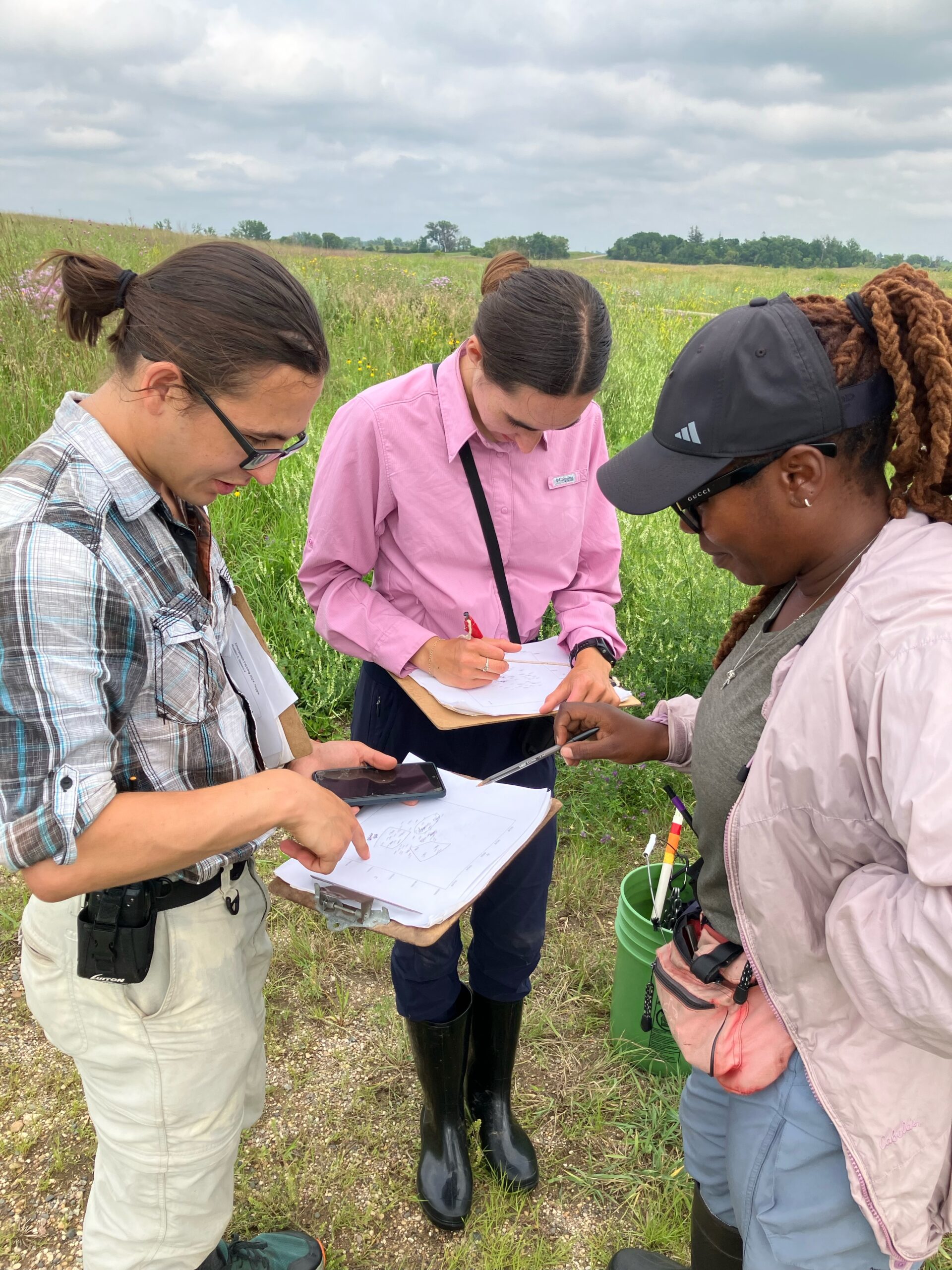 It’s heating up in western Minnesota! Temperatures and humidity were high today. In the morning, much of Team Echinacea performed the pollinator observations we learned about yesterday with Dr. Ison. These involved recording the pollinator with a camcorder, describing its activities, and attempting to ID to morphospecies level. 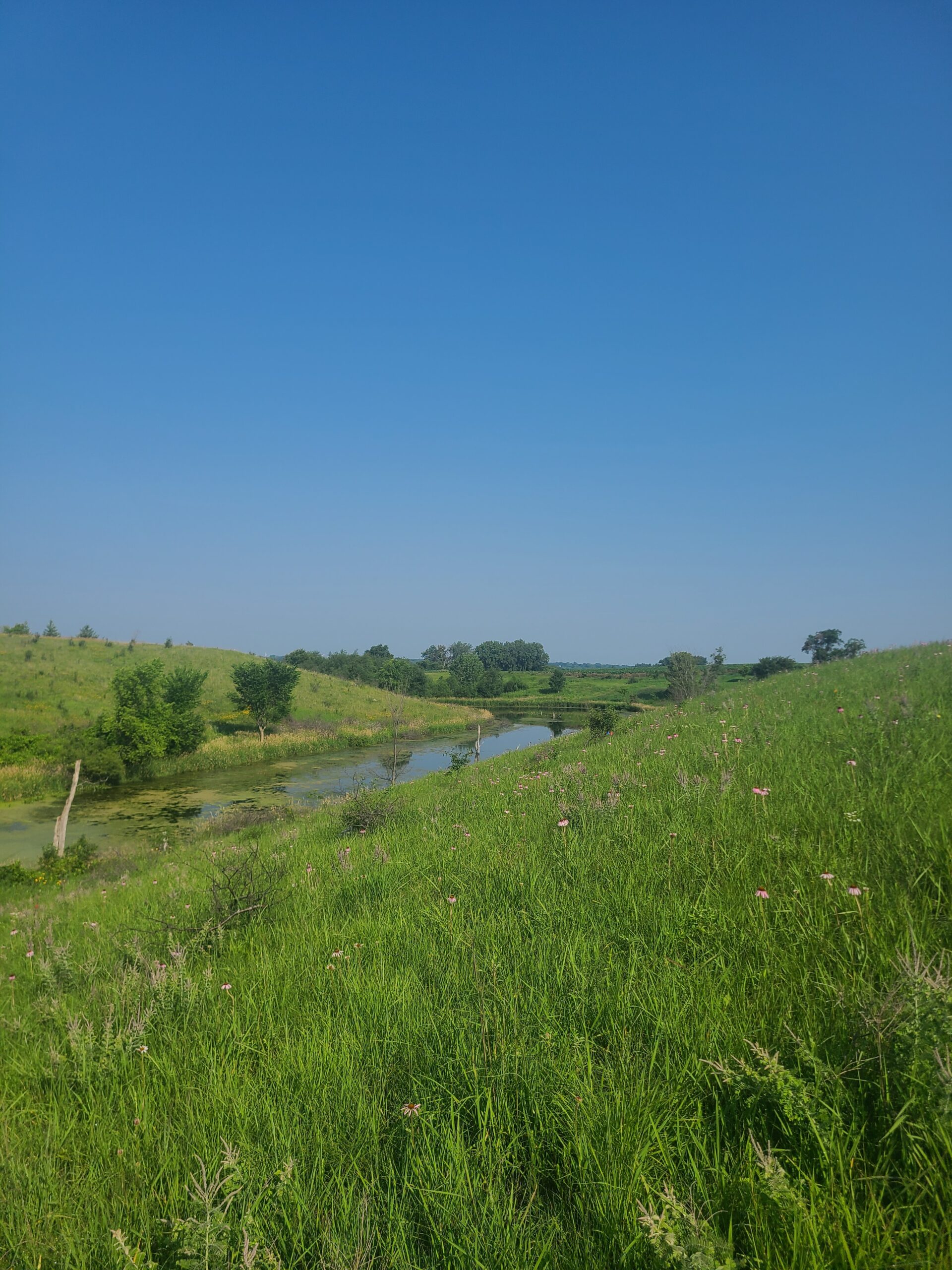 In the afternoon, emergence trapping crews had a great session of deployments and retrievals, while others worked on phenology in the common garden plots, and others gathered nectar. It’s exciting to see new species starting to bloom: two major species of prairie clover are just getting started, as is the wild bergamont and wild licorice. 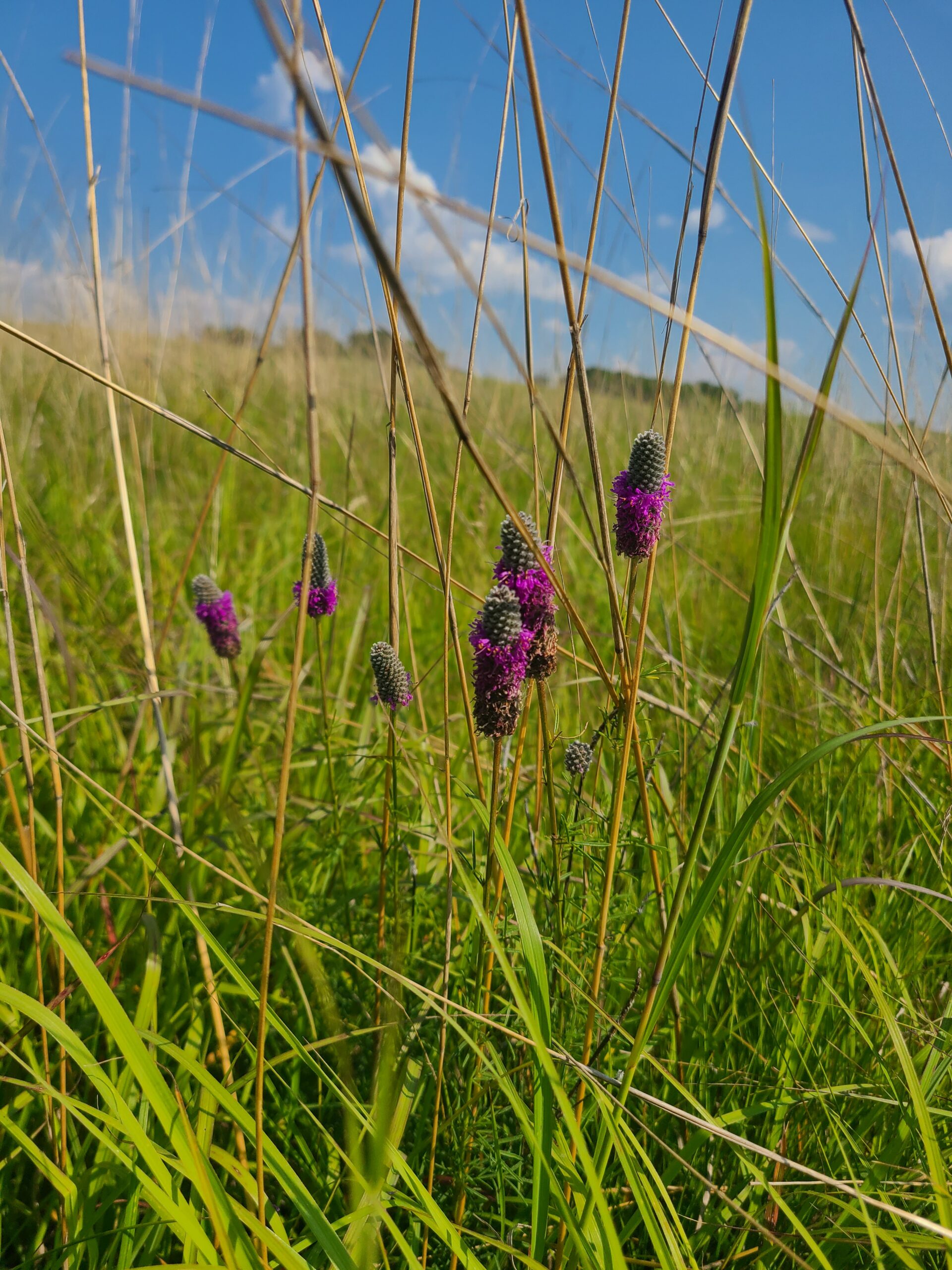 Once everyone was back from the field, we enjoyed some ice cold watermelon and headed home. Another great day in the field! |
||||
|
© 2026 The Echinacea Project - All Rights Reserved - Log in Powered by WordPress & Atahualpa |
||||