Categories

So You’re Telling Me They’re Not Bees?

Do You Know What Kind of Insect This Is?

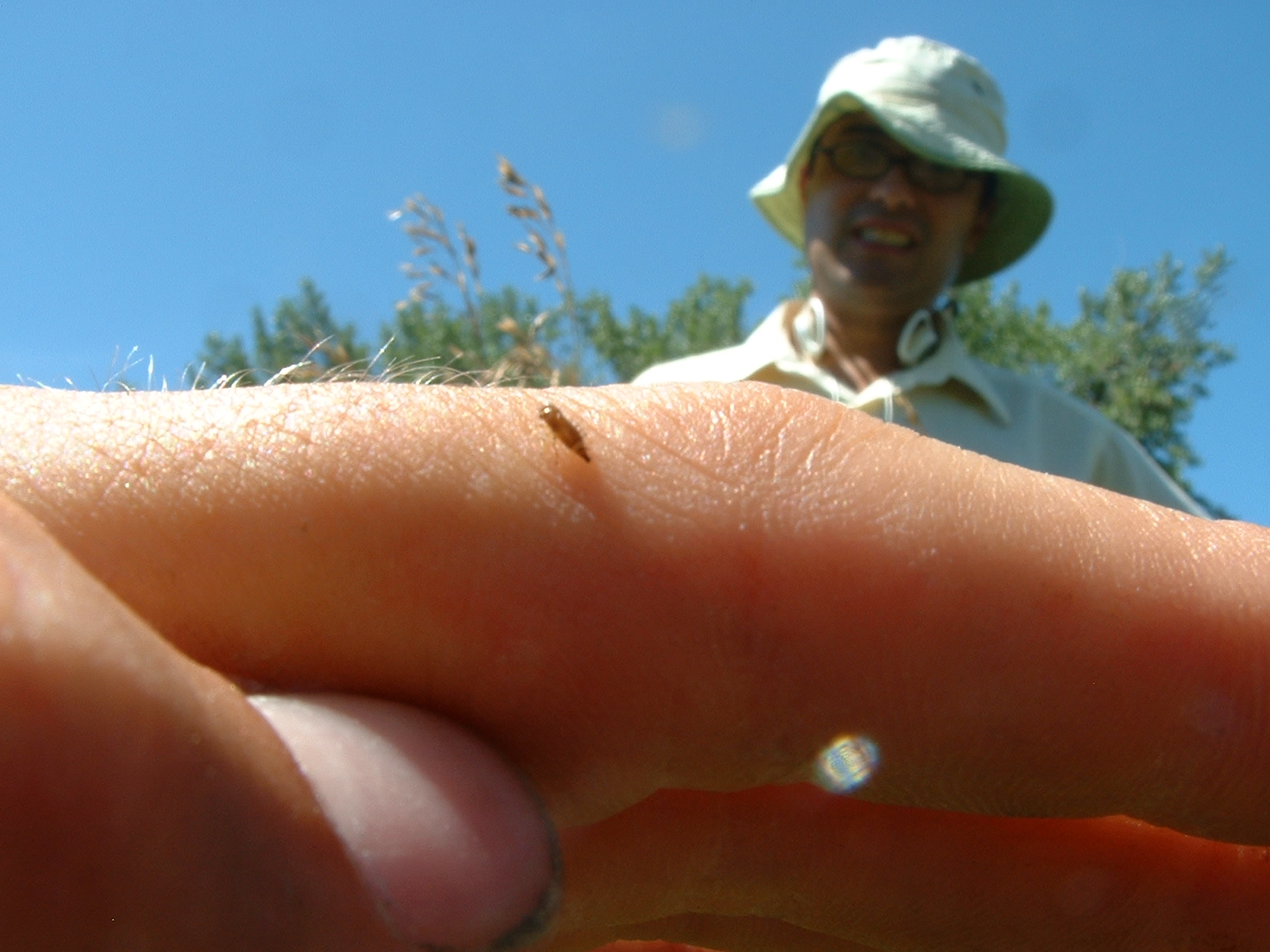
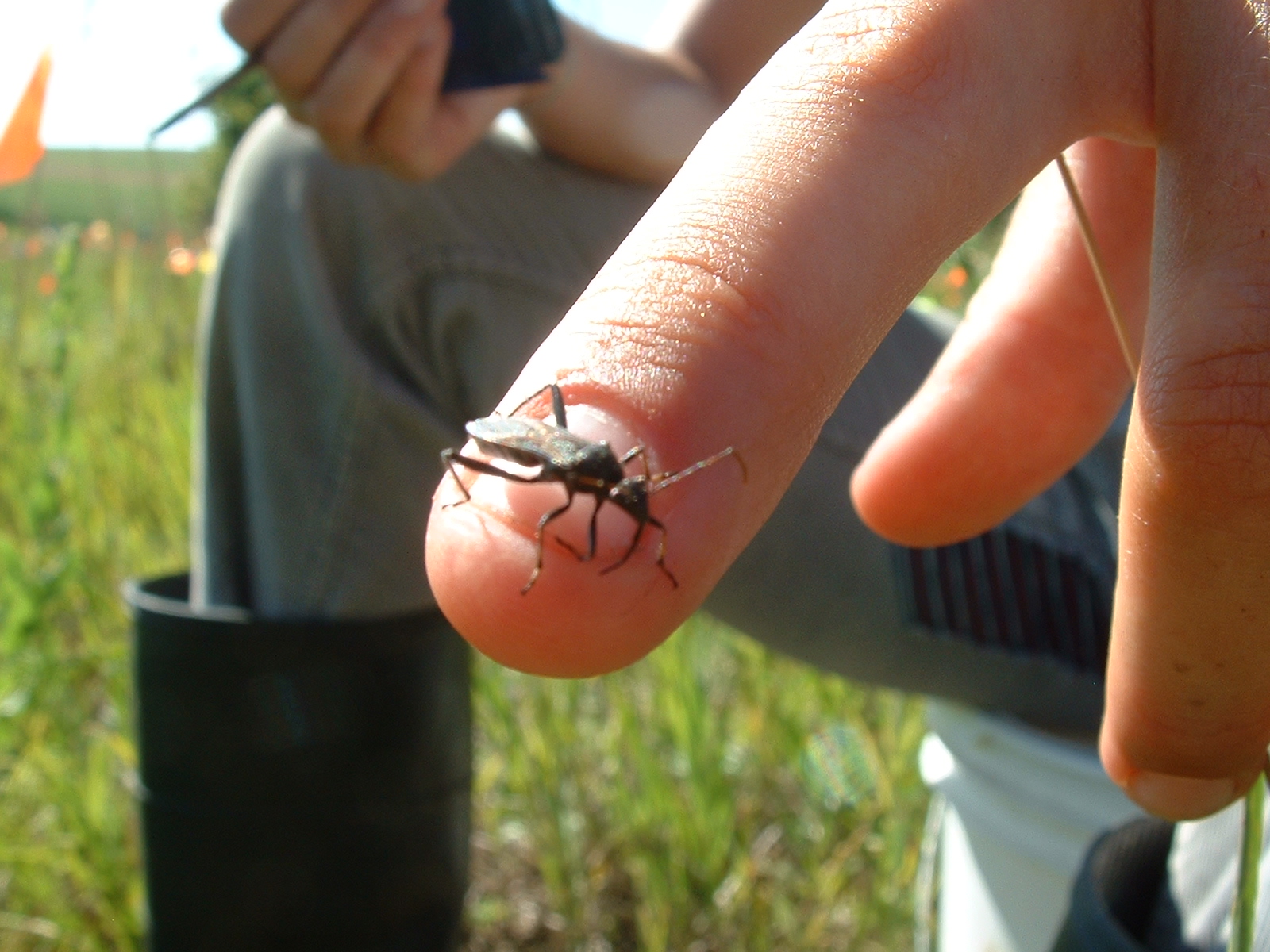
Team Echinacea sure didn’t until some crafty web searching informed us that these mysterious holed creatures are the larvae of Tiger Beetles. A frustrating day a few weeks ago was spent trying to figure out what lived in these 1 centimeter in diameter holes. Careful observation seemed to disprove what we had always assumed before; that they belong to the solitary bees that pollinate the Common Garden. You know what they say about when you assume…

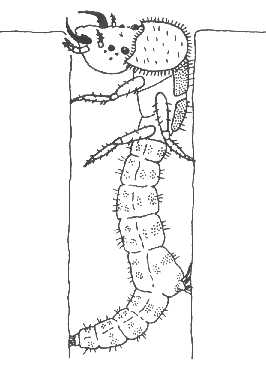
What you can see is the underside of its head, as is visible in the diagram below.
larva.jpg
(Diagram from Westminster College)

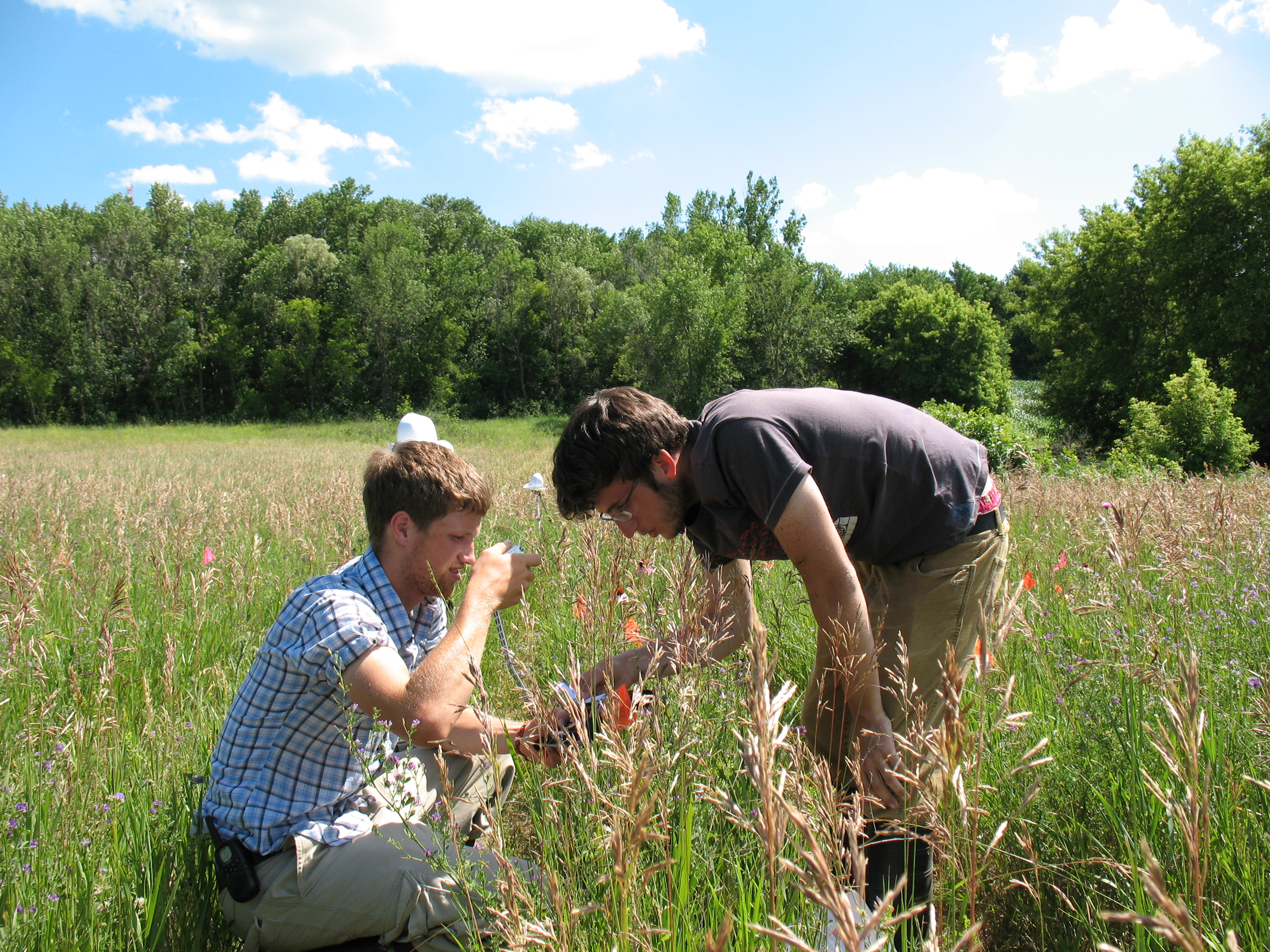
The larva at the top is sitting and waiting for something edible to walk by before it attacks. Apparently the bottom one confused the nearby rock with actual prey. This footage was acquired in the common garden with the assistance of excess equipment from Team Video.

Had that rock actually been an ant the larva would pull it to the bottom of its hole (which can be up to 1 meter long) and devour it. Later it will fling the indigestible exoskeleton out. Additional footage captured the larvae flinging dirt out while expanding its home. Simply more information about the inhabitants of the Common Garden.
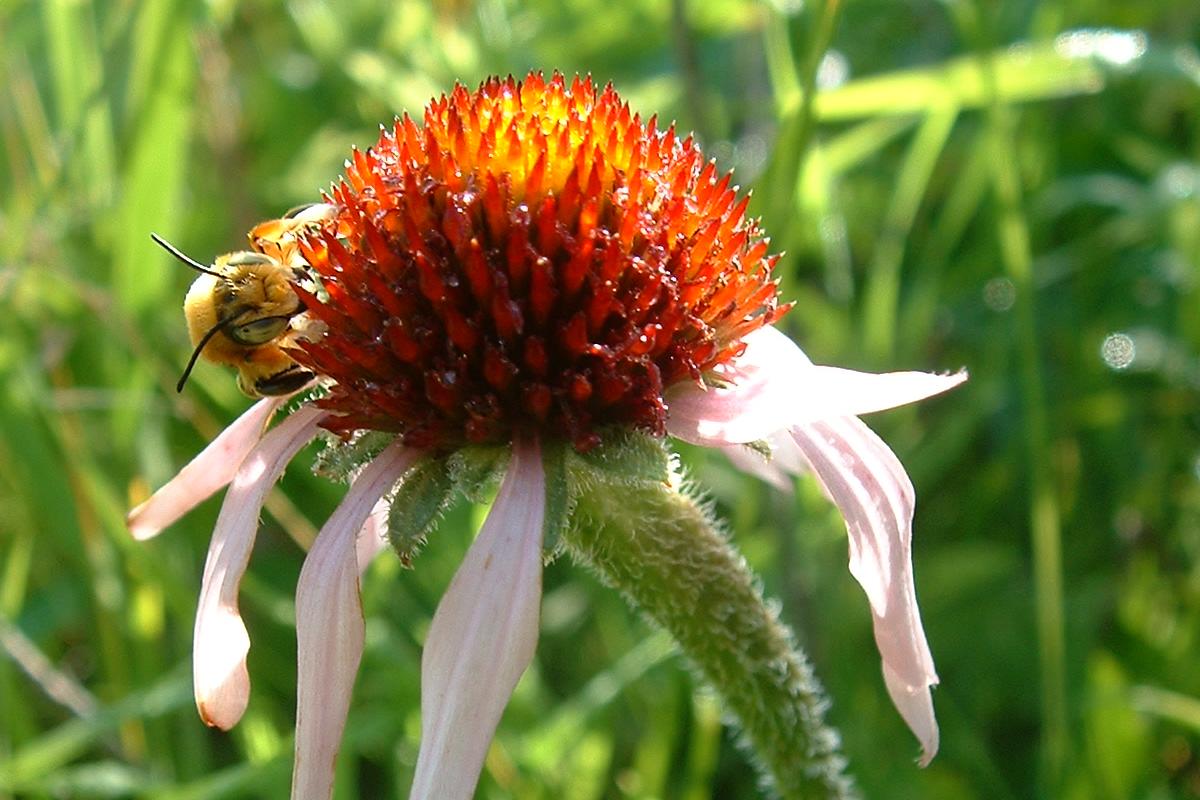
Echinacea slideshow

click here for the slideshow

beetacu;ar.jpg

Orchid Hunting

On July 9th Team Echinacea temporarily became Team Platanthera. That is to say, we journeyed c. 170 miles northwest of our usual study area, around Kensington, to the Nature Conservancy’s Pembina Trail Preserve near Fertile, MN. Here we searched for Platanthera praeclara, the elusive Western Prairie Fringed Orchid. The WPF orchid is a midwestern prairie wildflower that has been listed as federally threatened since 1989. For more information about the WPF, where it persists, and why it is threatened, check out this link .

Gretel has been surveying the population at Pembria for the past several years to track changes over time and to better understand the effect of management techniques such as burning and mowing. Though prone to wide population fluctuations, this year we found an exceptionally low number of orchids – 151 between the two plots (108 and 43).

As usual, the day did not close without Team Echinacea/Platanthera hijinks. While wading in a drainage ditch, Jameson picked up a leech between his toes which Ian subsequently, and stalwartly, removed. We also stopped for pizza on the way home. Not to toot my own horn, but my recommendation (jalapeño and pineapple), though widely scoffed at initially, went over quite well with those who partook.

Finally, I leave you with these few pearls:
When the emotions are strong one should paint bamboo; in a light mood one should paint the orchid. – Chueh Yin

Inspired teachers … cannot be ordered by the gross from the factory. They must be discovered one by one, and brought home from the woods and swamps like orchids. They must be placed in a conservatory, not in a carpenter shop; and they must be honored and trusted. – John Jay Chapman

“When two friends understand each other totally, the words are soft and strong like an orchid’s perfume��? – anon

“A human being isn’t an orchid, he must draw something from the soil he grows in��? – Sara Jeannette Duncan

Initial Bee Data

We have gotten the chance to look briefly at some of the bee data that we gathered this summer. The first numbers that we have to report are the average flight distances that bees are making between plants. Average flight distance between different plants of Echinacea is 3.73 M. When we added the data for the flights between different heads on the same plant (these intraplant flights were all considered to be 0 M long) the average flight distance was shortened to 3.27 M.

In the next couple of days, we will potentially do the following with our data:
-construct a histogram to visually represent the distance distribution of flights
-print out the homerange maps for each bee, and determine their size, overlap with other homeranges, etc
-compare the maps of flight tracks to the phenology data to see if we can find patterns in which inflorescences bees are visiting and which they are choosing to ignore
-try to determine the percentage of flights that are not successfully transmitting pollen between compatible plants

Andy and the monster plant

We had a long afternoon of monitoring today. Andy and I worked together. On Andy’s turn to measure we got row 35, which just happens to contain the monster plant. This plant has by far the most flowering heads in the garden. This year it has 15 fully developed heads and 2 pipsDSCF002600.JPG

It took about 40 minutes to record all the data on the plant.

DSCF000600.JPG

The top head in this picture is a dud and the lower head is a pip.

DSCF000200.JPG

Jennifer told me to take a picture of this inflorescence; so i did

DSCF000300.JPGDSCF000400.JPGDSCF000900.JPG

Some more monitoring stuff

Here is a picture of a pupa case on an Echinacea; albeit out of focus

DSCF001100.JPG

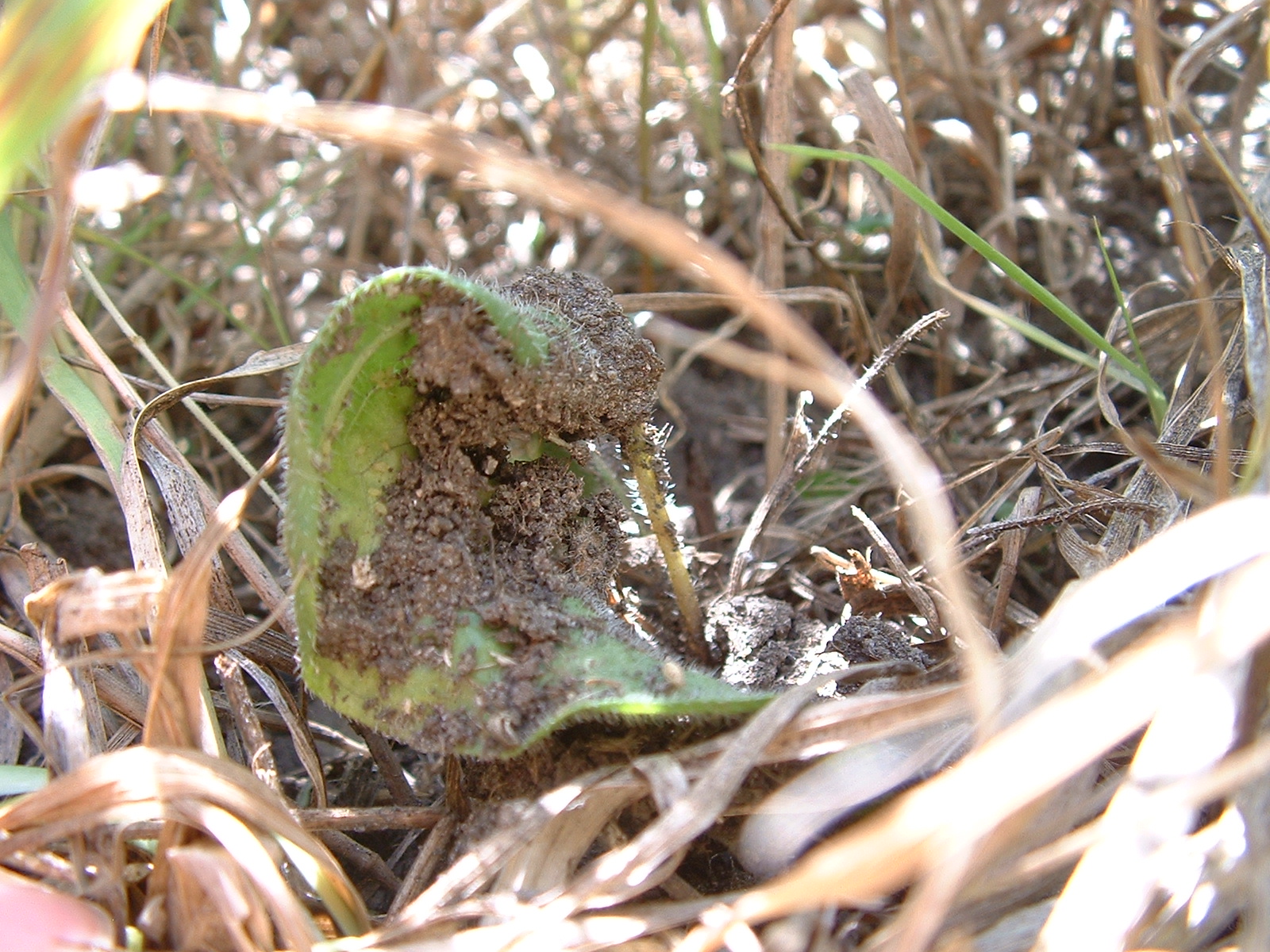
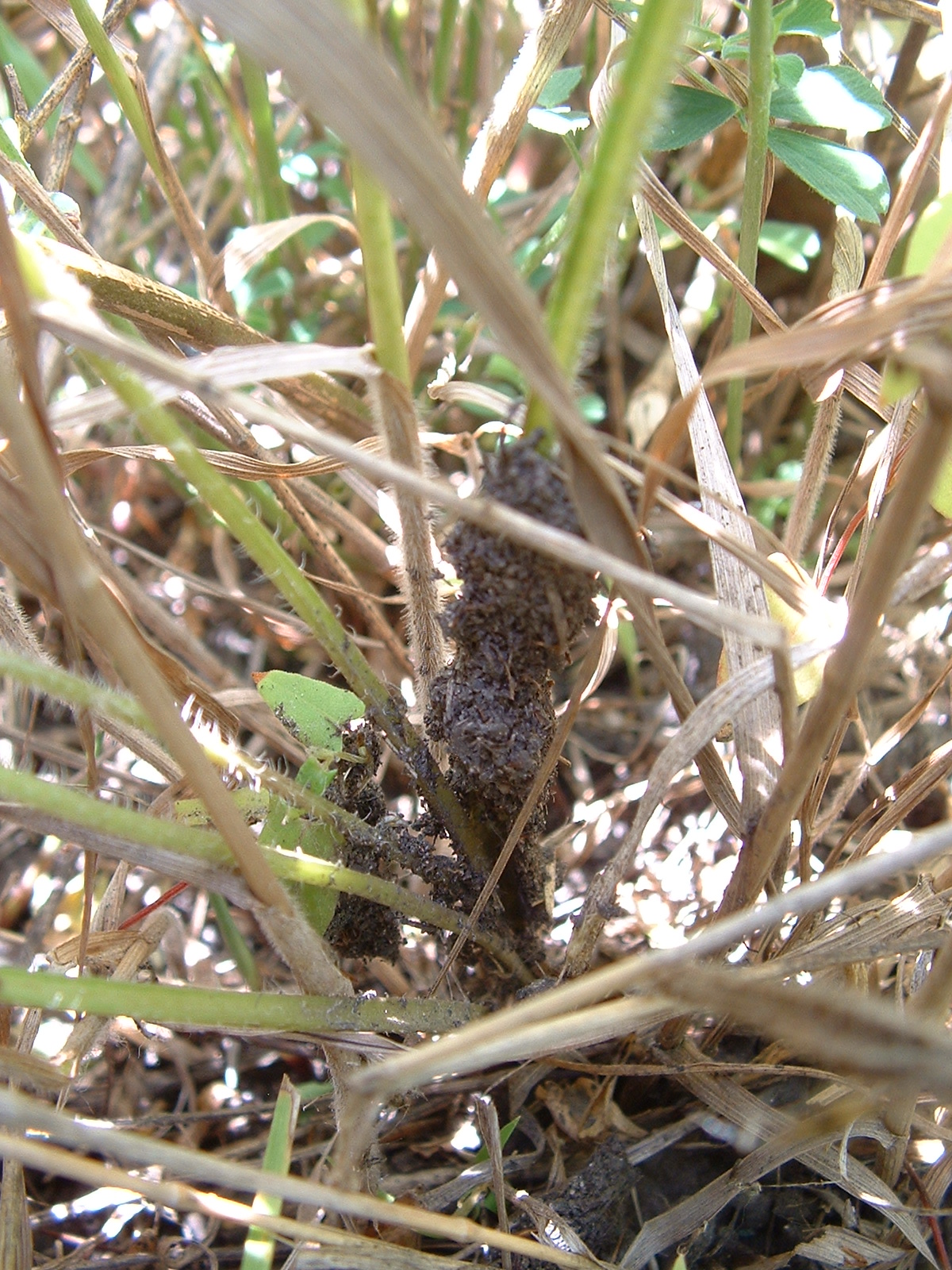
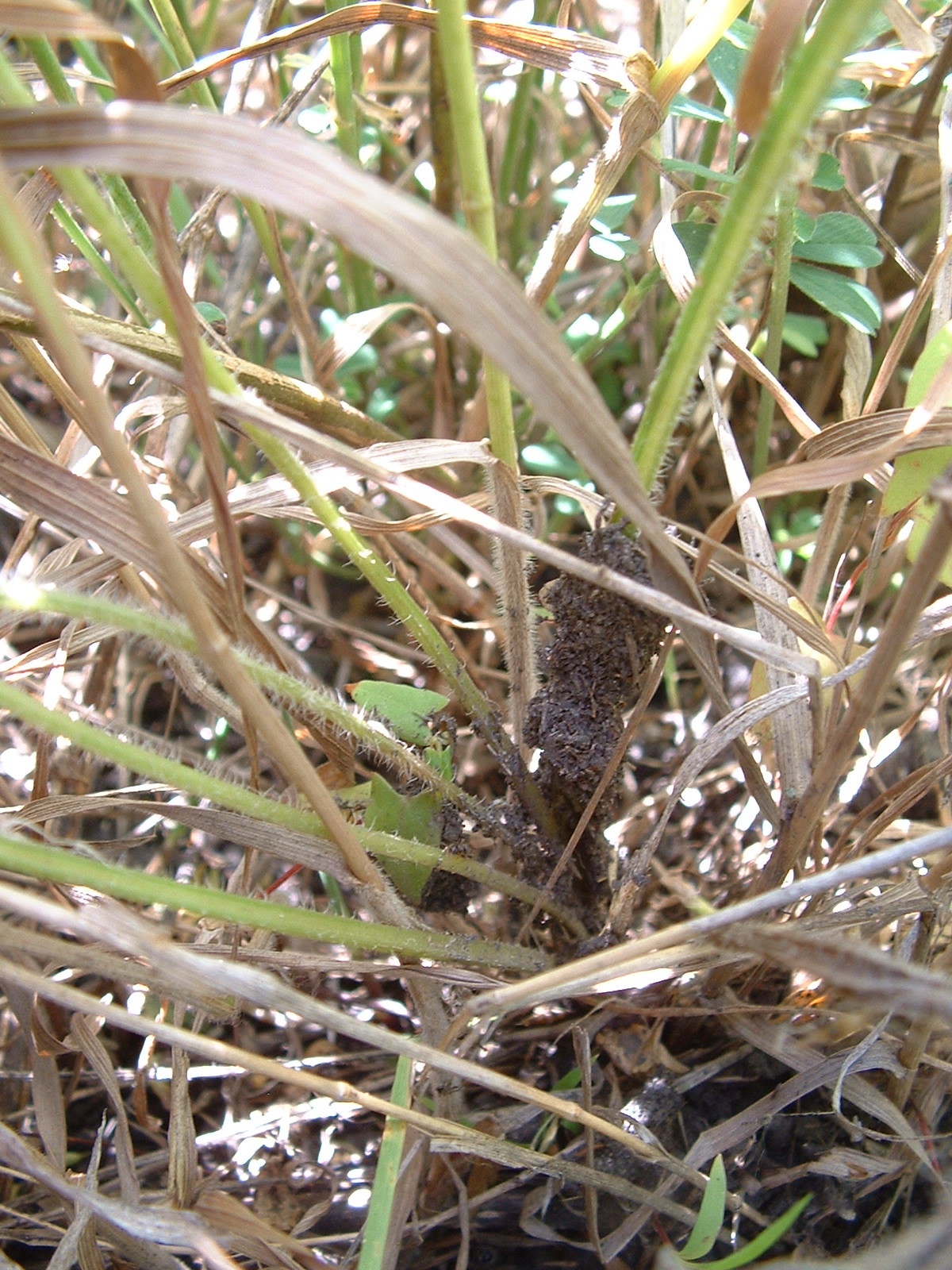
We have been calling these ant nests

DSCF001200.JPGDSCF001300.JPGDSCF001400.JPGDSCF001500.JPGDSCF001600.JPGDSCF001700.JPGDSCF002100.JPGDSCF002200.JPG

And a another thorn hopper larvae

DSCF001900.JPG

Wu-tang cloud

IMG_0032.jpg IMG_0033.jpg
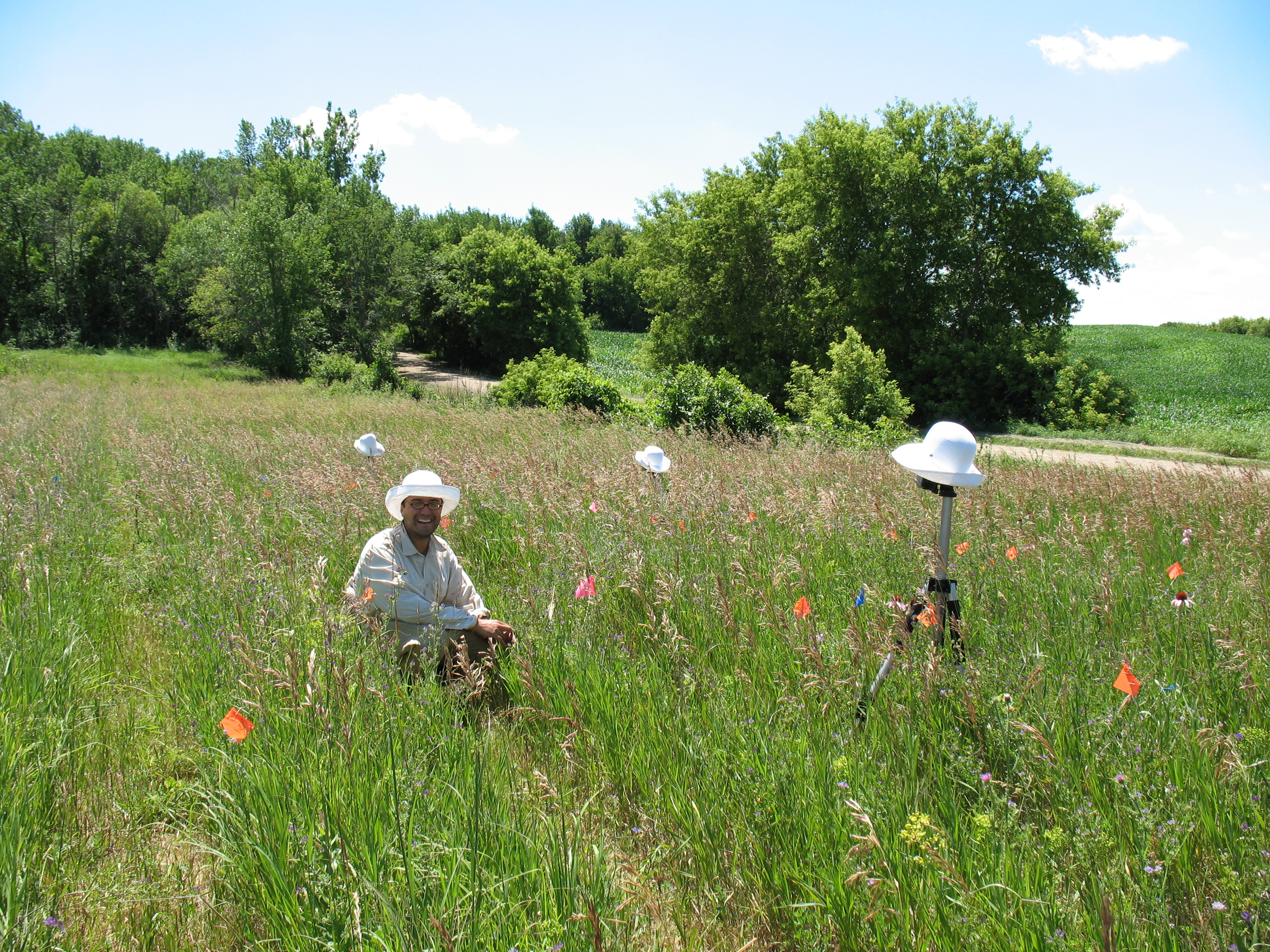
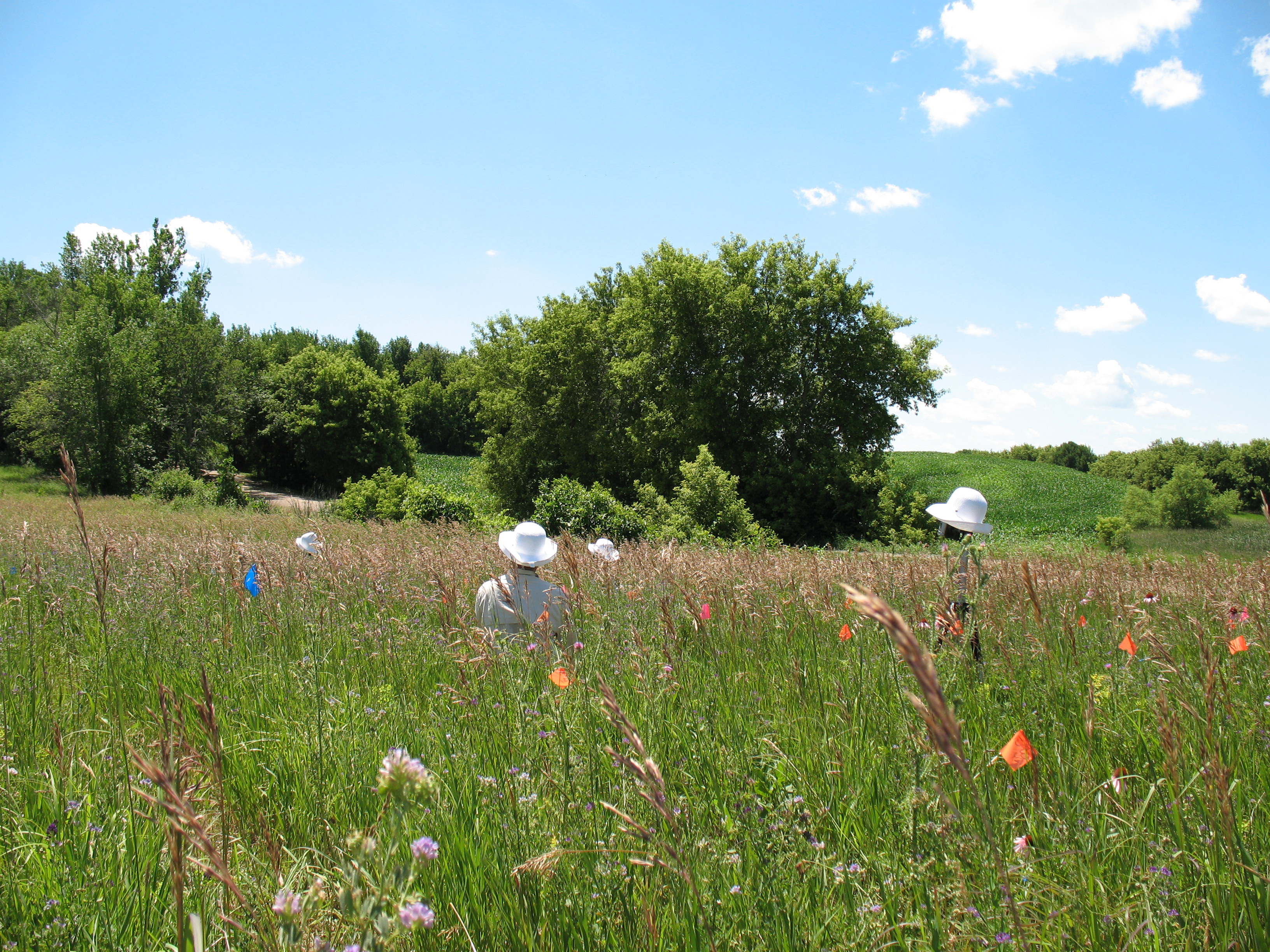
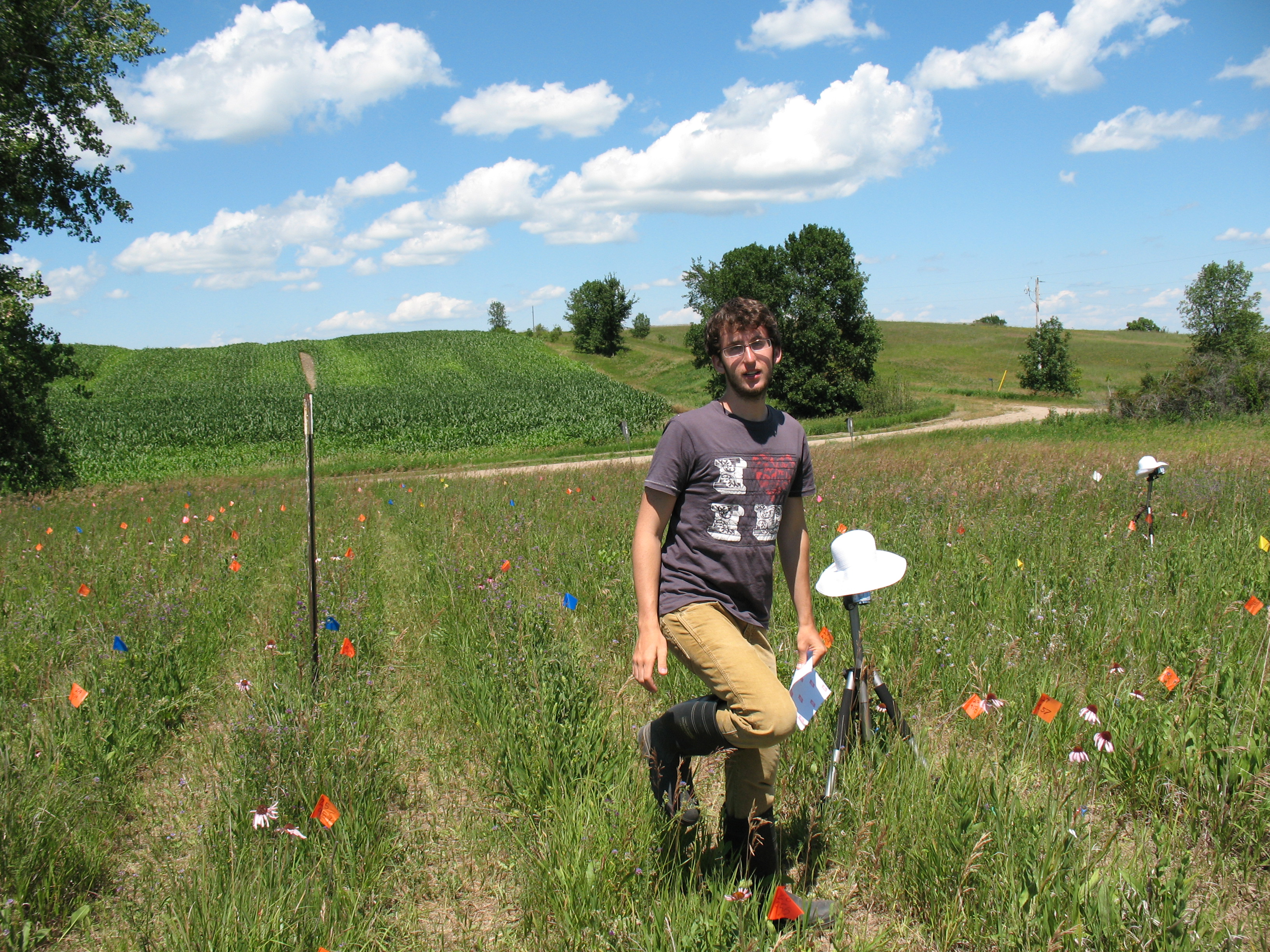
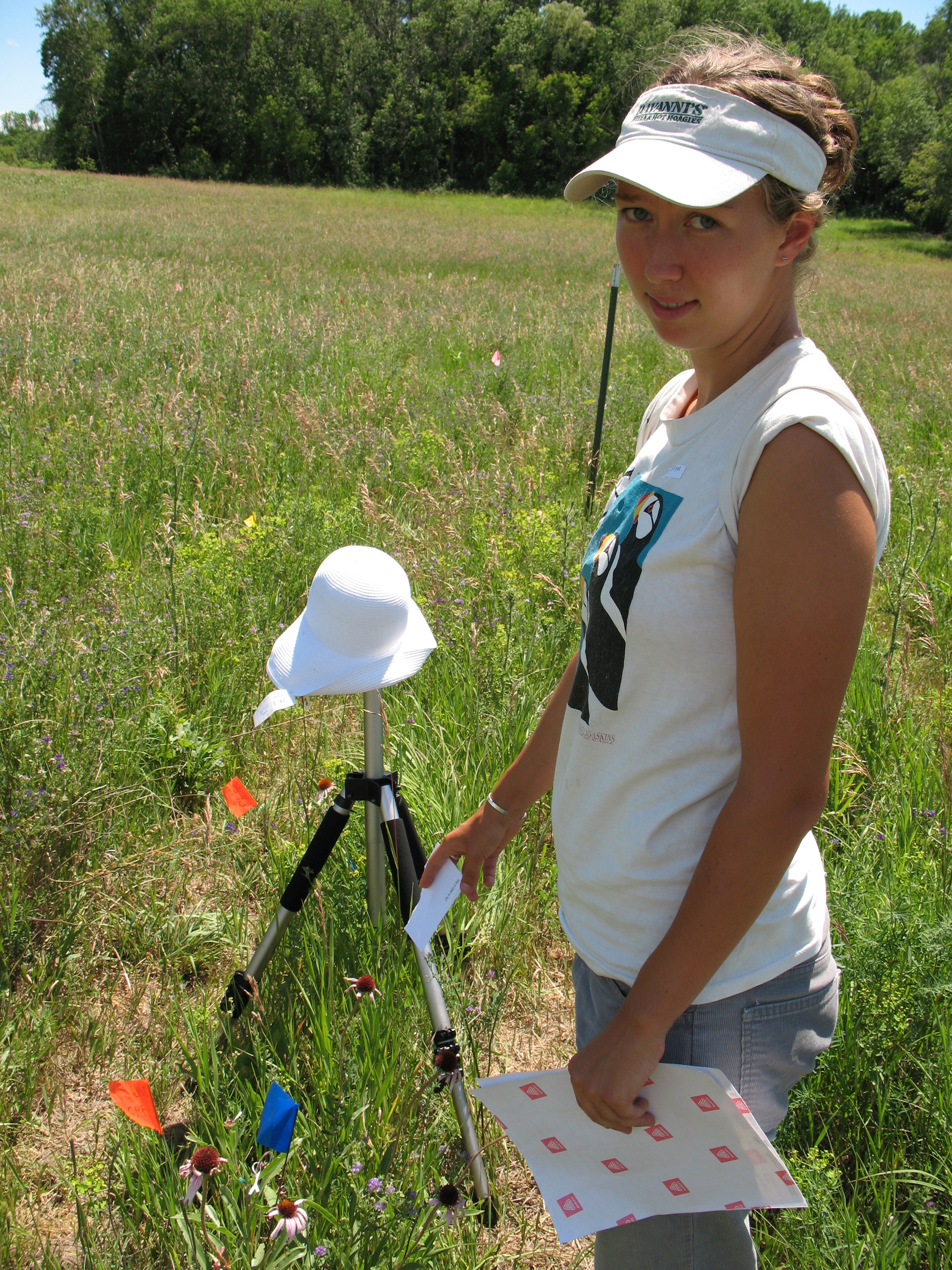
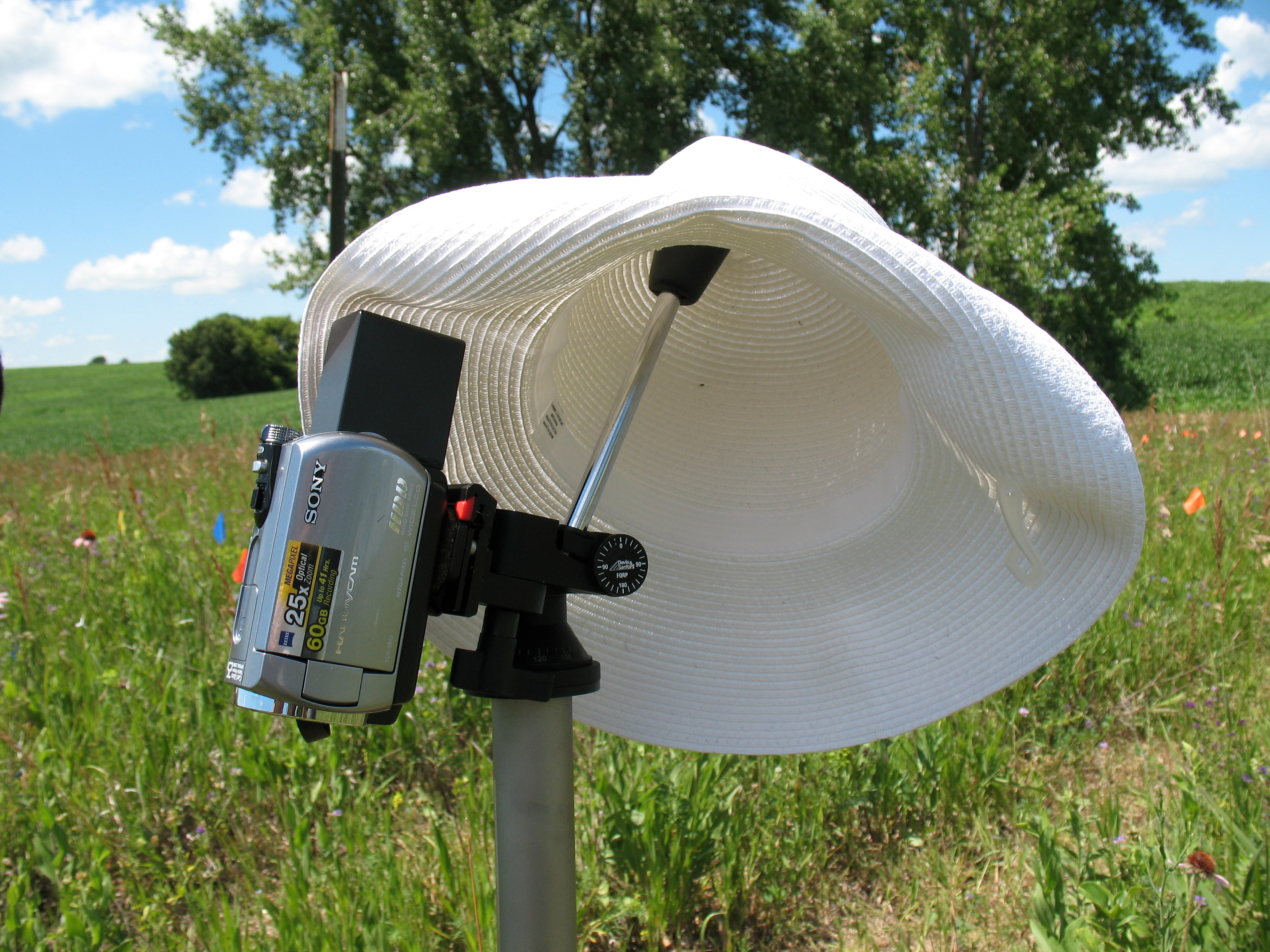
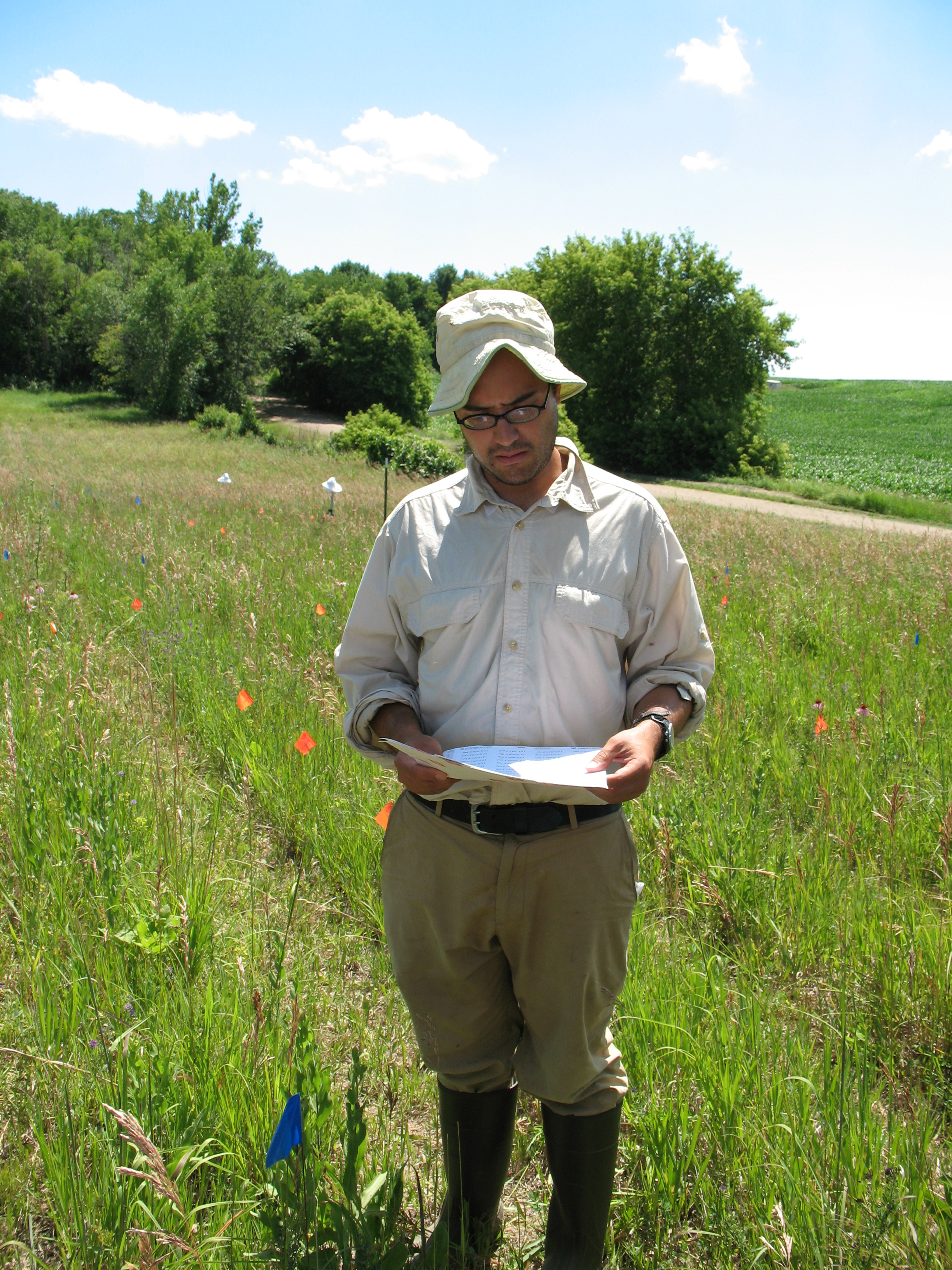
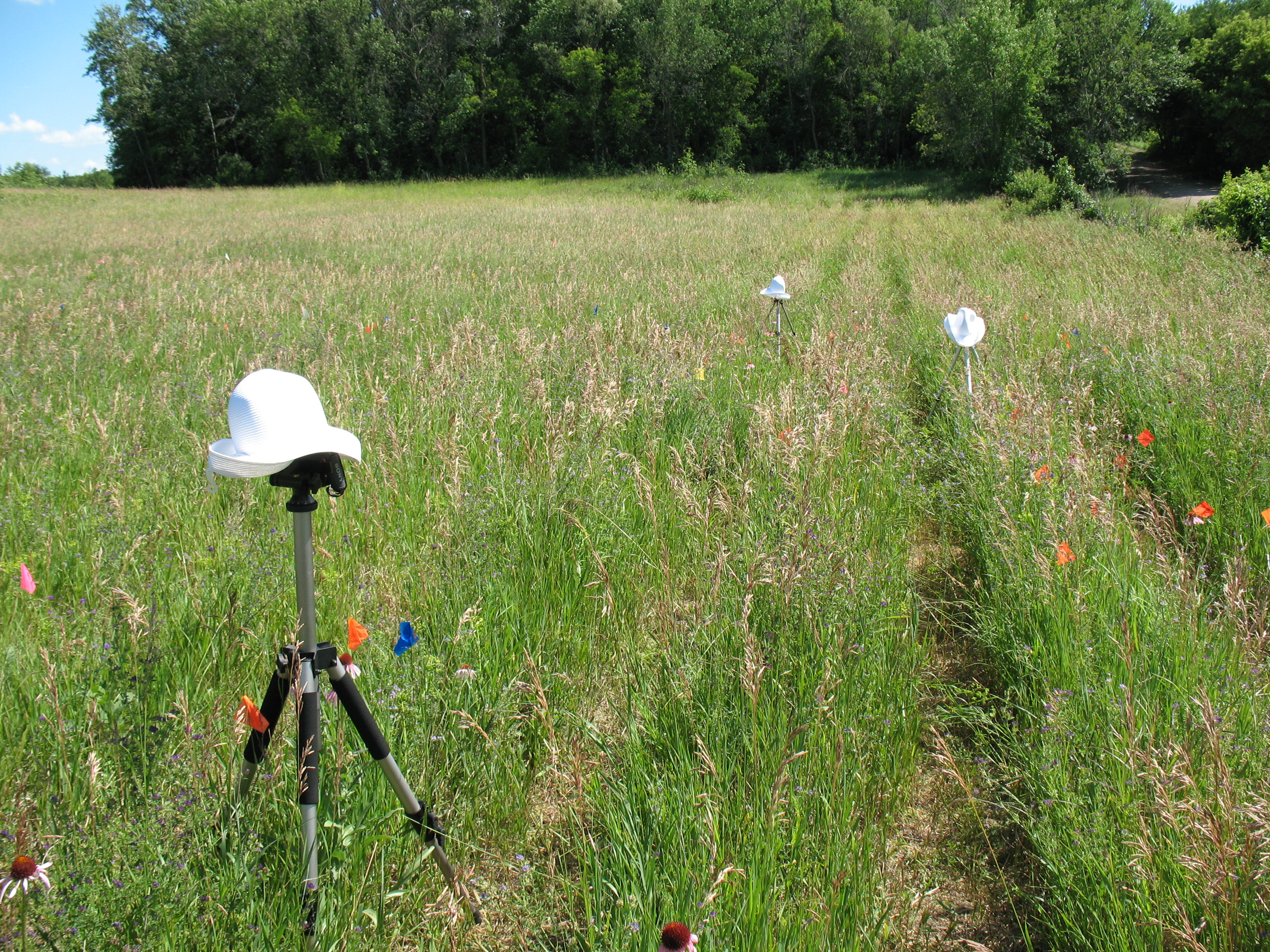
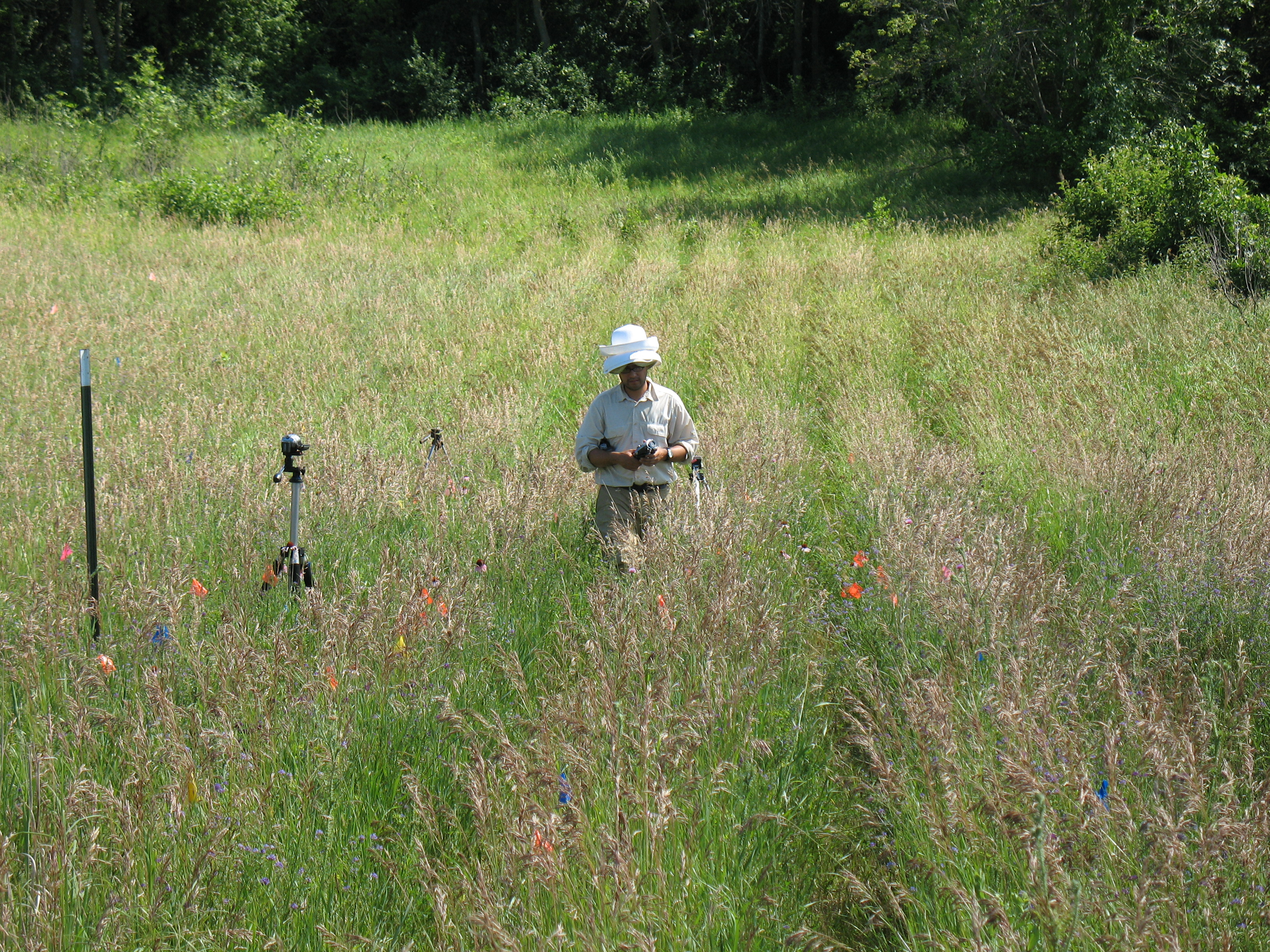
The cameras were over-heating filming under the hot sun all day: so Andy bought hats for all of them to wear.

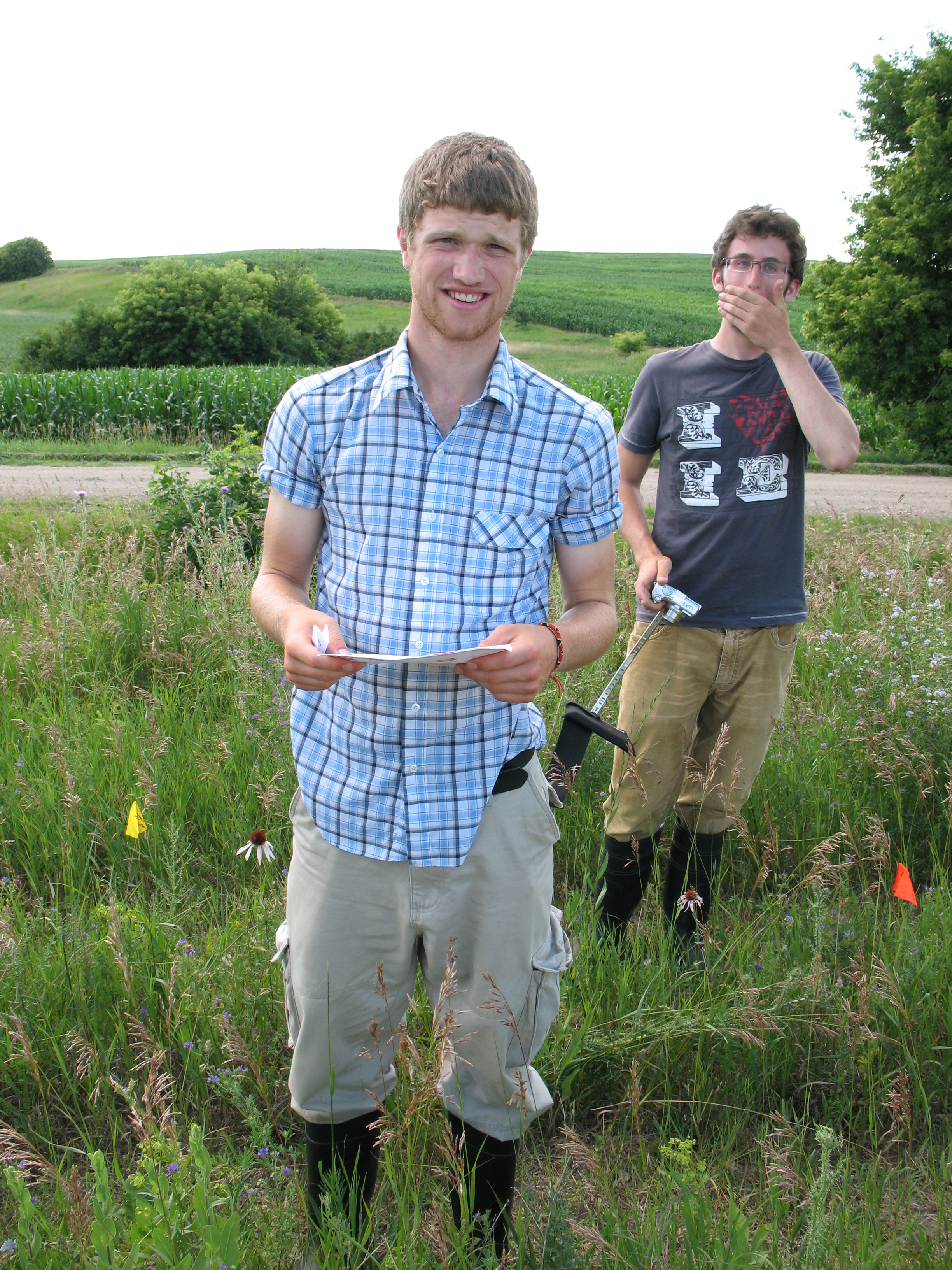
These pictures are from the afternoon of July 5th. We were taking pictures for fluctuating asymmetry to be analyzed later to see how ray floret shape affects pollination. that afternoon we saw a cloud that bore a strange resemblance to the wu-tang clan symbol
IMG_0049.jpgIMG_0052.jpgIMG_0066.jpgIMG_0067.jpgIMG_0068.jpgIMG_0085.jpgIMG_0103.jpgIMG_0118.jpgIMG_0119.jpgIMG_0120.jpgIMG_0121.jpgIMG_0127.jpgIMG_0134.jpgIMG_0154.jpgIMG_0155.jpgIMG_0156.jpgIMG_0157.jpgIMG_0165.jpgIMG_0168.jpgIMG_0172.jpgIMG_0176.jpgIMG_0183.jpgIMG_0186.jpgIMG_0190.jpgIMG_0202.jpgIMG_0214.jpgIMG_0236.jpgIMG_0244.jpgIMG_0251.jpg

measuring stuff

DSCF1226.JPGDSCF1231.JPG
white fuzzies

DSCF1232.JPGDSCF1233.JPGDSCF1234.JPG
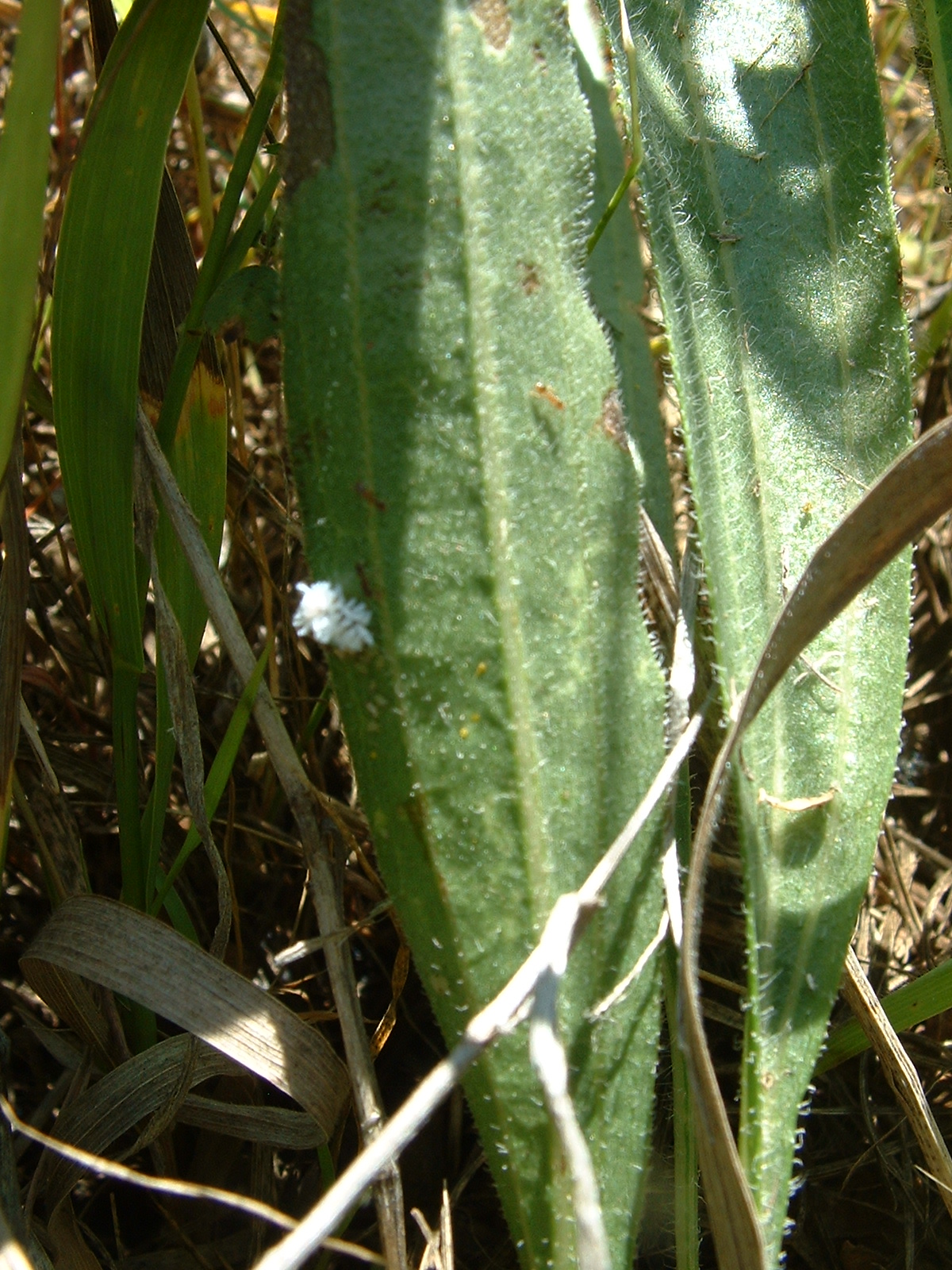
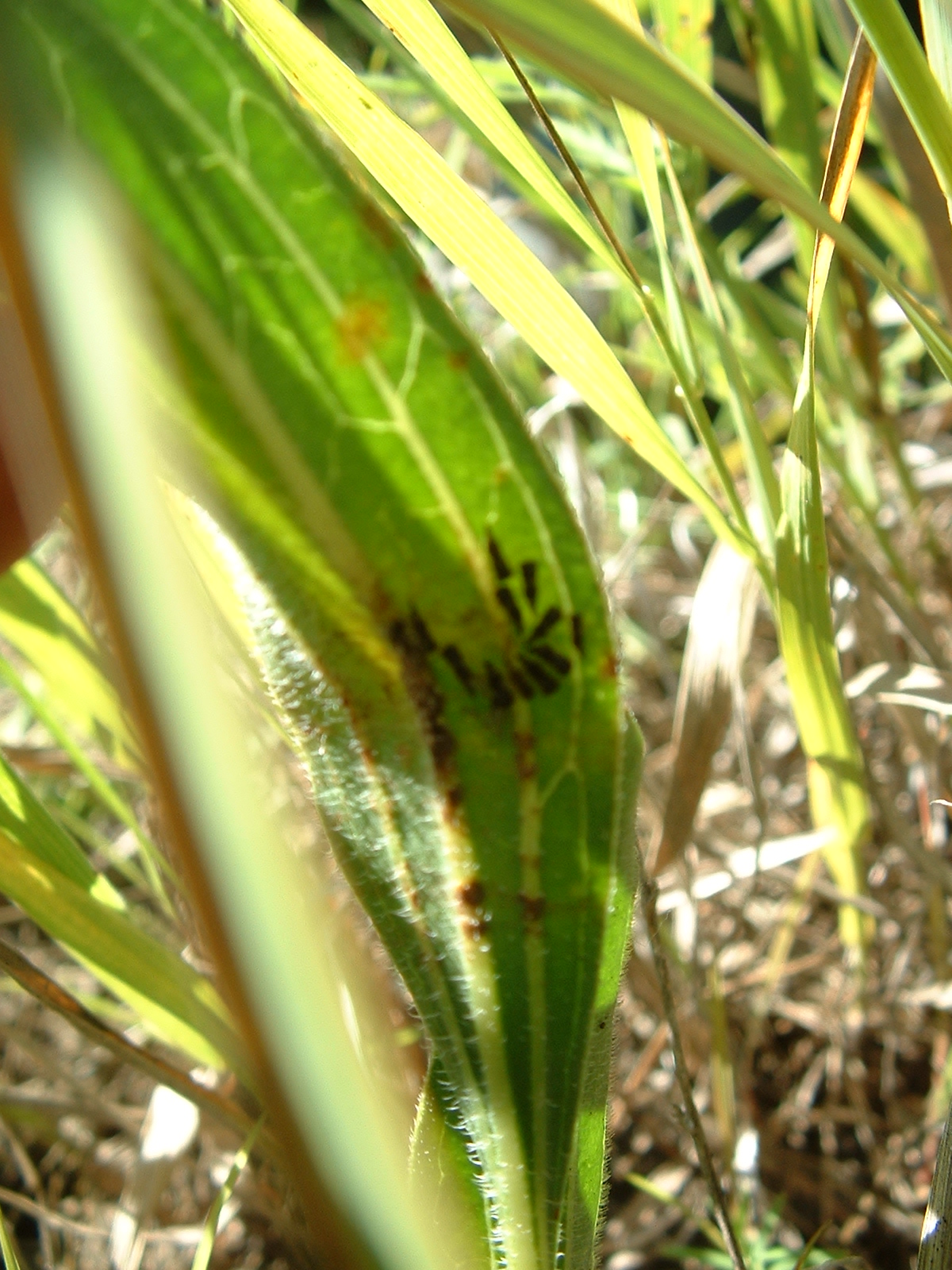
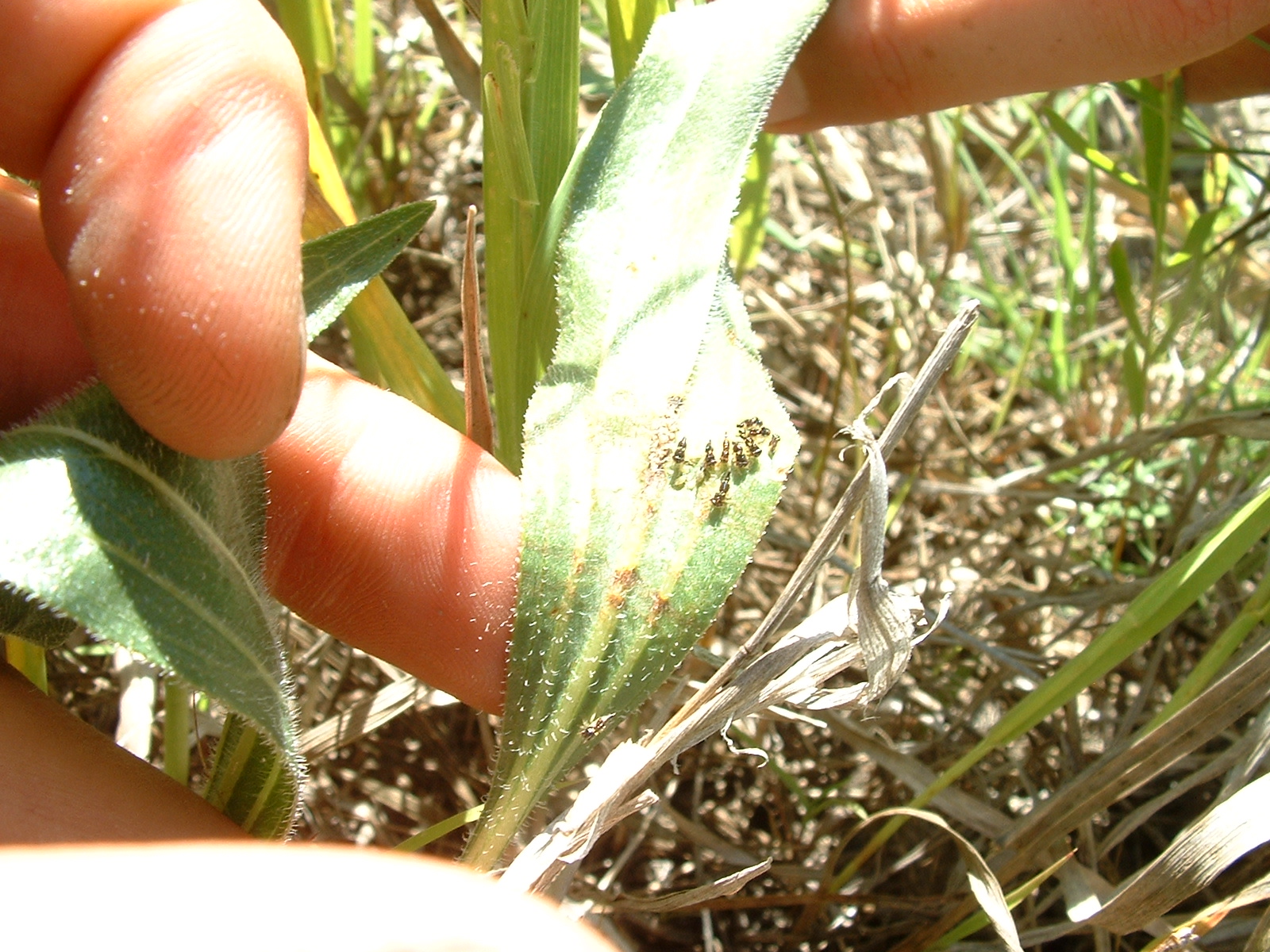
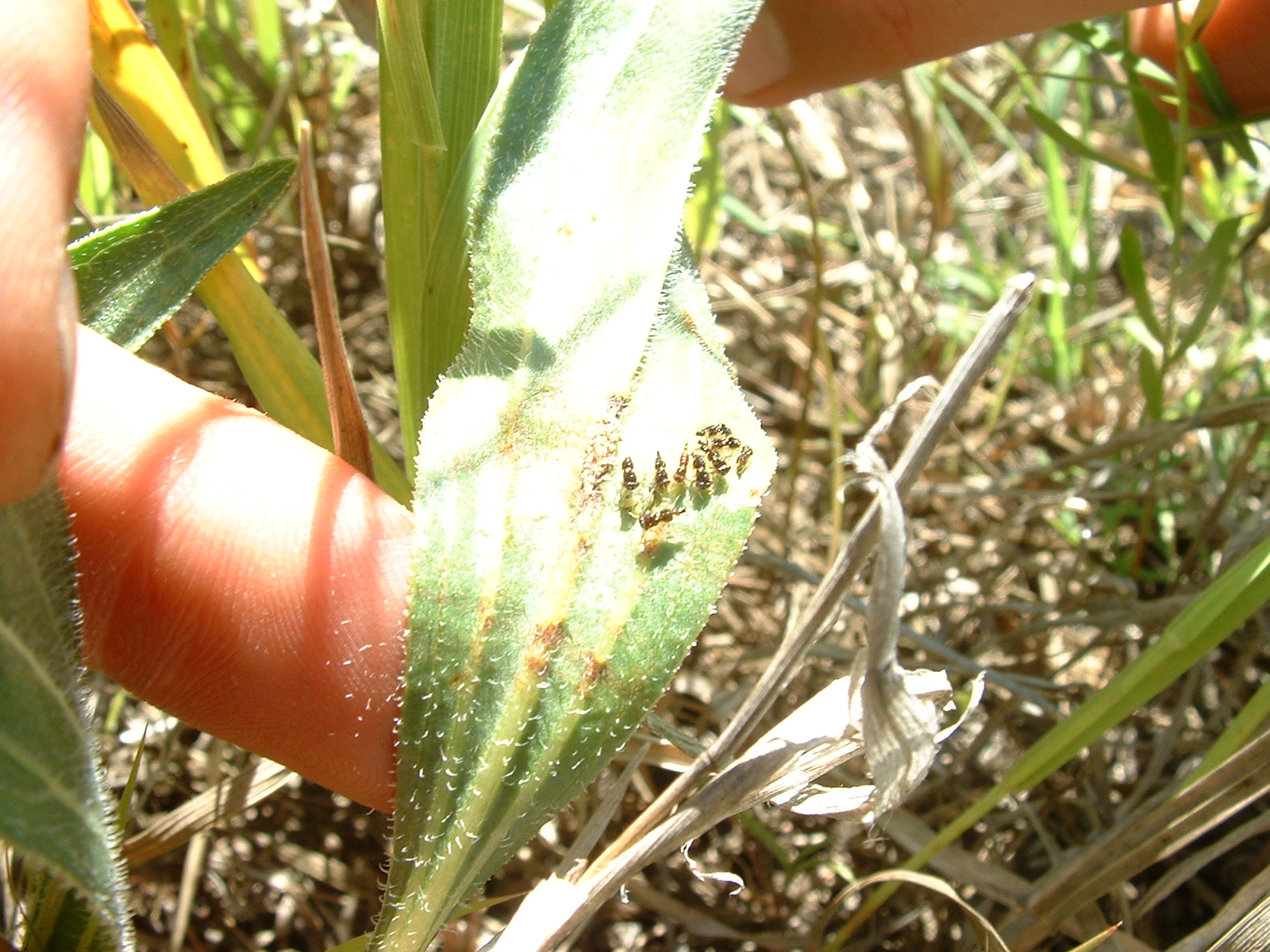
These are thorn hopper larvae. we have been calling them thorn hoppers. In the past they have been called black spikeys.

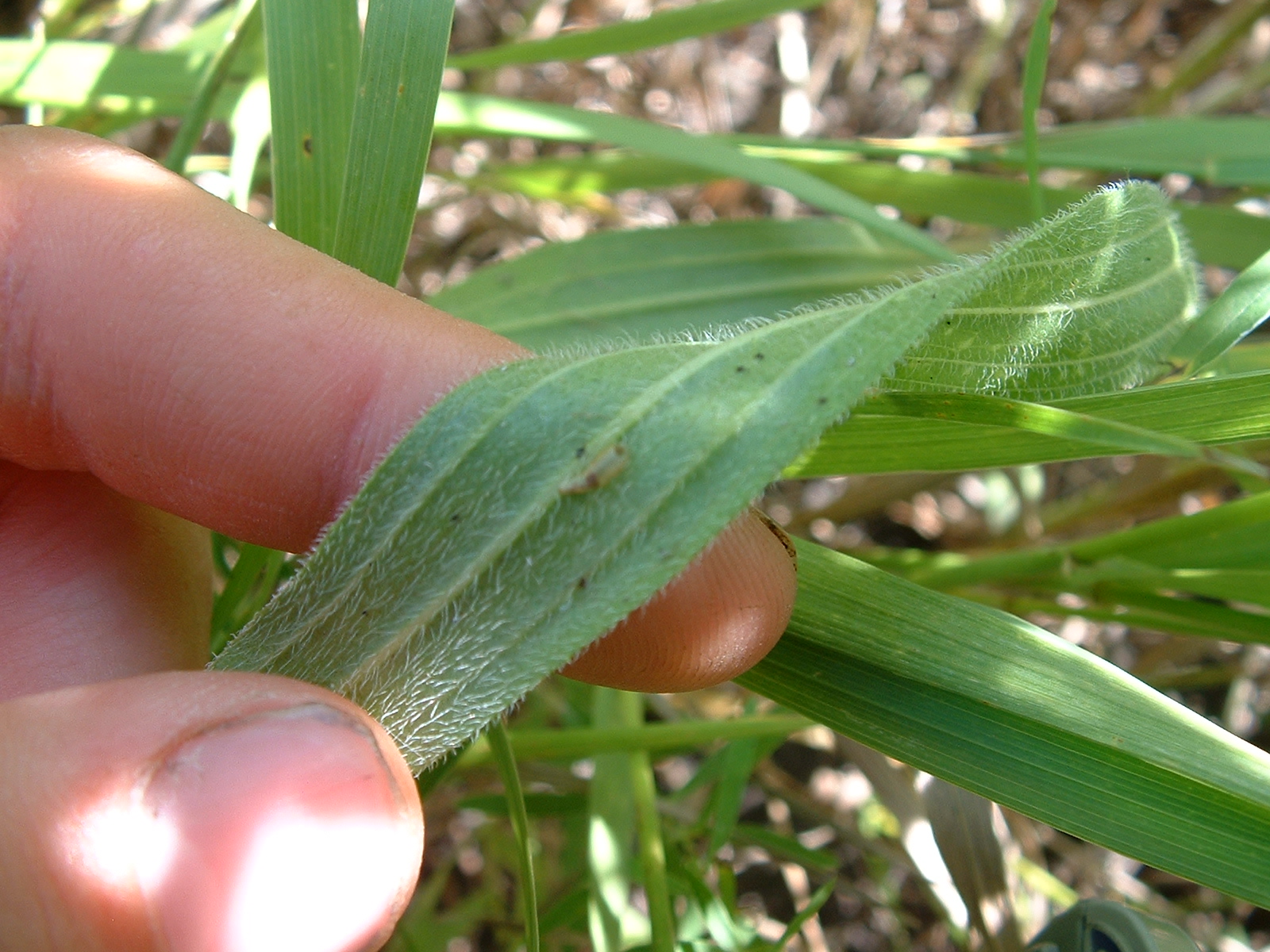
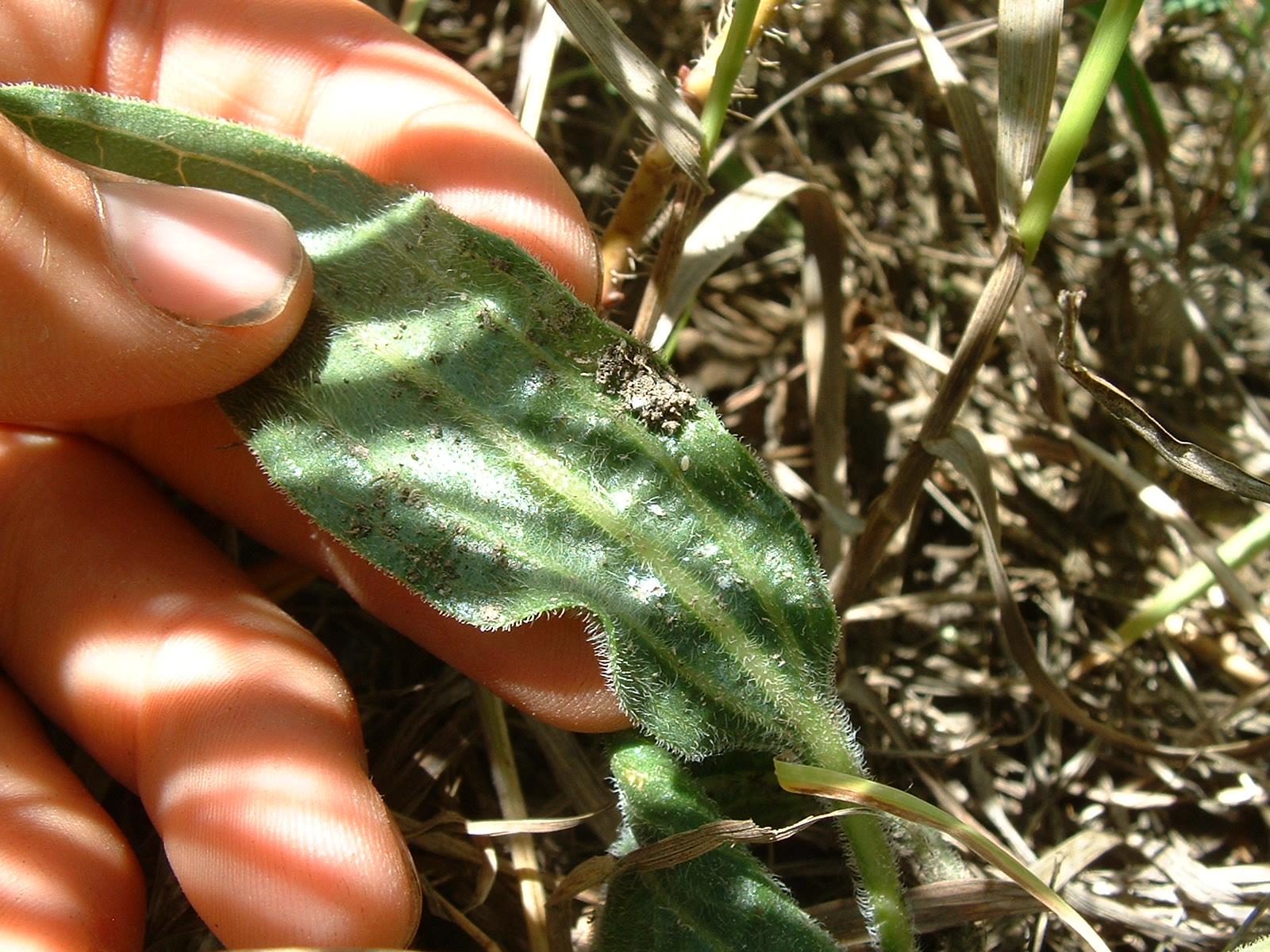
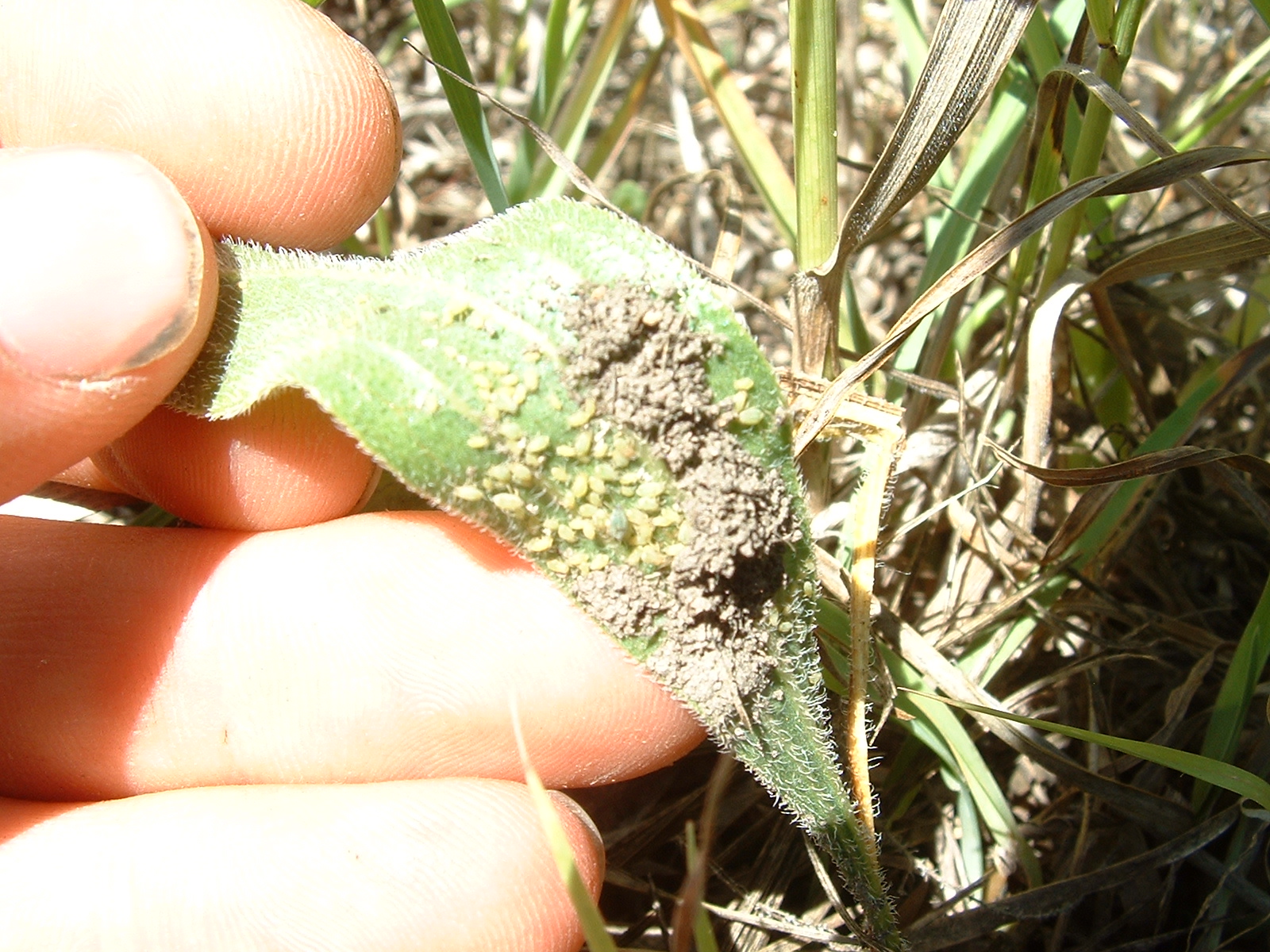
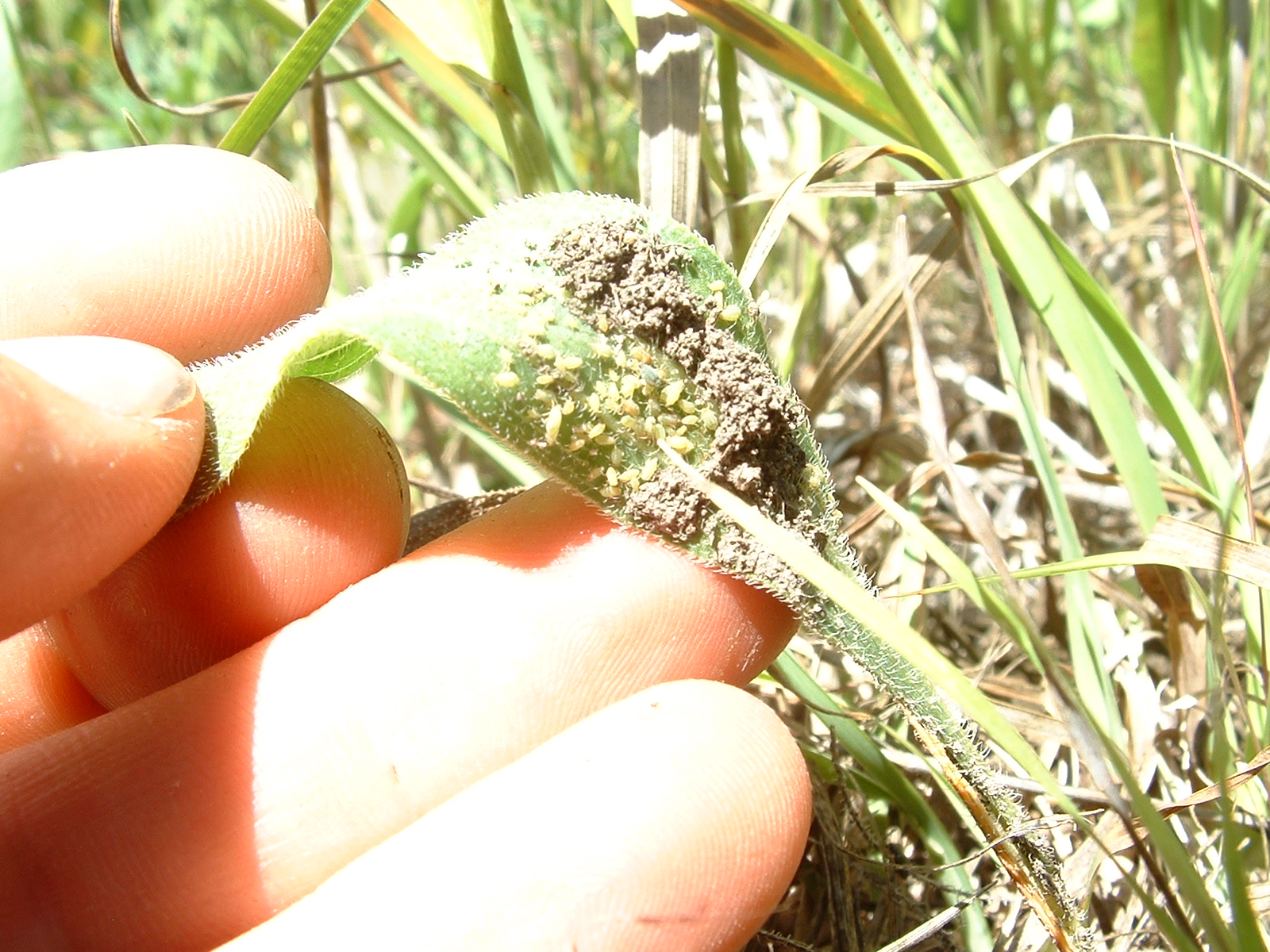
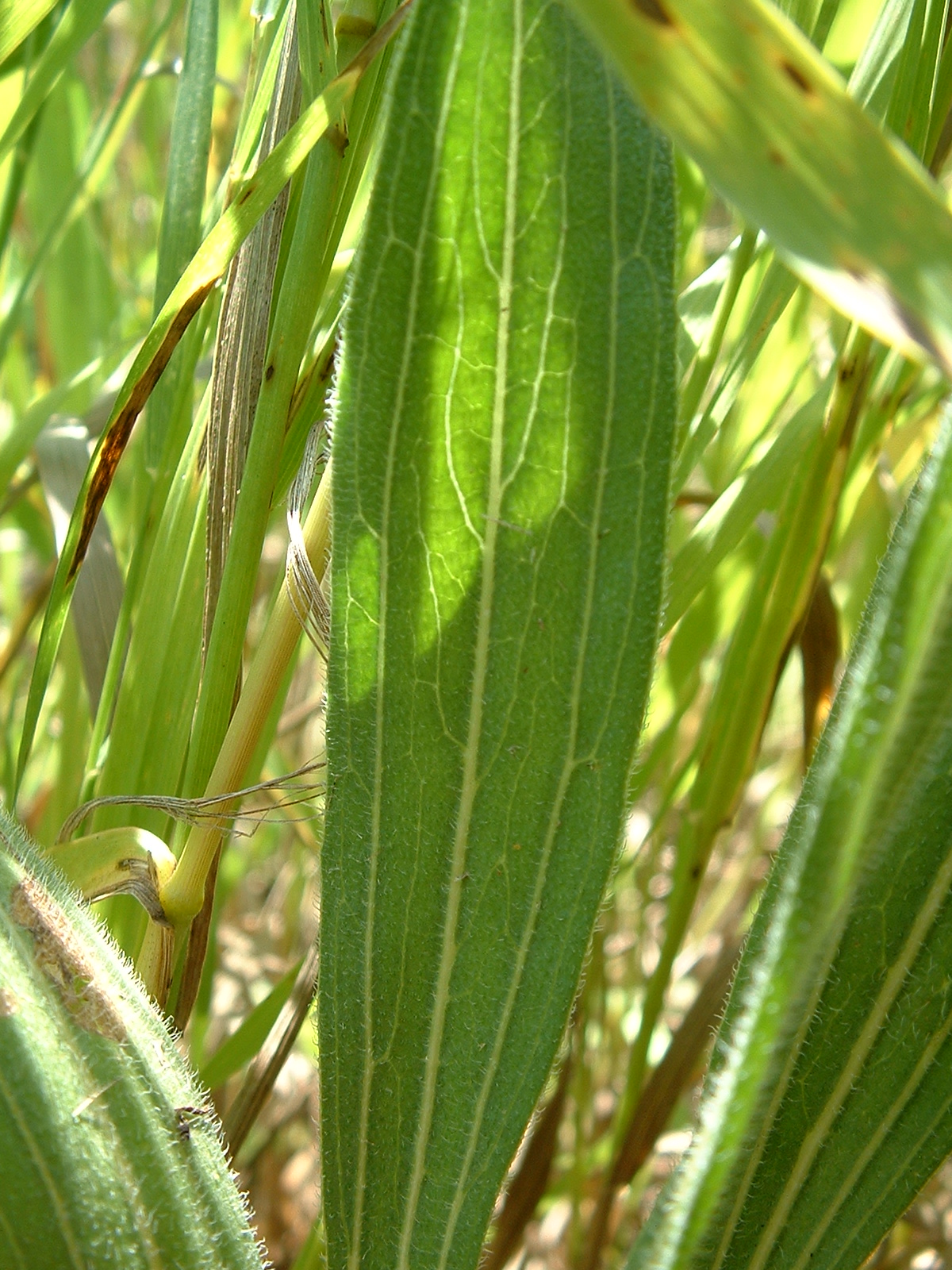
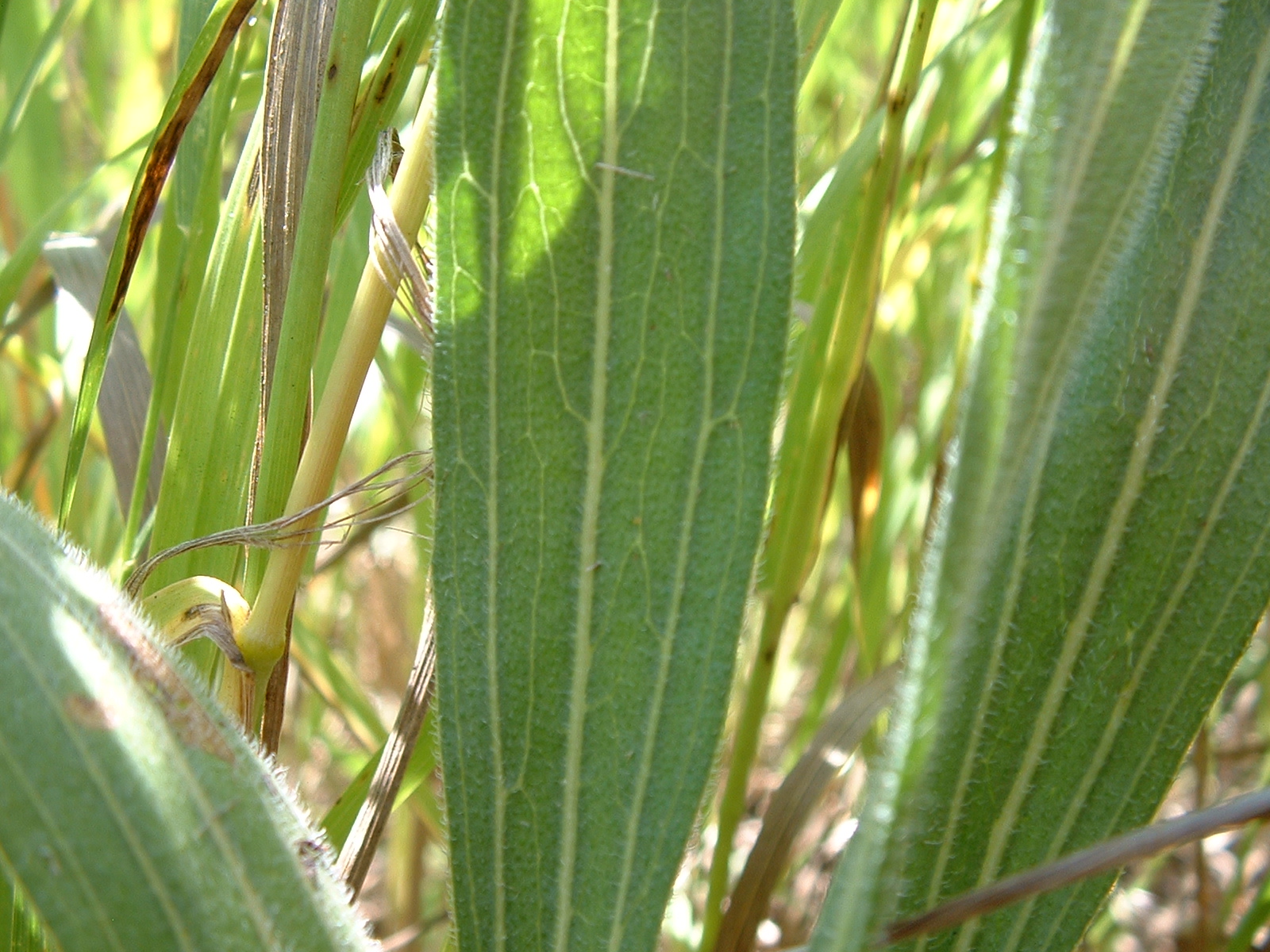
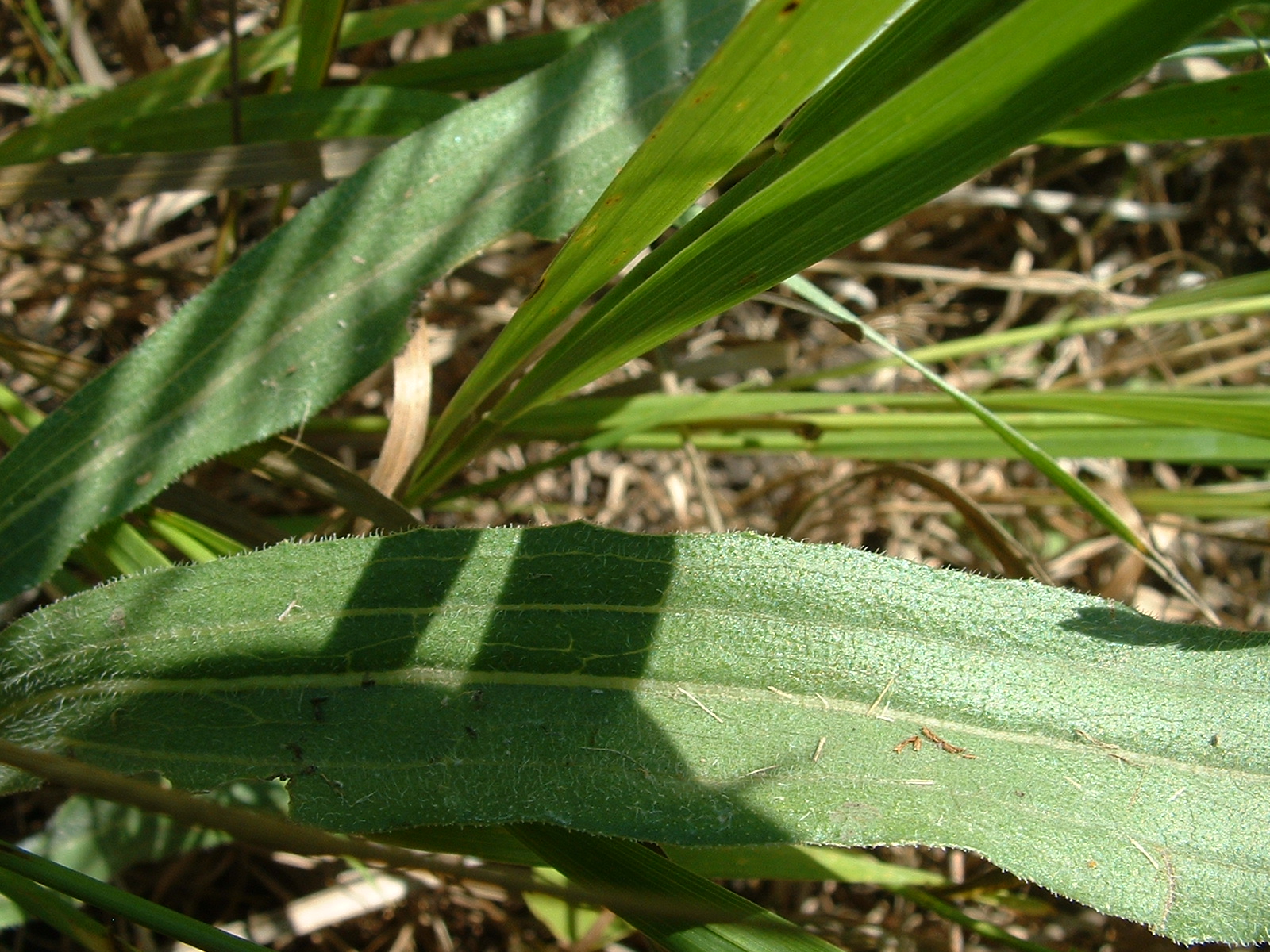
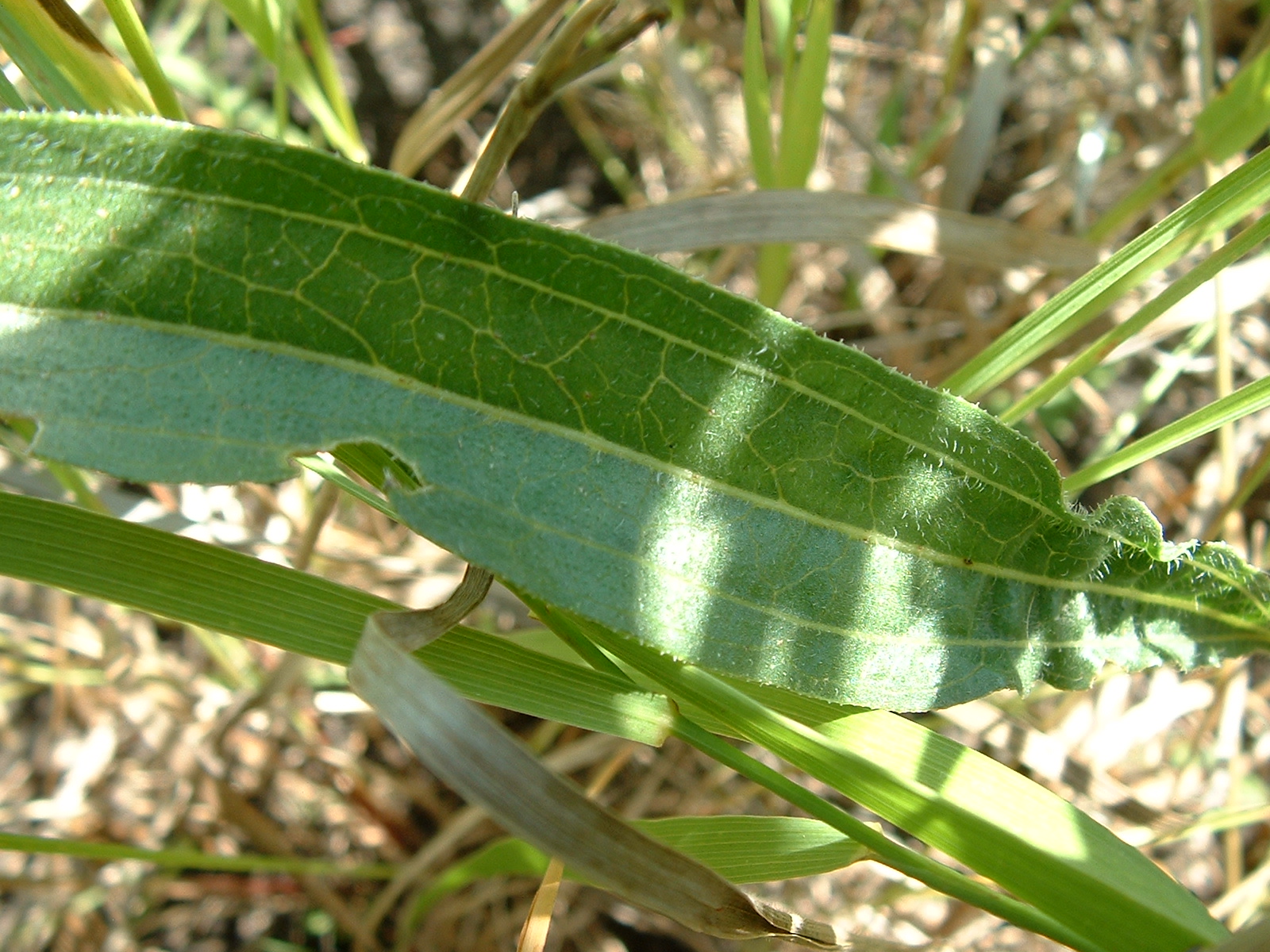
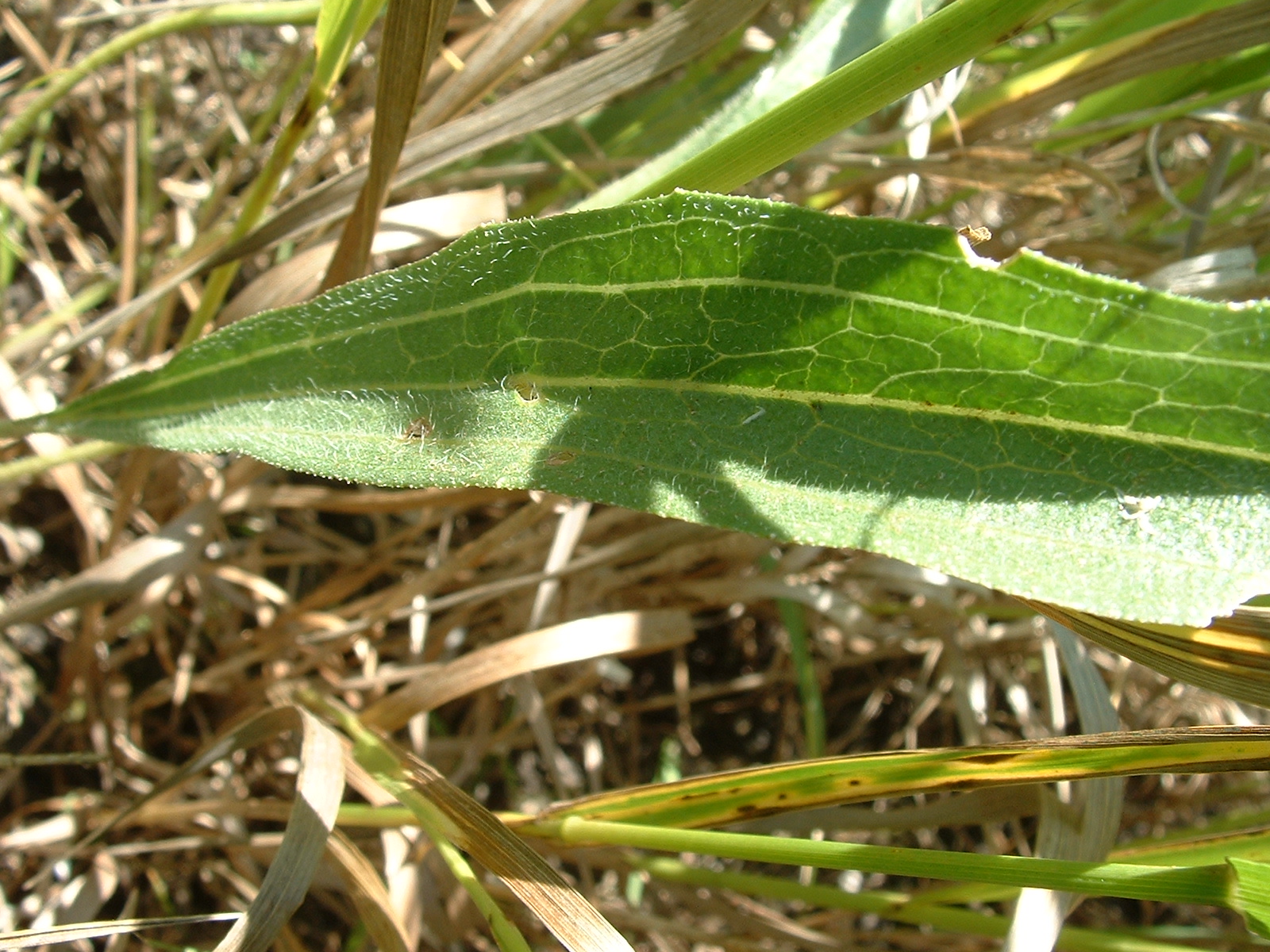
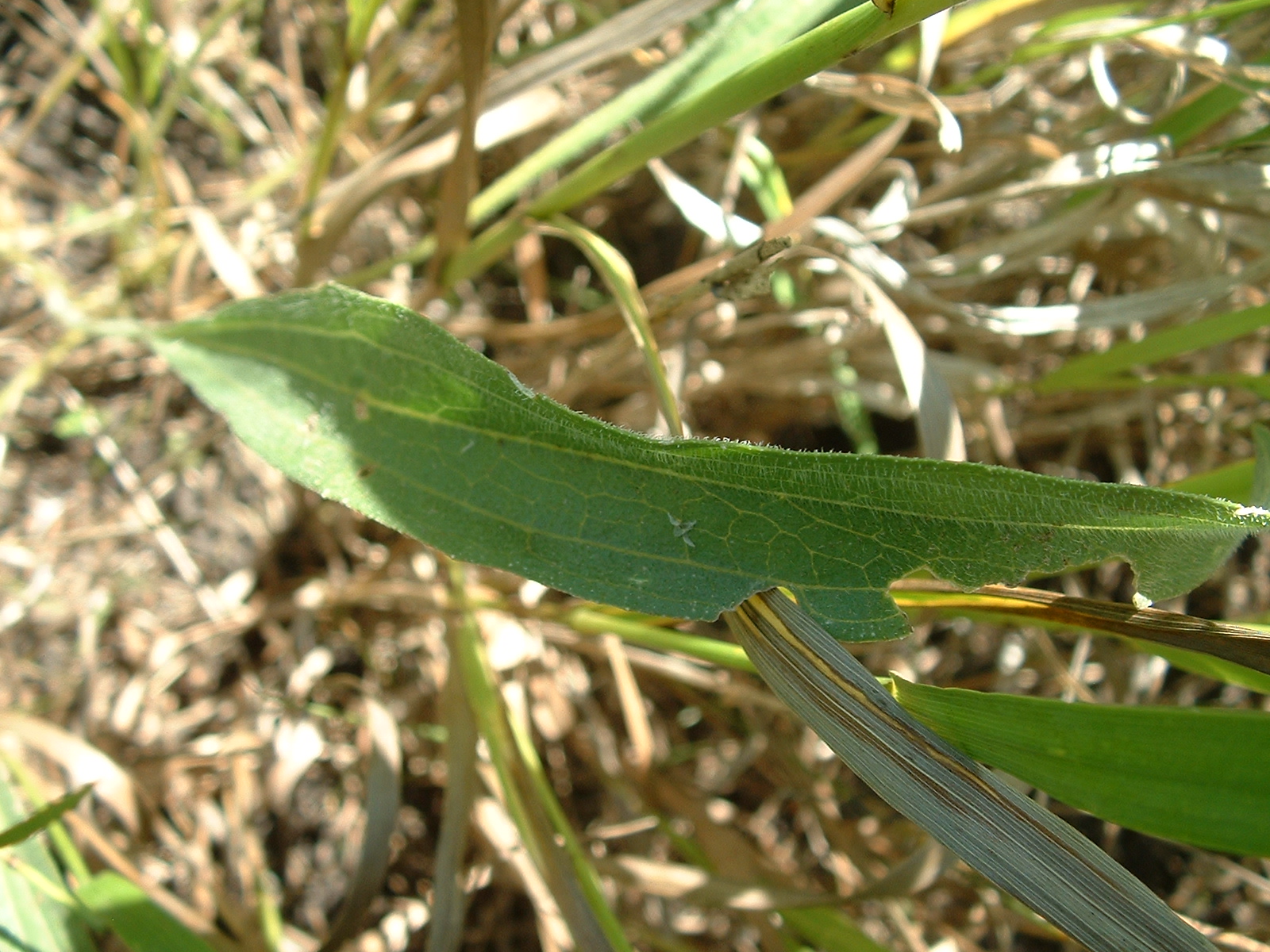
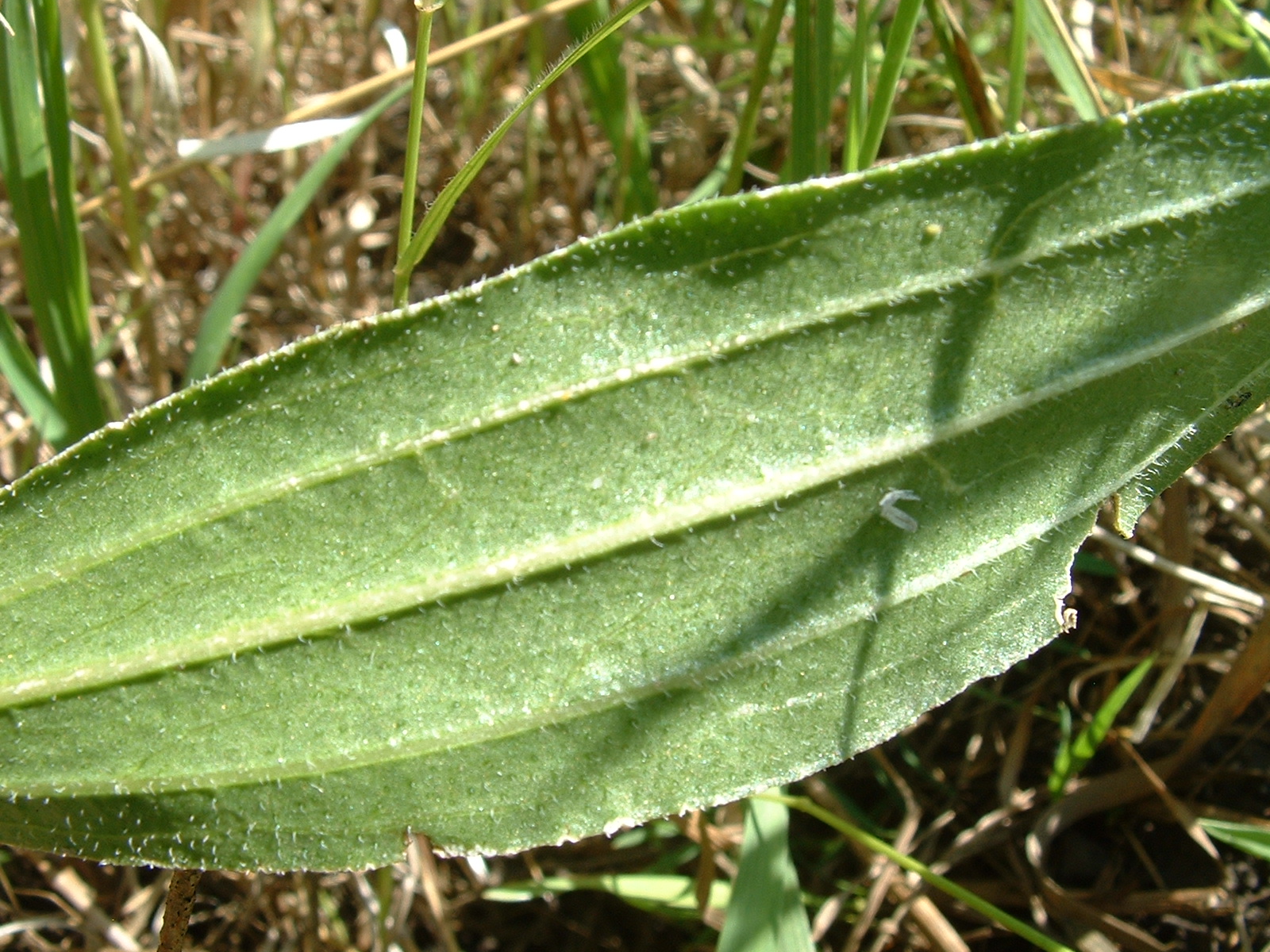
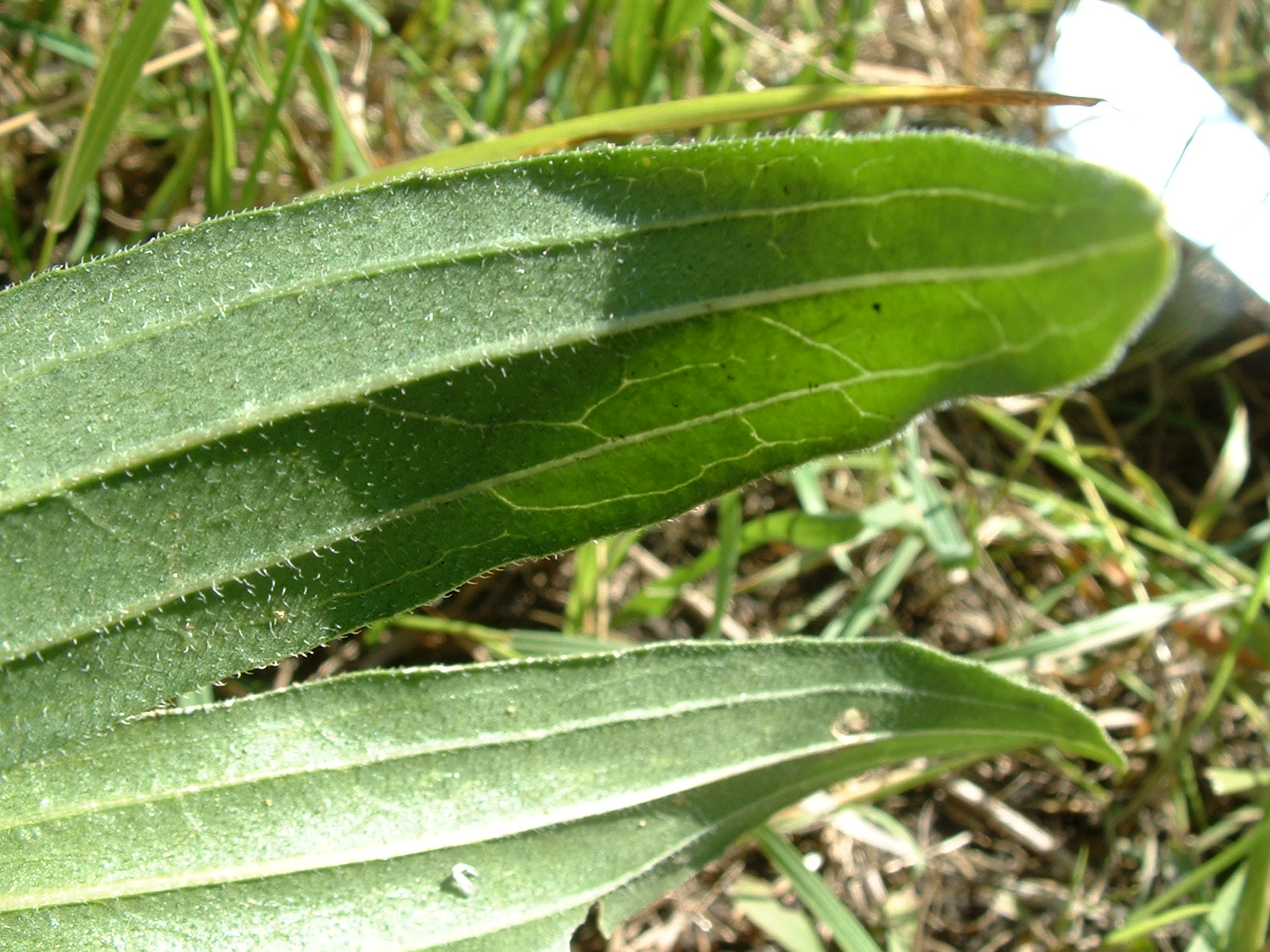
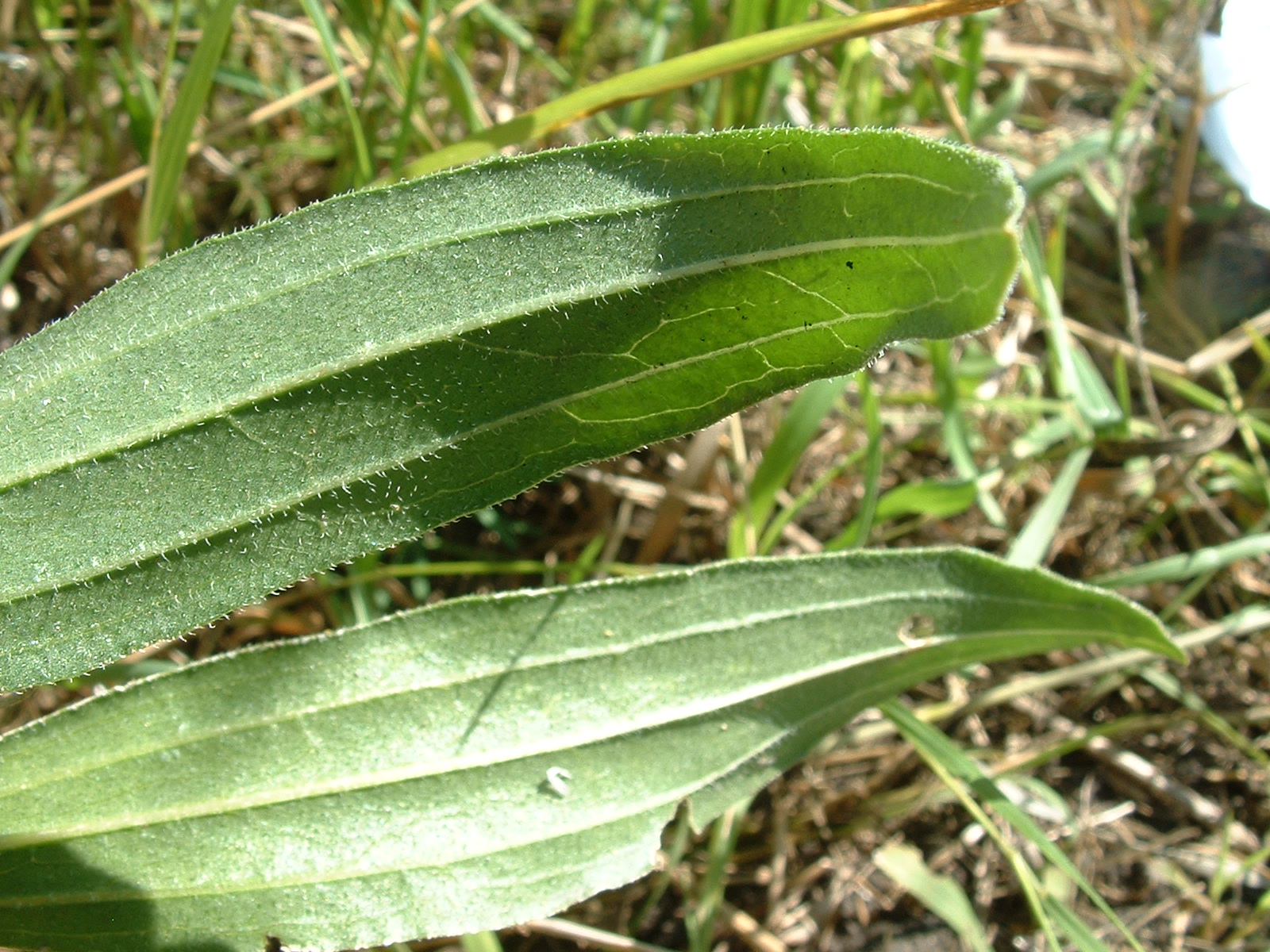
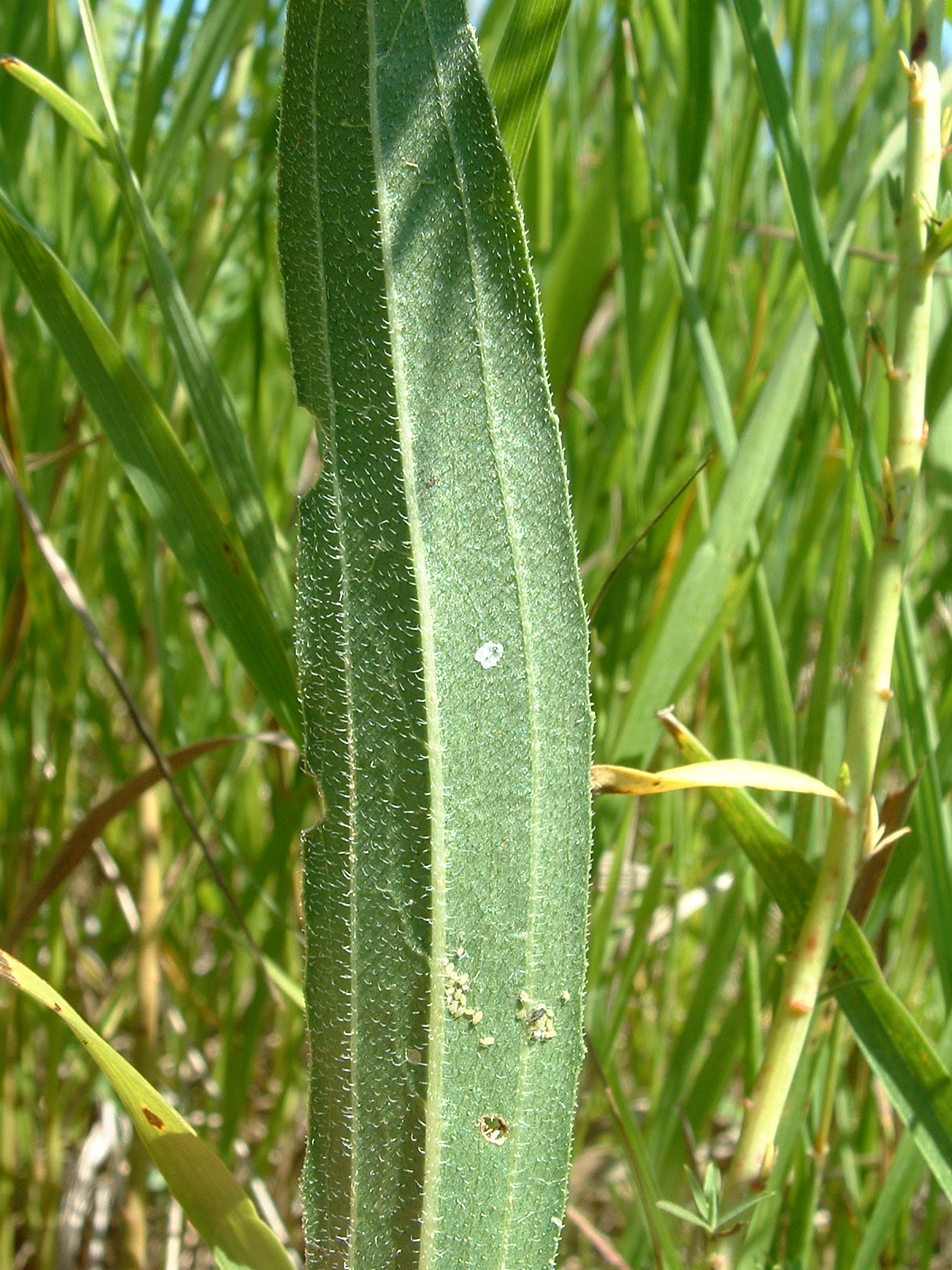
Below are close-ups of Echinacea leaf venation
DSCF1200.JPGDSCF1201.JPGDSCF1202.JPGDSCF1203.JPGDSCF1204.JPGDSCF1205.JPGDSCF1206.JPGDSCF1207.JPGDSCF1208.JPGDSCF1209.JPG this last one also has aphids as well as nibbles and holes

Here are my daily photos
DSCF1182.JPG
this first one is actually from yesterday

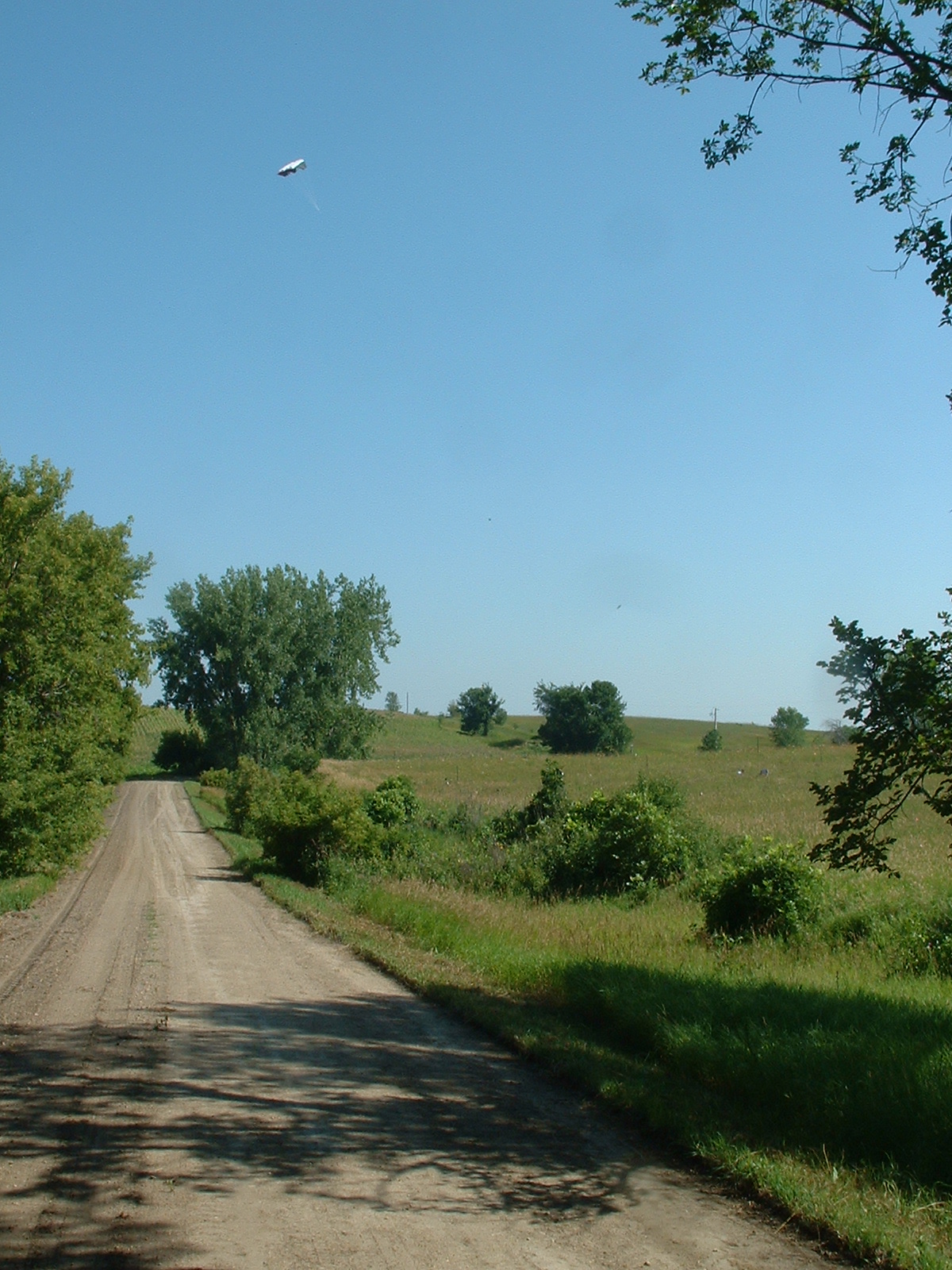
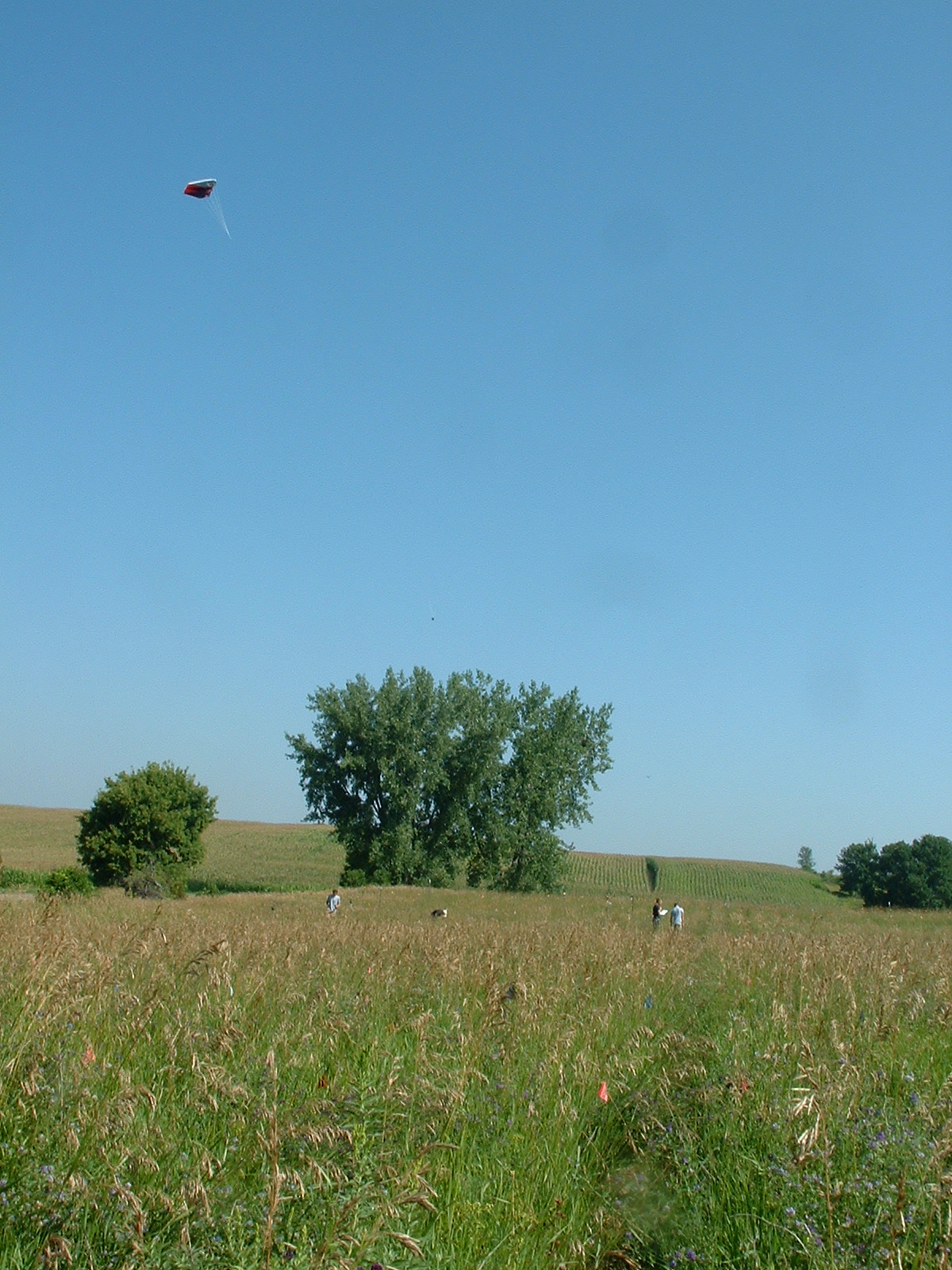
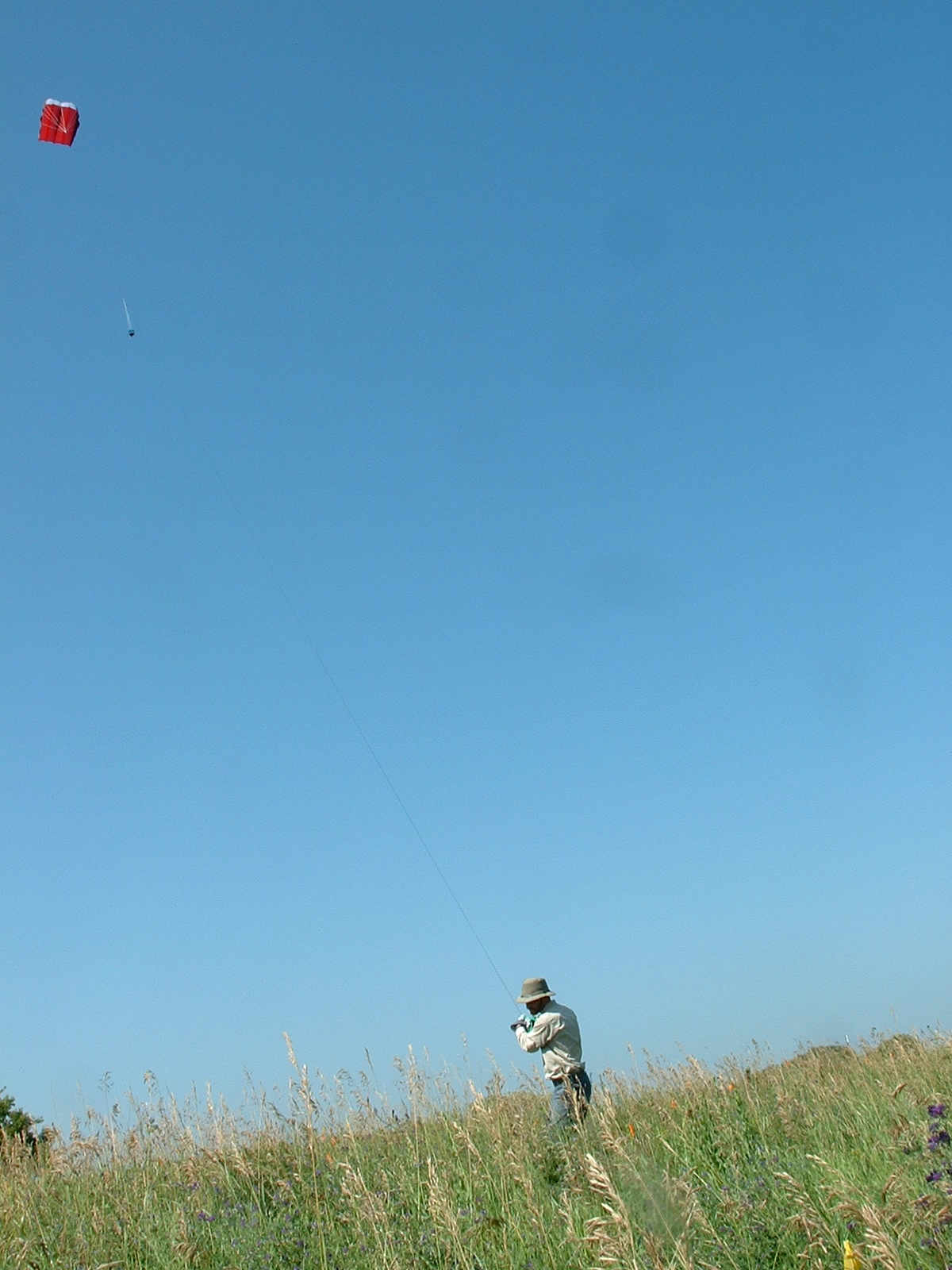
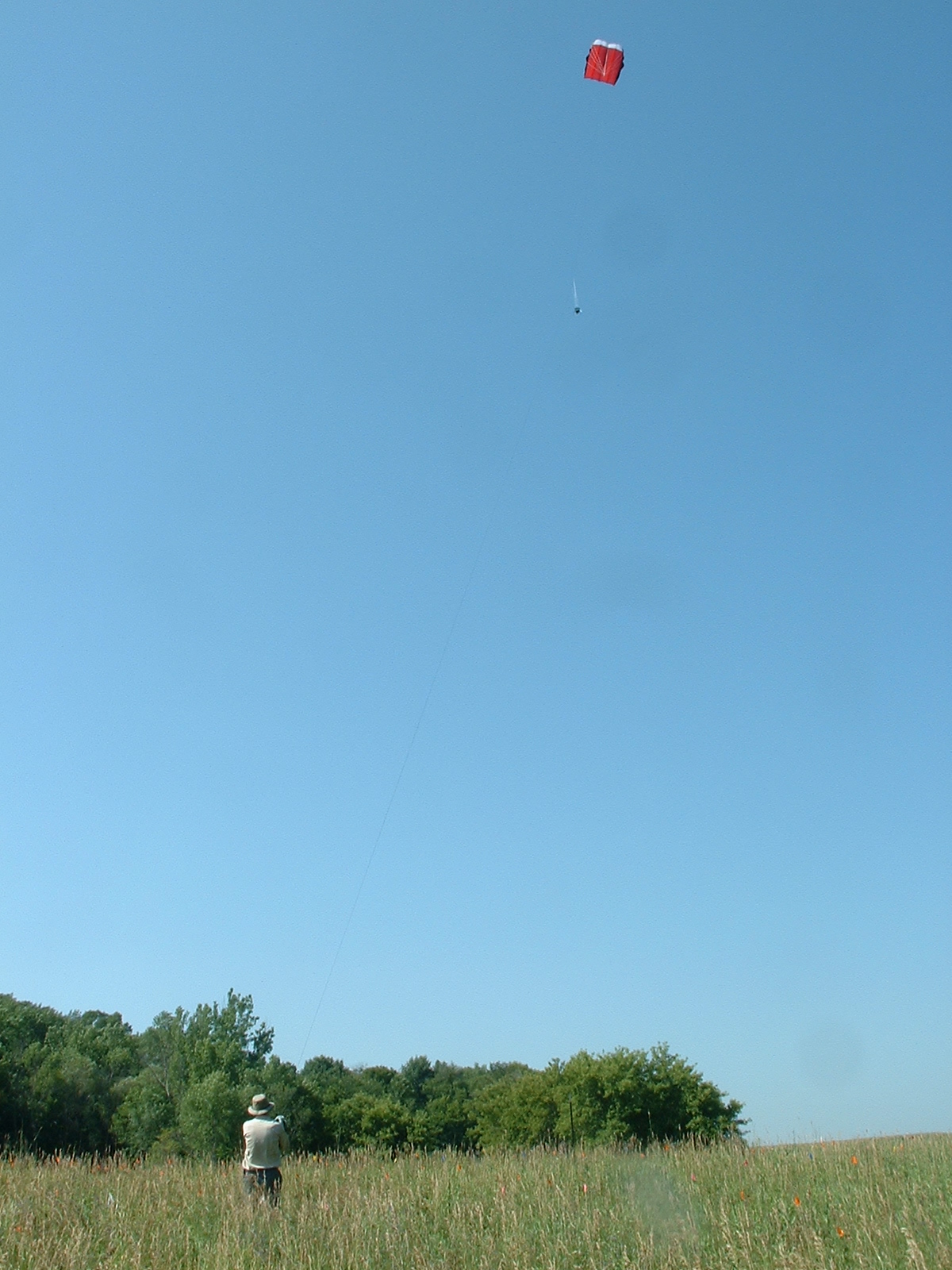
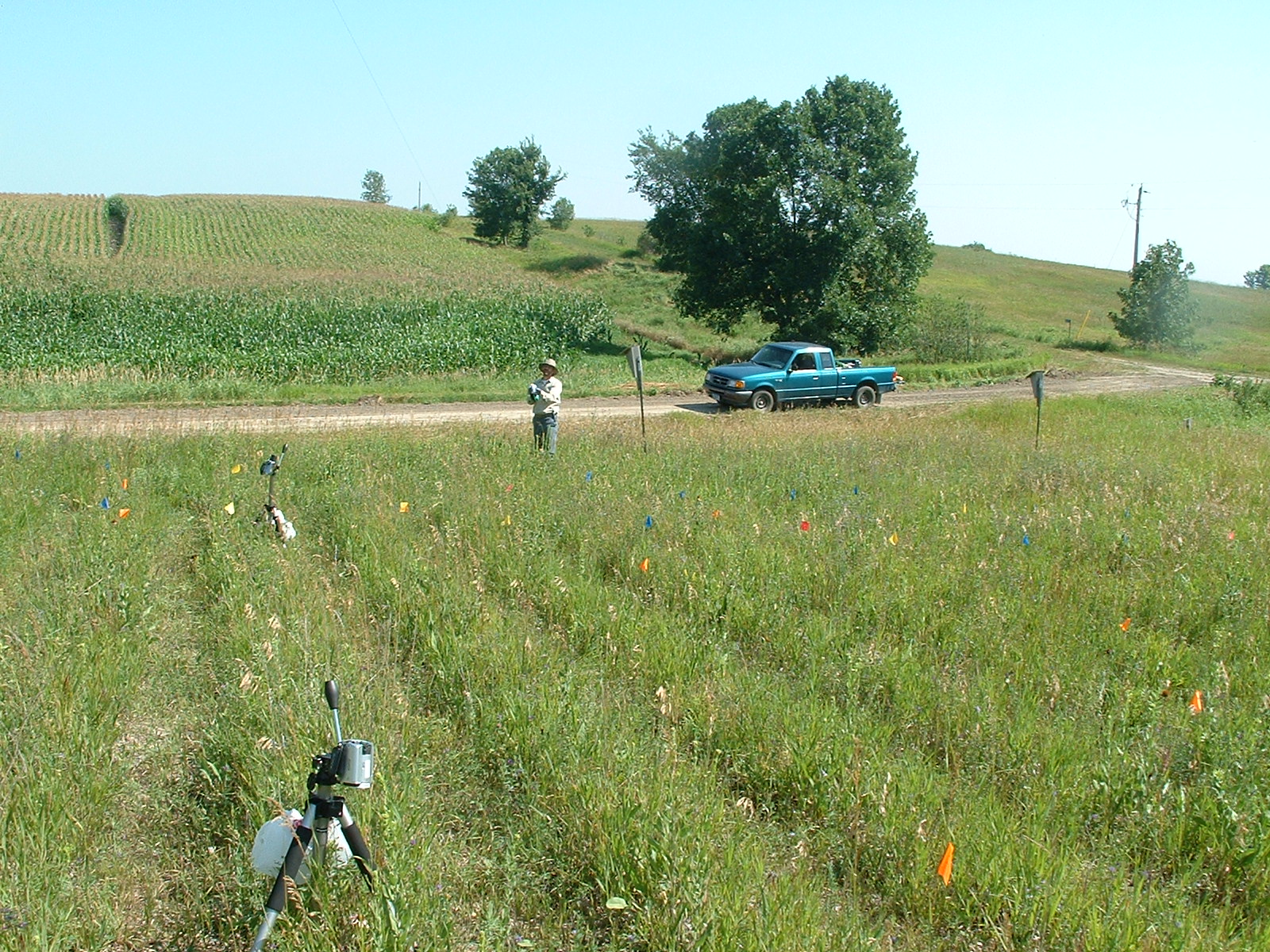
KAP took the kite w/ camera up over the common garden today so they could fine tune the procedure and technique for getting good aerial photos. I took these photos as I was helping put staples in the garden and change camera batteries
DSCF1183.JPG DSCF1185.JPG DSCF1191.JPG DSCF1193.JPG

The little black speck half-way up the kite string is the camera
DSCF1195.JPG DSCF1196.JPG DSCF1194.JPG Stuart was holding down the kite.
the common garden is kind of half garden half prairie.

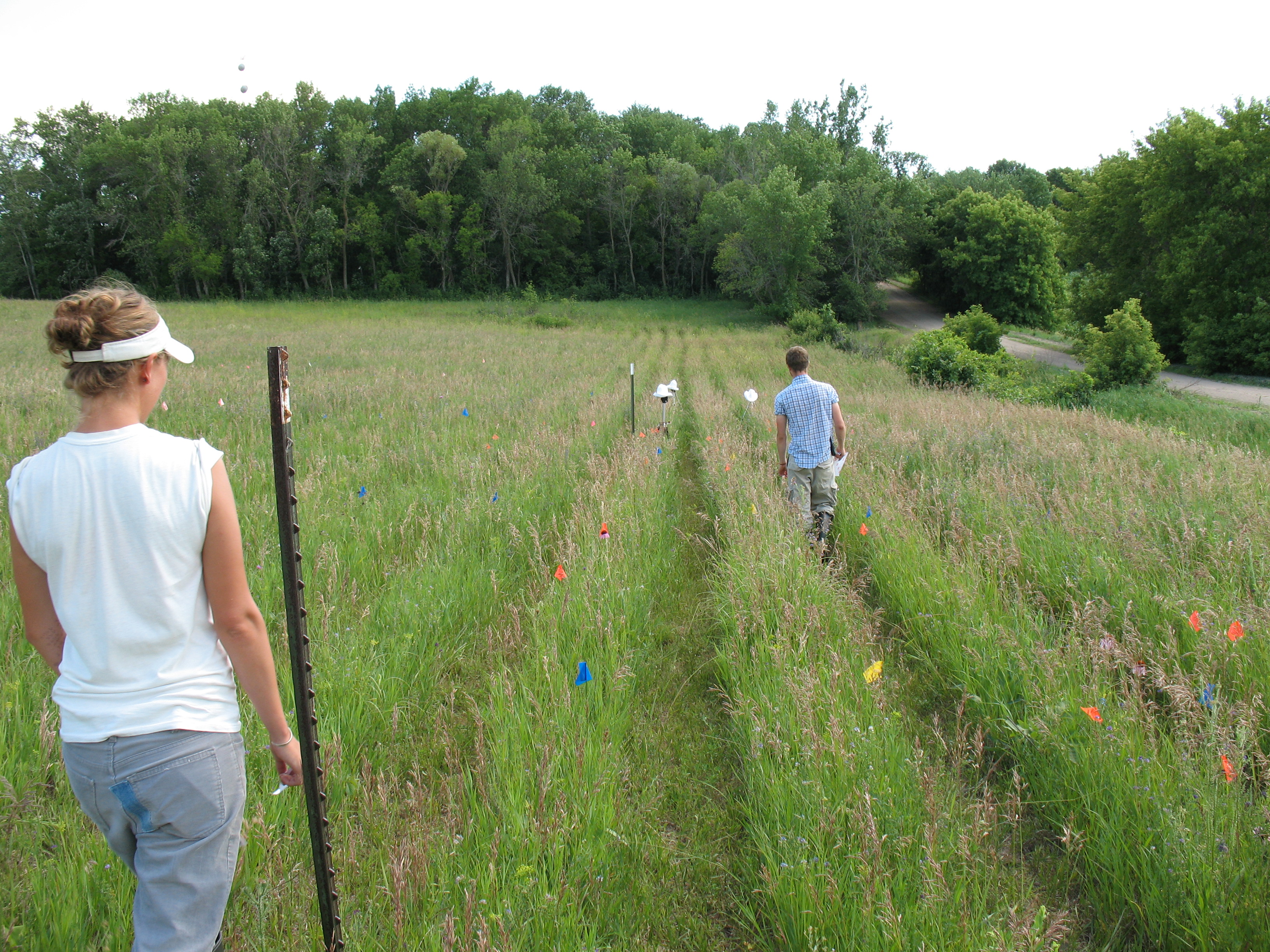
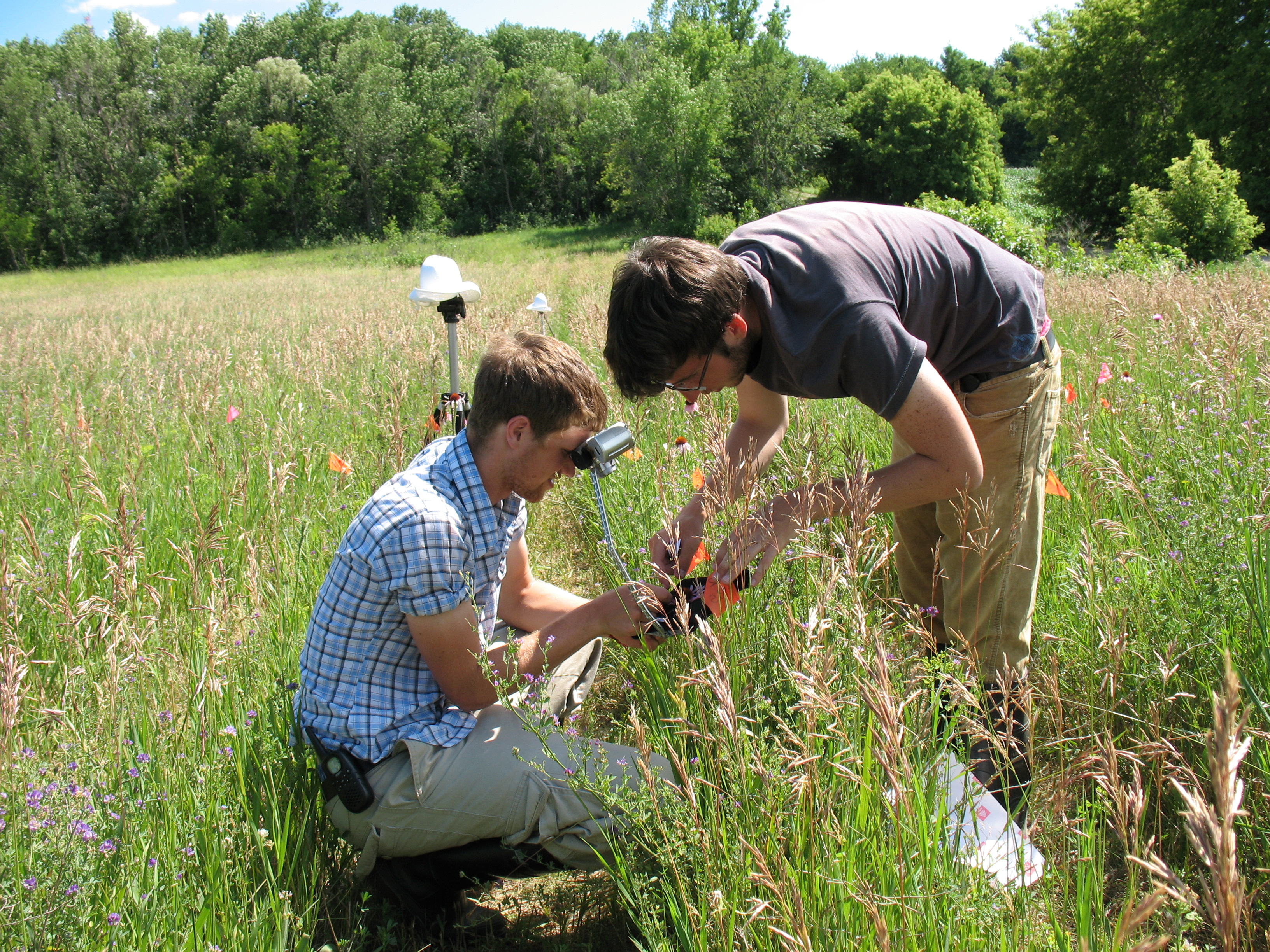
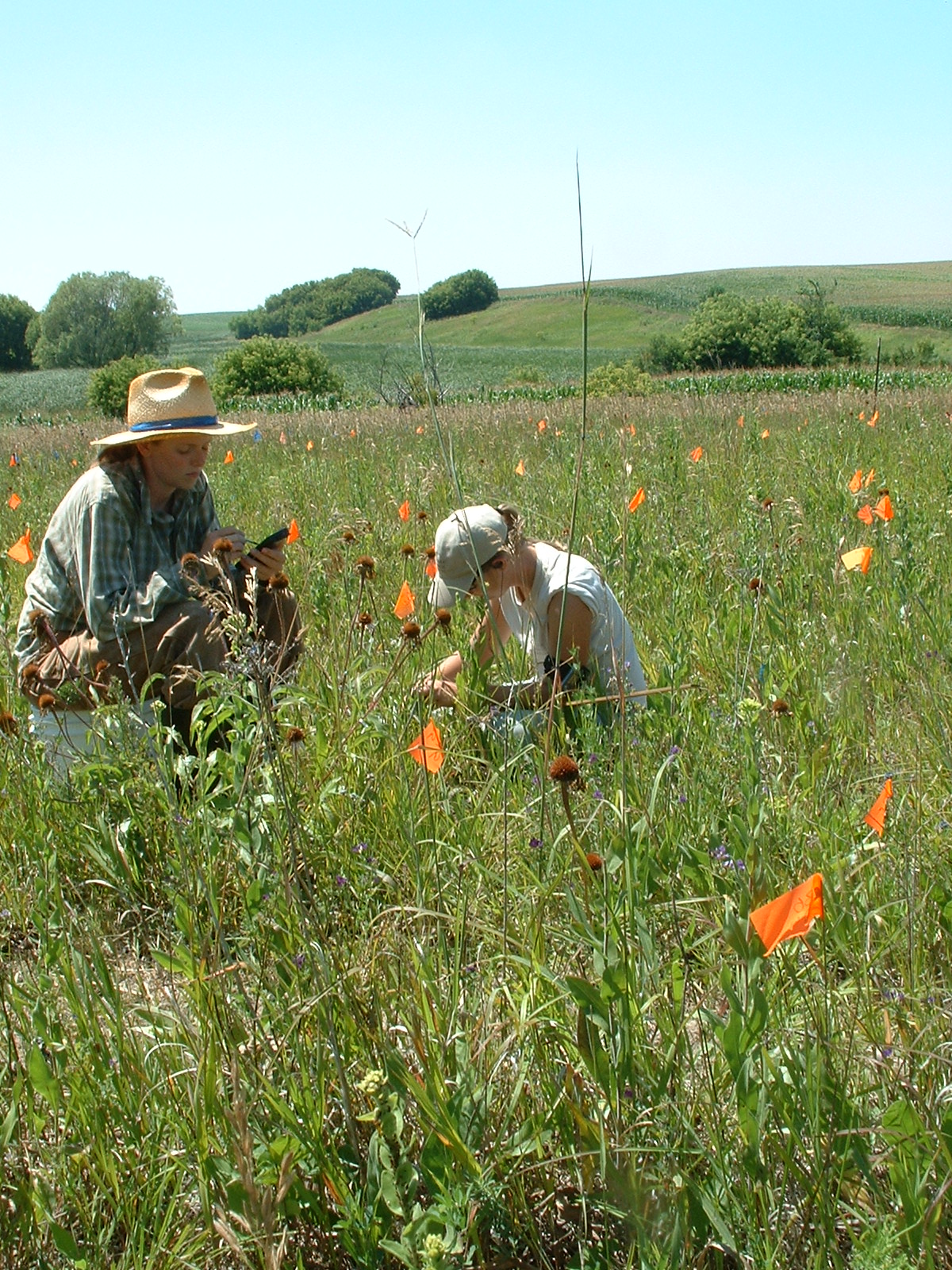
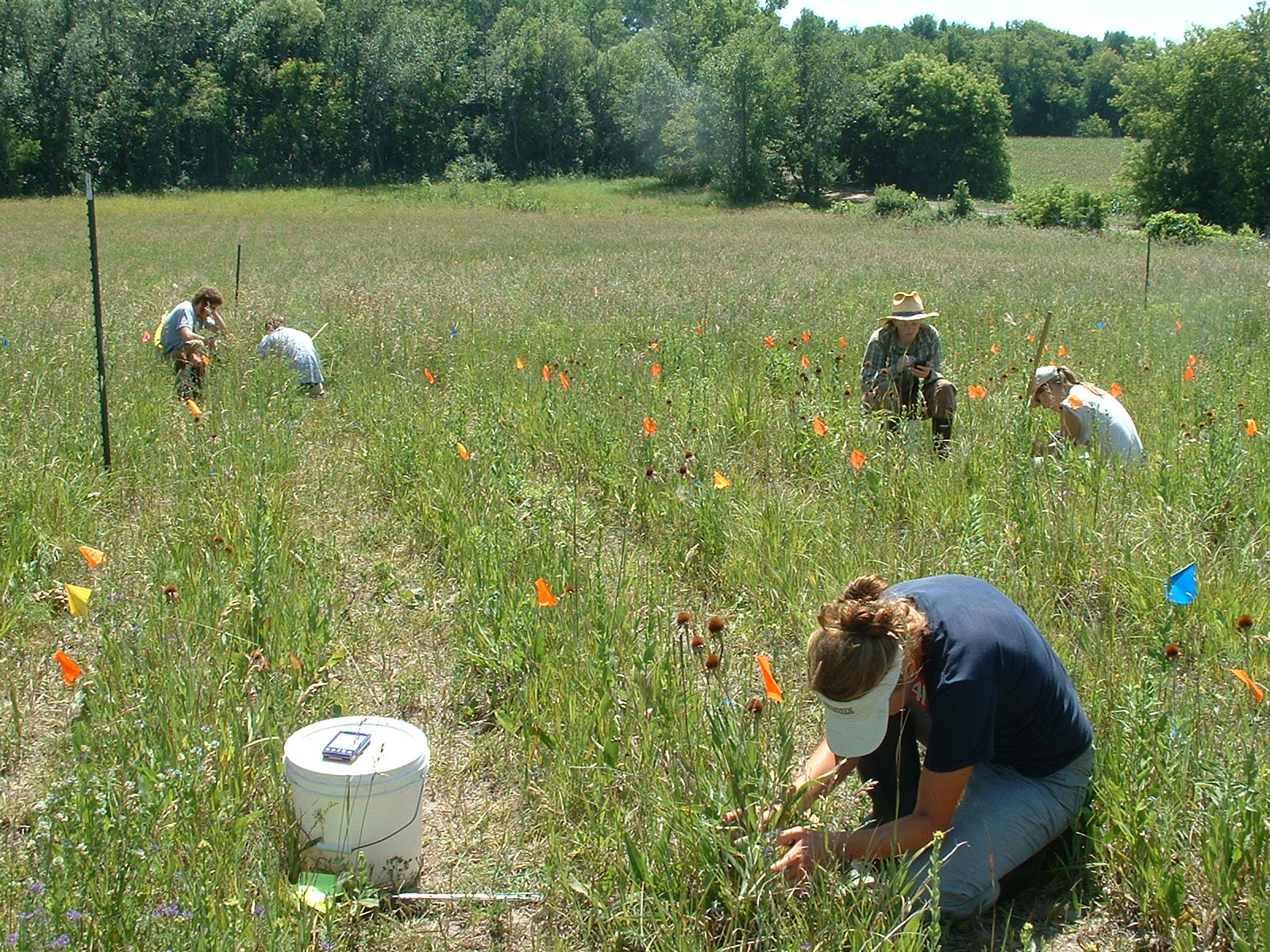
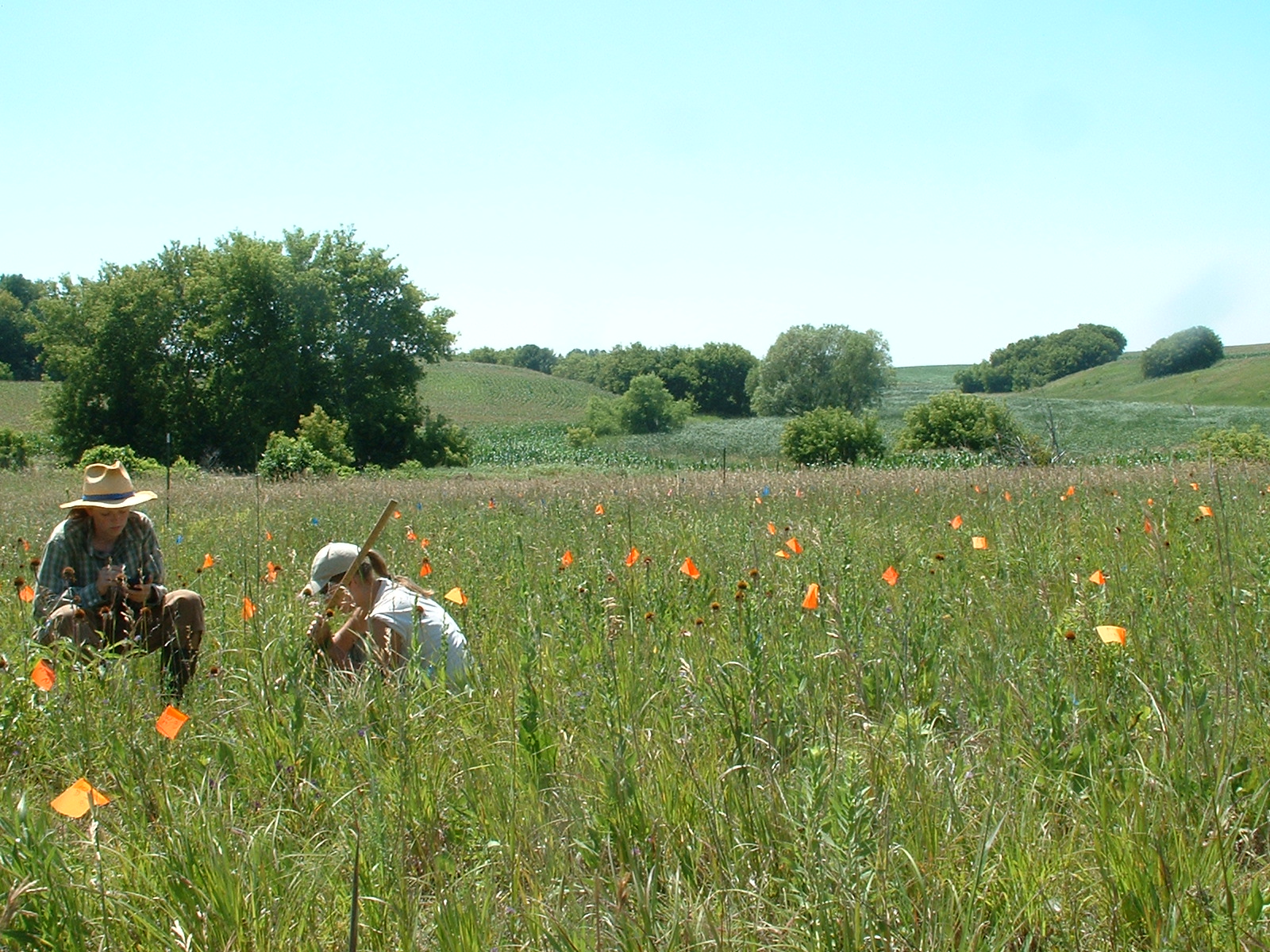
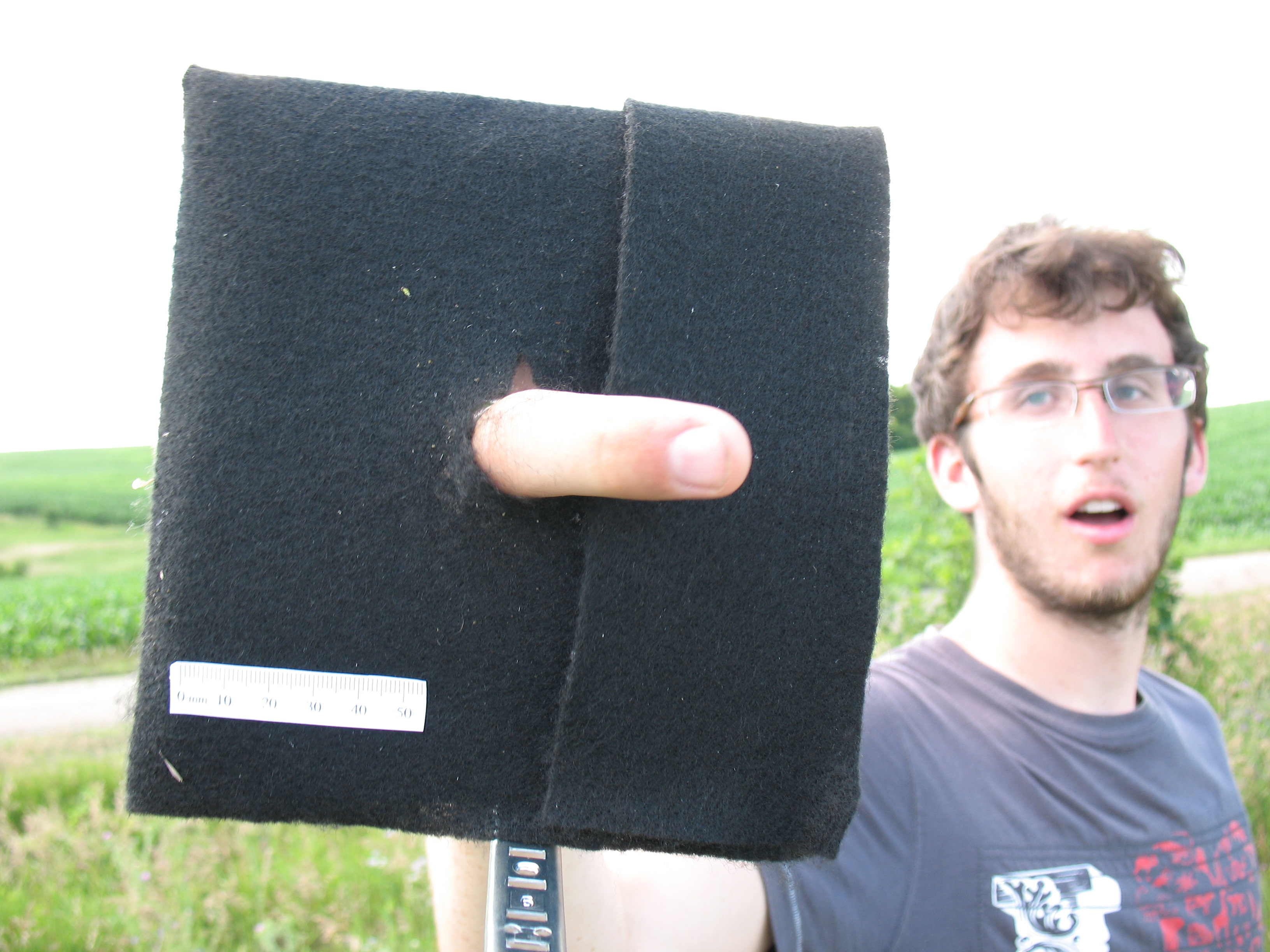
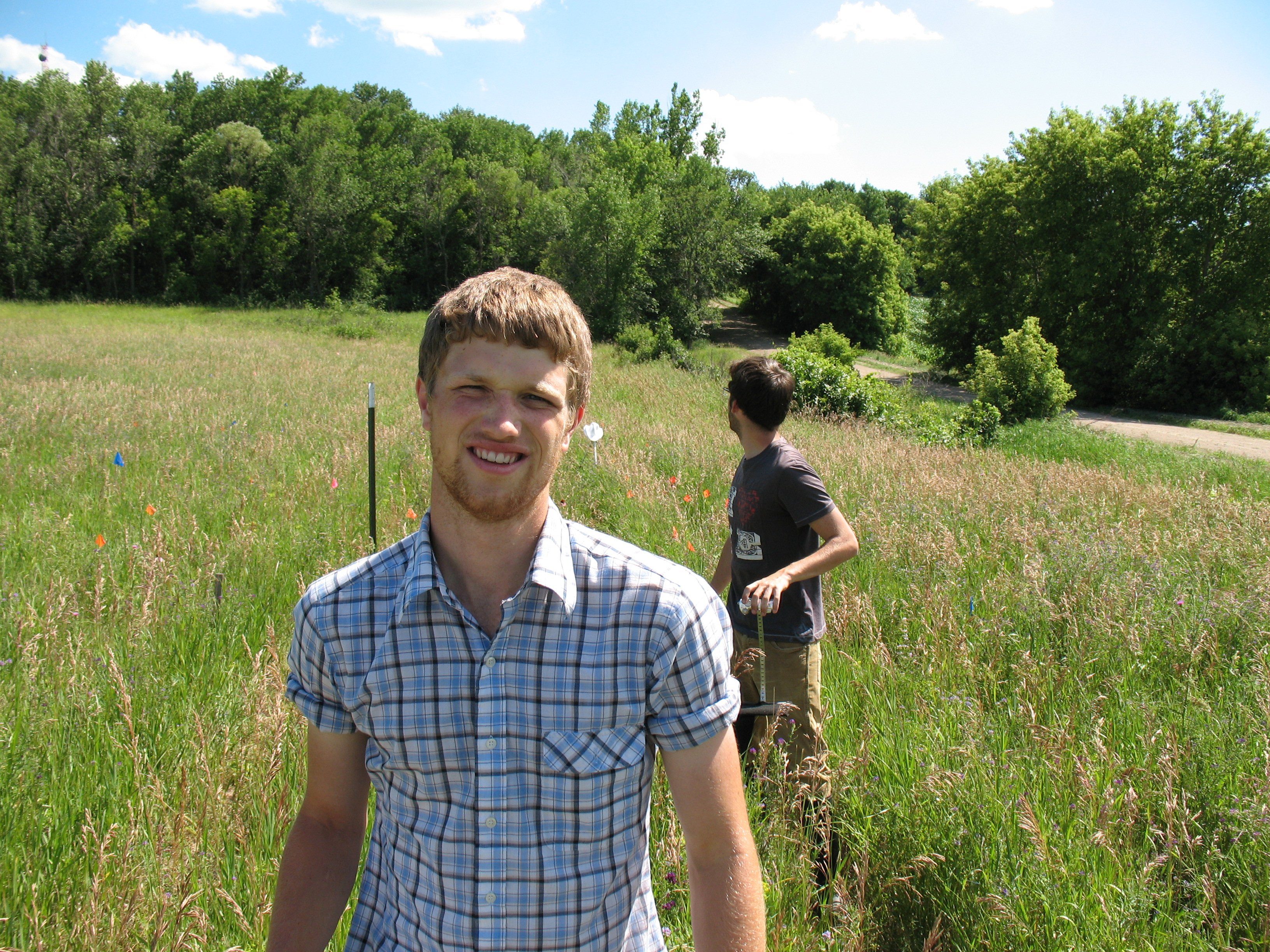
these pictures are from monitoring/measuring/demography/demo of the common garden. Basically it means finding each and every plant in the common garden and measuring and recording every aspect of them
DSCF1217.JPGDSCF1218.JPGDSCF1219.JPGDSCF1220.JPGDSCF1235.JPGDSCF1237.JPG

Link to Measuring Protocol

Download file

Videos

A protocol for Team Video is in the early stages, and there are many aspects to consider. While it started slow, we have found a relatively quick and efficient system for placing cameras, taking down and storing cameras, and uploading videos. Unfortunately, many additional challenges await.
Watching the 2+ terabytes of footage will be a long and arduous task, and it is therefore key to plan well in these early stages. I believe the most important questions to ask at this phase are:

What data are we looking to collect?
With so much footage we have captured a lot of different things that we could potentially measure. We can see thrips on nearly every head we’ve recorded. We also have seen many ants, though typically of only two main species. Previous hypotheses about the roles of these ants have been posted, and the videos of the flowering heads would be a great resource for anyone wanting to find out more about them. As of now (though I’m not entirely sure as I haven’t thoroughly consulted with the rest of Team Video) I believe we are only going to record information about the insects that visit the heads and not their permanent residents.

What is the most effective/efficient way to collect these data?
This project cannot be done quickly or easily. Every day that we record in the Common Garden we get about 7-9 hours of footage per camera. With ten cameras rolling that is 70-90 hours of footage to watch per day. If we record for 5 days in a week (not uncommon) we then have 350-450 hours. That’s a freakin’ lot of video! Efficiency is key, but as a wise man once said “We’re looking to increase efficiency without losing accuracy”.
It is at these questions that I hit a wall, and would appreciate the input of my fellow bloggers/fans of the blog. As of now we have been using a video player that has the capacity to fast forward at speeds up to 32x, where should the line be drawn? At some point well below the 32x speeds, we might start missing things. Some bees only remain on the flower for a second or two before leaving, and the watcher of these videos may not catch these visits. However, there is really no way to watch these videos at normal speeds and expect to finish before the end of the decade (let alone the end of the summer). Also, a question directed at fellow Echinacea team members; are there data that you would like to be gathered from these movies that I haven’t mentioned? The ball has been passed into your court…