|
|
How are we figuring out what goes where? In most KAP applications, the camera is pointed at the horizon, or slightly towards the ground from the horizon. It’s pretty easy to get landmarks this way (trees, buildings, roads, stuff like that). Looking at the ground, however, it’s not so easy. How do you get good landmarks in a sea of green?
Simple. Ground markers.

It’s really a pretty simple marker. Made from 2 pieces of meter-long wood (it’s several centimeters wide, but I don’t recall off the top of my head.) The boards are painted a flat white, North is painted red (lighter grey in the above image). The stripes are painted flat black (darker grey in the image). The boards are drilled through the center and affixed with a bolt and wing nut, to easily collapse them for storage and transport. Red is painted on the edge of the east-west board facing north, to keep it keyed when unfolding.
Download a PDF with 20 ground markers already made
Download the GIMP source file for the ground markers
Download file
This is a link to a sample survey sheet that is used for my research. It includes a list of some of the most common plants found in the prairie fragments.
-Rachel
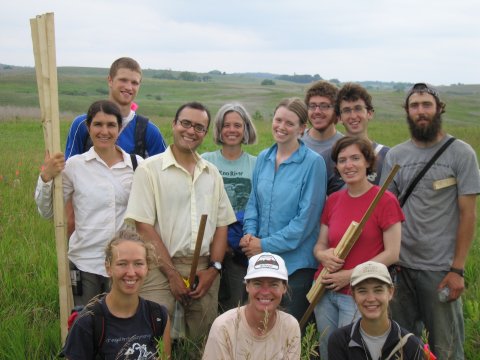
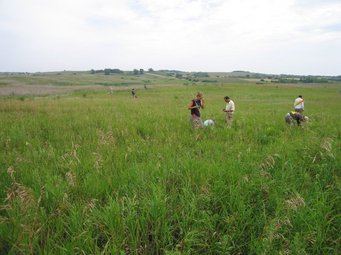
Here’s a photo of the measurers and datatakers at the Hegg Lake common Garden on July 26th.

(L to R) Kneeling: Amy, Amy, Jennifer. Standing: Gretel, Ian, Andy, Ruth, Julie, Josh, Rachel, Colin, Jameson. Photo by Stuart–he measured too.
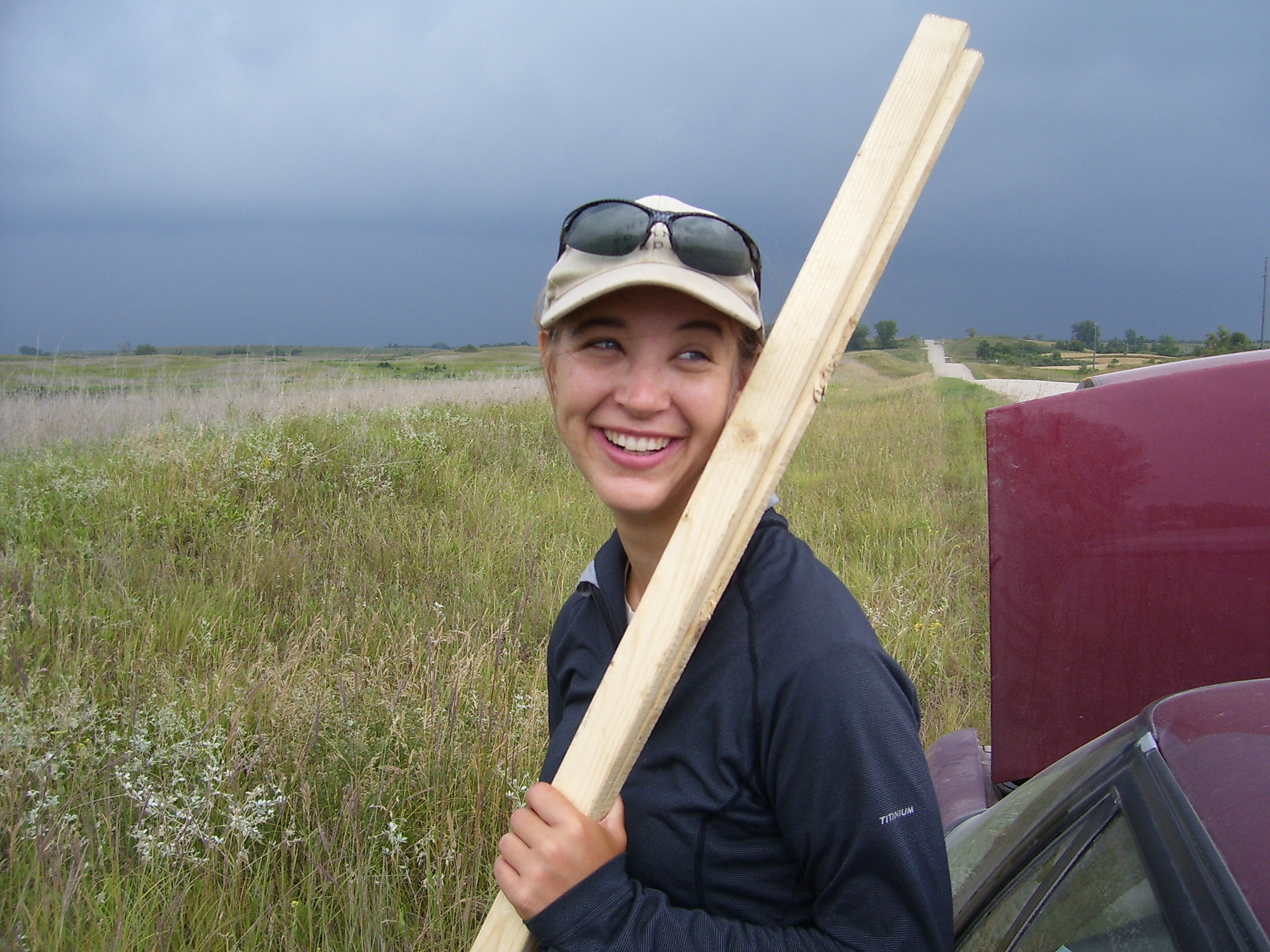
The weather for measuring turned out to be much nicer than predicted: Temp 85 degrees F; dewpoint: 70 degrees F; mostly cloudy with a W wind at 13 mph. It started raining, so we packed up to leave. As we were walking out the rain stopped, so we paused to take this photo. After the photo, it started to rain again.
We measured plants efficiently. Most plants have two leaves and the longest is 8-19 cm tall. It can be very difficult to find a plant because the thick grass is about 50 cm high. The only way to find it is to measure from another Echinacea plant. The ~4000 plants are spaced on 1m apart on a 80m x 50m grid. That can seem like a vast distance between plants. Jennifer made measuring sticks 2 meters long to help us stay on line and find the plants. After finding two plants you could keep on line fairly well and go fast. If there was a missing plant or a particularly sneaky plant, then it was very easy to get disoriented. Some folks worked in pairs (one measuring, one taking data); others solo. Here’s a photos of folks at work…

i started this flog entry last year and never finished it. I’m just going to publish it as it is…
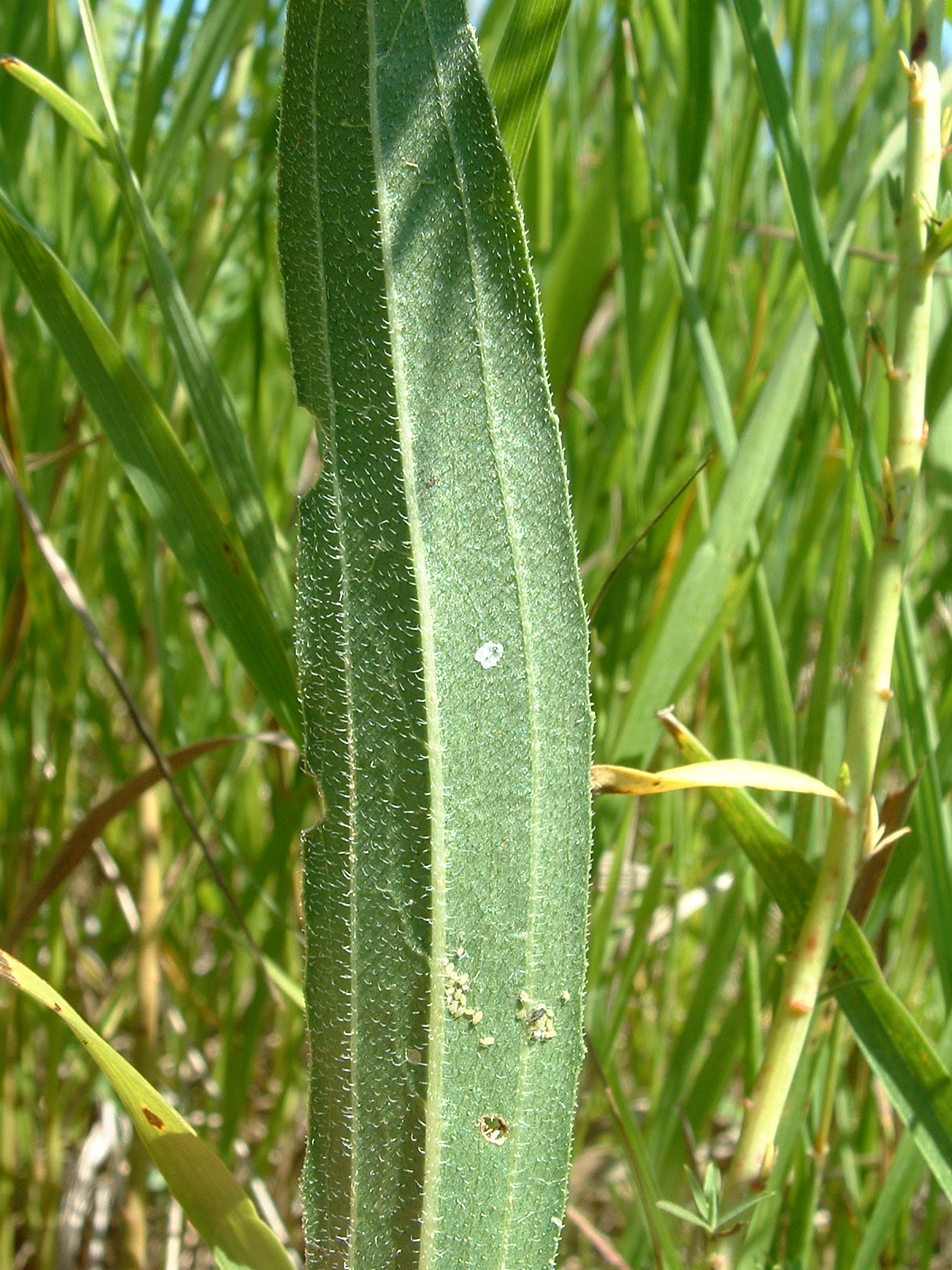
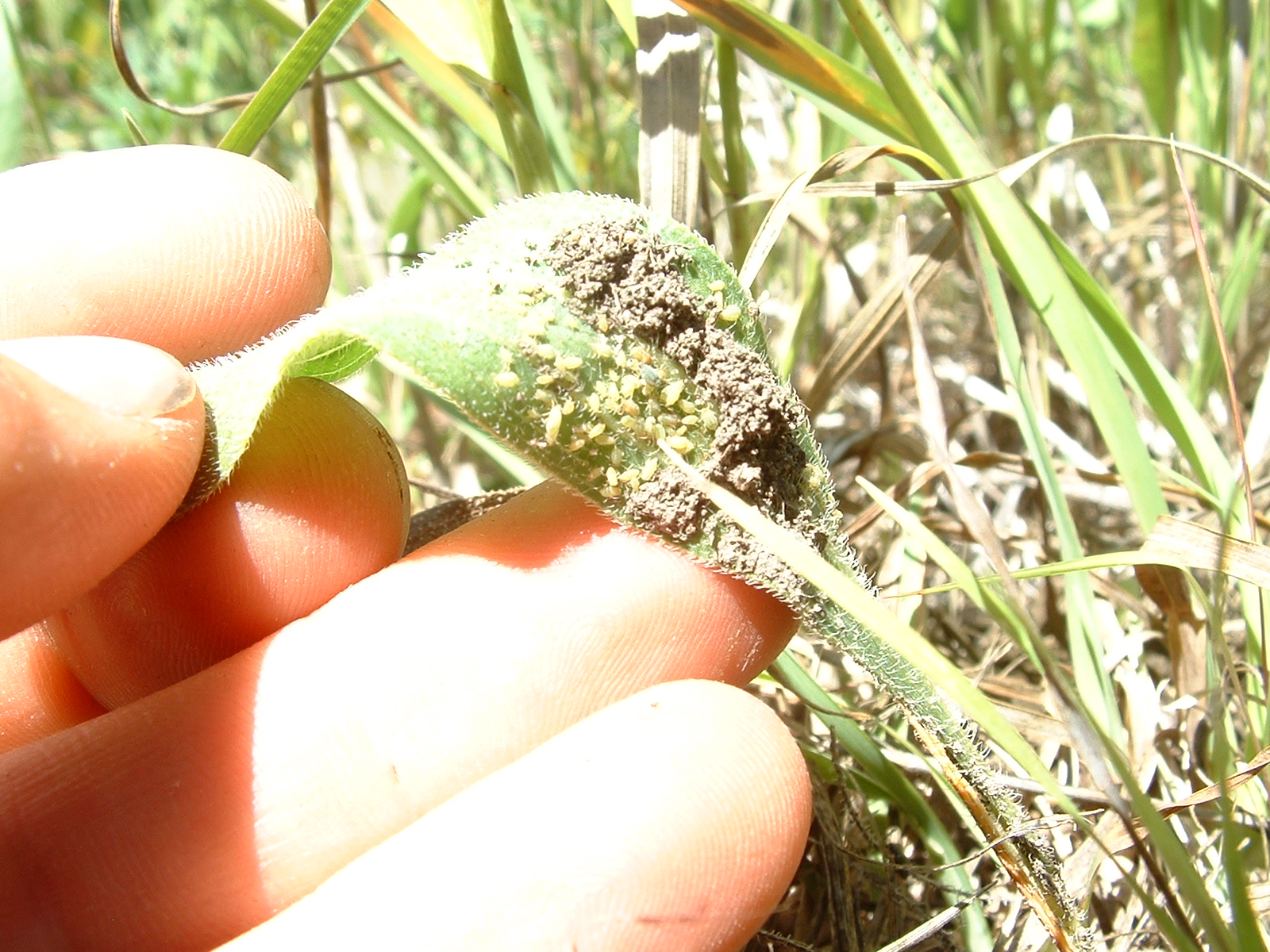
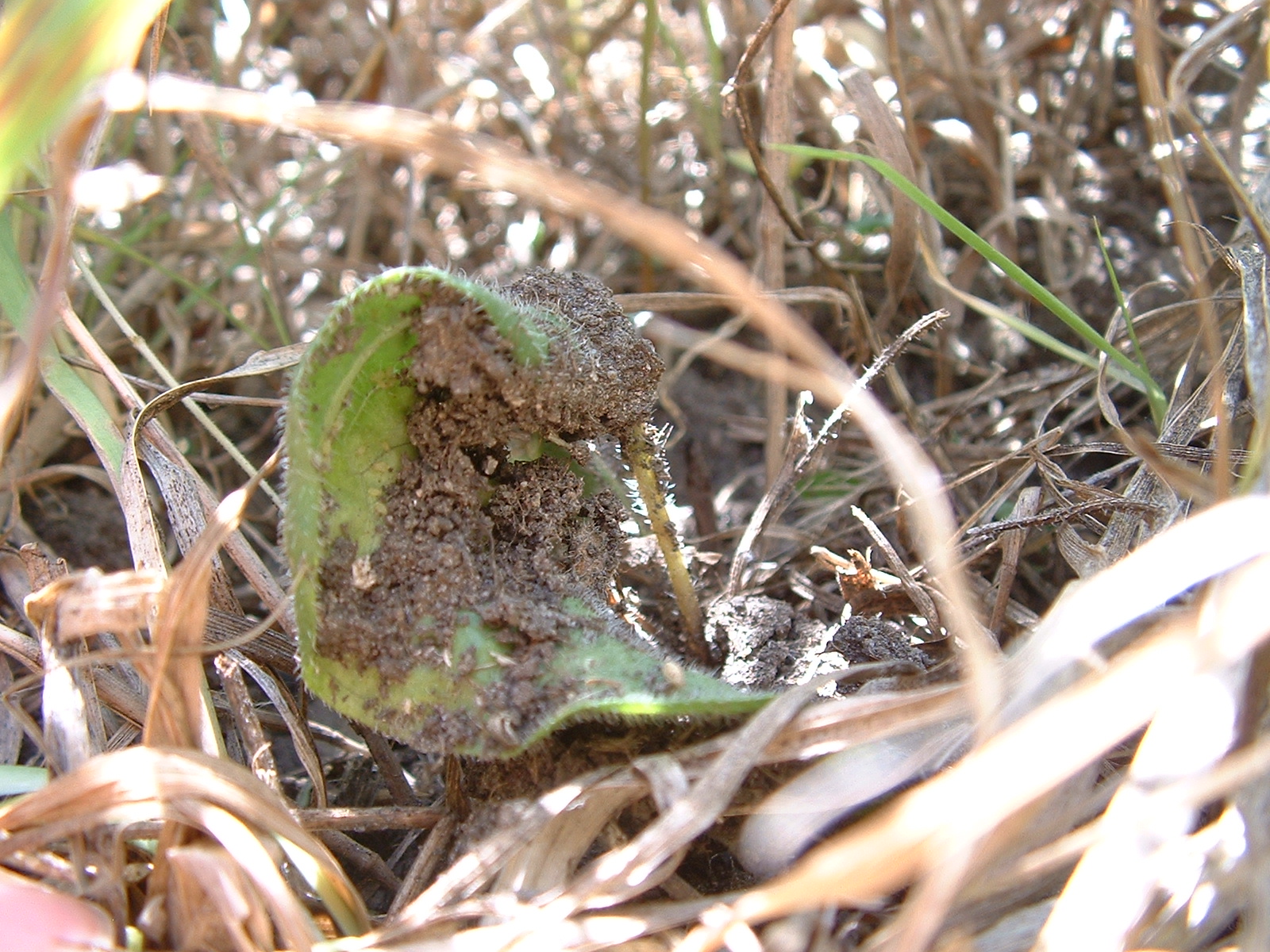
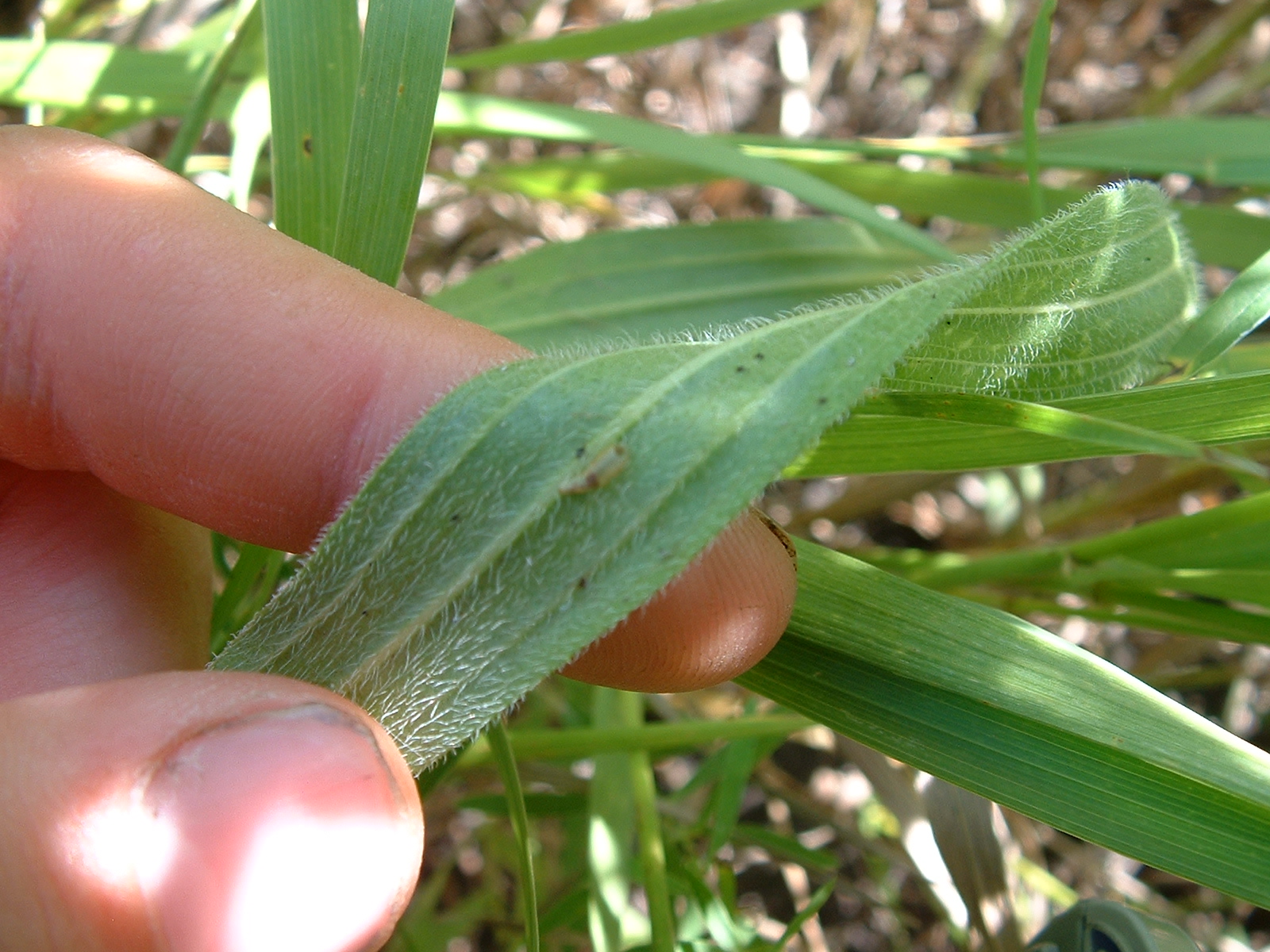
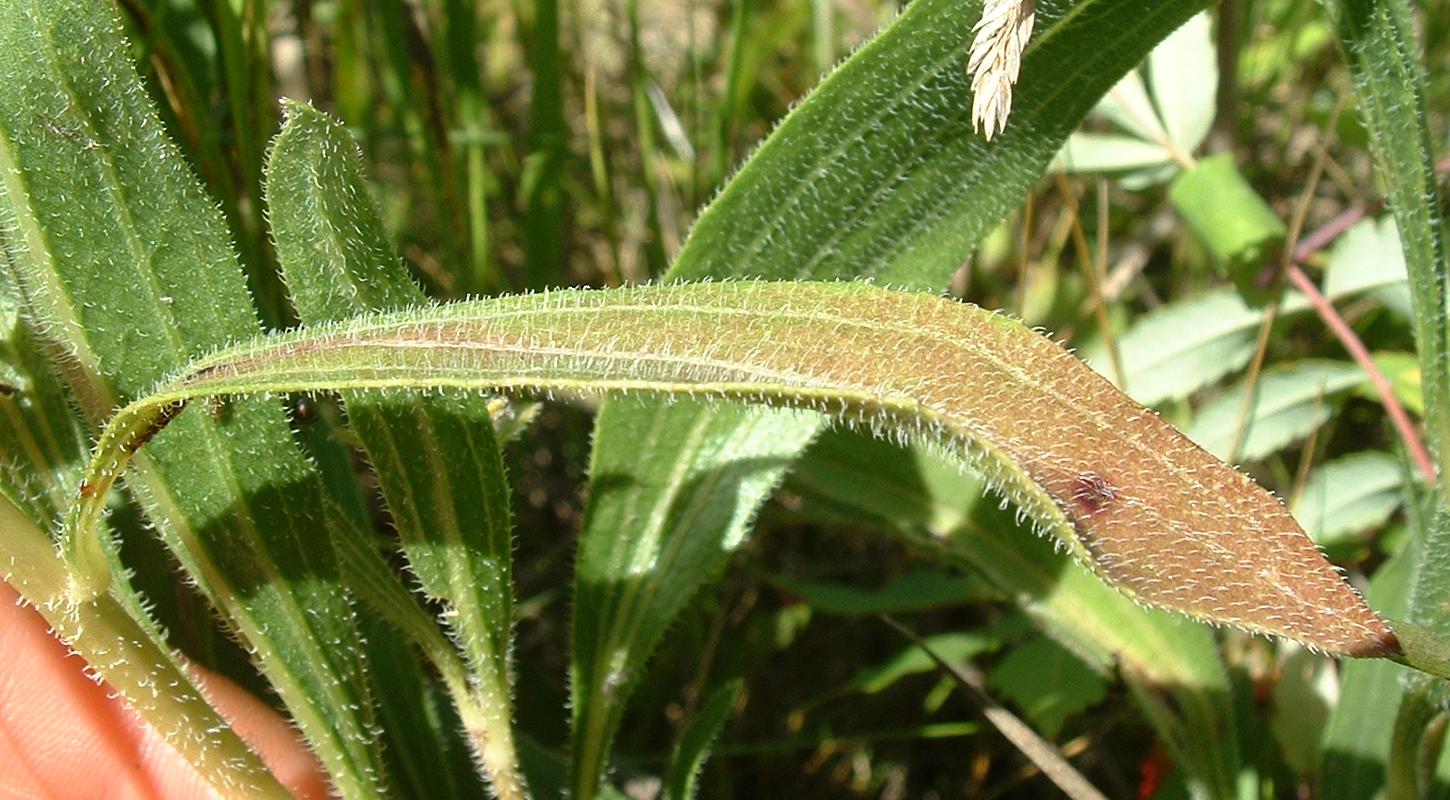
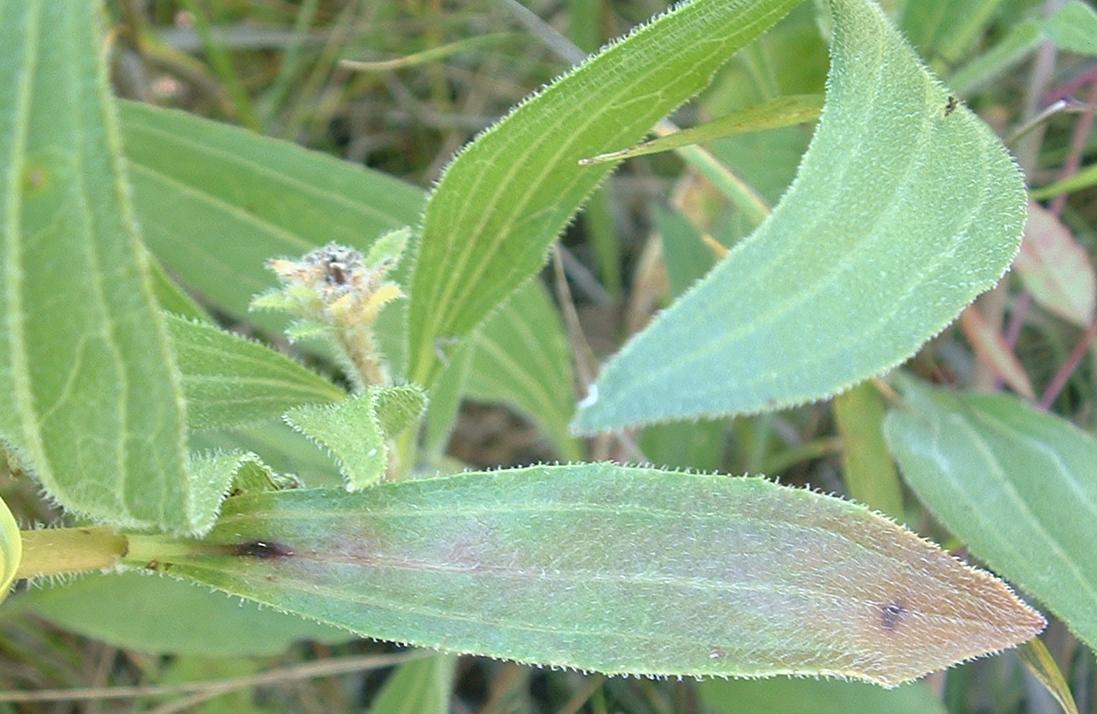
To streamline the process and get everyone on the same page i’m compiling photographs of all the different categories that we are noting in association with Echinacea plants.
Status
Can’t Find
Flowering

Basal
Staple
Dead Lvs (this year’s)
Blue Stake Only
Insects
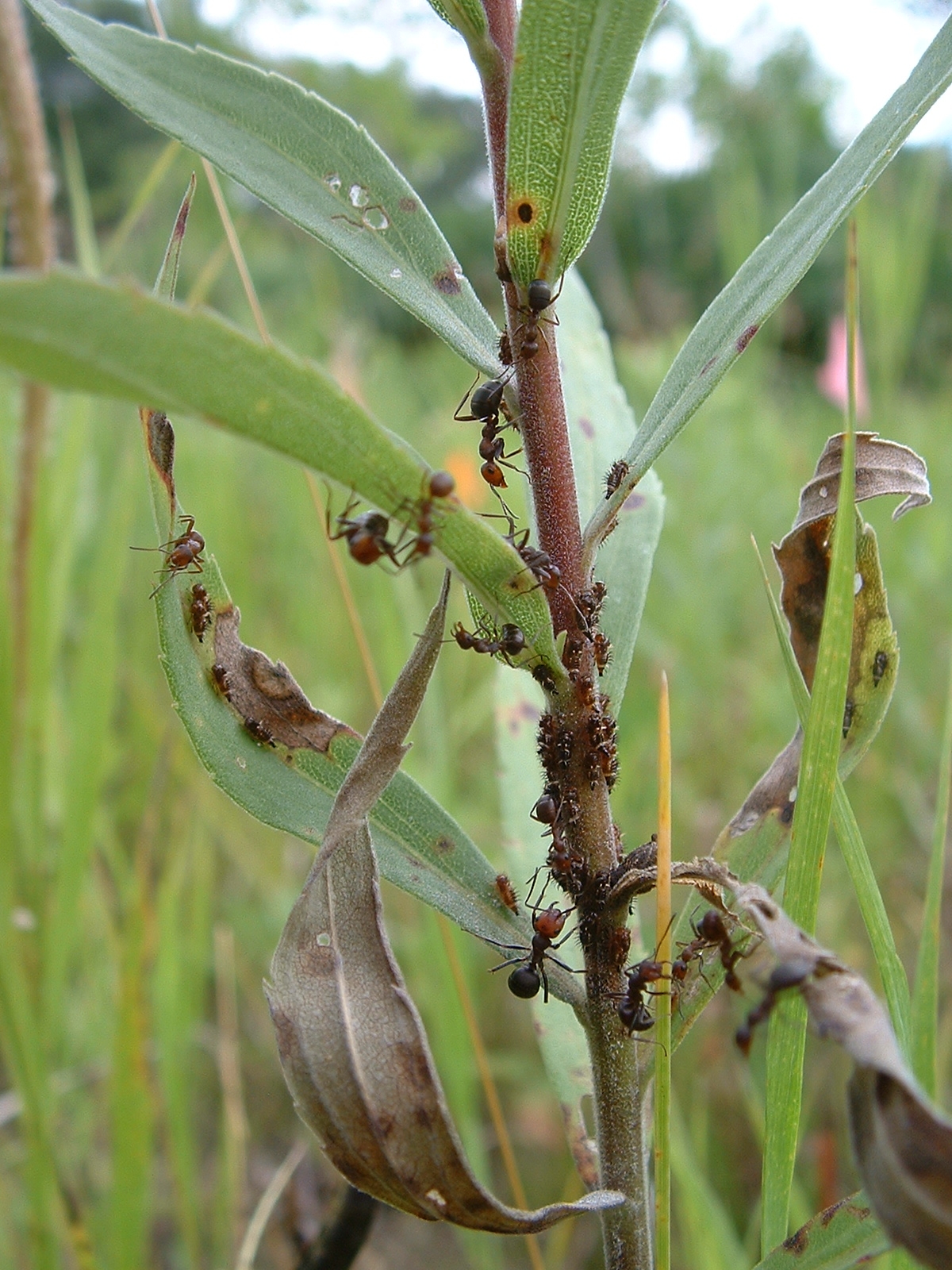
aphids

ants

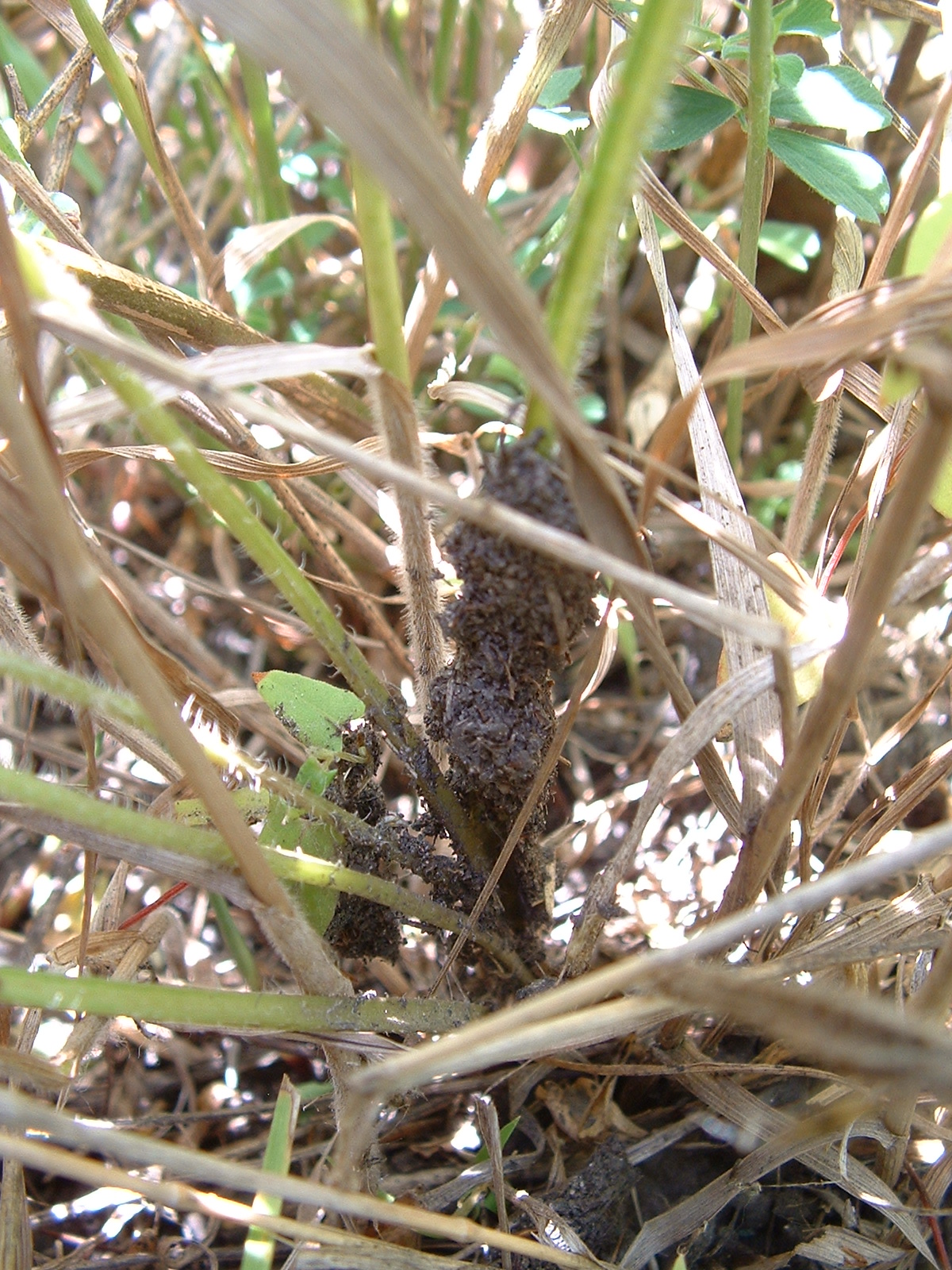
ant nest

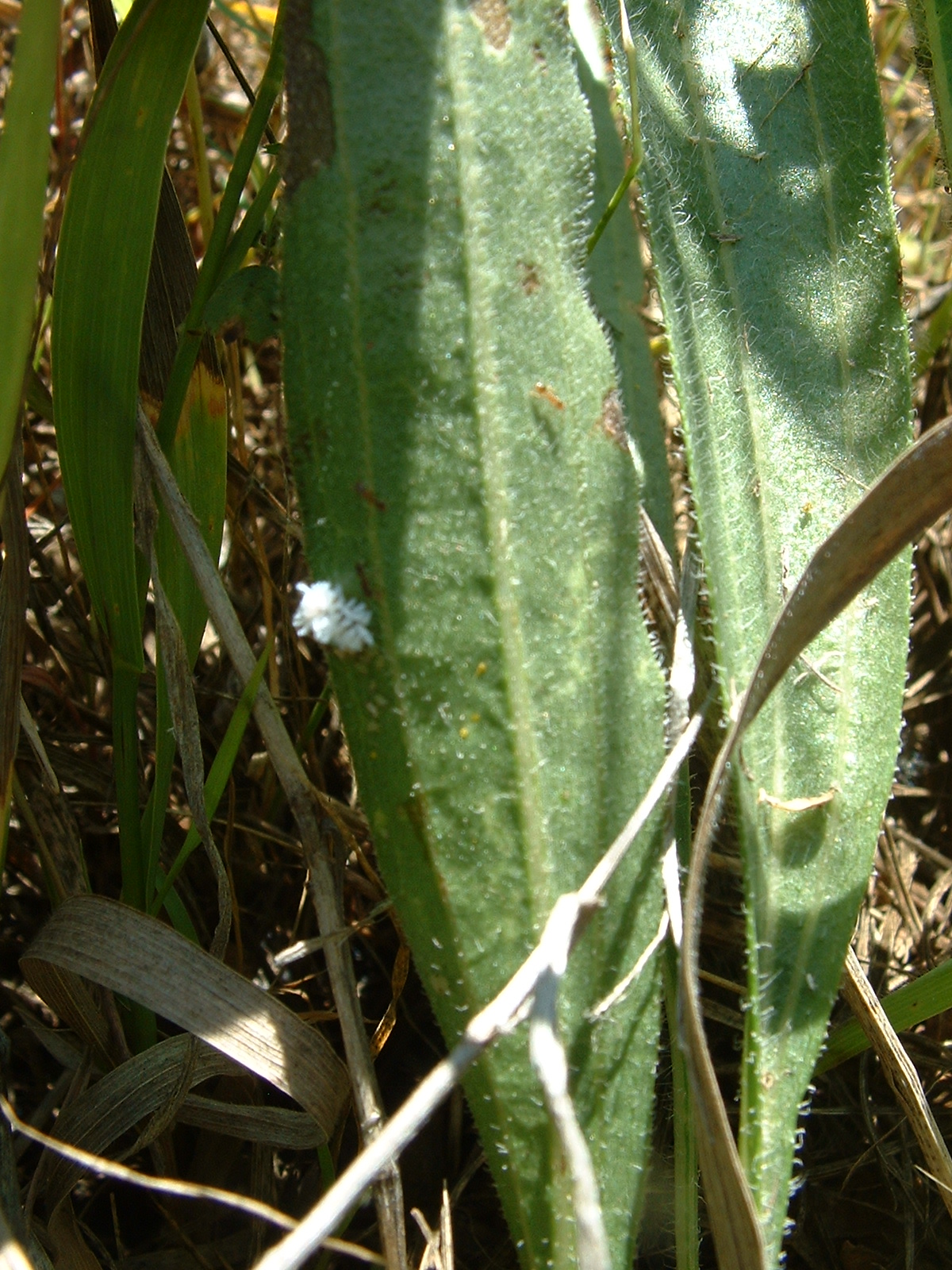
egg sac
wht fuzzy

spittle
thorn hopper

beetle


grasshopper
leaf miner
????????????
pupa
rolled lf
Disease
yellow lf
purple lf
 
deformed lf
dead lf
Insect Damage
Nibbles
 
Holes

Wrinkles
1 lf minor
1 lf half-gone
1 lf gone
Other Damage
crisp lf
1 lf minor
1 lf half-gone
1 lf gone
1 mowed lf
1 burned tip
CGhead-info-07sub
Head Status
dud
 
no fls
broken off

crisp
bent
tilted
vertical developmnt, no hd
 
indented

normal
Insects on hd
aphids
 
ants
ant nest
white gunk

cat frass
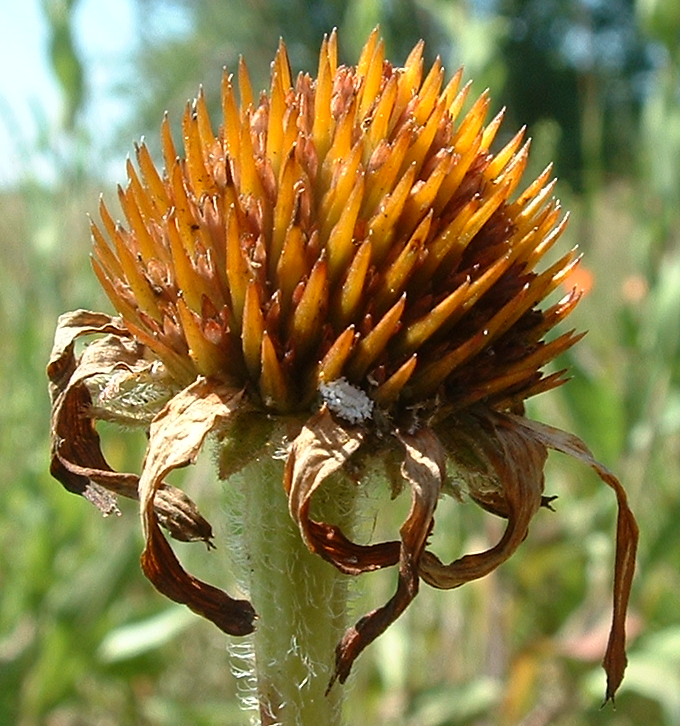
egg sac
wht fuzzy
long-legged bug
larva
beetle
pupa
thorn hopper
spittle
grasshopper
Insect Damage
Nibbles
Disease (head)
no rays
whole hd weird
weird tufts
At last, after car trouble aborted my trip last week, I made it back out to Douglas County to join in field work with Team Echinacea. What a difference from the 2 days in late May, when Stuart, Jennifer, Andrea, Amy Mueller, and I were there searching for seedlings in the remnants! On Wed, the team numbered 12, and we made great headway measuring plants in the common garden. We were undaunted by the heat and humidity, though we did welcome every breeze. Today, we had the benefit of clouds all morning, and 13 of us measured quite a few plants at the Hegg Lake experimental site before rain, which we’d been seeing in the distance all morning, chased us in for lunch. The weather canceled field work for the afternoon, but we received instruction from Rachel about the upcoming work to evaluate species composition at her research sites, and I conferred with Stuart on analysis of pollinator visitation data before I headed back to the Twin Cities. I enjoyed the opportunity to meet the new members of the crew and working with them and look forward to the next time.
Hi all,
So I arrived up at the field site about a week and half ago to finish up monitoring flowering and help out with measuring and demo. Except for the recent death of my computer’s hard drive it has been an excellent start to my field season. As you may know flowering was about a week earlier this year with many more flowering heads than expected. I would have estimated around 800 (max) flowering heads but we had over 1,100 flowering in the common garden. Last year was also a huge flowering year (over 1,300 heads) because it was a burn year. I am excited to now have two years of flowering data on a large of plants in the common garden.
We have spent a large part of the last week I have been here measuring both in the common garden and at the hegg lake common garden. The hegg lake common garden was established back in May of 2006 to as part of my graduate research. It is about 6 miles from the main common garden on Minnesota DNR land. It has around 4,000 plants planted on a 1m X 1m grid. Today we had the entire field crew out at hegg lake measuring for a total of 13 people and measured nearly half of the entire plot just today…it was great!
Besides the field work I have been keeping myself busy in rural Minnesota by fishing (Ian has promised that I will actually know how to fish by the end of the summer), playing poker, and going to a dirt track race. In the near future I plan on flogging all non-Echinacea related activities that can be done in rural Minnesota….however now I’m tired so it will have to wait until the weekend.
Night!
Jennifer
For my most recent blog entry I’ve made a video. It is what I believe to be a Bembix wasp digging a nest. I filmed it on the backside of the Andes hill in a really dry and sandy area. I edited it down a lot. Originally there were about 24 minutes of video, but I cut a lot of the digging out as well as time in which the bee was not visible. The link for the video is http://www.youtube.com/watch?v=wskx8EKbeo0 . Make sure to have speakers on for it, but if the music isn’t your thing and you simply want to bask in the quiet glory of the wasp, watch it without sound.
After a brief retreat, during which I completed the seventh installment of Harry Potter, I’m returning to the world of field work, flogging and fun. [The book, by the way, was excellent, and I’m excited and willing to discuss it with anyone who has also read it, or who wishes the ending to be spoiled. Also, I want to give props to my younger sister, who predicted the ending with remarkable accuracy.]
This week we’ve been battling some classic Minnesota summer weather. The whole week has been extremely hot, and exceptionally muggy. To the consternation of some and relief of others, we switched our working hours to be an hour earlier so as to avoid some of the afternoon heat. Driving into work one day, we heard the MPR weathercaster announce that there were going to be “sauna-like conditions” and recommended that people stay inside and avoid strenuous activity. The hardy members of Team Echinacea persevered undaunted however, and we made good progress in the monitoring of the Common Garden and at Jennifer’s plots at Hegg Lake. We welcomed back team members Rachel and Amy Mueller, and also received a visit from Ruth Shaw, who was valuable addition during this hot week, and who also came to Kensington bearing delicious lemon poppy seed cake.
Now that I’ve gotten a new toy, I’ve gotten several more pictures. Not all of them are with this fun lens though.

Let’s start with the sex. Tittilating thorn hoppers! Mating monarchs! Lusty Lepidopterans!
Then there are the critters I don’t recognize. This looks to me like some beetle larva (but I really have no idea). Shiny beetle on some thistle.
Jameson has just informed me that these are thorn hopper larva. Around the Andes Tower property, we came across a spider having a meal of a dragonfly. Don’t forget tiger beetles.
As for our plant portaits, I’ve got some Asclepias speciosa, showy milkweed. Allium has some pretty neat flowers. Like Earl Grey tea? Then you’ve had some of the tasty wild bergamot, Monarda fistulosa. The common garden has quite a bit of Solidago rigida, or stiff goldenrod.
|
|