Biology and Environmental Science, University of Minnesota-Morris, graduated 2021
Pronouns: she/her
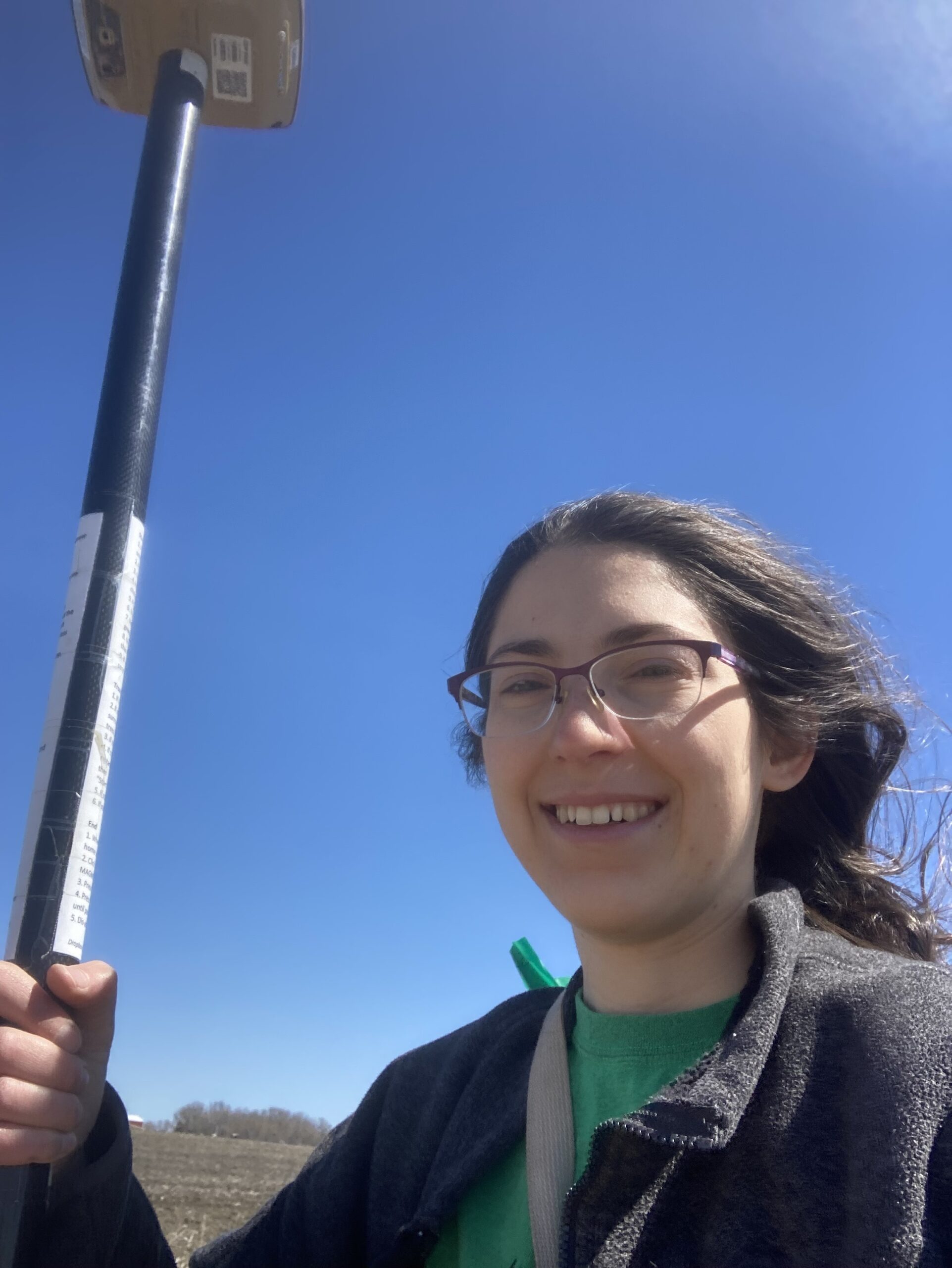
Here’s me with my friend Collins the GPS
Research Interests
I enjoy studying the effects of prescribed fire on plants. I’m currently investigating the influence of smoke on Echinaceaangustifolia.
Statement
I’m from St. Paul, Minnesota, and in my spare time I like to climb trees, play board games about birds, visit new bakeries, and read books about dragons.
Northwestern University, MS in Plant Biology in Conservation, expected spring 2024
Pronouns: she/her
Research Interests
When we talk about plants benefitting from prescribed burns, we often think of increased flowering rates following a fire. Often, this effect is attributed to advantageous post-burn growing conditions, like more light, increased nutrient availability, and reduced competition. However, in our prairies, while many species do exhibit fire-stimulated flowering, some don’t, which doesn’t make sense using this physiological explanation! Why would some species take advantage of these better growing conditions while others decide not to?
My research takes a closer look at the reasons for fire-stimulated flowering and considers whether it could be a heritable trait, a built in behavior passed down through the generations. I’ll be primarily working in the experimental plots where we can compare the flowering rates of different families across years. I’m very excited to get out in the field and work toward learning more about this big question!
Statement
I’m from Chanhassen, Minnesota, and love living and working in this neck o’ the woods (or prairie). In my free time I like to fish (catch and eat, yumm), explore, camp, play board/card games, and cook with friends.
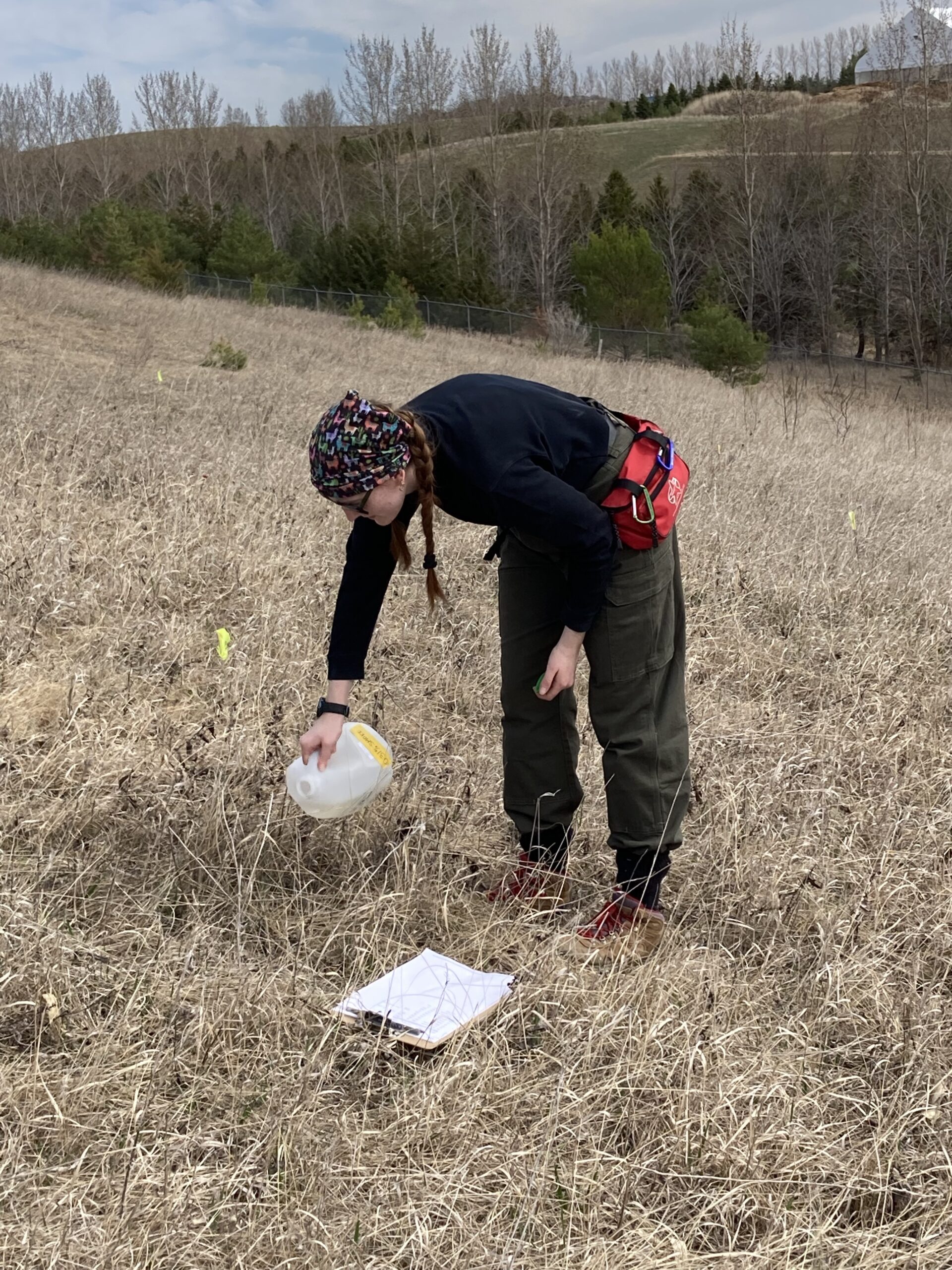
Plants often flower vigorously after a fire, but what aspect of fire causes these increases in flowering? Today, we are one step closer to finding out if smoke is the culprit. In the fall, we applied liquid smoke to 110 plants, and today, we applied the remaining 110 treatments for the smoke experiment!
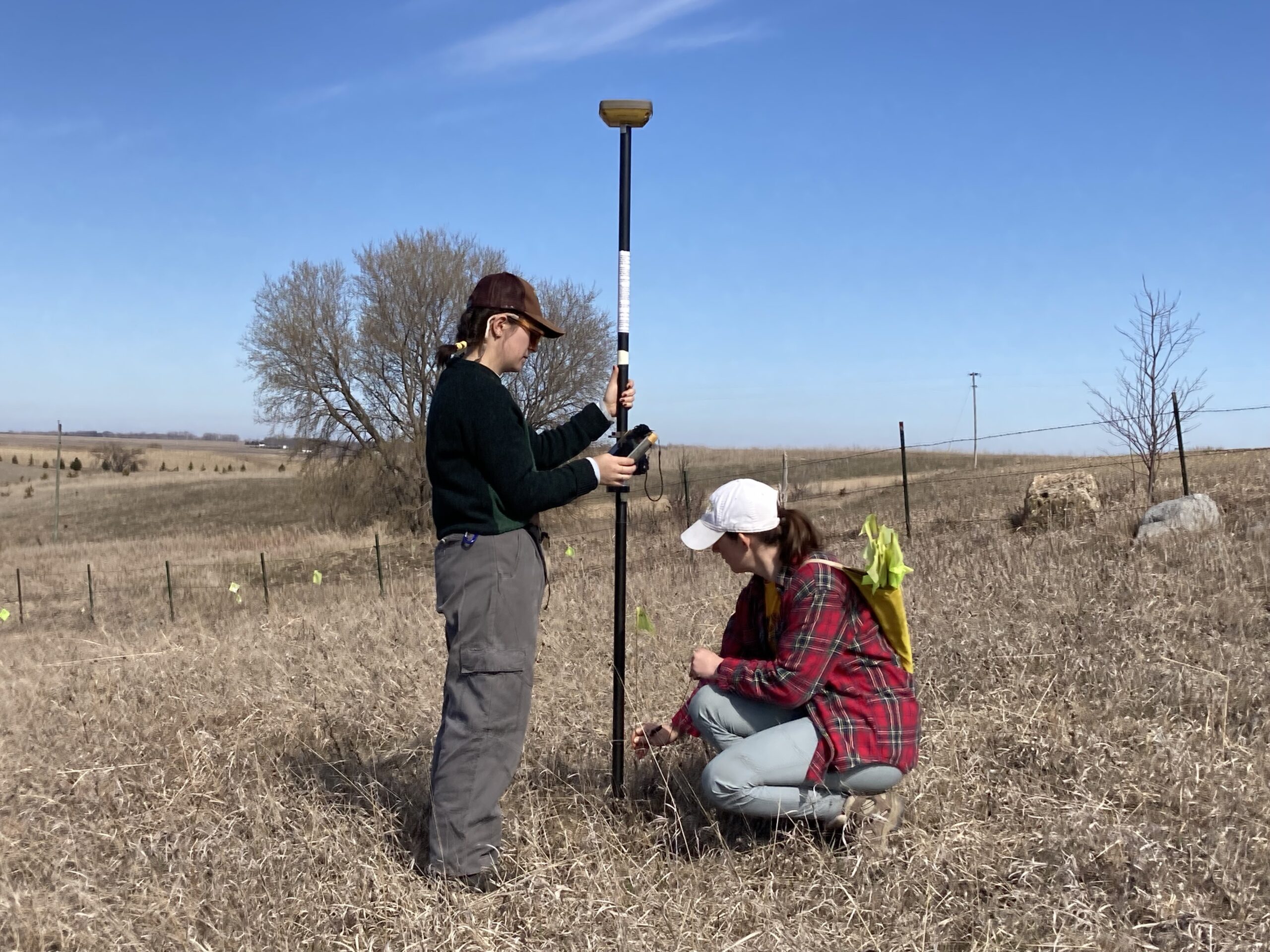
Last summer, we flagged all of the Echinacea plants for the experiment and assigned a number to each plant. However, we weren’t sure if any of our flags survived after the profusion of snow this winter. With help from El and Jan, we revisited all of the smoke plants using the GPS units. Surprisingly, most of the flags were still present, but we relabeled any illegible, faded, or ripped flags.
Jan and Lindsey reflag a plantLindsey mixes the proper concentrationEl applies a smoke treatment
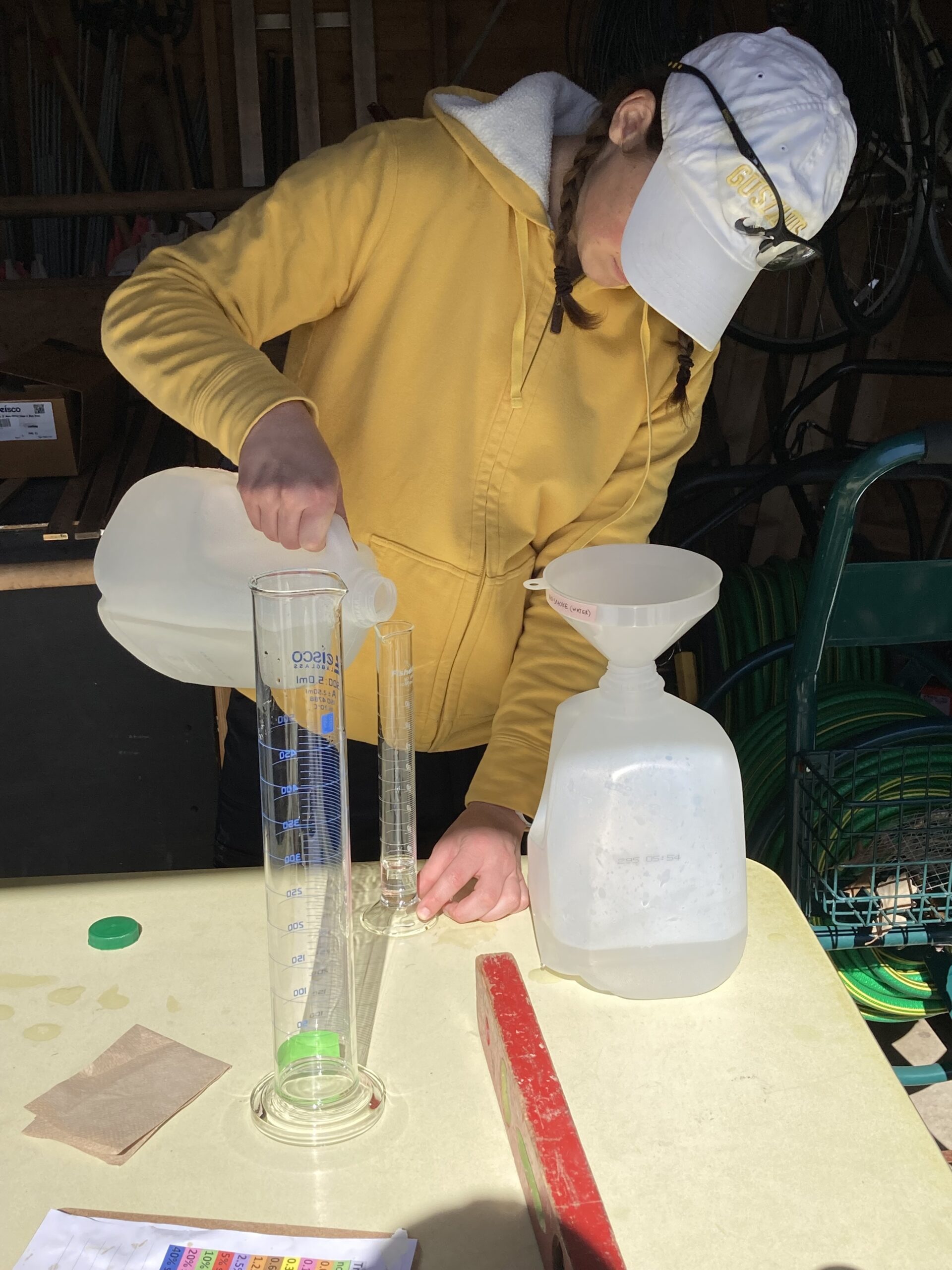
Next, Lindsey and I measured and mixed our 11 concentrations of liquid smoke. Thanks to Allen for supplying us with more empty jugs! Back in the field, we applied half of the smoke treatments in the morning and half in the afternoon, following the same protocol as in the fall. The ground was very dry after recent windy days, so the liquid rapidly soaked into the soil in most places.
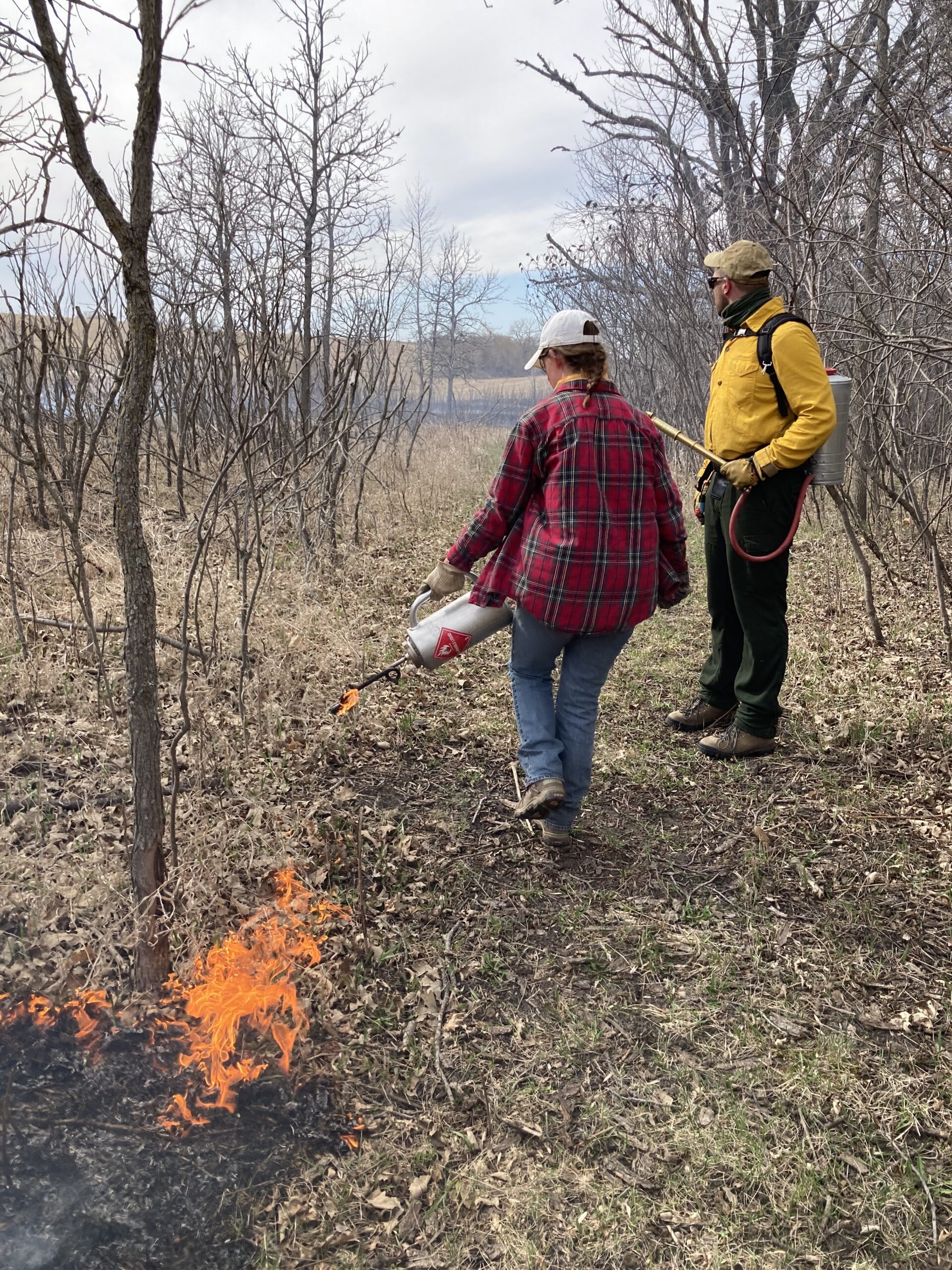
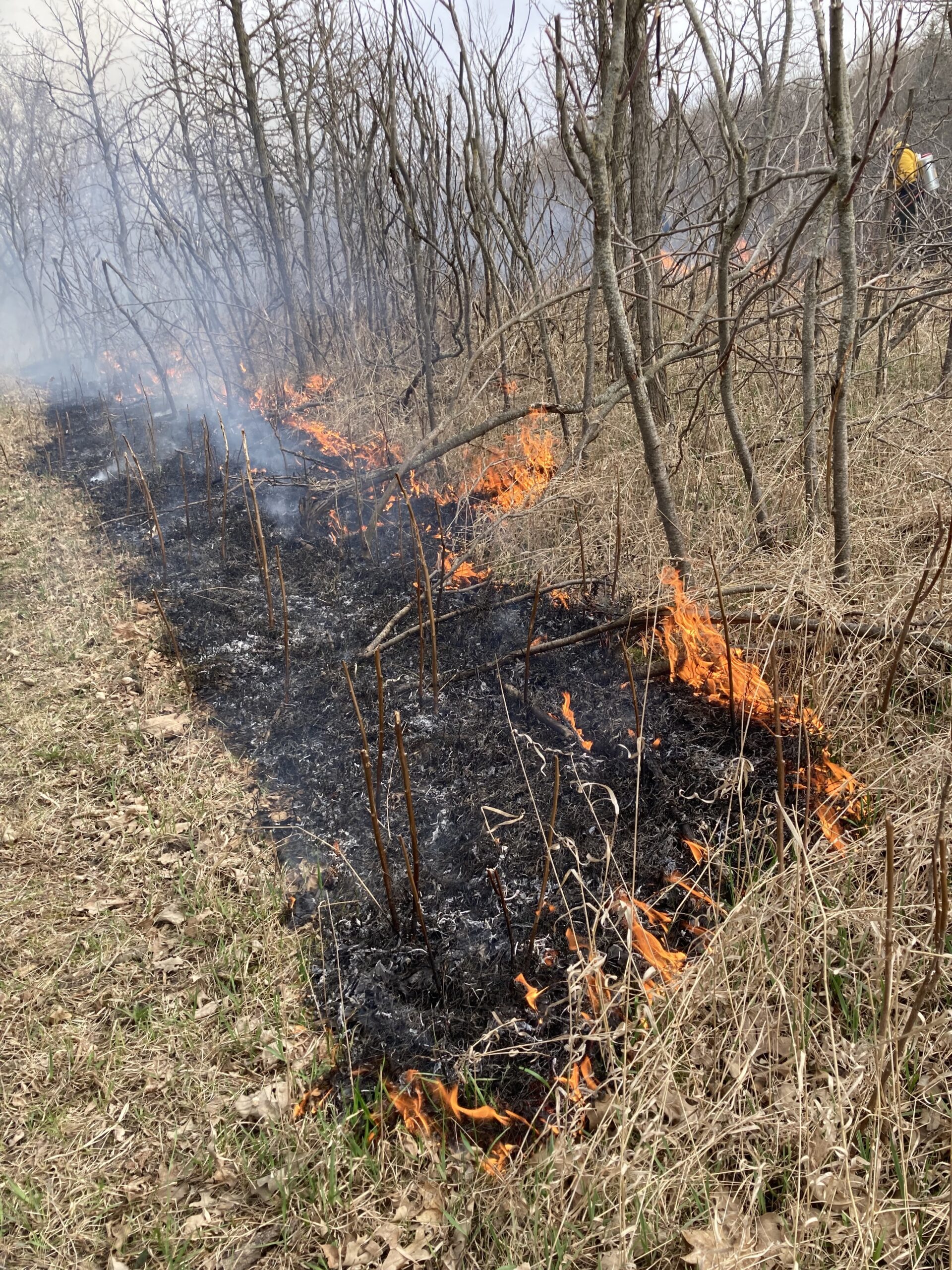
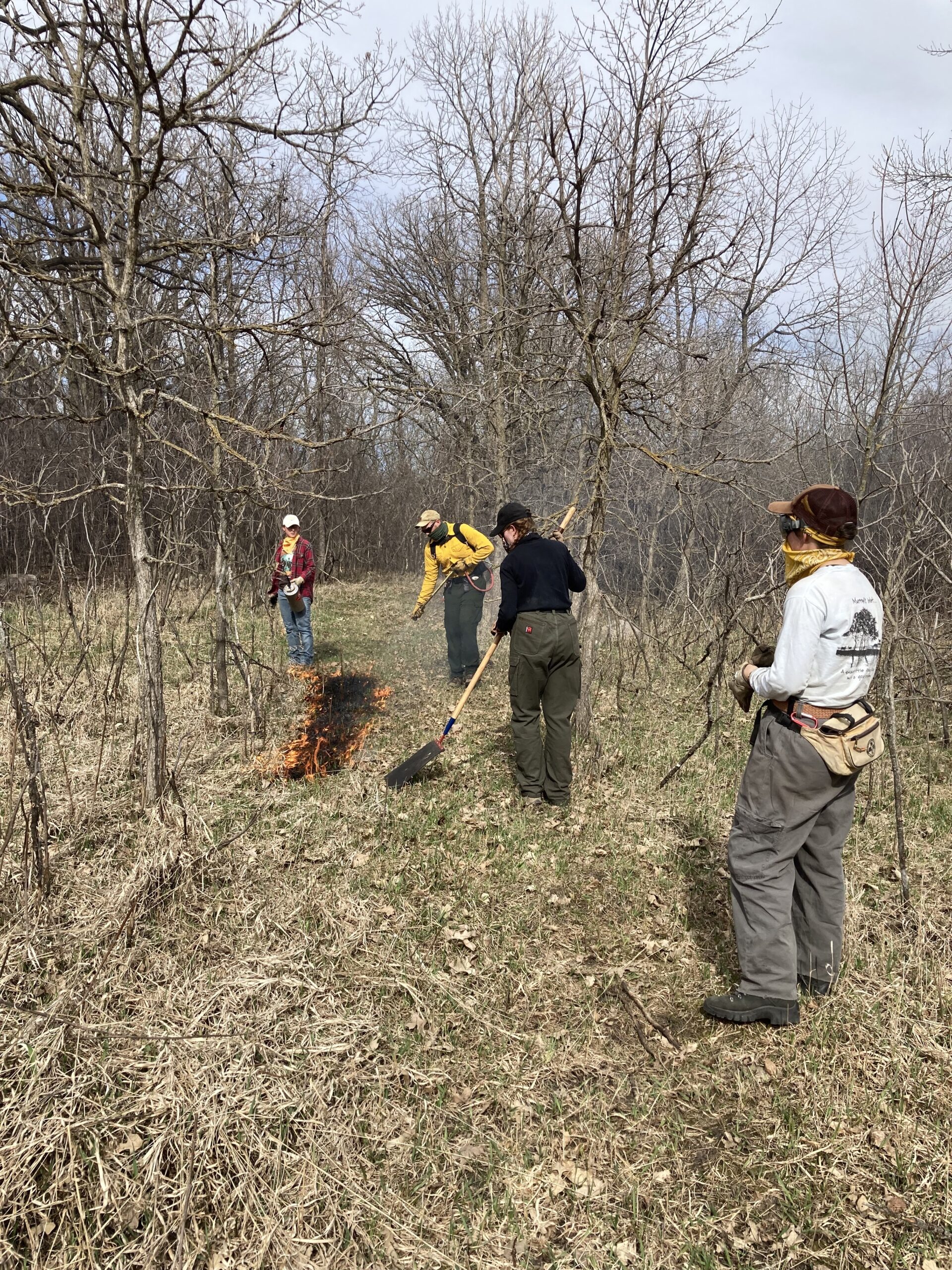
Our experiment was not the only source of smoke today. There wasn’t enough wind to burn at prairie remnants near roads, so instead, we burned an area that Stuart is restoring nearing P1, called Center Field. There wasn’t a lot of fuel, but the grass and oak leaves were very dry and crispy, so the burn went much better than expected. We all got a chance to practice using the drip torch, and the plants will enjoy the fire, too!
This Saturday was a glorious day: Independent Bookstore Day! Every year on the last Saturday in April, the nation celebrates indie bookstores in all sorts of ways. In Chicago (and the Twin Cities and maybe other places), local bookstores participate in a passport event – visit as many bookstores as you can, get a stamp at each one, and win a prize based on how many you visit!
With 40 participating stores this year, visiting 10 would get you 10% off at all the bookstores for a year, and 15 would get you 15% off. Individual stores also often had their own special goodies for the day, including snacks, pencils, tote bags, and other exclusive (and often free!) merchandise. Alex and I were up for the challenge. In fact, we even took on a non-book related side quest, more on that later.
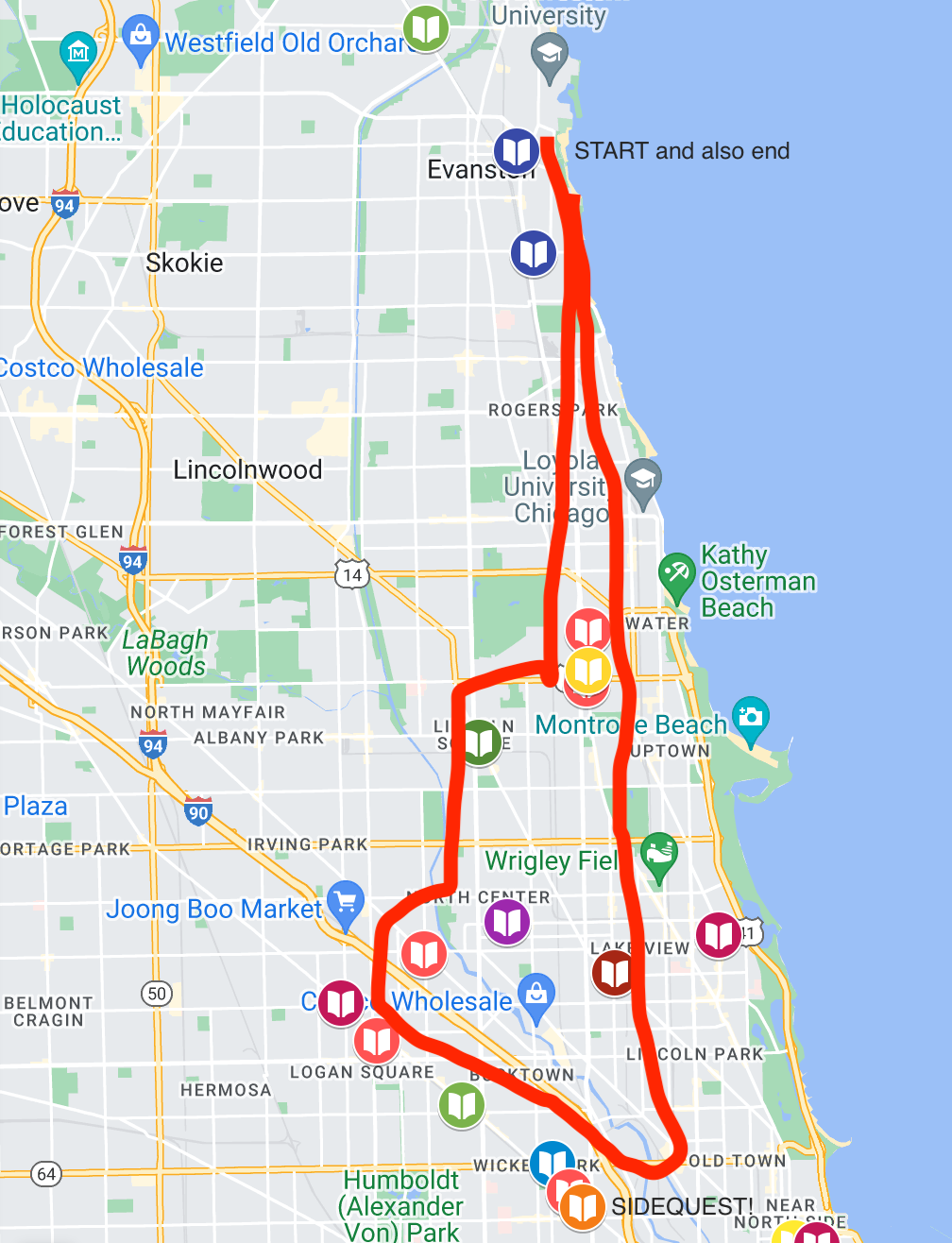
An approximate map of our odyssey
We started out strong with Bookends & Beginnings in Evanston, where we got free totes, some books, and our passports with our first stamp. We made our way south, visiting stores both familiar and novel.
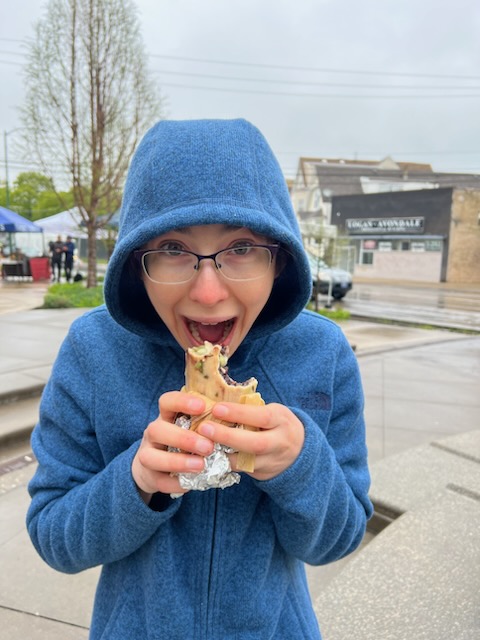
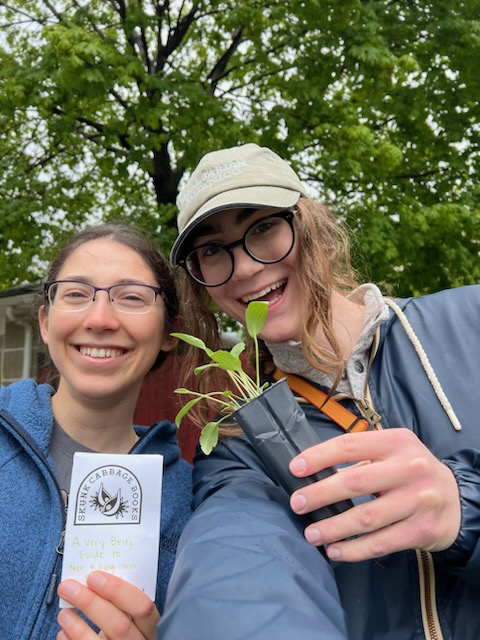
A much needed tamale stopSkunk Cabbage Books gave us a Ratibida seedling with our purchase!
Upon reaching our tenth bookstore, we were both awarded pins that will give us a 10% discount at all 40 stores for the rest of the year. We rejoiced! But at our 11th bookstore, tragedy struck. I couldn’t find my passport anywhere, and I fear it was left at our tenth stop. We mourned! The show didn’t stop though, because Alex still had her passport, we had four more bookstores to go, and one very important side quest.
Stores 12-14 were located within walking distance of each other in Wicker Park, so we visited them all in one stop and got falafel sandwiches and waffle fries to boot. With full stomaches and a clear bath forward, we took of to Goose Island, home of the holy Restaurant Depot.
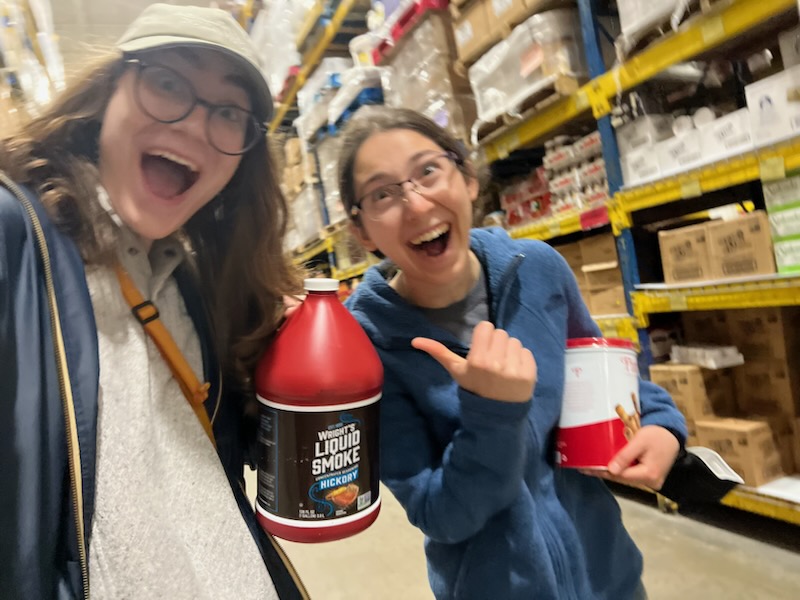
Our secret mission was to locate and extract one gallon of Wright’s Smoked Hickory for Alex and Lindsey’s smoke experiment. The job was difficult; mammoth quantities of random everyday ingredients tantalized us at every turn. However, I am happy to report the mission was a complete success. We escaped with our sanity intact and only one extra item (who can say no to a big ol’ container of chocolate hazelnut wafer rolls?).
Mission success!!!!
We hit our 15th bookstore on our way back north, where Alex was celebrated as a grand winner of the day (though they had run out of 15 store pins). Victorious, we made our way back to Evanston. Until next time, bookstores!
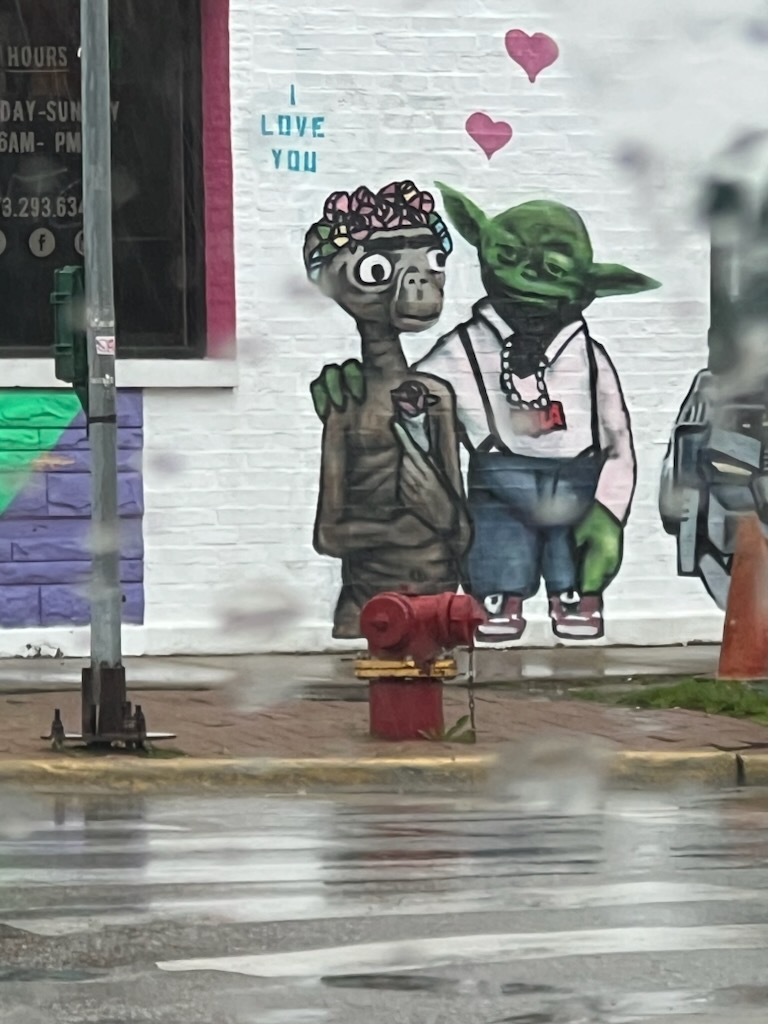
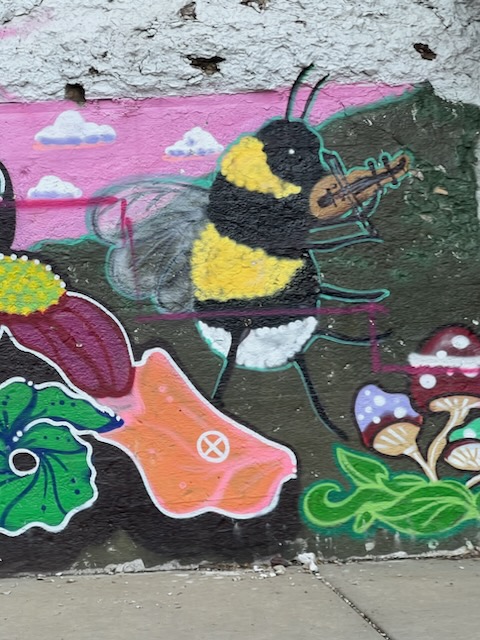
(we also saw some lovely street art)
LoversPlaying some Rimsky-Korsakov on the world’s smallest violin
Reliable forecasts and accurate assessments of current conditions are critical for conducting prescribed burns. We are fortunate to have many weather resources. Here are the sources I use for planning and conducting prescribed burns.
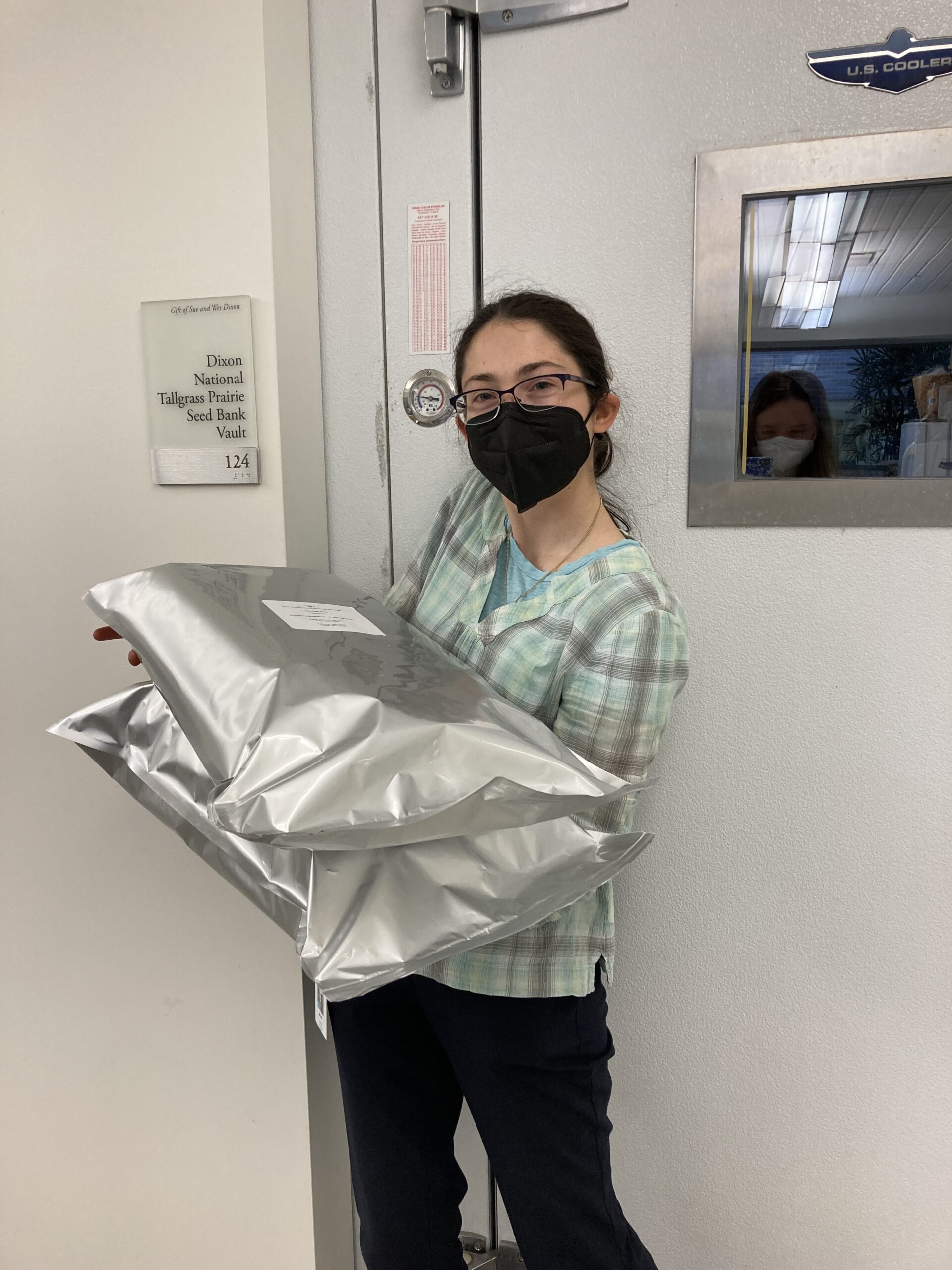
Congratulations, Team Echinacea! We are done processing all of the Echinacea heads that were harvested from prairie remnants in 2020, 2021, and 2022. On Thursday, I completed the final step of the ACE process: freezing. We want to preserve some remnant achenes for future experiments, so we stored them in the seed vault freezer at the Chicago Botanic Garden. They are now documented in the seed bank database. Here’s a summary of the remnant Echinacea stored in the freezer:
2020 and 2021: X-ray sheets (random sample of informative achenes) for all heads harvested in 2020 and 2021. Envelopes (achenes not part of random sample) for paired samples only.
2022: X-ray sheets and envelopes for all heads harvested in 2022.
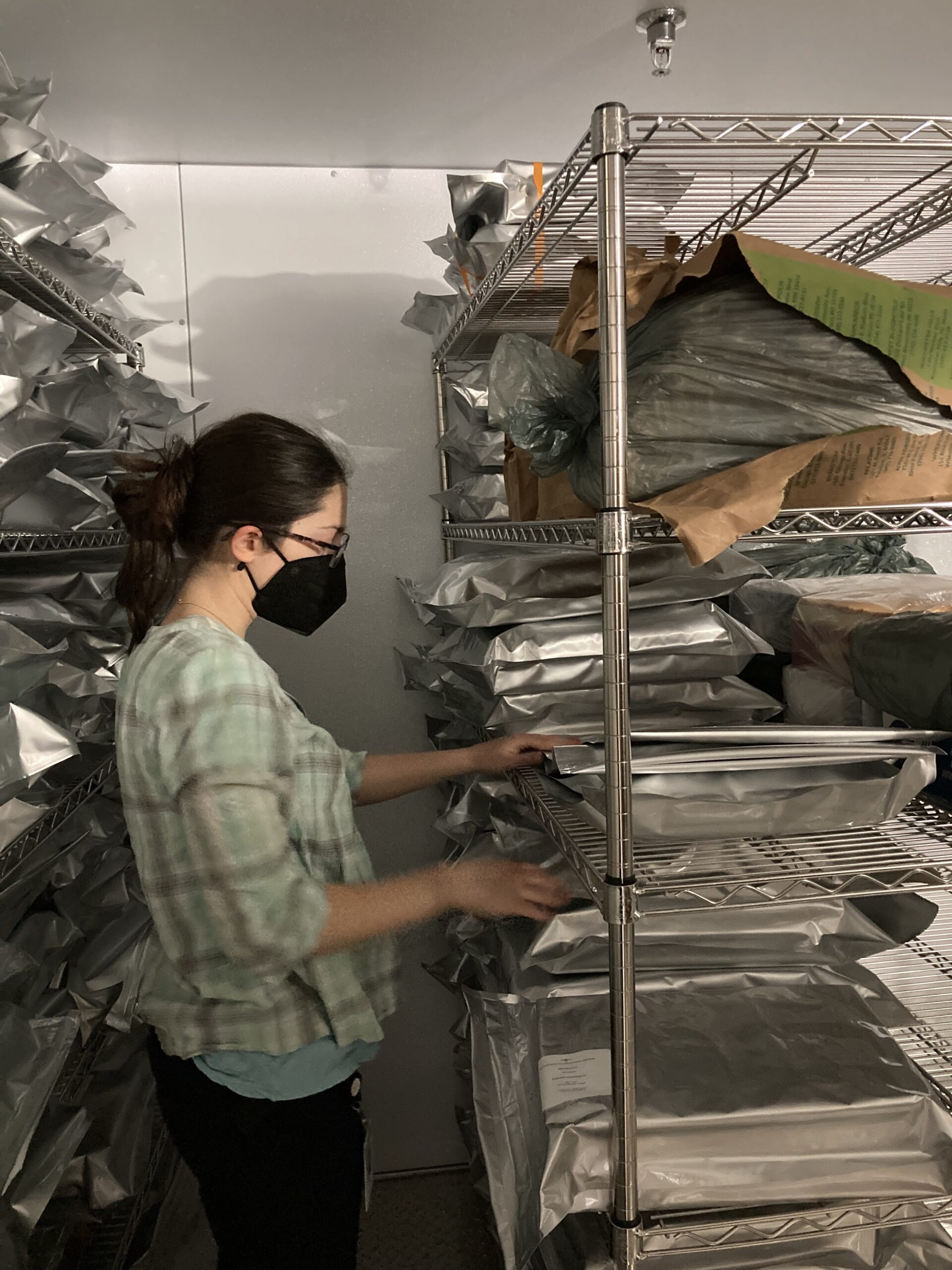
With efficient packing, I was able to cram all of these achenes into two freezer bags. However, sealing the bags was definitely a two-person job. Echinacea from 2020 and 2021 are in one bag, and 2022 gets a bag all of its own. It feels very satisfying to wrap up these three years of data!
Stashing bags the freezerLook at these shiny bags! Do they contain astronaut food?