For the past several years we have been investigating effects of prescribed fire on native ground-nesting bees in remnant prairies and restorations across our fragmented prairie landscape. We have a paper about effects of fire on the abundance and diversity of nesting bees in prep for a peer-reviewed journal. We are posting recommendations from this investigation now as a one-page non-technical document.
Funding for this project was provided by the Minnesota Environment and Natural Resources Trust Fund as recommended by the Legislative-Citizen Commission on Minnesota Resources (LCCMR) and by the National Science Foundation.
For the past few years we have been studying effects of prescribed fire on pollination, pollinators, and plants across our fragmented prairie landscape. We have a paper about effects of fire on pollen that we are preparing to submit to a peer-reviewed journal. We are posting recommendations from this investigation now as a one-page non-technical document.
Funding for this project was provided by the Minnesota Environment and Natural Resources Trust Fund as recommended by the Legislative-Citizen Commission on Minnesota Resources (LCCMR) and by the National Science Foundation.
For the past few years we have been studying effects of prescribed fire on pollination, pollinators, and plants across our fragmented prairie landscape. We have three papers we are preparing for submission to peer-reviewed journals. From each, we have recommendations for land managers interested in conserving native prairie bees and plants. We are posting these recommendations now in a one-page non-technical format.
The first paper is about prescribed fire effects on pollination and pollinator visitation. Read the recommendations that are based on the paper.
Expect two more one-pagers tomorrow.
Funding for this project was provided by the Minnesota Environment and Natural Resources Trust Fund as recommended by the Legislative-Citizen Commission on Minnesota Resources (LCCMR) and by the National Science Foundation.
The Echinacea Project flog has been silent since shutting down lab activities at the Chicago Botanic Garden. Even though lab work has ceased, other work has been progressing quietly. After Thanksgiving we will post updates.
As the season nears its end, the seasonal members of the Echinacea Project have all returned to school. This week, Grace flew back to California to start her junior year at UC Santa Cruz, leaving only a lone juggling ball for us to remember her by. Now only me (Maddie DiMarco) and Maddie Sadler remain as interns to conclude the field season. With measuring done in the experimental plots and (almost) all demo sites finished, our main focus is harvesting. We spent the first few days of the week harvesting whenever possible, filling up several bags with harvested echinacea heads. Soon, they will all be ready for cleaning and counting of achenes.
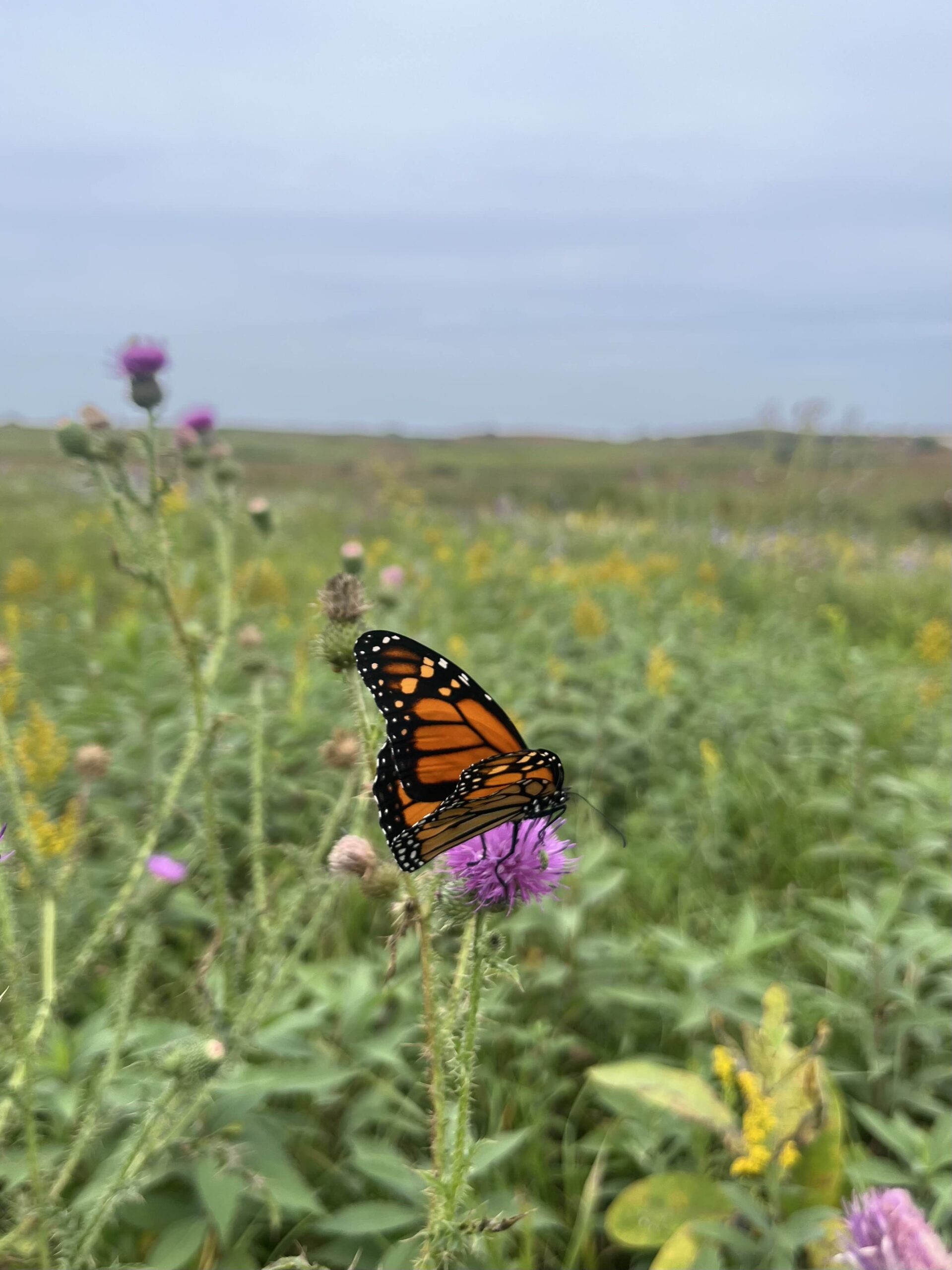
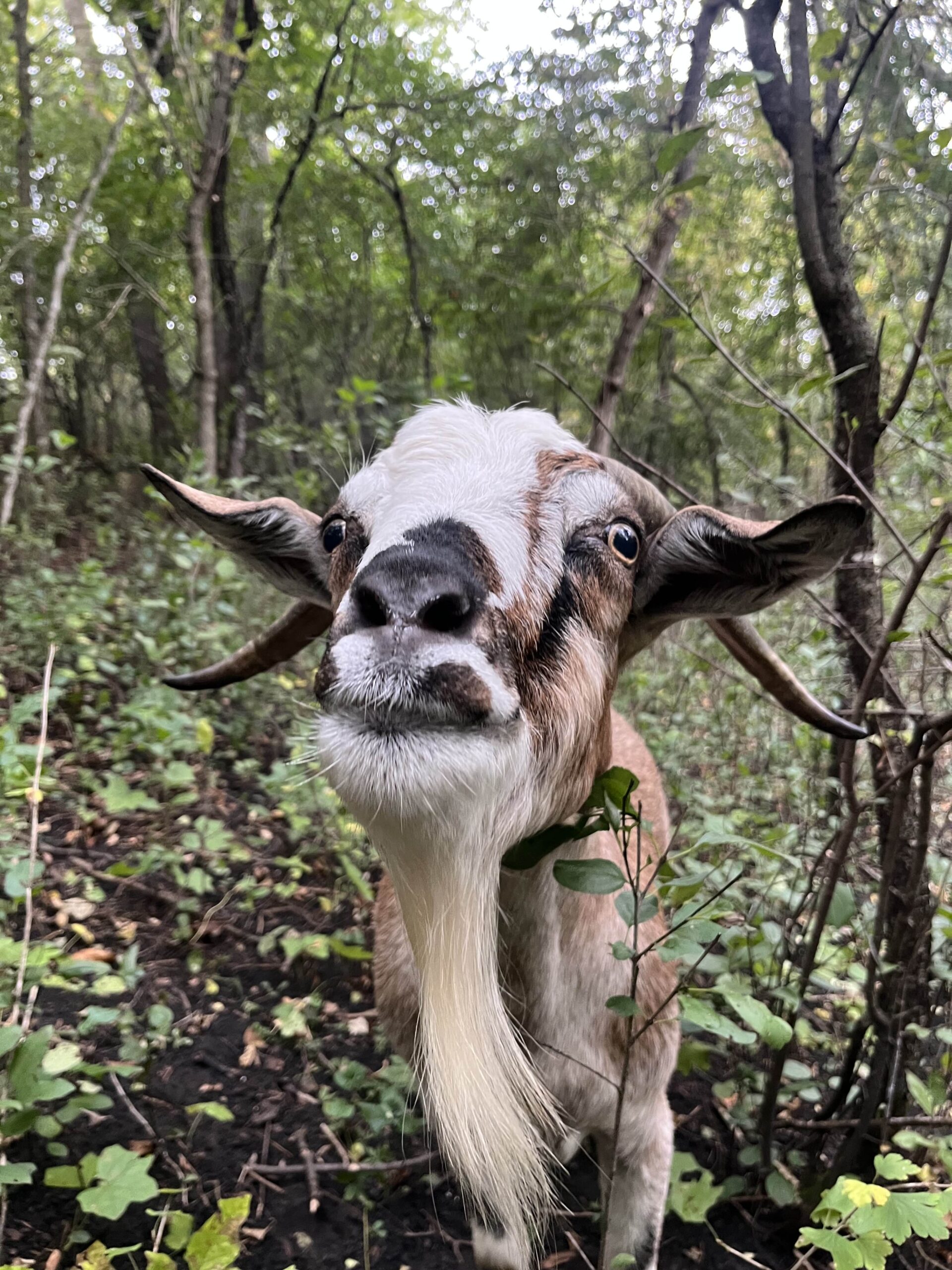
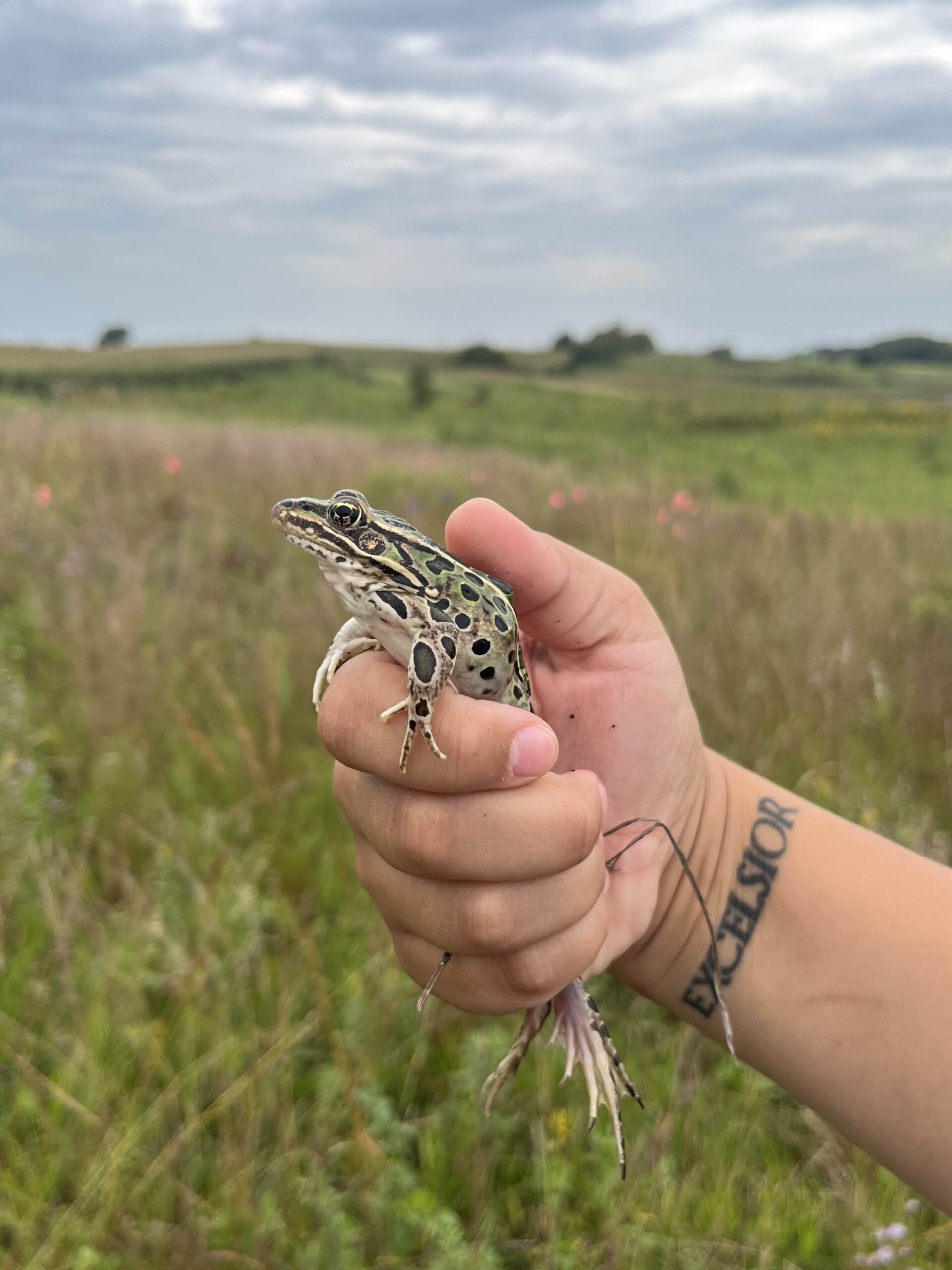
A monarch nectaring on thistleOne of the goats, which we have named DirtA leopard frog at ExPt02, who was not as fast as I am
However, we cannot harvest in the rain, and this week had lots and lots of rain. While we are trapped inside, Maddie and I have been working with our data, ensuring that there are no missing, duplicate, or incorrect records. During a break in the rain, I also trekked out to exPt01 to revisit some of the plants we needed to check.
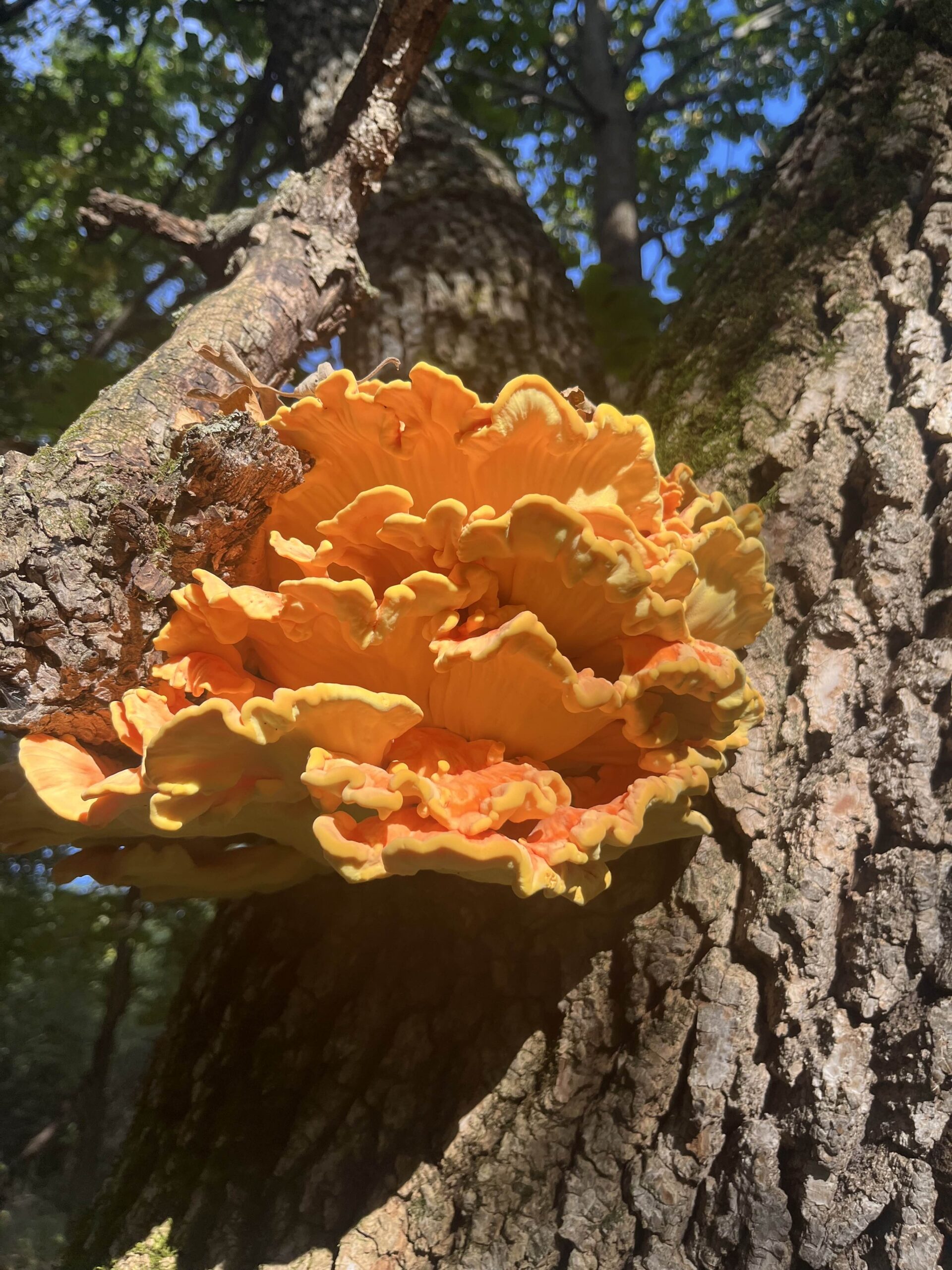
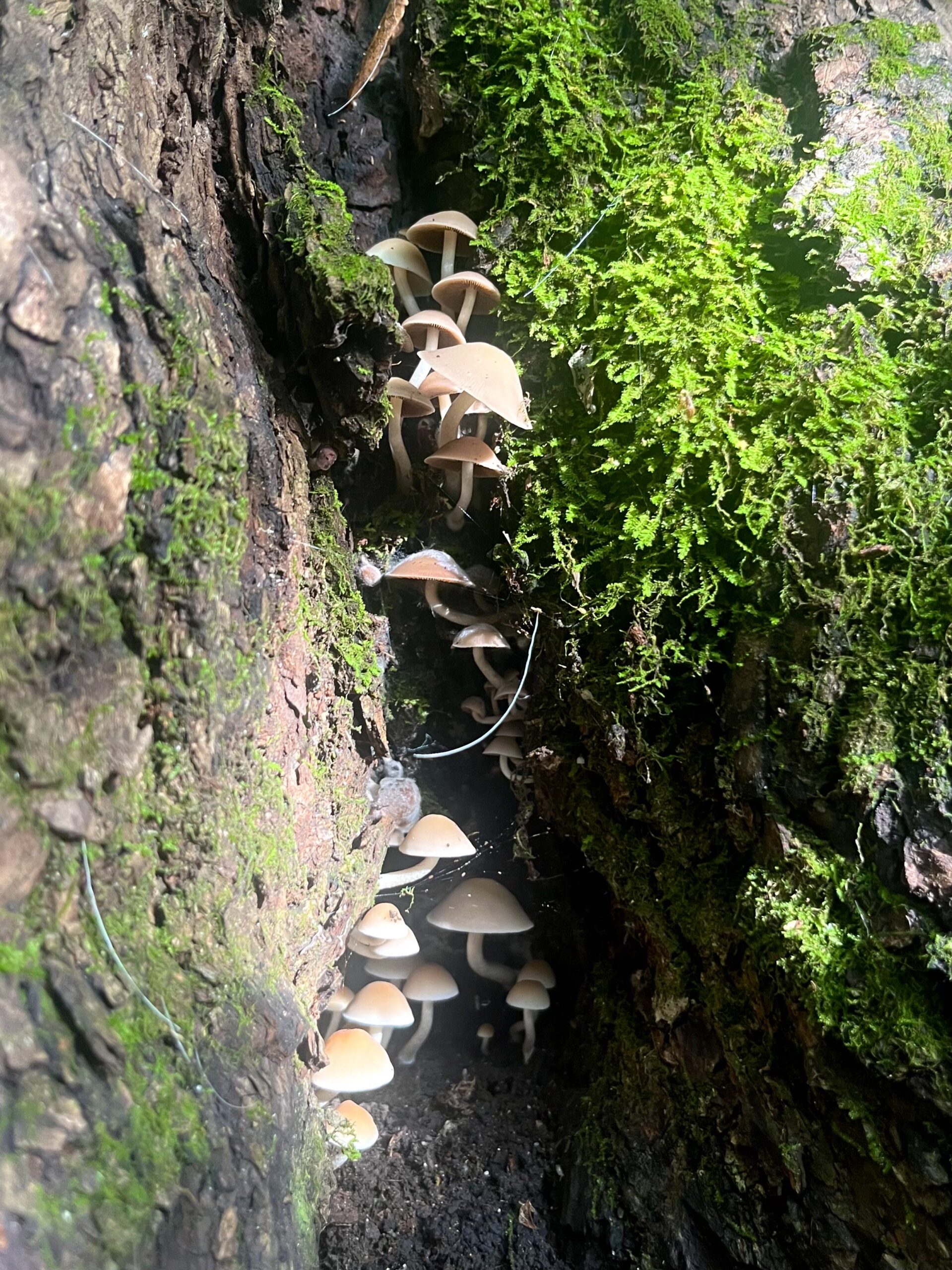
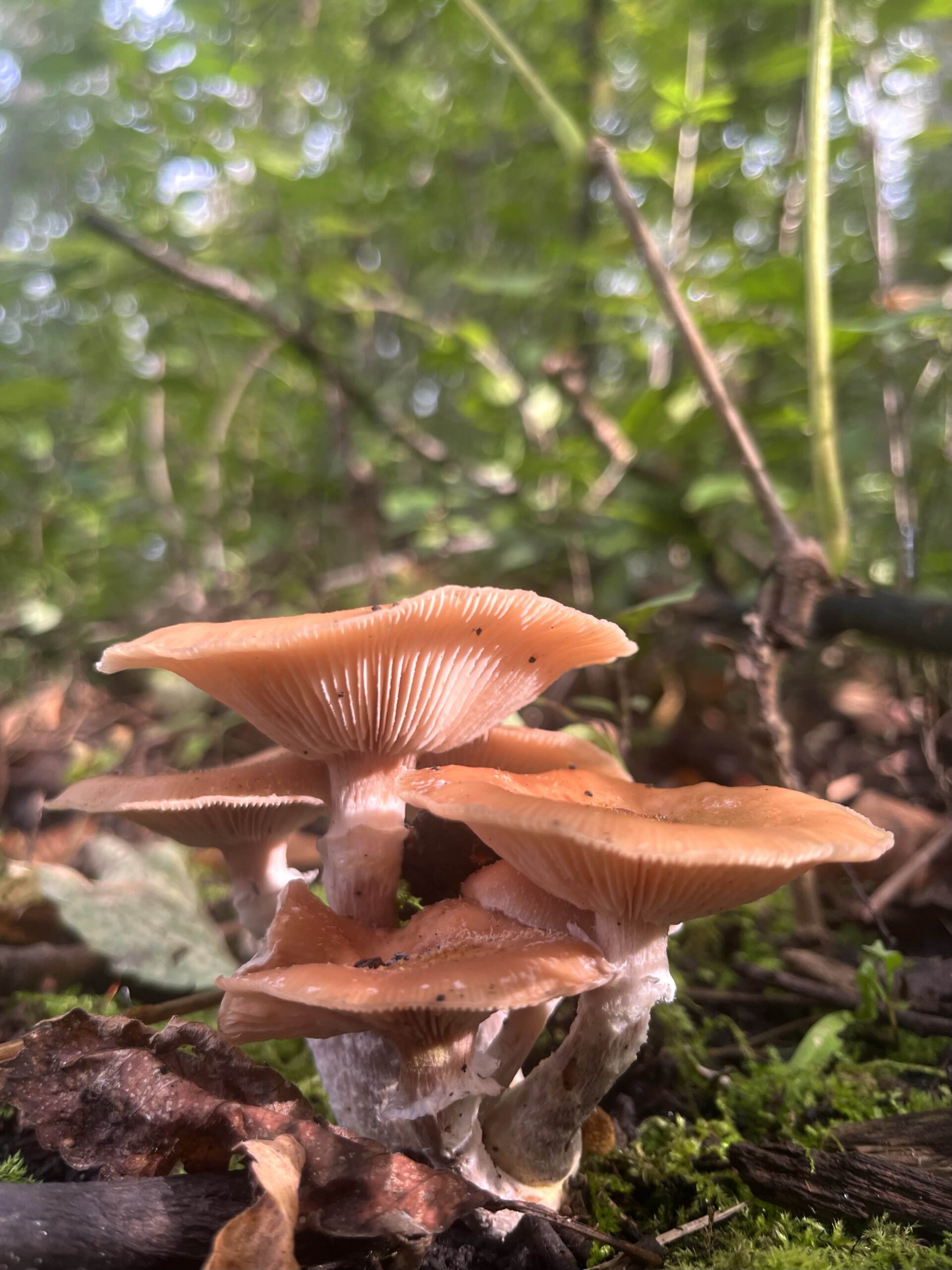
Massive Chicken-of-the-WoodsA secret mushroom spotFound en route to exPt01
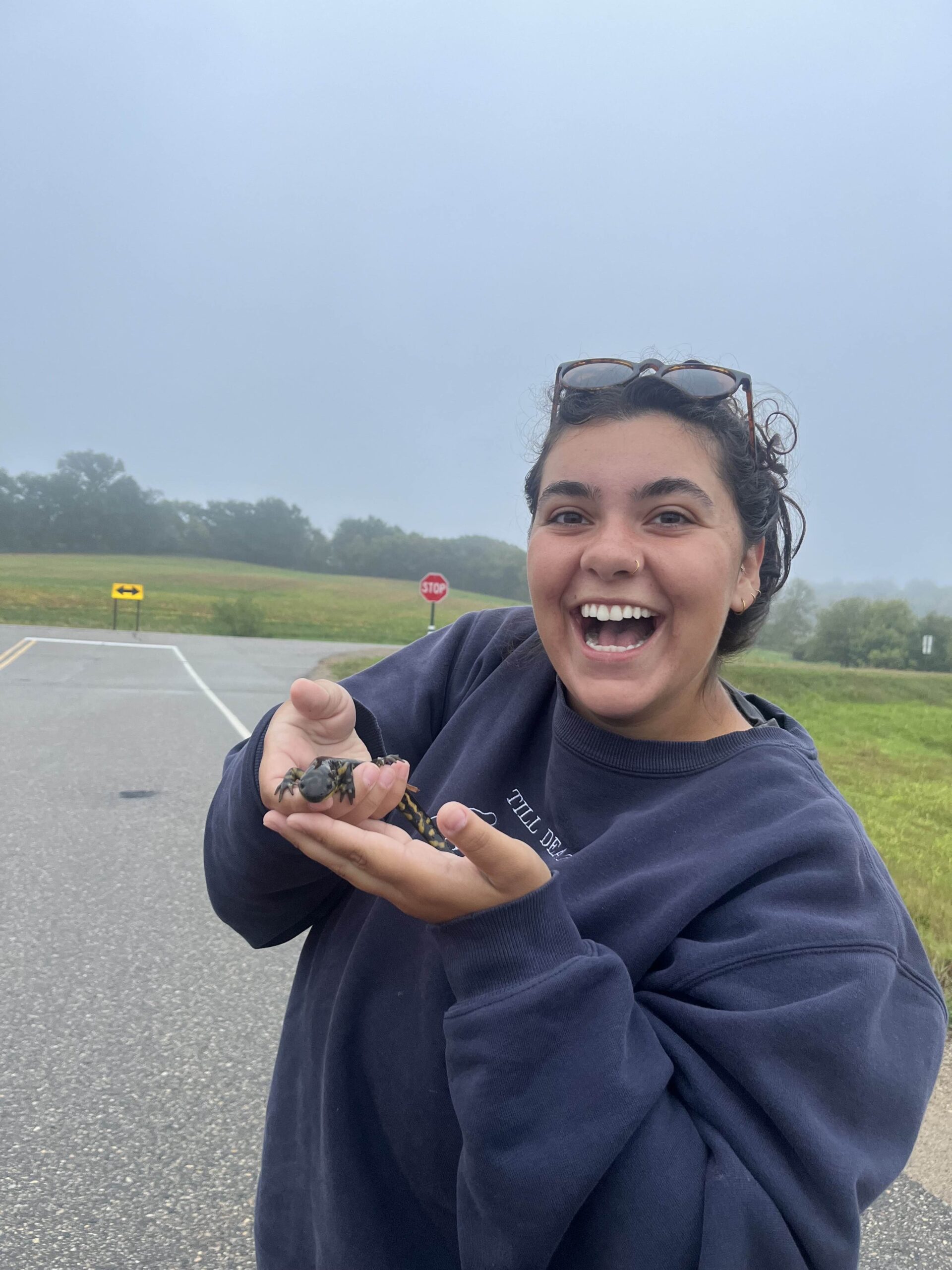
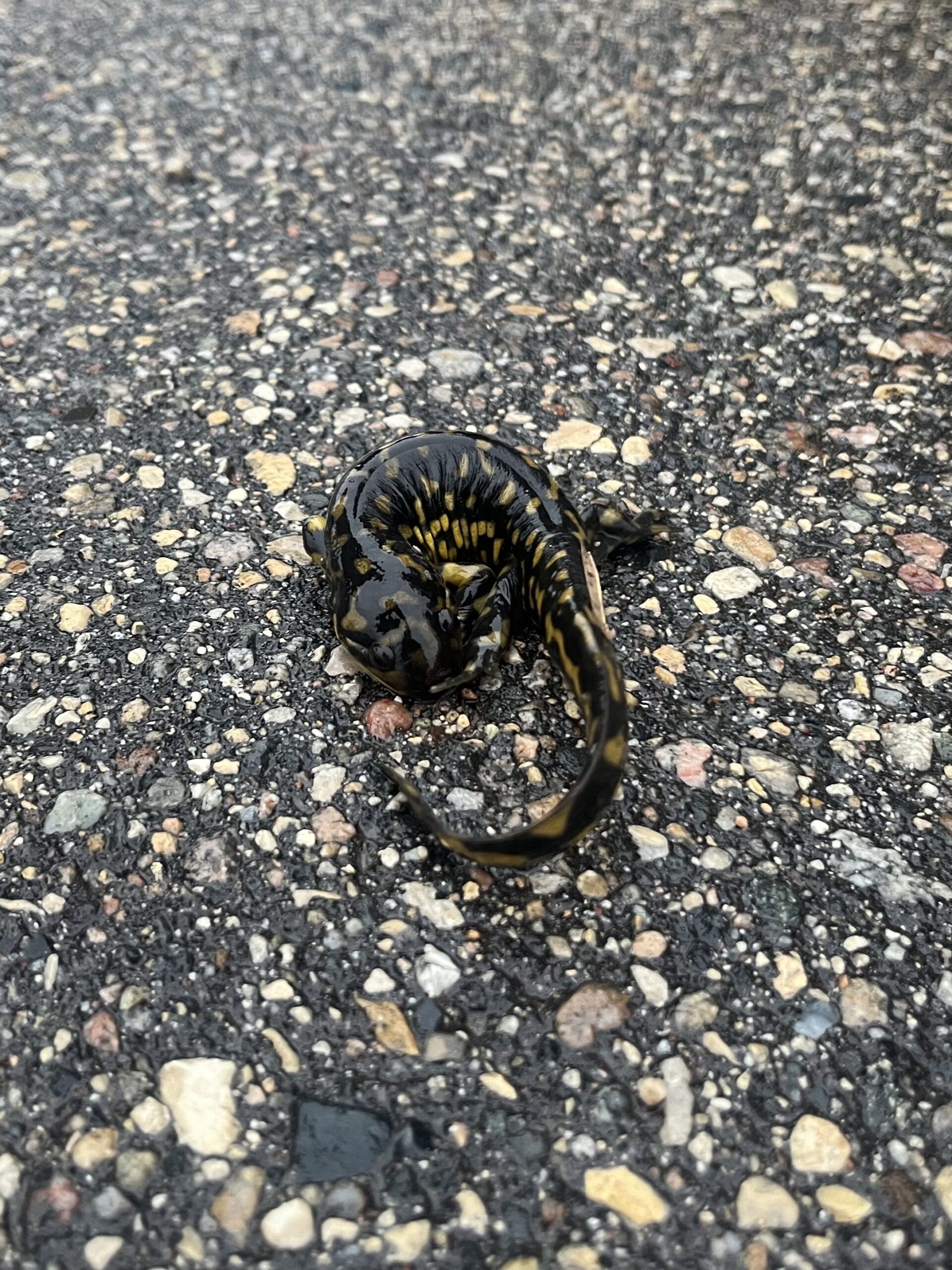
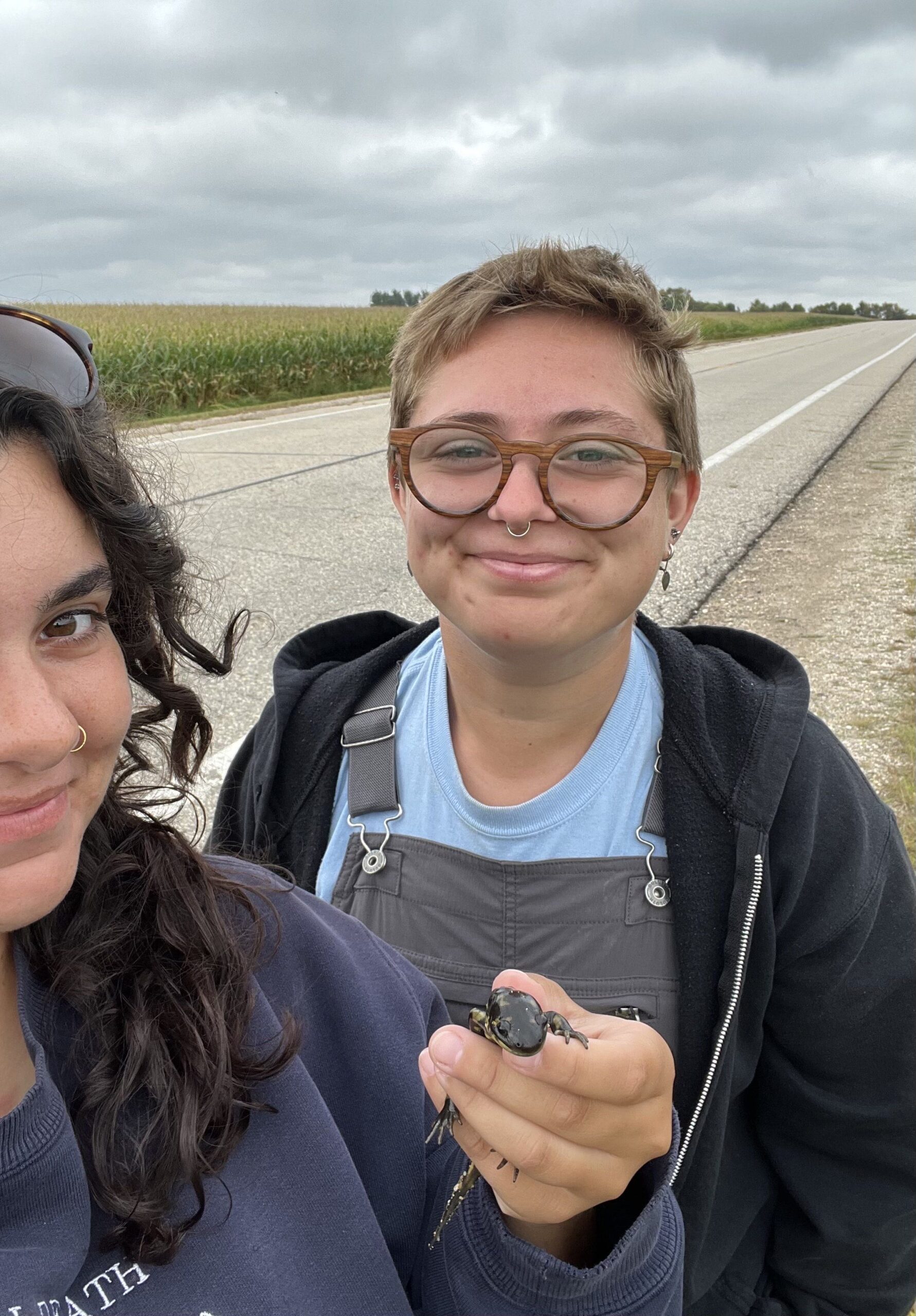
The rain has brought us many boones. Mushrooms were plentiful, found near the goat paddocks and the experimental plots, including a magnificent Chicken of the Woods. We have also seen our first salamanders of the season. Two eastern tiger salamanders were spotted on the roads—we shuttled them to safety. You can tell by my face how excited I was.
Me, clearly having the best moment of my lifeTiger salamander #1Tiger salamander #2 with Maddie and I
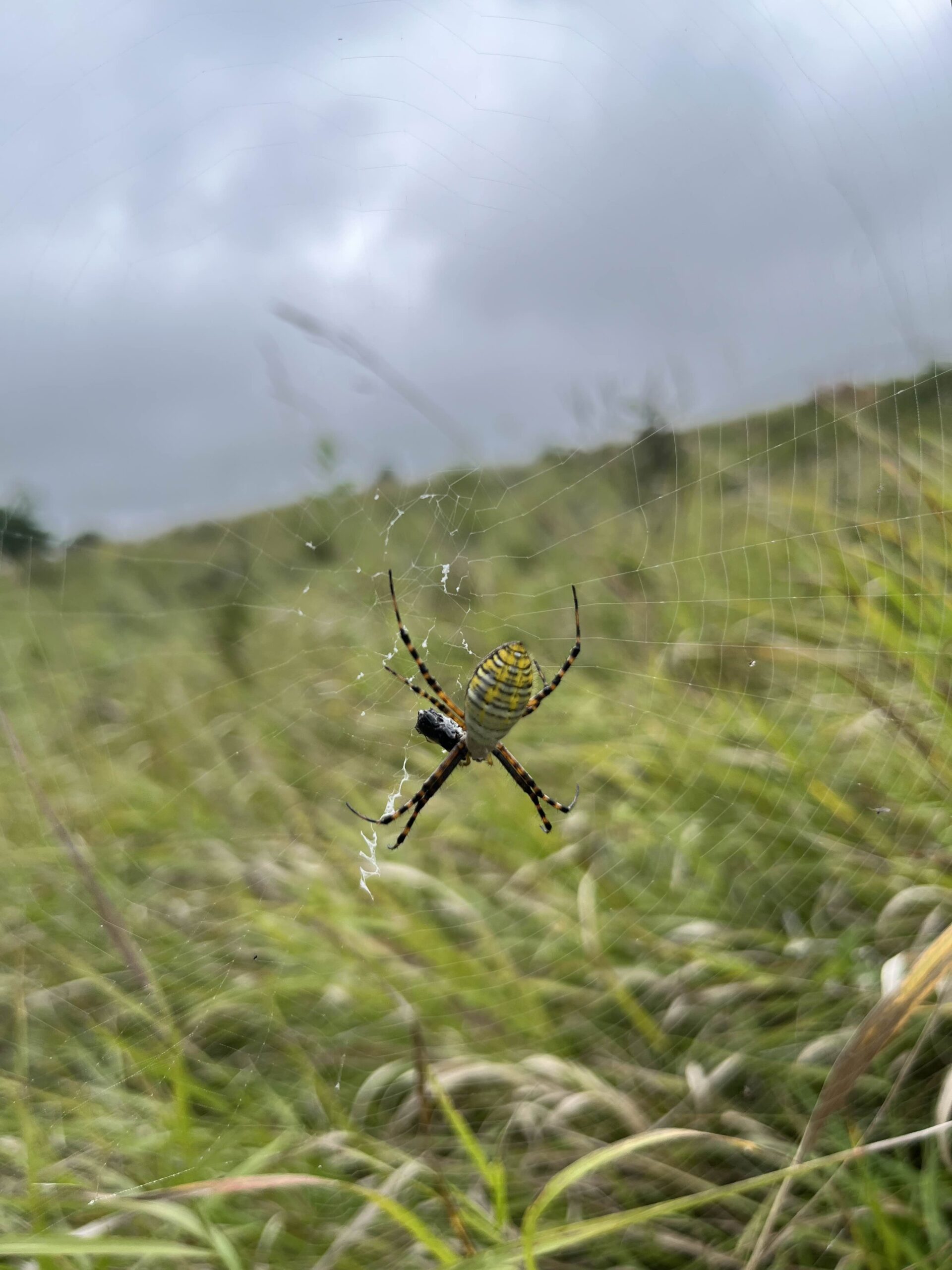
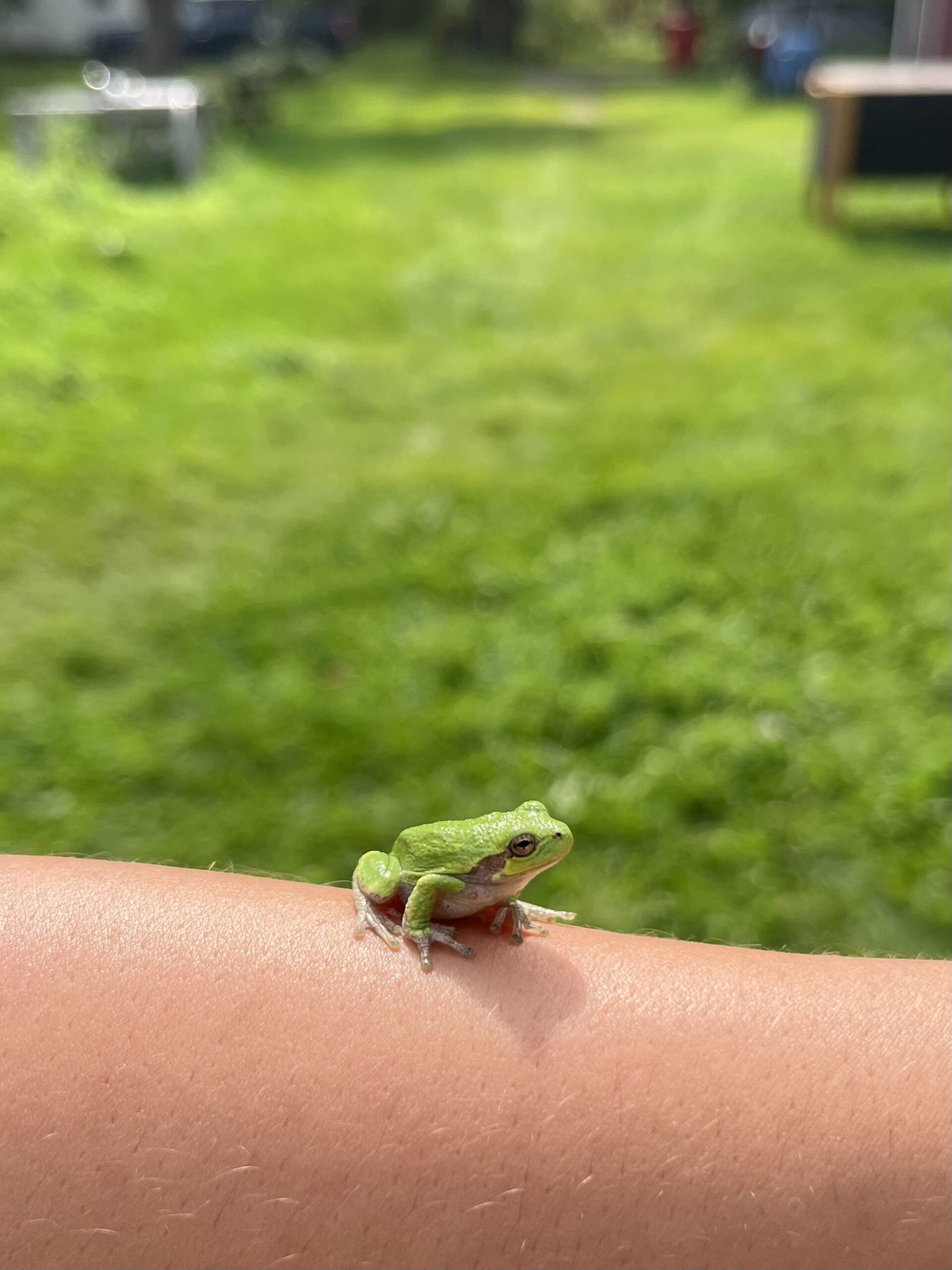
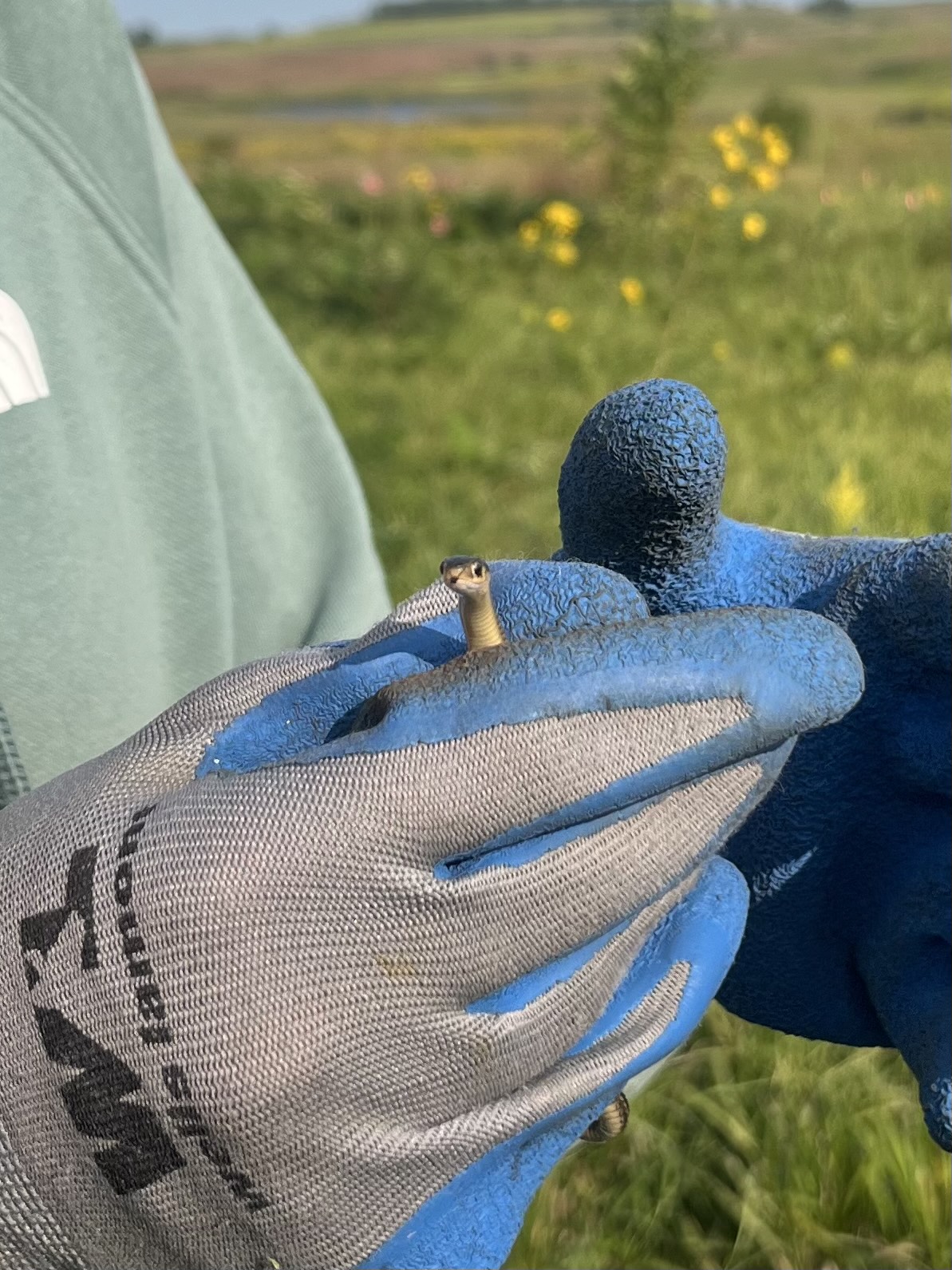
This week at the Echinacea Project we had a few visitors. On Monday and Tuesday Maddie, Grace and I worked hard in P2 to wrap up measuring and ran into an abundance of different creatures. From frogs, to spiders, a garter snake, and grasshoppers there was no shortage of helpers at the experimental plot.
Harvesting is in full swing as fall begins to roll around, also bringing many different caterpillars and monarchs along the way for our viewing pleasure. On Wednesday we had some real human visitors! Gasp! Riley and Amy W. came and paid Echinacea Project a visit and helped with the collection of measure data in P7 and P9 and contributed an abundance of harvesting in P1 and P8.
The gang back together!
In the final days of this week, we got an additional human visitor Aaron who came back to help us for a morning before returning back to school for the afternoon. We regaled on memories from this summer and thought about the ending of the season while reflecting on everything that has been accomplished by our mighty team of 8. Thousands of demo records, tons of surv records, measuring, and many healthy heads that have been harvested.
Aaron giving us the plot of Into the Woods in LOTS of detail.
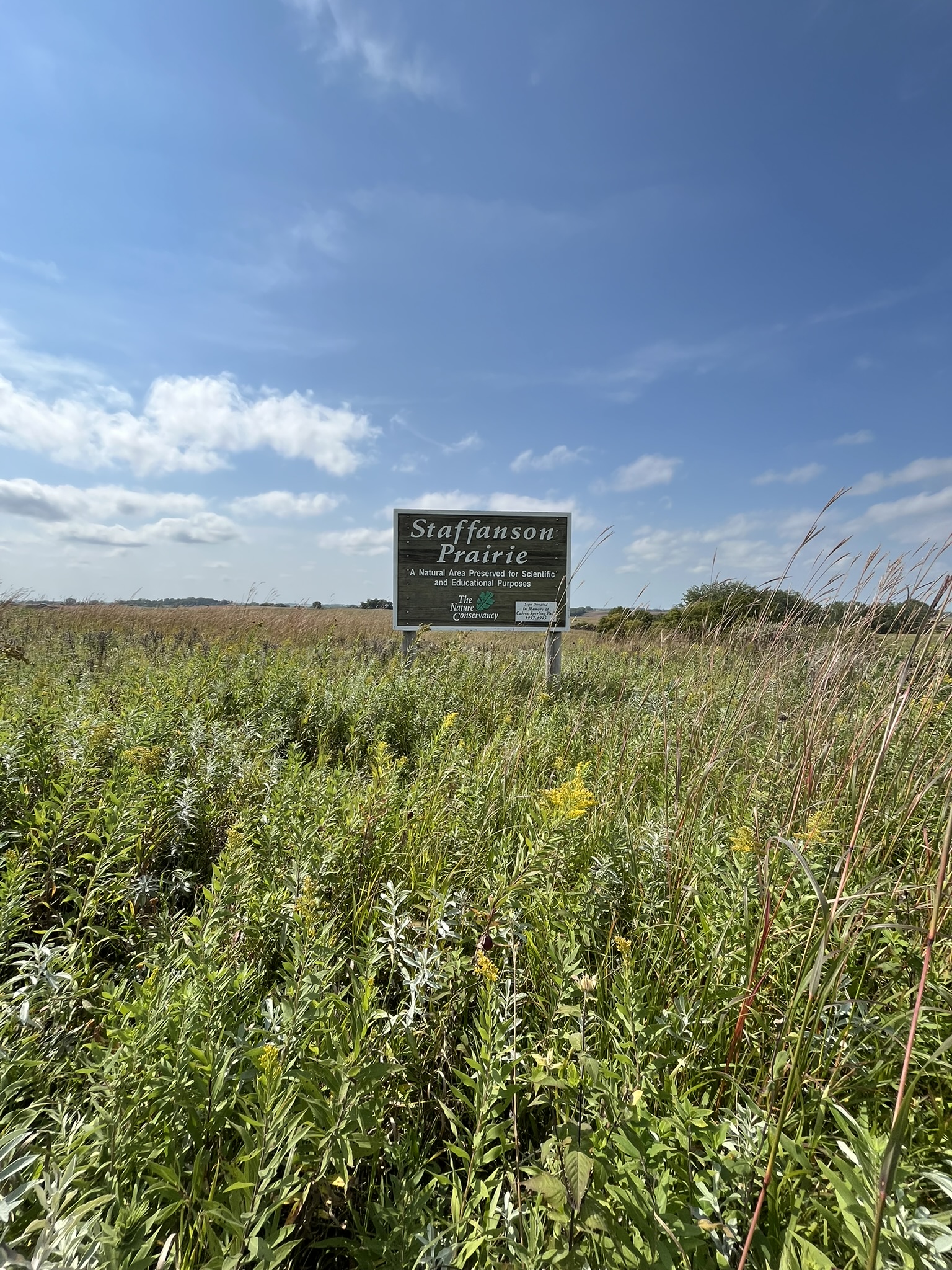
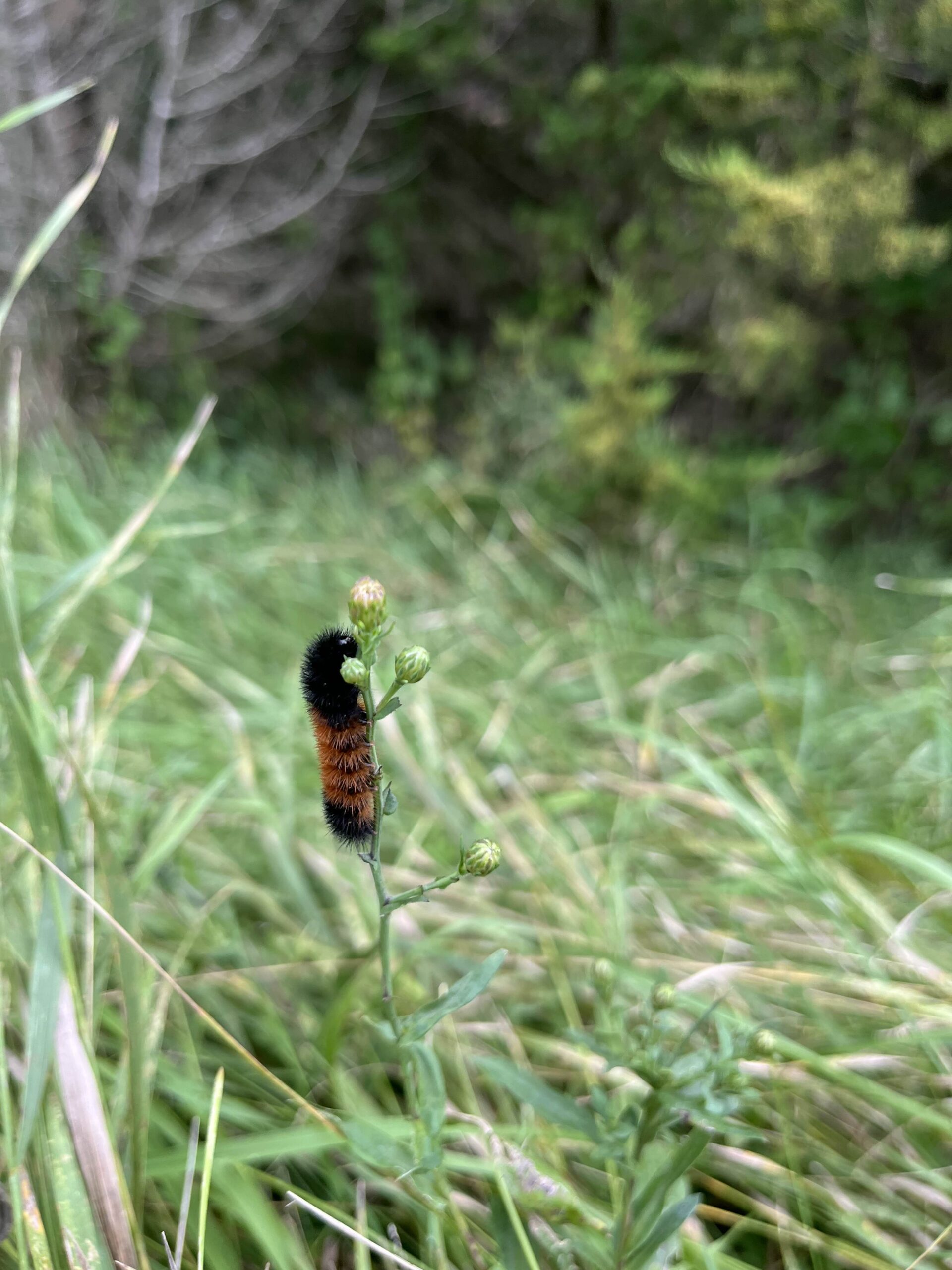
For me, I spent many hours doing aster walks this week for my thesis encountering many different friends in the prairie along the way. This included monarchs, a mysterious caterpillar, many spiders, and a handful of wooly bear caterpillars (or as I like to call them wooly worms). The record for the most amount of aster species at a single site was broken this week at 27 different species at Staffanson E (previous winner was HeggW with 25).
Additional tidbit: We had found an injured monarch on the way to harvest and created a monarch motel for the little diva to recoup before hopefully taking flight again.
It’s been a chilly first week of September! After days of rain and temperatures in the 50s, the team is looking forward to more temperate conditions next week. We’ve been hard at work finishing up the last few sites of demo and surv, and are now halfway done with an expedited measuring of exPt2. Just this morning, Maddie S., Maddie D., and I (Grace) completed 602 records! In addition, a bountiful harvest is in full swing in exPt1 and exPt8–collecting the dried heads for multiple experiments on long-term fitness.
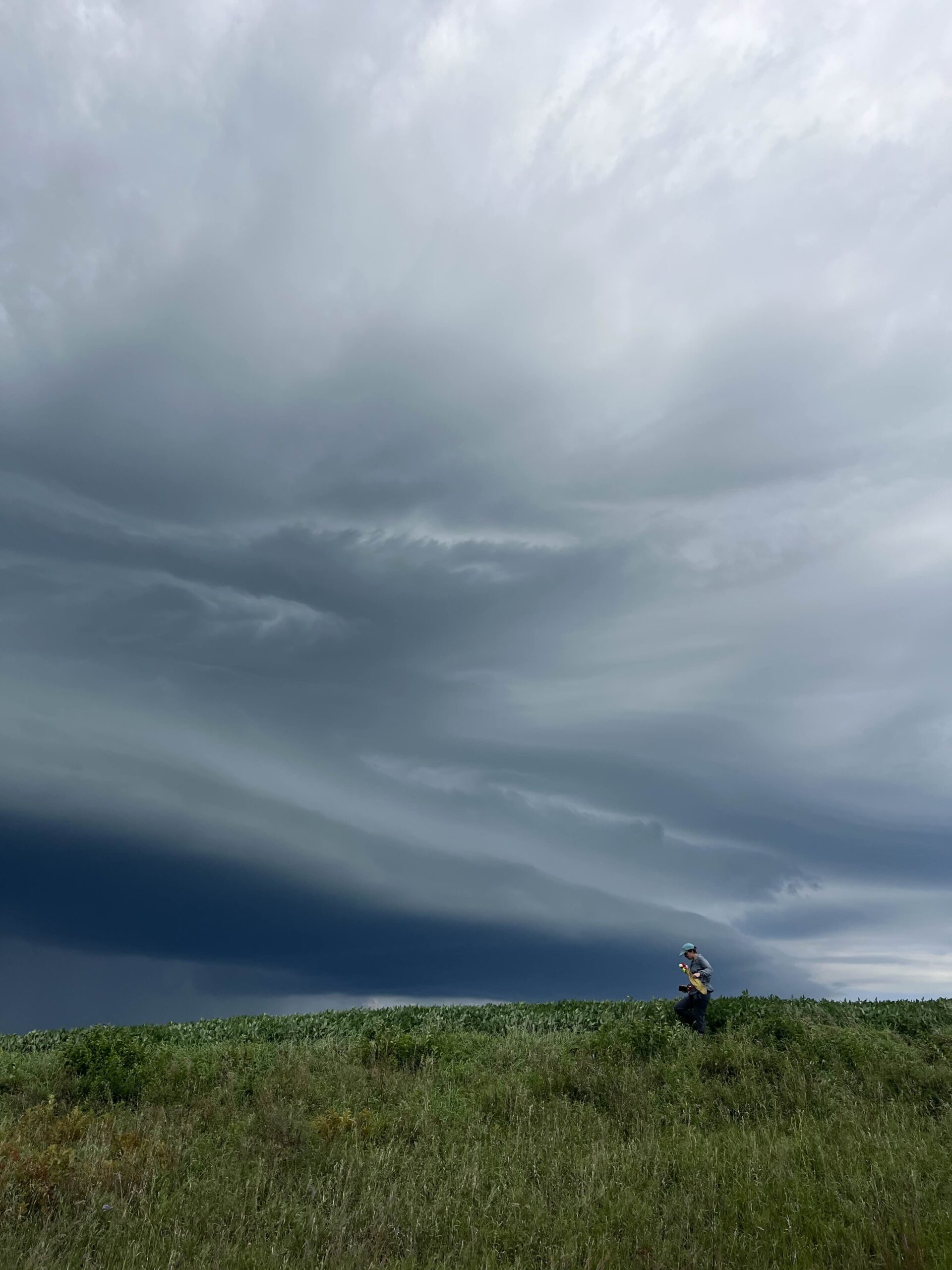
Storm chasing during total demoBaby bunny in exPt1gBags are filling up!exPt2 in autumn colorsFrog adventures gone awry in Hjelm
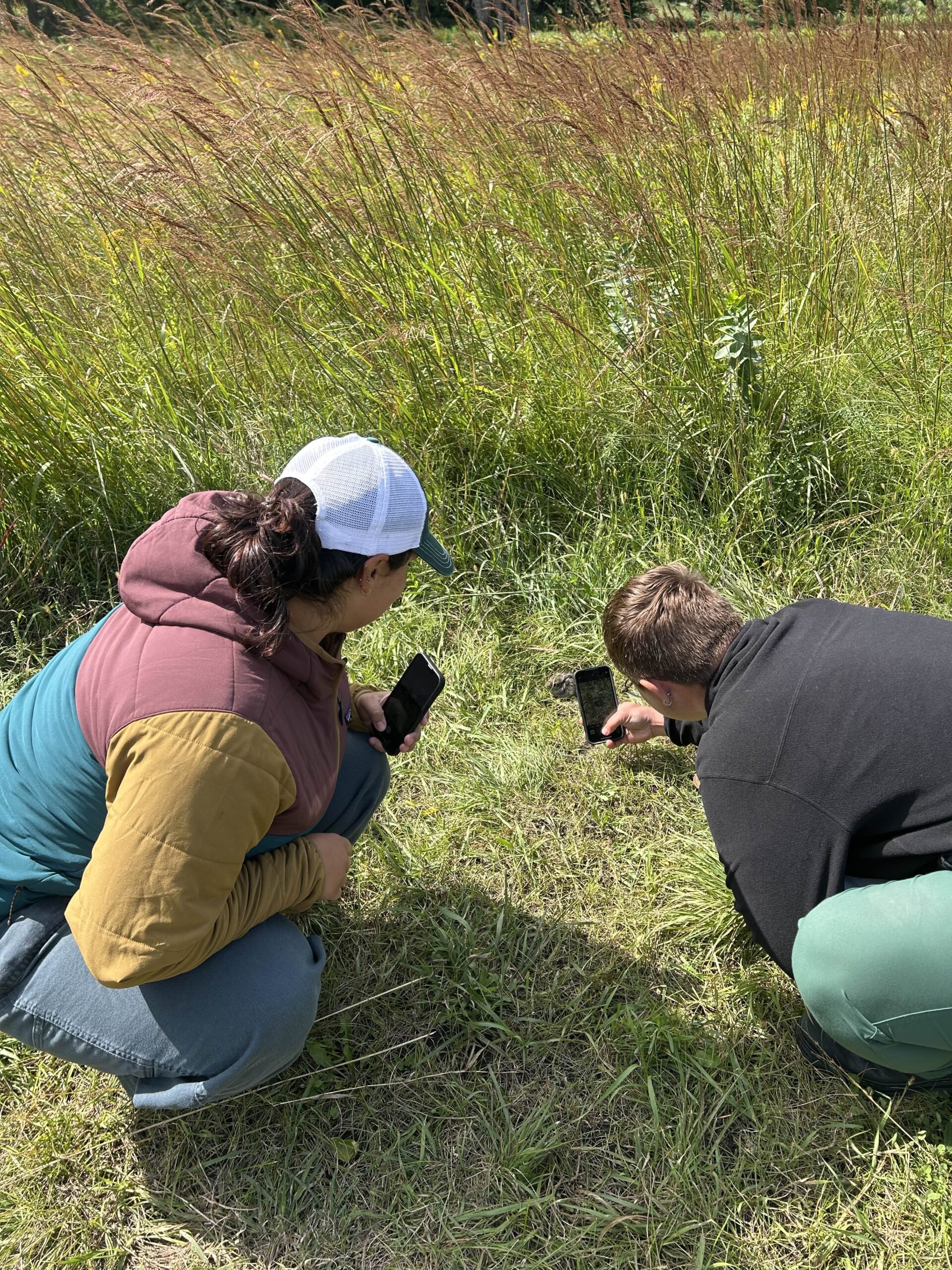
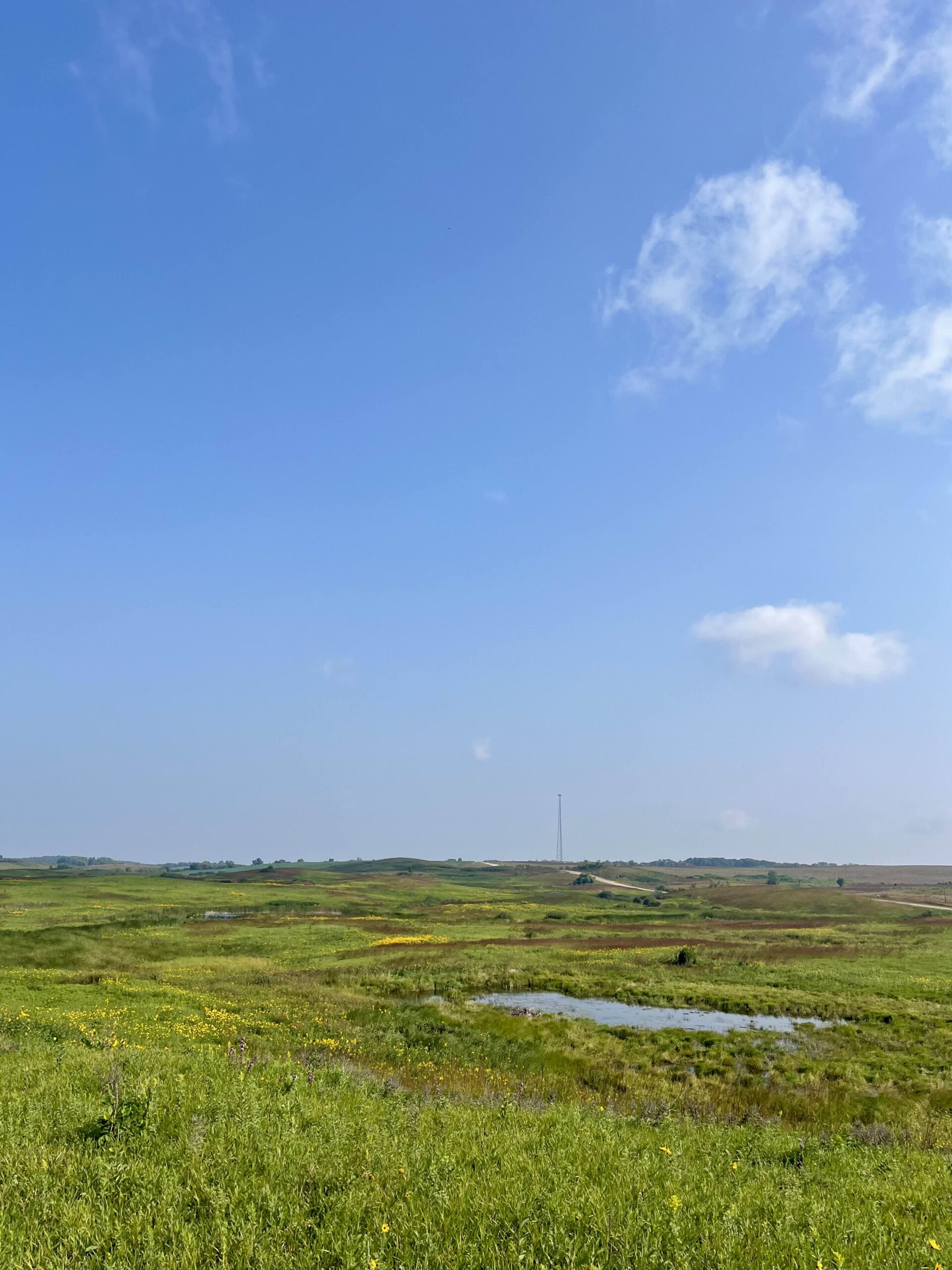
For my ongoing thesis research this summer I have been working hard collecting species presence data during this peak flowering time. For data collection I am doing a process where I go out to a specific prairie remnant or restoration and do a “meander walk”. This is where I walk along a winding path through a study area, systematically recording encountered species while trying to cover the most amount of area as possible with the goal of being able to create a comprehensive species list. The original project I had proposed “How prescribed fire affects species diversity and abundance in Aster plants in prairie remnants and restorations” has been scaled back drastically. This is in part due to time constraints, as well as working with a limited team this summer. The new focus moving forward is connected to the Minnesota Prairie Conservation Plan which is an initiative by MN Department of Natural Resources that is working to connect the small percentages of native prairies that are left in the state through a corridor. Multiple of the of the prairie remnants and restorations we do research in here at the Echinacea Project fall within or around this proposed corridor, but we don’t know if these remnants and restorations harbor rich plant biodiversity that could be beneficial to include on the proposed corridor. Therefore, I am investigating species presence of plants in the largest plant family found in prairies which is the Asteraceae in prairie remnants and restorations located in western Minnesota.
In terms of data collection, I have completed 15 remnant sites and 5 restorations of all varying sizes. Each sites offers a different array of plant species (many including our personal favorite Echinacea angustifolia, duh!). In the upcoming week site visits will be wrapping up and data organization will begin.
Since Wednesday, we have continued our progress on total demos. We completed sites KJ, railroad crossing, and around landfill, demoing over 350 plant locations. We also surveyed dozens of flowering echinacea, cataloging their flowering heads and precise locations.
While total demo continues on, today is also full of lasts—we have completed measuring in exPt08! While we experienced quite a rain delay (and a sky-cracking lightning strike somewhere on the property), the team braved the mist, 90% humidity, and the very wet grass to complete our final row of measuring in exPt08 this morning. Harvest lists are compiled and ready to go, meaning we can move on to monitoring the echinacea heads and harvesting them when their seeds are ready. After the achenes are harvested, they will be dried and brought back to the Chicago Botanic Garden, where we will determine the number of achenes produced and seed viability. This gives us insight on the fitness of the plants in the qGen2 and qGen3 cohorts.
Aaron and a Canadian toadA visiting Monarch in exPt01Maddie and her most recent frog friend
We are also saying goodbye to Gael, one of our high school interns. We will remember Gael for his hard work, singing during tasks, and tripping into badger holes in the field. While we are very sad to see him go, Gael is starting his first year at University of Minnesota Morris, where he is studying chemistry.
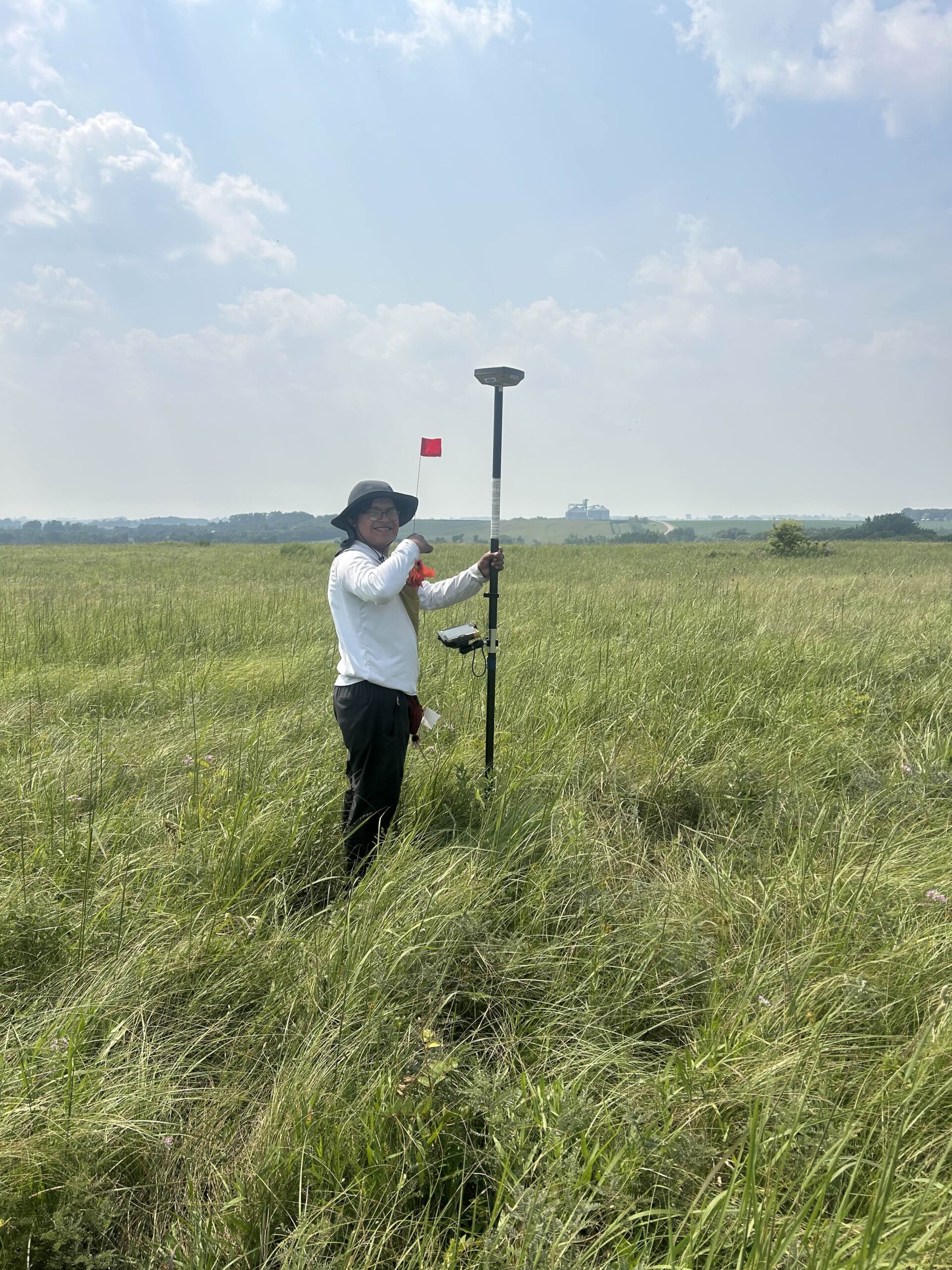
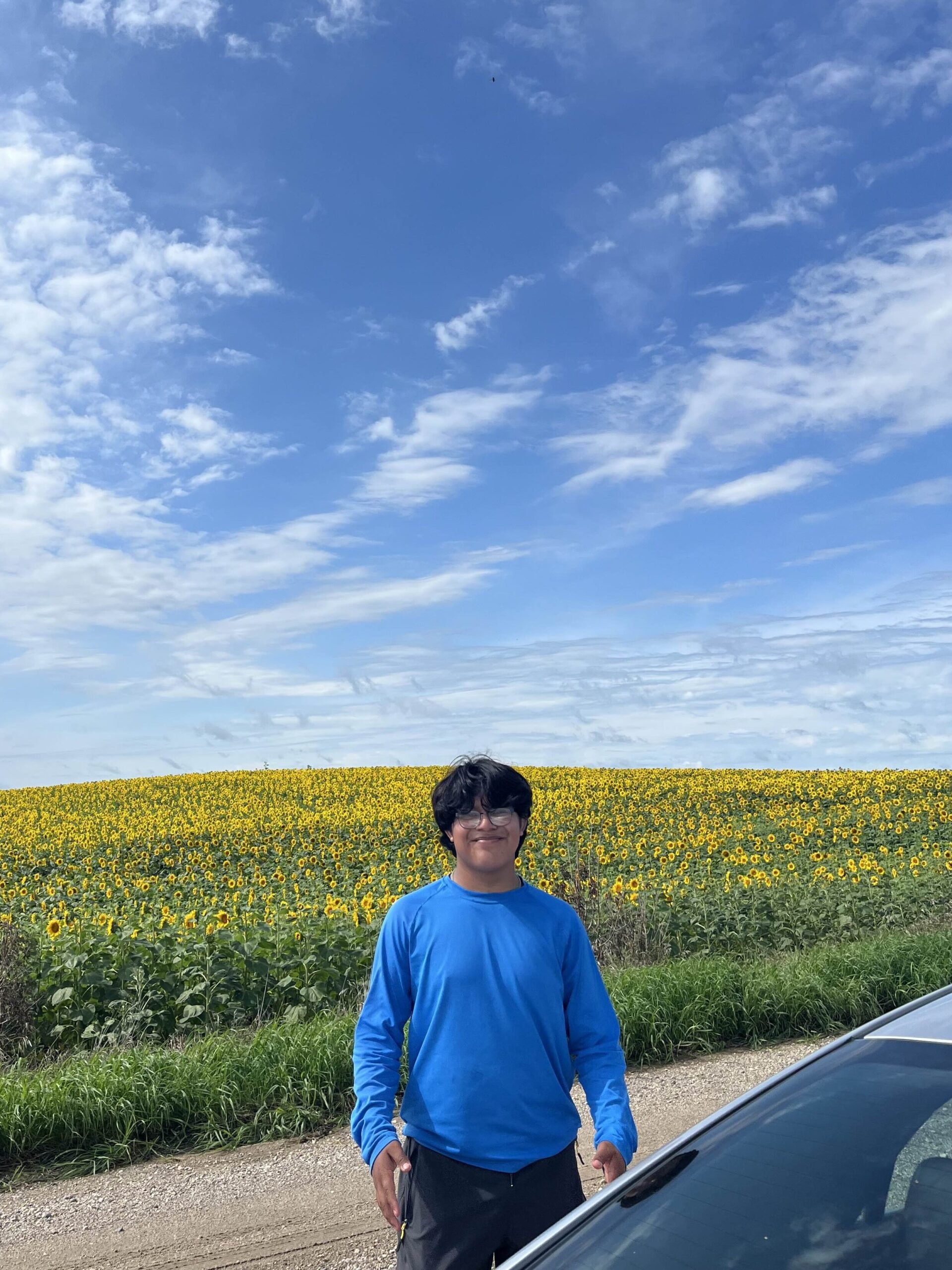
Gael, operating the GPS during total demoGael on a visit to the sunflower fields near a field site
We’ve finished up another week of summer! In the morning, the team continued making progress measuring in P8. More monarchs were spotted in the experimental plot as the rough blazingstar begins to bloom!
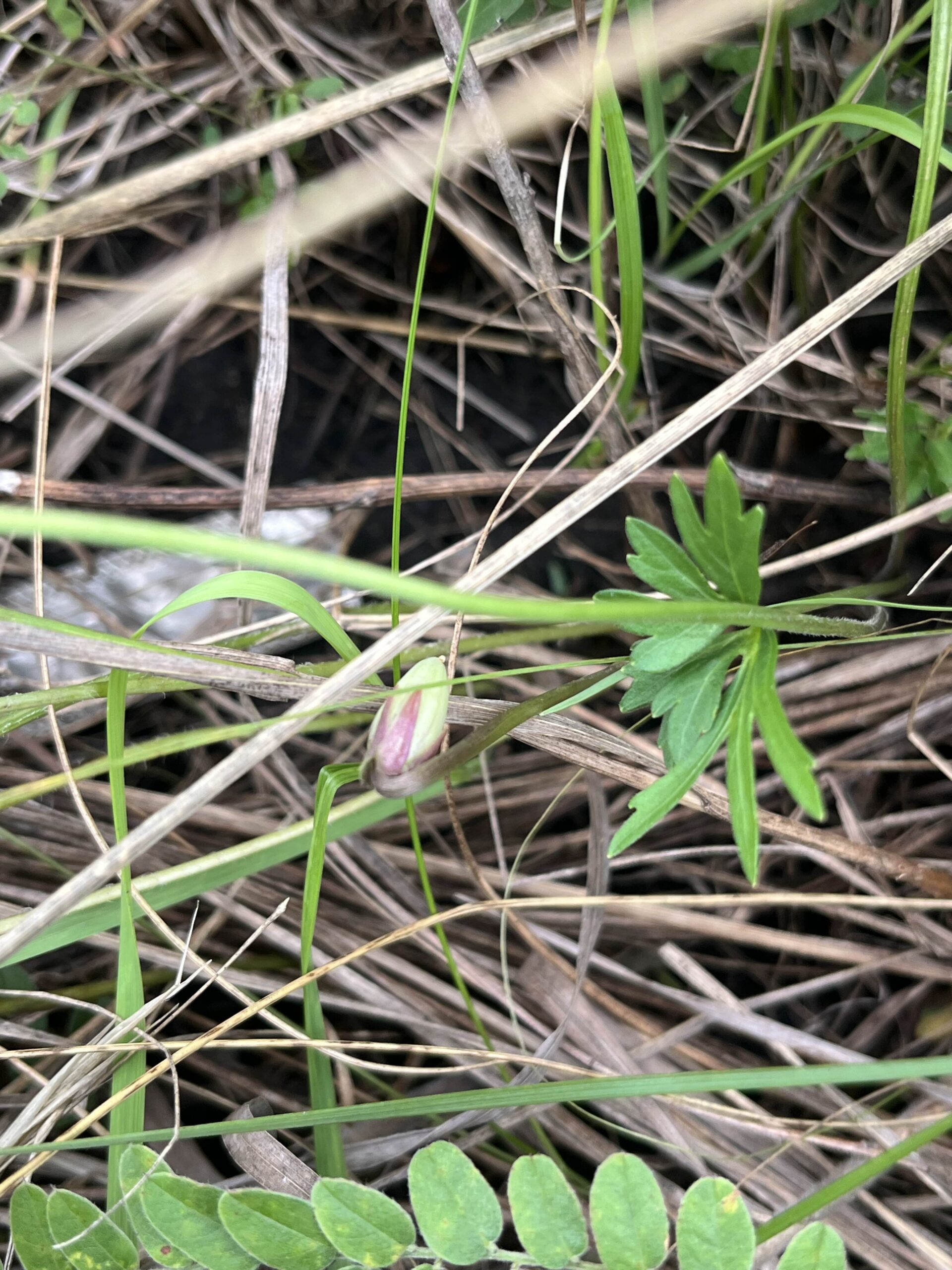
After lunch, we split into groups. Maddie D., Gael, and I (Grace) headed to Landfill West and completed total demo and surveying. We were excited to find some wild viola growing around the echinacea! Aaron and Kyra decapitated rogue Pallida and completed total demo around Hegg Lake. Meanwhile, Maddie S. continued aster walks for her thesis work. It was a humid but productive afternoon!
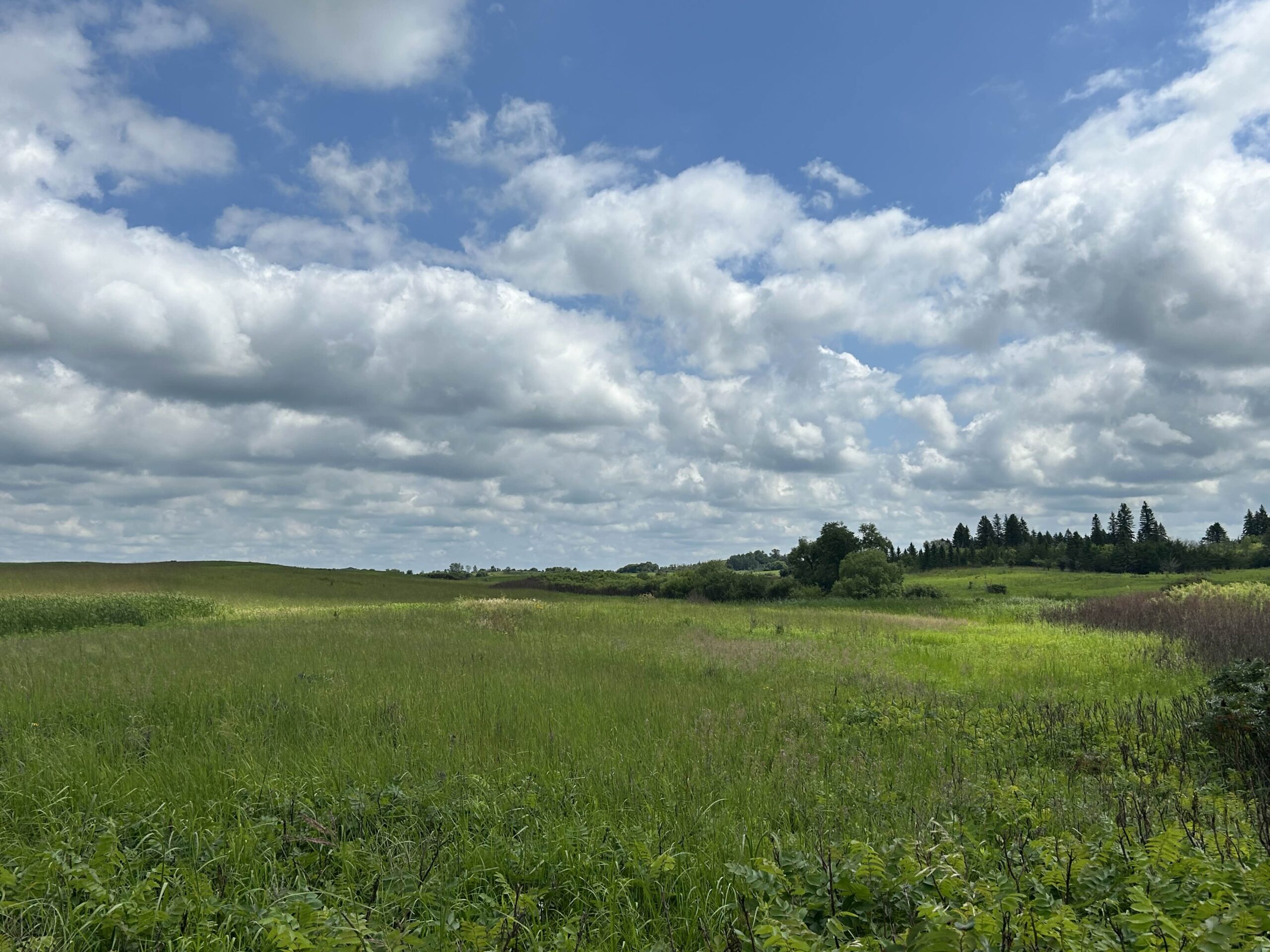
Another beautiful day at Hegg!Wild Viola at LFWMonarch in P8