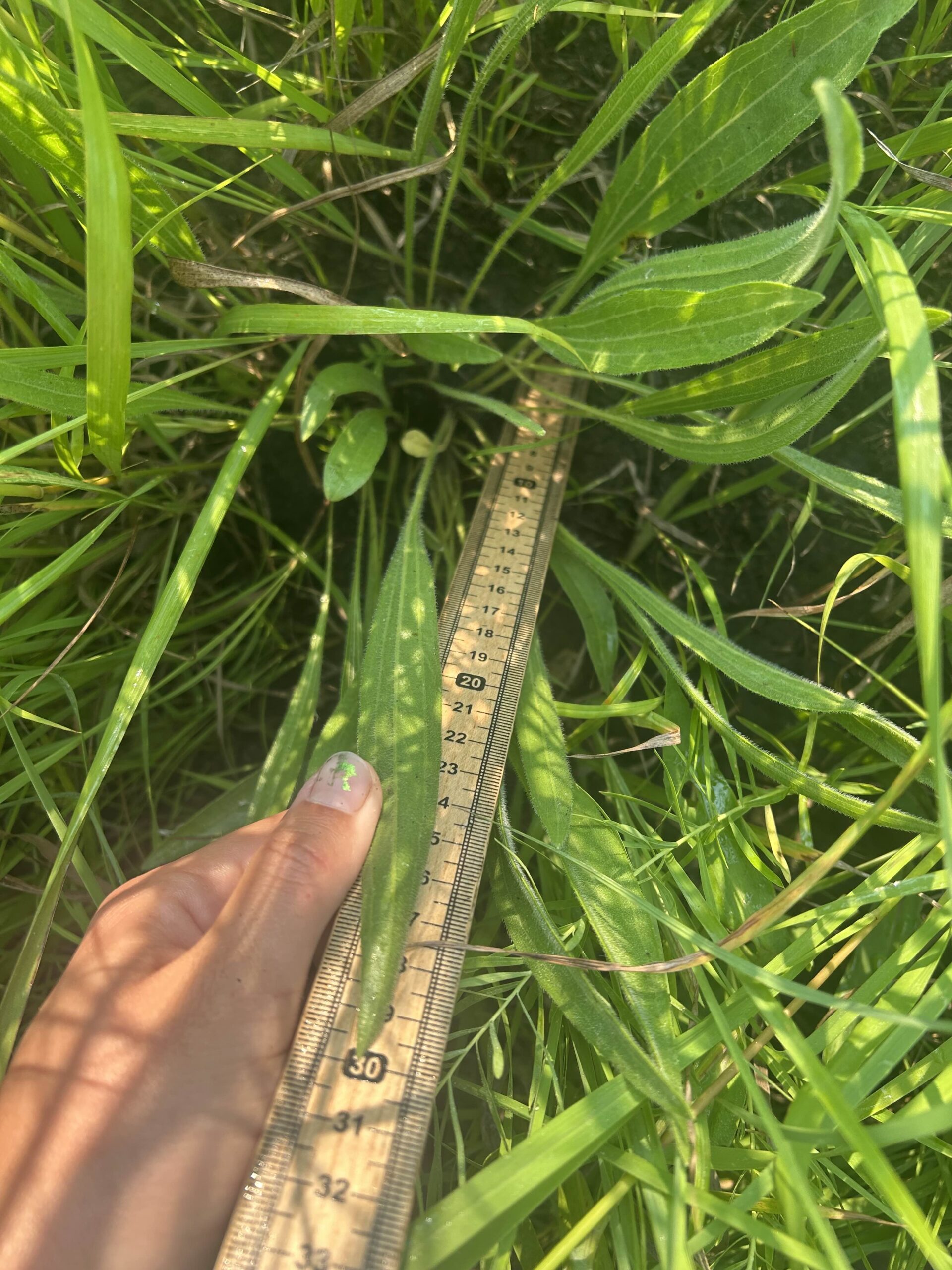
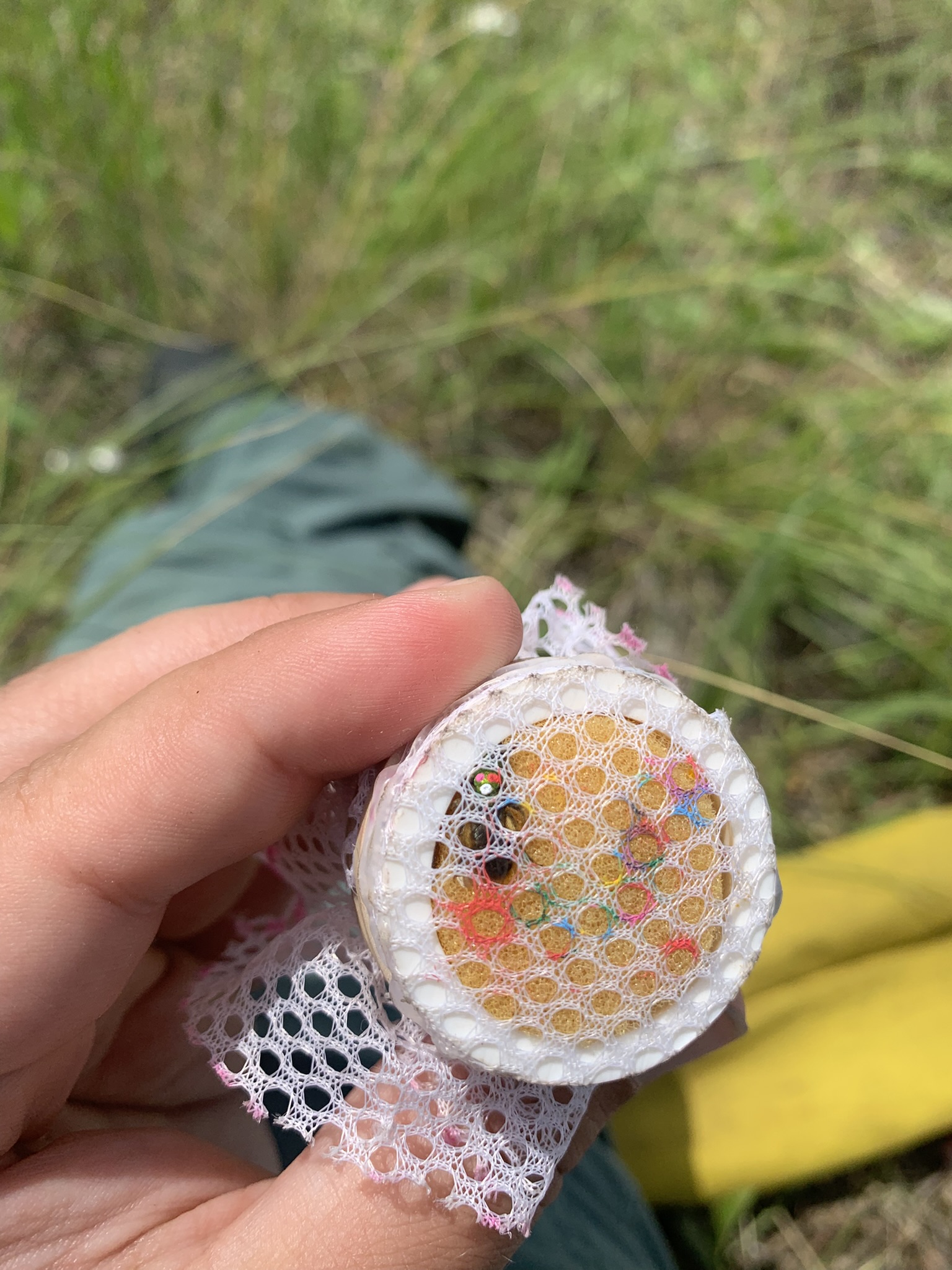
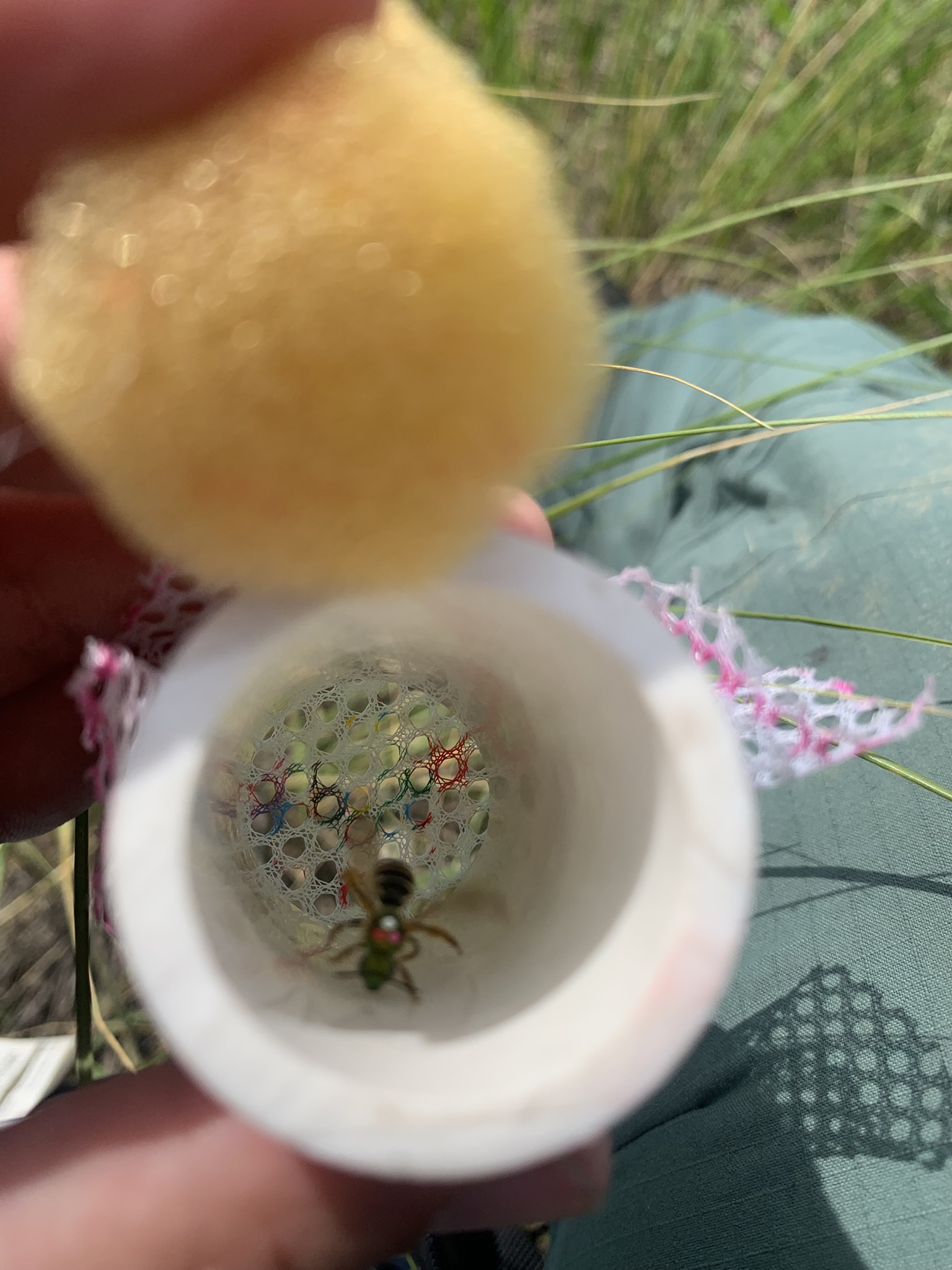
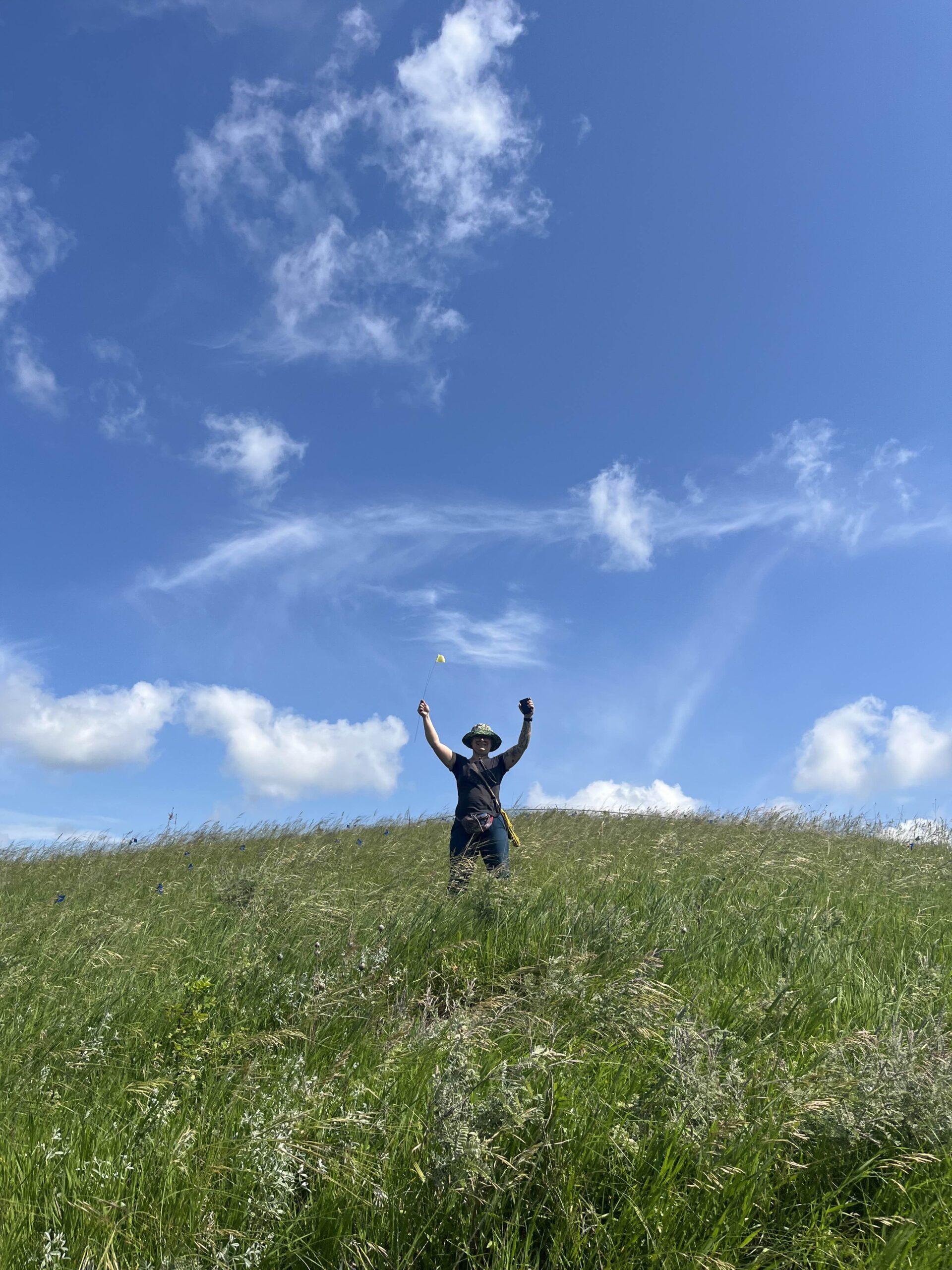
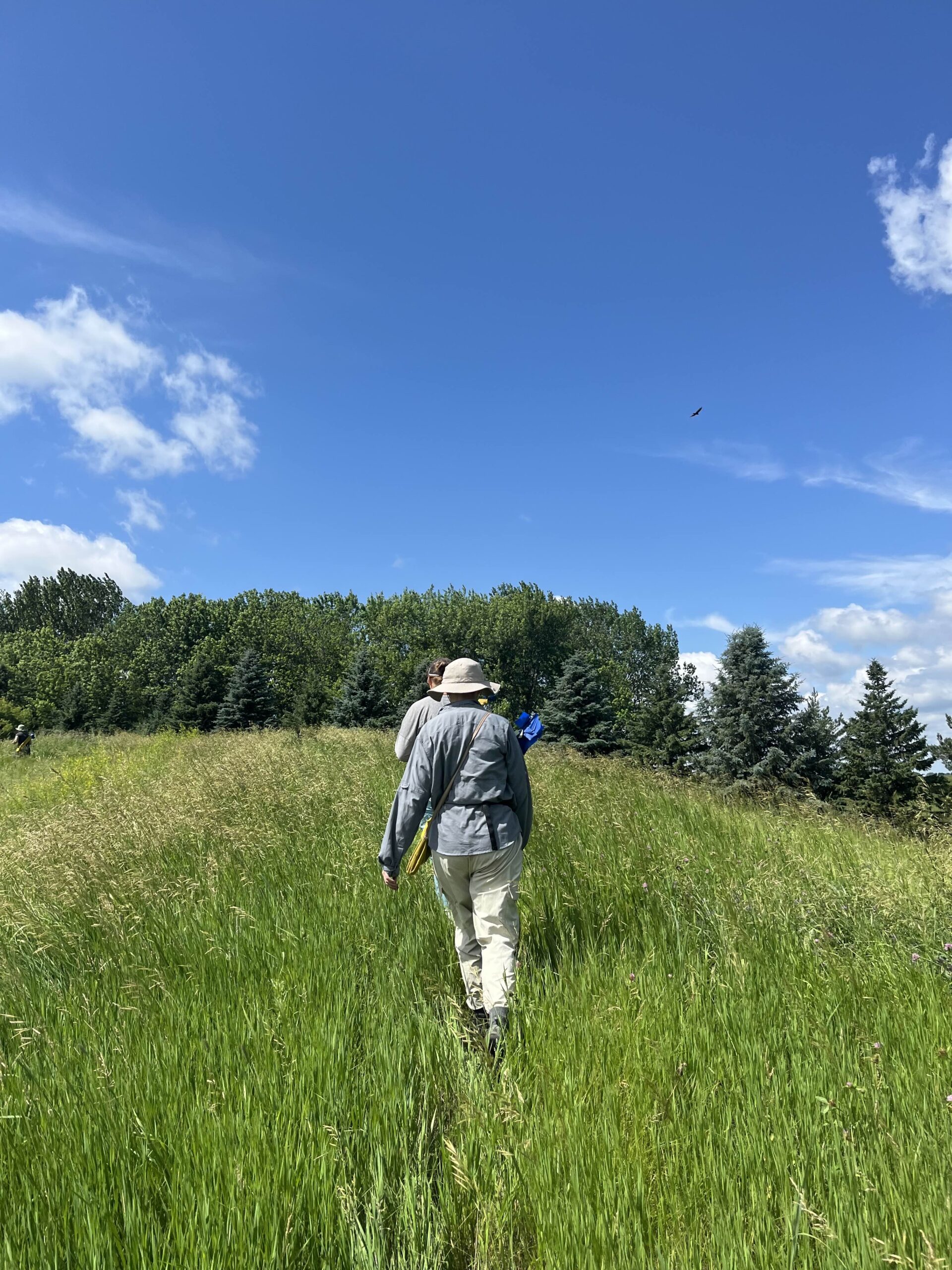
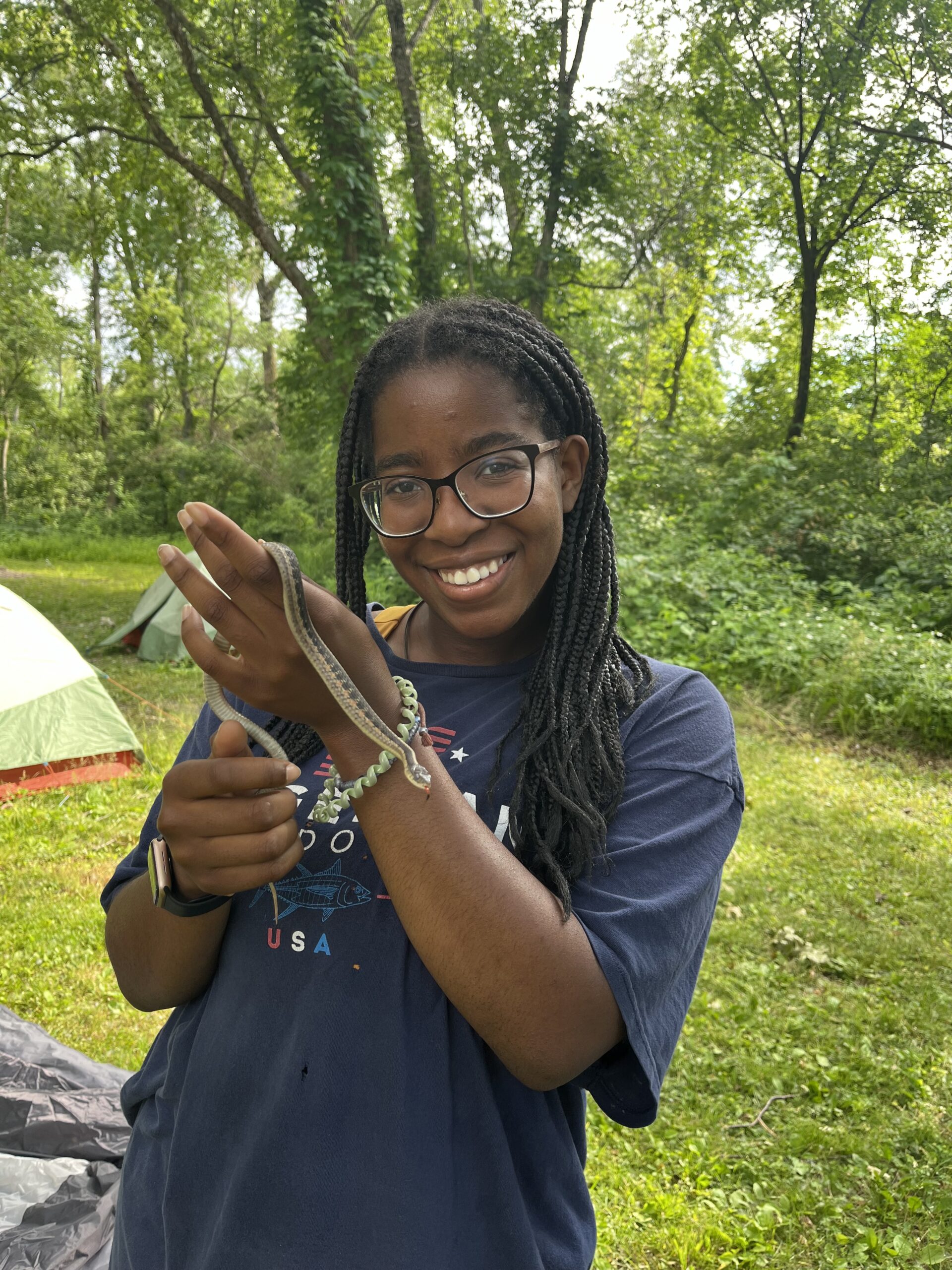
Last week I trekked out to Landfill to see if I could acquire some aphids and I was successful! The most successful way of harvesting them in the past which was using a paintbrush that had a small amount of bristles. However, I found most successful for preparing the Aphids to move is slightly blowing on them. This provoked them enough to retract their styles so I could sweep them using a larger paintbrush. After a drive back, I put them back onto the leaves of the addition plants in ExPt01.
This week I was met with some pretty unfortunate news after visiting the addition plants in ExPt01, they were no longer present. So to remedy this, I will venture back out to landfill and harvest more aphids and check back in with them tomorrow afternoon to make sure that they are thriving on their respective plants.
The Echinacea Project, and its principal investigator Stuart Wagenius, is responsible for the foundation of one of the most comprehensive and long-running studies of prairie plants. Experimental plots use a common garden design and include experiments involving inbreeding, aphid addition and exclusion, flowering phenology, pollen addition and exclusion, and more. The Echinacea angustifolia in experimental plot 1 were planted as far back as 1996; while they have experienced mortality over the years, many of these plants are still alive. Team Echinacea, most of which are younger than the plants we work with, have been hard at work collecting measurements to add to the ever-expanding dataset. We take data on things like the number of rosettes, leaves, and flowering heads a plant has, as well as insect activity and disease spread, to help determine the fitness of the plants in various treatments.
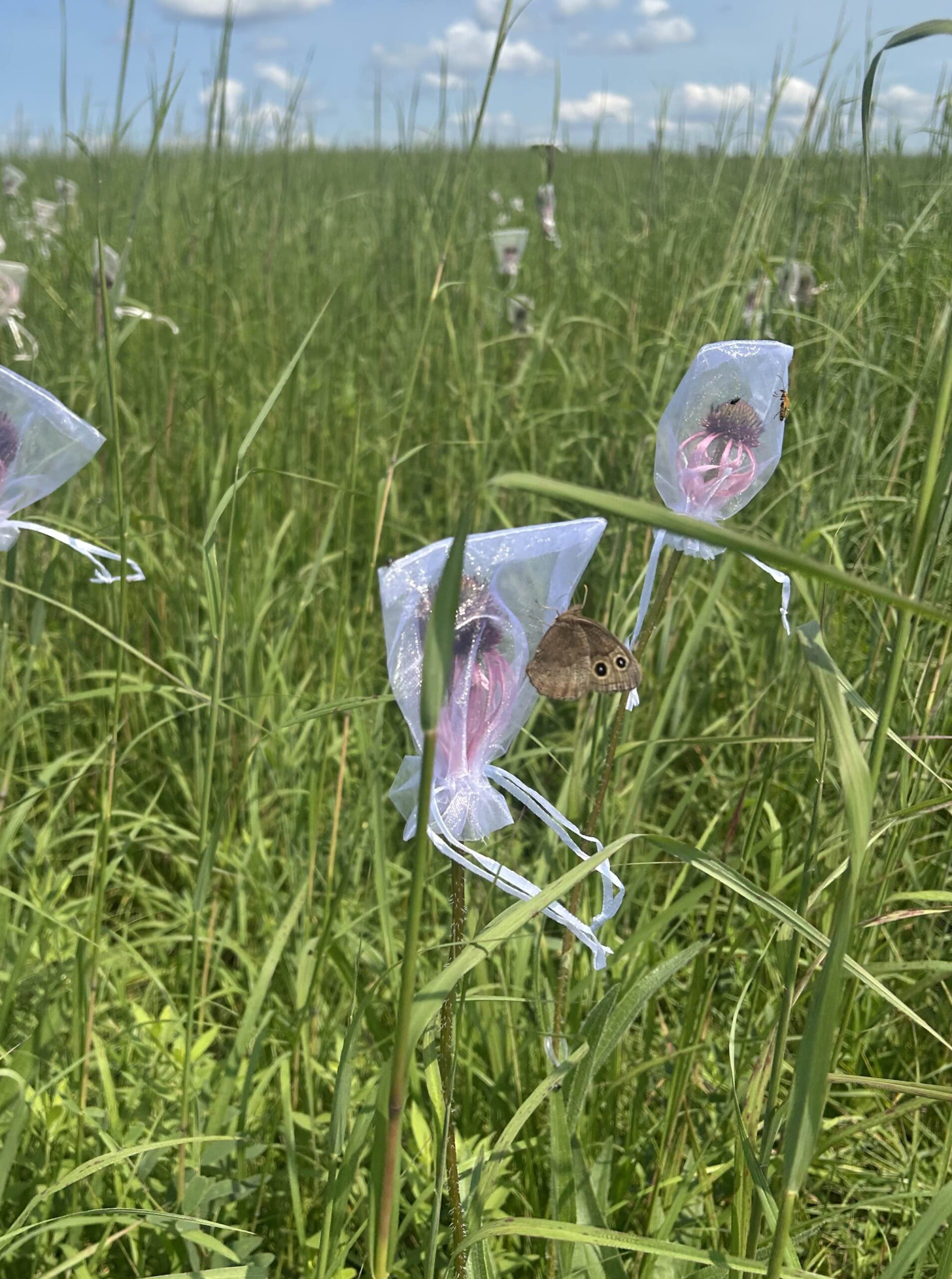
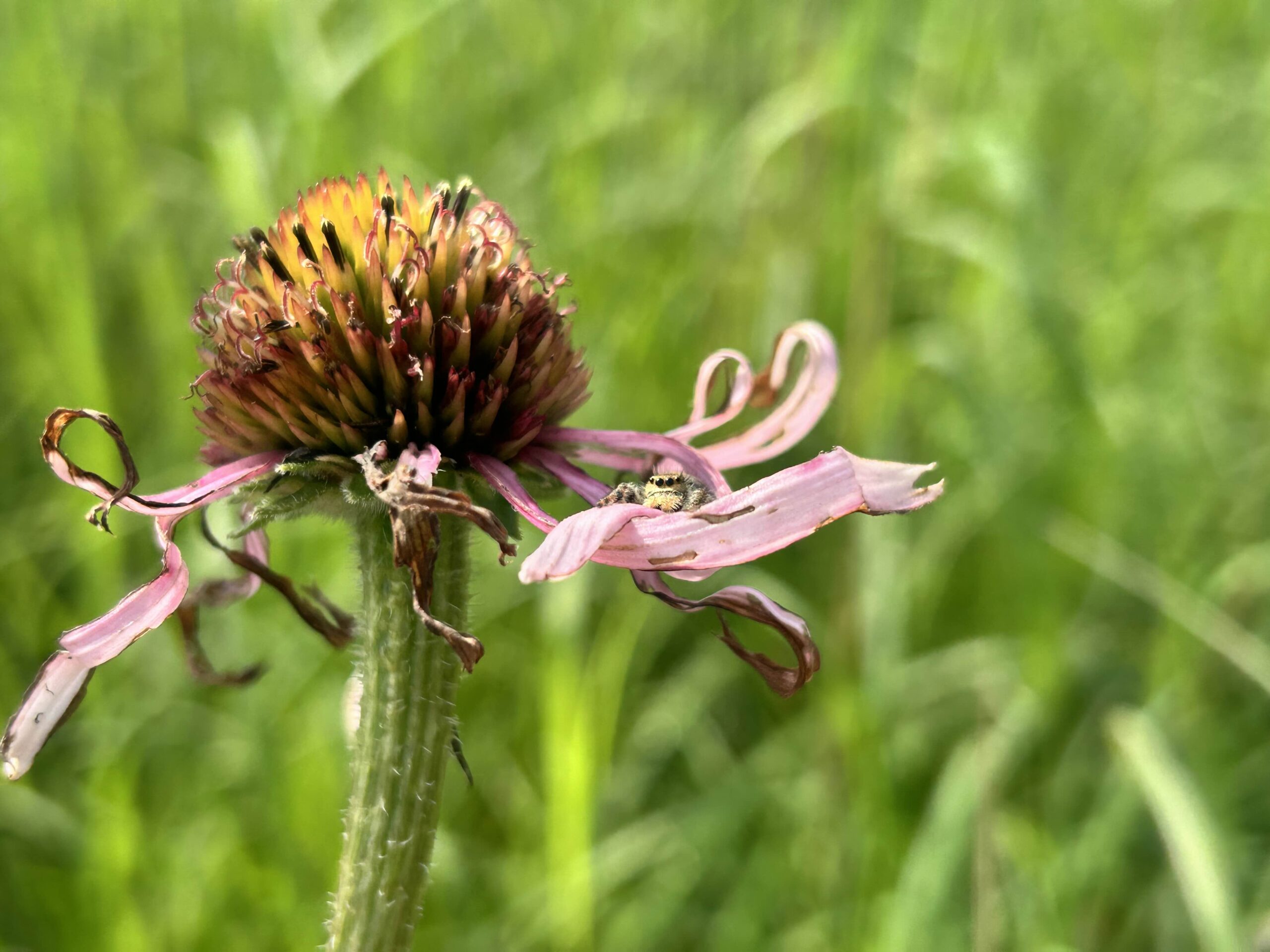
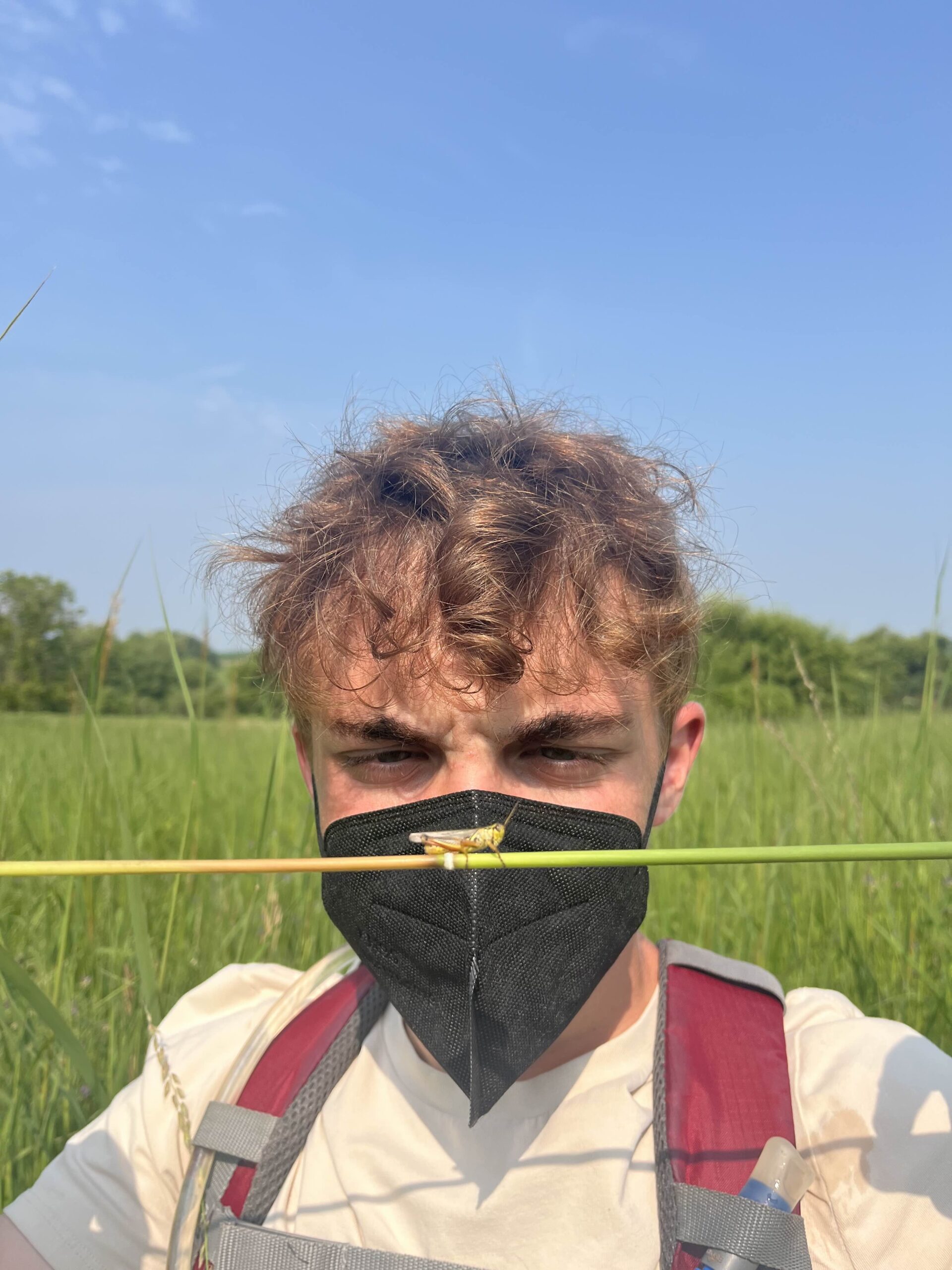
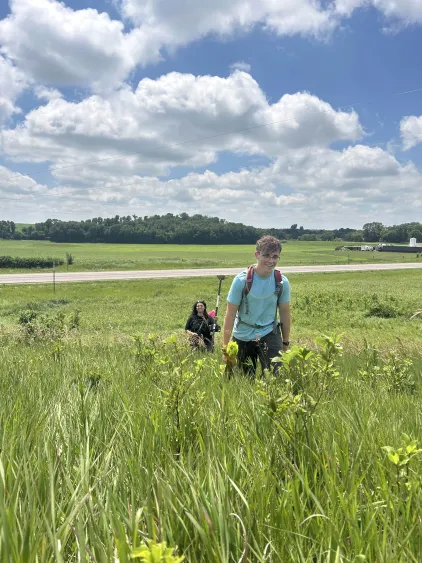
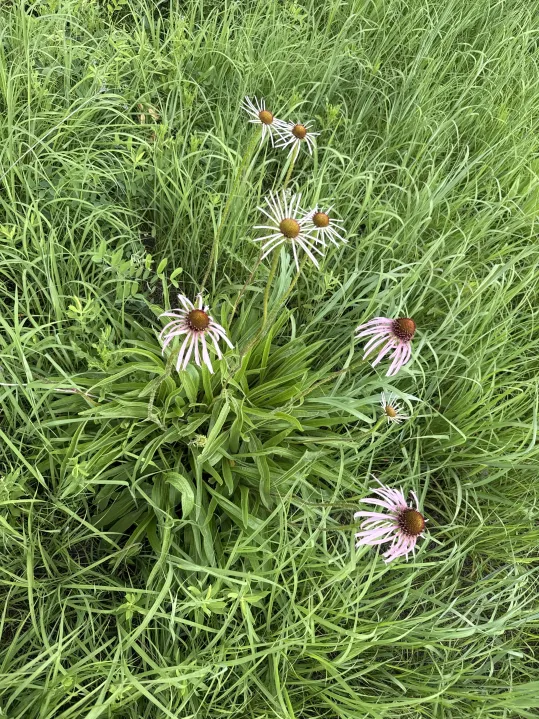
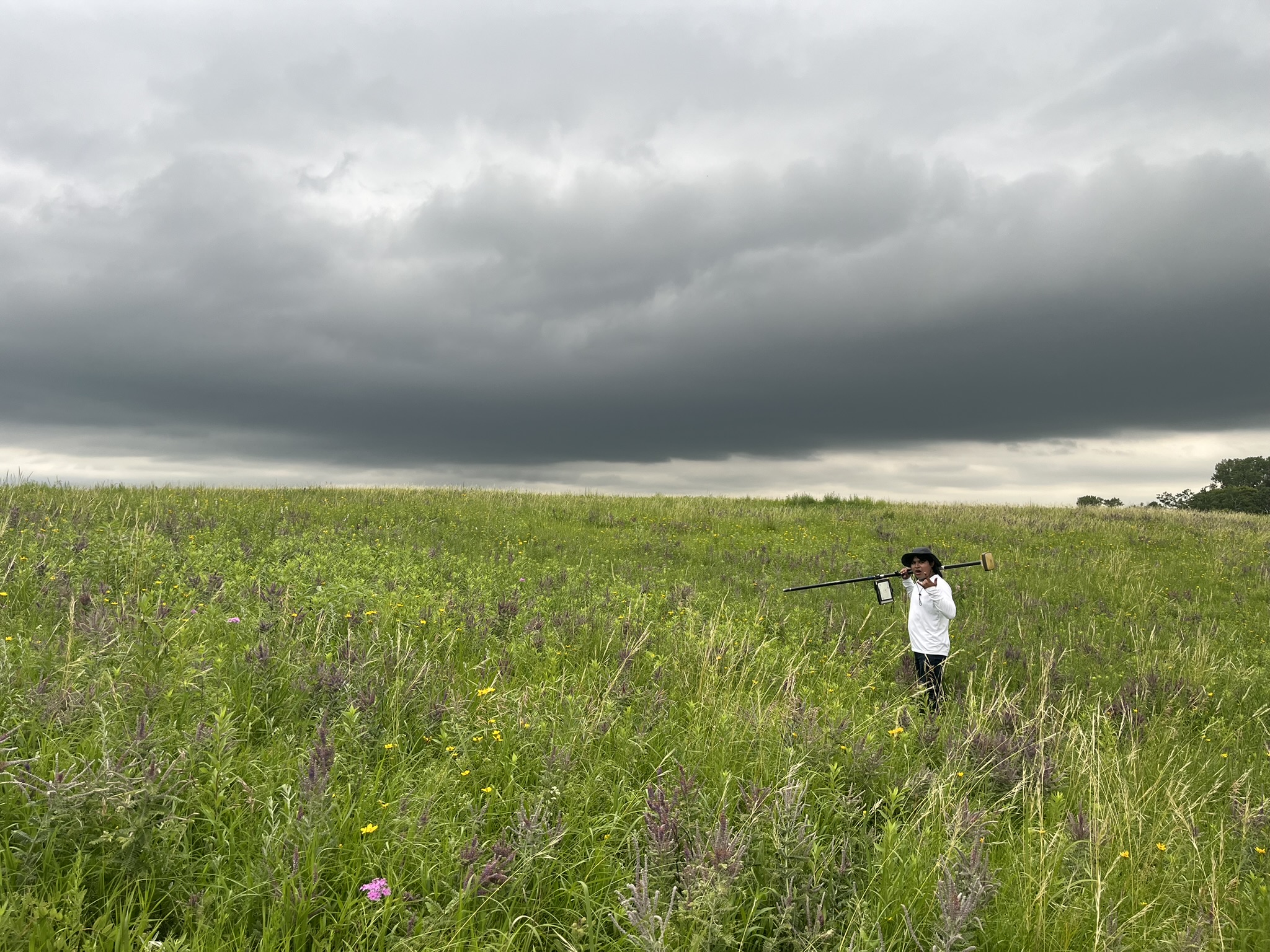
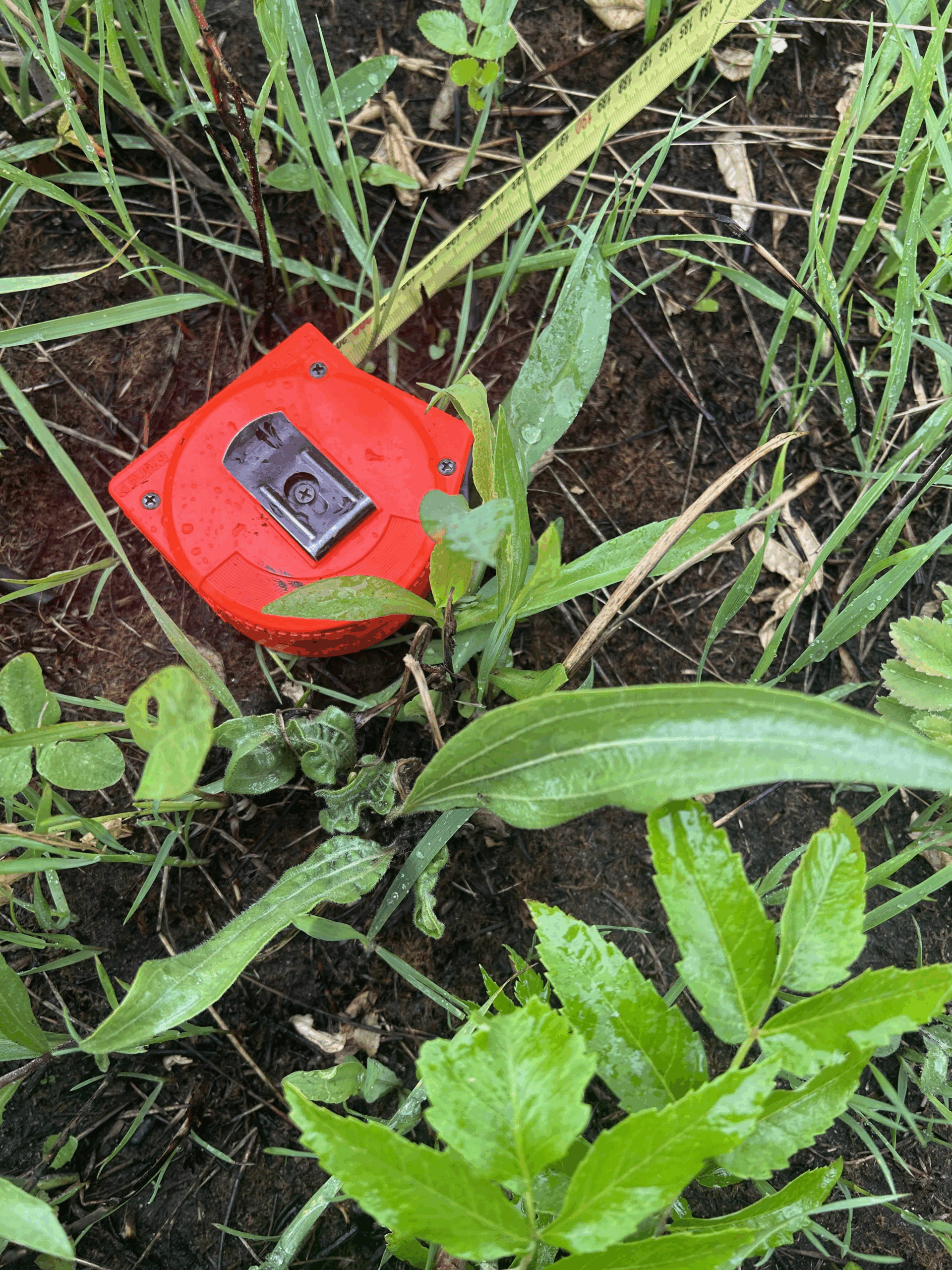
A common wood-nymph being thwarted by our pollinator-exclusion bagsAn Agapostemon virescens visiting echinacea in ExPt01A fungus commonly found growing in ExPt01A jumping spider on the hunt, likely preying on floral visitorsDragonflies, abundant in ExPt08Aaron, having a standoff with a grasshopper
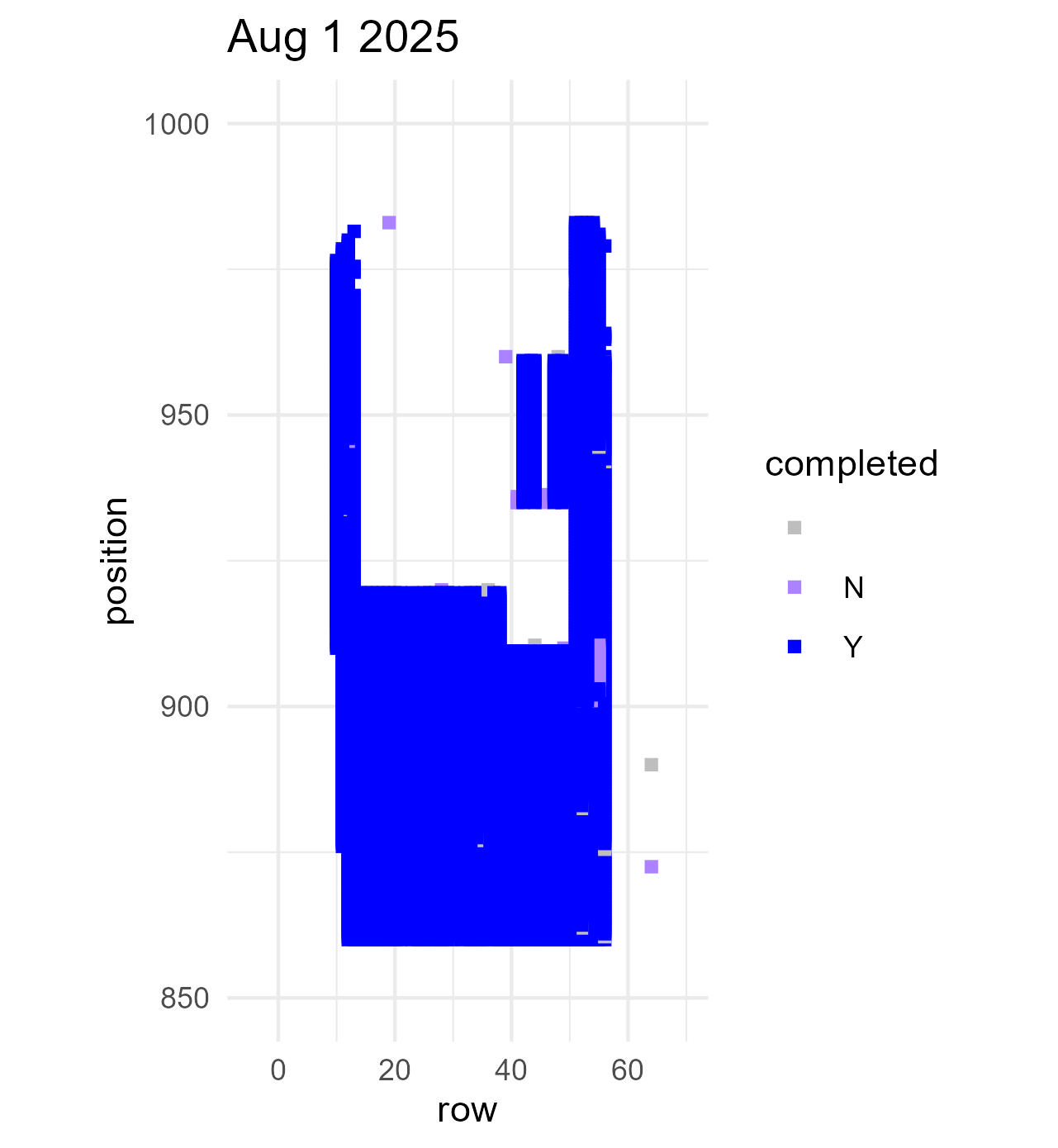
As of August 1, 2025, we have measured approximately 60% of experimental plot 1, which has over 11,000 planted positions. Having accomplished so much, we plan on beginning harvesting soon next week. After the heads are harvested, the achenes will be sent to the Chicago Botanic garden, where interns and volunteers will work to determine the flowers’ seed set. Throughout the rest of the field season, Team Echinacea will continue measuring in ExPt01, and begin on ExPt08, ExPt09, ExPt07, and ExPt02.
This is a map of measuring progress in ExPt01, where the blue segments have been completed and the white, unfilled sections are soon to be measured. We measure by experiment, concluding one before we move to another. We have completed the inbreeding 1 cohort, the inbreeding 2 cohort, and the first generation of the heritability of fitness experiment. Currently, we are working on the 99 main garden, a series of rows planted by Stuart in 1999.
It’s the first day of August, and the team is working hard to finish measuring in P1! Now that Inbreeding 1 & 2 and qGen1 are complete, we continued making progress in the 99 garden. The goal is to begin harvesting by August 5th!
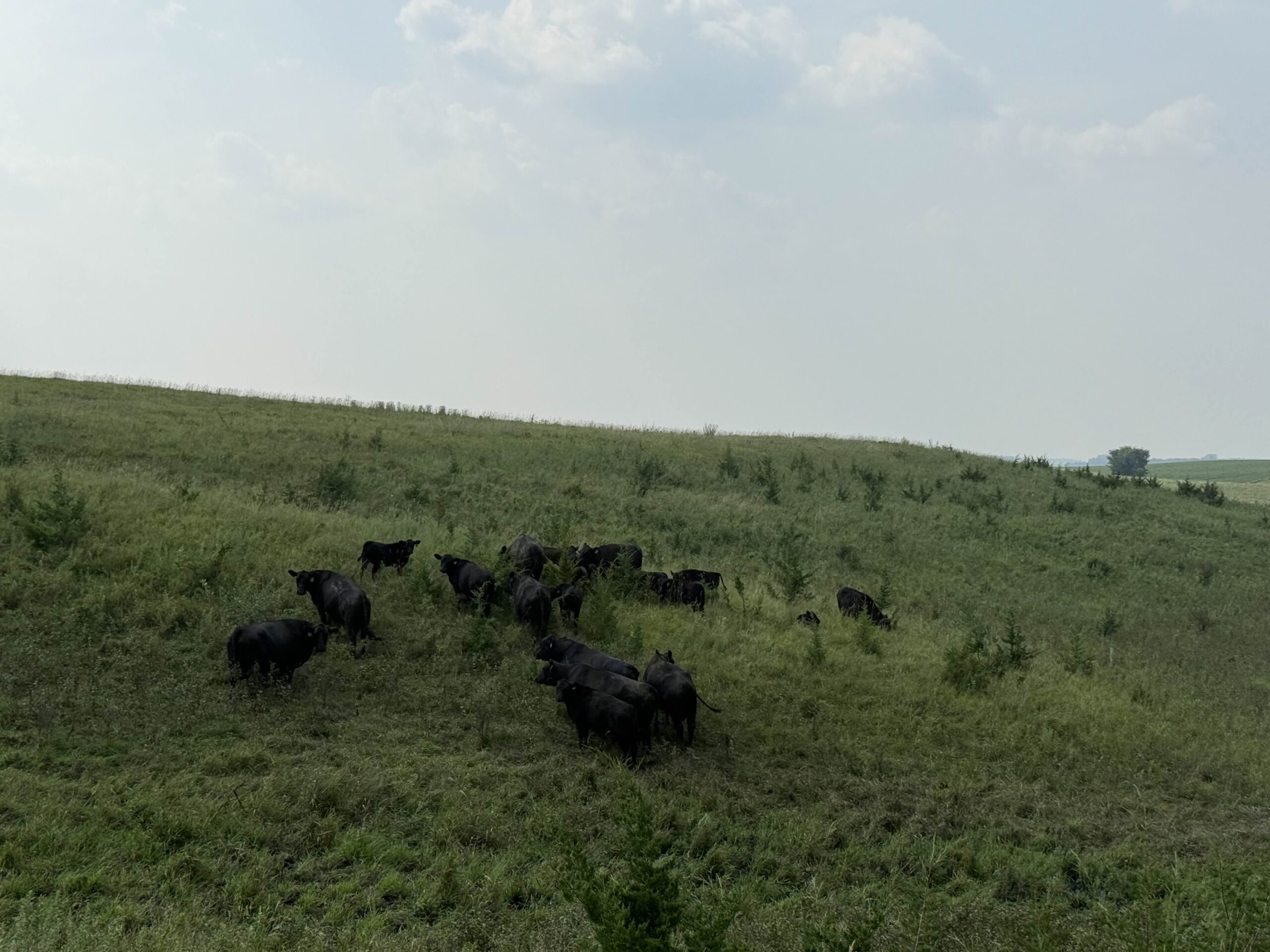
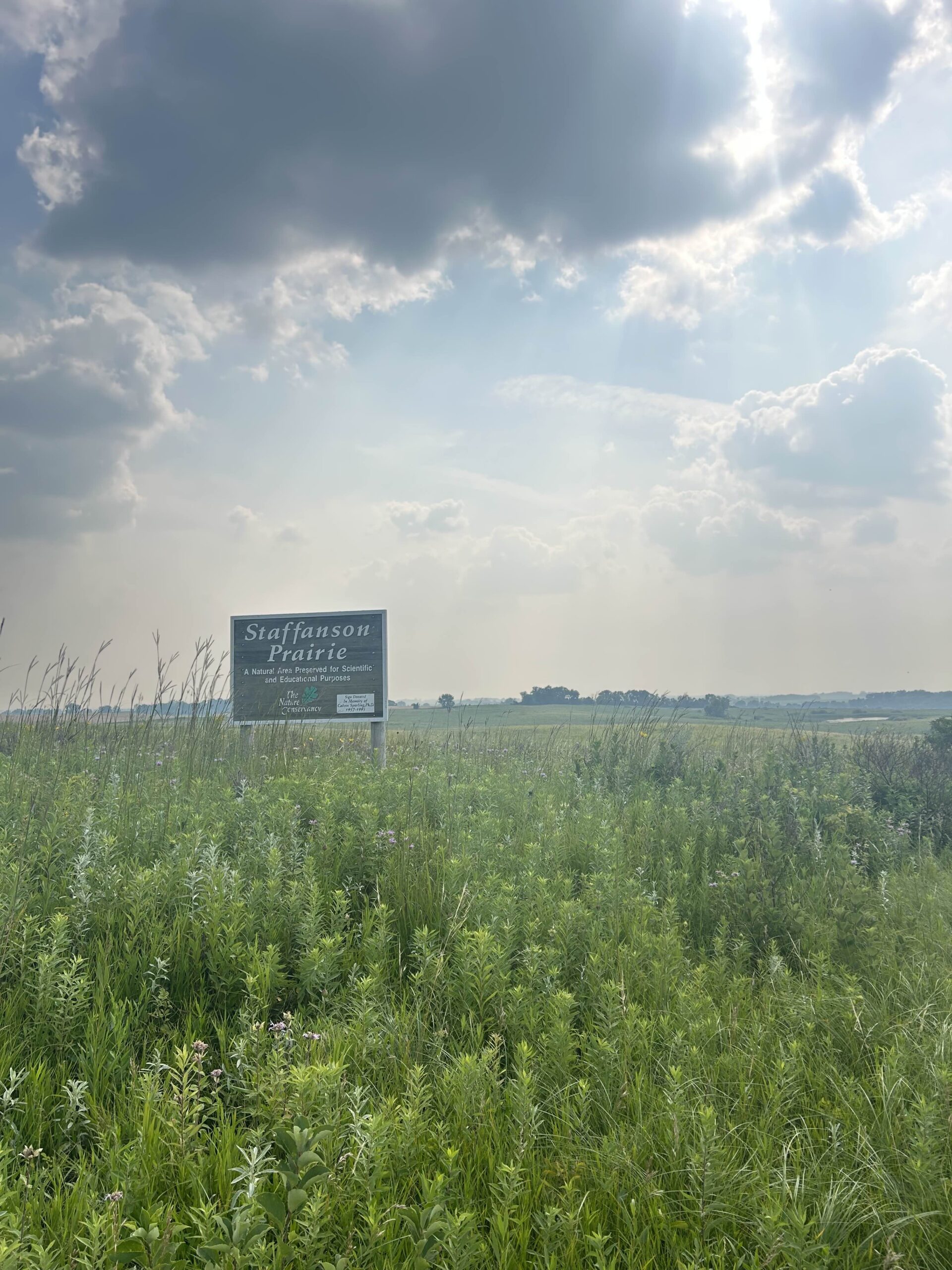
After lunch, Maddie D. updated code for the measuring data while Kyra, Gael, and I (Grace) headed out to do total demo at Staffanson West. Kyra and I finished by surveying SPPW while Gael split off and saw some very cute cows while surveying Aanenson, West Aanenson, and Around Landfill. We’re excited to continue making headway with measuring next week–hopefully with less smoky skies!
Since the last daily update on the 7th, Team Echinacea has been busy! Last week was the start of the mark recapture project lead by Grace and Kyra. Tallgrass prairie in Minnesota currently exists in fragmented and isolated remnants across the state. These plants suffer from inbreeding and reproductive failure due to a lack of compatible mates. Research has shown that prairie plants in these remnants still receive frequent visits from pollinators, but it is unknown if these pollinators are moving between fragmented prairie sites. Therefore, we as a team are studying the movement patterns of a common pollinator, Agapostemon virescens, using mark recapture techniques to analyze movement between isolated Echinacea angustifolia populations in prairie remnants. In order to do this Grace and Kyra have been teaching the team how to do a mark recapture pilot study where we mark Agapostemon virescens with three alternating colors of paint pens on their thorax. There has been many trials and tribulations with finding the right approach and making sure we are getting out quickly and promptly when the time is right, but we are learning and on the right track, and have the beginnings of a great data set!
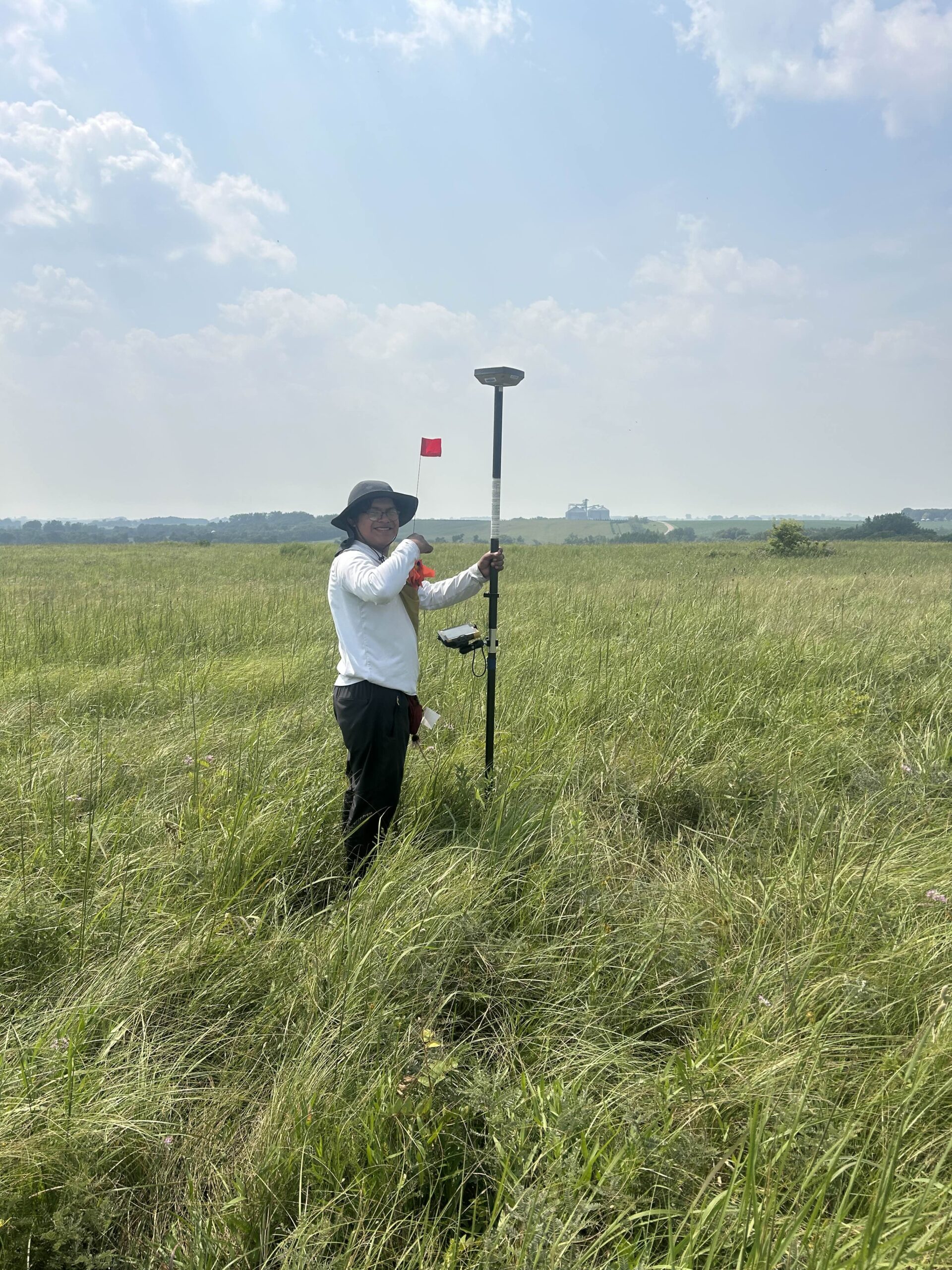
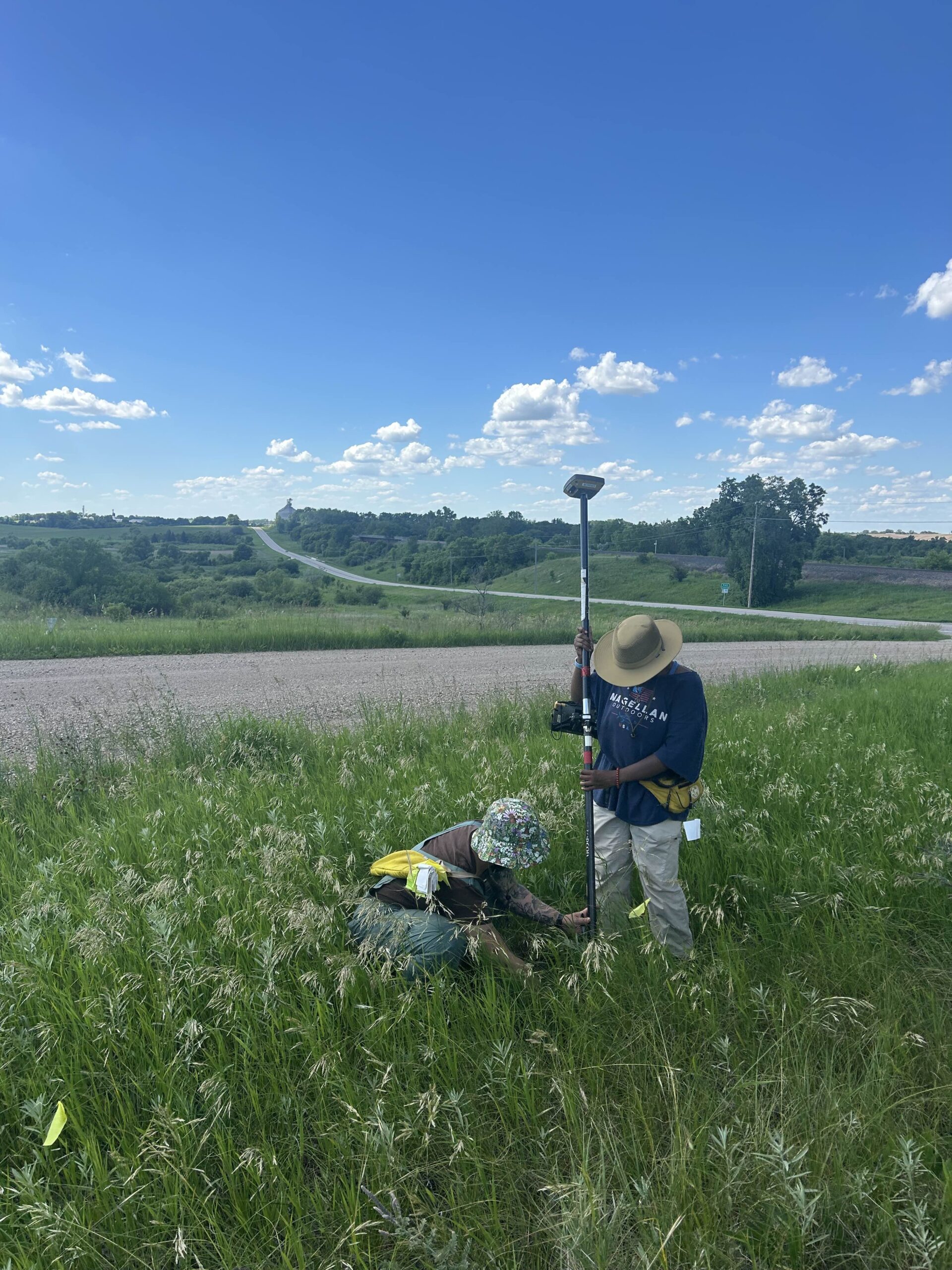
An update on projects in our remnants sites is also in store. We have also been working on total demo at numerous sites. Our objectives for surveying remnant Echinacea angustifolia populations are twofold this year: Document the spatial location of each flowering plant in every remnant using a GPS unit, and Collect demographic data about the Echinacea plants in each population. Total demo gives us a valuable glimpse into the lives of non-flowering Echinacea including factors that influence survival and population growth. The team has been working hard and taking some exceptional data this year. We’ve even found a few plants with a tag in the 500’s meaning they are plants that we’re originally planted at the start of the Echinacea Project. Now those are some long-lived perennials! We’ve also been working on staking, demoing, and decapitating Echinacea pallida over at Hegg Lake. Echinacea pallida is a species of Echinacea that is not native to Minnesota. It was mistakenly introduced to our study area during a restoration of Hegg Lake WMA, and we don’t know how it may impact our local Echinacea angustifolia so we decapitate it to stop the spread. Be gone pallida!
Finally, for the experimental plot update we’ve been working on adding twist ties to flowering Echinacea heads in plot P1 to get them ready for measuring. Measuring is going to look a little different this year as we are not looking at phenology like we have done in previous years, but I will let Maddie D. discuss that in a future post!
Bonus: currently writing this after being rained in for the afternoon where Gael and I (Maddie S.) were working to stake the transect at Staffanson to get ready for total demo there soon!
The aphid addition and exclusion experiment was started in 2011 by Katherine Muller. The original experiment included 100 plants selected from exPt01 that were each assigned to have aphids either added or excluded across multiple years. The intention is to assess the impact of the specialist herbivore Aphis Echinaceae on Echinacea fitness.
In 2025, 32 of the original 100 plants were alive, 12 addition and 20 exclusion plants. Unfortunately, no aphids were found in exP01 but many aphids were found in other remnant plots this year. As soon as I can I will transfer aphids from the plants out in remnants to plants in exP01 to get this experiment on the move.
Plant status (basal, flowering, not present), aphids present, ants present, herbivory (number of leaves significantly chewed on), and the number of aphids added/removed (depending on specific treatment)
Protocols and datasheets are located at ~Dropbox\aphidAddEx\aphids2025
Samples collected: NA
Products:
Andy Hoyt’s poster presented at the Fall 2018 Research Symposium at Carleton College
2016 paper by Katherine Muller and Stuart on aphids and foliar herbivory damage on Echinacea
2015 paper by Ruth Shaw and Stuart on fitness and demographic consequences of aphid loads
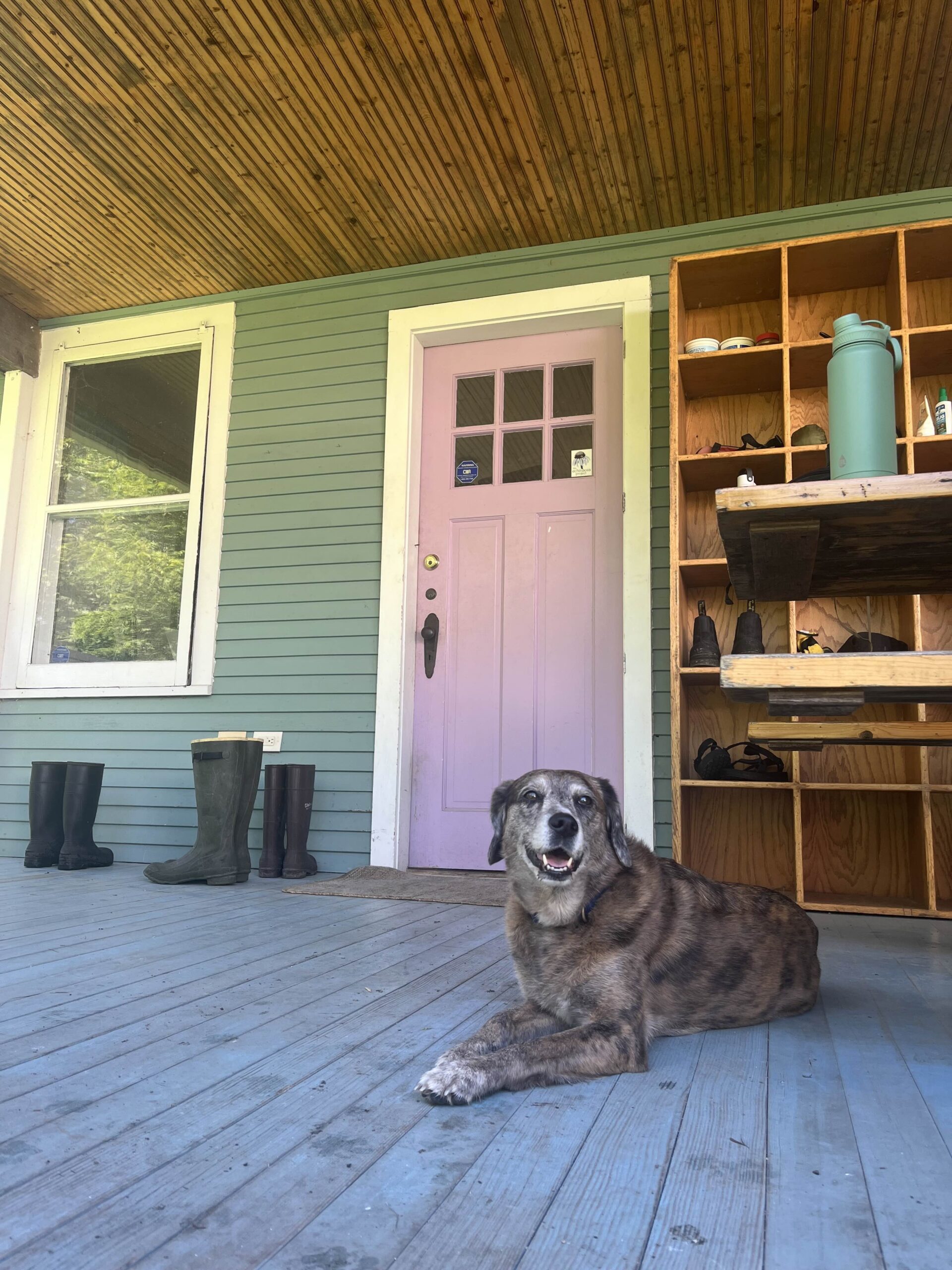
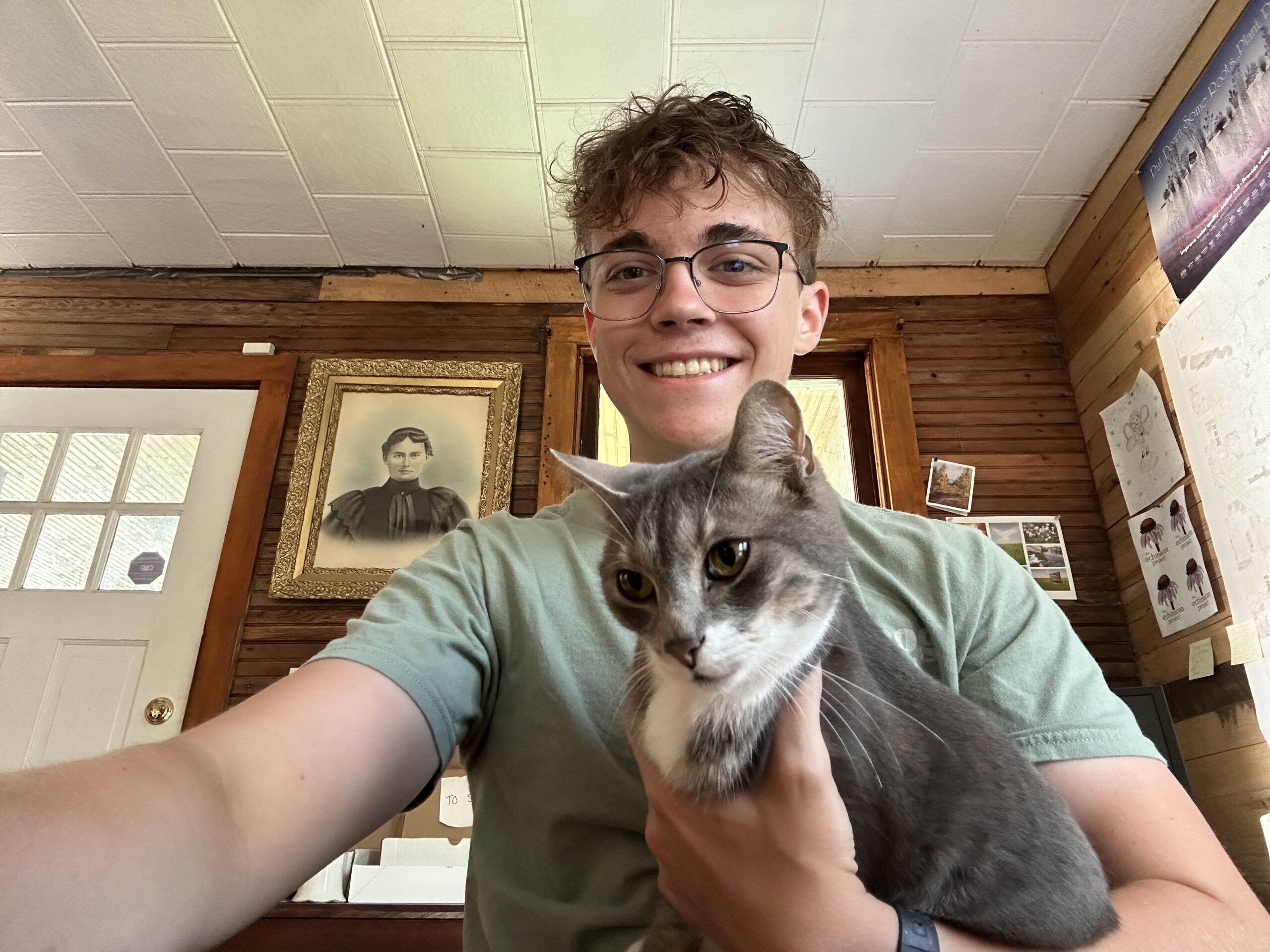
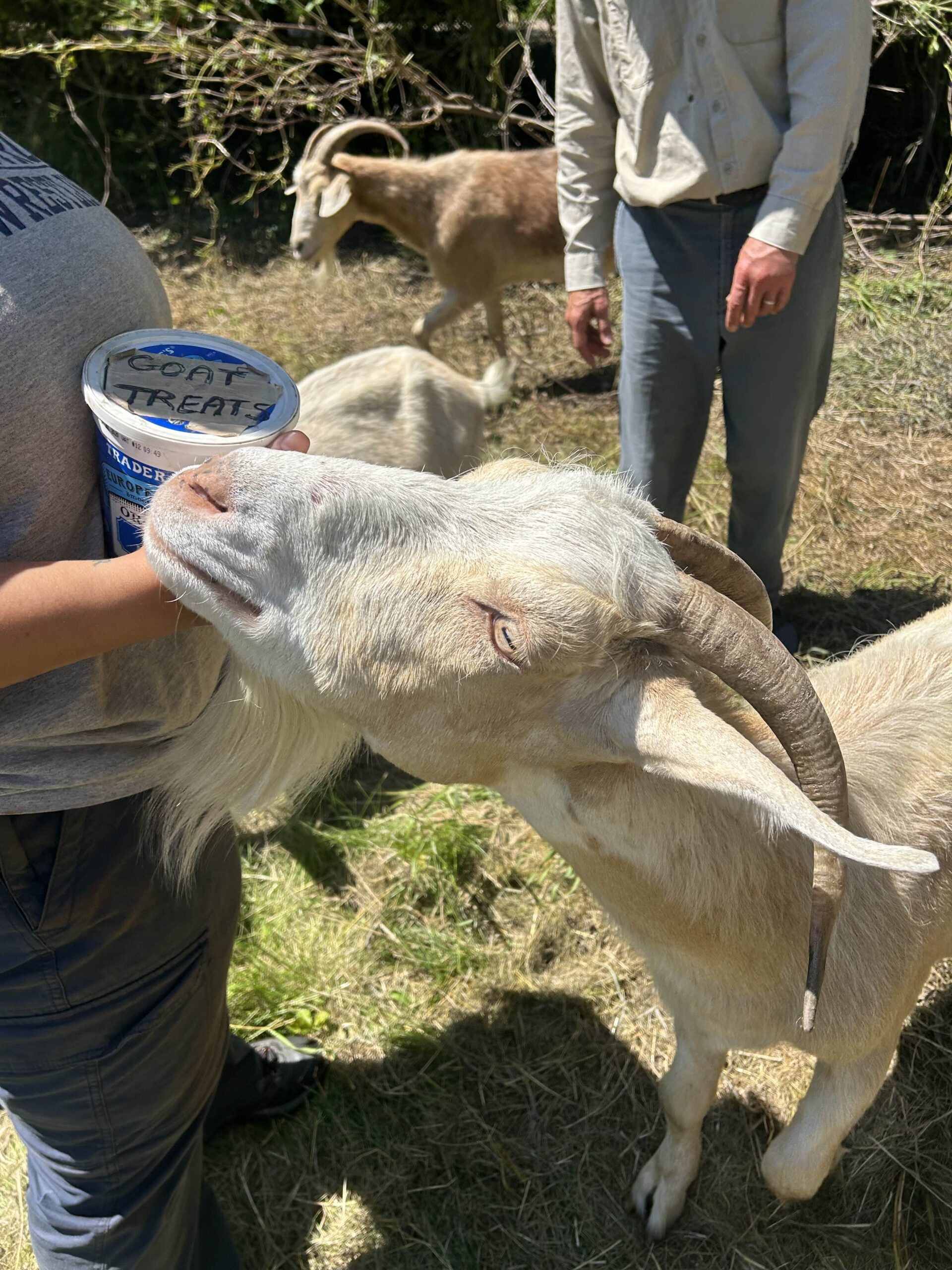
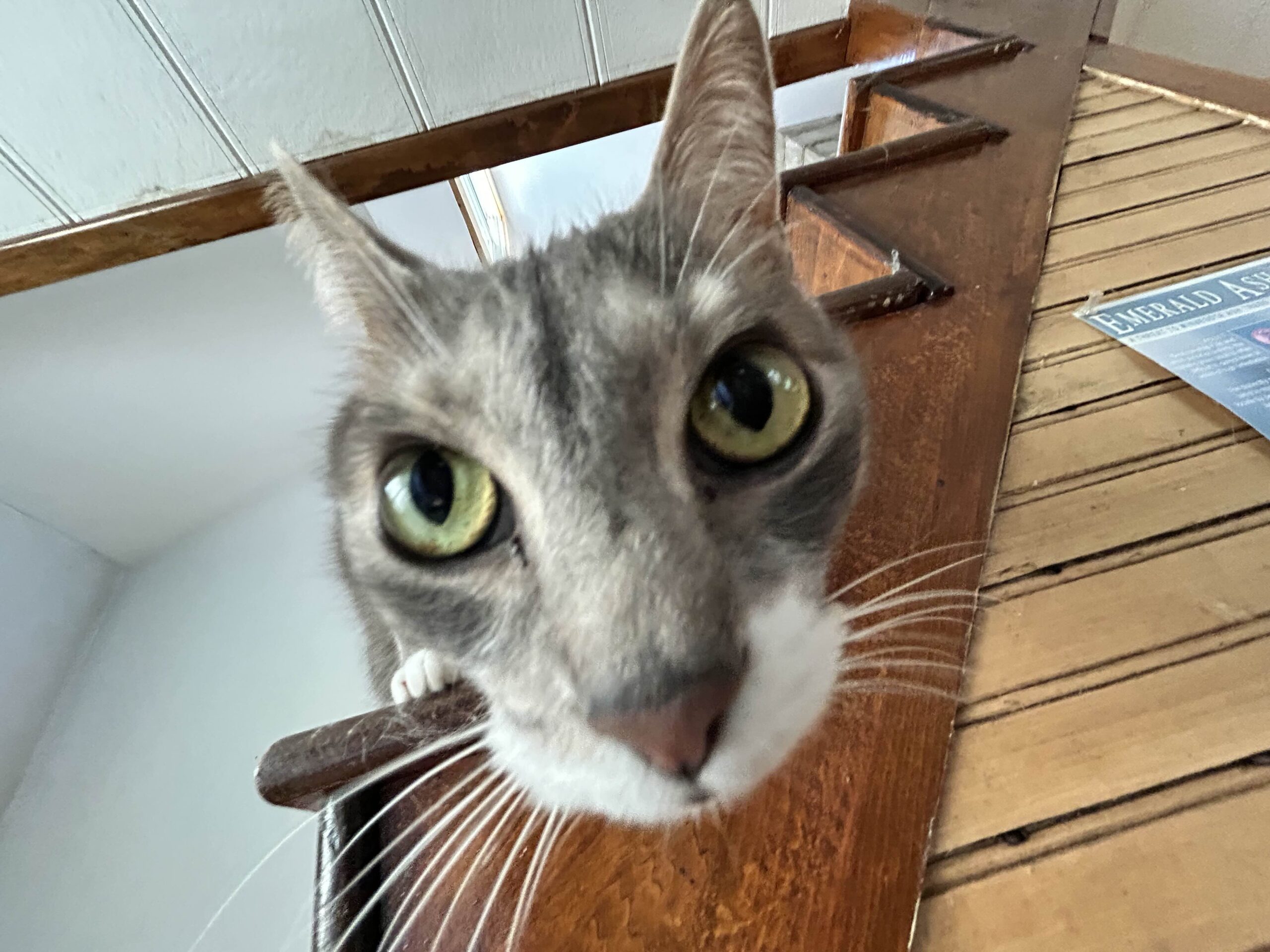
New members of team Echinacea! This week, we moved in our newest members—goats. The goats assist in weed removal. These animals are particularly good at removing the persistent and invasive buckthorn from patches around Hjelm. They’re also great for team morale. We have also had some time with Gretel and Stuart’s dog (Blue) and cat (Teenie).
Demography and surveying Echinacea angustifolia is a long-lived perennial, but we are unsure how long they actually live. To track individual plant lifespans, we “demo” every season. This marks the 30th year of demography data for the Echinacea Project! This week, we have made good headway demo-ing and surveying the remnant prairie field sites. As a team, we have taken demography on over 300 plants in the past two days. Our high school and REU students practiced their echinacea spotting, visor usage, and GPS skills.
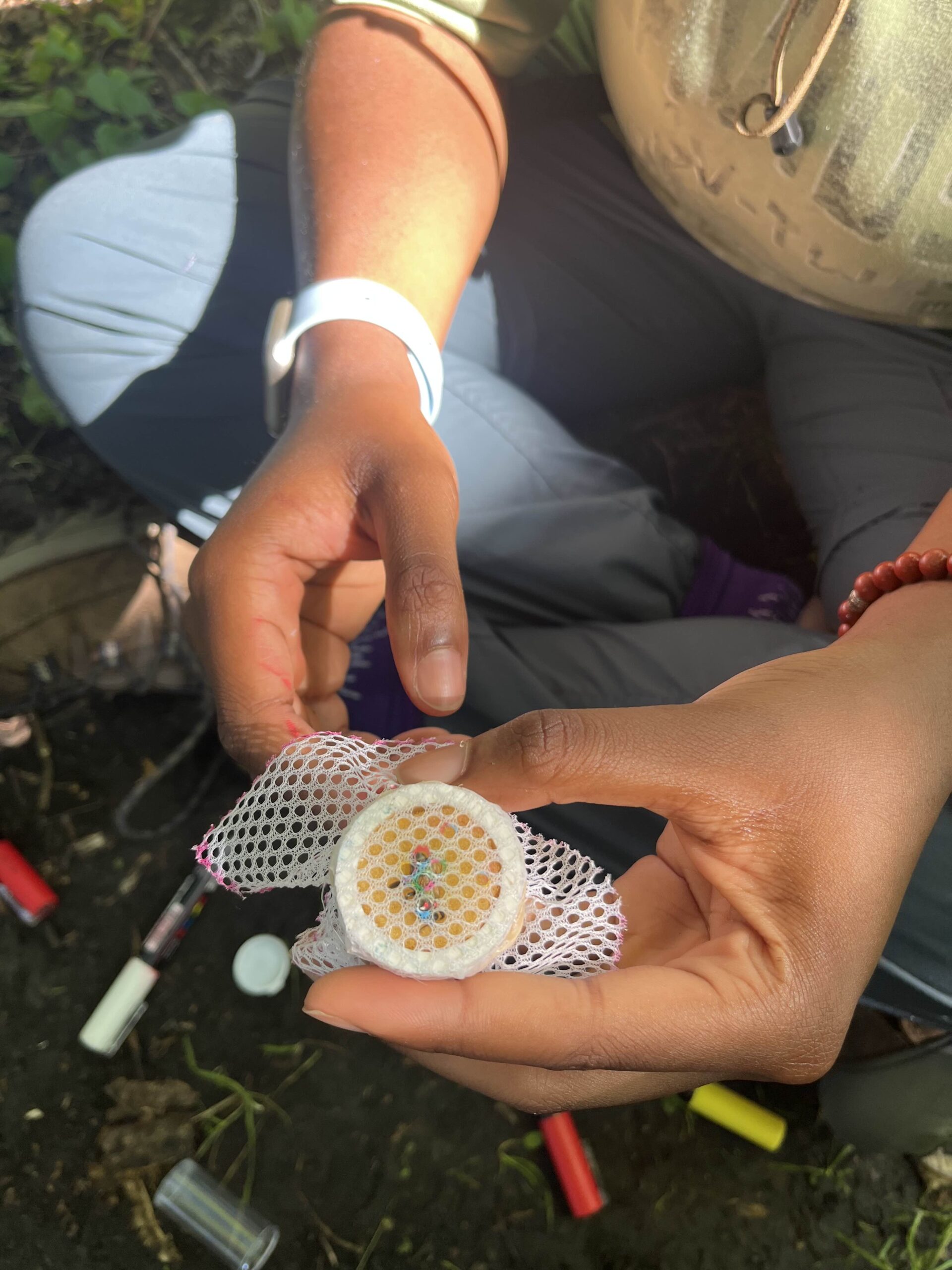
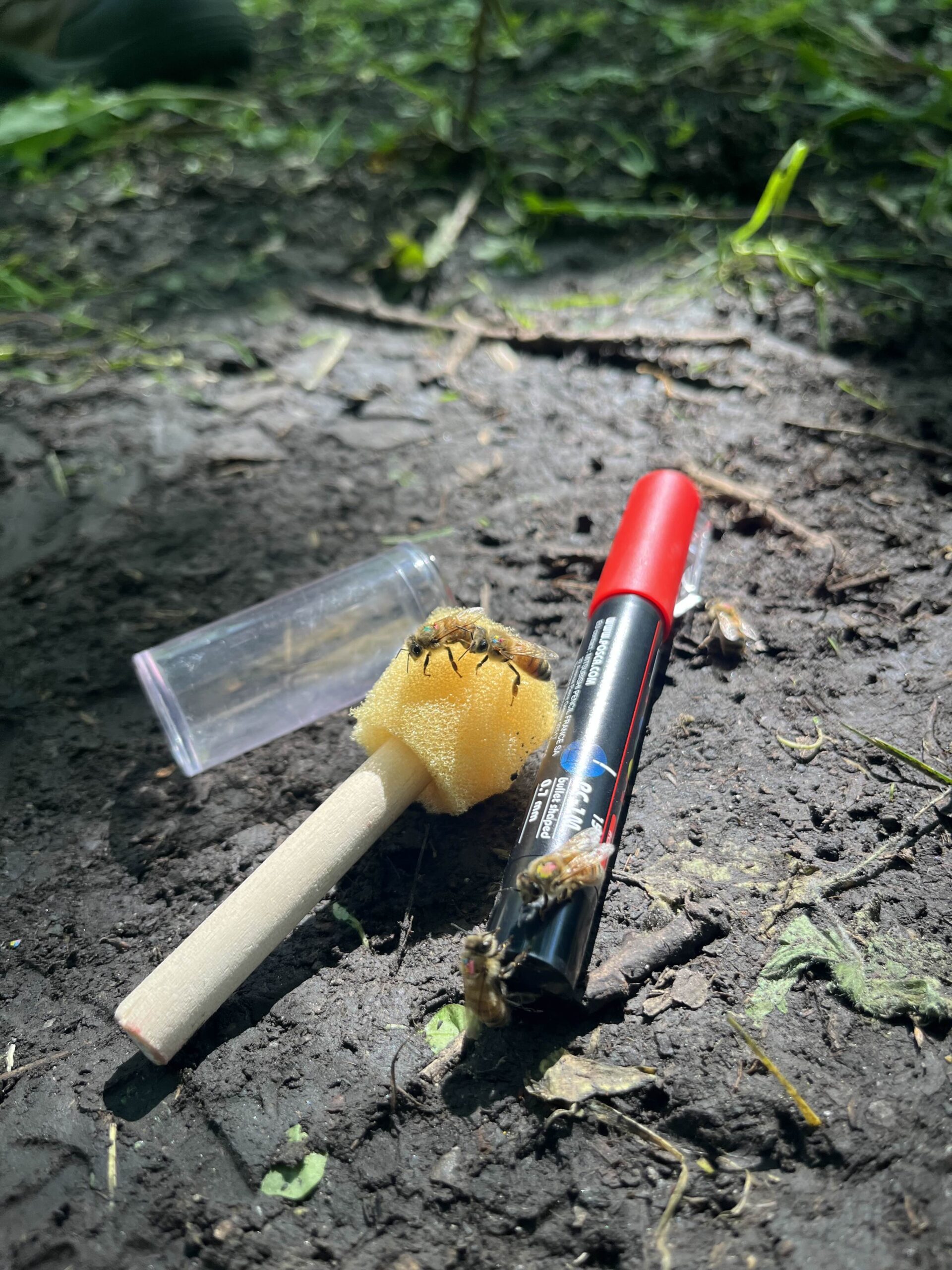
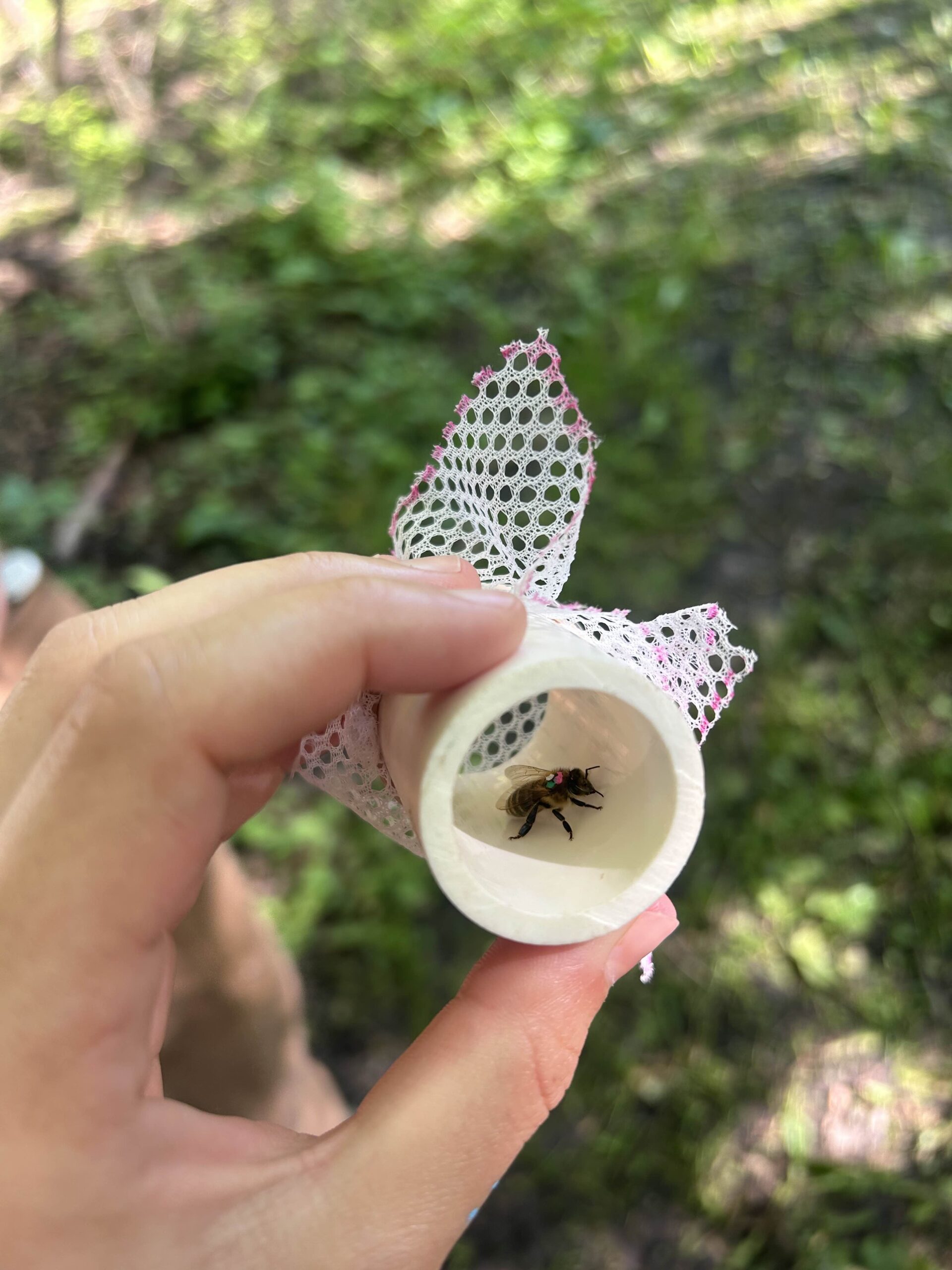
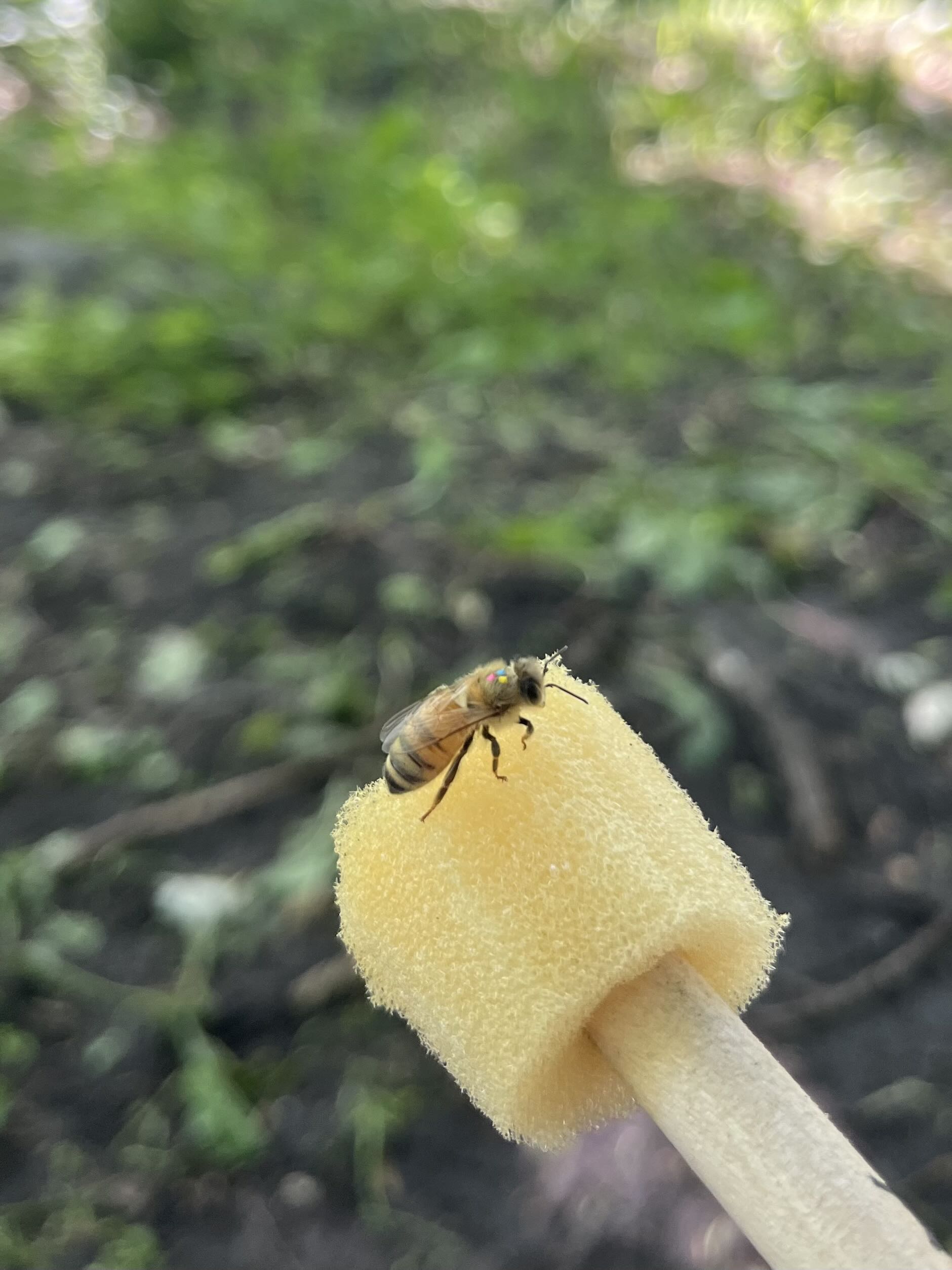
Pollinator projects REU interns Grace and Kyra have solidified their experimental design on their pollinator mark and recapture project. We used nets and vials to capture local honey bees as practice before we move on to bee populations in the remnants. To mark them, we placed the bees in our constructed “bee plungers”, easing them to the top of a mesh-covered tube, where we could them use paint marks to place tiny dots on their abdomens. The order and color of these dots will allow Grace and Kyra to keep track of each individual bee that they capture throughout the project.
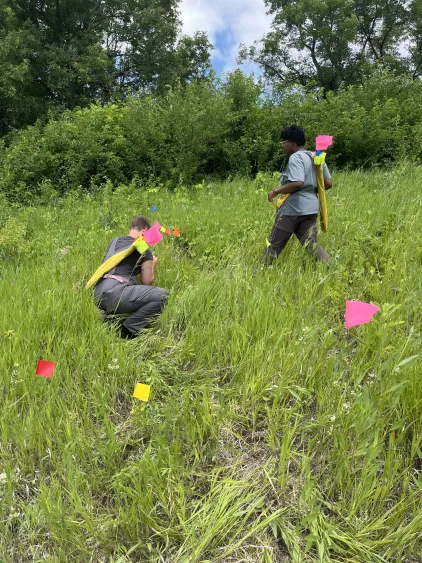
Team Echinacea has begun the annual census of Echinacea plants. Each year we census all flowering plants at over 30 prairie sites. Each plant gets a digital census record, a flag, and a tag. Most plants already have a tag, so we don’t give them a new one. But some have lost their tag or are flowering for the first time, so they need a new tag. New tags this year are numbered starting at 30,001. Plants get neon flags and we will come back and survey them so we can make a map of the location of every plant. Once they get surveyed, we replace the neon flag. All of these efforts help build a long-term dataset about the survival and reproduction of these very long-lived plants. These plants face many challenges living in small prairie patches, but they are tough.
Below is a summary of the number of census records taken so far at nine sites
   site              rawSite demo.id
1 other                            1
2   alf      around landfill      11
3    cg        common garden      23
4  eelr   east elk lake road      19
5   lfe        landfill east     118
6   lfw        landfill west      99
7   lce loeffler corner east      78
8   lcw loeffler corner west      81
9  rrxx    railroad crossing      36
Yesterday Team Echinacea took the afternoon to do some transplanting in P8. We planted 4 different species: Dichanthelium leibergii, Solidago missouriensis, Bromus kalmii, and Carex bicknellii. All of these species we want to establish in P8 because seed collection is very difficult and by starting plants from plugs we hope to establish enough plants to be able to successfully collect seeds to distribute in other areas of the experimental plot. These species are of interest to prairie restorationist and could serve a basis for future projects by members of the Echinacea Project. Solidago missouriensis are a colonel species but flower infrequently making them hard to collect seed from. In the past we have had another member of team Echinacea research Dichanthelium leibergii and could be used as a great focal species to conduct a future study on pollination biology.
The transplanting yesterday also served as good experience for folks to come together and design a plot together, get experience flagging out a new plot, as well as give them good experience with planting different types of plugs in different settings. Everyone did a great job in working together and delegating tasks and got 120 plants planted in only ~90 minutes!
Planting List:
Species
# of plugs planted
Dichanthelium leibergii
40
Solidago missouriensis
20
Bromus kalmii
30
Carex bicknellii
30
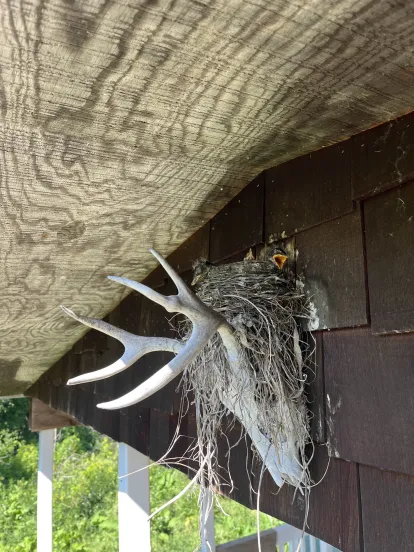
Bonus Update: The robin babies are growing up and getting big enough to watch while at lunch. Soon enough they’ll be off on their own!
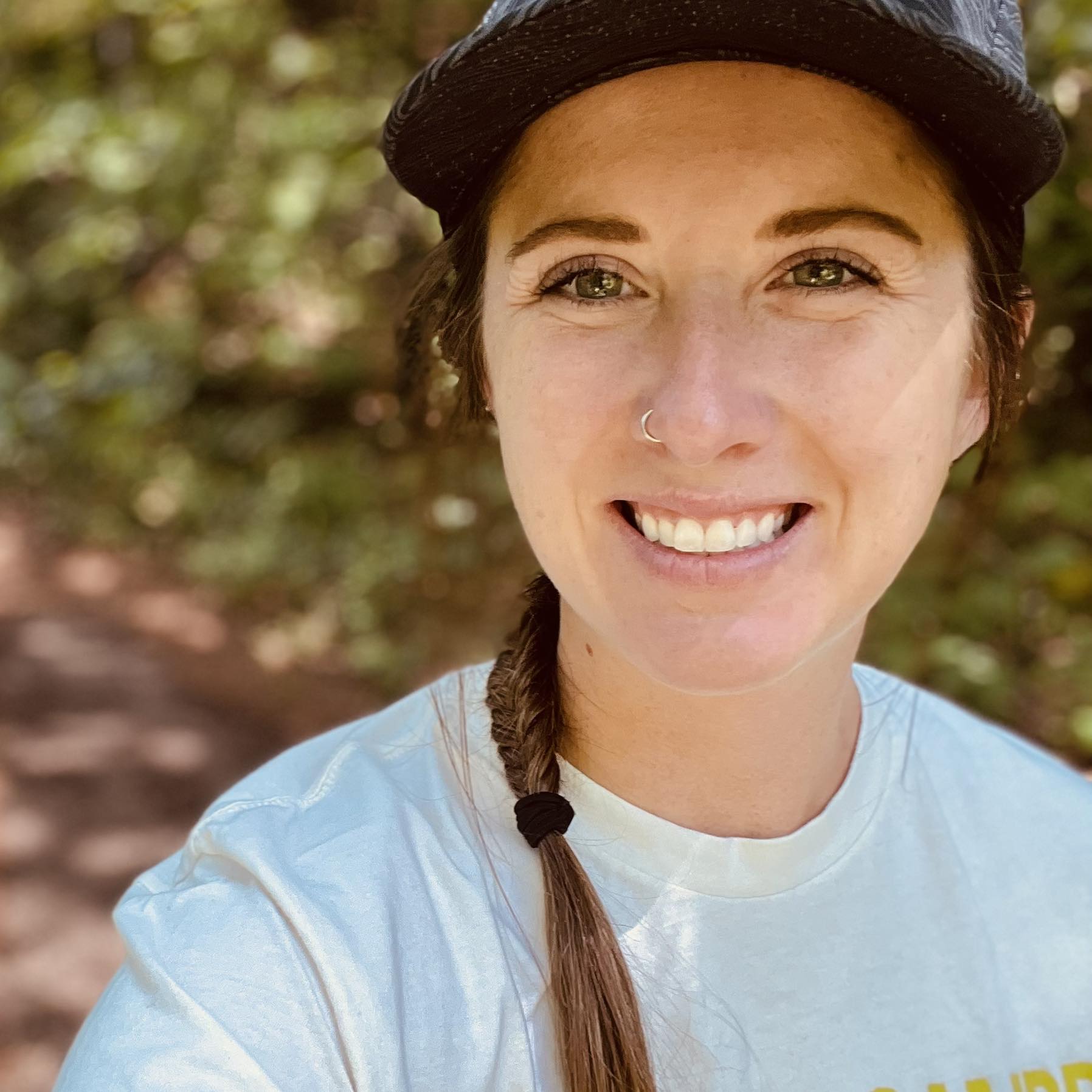
I am a teacher at Badger High School in Lake Geneva, WI as well as a grad student pursuing a doctorate in education from Alverno College in Milwaukee, WI.
Pronouns: She/Her
Research Interests
I’m interested in developing a high school environmental studies curriculum focused on prairie fragmentation and restoration. My goal is to learn a range of field research and data collection techniques, as well as explore the investigative questions pursued by Team Echinacea’s graduate and undergraduate researchers. I hope to use these questions as anchoring phenomena to teach core concepts in ecology and environmental science. I also plan to bring these methods back to my students at Badger High School, where we have access to a nearby prairie in a state park that could serve as a local field site for authentic, hands-on learning.
Statement
I’m a high school science teacher at my alma mater, Badger High School in Lake Geneva, WI, where I teach Biology, Anatomy & Physiology, Environmental Science, and Chemistry. I came to education through a nontraditional path—earning a degree in Medical Microbiology and Immunology from UW–Madison and conducting research in the Bacteriology Department and Carbone Cancer Center before pursuing my Master’s in Education. I’ve now completed nine years in the classroom and am currently a doctoral student in K–12 Leadership at Alverno College. My dissertation focuses on advancing science literacy equity for historically marginalized students, including those with IEPs, multilingual learners, and students experiencing economic hardship. I also coach softball, advise the environmental club, and support my family’s restaurant in a variety of roles in Delavan, WI (Fire2Fork) where my husband is a chef!
I am a rising junior majoring in biological sciences at North Carolina State University.
Pronouns: She/Her
Research Interests
I am broadly interested biological research. I enjoy investigating how living things are affected by their physical environments, and especially how climate change is impacting them.
Statement
I have lived in North Carolina my entire life, and I enjoy adventuring out and experiencing new places. In my free time I enjoy hiking, camping, observing wildlife, and cooking dishes from different cultures.