
Heads up! Over the next few weeks, we plan to post numerous updates about the projects that we worked on this summer. Stay tuned!
|
||||
|
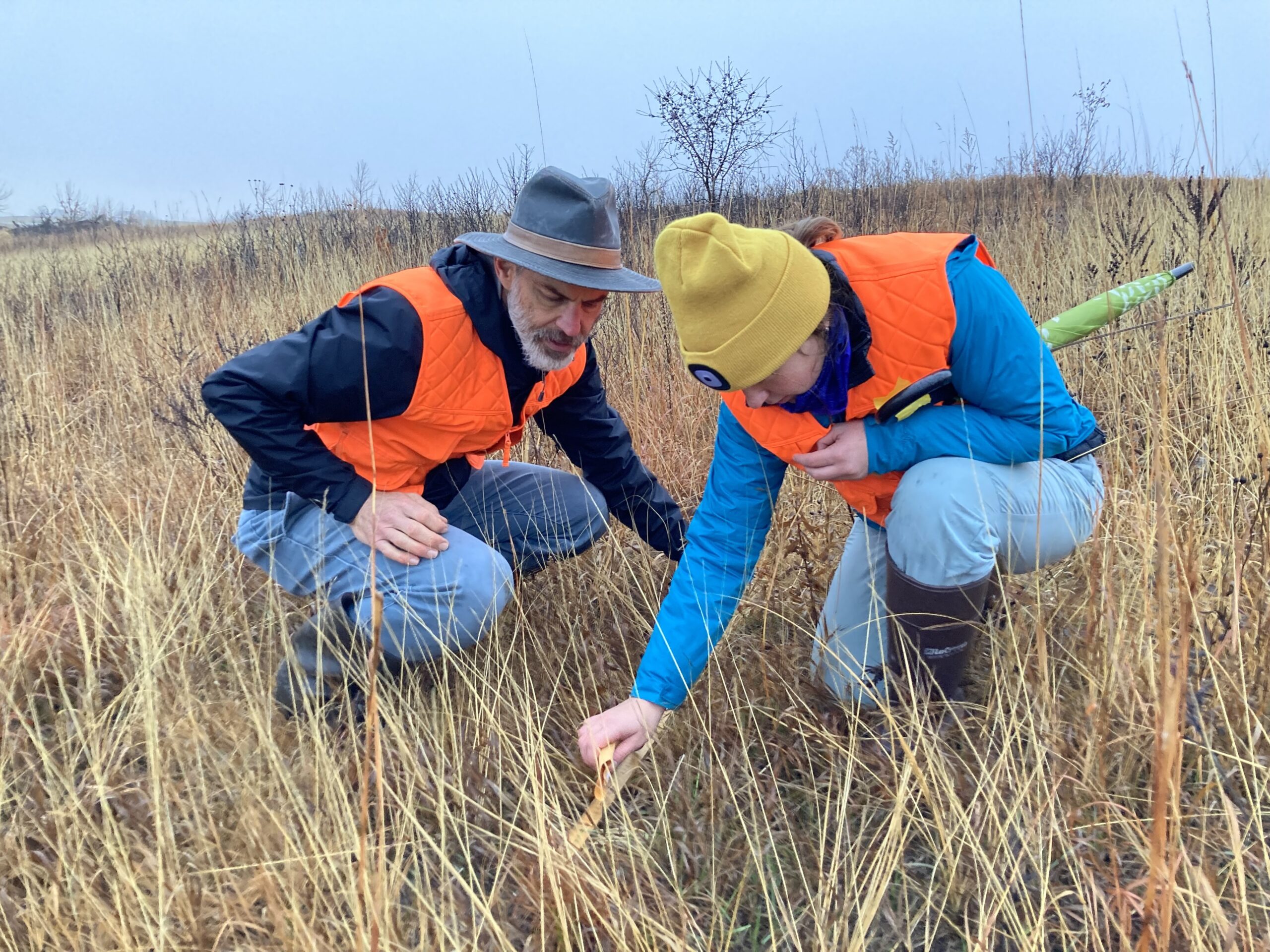
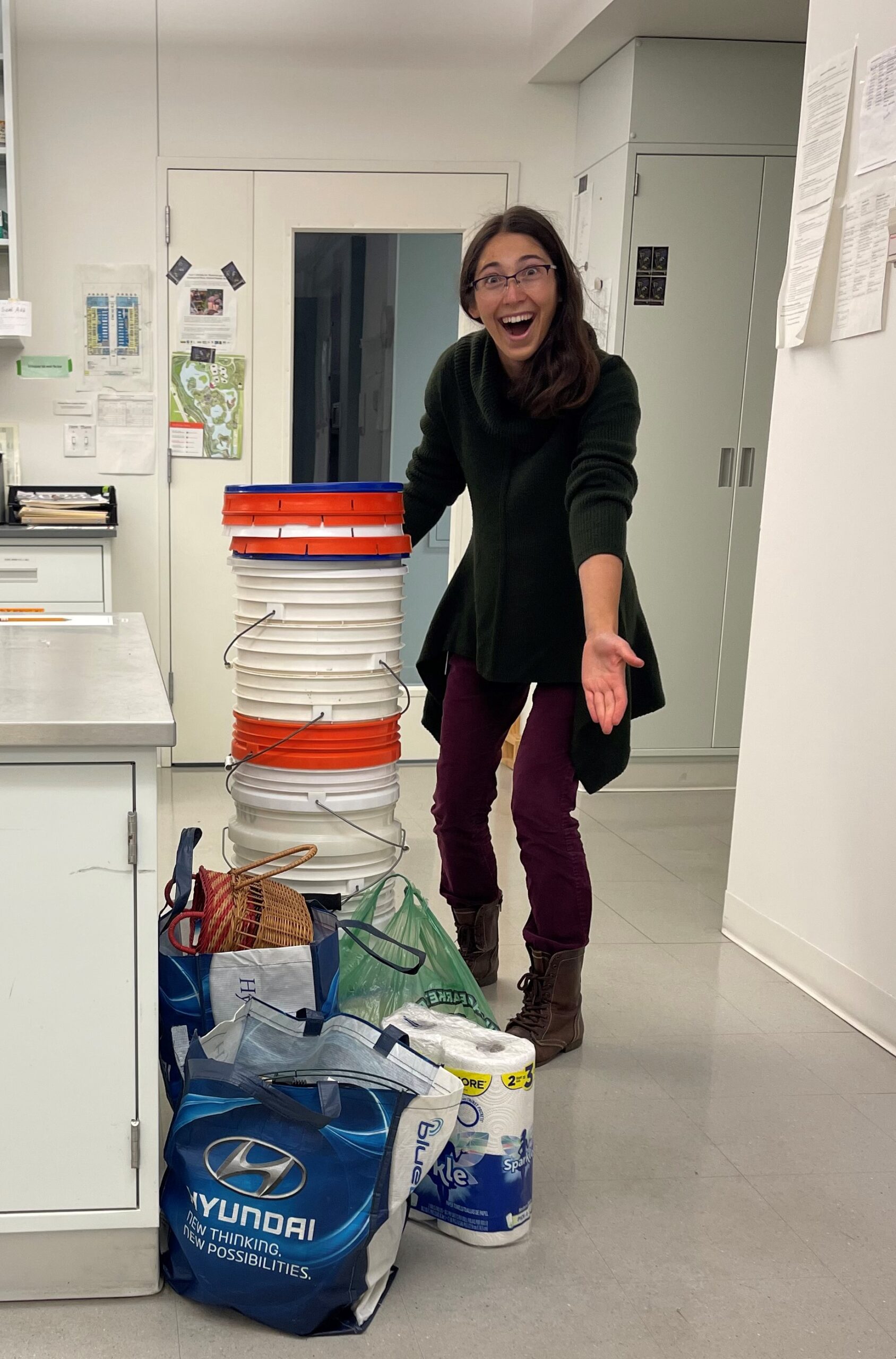
Heads up! Over the next few weeks, we plan to post numerous updates about the projects that we worked on this summer. Stay tuned! Last Thursday, a group of us returned to Kensington with the hopes of a successful prescribed burn. While we were up there, Alex and I also implemented the beginning of the smoke experiment. I believe this is the first flog entry solely about the smoke experiment this year, so I will give you a little rundown of what it entails! We know that Echinacea flowering rates increase after fire, and we also know that smoke can stimulate plant germination. Smoke has been found to increase flowering rates in a few select species (Cyrtanthus ventricosus and Watsonia fourcadei). But, we don’t know if smoke increases flowering rates for Echinacea! We also are unsure what mechanism of fire (increased light, added nutrients, chemicals in smoke) increases flowering in Echinacea. Therefore, we are applying liquid smoke treatments to both basal and flowering Echinacea plants during the fall of 2022 and measuring their reproductive output during the summer of 2023. 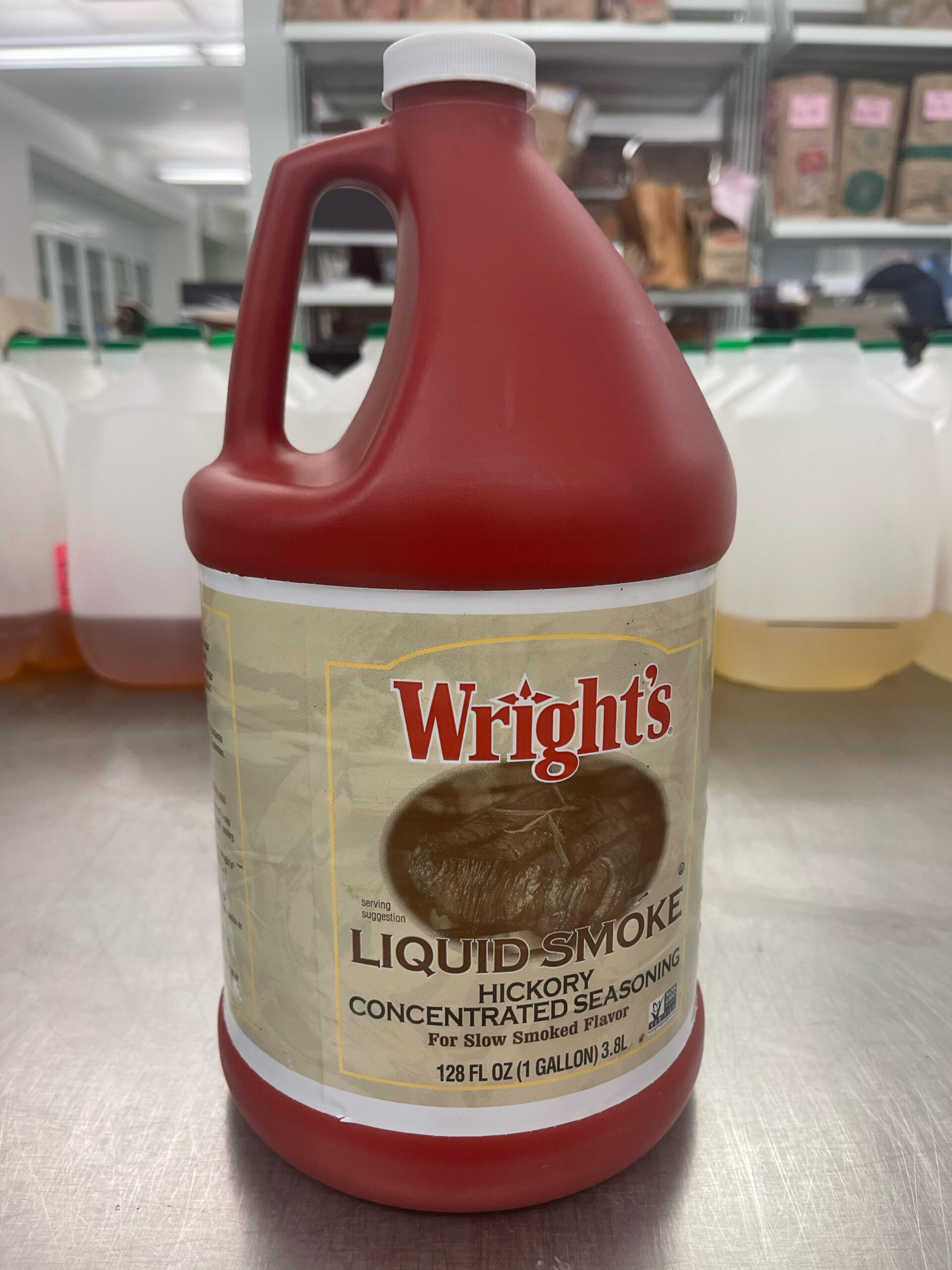 Our smoke operation began this summer, by mapping out ~ 300 plants on the Hutchings’ property just north of the landfill. We recorded if the plant was flowering, number of heads and number of rosettes and marked the plant with a flag and a unique three-digit identifier. Throughout the summer, there were many deliberations about the methods and for this pilot study. Before leaving for Minnesota, Alex and I cleared the shelves of distilled water containers from the local Woodman’s, gathered measuring equipment from two other fellow CBG labs (thank you!) and packed up the back of the Silverado. Finally, we were ready to smoke. 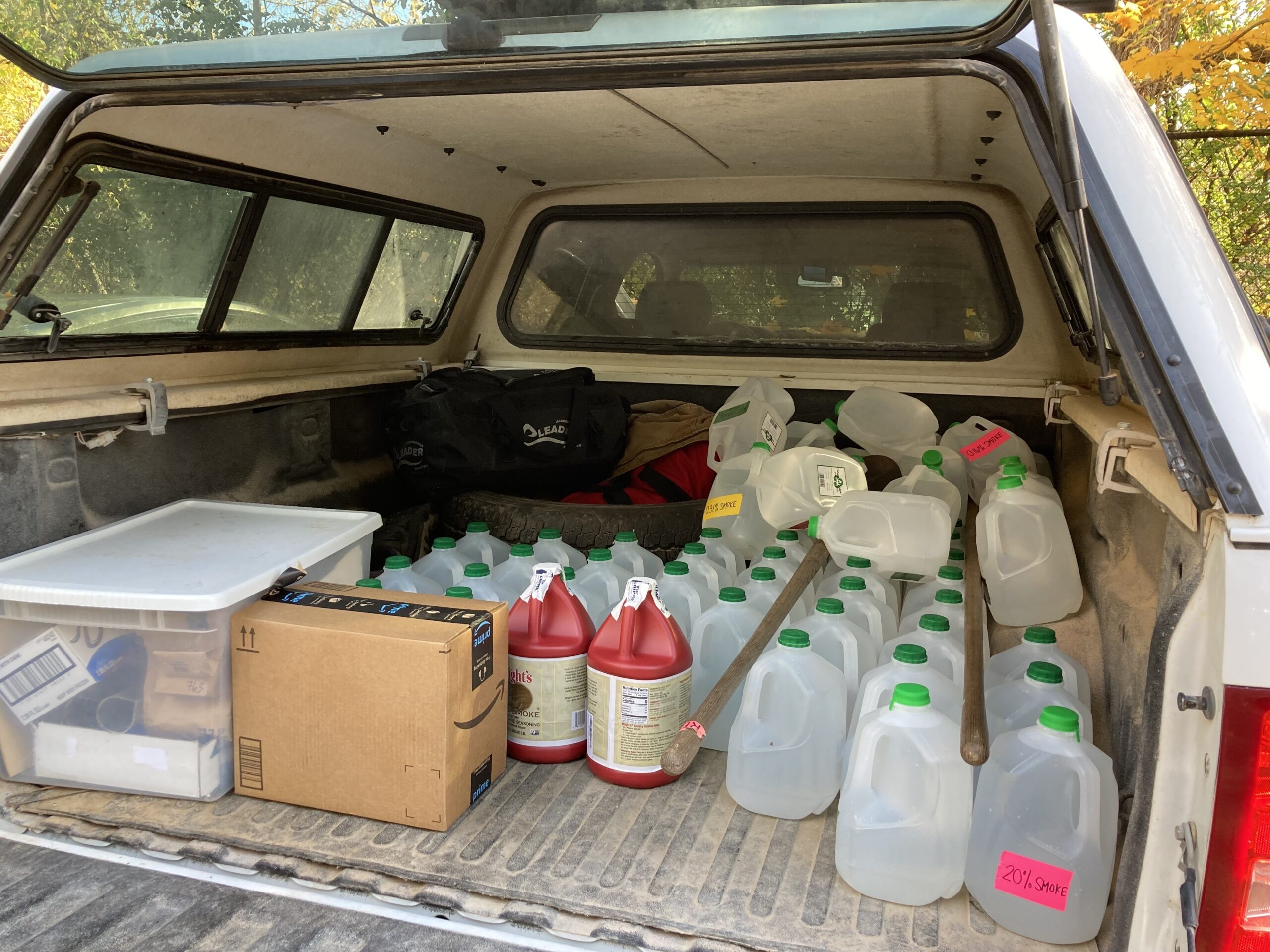 We had two roles during our smoke implementation, one being a “mixer”. This person would measure an accurate ratio of smoke to water to reach our desired concentrations. We have 11 smoke concentrations in our experiment: 40%, 20%, 10%, 5%, 2.5%, 1.25%, 0.625%, 0.31%, 0.16%, 0.078% and no smoke. For each plant, we are applying approximately 1 liter of liquid. This became tricky in the field, as the back of our truck was not always level surface and the wind kept trying to steal our graduated cylinders! 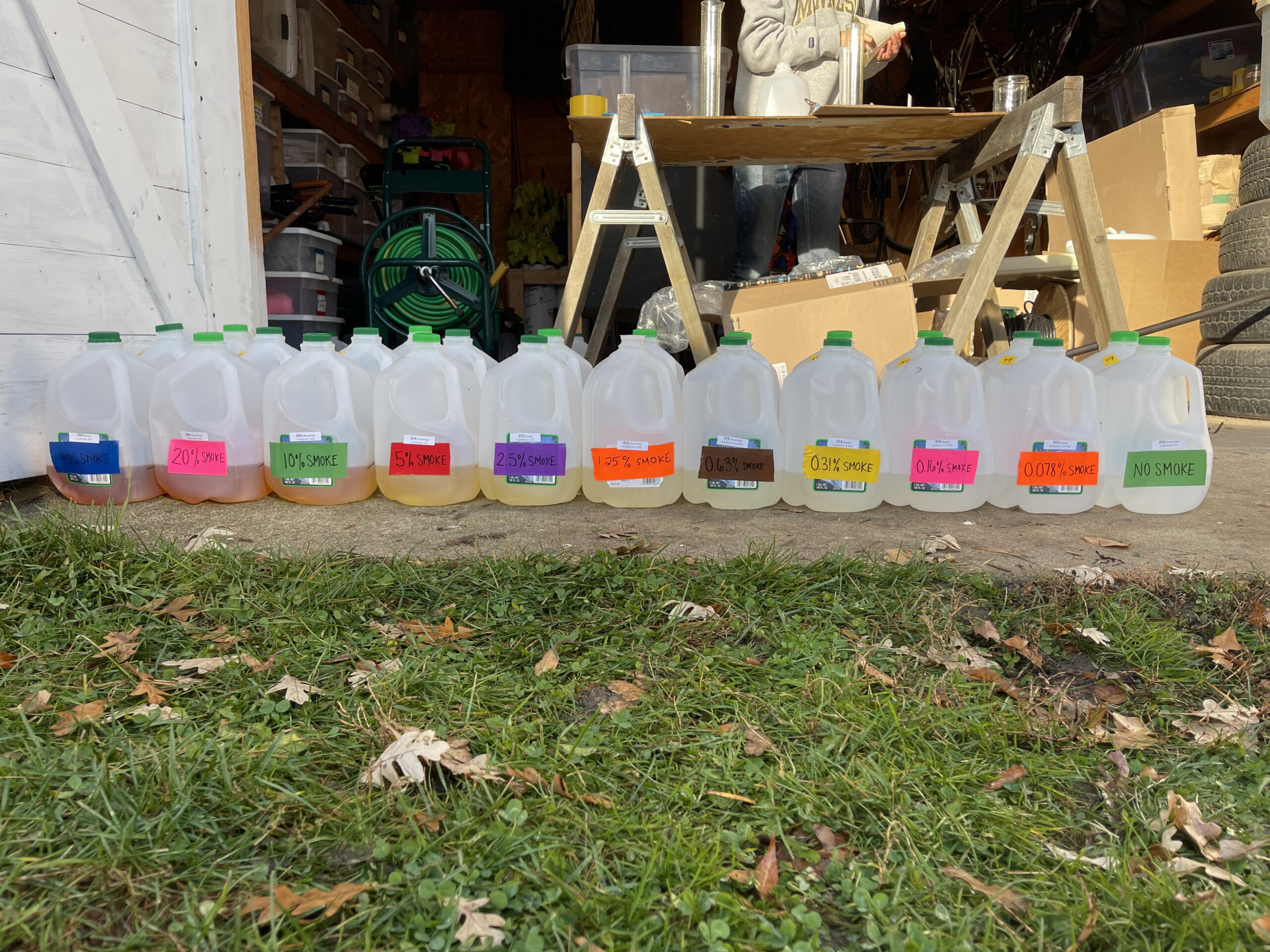 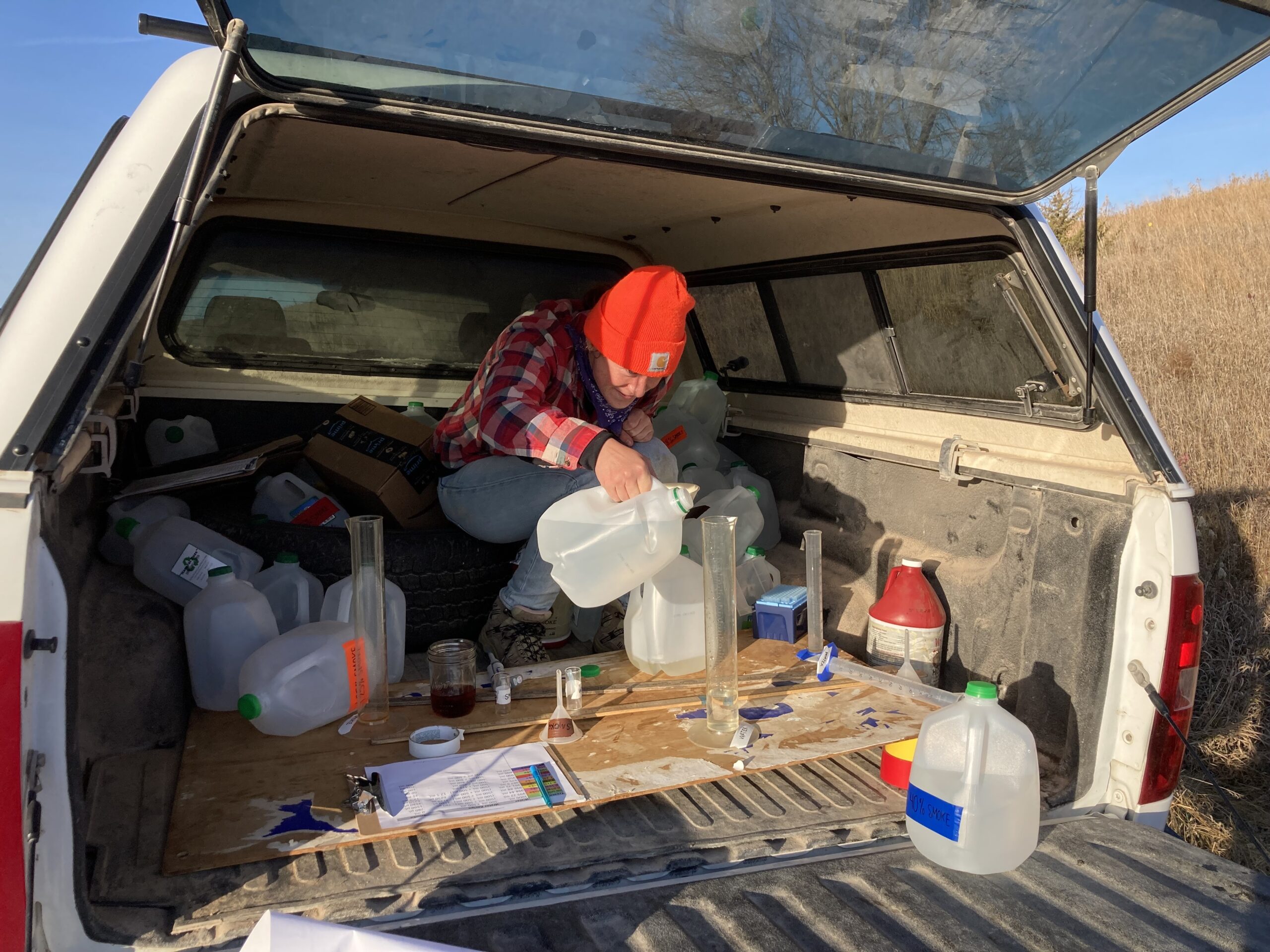 The second role was being the “pourer.” Gretel and Jared came out to help us pour, which was greatly appreciated! The pourer would locate the plant that received the desired treatment and pour the liter of liquid on and around the plant within a half meter diameter. During our trip, we were able to apply smoke treatments to 110 Echinacea plants! We hope to return to Minnesota once more this year to apply another 110 treatments, this time with improved methods and efficiency. On our first day back in Illinois, Alex and I pre-filled ~60 jugs with our desired concentrations, so we are ready to pour once we return. The next question is, how long will our hands smell like Wright’s Hickory? 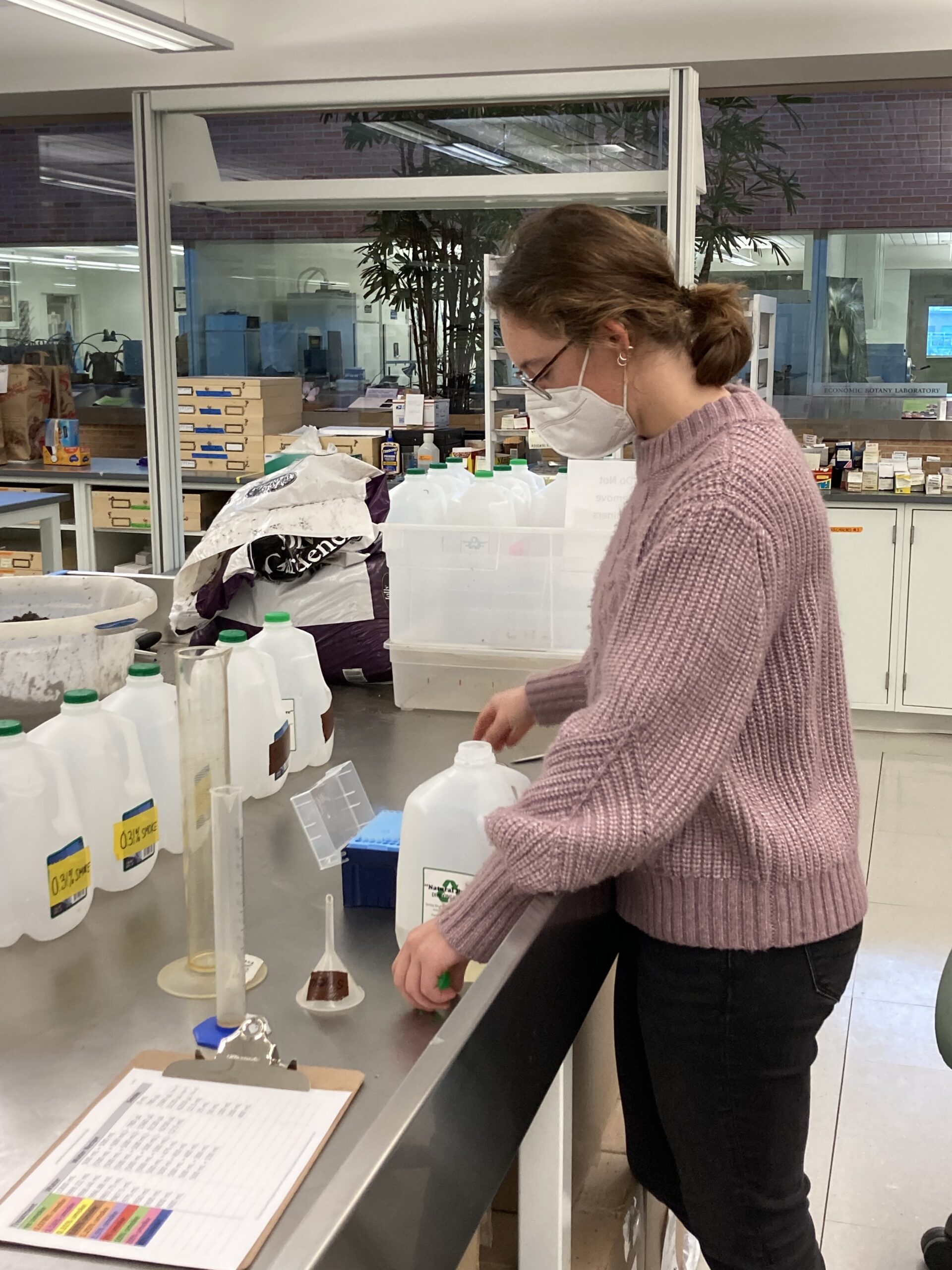 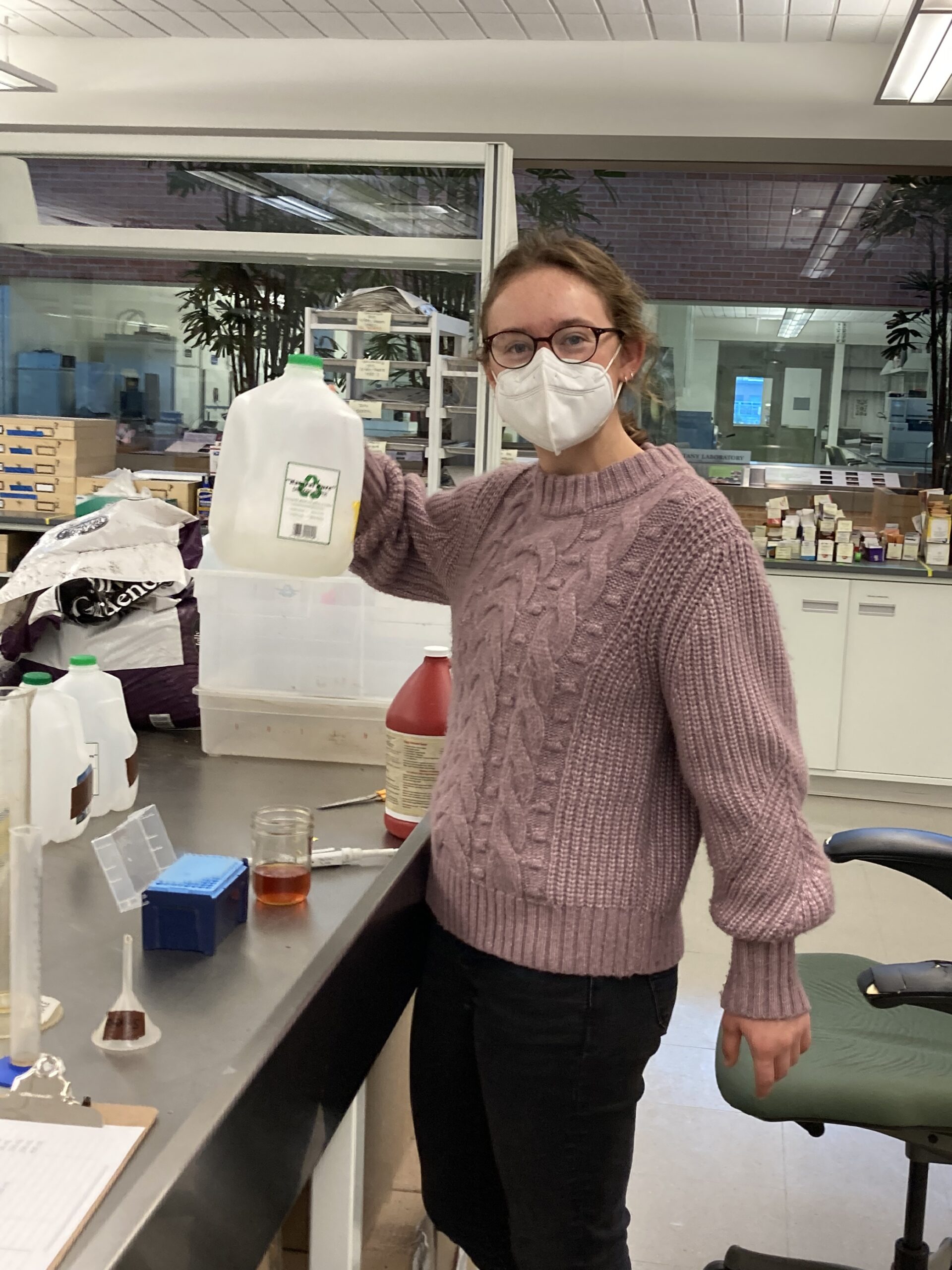 Stay tuned for more smoke-related updates in the future! Harvesting Echinacea heads in the common garden experiments this fall was quite the adventure! During the last week in June, the crew got a taste of harvesting when decapitating non-native Echinacea pallida at Hegg before they could produce seeds. Lobbing off Echinacea heads with wild abandon was quite the thrill after spending a month conscientiously navigating the common gardens and measuring plants with care. In total, we cut approximately 824 heads off of 224 flowering pallida plants. 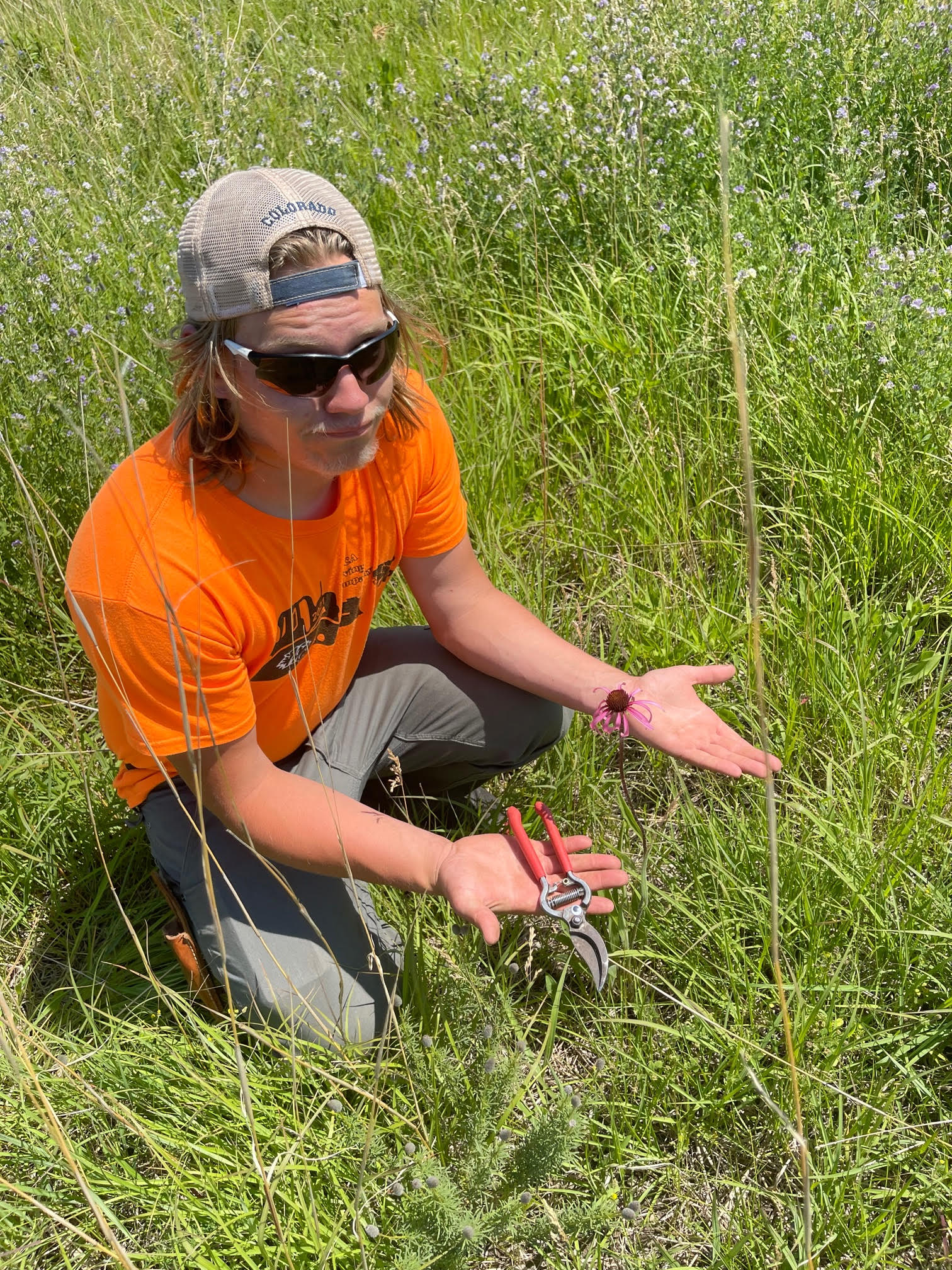 The field crew started harvesting heads to be cleaned in exPt02 on August 10th. Our final day of harvesting in exPt02 was September 12th, and during that month we harvested exactly 480 Echinacea heads. Our bountiful harvest in exPt02 was thwarted by the local population of thirteen-lined ground squirrels. Many of this summer’s field team recounts witnessing these rodents ruthlessly rip the head off an Echinacea, look them straight in the eye, and run away. In the end, our 480 heads accounted for only 41% of the heads we planned on harvesting prior to the squirrel shenanigans. 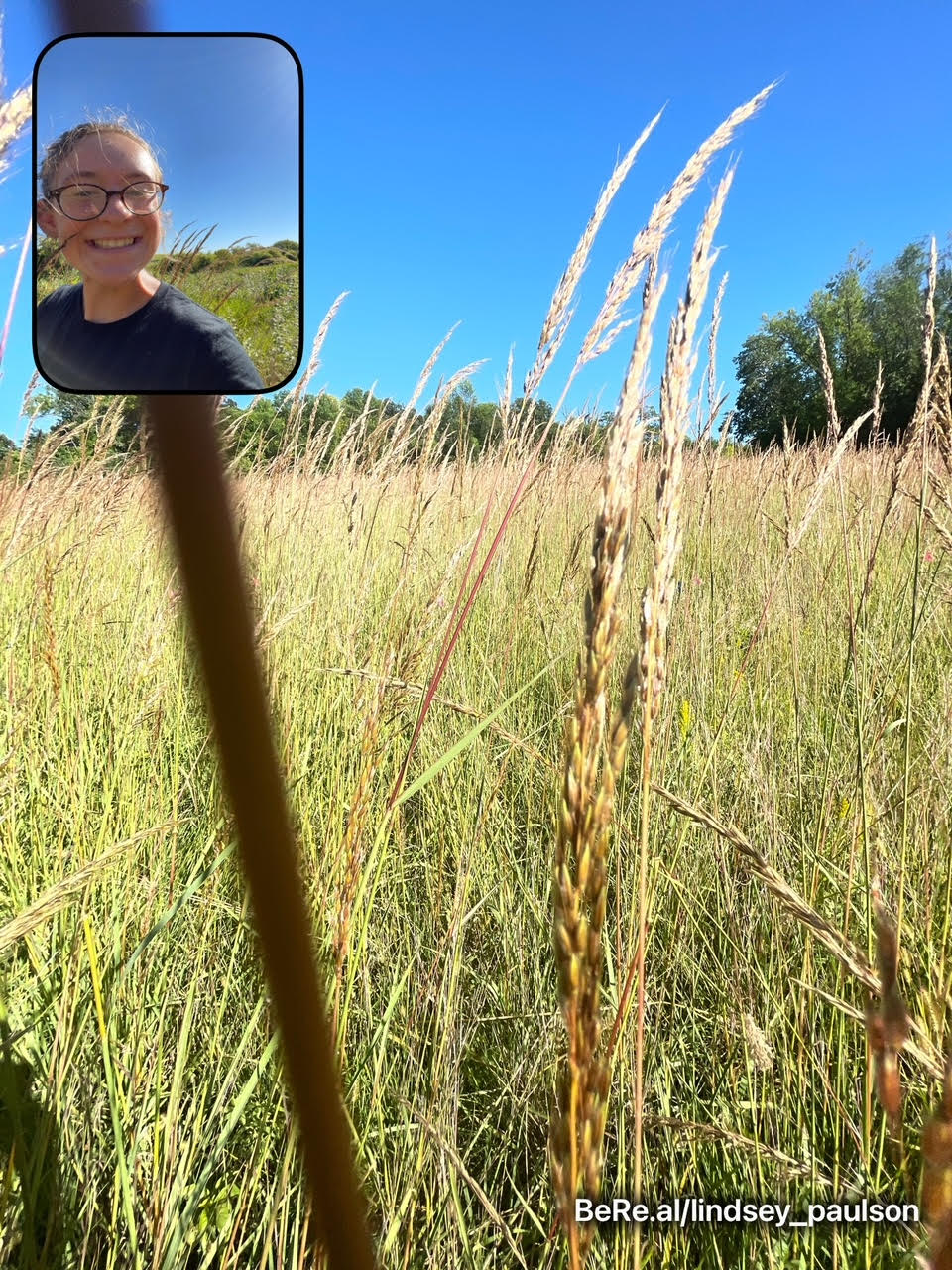 We also harvested heads in some sites with fewer flowering Echinacea. In exPt08, we harvested 8 heads, and there were three flowering plants in t-plot that may have succumbed to the ground squirrels before we could harvest them. In exPt07 and exPt09, we harvested a combined total of 130 heads. The mysterious exPt05, which required a GPS to be found at Staffanson Prairie, had 4 flowering plants with 2 heads that should’ve been harvested, but didn’t (oops!). The harvest of our largest experimental plot, exPt01, began on Aug 30th. The exPt01 madness did not end until our final four heads were harvested on October 10th by Gretel and Stuart, which is the latest harvest recorded in Echinacea Project history! The grand total for number of heads harvested in exPt01 was a whopping 1,494 heads. 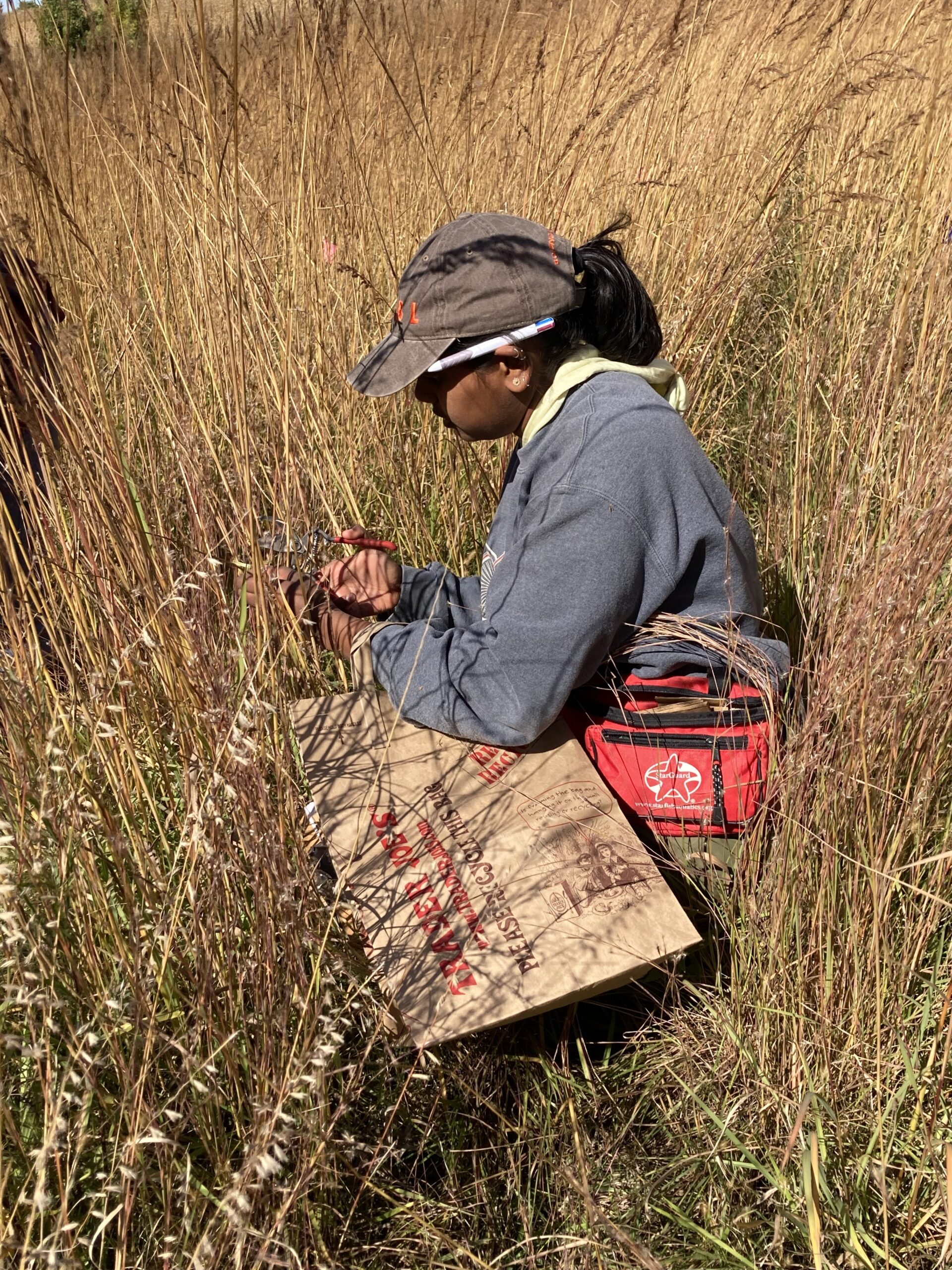 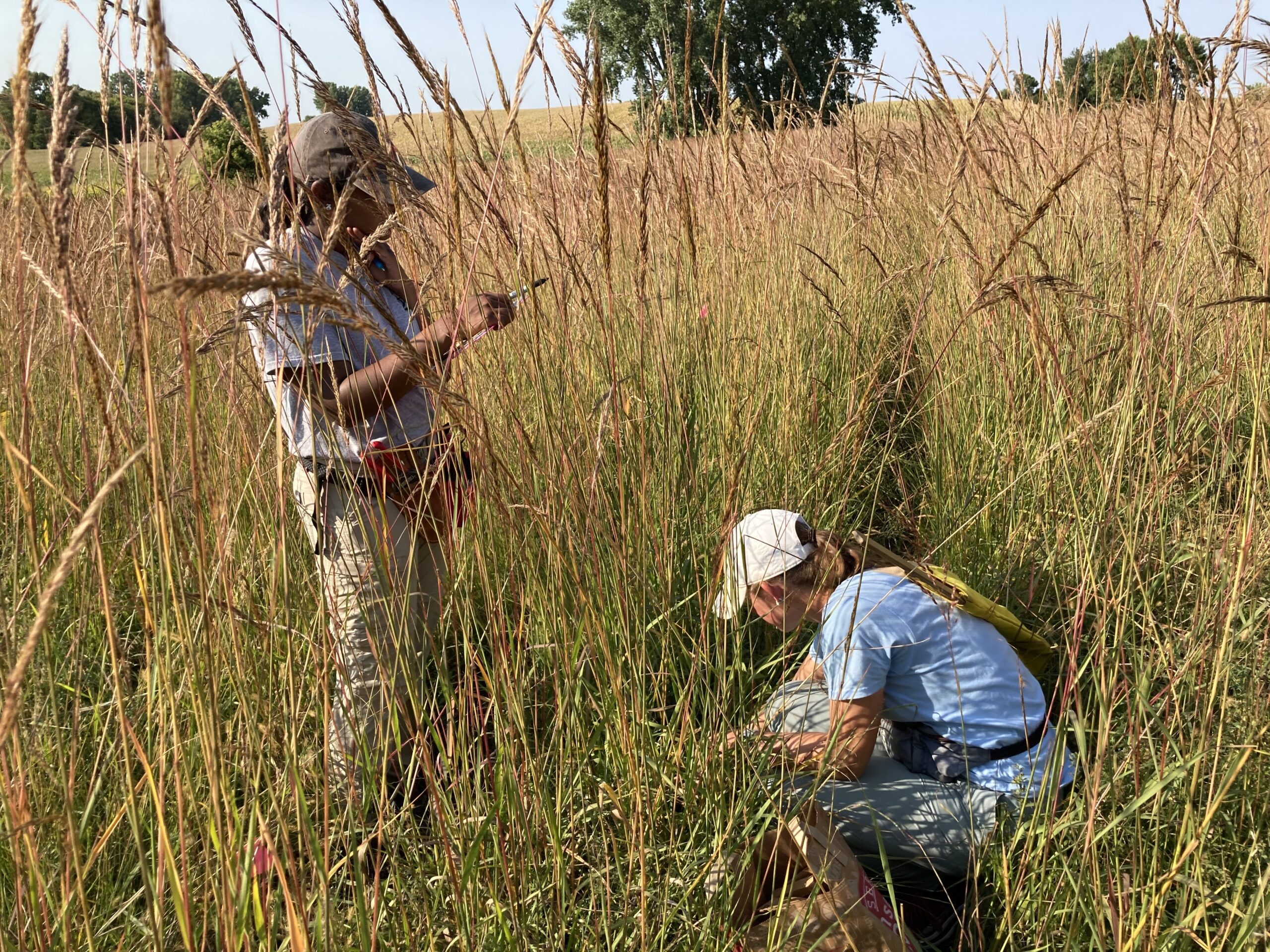 Between all of our common garden experiments, we harvested a total of 2,112 heads! This summer, we harvested 330 Echinacea angustifolia heads from 23 prairie remnants. Remnant harvest started on August 16th and ended on September 14th, when we finally collected the last 4 heads, 3 at Steven’s Approach and 1 at Landfill West. We harvested the most heads on August 23rd, a total of 109 heads in one day. The heads are located in 15 gbags labeled RA-RP (there is no gbag RJ). We only visited sites where we recorded phenology this summer, so we harvested from fewer sites than last year. We did not harvest from Aanenson, East Elk Lake Road, Near Town Hall, On 27, Riley, Railroad, or Town Hall. 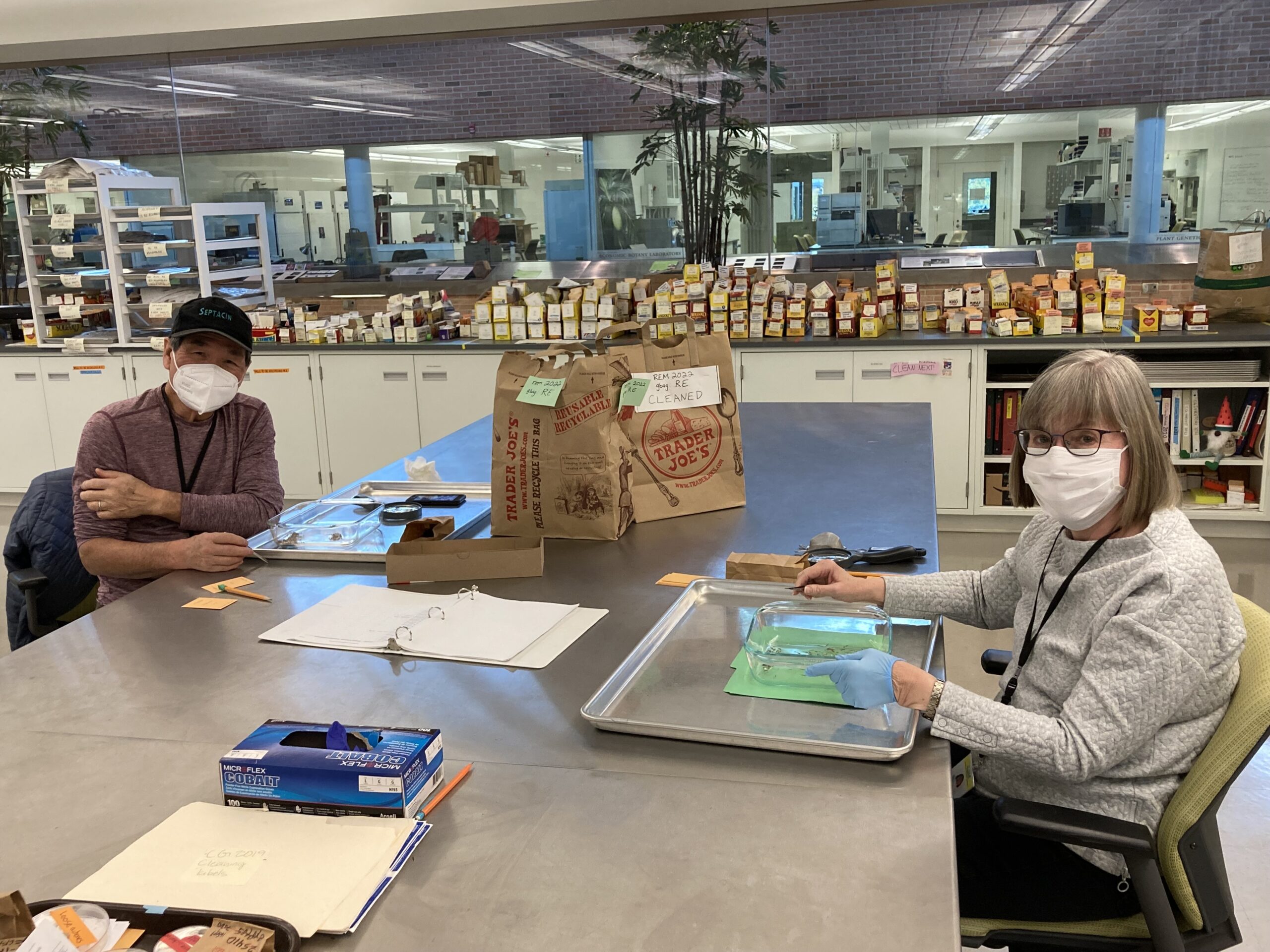 After Manogya and I completed data entry on the harvest list, I inventoried all of the bags that we brought back to the lab. There were a few mysteries to solve. We had several extra heads, but they mostly turned out to be heads that were supposed to be harvested, but someone forgot to check them off on the harvest datasheet, so it looked like they were missing. However, there was one perplexing puzzle that took some sleuthing to unravel. Two different people claimed to have harvested a head with a black twist tie from plant 18066 at Landfill West. In the lab, I found two heads with black twist ties labeled 18066, but I knew that they couldn’t both be the same plant. I donned my Sherlock hat and examined all the available evidence: survey, demography, and phenology data. From the survey data, I figured out that plant 18066’s neighbor, plant 27711, also had a head with black twist tie, so one of the duplicate heads was likely from the nearby plant. The phenology data revealed that 27711’s head had white gunk on it during the summer, and it had more rows of achenes than 18066’s head. Sure enough, one of the heads was larger than the other and had a speck of white on it. Mystery solved! I removed the imposter from the bag of heads to clean. The volunteers started cleaning the 2022 remnant heads on October 11th. They are currently working on gbag RE, bag 5 of 15, so they are making great progress. After a successful field season, Team Echinacea has moved back to the lab at the Chicago Botanic Garden. Today, I received a cryptic email from CBG suggesting that there were free items left over from the Roadside Flower Sale, and they were located in Briller Hall, next to the pole barn. Lindsey and I decided to investigate, but we had never heard of Briller Hall or the pole barn. We looked for them on the map of the Garden, but they weren’t listed. We hunted for them on CBG’s website, but there were no search results. Mystified, we asked the volunteers in the lab whether these were real buildings. Neither Allen nor Char had been there, but Allen recognized the names and thought that they were located somewhere nearby. Determined to identify the elusive Roadside Flower Sale, Lindsey and I set off on a quest. First, we walked south from the lab. We passed the greenhouses and spotted the maintenance sheds, but we didn’t find any pole barns there. How hard could it be to hide a barn? we wondered. When we passed some volunteers who were outside weeding, we asked them if they had heard of Briller Hall. They hadn’t, but they directed us to a CBG worker named Javier who was zipping by on his golf cart. Javier exclaimed that he was on his way to the pole barn just then! He invited us to hop on, so we crammed into the golf cart, and he dropped us off at the secret Briller Hall. Inside, we found a wide array of marvelous items ranging from bags of acorns to stacks of staplers to a single wooden shoe. We collected many useful items, some for personal craft projects and some for the lab. Our glorious horde included:
 Overall, we were quite pleased with the success of our reconnaissance mission, and the lab now has a grand supply of staplers, colorful cardstock, and thumb tacks. While the volunteers and I cleaned heads for the seed addition experiment, we encountered something we don’t see every day: seed predators in Echinacea 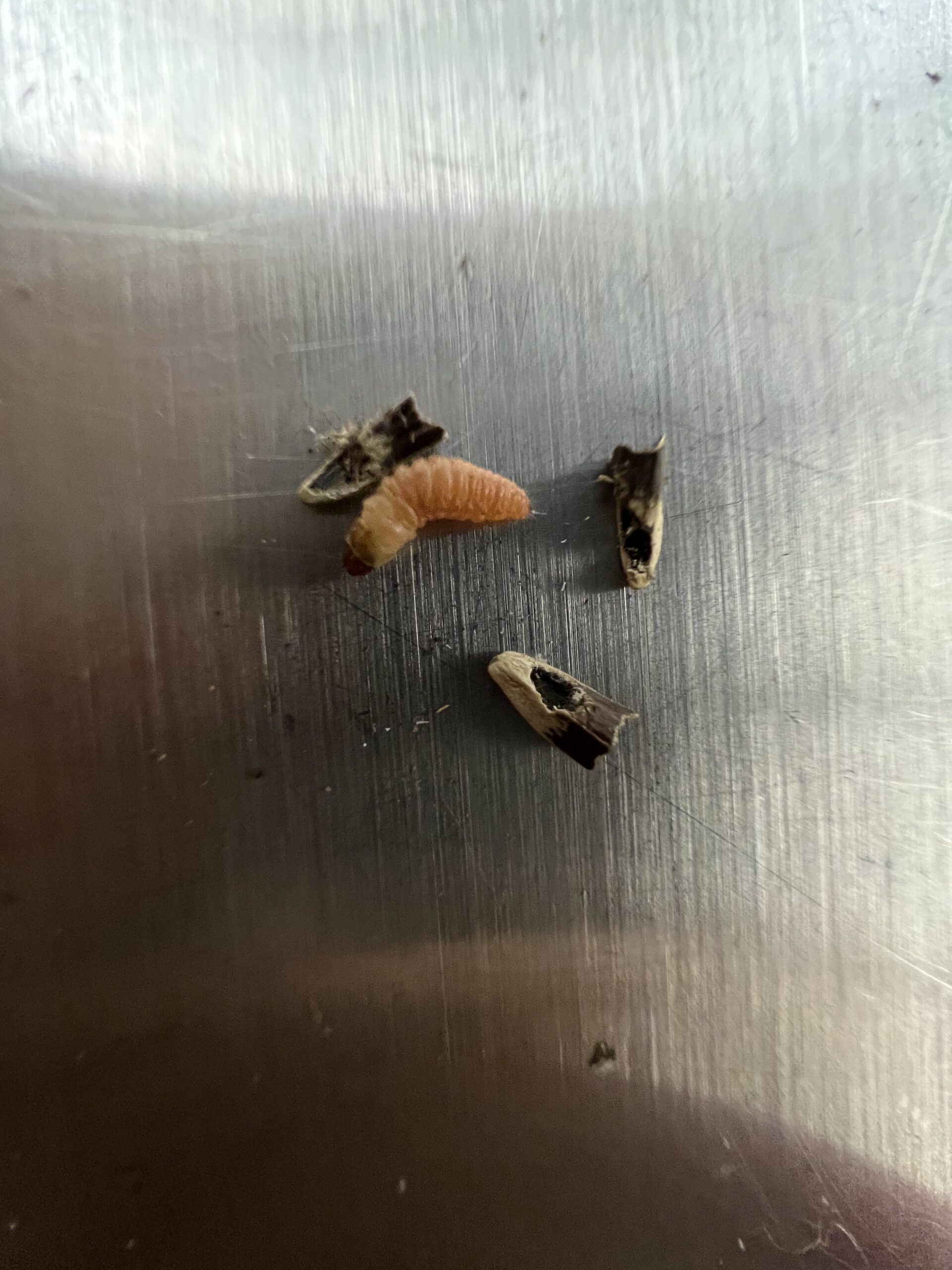 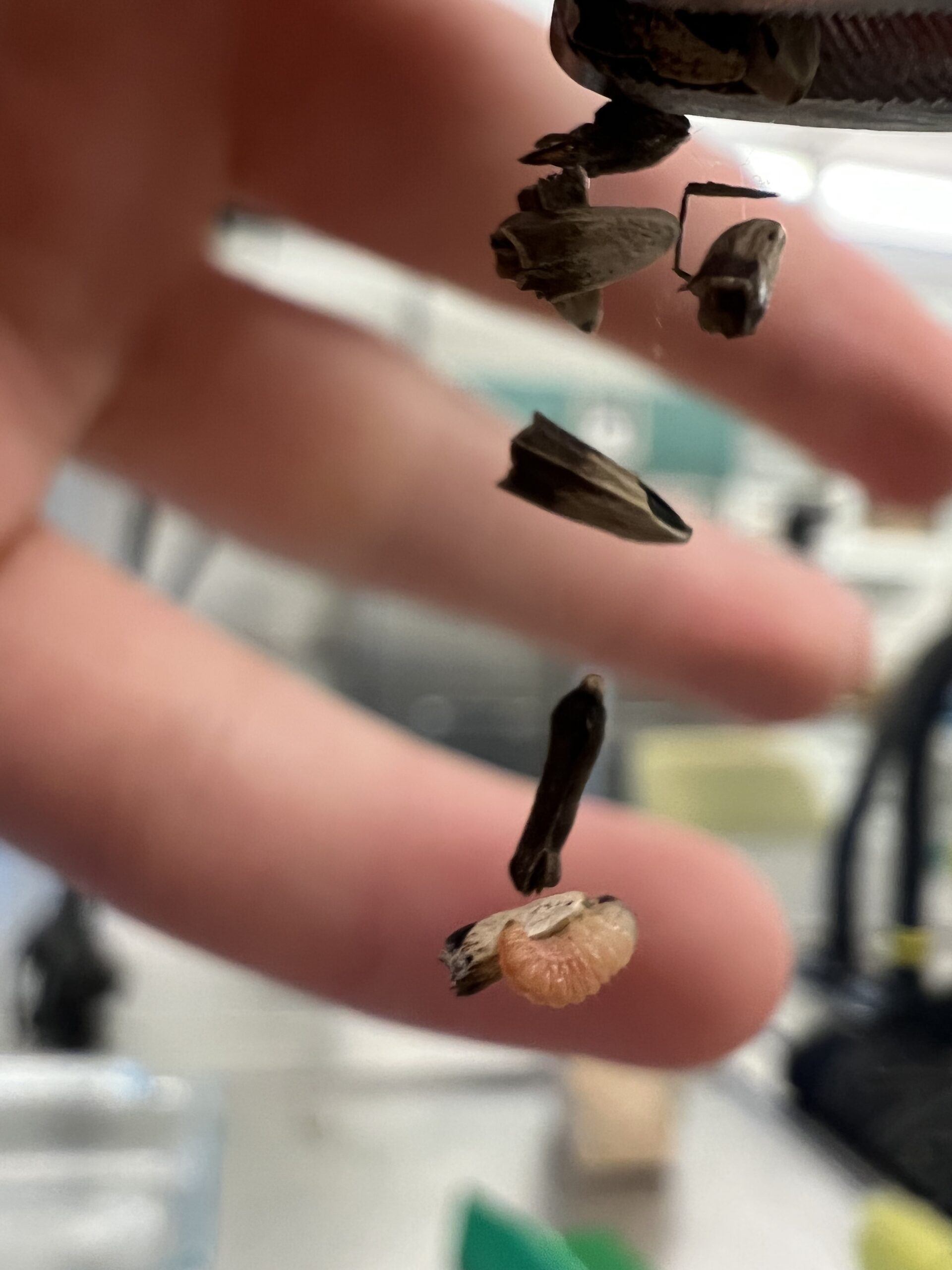 The heads we were cleaning were from two sites we don’t typically harvest from, Hutchings and Nice Island. We had 155 heads from each site, stored all together in three gBags, 1 for hutchings and 2 for nice island. The heads were not in individual hBags. This storage method may have made it easier for the predators to move from head to head, but it’s unclear if they were able to cross from one gBag to another. Hutchings was the most impacted; I would estimate nearly 50% of achenes from the site had been predated. Seed predation was less common, but still present, among the achenes from nice island, with roughly 1/10 achenes being affected. I removed at least 20, most alive, a few dead, from the hutchings heads during the cleaning and enrichment processes, and maybe 5 from the nice island batched The grubs ranged from roughly 2-5mm long, and were a peachy orange color with a dark and hard head. They resembled the seed predators we’ve observed in Liatris aspera. I removed all the seed predators I encountered from the Echinacea and isolated them in a paper bag (the Grub Hub) to prevent further damage to the achenes. It’s been pretty busy here as we begin to wrap up the summer field season. We’ve been slowly chipping away at all the tasks that need to be completed before the end of next week. I hope you’re ready for a jam-packed flog post!! 1. Remnant echinacea harvest is done! We have harvested every single focal echinacea plant at each of our remnant sites. Now we just have P1 left… 2. Liatris harvesting has begun and is in full swing! Just like with Echinacea, Liatris has to be harvested at the exact right time – wait too long and all the heads on a stem may already have dispersed. We’ve been visiting our Liatris sites every 3-4 days to try and ensure we catch all of our focal plants right on time. We snip off the stalks and put them in a labeled L-bag. 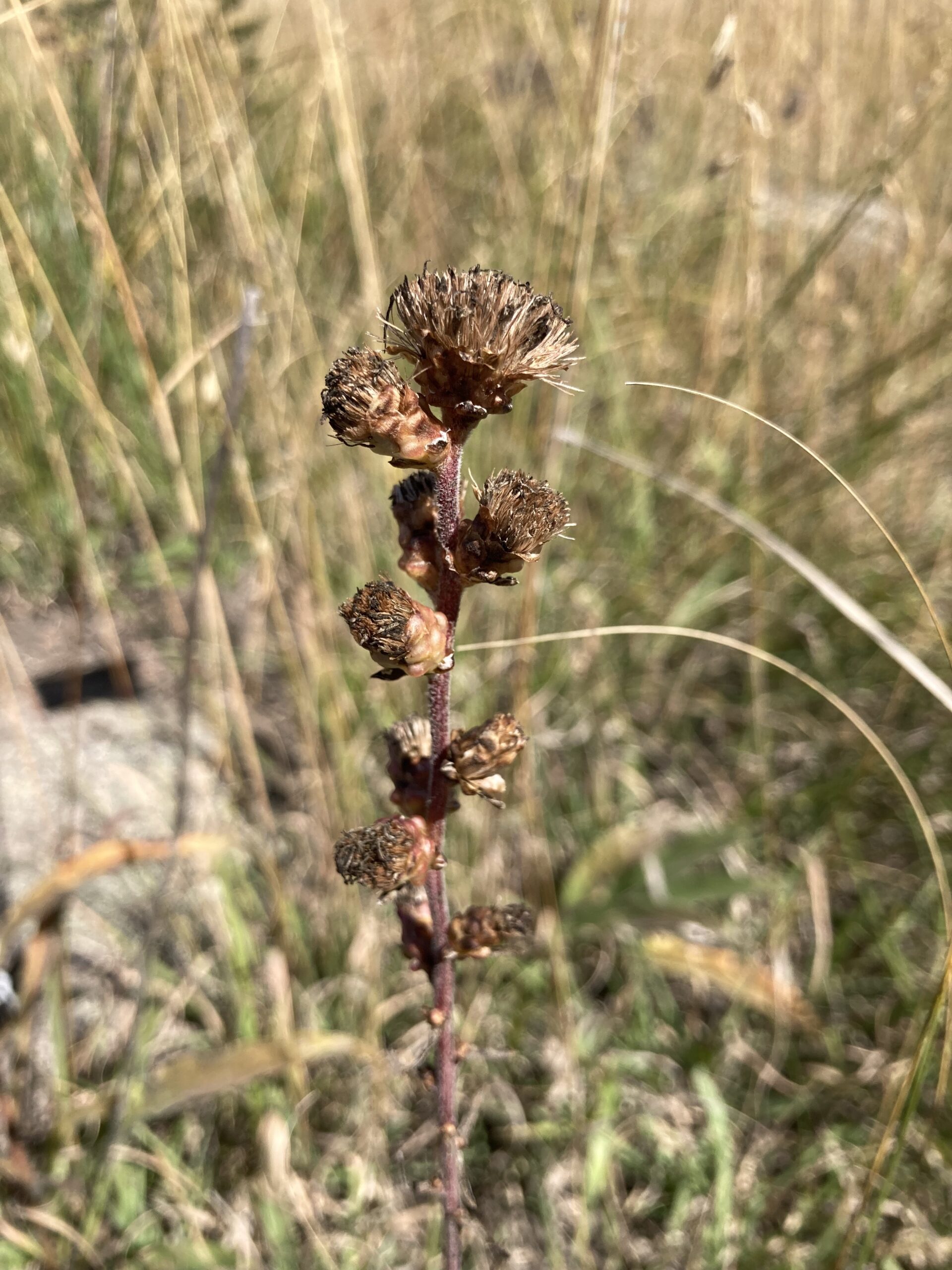 3. Total demo is all done! This week we finished up our very last total demography site. Pictured here: Lindsey, Alex, and I at Hegg during what was our foggiest (but prettiest!) total demo experience. 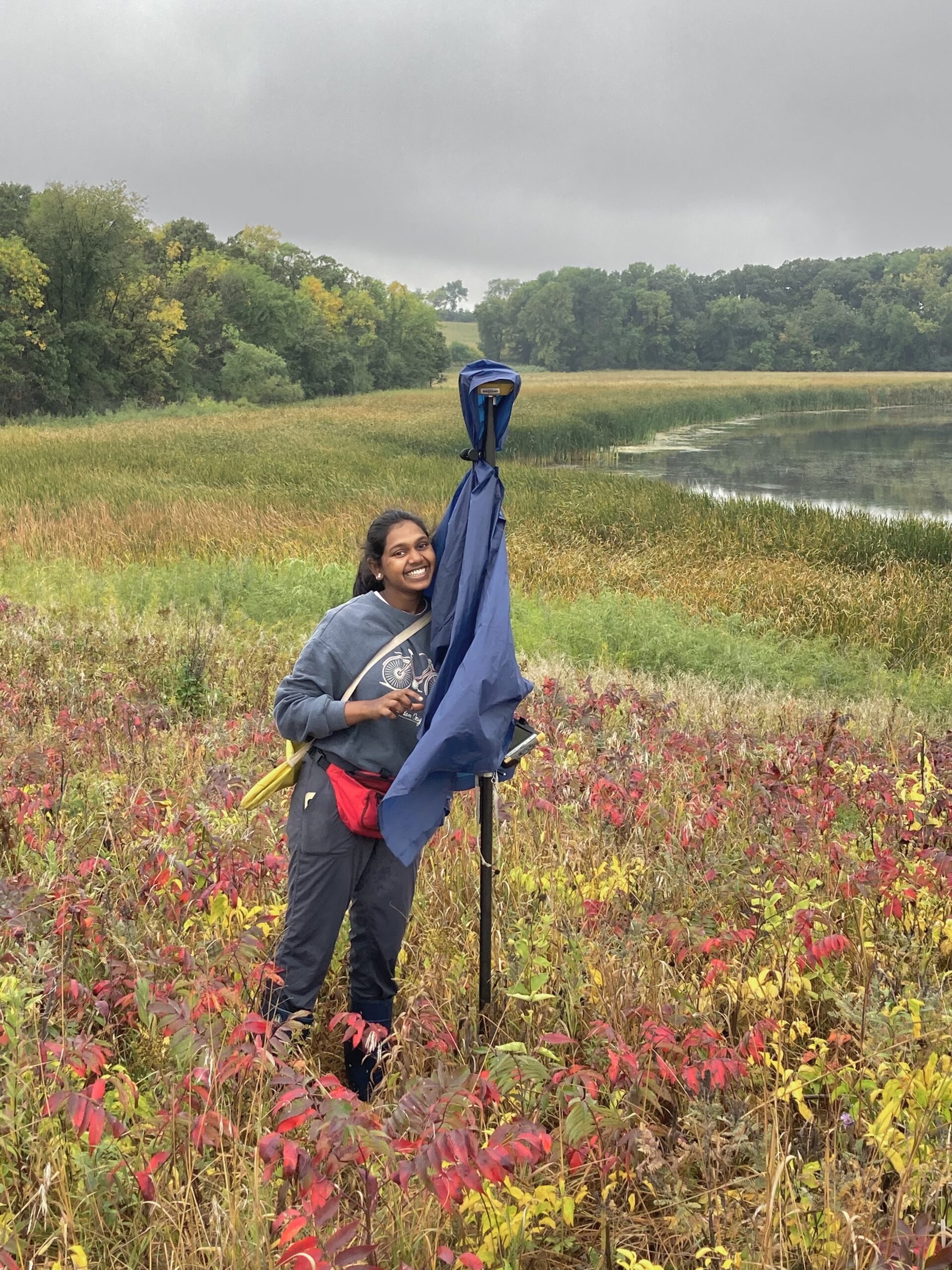 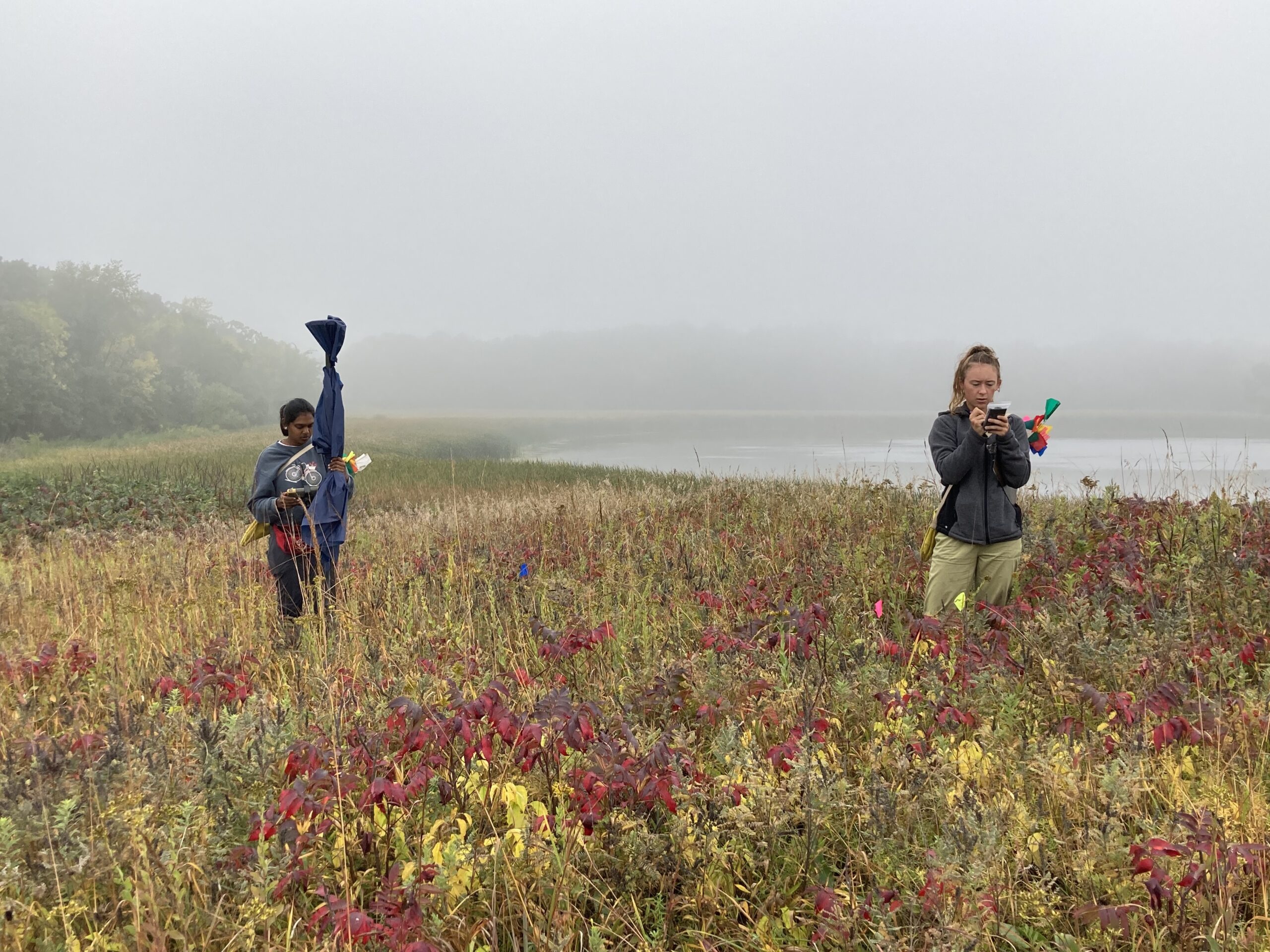 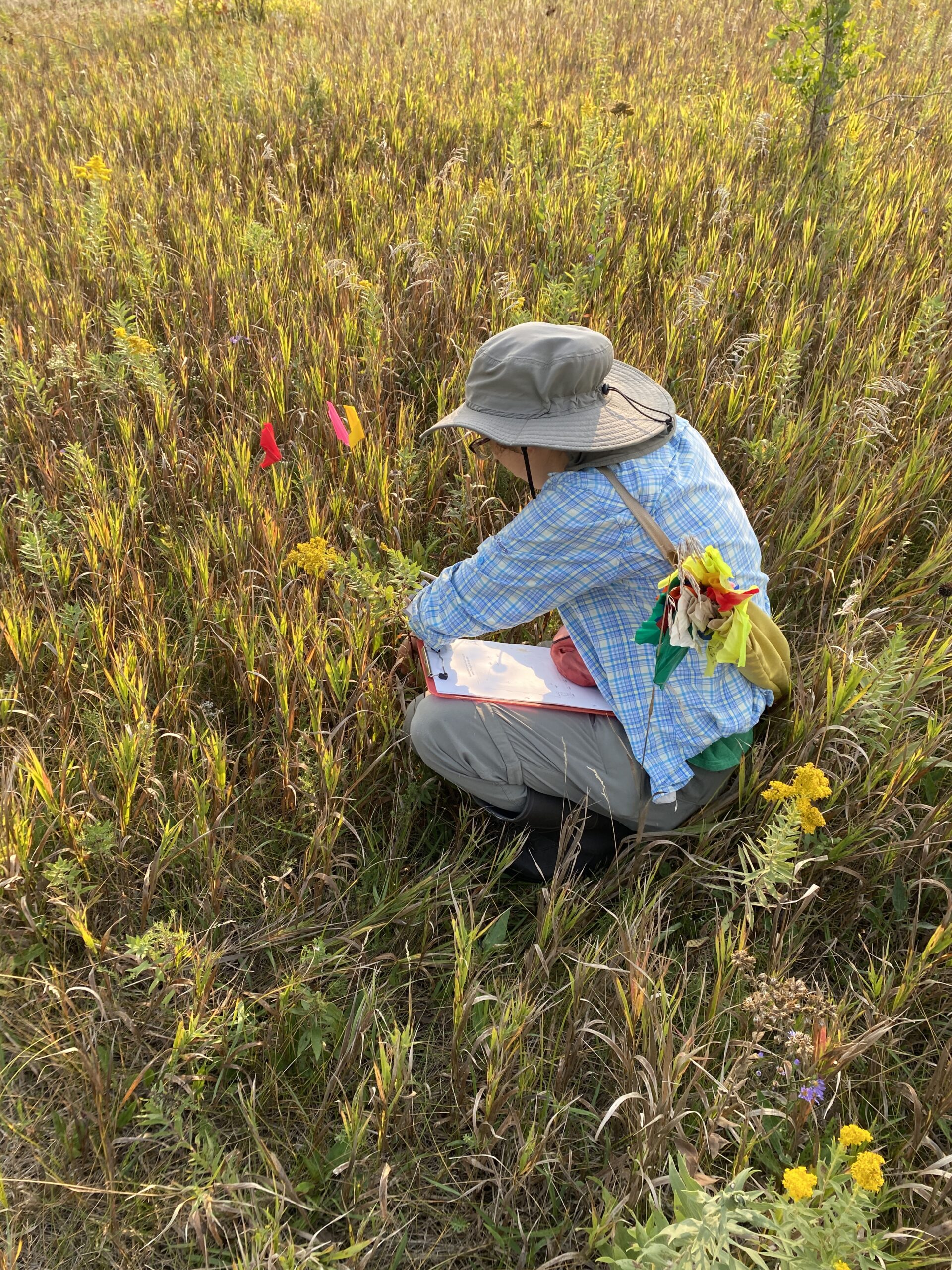 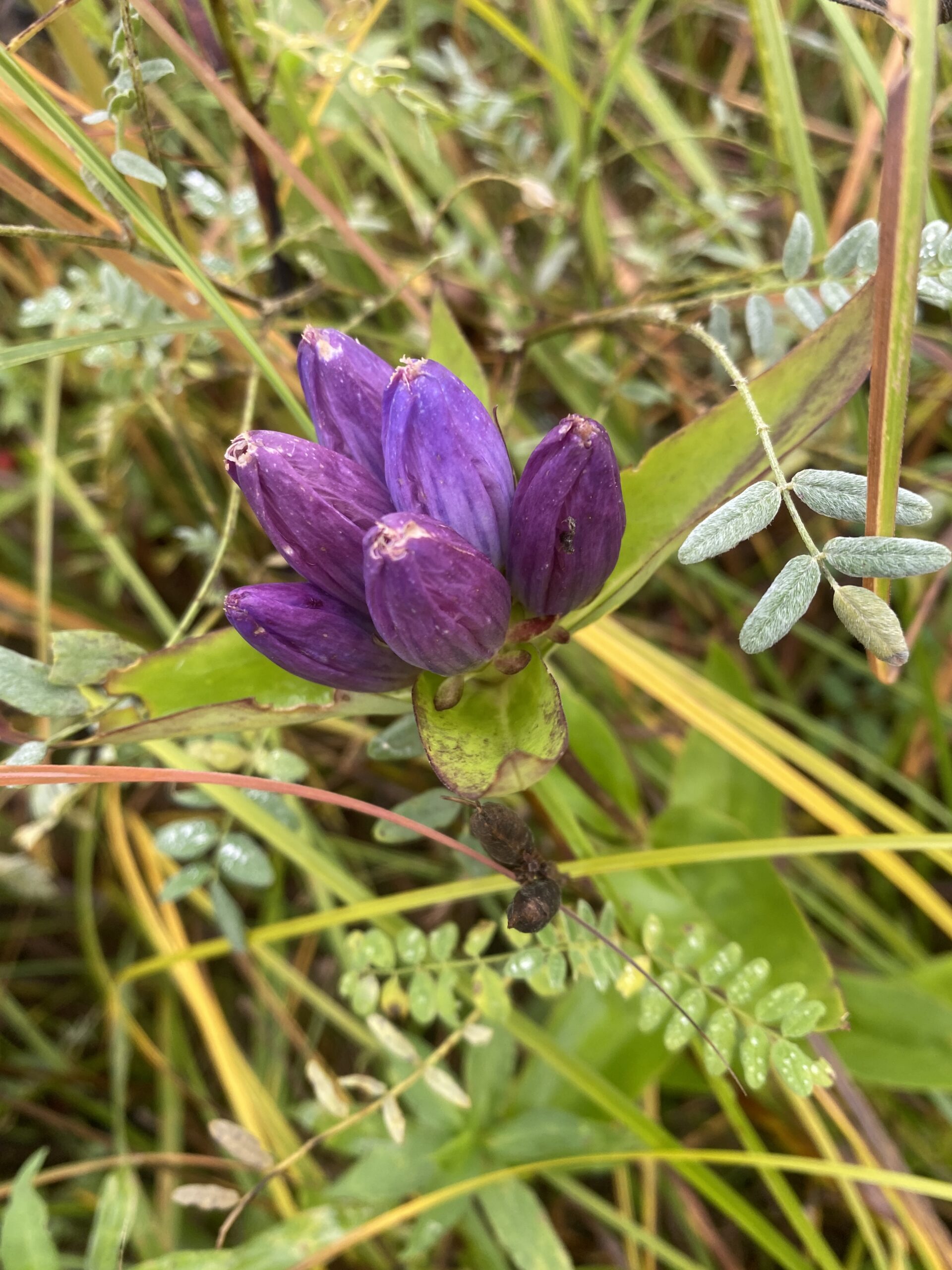 4. Andropogon update! Last week we collected and counted lots of remnant and pilot Big bluestem (Andropogon gerardii). At each randomly selected point, we used a meter stick to count the total number of Andropogon culms within a 1m radius and then harvested all the inflorescences. Counting and harvesting can take quite a while – especially if you get a particularly dense plot like this one that Alex and I counted which contained almost 200 culms (higher than last year’s record!) 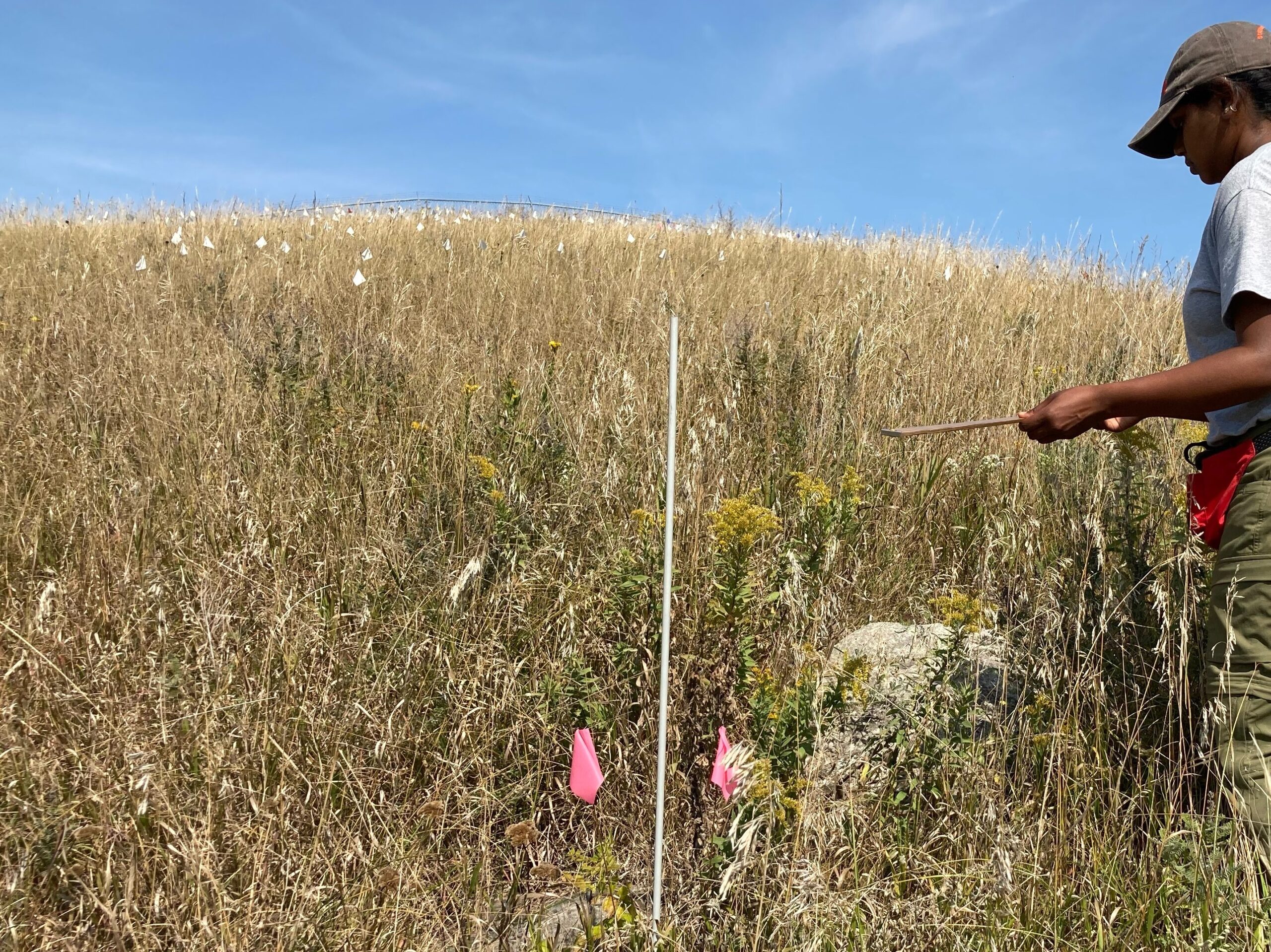 5. We also enjoyed a little rainy day time indoors learning how to clean Asclepias seed pods from Jared – a very fun and relaxing activity. 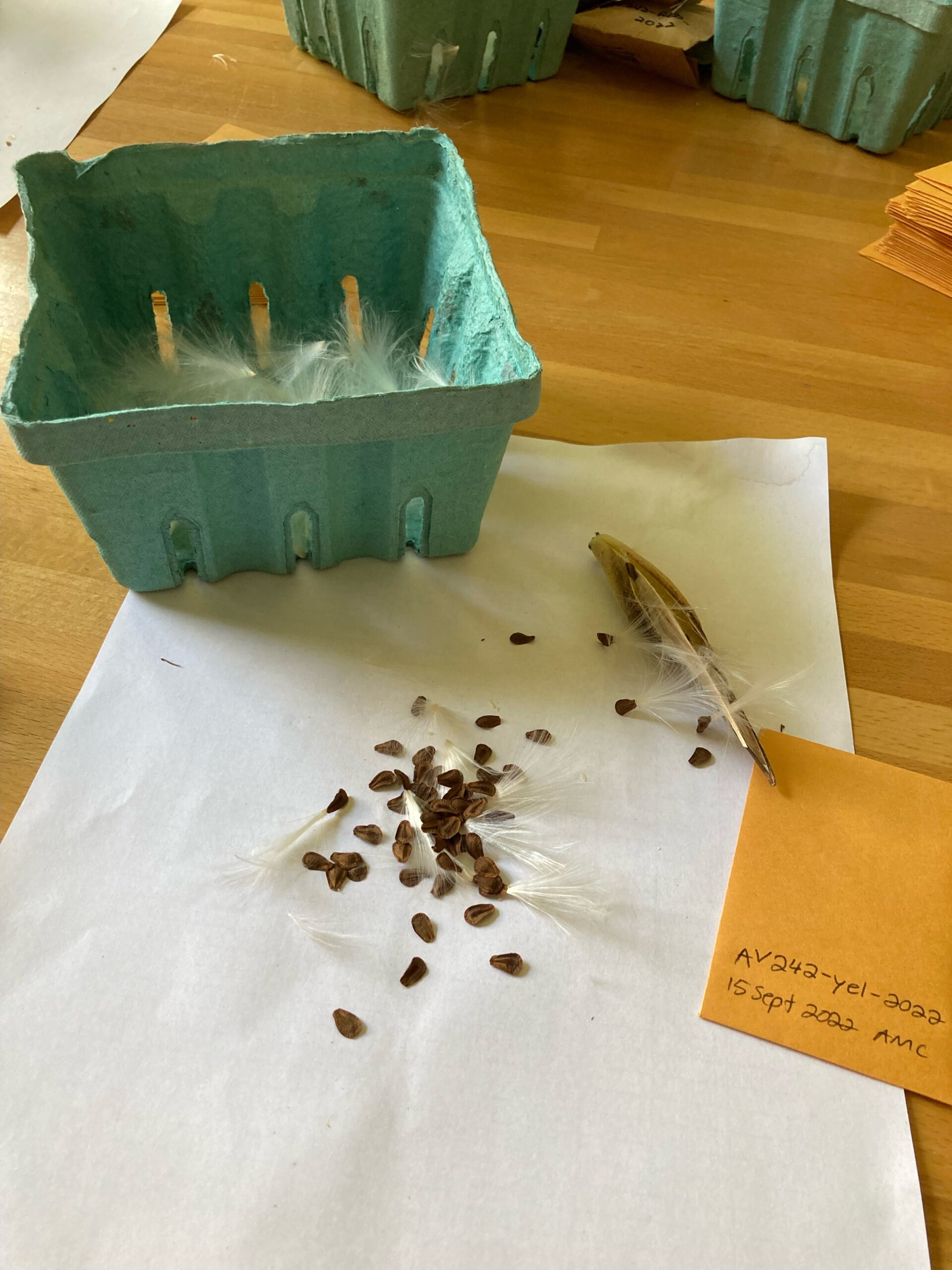 And here is Lindsey using the metal detector to locate nails in one of the recruitment plots. We found the nails and beat the storm – a success! 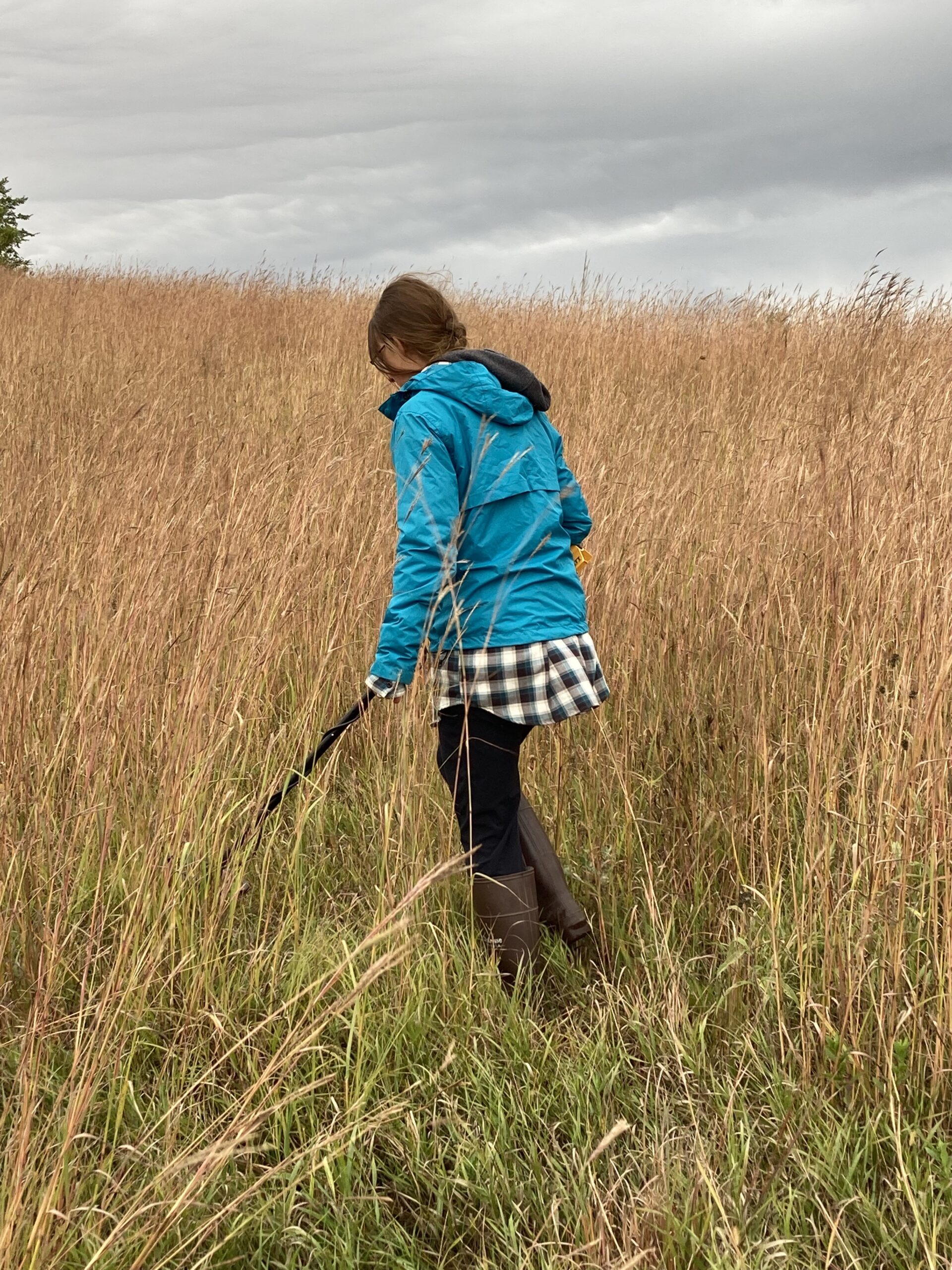 It’s been an exciting and productive week with lots done and lots more to do! Thanks for reading 🙂 It’s the first week of September and despite only four days of work (thanks to Labor Day) we’ve gotten a lot done. This week in the field we went out to find and shoot Liatris neighbors! We use the GPS to record the four closest neighbors of each focal Liatris plant, and on Friday we finished every single site! Now we just wait until they’re ready to harvest… 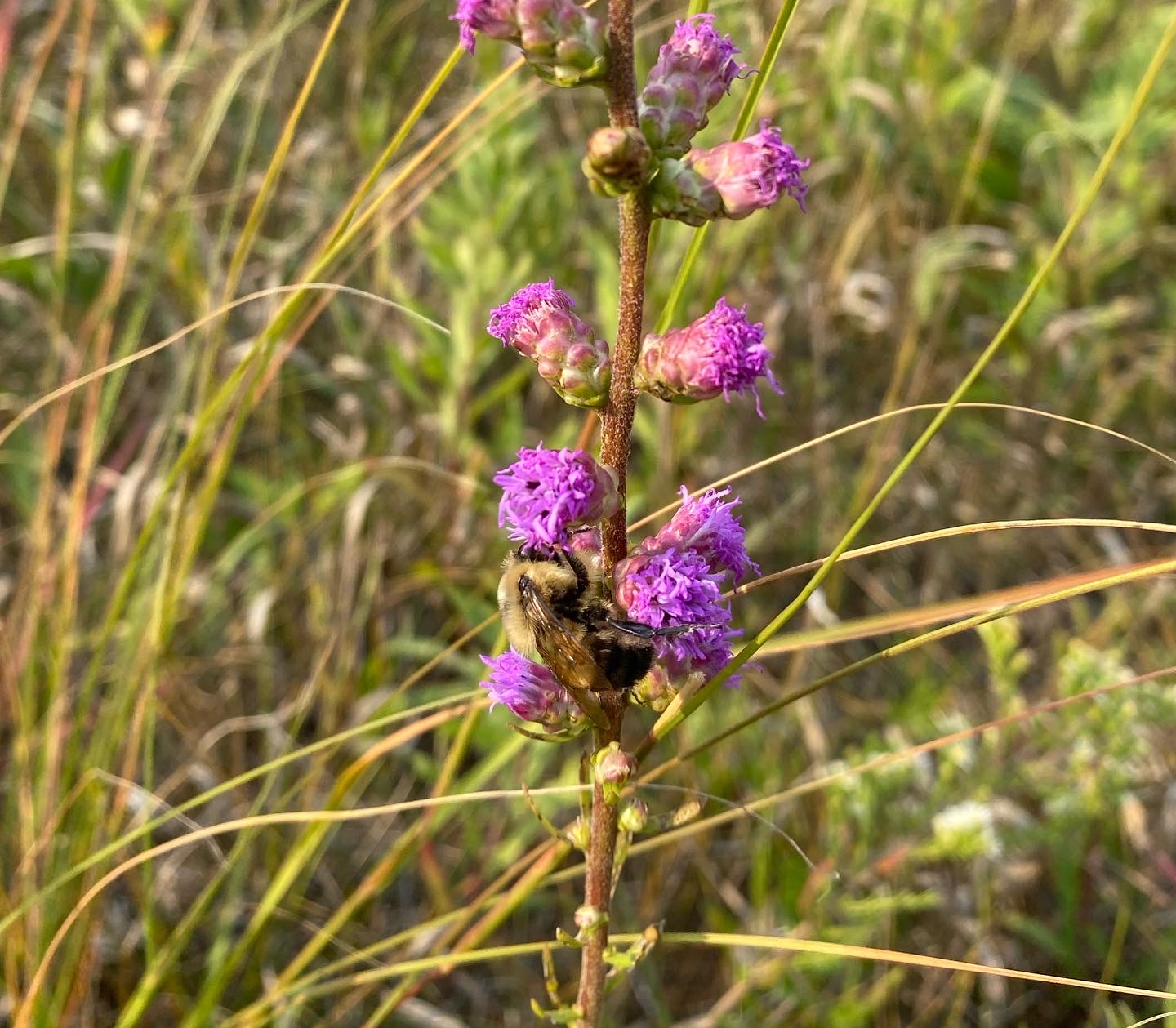 We have also been harvesting a lot of Echinacea heads and have been working our way through all the plots. Some of the things we look for to determine if a head is ready for harvest are visible or loose achenes, crisp upper leaves, and a brown stem. If a plant is ready, we snip its head off and put it in an H-bag! 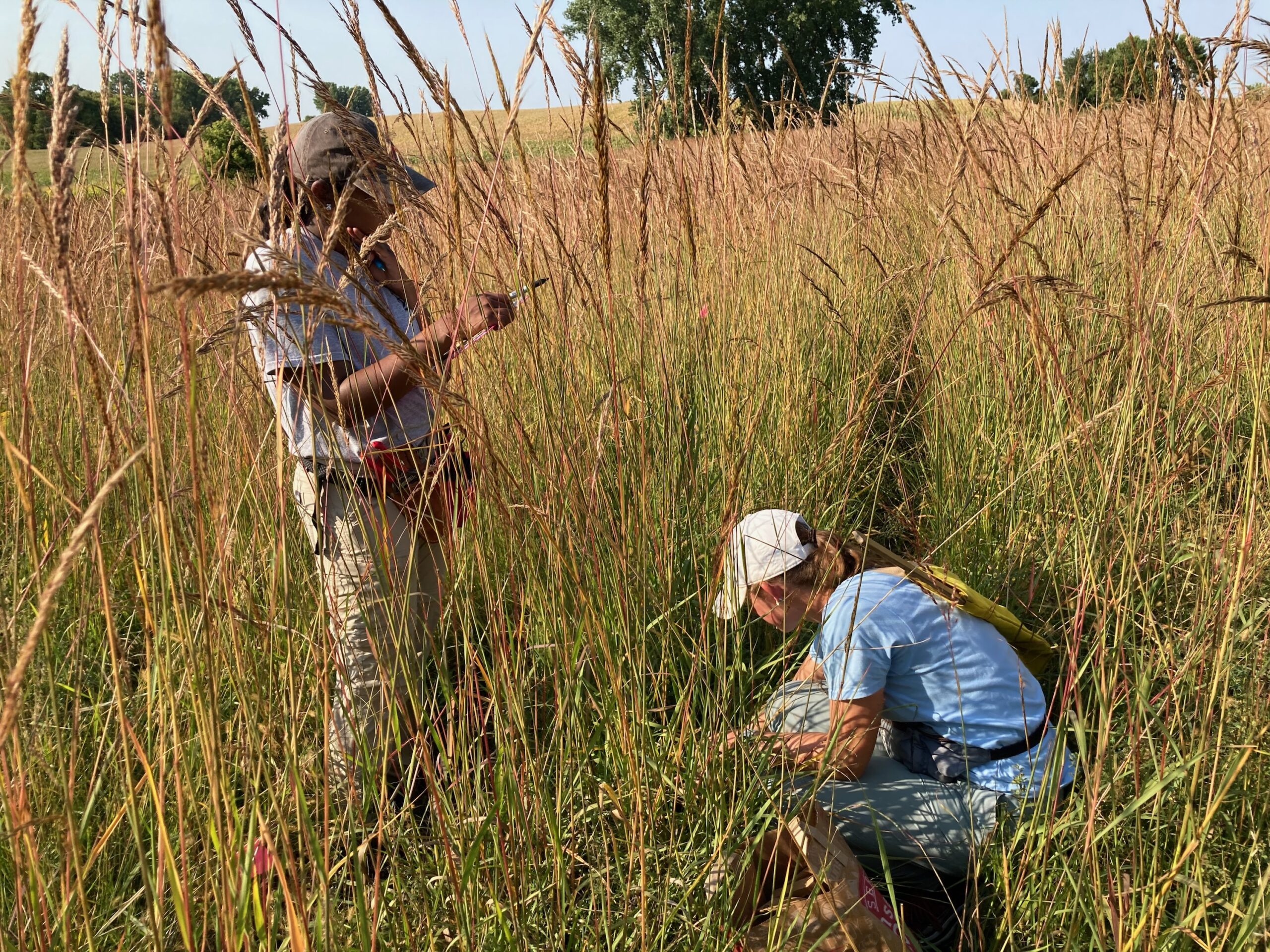 On Thursday we had a lovely dinner together and made a huge bonfire. We ended our delicious meal with 3 desserts (Alex’s chocolate cake, vanilla ice cream, AND s’mores), after which we came to the very scientific conclusion that eating dessert does in fact expand your stomach. 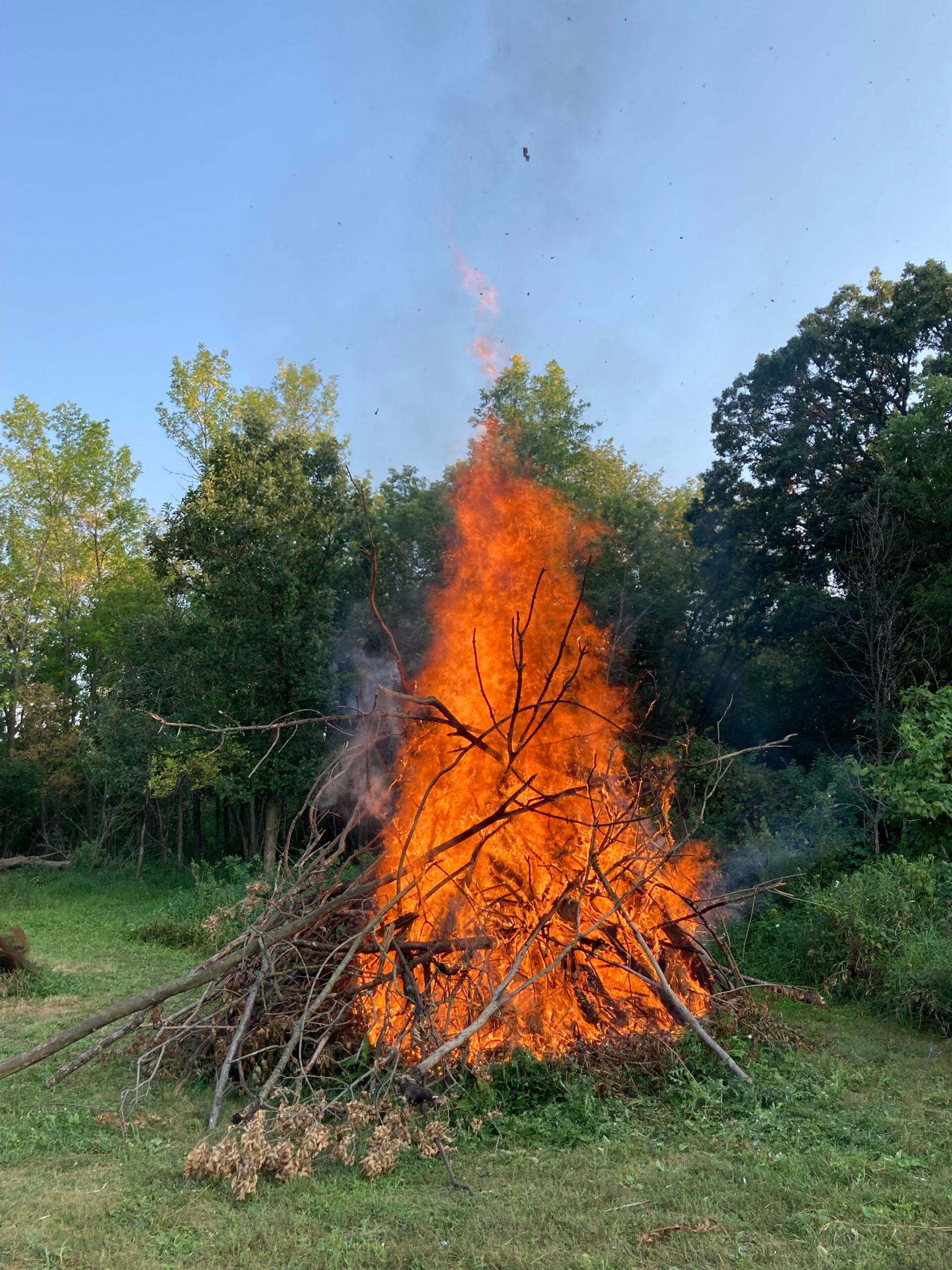 We also made two goat visits this week!! Here they are enjoying their favorite snack (buckthorn). 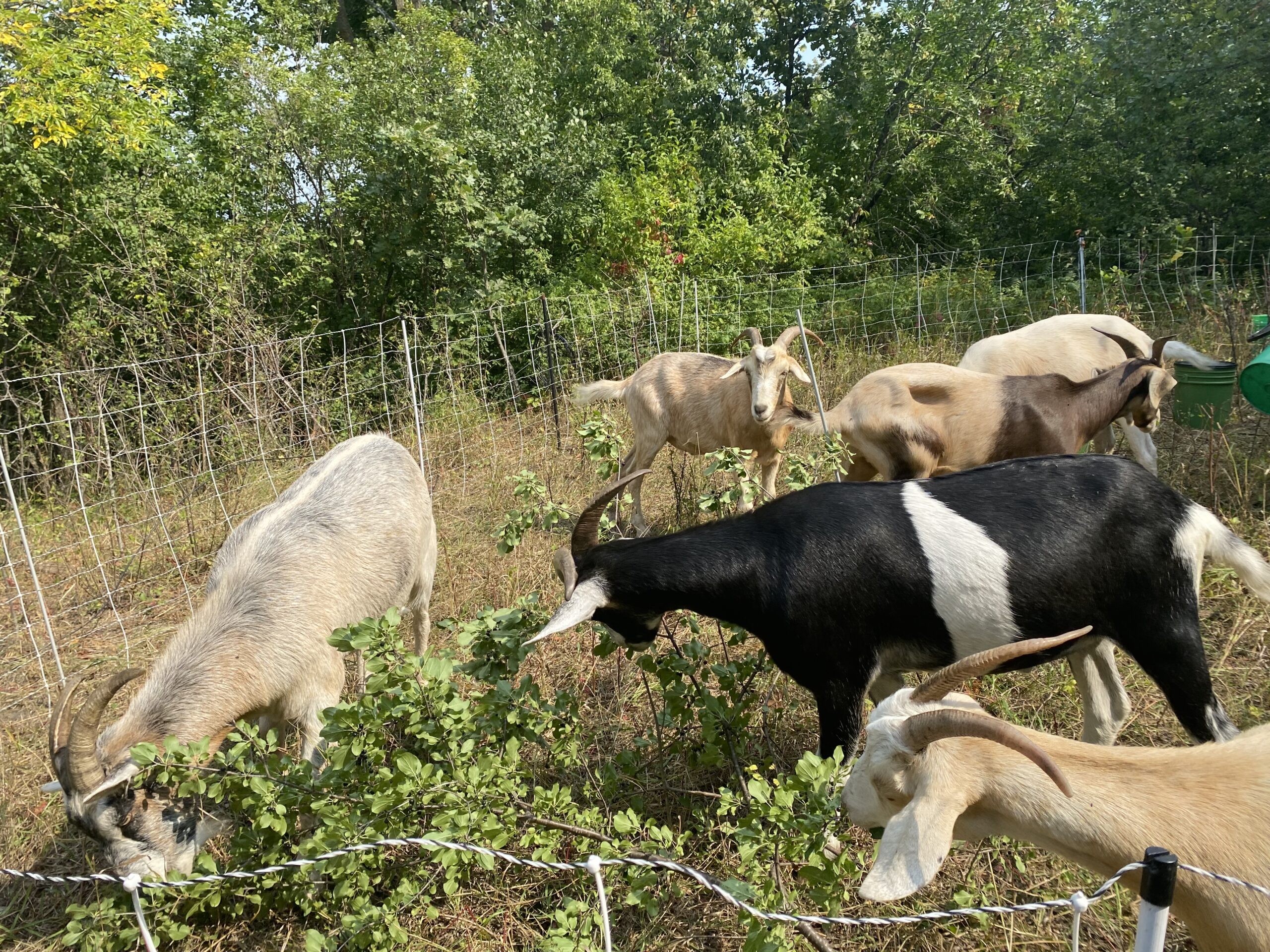 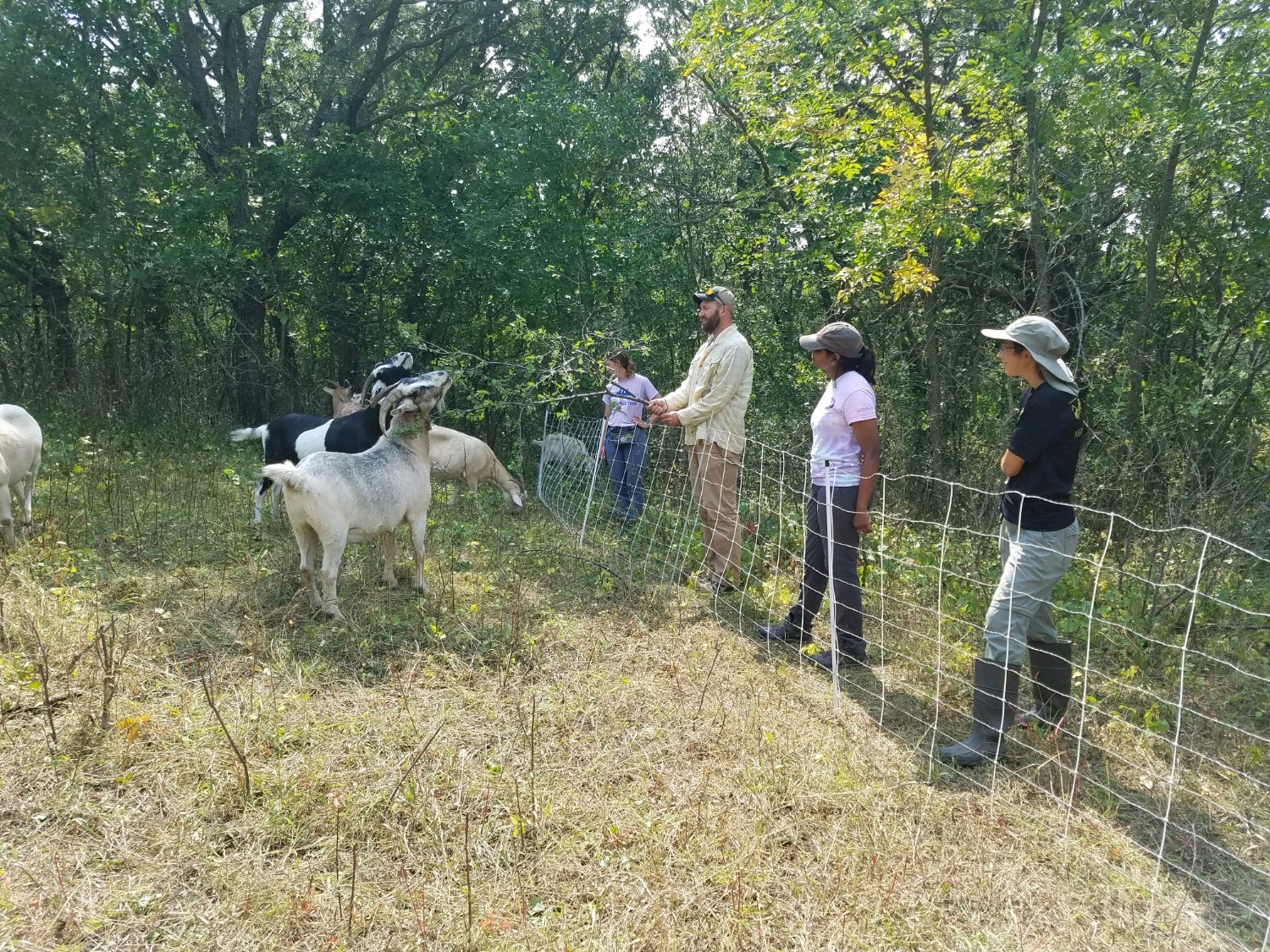 I’ve had such a great first week meeting the team and being in the field! I’m so excited to be out here and am really looking forward to learning even more as the month continues. Thanks for reading! Echinacea Project 2022 My name is Manogya and I am very excited to be joining the team this month! Research Interests I am broadly interested in investigating the mutualistic relationship between plants and pollinators, specifically through plant reproduction and survival. I am excited to apply these interests to the Echinacea project while investigating effects of fire disturbance. Statement In my spare time I enjoy being outside whether that means hiking, swimming, or just looking at flowers! I also enjoy cooking and baking.  Hello Flog-beasts! We’ve been busy here at the Echinacea project. This Tuesday we finished measuring P1, which was the final big hurdle in our quest to finish measuring. That’s right: we’ve now visited every position in our experimental plots at which we’ve found a plant in the last three years! Very exciting. The other two big tasks we’re working on finishing is finding Liatris and harvesting Echinacea heads. We’re making great progress on both! Every few days we revisit Echinacea in our plots and in the remnants to see if they’re ready to harvest. Once we harvest the heads, we put them into an H-bag which goes into a G-bag which goes in the seed drier which goes in G-3. That reminds me of a certain song about a bog… This summer there’s been an unprecedented amount of Liatris flowering, so it’s been a huge task to map it all. We’ve had to put in transects at certain plots because there’s just too many to surv! 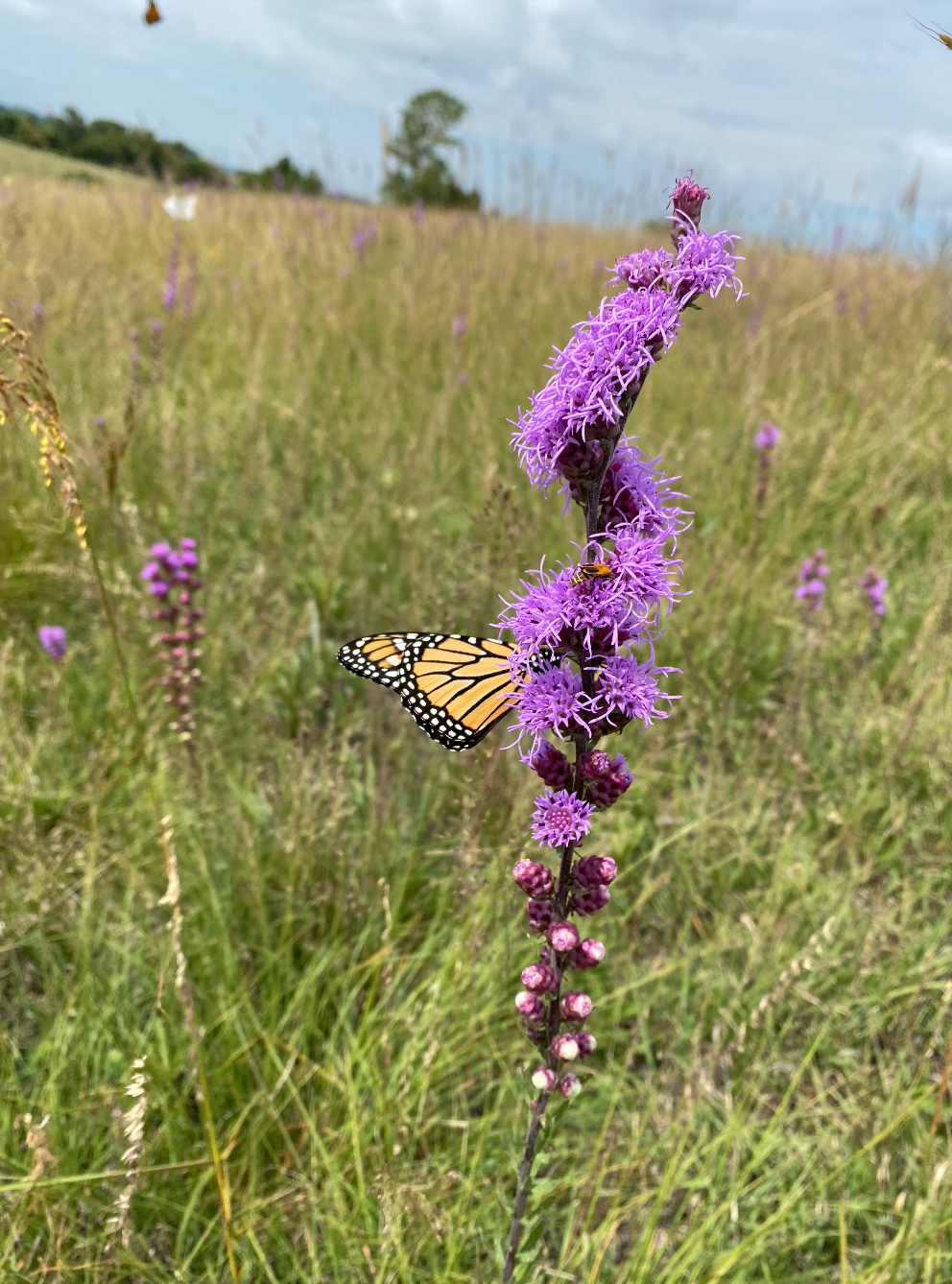 One other thing we’ve been spending a lot of time doing is total demography. This is when we use the GPS to revisit every location where there’s been a flowering plant in the past. When we find flowering plants we also surv(ey) them. Geena, Daytona, and I had lots of fun at Hegg Lake today surving plants…and also serving looks!! 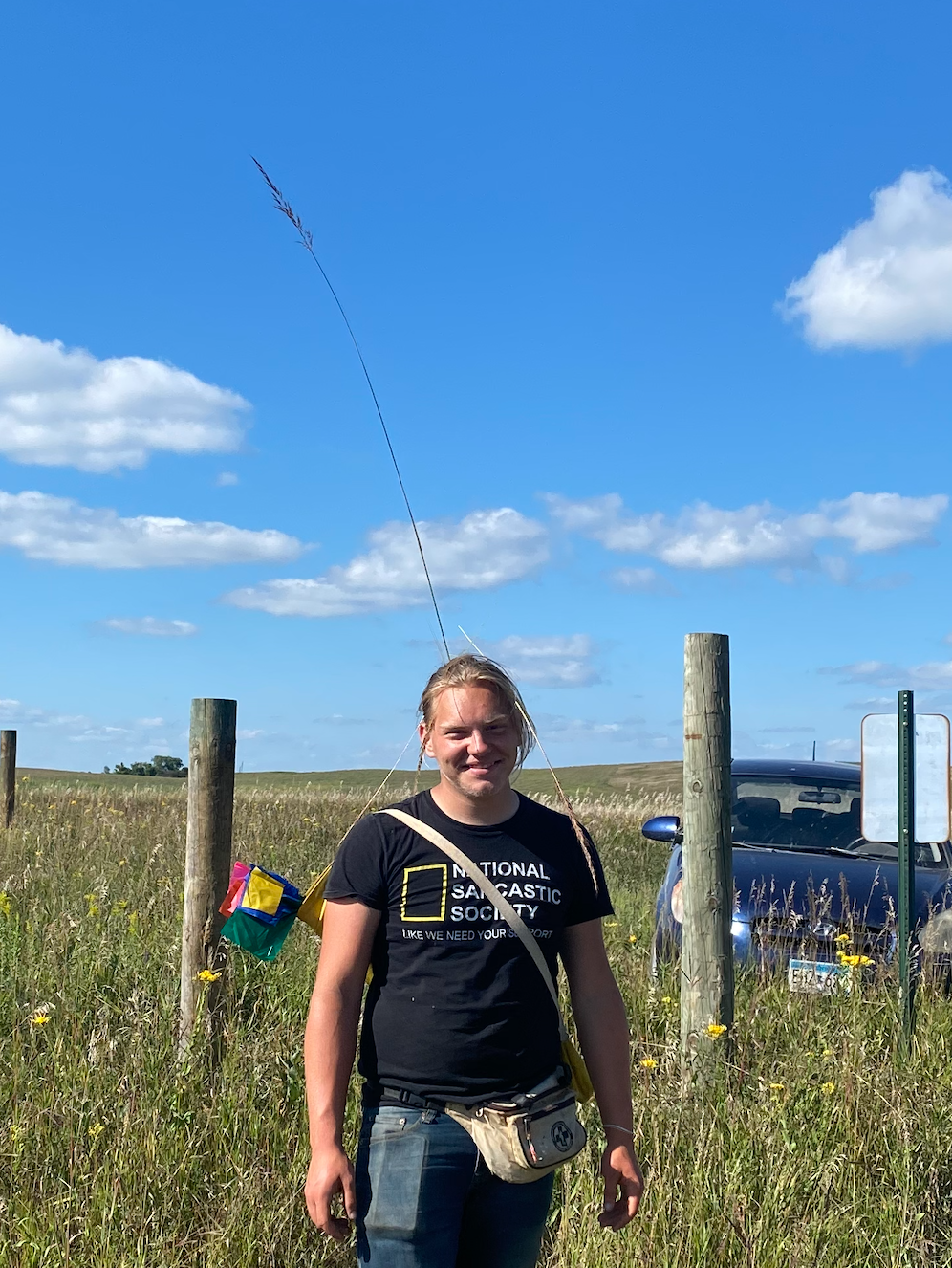 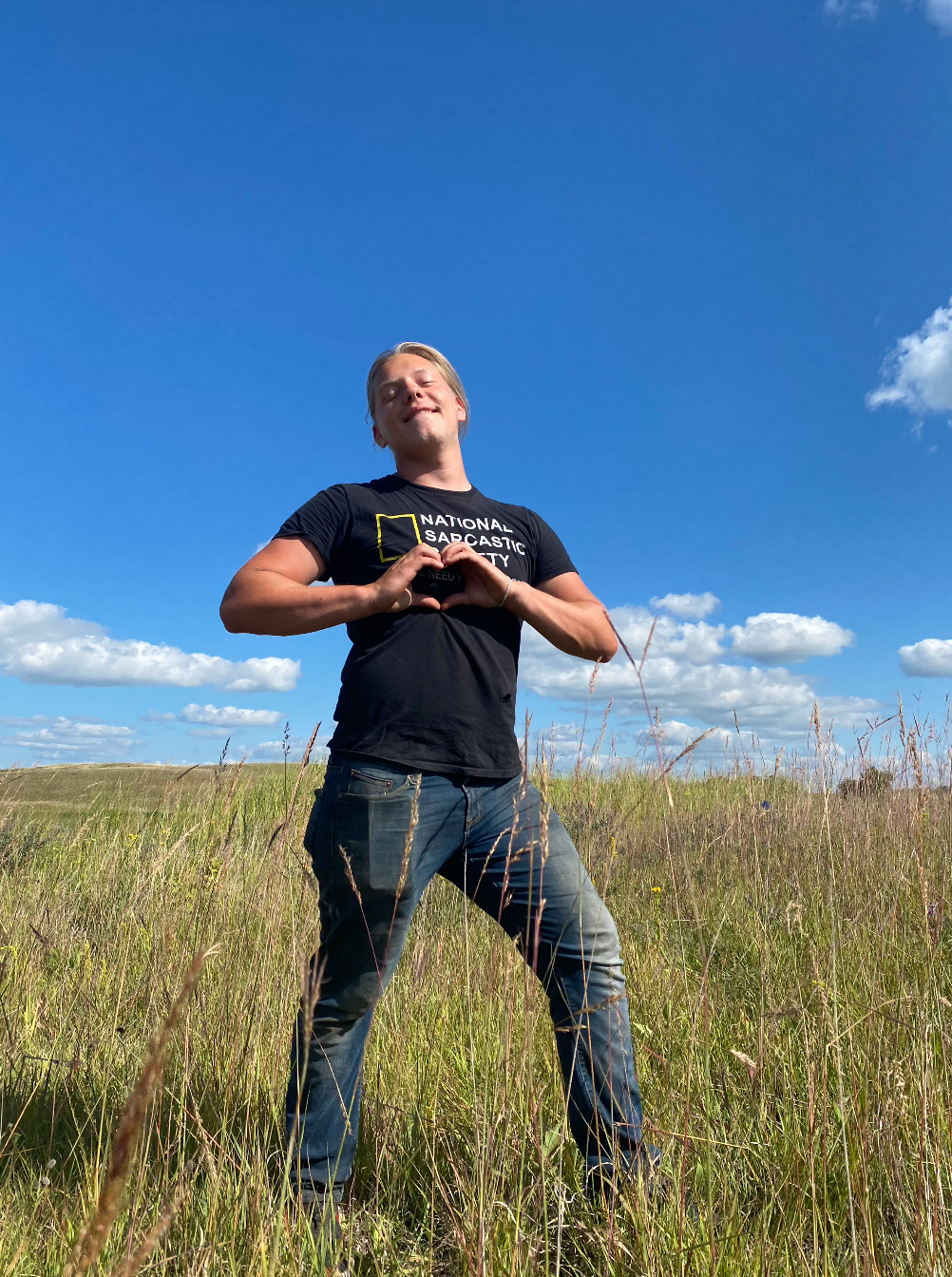  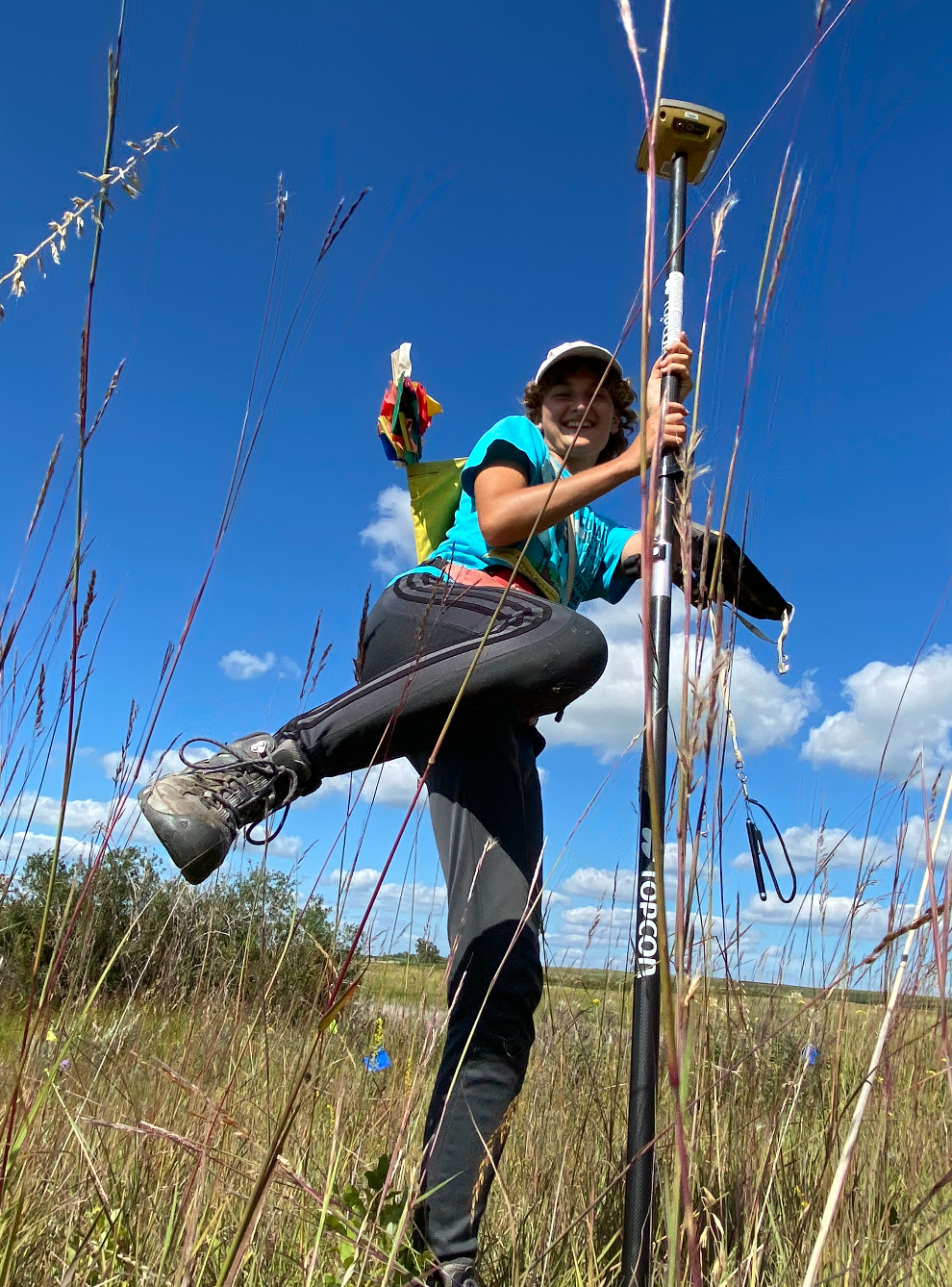 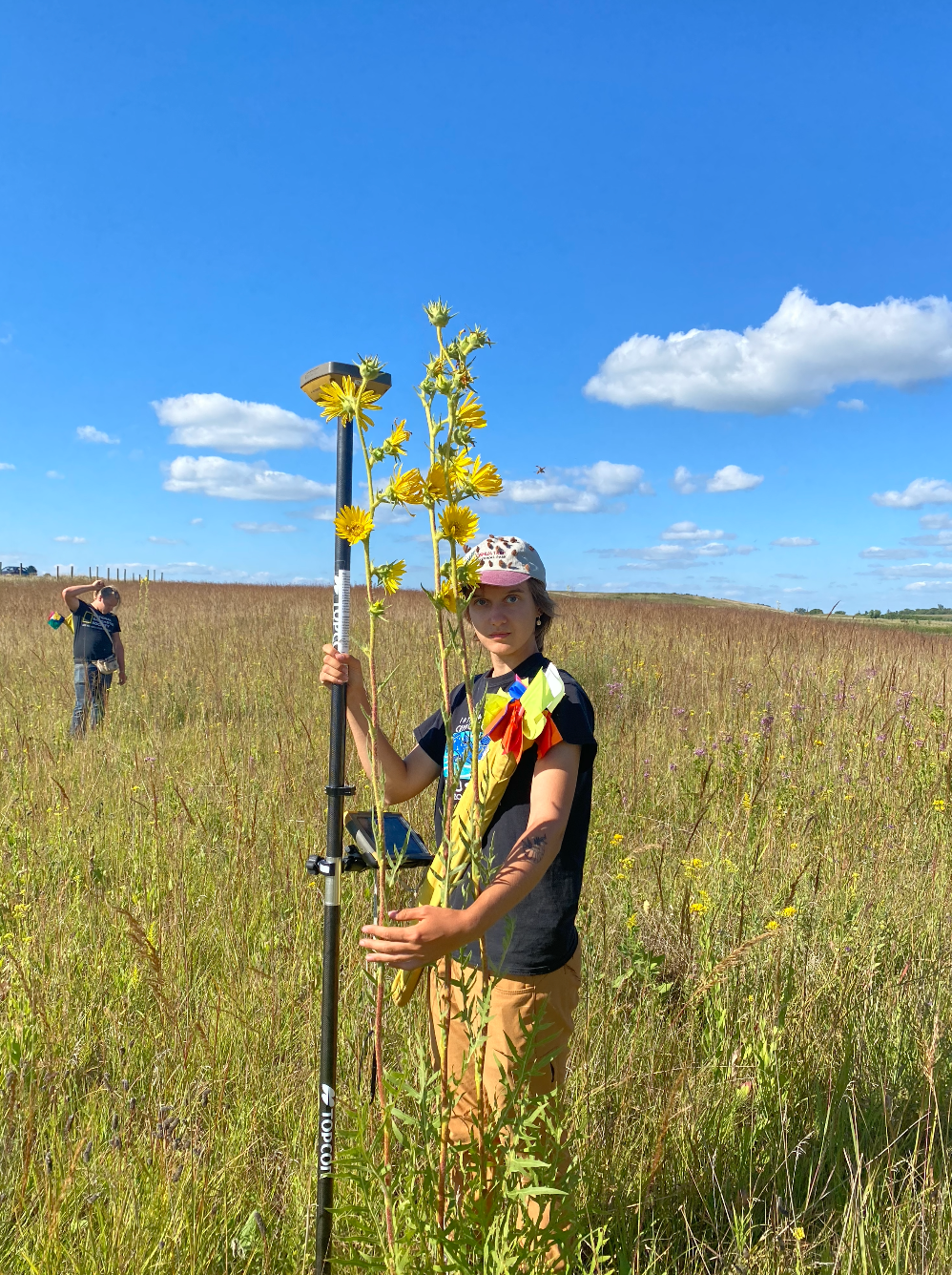 One thing we are all about at the Echinacea project is innovation. Which is why I am happy to share some cutting-edge creativity Geena demonstrated today by using a Capri Sun straw as a Visor stylus: 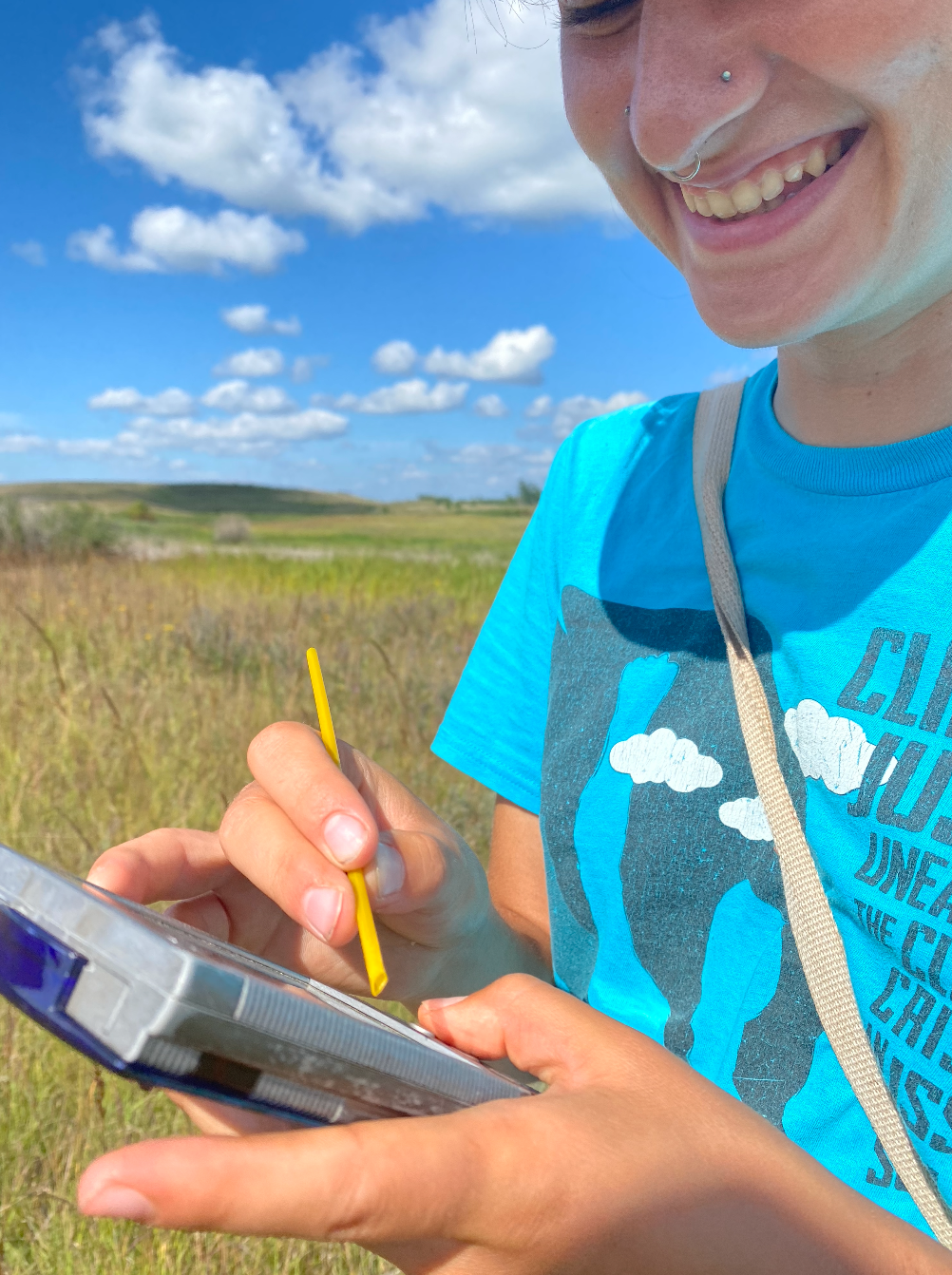 See you next time, flog-fanatics! |
||||
|
© 2026 The Echinacea Project - All Rights Reserved - Log in Powered by WordPress & Atahualpa |
||||