|
|
The Bee team has been busy (I’m avoiding including a bad pun here) lately. We have implemented and perfected our tracking protocol in the past couple of mornings, and have gotten some good data looking at the flights between flowering heads in the Common Garden. Yesterday morning we successfully tracked the flight of one bee to 57 consecutive heads! For the most part, we have been faithful to the original protocol, although we have found that working in groups larger than two is more successful.
We discovered yesterday that the bee we have been identifying as Halictus rubicundus is actually neither that genus nor species. Stuart brought up a reference collection from the U of M, and our best guess is now that our bee is Melissodes cf. subillata.
Rachel is a 3rd year master’s student at the University of Minnesota in Ruth Shaw’s lab. Her research is focused on the rapid evolution of invasive plant species in prairie fragments. She received her bachelors degree at the Central Washington University, and did post-bac work in the Australian rainforest with the School for Field Studies. She is a native of Washington state.
On the side Rachel enjoys breakdancing, hip-hop dancing, and gripping/gaffing on movie/television sets.
Overall, today went pretty well. We managed to get the camera up on the small kite. 
The wind gave us a few problems, though. The camera came down a few times and we had to run to grab it. 
The big kite, however, had issues. After letting it out around 80 meters, the kite took a dive to the right… into a building. WHAM. This isn’t a sound you want to hear. A few tears on the front, but not horrible. The problem came when Stuart was moving the kite. A gust of wind caught the kite around him. SNAP. Another bad sound. The carbon-fiber sticks were fine; an aluminum connector was not.
We had a great picnic at Elk Lake Beach on the fourth. The wind off the lake was refreshing & would have been great for kite flying. Instead we ate great food, sat on the dock, swam, kicked the soccer ball, tossed a disk, and ate great food. The company was marvelous: Amy, Colin, Dwight, Gretel, Hattie, Ian, Jameson, Jean, Josh, Julie, Per, Pete, Rachel, Sarah, & Stuart. Folks stayed for about four hours and some got a little too much sun. The water was pleasantly warm, but a little greener than usual. I didn’t take any photos.
Here are some key resources:
Kensington general forecast and 48-hour surface wind forecast (from NWS in Minneapolis).
Hoffman general forecast and 48-hour surface wind forecast (from NWS in Grand Forks).
Current conditions at nearby weather stations.
We forgot our list of what specific heads to video for each plant, so I decided, in the field, to just video the one with a twist tie color that comes first in the alphabet. I think we’ll use this method from now on as it is at least haphazard and it’s easy to remember.
Also, three of our rigged batteries failed immediately. I hope my big batteries from B and H come soon!
Video Andy
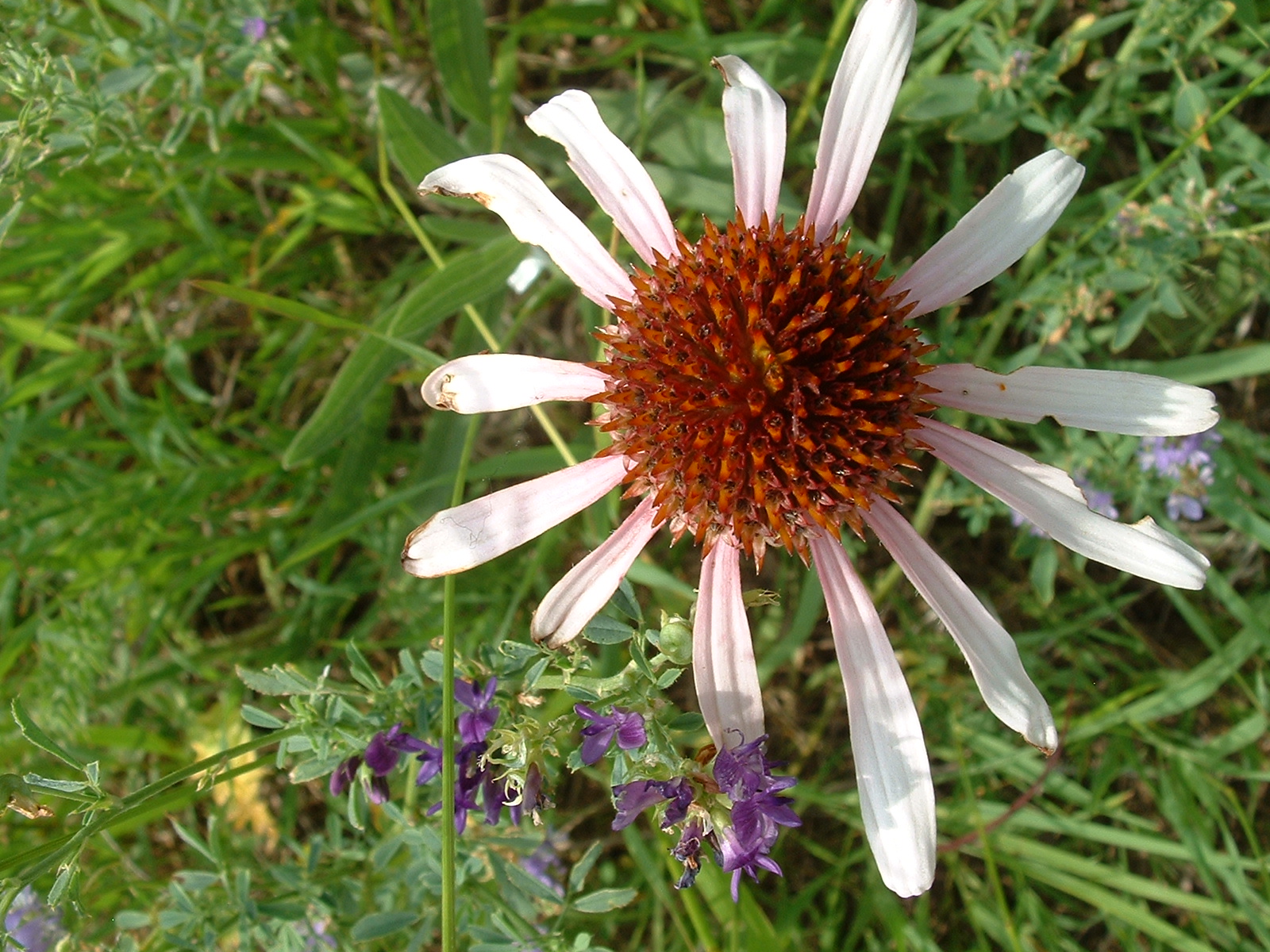
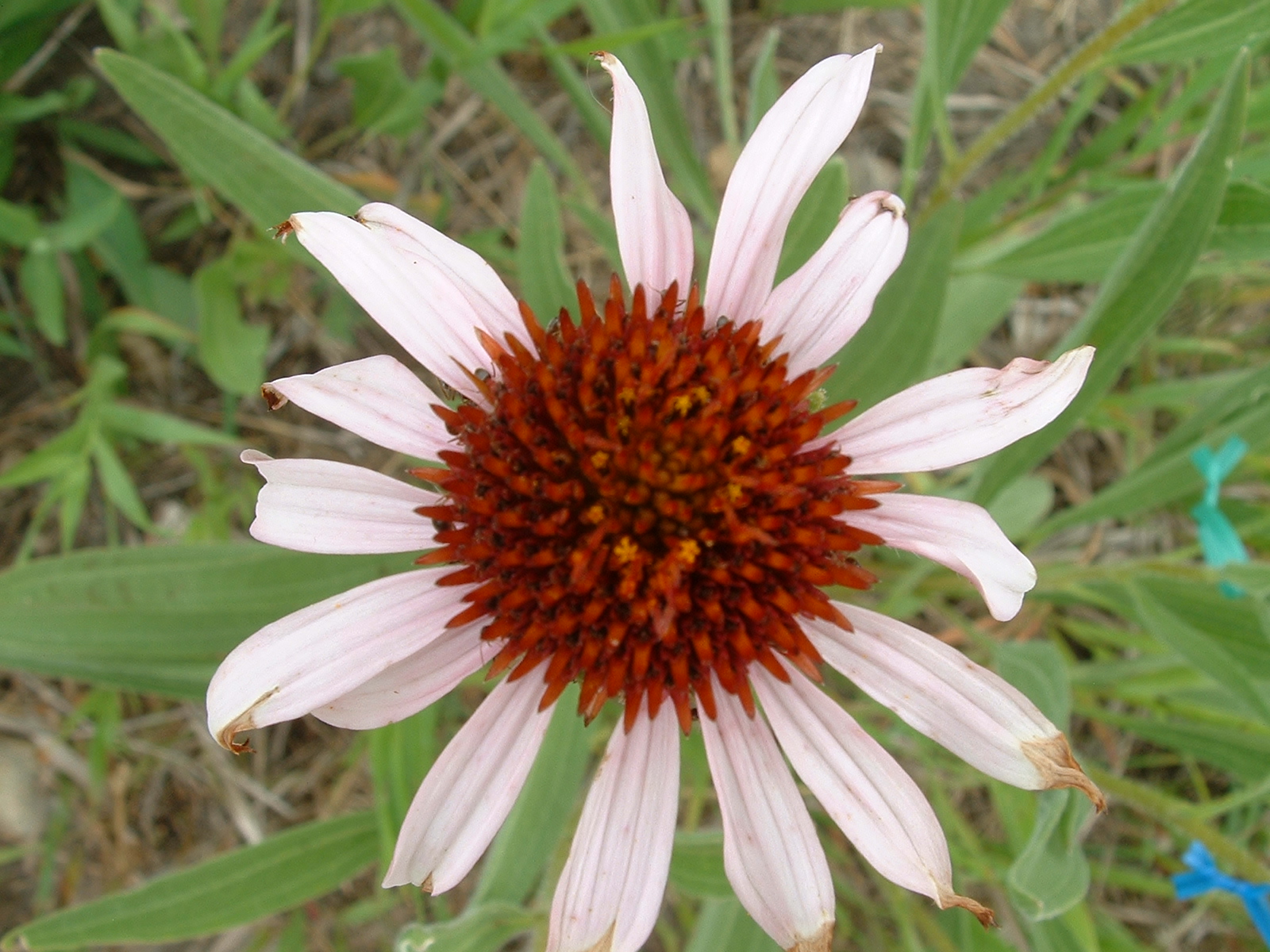
A redesign of the original asymmetry contraption has finally reached (hopefully) it’s perfected state. With a black felt backing I was able to take several test pictures in the ’99 Garden South with the assistance of Dr. Andrew McCall.
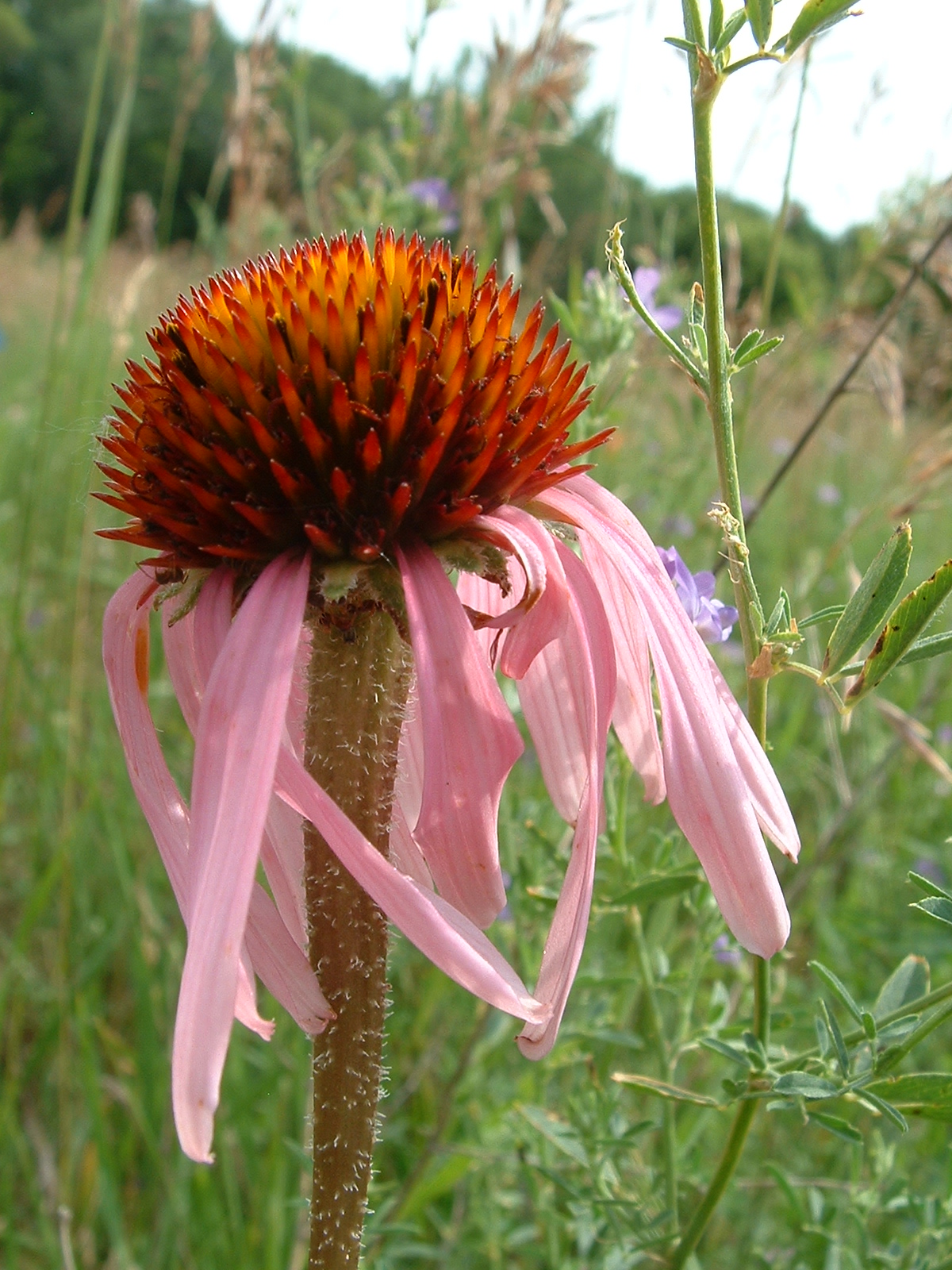
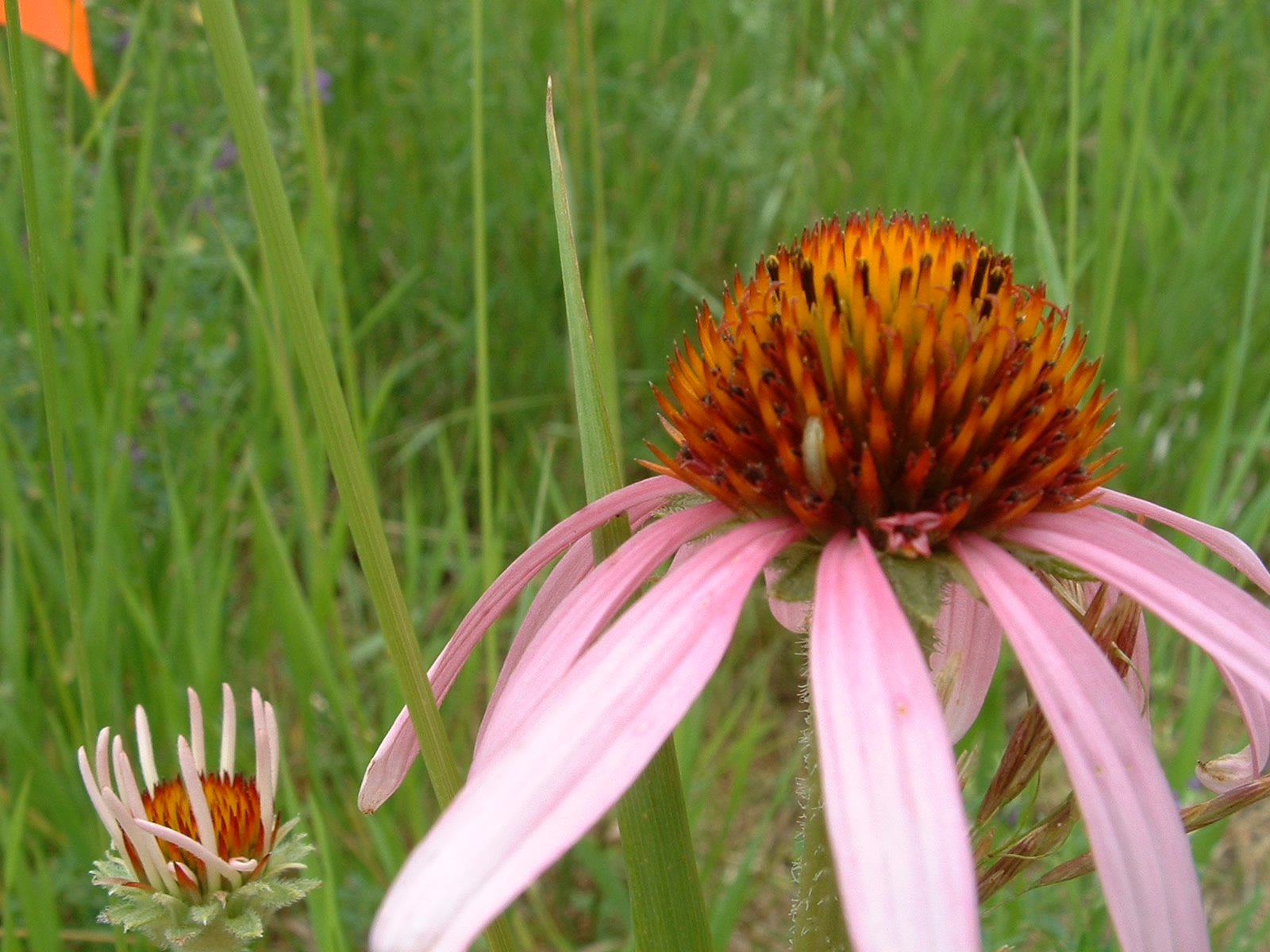
One of these pictures was this beauty:

Later work with ImageJ allowed me to create a simplified version of the picture, with only the ray florets visible.
It looked something like this:

From this I was easily (with the help of a few lovely plug-ins), able to measure the areas of each ray floret. Thus, a measure of asymmetry is born!
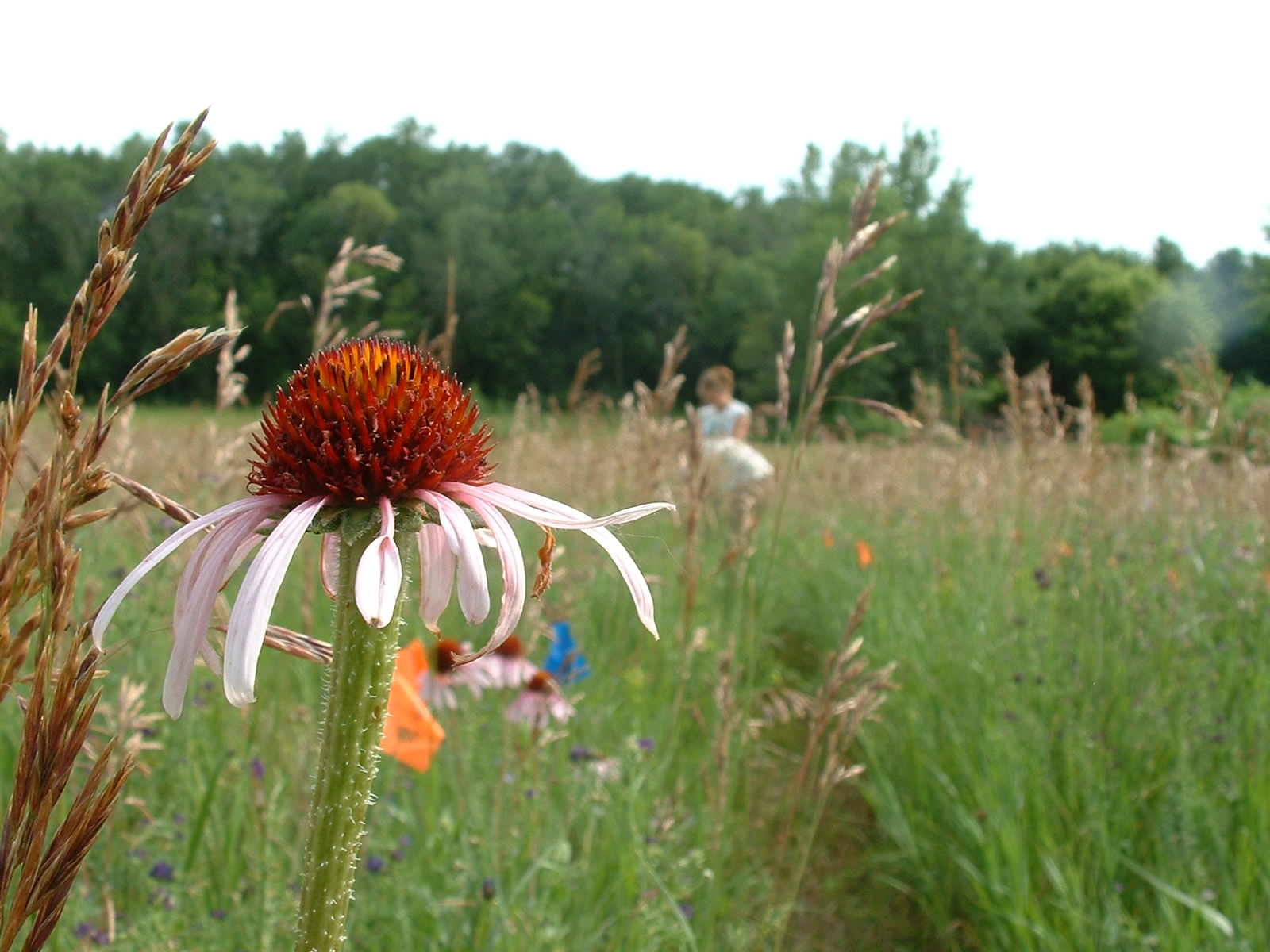
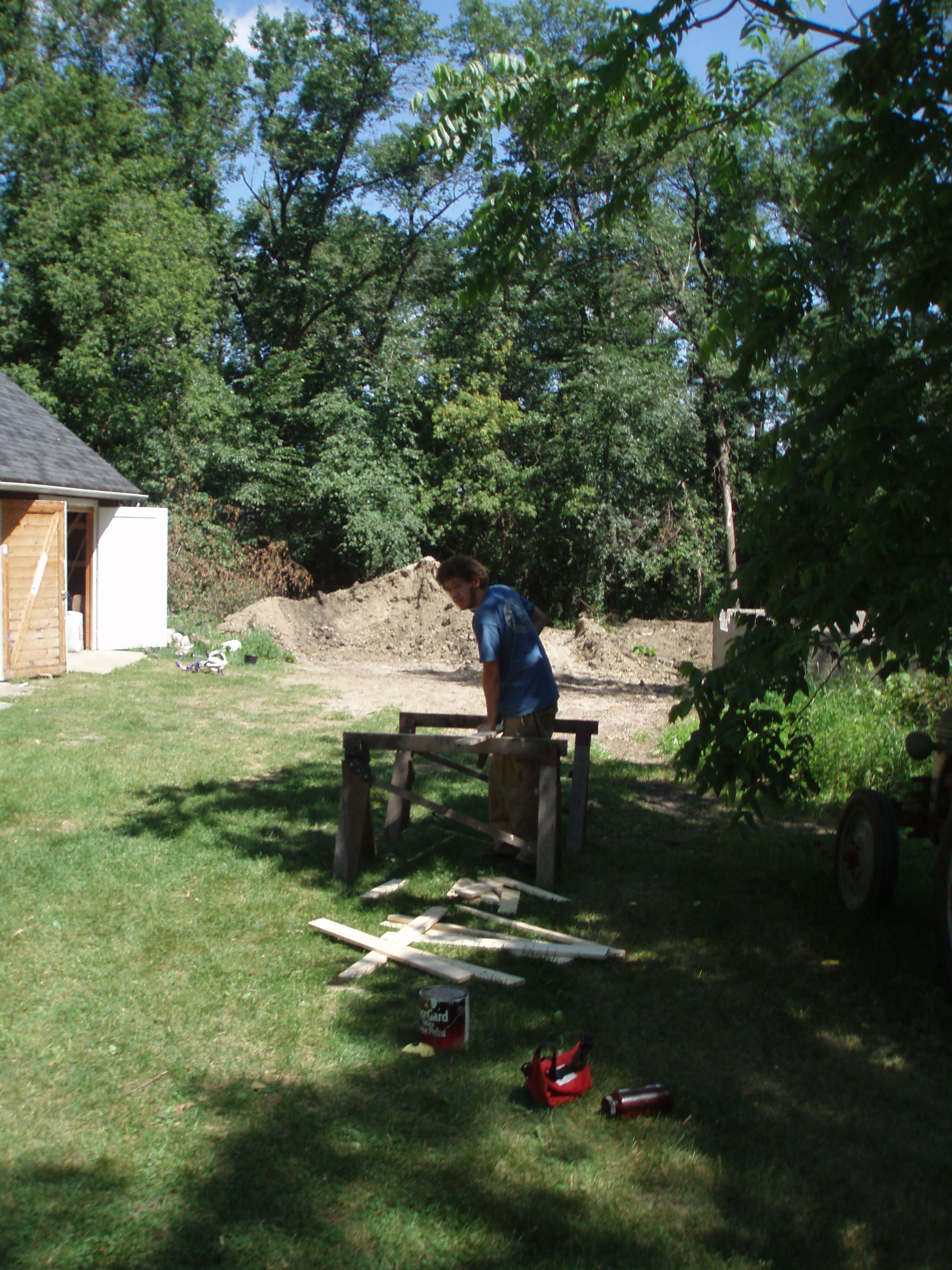
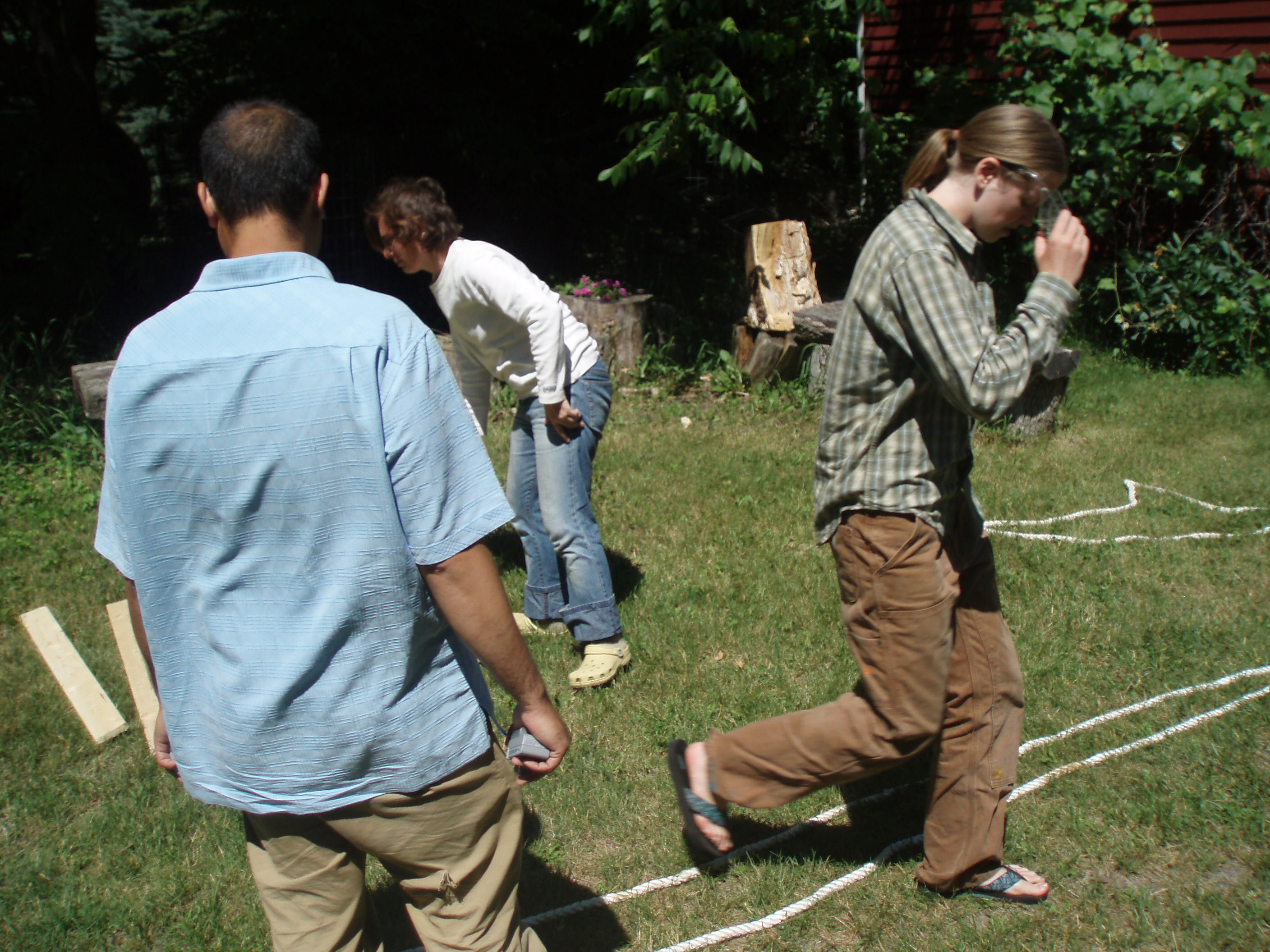
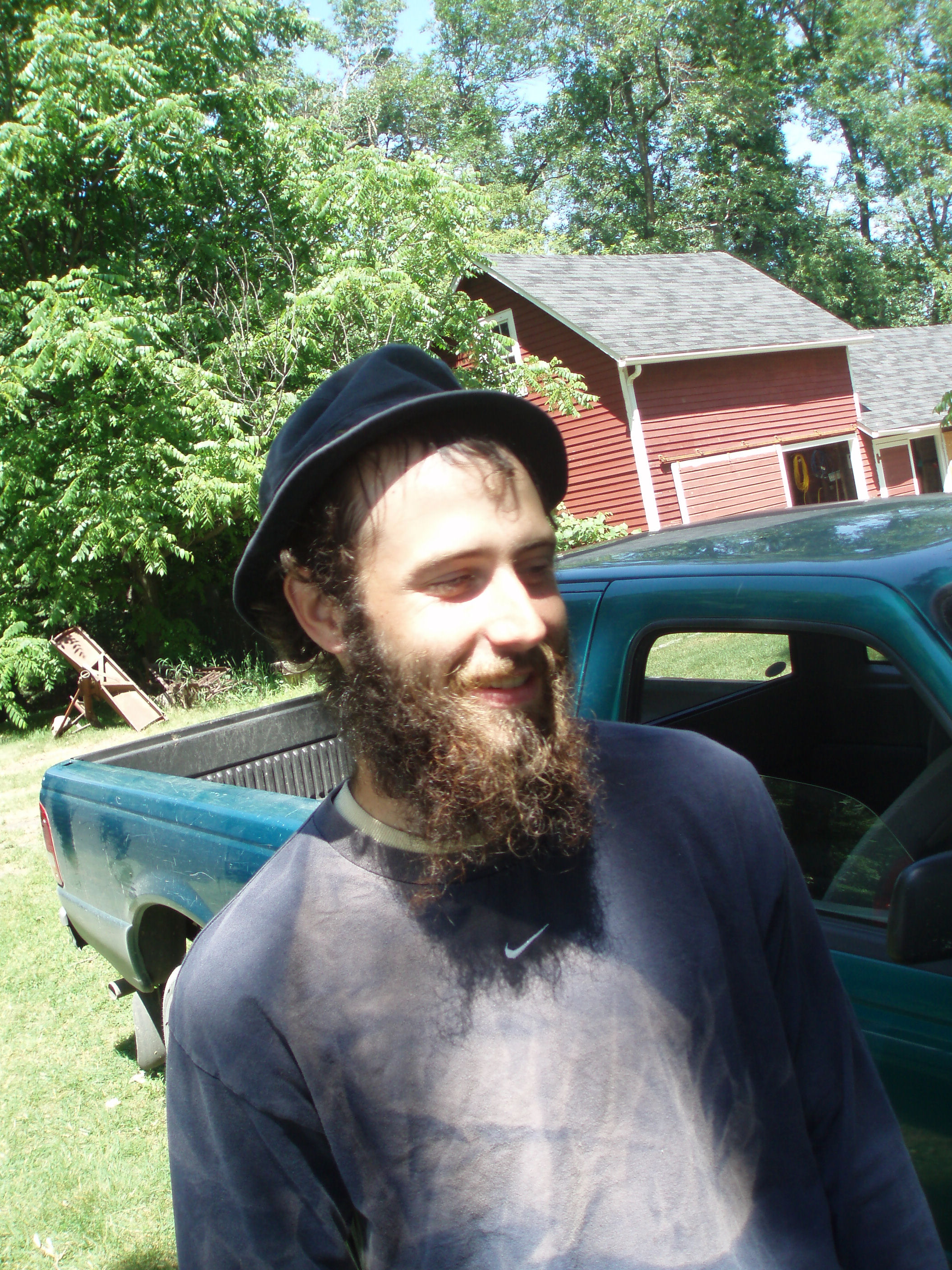
On a note less related to Echinacea, I have realized that I haven’t loaded very many of my own pictures from this adventure. I then remembered that I hadn’t taken very many pictures, so in a frantic effort to catch up, I took a ton on a single day of work. So without further ado, I present to you the best of the pictures I have taken so far.
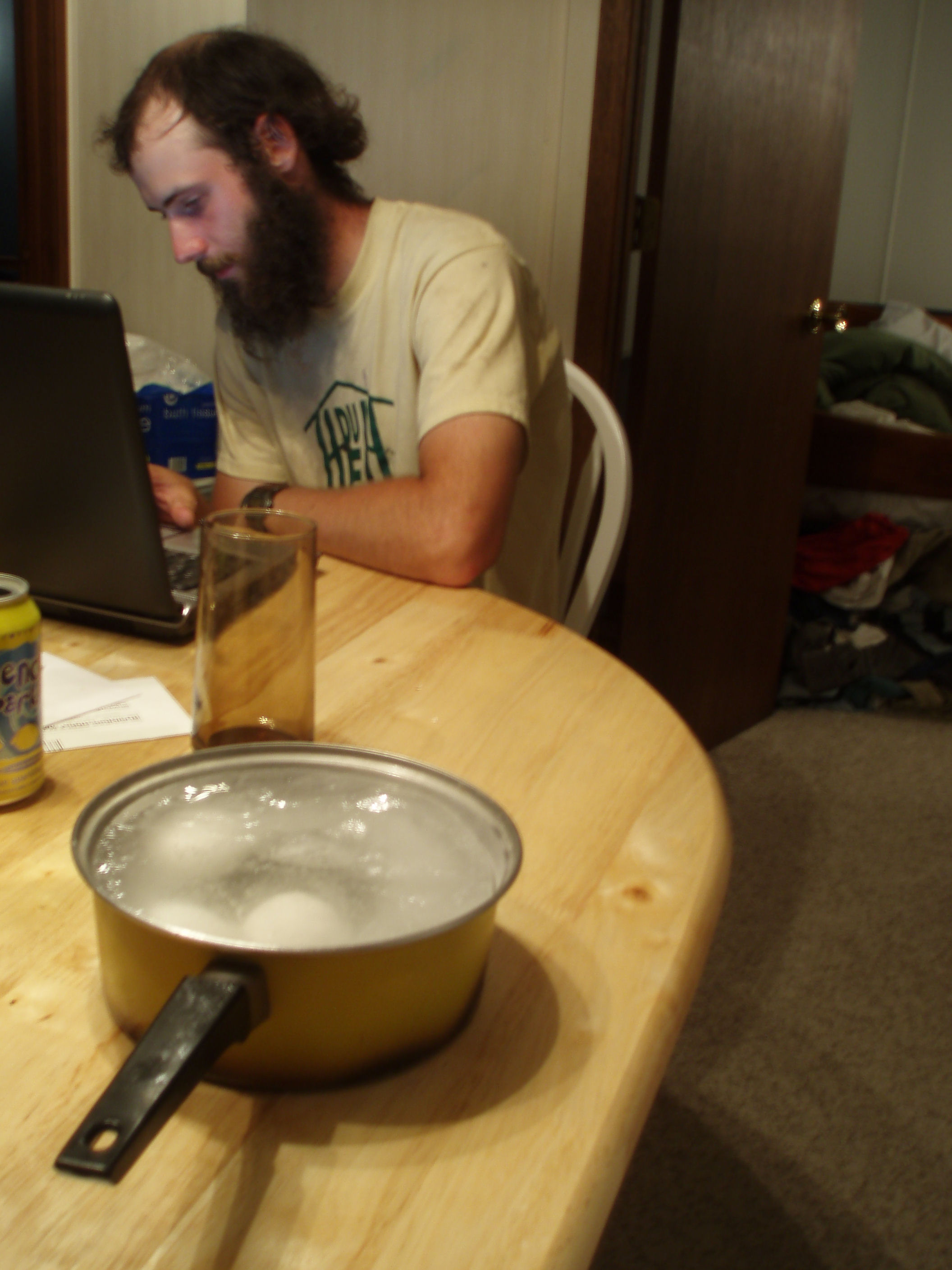
A Man and his Eggs.

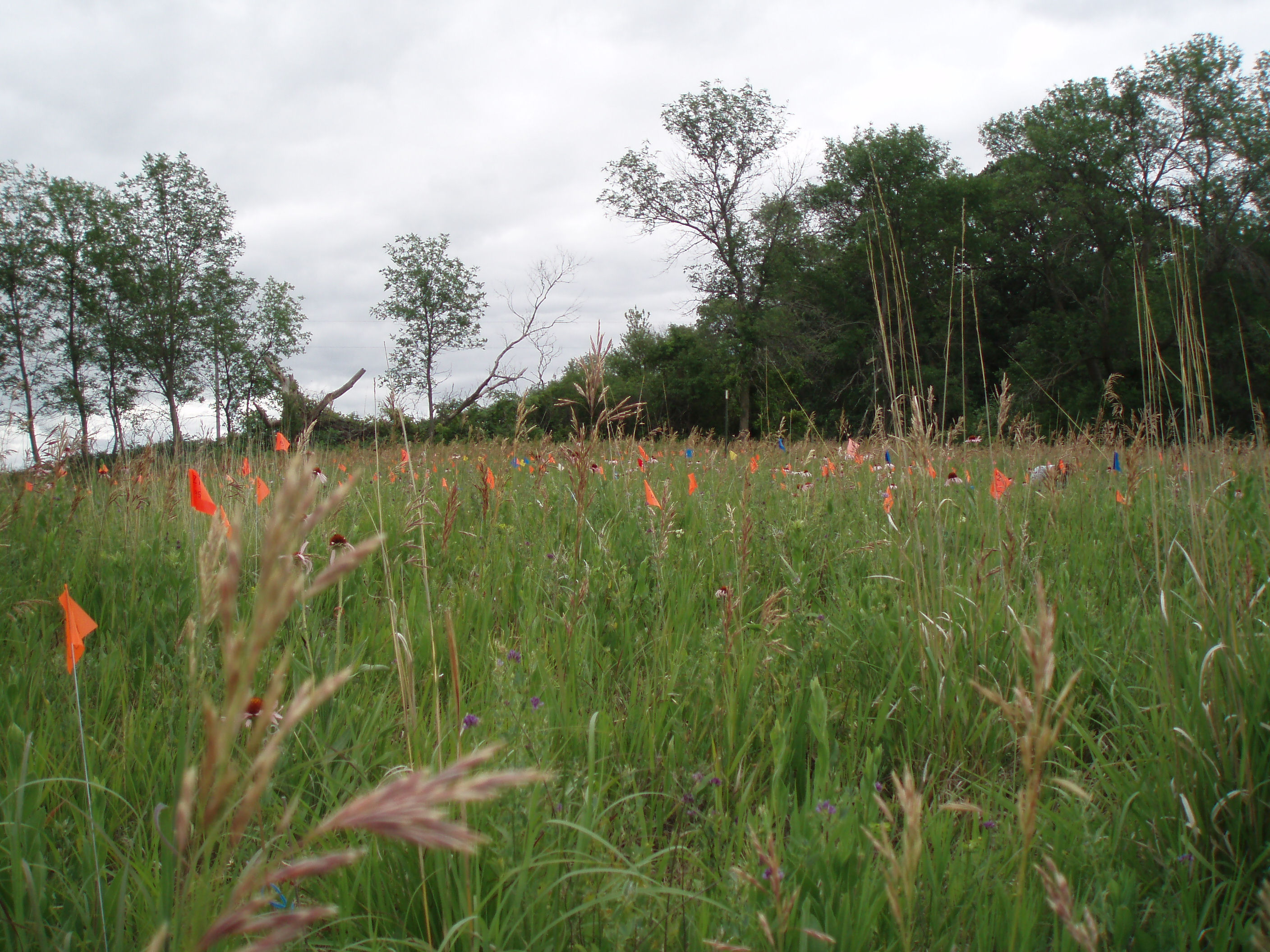
Place of Work.
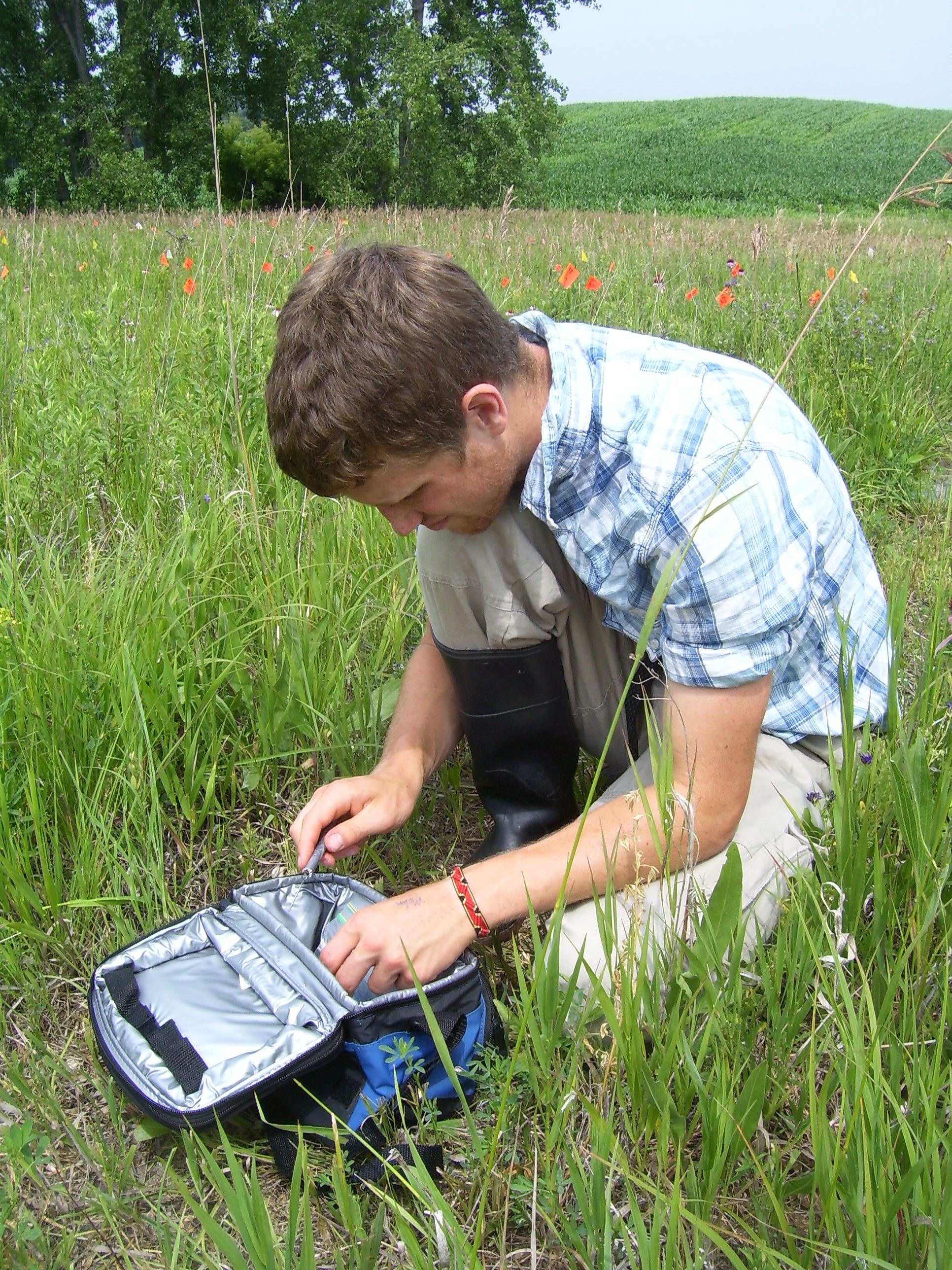
Man at Work.
Additional Folks at Work.
Jameson stole Per’s Hat…
…So Per stole Jameson’s Hat.
That’s all for now, I’ll get some more later. Maybe…
Several pictures of the Bee Team marking bees.

|
|