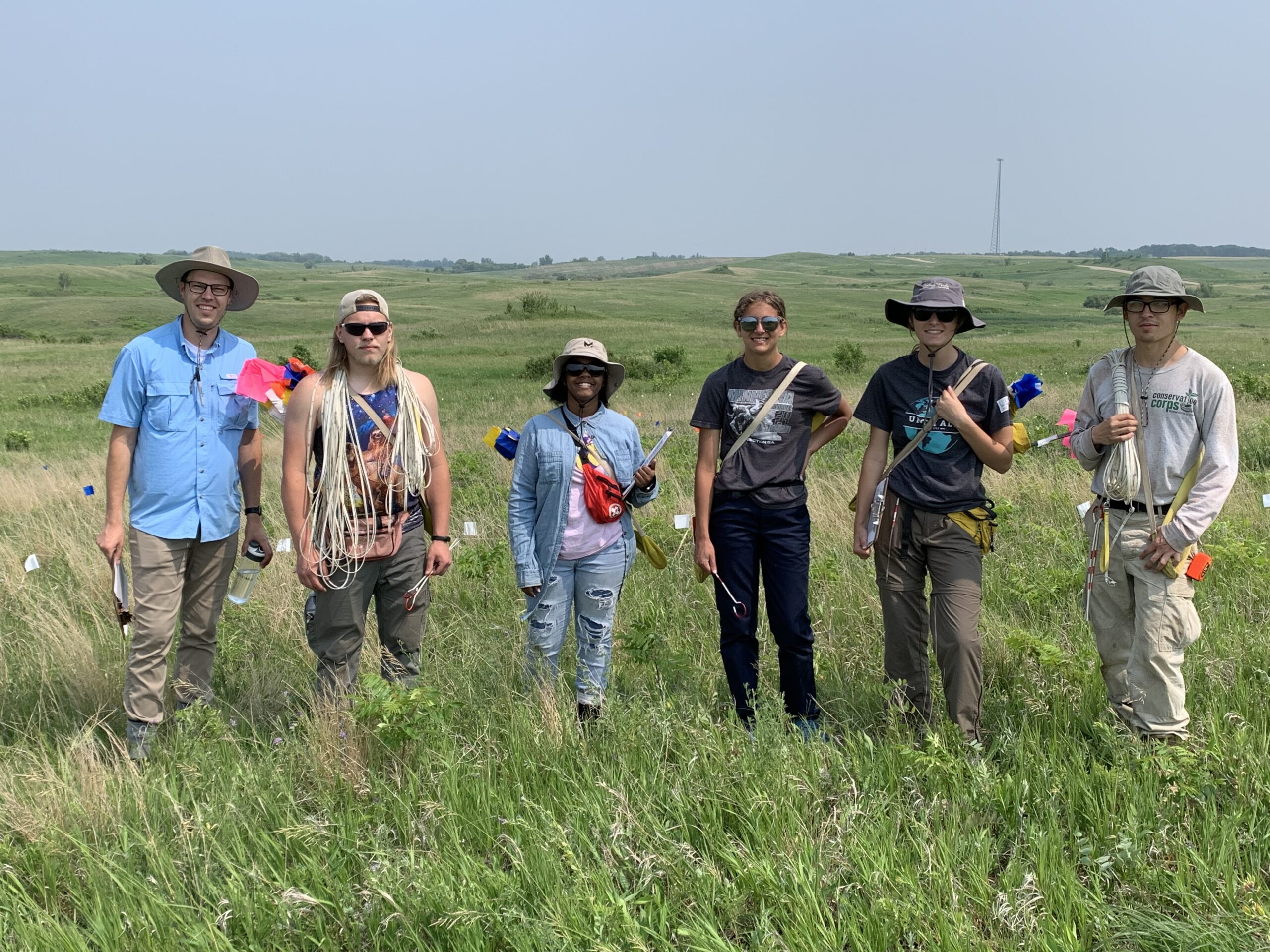
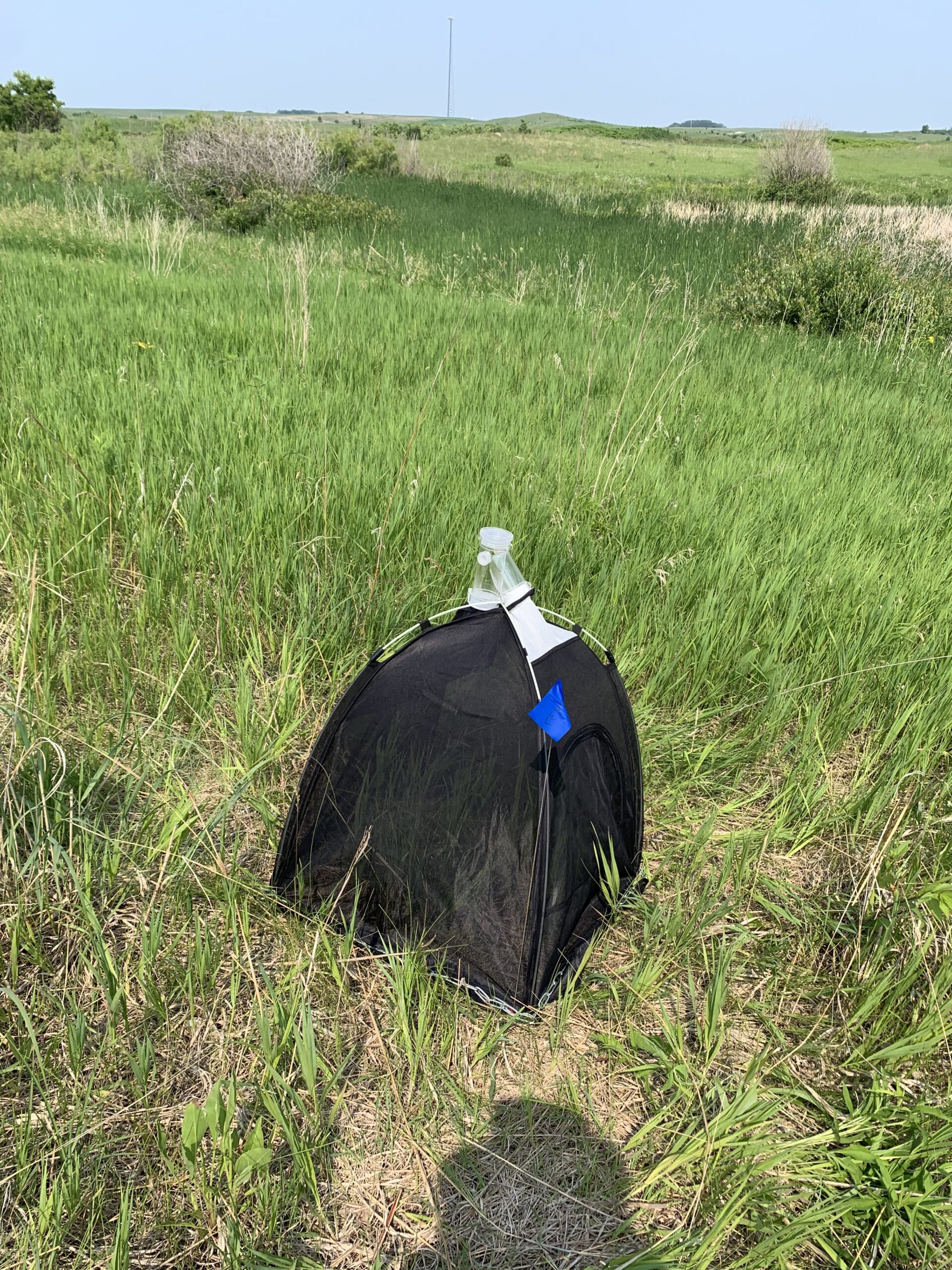
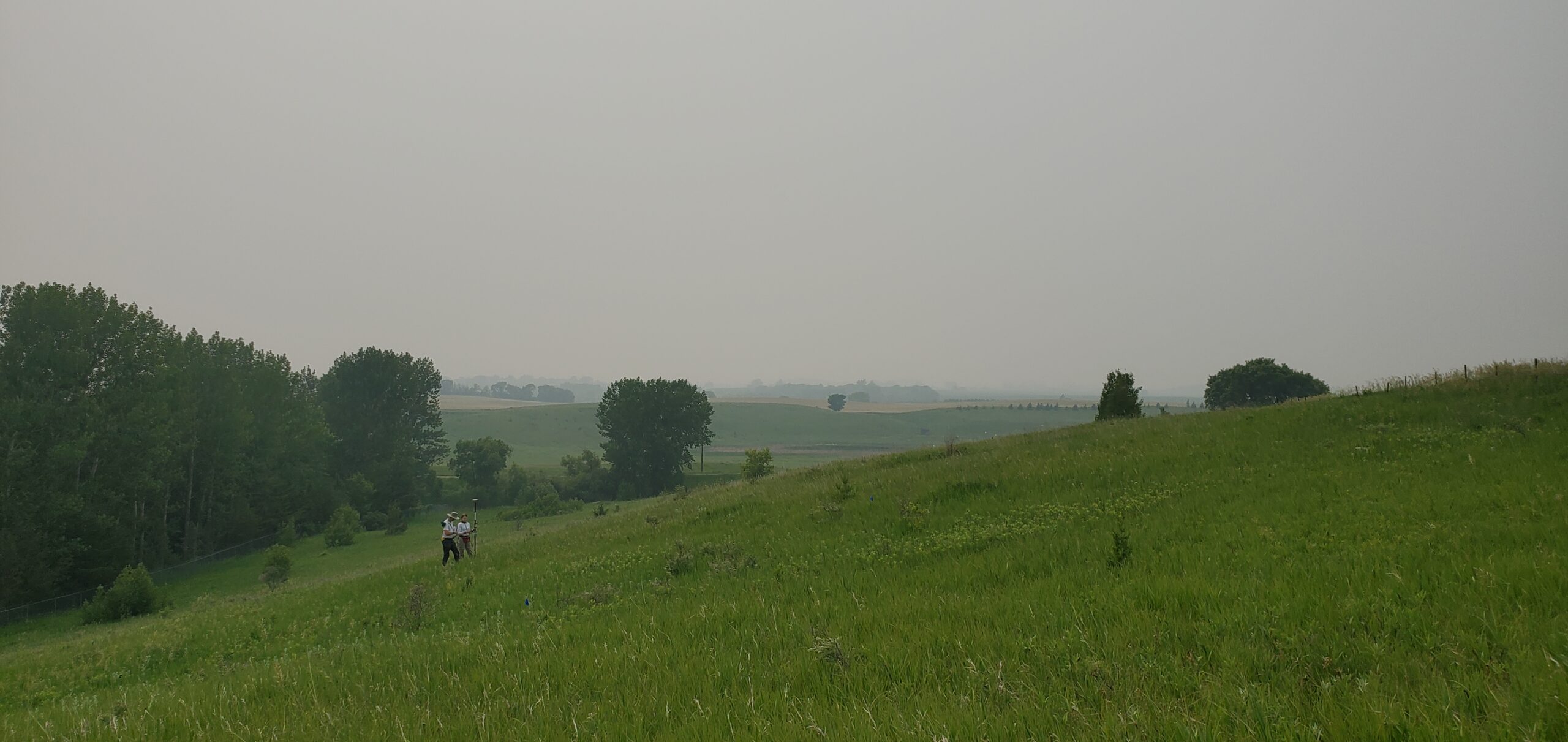
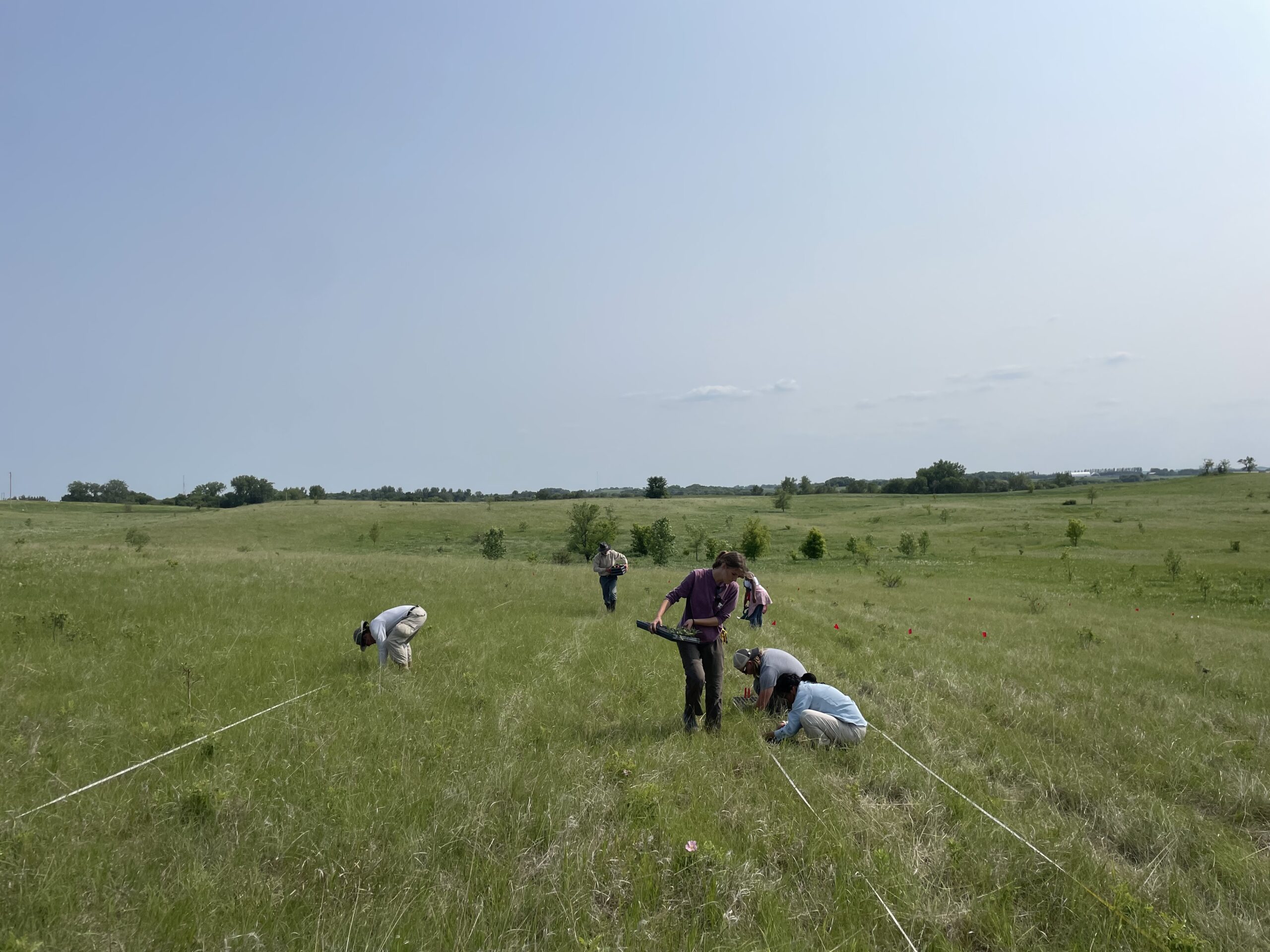
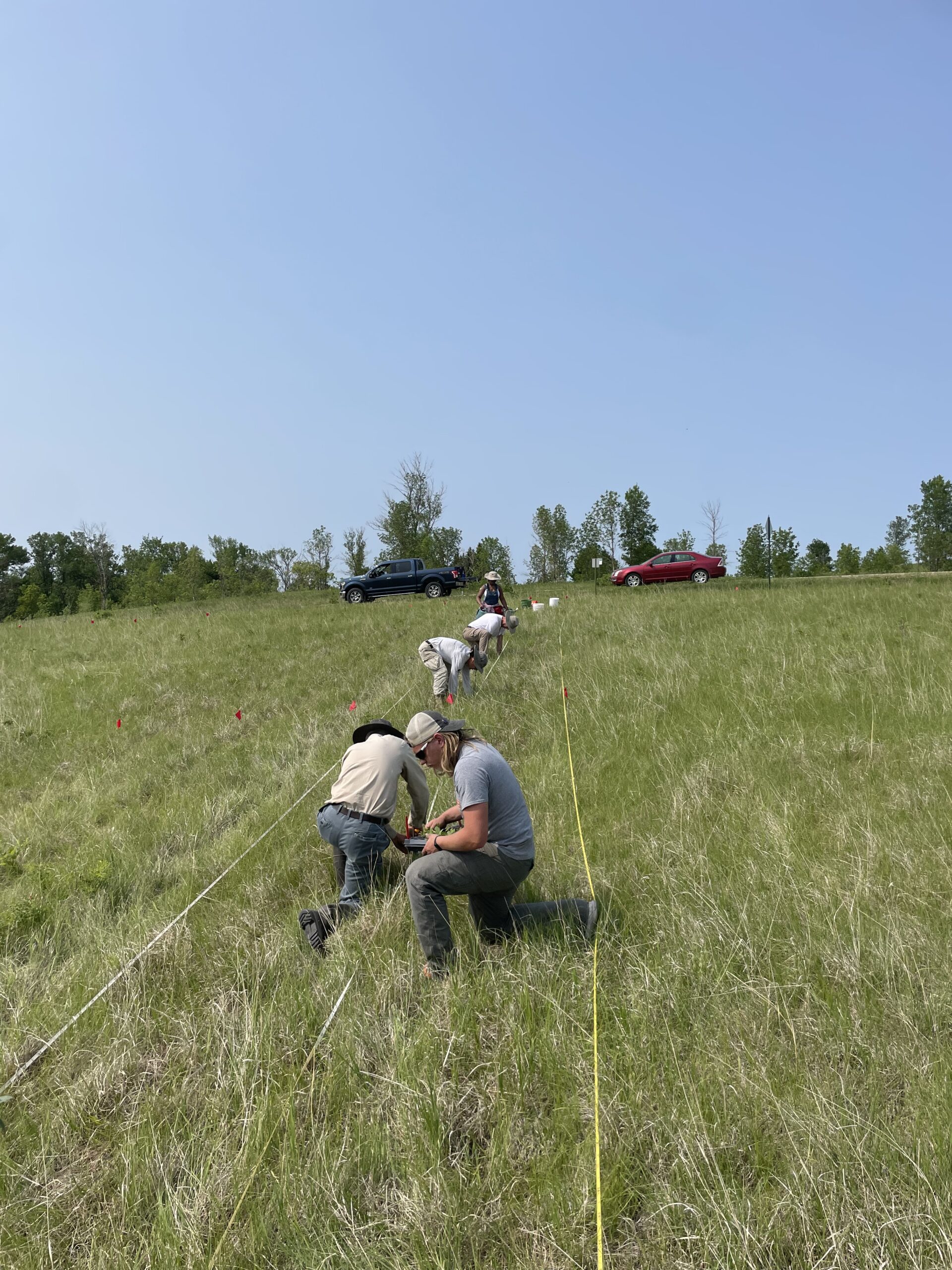
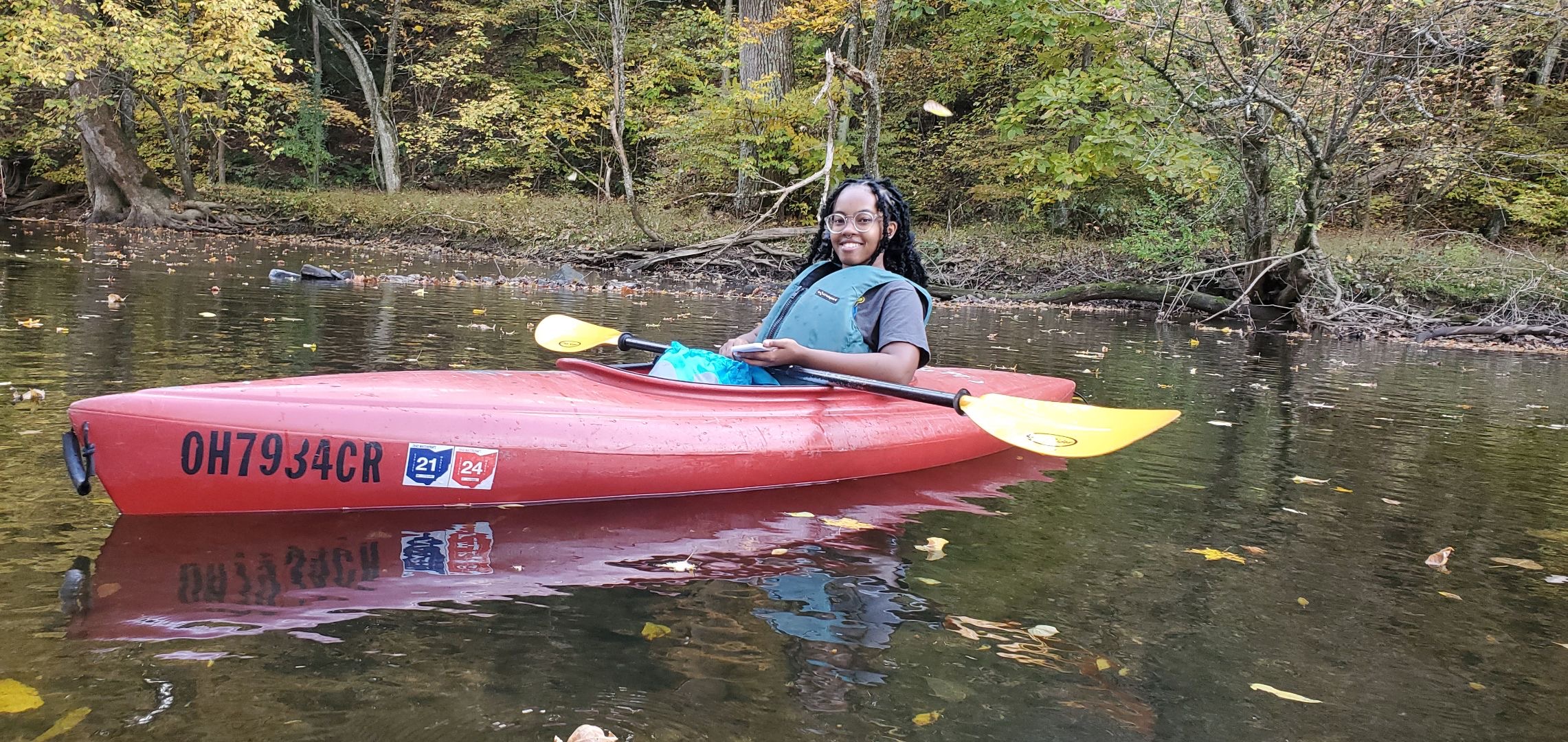
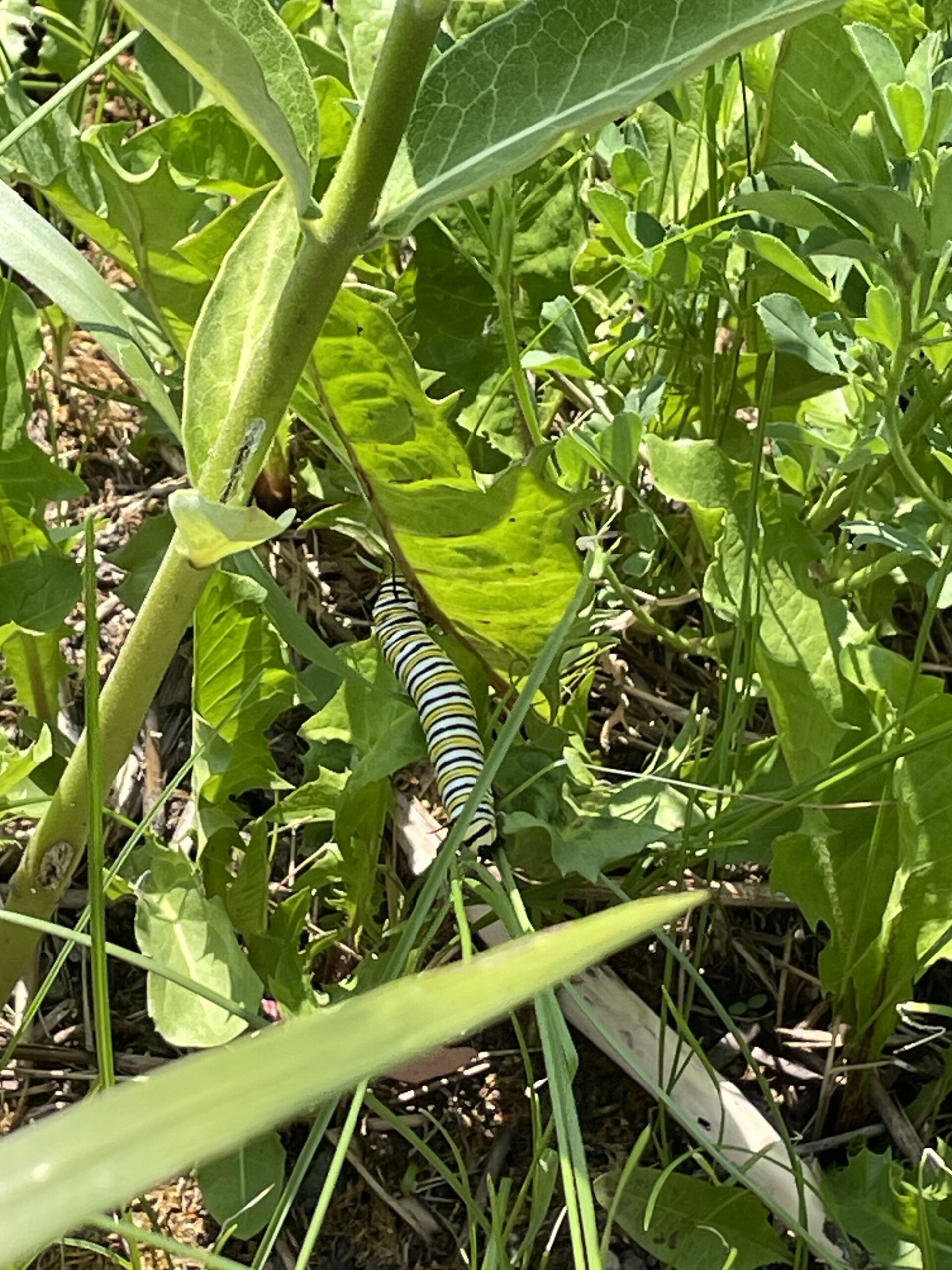
This morning a group of us went out to flag P2 (thank you Wyatt for taking that picture). We created a new path to the plot, we divided, we flagged and we conquered. We also saw a few flowering Echinacea along the way. We had lunch and Lindsey gave a presentation on her smoke project and taught us about the ABT method before we all discussed our own possible projects for the summer. Then in the afternoon I went out with the pollinator team to place emergence traps! We know that poison ivy is a common hazard out in the plots, but we weren’t watching out for it and ended up stepping in a patch of poison ivy. Therefore, we should work as a team to be more aware of our surroundings. (See what I did there?). Watch your step out there and great work today team!
Yesterday, we spent the early afternoon at the picnic tables outside of the Hjelm house. It was a lovely day save for the smoke in the air (see Jen’s poem). After we all ate lunch, Jared gave a talk, bringing the team up to speed on the work we do in the remnants. We learned all about the work that started in Staffanson and is now in 35 different prairie remnants in our area. And, though Echinacea will always be our darling study species, we’re starting to look more into other fun species, like different grasses and more forbs (shoutout to Liatris).
Jared giving an impassioned talk
Afterward, we did our annual team norms activity, where we discuss 4 questions pertaining to how we learn and conduct science and come together to agree on how we can best support each other this summer. With everyone contributing, we were able to come up with norms that we all liked. Hurray for discussion and repetition and communication and repetition!
Me with our responses to question 2 (I forgot to change the number on the board)
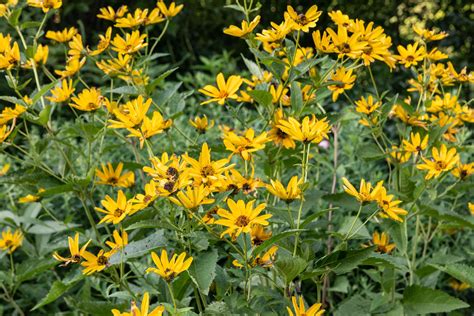
Today as part of the orientation for the 2023 summer crew Dr. Jennifer Ison led a group in catching and identifying bees. The group loved running around the heliopsis in the garden trying to capture that elusive male Megachilidae “mason bee” with the big furry body and the green eyes. Unfortunately, we were so excited we forgot to get a picture. So you’ll have to take my word for it, but here’s a picture of the flowers.
Research interests: I am hoping to build on my knowledge of native flora and how they affect the environment around them, especially the soil characteristics. I would love to learn more about how deep rooted perennials affect the hydrology of the landscape.
Statement: I am from Virginia, MN
I started getting interested in native prairie plants when i was in high school working with conservation corps MN and IA in their youth program, I love being outside and spending time in nature. My hobbies include running, snowboarding, fishing, hiking, and gardening.
Today about half of the team got together and planted a new experimental plot. We all found our roles, worked efficiently, and got it done in 2 1/2 hours. Good work team! I’m excited to see what happens to the plot over the summer!
I want to study bees while I am on team echinacea, specifically how burning the prairie impacts them. I also want to learn to identify native plants!
Statement
I am from Plainfield, IL originally but I spend most of the year in Wooster, OH on my college campus.
In my spare time I like to get on some wheels (skateboarding, biking, rollerblading, roller skating etc.) to take my dogs out, camp, read, binge shows, craft, play games or nap with my cat.
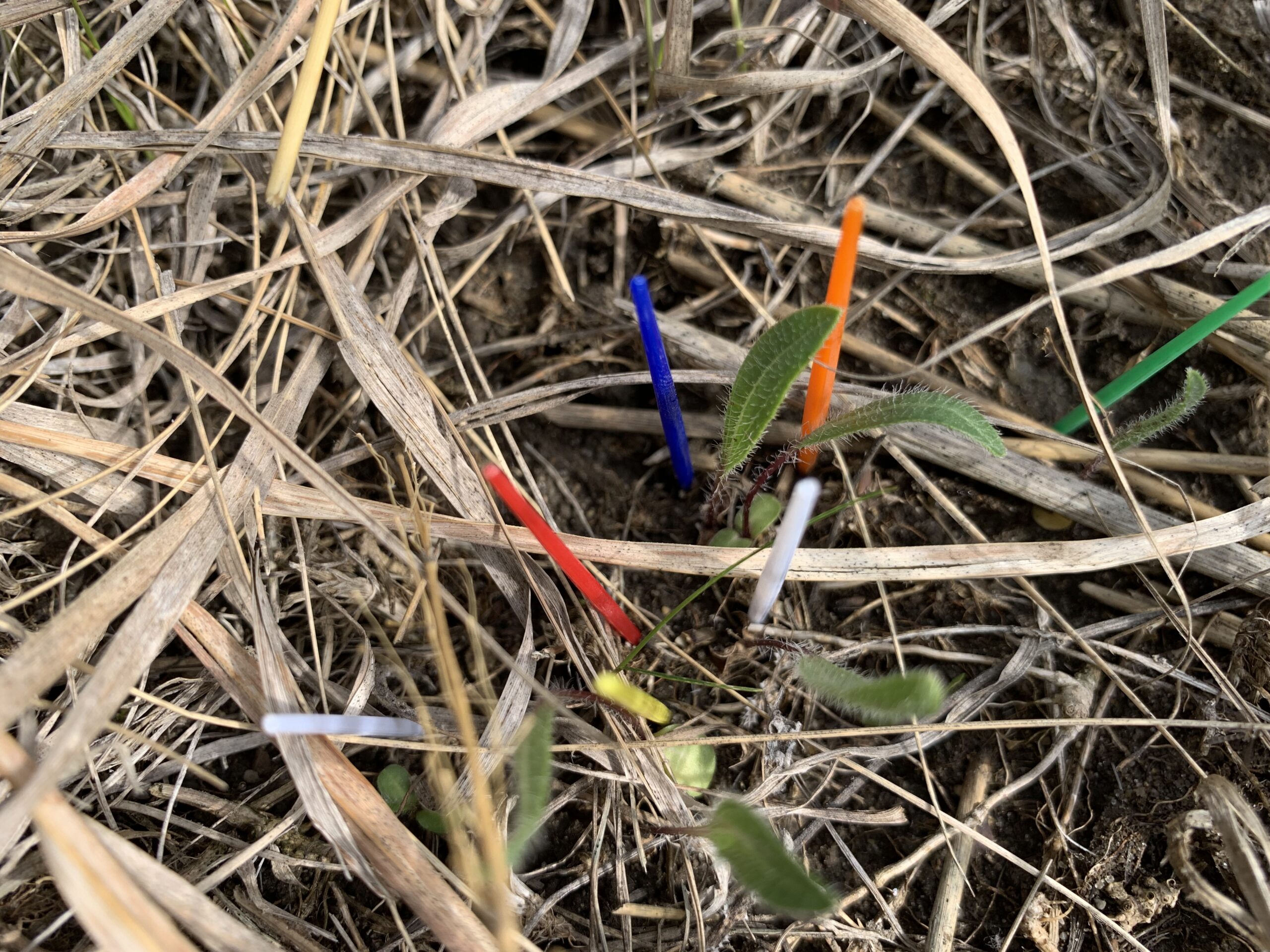
I spent the day searching for echinacea seedlings in our seed addition transects. With the help of Lindsey and advice from other seasoned experts, I have complied a list of tips and tricks that will lead to highly accurate data collection.
DO:
Upon arrival at a segment, announce yourself to the echinacea. Why have you come here and what are you doing?
Consider making an offering. Perhaps an invitation to collaborate in future studies, or the opportunity to review any relevant manuscripts.
Be gentle when combing through their home. Clumsy fingers lead to broken echinacea and broken hearts.
Of course, search actively! Change your angles and consider the topography. But also, let the echinacea find you.
Never stab your toothpick into an echinacea root. I think this needs no explanation.
Before your final sweep, verbally announce that you are done looking. This will most likely lead to the instant detection of one more plant. We can’t explain it, but it happens.
Say your goodbyes before heading off. Offer words of encouragement to the seedlings as they, too, have a long summer ahead.
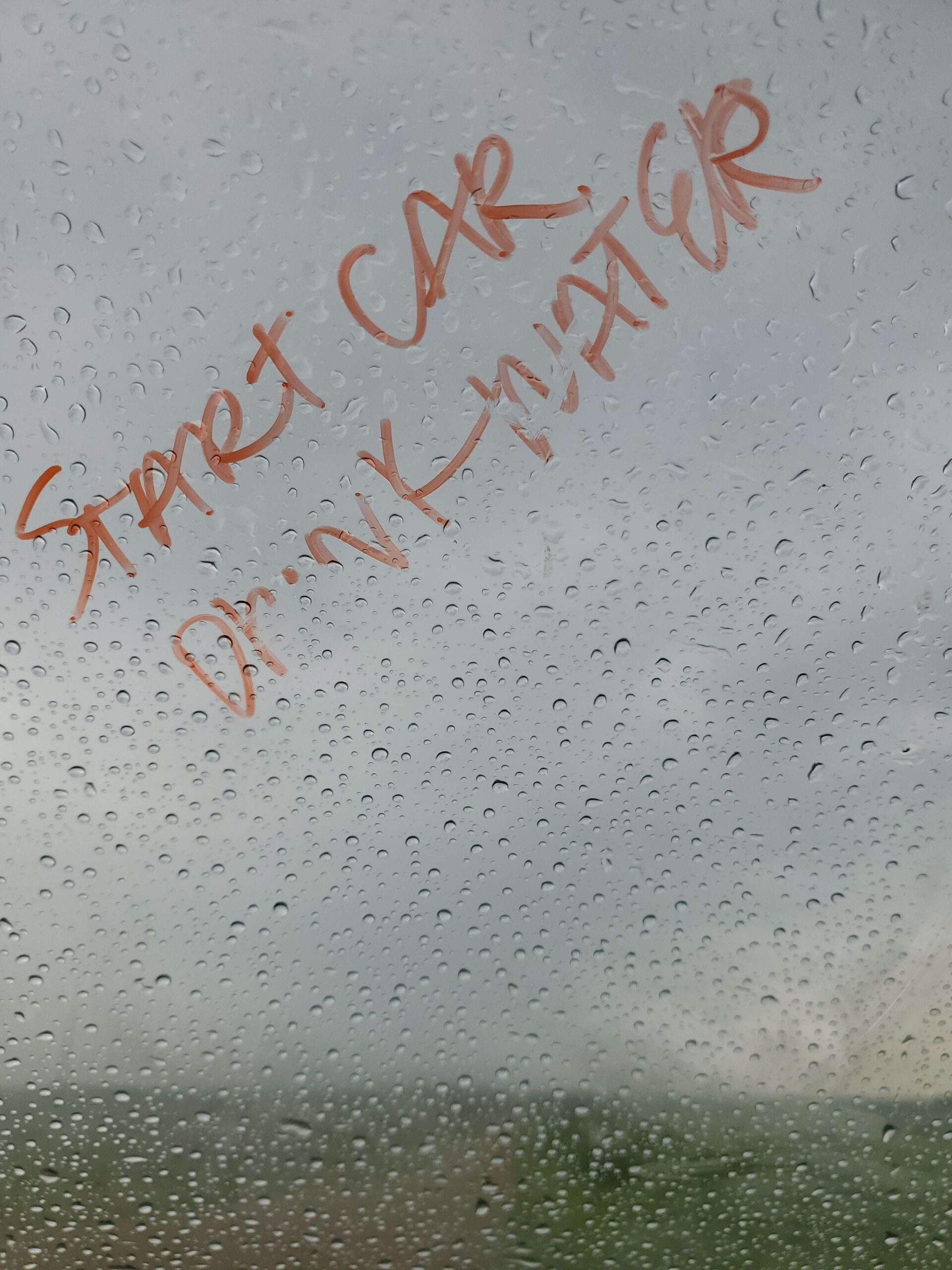
Slow start this morning drinking water as we waited for rain to pass so we could continue shooting ENRTF GPS points (we forgot it’s raincoat). After lunch we continued with more of the same work and saw some Heliopsis helianthoides conspiring with bees.