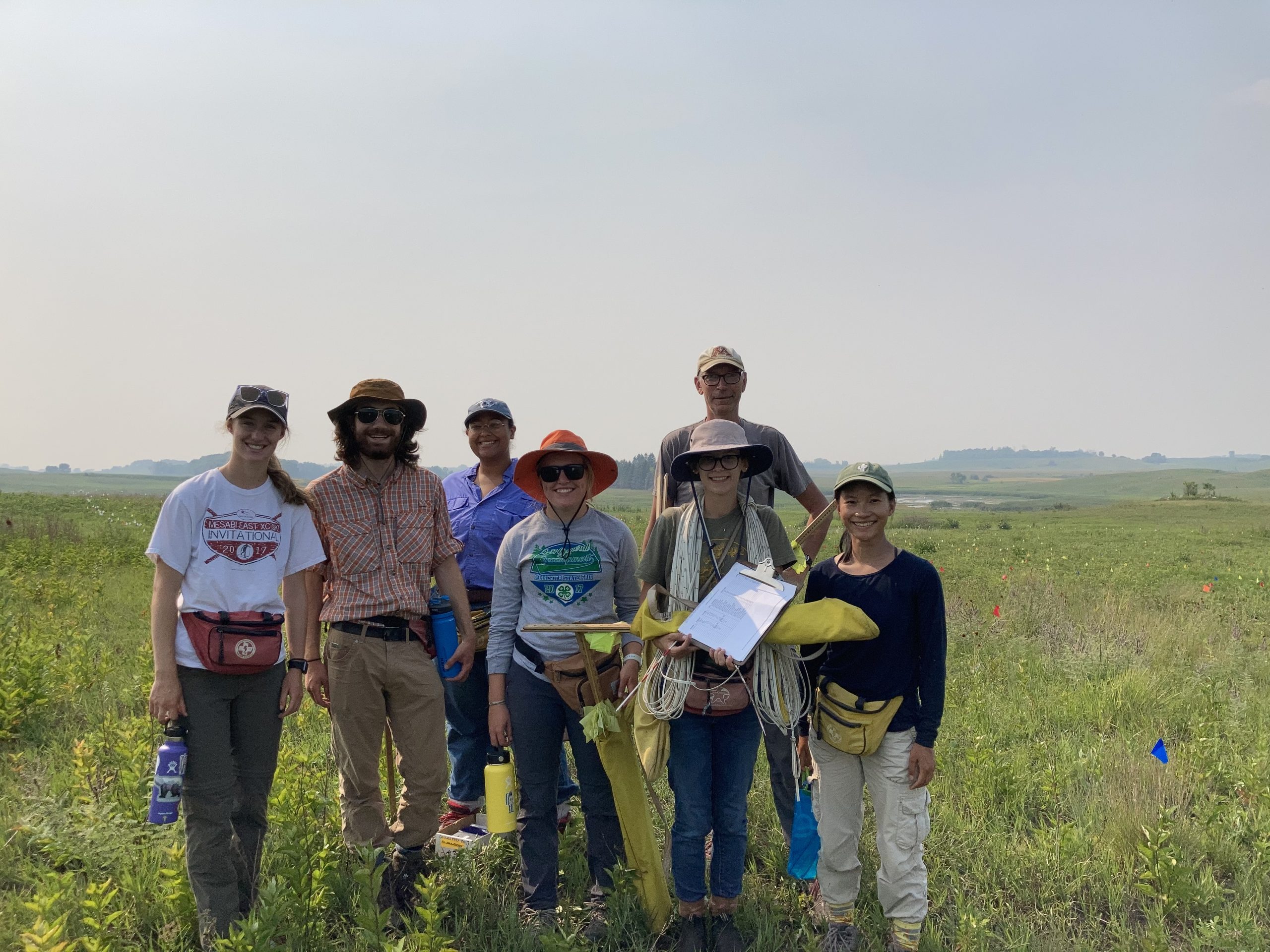
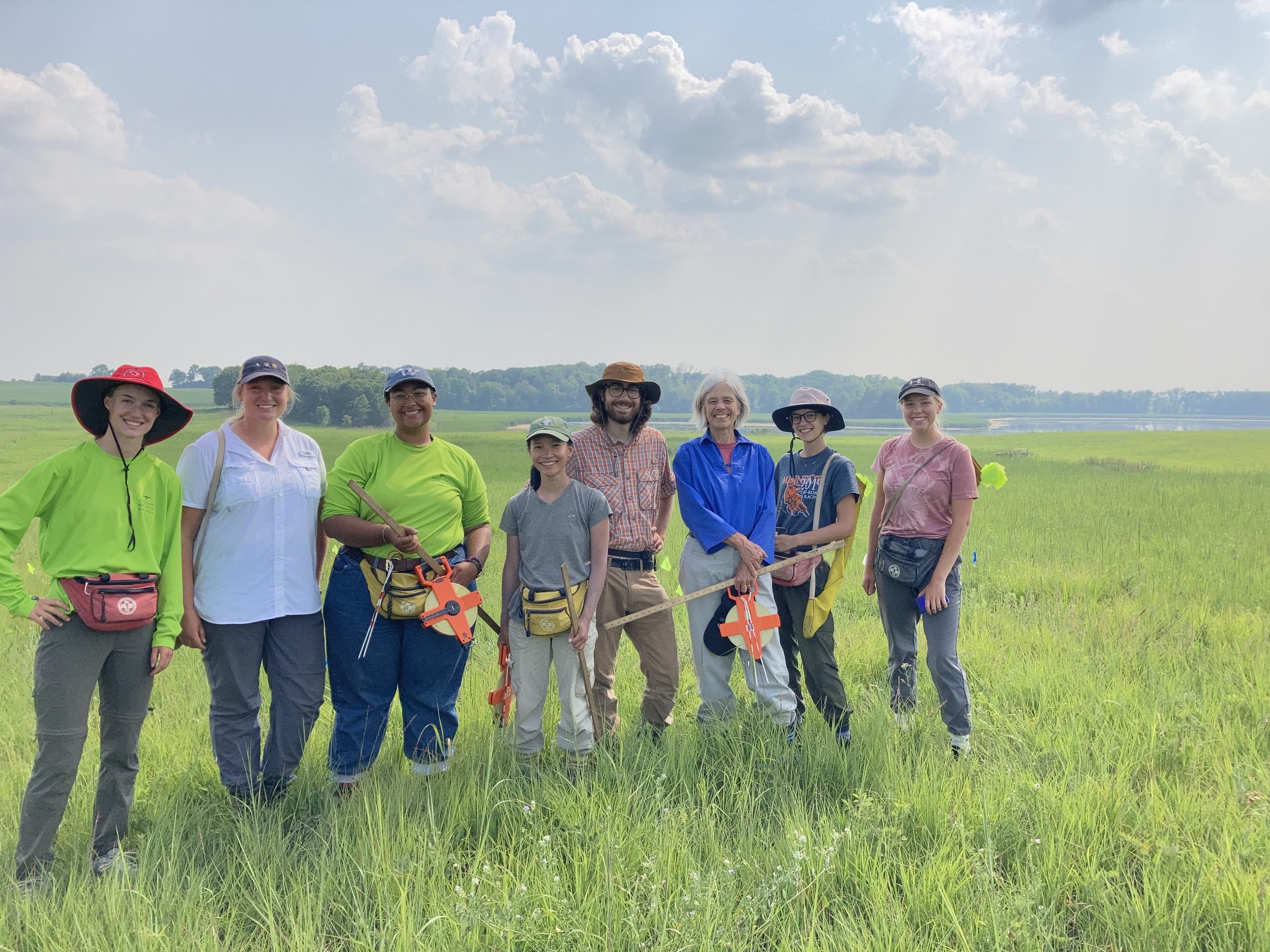
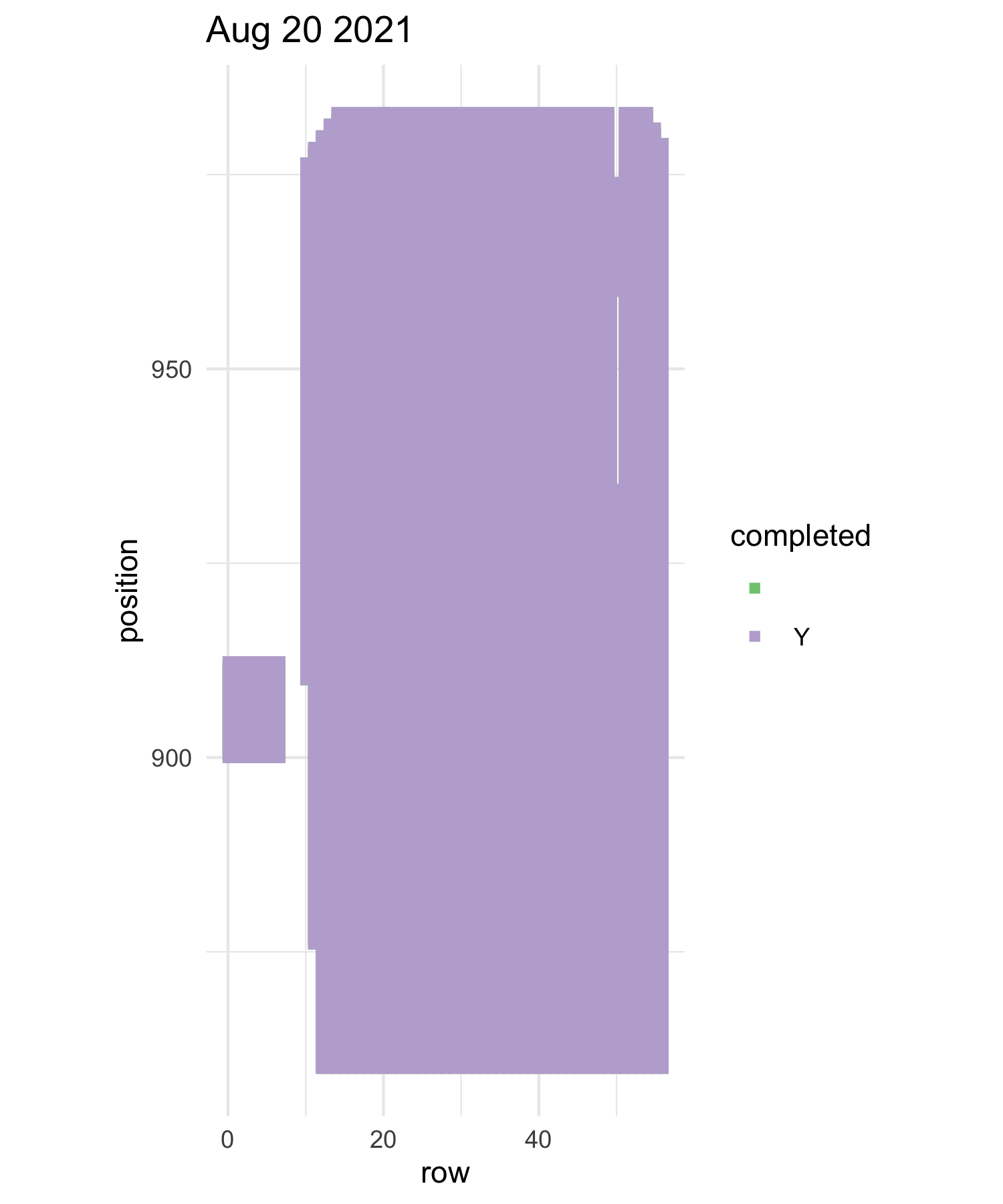
To examine the role flowering phenology plays in the reproduction of Echinacea angustifolia, Jennifer Ison planted this plot in 2006 with 3,961 individuals selected for extreme (early or late) flowering timing, or phenology. Using the phenological data collected this summer, we explore how flowering phenology influences reproductive fitness and estimate the heritability of flowering time in E. angustifolia.
In summer 2021, we visited 2,010 positions of the 3,961 positions originally planted. We measured 1,591 living plants, of which 681 were flowering, with a total of 1,283 flowering heads. In the fall, we harvested ~615 heads from exPt02. We do not have an exact number of heads harvested from exPt02 yet because we have not had time to complete head inventory. The large difference between the number of heads and the number harvested has to do with high levels of seed predation, mainly by ground squirrels.
Measuring p2 involved 9 different people working a total of 4295 minutes (71.58 hours) on 4 separate days.
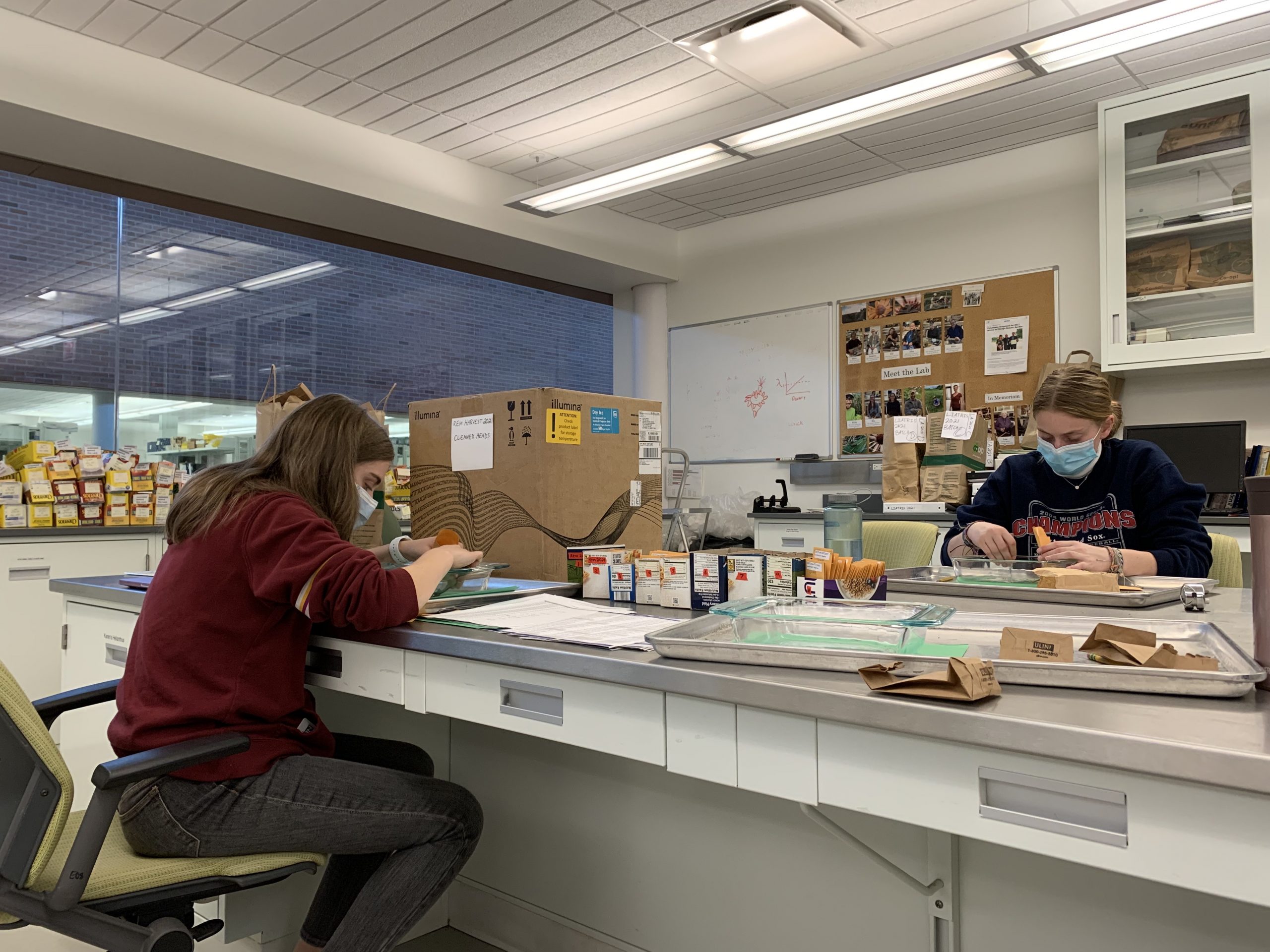
Physical specimens: We harvested approximately 615 heads from exPt 2. Many heads were harvested by ground squirrels, so our number of heads does not match the number harvested. We brought the harvested heads back to the lab, where we will count fruits and assess seed set for each head.
Data collected: We collected data on each position planted. We recorded whether the plant was alive; if it was alive, whether it was flowering or basal. Basal plants had information about number of basal rosettes, number of basal leaves, and length of longest leaf. For flowering plants, we collected rosette counts and the height of each flowering head. When harvesting, we collected samples of loose achenes and recorded where they were from. Next spring, we will search for seedlings at these positions to ensure that there are not any rouge plants.
Products: Will and Jennifer are working on a manuscript using the flowering phenology data from this plot.
You can find more information about the heritability of flowering time and links to previous flog posts at the background page for the experiment.
In 2021, we collected data on the timing of flowering for 1692 flowering plants (2292 flowering heads) in 32 remnant populations. The plants ranged from having 1 to 18 flowering heads. The earliest bloomers initiated flowering on June 18, and the latest head initiated flowering on August 1. We identify each plant with a numbered tag affixed to the base and give each head a colored twist tie, so that each head has a unique tag/twist-tie combination, or “head ID”, under which we store all phenology data. We monitor the flowering status of all flowering plants in the remnants, visiting at least once every three days (usually every two days) until all heads are done flowering to obtain start and end dates of flowering.
Linking this detailed phenology data with information about seed production will help us understand how the timing of reproduction influences pollination and reproductive fitness. Additionally, we are excited to investigate whether fire synchronizes flowering in remnant populations. Eight of the populations in which we collected phenology data were burned during spring 2021.
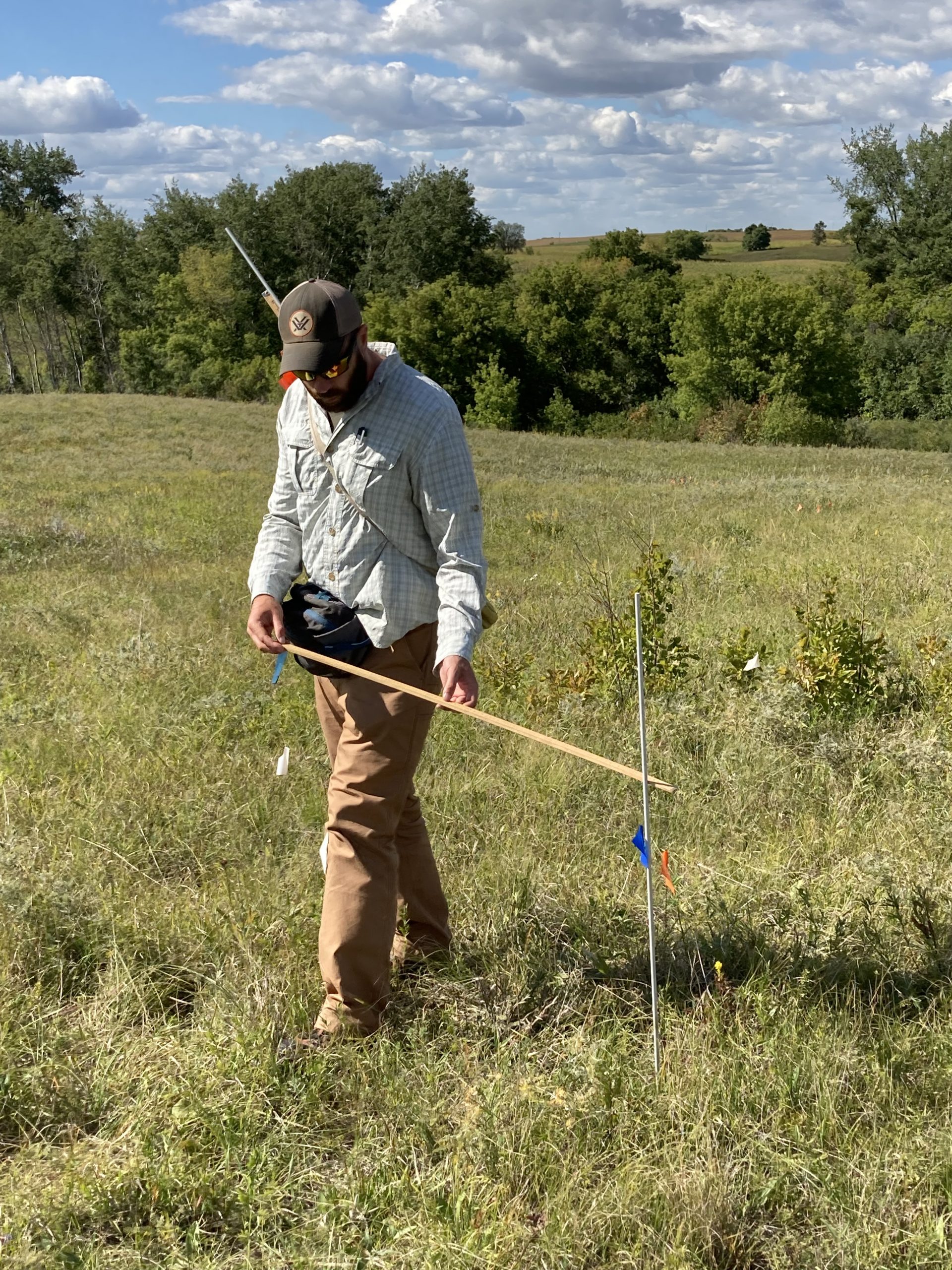
Stylishly counting rows of styles while learning how to collect phenology data in remnants.
Start year: 1996
Location: Roadsides, railroad rights of way, and nature preserves in and around Solem Township, MN
Data/materials collected: We managed the data in the R project ‘aiisummer2021′ and will add the records to the database of previous years’ remnant phenology records, which is located here: https://echinaceaproject.org/datasets/remnant-phen/. The 2021 phenology data set needs to be cleaned and prepared for integration with phenology data from previous years and is still located in the aiisummer2021 repo.
Products: Stay tuned!
You can find more information about phenology in the remnants and links to previous flog posts regarding this experiment at the background page for the experiment.
Echinacea pallida flowering phenology:Echinacea pallida is a species of Echinacea that is not native to Minnesota. It was mistakenly introduced to our study area during a restoration of Hegg Lake WMA. Since 2011, Team Echinacea has visited the pallida restoration, taken flowering phenology, and collected demography on the non-native. We have decapitated all flowering E. pallida each year to avoid cross-pollination with the local Echinacea angustifolia. Each year, we record the number of heads on each plant and the number of rosettes. We also get precise gps coordinates of all plants and then chop the flowering heads off! This year, we cut E. pallida heads off on July 6th and 8th. We shot gps points as they were found; in the fall, we revisited the plants and did not find any stragglers.
Overall, we found and shot 143 flowering E. pallida plants, and 433 heads in total, averaging 3.02 heads per plant. The average rosette count was 5, the maximum was 27 rosettes — absolutely massive!! When recording data on E. pallida, we forgot that we needed phenology data, so the data from the 6th does not have any phen at all, and the data from the 8th is in the demo form in notes as a string. We do not have very accurate data on phenology of E. pallida this year, but our estimated first day flowering is June 22nd.
Pallida demo/cut/surv involved 7 different people working a total of 1170 minutes (19.5 hours) on 3 separate days.
Location: Hegg Lake WMA Start year: 2011
You can find more information about E. pallida flowering phenology and previous flog posts on the background page for the experiment.
exPt6: Experimental plot 6 was the first E. angustifolia x E. pallida hybrid plot planted by Team Echinacea. A total of 66 Echinacea hybrids were originally planted; all have E. angustifolia dams and E. pallida sires. In 2021, we visited 31 positions and found 15 living plants. No plants have flowered in this plot yet.
Location: near exPt8 Start year: Crossing in 2011, planting in 2012
You can find more information about experimental plot 6 and previous flog posts about it on the background page for the experiment.
exPt7: Planted in 2013, experimental plot #7 was the second E. pallida x E. angustifolia plot. It contains conspecific crosses of each species as well as reciprocal hybrids. There were 294 plants planted. This summer, we visited 176, and of these plants, only 136 plants were still alive. There were 13 flowering plants this year! This is the most flowering plants that this plot has produced. These 26 flowering plants produced 26 heads. We have not yet used the pedigree data to see what number of these plants are hybrids or not.
Location: Hegg Lake WMA Start year: Crossing in 2012, planting in 2013
You can find more information about experimental plot 7 and previous flog posts about it on the background page for the experiment.
exPt9: Experimental plot 9 is a hybrid plot, but, unlike the other two hybrid plots, we do not have a perfect pedigree of the plants. That is because the E. angustifolia and E. pallida maternal plants used to generate seedlings for exPt9 were open-pollinated. We need to do paternity analysis to find the true hybrid nature of these crosses (assuming there are any hybrids). There were originally 745 seedlings planted in exPt9. We found 261 living plants in 2021, 20 of which were flowering, with 42 heads! There were 138 plants that we searched for but could not find.
Location: Hegg Lake WMA Start year: 2014
You can find out more information about experimental plot 9 and flog posts mentioning the experiment on the background page for the experiment.
Measuring p6/7/9 involved 8 different people working a total of 1380 minutes (23 hours) on 2 separate days.
Experimental plots 6, 7, and 9 all burned this year. The peak in number of flowering plants in both p7 and p9 this year is indicative of the effect fire can have on flowering in Echinacea. In the past we have bagged heads in these plots but this year we did not.
Data collected for exp679: For all three plots, we collected rosette number, length of all leaves, and herbivory for each plant. We used visors to collect data electronically, and it is still being processed to be put into our SQL database.
Data collected for E. pallida demography and phenology: Demography data, head counts, rosette counts, gps points shot for each E. pallida. Find demo and phenology visor records in the aiisummer2021 repository. GPS coordinates can be found in demap. As mentioned above, all phenology data from July 8th can be found in demo. For more details, see aiiSummer2021/demo/pallidaPhen.R.
The crew poses after knocking out measuring half of p7 and p9
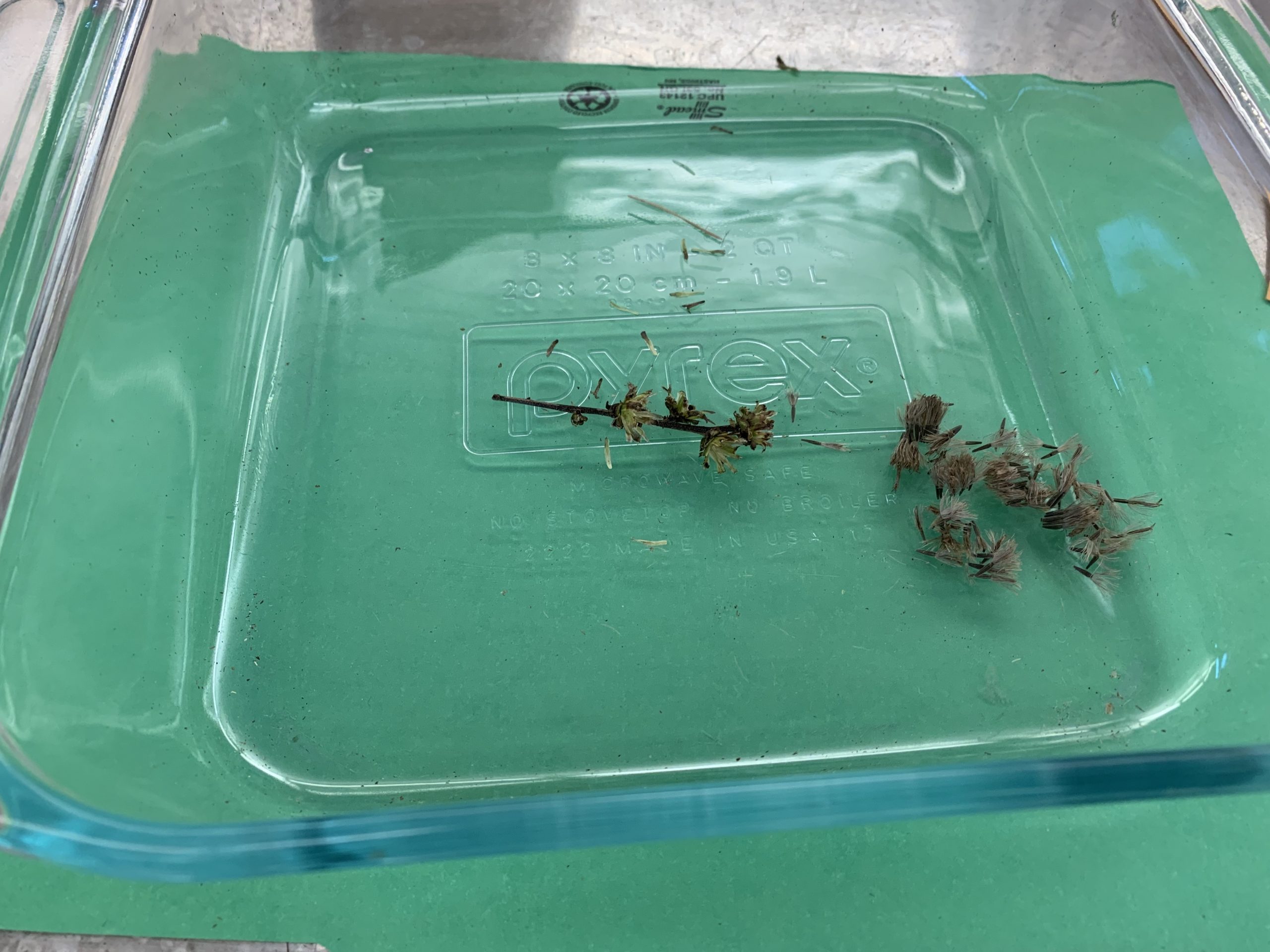
This Friday was day 5 of our externship and we had plenty of new experiences! We started the day by learning how to cleaning a different flowering prairie plant, liatris, or rough blazing star, with Wyatt. Compared to echinacea, achenes of liatris are much easier to be separated from the chaff and the receptacle. However, the fruits of the liatris are spread by wind. So the achenes all have fluffs attached to them which is a little challenging to separate sometimes.
Cleaning liatris!
Then we participated in the echinacea project’s weekly lab meeting. We read the draft of a paper Lea had been working on and listened to lab members discussing it. It was really fun and inspiring to see the process of scientific writing and experience the lab as such a collaborative space. I learned a lot about the behind the scene processes in doing science such as designing experiments, deciding on certain sets of data to use for a given topic and different ways to present data.
Right after the lab meeting, we listened to speed talks given by ecologists working in different departments of the Garden including aquatics, remnant forests and some other natural areas. I learned a lot about the history of the Garden as well as challenges and successes in managing different ecosystems within the Garden. I was really surprised when I learned how much work went into maintaining the lake area and the shores of lakes – planting, reinforcing, cleaning algae and other unwanted aquatic plants and so on. It was a great experience listening to talks by ecologists doing hands-on restoration and conservation work here in the Garden.
We also learned the ABT format of presenting a project and all three of us tried to come up with one for our projects here. We also decided on what we’ll be doing for projects. Cassie would be looking at density and seed set in liatris, Caitlin fire and seed set in echinacea, and I would be looking at number of flower heads and seed set in liatris. We planned to do some cleaning, rechecking, scanning, counting and X-raying to get part of the data we need and then do some data analysis. With this in mind, we were much more motivated to do some more cleaning and rechecking and dive into the second week of our externship!
Caitlin (left) and Cassie (right) focused on rechecking echinacea
To experimentally test hypotheses about how much Pedicularis canadensis, a native hemiparasite, affects the demographic rates (survival, growth, and reproduction) of other species, we planted plugs of P. canadensis in the center of a circle (with a radius of 20 cm) that contains 8 species. These eight common native prairie plant species are Echinacea angustifolia, Liatris ligulistylis, Solidago speciosa, Dalea purpurea, Pediomelum argophyllum, Sporobolus heterolepis, Koeleria macrantha, and Hesperostipa spartea. For all but Echinacea, seed was collected last year from local sources. Echinacea is the focal species of other experiments and had been planted previously. Echinacea plants served as a reference point when establishing our circles and were always directly west of P.canadensis. Circles are planted in 6 rows that were randomly selected from within the existing experimental plot 10. Rows 315, 436, 443, 643, 656, and 785 were selected. Rows contain 11 circles each, starting at 1m and going to 11m, evenly distributed 1m apart.
All circles were planted on July 29th, 2021.Plants were planted as plugs. Plugs were grown by Chicago Botanic Garden production staff before being transported to Minnesota and transplanted. Pedicularis served as the treatment and had 3 factor levels (0, 1, or 2 Pedicularis plants). Treatments were randomly assigned to circles and Pedicularis were planted in the center of each circle between August 9th and 13th, 2021. Plants in the circles were measured between August 16th and 20th, 2021.Traits measured were size and reproductive status.
As summer’s vibrant greens give way to fall’s golden glow, Team Echinacea remains hard at work in western MN. A skeleton crew is diligently wrapping up the field season. Our most important task is harvesting seed from study species so that we can quantify fire effects on plant reproduction in remnant prairies. Here is a brief update on progress for our focal species:
Asclepias viridiflora: all plants harvested (~30, Jared forgot to check harvest data sheet…)
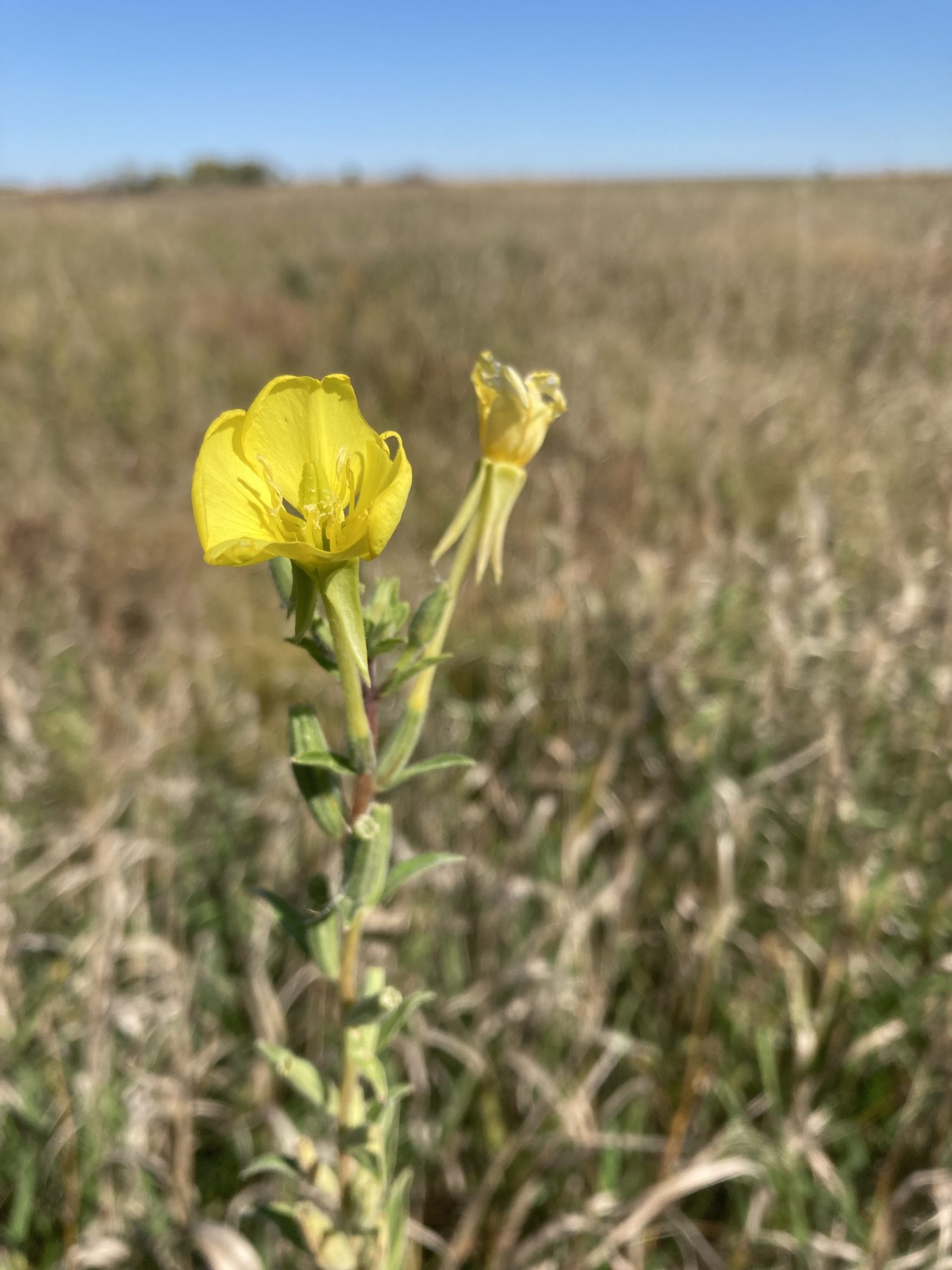
Oenothera biennis
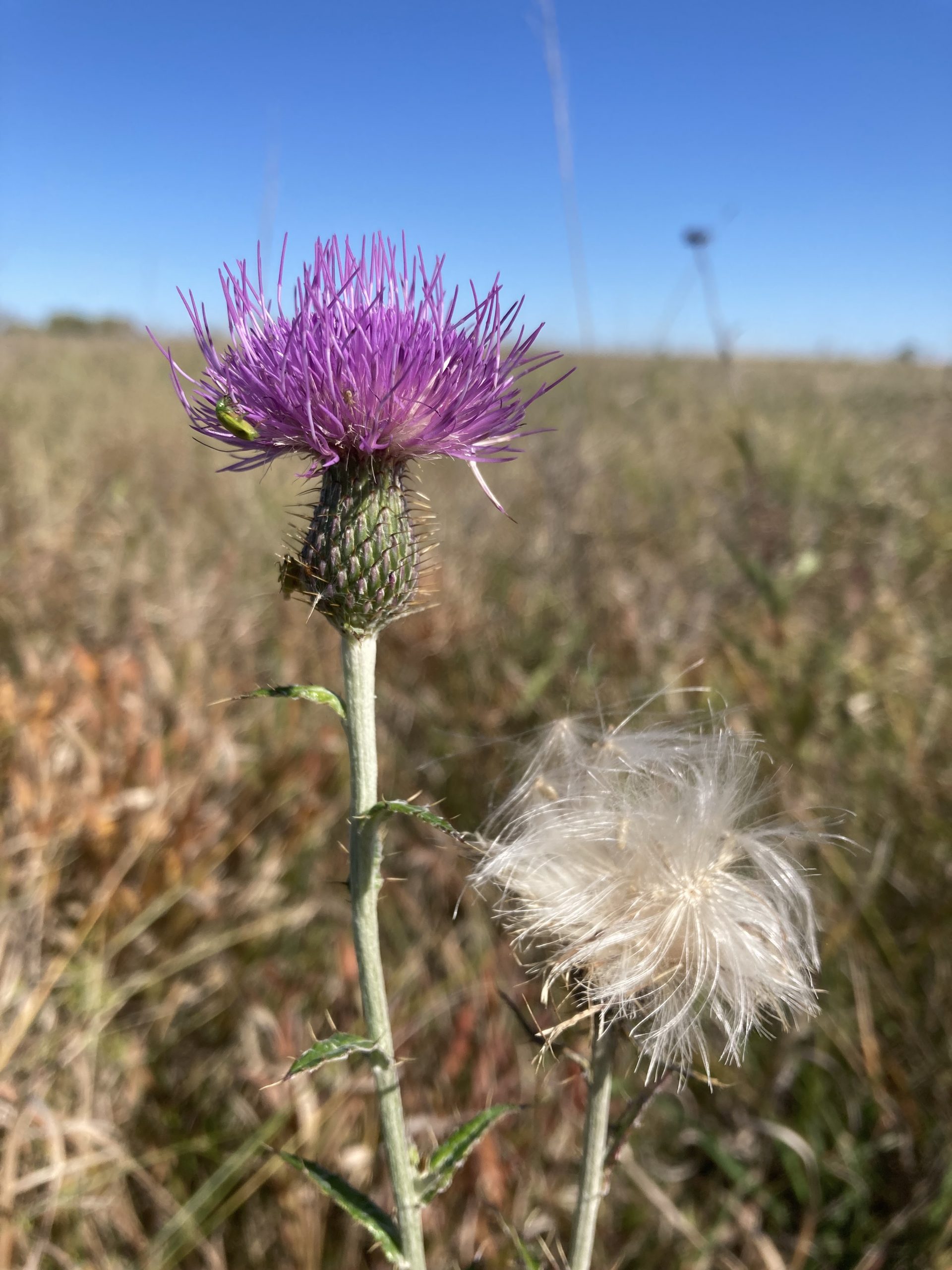
Cirsium flodmanii
Prenanthes racemosa
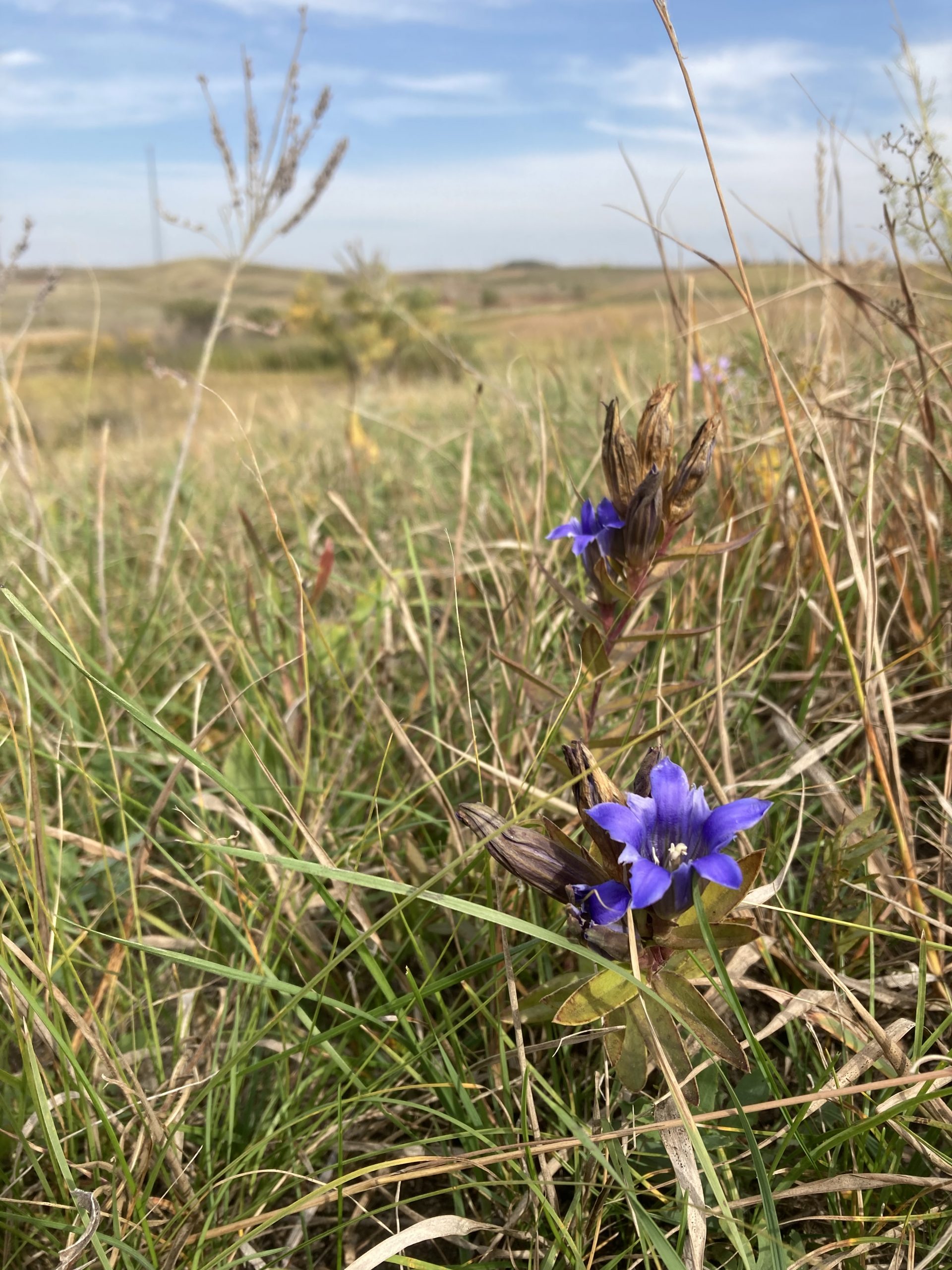
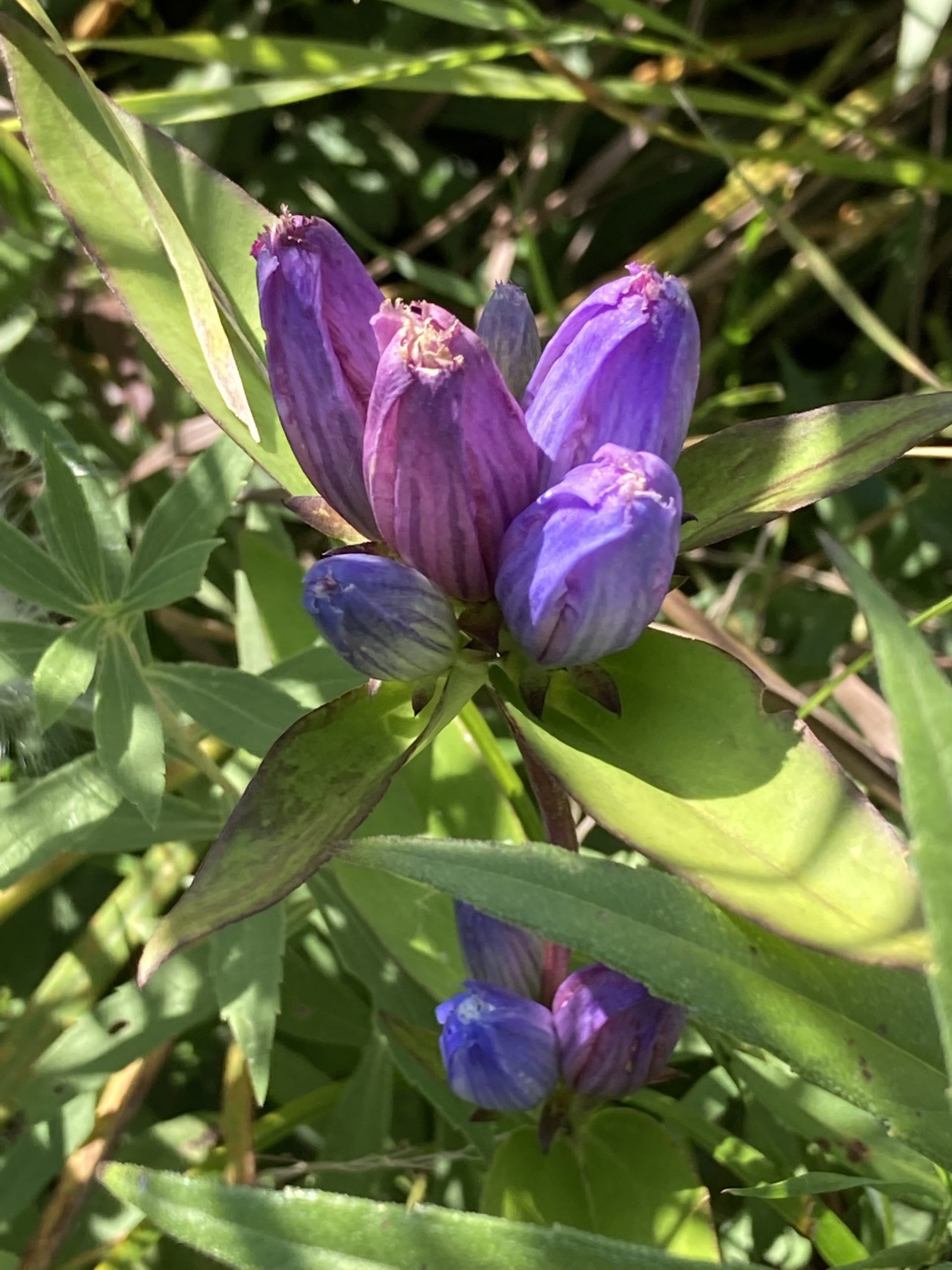
Gentiana puberulenta
Just a few end of season friends enjoying the late summer sun.
In addition to wrapping up the harvest, we are beginning to make preparations for fall burns and getting materials organized to implement a seed addition experiment designed to assess fire effects on seedling emergence and survival.
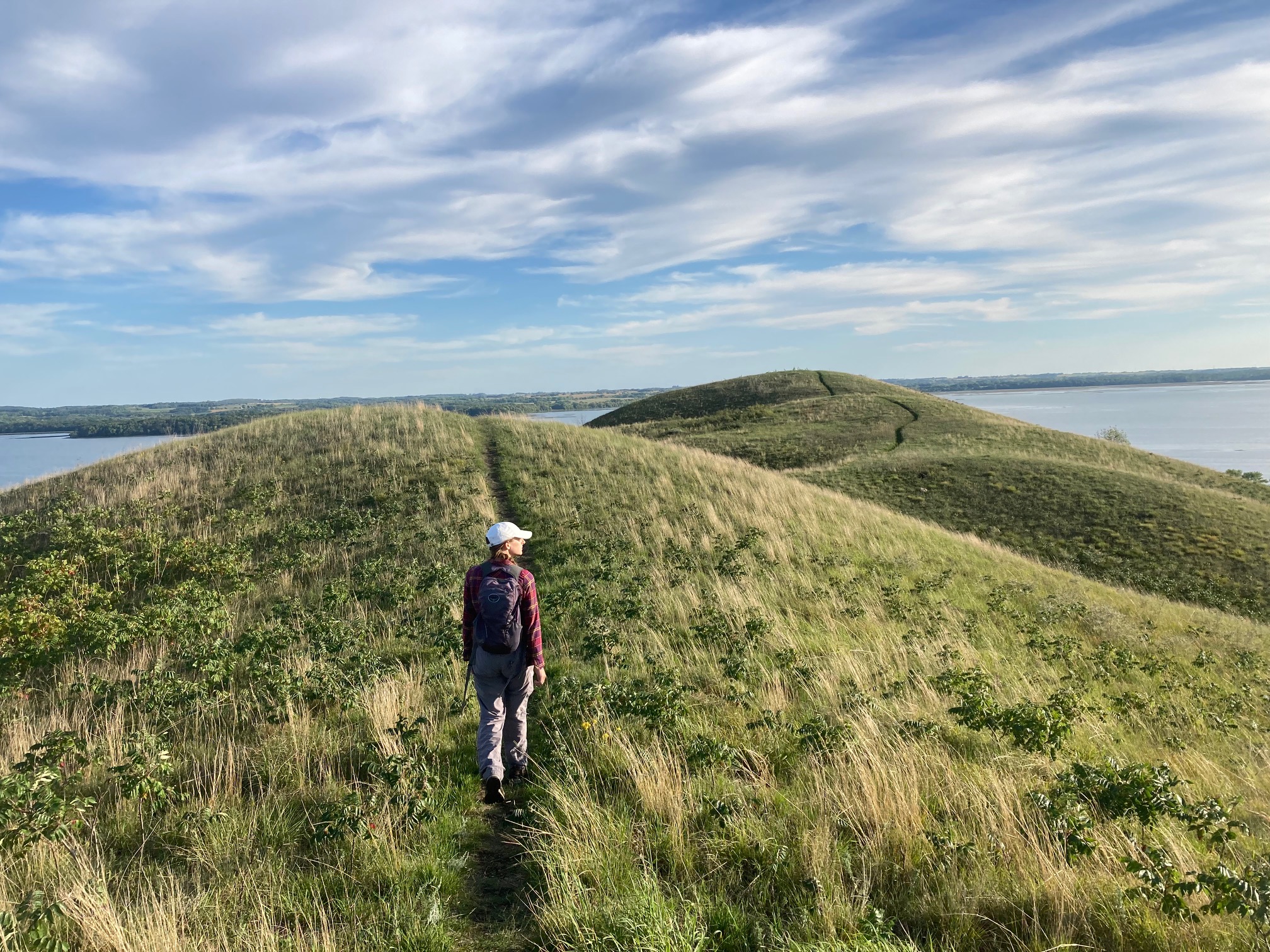
Taking a break from work to enjoy an afternoon at Seven Sisters.
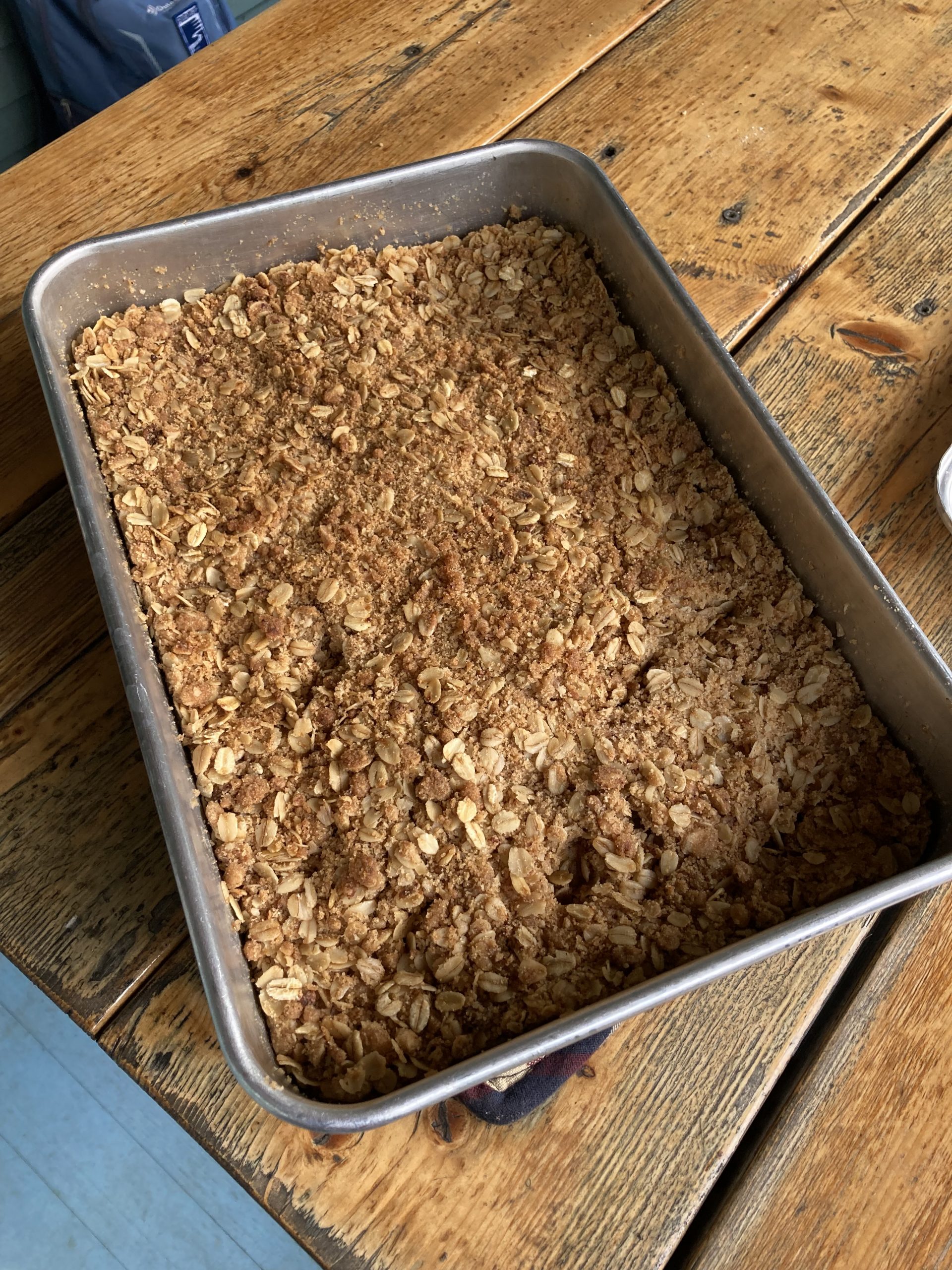
This morning (Wednesday), I got a bit of a late start because I made a double-batch apple crisp this morning, and the apples weren’t quite cooked yet. For the crisp, I used combination of northwest greening and haralred apples from the trees around Hjelm, and Mia and Wesley kindly helped me slice up the mountainous 8 cups of apples. When the crisp had finally cooked, I met up with Mia and Wesley, who had just finished adding stapes in p1. (check!)
Wednesday morning apple crisp
Next, Wesley and I headed out with Collins to finish up total demo at tplot and shoot a few more flowering plants at hegg in an area which is being renamed nrpal, or near pallida. Total demo is now done! (check!)
Bottle gentian at hegg
After lunch, Wesley and I tackled the remainder of the Andropogon harvest sites. Our record was a plot at kjs with 163 Andropogon culms! Andropogon harvests are now complete. (check!)
Daily Andropogon haul
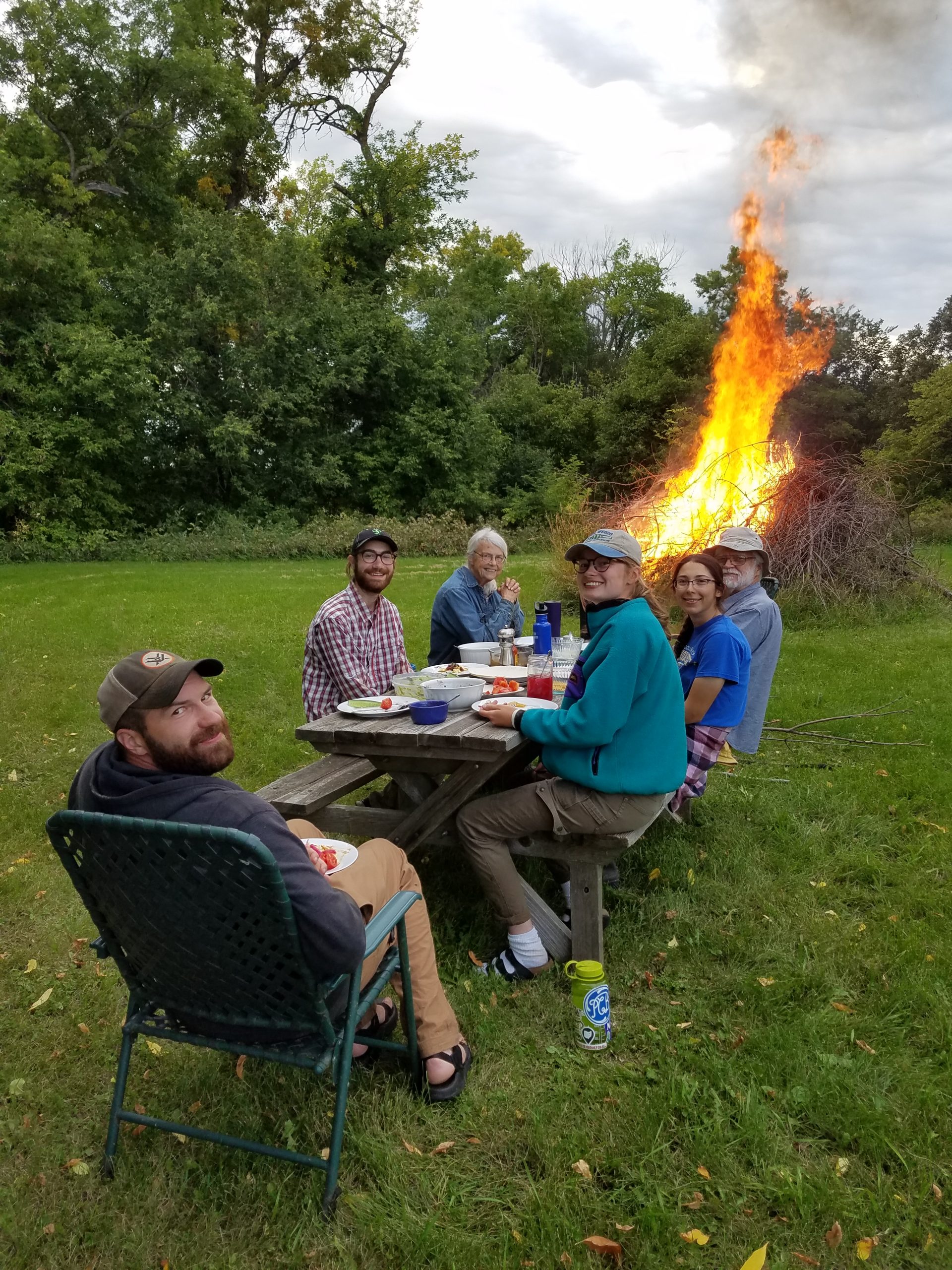
In the evening, we had another bonfire, and we were joined by Stuart’s parents. The rest of the crew cooked up some fabulous breakfast burritos for dinner, crowned with Mia’s famous pickled red onions. The wind had been gusting all afternoon, and now it pitched in to help fan the flames of the bonfire, which caught rapidly. We ended the day with some delicious home-grown apple crisp!
We’ve been missing Laura, John, and Kennedy this week, but we’ve had to forge ahead without them. Today, Mia and Wesley finished rechecks while I staked random points at nice, eth, and koons for our Andropogon expedition later in the day. After staking, I met with Stuart to learn some R-Studio data wrangling skills. At lunch, Wesley reported on the Liatris pollinator observations – the team conducted 95 total observations this summer and mapped over 2,500 plants!
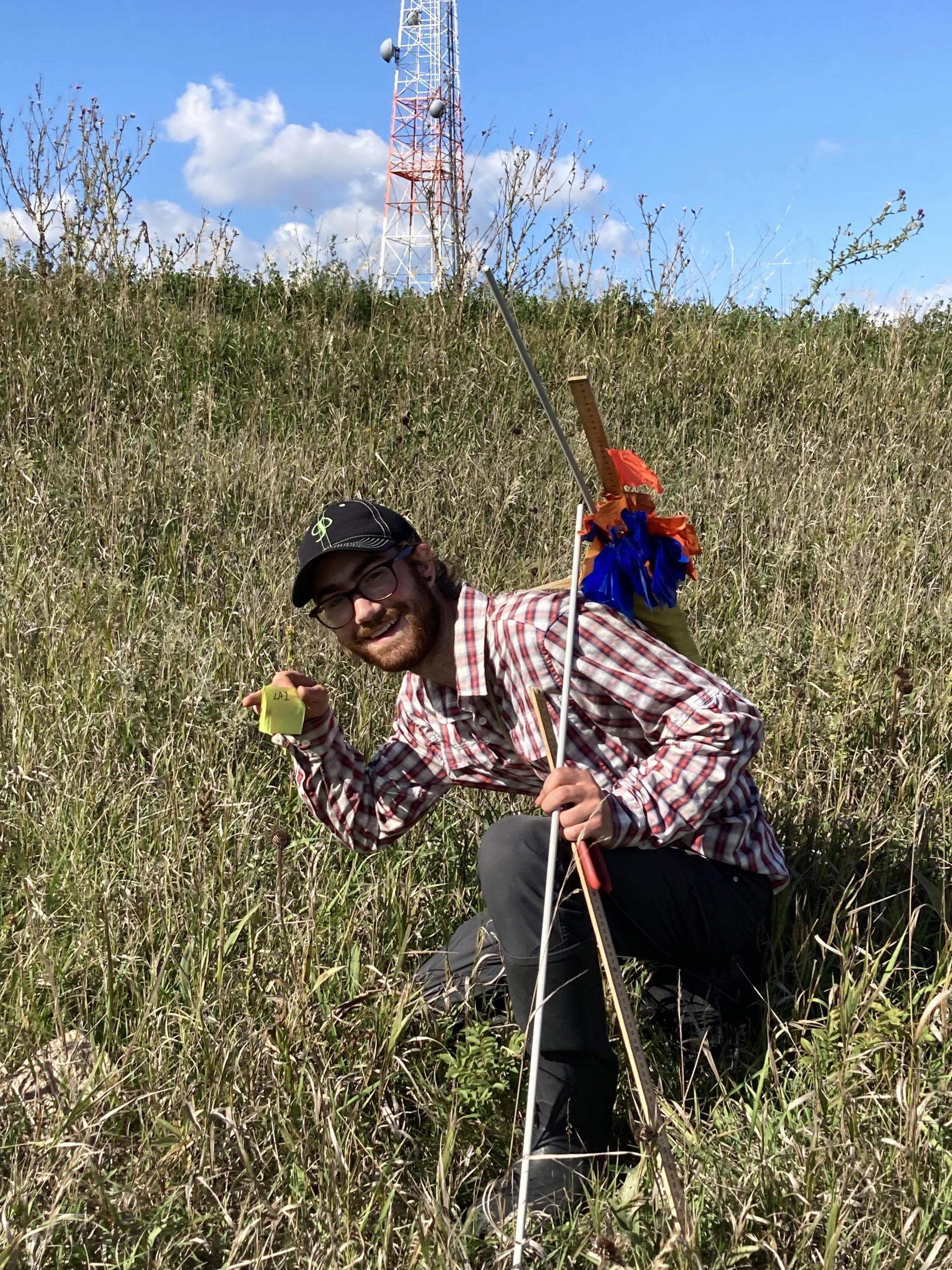
Wesley with the original Liatris plant: LA1
After lunch, we learned a new protocol for harvesting Andropogon gerardii (big bluestem). We visited a third of the random points at each site and counted and harvested all the Andropogon culms within one meter of the point. Jared and I collected three full bags of Andropogon at East Riley, a site which had been burned, but we didn’t find a single culm at the other sites (spp and on27).
Jared searching for Andropogon at Staffanson
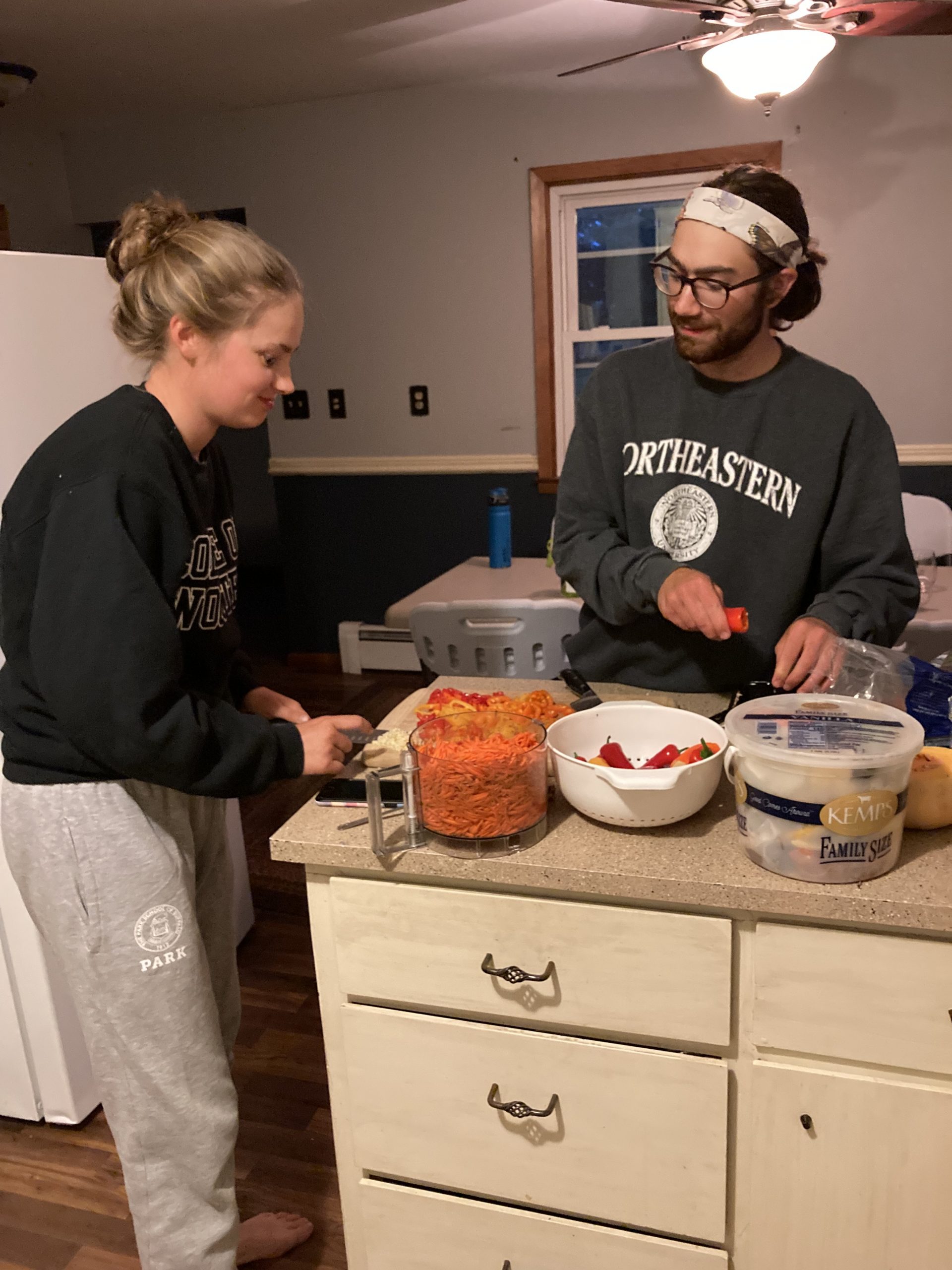
After work, the Elk Lake house spent all evening cooking up a giant batch of Wesley’s peanut noodles in preparation for the bonfire tomorrow night. Mia wisely used the food processor to grate the carrots, so no fingers were lost. We doubled the recipe, so there were an awful lot of carrots!
This was my first week with the Echinacea Project, and I feel like I have big shoes to fill after all the fantastic team members earlier this summer. It’s been an eventful week, and I think I’ve seen more Liatris plants than Echinacea so far.
Laura, Alex, and Darwin flagging Liatris
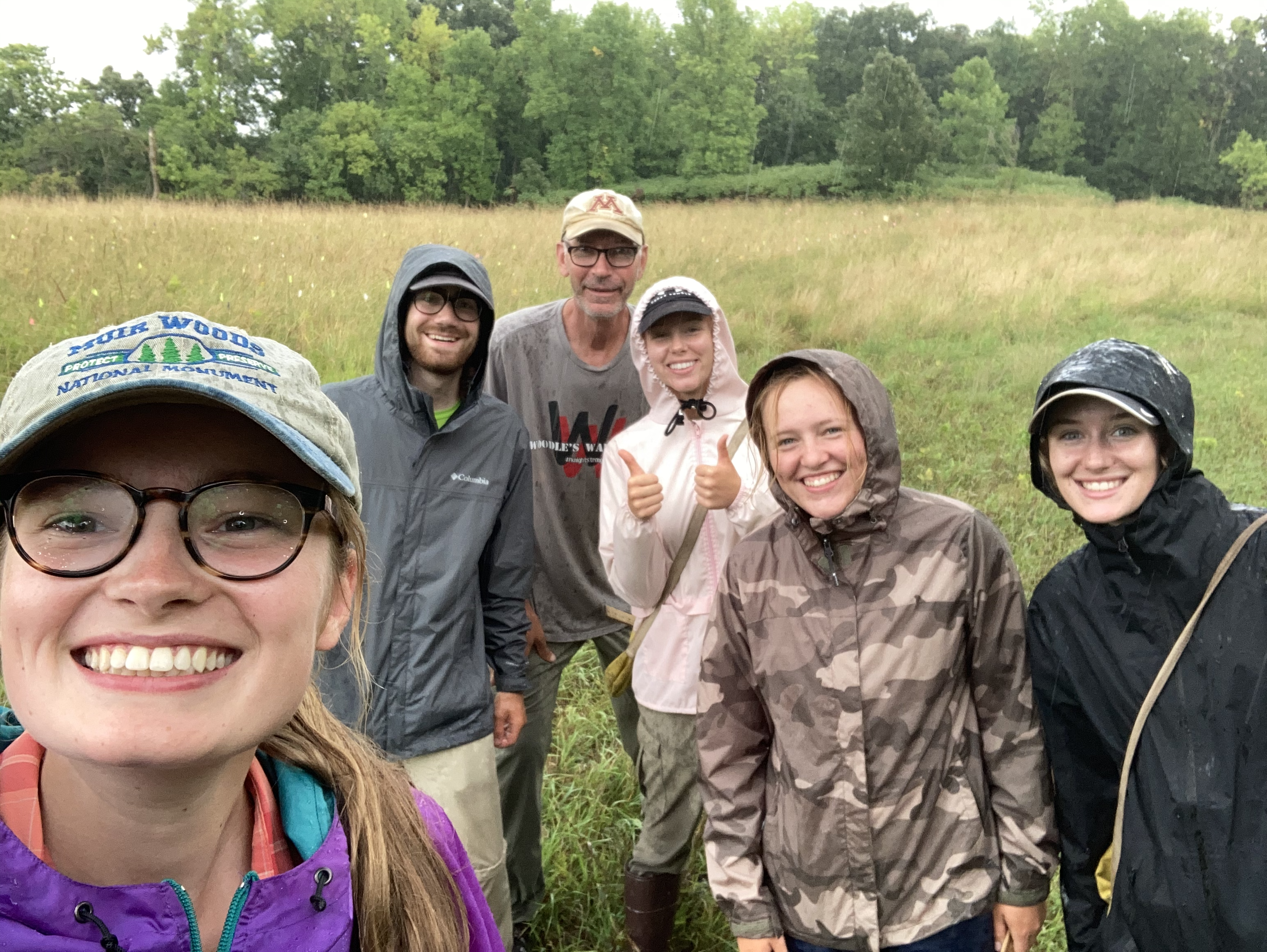
This week, the team focused on completing the project to map the Liatris aspera plants at all the sites. We spent a lot of time at Koons Hill, which supposedly had only 200 plants, but we found over 600! For the first time all summer, the team had to contend with rain, but we finally finished rechecking Koons Hill today, and we revisited all the sites to pull the neon flags, which had formerly marked the Liatris plants.
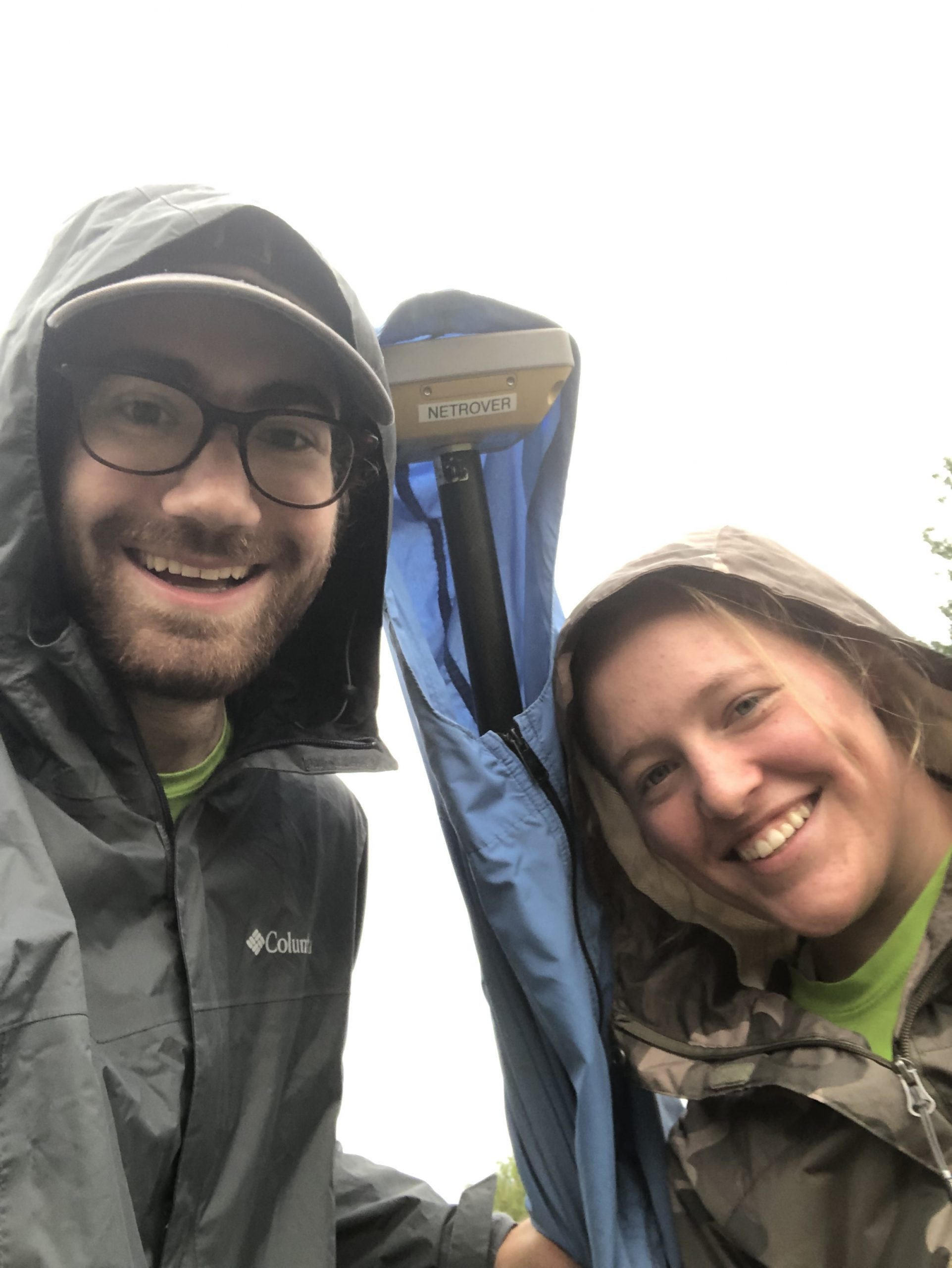
Wesley, Collins, and Kennedy braving the rain
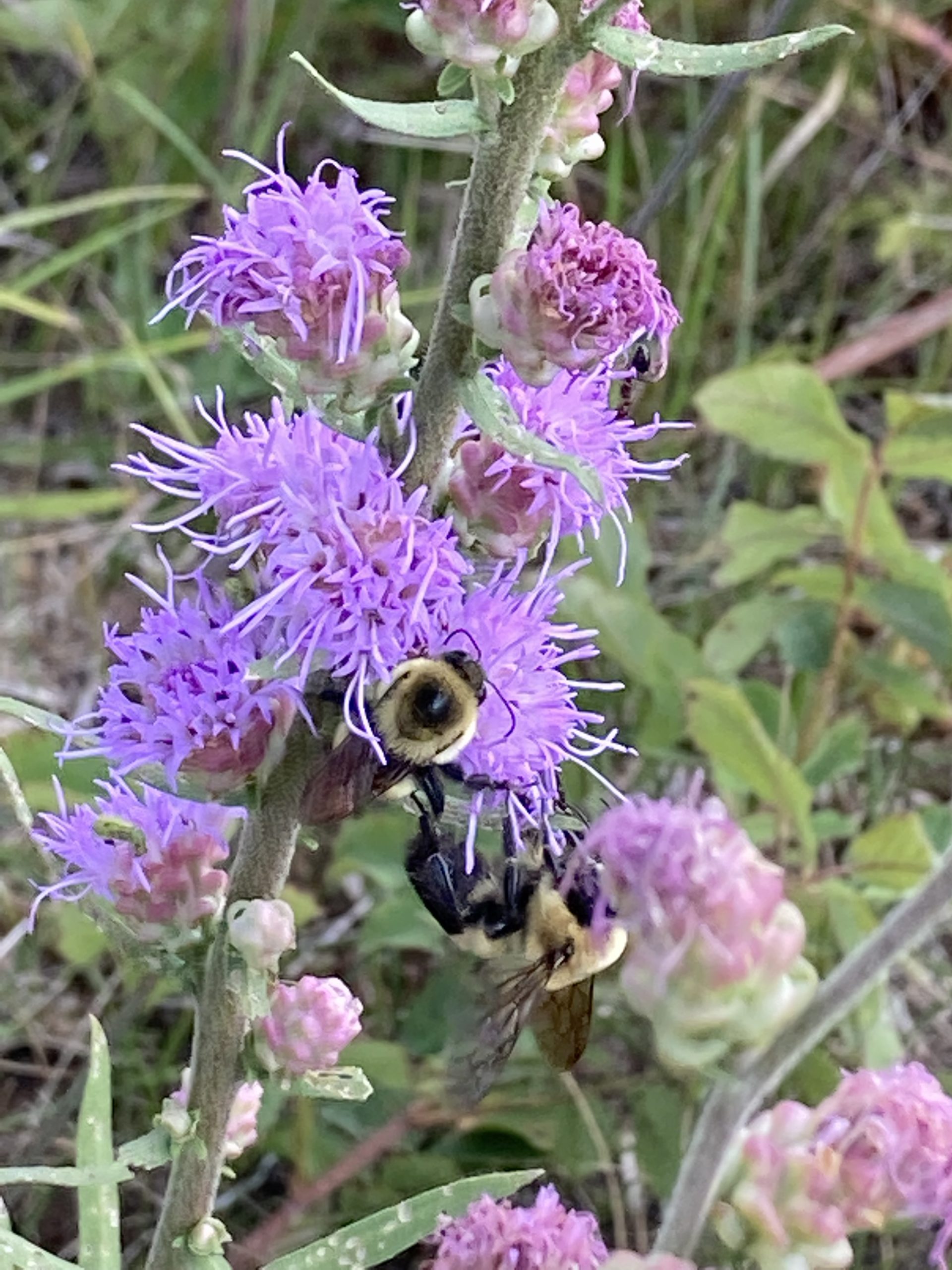
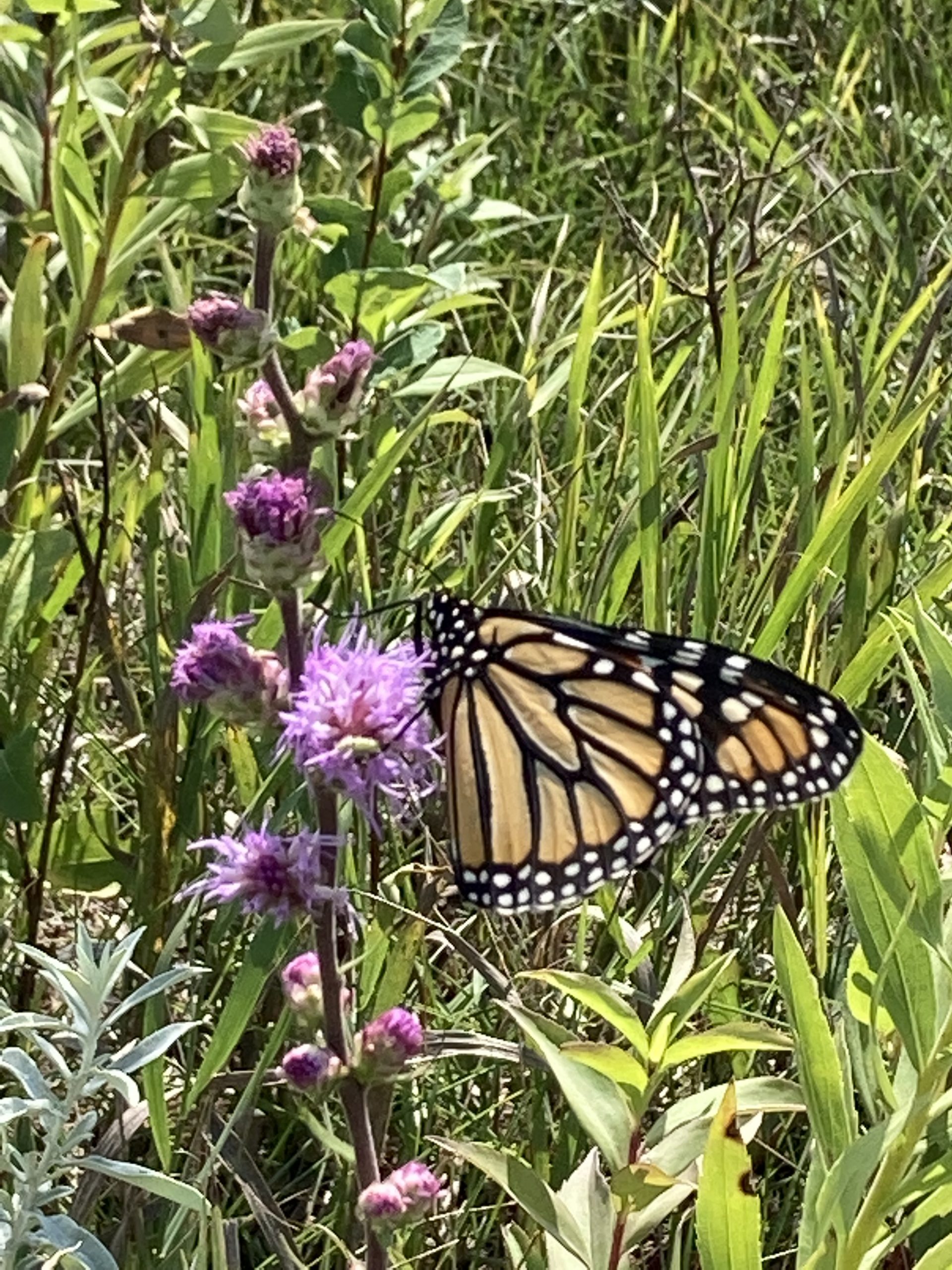
We weren’t the only ones visiting the Liatris plants. This afternoon, we spotted numerous pollinators, including several bumblebees and a monarch, which were enjoying a sweet nectar treat.
Bumblebees on LiatrisMonarch on Liatris
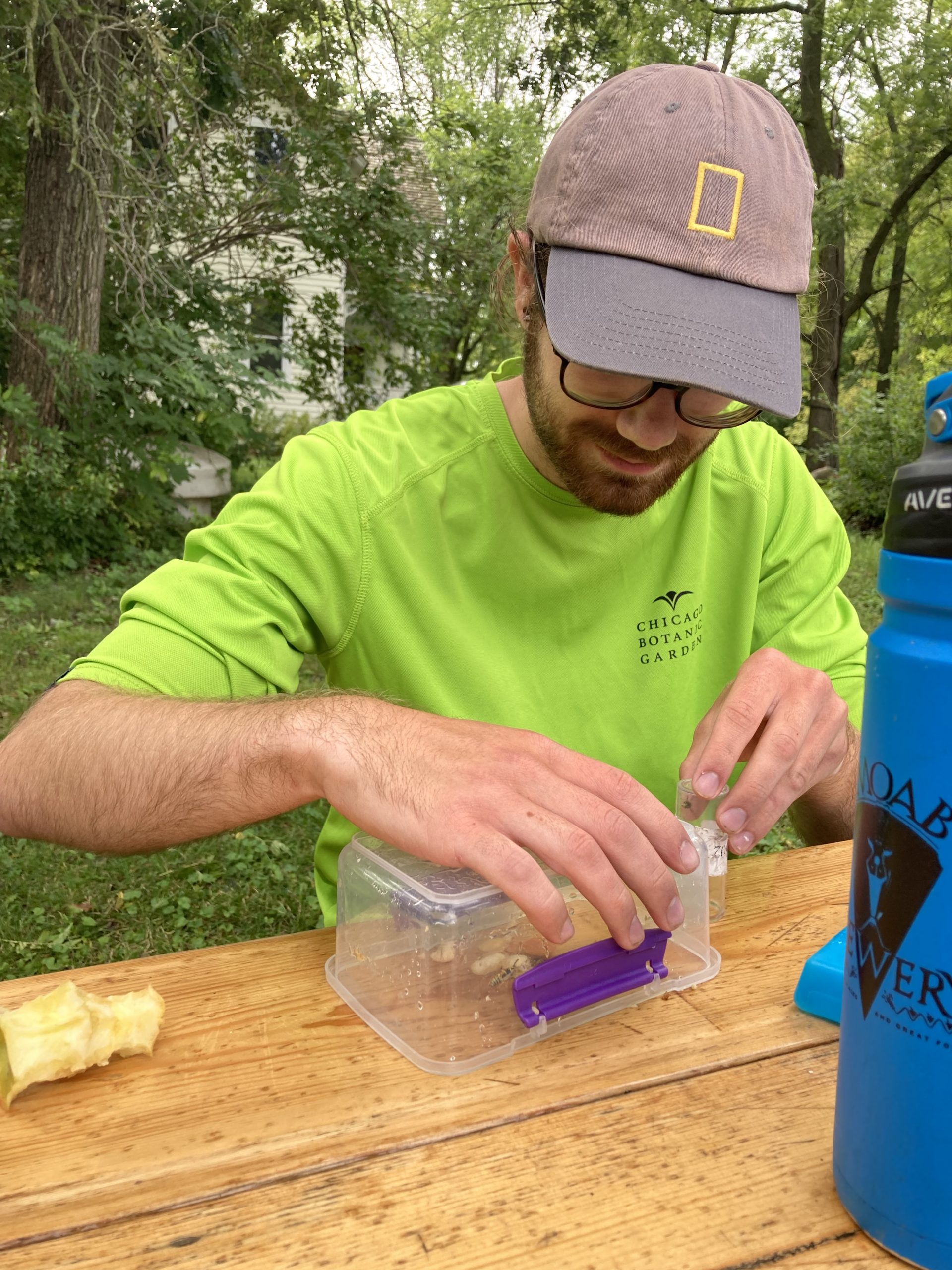
At the end of the day, the wasps wanted to share our sweet cantaloupe as well, but fortunately, Wesley devised a system involving a tupperware and some ice packs, which encouraged them to chill out.
On Friday we finished measuring p1! This was a big push to get it done last week and on Friday it took some expert timing and carful radar studying but we got it done.
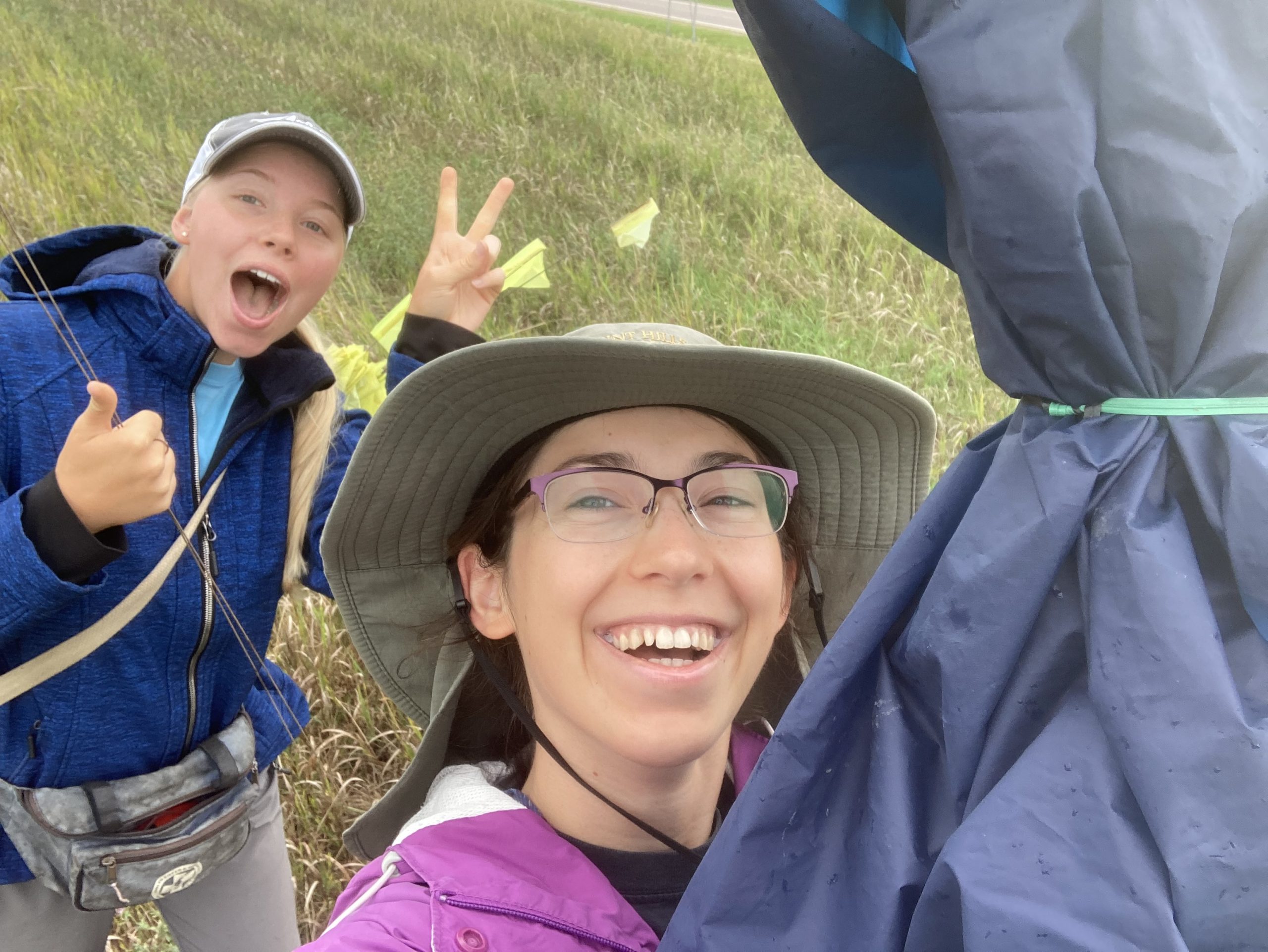
Mia (research intern 2020-2022) and the field crew finish measuring experimental plot p1!The waterproof measuring crew
This was a massive feat for the team, and it is super exciting to have it done. There are 10,673 total positions, out of that we found 2,899 basal plants, and 81 flowering plants, we found around 3,523 staples. Thanks to Wesley’s Time Motion Study we know that we spent 198 person hours measuring p1. Below you can see our nice completed map of p1!
Lavender are completed records green is what we have left. positions go N-S rows are W-E
I now have some coding to do to get ready for rechecks but for now the team is having a well-deserved break from measuring p1.