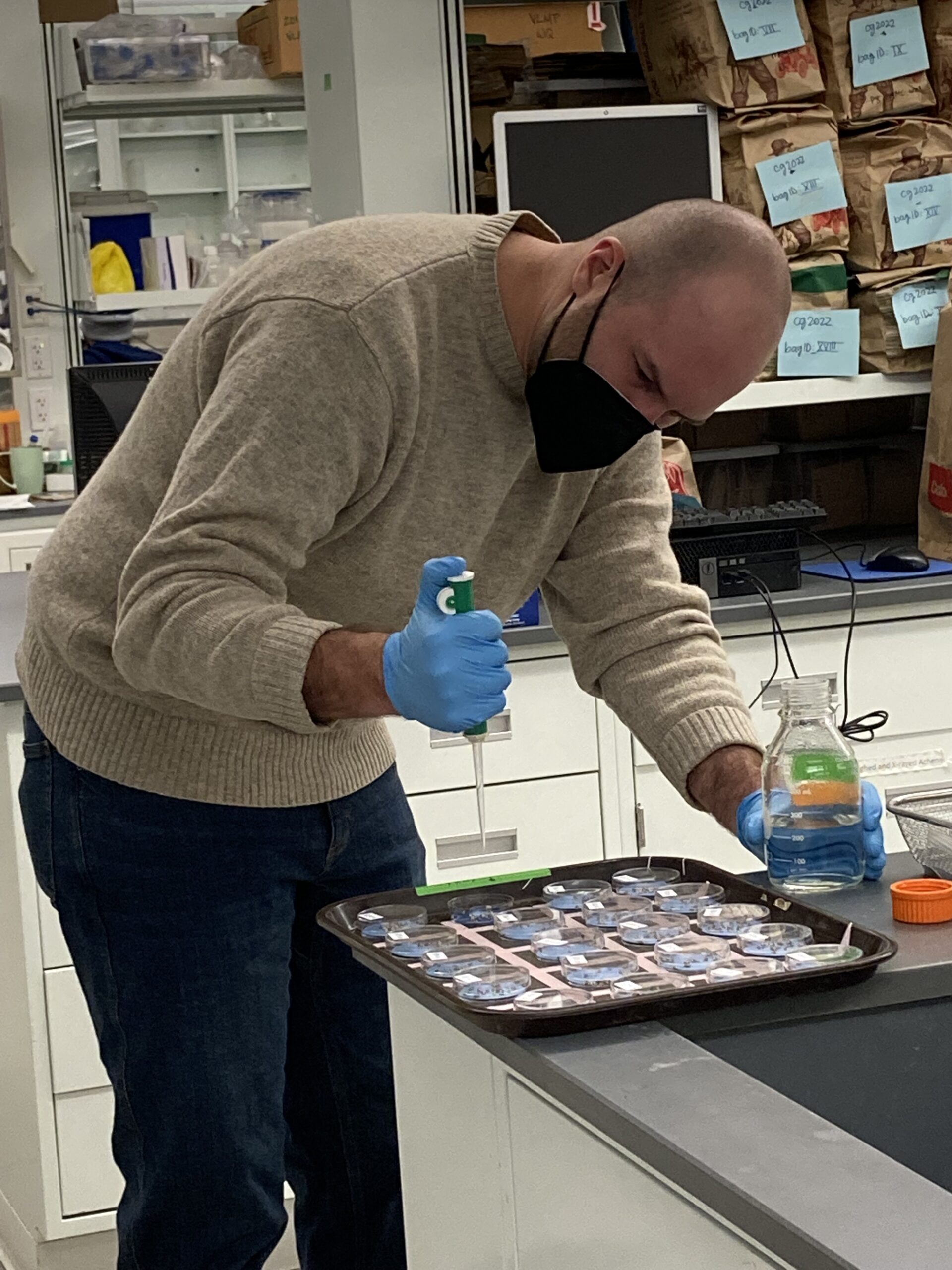
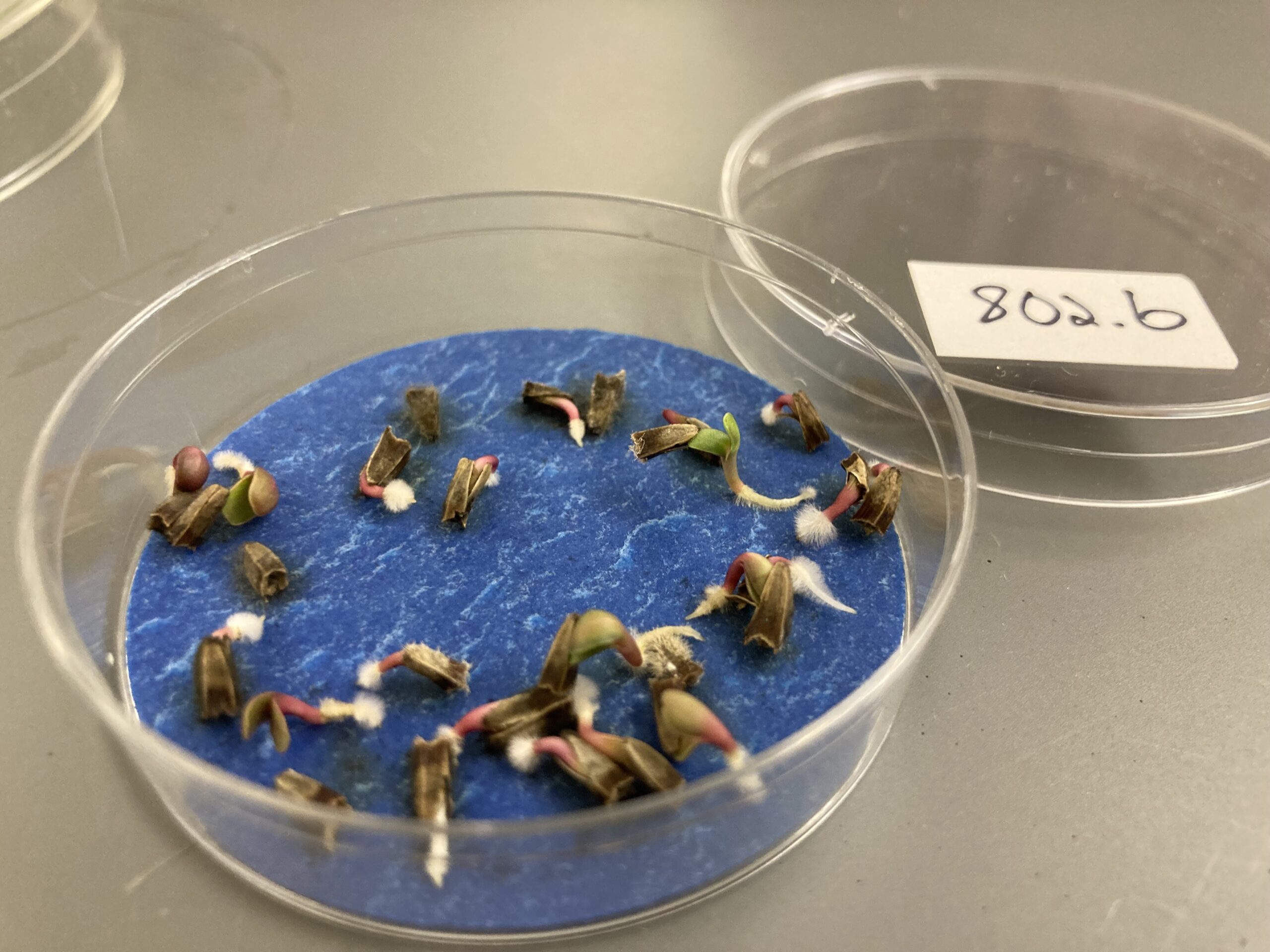
In fall 2022, we planted Echinacea within our study site for the seed addition experiment. In the lab, we are currently doing a germination experiment with the same batch of seeds to calculate the expected seed germination rates under ideal conditions. Following our standard germination protocol, we first treat the achenes with Florel solution and put them in a cold fridge with low light levels to mimic winter conditions. After 14 days, we transfer them to a warm, bright environment to germinate.
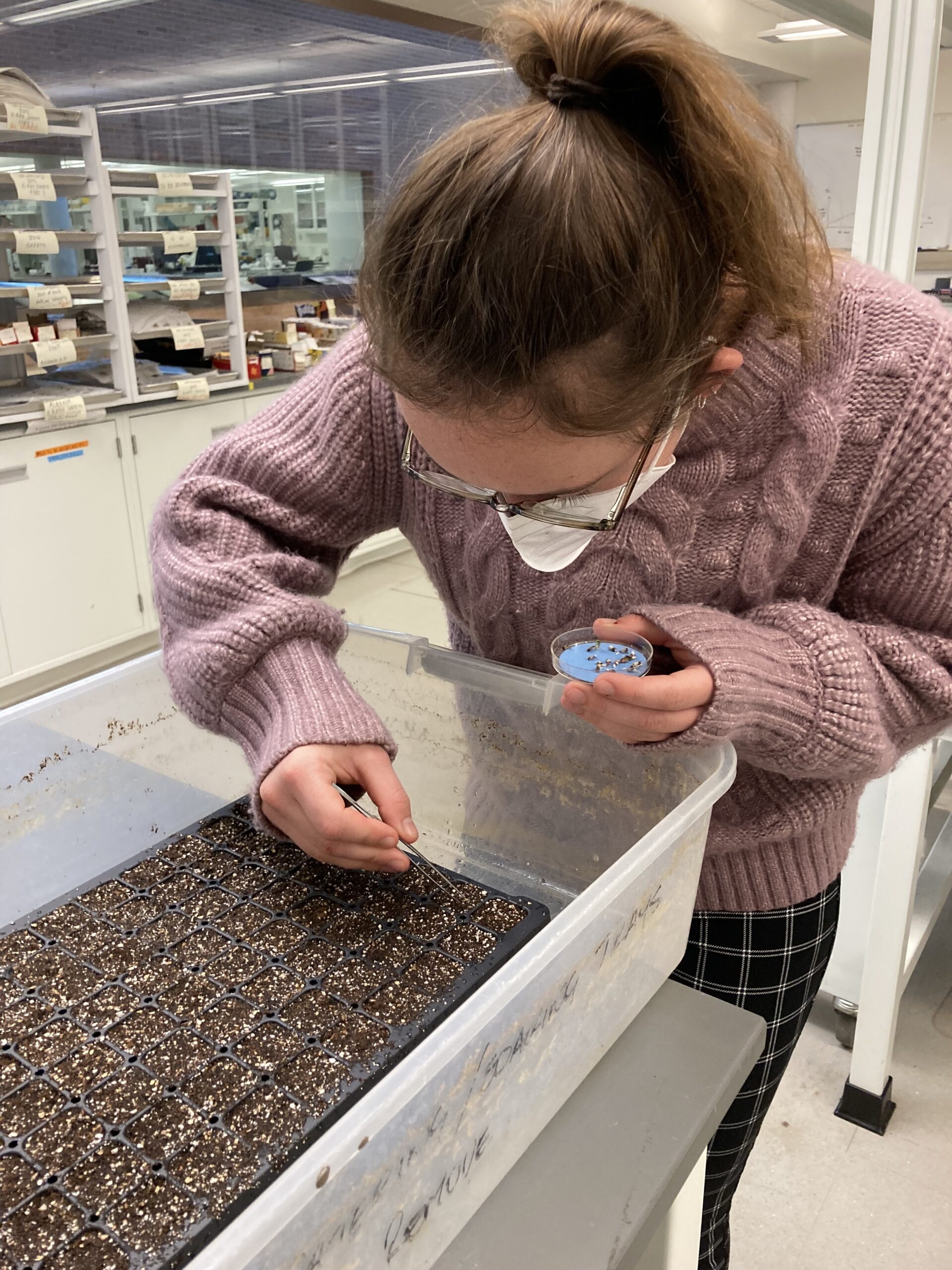
Jared applies FlorelGerminating EchinaceaLindsey plants Echinacea
The seeds generally don’t start to germinate until they are in the warm environment. This year, however, I checked on the seeds a few days after they went into the fridge and discovered that they were already starting to sprout! The condenser on the fridge had broken, so it was no colder than room temperature. In spite of the unusual conditions, ~80% of the seeds germinated. This is very encouraging since it means that the seeds that we planted in the fall were viable.
After fixing the fridge, we are germinating a second batch of seeds following the standard protocol so we can replicate the experiment next spring. Lindsey planted the seeds that germinated, and we plan to grow them into plugs and transplant them this summer.
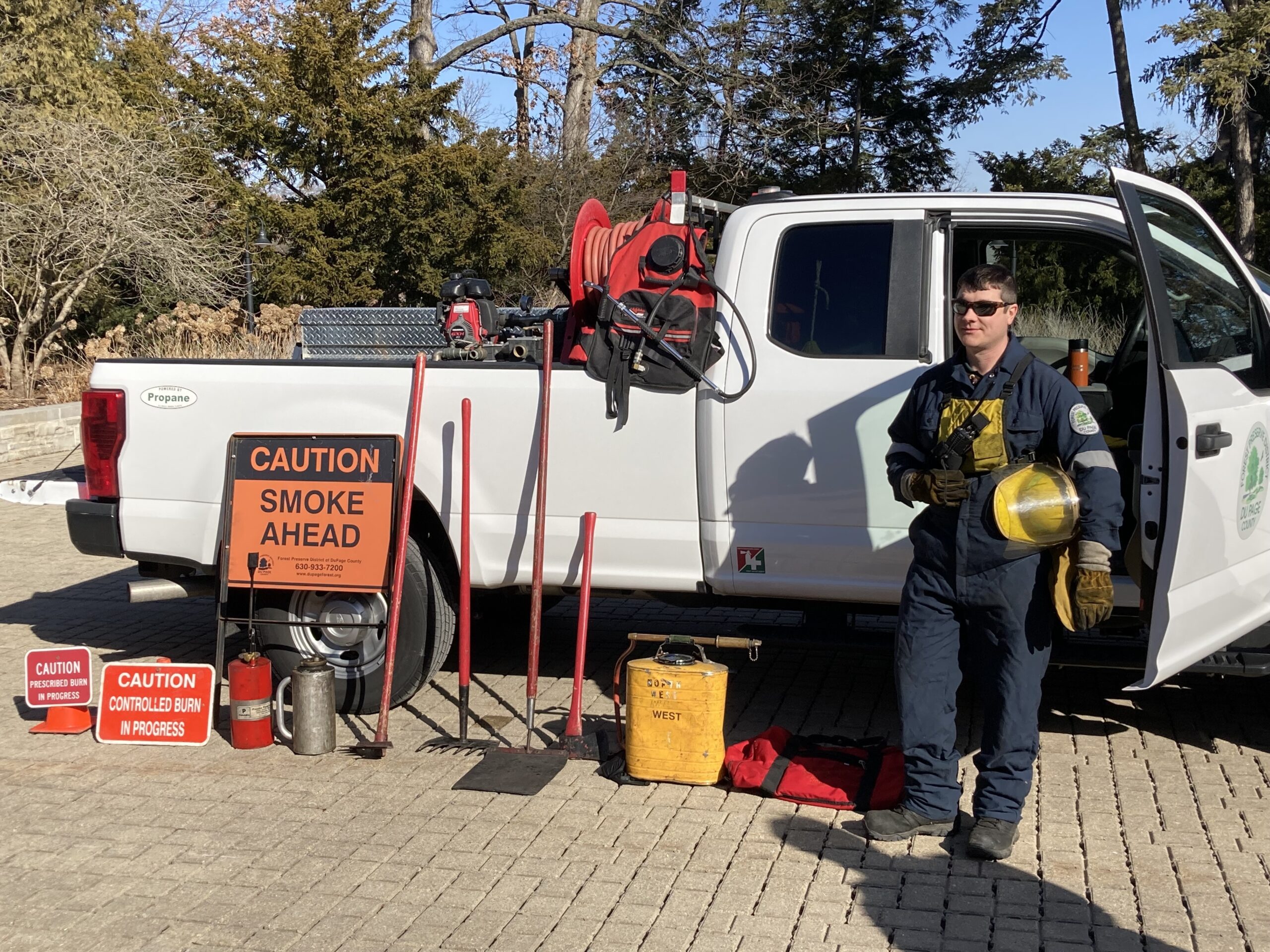
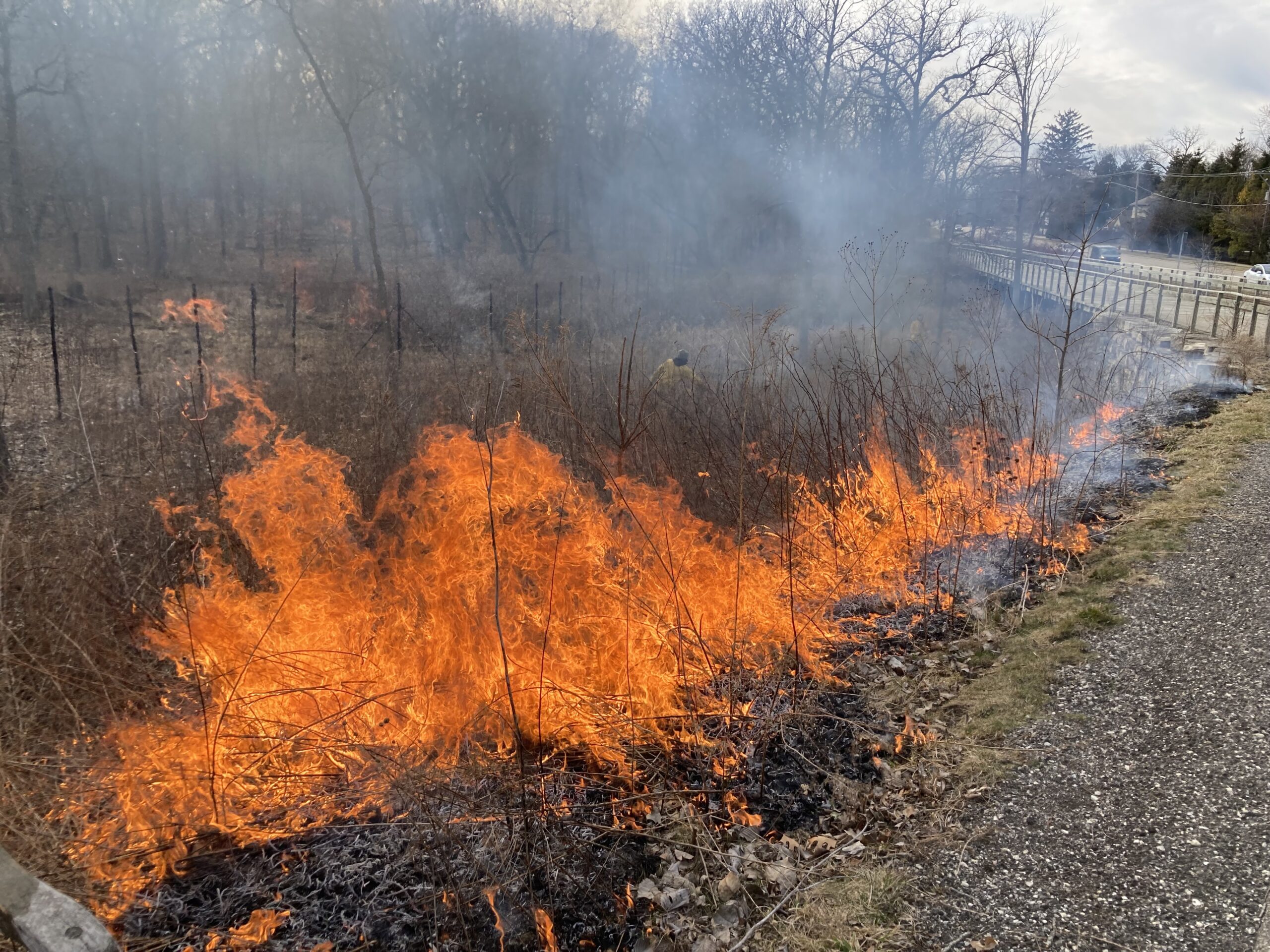
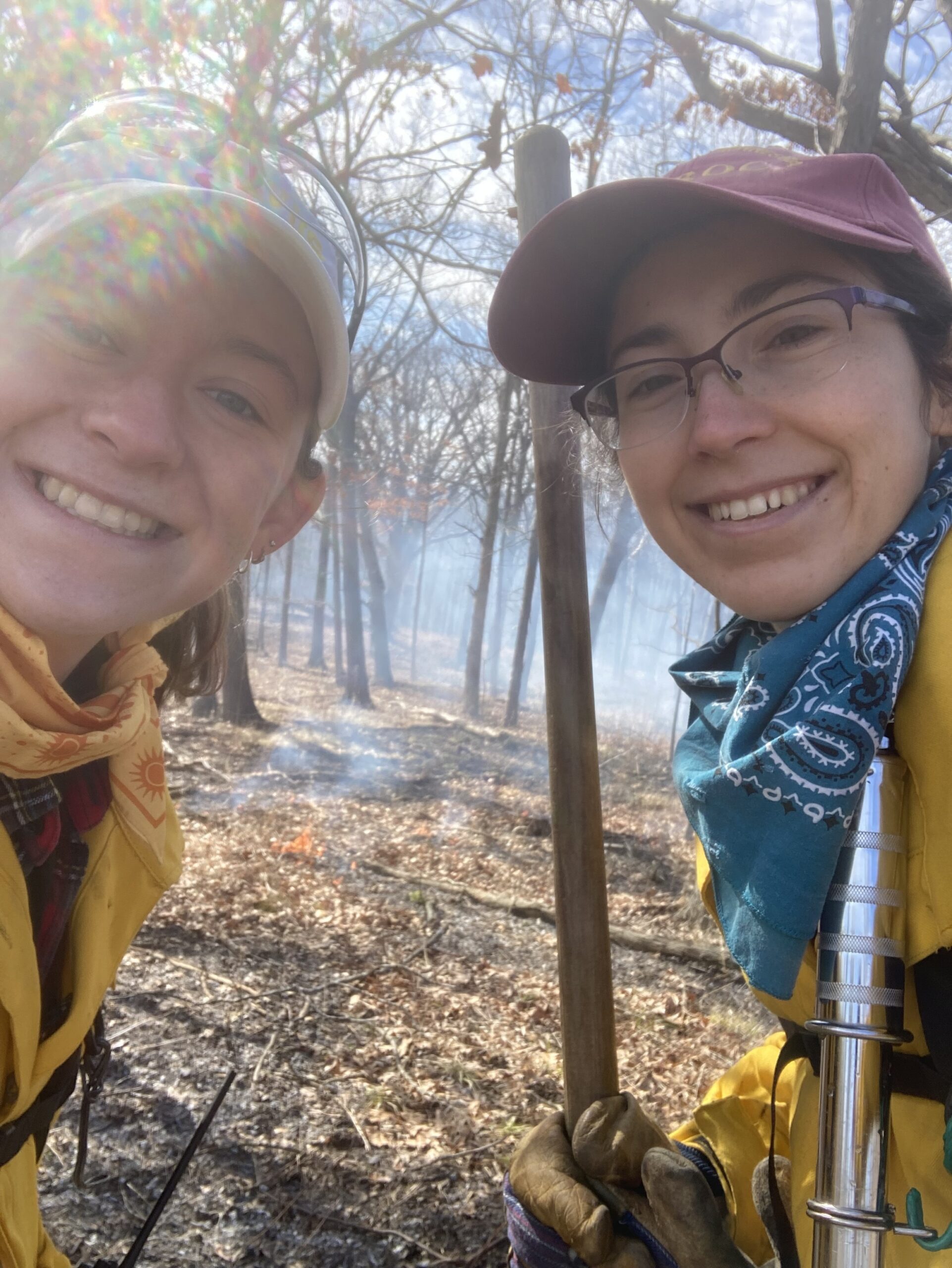
This February, Lindsey and I attended the Chicago Wilderness prescription burn training at the Morton Arboretum. This month, we put our burn training to good use and joined Jared and the burn crew at the Chicago Botanic Garden for a woodland burn. I participated in prairie burns in Minnesota last spring, but this was my first woodland burn, so I was glad to gain more diverse fire experience.
A member of the DuPage burn crew shows off prescribed burn equipment
We burned part of McDonald woods on the east side of the garden, and we needed an east wind to keep the smoke off of Green Bay Road. The wind was ~11 mph, but we were burning down in a gully which blocked the wind, so the fire crept very slowly. Overall, the woodland burn was much slower and patchier than the past prairie burns, but that was what I expected from the woods. I also got to use a drip torch for the first time, which was very fun!
Burning along the bike pathLindsey and Alex in PPE
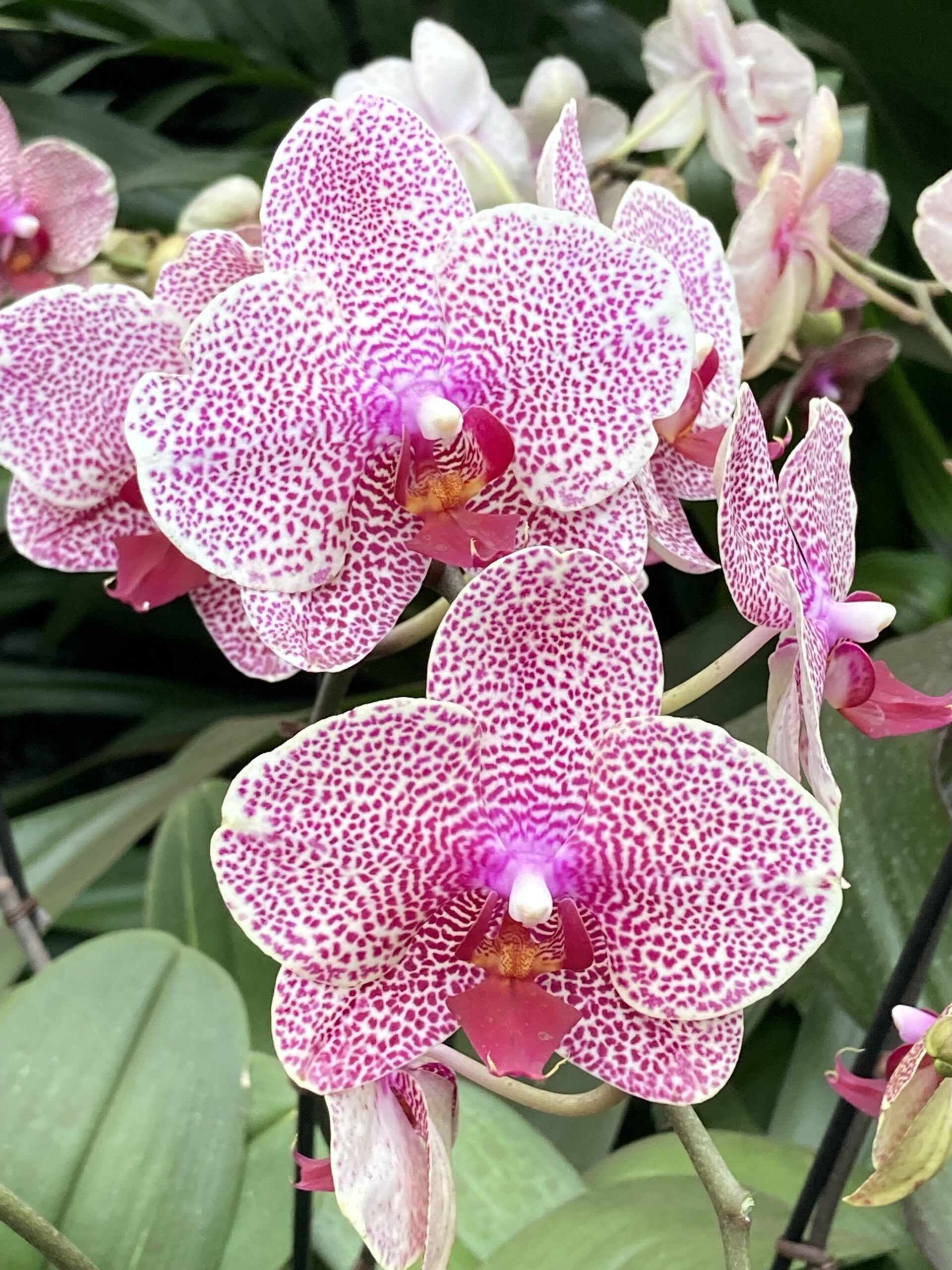
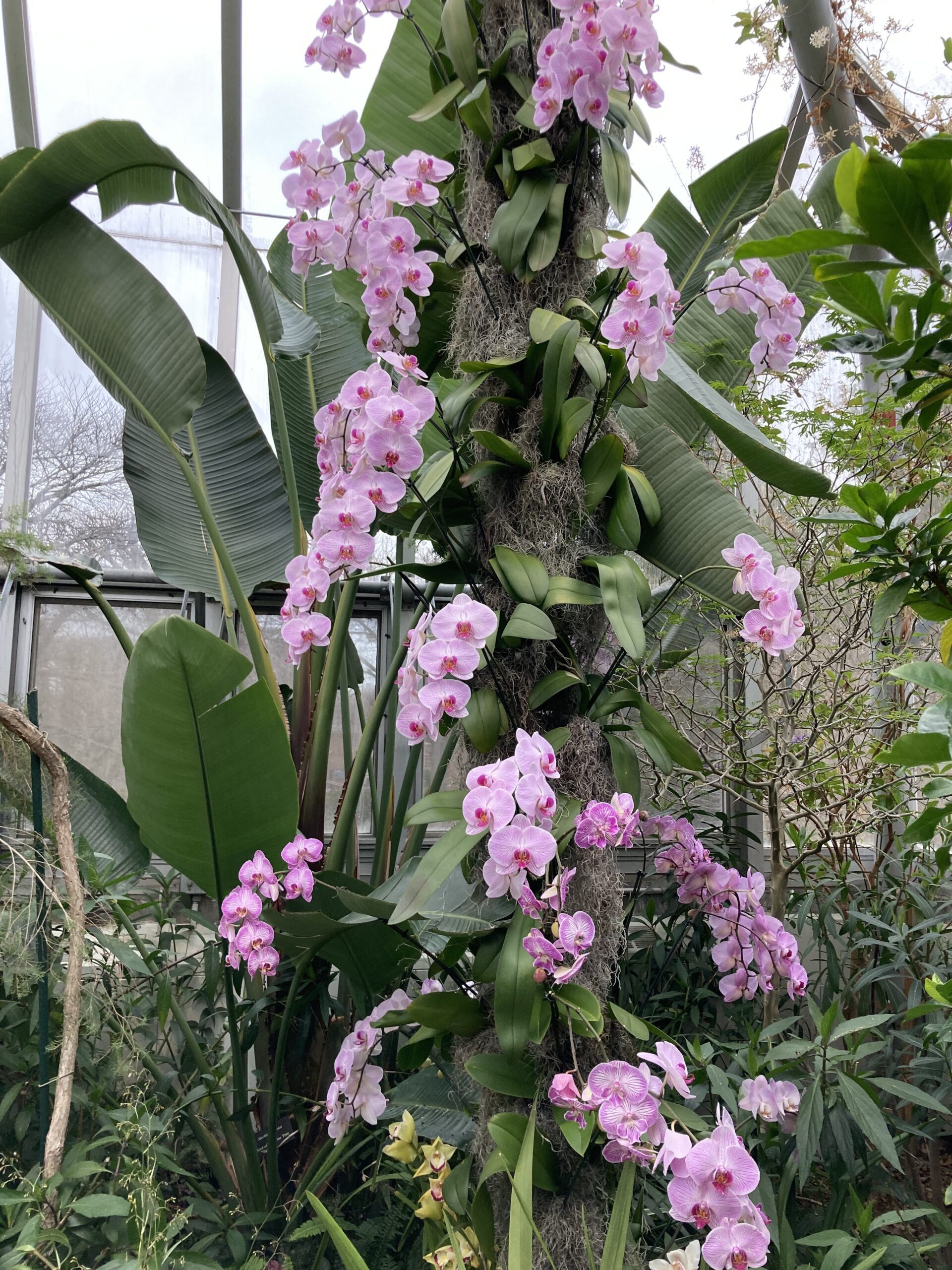
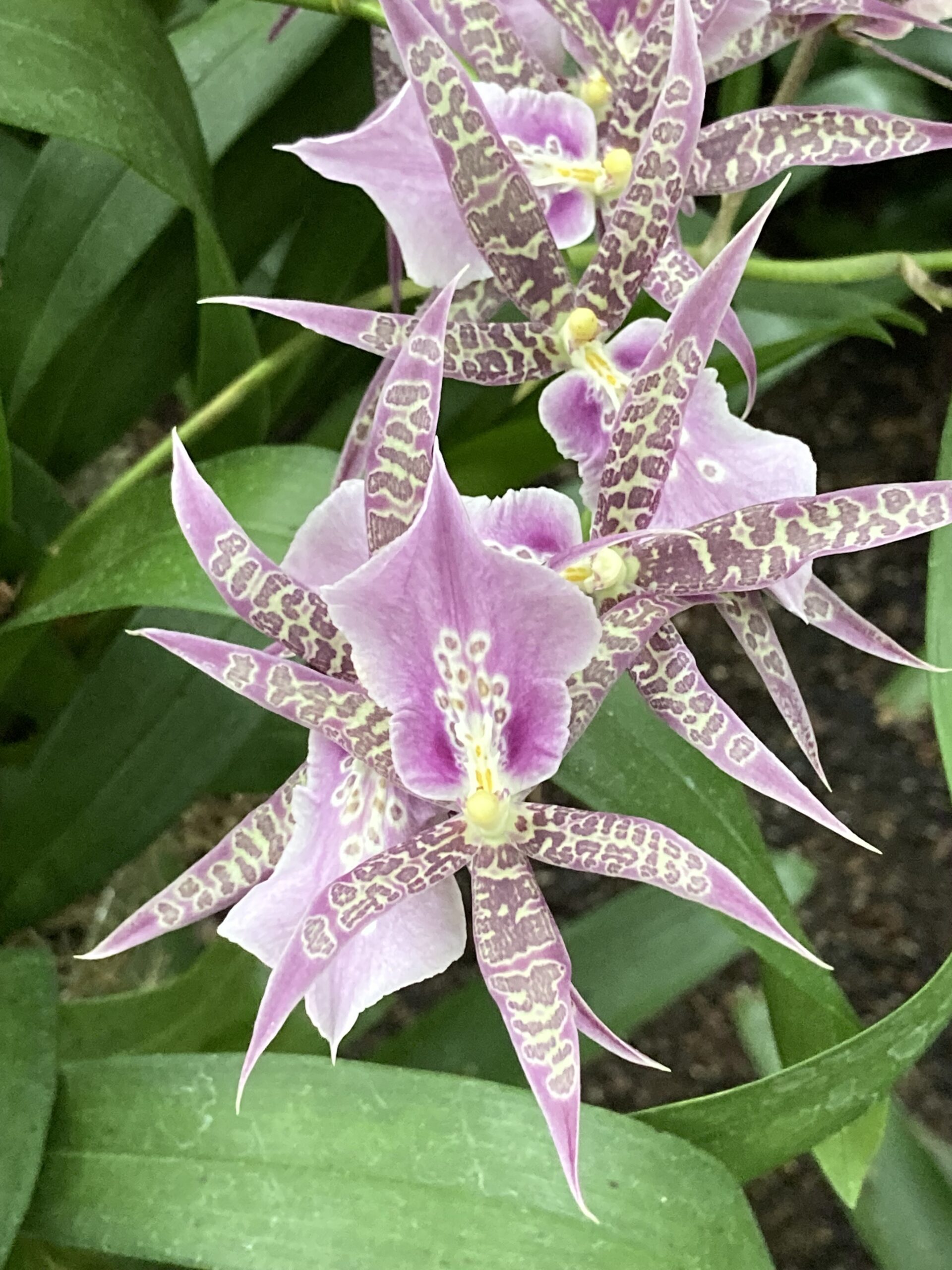
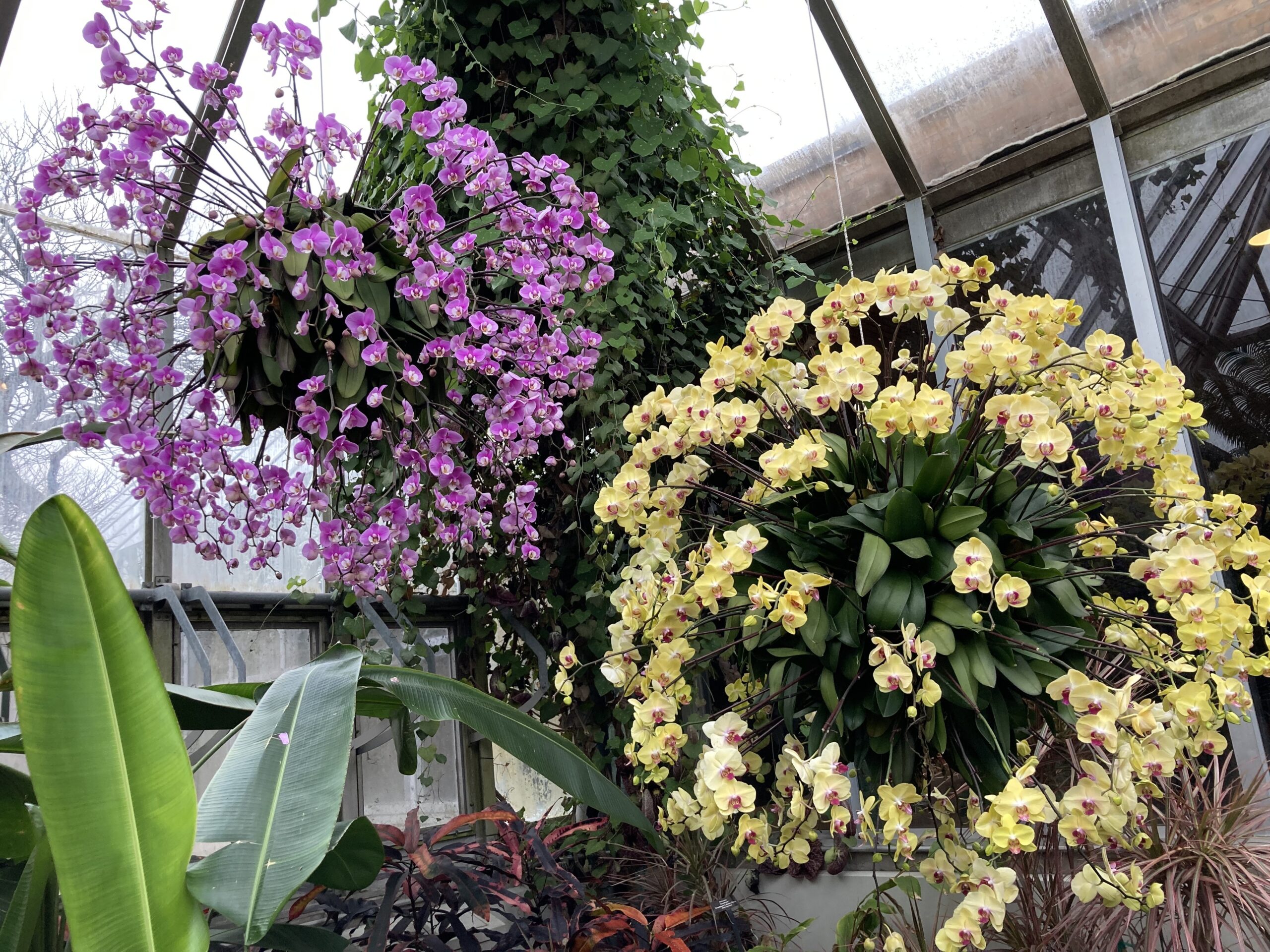
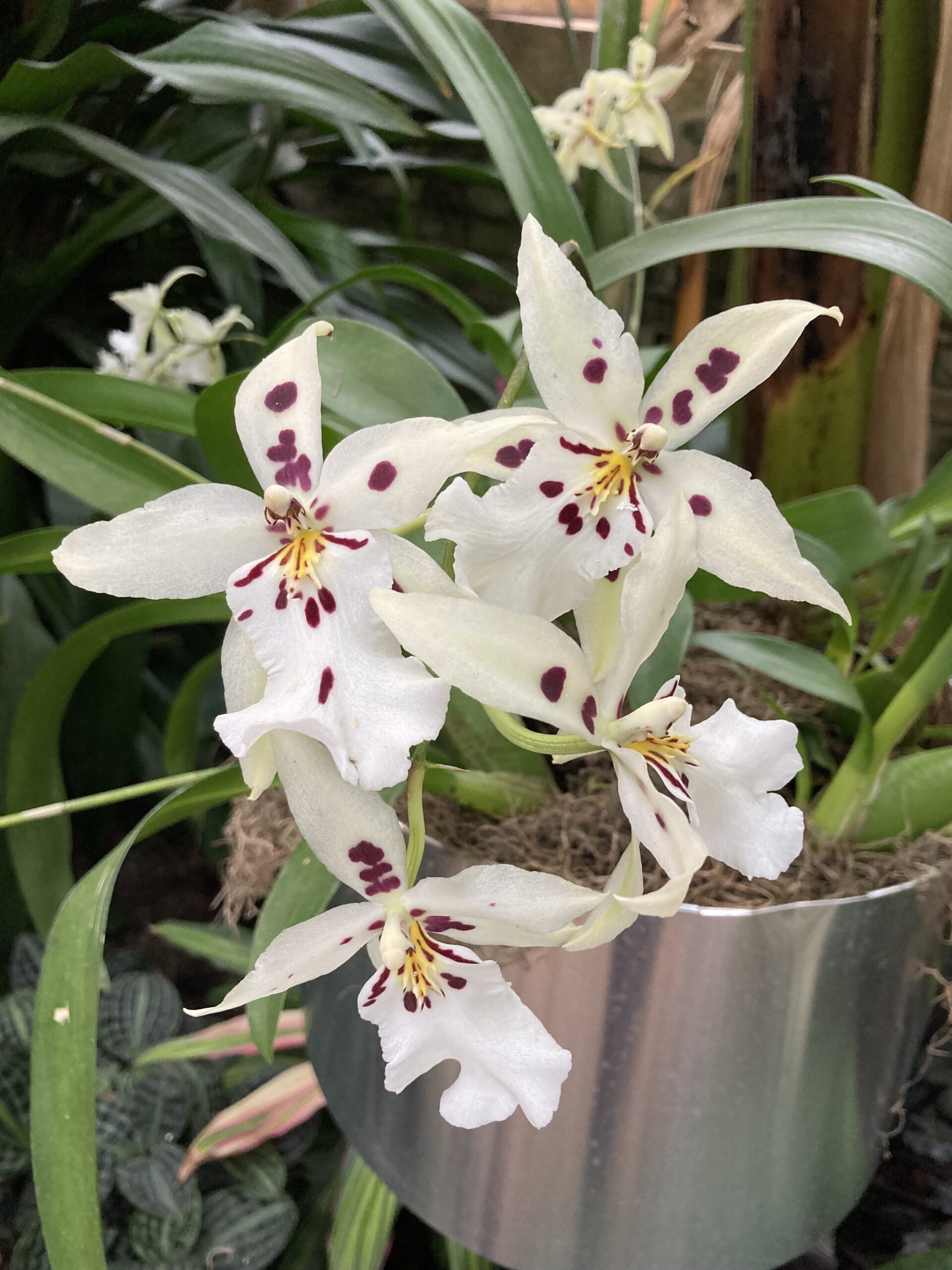
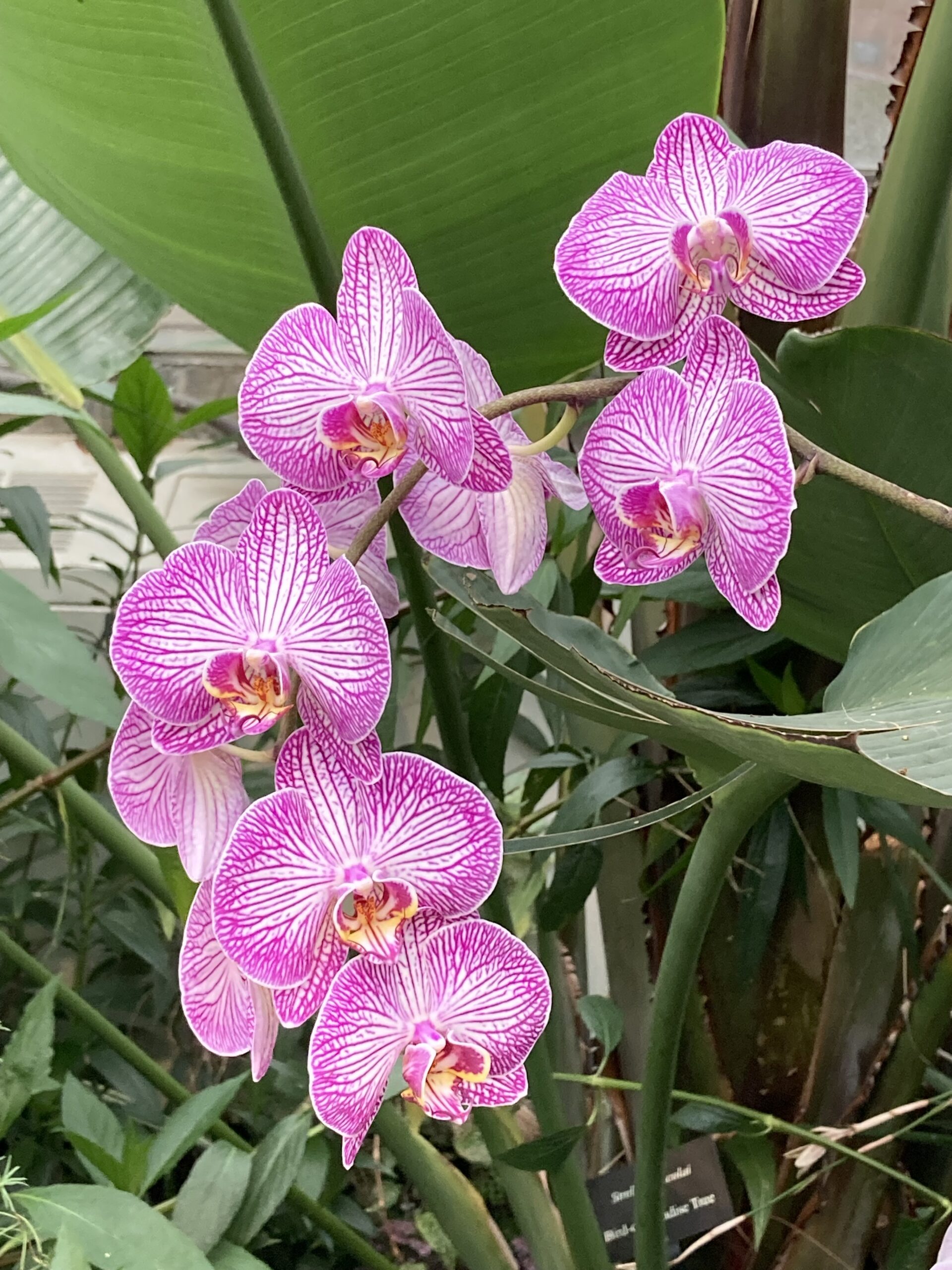
Orchids in a ball, orchids on a post, orchids in a spiral, orchids in the water, orchids in a pot, orchids through a lens. How many ways can you imagine displaying an orchid? This week, Lindsey and I visited Orchids Magnified at the Botanic Garden, and we saw orchids in all these orientations and many more. I was amazed by the orchids’ astonishing range of color and shape. It makes me wonder about their evolutionary history.
The orchid show staff night also included free food. Lindsey tried the ramen, and she reported, “It had many tasty vegetables and the teeniest mushrooms. However, it could have used some spice and they only had forks”. I sampled the salad, which contained an orchid flower. It felt wrong to eat one after looking at so many, but I had to try it. I expected a flowery flavor like jasmine, but it was rather bland and not much different in taste from a lettuce leaf. In short, I don’t recommend snacking on orchids if you attend the show.
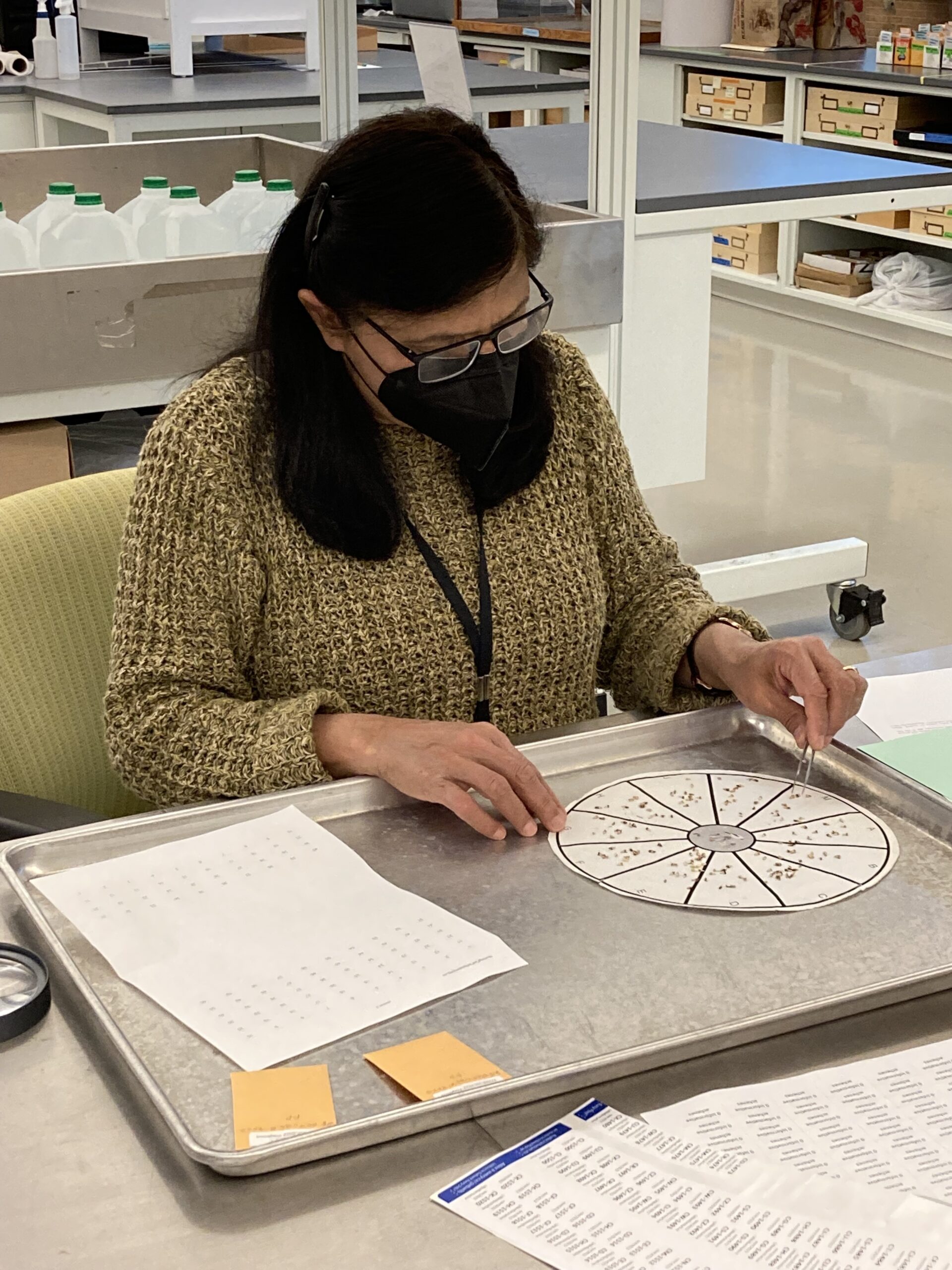
One of our main goals over the past two years has been to process all of the Echinacea harvested from remnants in 2020, 2021, and 2022 to investigate the effects of prescribed fire on flowering and fitness. We harvested 1,012 heads over these three years.
year
# of heads
rem2020
299
rem2021
383
rem2022
330
For each head, the end goal is to get an accurate count of the number of achenes and the seed set, a measure of pollination success. To collect these data, we sent the Echinacea through our high-throughput seed processing system, which we call the ACE process. (The true meaning of ACE is controversial: Always Cleaning Echinacea? Accurately Counting Echinacea? Achene Chaos Extraordinaire?) The ACE process has many steps: inventory, clean, recheck, scan, count, randomize, x-ray, classify, store.
In spring 2023, we finished processing all of the remnant Echinacea from 2020, 2021, and 2022! We send a huge thank you to all the students and volunteers who put in many hours on this project over the last few years. We couldn’t have done it without you!
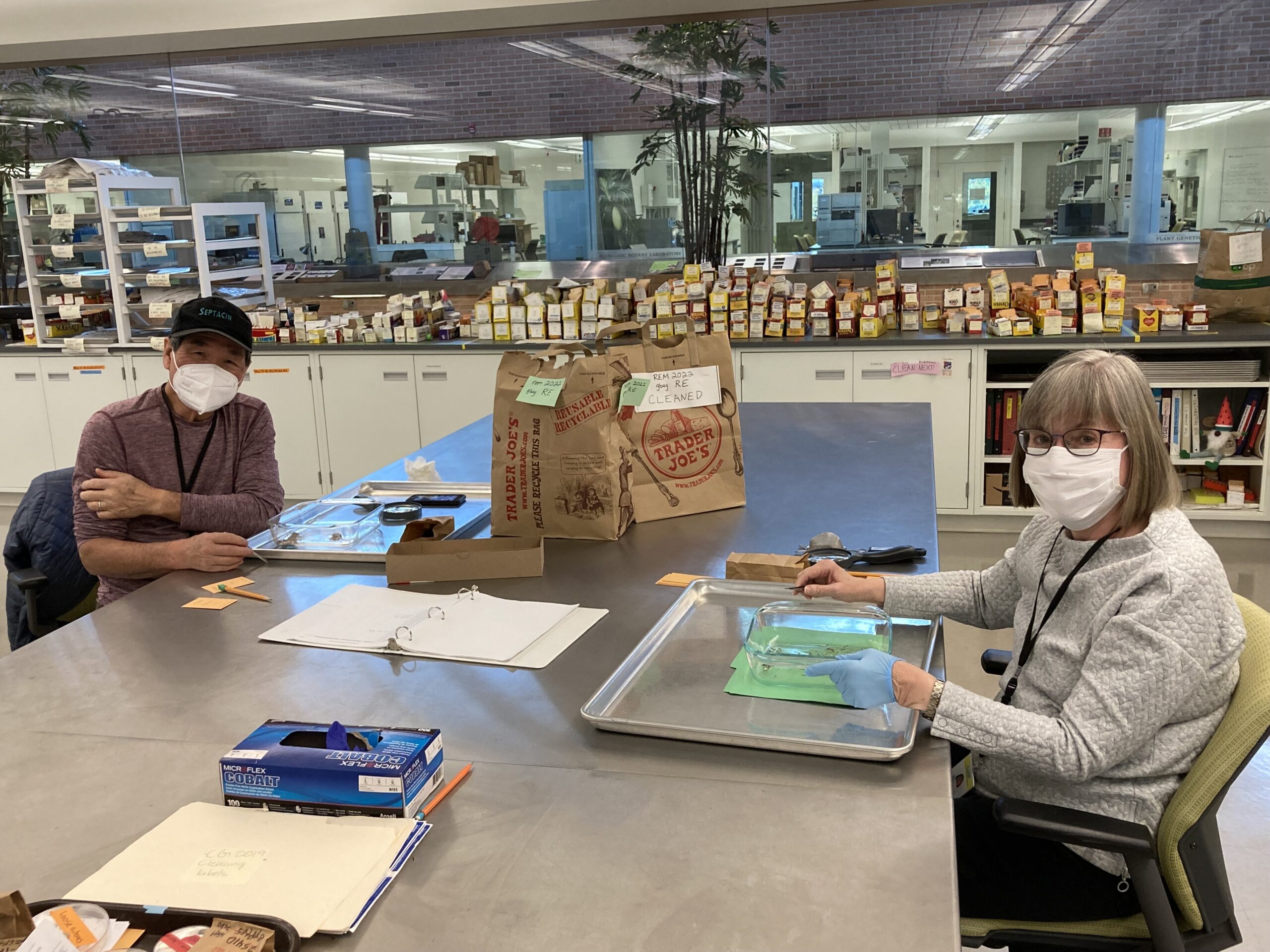
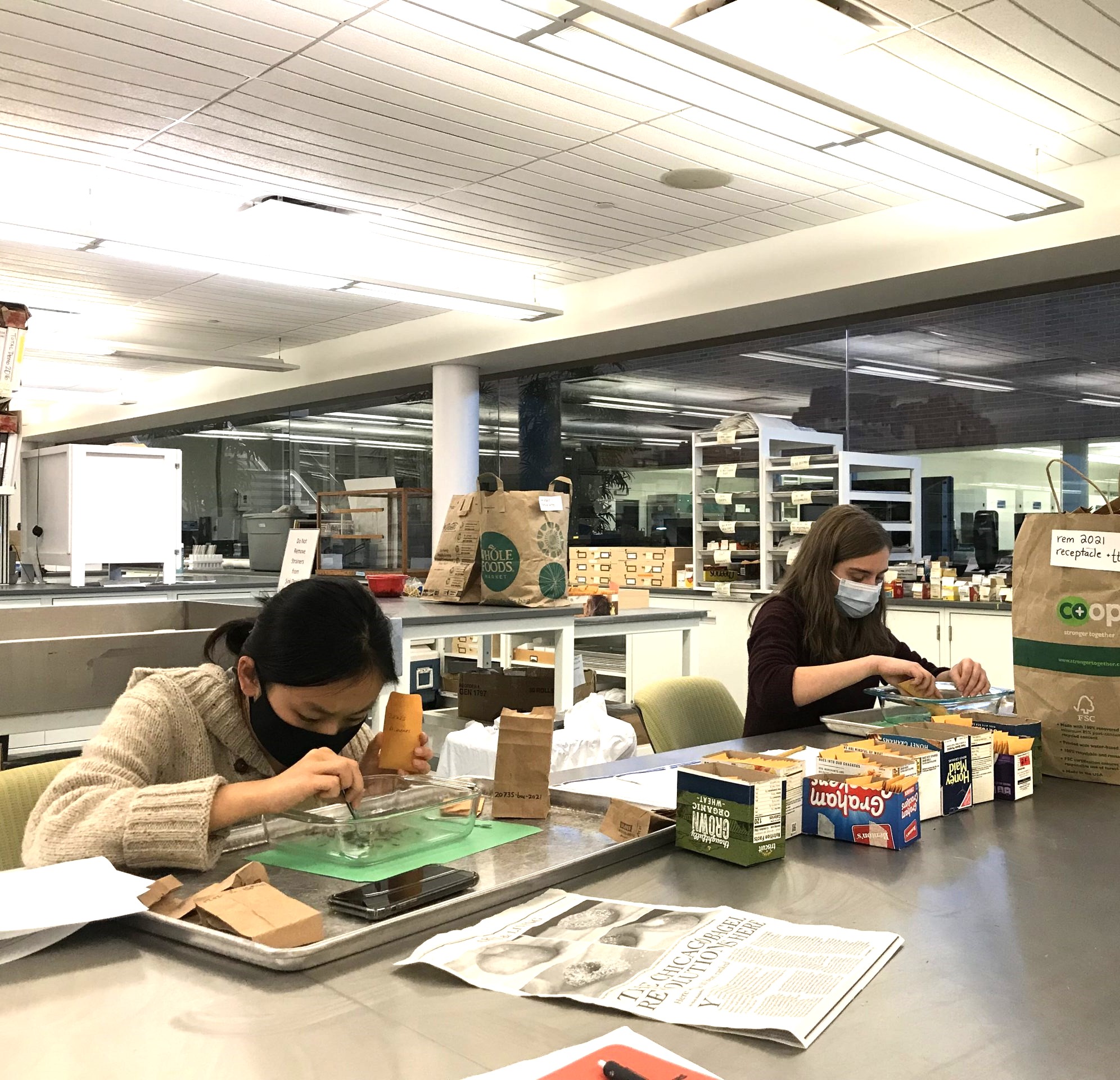
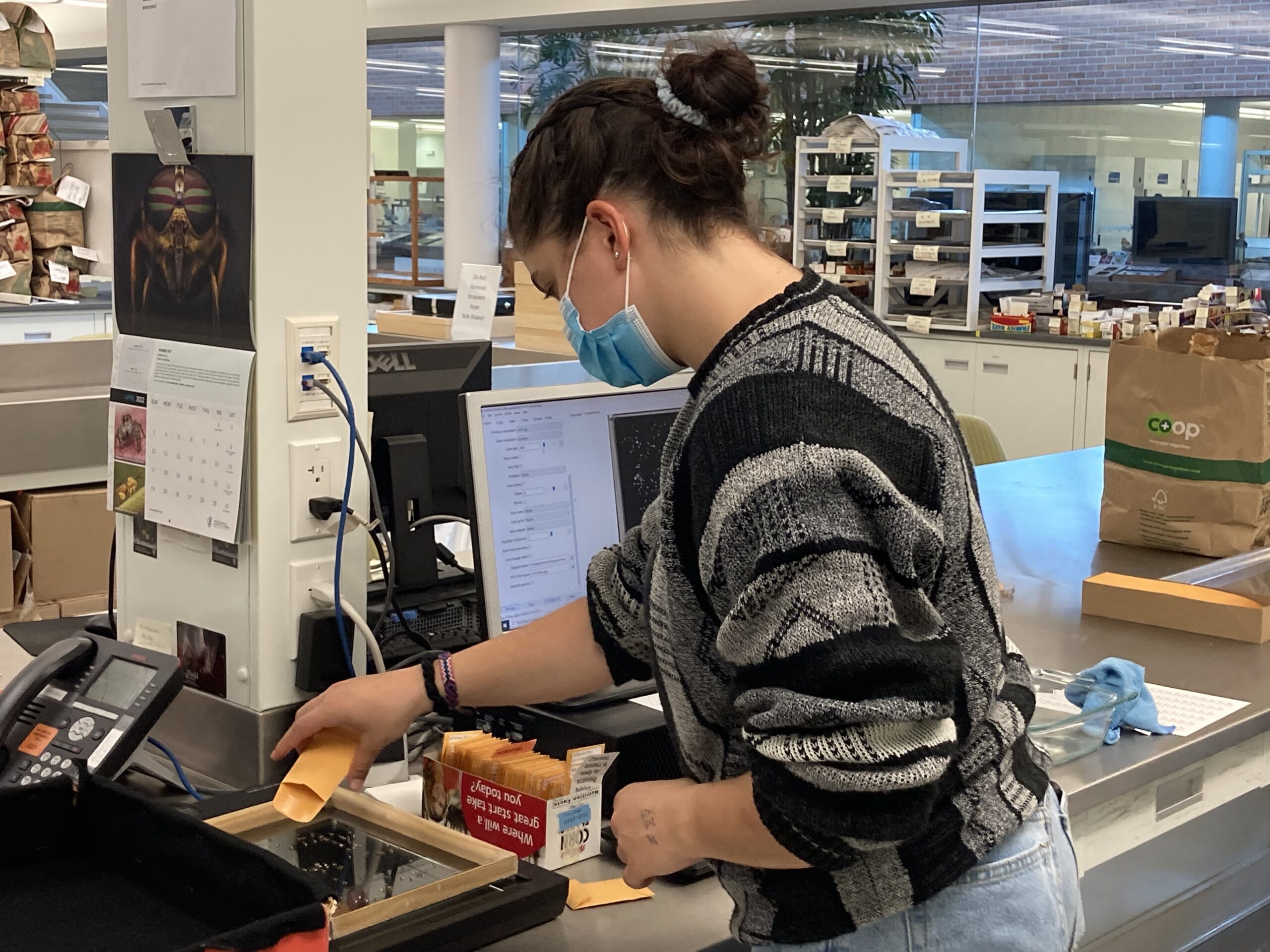
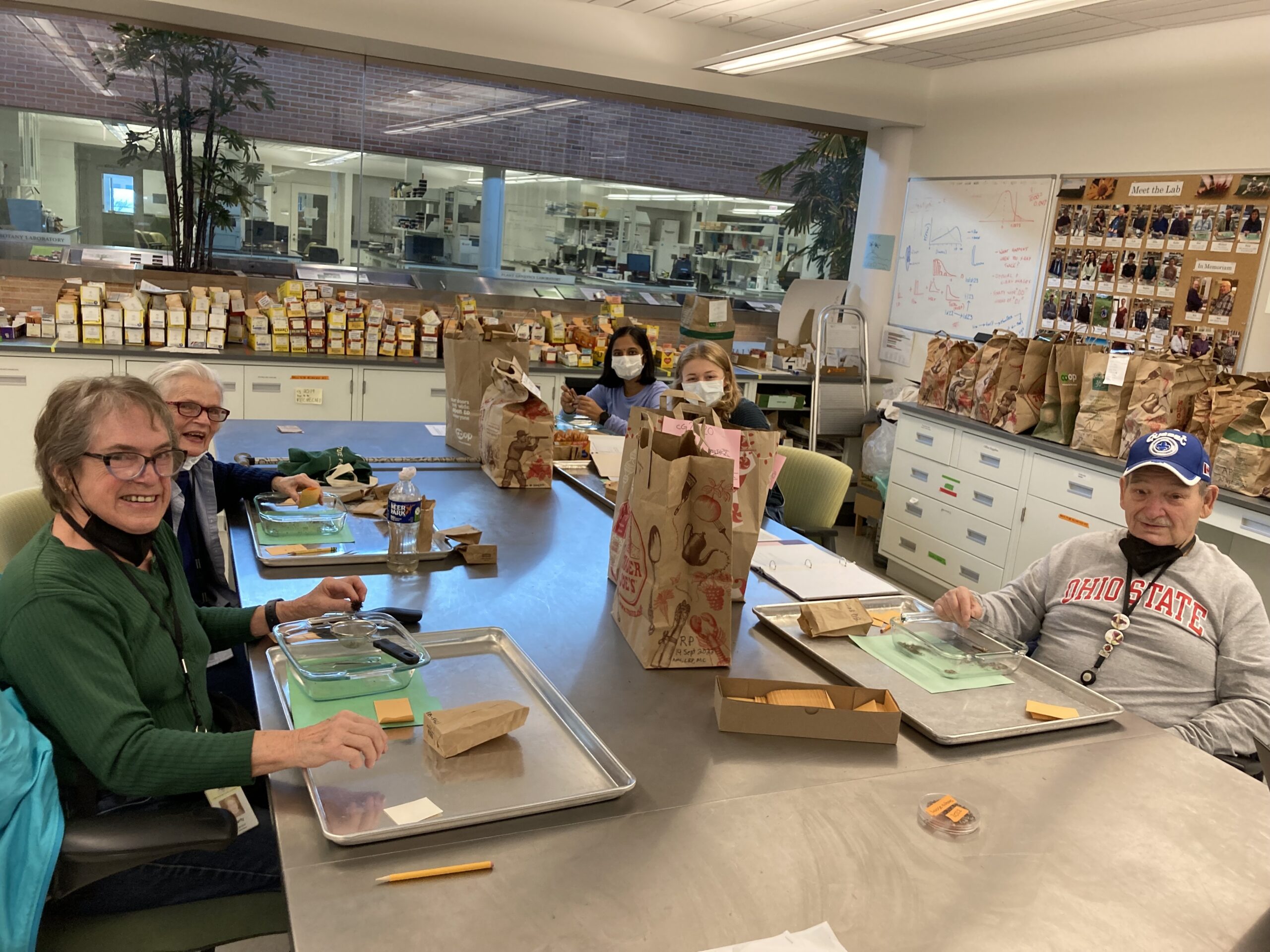
Luk and Sue cleanWanying and Caitlin recheckLake Forest College students recheck and scanKat scansAllen countsPriti randomizesMarty, Char, Padmini, Caroline, and Allen agree: it’s a team effort!
Jared is currently adding the achene count and seed set data to the remnant data repository on the Echinacea Project website. All achenes are currently in the dehumidifier at the Chicago Botanic Garden. After two weeks of drying, they can be stored in the seed bank.
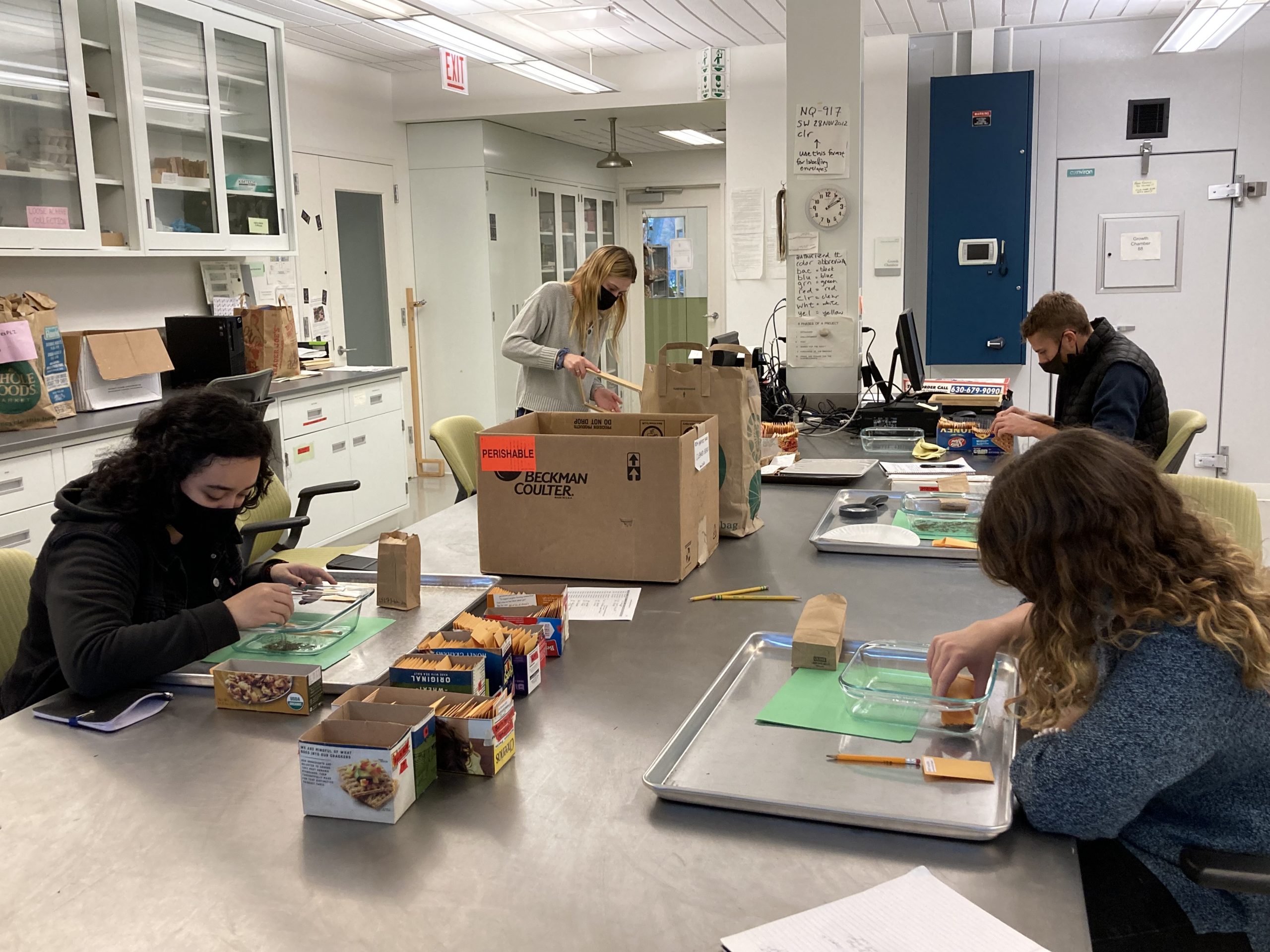
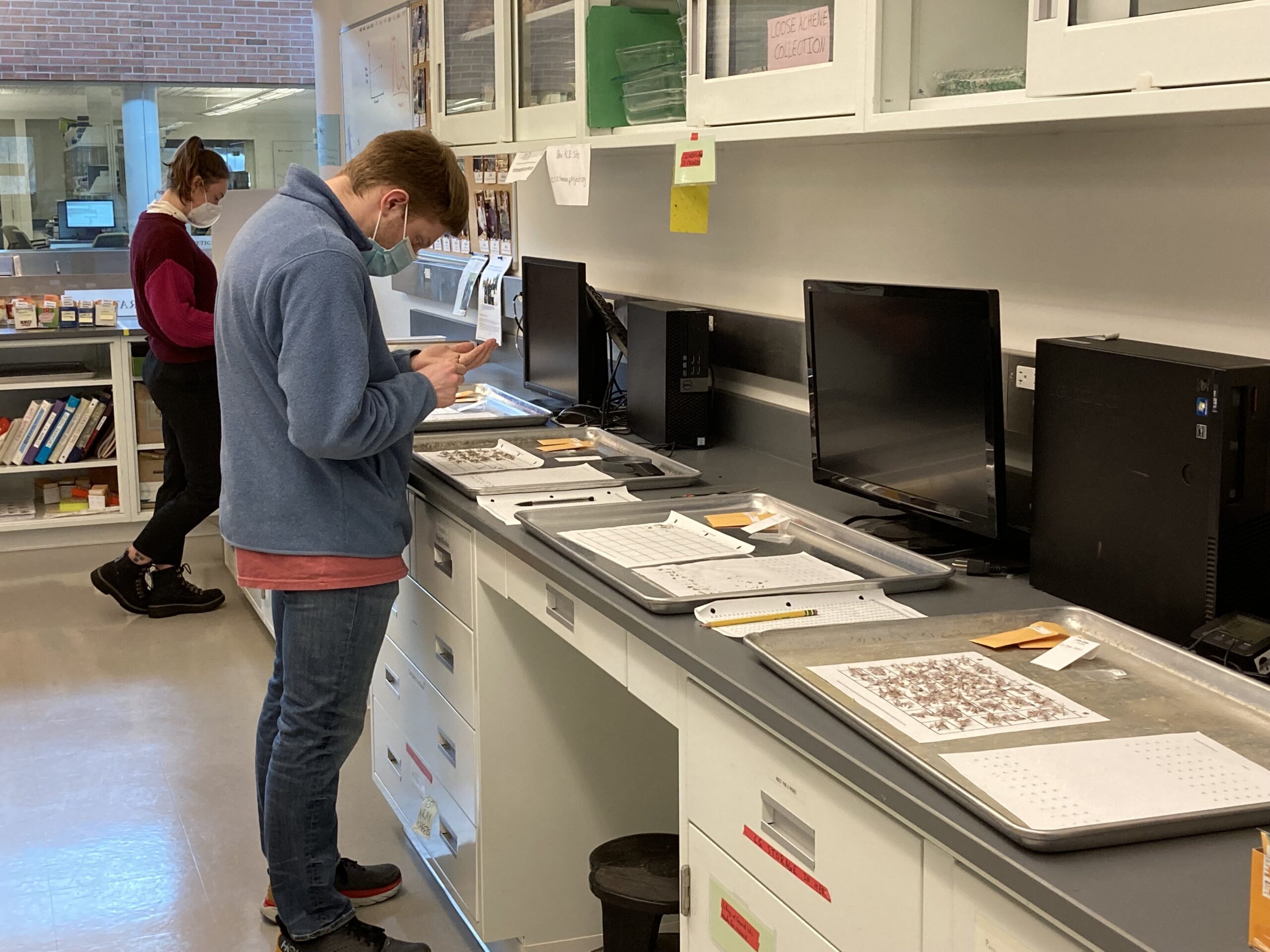
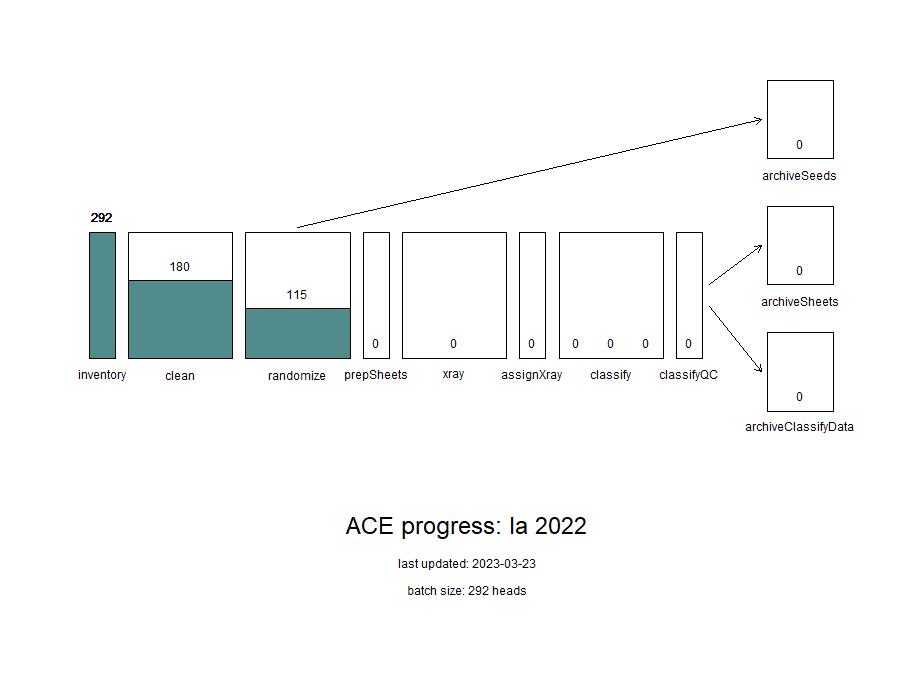
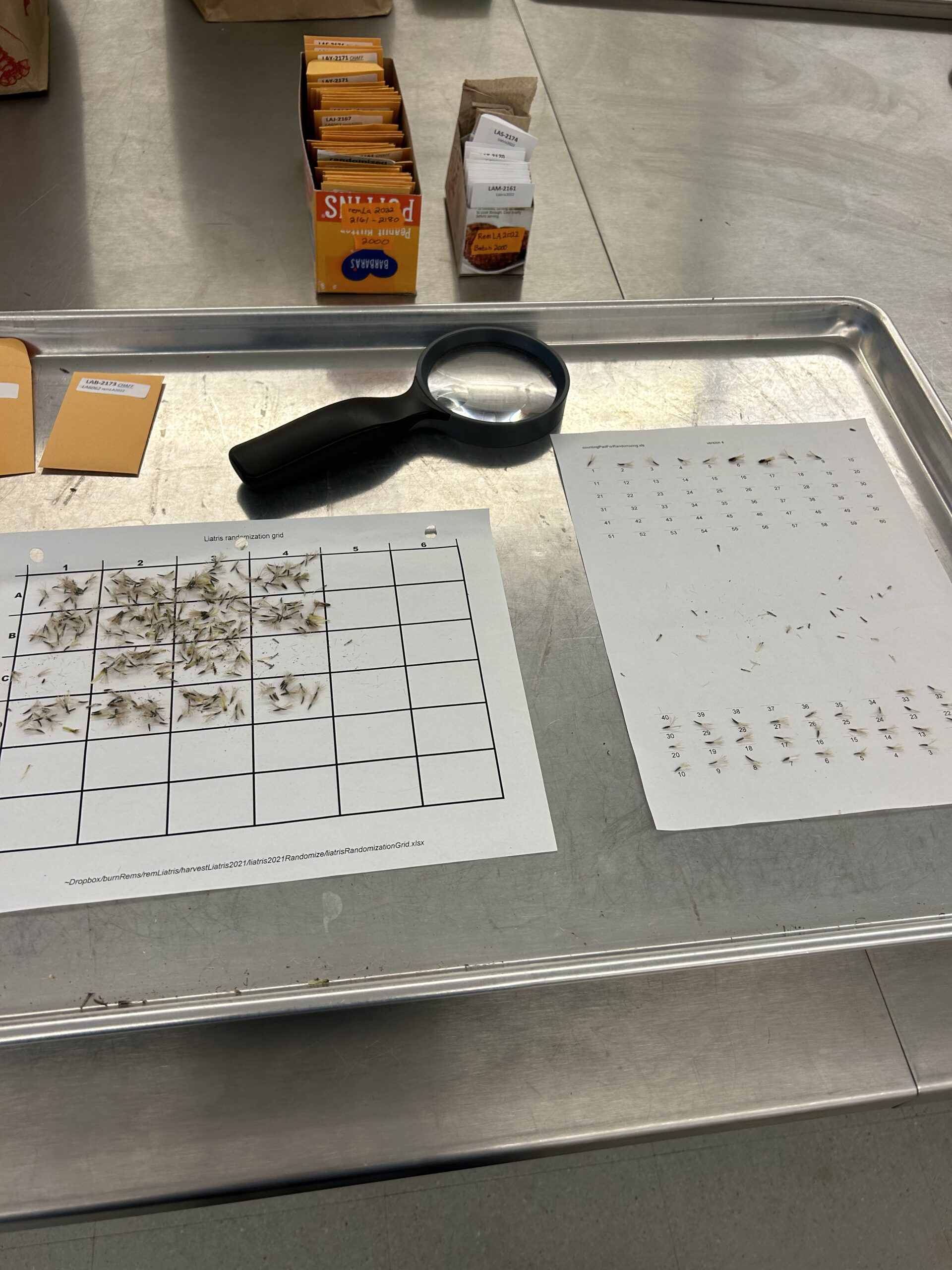
I know it has been a while since I last gave you all an update, but we have some good news to share! We managed to finish cleaning the third batch and are close to completing randomization for the second batch. I will say our progress has been pretty steady before the last update I shared with you, but we decided to out some ways to accelerate processes, such as randomization. We created an assembly line (shown in the image above). We tasked people to either set up the stations by pouring and spreading out the achenes onto the randomization grids or randomly select grids in which achenes will be inspected for predation. We found this setup to be much more efficient, and hopefully, by the end of next week, we may have three batches fully cleaned and randomized. However, our initial goal of completing five batches may be somewhat too ambitious, so instead, we decided to just focus on three batches so there may be time to collect and analyze the data. In the figure below, you will find our overall progress made on the project, and given that my focus would be on studying predation rates on Liatris plants, the stuff that comes after randomization does not necessarily apply to the findings I will need. With that said, those other sets of data will most likely be of use for other studies, and the Echinacea Project will most certainly take a look into those things. Overall, things are looking good for us with the project, and I cannot wait to see the results soon.
P.S., I did not have a chance to specifically address my project’s intentions in an ABT prompt, so here it is: “We know that Liatris plants get eaten more often than Echinacea plants, and predation rates tend to be higher in the absence of fires, but we do not know which types of which types of Liatris plants may be more likely to be eaten than others. Therefore, we are studying how the number heads of a Liatris plant affects the predation rate on the plant’s achenes.”
Pollinators are declining worldwide, a phenomenon that some people are calling the insect apocalypse. There are many factors driving these population declines, and loss of habitat has been identified as one major cause of insect demise. In our study area in western Minnesota, we have seen numerous prairie patches converted to agriculture over the years. However, we don’t know how the bee community has changed over time across the landscape. To investigate these questions, the Echinacea Project started the Pollinators on Roadsides project back in 2004, and we collected another year of data this past summer. In the fall, we brought 7 coolers of insects back to the lab at the Chicago Botanic Garden.
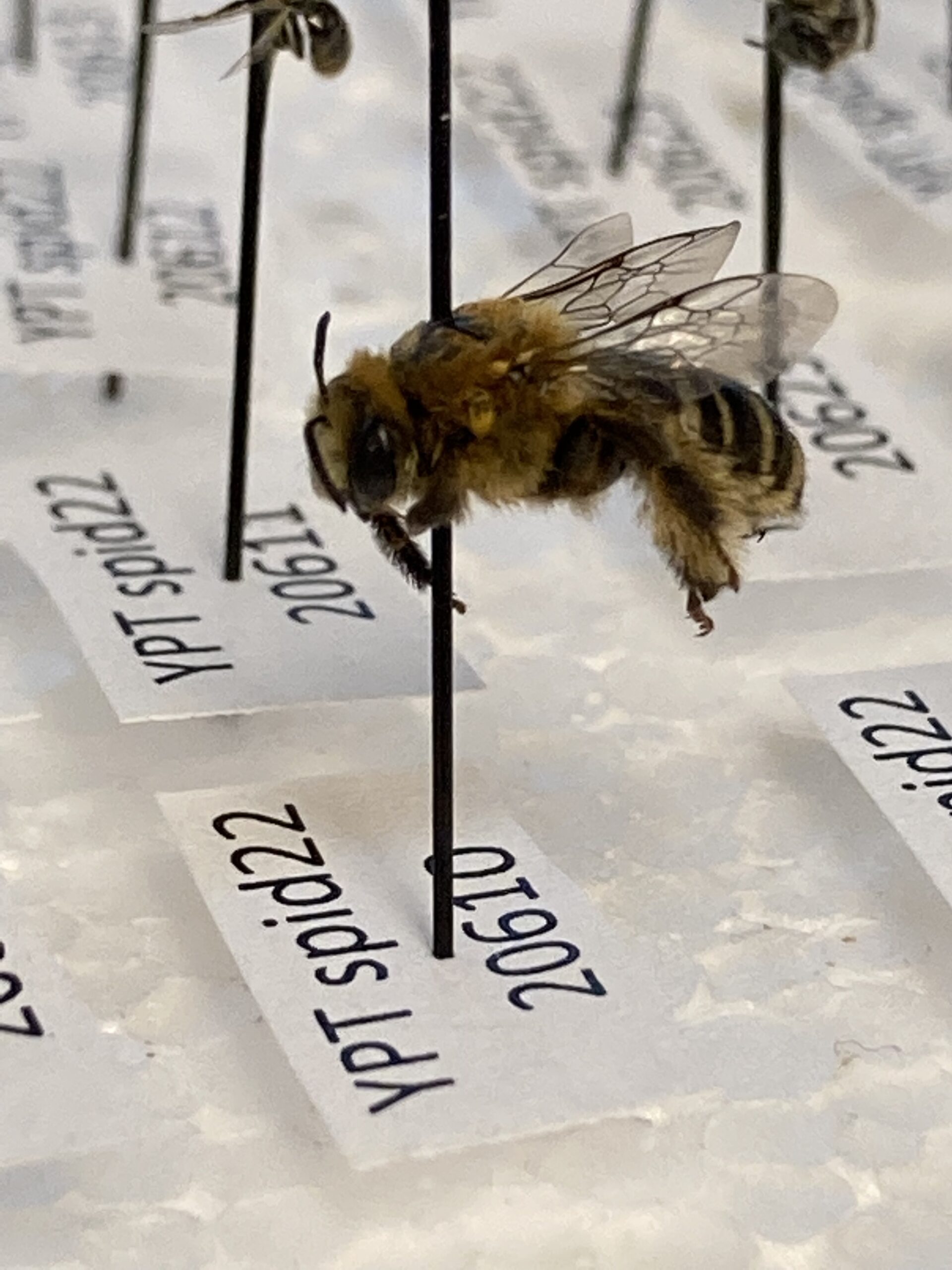
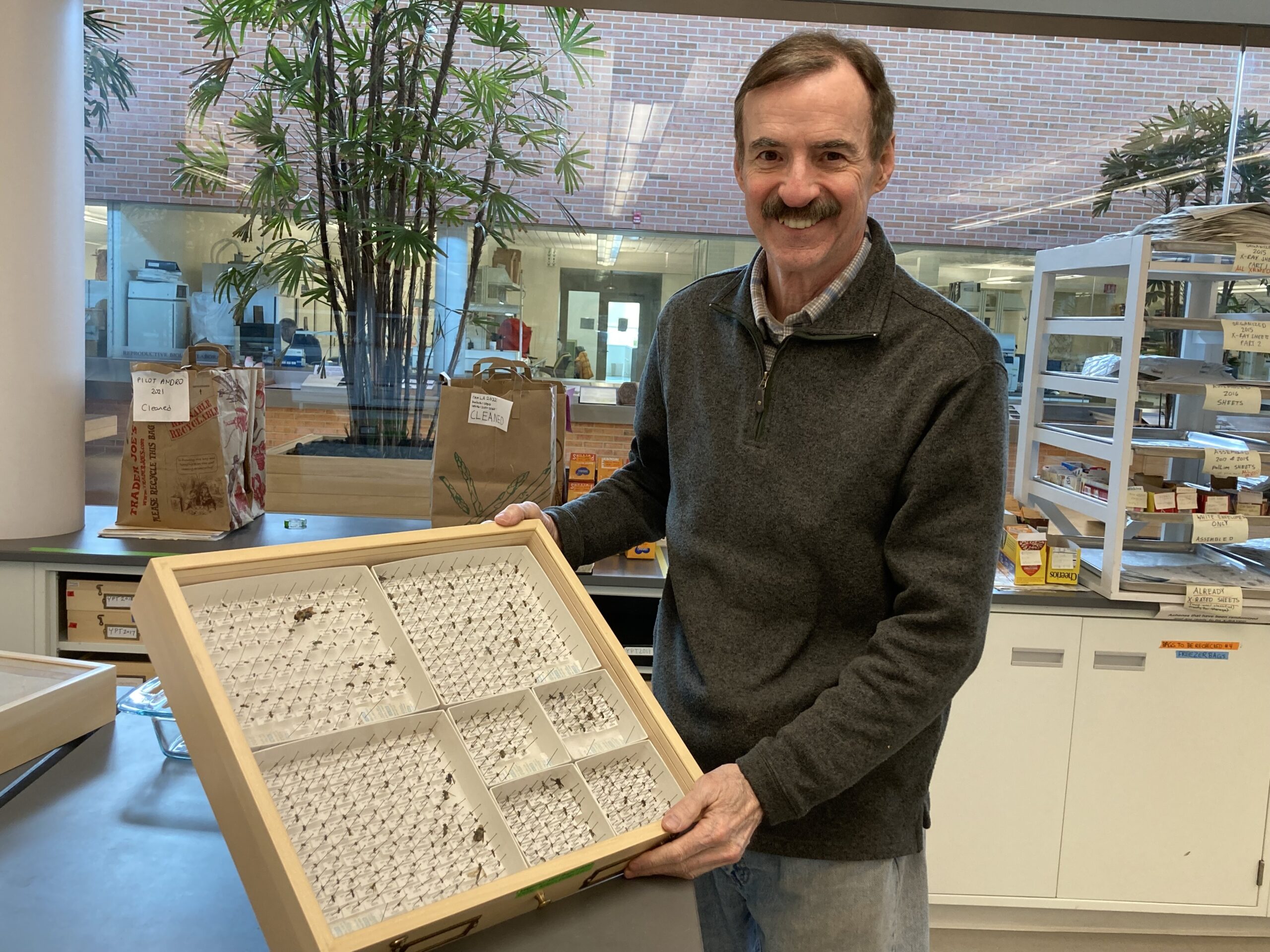
This winter and spring, volunteer Mike has been busy as a bee pinning all the specimens so we can send them to Zach Portman, a bee taxonomist at the University of Minnesota. This week, Mike started working on the last cooler of bees! So far, he’s pinned 680 insects collected in 2022.
The 610th bee from summer 2022Mike shows off the 2022 bee collection
Funding for this project was provided by the Minnesota Environment and Natural Resources Trust Fund as recommended by the Legislative-Citizen Commission on Minnesota Resources (LCCMR). The Trust Fund is a permanent fund constitutionally established by the citizens of Minnesota to assist in the protection, conservation, preservation, and enhancement of the state’s air, water, land, fish, wildlife, and other natural resources.
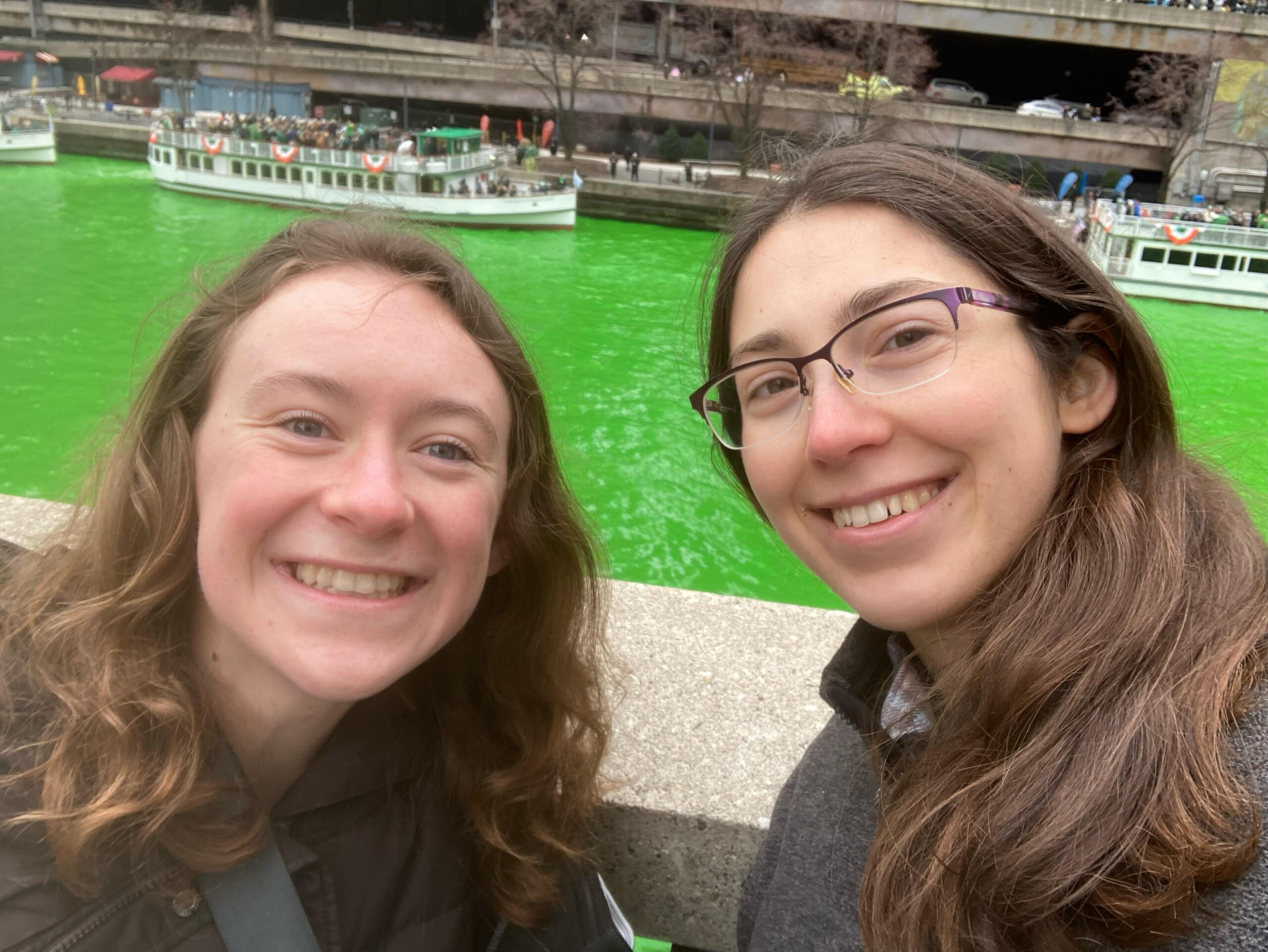
Two weekends ago, Alex and I ventured into the heart of downtown to witness the annual dyeing of the Chicago River! I knew of this tradition prior to being in Chicago, so I was excited to witness the event in person!
The origin of the dyeing began in 1955 when Chicago mayor Richard J. Daley took office and began efforts to clean up sewage leaks in the river. A green dye was implemented to determine the source of the waste. Later, Daley proposed using the same dye to celebrate St. Patrick’s Day; however, the ambitious mayor wanted to try and dye parts of Lake Michigan green instead of the river! Eventually, Daley was persuaded by friend and business manager of the Chicago Plumbers Union to stick to the river for the holiday festivities. In 1962, Chicago city workers added almost 100 pounds of an oil-based dye to the river, beginning an annual tradition.
With festivities beginning at 10 am, Alex and I arrived early in the city and grabbed some breakfast. We made our way to the river around 9 am, and all the surrounding was packed! Luckily, we found a clear view tucked behind an Apple amphitheater where a presentation about the latest Apple technology was being given prior to the dyeing.
Every year, members of the Chicago Journeymen Plumbers Local Union 130 change the river to a bright, emerald green. These days, the dye used is a top-secret vegetable-based formula supposedly safe for the environment. We were surprised that the dye is actually a bright orangeish red powder! One boat releases the dye while a few other boats navigate the river and mix the dye.
Following the river dyeing is the annual St. Patricks’ Day parade. We saw many kilts, bagpipes, and even a marching band from Minnesota!
Bagpipes galore!
After a tiring day of St. Patrick’s Day festivities, we stopped to get some deep dish pizza.
The emerald green color only lasts in its brightest state for a few hours. However, I returned to the river this past weekend and hints of green still lingered!
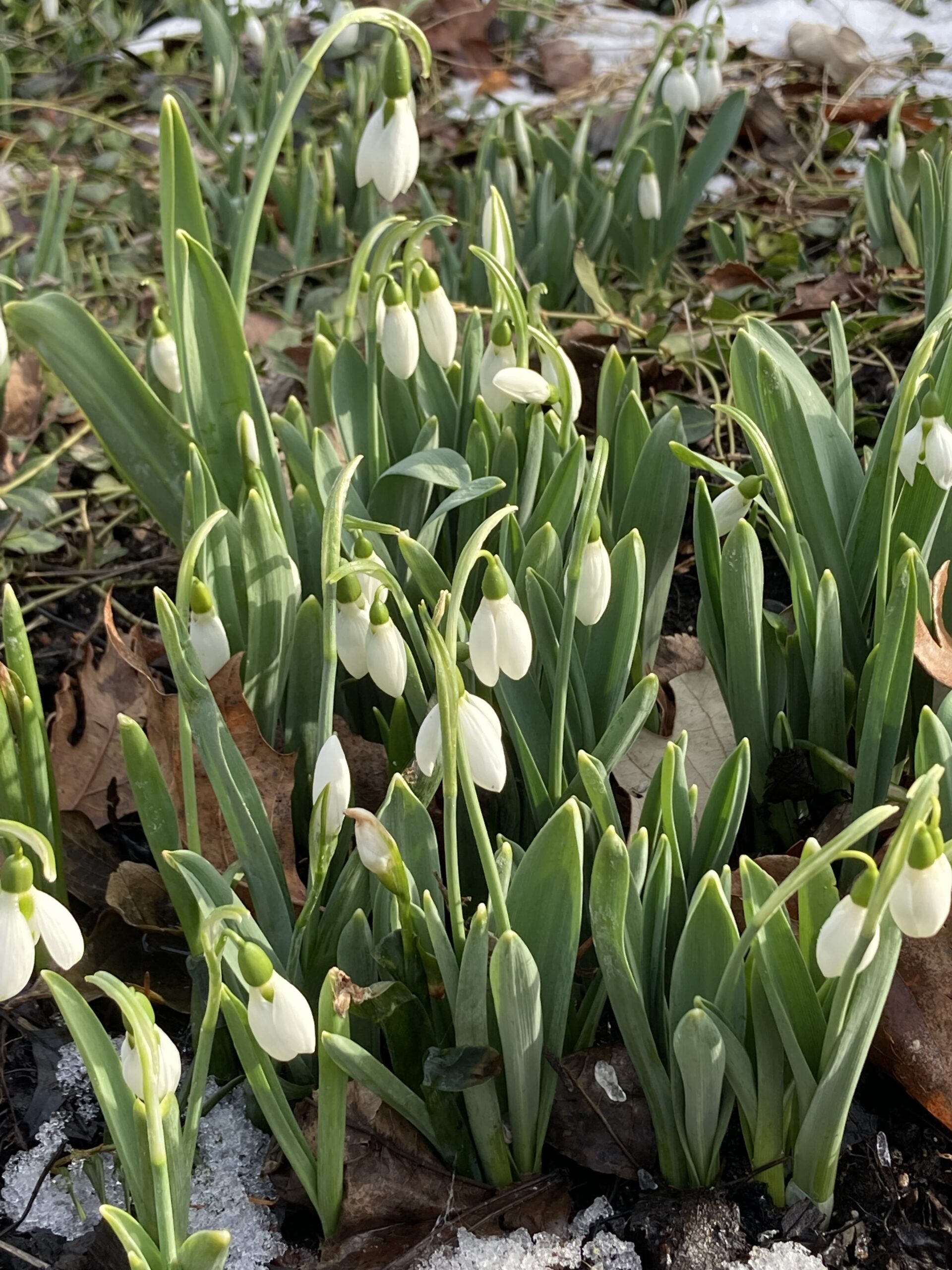
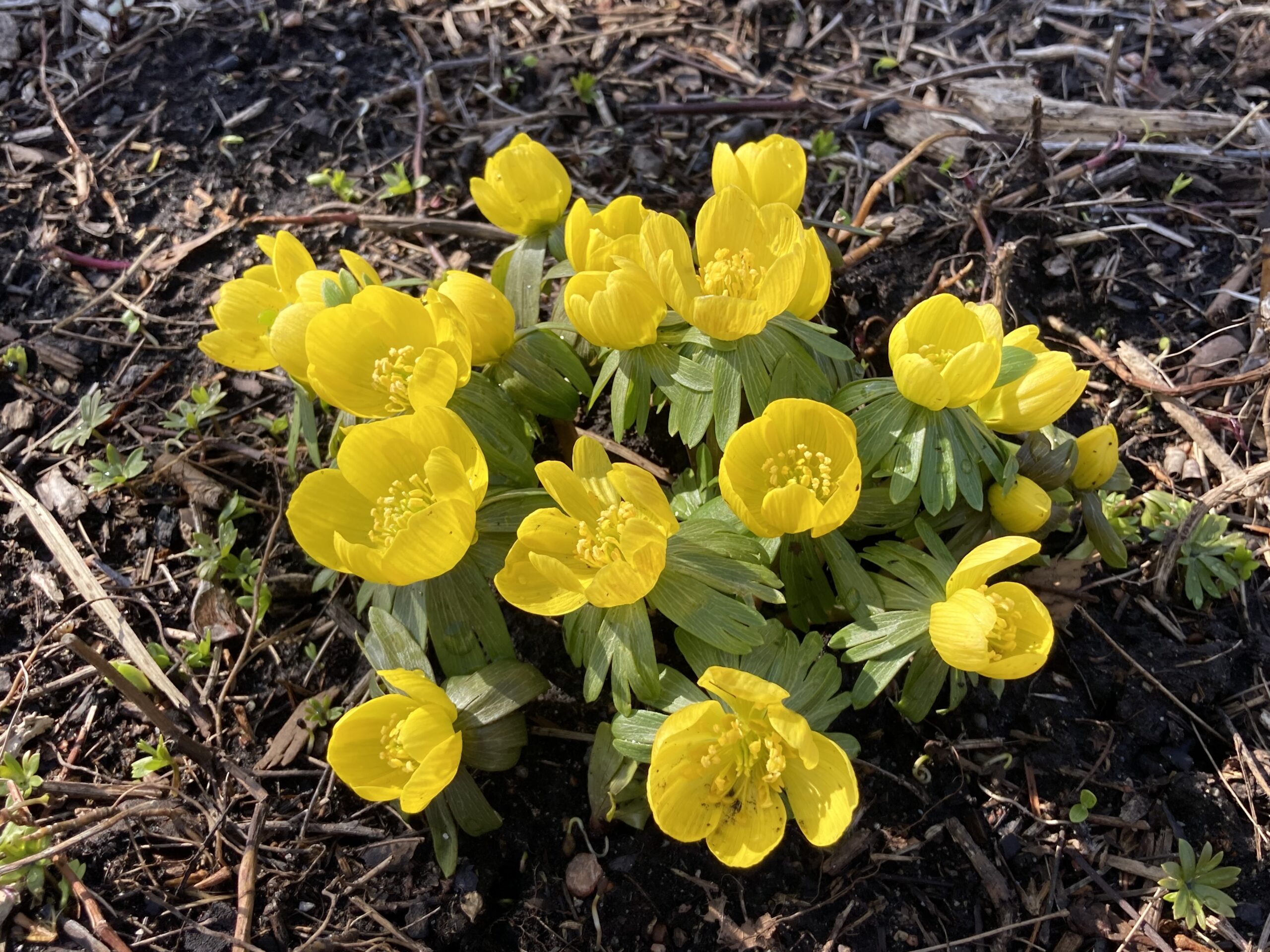
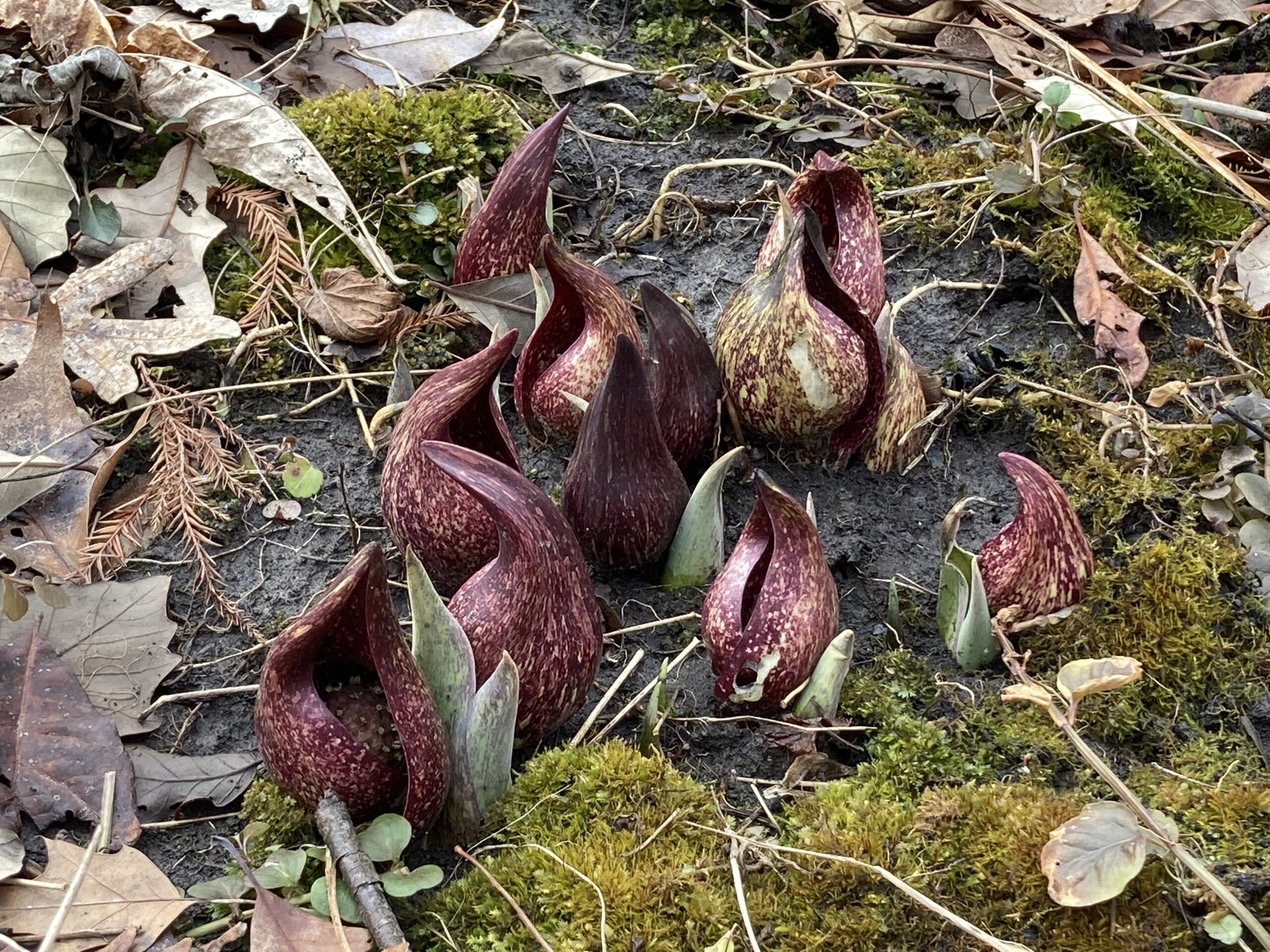
Happy Spring! Yesterday was the equinox, so now it’s officially in spring. It has been an unseasonably warm winter in Chicago, so it has felt like spring for several weeks here already. Lindsey and I spotted snowdrops flowering at the Morton Arboretum back on February 18. Here at the Botanic Garden, the winter aconite and crocus plants and are currently in bloom. The skunk cabbages are also looking spiffy.
February snowdropsUp-close and personal crocusCheery winter aconite
In contrast, Minnesota has experienced the eighth snowiest winter on record, and our field site was buried under >1 foot of snow all winter. The snow still hasn’t all melted, so it will be a few weeks before the spring ephemerals make an appearance. Hopefully, we’ll get to experience spring twice: once in Illinois and once in Minnesota!
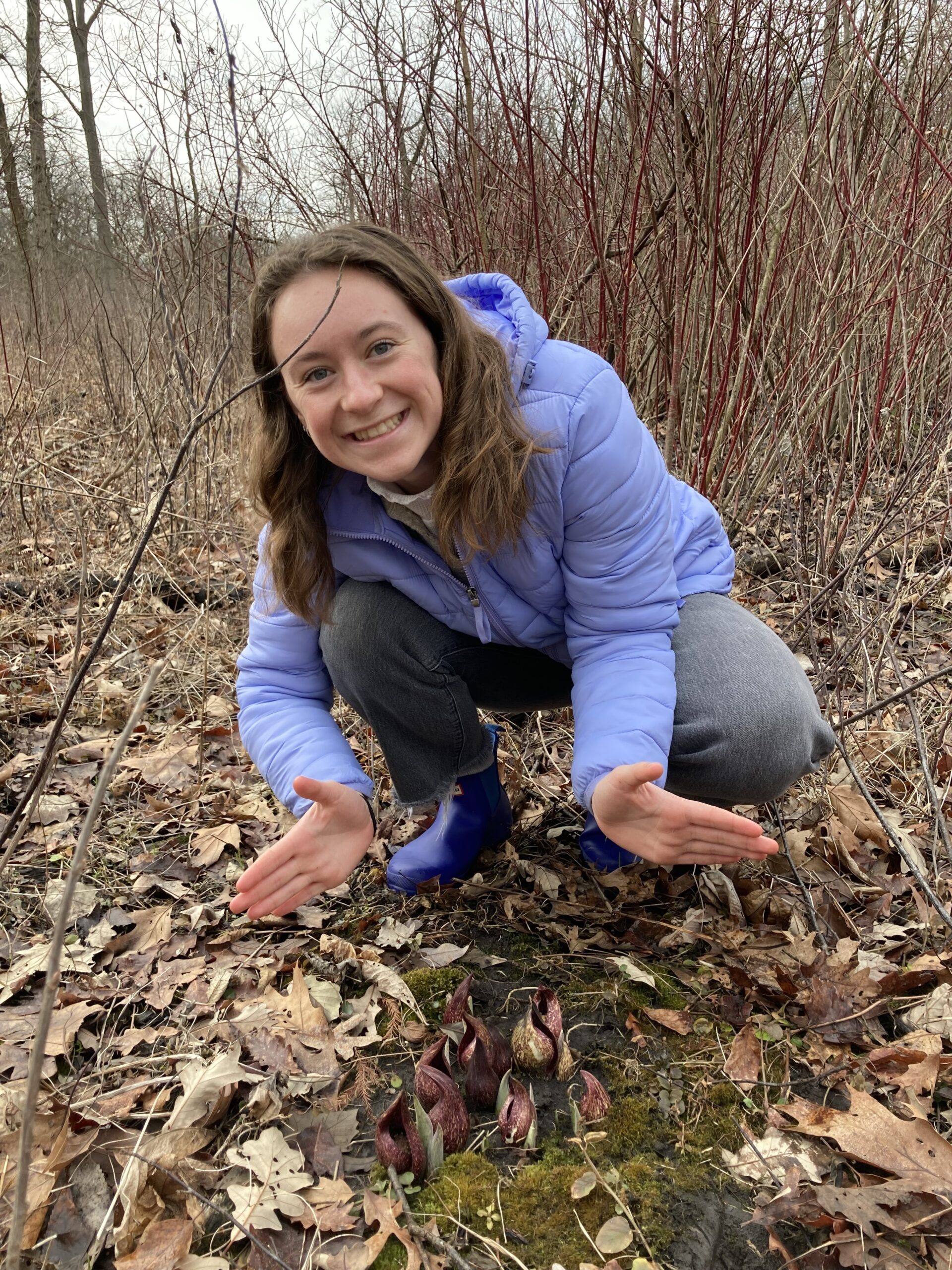
Skunk cabbage!The skunk cabbage is well camouflaged
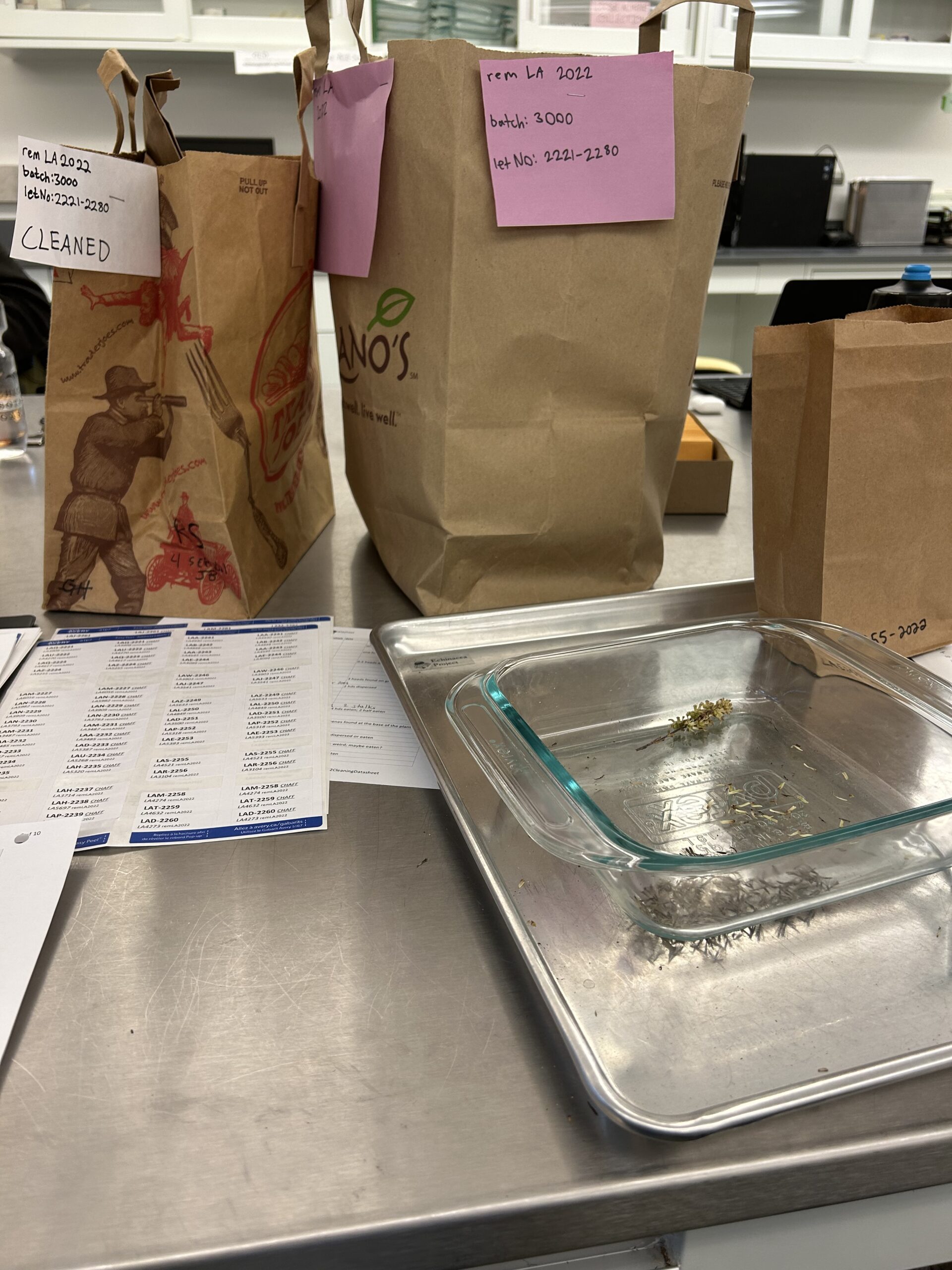
We made it to the third batch for the cleaning procedure! After completing the first batch for randomization last week, we needed to pick things up on cleaning, and we hit another promising milestone. Ultimately, we wanted the cleaning process to stay well ahead of the randomization process, and we did manage to get ahead of ourselves some on randomization last week. We made much more progress in that department than I had envisioned, and we caught up a little too much concerning cleaning progress. We focused on cleaning all this week, and now here is where things stand. There is still much more to go, but we are steadily getting there.
Good news! We managed to get through randomizing the first batch! Now we are working our way through the second batch, and so far, things have been going pretty well in terms of pace and efficiency for both cleaning and randomization. Overall, we have seen a considerably wide range of head counts in the Liatris plants, but predation rates have been relatively low compared to what was observed in 2021’s data. Who knows what we will find in the next several batches, but I am pretty excited about the progress made so far and the results we may see. Hopefully, we will complete the next batch within the next few weeks, if not sooner.