Today marks the first day since that frighteningly warm week in February when Abby and I have eaten our lunch outside. We celebrated this landmark day with a meander around some other parts of the garden, where blooms were abound.
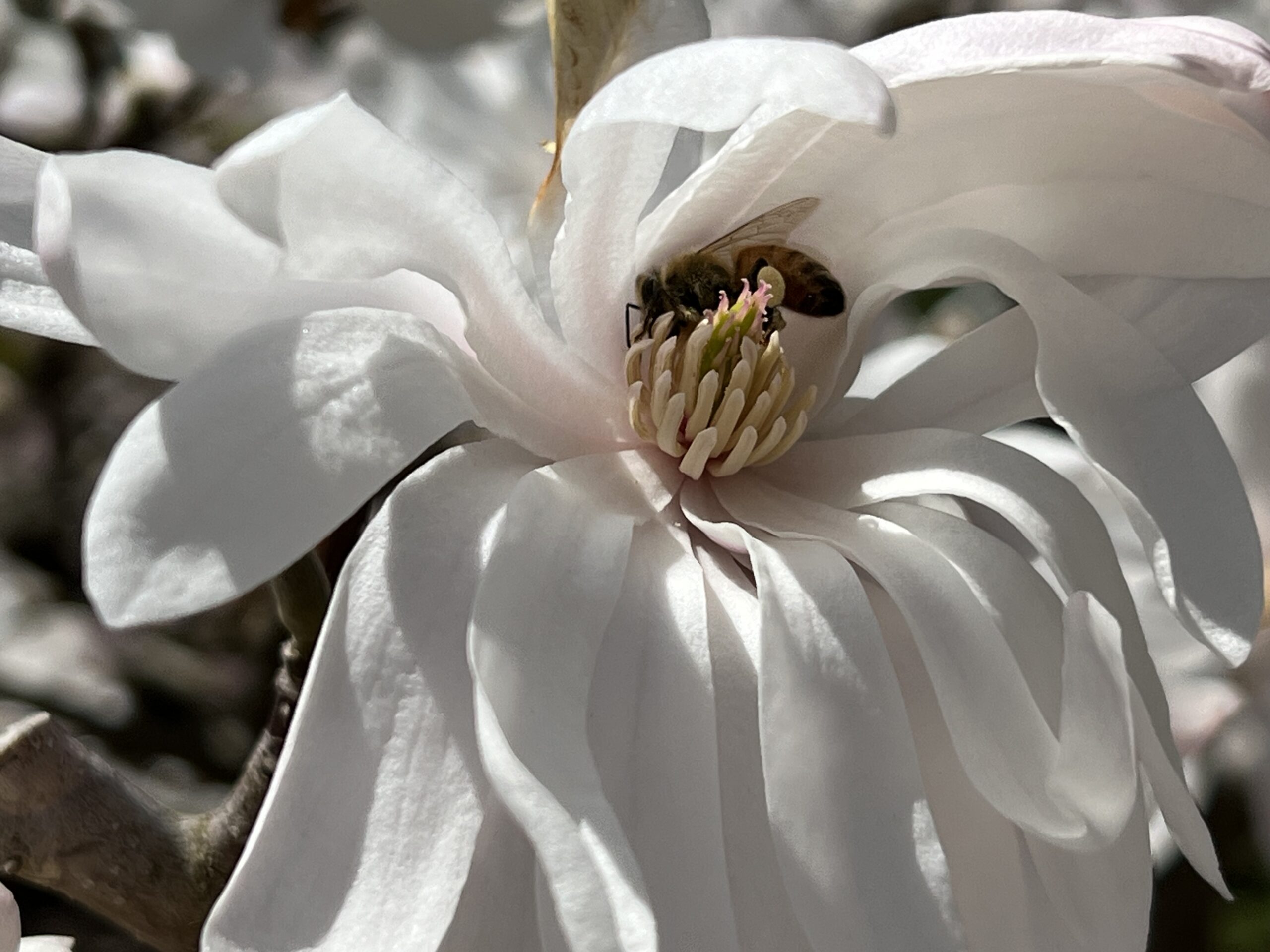
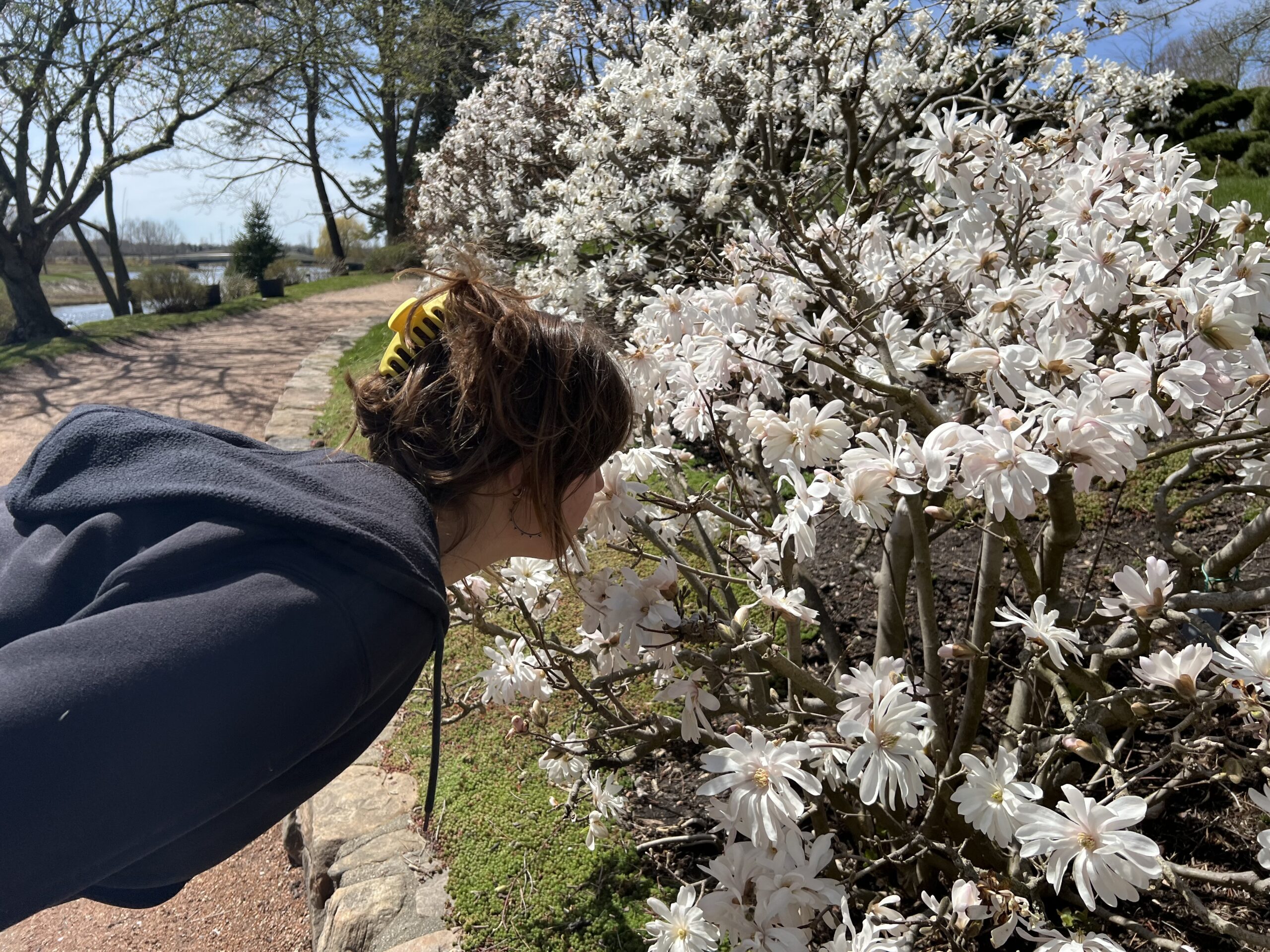
A pollinator (I don’t know anything about bugs) visits a magnolia in bloomThe pollinators aren’t the only ones getting all up in the magnolia’s business.
“Sweet and springy and full of hope and longing and wistful and… I’ll leave it at that,” Abby said, when asked to describe how she interpreted the flower’s aroma.
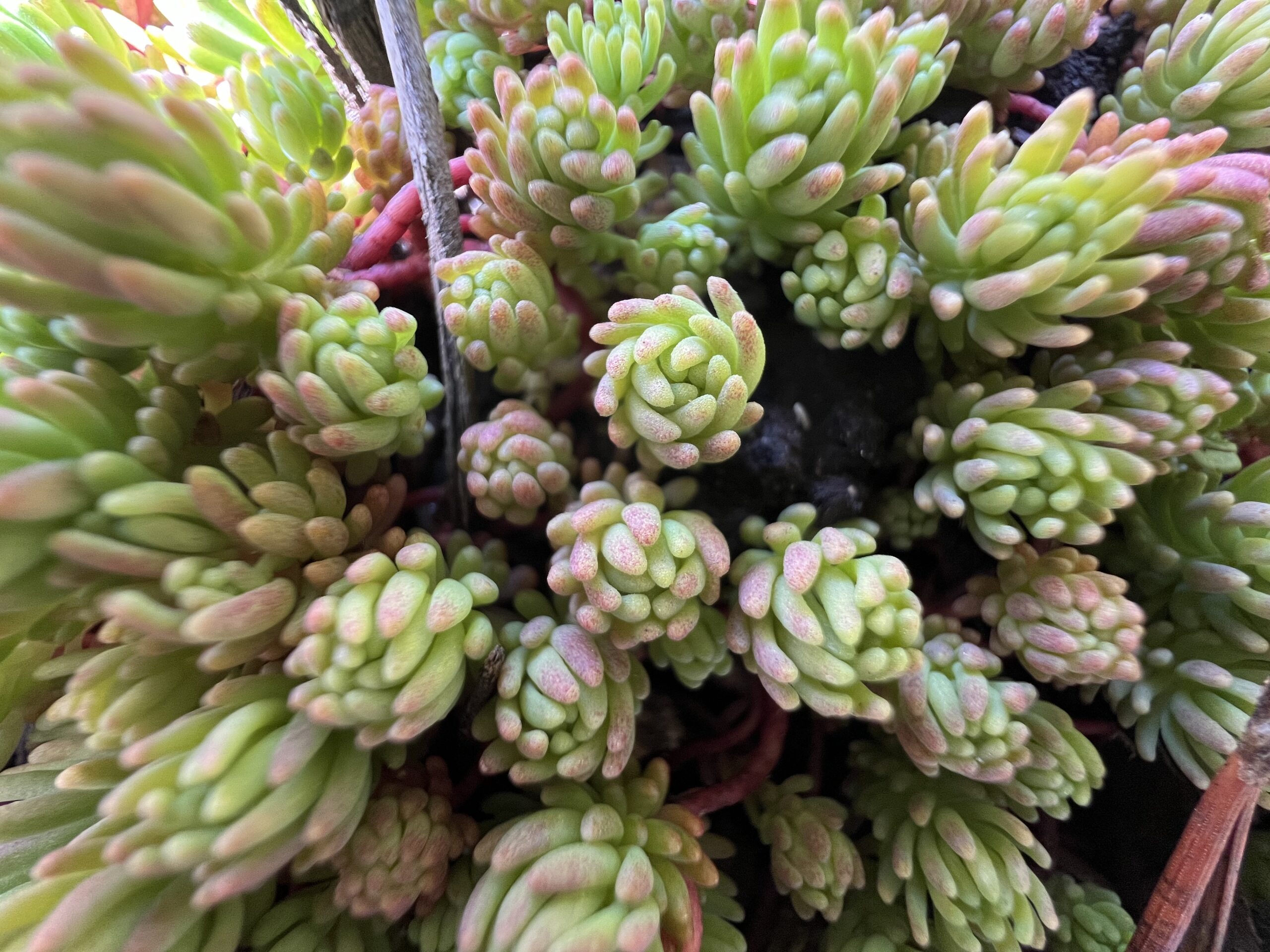
If you take a look below the magnolia in that photo, you’ll see a bunch of green stuff on the ground. Here’s a pic of it up close:
I also don’t know who these are. But aren’t they neat? They look so kind. Each is about the size of a fingernail.
Hopefully this spring is like a garage door spring and not a clicky pen spring. I’m ready for it to hit hard.
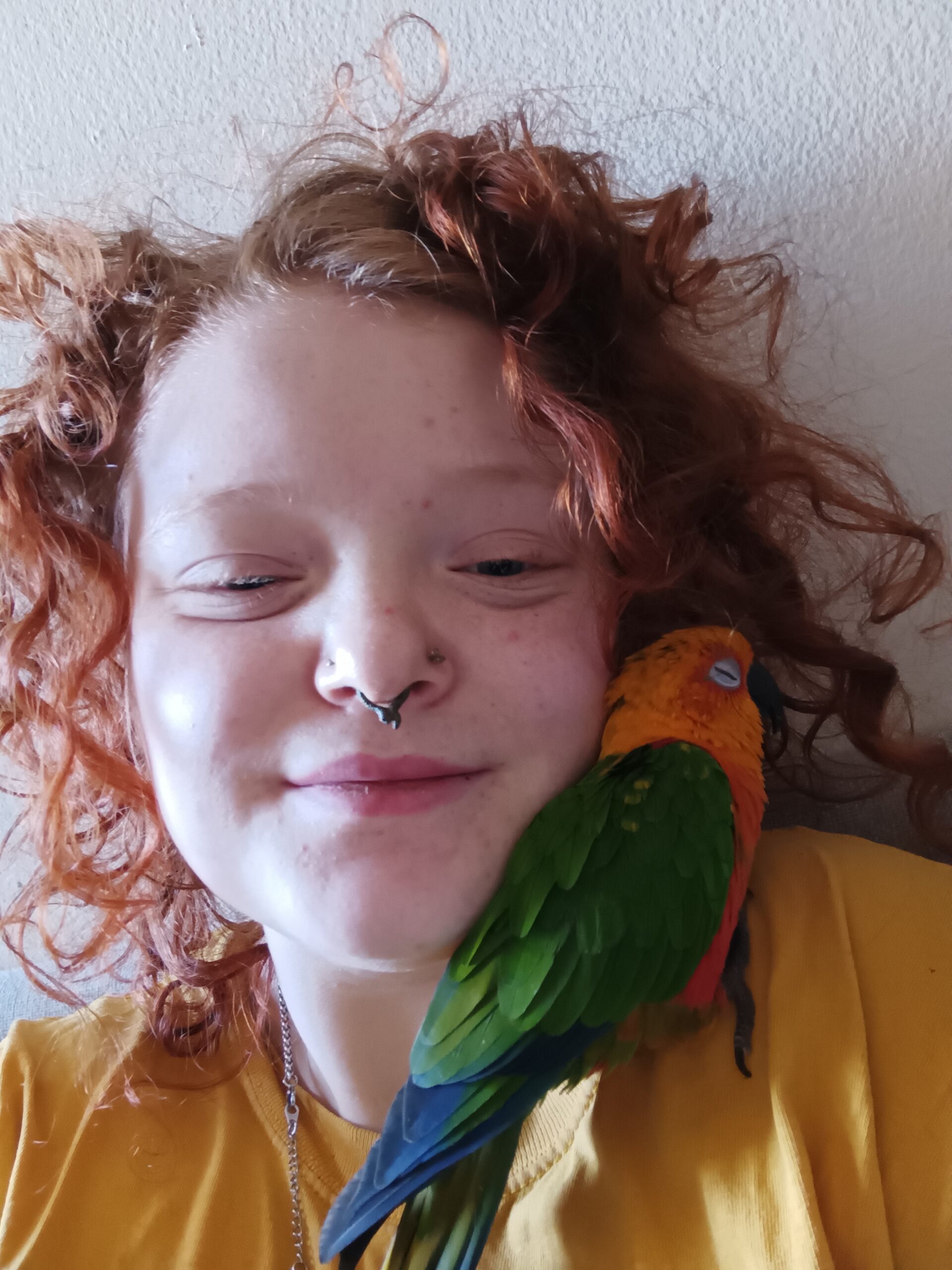
My name is India Wade, and I am a Junior at Northwestern University in Evanston. I’m studying Biology with a concentration in Ecology and Conservation. I’m working with the Echinacea project to complete a 398 independent study course, hopefully culminating in my own research project!
I’m from Sebastopol, California, which is about an hour north of San Fransisco, so I’m intimately familiar with wildfire ecology from a first hand perspective. While with the Echinacea project, I’m interested in learning more about fire ecology in a prairie environment, and am also interested in studying big blue stem (andropogon gerardi) as well as pollinator interactions (so, a little bit of everything).
I’m excited to get to know everybody here and learn more about prairie ecology, and hopefully make a difference in our conservation efforts!
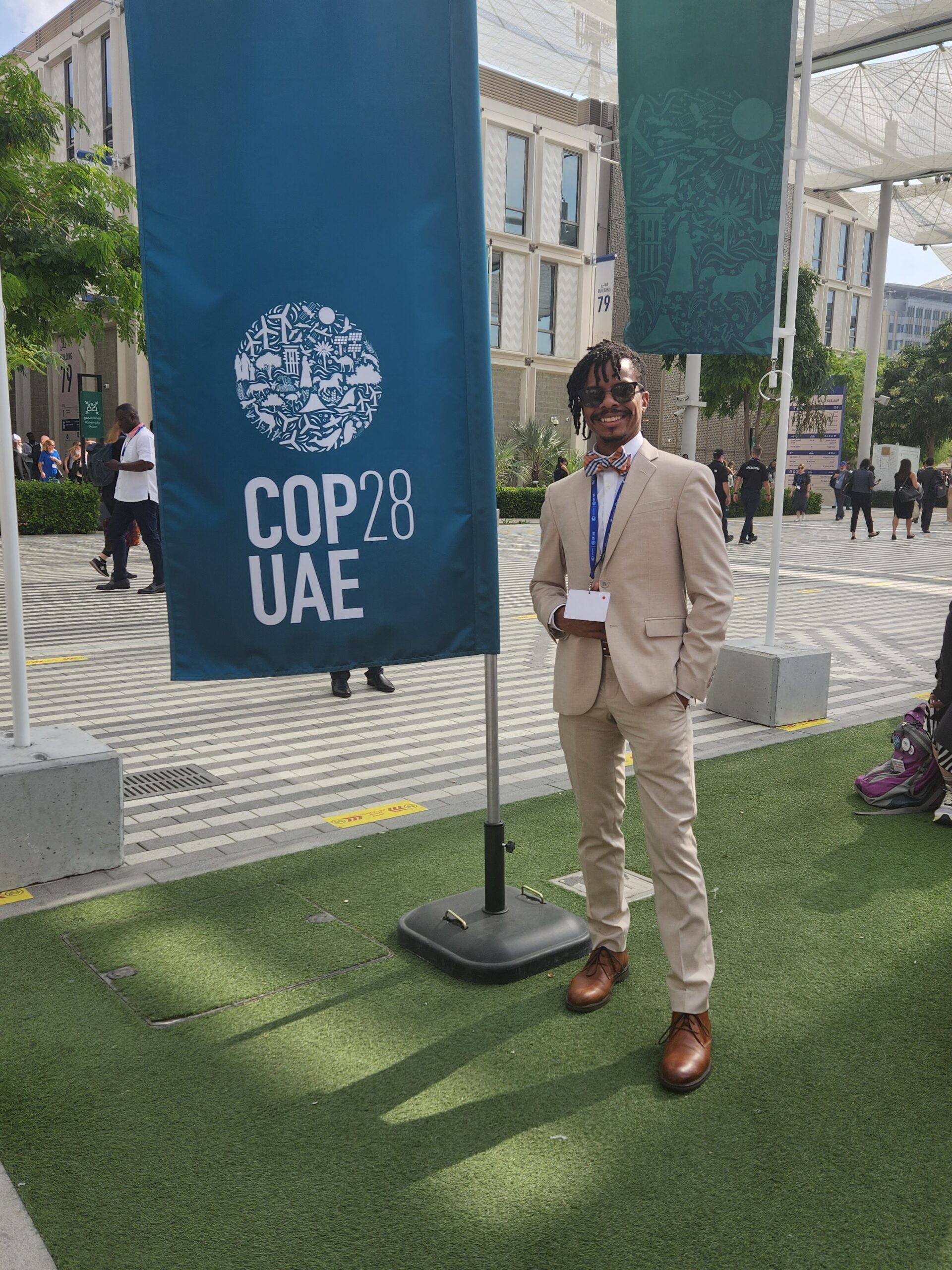
I’m Brian Lovejoy and I have the pleasure of joining the Echinacea Project for my spring quarter project assistantship. I am a PhD Candidate with Northwestern University’s Plant Biology and Conservation program. While working as a project assistant is a requirement for my program, I was ecstatic when I saw the description for this project! It is not often that I get the opportunity to work on pollinator studies, and I am greatly looking forward to the experience.
My research involves understanding the connections between human behaviors and perceptions and urban development practices with a focus on lawn ownership and cultivation. I get to work with an incredible team of scientists to find different alternatives to traditional lawn applications in order to find potential solutions to urban ecological issues as well as addressing urban restoration goals. My project specifically focuses on understanding how lawn alternatives might impact urban flood frequency, and the scale at which lawn alternatives might be implemented to have an impact. This work involves interviewing homeowners, a pilot-scale hydrology experiment, and lots of GIS (Geographic Information Systems).
My contribution to the pollinator study will be to use GIS as well as other mapping software applications like google earth to characterize the landscape in which the experiment is taking place in order to shed light on the diversity and abundance of pollinators within the project area. I look forward to working with the team on this project and continuing to learn and grow as a scientist!
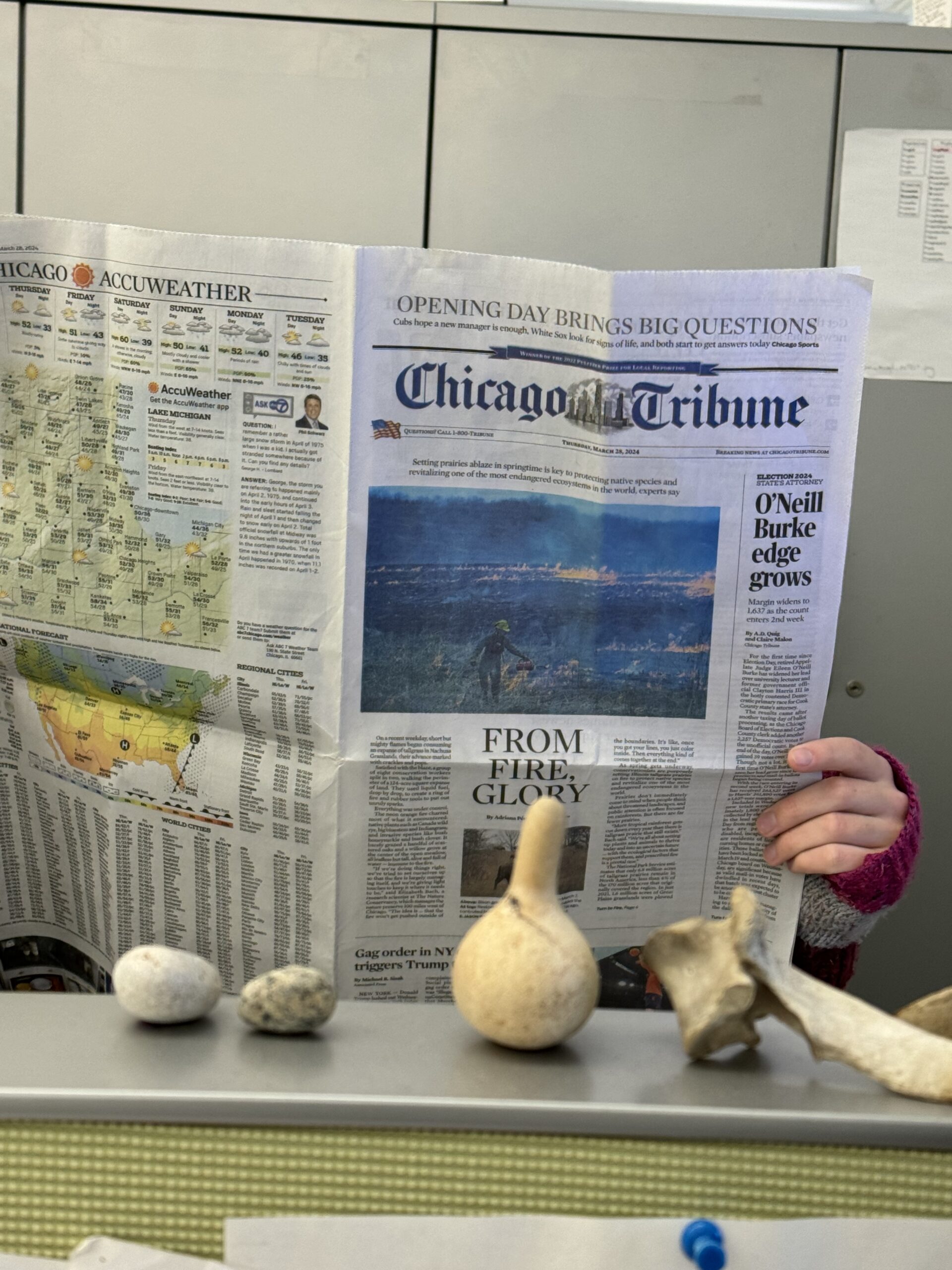
It’s burn season in the Chicago area and prescribed fire has gotten lots of attention in the media recently! Check out this front pager in Thursday’s issue of the Chicago Tribune focusing on prescribed fire at Nachusa Grasslands.
Stuart prescribed some light reading today.
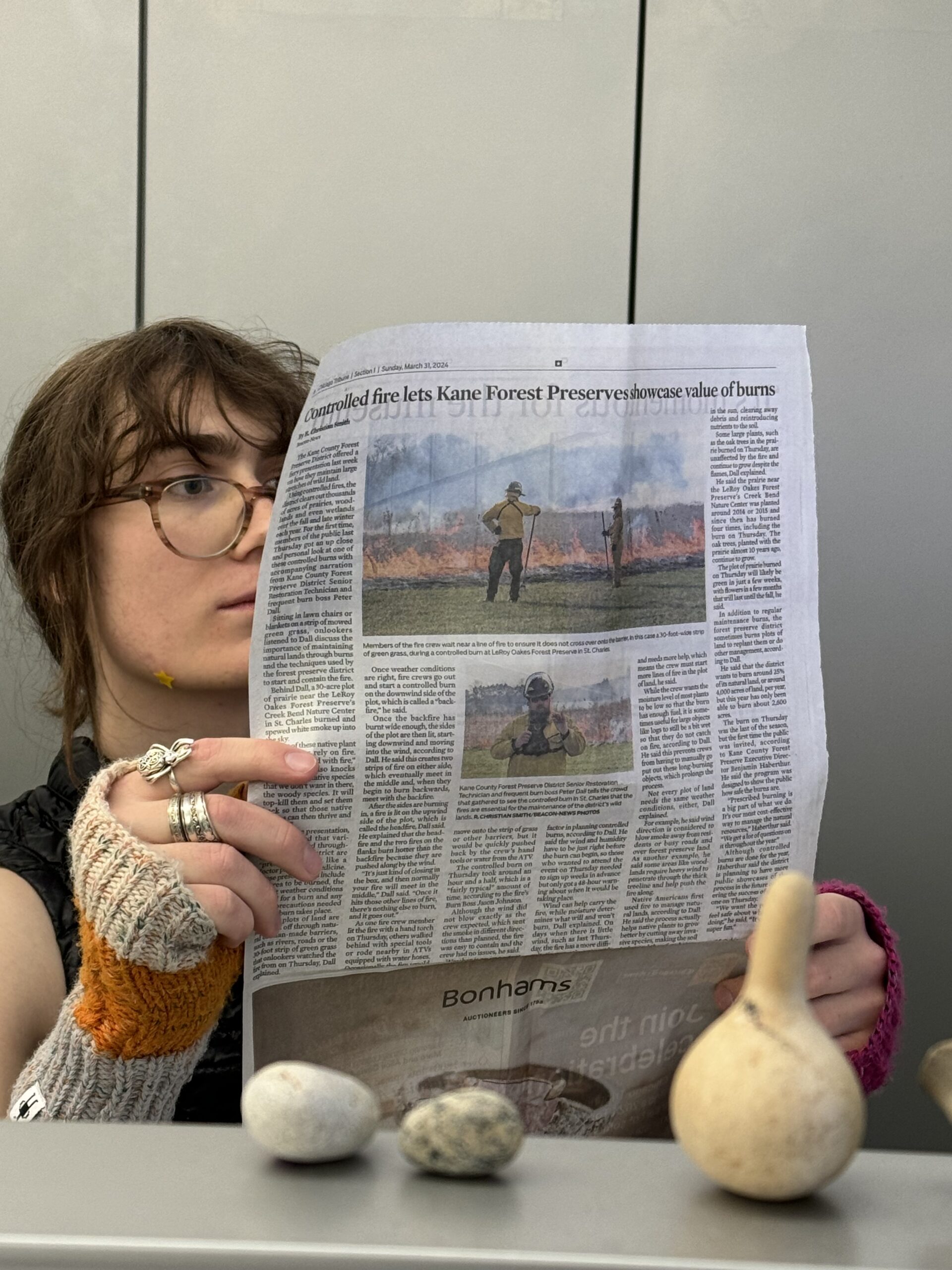
There was also a Sunday feature on prescribed burns in Kane County. It’s a lot less wet and snowy here than up north, and for those of us that burn in western Minnesota, we are used to waiting our turn. But we are antsy for our season to start!
Wyatt wonders when she will next be able to step onto the fire line as she reads these articles. Soon, Wyatt. Soon!
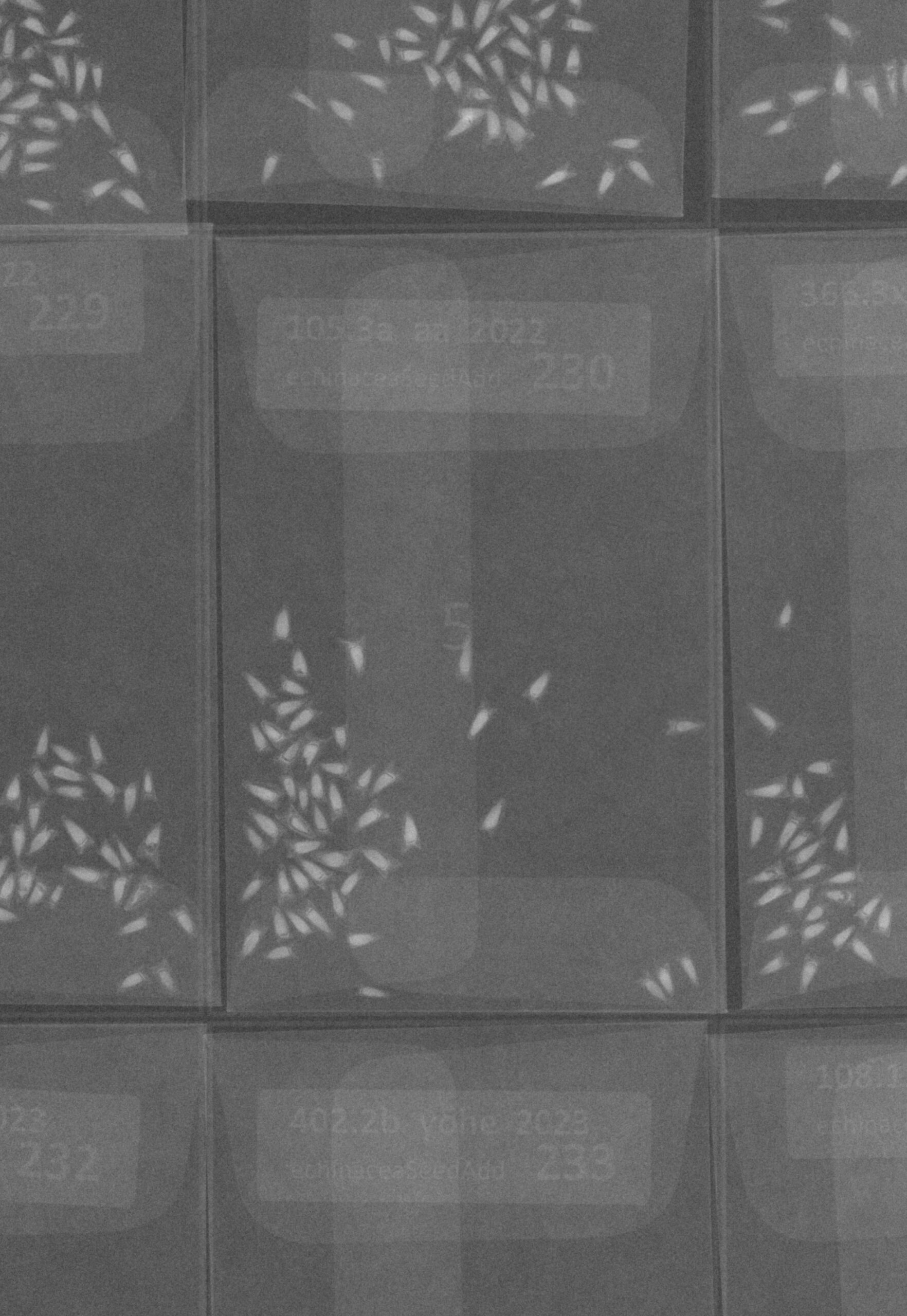
For our seed addition experiment, we want to know exactly how many seeds we planted in each 1 m transect. Each transect got seeds from one envelope. Before planting, we took xrays of the fruits in the paper envelopes. With minimal processing, the radiographs look good! We have a batch of 251 images to classify. This sounds like a job for Allen Wagner aka “the Count” (of Achene County).
Radiograph of Echinacea fruits in envelope 105.3a /230. Other partial envelopes are visible on the margins.
We used the column blower and other techniques to remove empty fruits. We aimed for about 50 seeds per envelope. How many do you count?
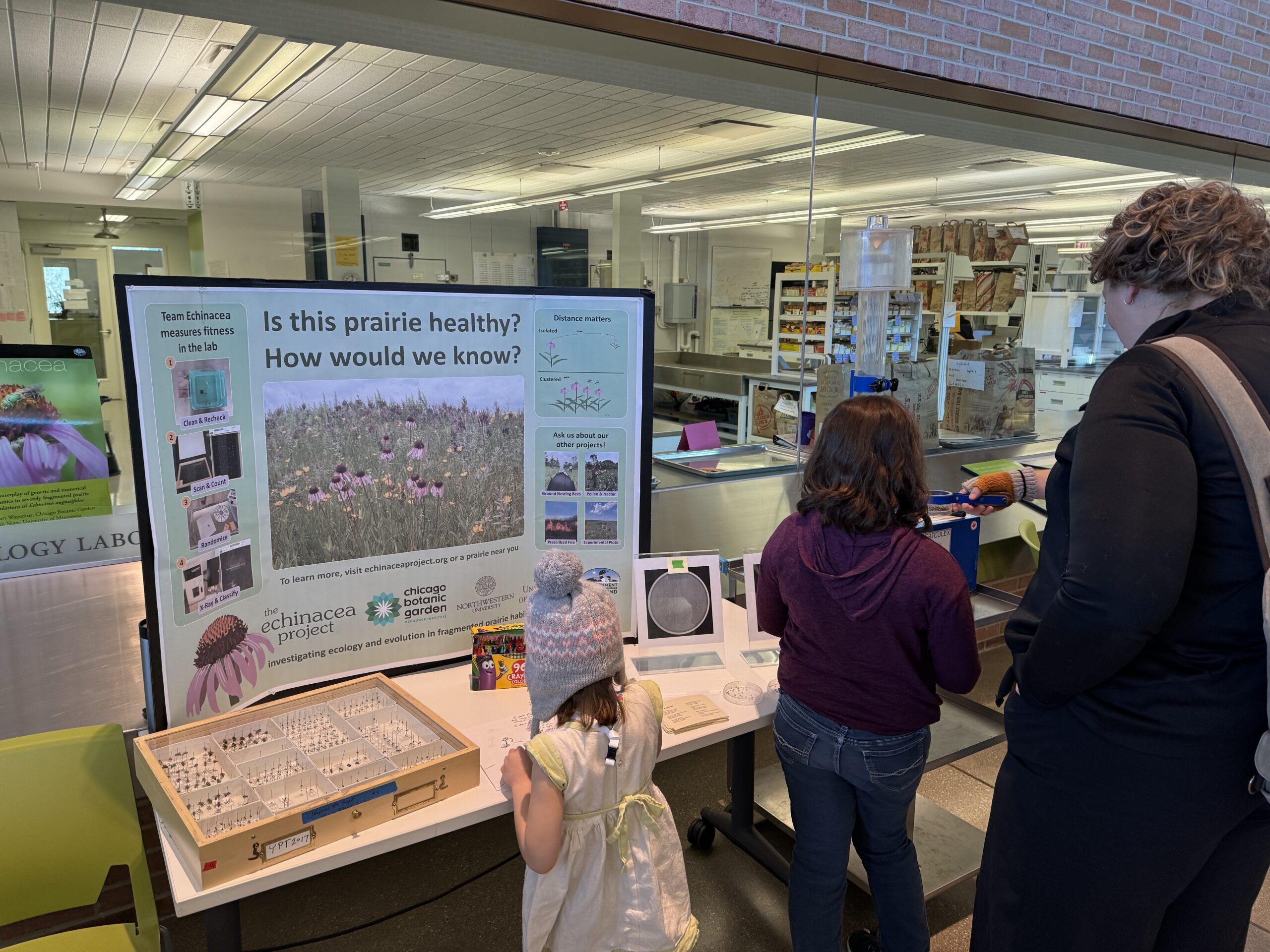
Chicago Botanic Garden has a new logo! To celebrate its launch, we got to relive the good old days of science fairs. Stationed in the atrium of the plant science center, Wyatt, Stuart, and I chatted with all kinds of people about the work we do!
“Is this prairie healthy?” “How would we know?” These questions helped us engage visitors with discussions on reproductive fitness of populations in fragmented habitats. As Wyatt and I participate in more events like this, we are learning a lot about how to be more effective communicators and how to engage others.
Many curious eyes perused a case of bees from our yellow pan trap experiment
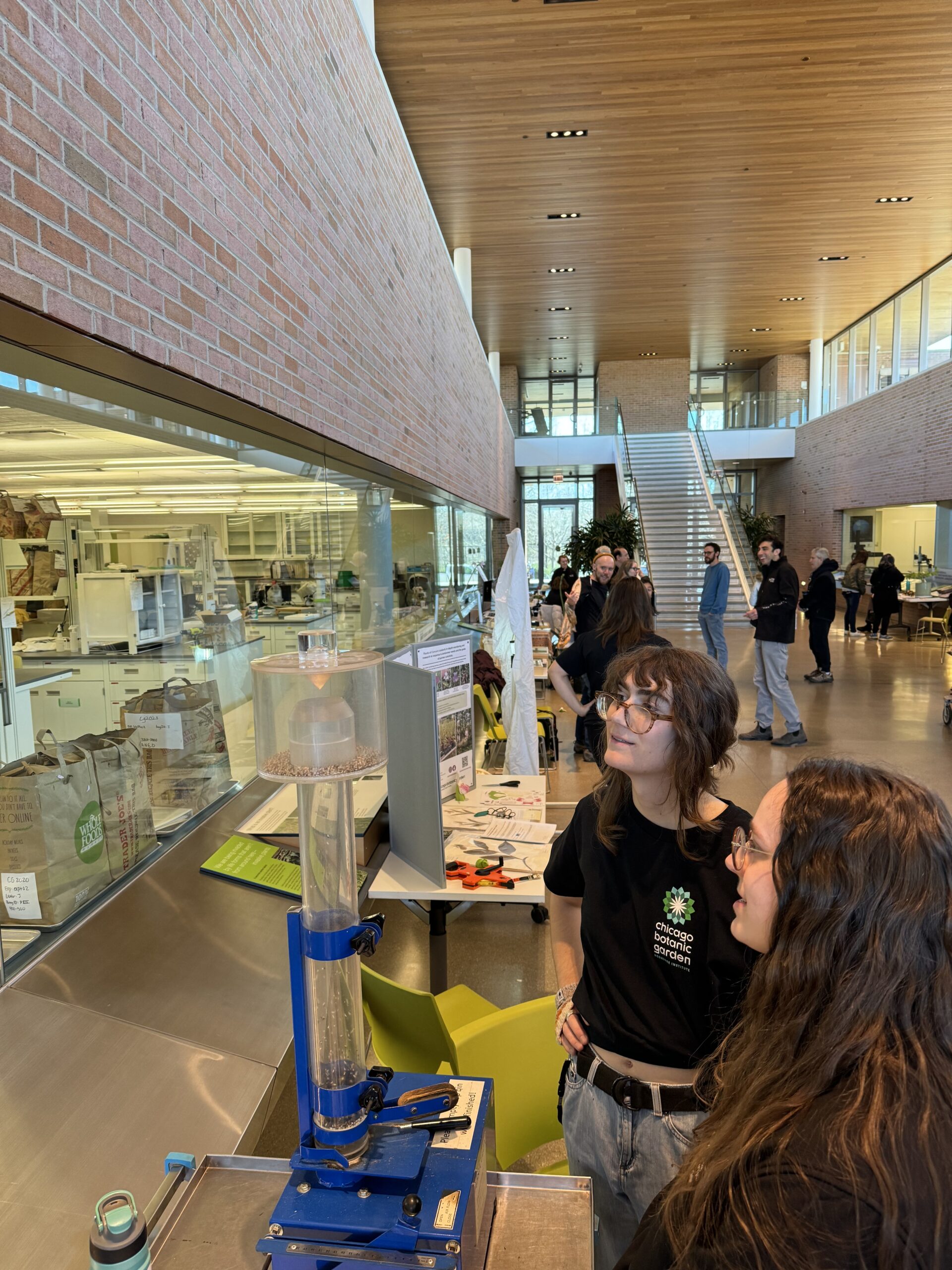
This event was also a great excuse to pull out the column blower, a crowd favorite. Wyatt, donning a t-shirt with our department’s new logo, demonstrated how we use it to separate full and empty achenes.
Today is pi day and we are posing some of our most burning questions for consideration. Here are a few:
How far could you go if you multiplied the number of bb points in our study area by pi? If you took the actual length of the Pomme de Terre River and divided it by its length as the crow flies, would it be pi? If we flipped a coin pi times, would the number of heads be equivalent to bee abundance in a square meter?
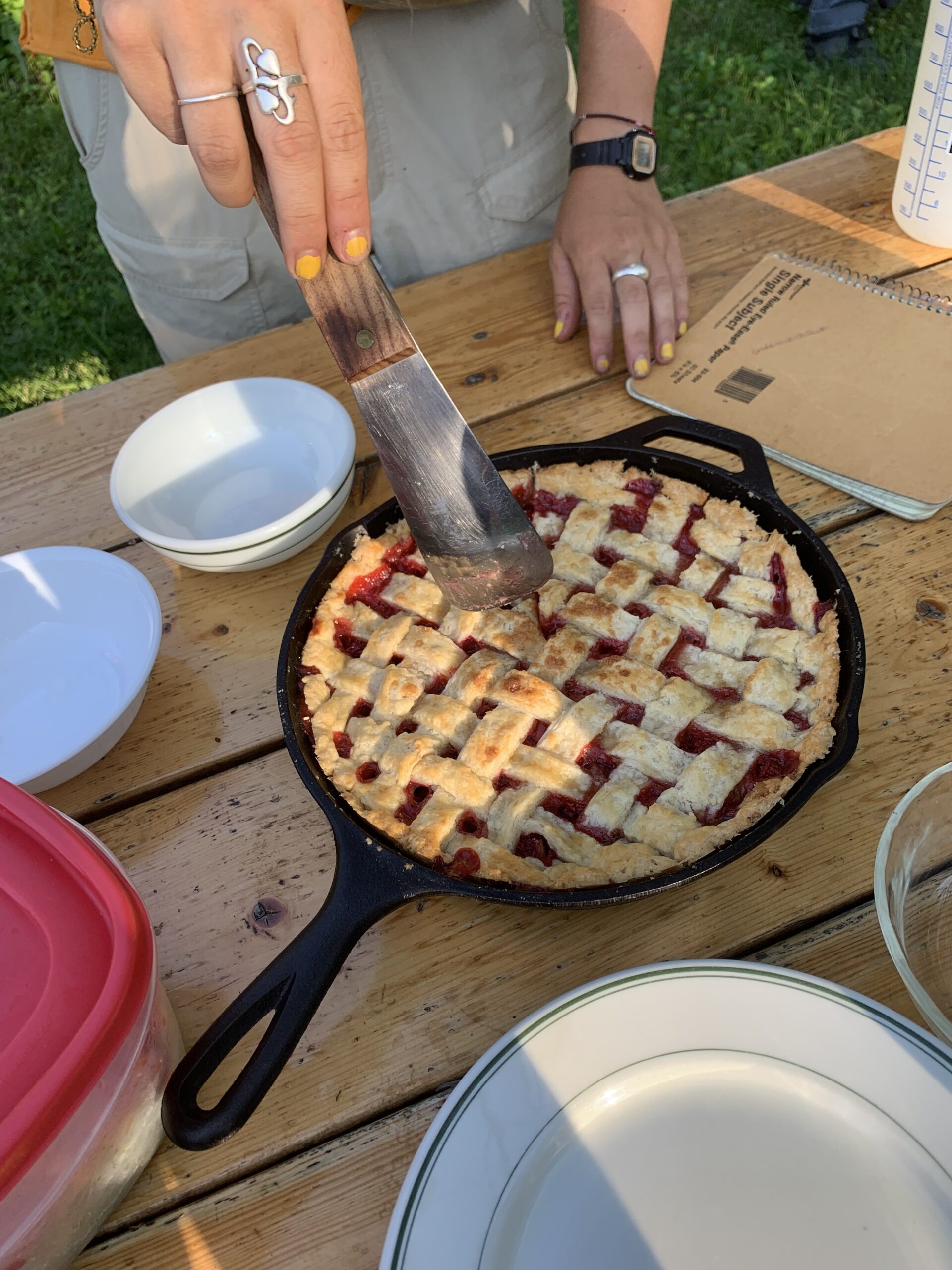
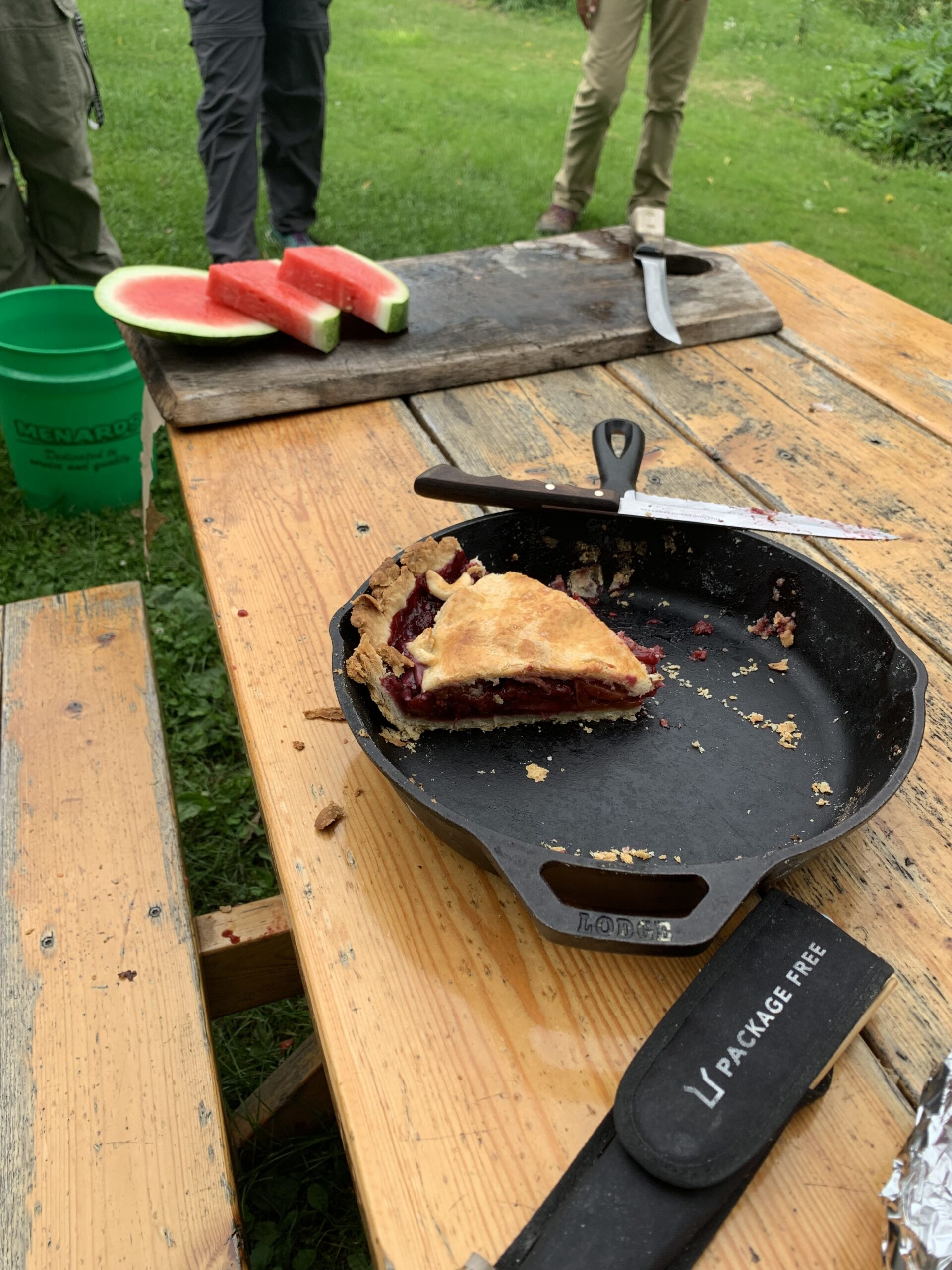
Importantly, if you give members of team echinacea a pan, when does pi equal the number of pies made during the field season?
Good grief! As if regular old atmospheric inclement weather wasn’t enough to worry about, now we can worry about inclement ionospheric weather too! The fire season appears to be coming early and strong, which may make it difficult to conduct prescribed burns and work outdoors. The upcoming solar maximum appears to be coming early and strong, which makes it difficult to use our precision GPS machines, which are essential to our fieldwork.
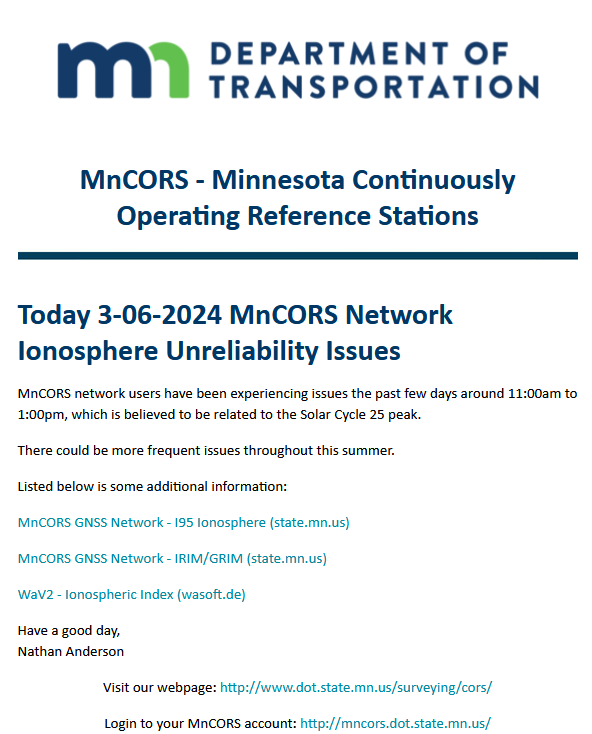
Here’s a MnDOT bulletin from today warning us to expect bad performance of gps due to space weather rocking the satellites.
Network Ionosphere Unreliability Issues – a bulletin from MnCORS Minnesota Department of Transportation on 03/06/2024
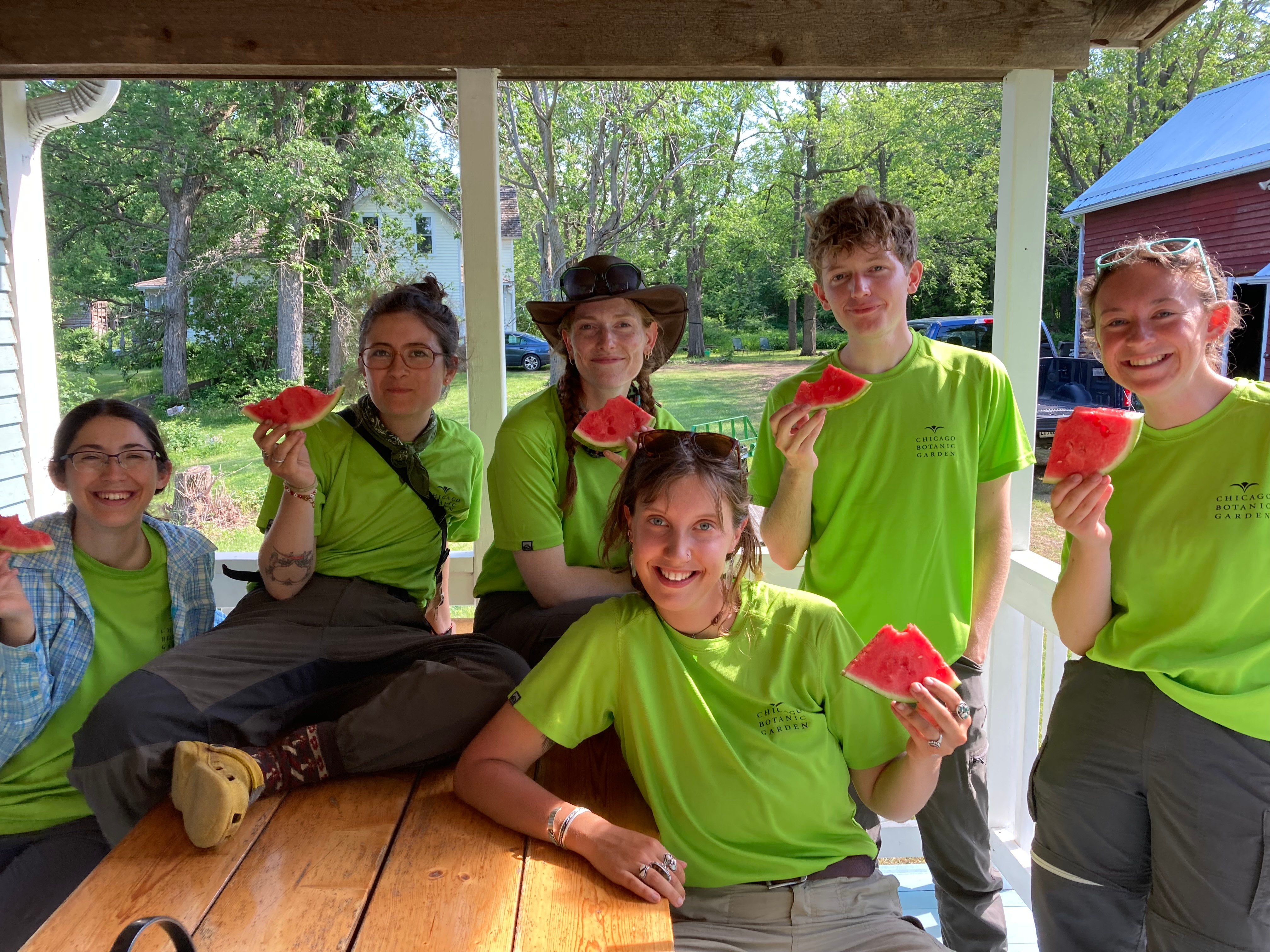
Team Echinacea seeks undergrads, graduate students, recent grads, high schoolers and teachers to join our summer team! Come hone your skills as an ecologist, conservationist, and evolutionary biologist while engaging in research in western Minnesota’s tallgrass prairies. There will be watermelon!
Members of Team Echinacea summer 2023 team enjoy a snack on the porch after a day of field work
We strive to create an inclusive, collaborative, stimulating, positive, fun, and productive environment for all regardless of race, ethnicity, gender, age, sexual orientation, and economic background. We welcome and encourage individuals from groups historically excluded from sciences and conservation. If you are interested in learning about and contributing to science and conservation, please join our team. We are committed to recruiting, training, and supporting individuals interested in science, education, and conservation from diverse backgrounds.
Registration is now open for MEEC! This conference, organized and directed entirely by students, highlights the work of undergraduate and graduate students in poster or oral format.
Many, many Team Echinacea members have presented their research at MEEC in the past (just search MEEC here on the flog). In fact, I presented a poster on aphids with Allie Radin in 2022! Will I be submitting an abstract this year? Only time will tell. But you should!
DETAILS
Location: Southern Illinois University Edwardsville
Abstracts due: 15 March, 2024
Conference begins: 6 April, 2024
Note: The total solar eclipse is on April 8th, not too far away from the conference…