|
|
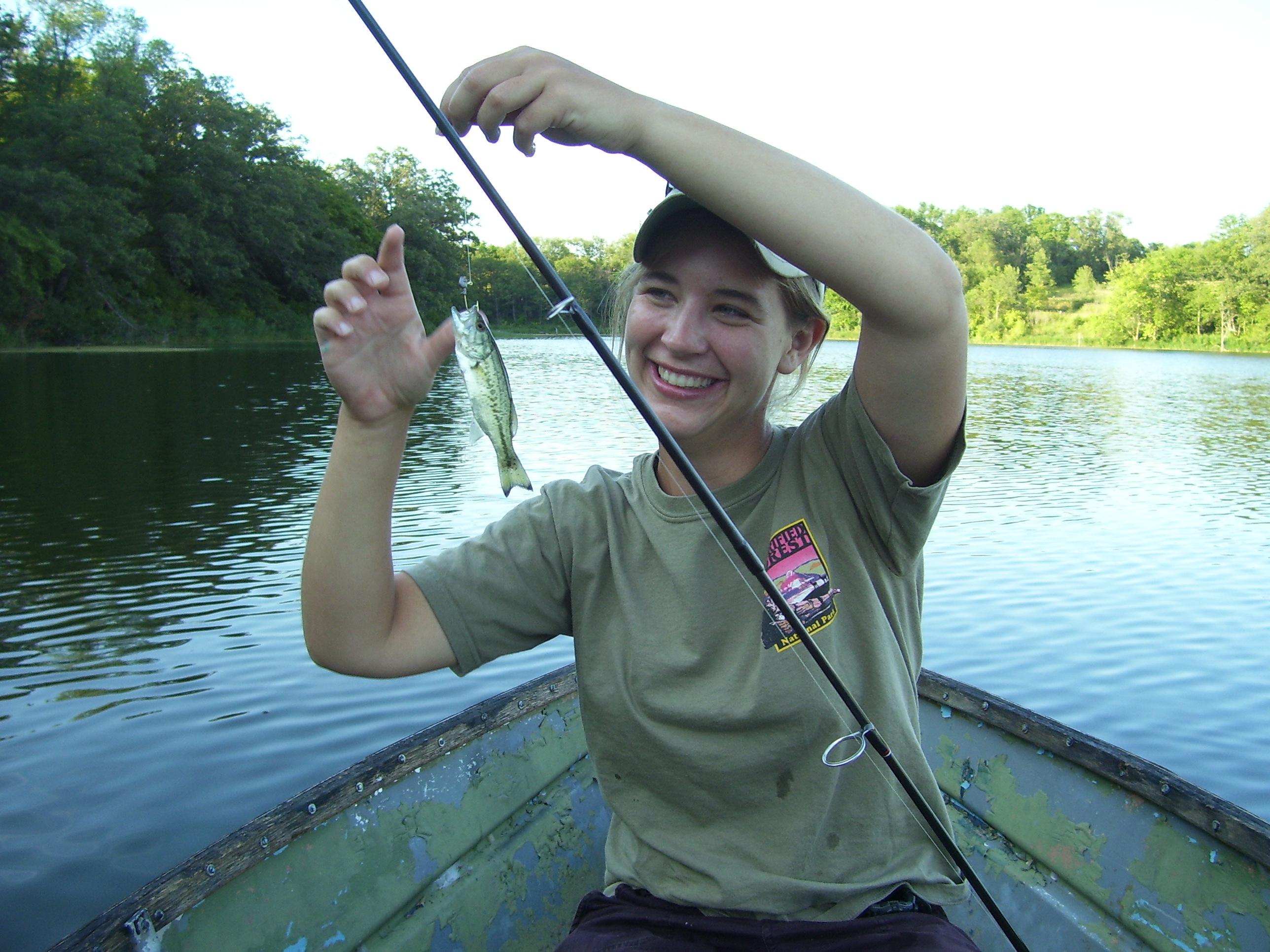
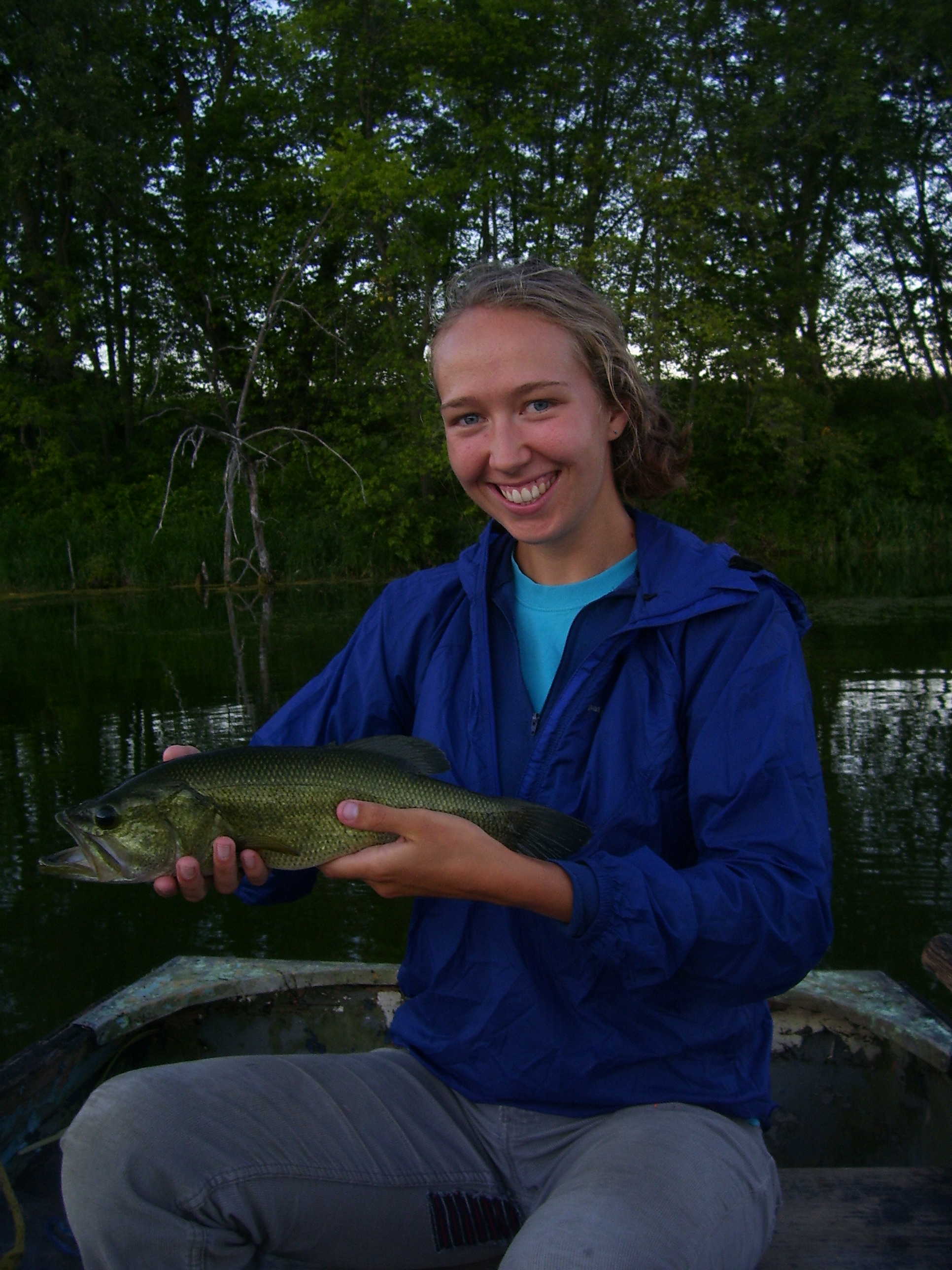
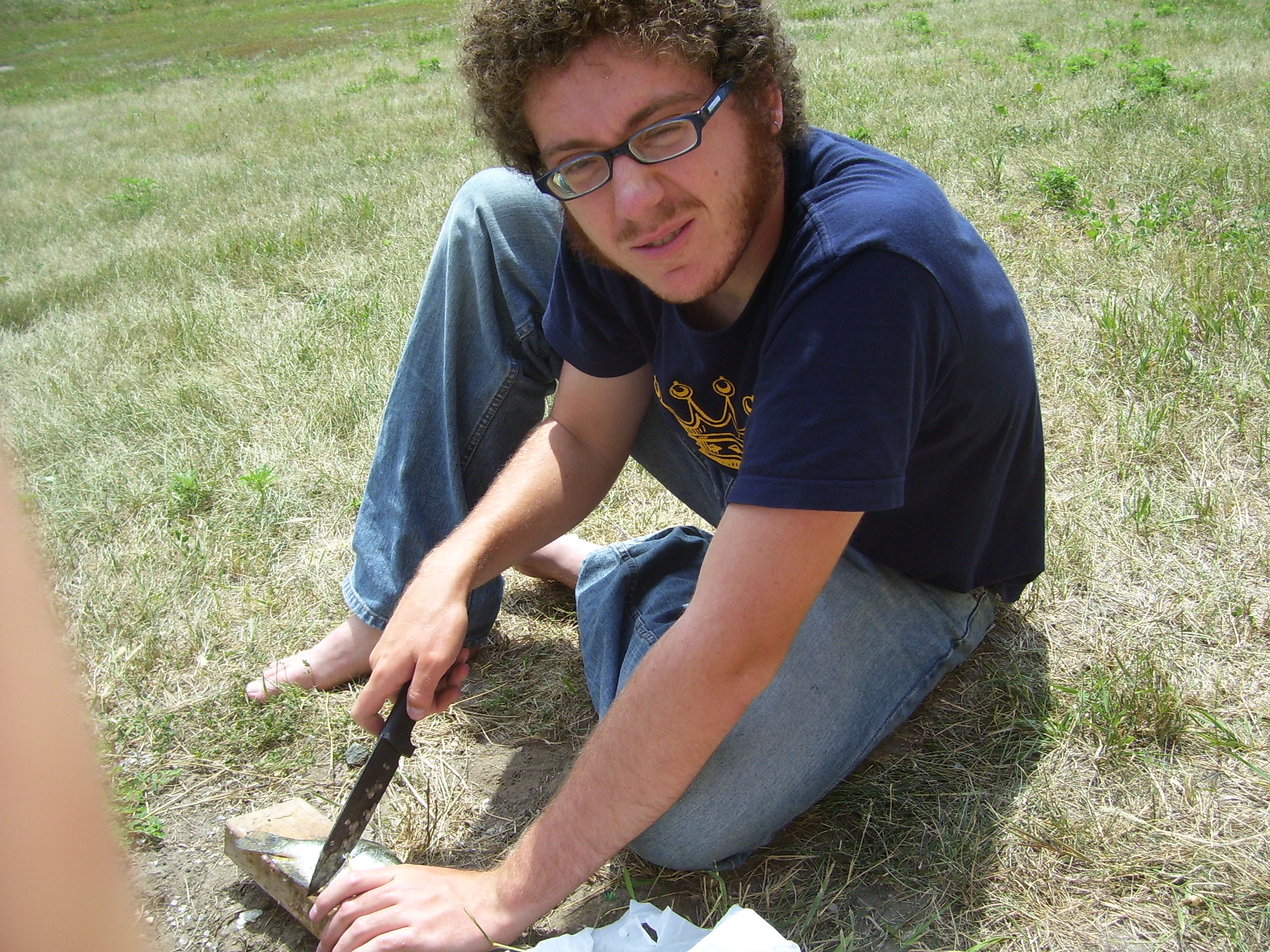
It is one of my greatest failures that after four summers in a part of Minnesota where there are more lakes than people I still do not know how to fish. Therefore, this summer when I am not measuring Echinacea I can often be found on a lake trying to learn how to fish. I have been only somewhat successful in this endeavor (as you can see by the picture below). However, with the help of Ian, my dad, and my Kensington friend Clint, I am completely confident that by the end of the summer I will be a mediocre fishing woman.

This summer, much more so than in years past, fishing has been a major pastime for a number of the field crew when we are not learning the wonders of Echinacea. Overall I contribute the increase in fishing to two major factors; one living at Andes where we have access to a row boat on a lake full of fish, and, more importantly, actually having crew members that can tie fishing line on hooks (before last week this was not me). Below I have included just a few pictures of our fishing excursions. However, for the entire 112 fishing pictures (most thanks to Ian) see my piacasa web album at http://picasaweb.google.com/ison.jennifer/FishingInMinnesota
Lake Isaac
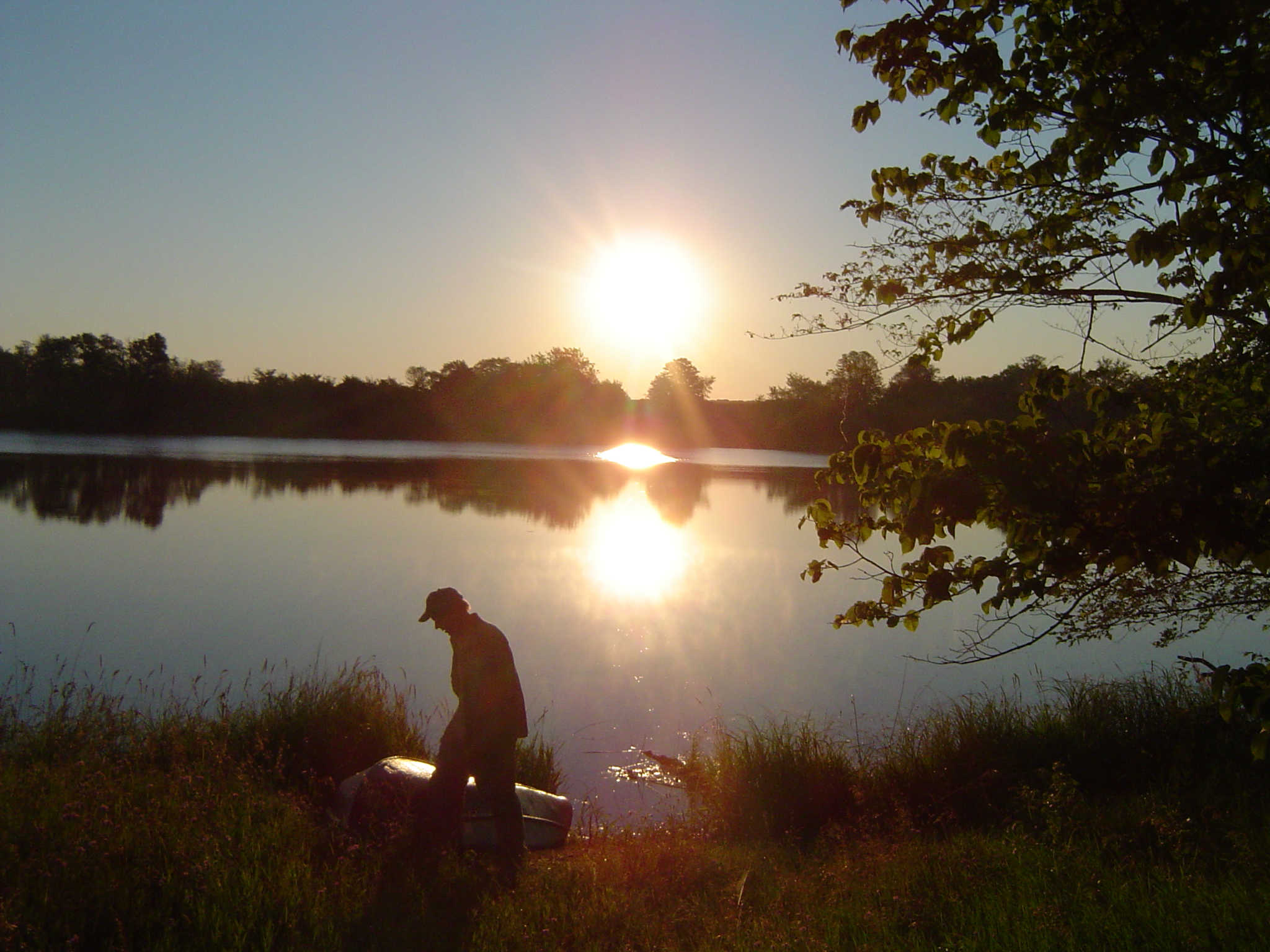
Is a lake nearly completely on Andes property with a row boat that we have been given permission to take out for fishing. Isaac is a fairly small lake but it is quite beautiful and scenic.

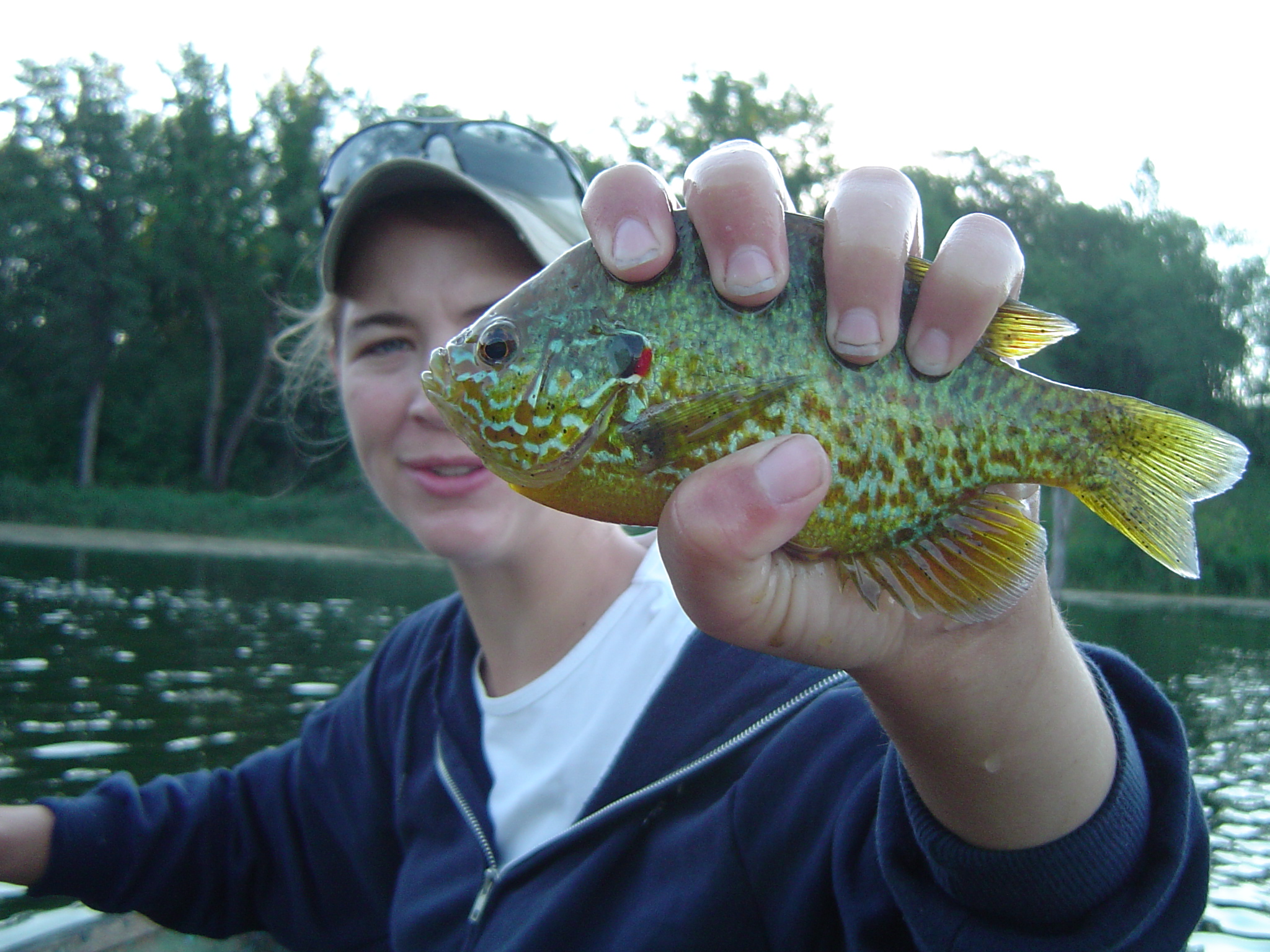
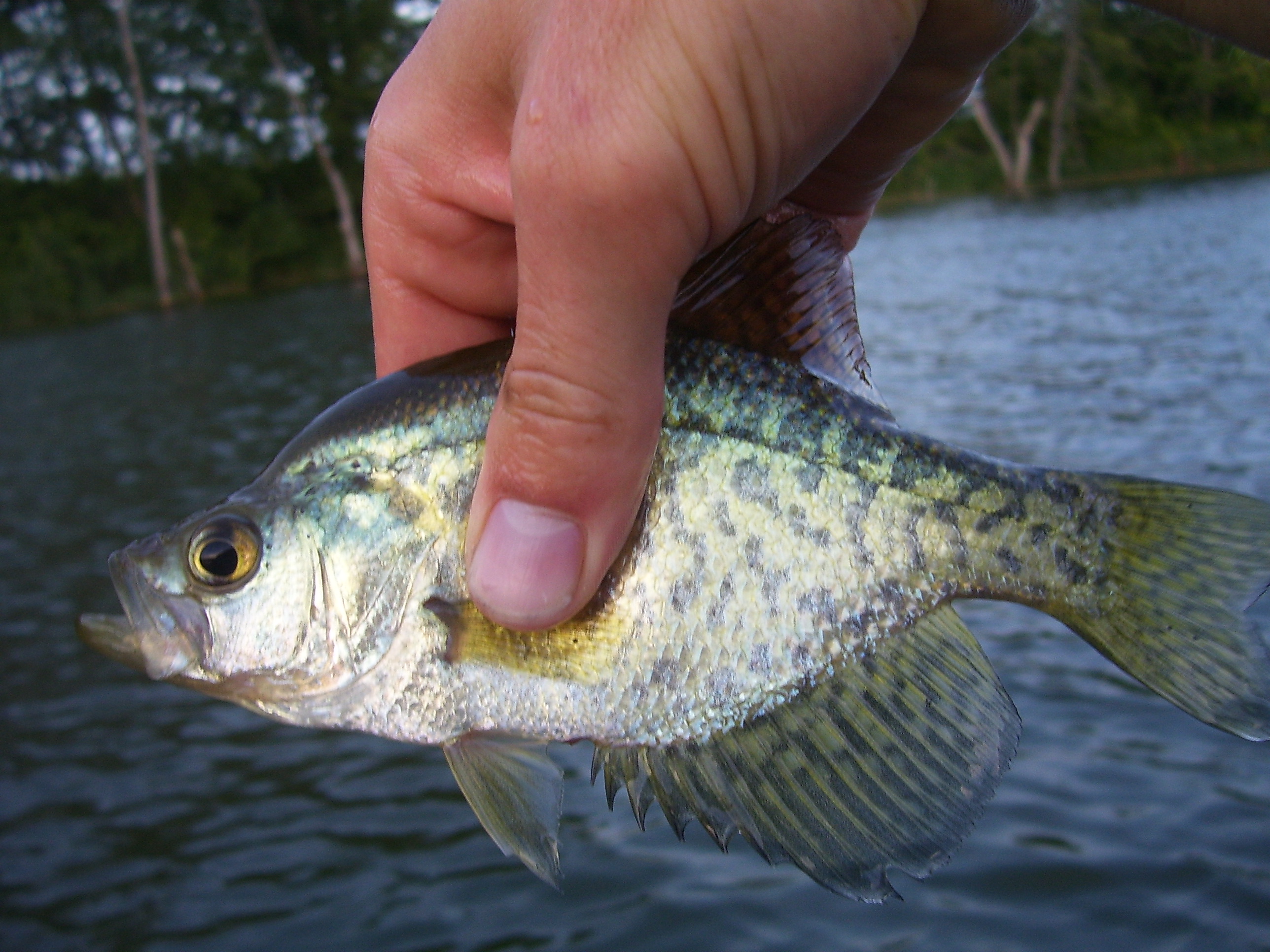
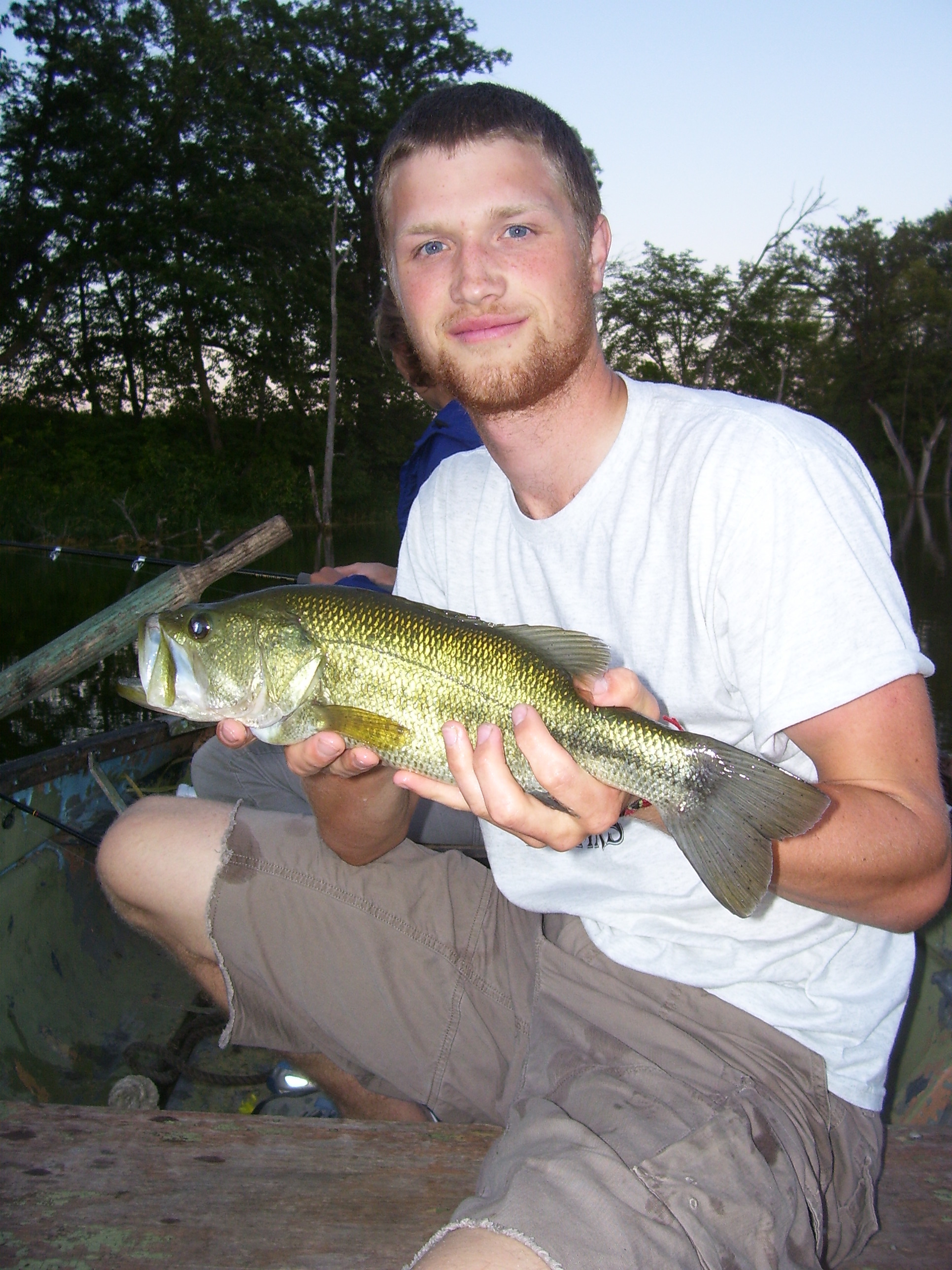
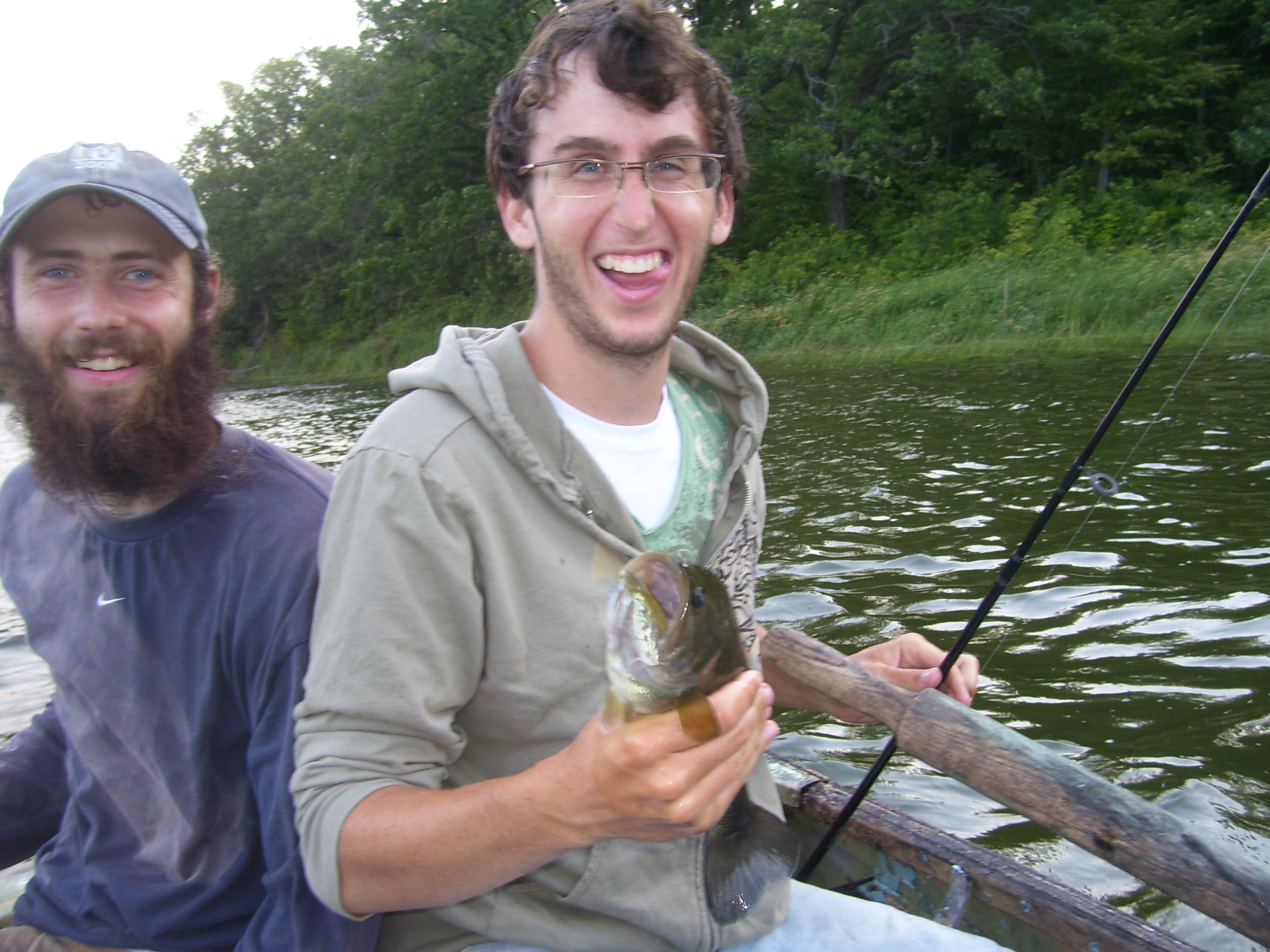
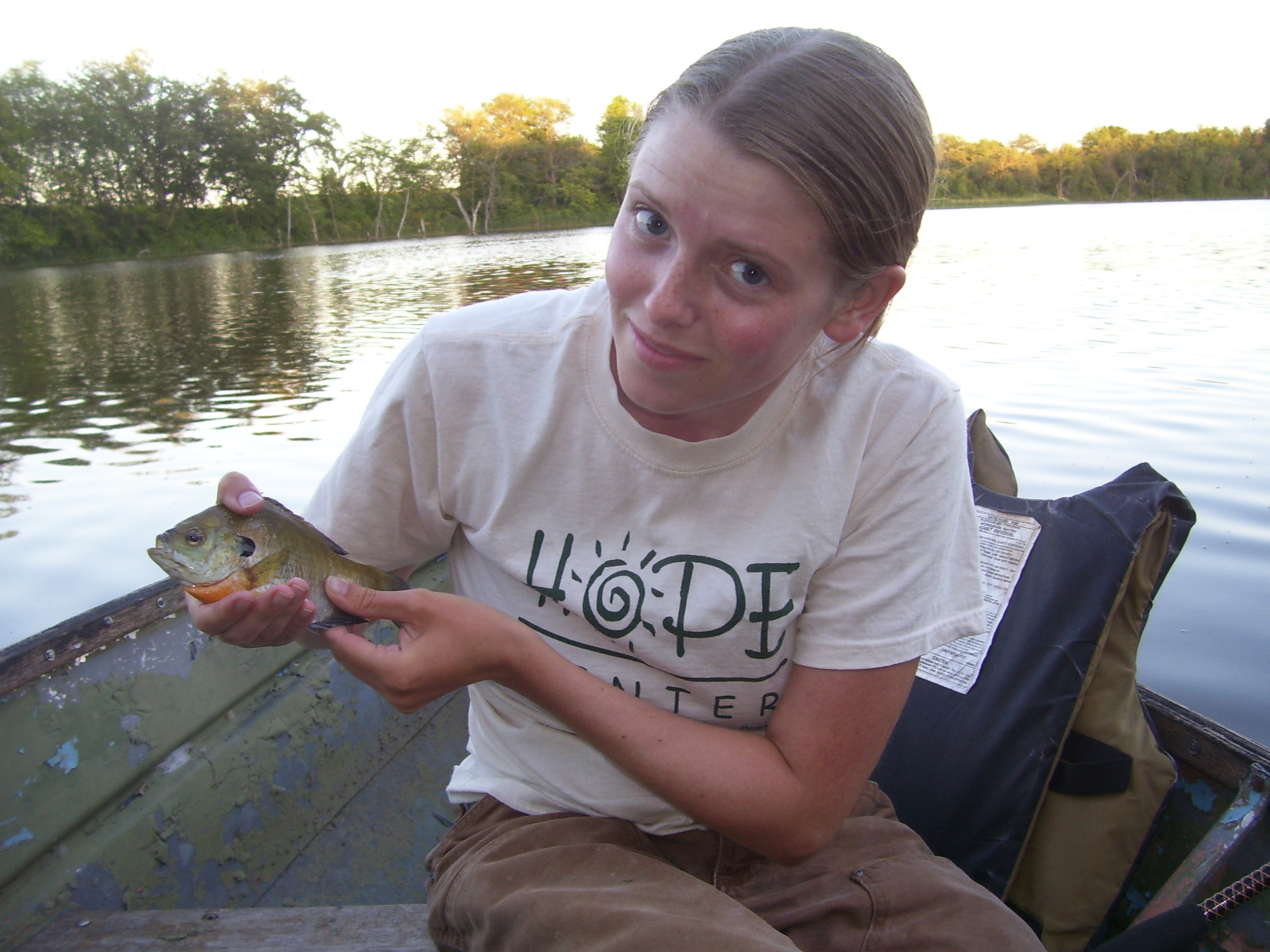
The Lake has a large number of sunfish (or blue gill) crappies, and bass. Both Ian and Amy have caught some very respectable size bass.

Everyone on the crew (except one) has been out on Isaac at least once. Even my dad, who visited last weekend, fished Isaac with me two times.
Supplementing our food budget
One great thing about fishing is the ability to supplement our food budget. On a few occasions we have kept larger sunfish and crappies to clean and eat.
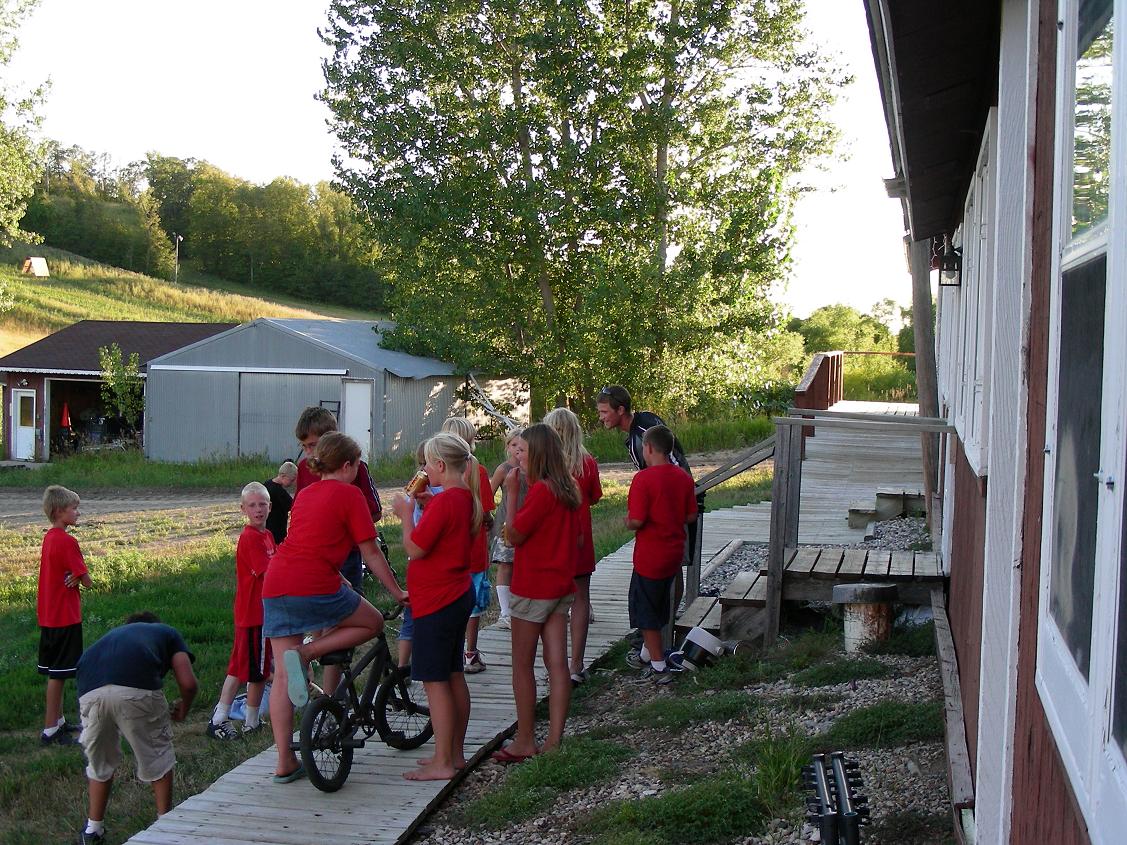
We were enjoying a delicious supper of curried chick peas and green beans in the RAJ mahal, relaxing in spite of the raucous shrieking of a gaggle of pre-adolescents in our usually peaceful backyard (e.g. the alpine glory that is Andes Ski Hill). We heard the tweens erupt into rapturous cheering and looked out the window in time to see Ian emerge over the crest of the mountain on his bike, reminiscent of Gandalf, back lit by the morning sun, boldly perched atop Shadowfax. After bombing down the black diamond, Ian cruised back to the mando with a hoard of teenyboppers hot in pursuit. In the throes ecstasy, celebrating their newfound hero, the aggregation of blond children called out eager questions to this mysterious stranger: ‘Where are you from?’ ‘What’s your name?’ and yes, even, ‘can I have your autograph?’
![002.jpg]() View image View image
With the influx of work related postings, I thought I would shed some light on the day to day goings-on of the Andes’ condos.
Specifically, I will cover the activities of the 3-bedroom-condo, fondly dubbed “The Mando” (though it is now slightly inaccurate as Jennifer has been living here for several weeks now). I exclude the 2-bedroom-condo, fondly named the Raj-Mahal, not out of spite or ill-will but rather because they’re crazy and I don’t know what they do all day.
The Good:
We continue to improve our living situation by adding a mass supply of cereal, donated by the kind folks of “Sweet Retreat”, the Bed and Breakfast that Jennifer’s parents stayed in this last weekend. It seems that Post cereals gives away huge numbers of sample boxes to B+Bs everywhere, and by some good luck and friendly coercing we’ve managed to procure 144 sample-sized boxes of “Blueberry Morning” and “Cranberry Almond Crunch”. We also continue to supplement our food budget, though the pheasant supply has slowed. We continue to pursue alternative food options. I’ll leave that open to interpretation.
The Bad:
The cereal donation wasn’t entirely beneficial, and did create some negative emotions. Jennifer specifically was influenced by the free food. Who can blame her, “absolute power corrupts absolutely”. And by “absolute power” I mean sample boxes of cereal, and by “corrupts absolutely” I mean causes her to blame me for its disappearance. We also seem to have run into a bought of clumsiness around the Mando. With freshly burned hands, smashed fingers and chiggered bodies, we persist. Hopefully this accident prone streak will fade in time.
The men of Denison are approaching the end of our stay here quickly, with less than 3 weeks left in Minnesota. We will continue to live interesting lives here Douglas County, and I will continue to provide the lovely details.
I thought I would spend some time comparing the 2006 and 2007 measuring of the plants at Hegg Lake. The Hegg Lake common garden is located on Minnesota DNR land and is approximately a 7.5 mile drive from the main common garden. In May 2006 3,941 seedlings were planted at Hegg Lake after they were first germinated and grown in a green house at the Chicago Botanic Garden. To learn more about this large seedling growth experiment read this description.

Measuring plants:
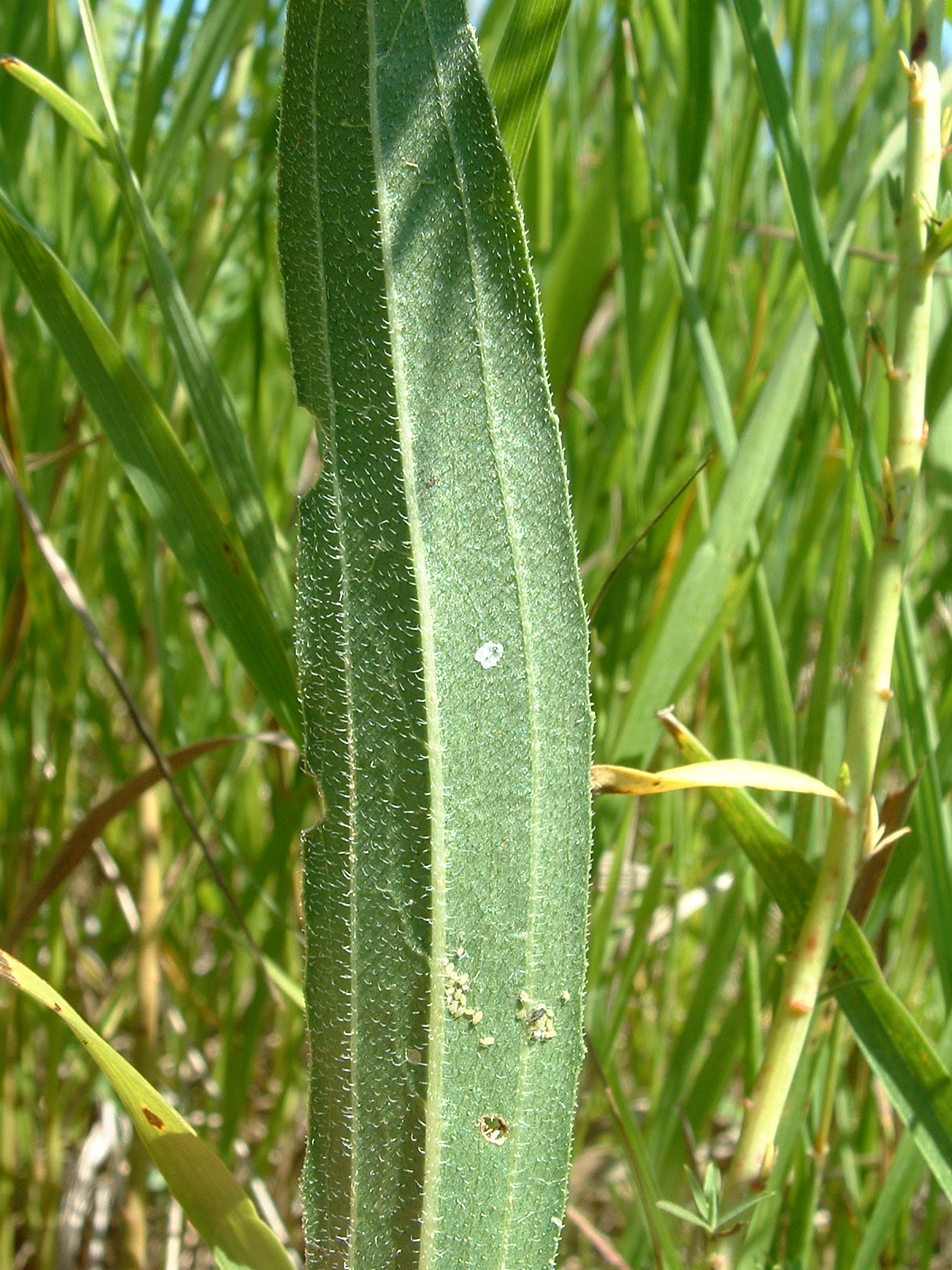
In both years we counted the number of leaves and measured the longest leaf. However, this year we also recorded insects and any herbivory damage on the plants. The average tallest leaf of the living plants was 6.4 cm in 2006 and 13.7 cm in 2007.
“Can’t finds��? and mortality estimates between years:
When we are measuring plants and can’t find a plant we don’t assume the plant is dead. Instead the measurer records that the plant is a “can’t find��? and places a flag in the position he/she was searching. Later we have a different person come back and searches for the plant so that two pairs of eye look for every “can’t find��? plant. In 2006 we had approximately 21% of the plants were found by the second person who went back and searched for the “can’t find��? plants. Our overall estimate for mortality in the plants first year of growth was around 6% with 243 plants that were “can’t finds��? after two people searched for the plant.
This year we have just started having the second person go back and search for “can’t find��? plants. We have a total of 698 plants that were not found by the originally measurer. This puts the mortality estimate at 17.7% plants (cumulative) however I feel this percentage will drop significant after the second person rechecks the “can’t finds��?.
One interesting note is there were 30 plants found by the originally measurer this year that were not found by EITHER person who searched for the plant in 2006. Therefore, in 2006 there were really (at most) 213 plants that died making the currently mortality estimate for 2006 at 5%.
How are we figuring out what goes where? In most KAP applications, the camera is pointed at the horizon, or slightly towards the ground from the horizon. It’s pretty easy to get landmarks this way (trees, buildings, roads, stuff like that). Looking at the ground, however, it’s not so easy. How do you get good landmarks in a sea of green?
Simple. Ground markers.

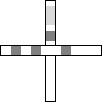
It’s really a pretty simple marker. Made from 2 pieces of meter-long wood (it’s several centimeters wide, but I don’t recall off the top of my head.) The boards are painted a flat white, North is painted red (lighter grey in the above image). The stripes are painted flat black (darker grey in the image). The boards are drilled through the center and affixed with a bolt and wing nut, to easily collapse them for storage and transport. Red is painted on the edge of the east-west board facing north, to keep it keyed when unfolding.
Download a PDF with 20 ground markers already made
Download the GIMP source file for the ground markers
Download file
This is a link to a sample survey sheet that is used for my research. It includes a list of some of the most common plants found in the prairie fragments.
-Rachel
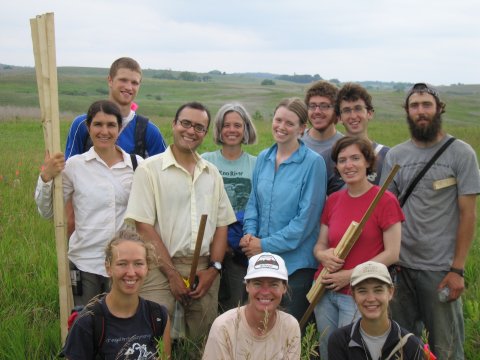
Here’s a photo of the measurers and datatakers at the Hegg Lake common Garden on July 26th.

(L to R) Kneeling: Amy, Amy, Jennifer. Standing: Gretel, Ian, Andy, Ruth, Julie, Josh, Rachel, Colin, Jameson. Photo by Stuart–he measured too.
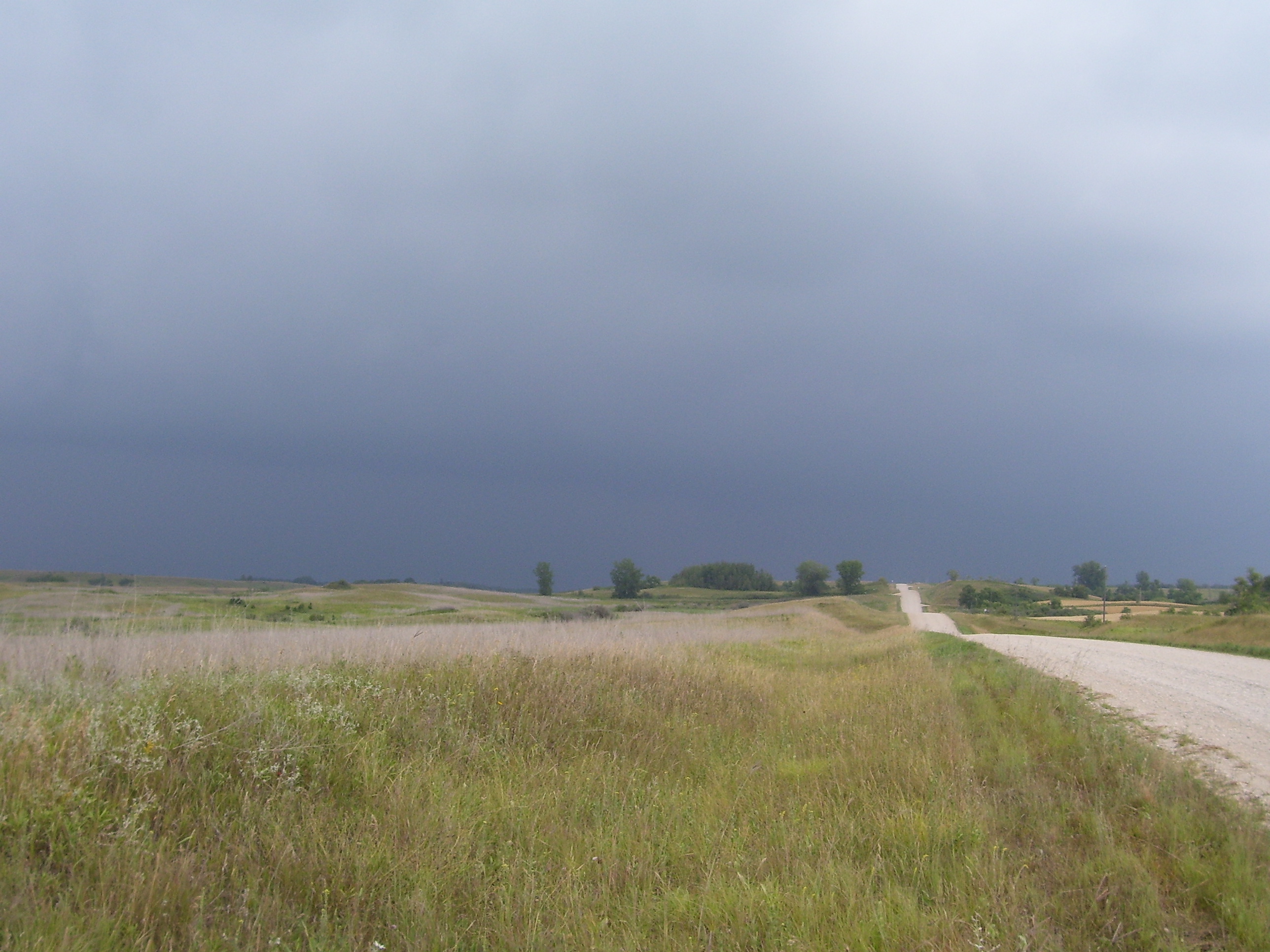
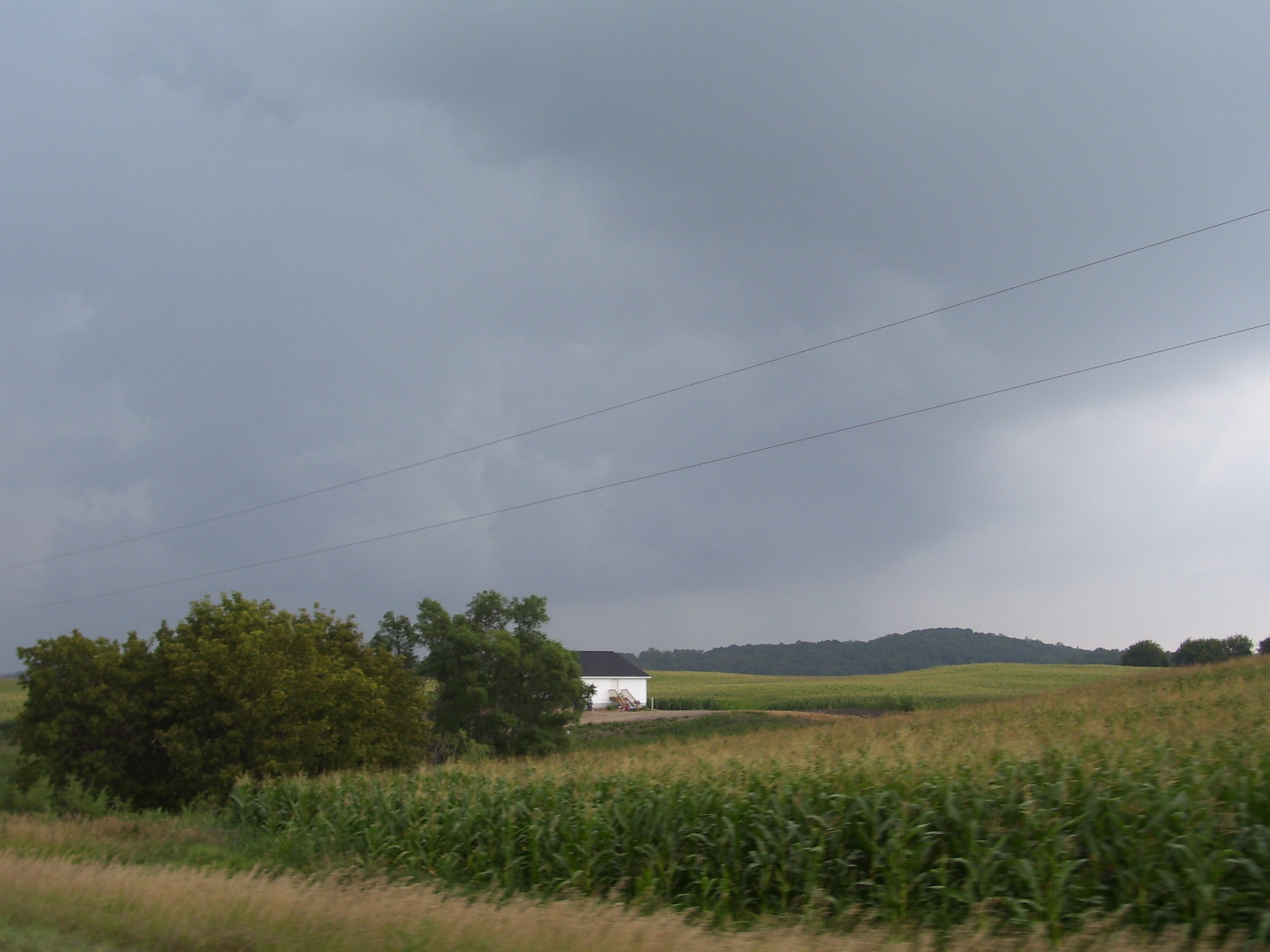
The weather for measuring turned out to be much nicer than predicted: Temp 85 degrees F; dewpoint: 70 degrees F; mostly cloudy with a W wind at 13 mph. It started raining, so we packed up to leave. As we were walking out the rain stopped, so we paused to take this photo. After the photo, it started to rain again.
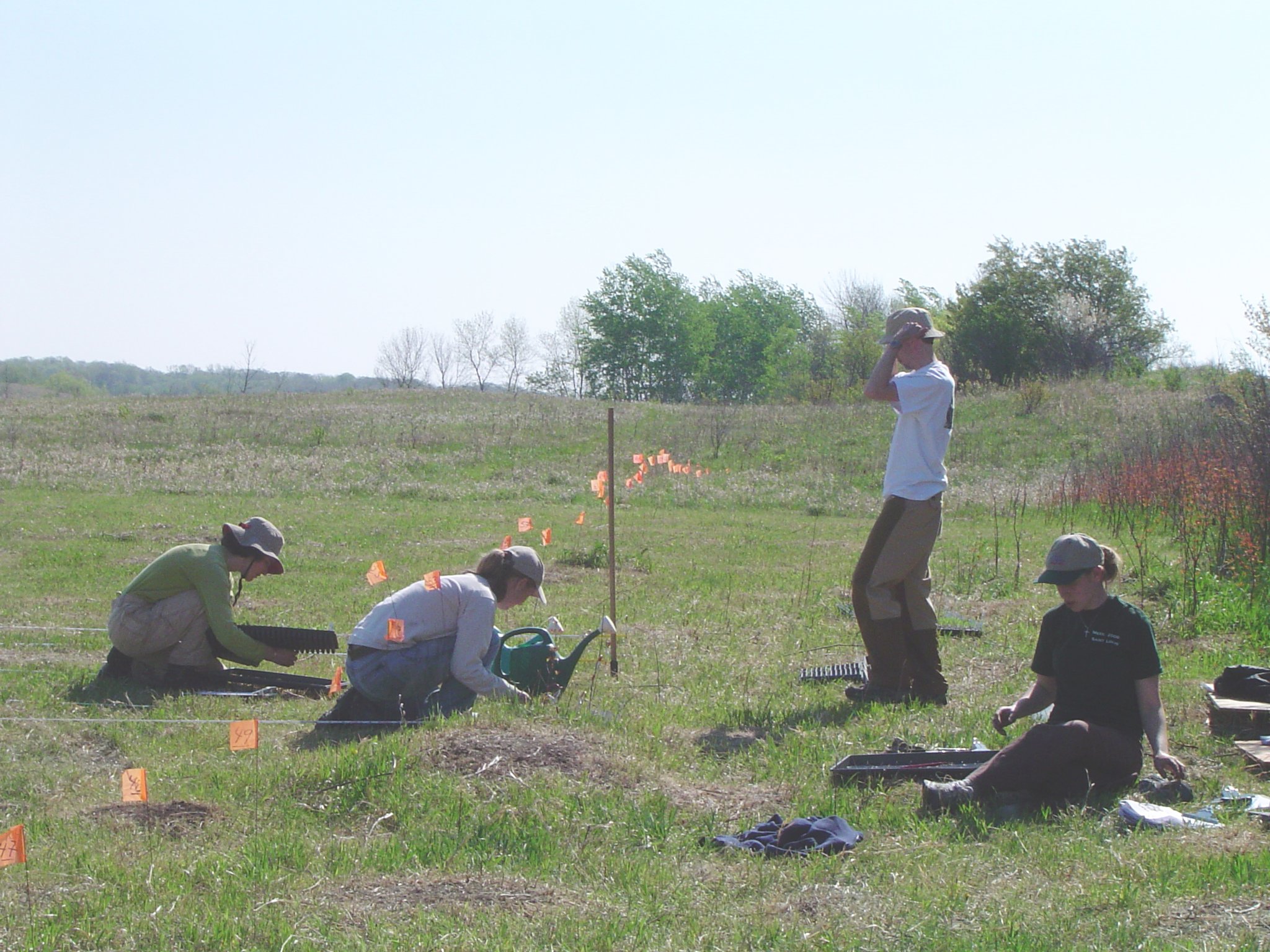
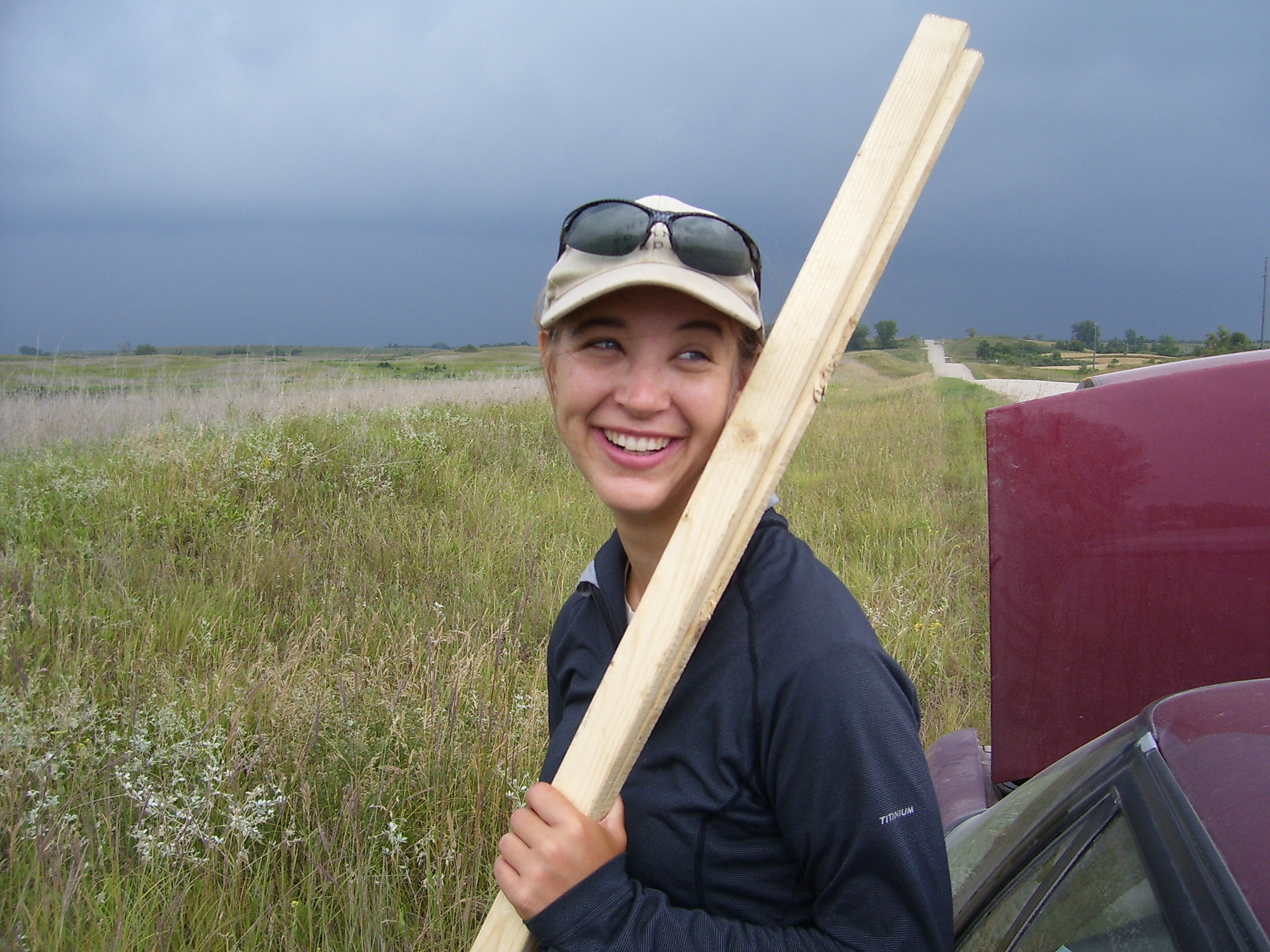
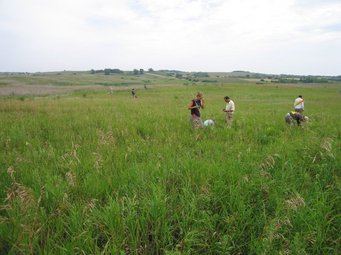
We measured plants efficiently. Most plants have two leaves and the longest is 8-19 cm tall. It can be very difficult to find a plant because the thick grass is about 50 cm high. The only way to find it is to measure from another Echinacea plant. The ~4000 plants are spaced on 1m apart on a 80m x 50m grid. That can seem like a vast distance between plants. Jennifer made measuring sticks 2 meters long to help us stay on line and find the plants. After finding two plants you could keep on line fairly well and go fast. If there was a missing plant or a particularly sneaky plant, then it was very easy to get disoriented. Some folks worked in pairs (one measuring, one taking data); others solo. Here’s a photos of folks at work…

i started this flog entry last year and never finished it. I’m just going to publish it as it is…
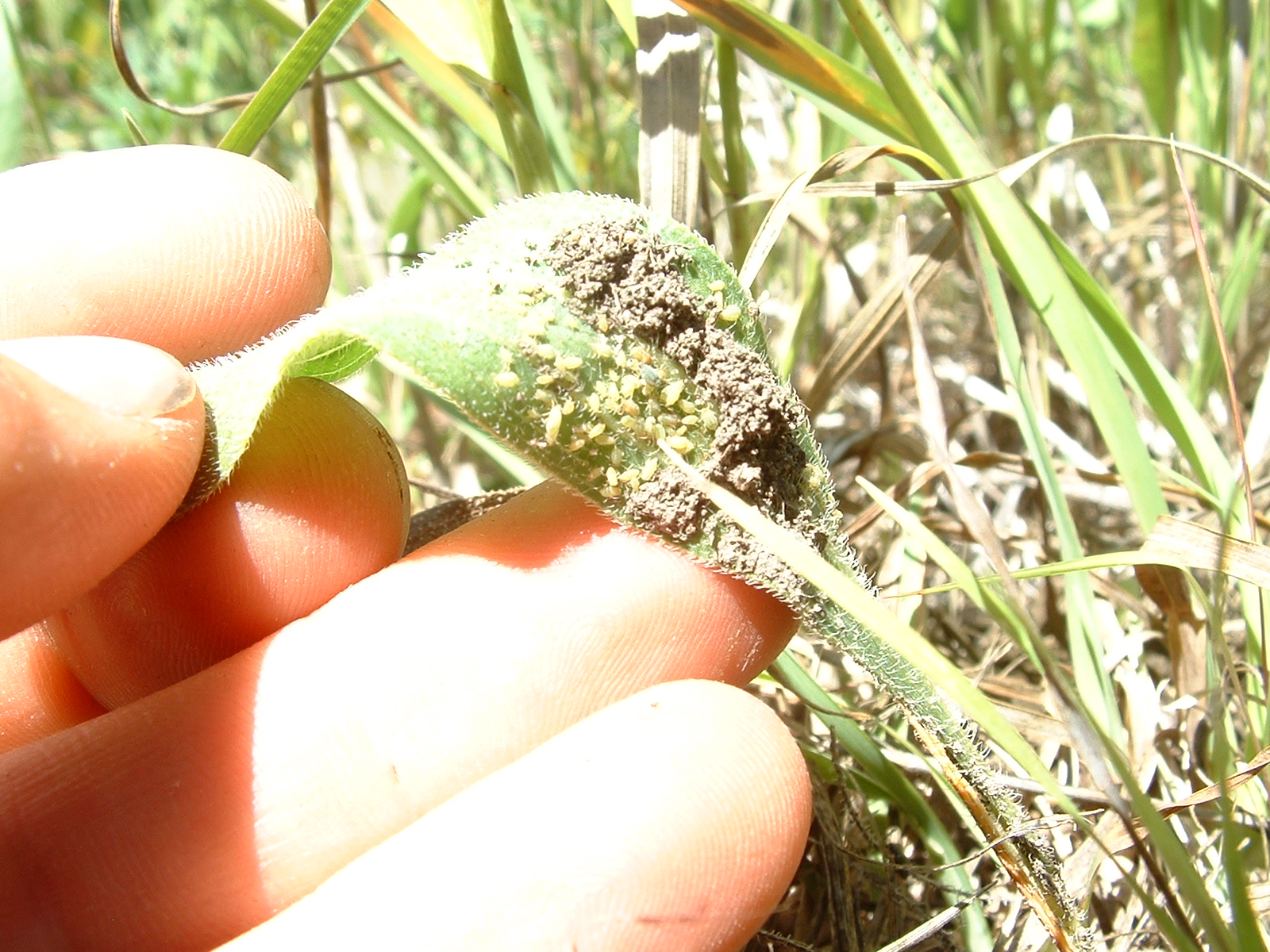
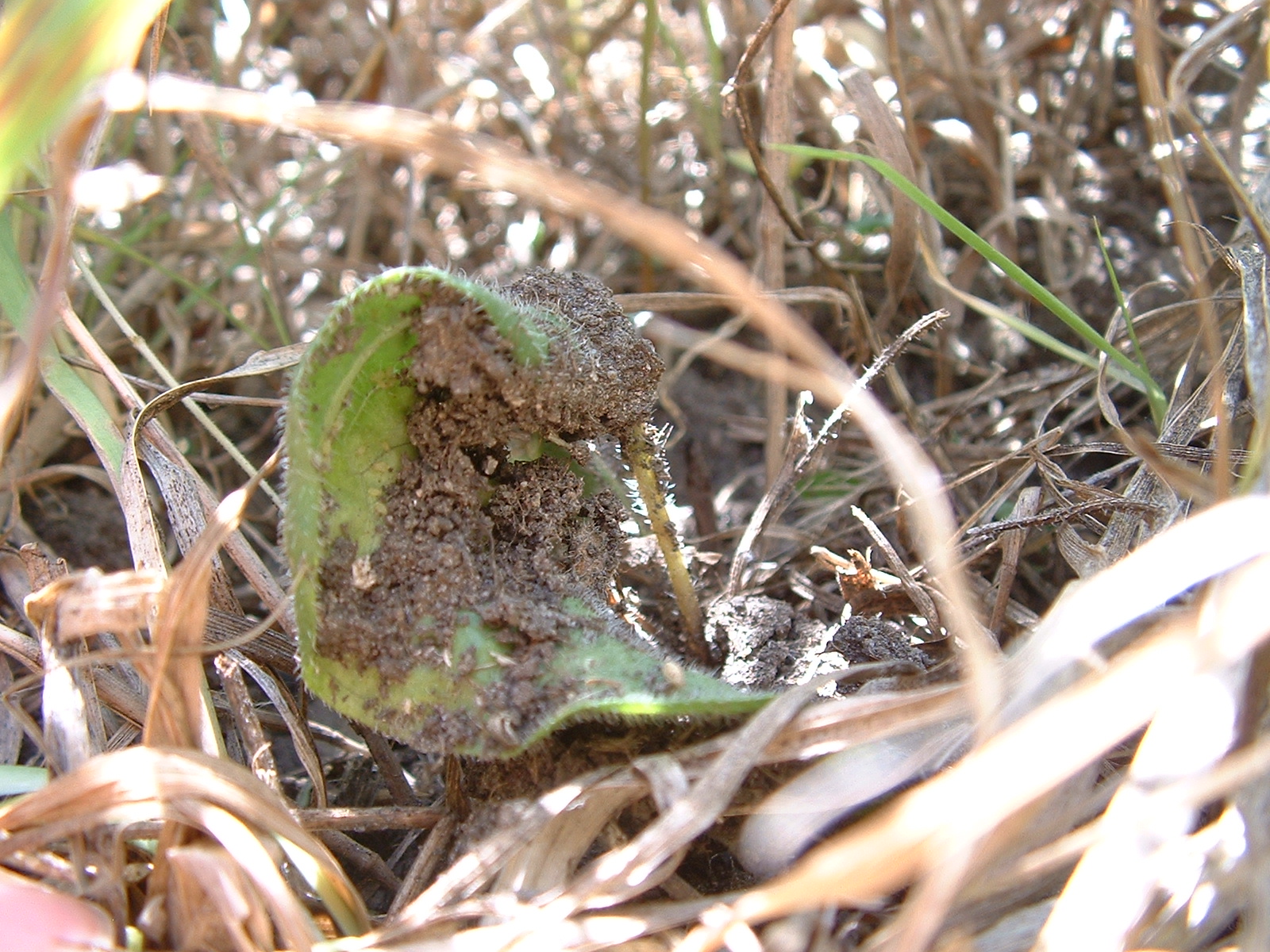
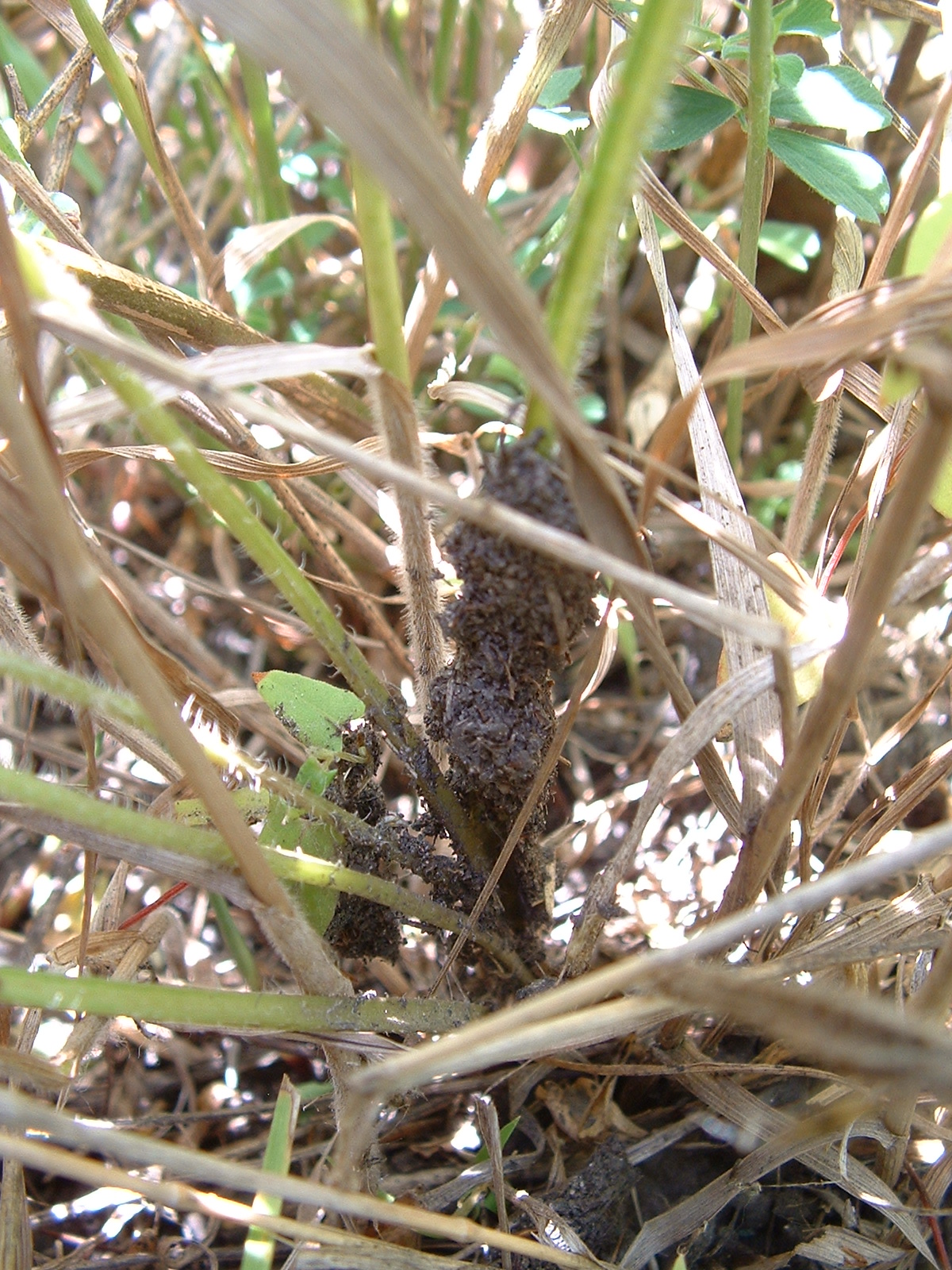
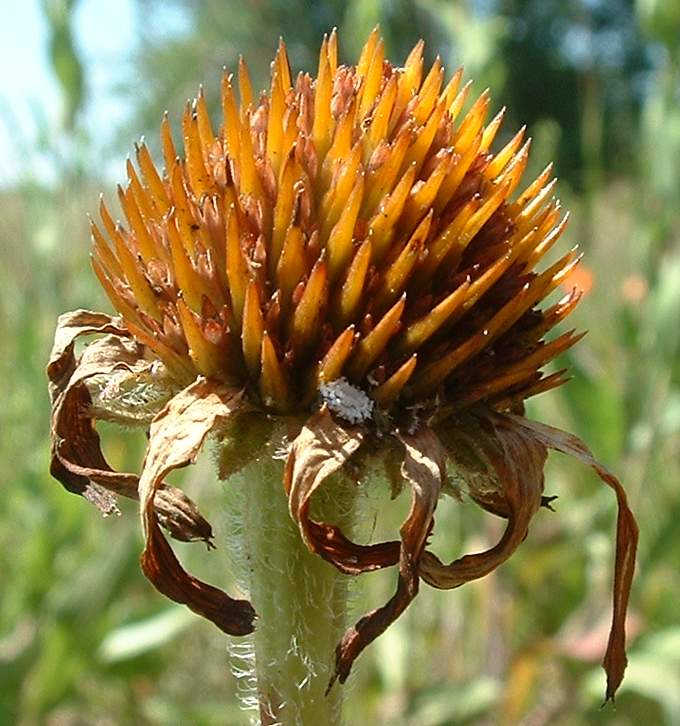
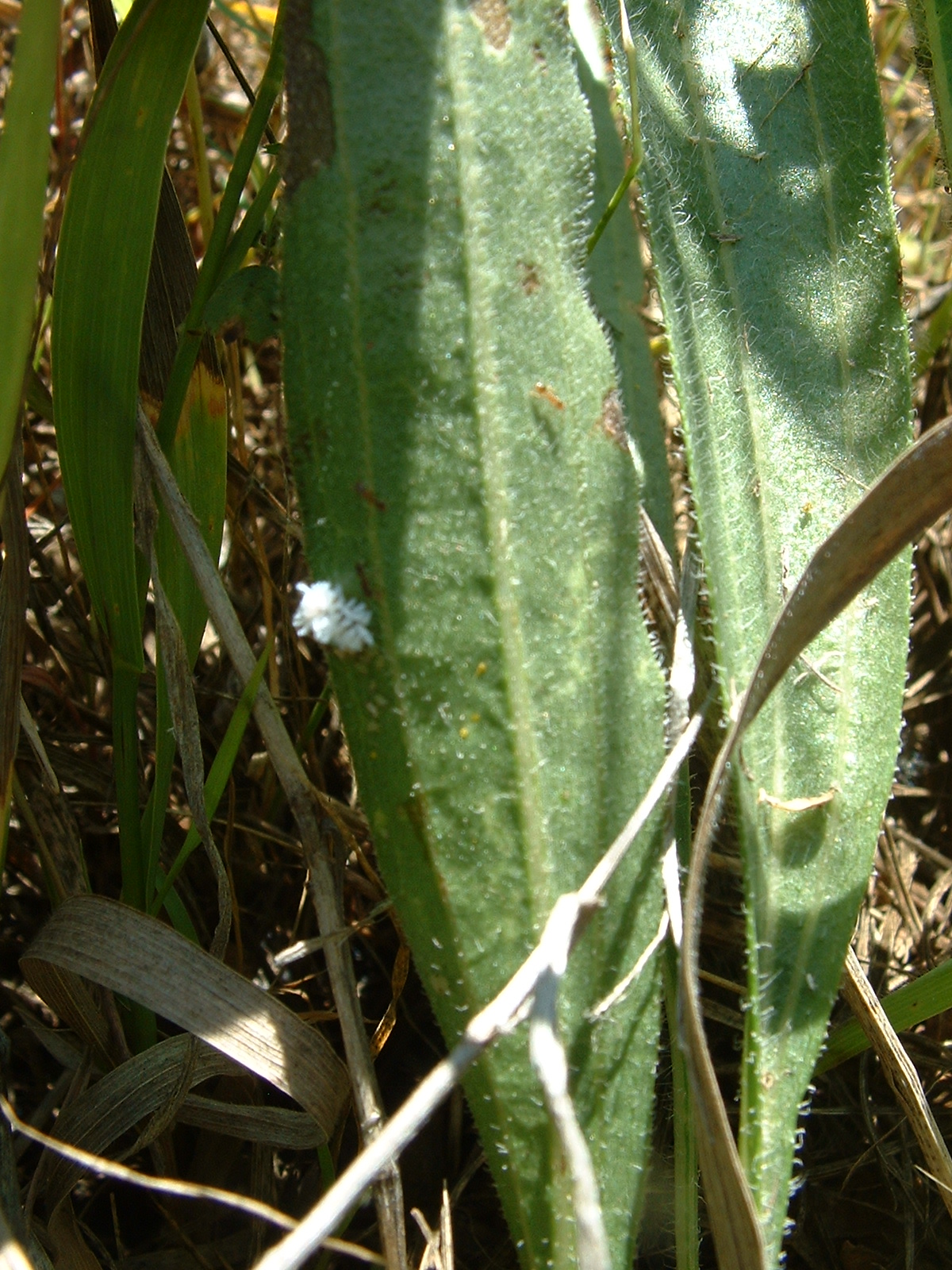
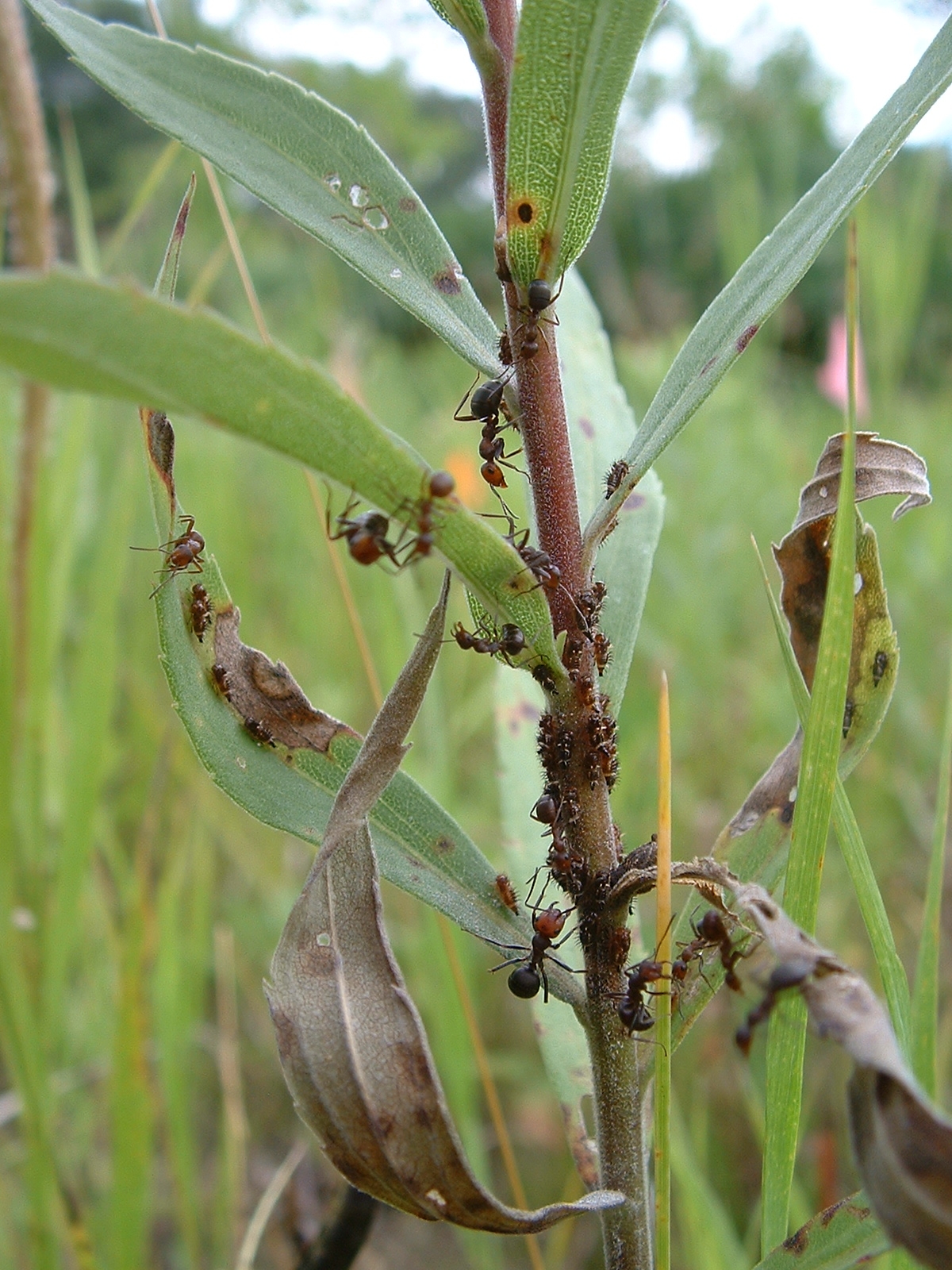
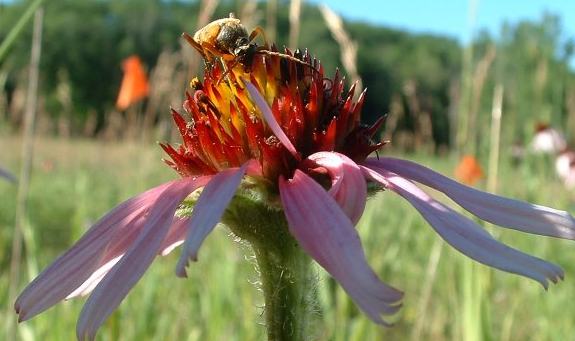
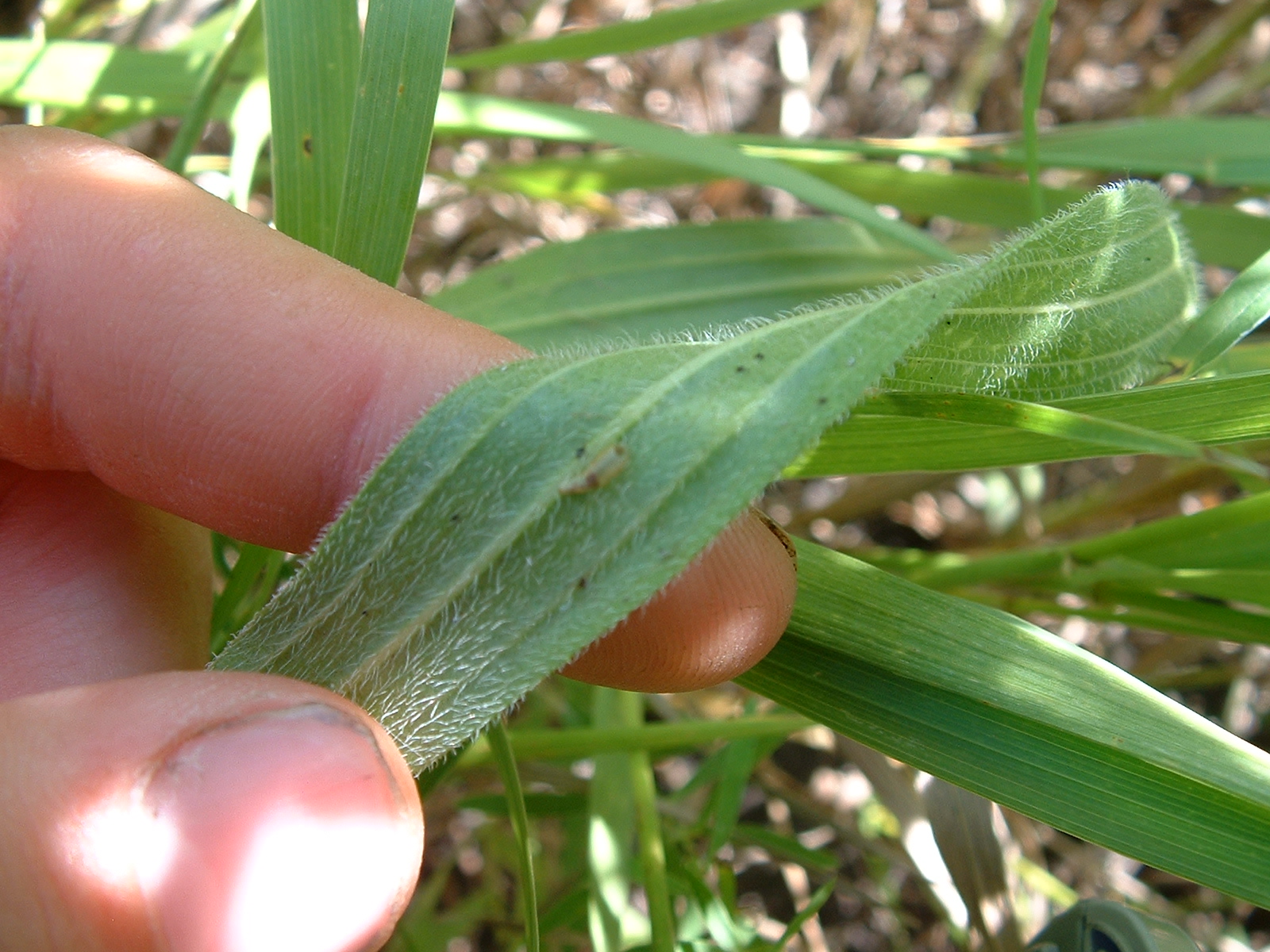
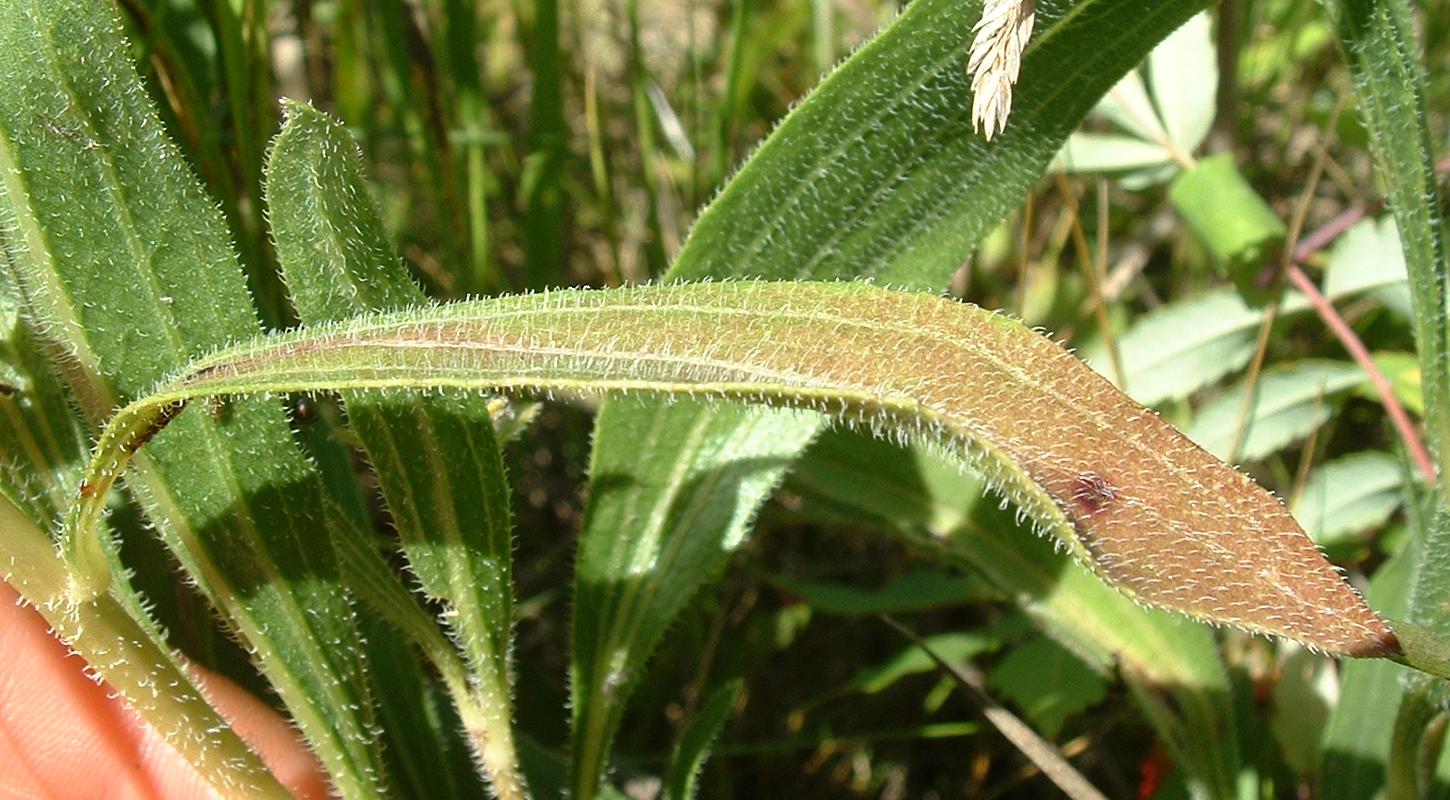
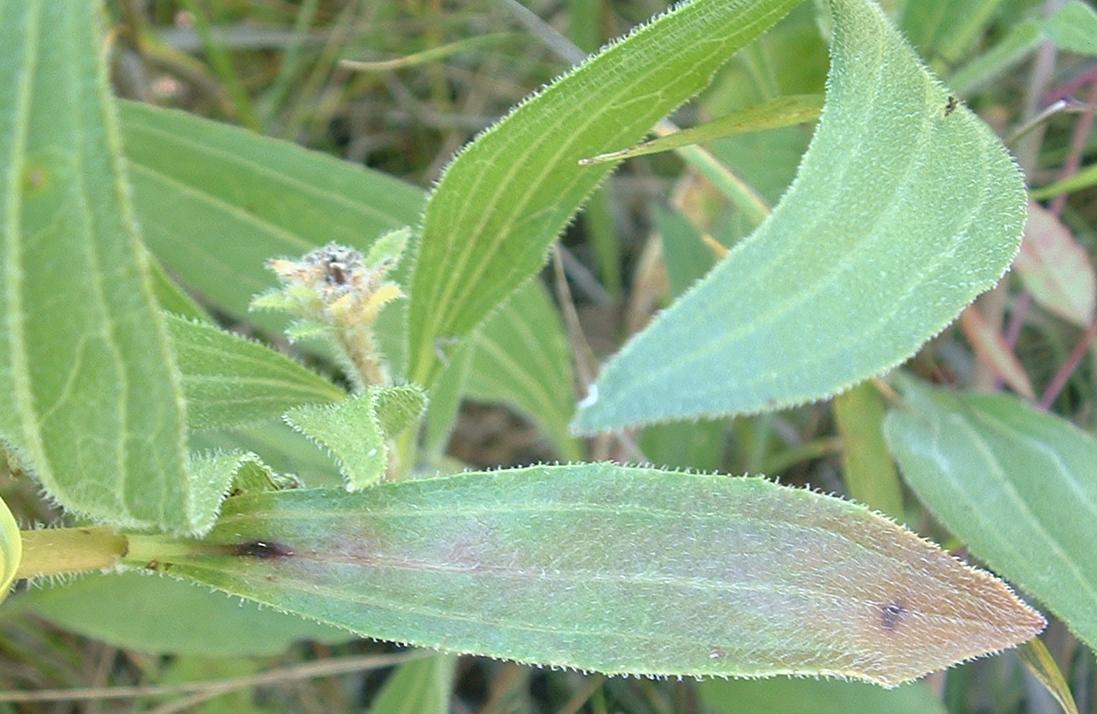
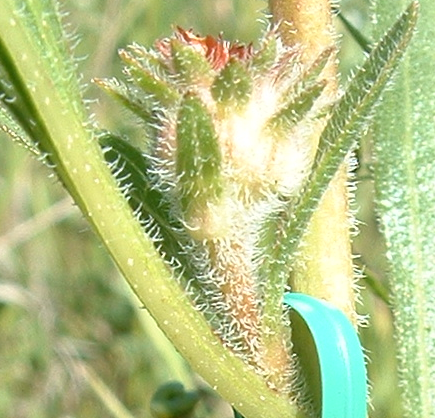
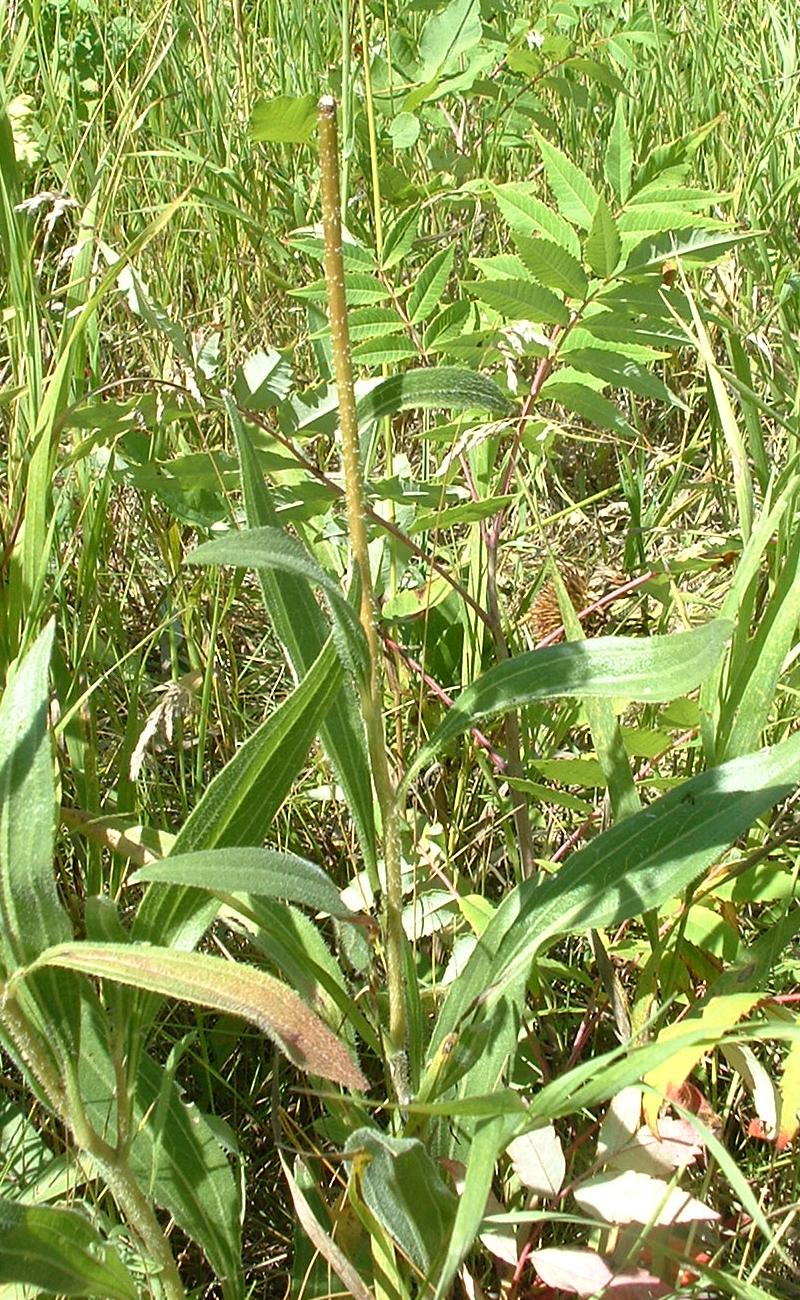
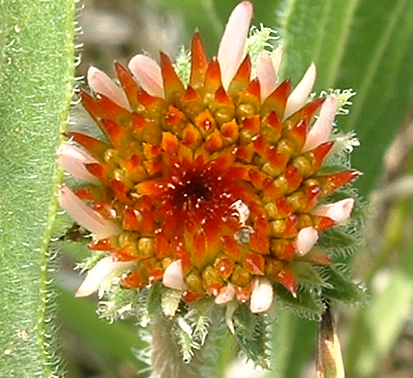
To streamline the process and get everyone on the same page i’m compiling photographs of all the different categories that we are noting in association with Echinacea plants.
Status
Can’t Find
Flowering

Basal
Staple
Dead Lvs (this year’s)
Blue Stake Only
Insects
aphids

ants

ant nest

egg sac
wht fuzzy

spittle
thorn hopper

beetle


grasshopper
leaf miner
????????????
pupa
rolled lf
Disease
yellow lf
purple lf
 
deformed lf
dead lf
Insect Damage
Nibbles
 
Holes

Wrinkles
1 lf minor
1 lf half-gone
1 lf gone
Other Damage
crisp lf
1 lf minor
1 lf half-gone
1 lf gone
1 mowed lf
1 burned tip
CGhead-info-07sub
Head Status
dud
 
no fls
broken off

crisp
bent
tilted
vertical developmnt, no hd
 
indented

normal
Insects on hd
aphids
 
ants
ant nest
white gunk

cat frass
egg sac
wht fuzzy
long-legged bug
larva
beetle
pupa
thorn hopper
spittle
grasshopper
Insect Damage
Nibbles
Disease (head)
no rays
whole hd weird
weird tufts
At last, after car trouble aborted my trip last week, I made it back out to Douglas County to join in field work with Team Echinacea. What a difference from the 2 days in late May, when Stuart, Jennifer, Andrea, Amy Mueller, and I were there searching for seedlings in the remnants! On Wed, the team numbered 12, and we made great headway measuring plants in the common garden. We were undaunted by the heat and humidity, though we did welcome every breeze. Today, we had the benefit of clouds all morning, and 13 of us measured quite a few plants at the Hegg Lake experimental site before rain, which we’d been seeing in the distance all morning, chased us in for lunch. The weather canceled field work for the afternoon, but we received instruction from Rachel about the upcoming work to evaluate species composition at her research sites, and I conferred with Stuart on analysis of pollinator visitation data before I headed back to the Twin Cities. I enjoyed the opportunity to meet the new members of the crew and working with them and look forward to the next time.
|
|

 View image