|
|
Hi all,
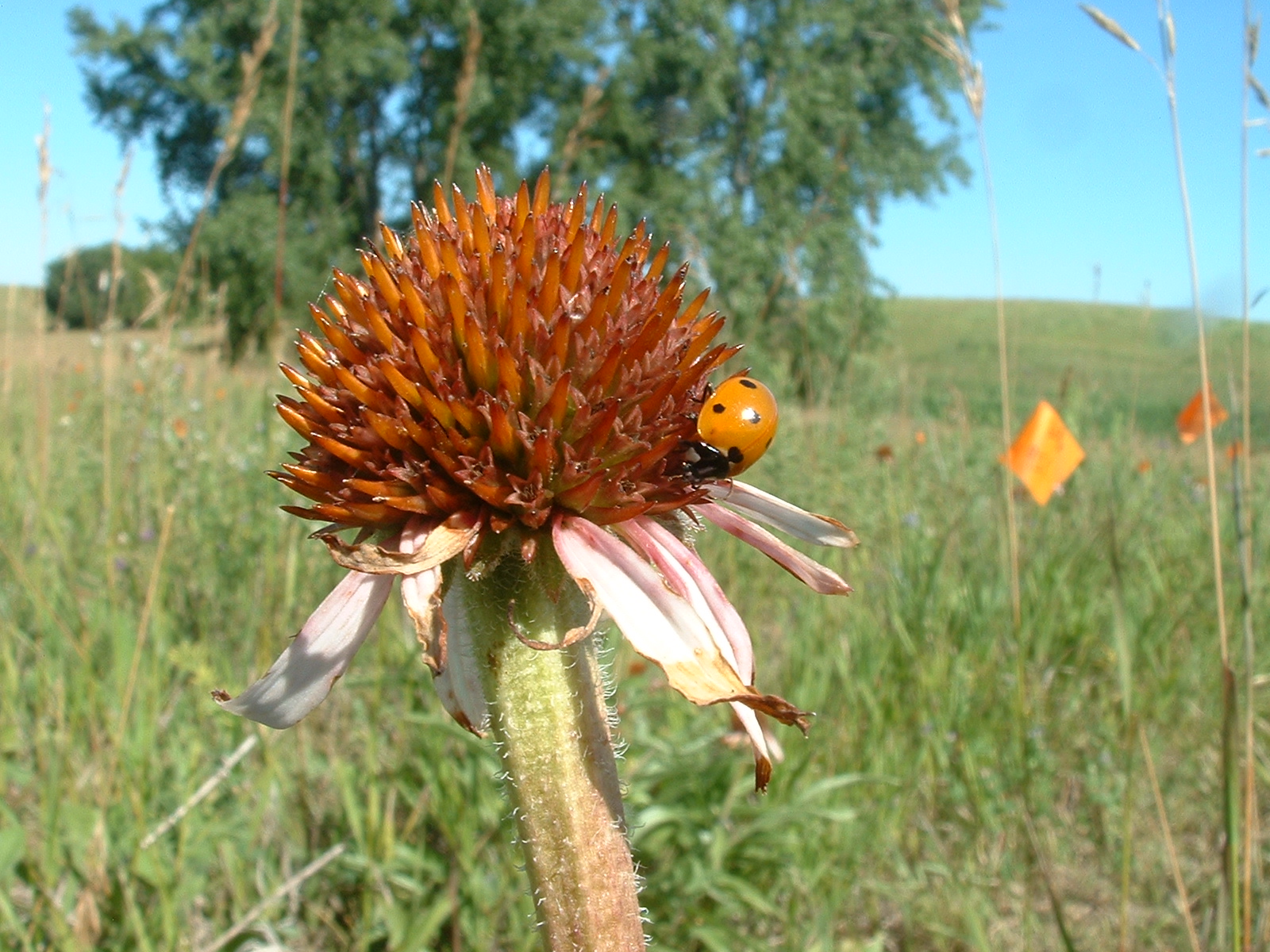
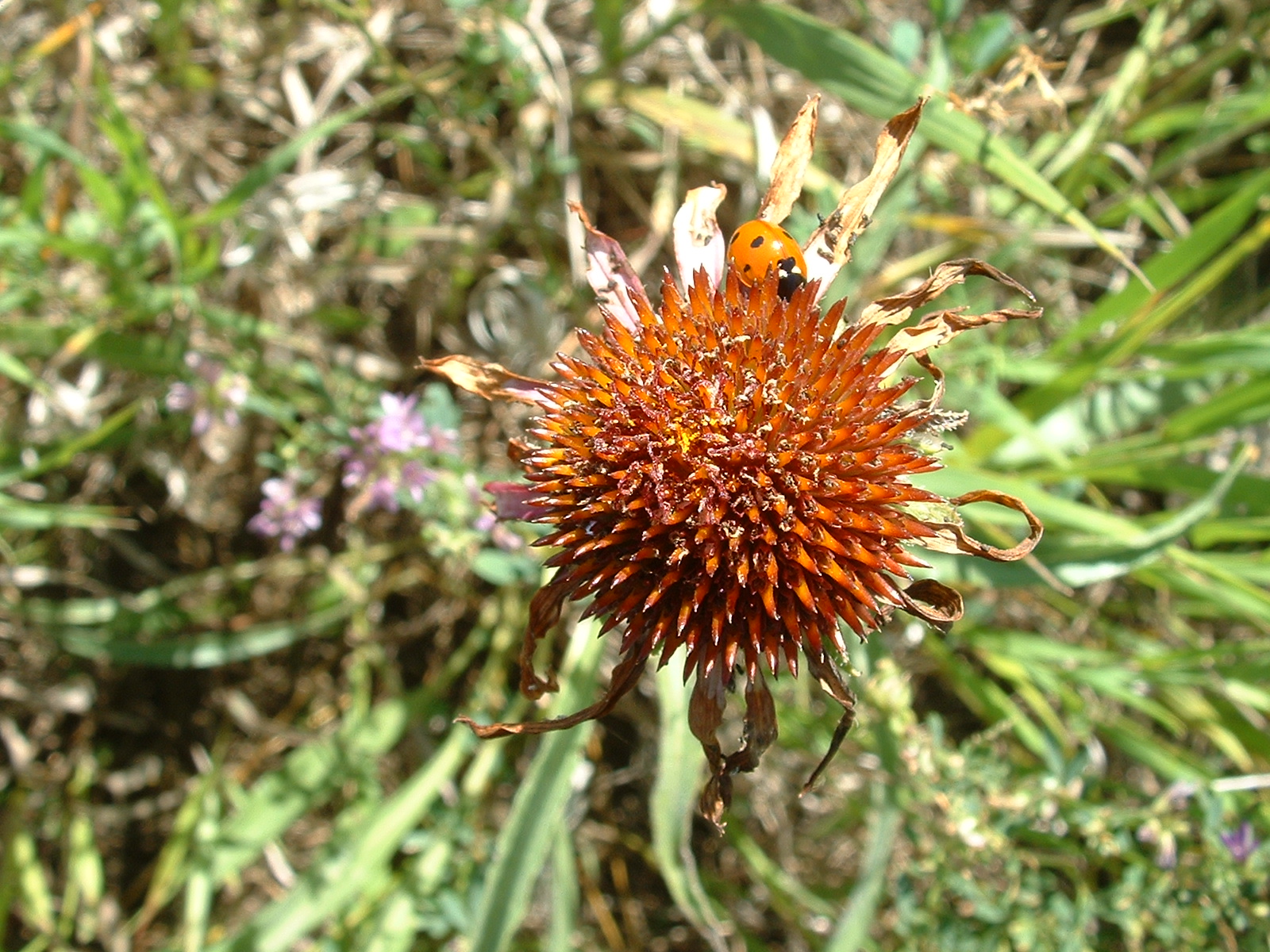
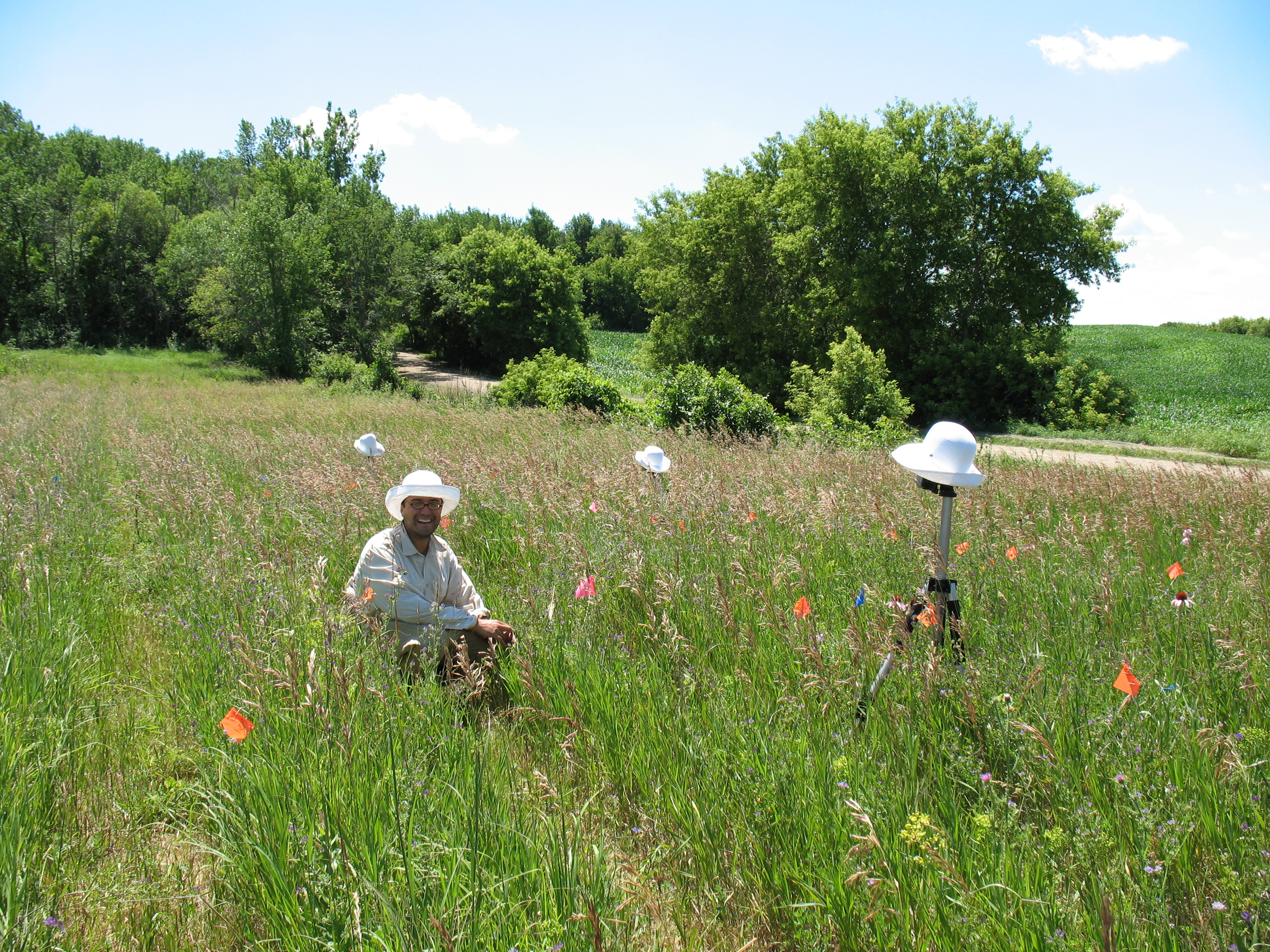
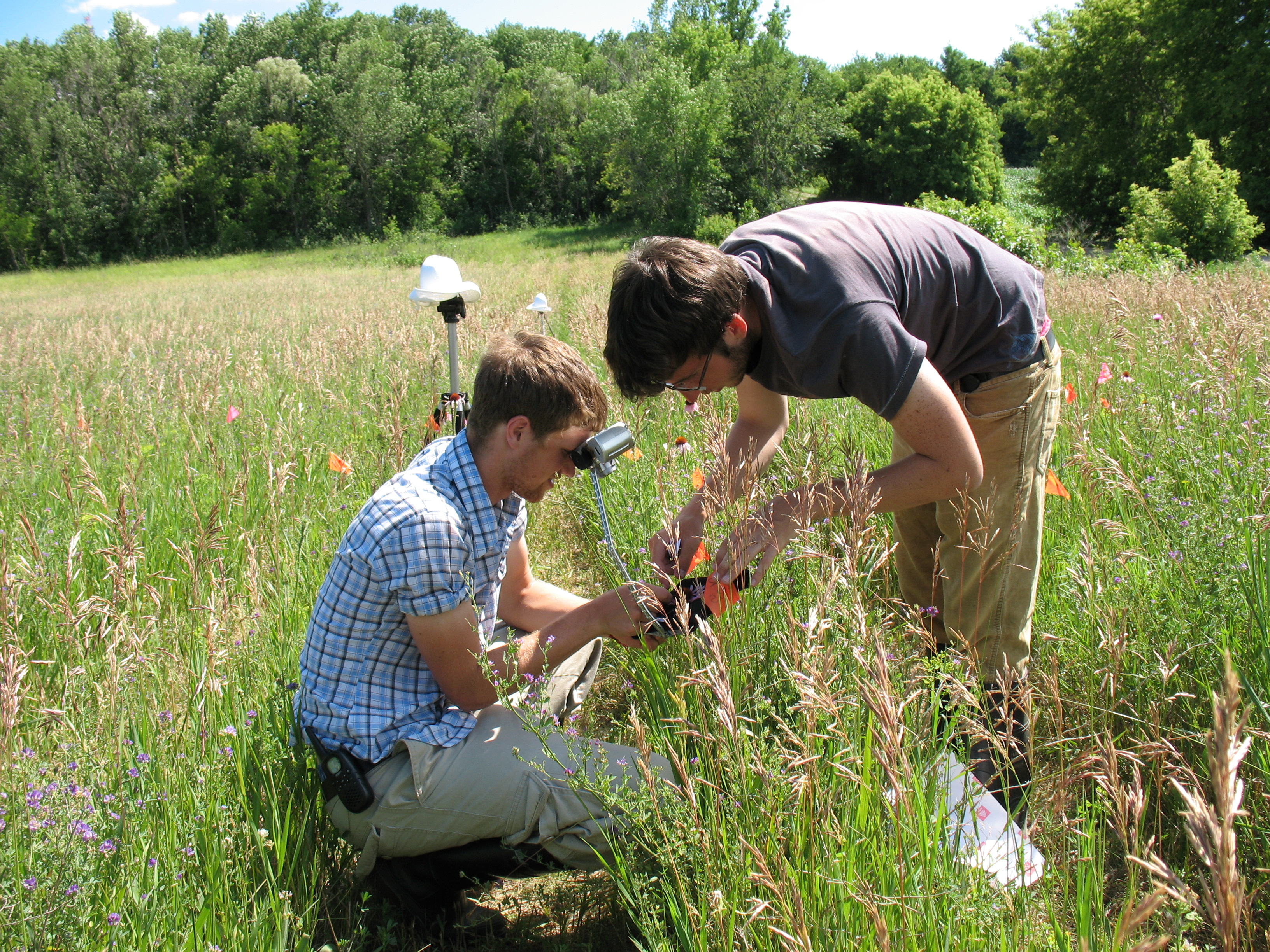
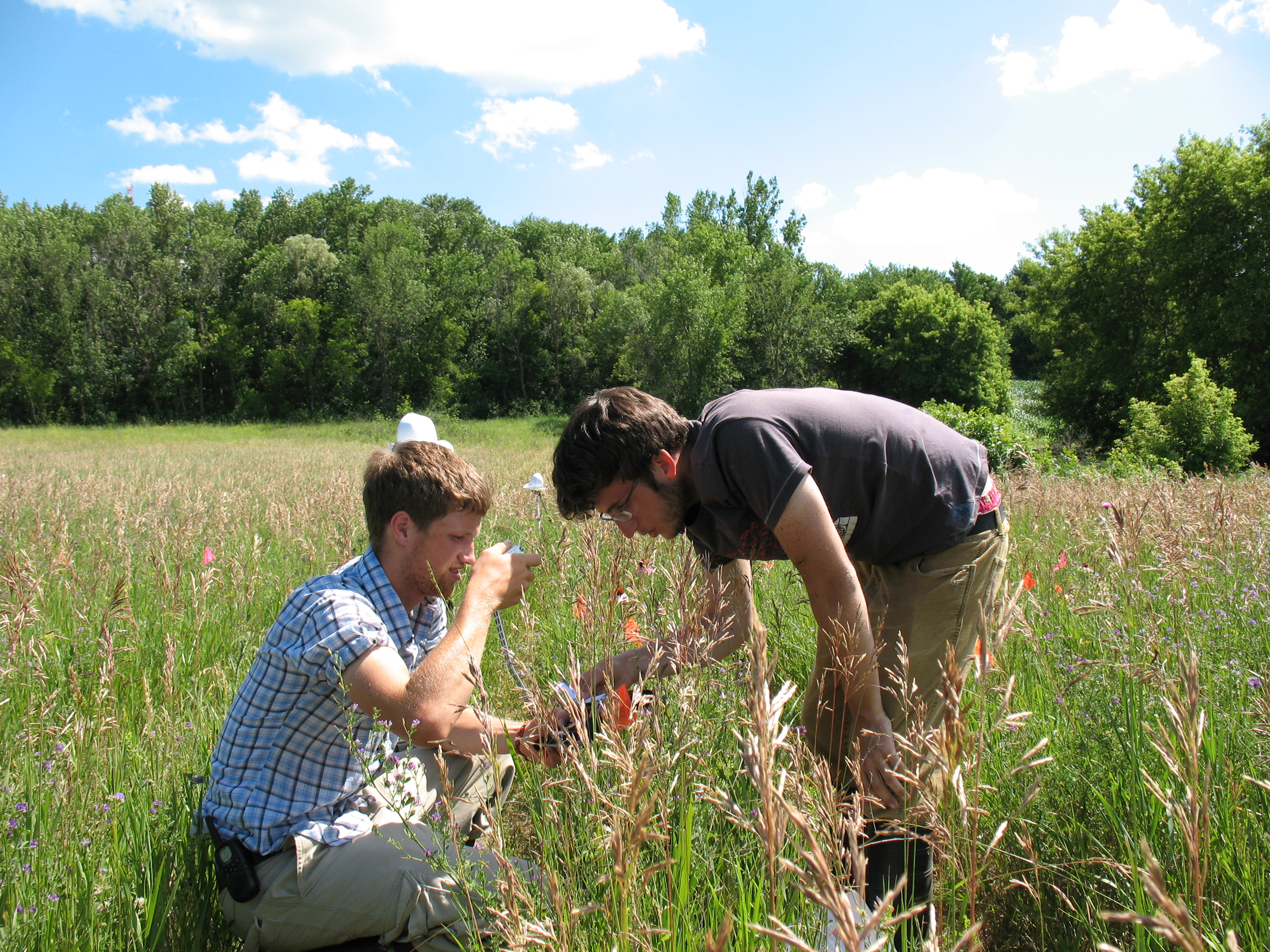
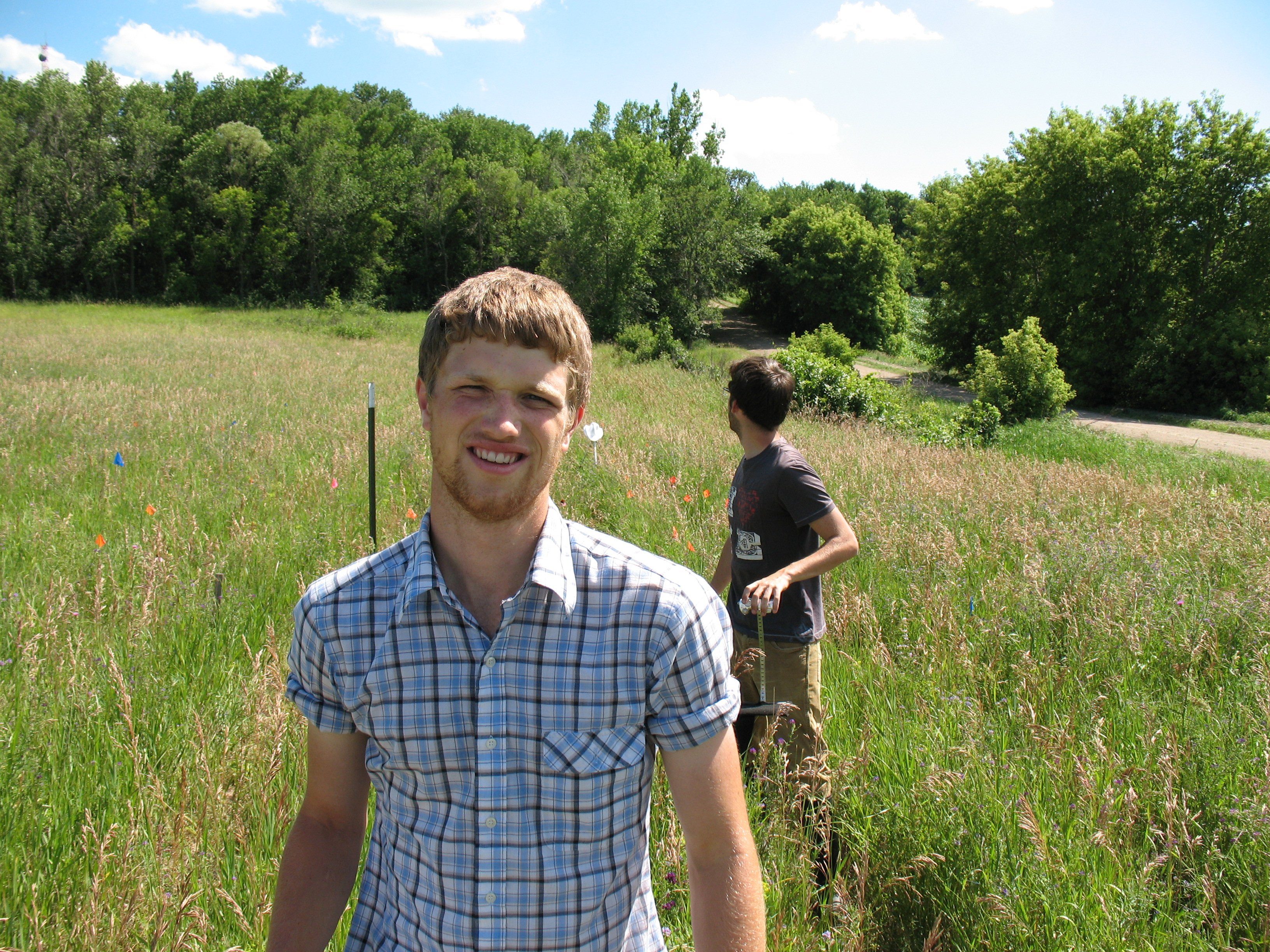
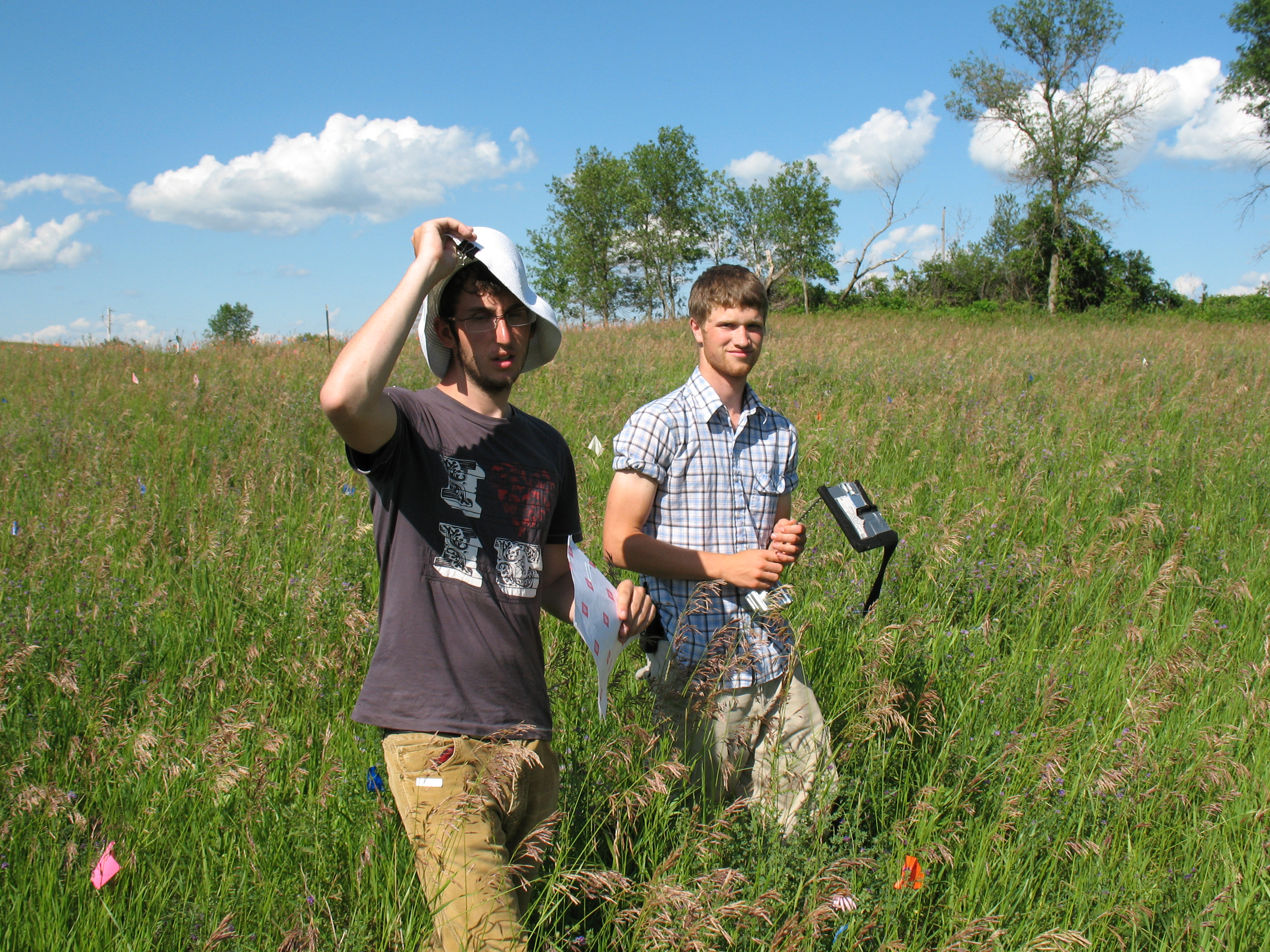
So I arrived up at the field site about a week and half ago to finish up monitoring flowering and help out with measuring and demo. Except for the recent death of my computer’s hard drive it has been an excellent start to my field season. As you may know flowering was about a week earlier this year with many more flowering heads than expected. I would have estimated around 800 (max) flowering heads but we had over 1,100 flowering in the common garden. Last year was also a huge flowering year (over 1,300 heads) because it was a burn year. I am excited to now have two years of flowering data on a large of plants in the common garden.
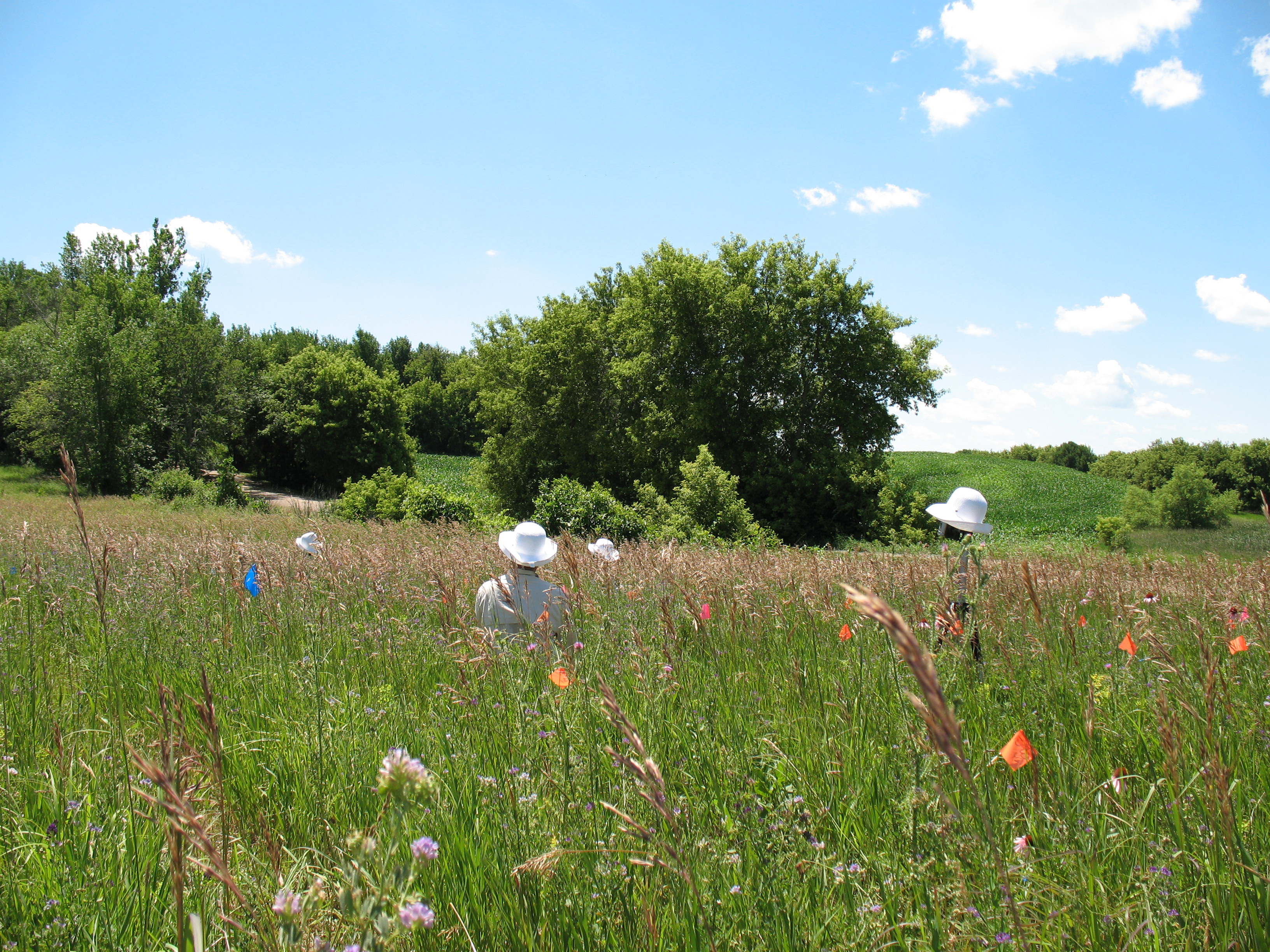
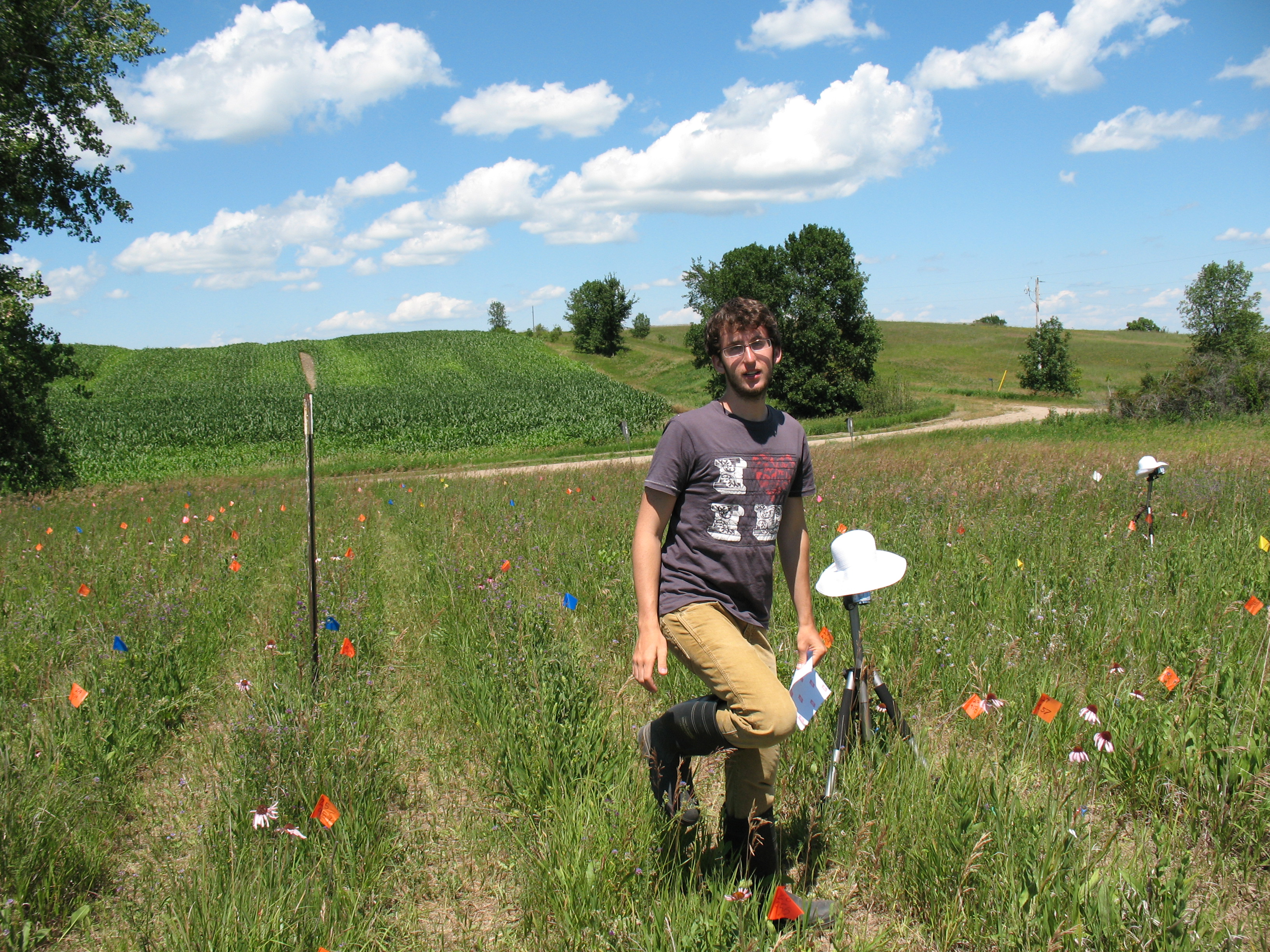
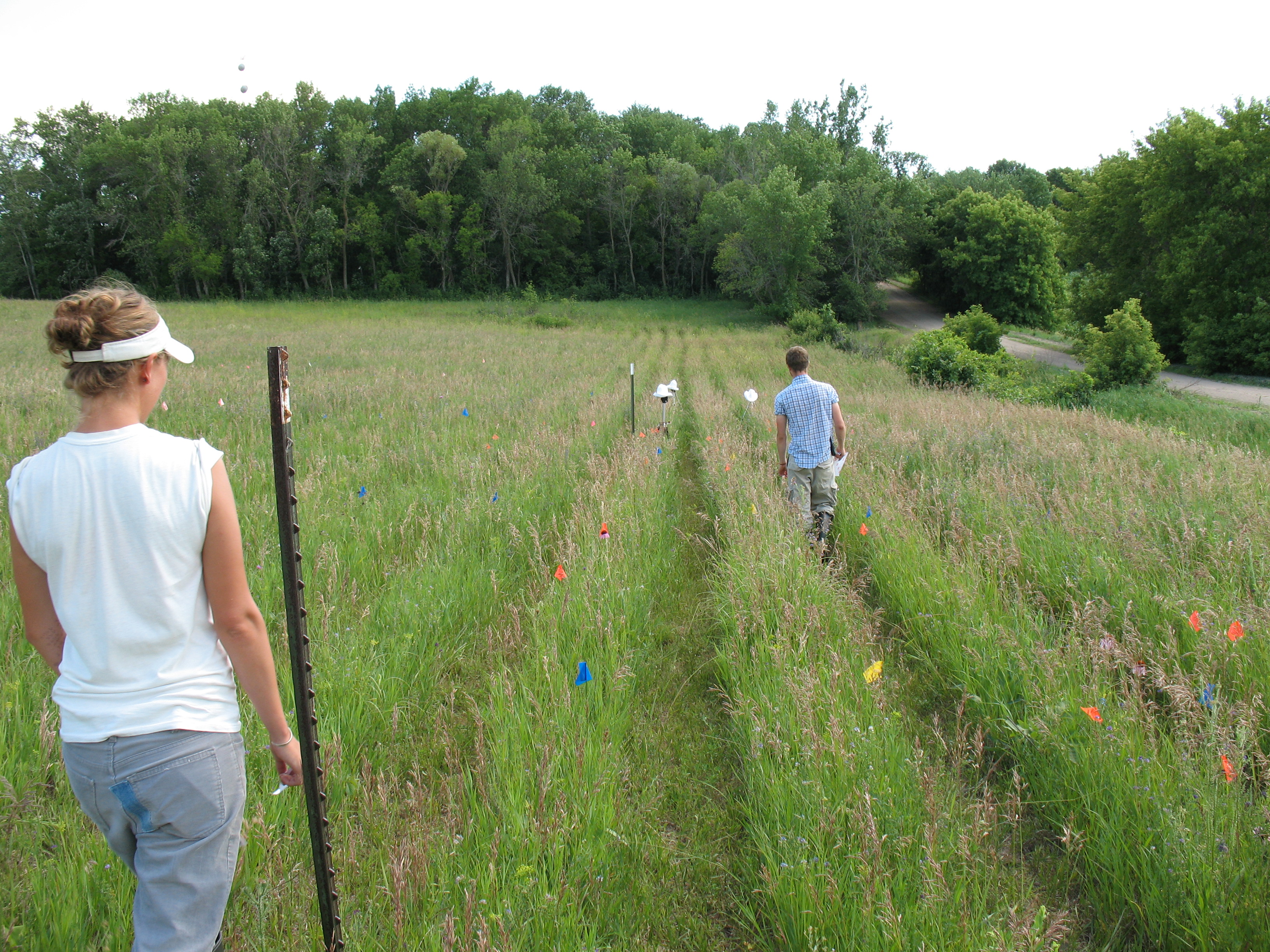
We have spent a large part of the last week I have been here measuring both in the common garden and at the hegg lake common garden. The hegg lake common garden was established back in May of 2006 to as part of my graduate research. It is about 6 miles from the main common garden on Minnesota DNR land. It has around 4,000 plants planted on a 1m X 1m grid. Today we had the entire field crew out at hegg lake measuring for a total of 13 people and measured nearly half of the entire plot just today…it was great!
Besides the field work I have been keeping myself busy in rural Minnesota by fishing (Ian has promised that I will actually know how to fish by the end of the summer), playing poker, and going to a dirt track race. In the near future I plan on flogging all non-Echinacea related activities that can be done in rural Minnesota….however now I’m tired so it will have to wait until the weekend.
Night!
Jennifer
For my most recent blog entry I’ve made a video. It is what I believe to be a Bembix wasp digging a nest. I filmed it on the backside of the Andes hill in a really dry and sandy area. I edited it down a lot. Originally there were about 24 minutes of video, but I cut a lot of the digging out as well as time in which the bee was not visible. The link for the video is http://www.youtube.com/watch?v=wskx8EKbeo0 . Make sure to have speakers on for it, but if the music isn’t your thing and you simply want to bask in the quiet glory of the wasp, watch it without sound.
After a brief retreat, during which I completed the seventh installment of Harry Potter, I’m returning to the world of field work, flogging and fun. [The book, by the way, was excellent, and I’m excited and willing to discuss it with anyone who has also read it, or who wishes the ending to be spoiled. Also, I want to give props to my younger sister, who predicted the ending with remarkable accuracy.]
This week we’ve been battling some classic Minnesota summer weather. The whole week has been extremely hot, and exceptionally muggy. To the consternation of some and relief of others, we switched our working hours to be an hour earlier so as to avoid some of the afternoon heat. Driving into work one day, we heard the MPR weathercaster announce that there were going to be “sauna-like conditions” and recommended that people stay inside and avoid strenuous activity. The hardy members of Team Echinacea persevered undaunted however, and we made good progress in the monitoring of the Common Garden and at Jennifer’s plots at Hegg Lake. We welcomed back team members Rachel and Amy Mueller, and also received a visit from Ruth Shaw, who was valuable addition during this hot week, and who also came to Kensington bearing delicious lemon poppy seed cake.
Now that I’ve gotten a new toy, I’ve gotten several more pictures. Not all of them are with this fun lens though.

Let’s start with the sex. Tittilating thorn hoppers! Mating monarchs! Lusty Lepidopterans!
Then there are the critters I don’t recognize. This looks to me like some beetle larva (but I really have no idea). Shiny beetle on some thistle.
Jameson has just informed me that these are thorn hopper larva. Around the Andes Tower property, we came across a spider having a meal of a dragonfly. Don’t forget tiger beetles.
As for our plant portaits, I’ve got some Asclepias speciosa, showy milkweed. Allium has some pretty neat flowers. Like Earl Grey tea? Then you’ve had some of the tasty wild bergamot, Monarda fistulosa. The common garden has quite a bit of Solidago rigida, or stiff goldenrod.
Do You Know What Kind of Insect This Is?
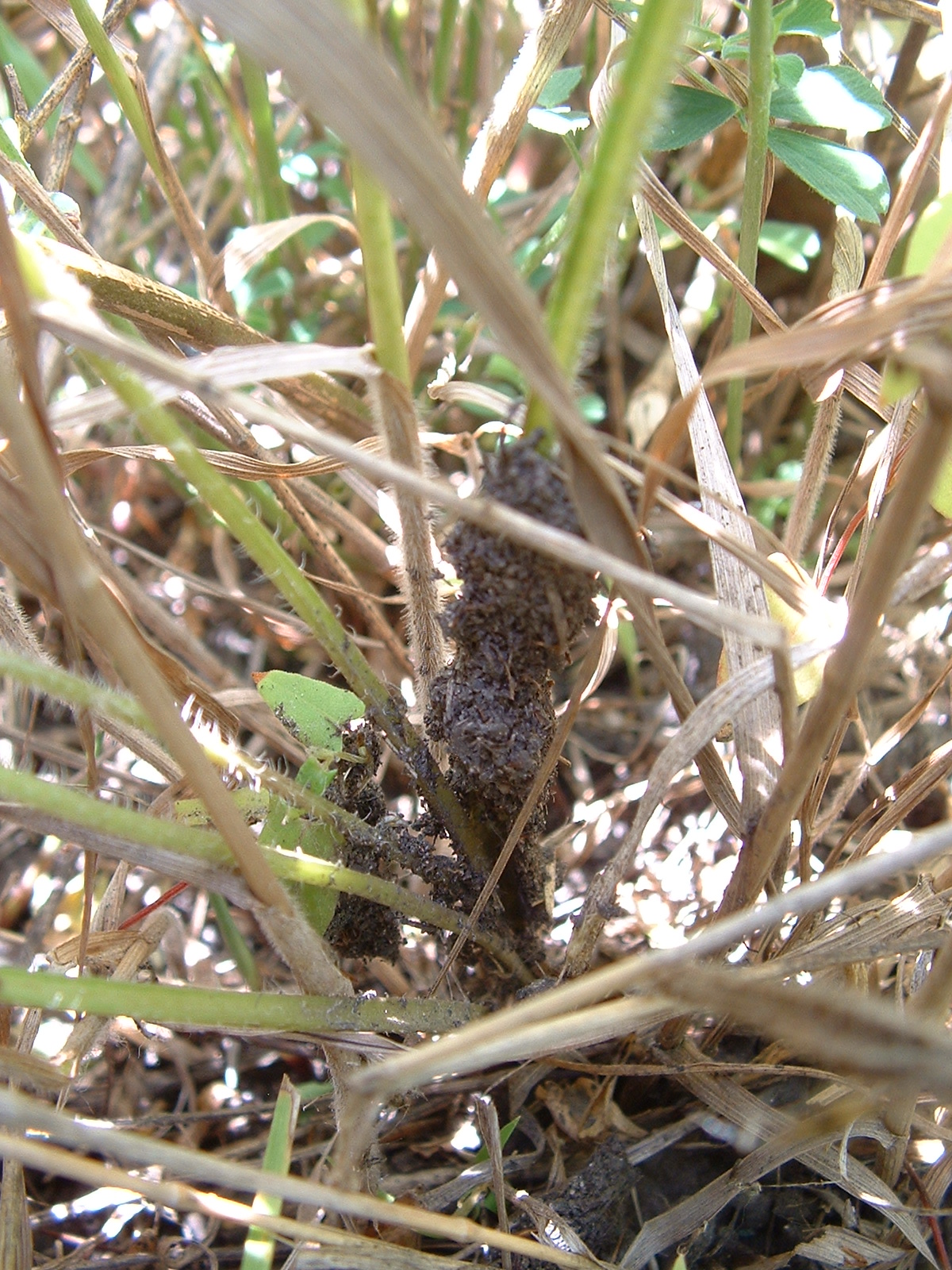
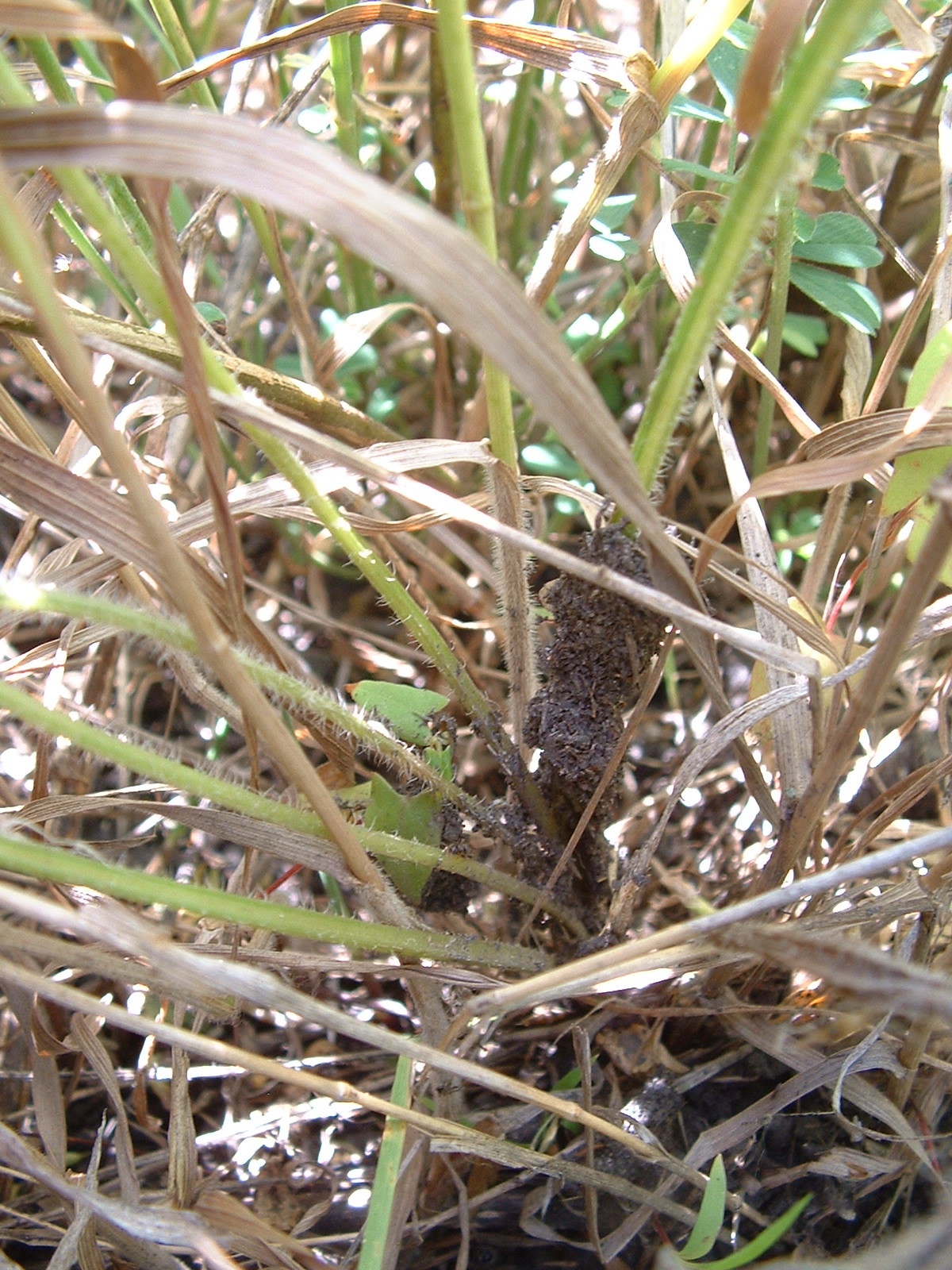
Team Echinacea sure didn’t until some crafty web searching informed us that these mysterious holed creatures are the larvae of Tiger Beetles. A frustrating day a few weeks ago was spent trying to figure out what lived in these 1 centimeter in diameter holes. Careful observation seemed to disprove what we had always assumed before; that they belong to the solitary bees that pollinate the Common Garden. You know what they say about when you assume…
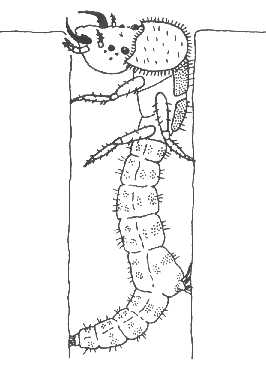
What you can see is the underside of its head, as is visible in the diagram below.

(Diagram from Westminster College)
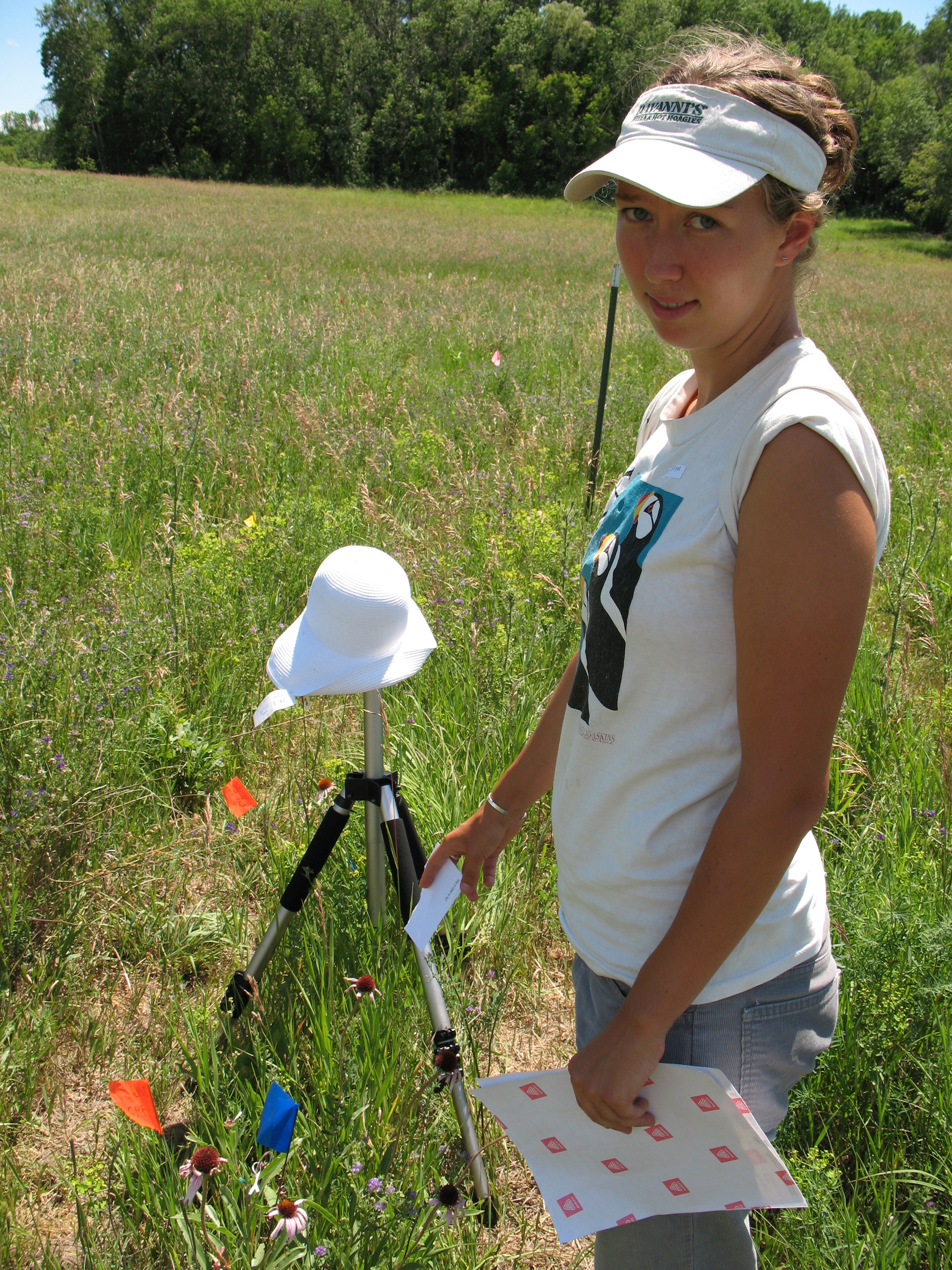
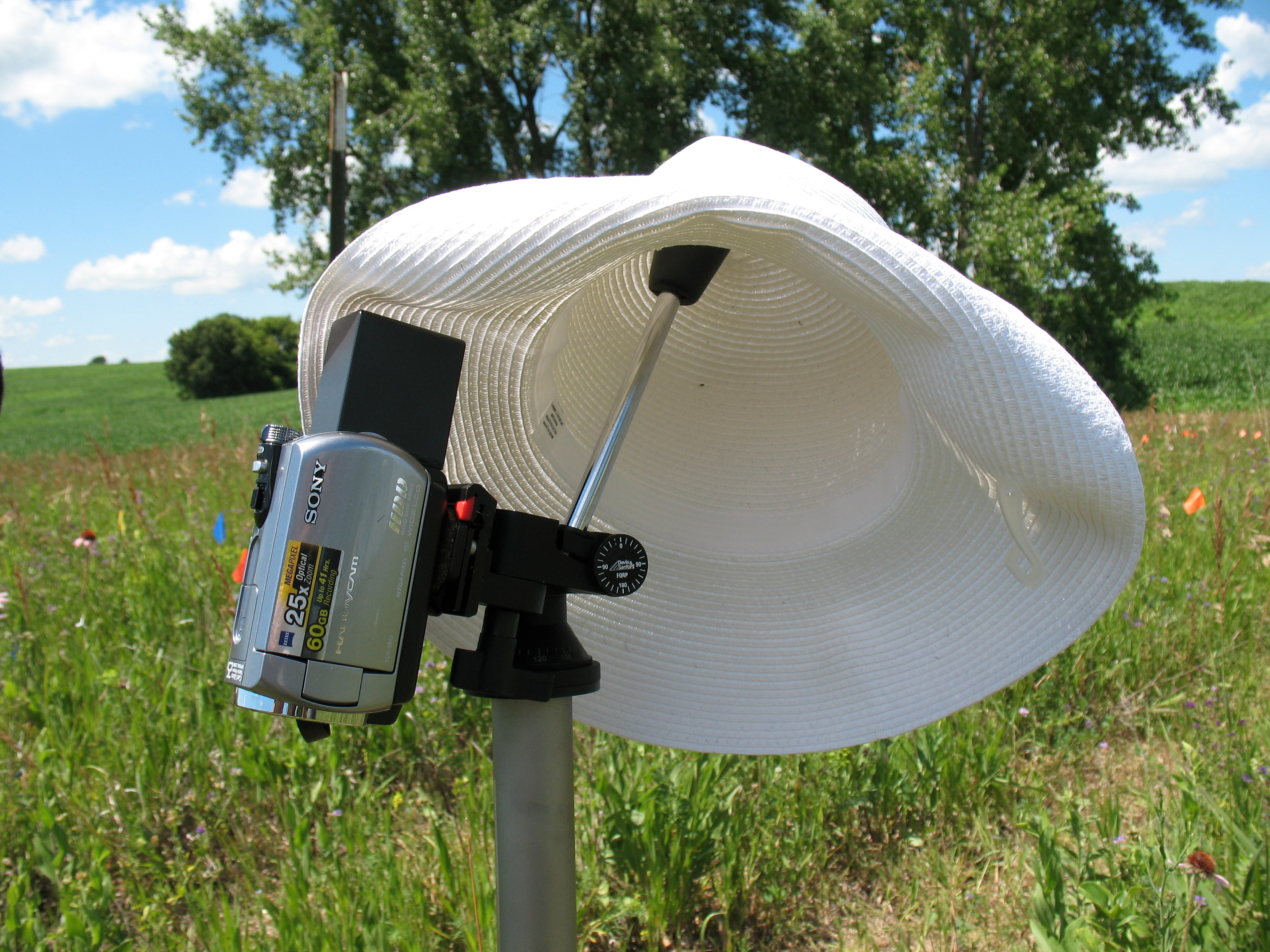
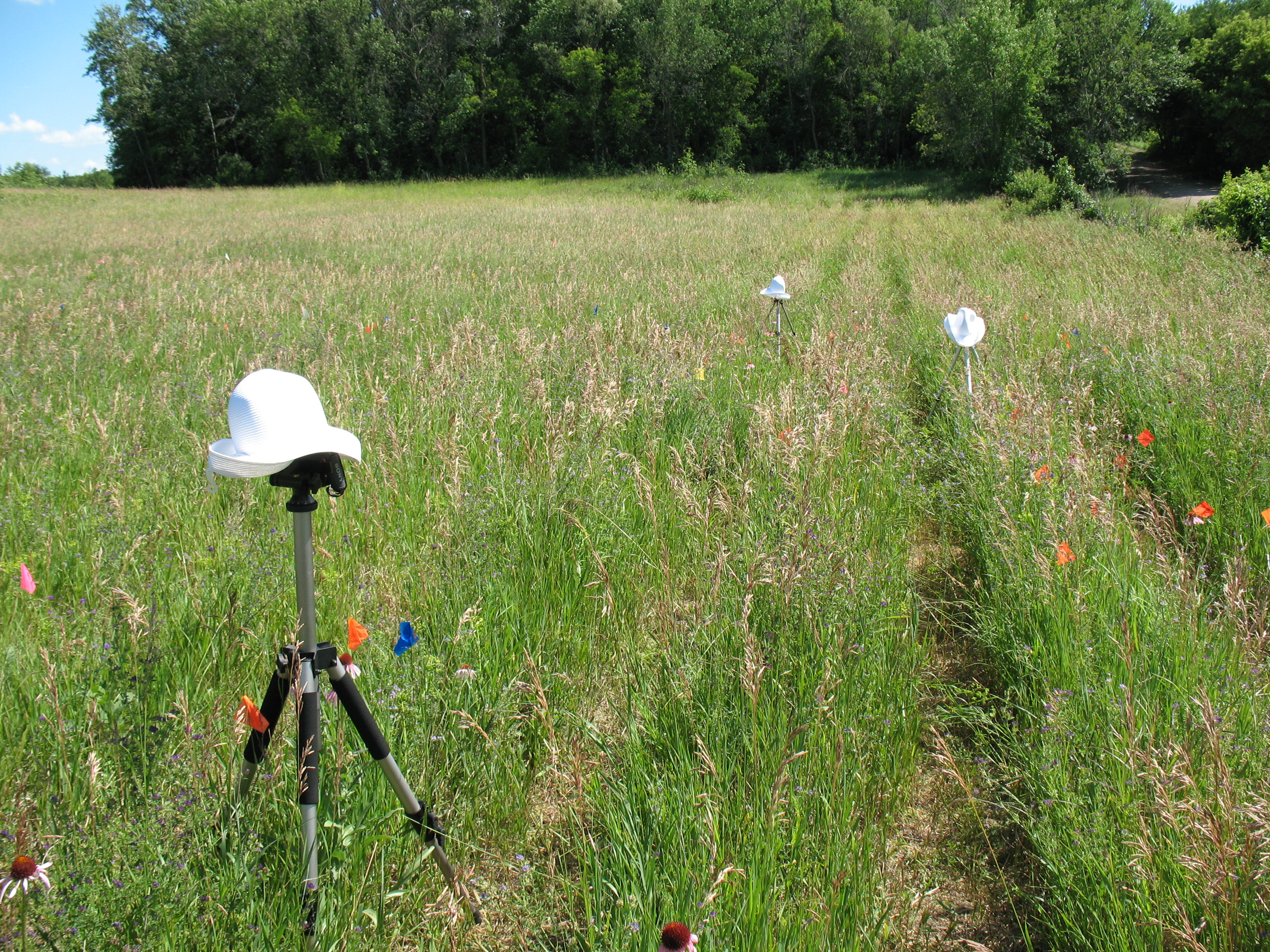
The larva at the top is sitting and waiting for something edible to walk by before it attacks. Apparently the bottom one confused the nearby rock with actual prey. This footage was acquired in the common garden with the assistance of excess equipment from Team Video.
Had that rock actually been an ant the larva would pull it to the bottom of its hole (which can be up to 1 meter long) and devour it. Later it will fling the indigestible exoskeleton out. Additional footage captured the larvae flinging dirt out while expanding its home. Simply more information about the inhabitants of the Common Garden.
On July 9th Team Echinacea temporarily became Team Platanthera. That is to say, we journeyed c. 170 miles northwest of our usual study area, around Kensington, to the Nature Conservancy’s Pembina Trail Preserve near Fertile, MN. Here we searched for Platanthera praeclara, the elusive Western Prairie Fringed Orchid. The WPF orchid is a midwestern prairie wildflower that has been listed as federally threatened since 1989. For more information about the WPF, where it persists, and why it is threatened, check out this link .
Gretel has been surveying the population at Pembria for the past several years to track changes over time and to better understand the effect of management techniques such as burning and mowing. Though prone to wide population fluctuations, this year we found an exceptionally low number of orchids – 151 between the two plots (108 and 43).
As usual, the day did not close without Team Echinacea/Platanthera hijinks. While wading in a drainage ditch, Jameson picked up a leech between his toes which Ian subsequently, and stalwartly, removed. We also stopped for pizza on the way home. Not to toot my own horn, but my recommendation (jalapeño and pineapple), though widely scoffed at initially, went over quite well with those who partook.
Finally, I leave you with these few pearls:
When the emotions are strong one should paint bamboo; in a light mood one should paint the orchid. – Chueh Yin
Inspired teachers … cannot be ordered by the gross from the factory. They must be discovered one by one, and brought home from the woods and swamps like orchids. They must be placed in a conservatory, not in a carpenter shop; and they must be honored and trusted. – John Jay Chapman
“When two friends understand each other totally, the words are soft and strong like an orchid’s perfume��? – anon
“A human being isn’t an orchid, he must draw something from the soil he grows in��? – Sara Jeannette Duncan
We have gotten the chance to look briefly at some of the bee data that we gathered this summer. The first numbers that we have to report are the average flight distances that bees are making between plants. Average flight distance between different plants of Echinacea is 3.73 M. When we added the data for the flights between different heads on the same plant (these intraplant flights were all considered to be 0 M long) the average flight distance was shortened to 3.27 M.
In the next couple of days, we will potentially do the following with our data:
-construct a histogram to visually represent the distance distribution of flights
-print out the homerange maps for each bee, and determine their size, overlap with other homeranges, etc
-compare the maps of flight tracks to the phenology data to see if we can find patterns in which inflorescences bees are visiting and which they are choosing to ignore
-try to determine the percentage of flights that are not successfully transmitting pollen between compatible plants
|
|