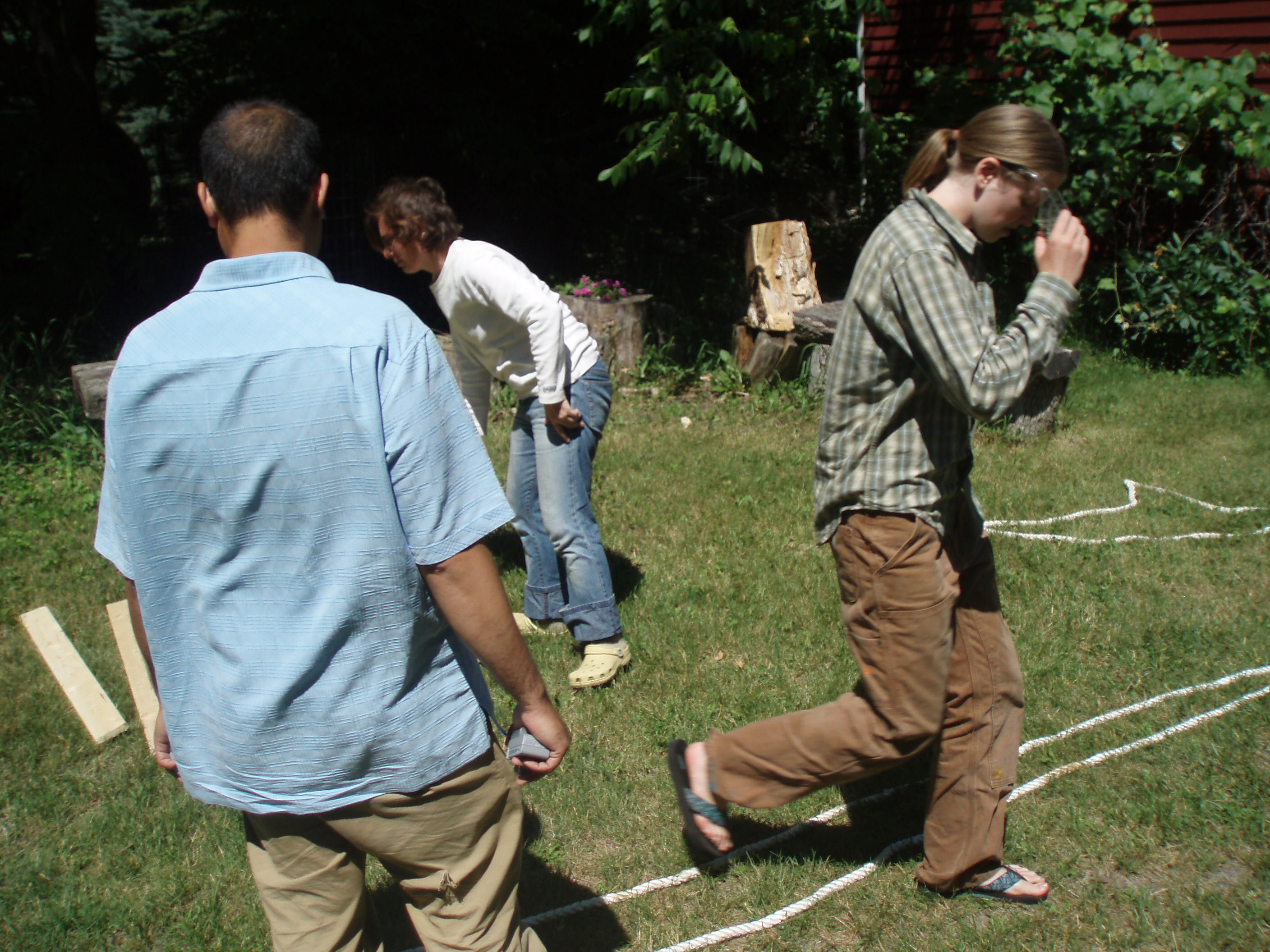
We had a great picnic at Elk Lake Beach on the fourth. The wind off the lake was refreshing & would have been great for kite flying. Instead we ate great food, sat on the dock, swam, kicked the soccer ball, tossed a disk, and ate great food. The company was marvelous: Amy, Colin, Dwight, Gretel, Hattie, Ian, Jameson, Jean, Josh, Julie, Per, Pete, Rachel, Sarah, & Stuart. Folks stayed for about four hours and some got a little too much sun. The water was pleasantly warm, but a little greener than usual. I didn’t take any photos.
|
||||
|
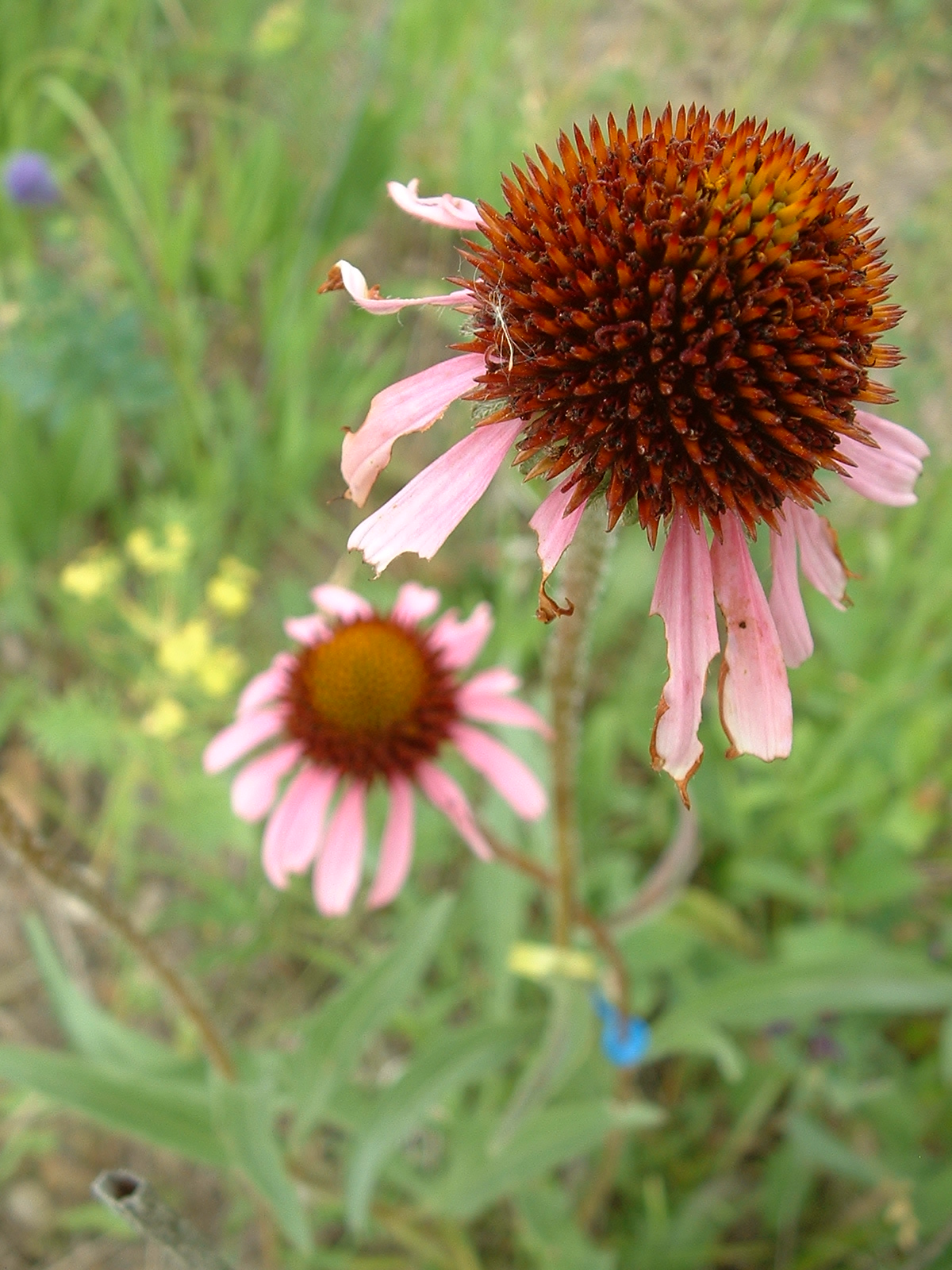
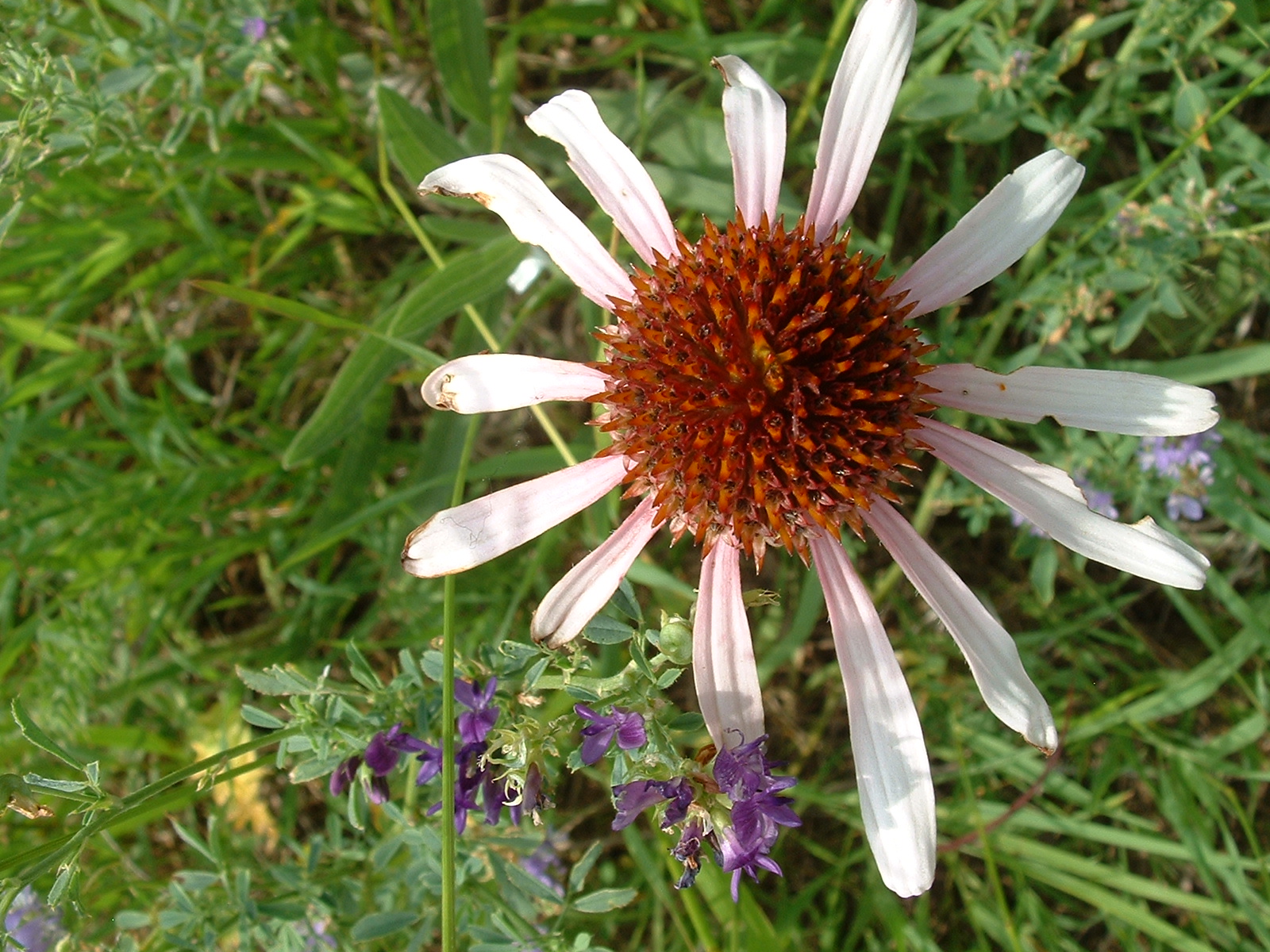
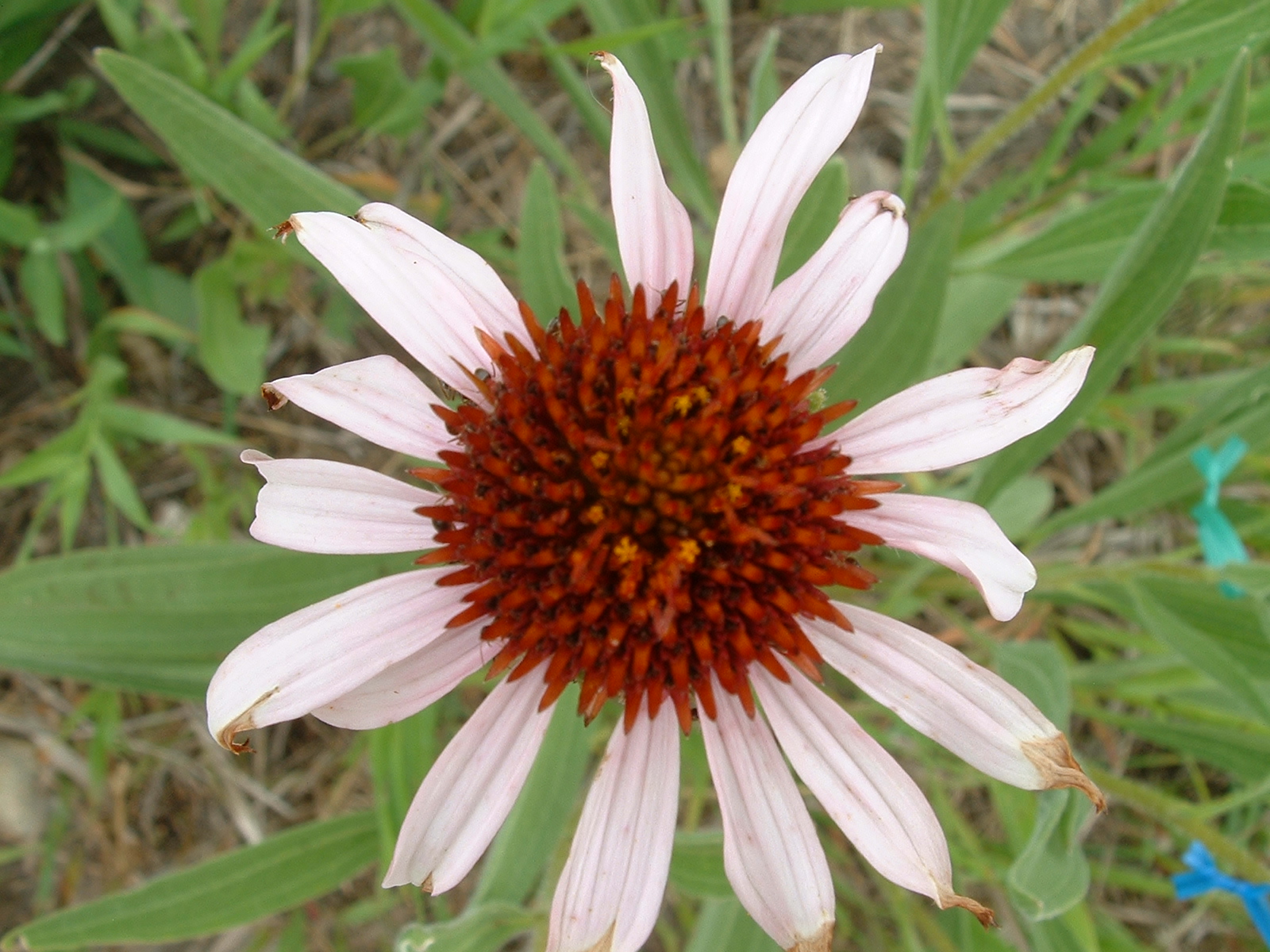
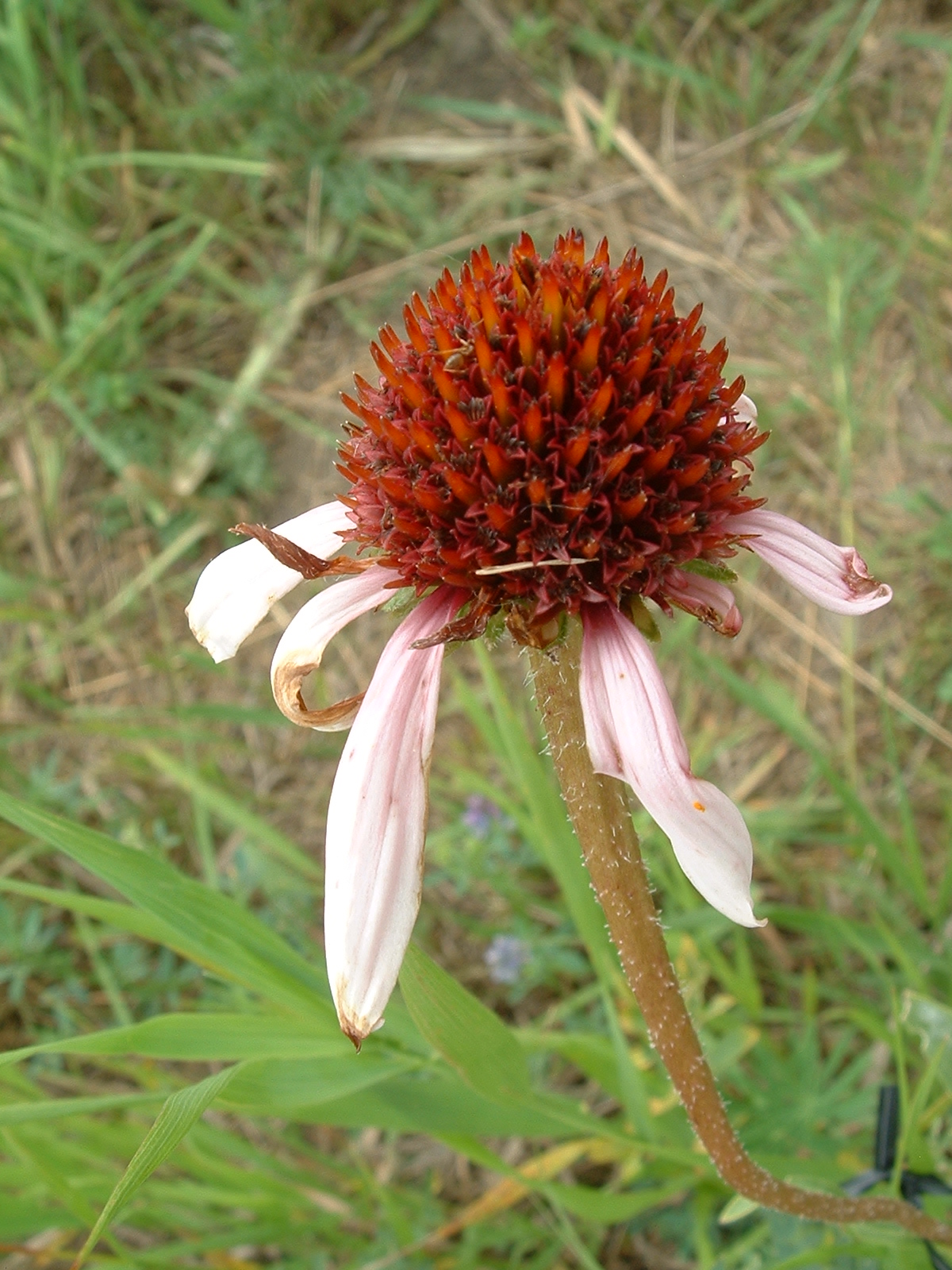
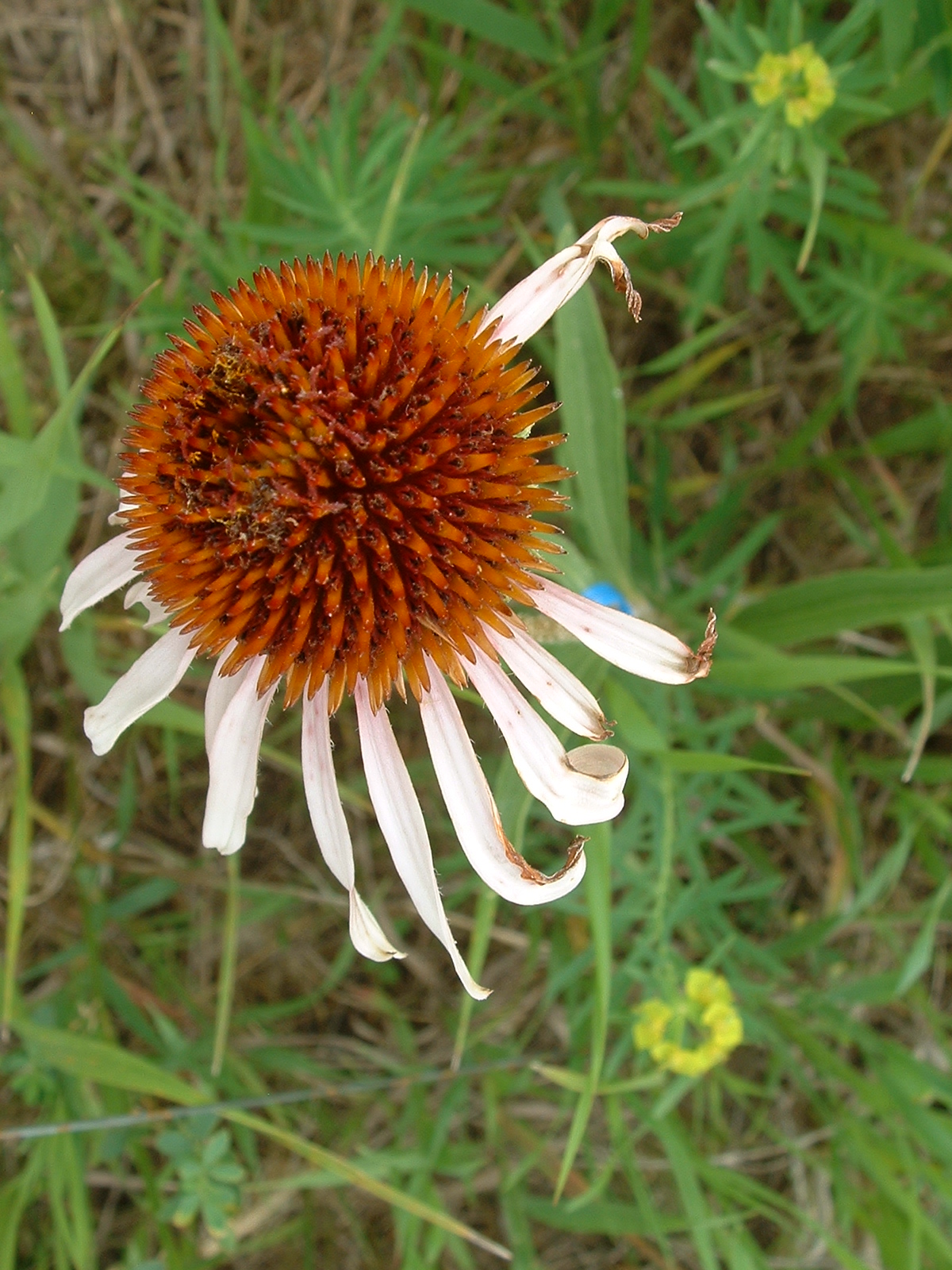
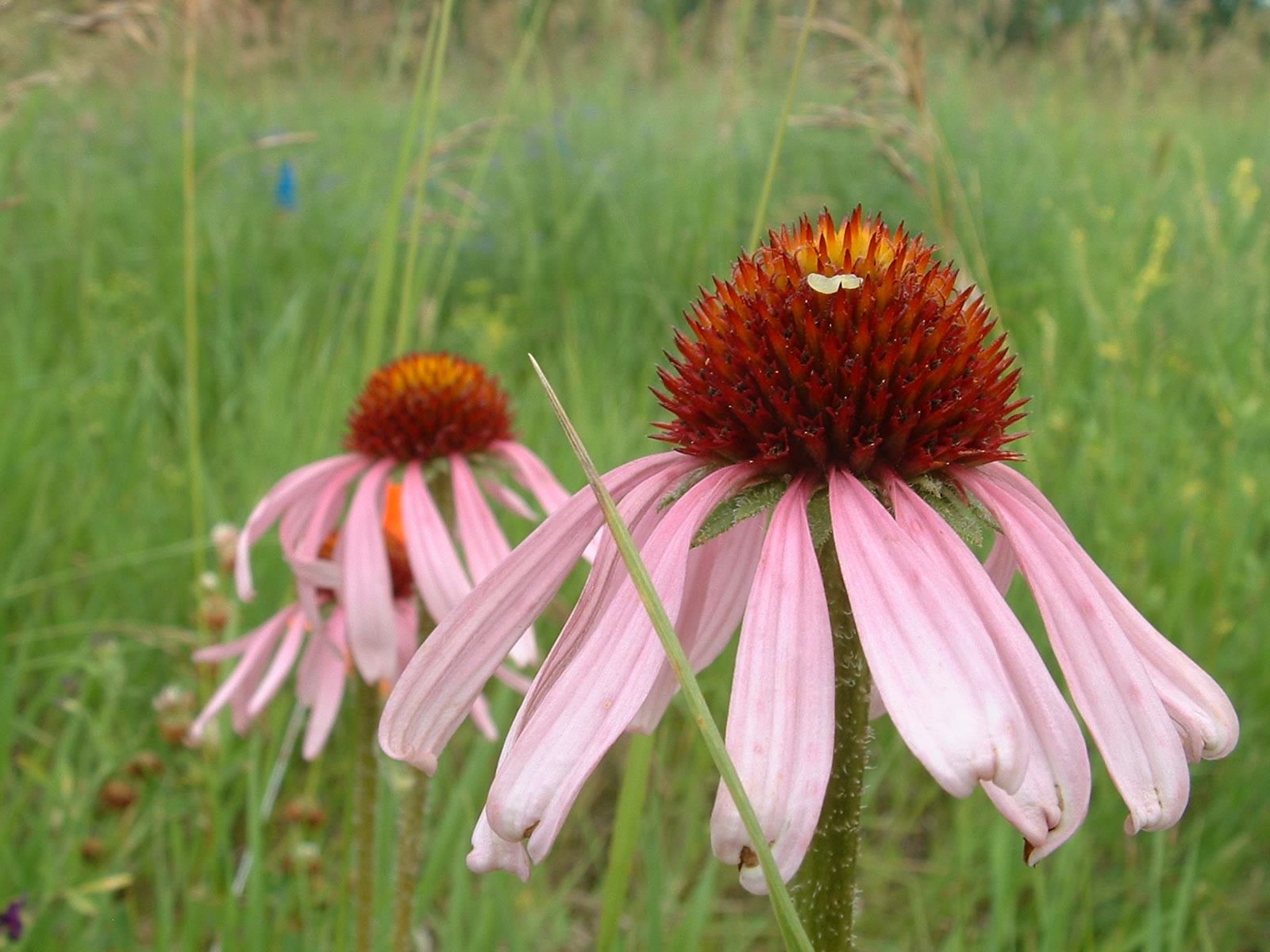
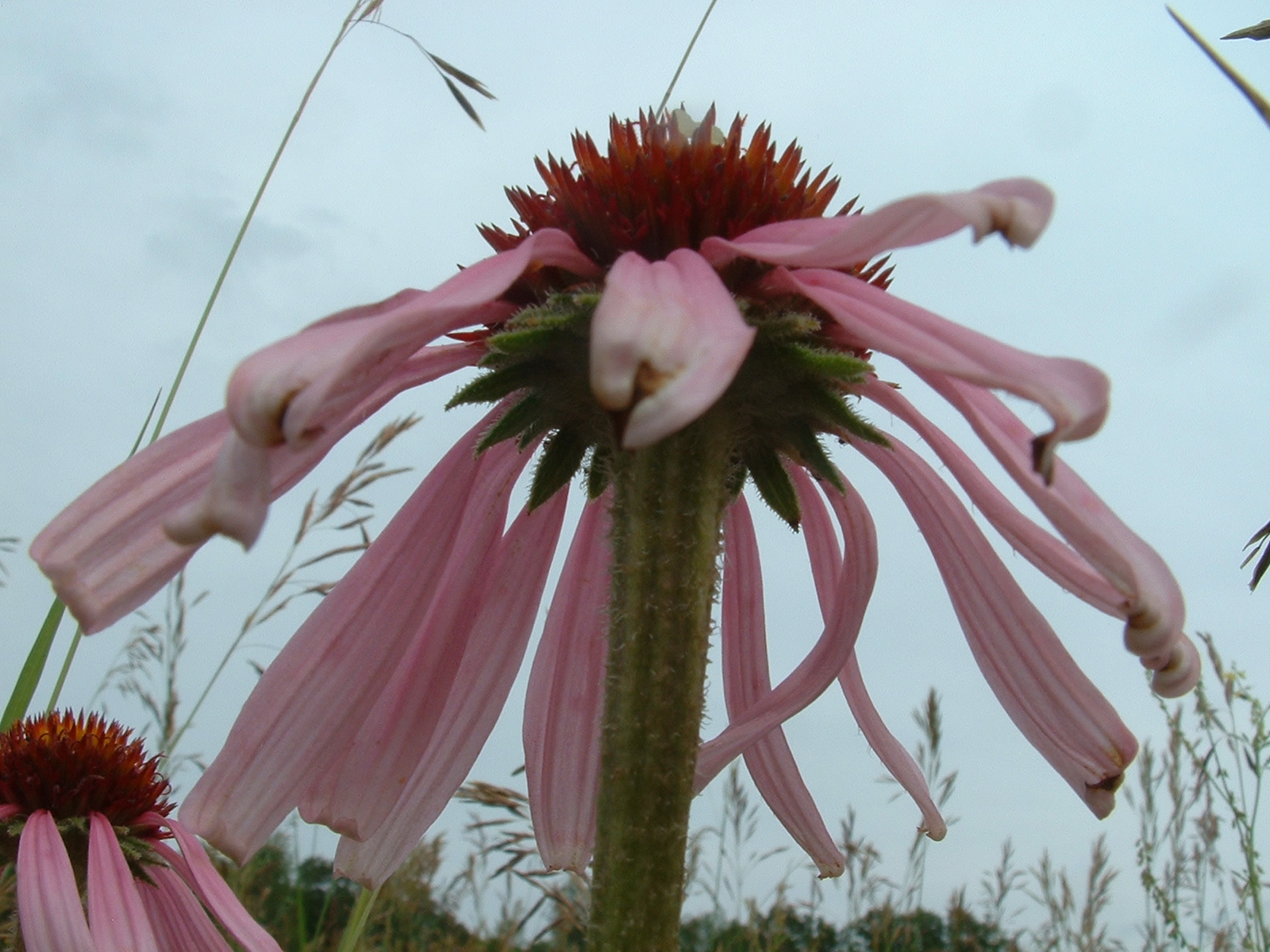
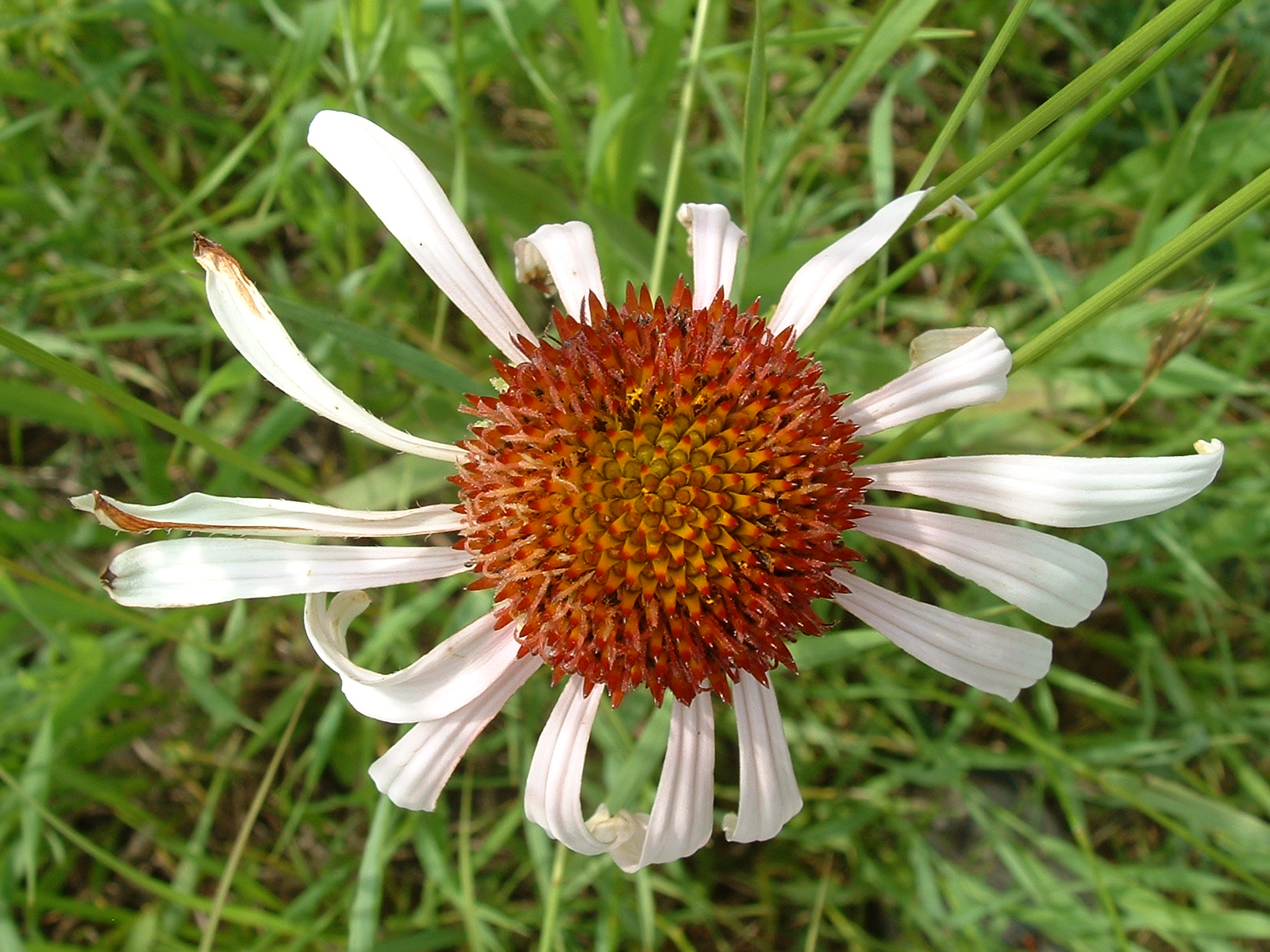
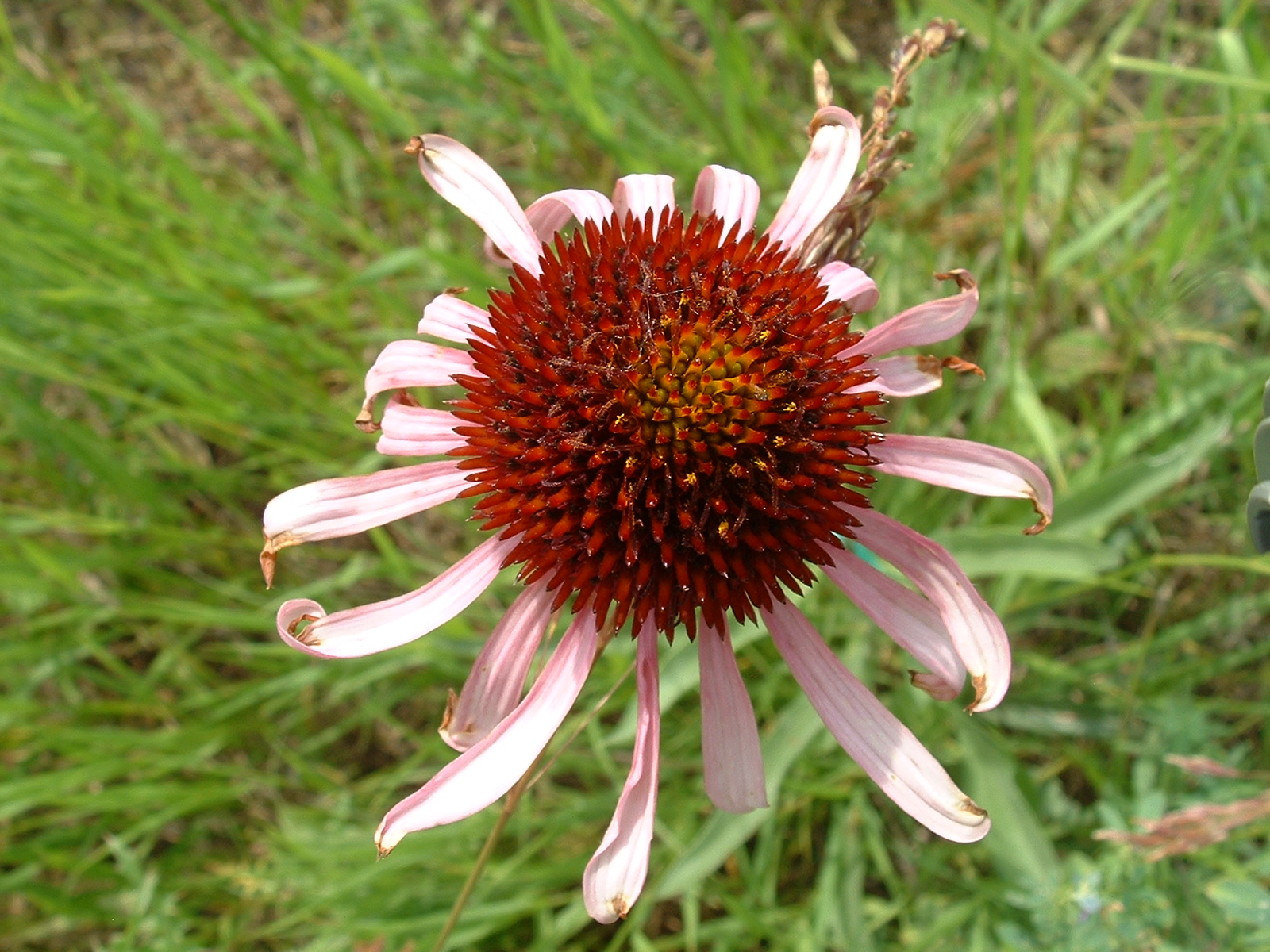
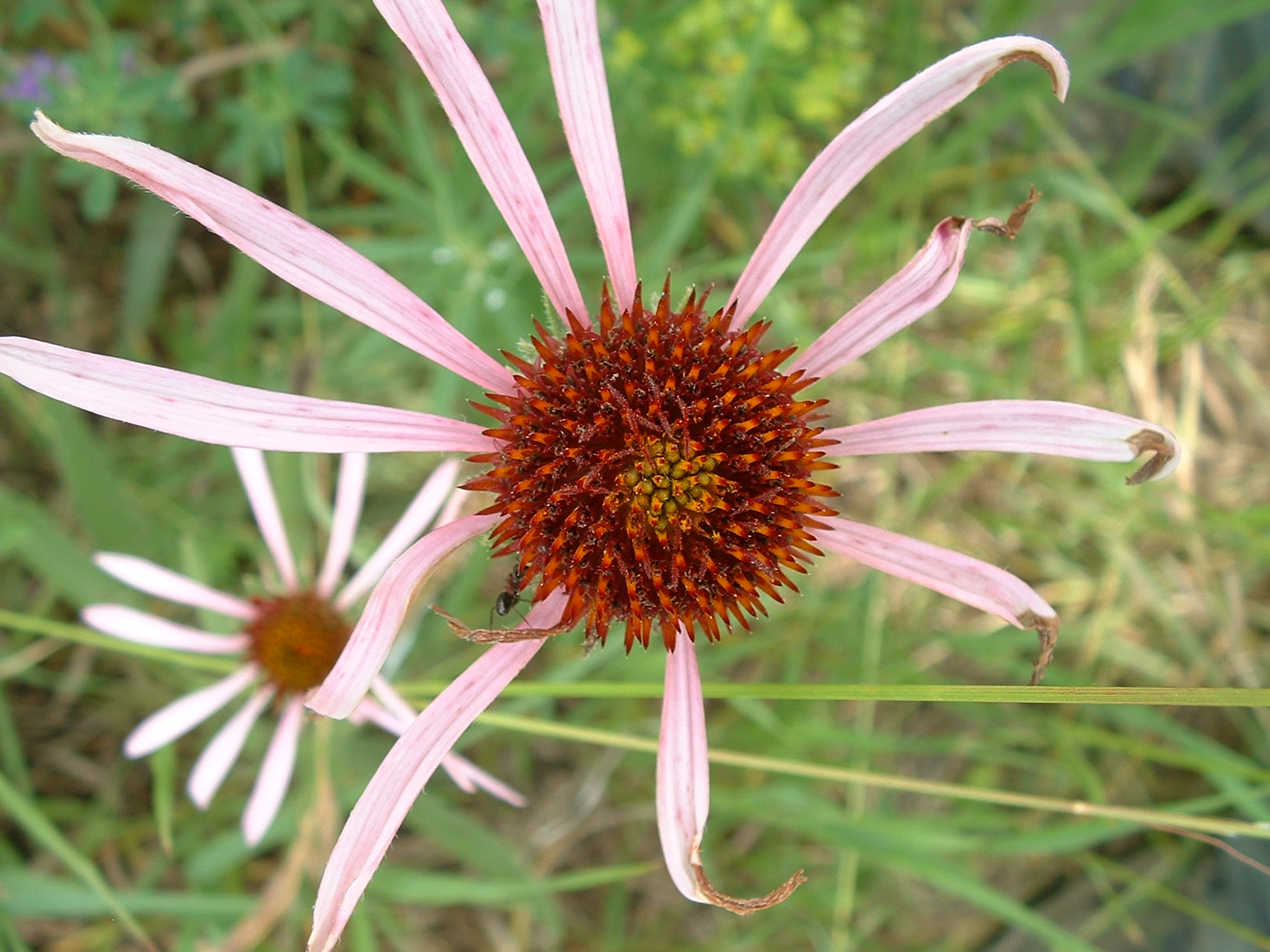
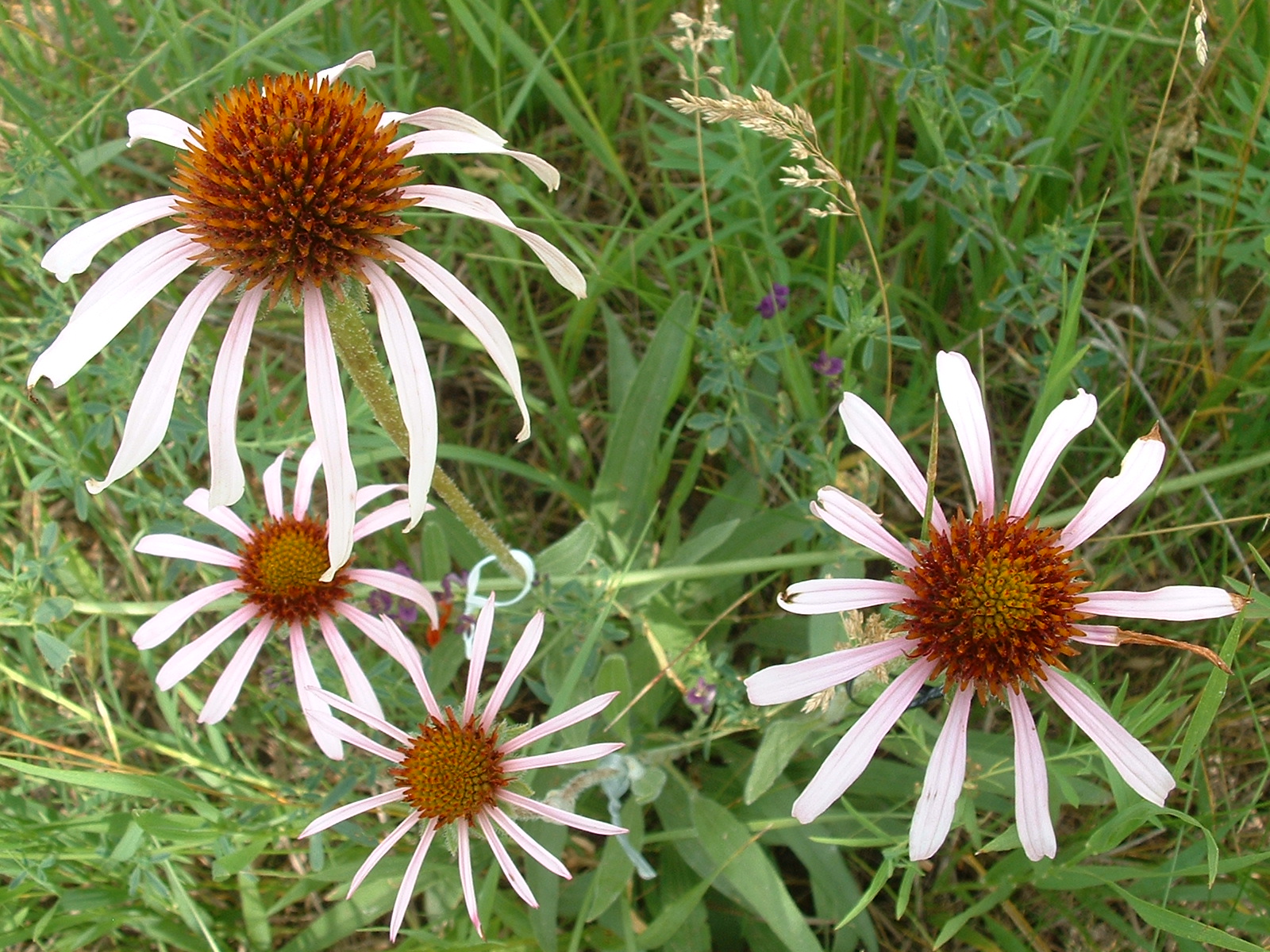
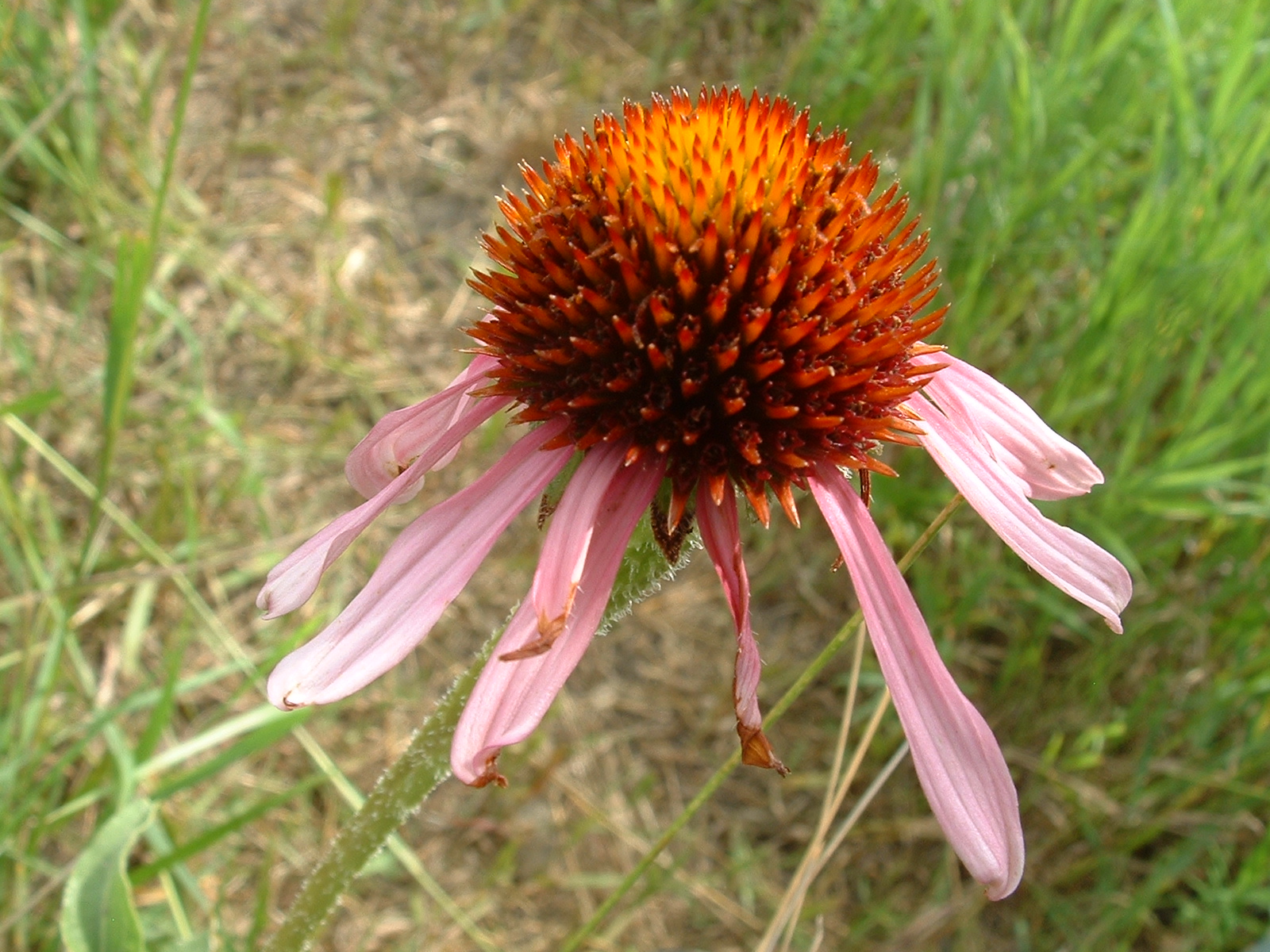
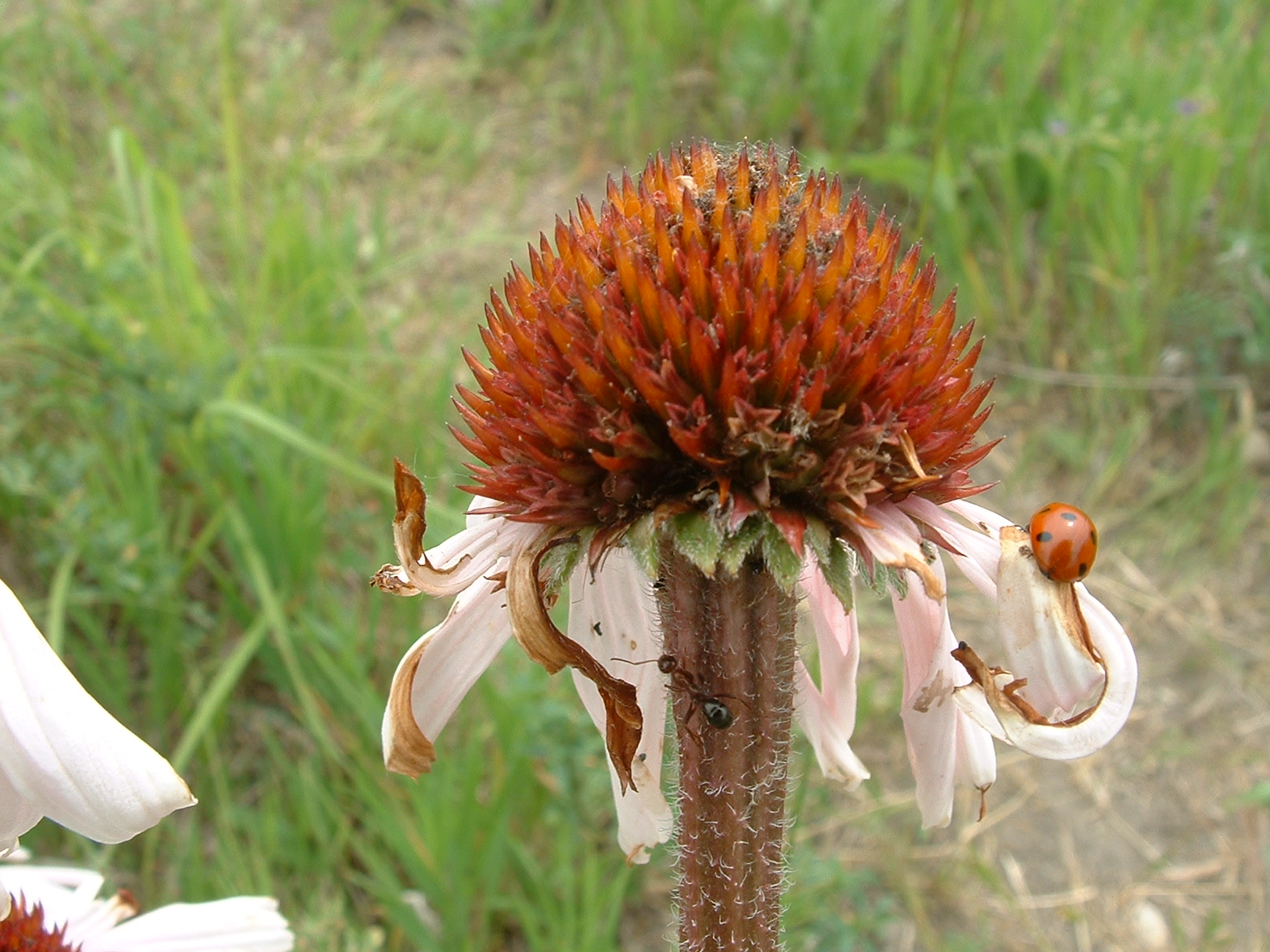
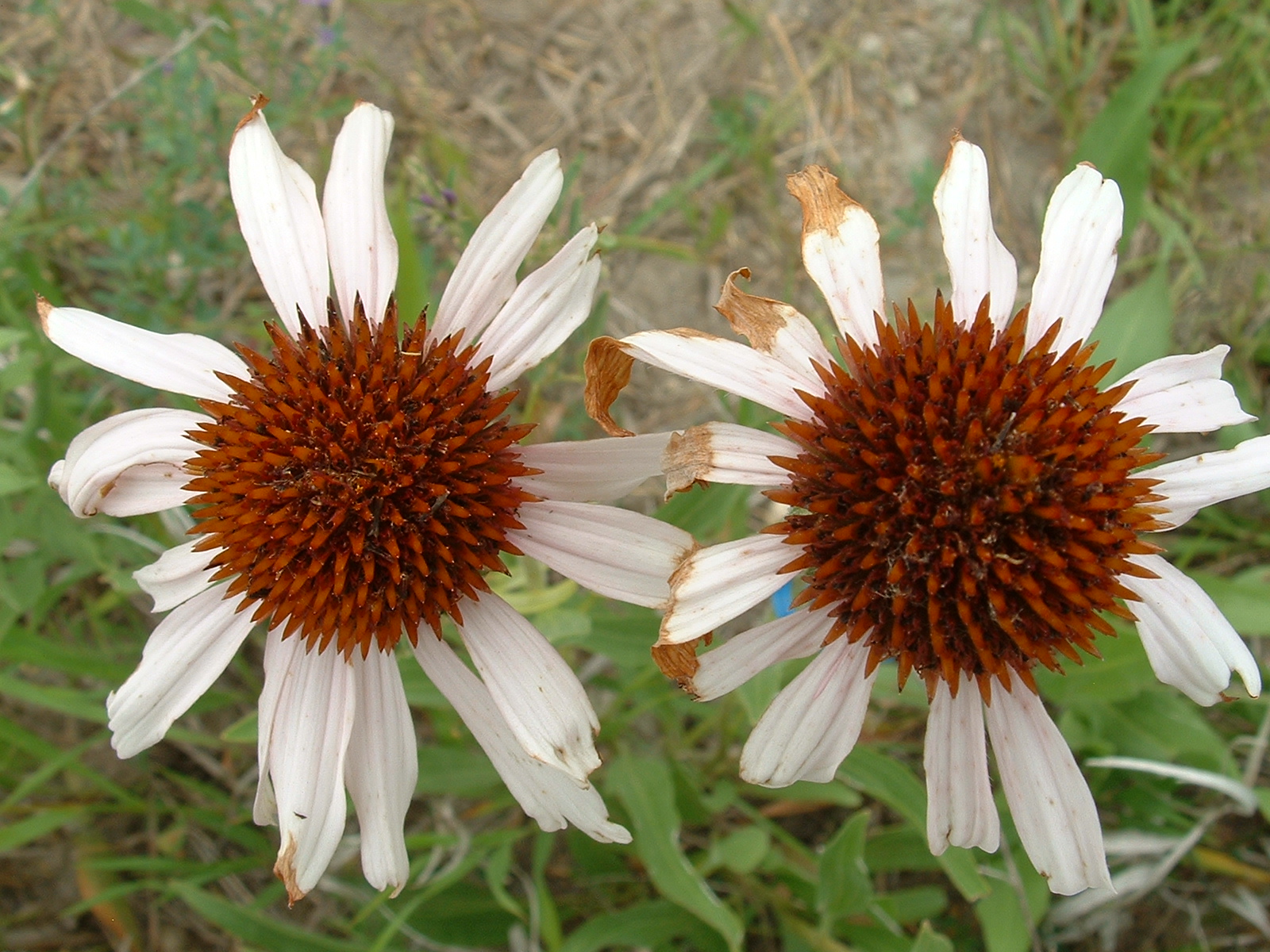
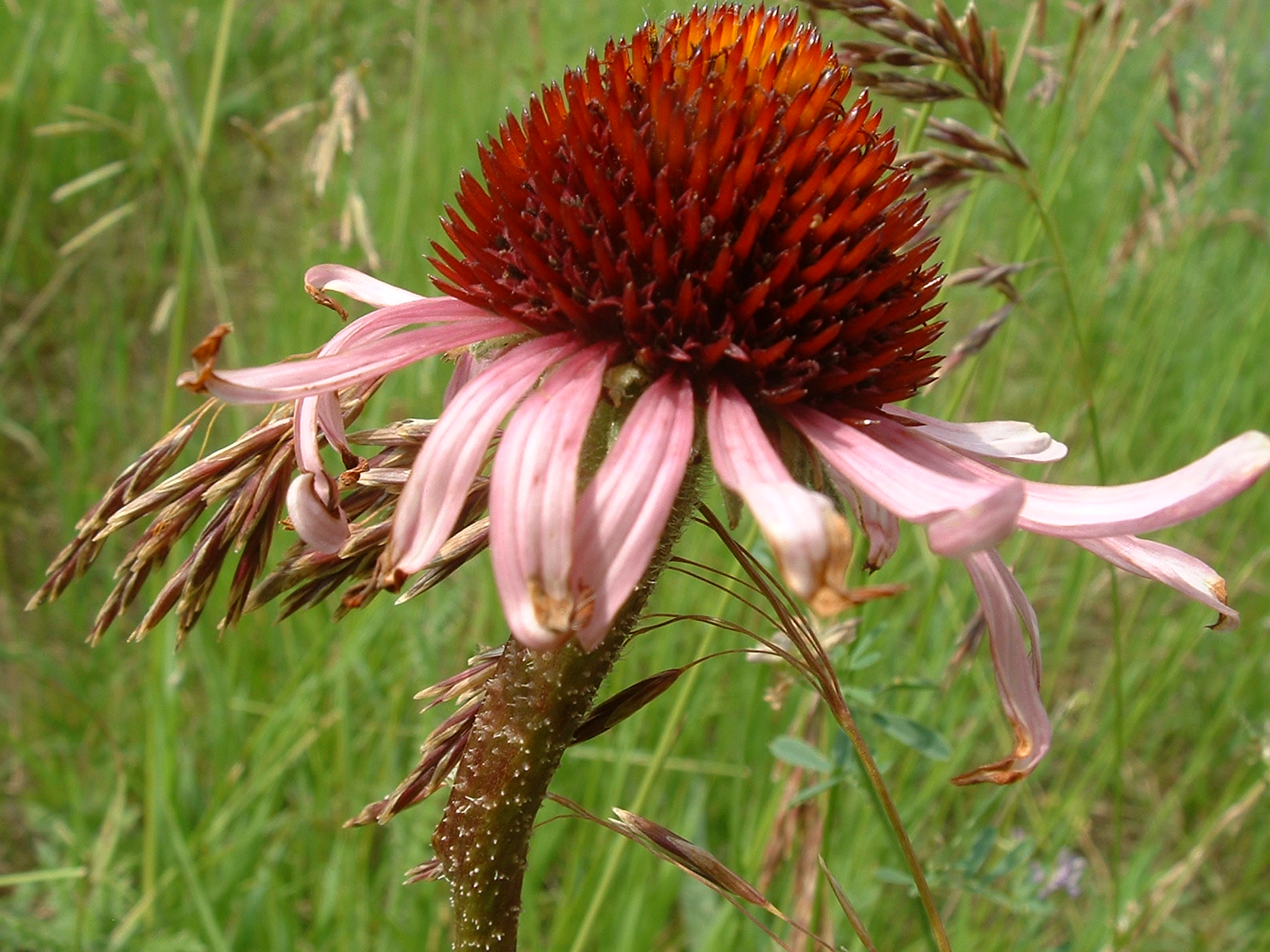
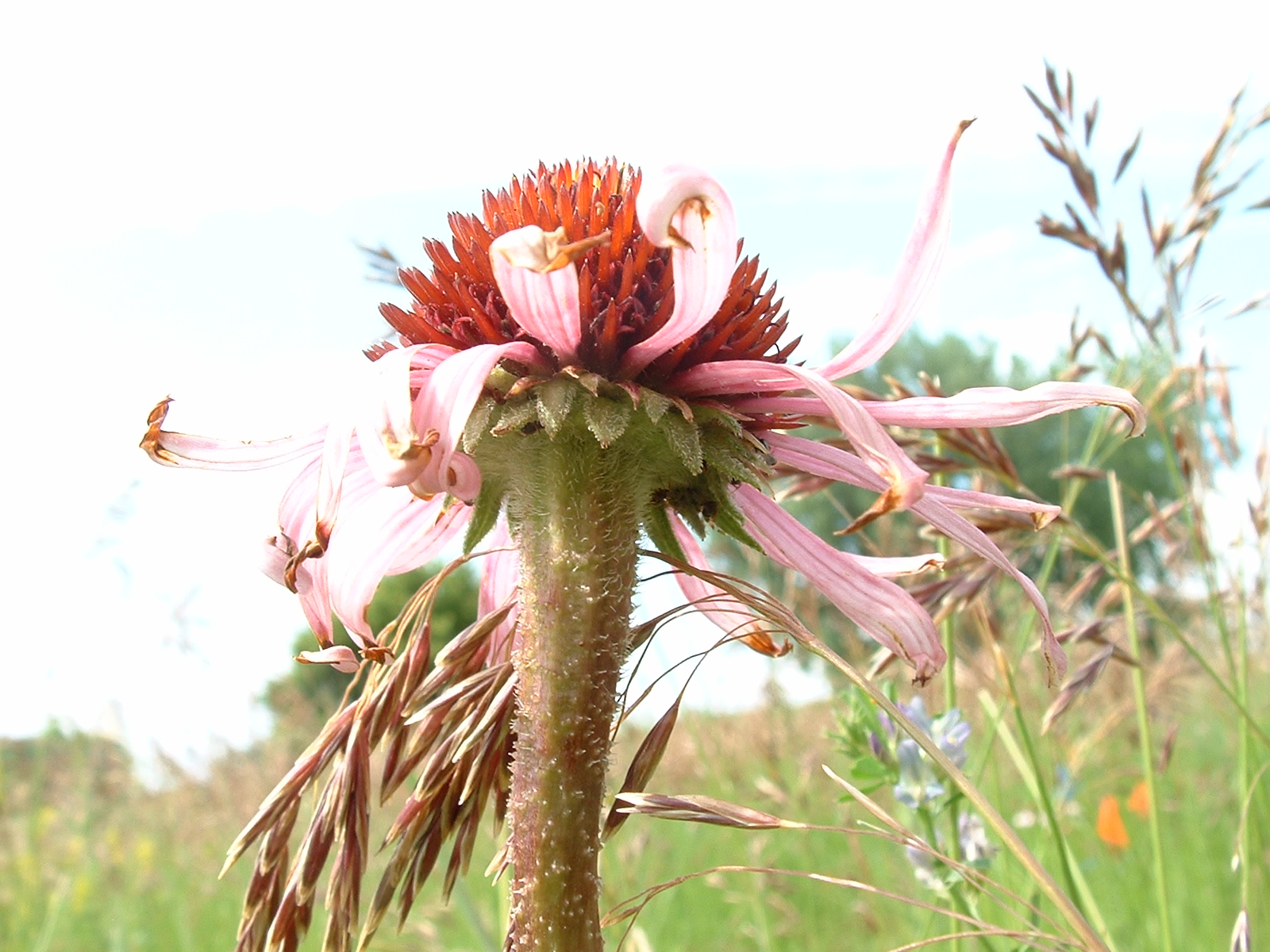
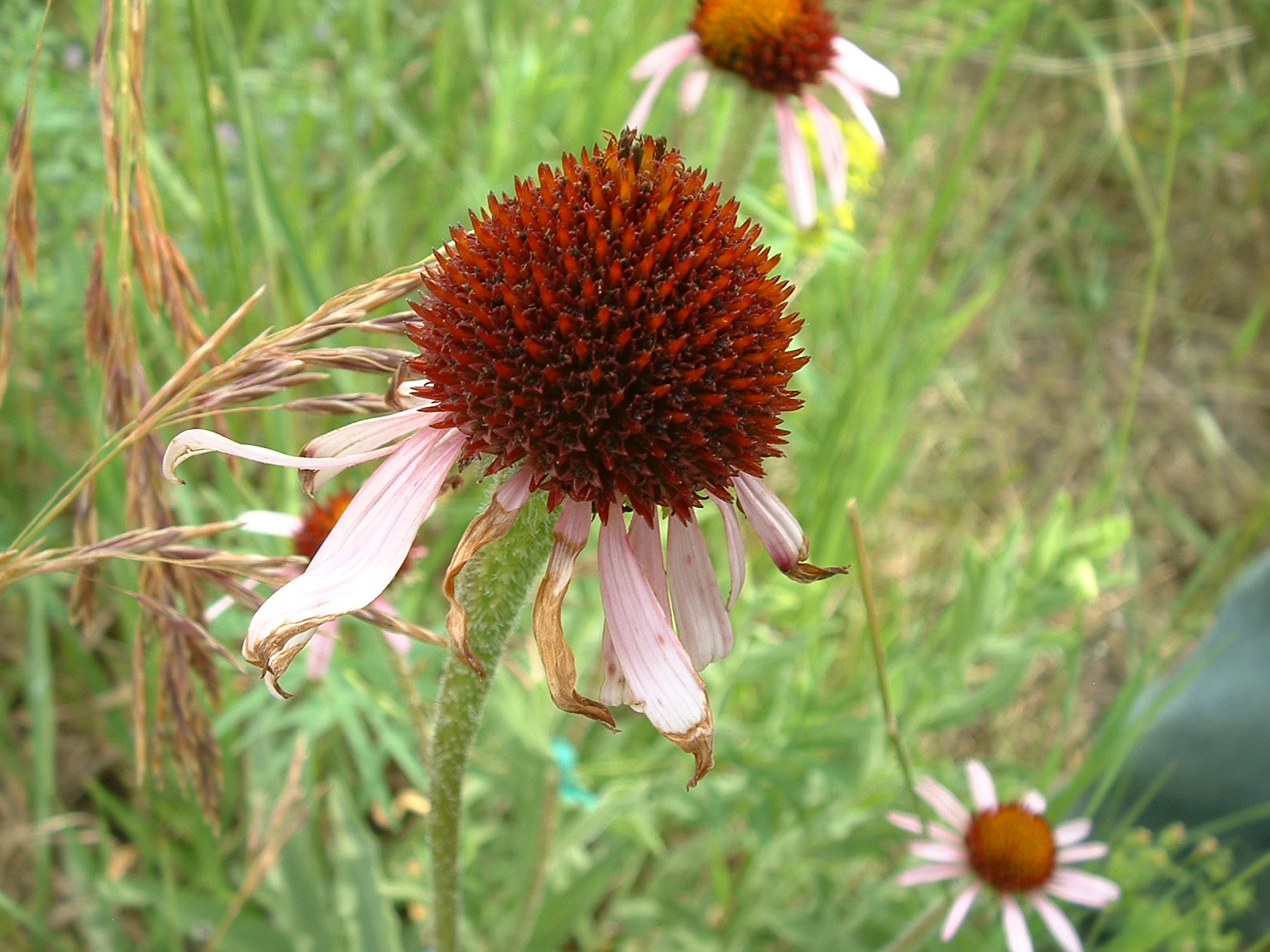
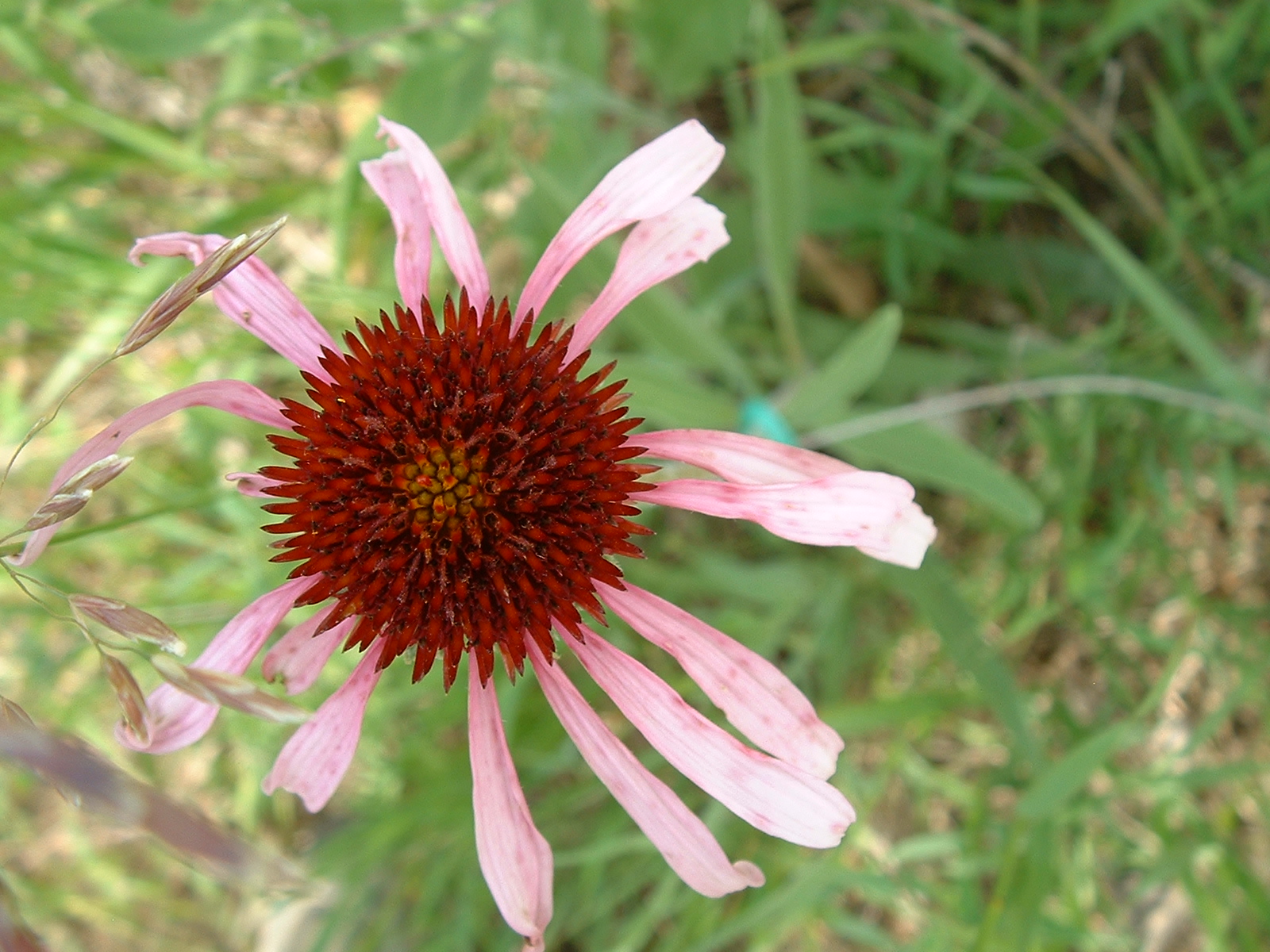
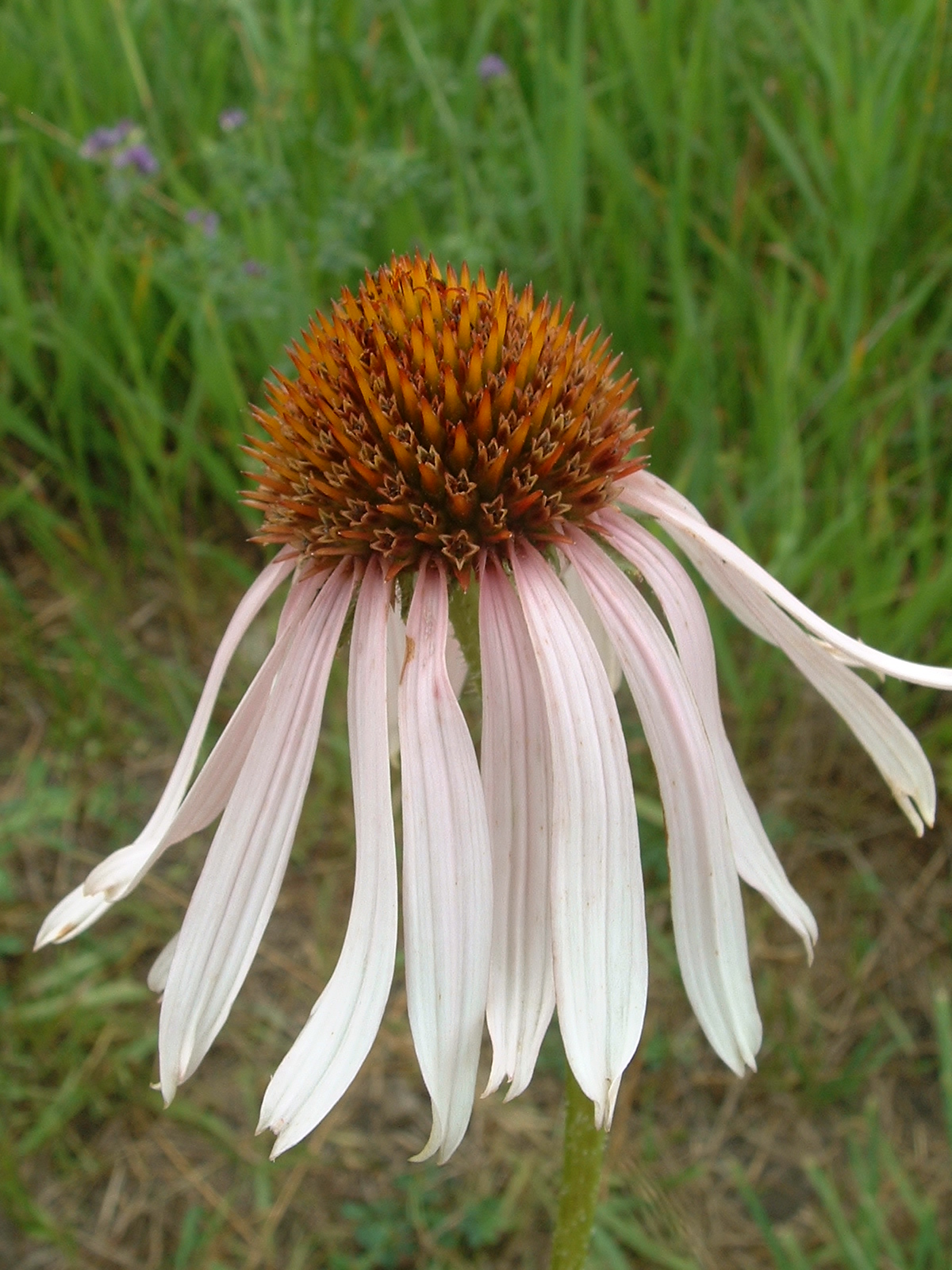
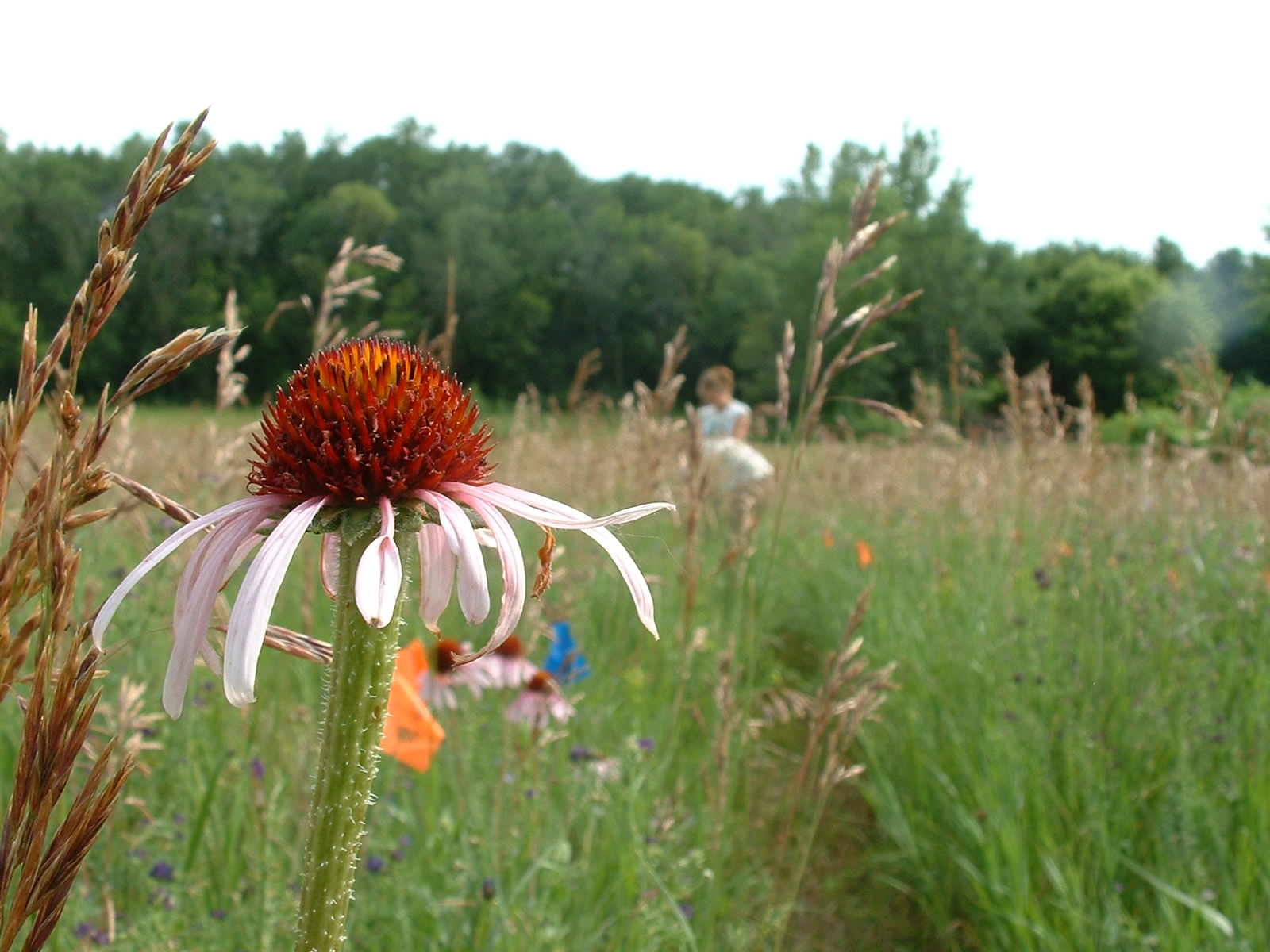
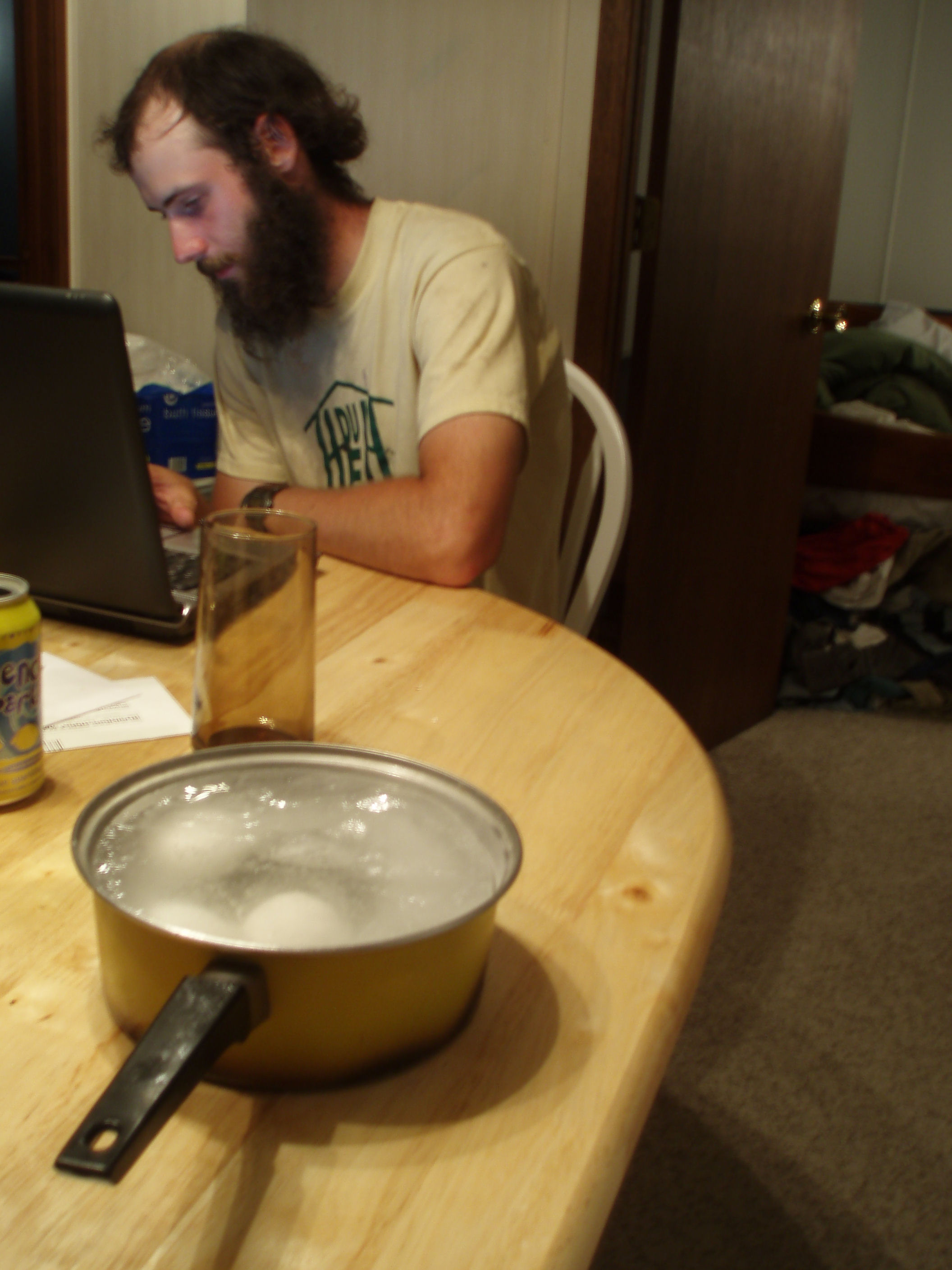
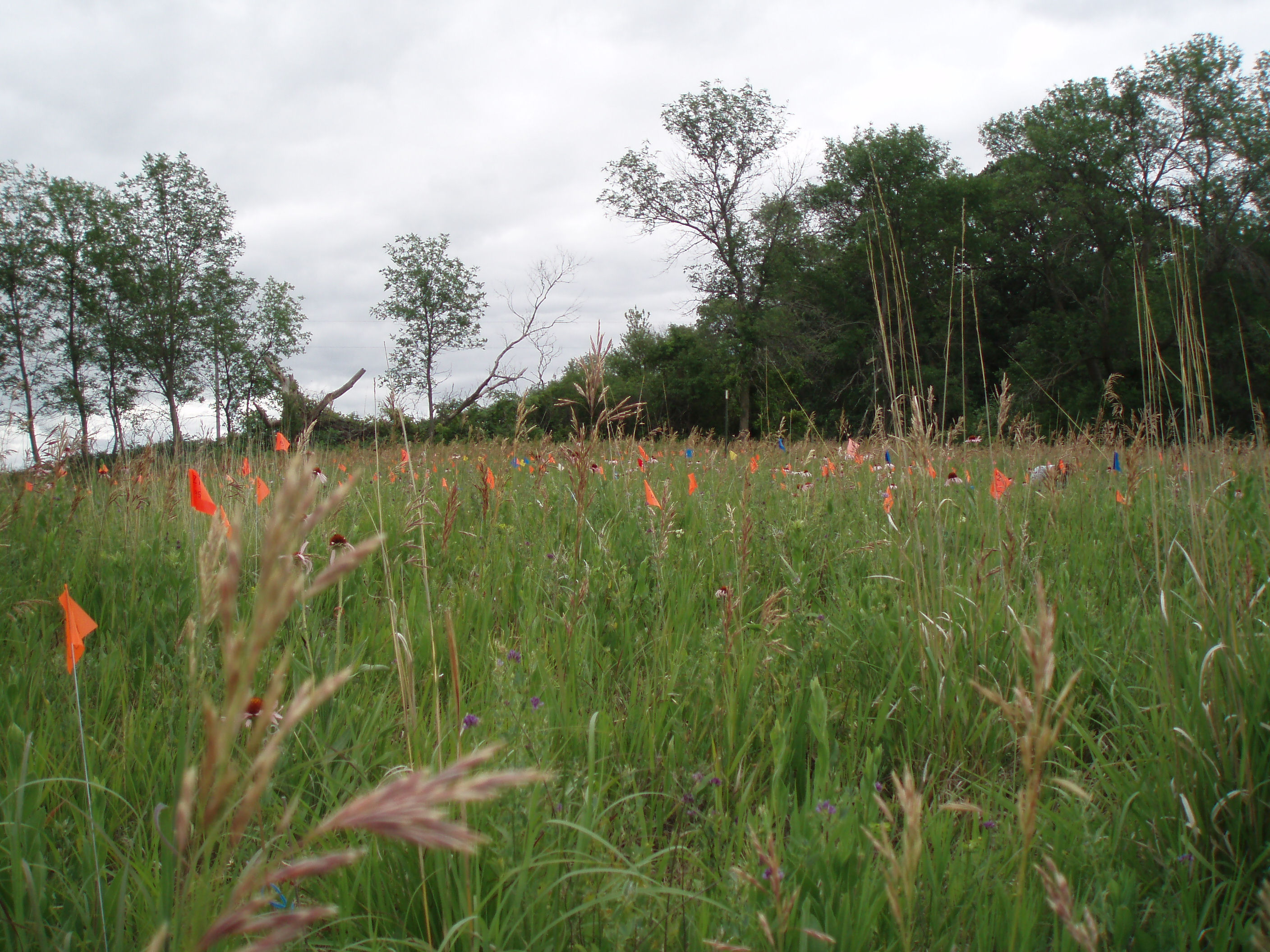
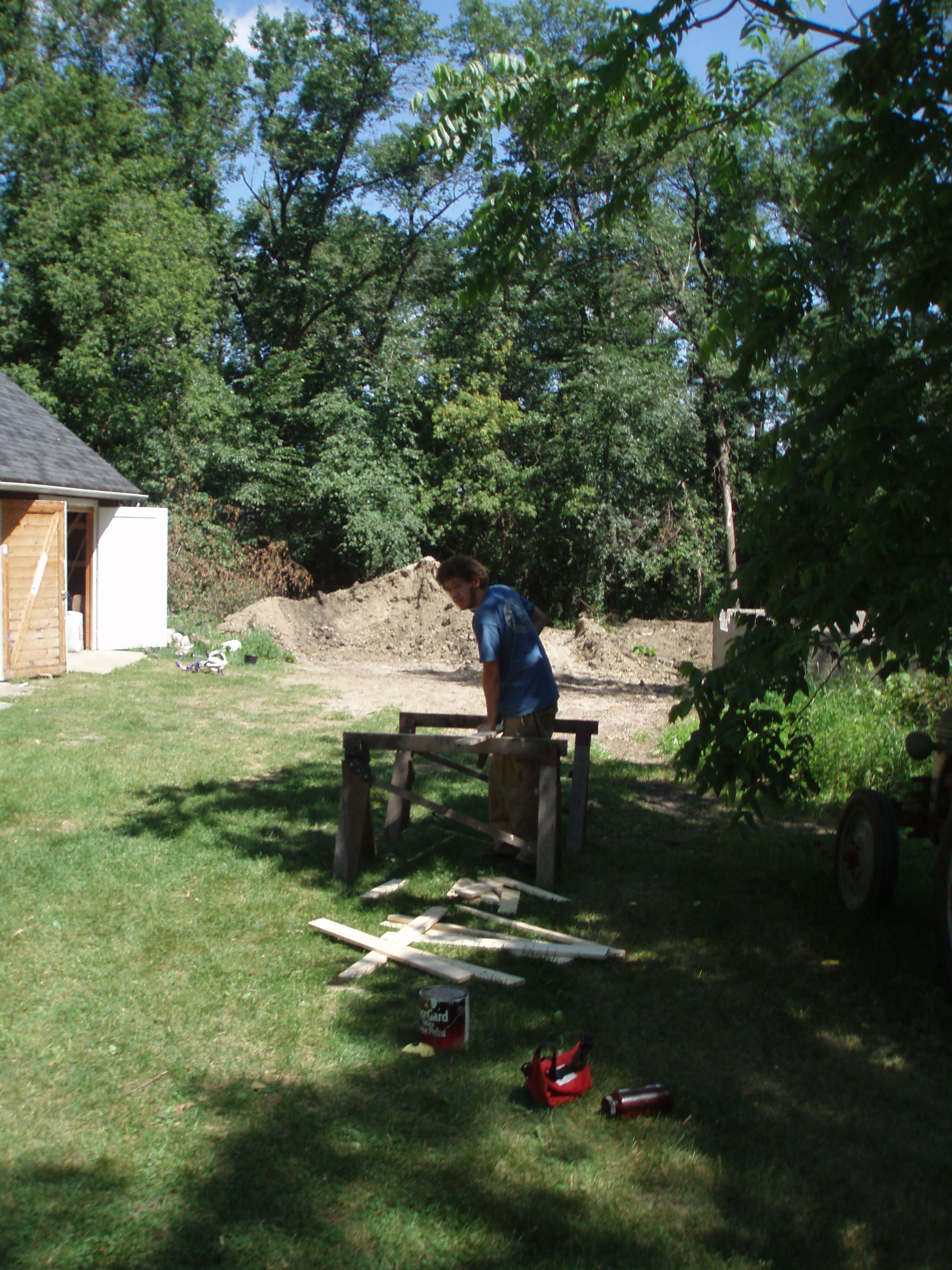
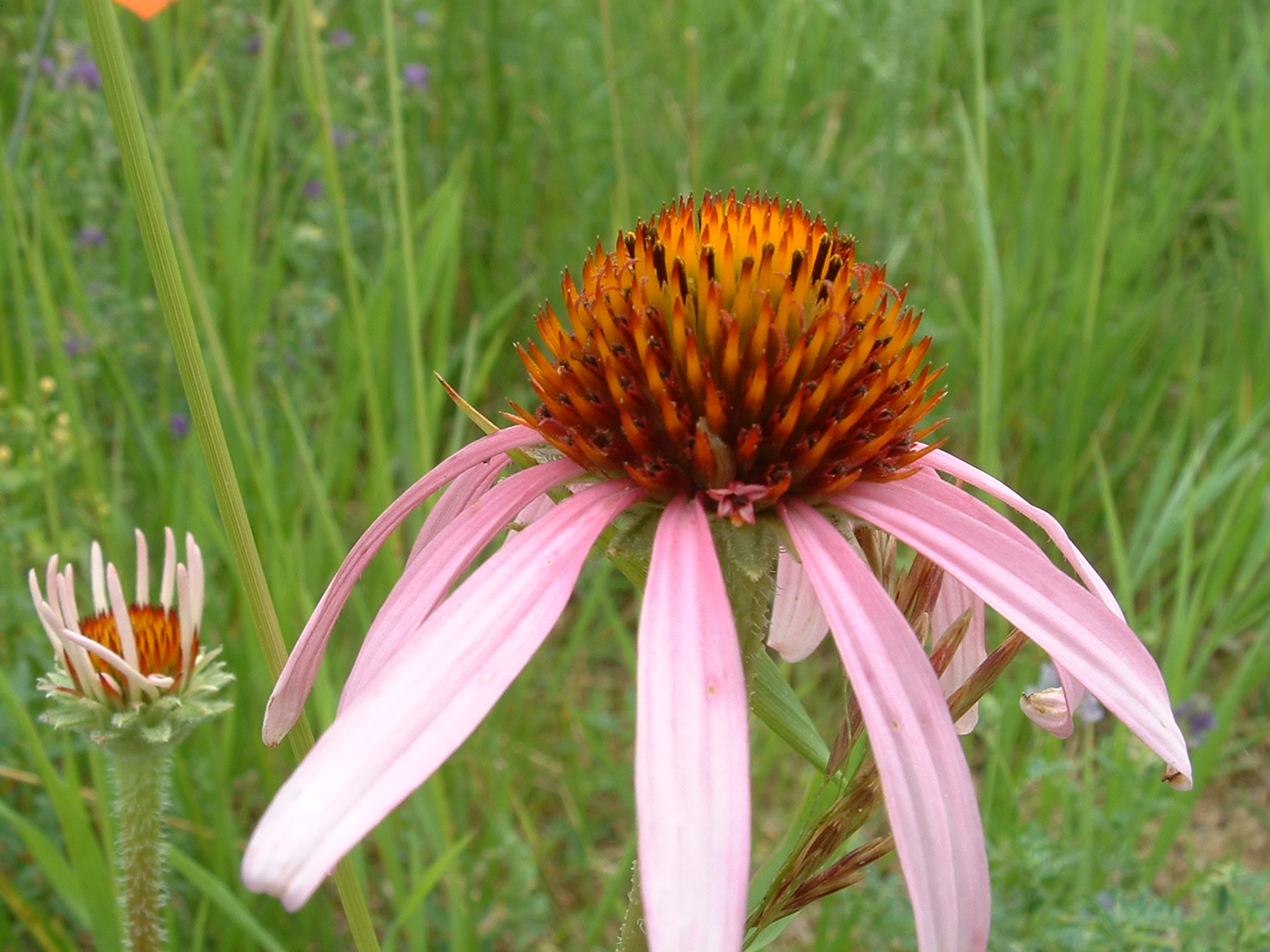
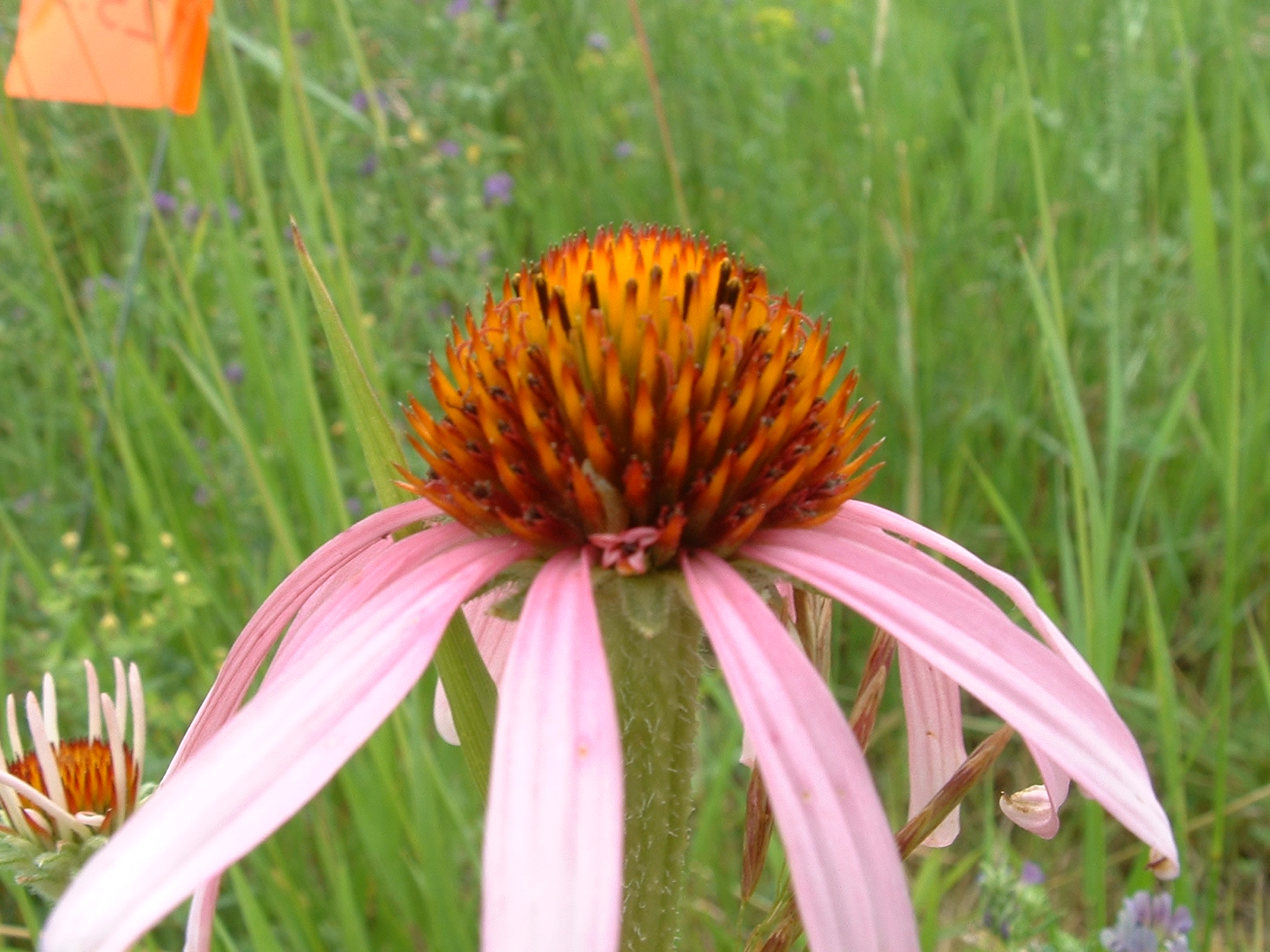
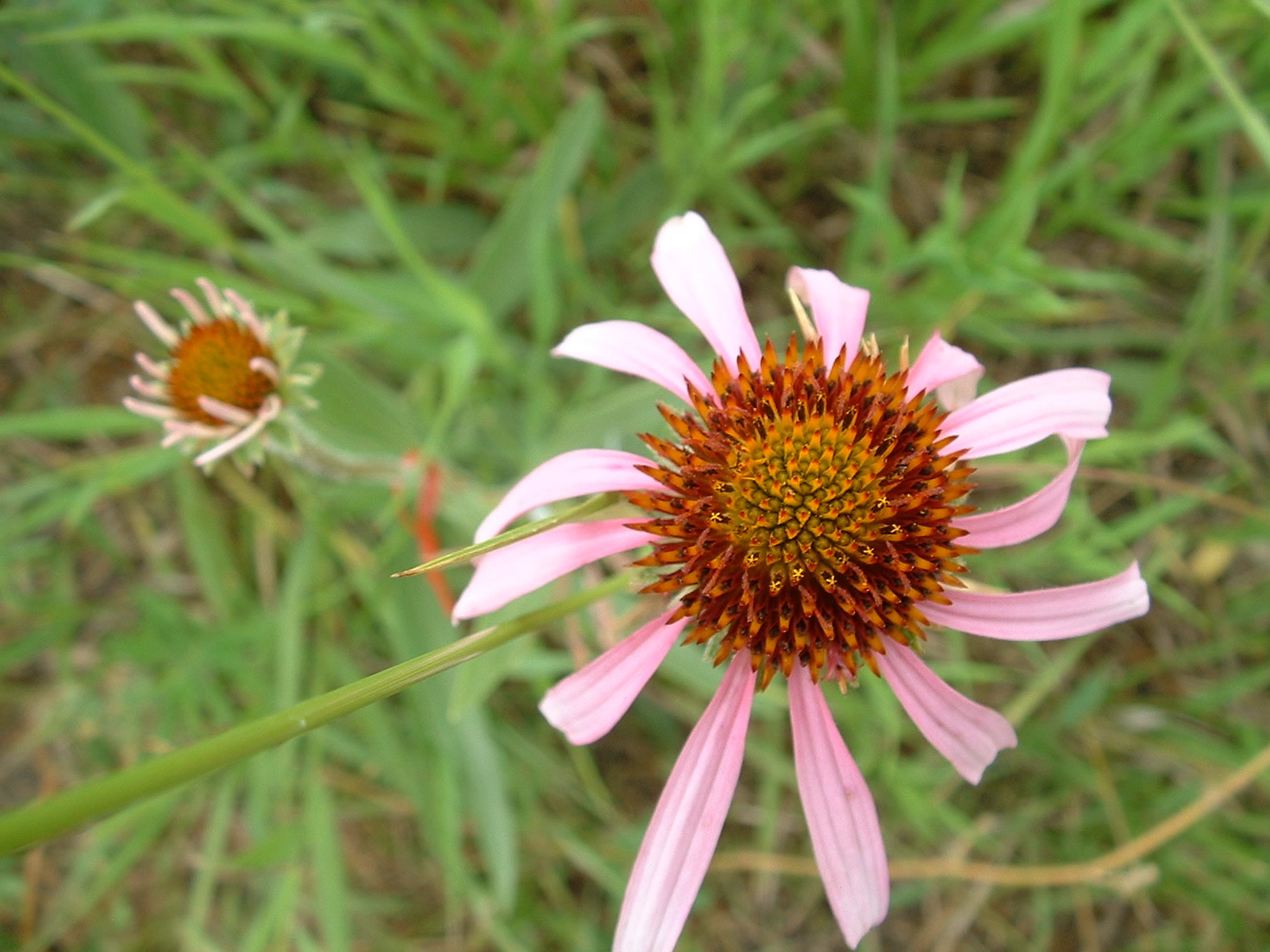
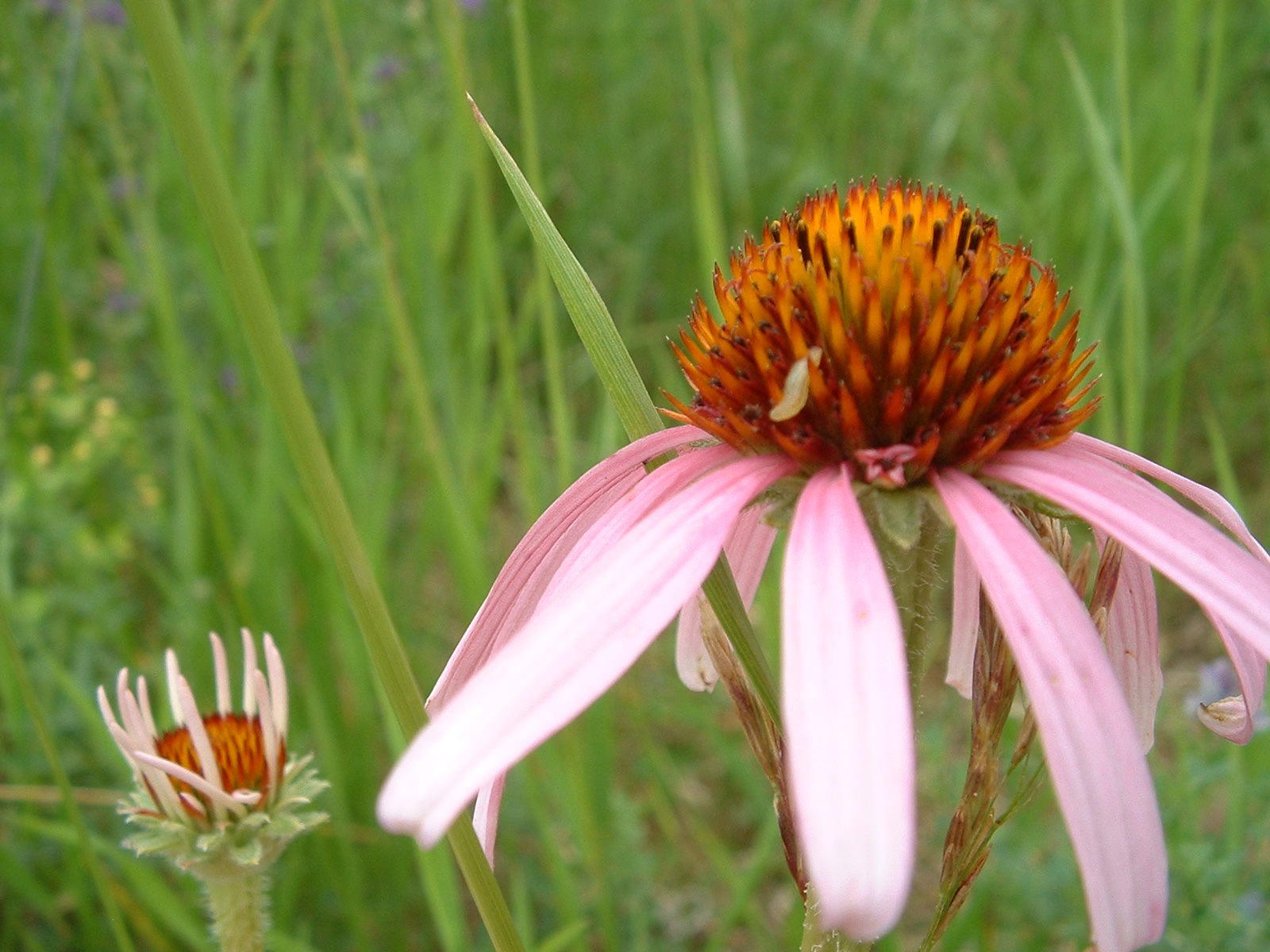
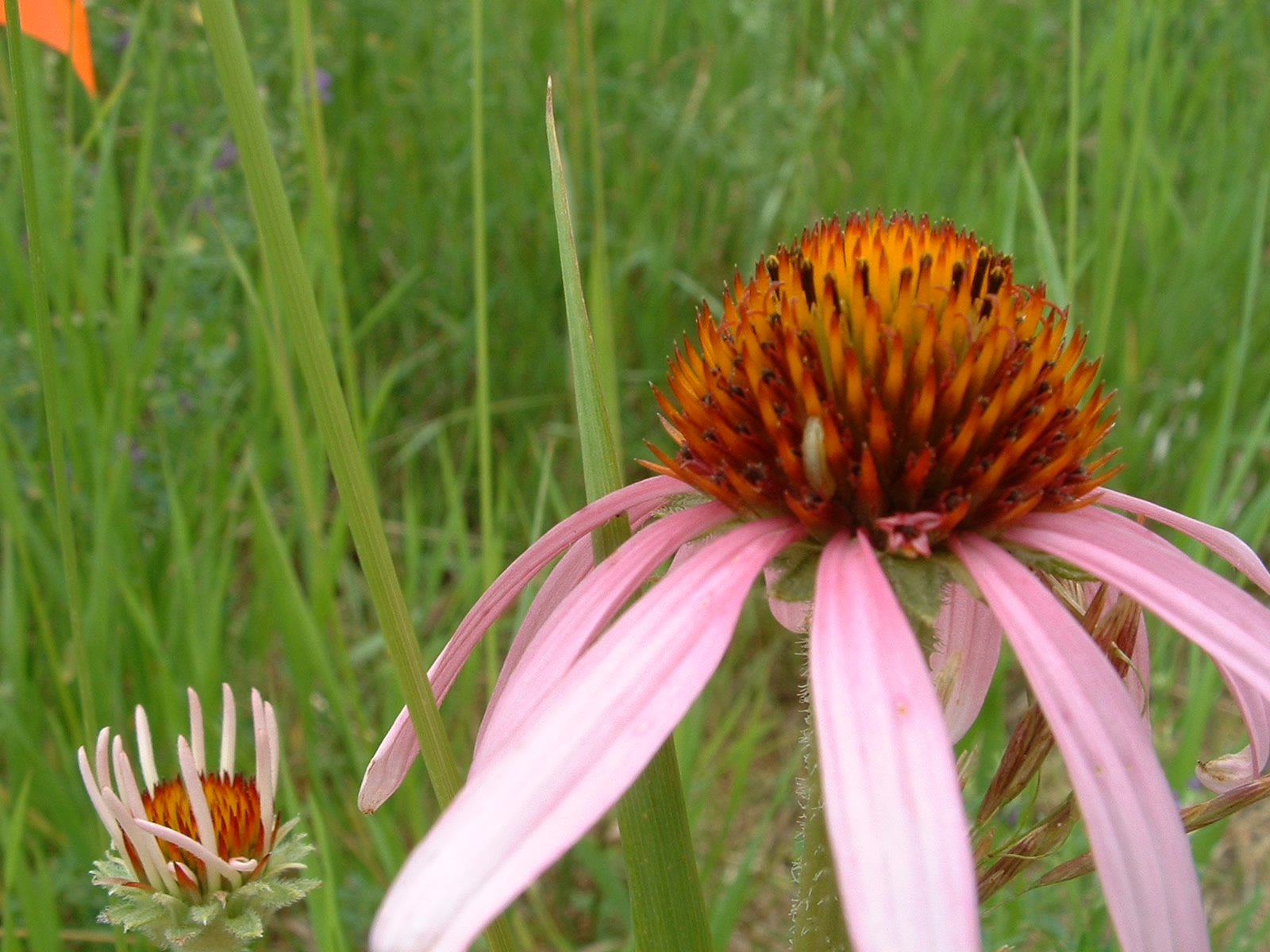
We did herb & ray again today, which is short for herbivory and ray damage (i think), and afterwards to streamline the process even further for the future I took pictures of the different categories of herbivory/ray damage. The Main categories are Brown ray florets, Brown tips of ray florets, and straight, obvious herbivory of ray florets. I tried to categorize my photos into the different groups. There is some grey area between Brown and brown tips and there may be overlap of how those two conditions are caused. Brown tips are almost always associated with shriveling of the distal ends of the ray florets. We decided that brown area larger than 2X2mm area classifies as brown and less than that at the tip of the rays is brown tip. There are also sometimes small brown areas on the sides of the rays, which I think merits some attention. Another common anomaly is for the rays to have dark uniform spots on them. The last picture shows that condition Herbivory: Brown tips (bt): Brown: here is the spotted one: Here are some other pictures I took today that may or may not contain herbivory/damage A redesign of the original asymmetry contraption has finally reached (hopefully) it’s perfected state. With a black felt backing I was able to take several test pictures in the ’99 Garden South with the assistance of Dr. Andrew McCall. One of these pictures was this beauty: Later work with ImageJ allowed me to create a simplified version of the picture, with only the ray florets visible. It looked something like this: From this I was easily (with the help of a few lovely plug-ins), able to measure the areas of each ray floret. Thus, a measure of asymmetry is born! On a note less related to Echinacea, I have realized that I haven’t loaded very many of my own pictures from this adventure. I then remembered that I hadn’t taken very many pictures, so in a frantic effort to catch up, I took a ton on a single day of work. So without further ado, I present to you the best of the pictures I have taken so far. A Man and his Eggs. Place of Work. Man at Work. Additional Folks at Work. Jameson stole Per’s Hat… …So Per stole Jameson’s Hat. That’s all for now, I’ll get some more later. Maybe… Studying and learning about insects that eat Echinacea and its seeds has been a sort of personal project of mine this summer. The other day I examined most of the inflorescences in the common garden that had been designated with disc florivory. I didn’t immediately find anything too interesting but I took some notes and photographs that may lead to a breakthrough later on. Today I found something that I thought was interesting and could lead in an interesting direction. See if you can spot it. if you still don’t understand listen here
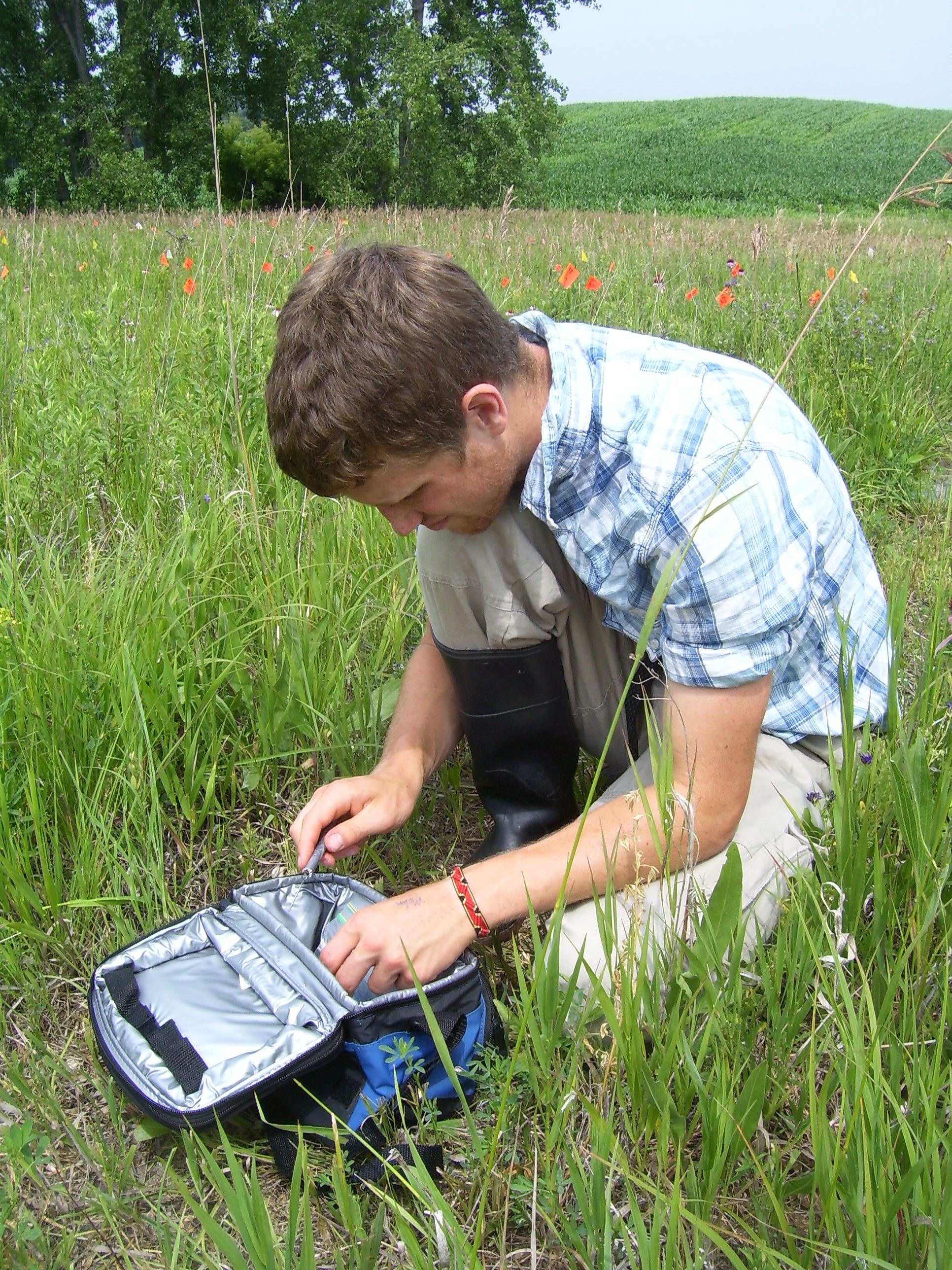
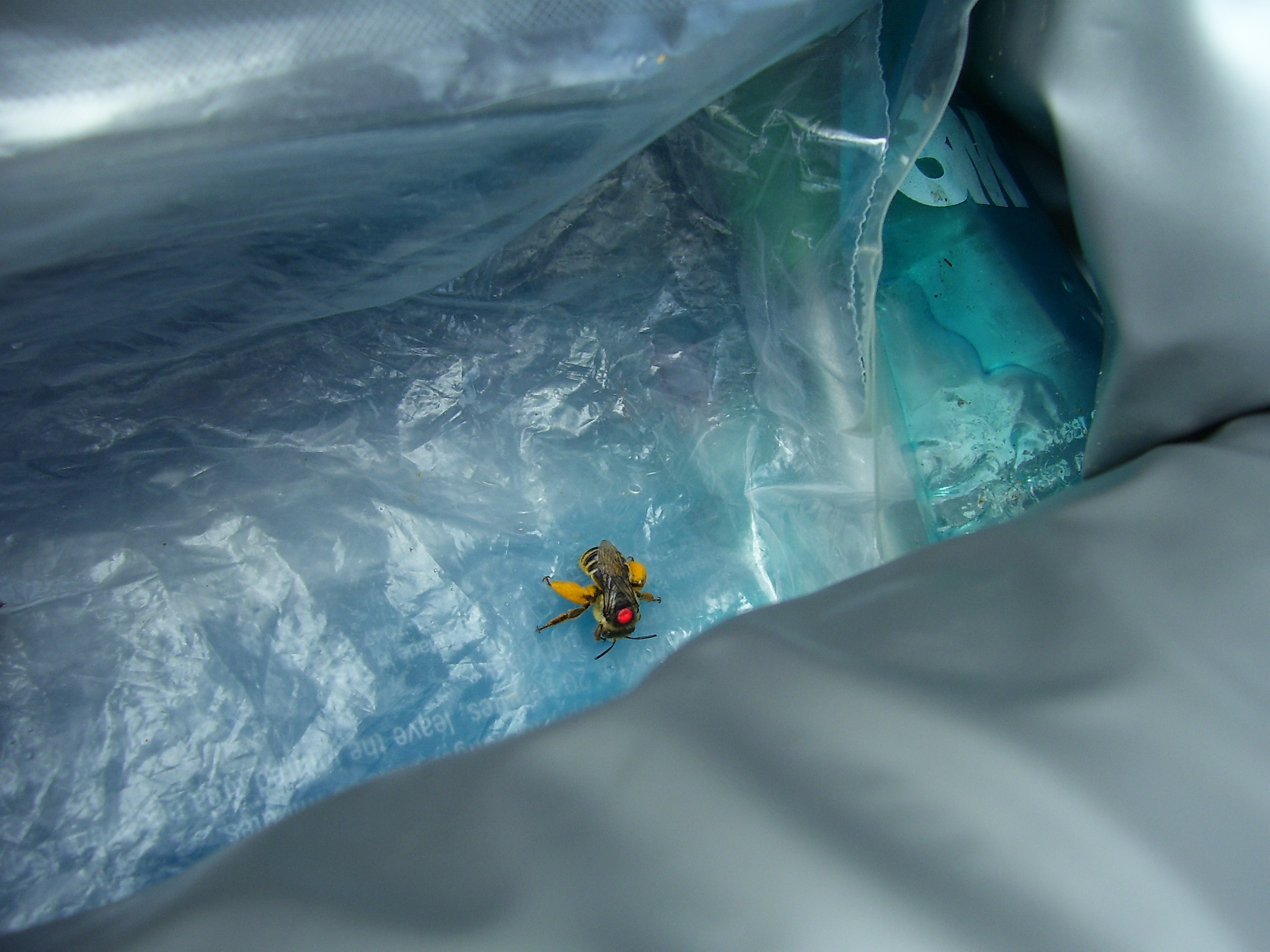
Several pictures of the Bee Team marking bees.
This morning, due to a revolutionary development in our marking protocol, the Bee team members caught and marked 6 Halictus rubicundus in a relatively short amount of time. The secret to our success was capturing the bees and cooling them before any painting was attempted, instead of trying to mark them while they worked the Echinacea heads. Tomorrow we will spend a good portion of the morning marking bees in the common garden, and then hopefully be able to train the rest of the crew in, so that we can begin taking data in earnest later in the week. Read on for new and revised protocols…
Bee Painting Protocol 1. Walk rows as prescibed by the random number list with a partner, scanning 4rows across for bees on Echinacea heads Tracking Protocol We haven’t yet tested this protocol, and there will probably be some revision/elaboration before it gets implemented. But this is the current plan: 1. Working in pairs, walk random rows, searching the 4 adjacent rows for bees. Here are some preliminary instructions on how to observe and record bee/ant presence or absence while we are doing phenology measurements. I thought that while we are looking so closely at each head, we might as well try to garner some information on the Hymenopteran vistors as well. It will not be continuous data, but rather a simple ‘yes’ or ‘no’ measurement for each plant (bees) or for each head (ants).
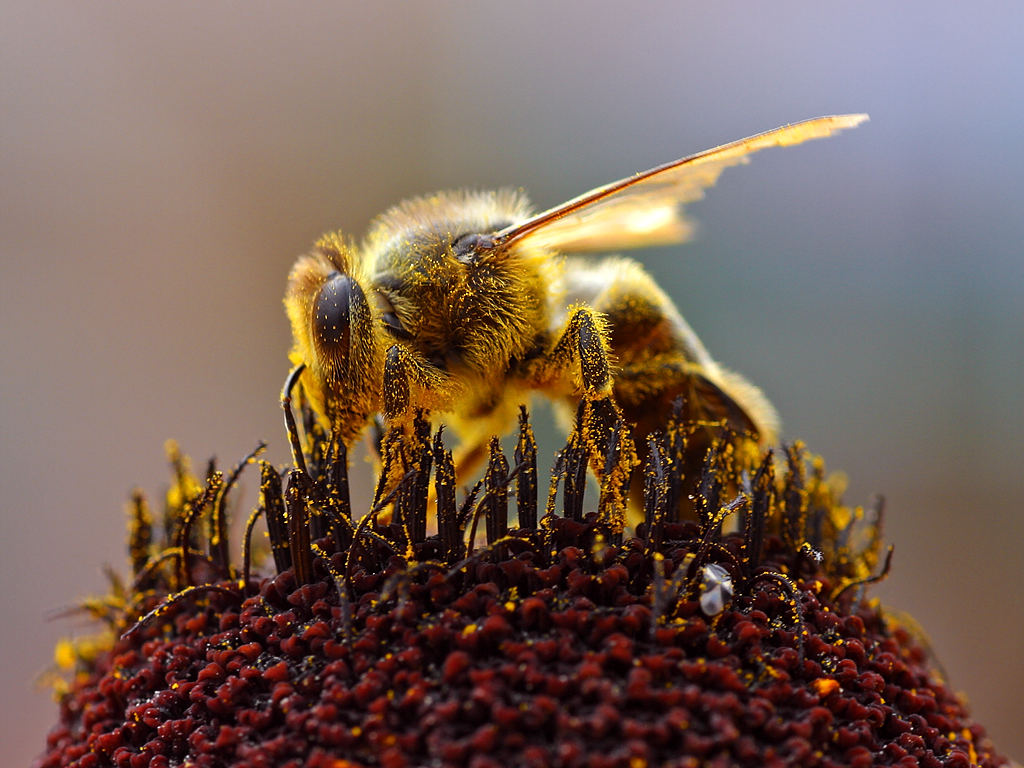
Bee collecting composite pollen, copyright Jon Sullivan For BEES: As you begin your phenology measurements only scan for bees once you are within 1m of the plant. If there are any moving, active bees on any head, mark the appropriate box in your phenology form. As soon as you touch a head for phenology measurements, stop recording any bee presence/absence. So, if you are looking at a head and a bee lands on an adjacent head, just ignore it. For bees, we are interested in bee presence for the ENTIRE plant, so as soon as you see one, you are finished entering data. Remember, wee are only interested in active bees, so don’t count sleeping bees, dead bees, bees caught by crab spiders or assassin bugs, etc.
Ant, copyright Alex Wild For ANTS: Ant data are collected on a per-head basis. As you take each head into your hand and begin your anther count, notice if you see any ants on the top of the inflorescence (either ray OR disk florets). Don’t make any special effort at looking underneath the inflorescence. If no ants make an appearance as you are handling the head, mark the head as having no ants, if ANY ants appear whilst you are searching the head, enter the data as such. Andy
Hello everyone, this is Andy McCall reporting from the farmhouse in Douglas Co. Minnesota. I’m currently an assistant professor of biology at Denison University, a small liberal arts college (a SLAC!) in Granville, Ohio. I, like many people on the project, graduated from Carleton College , where I first learned to appreciate and love the prairie landscape under the tutelage of Mark Mckone . Needless to say, I love teaching and learning and have wanted to be a professor since my time at Carleton. After Carleton, I studied alpine flies in New Zealand while earning my Master’s degree at the University of Canterbury, leafcutter ants in Costa Rica, and wild radishes in California. I received my doctorate in population biology from UC-Davis in 2006 with Rick Karban and spent some time in Ruth Shaw’s lab at the University of Minnesota last summer, thinking about inbreeding, flowers, and insects — a few of my favorite things! I met Ruth when she came to UC-Davis for a week as a workshop speaker in the Center for Population Biology and we immediately hit it off because we both have done work on the lovely annual plant, Nemophila menziesii . She introduced me to Stuart and the Echinacea project, and the rest is history! Ruth, Stuart, and I were lucky enough to receive funding through the National Science Foundation to support our work on pollination and seed predation this summer, and I have received generous funds from Denison and the Battelle Foundation to support the students I brought from Denison this year: Josh Drizin, Jameson Pfeil, and Colin Venner. I’m psyched to be part of the project as I am certain that we are learning brand-new things about both Echinacea biology and prairie restoration. |
||||
|
© 2026 The Echinacea Project - All Rights Reserved - Log in Powered by WordPress & Atahualpa |
||||