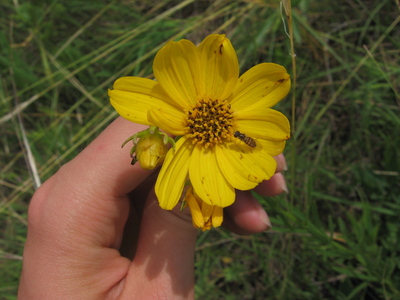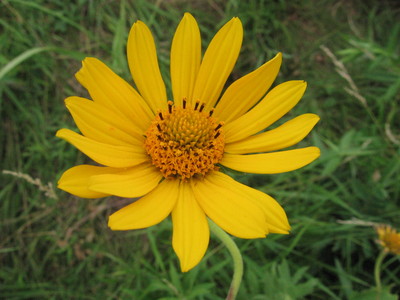
This is my CSV file with information on my pollen crosses between Echinacea pallida and Echinacea angustifolia. It will be used in the analysis of that data.
|
||||
|
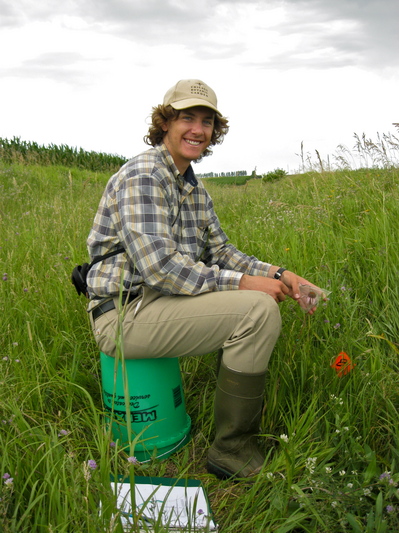
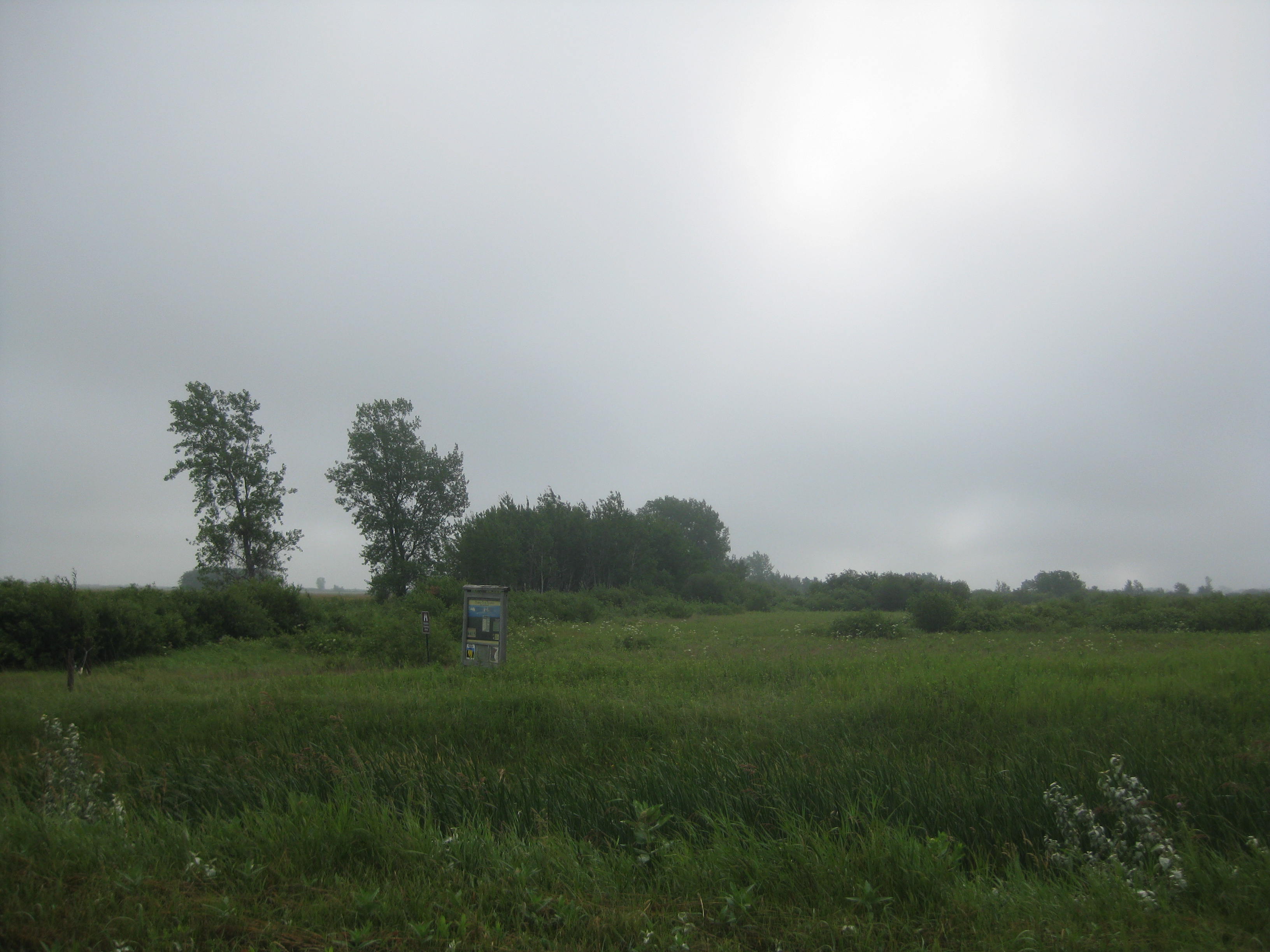
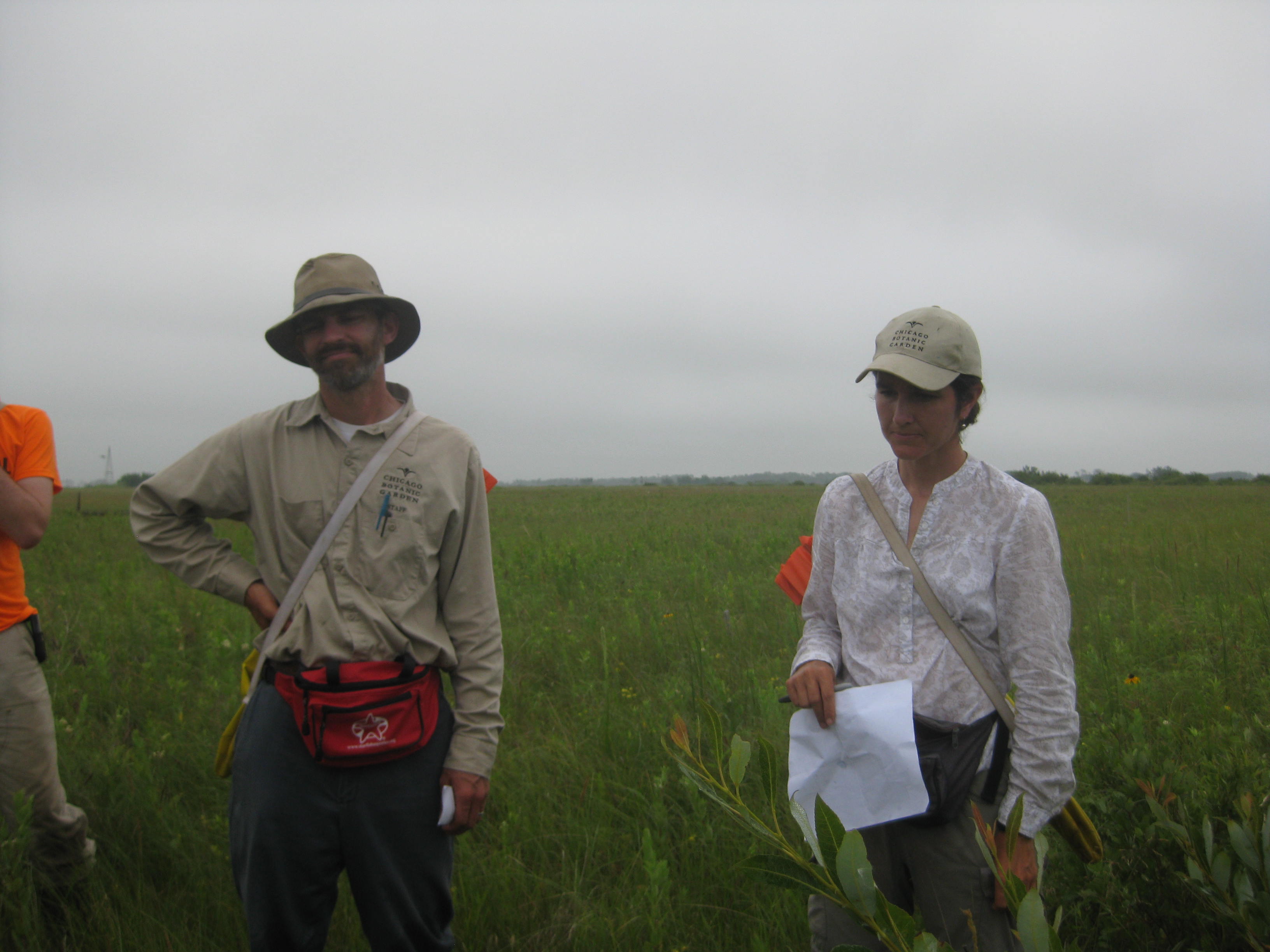
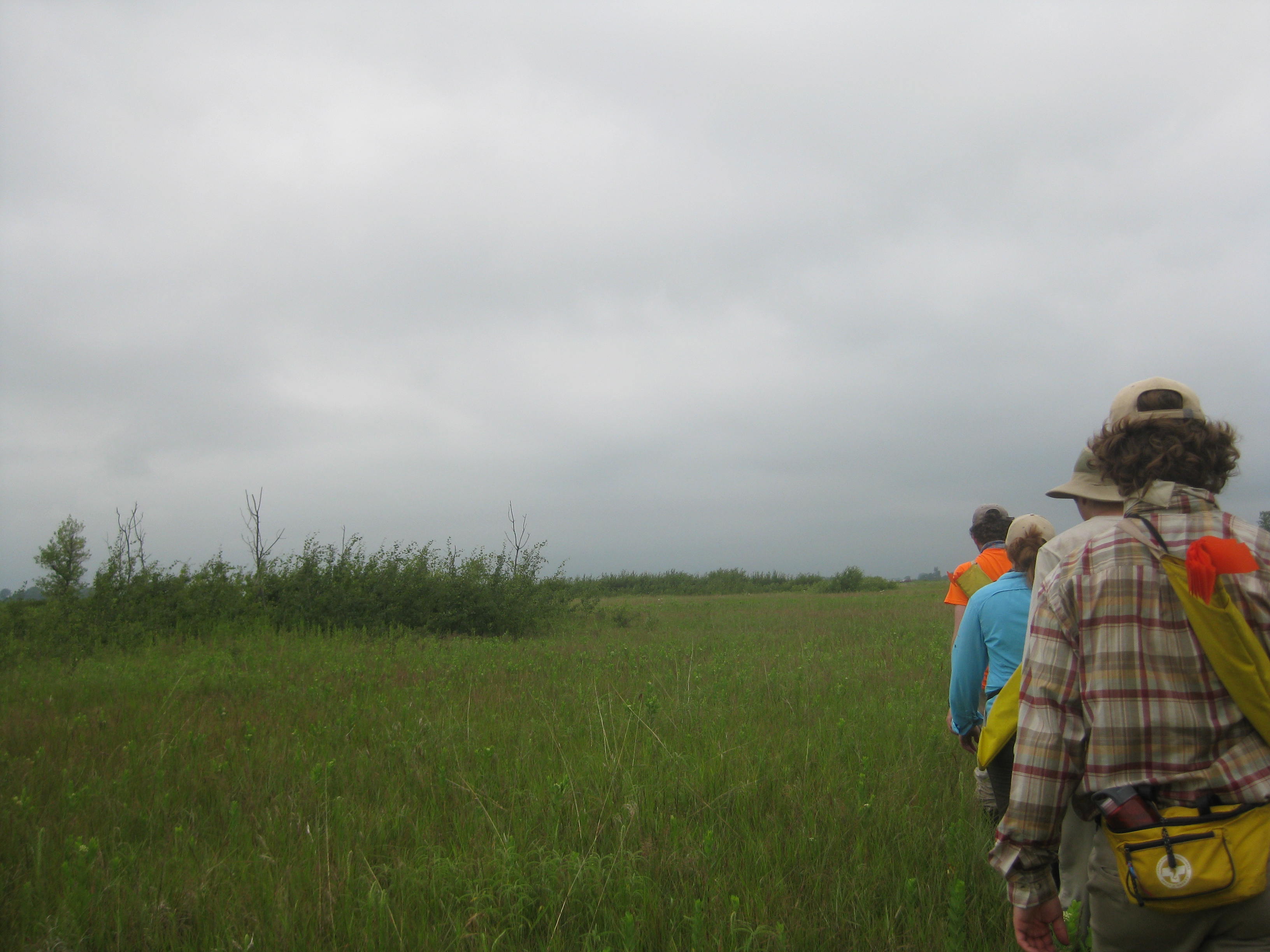
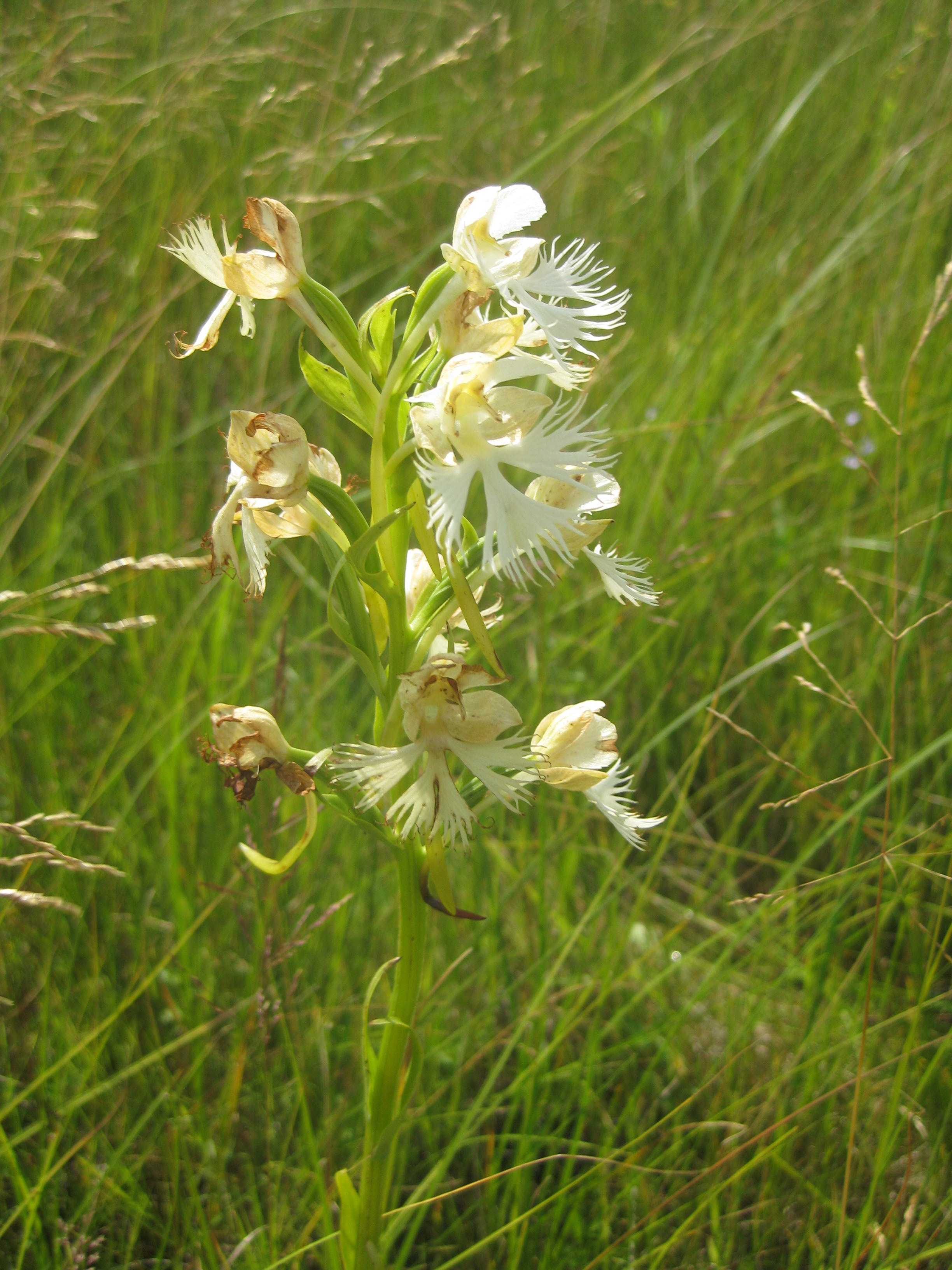
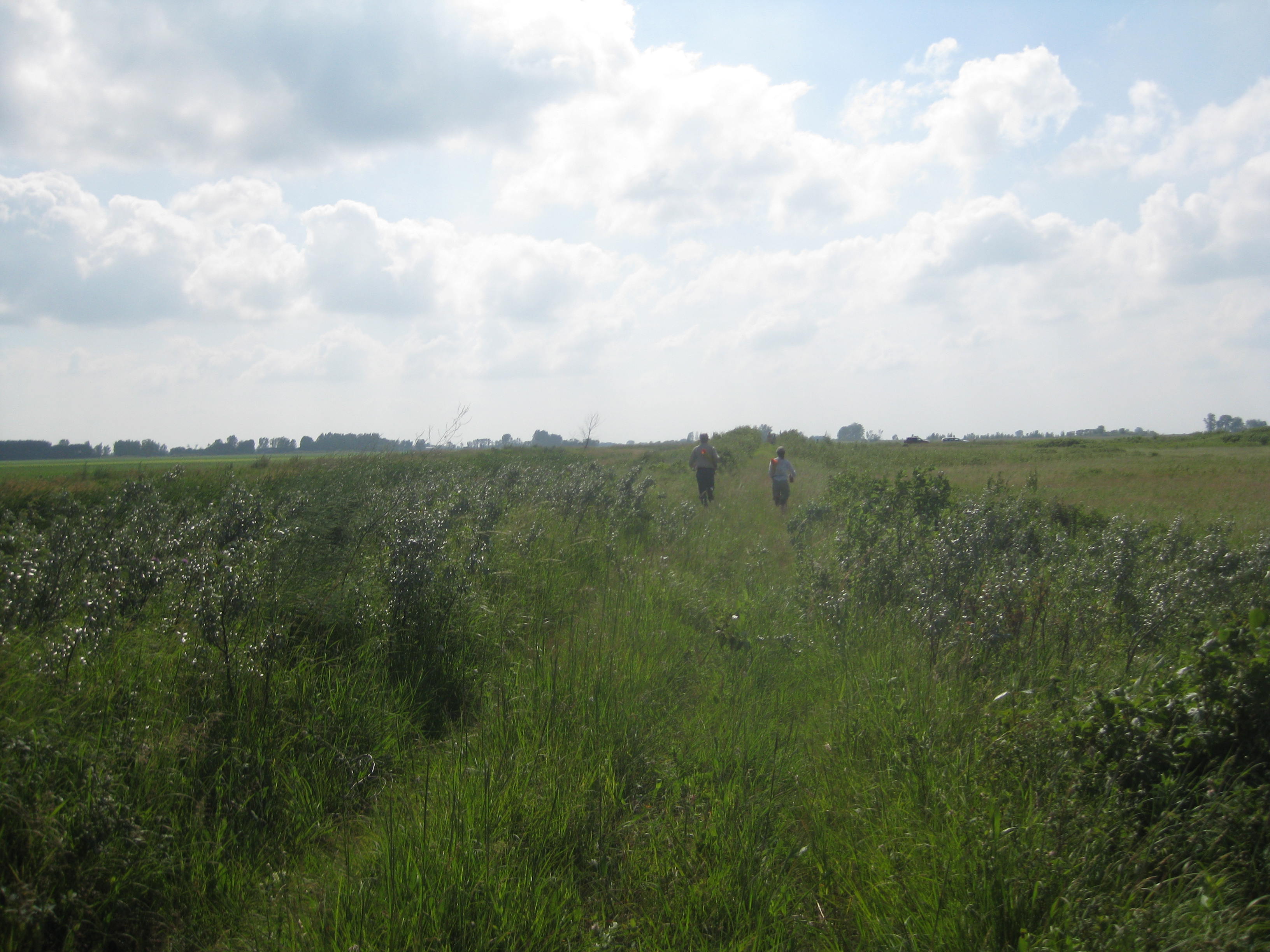
Last week (well, 9 days ago), we headed north to the Crookston area to survey the Western Prairie Fringed Orchid (Platanthera praeclara). View image View image View image Edited by cswitzer. 25 July 2011
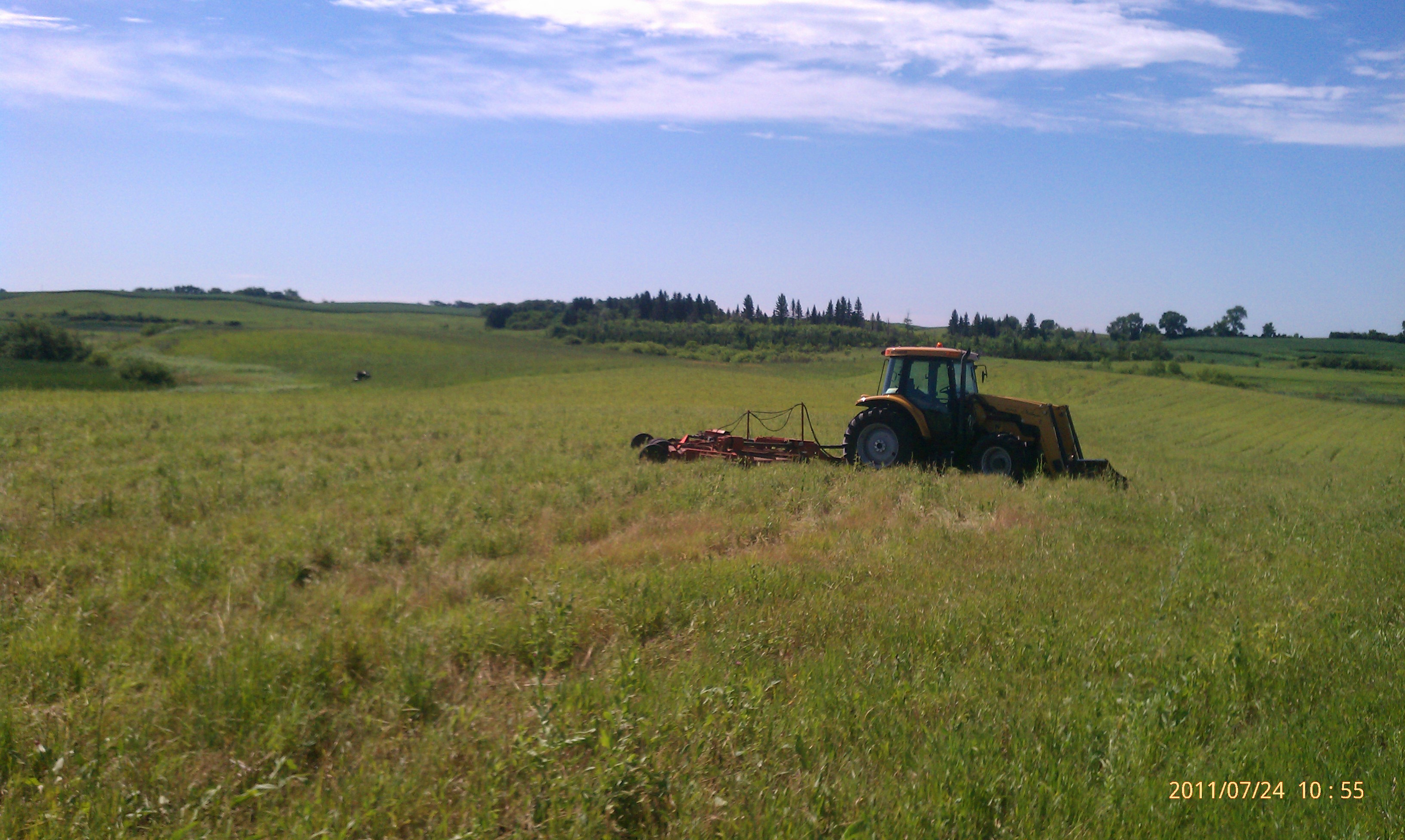
Characteristics of a good CSV file: See this example: https://echinaceaproject.org/wp-content/uploads/2011/07/preliminary-analysis-for-calli.html After enjoying the pig races out at the Grant County Fair yesterday, it was back to field work for me today. I biked out to the Hegg Lake Restoration area to discover that my Echinacea pallida site had experienced something that is now common for many prairie remnants – mowing.
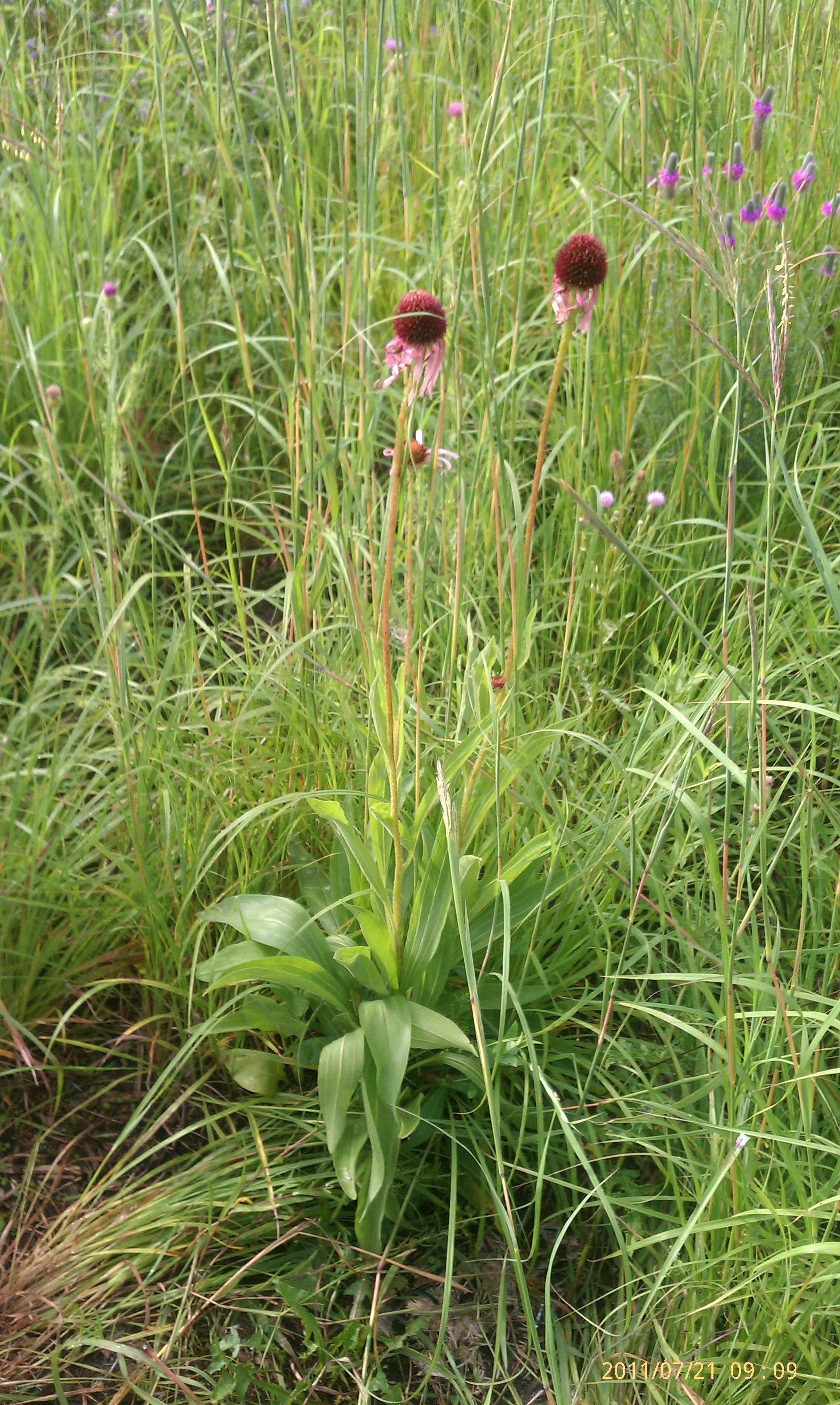
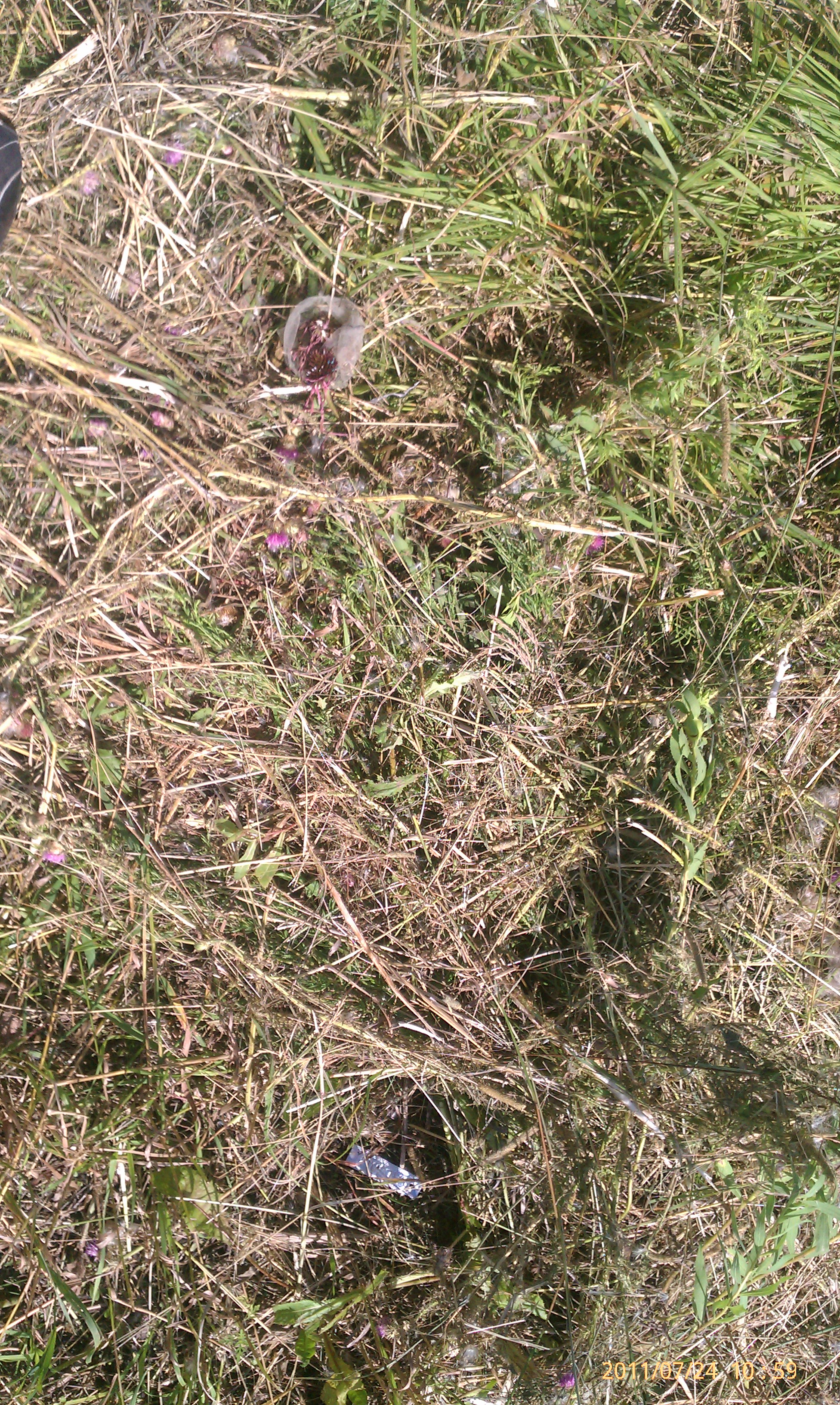
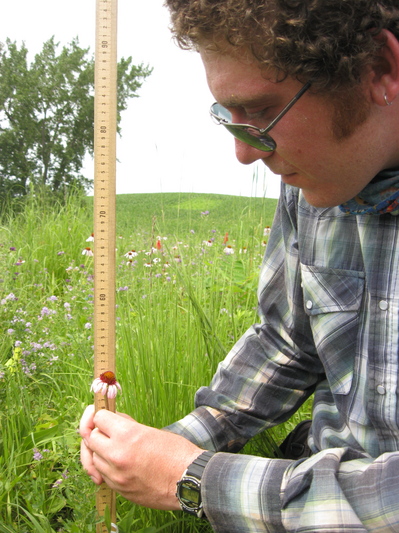
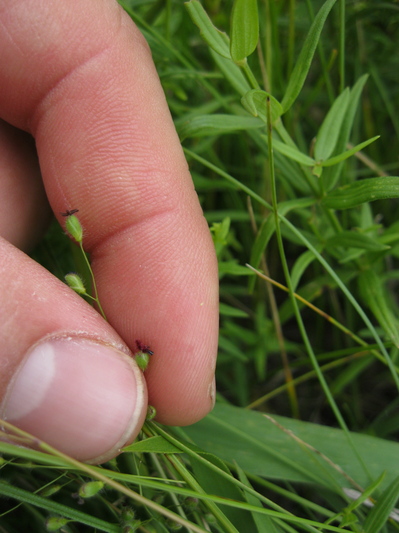
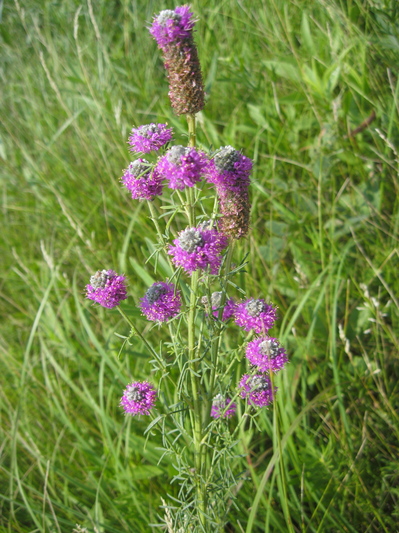
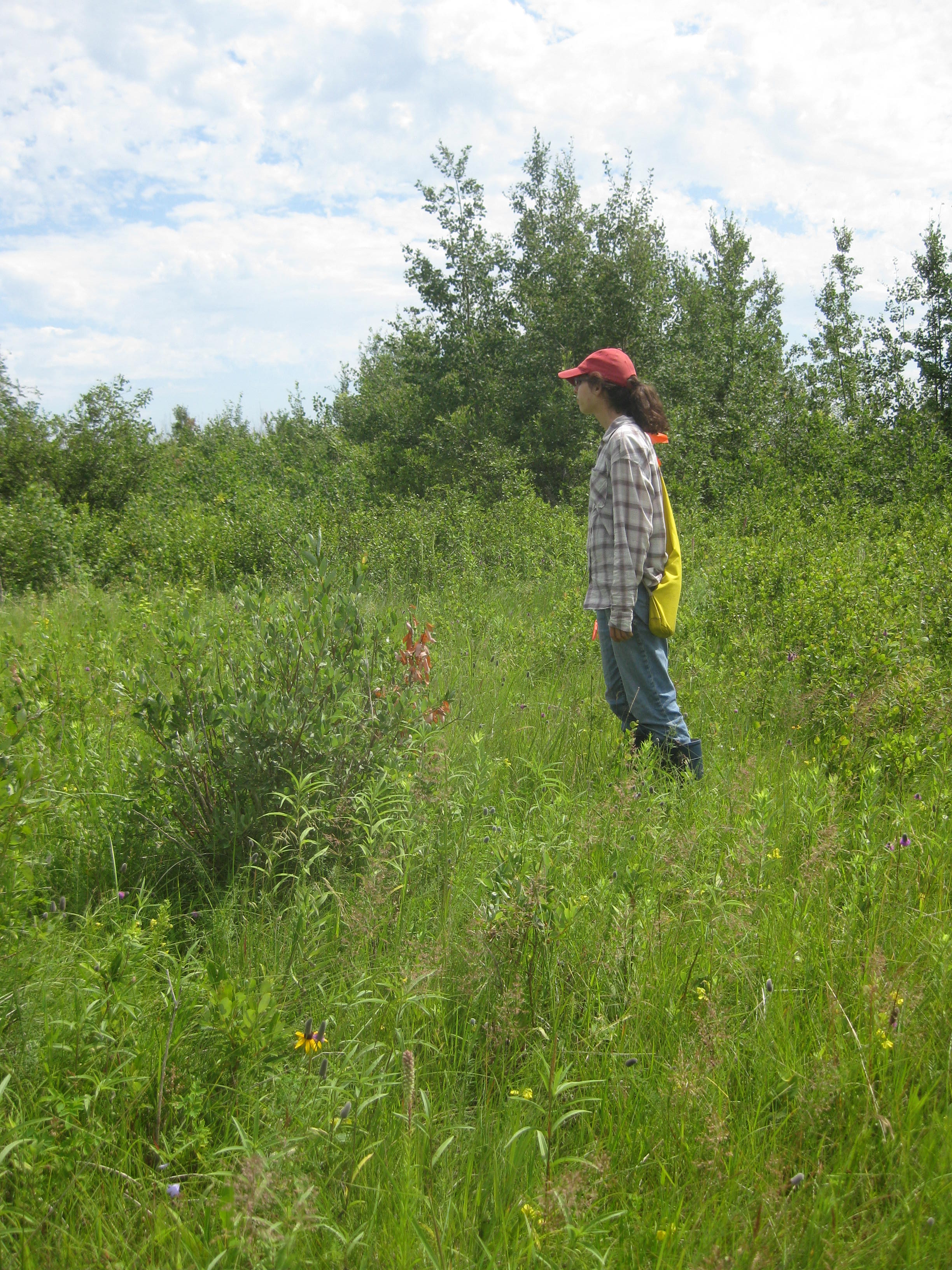
Echinacea pallida tagged PAL 1014 before mowing: Echinacea pallida tagged PAL 1013 after mowing: Luckily I still have a decent number of crosses, and this just cuts the number I was planning on having a bit shorter. Tomorrow I will begin crosses to use up my remaining supply of Echinacea pallida pollen. We accomplished a lot, even thought the weather was super hot! We even started at 7 am to try to beat the heat. Monday, (July 18, 2011) was amazing in two different ways. The temperature was in the nineties, but the heat index was over 100 F. We worked in the morning, but by 10 am it was heating up. Because of the humidity, our clothes were soaked through by the end of the day. We measured plants in the common garden on Monday afternoon, and helped Katherine set up cages for her aphid experiments. Here’s a picture of what we felt like on Monday: (Notice the sweat on Josh’s brow as he measures the height, in centimeters, of the Echinacea head. Tuesday and Wednesday, we decided not to work outside during the afternoon, so we did morning field work, and then spent time updating the website and computer work during the afternoon. Here are a few photos of our projects. 1. Callin’s Compatibility Project: 2. Amber Z’s Phenology Project at Staffanson Prairie Preserve 3. Lee’s compatibility project with Coreopsis palmata and Heliopsis helianthoides 4. Katherine’s Experiment with aphids. She set up lots of cages to keep aphids in the right places. Very cool! 5. Josh is helping other groups and helping with the main projects, because he’s waiting for his Big Bluestem and Indian Grass to grow for his experiment (sorry, no photo). 6. Maria has been collecting Dichanthelium seeds for later experiments. Check out the cool purple flower of Dichanthelium in the picture. 7. Amber E. has been collecting pollen from Dalea in lots of different remnants (sorry, no picture). Dalea purpurea is a purple flowering legume.
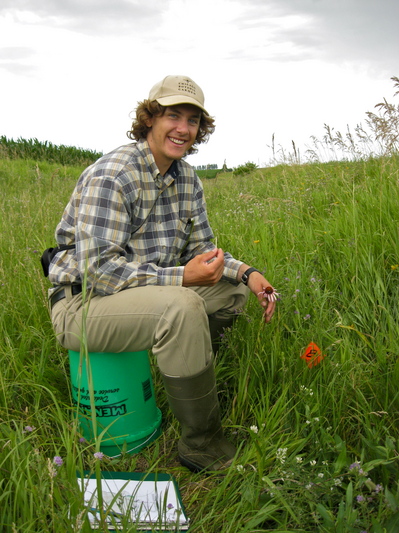
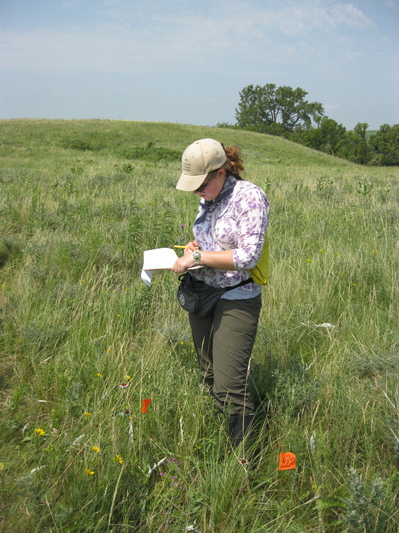
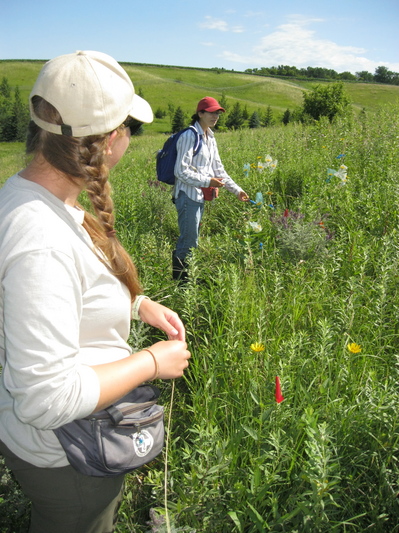
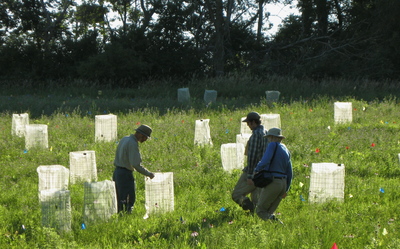
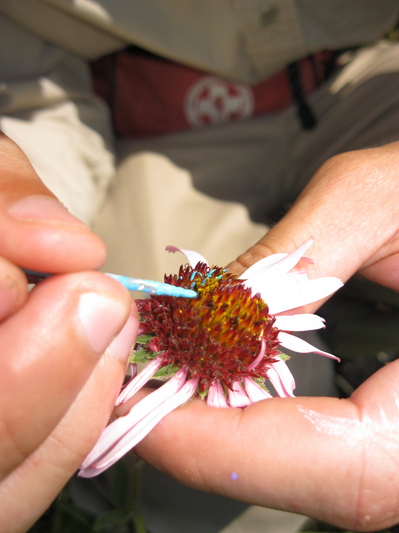
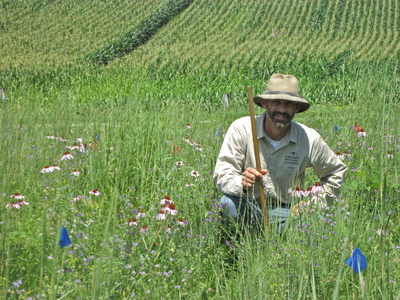
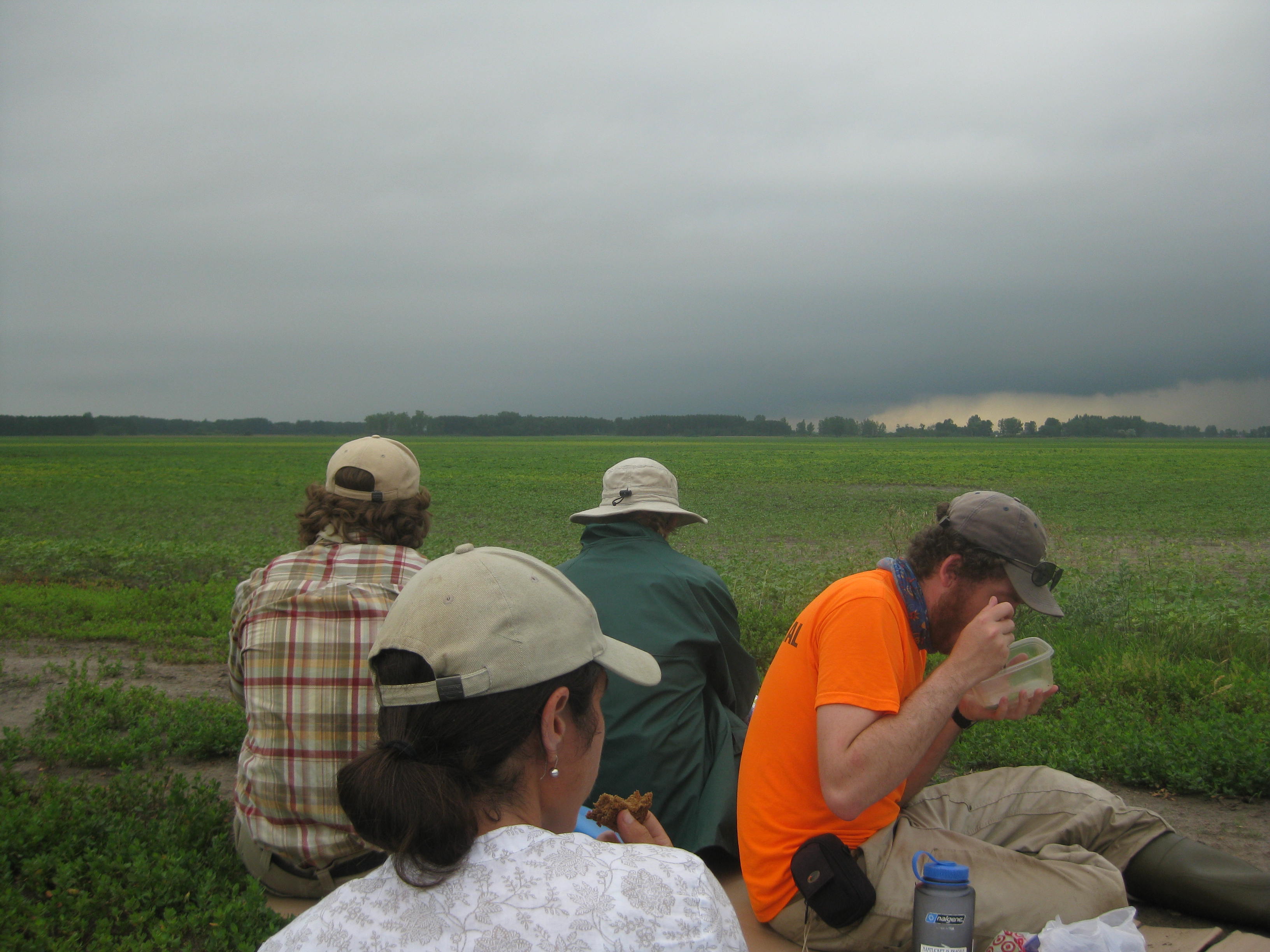
8. Nicholas is just about to finish all his compatibility experiments between Echinacea angustifolia and Echinacea pallida. To do cross pollination experiments, he first paints the bracts that subtend the styles he will pollinate. Aqua is a easy color to recognize on the bracts. On Thursday and Friday, we were able to do more fieldwork in the common garden, even in the afternoon (common garden measurements and phenology). We also had time to practice taking some photos for the website. The photo below shows Stuart scouting a good location for a website photo. Here is the csv file to use for my compatibility of Echinacea in the remnants. Preliminary analysis–july 25 2011.csv Here’s a picture of what we were doing to collect this data! It’s been a busy week for everybody. Plants are blooming, pollen is shedding, and everyone is dashing about madly to catch the field season before it passes us by. I have been running around like a chicken with its head cut off trying to get ready for my aphid addition/exclusion experiment. Everyone has been a wonderful help setting up cages in this sweltering heat. My goal for this week is to finish my first round of experimental treatments: exclusion on Thursday and addition on Friday. Before then, I need to finish setting up nets and teach everyone how to wrangle aphids. Here is a protocol I wrote up to assist the teaching process and the data sheets I mention in the protocol. These are works in progress, so any feedback is appreciated. AphidExclusionCollectionProtocol2011.doc aphidcollectionoutsideExpt.xls aphidinfestation.xls Katherine Yesterday we went on a trip to the Crookston area to help Gretel with her White Fringed Orchid search. Here are pictures for your viewing pleasure 🙂 The day started off hot, but not excessively hot….. Gretel and Stuart leading the pack. Trekking into the prairie. We worked in groups of three, with Gretel, Stuart, and Josh visoring in each group and the rest of us flagging and counting. After working from 9+am to around 12.30pm, it was lunch time! We proceeded to have lunch picnic style, but not for long – because a storm was headed our way!
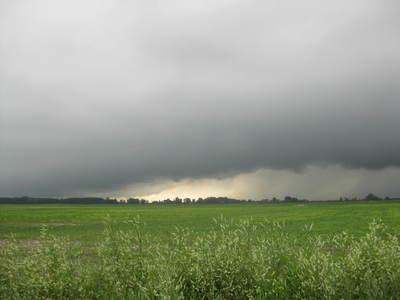
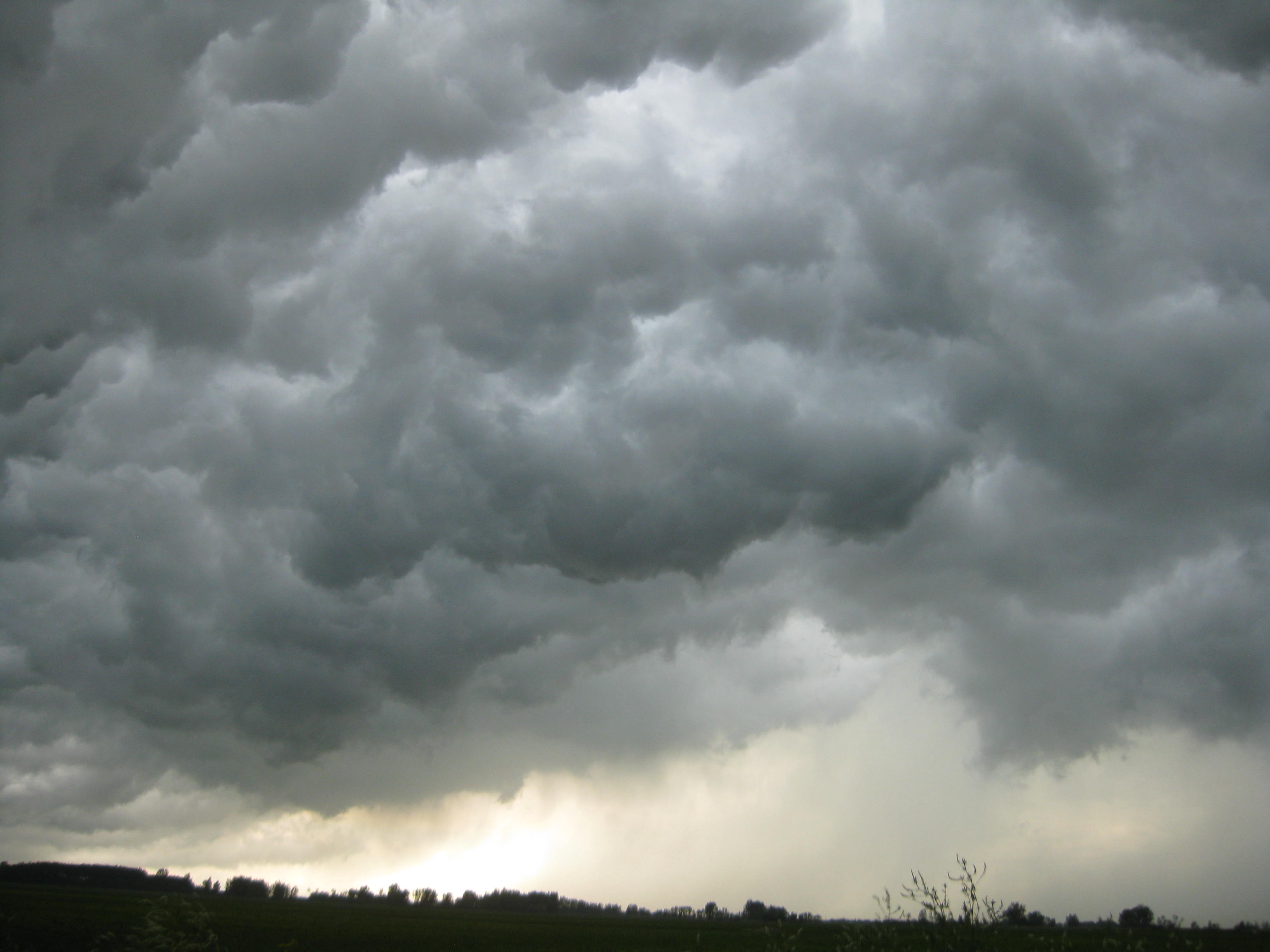
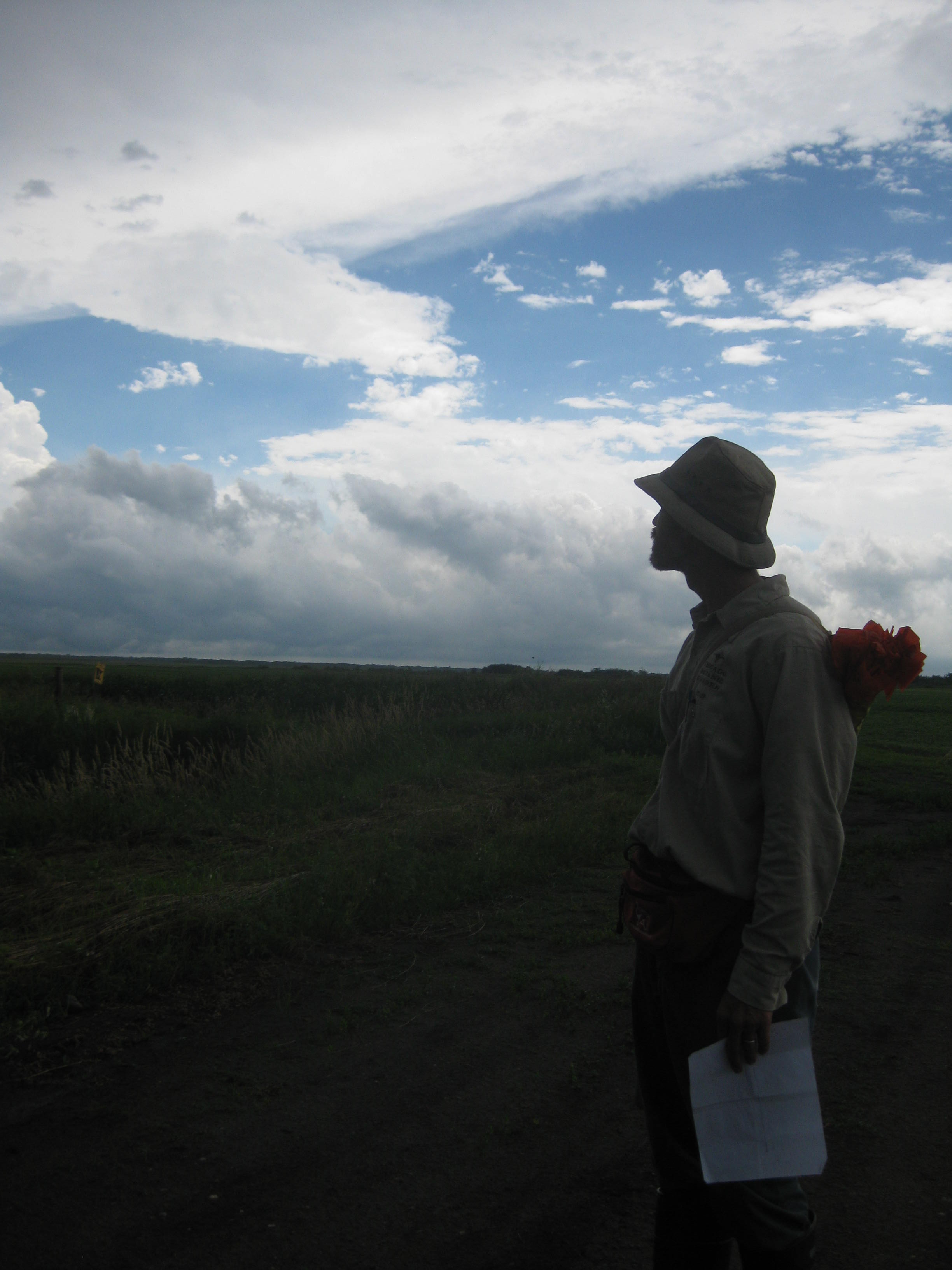
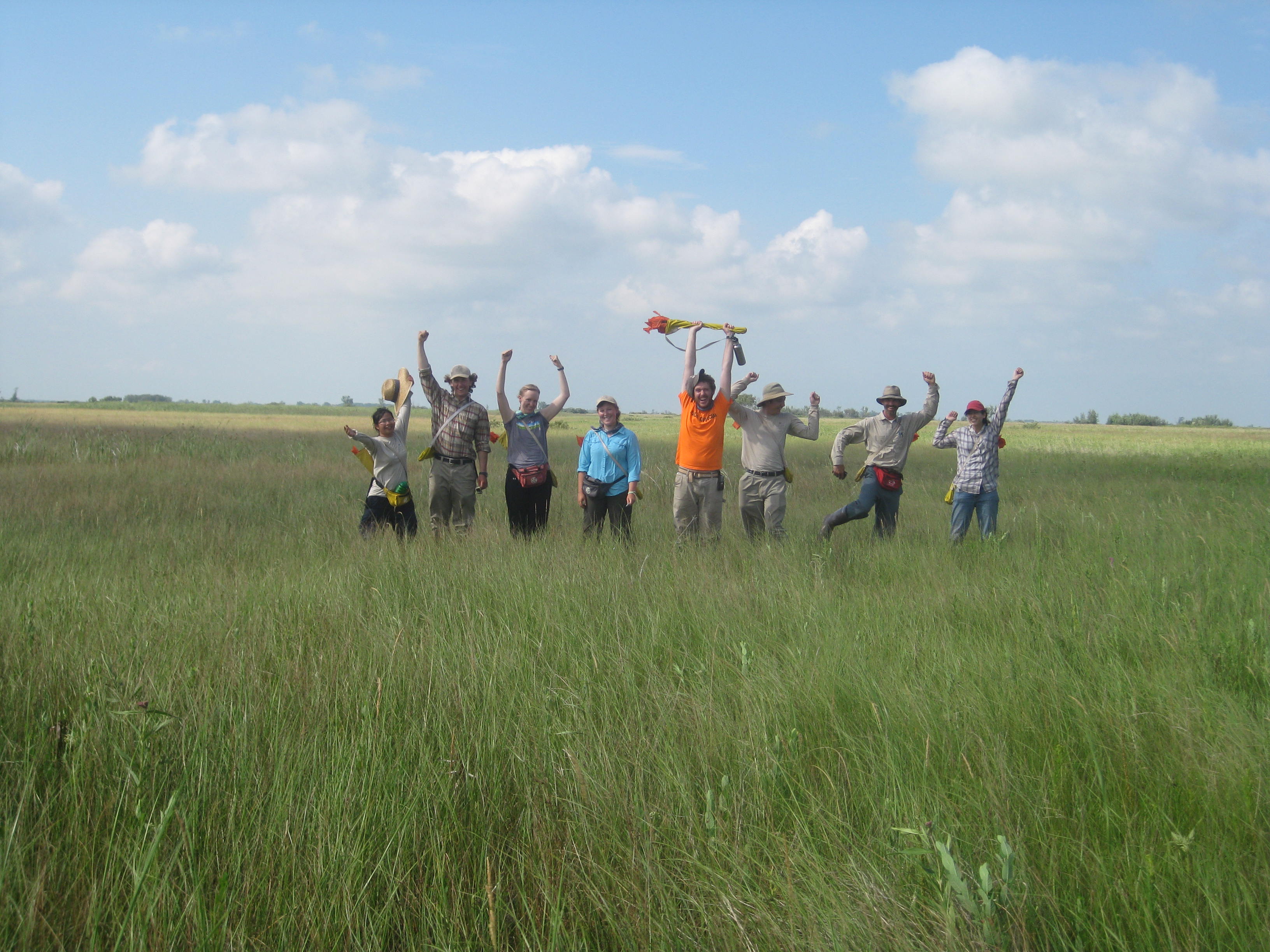
We quickly headed back to the cars for safety, and watched the awesome storm while eating lunch. Fortunately the storm passed over quickly, and soon the skies were clear again. Stuart contemplating the skies. We went back to work in another section of the prairie for the rest of the afternoon. Lee searching for orchids. ‘Where forth art thou, white orchid?’ And there you are! (usually right under my nose) Around 4+, we finally finished searching the plots…we were quite exhausted by then… but we were done…Victorious Team Echinacea! The amazing couple who still had the energy to race back to the cars.
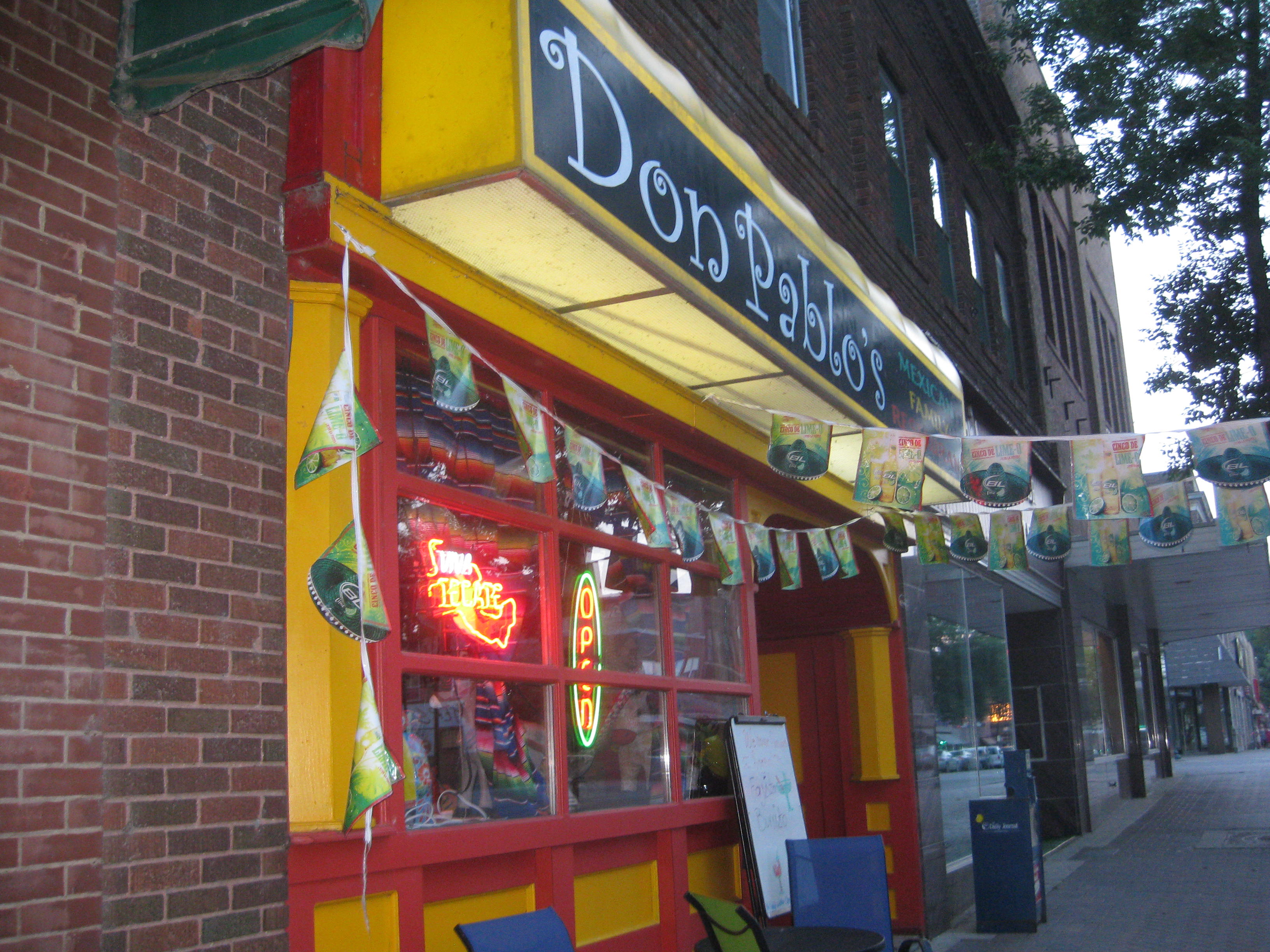
After that we drove back to Douglas County. Stopped at Fertile, MN for ice cream but sadly they were closed on Saturdays. Also found out that Cafe 116, the dinner place in Fergus Falls we were going to, closes at 6pm on Saturdays. So we had a pretty sumptuous dinner at Don Pablos, a quirky Mexican restaurant in Fergus Falls 🙂 Reached Hjelm House around 9 or 10pm. That was a long but fun day! 😀 This past week a lot more Echinacea started flowering, which meant we had plenty to do. We located all the Echinacea plants in the Common Garden that will flower this year. There were so many! They seemed to be particularly abundant in the 99 garden. Uff da! I believe the first round of Dichanthelium seed collection is done. Thanks to Gretel and everyone who helped. And for all the times you waited for me after 5pm. Collected seeds from 158 plants from 5 sites – Jul 7 Hegg Lake south of parking lot, Jul 8 near Hegg Lake PHEN plot, Jul 9 Hegg Lake field trip area, Jul 11 (yesterday) Loeffler’s Corner (west) and Staffanson’s (old field). 112 plants had spreading/expanded panicles (not sure what’s the correct term) and 47 were not spreading/erect. Here’s the maternal lines data from the plants I sampled, if you’re interested: I’m planning to return to some of these plants a week (or perhaps a little earlier/later, depending on scheduling) after I first collected the seeds. Hopefully there’s still some seeds left on the culms for me to harvest! July 14 update: It is actually 158 plants, not 159. Sorry for the arithmetic error! 😛 |
||||
|
© 2026 The Echinacea Project - All Rights Reserved - Log in Powered by WordPress & Atahualpa |
||||