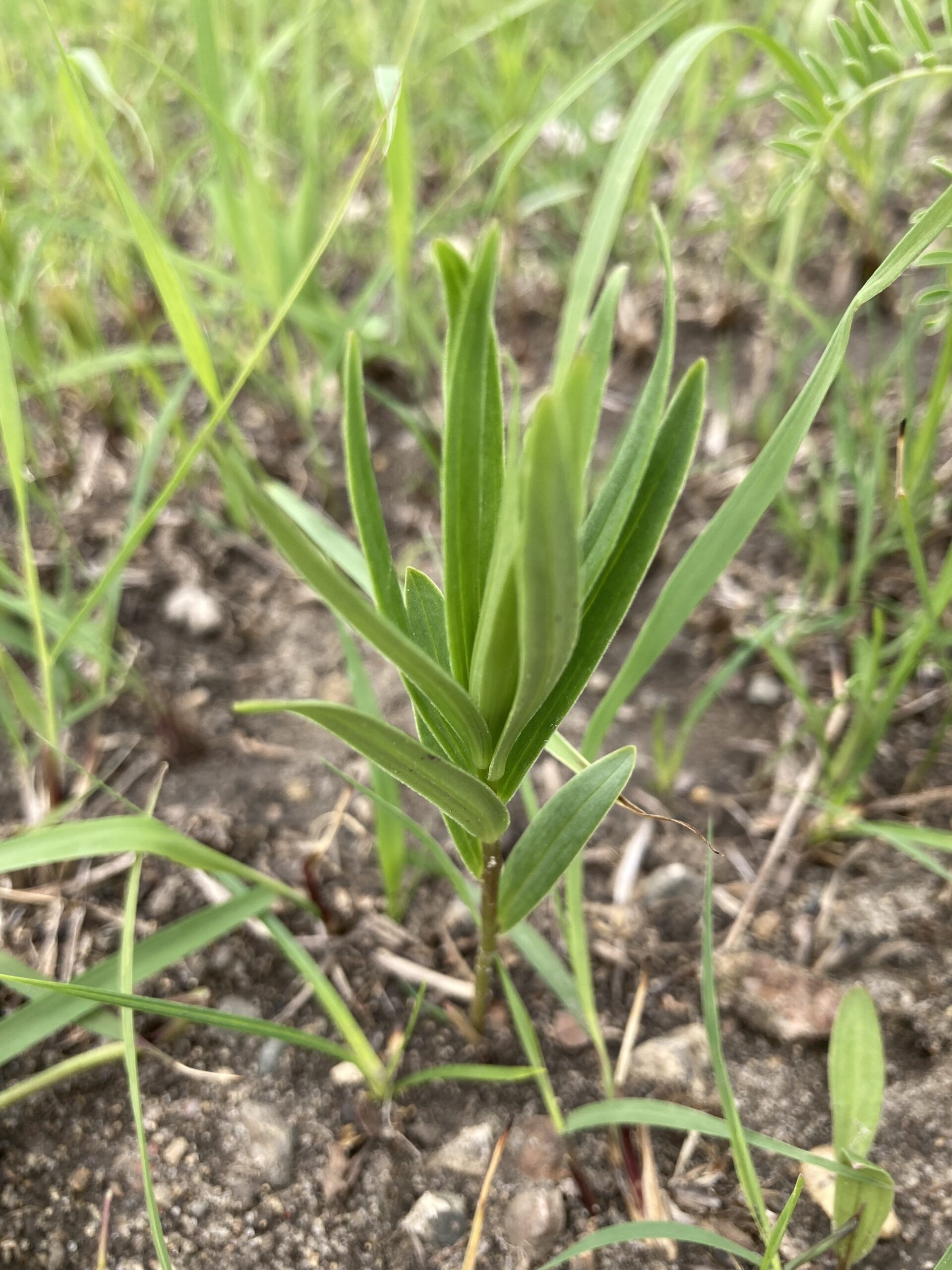
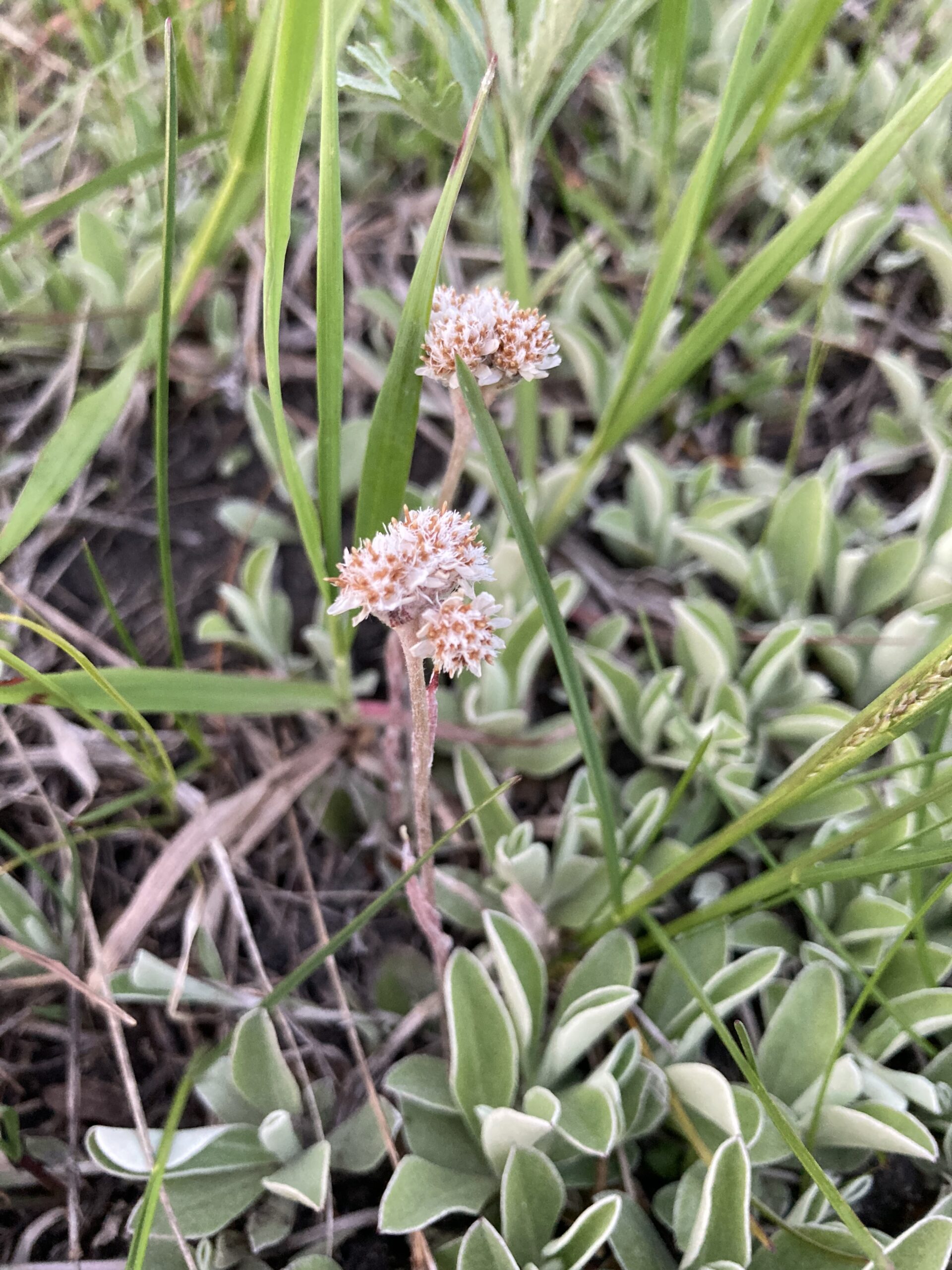
Last summer, we located 71 Asclepias viridiflora (green milkweed) plants in the remnants, and we collected pods from 22 plants. We brought the seeds back to the Chicago Botanic Garden, where Cathy Thomas propagated them at the production greenhouse. We were hoping for 392 milkweed seedlings, but the seeds germinated better than expected, so we now have 505 baby milkweeds!
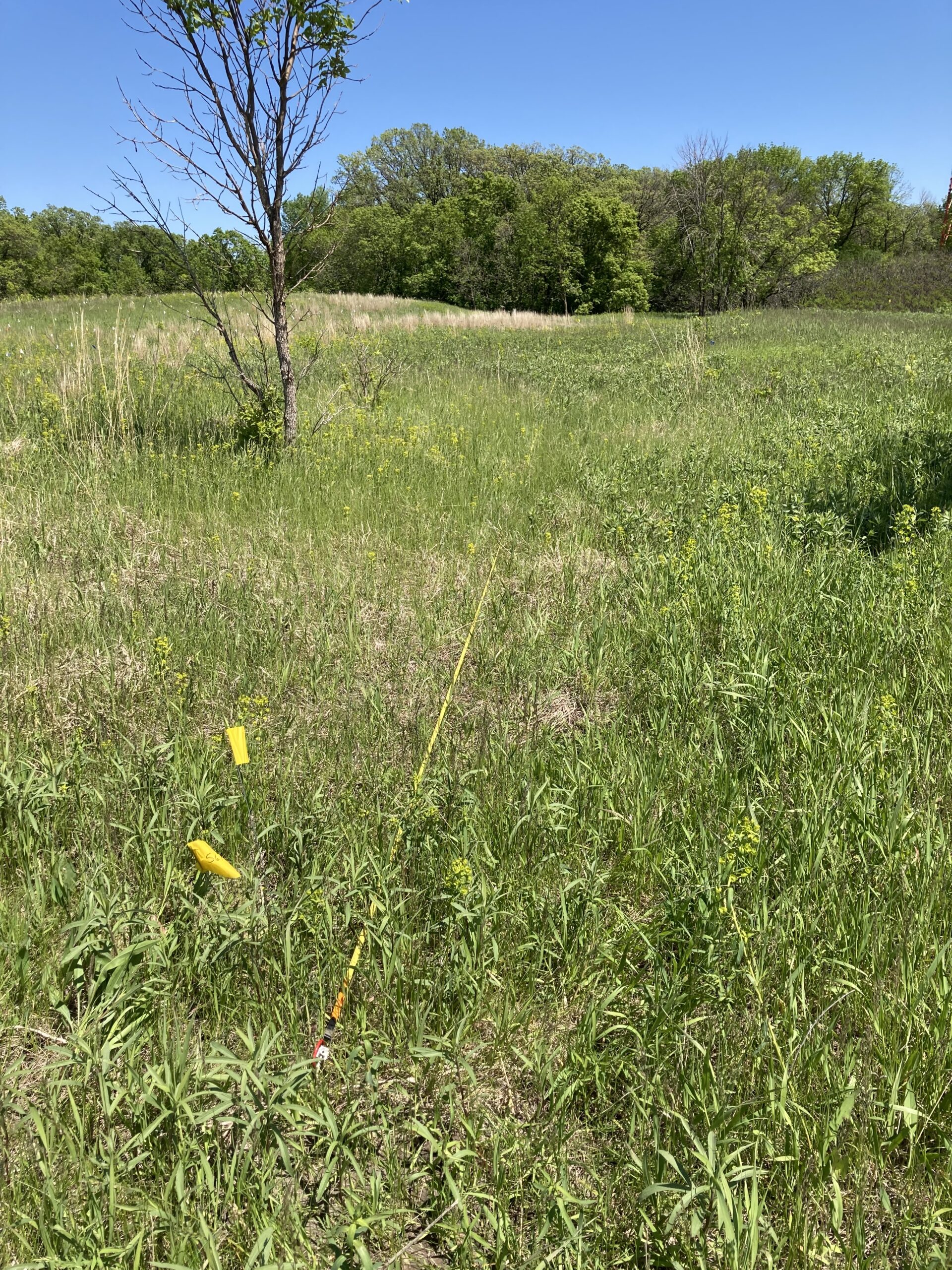
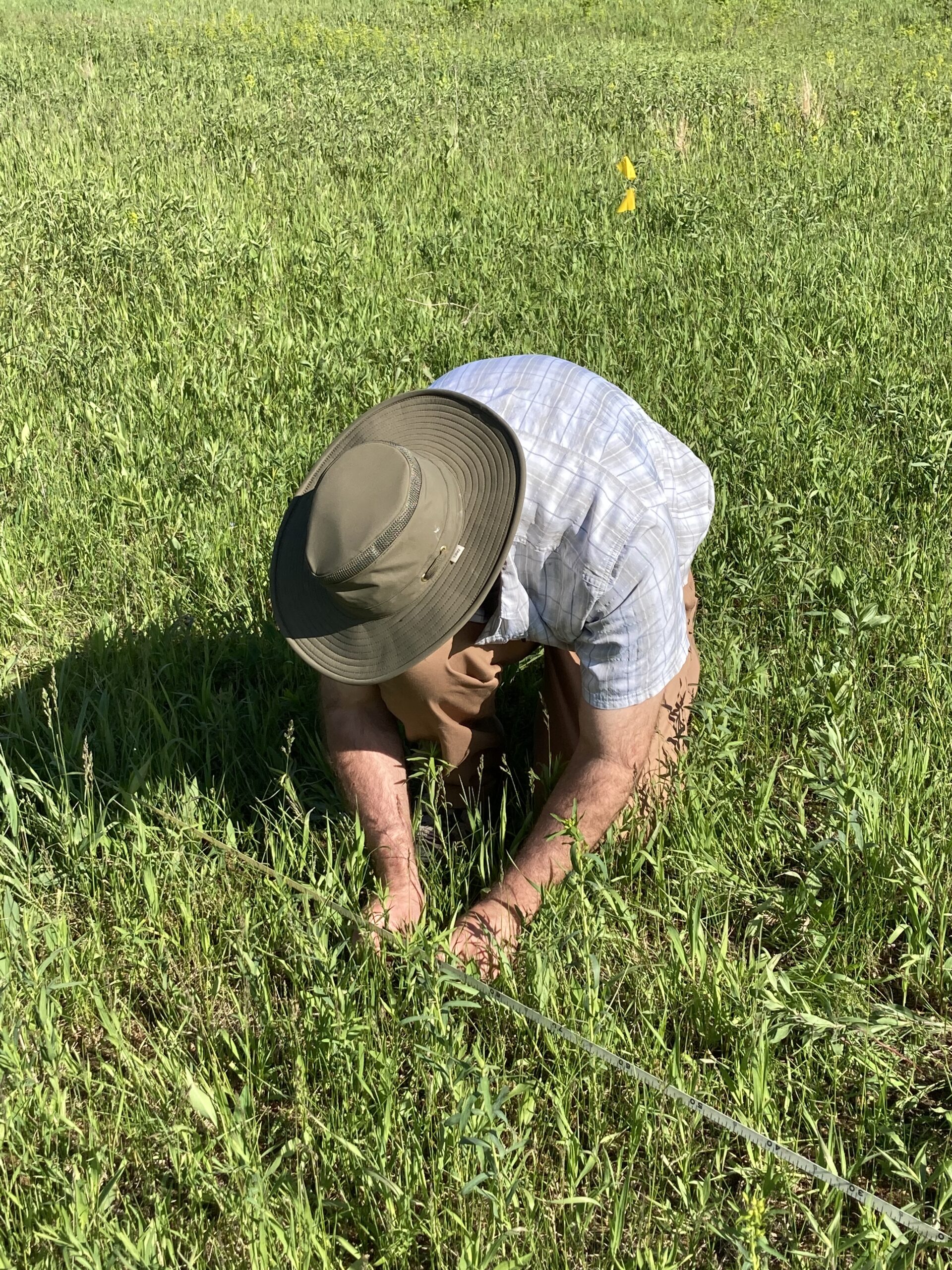
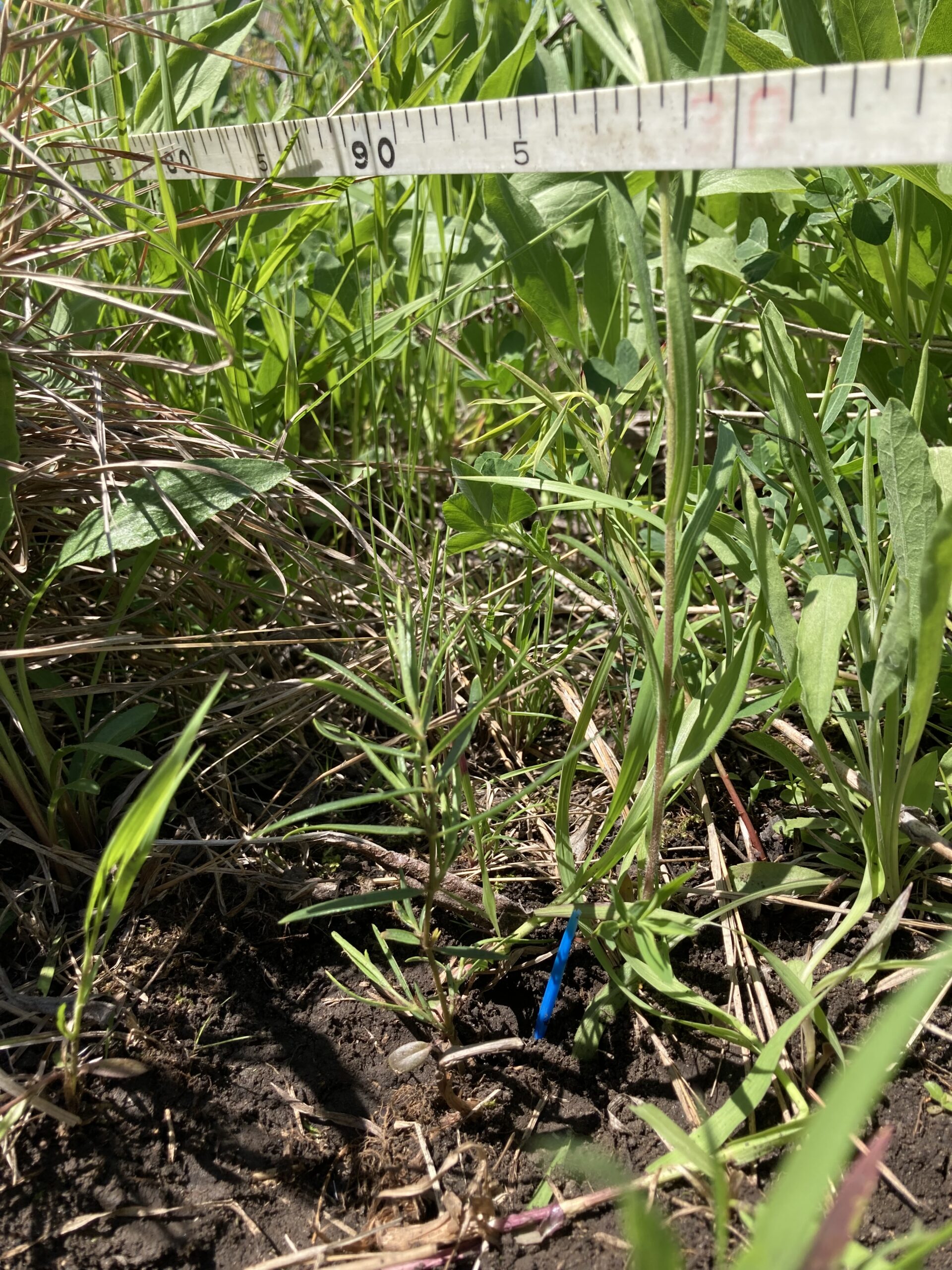
On Friday, Jared and I planted 149 Asclepias viridiflora plants south of p8. These plants represented 13 maternal lines. We flagged out five 30-m-long transects. Two transects are partially within the west Andropogon pilot plot, and three transects are partially within the east plot. Along each transect, we dug holes with soil knife 1 m apart, watered the holes, and planted the Asclepias plugs. We placed a toothpick 2 cm north of each plant and recorded the toothpick color. We were glad that we decided to add toothpicks; when I returned to water the milkweed plants, they were already nearly impossible to see!
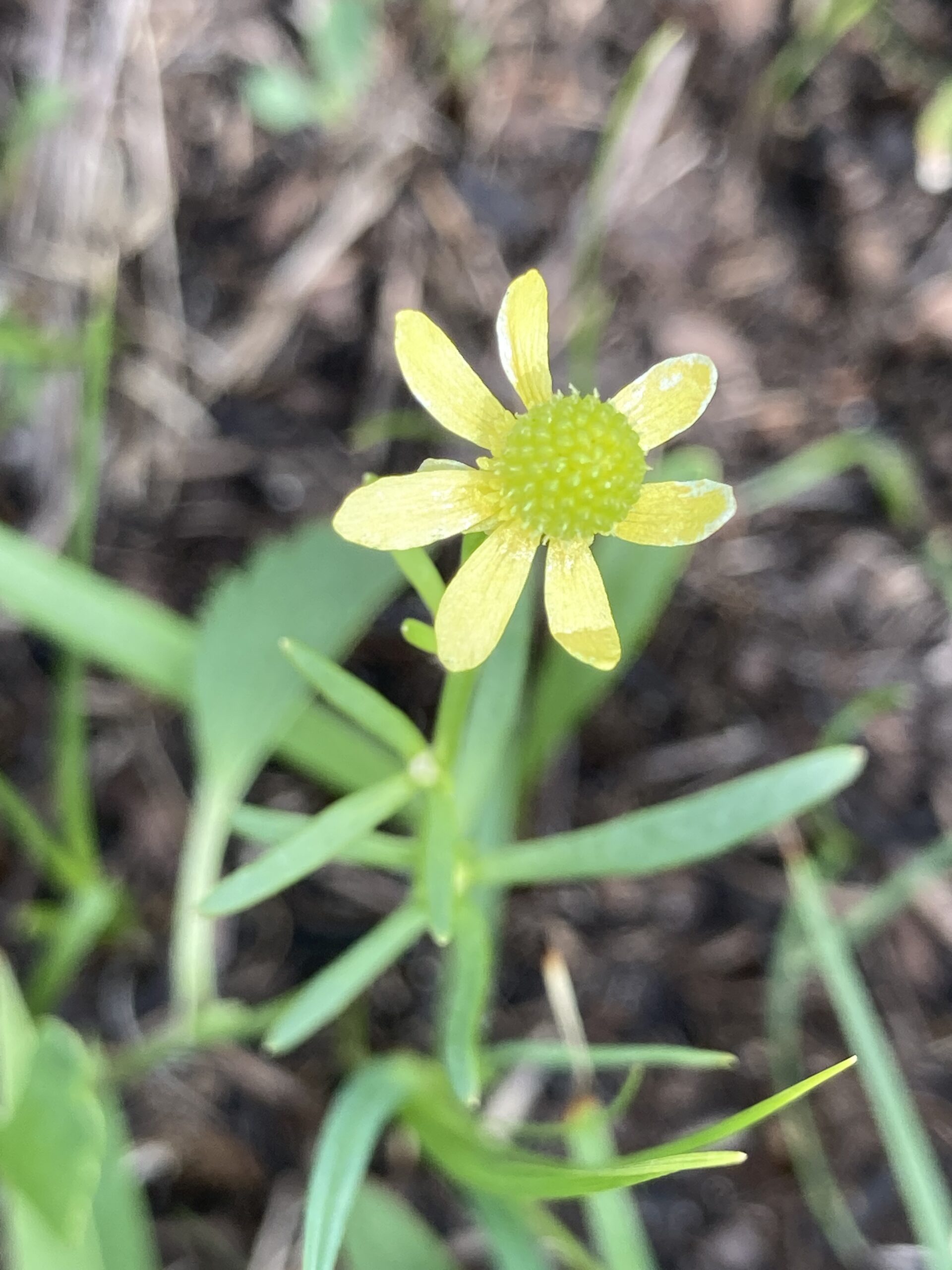
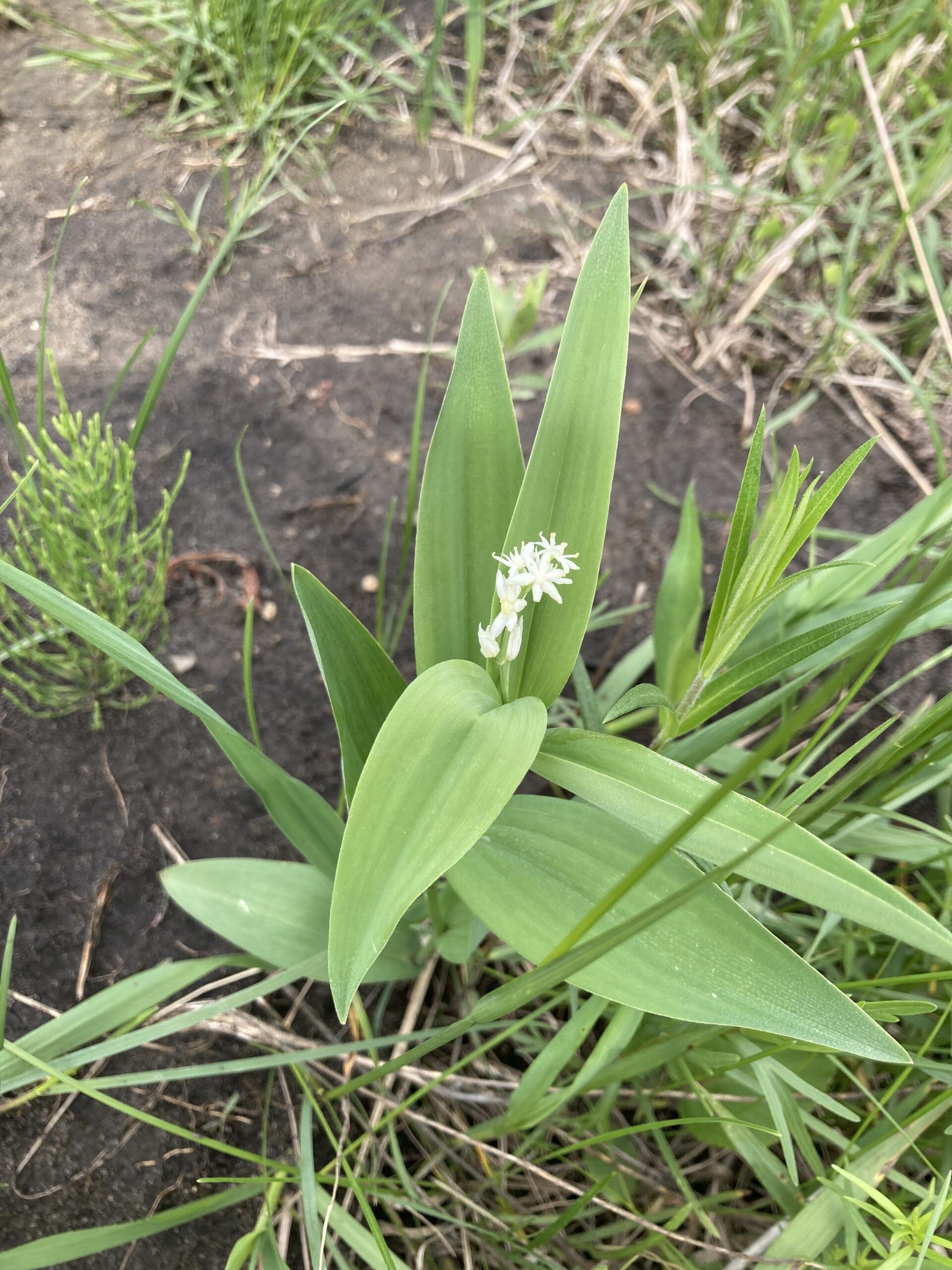
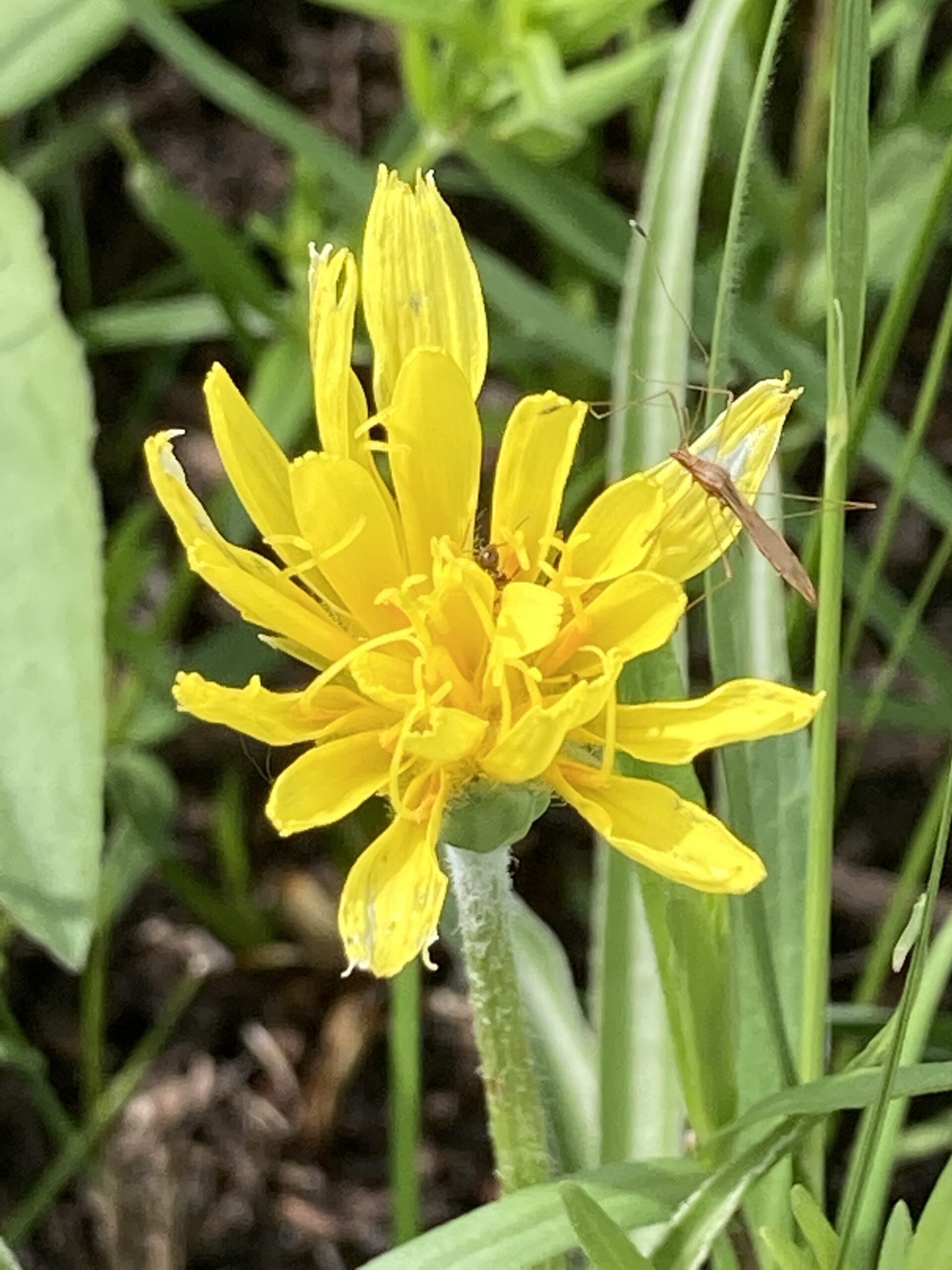
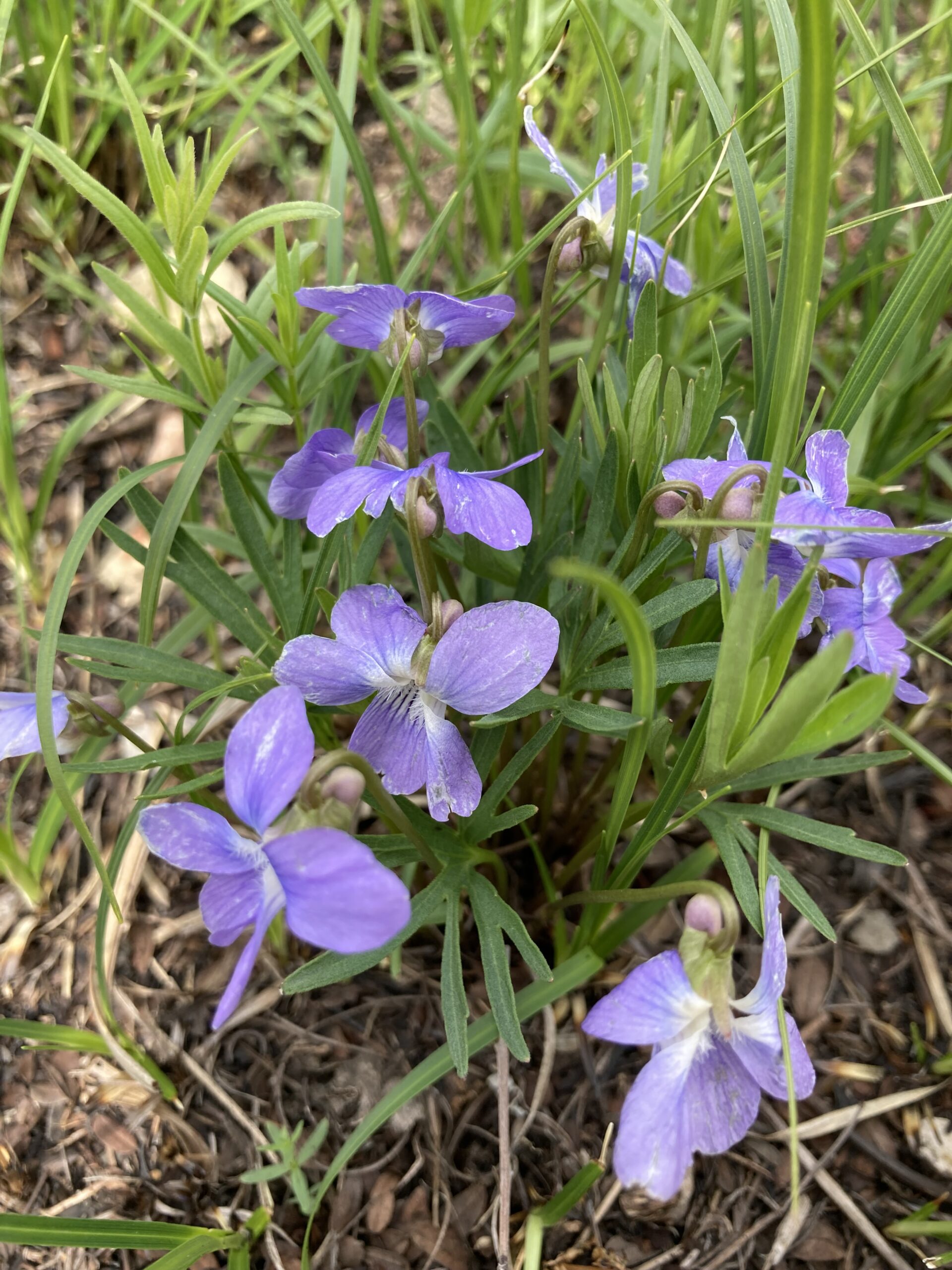
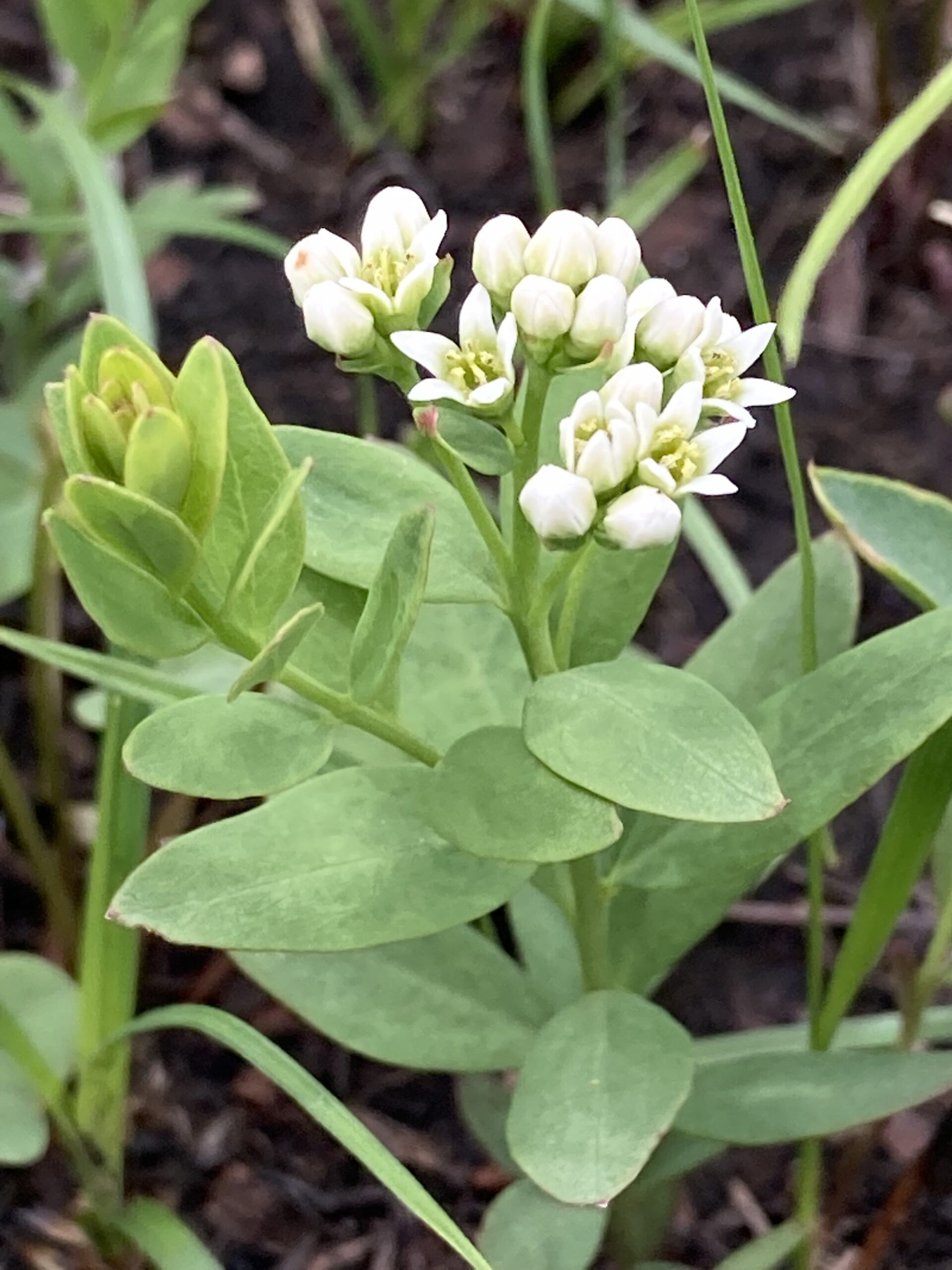
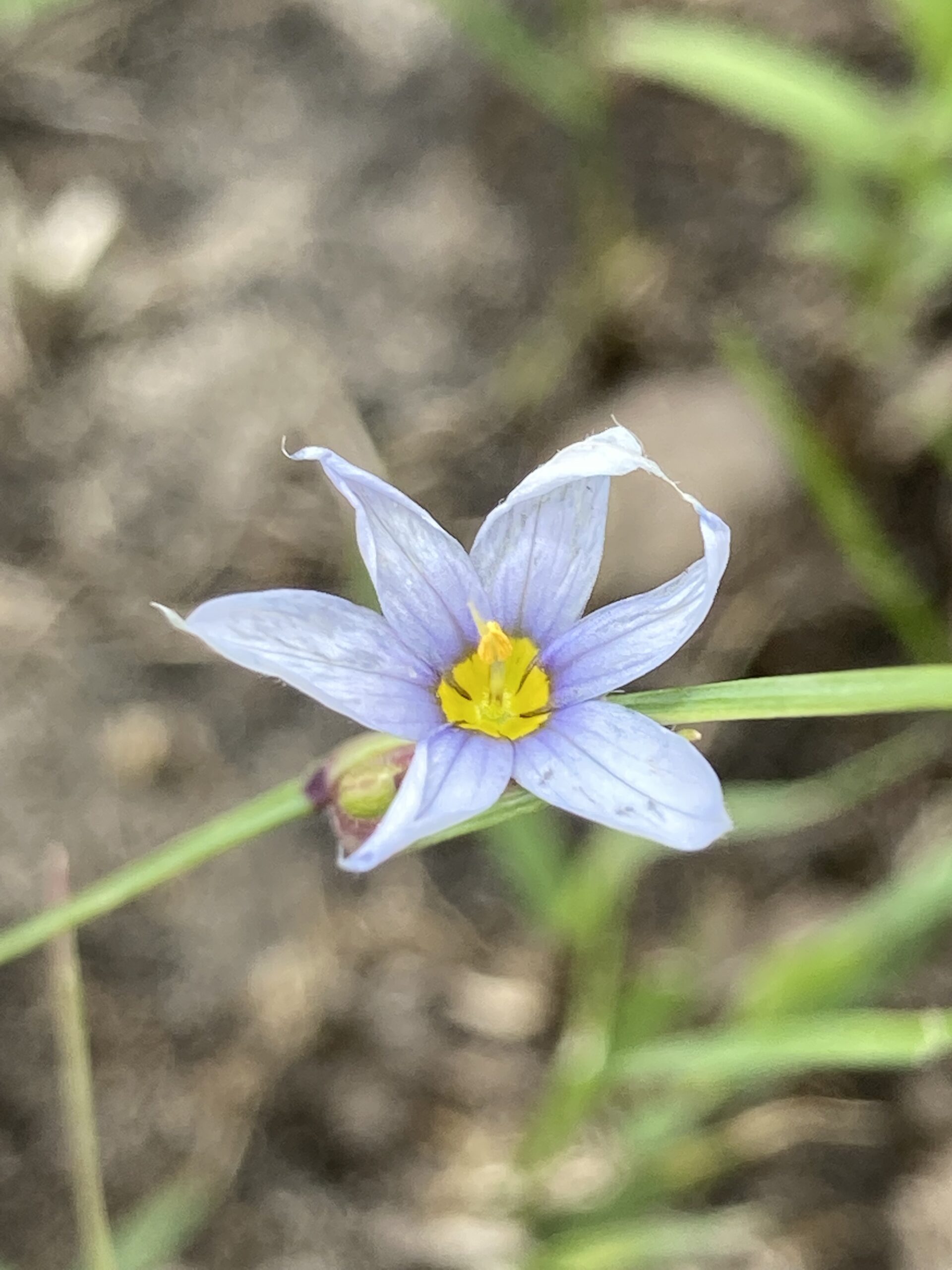
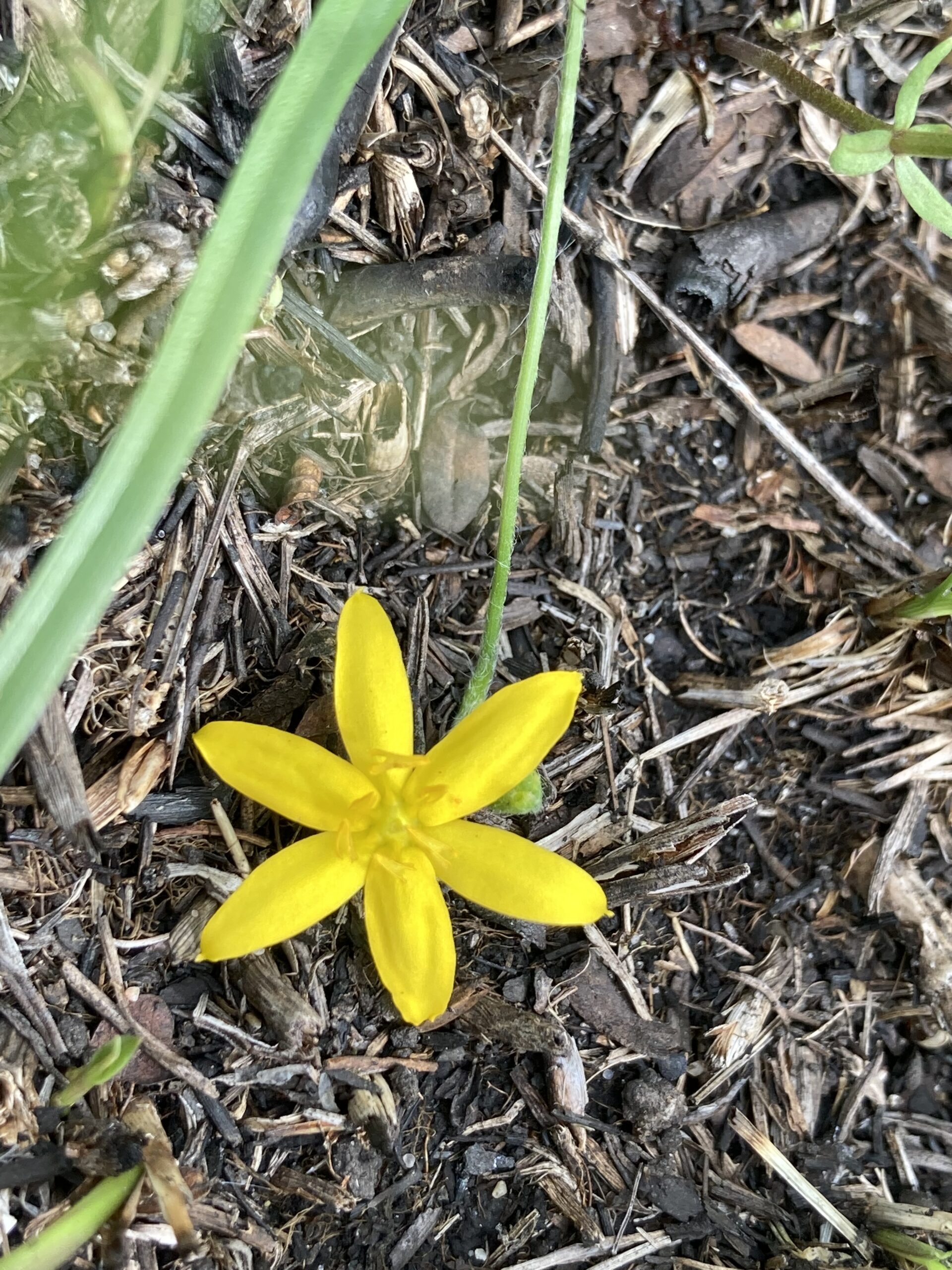
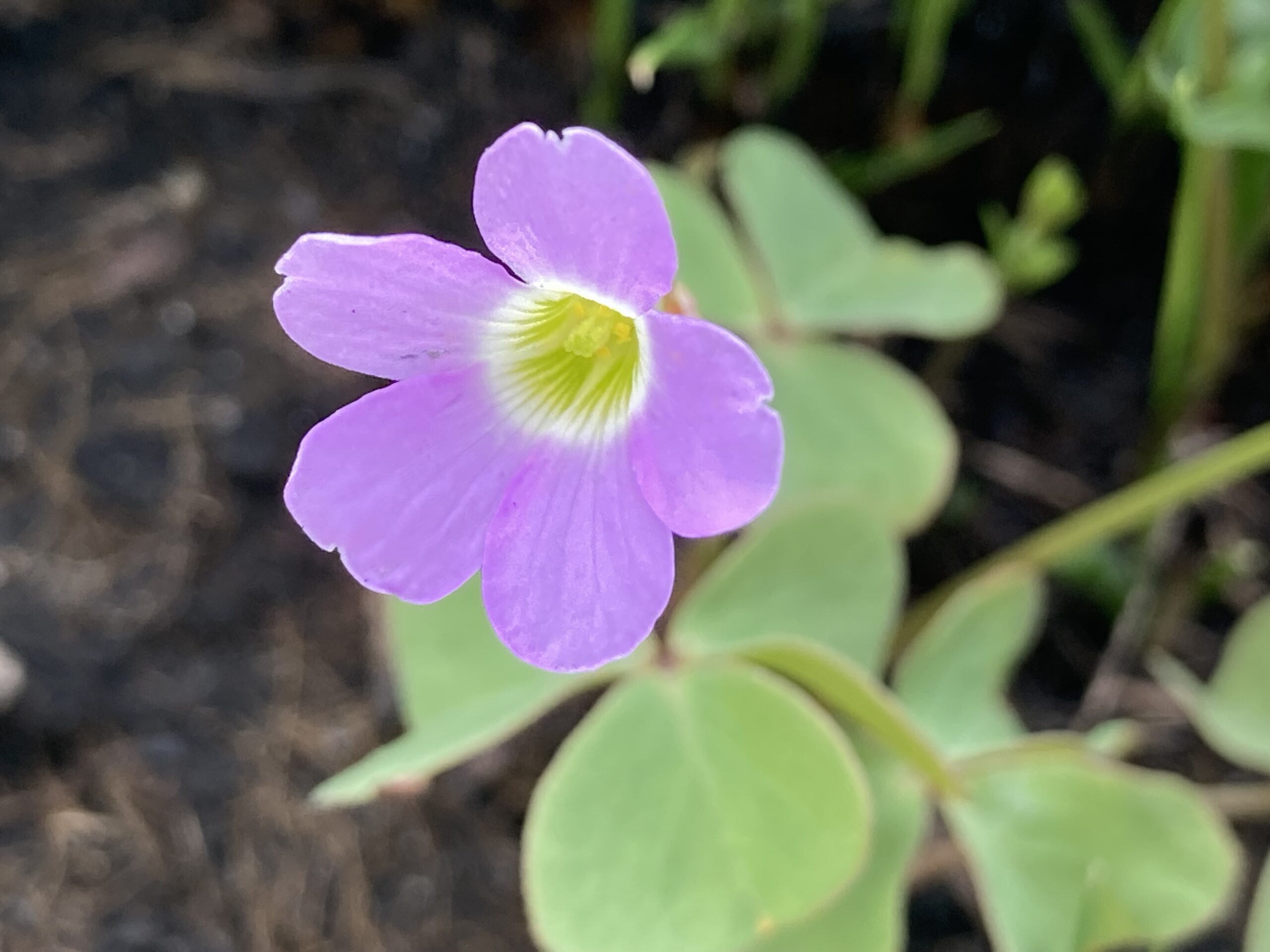
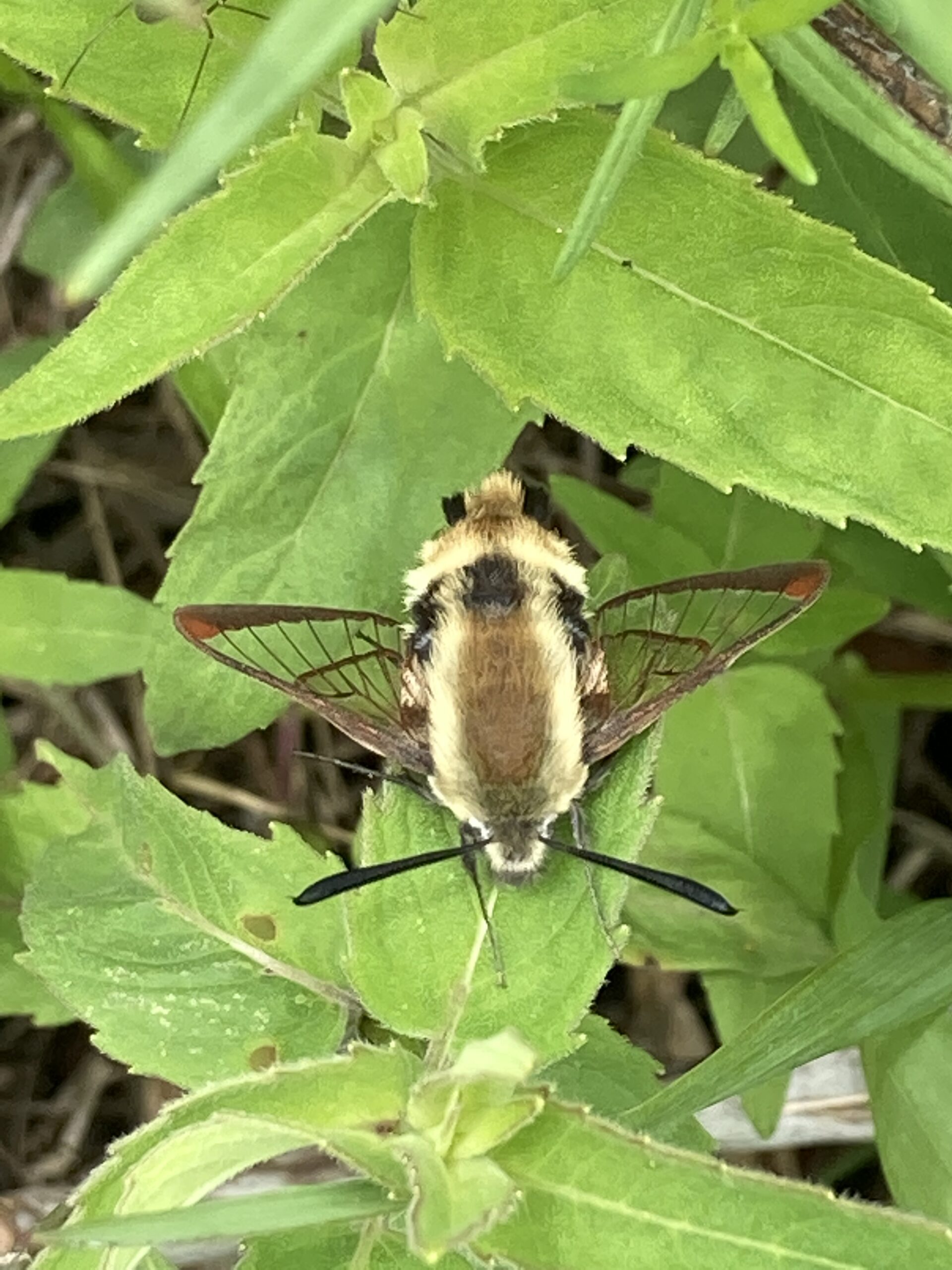
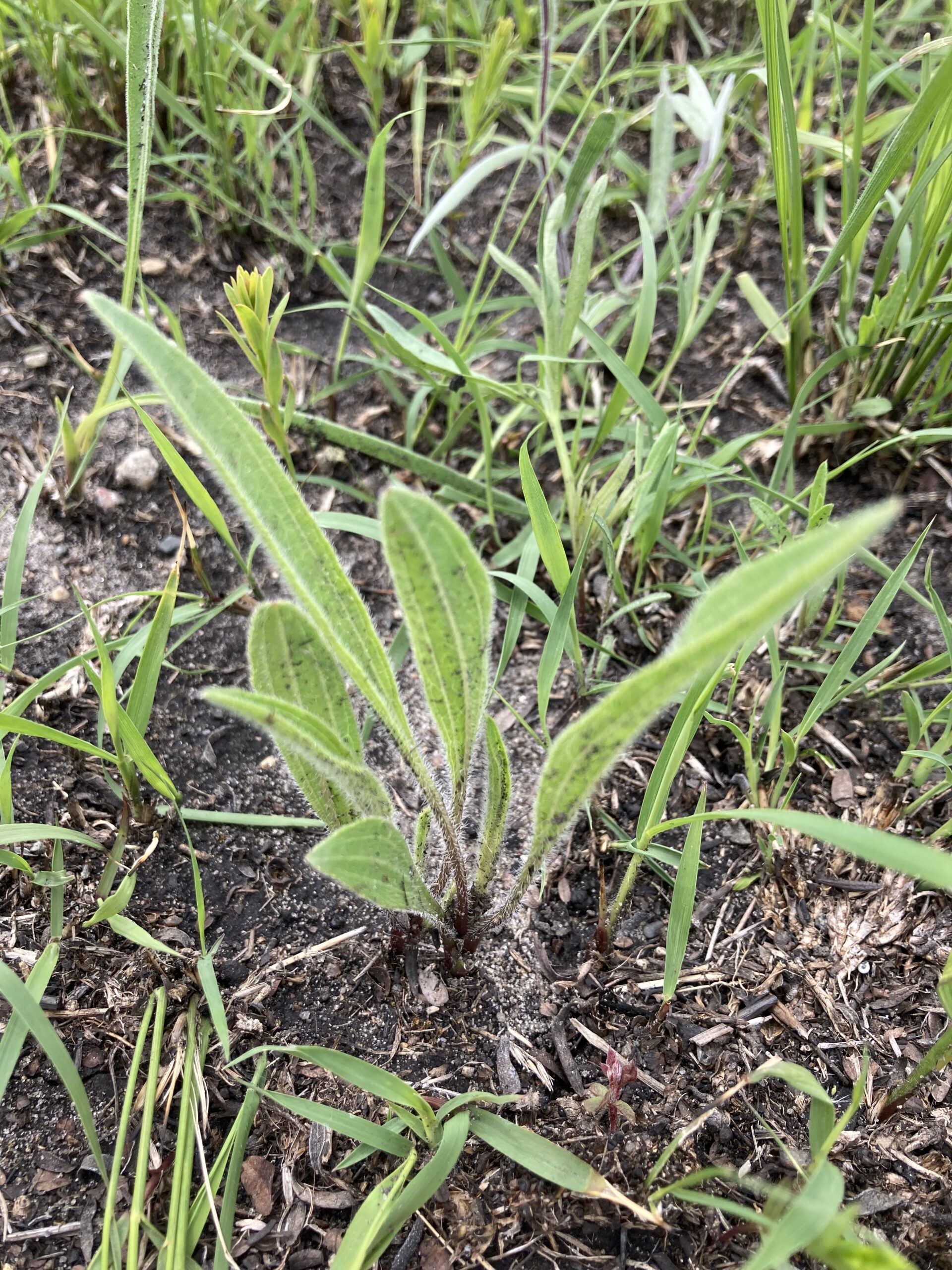
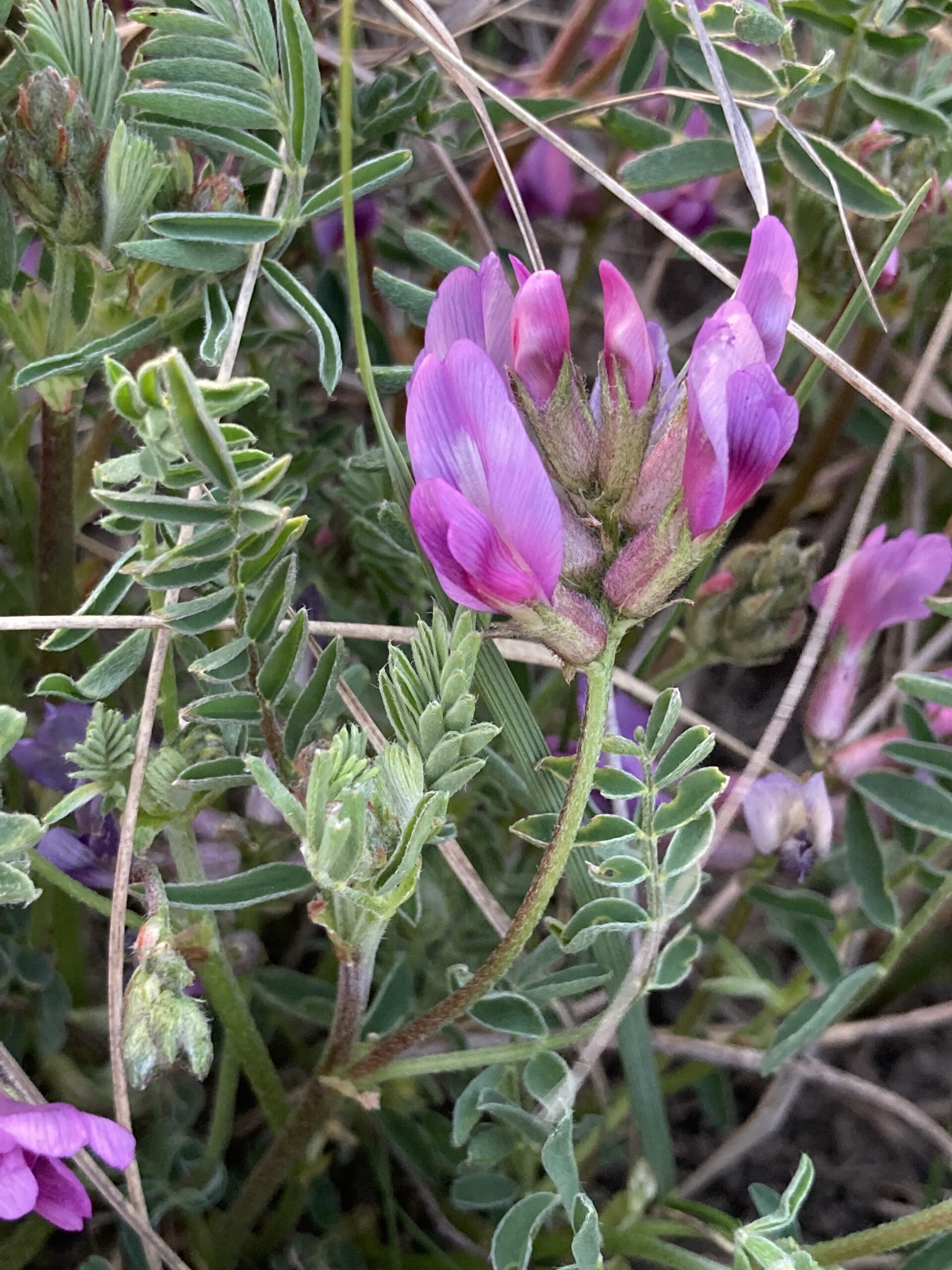
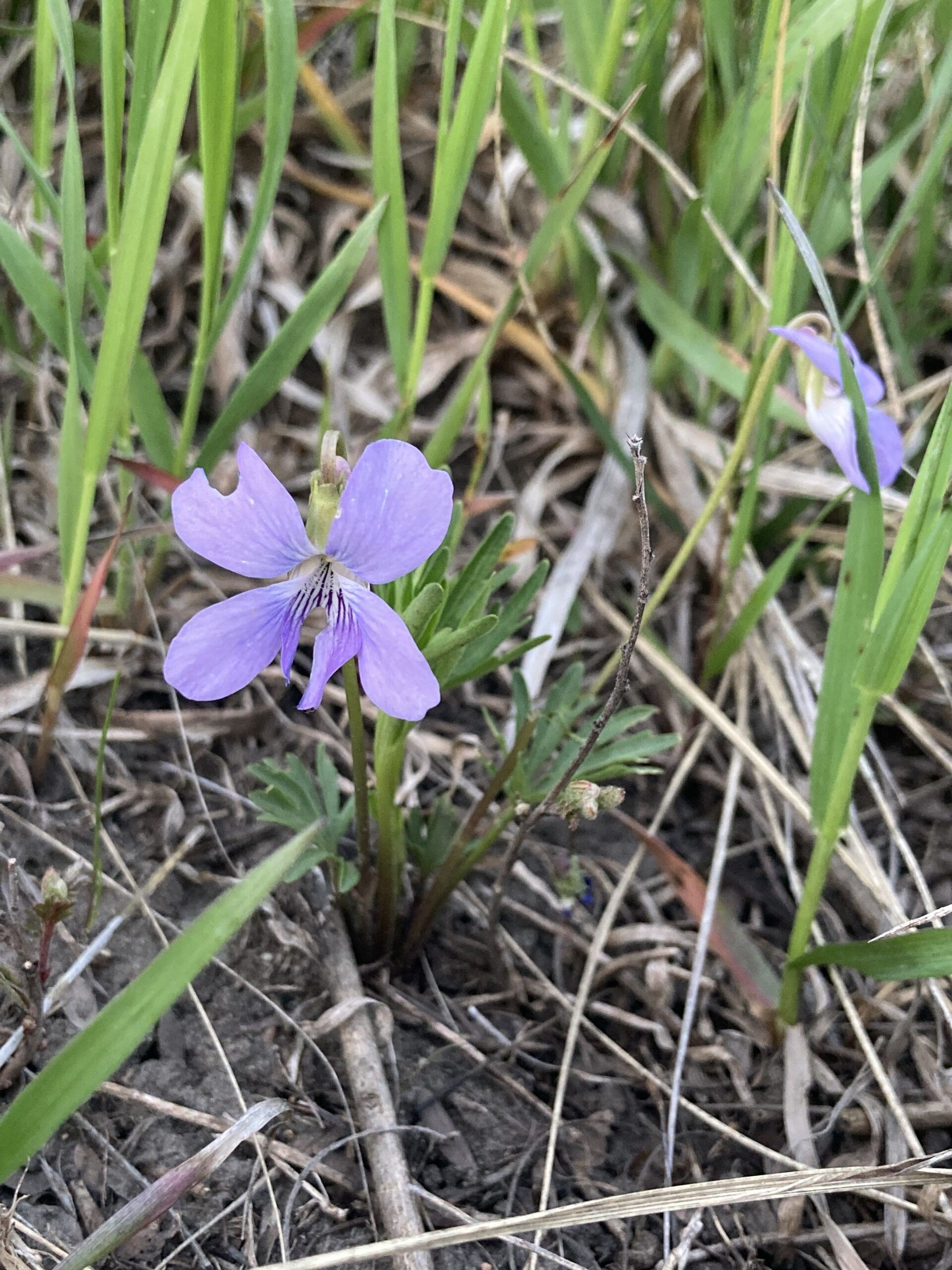
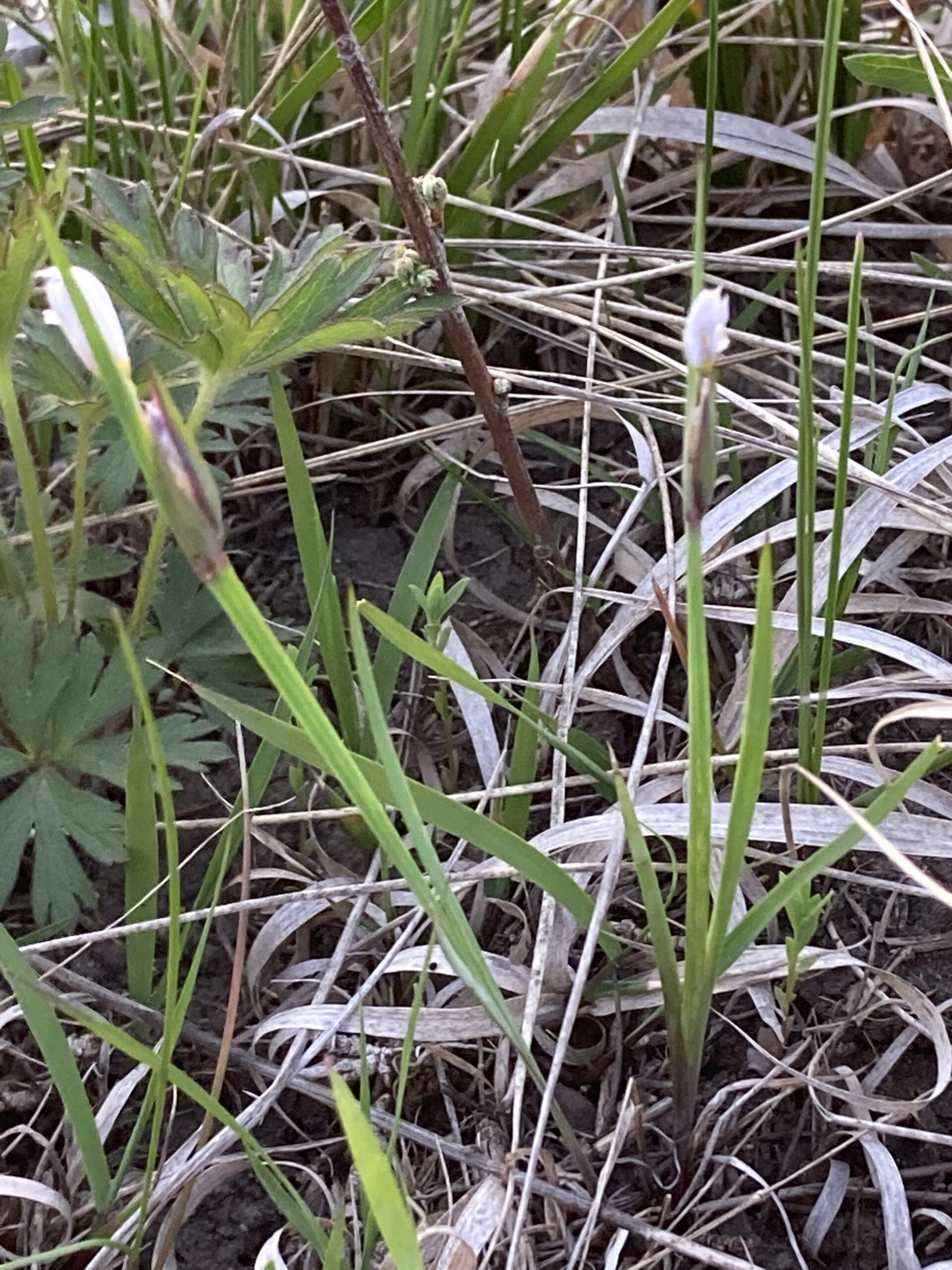
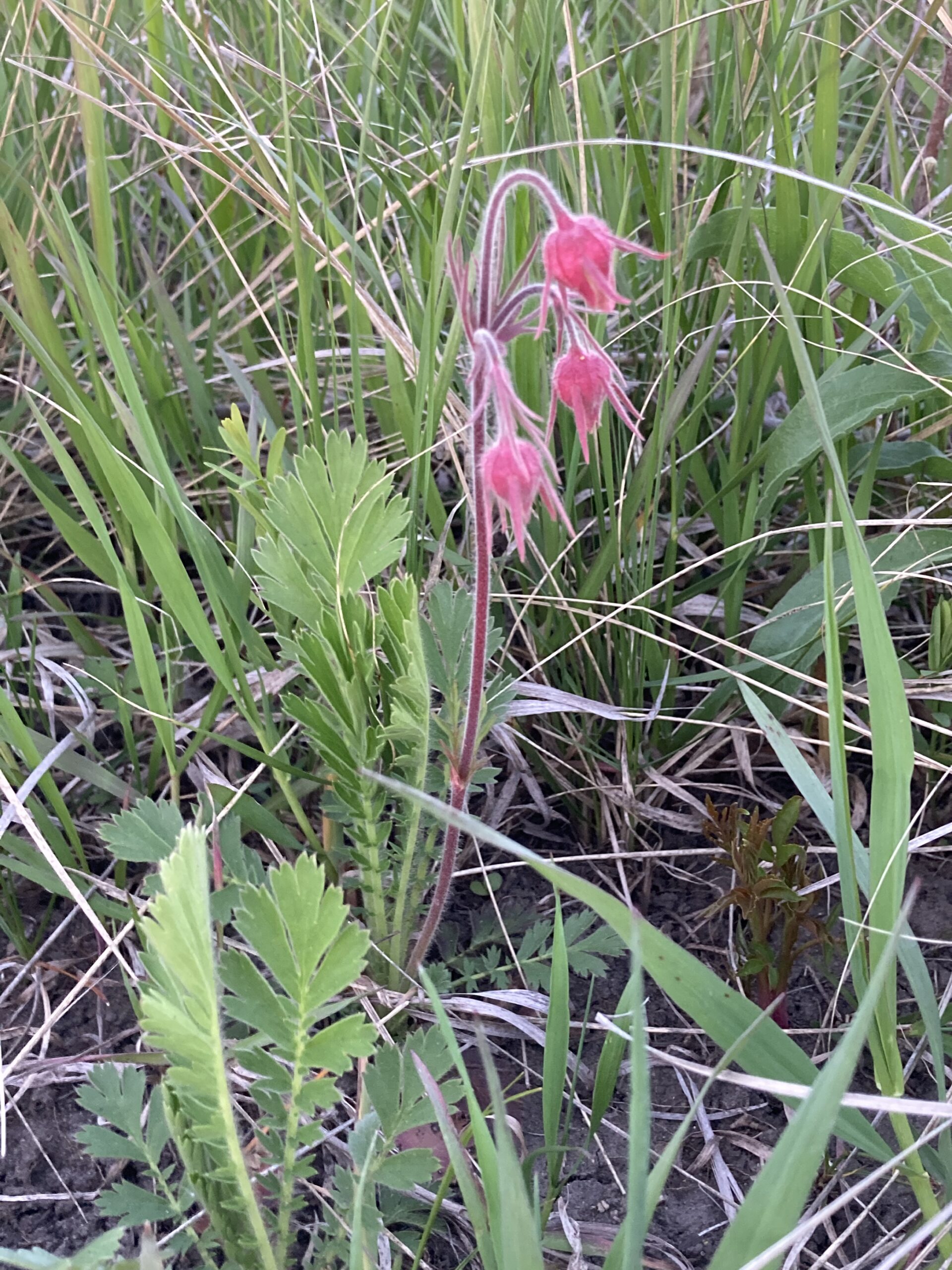
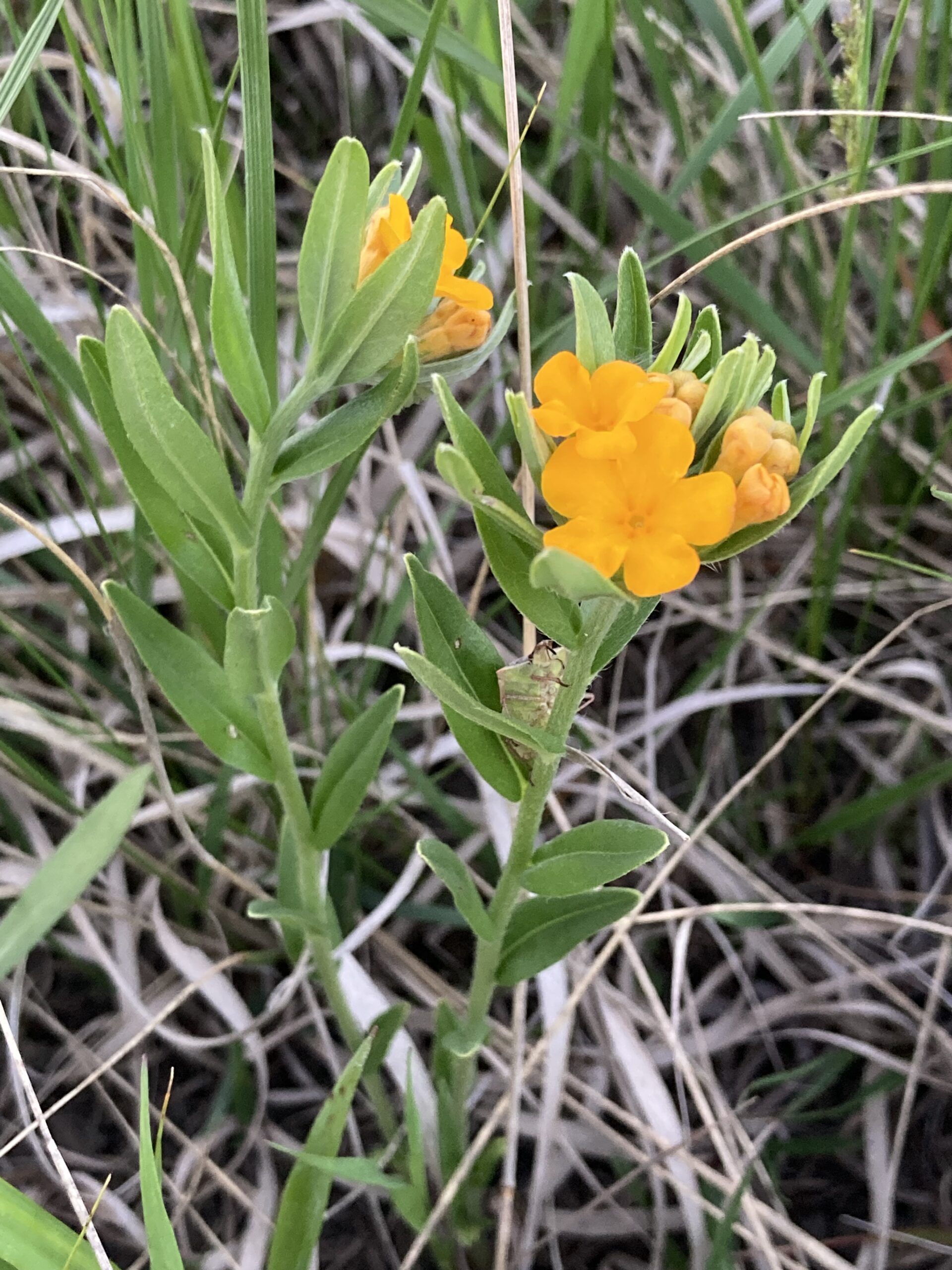
The west unit of Staffanson burned this spring, so we expect a multitude of flowers this year. When Jared, Lindsey, and I visited Staffanson to stake random points on Wednesday, we noted which plants were flowering after the burn. Here’s what we found, from A to Z:
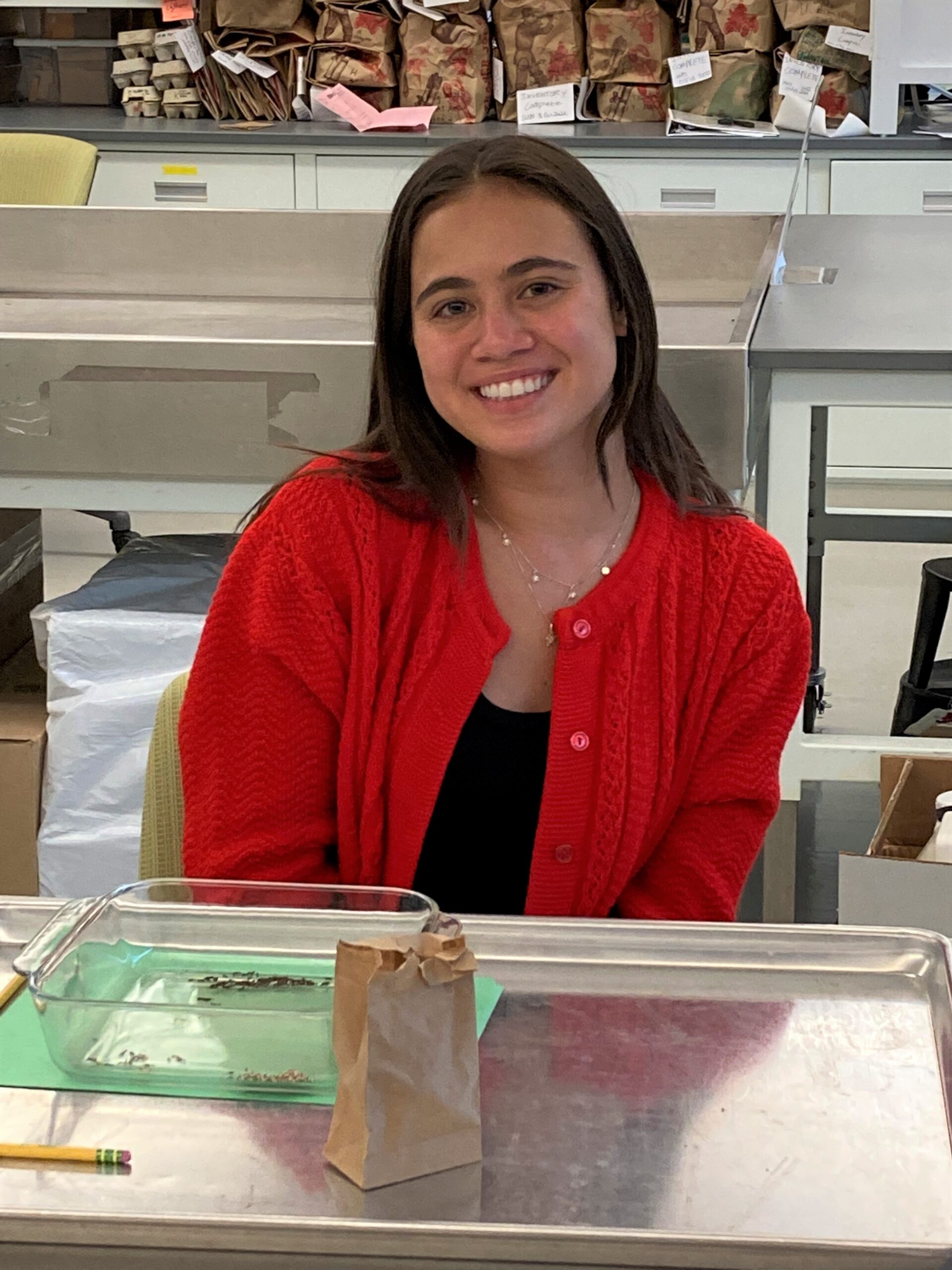
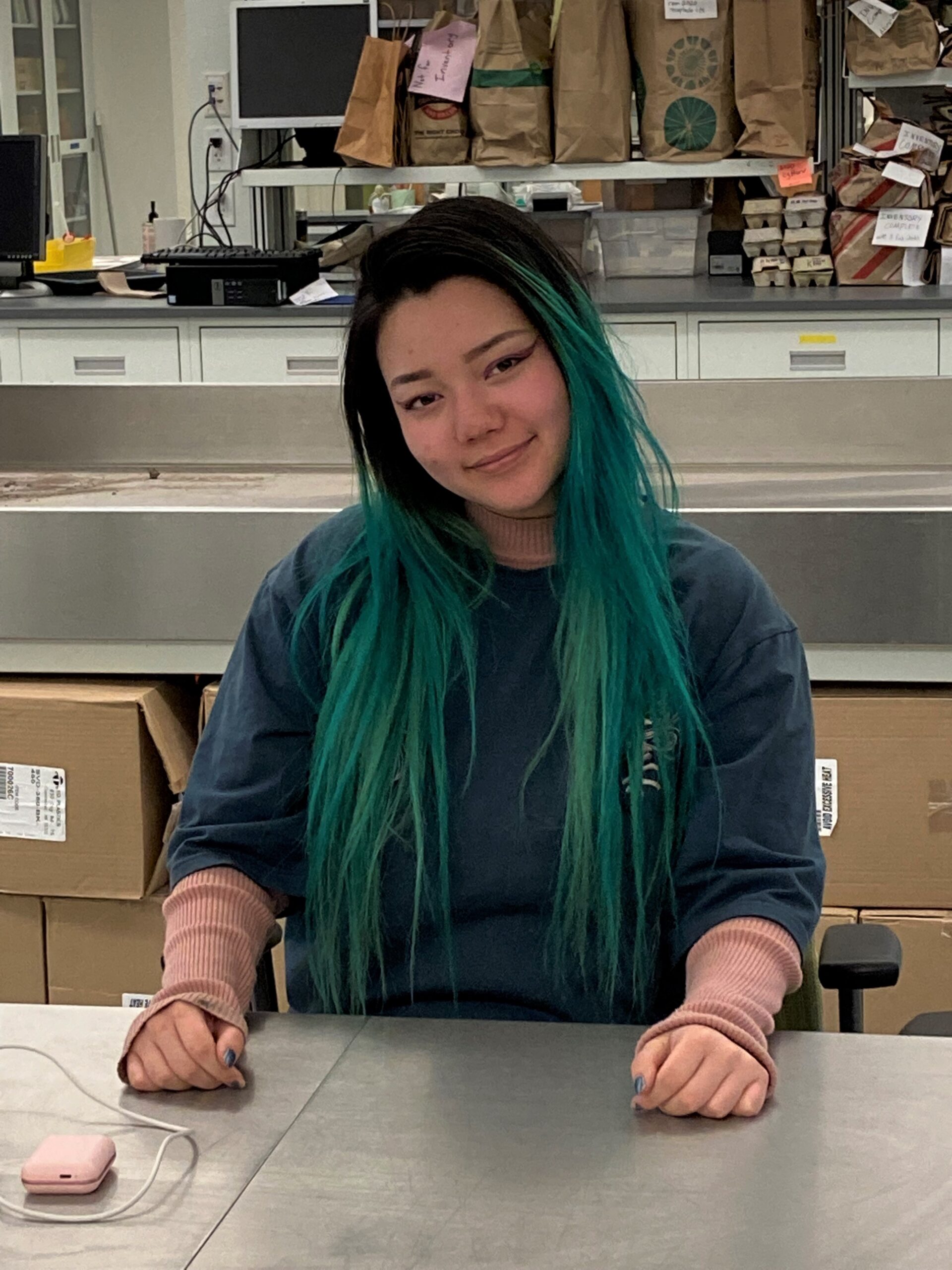
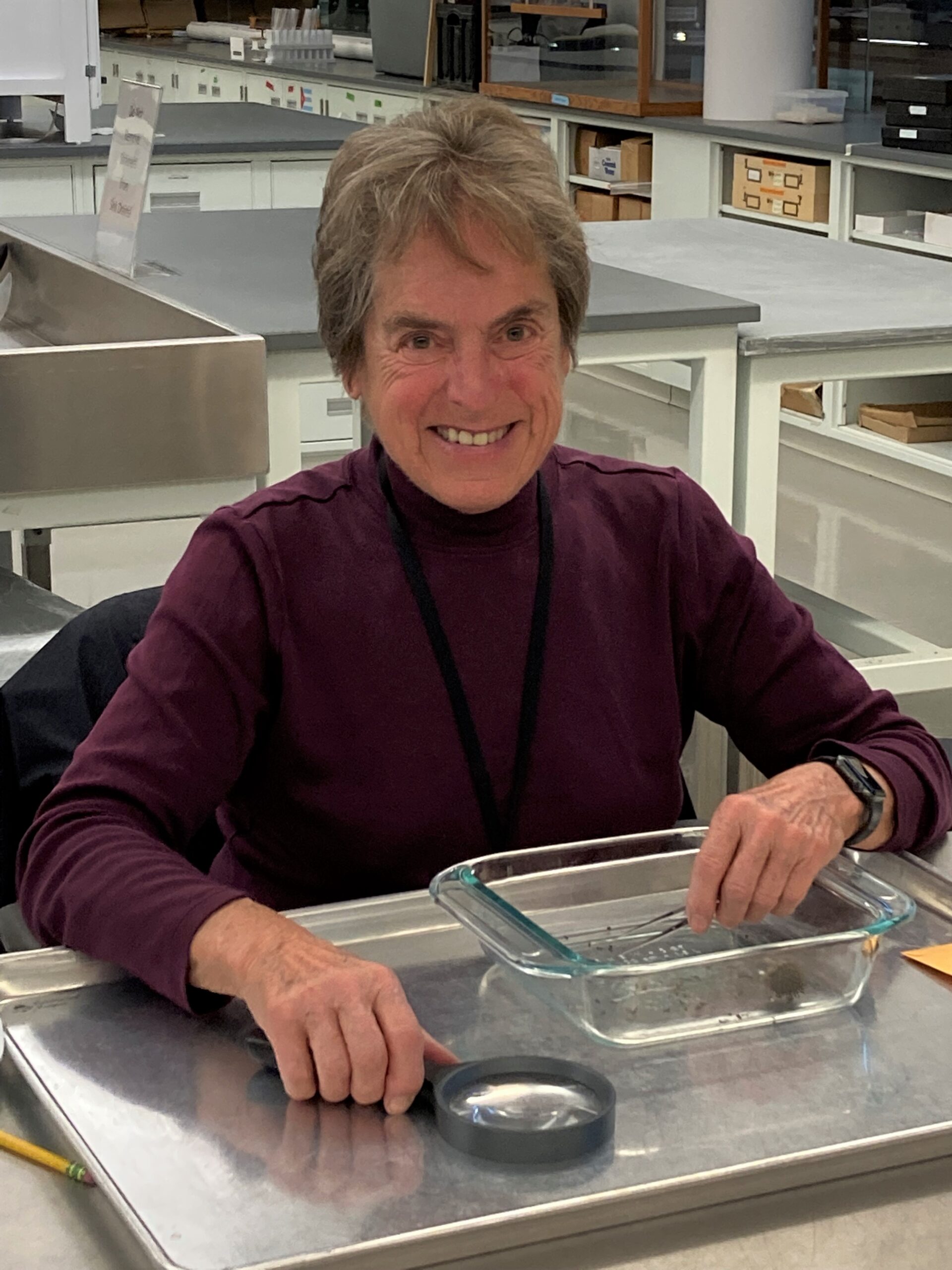
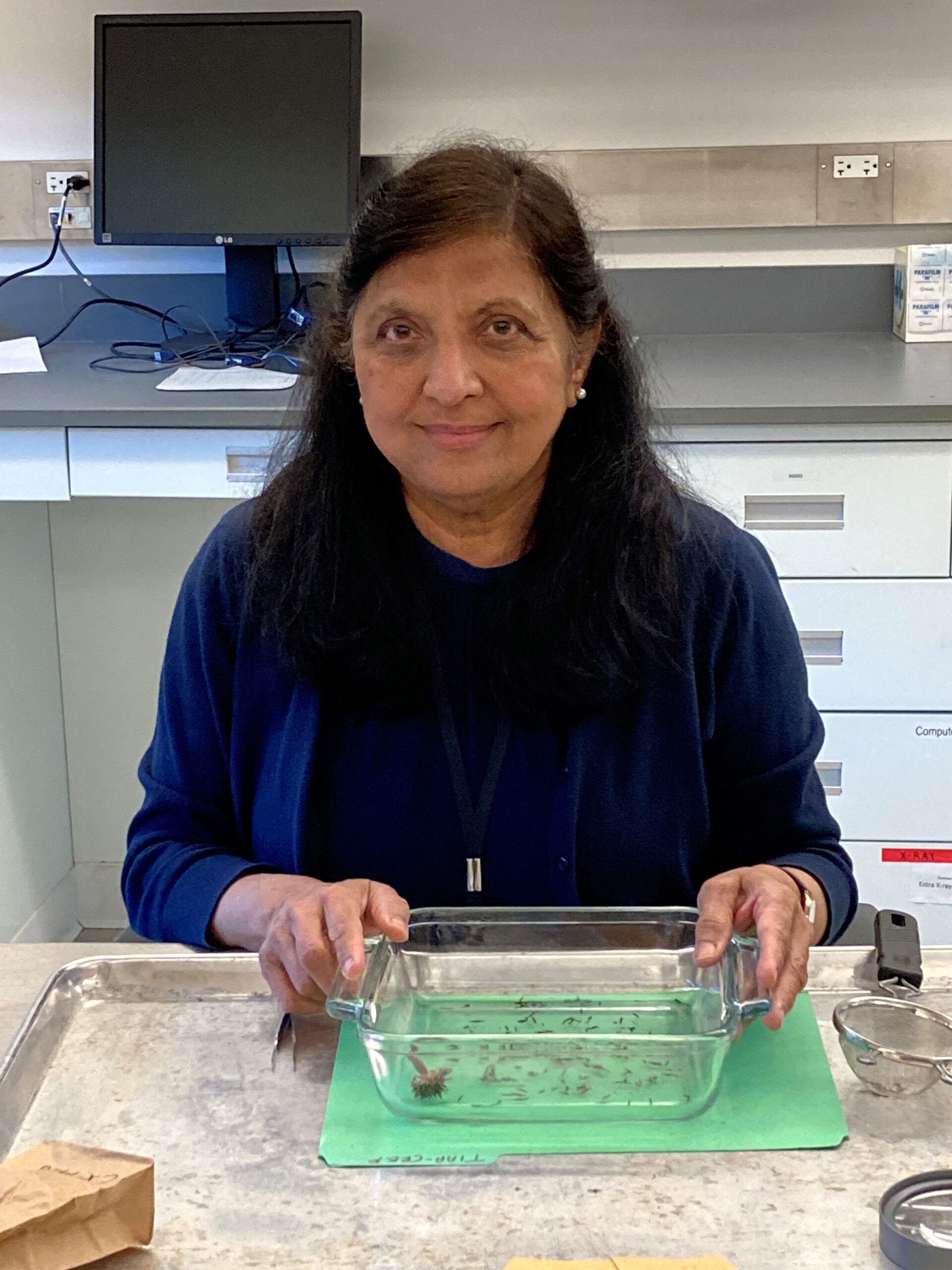
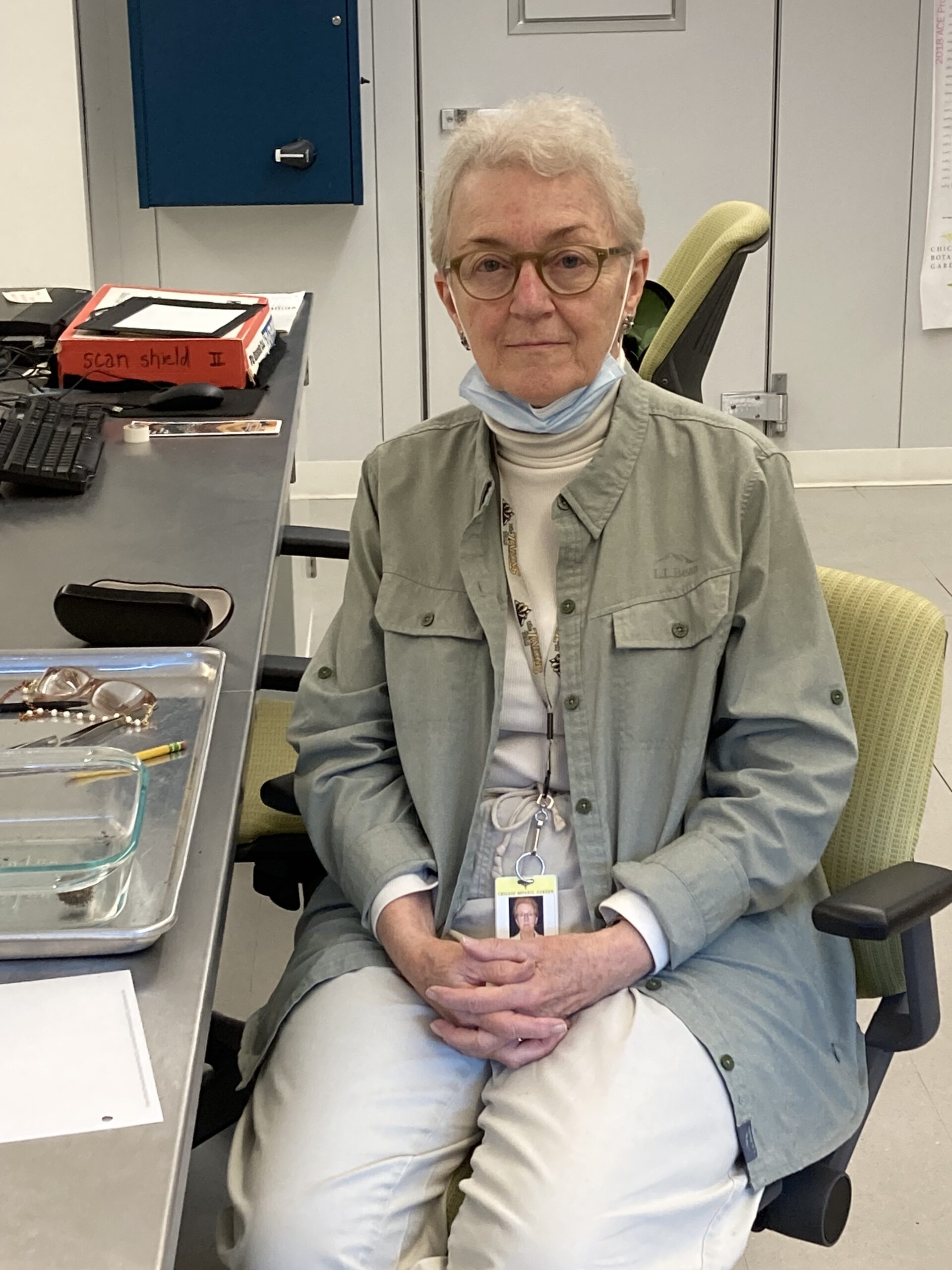
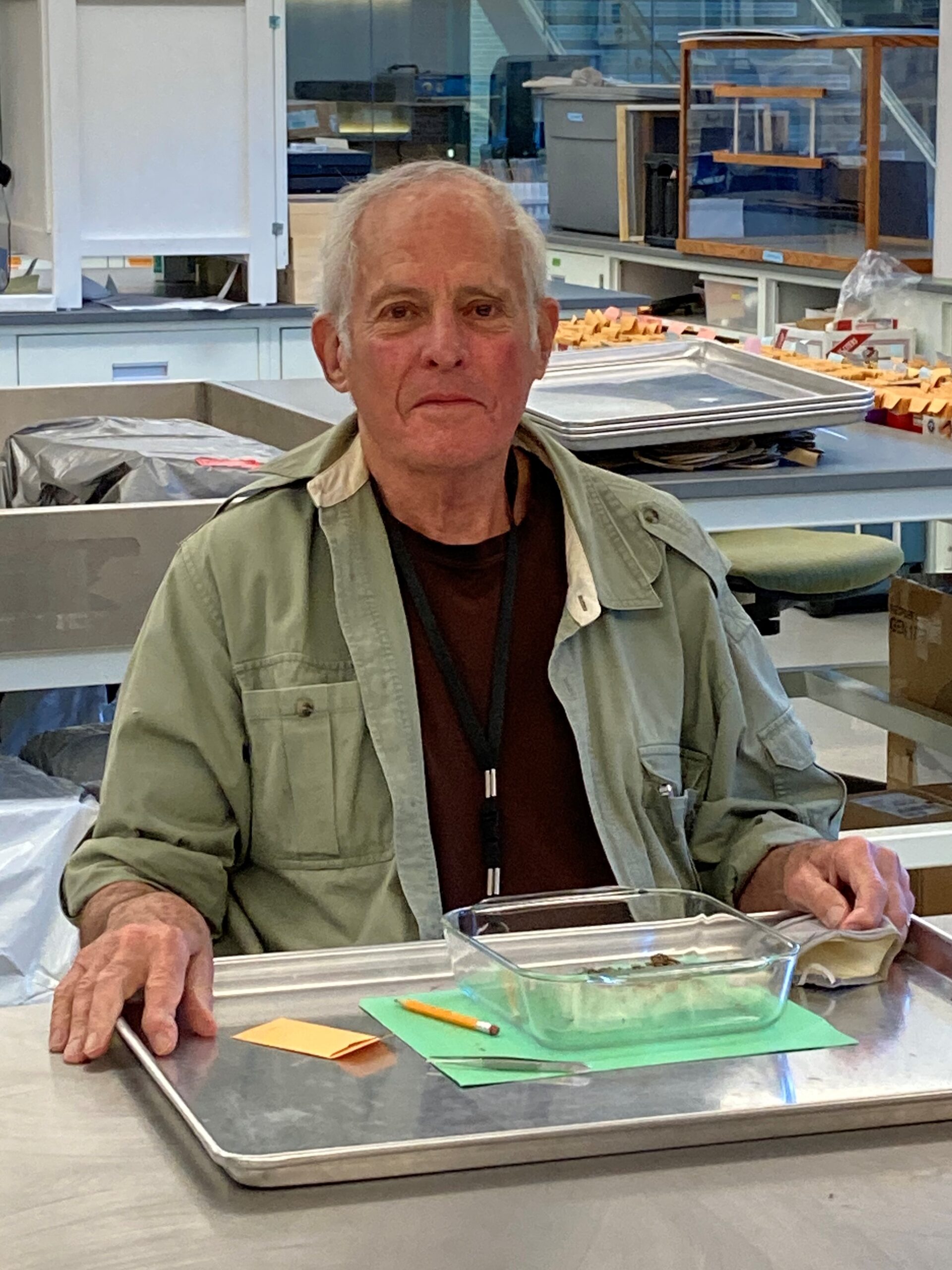
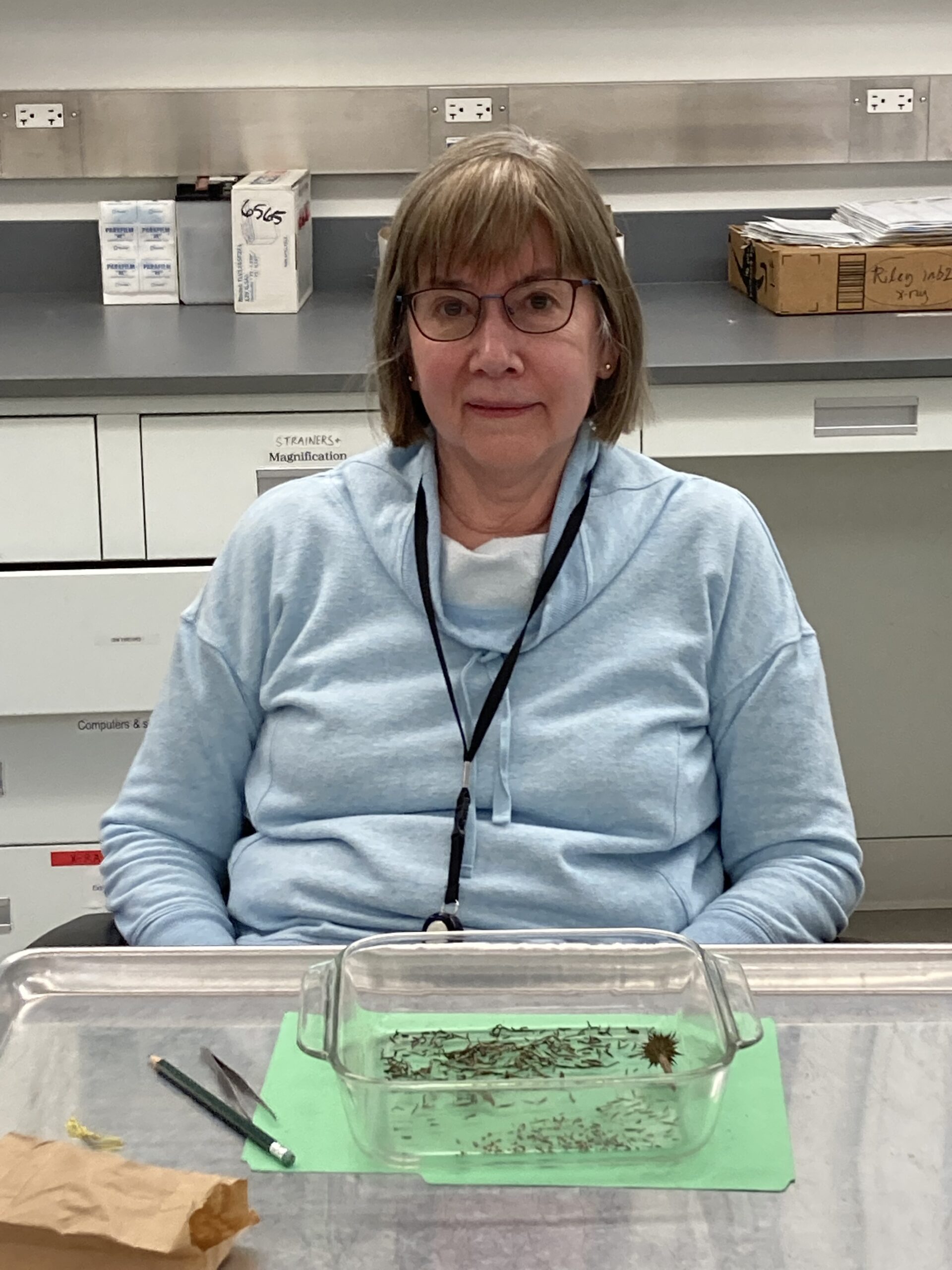
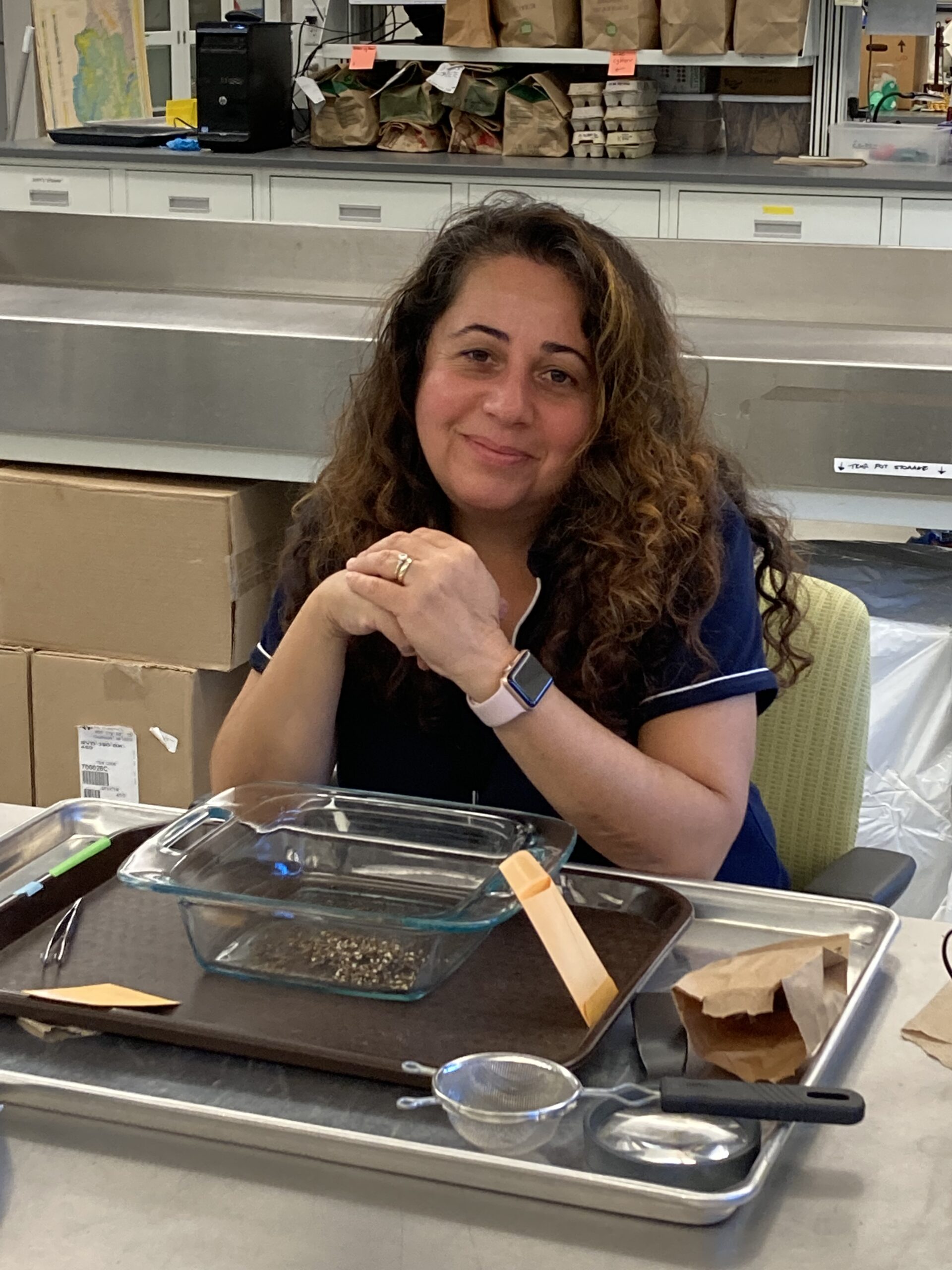
It’s been a busy spring at the lab: 11 volunteers and 6 students from Northwestern and Lake Forest College contributed to the Echinacea Project. We are currently wrapping up before field season starts, and we want to celebrate everything they accomplished in the last few months! Since January, volunteers and students:
Good news on the Liatris front: all hands-on work, from harvesting to x-raying, is complete! The process began in the summer of 2021 and involved lots of help from the field crew, wise, long-term Team Echinacea members, eager and efficient short-term members, and everyone in between.
Mia V and I were also able to complete data entry and data cleaning today, paving the road forward for analysis.
Now that we’re moving on to computer work, we came up with some primary questions to pursue (and some hypotheses):
Is there a significant difference in seed predation rates between burned and unburned and unburned remnants?
We suspect that predation will be higher in burned remnants because density of plants will be higher
Is there a correlation between seed predation rates and plant density?
We hypothesize that higher density will be correlated with higher rates of predation
We will use nearest neighbor as our measure of density
Is there a correlation between individual plant size and predation rates?
We hypothesize that larger plants will receive higher rates of predation
We will use number of flowering heads as our measure of plant size.
I’m now in the process of making plots to help us visualize the data we’ve collected, and soon we can begin to seek answers for our questions.
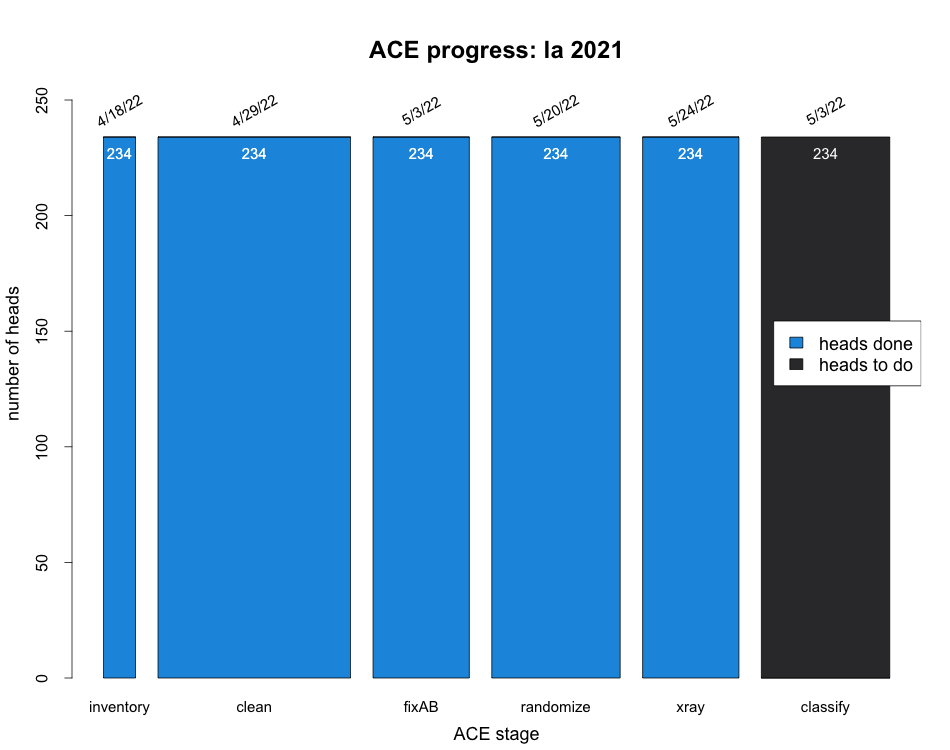
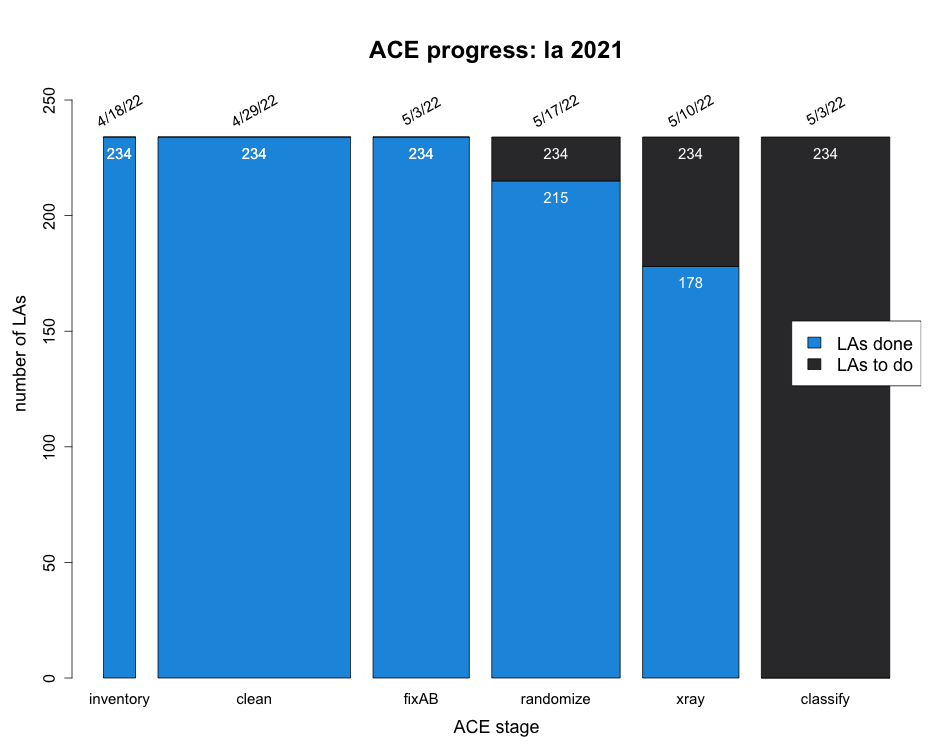
Because none of our questions at the moment directly relate to pollination, we don’t need to quantify seed set, which is the “classify” step. Using the x-rays to count how many achenes contain seeds is our method of determining pollination rates (seed = pollinated, no seed = not pollinated). This step will likely stay low priority for awhile, so don’t fret about the empty bar. All part of the plan.
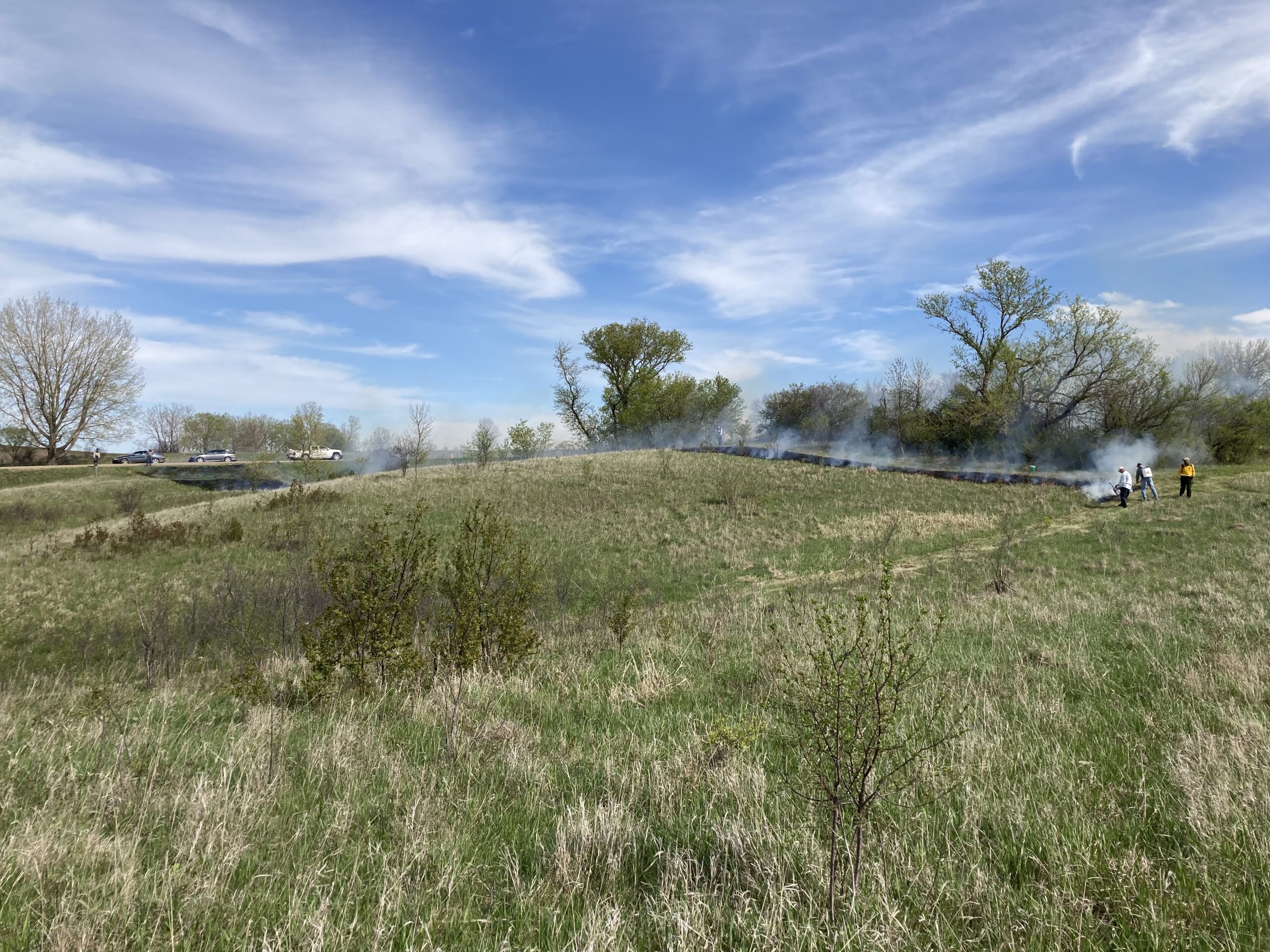
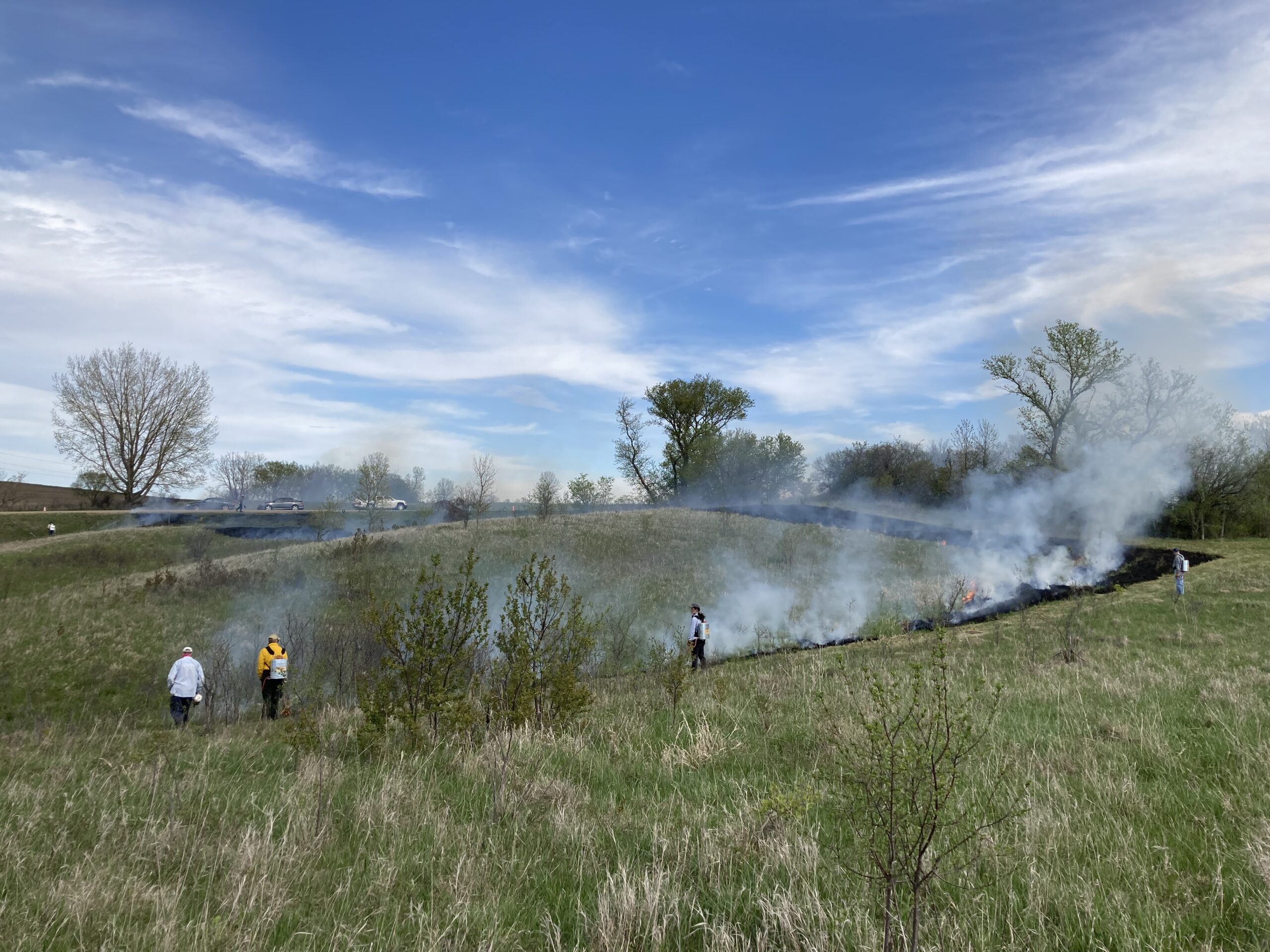
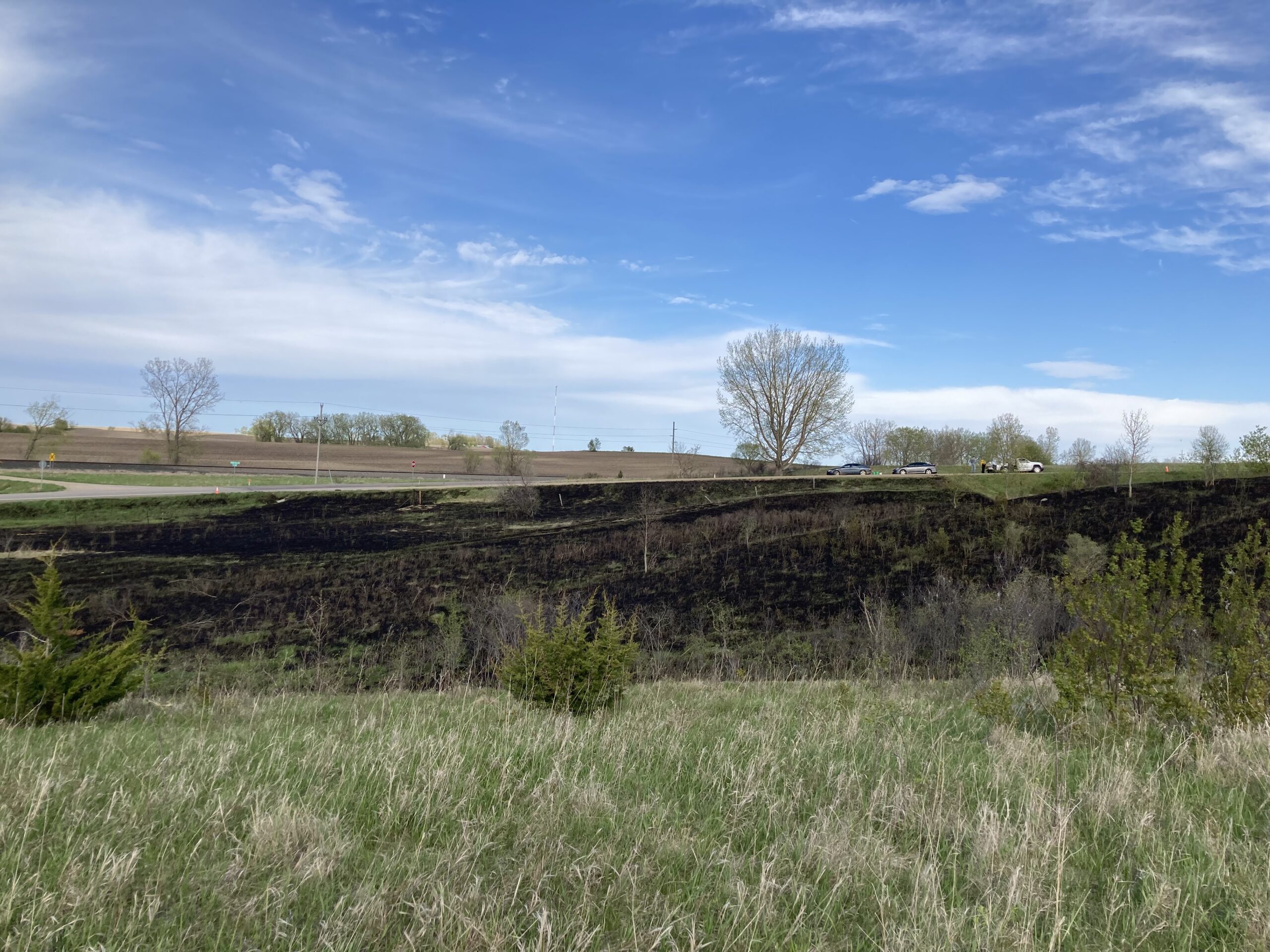
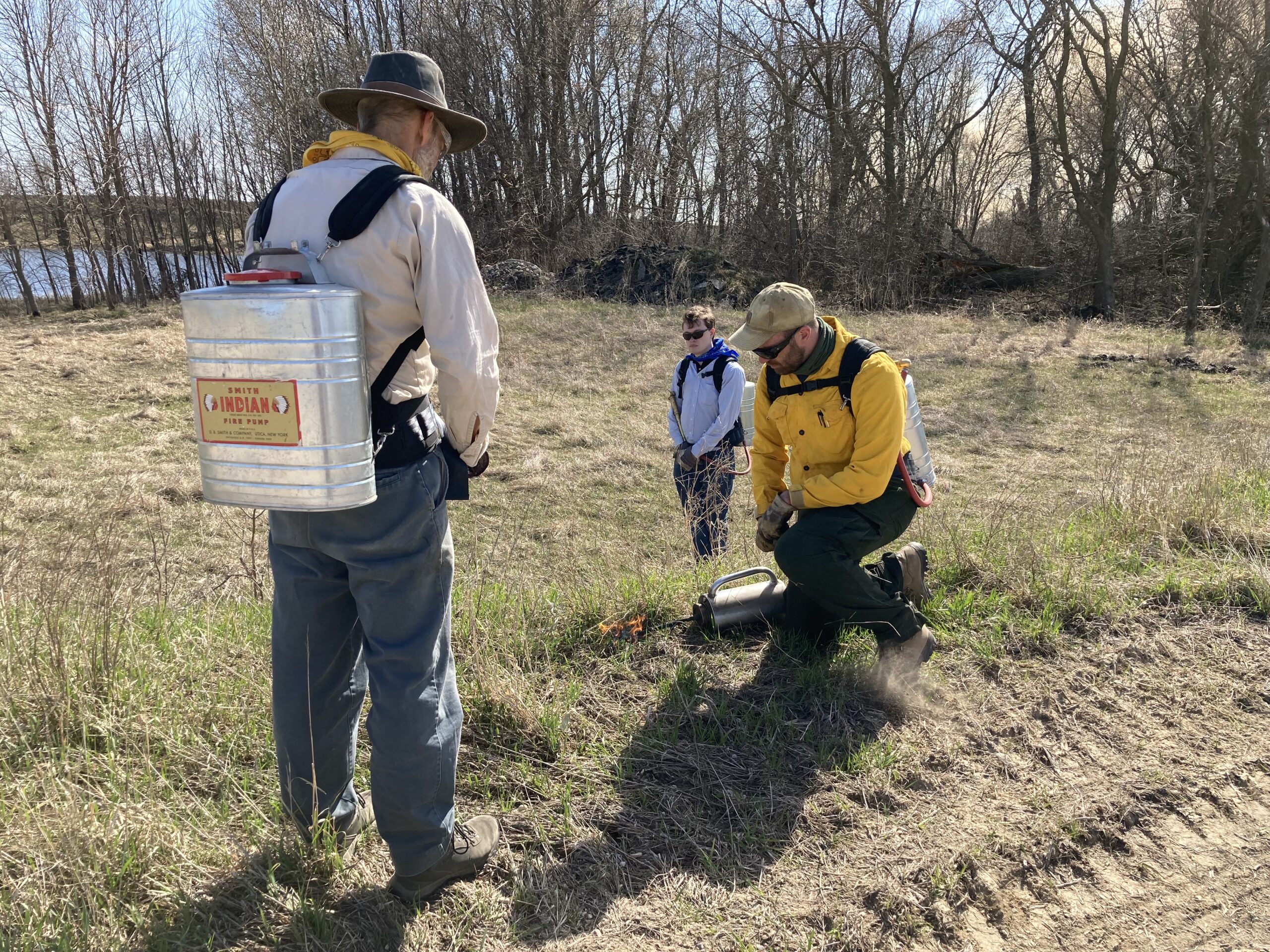
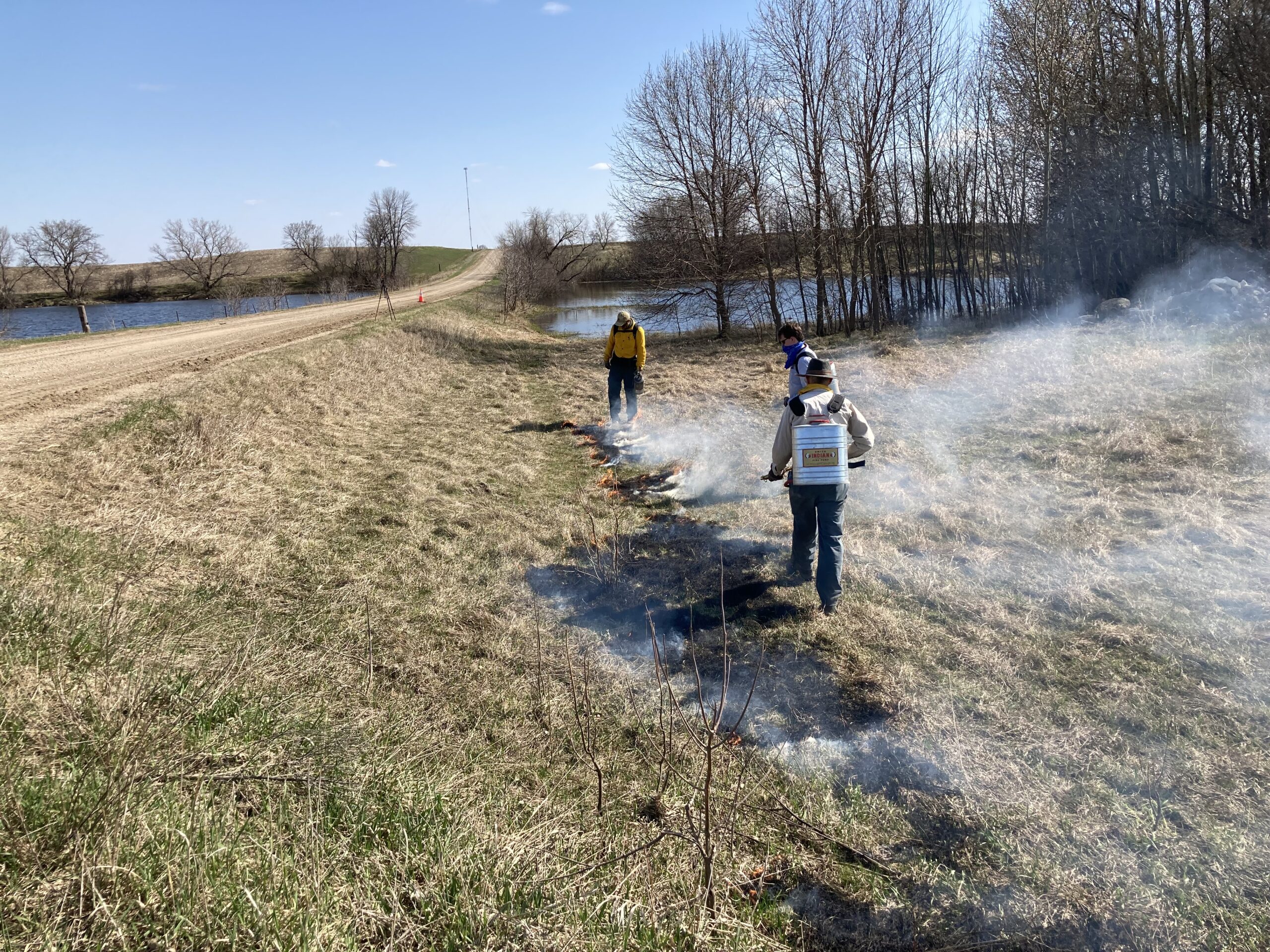
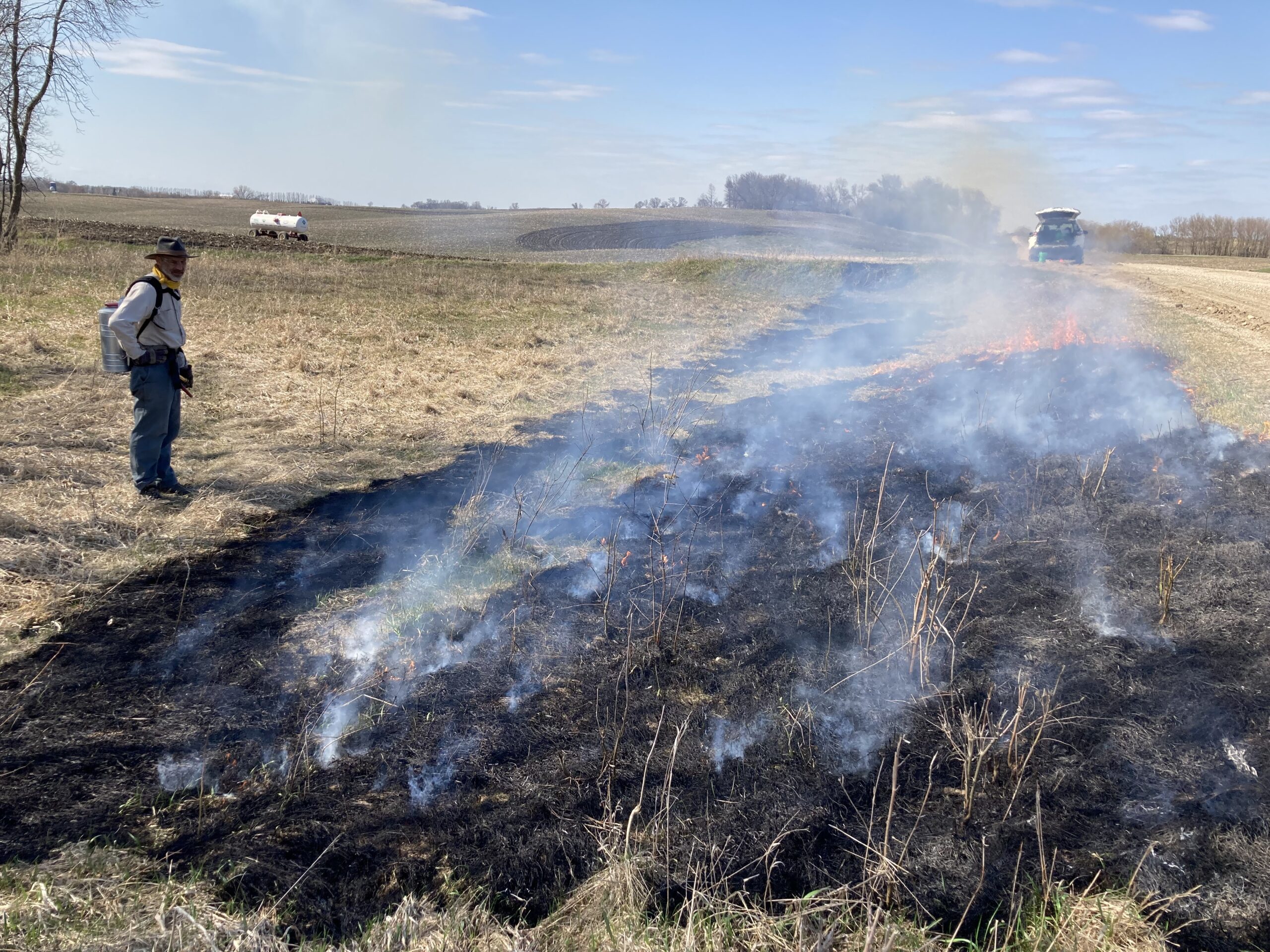
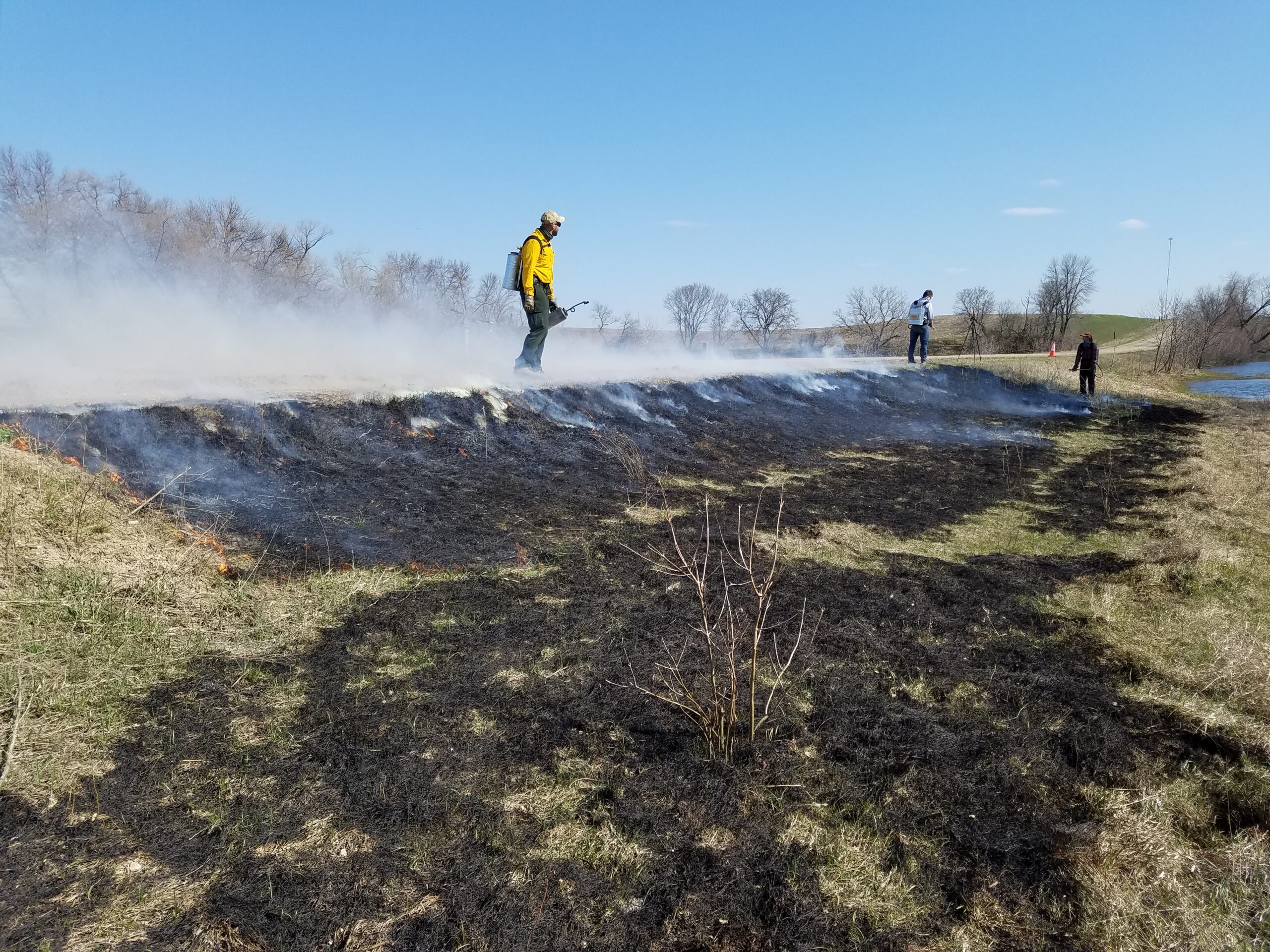
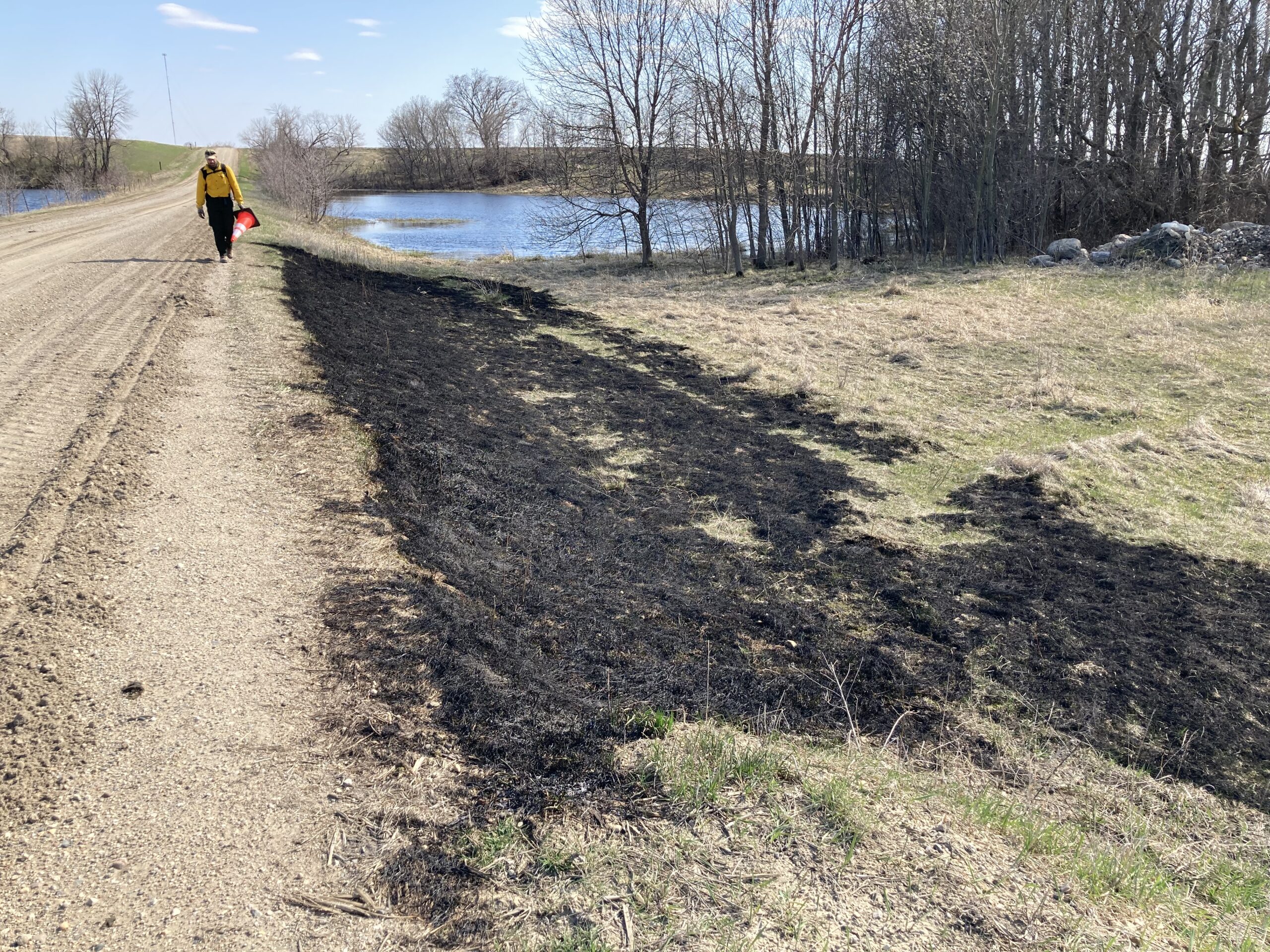
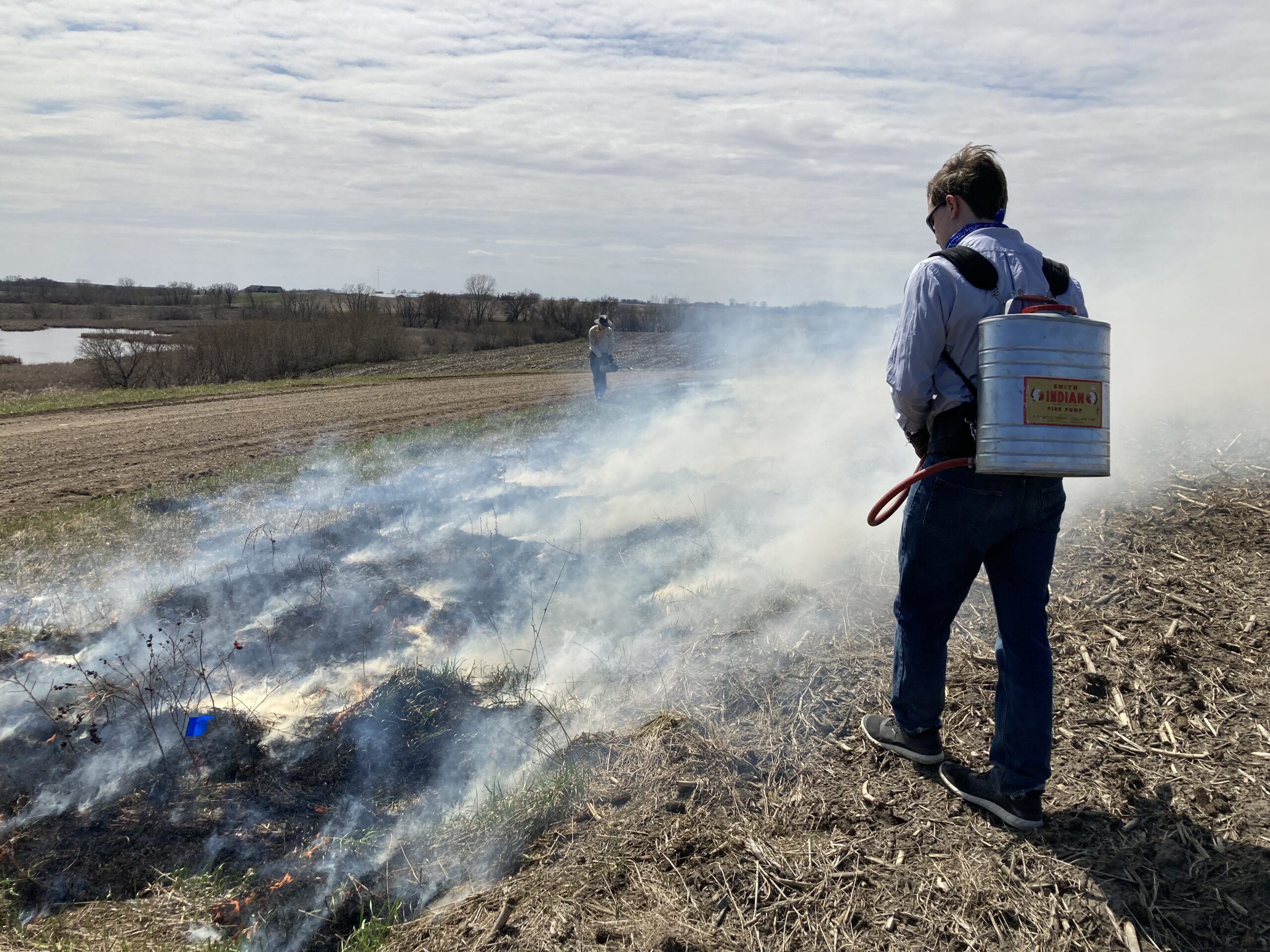
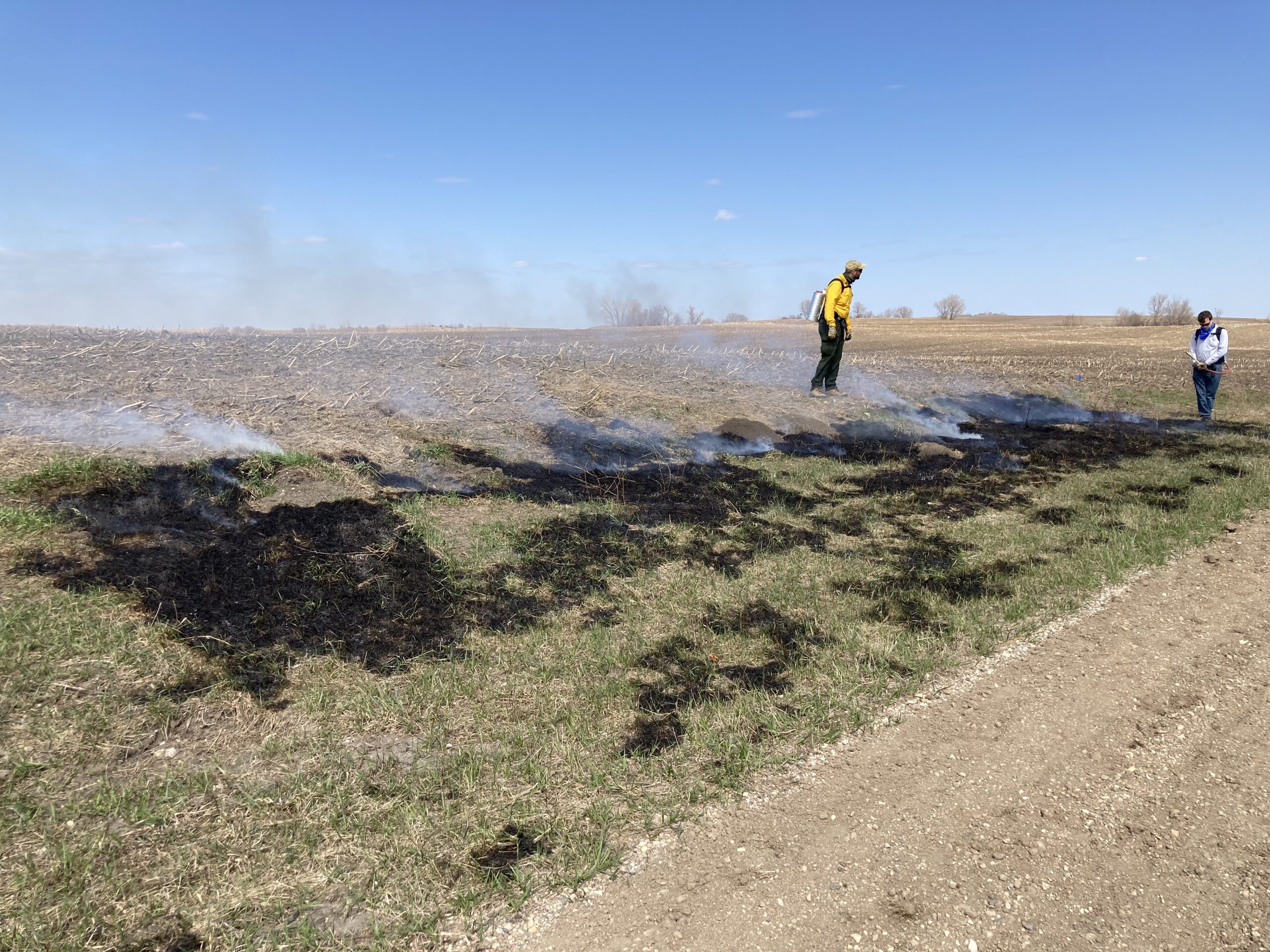
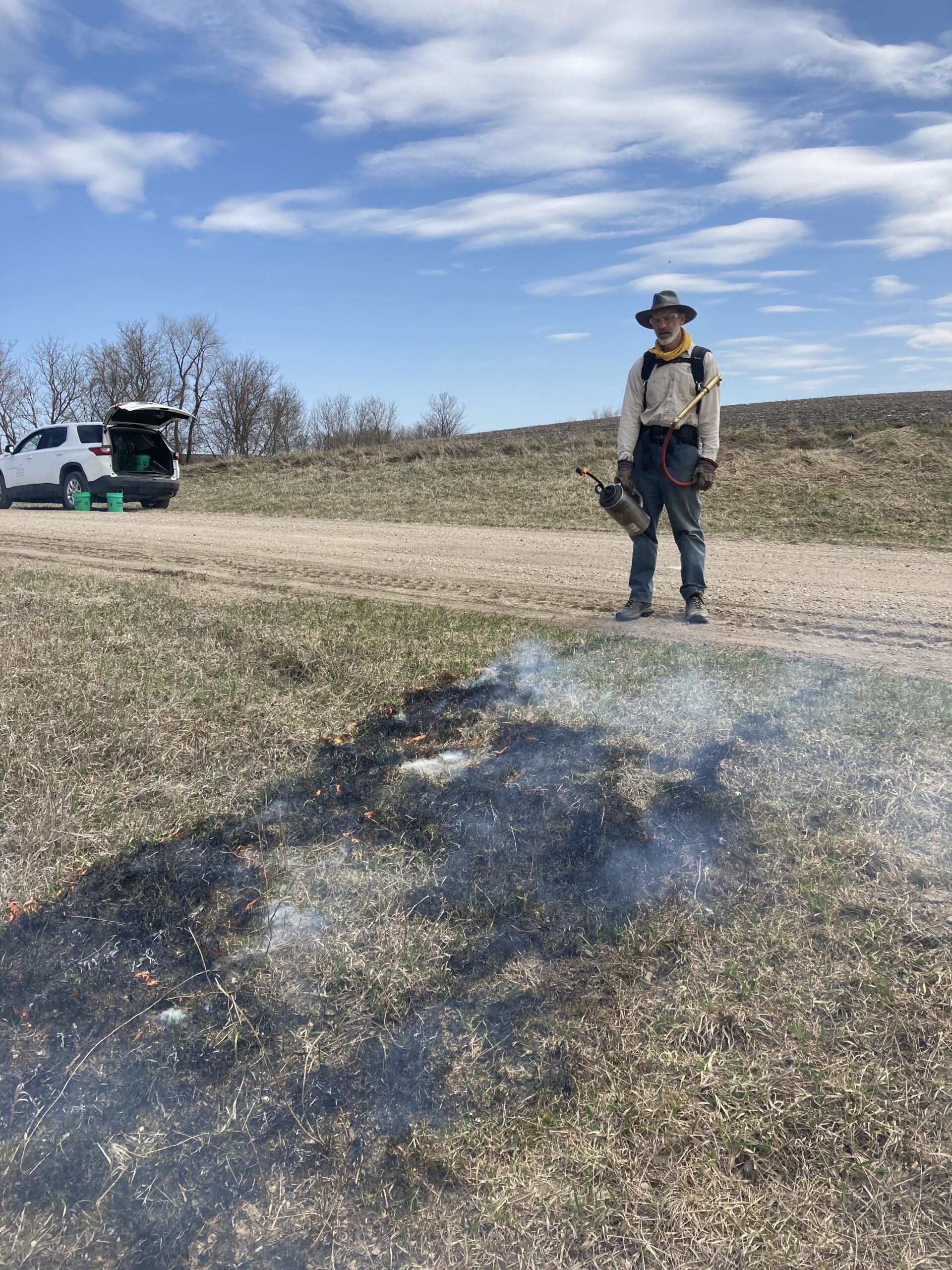
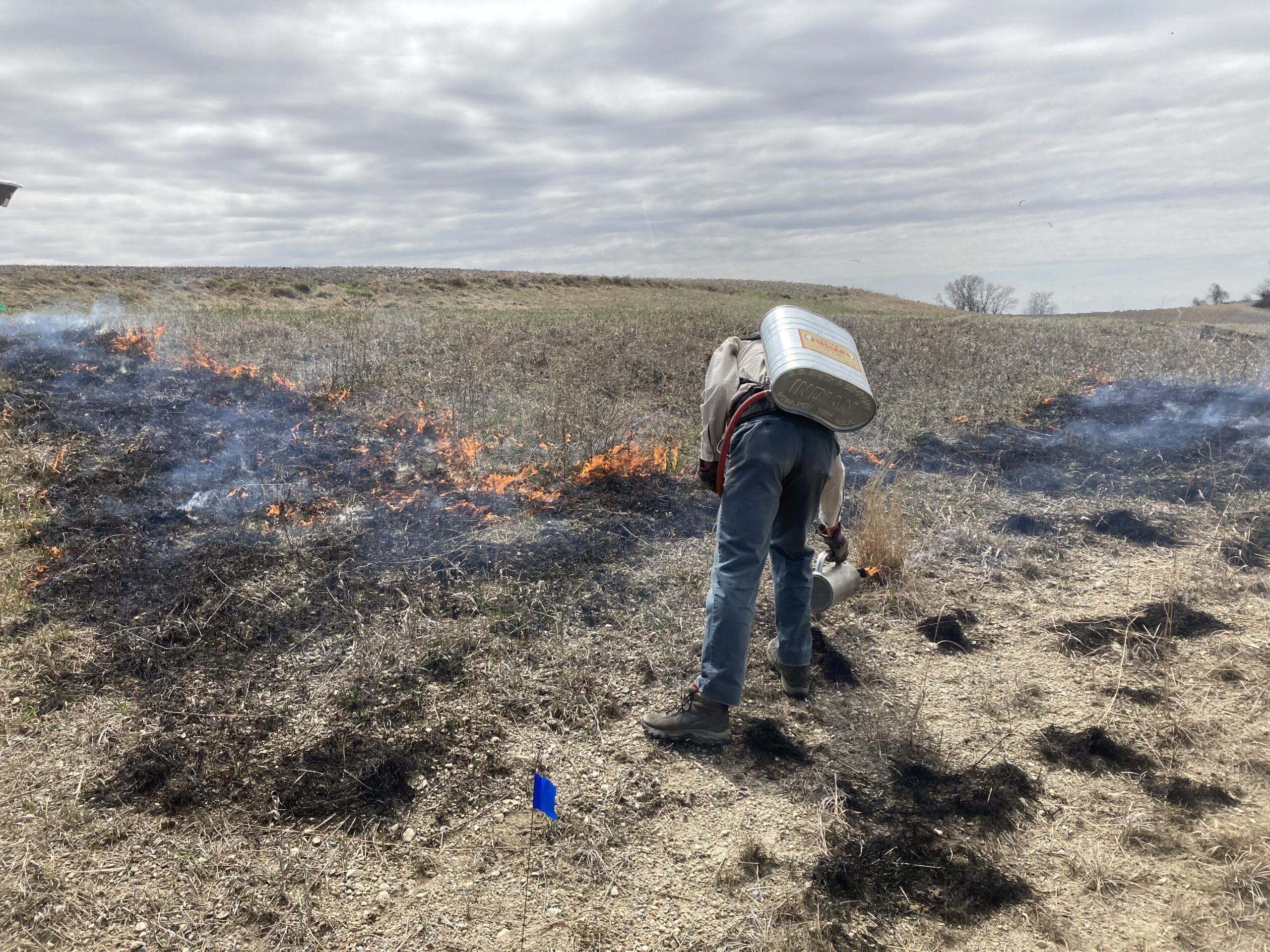
After finishing up at nice island, our crew departed for the next set of burns. Our hope was to burn Loeffler’s Corner west as well as an adjacent 10 acre unit with gorgeous prairie hills. Unfortunately, minor delays and a couple bureaucratic hurdles outside of our control slowed us down. We chose to prioritize the smaller lcw unit (~2.25 acres). We ignited a test fire in the southeast corner of the burn unit and secured the southern burn break. Once a little black had been established, Stuart and Dwight began lighting along the eastern edge of the burn unit while Brad and I ignited along the western edge. Per and Ed patrolled the break and Alex monitored the weather. This was another slow burn through mostly brome. Around 4:45 PM, the winds began to die down so we hurried to ignite a headfire along the northern edge of the unit in an effort to avoid putting smoke on Hwy 55. Although the fire closed slowly, the burn was quite thorough and will help set back brome. Stuart and I were reminded of the lce burn from spring 2021 in which nearly the same situation unfolded just across the road. The projected stiff north winds lost their energy resulting in light and variable winds. We suspect local topography may be to blame.
Thanks Alex C. for this sequence of photos illustrating our burn at lcw.
Temperature: 67 F Relative Humidity: 34 % Wind Speed: 12 mph Wind Direction: NNW Ignition time: 4:06 PM End time: 5:27 PM Burn Crew: Jared, Stuart, Alex C., Per, Dwight, Ed C., Brad D.
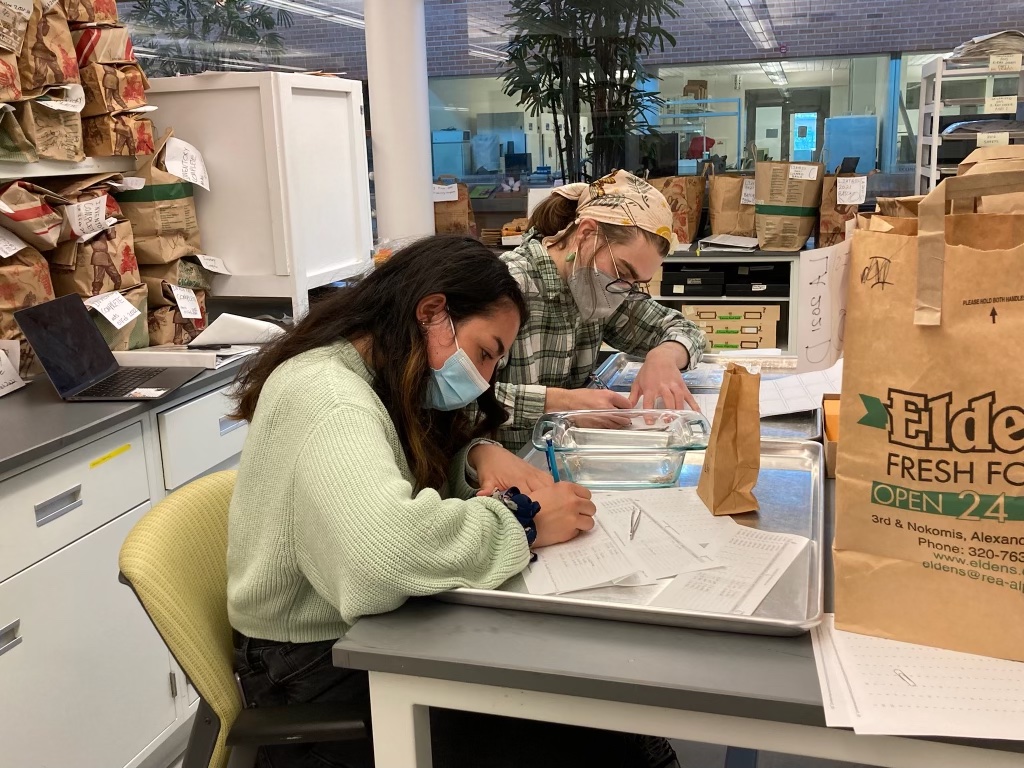
Liatrisaspera 2021 progress in the lab is steadily marching on. Thanks to the work of the Carleton externs last winter, we began Northwestern’s spring quarter essentially halfway done (only needing to do some brief back-peddling due to a change in protocol).
With the help of work study Mia V., cleaning, the process of removing the achenes from the flowering heads and gather data on achene-per-head count, is completely finished. Mia has also made excellent progress on randomizing, the step where we select a random sample of achenes to be x-rayed as well as quantify seed predation. We’re on track to finish randomizing later this week or next. Following that, we can x-ray the final batch of 56 liatris, allowing us to quantify seed set, and all the hands-on work for our 234 liatris from 2021 will be complete!
Mia and Wyatt cleaning Liatris aspera in the lab
Priorities going forward:
Finish randomizing and x-raying for batch D
Complete randomization data entry and verification
Develop methods of data analysis to compare
Burned vs. unburned predation rates
In regards to density
In regards to number of heads per plant
Develop methods of classifying seed set from x-rays (low priority)
After completing the nwlf burn on May 6, we packed up and drove south taking the scenic route to btg. Our goal was to get a look at TNC’s Staffanson west burn. Just north of the intersection of Hwy 27 we spotted a Swainson’s Hawk. Stuart noted this is the first time he has seen a Swainson’s Hawk in Douglas County. The Staffanson burn was ongoing, though the north and west lines were solid black. We circled around to btg in time to see a large column of smoke rising from Staffanson west. Presumably this was the head fire hitting the kettle pond.
Unlike the prior burn units, we had just received permission to burn btg and were not able to mow breaks. We decided the best course of action would be igniting along a wet line on the western and southern edges of the burn unit. We took weather, walked the unit, divided up responsibilities, and ignited a test fire. Stuart and Trygg wet lined down the western edge while I ignited. Upon turning the corner along the southern line, the more southern wind picked up and pushed a head fire across btg. The result was pretty good coverage and an efficient burned. Once the smoke dissipated, we packed up and returned to the farmhouse. Our plan was to burn Jean’s prairie garden quickly and then divide up. Alex and Trygg would take the GPS unit to shoot the boundaries of burn units while Stuart and Jared put away equipment.
Six experimental burn units in one afternoon… not too shabby.
Lighting a test fire (Alex’s photo)Wet lining the western edge of the unit (Alex’s photo)Stuart in a reflective mood while watching his all-time favorite remnant burn (Alex’s photo)Watching btg burn (Stuart’s photo)Not a bad burn to wrap up the remnant fires (Alex’s photo)
Temperature: 69 F Relative Humidity: 30 % Wind Speed: 13 mph Wind Direction: SSE Ignition time: 4:35 PM End time: 4:50 PM Burn Crew: Jared, Stuart, Alex C., Trygg
Upon completion of our waa burn on May 6, we ventured north to mapp. After a quick discussion, we decided to enlarge the unit by ~10 m to the west just in case there were any Echinacea plants lurking outside the area where plants have flowered in the past. Stuart ignited a test fire in the NW corner. We installed a wet line along the western edge of the unit and Stuart ignited along the north edge. We secured the eastern edge where fuels were a bit heavier and watched the interior of mapp burn slowly and patchily. The thin film of silt seemed to prevent litter from burning in spots. We tried igniting unburned patches in the interior but soon concluded it was not worth the effort. We were eyeing at least two more burns and wanted to move quickly. While packing up equipment, we noticed a large plume of smoke rising from Staffanson!
A nice sequence of photos from the mapp burn courtesy of Alex C.
Temperature: 68 F Relative Humidity: 31 % Wind Speed: 11 mph Wind Direction: SE Ignition time: 2:45 PM End time: 2:58 PM Burn Crew: Jared, Stuart, Alex C., Trygg
After conducting a successful burn in the pilot Andropogon plot and eating lunch on May 6, we packed up our equipment and ventured over to waa to conduct two prescribed burns. Echinacea within two small patches at waa separated by ~100 meters. We chose to burn two small patches given our time constraints and the prairie restoration with lots of fuel immediately to the north. Plus Douglas County Parks plans to burn the restoration and ditch within the next couple years.
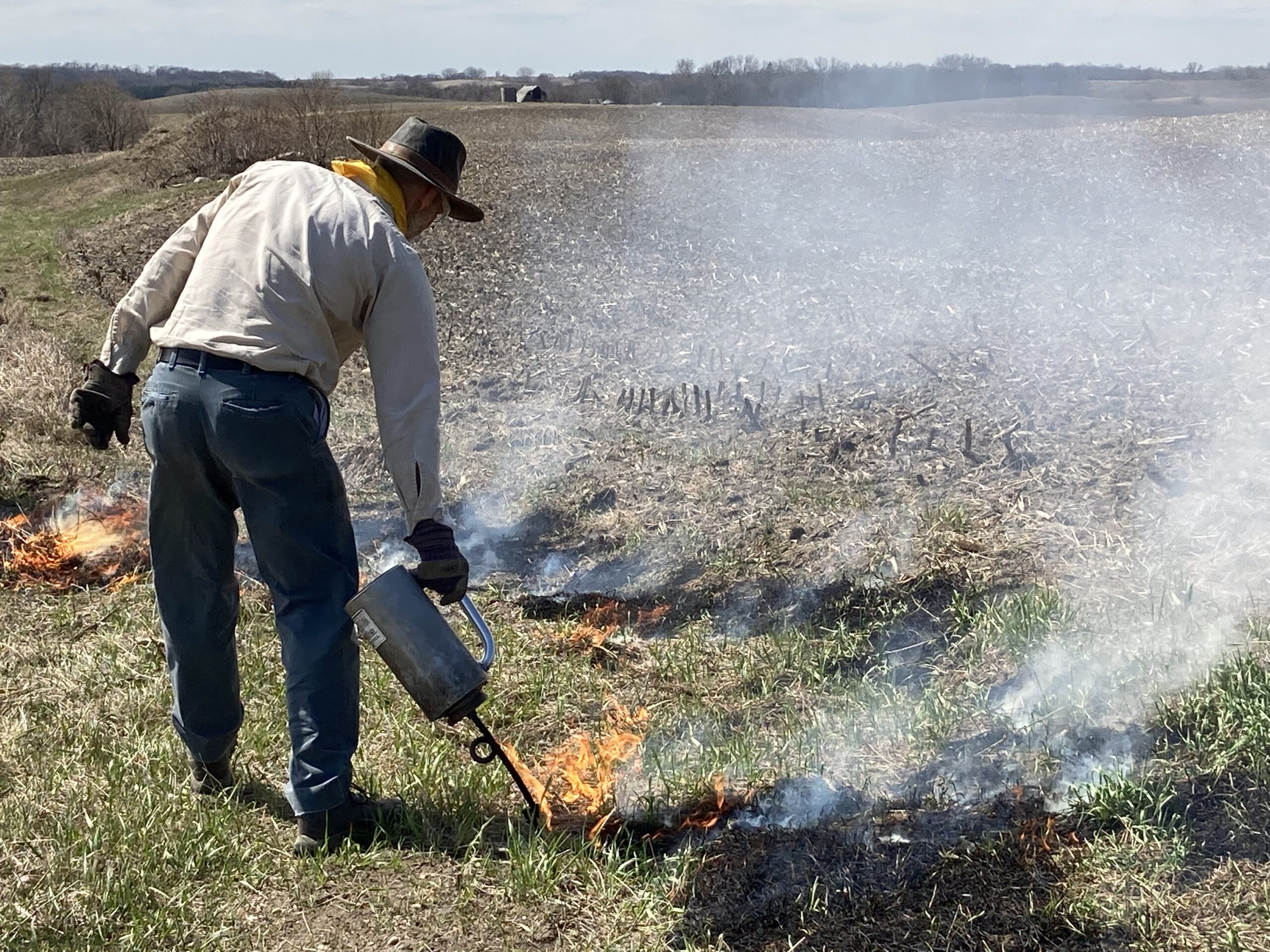
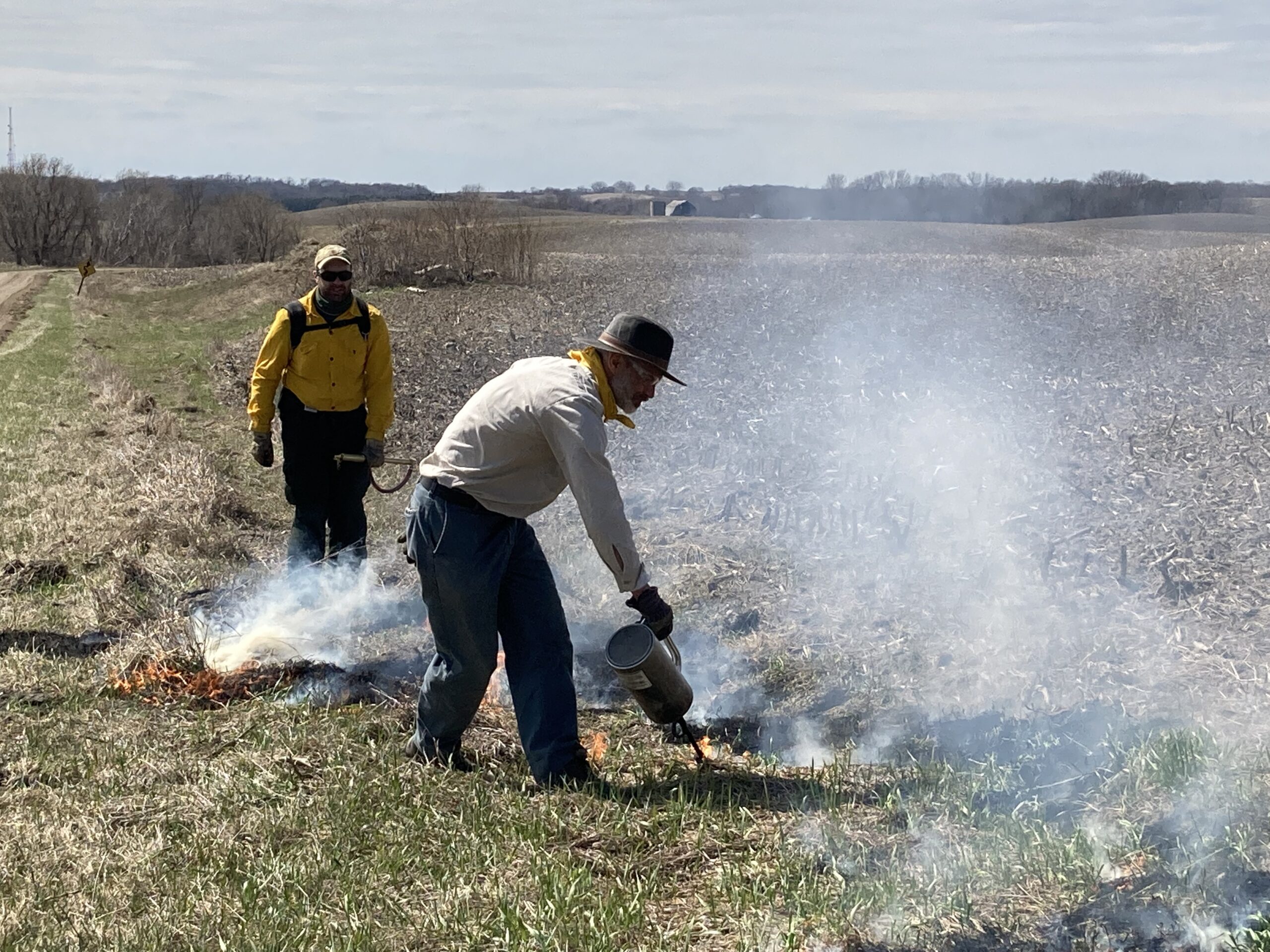
After staging equipment and taking weather, we ignited a test fire in the NW corner of the western unit. Fire behavior looked good so we secured the western edge of the unit before igniting along the northern edge. Stuart did what he could with the drip torch but the burn was patchy and crept slowly. Light and discontinuous fuels made a thorough burn impossible but the Echinacea patches burned well so we moved on to the east unit.
Stuart questioning the wisdom of burning ditches
Stuart concluding the solution is more fire in the ditch
Western burn complete
Our procedure was identical for the eastern burn unit: test fire, secure western edge, ignite along northern edge, go back with drip torch to ignite unburned patches to the best of our ability. Fuels in the eastern unit were more continuous but also greener. The eastern unit of waa was also somewhat patchy but the patches of Echinacea experienced good fire and we had our eyes on additional burns…
Stuart doing his best to burn light fuels
Echinacea tag awaiting the flames
Stuart’s view of the patchy east unit (Stuart’s photo)
Temperature: 69 F Relative Humidity: 31 % Wind Speed: 6-10 mph Wind Direction: SE Ignition time (west): 1:47 PM End time (west): 2:00 PM Ignition time (east): 2:08 PM End time (east): 2:35 PM Burn Crew: Jared, Stuart, Alex C., Trygg